High blood pressure has no symptoms until it does. Here’s why the iHealth Track Smart Monitor is the easiest way for seniors to stay on top of the number that matters most.
High blood pressure is called the silent killer for good reason — it rarely causes symptoms until it causes something serious. For older adults managing hypertension, the gap between doctor visits is a gap in monitoring that home blood pressure measurement directly fills. A reading taken at home, at the same time each day, in a relaxed setting, is often more accurate and more useful than a single reading taken in a clinical environment where white coat hypertension is common.
Home blood pressure monitoring isn’t just convenient — for older adults on blood pressure medications, it’s a meaningful safety tool. It detects concerning trends before they become emergencies, confirms whether medications are working, and provides the data that makes medical appointments more productive and treatment decisions more informed.
This review covers the iHealth Track Smart Upper Arm Blood Pressure Monitor — Bluetooth-connected, wide-range cuff, compatible with iOS and Android — and everything you need to know before buying one.
→ See the iHealth Track Blood Pressure Monitor on Amazon
Why Blood Pressure Monitoring Matters for Senior Safety
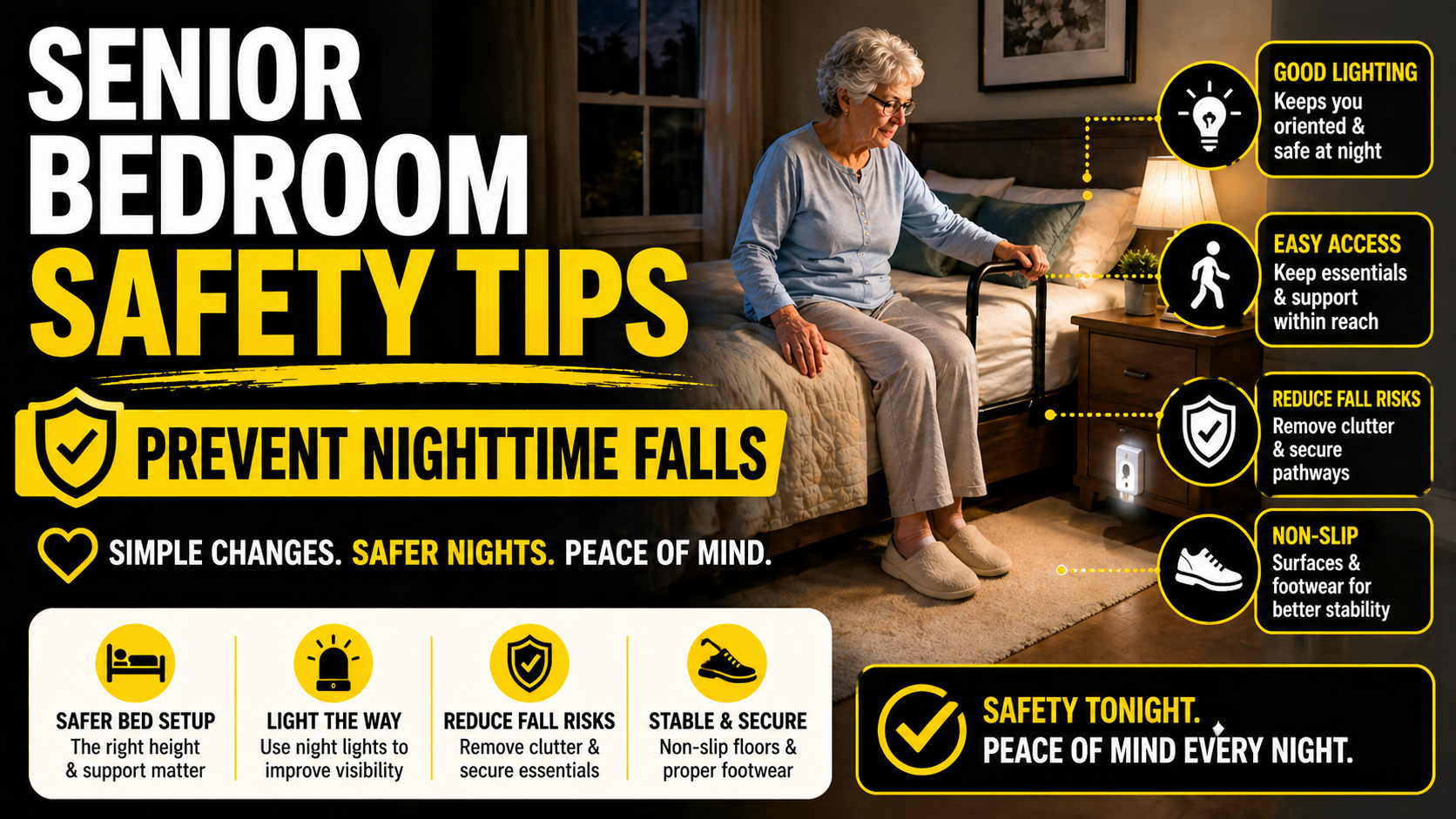
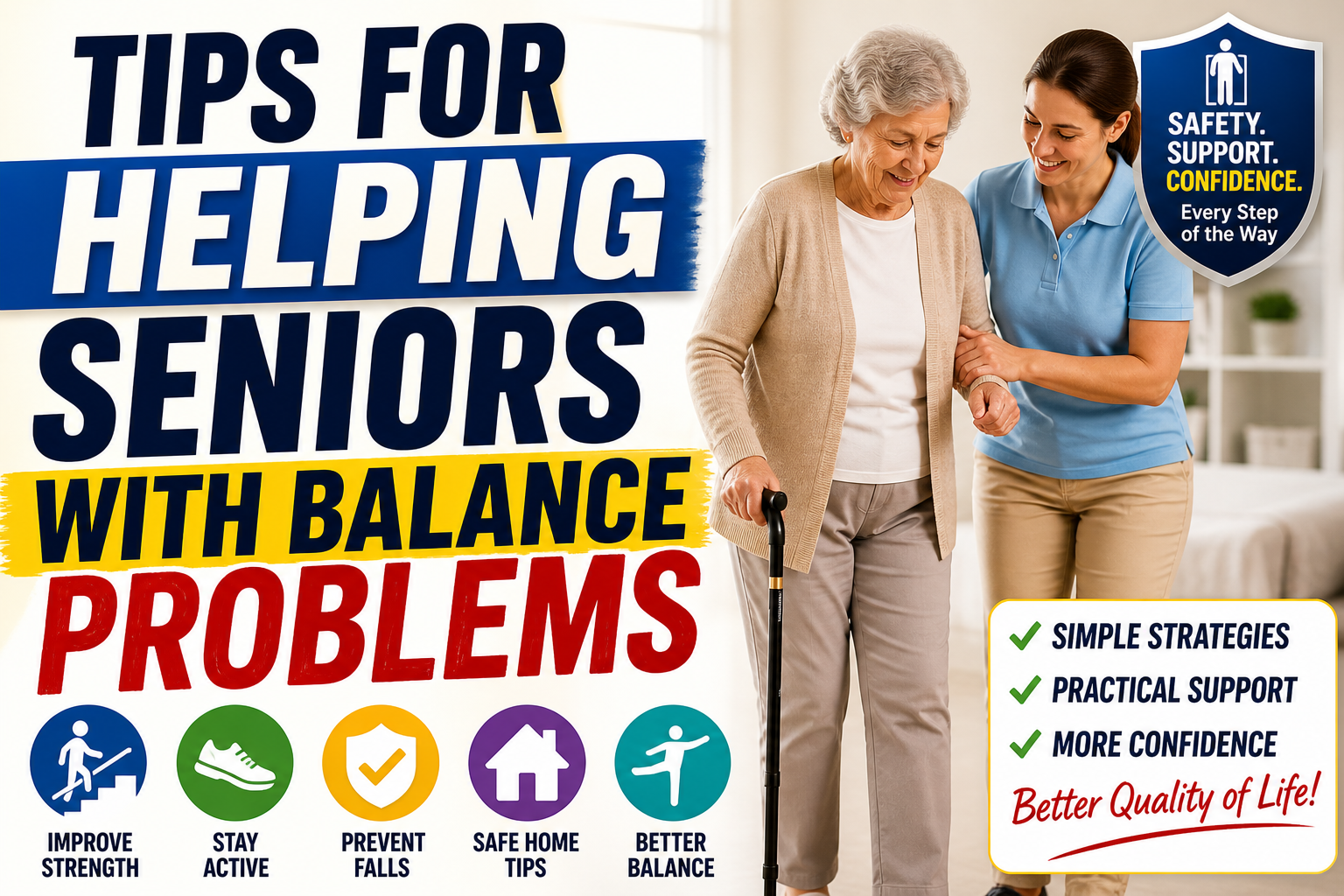
Blood pressure management is directly connected to fall risk — one of the most important links between chronic health management and physical safety that most people don’t think about explicitly. For the specific risks that can occur when standing after sleep, see these orthostatic fall prevention steps.
Orthostatic Hypotension
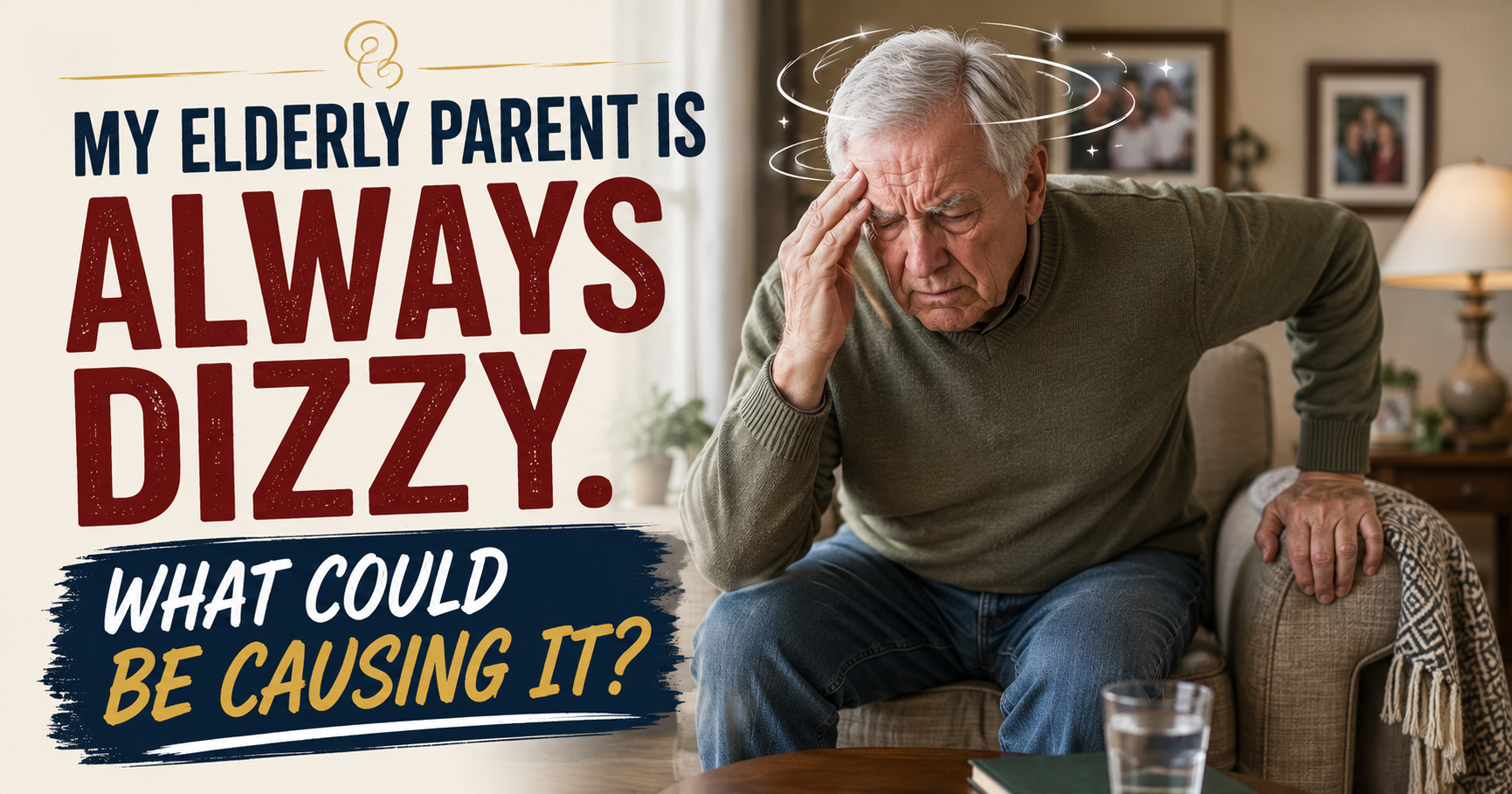
Many blood pressure medications cause orthostatic hypotension — a sudden drop in blood pressure when moving from lying or sitting to standing. This causes dizziness and lightheadedness in the moments immediately after standing, which is one of the most common triggers for falls in older adults. Monitoring blood pressure at home at different times of day — including readings taken sitting and standing — helps identify when this is occurring and at what severity. If these symptoms keep occurring, review the why an older parent may feel dizzy alongside blood pressure readings and medication timing.
Medication Effectiveness
Understanding whether blood pressure medications are working requires more than occasional clinic readings. Home monitoring provides the pattern data that shows whether medications are maintaining consistent control throughout the day and whether timing adjustments might improve effectiveness. This data makes conversations with physicians more specific and treatment decisions more evidence-based.
Early Warning of Concerning Changes
A trend of rising blood pressure readings at home — even before readings reach concerning levels in isolation — gives advance warning that something needs medical attention. Catching a blood pressure trend early is vastly preferable to responding to a hypertensive crisis or cardiac event.
Upper Arm vs. Wrist Blood Pressure Monitors
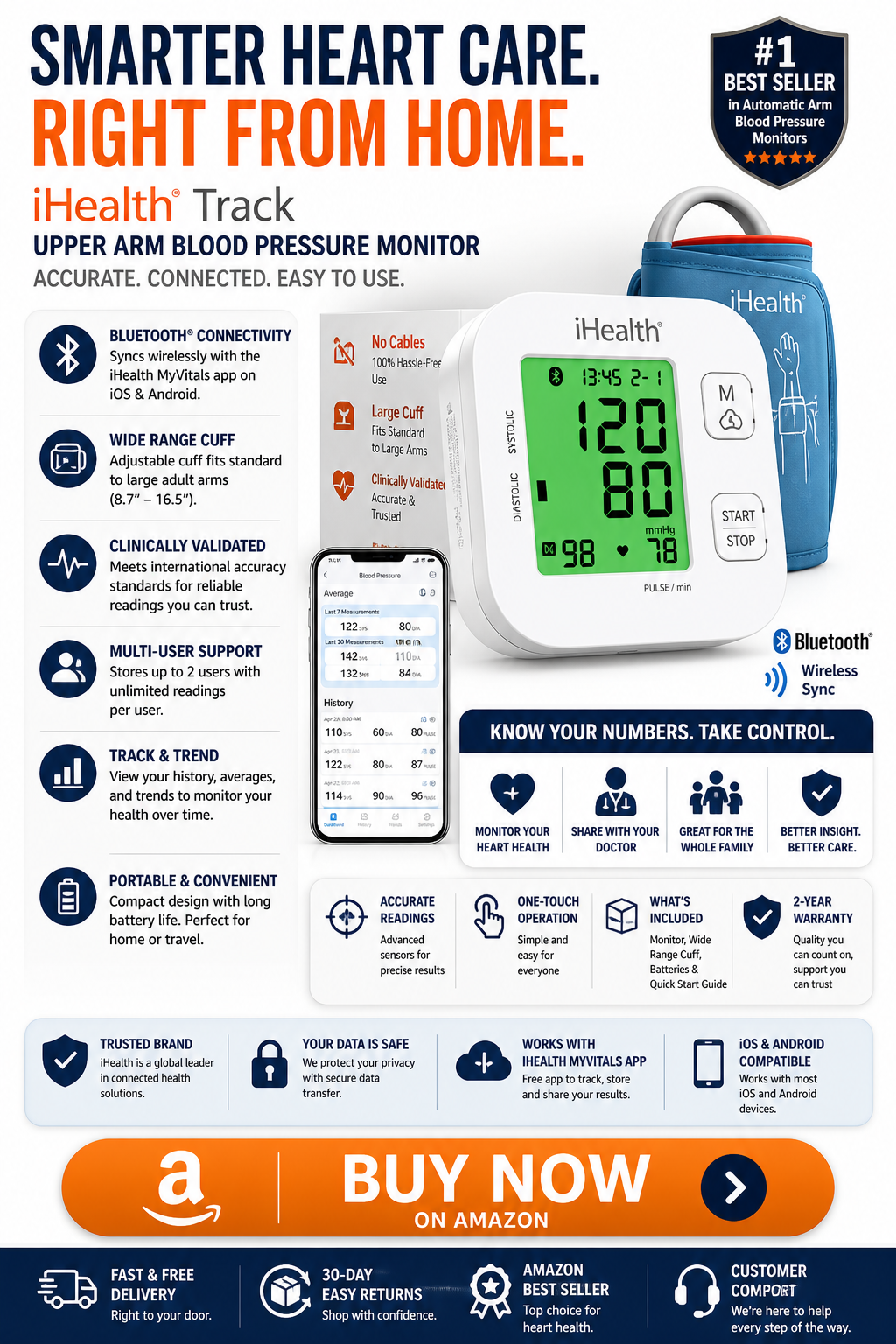
Both upper arm and wrist blood pressure monitors are available — and the choice matters for accuracy. Upper arm monitors are consistently recommended by cardiologists and the American Heart Association as the more accurate option. Wrist monitors are more sensitive to positioning and body movement during measurement and produce less reliable readings across a population of users. For clinical accuracy that informs medical decisions, upper arm monitors are the right choice.
The iHealth Track Smart Upper Arm Blood Pressure Monitor — Full Review
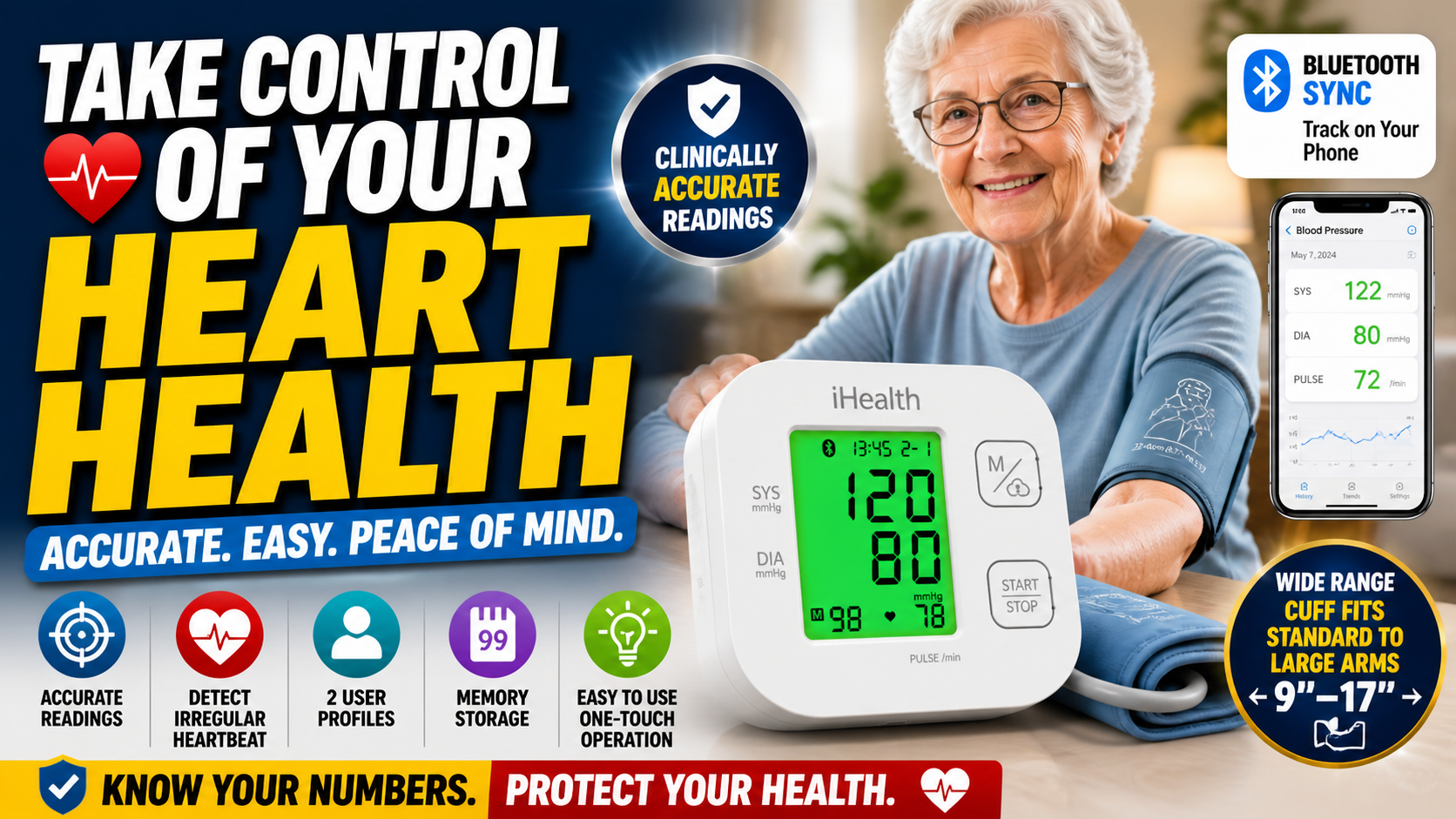
iHealth Track Smart Upper Arm Blood Pressure Monitor — Wide Range Cuff, Bluetooth, iOS and Android Compatible
The iHealth Track combines clinical-grade upper arm measurement accuracy with smartphone connectivity that makes tracking and sharing readings genuinely practical rather than requiring manual record-keeping in a notebook that may or may not make it to doctor appointments.
→ Check current price and availability on Amazon
The wide-range cuff is the first practical feature worth noting. Cuff fit directly affects measurement accuracy — a cuff that’s too small reads high, a cuff that’s too large reads low. A wide-range cuff that accommodates standard to large adult arm circumferences means the monitor works for the majority of adult users without requiring a separate large cuff purchase. Verify your arm circumference fits within the specified range before purchasing any blood pressure monitor.
Bluetooth connectivity to the iHealth app transforms how readings are used. Every reading is automatically logged with date, time, and result — no manual recording, no notebooks, no trying to remember what last week’s numbers were. The app displays readings in graph format so trends are immediately visible. Export the reading history to share with a physician at appointments — providing the full picture of blood pressure pattern rather than a single reading taken in the office.
iOS and Android compatibility means the monitor works with whatever smartphone the user or their family members are already using. Family members can be added to the app to see readings remotely — providing oversight without requiring the senior to report numbers manually after every measurement.
The measurement process is straightforward — fit the cuff, press the button, wait approximately 30 seconds for the reading. The display shows systolic, diastolic, and pulse rate clearly. The app simultaneously records the reading and adds it to the trend history.
Accuracy meets clinical standards — the iHealth Track uses the oscillometric measurement method standard in clinical blood pressure monitors and has validation data supporting its accuracy for home use.
→ Get the iHealth Track Blood Pressure Monitor on Amazon
How to Take Accurate Blood Pressure Readings at Home
The monitor is only as useful as the accuracy of the readings it produces. Several factors significantly affect home blood pressure measurement accuracy.
Consistency of Timing
Blood pressure varies throughout the day — typically lower in the morning, higher in the afternoon, with individual patterns that vary. Taking readings at the same times each day — most physicians recommend morning before medication and evening — produces comparable data that shows meaningful trends rather than noise from timing variation.
Rest Before Measurement
Sit quietly for five minutes before taking a reading. Physical activity, conversation, coffee, and emotional stress all affect blood pressure readings. A reading taken immediately after climbing stairs or a stressful phone call doesn’t reflect resting blood pressure accurately.
Proper Position
Sit in a chair with back supported, feet flat on the floor, arm resting on a surface at heart level with palm up. The cuff should be positioned on bare skin — not over clothing — about an inch above the elbow crease. Incorrect positioning is one of the most common causes of inaccurate home readings.
Take Multiple Readings
Taking two to three readings one minute apart and recording the average — or the average of the last two — provides more reliable data than a single reading. Most cardiologists recommend this protocol for home monitoring.
Don’t Interpret Individual Readings in Isolation
A single high reading isn’t cause for immediate alarm. A consistent pattern of elevated readings over days or weeks is what warrants medical attention. The trend matters more than any individual number — which is exactly why the app’s trend logging and graphing is so valuable.
Blood Pressure Monitoring and the Complete Senior Safety Picture

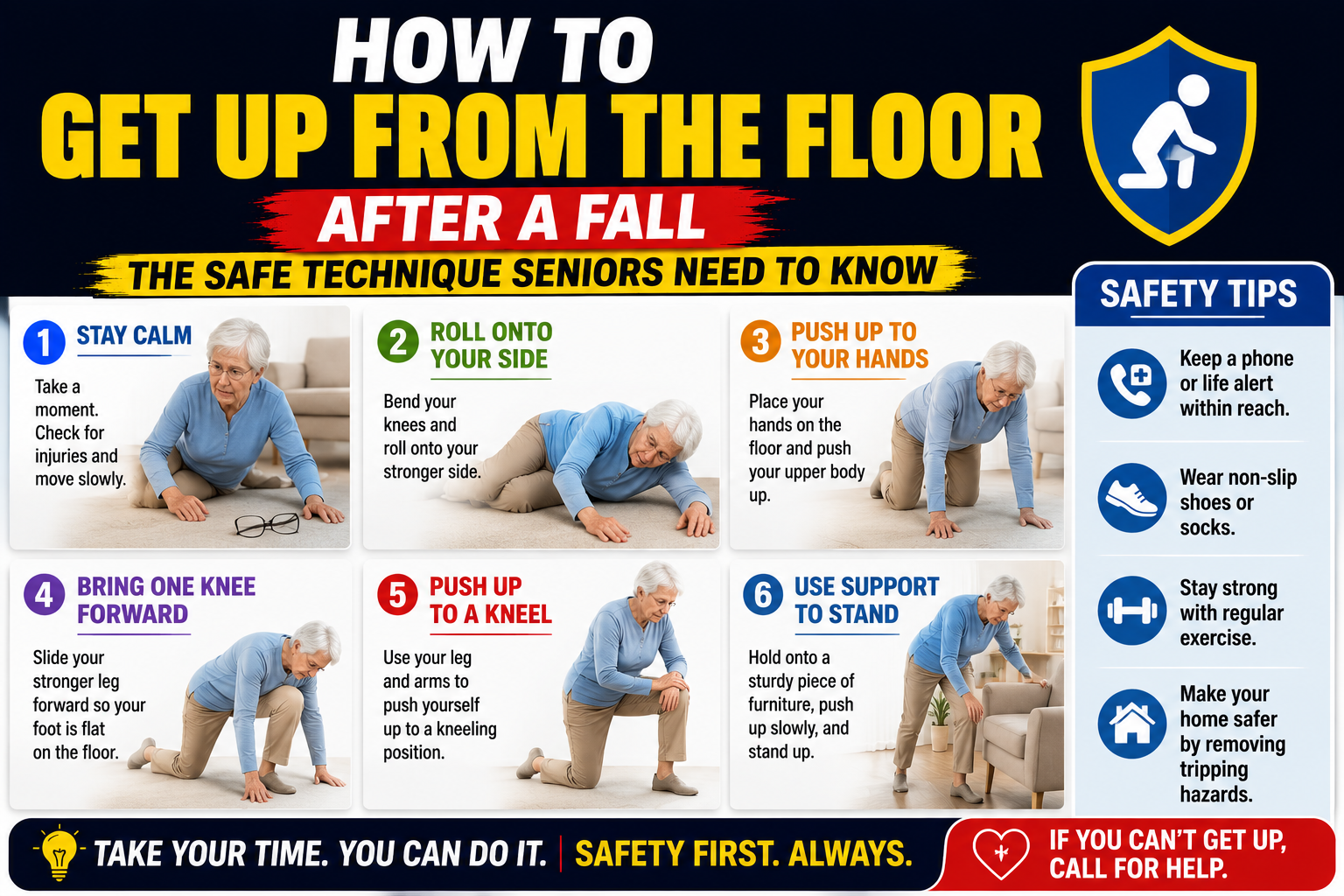
Blood pressure management affects fall risk, cognitive health, and cardiovascular safety simultaneously. It’s one of the most important components of the proactive health management that sustains independent living over time. The guide on The #1 Reason Seniors Fall at Home — And It’s Not What You Think explains how medication effects and blood pressure changes can directly compromise safe movement.
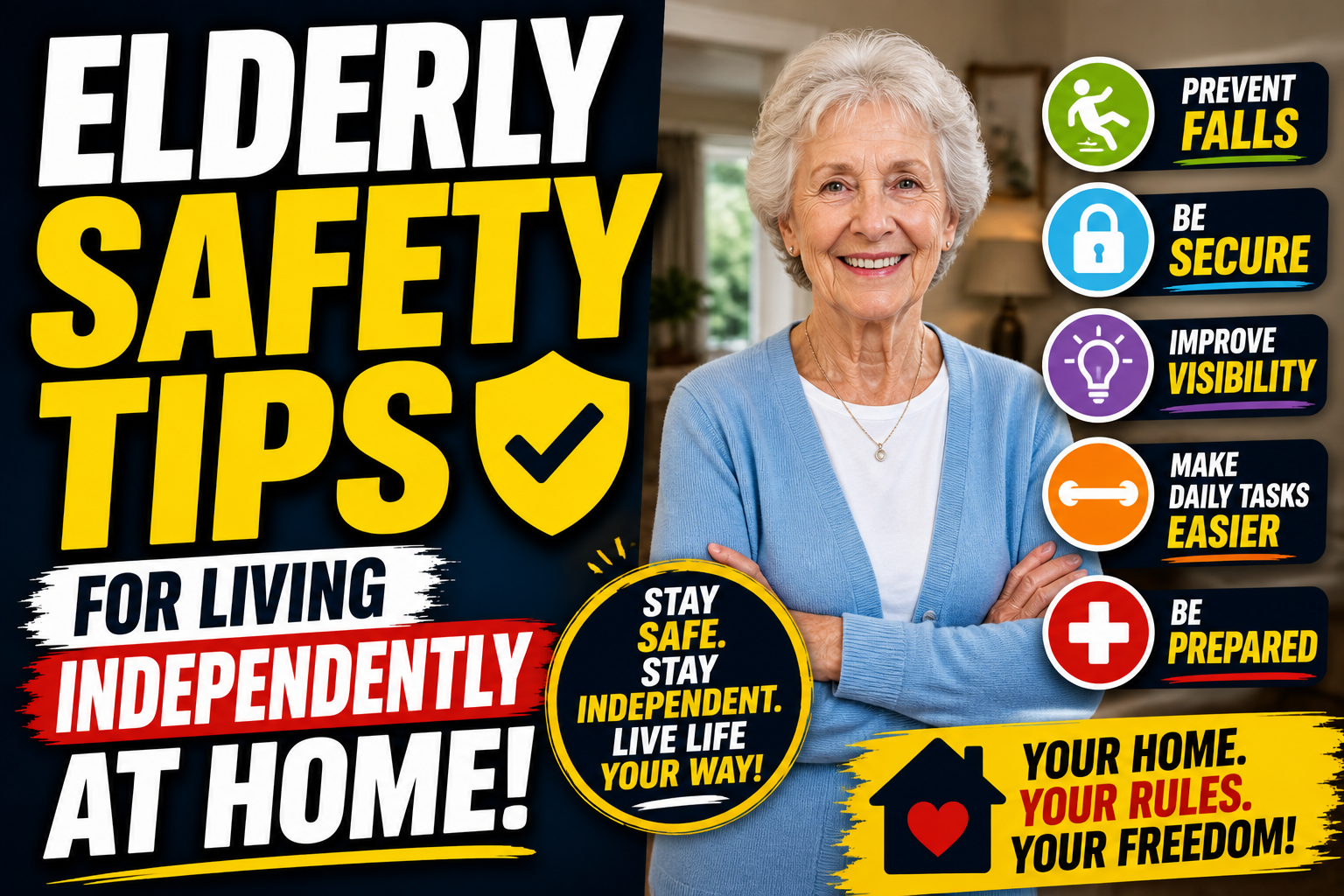
For the complete senior safety picture our guide on elderly safety tips for independent living covers health management alongside home modifications and technology. Our guide on tips for balance problems covers the connection between blood pressure, orthostatic hypotension, and fall risk specifically.
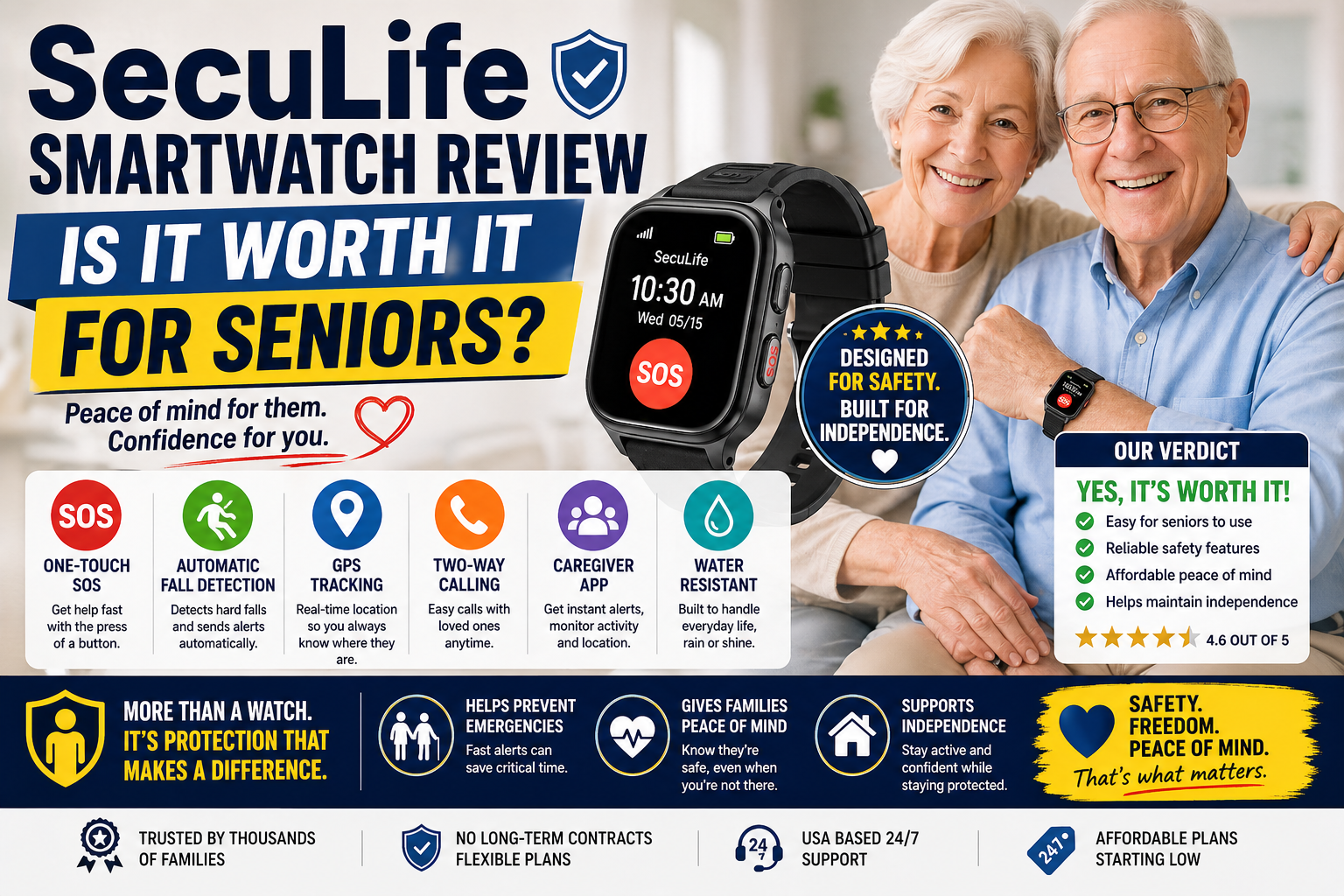
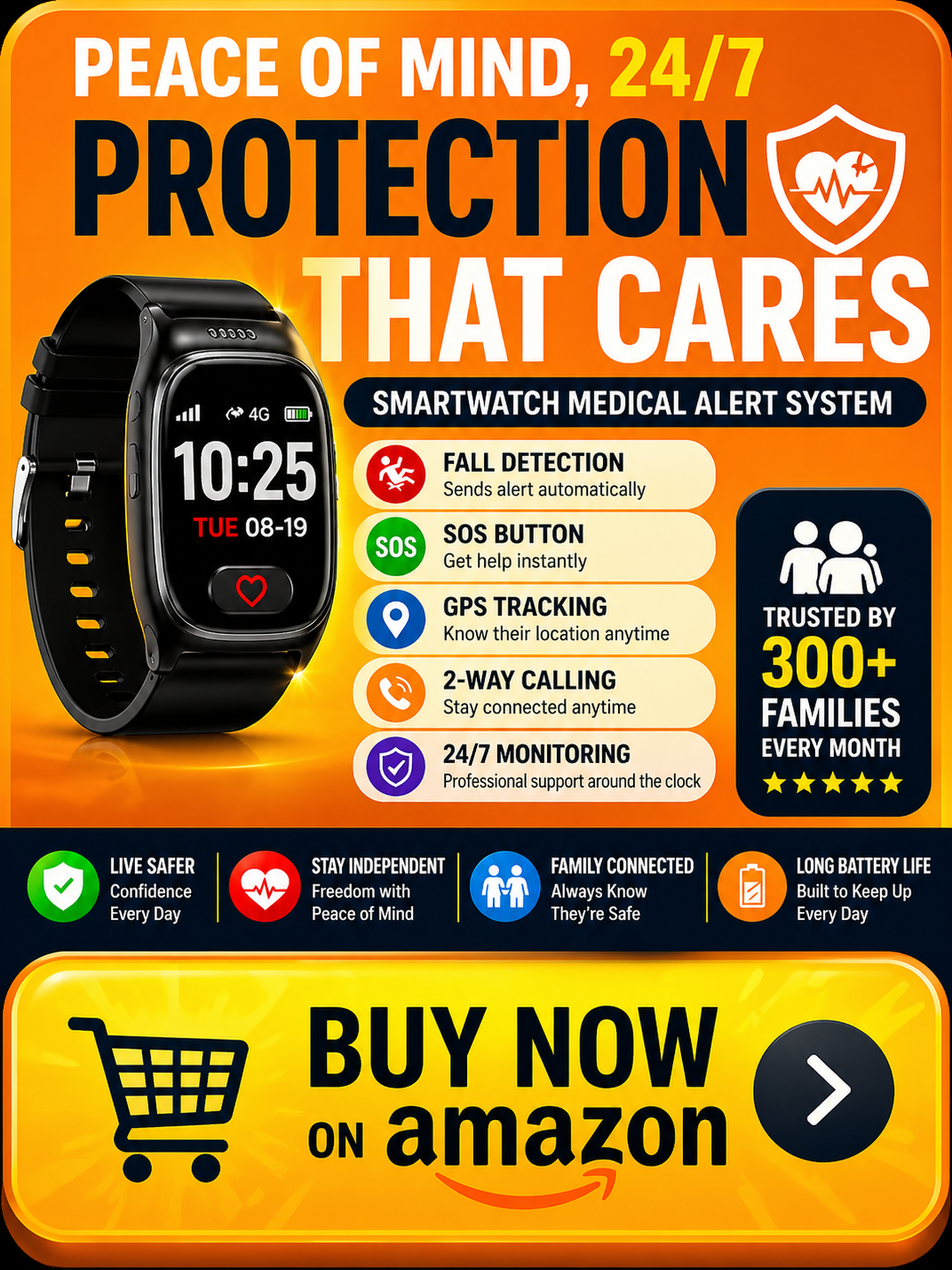
And for the safety net that covers what happens if a fall occurs — the SecuLife Smartwatch provides automatic fall detection and GPS from the wrist. Our full SecuLife review covers everything worth knowing.
→ Get the iHealth Track Blood Pressure Monitor on Amazon
Frequently Asked Questions
How often should seniors check blood pressure at home?
Most cardiologists recommend twice daily — once in the morning before medications and once in the evening — for people actively managing hypertension. Once daily is adequate for monitoring stable, well-controlled blood pressure. Ask your physician for a specific recommendation based on your current blood pressure status and medication regimen.
What blood pressure numbers should concern me?
A single reading above 180/120 mmHg — a hypertensive crisis level — warrants immediate medical contact. A consistent pattern of readings above 140/90 mmHg warrants a medical appointment to discuss treatment. Below 90/60 mmHg — hypotension — also warrants medical attention, particularly if accompanied by dizziness or lightheadedness. Always discuss your specific target range with your physician.
Does the iHealth Track work without a smartphone?
The monitor takes and displays readings without a smartphone — the display shows systolic, diastolic, and pulse rate directly on the device. The smartphone app is required to log readings over time and view trends. For users without smartphones, readings can be manually recorded from the display, though this loses the automatic tracking advantage.
Can family members see my readings remotely?
Yes — with appropriate app sharing settings, family members can view readings and trends remotely. This is particularly useful for adult children monitoring a parent’s blood pressure management from a distance, or for a caregiver tracking readings between medical appointments.
Is a prescription required to purchase a home blood pressure monitor?
No — home blood pressure monitors are available over the counter without a prescription. Medicare Part B covers blood pressure monitors for some beneficiaries — check with your specific plan about coverage and whether a prescription is required for reimbursement.
Information That Protects Health and Life
A home blood pressure monitor is one of the most straightforward health investments available — providing daily visibility into one of the most important health metrics for older adults, at a cost measured in tens of dollars rather than hundreds.
The iHealth Track delivers clinical-grade measurement accuracy, automatic smartphone logging, and family sharing capability in a device that’s genuinely easy to use correctly. For anyone managing blood pressure — which is most older adults — this is a worthwhile addition to the daily routine.
About the Author
Margaret Holloway, RN spent 22 years in geriatric nursing with extensive experience in cardiovascular care and blood pressure management in older adults. She writes for Elder Safety Guide to help people understand the connection between chronic health management and daily safety outcomes.