Living independently as you get older is absolutely possible — with the right approach. Here are the safety tips that make the biggest difference for independent seniors.
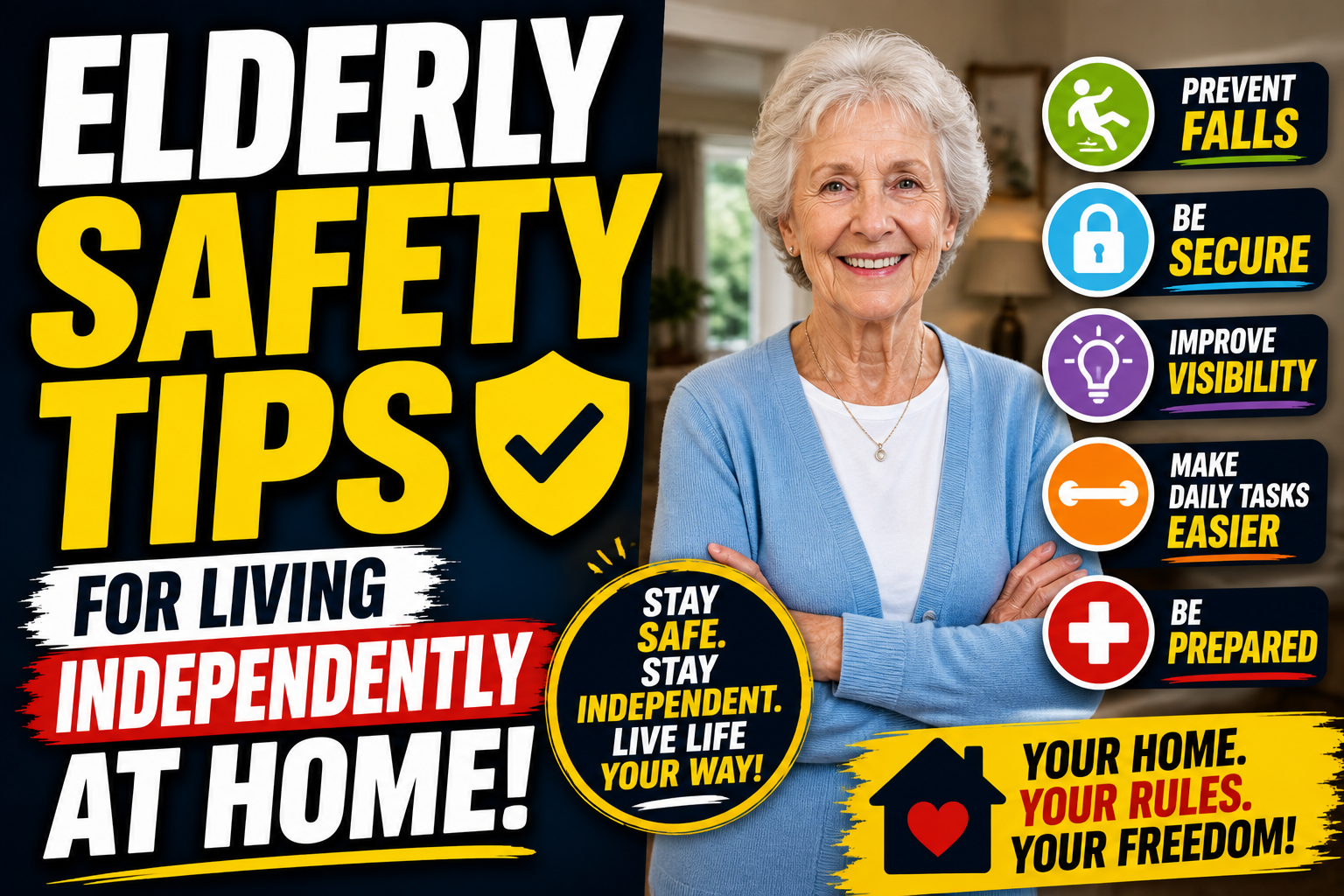
Independent living as an older adult isn’t about pretending nothing has changed. It’s about being smart enough to address what has changed — and doing it proactively rather than reactively — so you stay in control of your own life for as long as possible.
The seniors who live independently the longest aren’t the ones who ignore risk. They’re the ones who take it seriously and address it systematically before it becomes a crisis. That distinction — proactive vs reactive — is the single biggest predictor of how long independent living lasts and how well it goes.
This guide covers the practical safety fundamentals that make independent living sustainable — not a list of things to worry about, but a clear framework for addressing what actually matters.
The Independence Paradox
Here’s something worth sitting with before getting into the practical tips: the things that most protect your independence are the things that feel most like admitting you need help.
Installing a grab bar feels like admitting something. Getting a walking cane feels like giving something up. Putting a medical alert device on your wrist feels like crossing a line. None of these feelings are irrational — they come from a culture that conflates needing support with losing independence.
But the reality is exactly backwards. The grab bar is what keeps you in your own bathroom. The cane is what keeps you walking your own neighborhood. The medical alert device is what keeps you living in your own home. These things don’t signal the end of independence — they’re what sustains it.
Every senior who has had a serious fall that wasn’t prepared for wishes they had been. Every family navigating a rushed care decision after a crisis wishes they had planned earlier. The people who make the proactive choice — who address the risks before something forces the issue — are the ones who get to keep making their own choices longest.
Hold that framing through everything that follows.
Physical Safety — The Foundation
Physical safety is the first layer of independent living — keeping the body safe from the falls and injuries that are the most common reason independent living becomes unsustainable.
Know Your Highest-Risk Moments
Falls don’t happen randomly. They cluster around specific transitions that happen at predictable times. Knowing where the risk actually concentrates lets you address it directly rather than worrying about everything equally.
The three highest-risk windows for most independently living older adults:
Getting out of bed — first thing in the morning and during nighttime bathroom trips. Low blood pressure, low alertness, and darkness combine into a high-risk transition that happens every single day. Our guide on safe ways to get out of bed as you age covers the correct technique and the equipment that supports it.
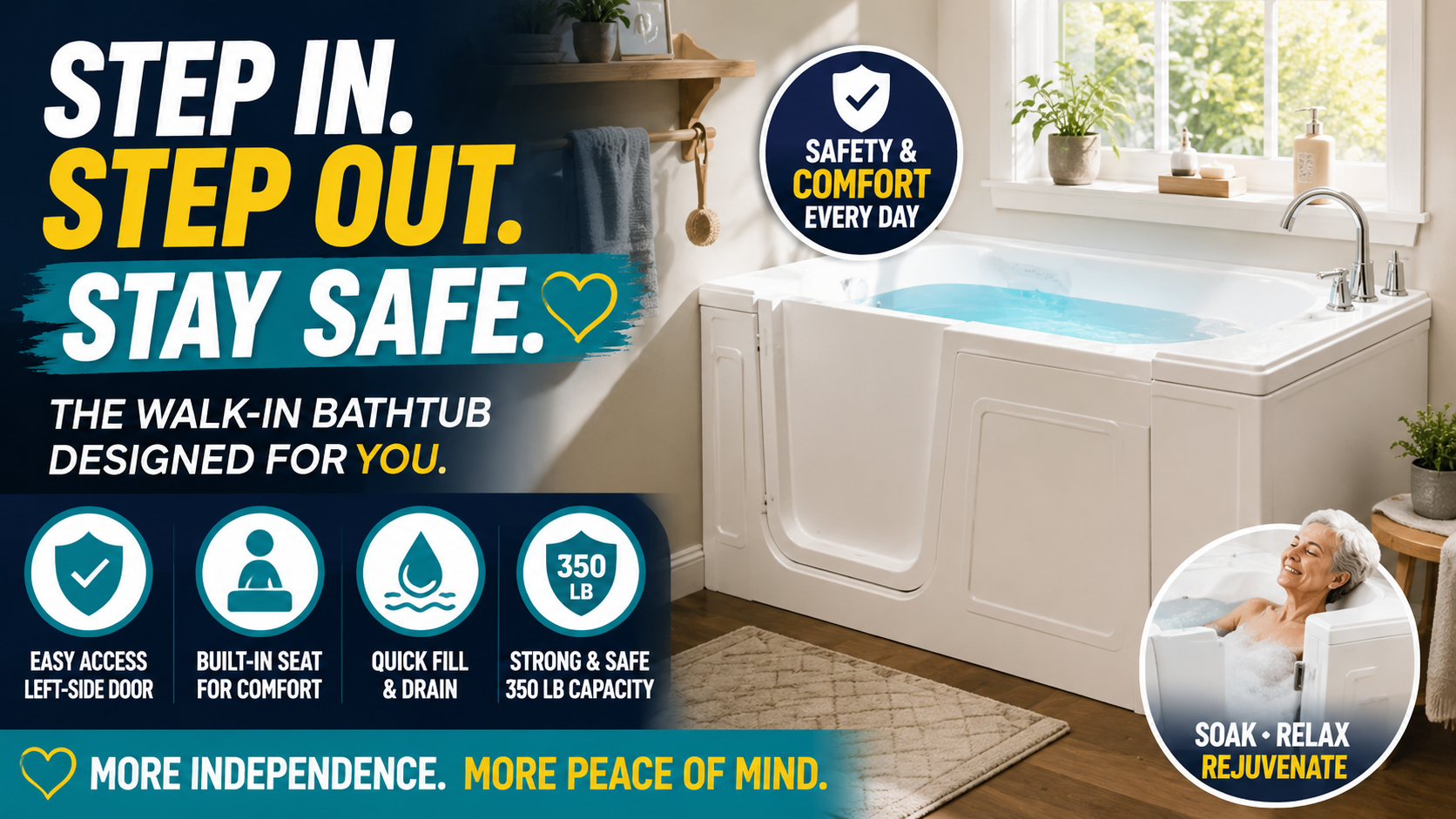
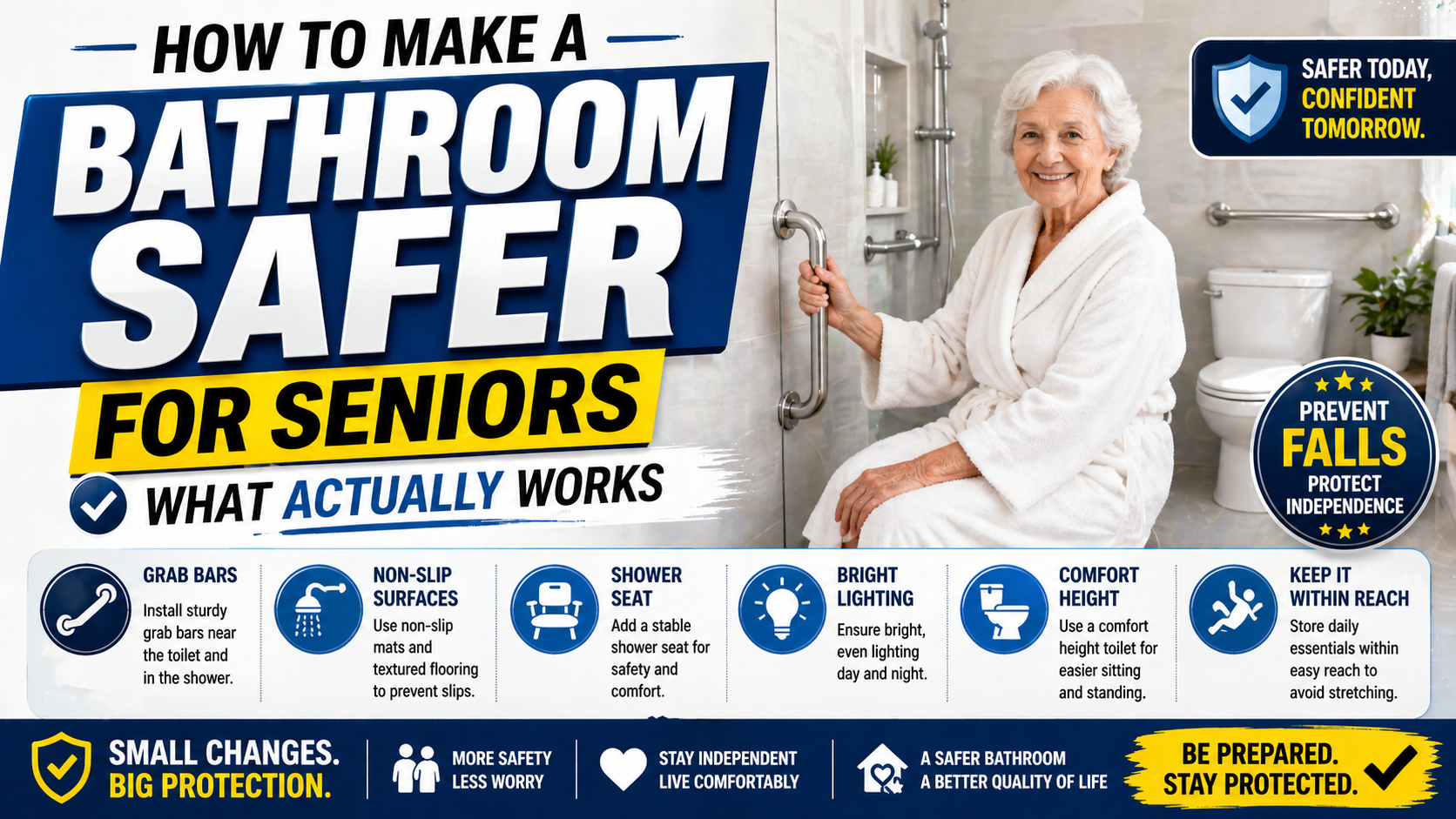
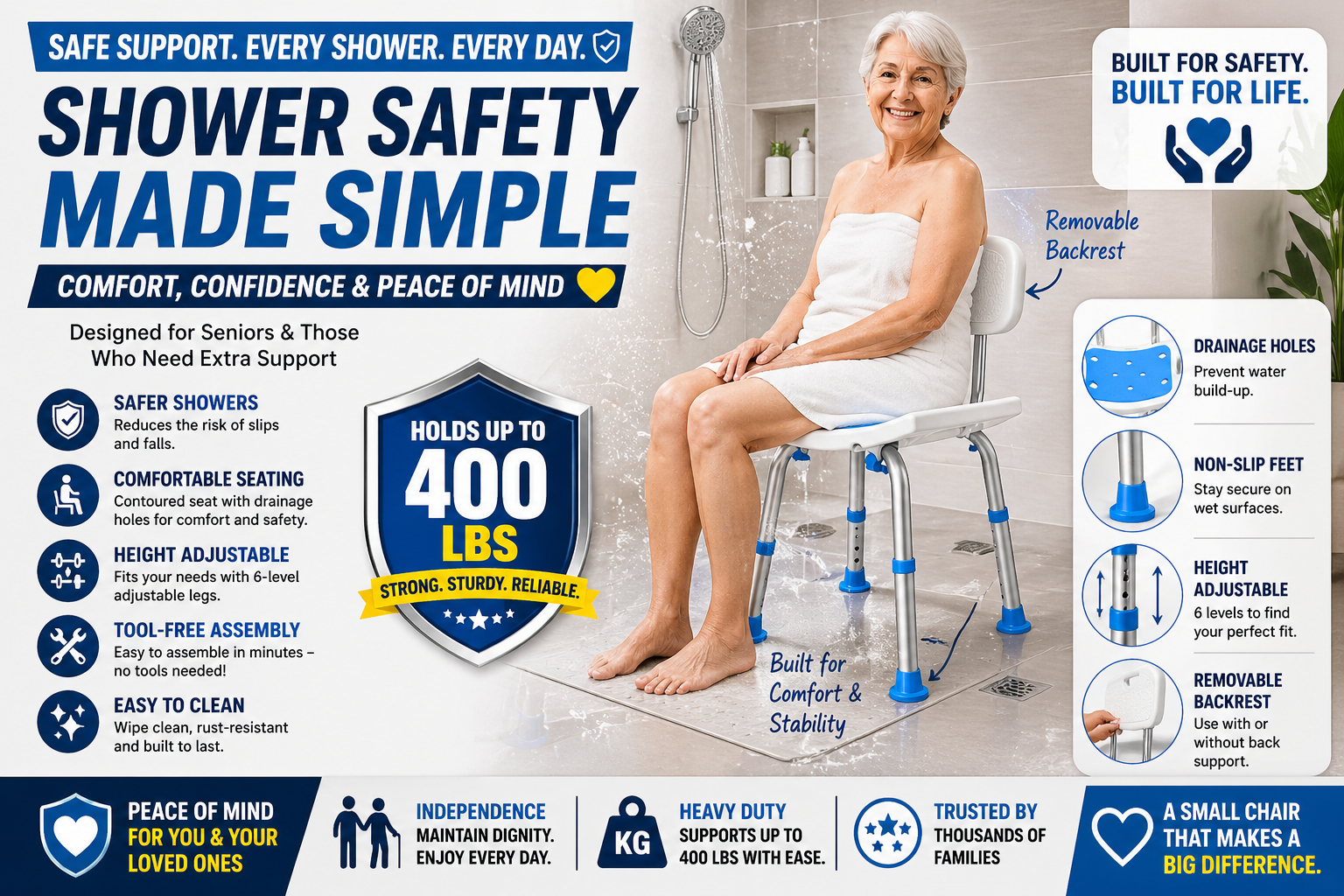
The bathroom — shower entry, shower exit, and toilet transfers. Wet surfaces, awkward movements, and hard floors make the bathroom the statistically most dangerous room in the home. Our complete guide on how to make a bathroom safer covers every modification worth making.
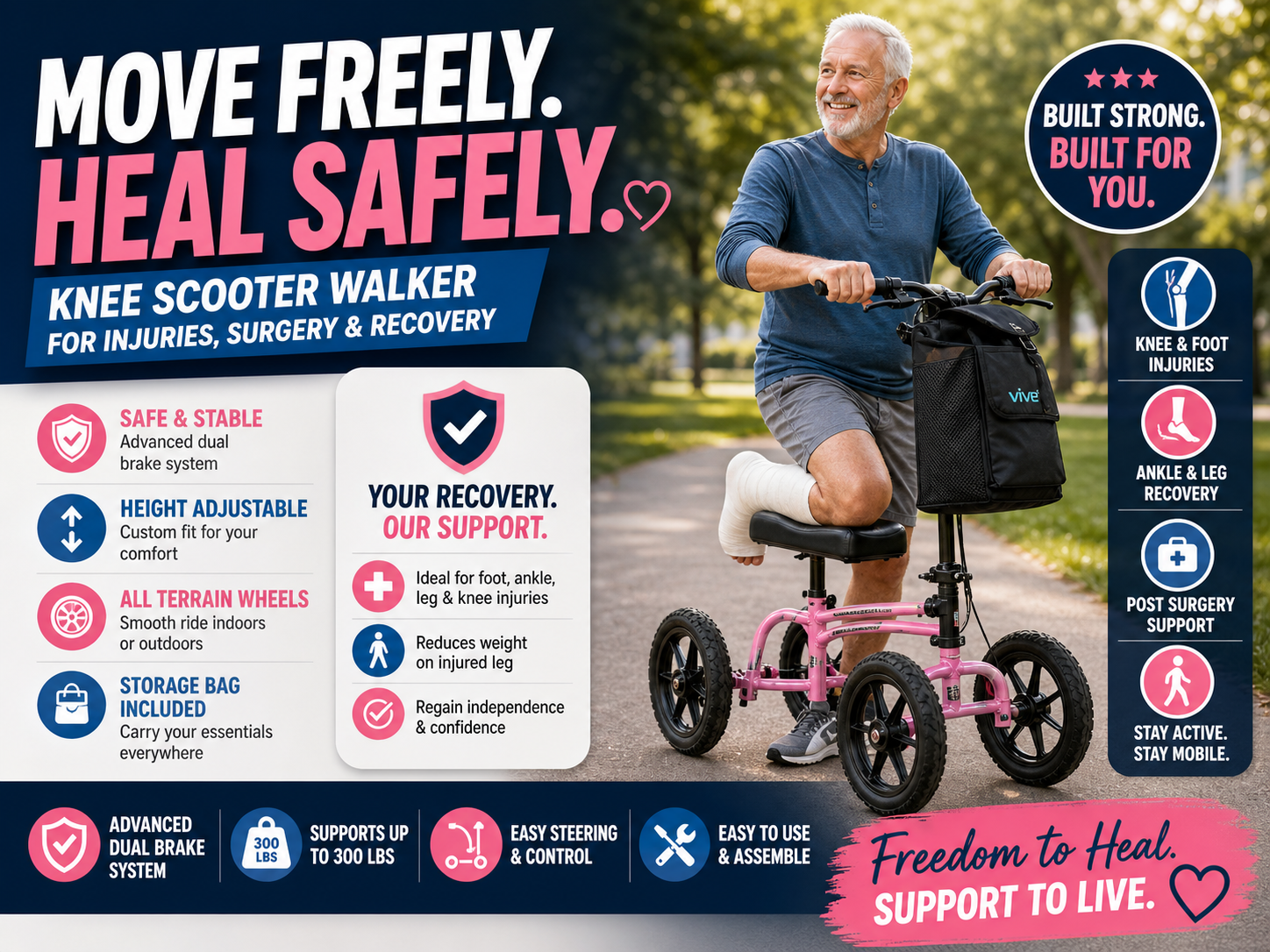
Outdoor transitions — exterior steps, uneven pavement, wet surfaces, parking lots. Falls outside the home are frequently more serious than indoor falls because hard outdoor surfaces leave less margin for error. A walking cane provides meaningful additional stability in exactly these environments.
Address Your Home Systematically
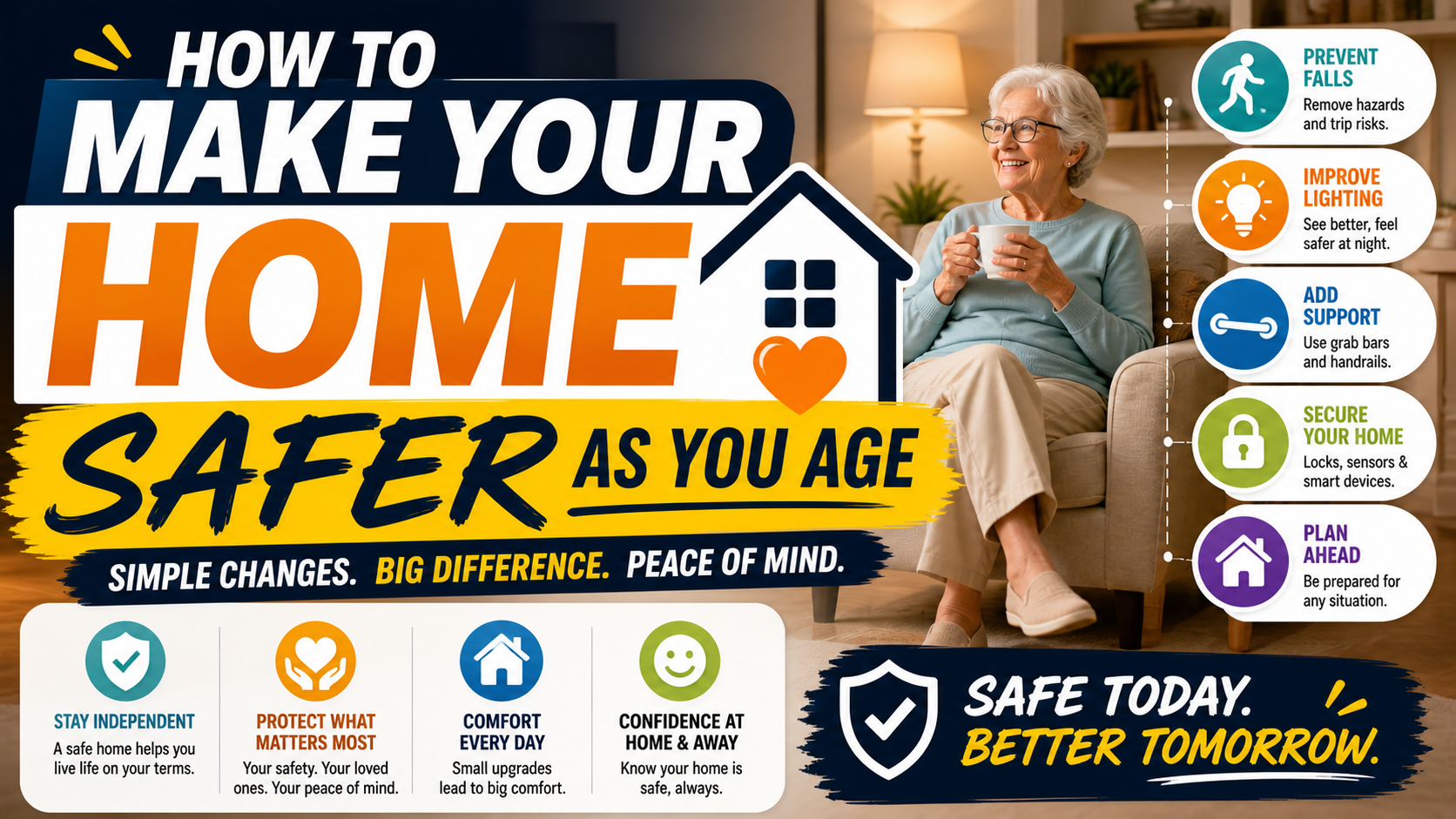
A home that was perfectly designed for a younger, fully able-bodied person accumulates fall hazards as needs change. The rug that was fine at 55 is a trip hazard at 75. The shower without grab bars that was manageable at 60 is genuinely risky at 80.
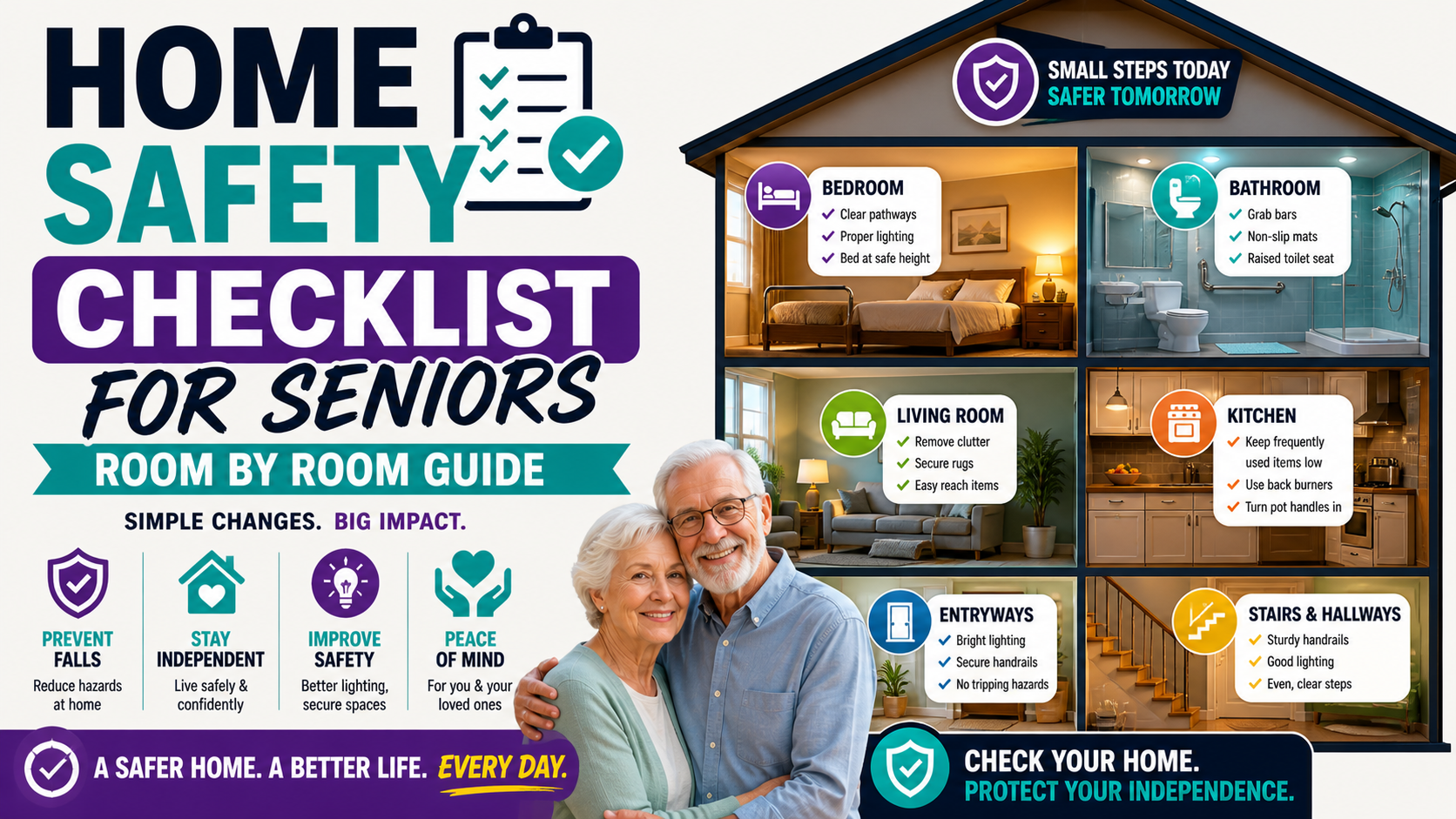
Walking through your home with honest, fresh eyes — or having someone help you do it — reveals fixable hazards that have become invisible through familiarity. Our home safety checklist gives you a systematic room-by-room tool for this assessment. Our guide on simple home modifications for aging in place ranked by impact tells you exactly what to address first.
The five highest-impact modifications for most independently living seniors:
- Grab bars at the shower entry and next to the toilet
- Toilet safety rails with armrests
- Non-slip bath mat that stays completely in place
- Bed rail on the exit side of the bed
- Auto-on night lights on the bedroom-to-bathroom path
→ Get the Toilet Safety Rails on Amazon
→ Get the Night Lights on Amazon
Use a Walking Aid If Your Balance Has Changed
If you’ve noticed that your balance isn’t what it was — you reach for walls more than you used to, you slow down on uneven ground, you’ve had a near-miss that you didn’t mention to anyone — a walking cane used proactively is one of the highest-impact safety decisions available to you.
A cane used before a fall is fall prevention. A cane adopted after a fall is recovery. The people who start using one when they first notice balance changes stay active and independent far longer than those who wait for something to force the issue.
The foldable format matters — a cane that goes everywhere is a cane that’s there when you need it. Our review of the best walking cane for seniors covers the free-standing foldable option we recommend.
→ Get the HONEYBULL Walking Cane on Amazon
Keep Moving — Exercise Is Non-Negotiable
Physical activity is the most powerful tool available for maintaining the strength, balance, and flexibility that make independent living sustainable. It’s not optional and it’s not something to get back to eventually — it’s a non-negotiable component of staying independent.
You don’t need a gym. Chair stands, heel raises, and short daily walks address the specific physical capacities — leg strength, balance, cardiovascular function — that most directly affect independent living ability. Tai Chi has exceptional evidence for fall prevention specifically and is available through most community senior programs.
Physical therapy, if specific limitations exist, is covered by Medicare with documented medical necessity. Ask your doctor for a referral rather than assuming it isn’t available or isn’t worth pursuing. A targeted program addresses specific deficits in ways that general exercise can’t.
Our guide on tips for balance problems covers the exercise interventions with the strongest evidence for fall prevention specifically.
Health Management — Staying Ahead of Problems
Independent living is sustained by proactive health management — not just treating problems when they emerge but actively staying ahead of conditions that affect physical function, cognition, and fall risk.
Medication Review — The Most Overlooked Safety Intervention
Dozens of commonly prescribed medications have side effects that directly increase fall risk — blood pressure medications causing orthostatic hypotension, sleep aids reducing alertness and reaction time, diuretics increasing nighttime bathroom frequency, antidepressants affecting vestibular function.
Ask your doctor specifically to review your medications for fall risk. Use those exact words. This prompts a more targeted review than a general medication check. In many cases a timing adjustment — not a medication change — significantly reduces the fall-related side effect without affecting the therapeutic benefit.
This single conversation with your physician is one of the highest-impact health management steps available for fall prevention — and it’s free.
Vision and Hearing — Keep Them Current
Vision contributes directly to balance — reduced visual acuity, contrast sensitivity, and depth perception all affect how effectively the visual system contributes to spatial orientation and fall prevention. An outdated glasses prescription is a fall risk factor. Vision checks and current prescriptions are genuine safety interventions.
Hearing loss is associated with increased fall risk through mechanisms that aren’t fully understood — possibly because hearing contributes to spatial awareness, or because hearing aids reduce cognitive load that would otherwise compete with balance processing. If hearing loss is present and hearing aids have been recommended, using them consistently matters for fall prevention as well as communication.
Stay Hydrated
Chronic mild dehydration is common in older adults because the thirst mechanism becomes less sensitive with age. Dehydration reduces blood volume and blood pressure, contributing to dizziness and orthostatic hypotension — particularly on standing. Consistent fluid intake throughout the day rather than drinking only when thirsty is a genuine fall prevention strategy that costs nothing and requires only habit.
Address Pain Proactively
Untreated pain affects gait, balance, and movement patterns in ways that increase fall risk. Arthritis pain that changes how you walk, back pain that affects posture and stability, foot pain that alters your gait — all of these are worth treating rather than tolerating. Discuss pain management specifically as a fall prevention issue with your doctor rather than treating it as a separate quality-of-life concern.
The Safety Net — What Happens When Prevention Isn’t Enough
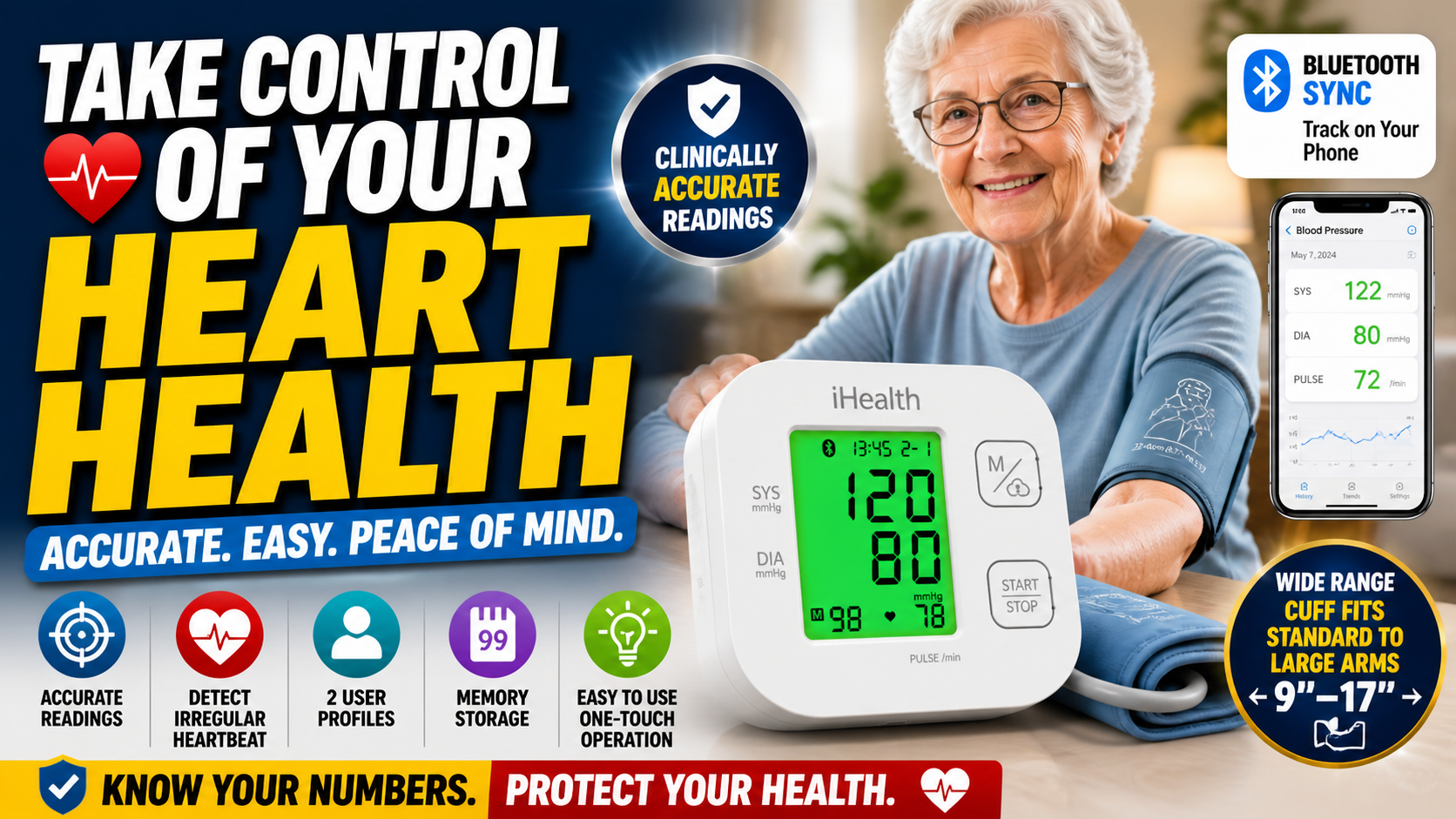
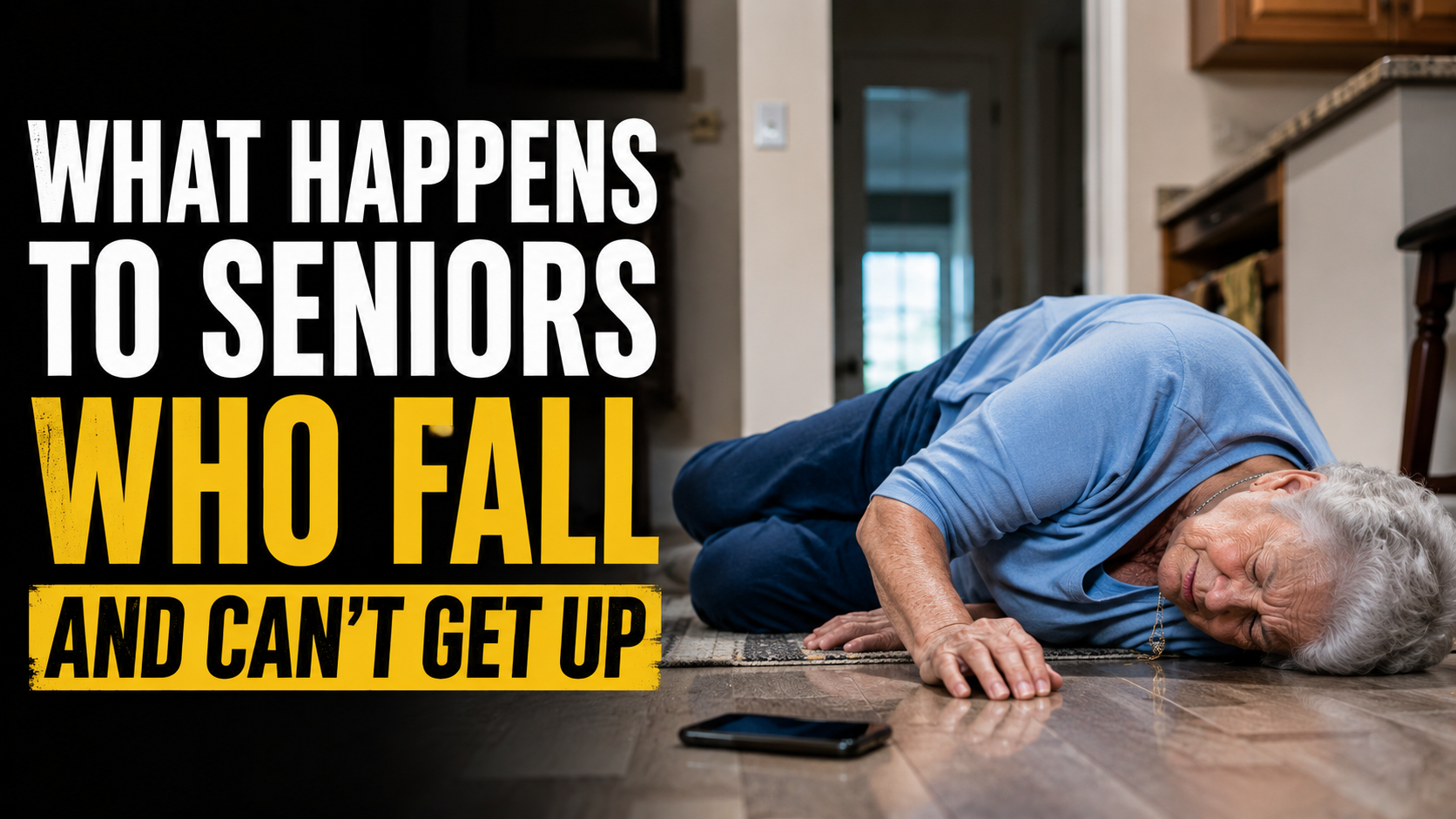
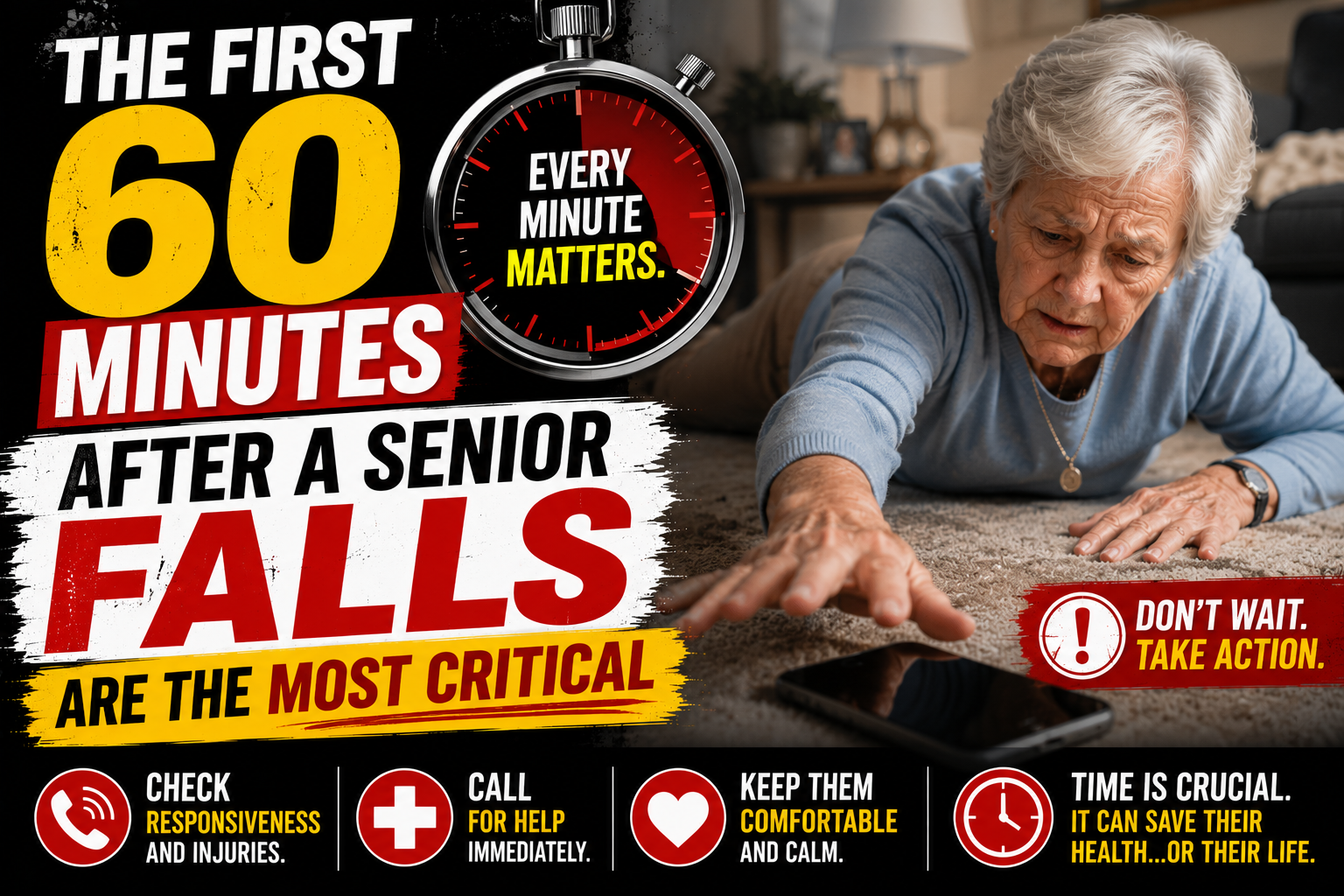
Every physical safety measure and health management strategy in this guide reduces fall risk. None eliminates it. For anyone living independently the question worth answering honestly is: if I fall at home and can’t get up, what happens?
If the answer involves significant time before anyone would know — because you live alone, because your check-in schedule is loose, because your phone might not be within reach — that gap needs to be addressed directly.
Medical Alert Device With Automatic Fall Detection
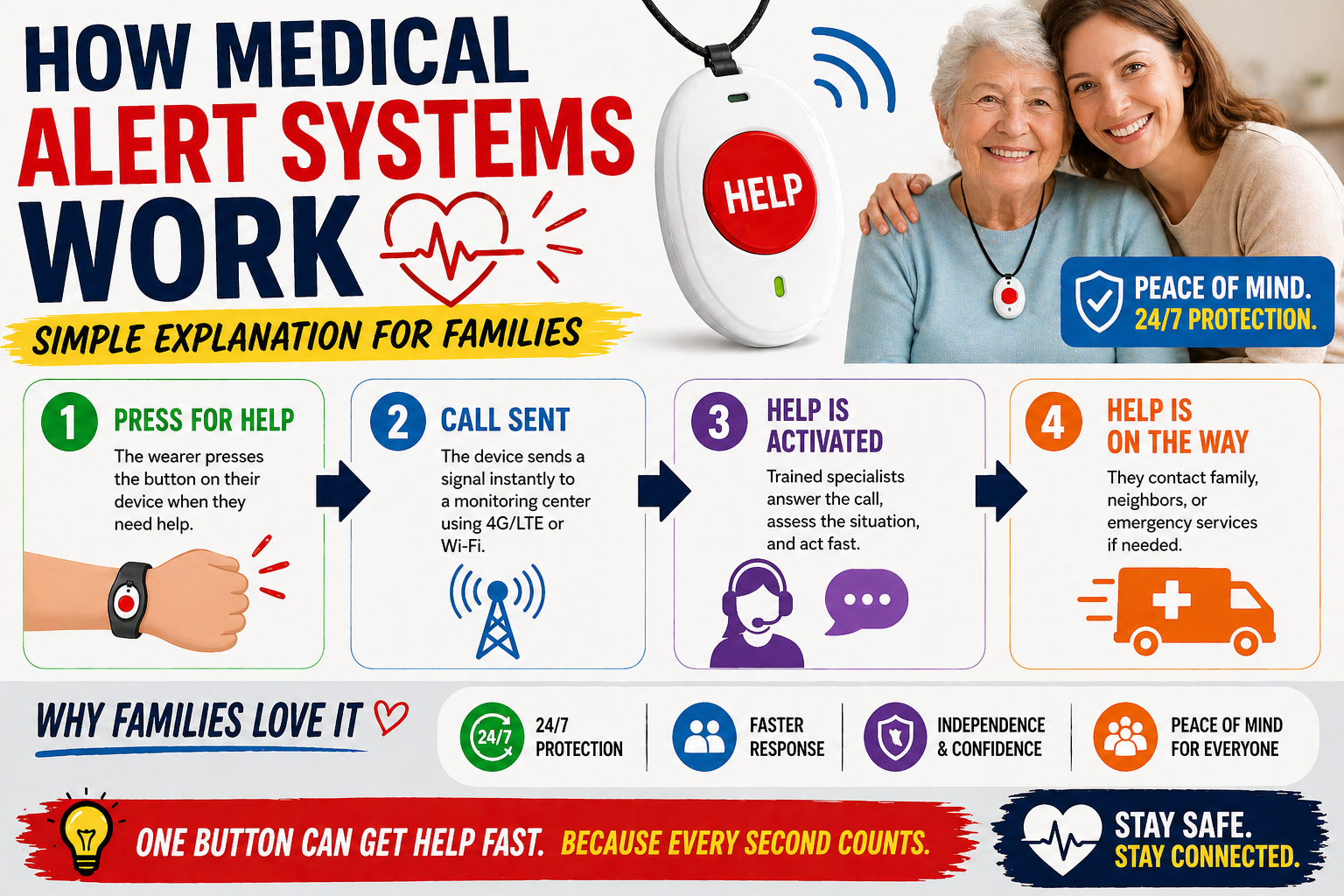
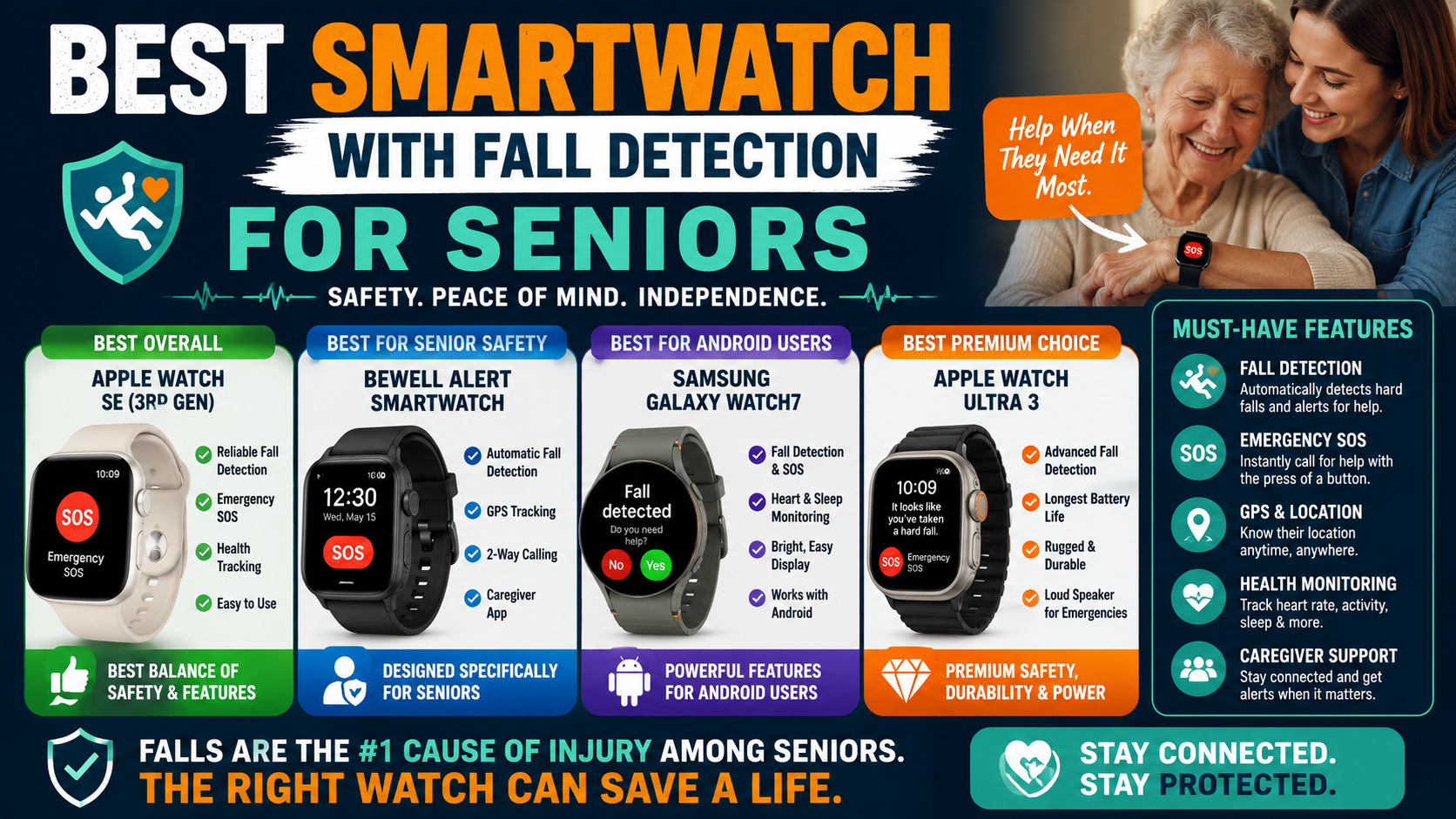
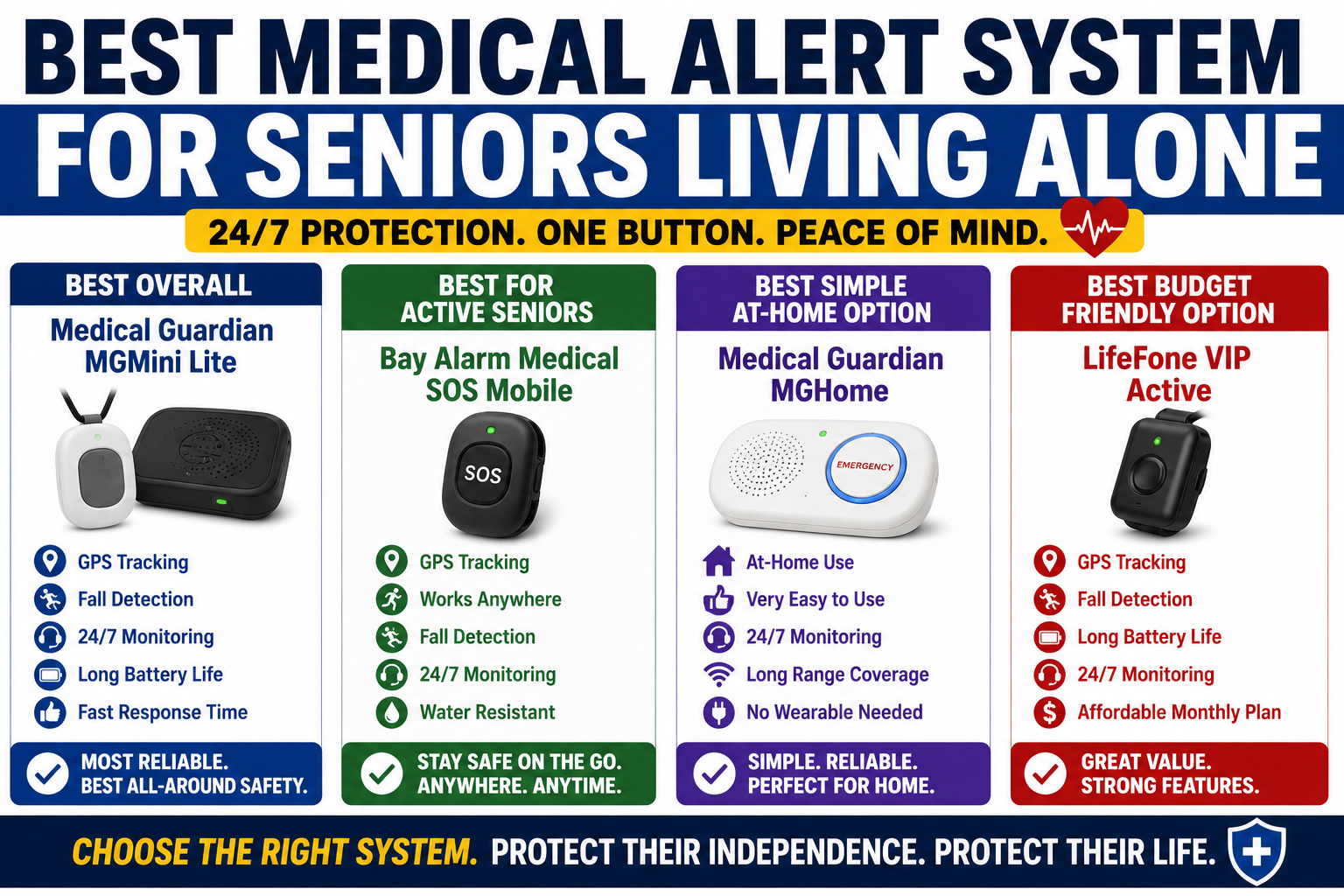
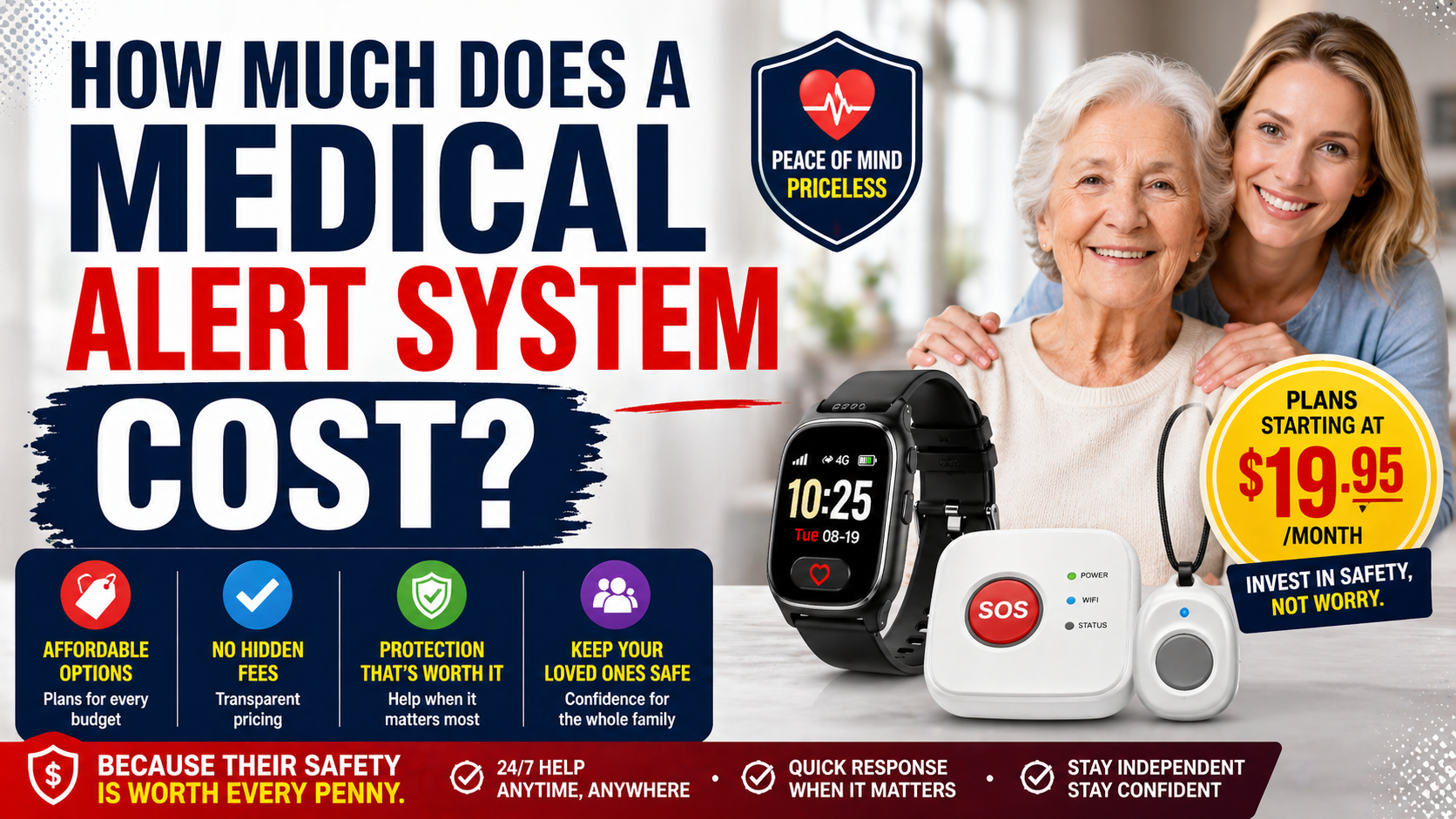
A medical alert device with automatic fall detection answers the “what if I fall and can’t get up” question permanently. Fall detection means the alert goes out automatically — without pressing a button, without finding a phone, without being conscious or able to respond. Family members are notified immediately with GPS location.
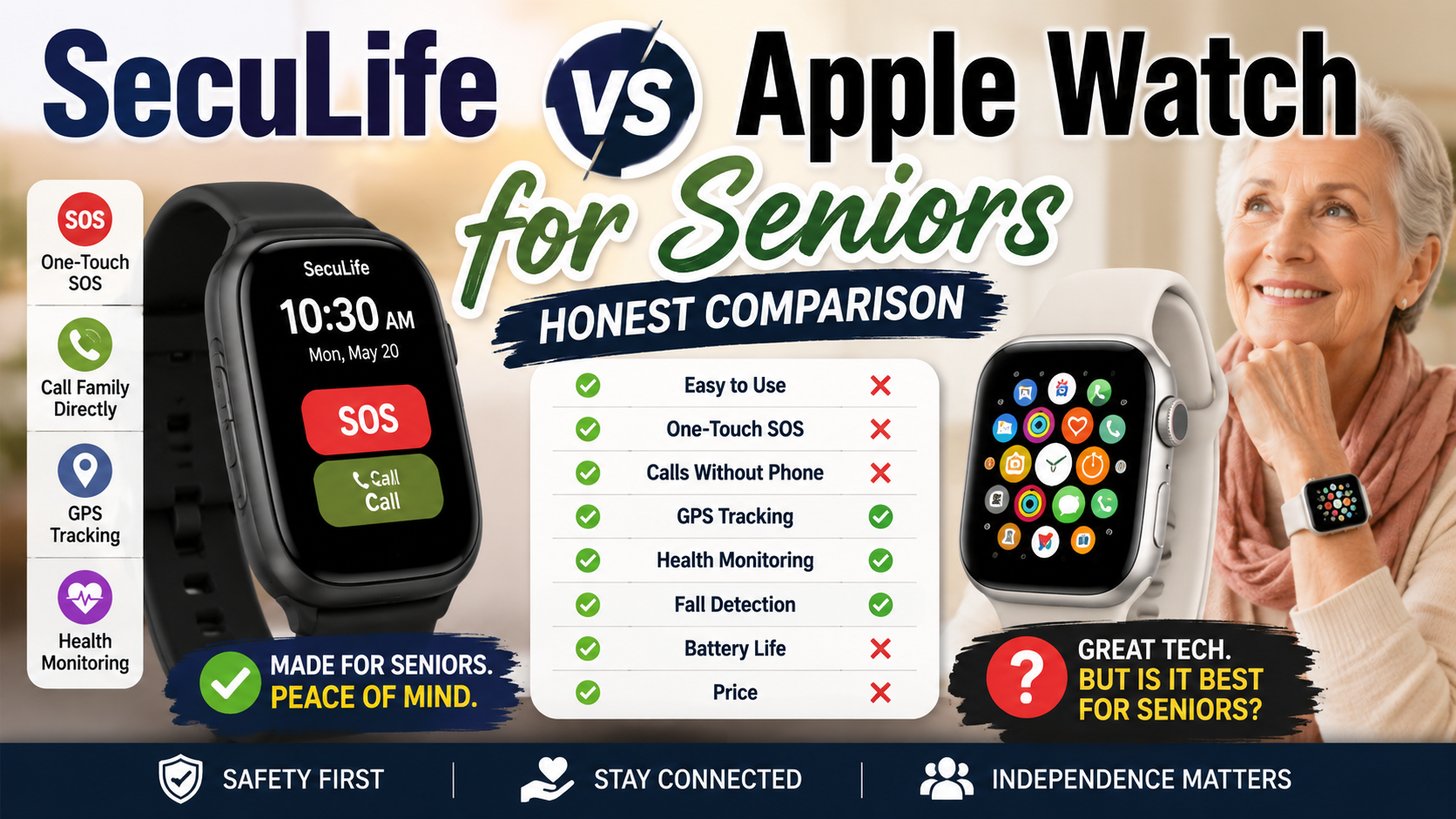
The SecuLife Smartwatch delivers this in a wrist device that looks like a regular smartwatch — fall detection, GPS tracking, SOS calling, and two-way communication in one device that operates independently of any smartphone. It goes on in the morning and doesn’t come off until bedtime, which means it’s there during every high-risk moment throughout the day.
For people who have resisted medical alert devices because of how they look or what they signal — the watch format removes that barrier entirely. It looks like what everyone is wearing. Nobody who sees it will know what it does unless you tell them.
Our full SecuLife Smartwatch review covers everything worth knowing. Our guide on signs it’s time for a medical alert system helps assess when to start. Our guide on how much a medical alert system costs breaks down the financial picture clearly.
→ See the SecuLife Smartwatch on Amazon
Keep Your Phone Within Reach
Even without a dedicated medical alert device, a phone that’s always within reach is a meaningful safety baseline. Charge it on the nightstand — not in another room. Keep it in your pocket during the day rather than leaving it on the kitchen counter. In a fall scenario, reaching a phone that’s two feet away is infinitely better than one that’s across the house.
Establish a Check-In Routine
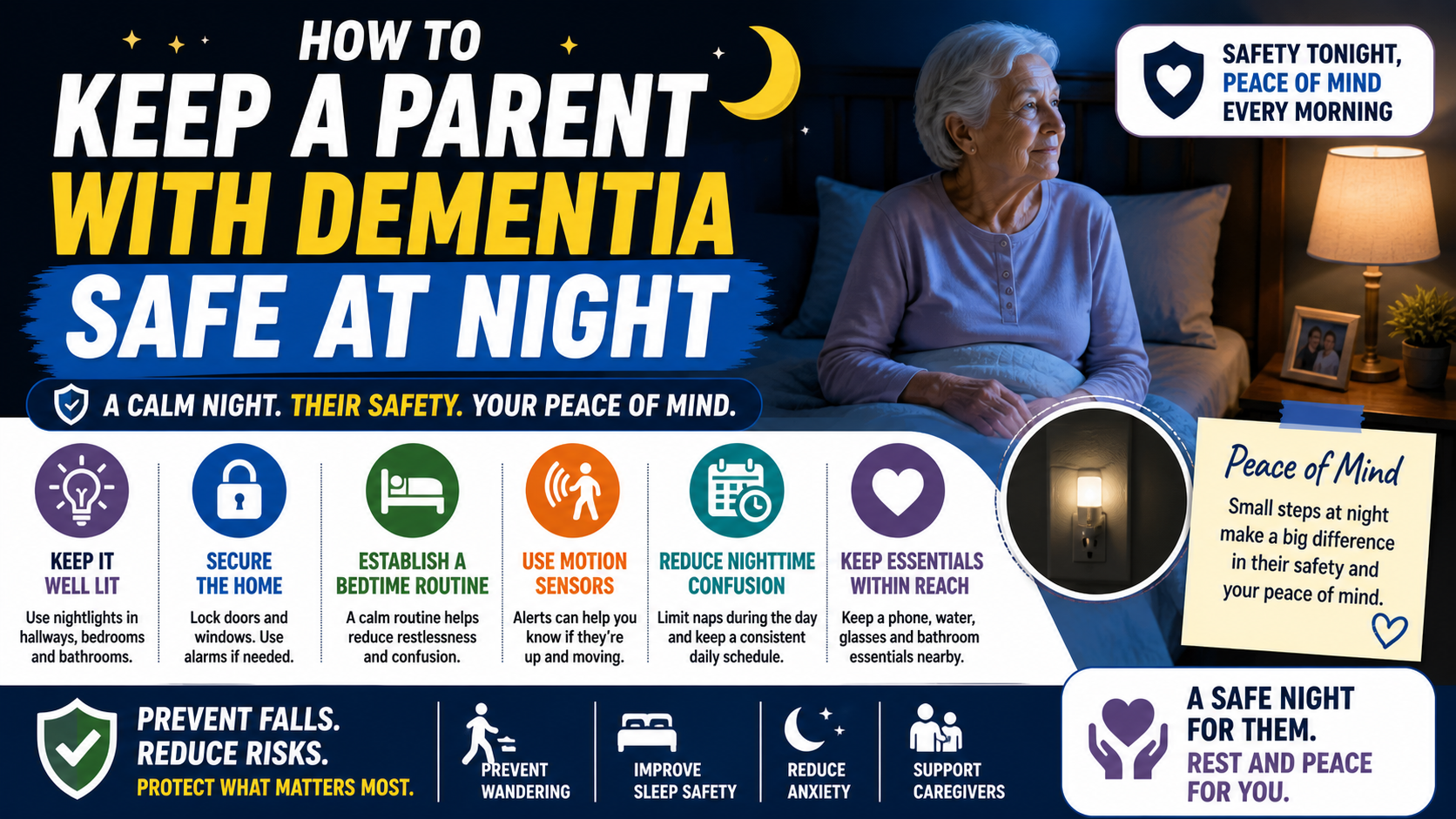
A structured check-in routine with at least one person — a family member, a neighbor, a friend — means that if something happens, someone knows about it within a predictable window rather than after days pass without contact.
The routine needs to be explicit: a daily text, a scheduled call, a neighbor who notices if the lights haven’t come on. Vague assurances that “someone would notice” are not a check-in routine. Specific agreements with specific people are.
Social Connection — The Safety Tip Nobody Talks About
Social isolation is one of the most significant risk factors for accelerated cognitive decline, depression, reduced physical activity, and delayed recognition of health changes that warrant medical attention. It’s also one of the most common features of independent living that goes unaddressed because it doesn’t feel like a safety issue.
It is a safety issue. Isolated seniors have worse health outcomes, fall more, and lose independence faster than socially connected ones. This isn’t a soft finding — it’s one of the most robust associations in gerontology research.
Maintain Existing Connections Actively
Social connections don’t maintain themselves — they require active effort, particularly when mobility changes, driving becomes limited, or health reduces energy for socializing. The effort is worth making. Scheduling regular contact — not waiting for it to happen spontaneously — keeps relationships alive through the periods when initiating feels difficult.
Build Community Connections
Community connections — faith communities, volunteer activities, senior centers, clubs, classes — provide social contact that isn’t dependent on individual relationships that can be lost through death, relocation, or changing circumstances. Investing in community connections creates a social network that’s more resilient than one built entirely on a few close relationships.
Transportation Planning
When driving is limited or stopped — either by choice or necessity — social connection often suffers because getting to activities becomes difficult. Planning for transportation before it becomes a crisis — identifying ride services, community transportation programs, family members who can drive — maintains social access that’s critical to the health outcomes that sustain independent living.
Cognitive Health — Staying Sharp
Cognitive health is as central to independent living as physical health — and receives less proactive attention from most people. Several evidence-based practices support cognitive function in ways that directly affect independent living sustainability.
Stay Mentally Active
Cognitively stimulating activities — reading, learning new skills, puzzles, strategic games, creative pursuits — support cognitive reserve and resilience. The specific activity matters less than the consistency of mental engagement. Find things that are genuinely engaging rather than things that feel like cognitive exercise for its own sake.
Manage Cardiovascular Risk Factors
The same factors that damage cardiovascular health — high blood pressure, diabetes, high cholesterol, smoking — also damage cognitive health through their effects on cerebral blood flow. Managing these conditions effectively is both heart health and brain health. The medications, diet, and lifestyle changes your doctor recommends for cardiovascular risk are simultaneously cognitive health interventions.
Know the Warning Signs Worth Taking Seriously
Not all memory changes are dementia. Normal aging involves some slowing of processing speed and occasional word-finding difficulty. Dementia involves changes in functional ability — getting lost in familiar places, difficulty managing previously routine tasks, significant personality changes, repeated questions within the same conversation.
Knowing the difference matters because early diagnosis opens access to treatment, planning time, and support that isn’t available after the condition has significantly progressed. Our guide on warning signs you may not be safe living alone covers cognitive warning signs alongside physical ones in detail worth reading.
Planning — The Thing That Makes Everything Else Work
Independent living is sustained by planning — not by assuming things will work out, not by dealing with problems as they arise, but by making specific decisions in advance about what to do when things change.
Legal Documents While You Have Full Capacity
Power of Attorney, Healthcare Power of Attorney, and Advance Directive need to be in place while cognitive capacity is fully intact. These documents cannot be completed correctly once capacity has declined. They’re not about expecting the worst — they’re about ensuring that if your health changes, the decisions about your care are made by people you’ve chosen, in accordance with your stated wishes, rather than by strangers under court order.
This is the most time-sensitive planning item for any independently living older adult. Do it now, not later.
Talk to Family Before There’s a Crisis
The conversations about what you want — how you want to live, what level of help you’d accept and under what circumstances, what your non-negotiables are — are vastly easier to have before there’s a health crisis than during one. Having them now, while there’s time to be thoughtful and thorough, means that if something does happen your family knows what you want and can act accordingly.
Our complete aging in place checklist for families covers every planning category worth addressing — home safety, legal, financial, support systems, and health management — in one comprehensive resource worth working through together.
Know When to Reassess
Independent living needs change. A plan that works well at 70 may need updating at 75 and significant revision at 80. Building in a regular reassessment — every six months or after any significant health event — keeps the plan current rather than letting it become outdated while circumstances have quietly shifted.
The signals that independent living needs are changing are covered in our guide on warning signs you may not be safe living alone. Reading it now — before any of those signals are present — gives you a clear reference point for what to watch for.
Frequently Asked Questions
At what age should I start thinking about independent living safety?
Now — regardless of your current age. The modifications and planning in this guide are most effective when implemented before anything goes wrong. If you’re in your 60s and fully healthy, doing a home safety assessment and getting legal documents in place takes a few hours and provides decades of protection. If you’re in your 70s or 80s, some of these items may be genuinely urgent. There’s no age at which starting earlier wouldn’t have been better — but there’s also no age at which starting now isn’t worth doing.
How do I stay independent if I can no longer drive?
Transportation planning is one of the most important but least-addressed aspects of independent living planning. Options worth identifying before they’re urgently needed include ride-sharing services, community senior transportation programs through local Area Agencies on Aging, volunteer driver programs through faith communities and nonprofits, grocery and errand delivery services, and family transportation agreements. Having multiple options identified in advance means losing driving doesn’t immediately compromise independence in the way it does for people who haven’t planned.
What’s the difference between independent living and assisted living?
Independent living means living in your own home — or a senior community designed for independent residents — and managing your own daily life. Assisted living provides housing with personal care support — help with bathing, dressing, medication management — for people who need more assistance than independent living allows. The line between them isn’t fixed — it shifts as needs change. Most people who plan proactively can extend independent living significantly compared to those who don’t, delaying the transition to assisted living by years in many cases.
Is it safe to live alone as an older adult?
Yes — for most older adults with appropriate safety measures in place. Living alone increases the importance of a medical alert device with fall detection, a structured check-in routine, and a support network. It doesn’t make independent living impossible or inherently unsafe. Millions of older adults live alone successfully for decades with the right foundation in place. The specific measures that matter most for solo living are covered throughout this guide and in our dedicated guide on warning signs you may not be safe living alone.
What should I do first if I want to make my independent living situation safer?
Three things in parallel: walk through your home with the home safety checklist and order grab bars for the bathroom. Get a medical alert device with fall detection — the SecuLife Smartwatch is the option we recommend. And schedule a medication review with your doctor specifically asking about fall risk. Those three actions address the highest-impact elements of independent living safety and can all be initiated this week.
Independence Is Worth Protecting Actively
Independent living as an older adult is one of the things most worth protecting — and protecting it takes active effort, not passive hope that nothing will change.
The seniors who stay independent the longest are not the ones who were the healthiest or the luckiest. They’re the ones who took the risks seriously, made the modifications, built the support networks, and had the conversations — before anything forced their hand.
That choice is available right now. The framework is in this guide. The specific actions are linked throughout. The safety net is one Amazon order away.
Independent living on your own terms is worth the effort this guide asks for. Start today.
→ Get the SecuLife Smartwatch on Amazon
→ Get the Toilet Safety Rails on Amazon
About the Author
Margaret Holloway, RN spent 22 years in geriatric nursing watching the full spectrum of how independent living goes — for people who planned proactively and for those who didn’t. The difference in outcomes between those two groups is what drives her writing. She covers senior safety for Elder Safety Guide with a focus on the honest, practical guidance that makes independent living sustainable rather than fragile.