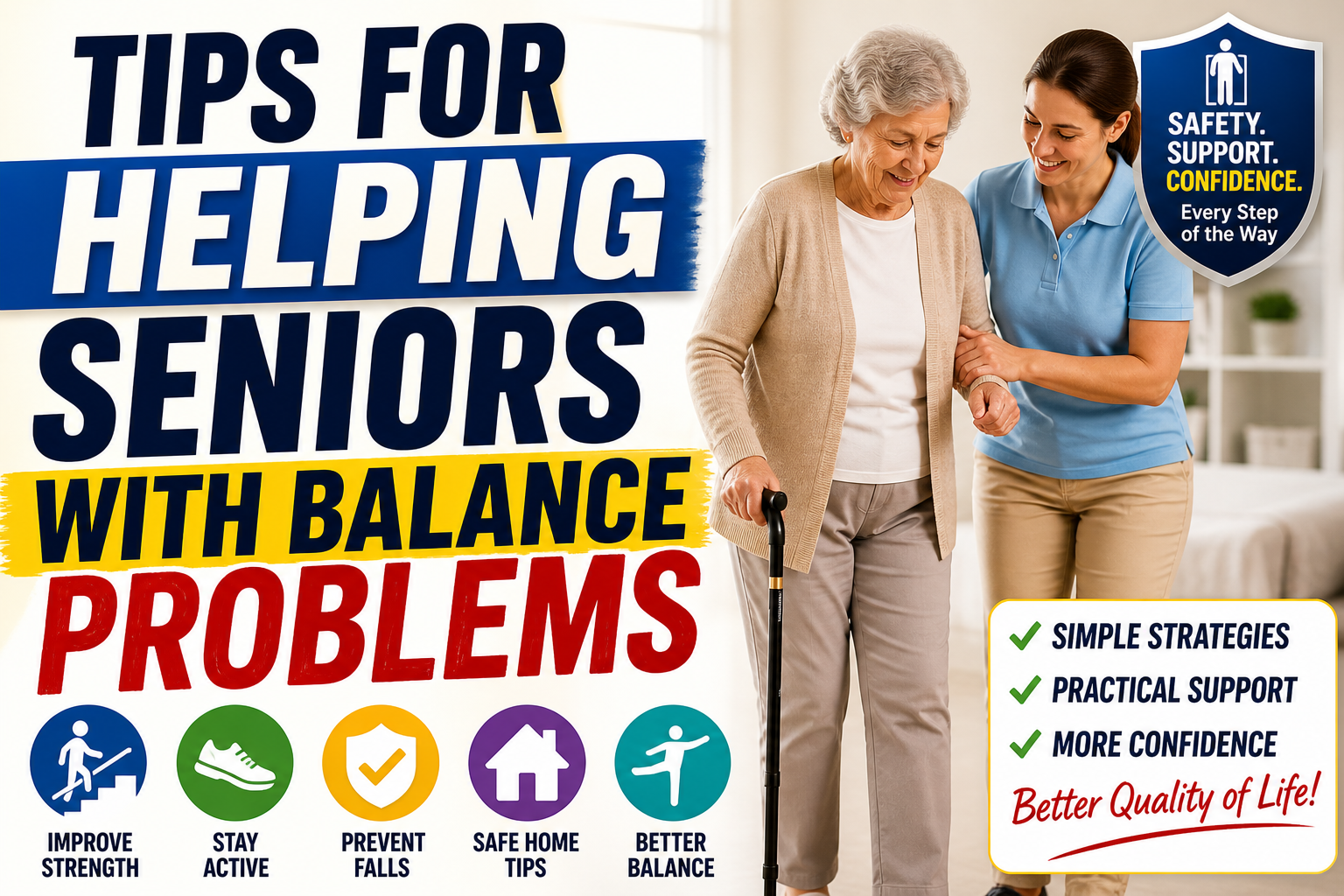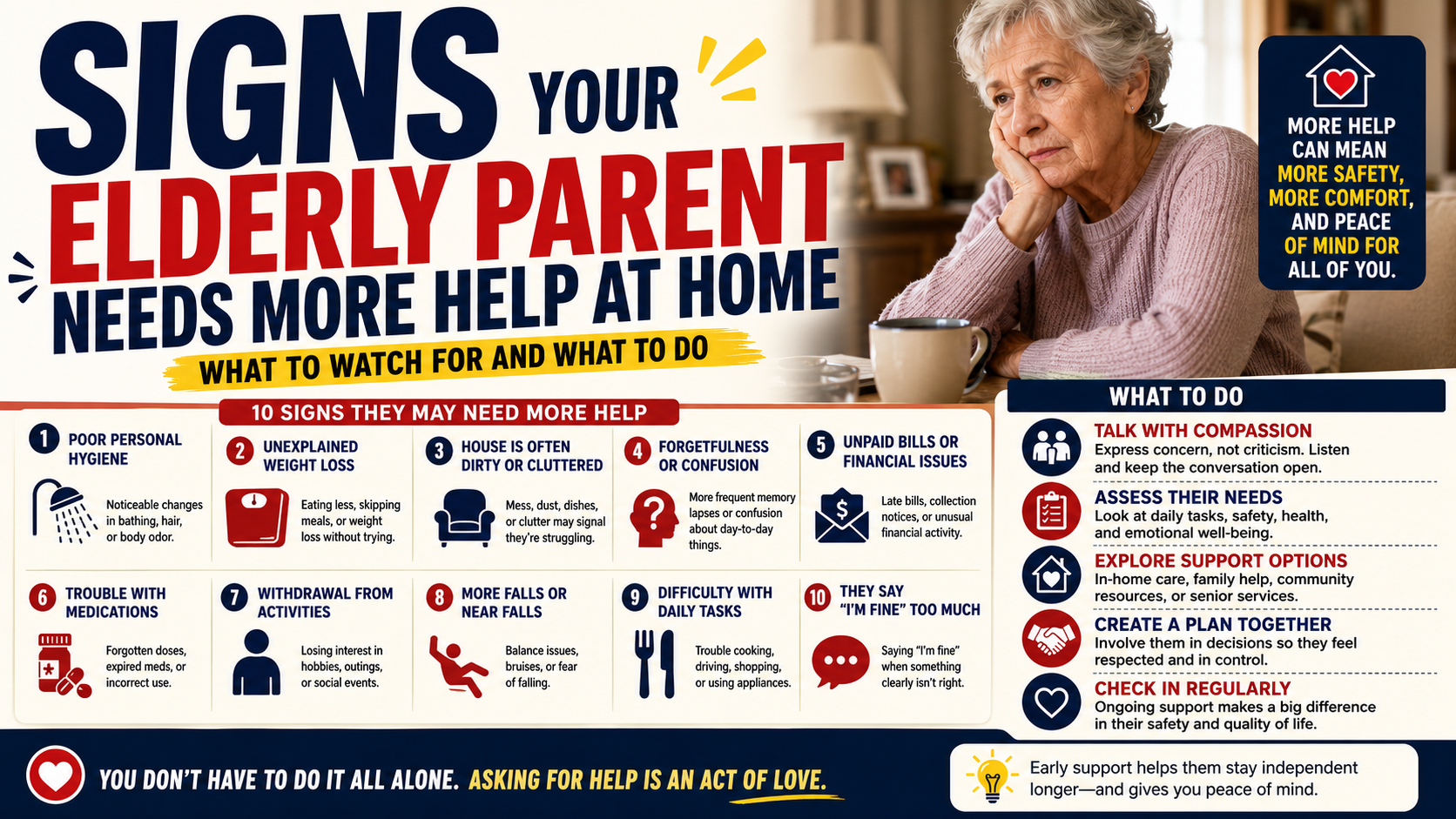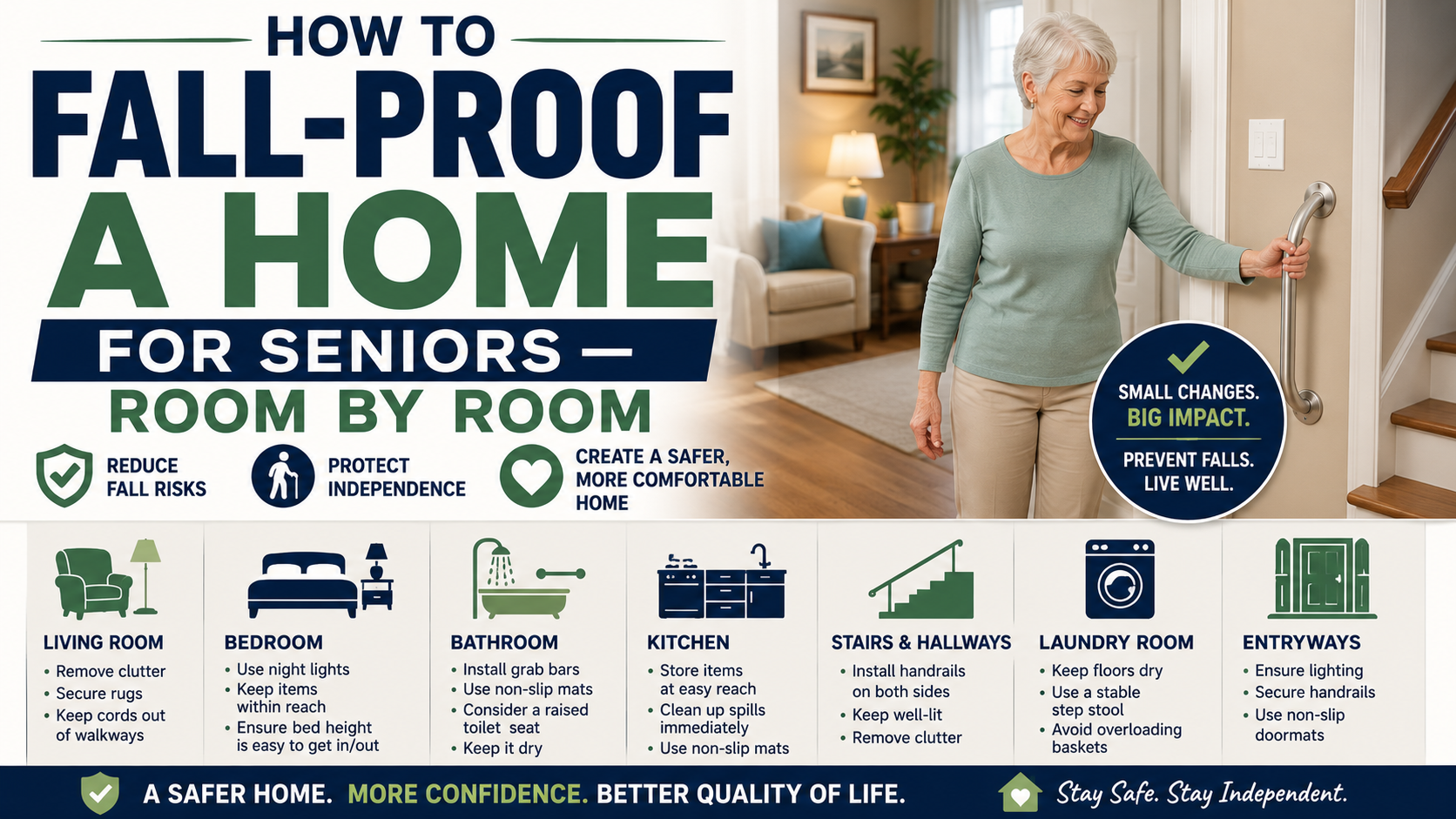
Skip the flowers and candy. Here are the best gifts for seniors living alone that provide real daily value — and could genuinely save a life.
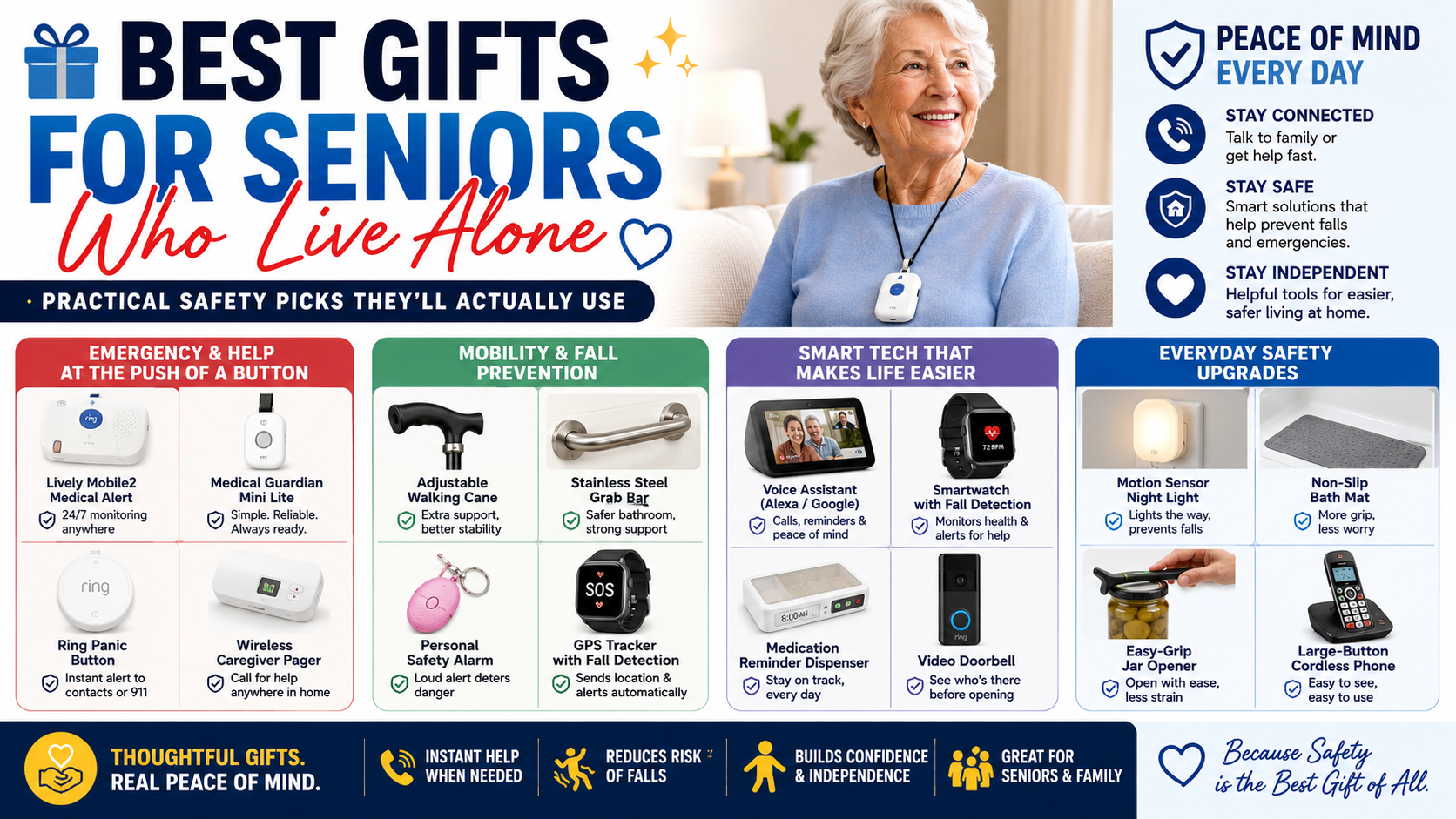
Buying a gift for an older adult who lives alone is one of those situations where the usual gift ideas feel inadequate. Flowers die. Candy gets ignored. Another blanket joins the pile. And meanwhile the bathroom still doesn’t have grab bars, the medications are being managed from memory, and nobody knows what would happen if a fall occurred at 2am.
The best gifts for seniors living alone are the ones that make daily life safer, easier, and more connected — things they’d benefit from enormously but might not think to get for themselves, or might resist getting because it feels like admitting something.
That’s where a gift comes in. A grab bar is easier to accept as a thoughtful present than as a safety intervention. A smartwatch is easier to wear when someone gave it to you than when you bought it for yourself out of worry.
This guide covers the gifts that actually make a difference — ranked by impact, with something for every budget.
What Makes a Great Gift for a Senior Living Alone
The best gifts in this category share a few characteristics worth keeping in mind as you shop.
They solve a real daily problem. The most appreciated gifts are the ones that make something that was difficult, risky, or effortful into something easy and safe. Not decorative additions to an already full home — practical solutions to real friction points.
They don’t feel like medical equipment. A gift that announces “I’m worried about you and think you’re declining” lands very differently than one that feels like a thoughtful, modern, practical addition to daily life. The best gifts in this category are ones the recipient would be proud to show a friend.
They provide ongoing daily value. A one-time use gift provides one moment of appreciation. A gift that improves every single day — every shower, every time they get out of bed, every time they take their medications — compounds in value over months and years.
The Gifts — Ranked by Daily Impact
1. Medical Alert Smartwatch With GPS and Fall Detection
Best for: Anyone living alone. Budget: $100-$200 device + $20-$25/month service.
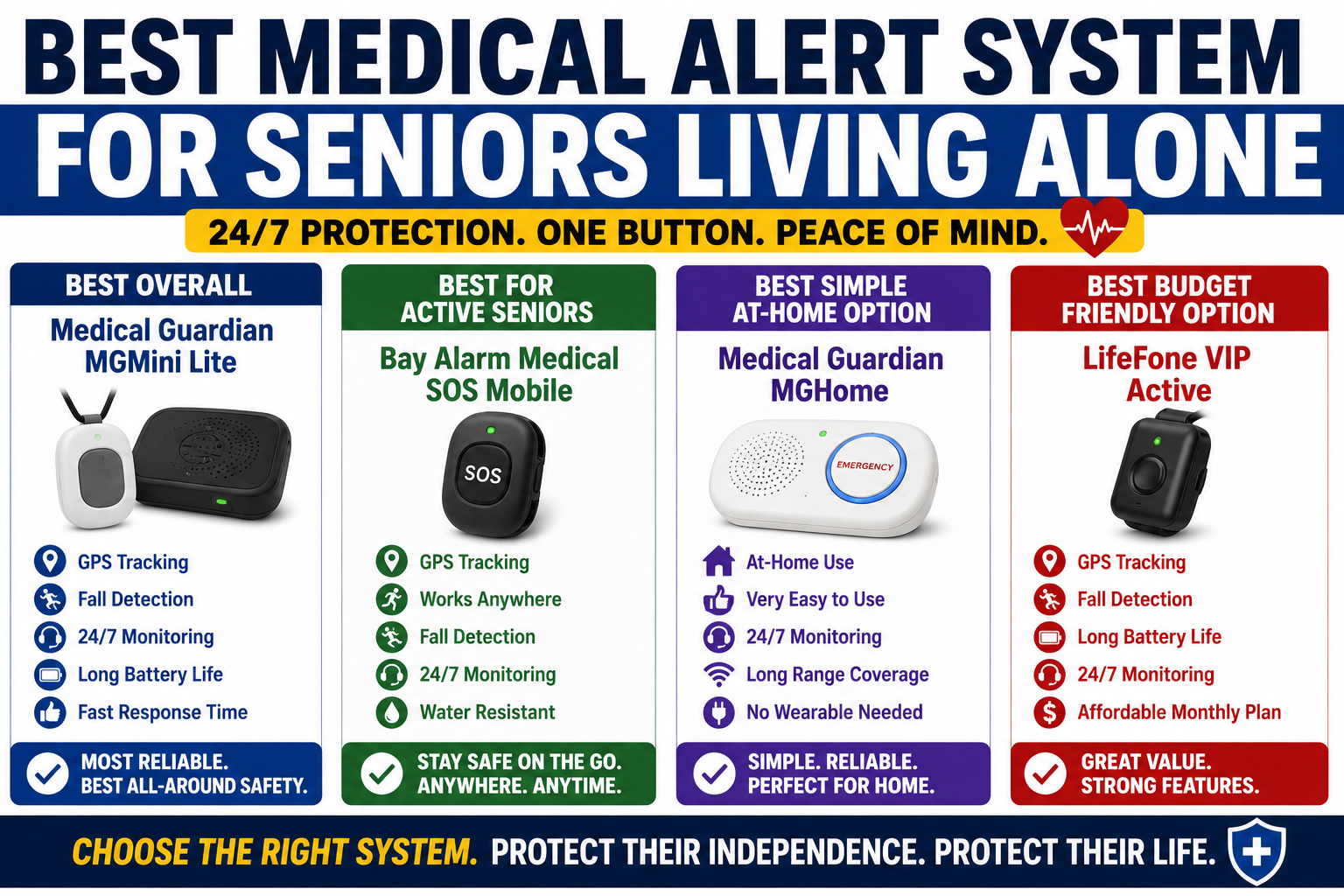
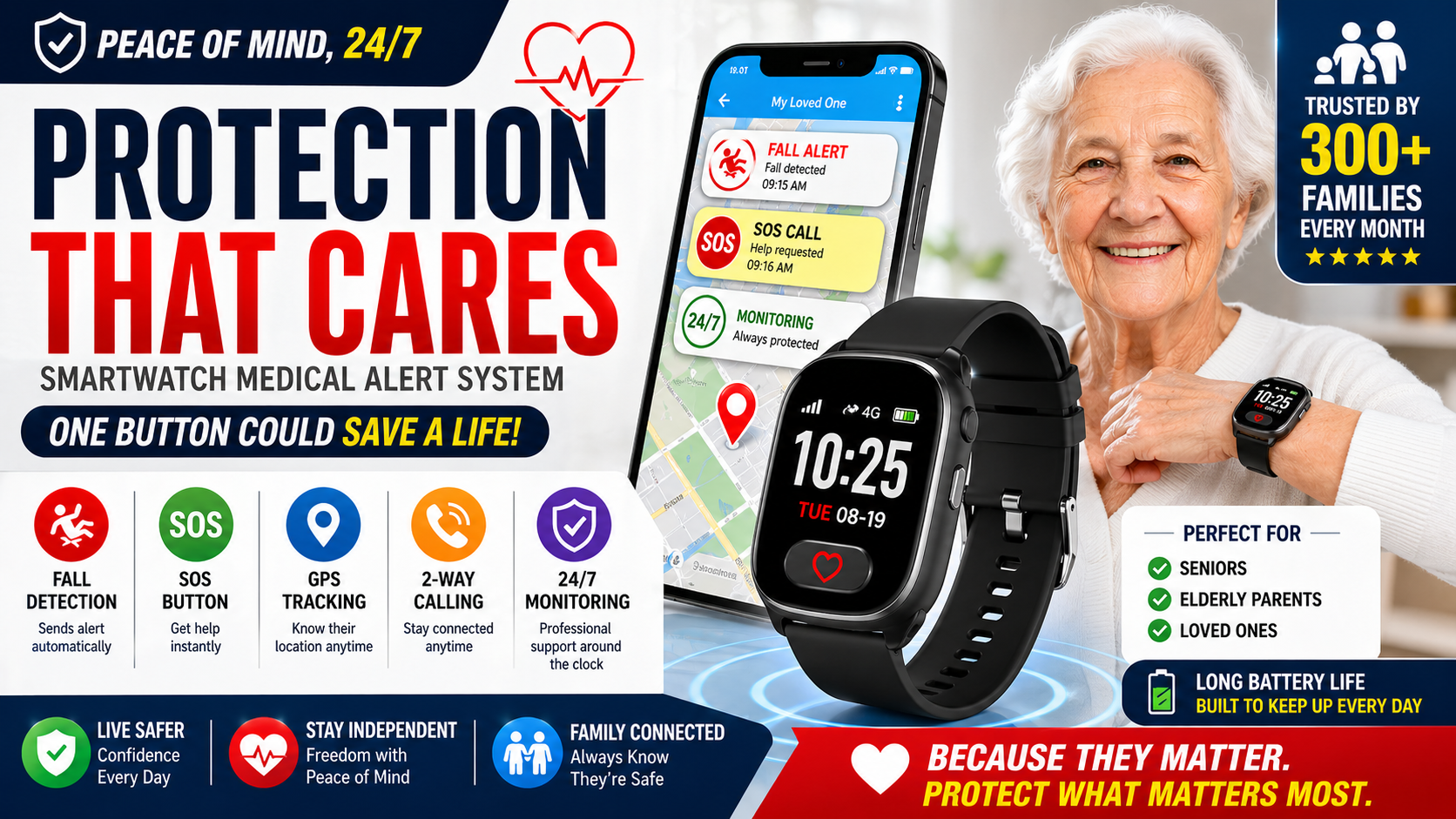
This is the gift that could save a life — and it’s one most seniors won’t buy for themselves because of what it signals. As a gift it arrives differently. You’re not telling them they need it because they’re frail. You’re giving them something that gives you peace of mind and gives them freedom — the ability to live independently knowing help is always available. The key features to compare before choosing one are outlined in Best Medical Alert System for Seniors Living Alone — What to Look For and Why It Matters.
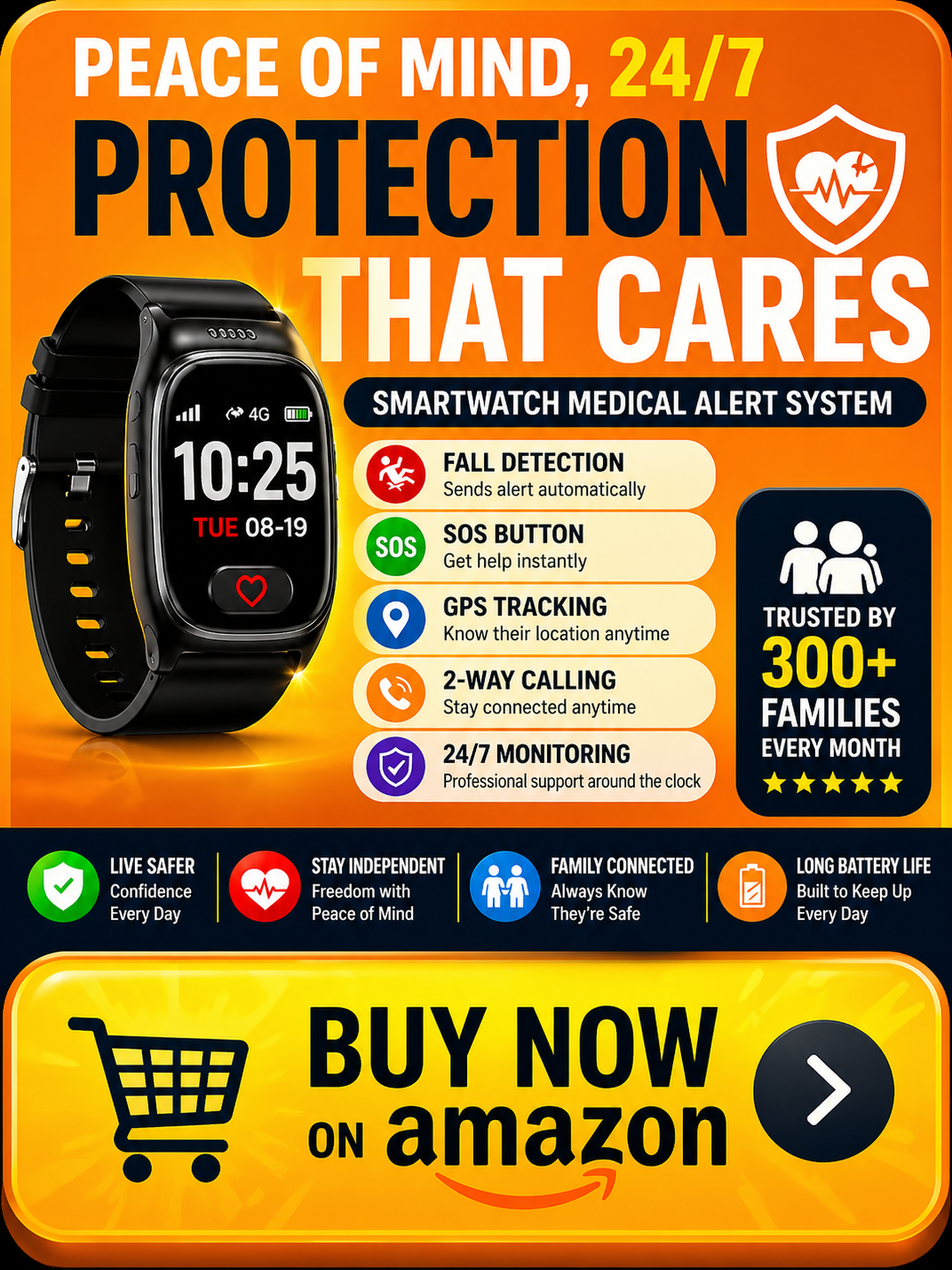
The SecuLife Smartwatch is the option we recommend — automatic fall detection that works even if they can’t press a button, real-time GPS so you always know they’re safe, two-way calling from the wrist, and a design that looks like a regular smartwatch rather than a medical device. That last point matters enormously for acceptance and daily wearing.
Frame it when you give it: “This means I can worry less and you can do more.” That framing — independence and your peace of mind rather than their vulnerability — makes a real difference in how it’s received.
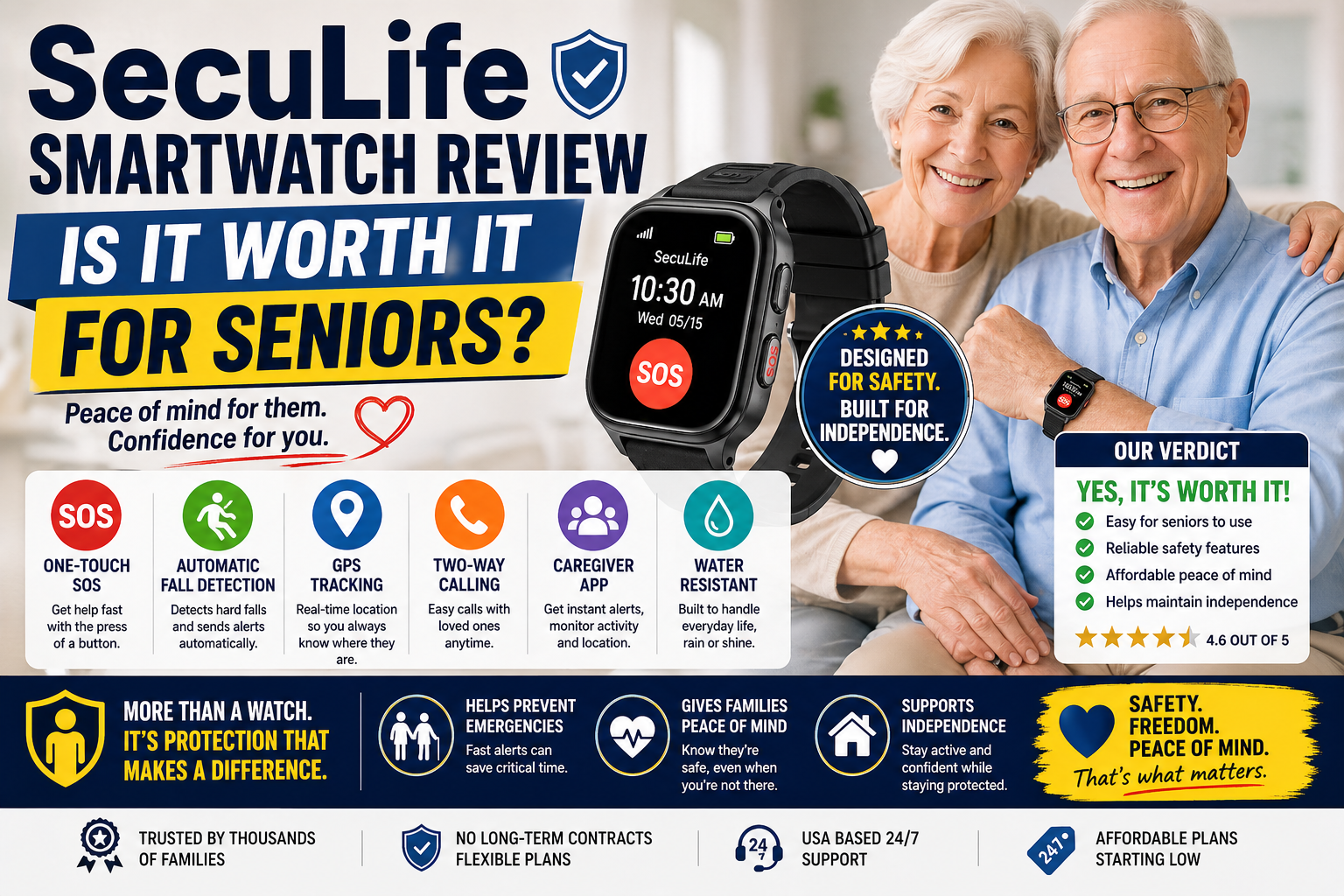
Our full SecuLife Smartwatch review covers everything about the device. Our guide on how to talk to a parent about a medical alert system covers exactly how to present it.
→ Get the SecuLife Smartwatch on Amazon
2. Grab Bars for the Bathroom
Best for: Anyone without grab bars already installed. Budget: $30-$50 plus installation.
The bathroom is the most dangerous room in the home for older adults — and grab bars at the shower entry and next to the toilet are the single highest-impact home modification available. Most seniors don’t have them. Most seniors won’t install them for themselves because of what it means to admit they need them.
A gift that includes the bars AND the installation is particularly powerful. Buy the 2-pack stainless steel grab bars, schedule a handyman, and give the completed installation as the gift. Show up, get it done, and leave knowing the bathroom is genuinely safer.
These don’t look like medical equipment — polished nickel finish blends with standard bathroom fixtures. Most people who see them won’t even register them as safety devices.
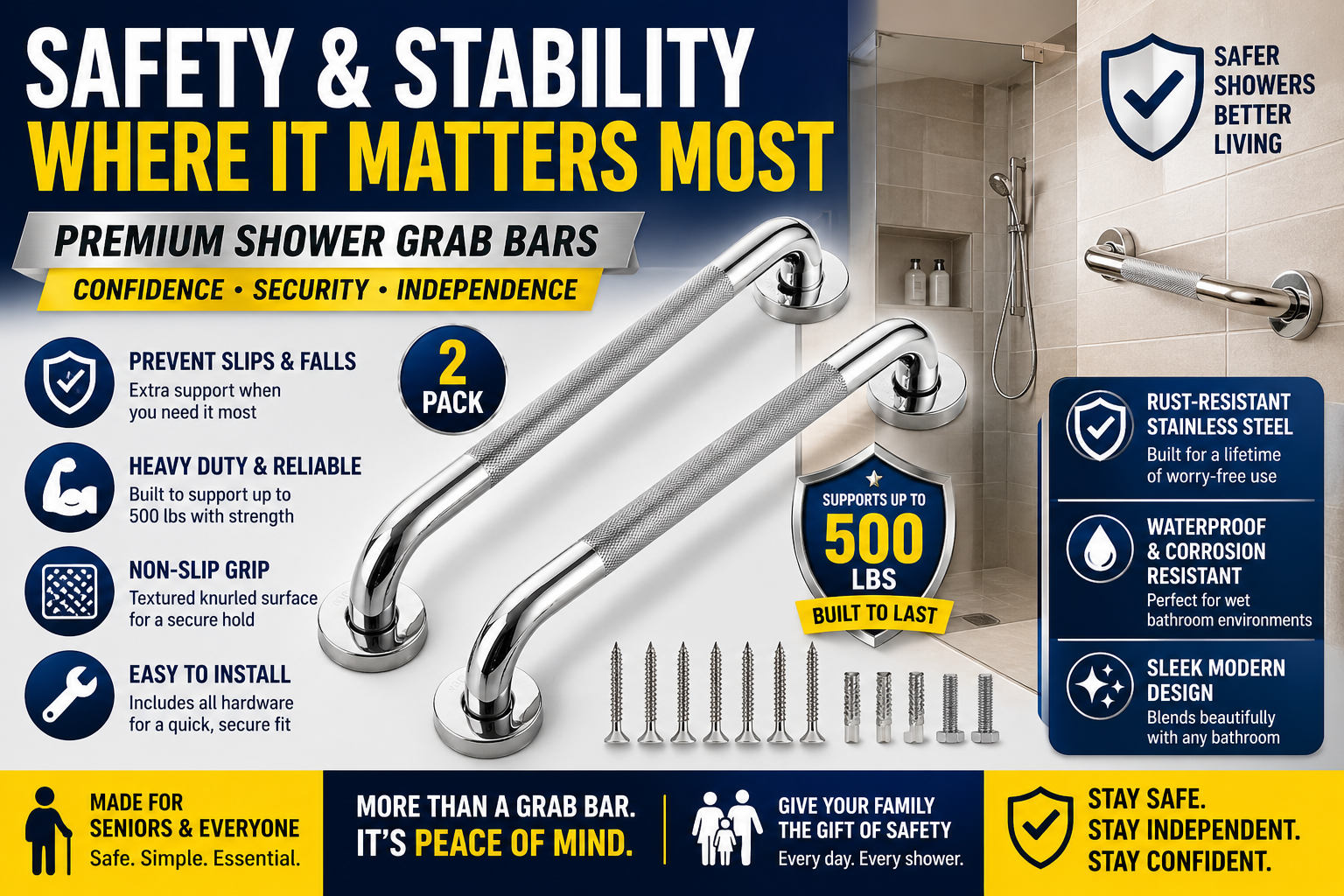
Our review of the best grab bars for seniors covers exactly what to buy. Our grab bar placement guide covers where to install them.
3. Automatic Pill Dispenser
Best for: Anyone managing multiple medications. Budget: $80-$150.
Medication errors — missed doses, double doses, wrong timing — are one of the most significant and least visible health risks for seniors living alone. An automatic pill dispenser with a smart lock and alarm removes human memory from the equation entirely. The right pills dispense at the right time automatically.
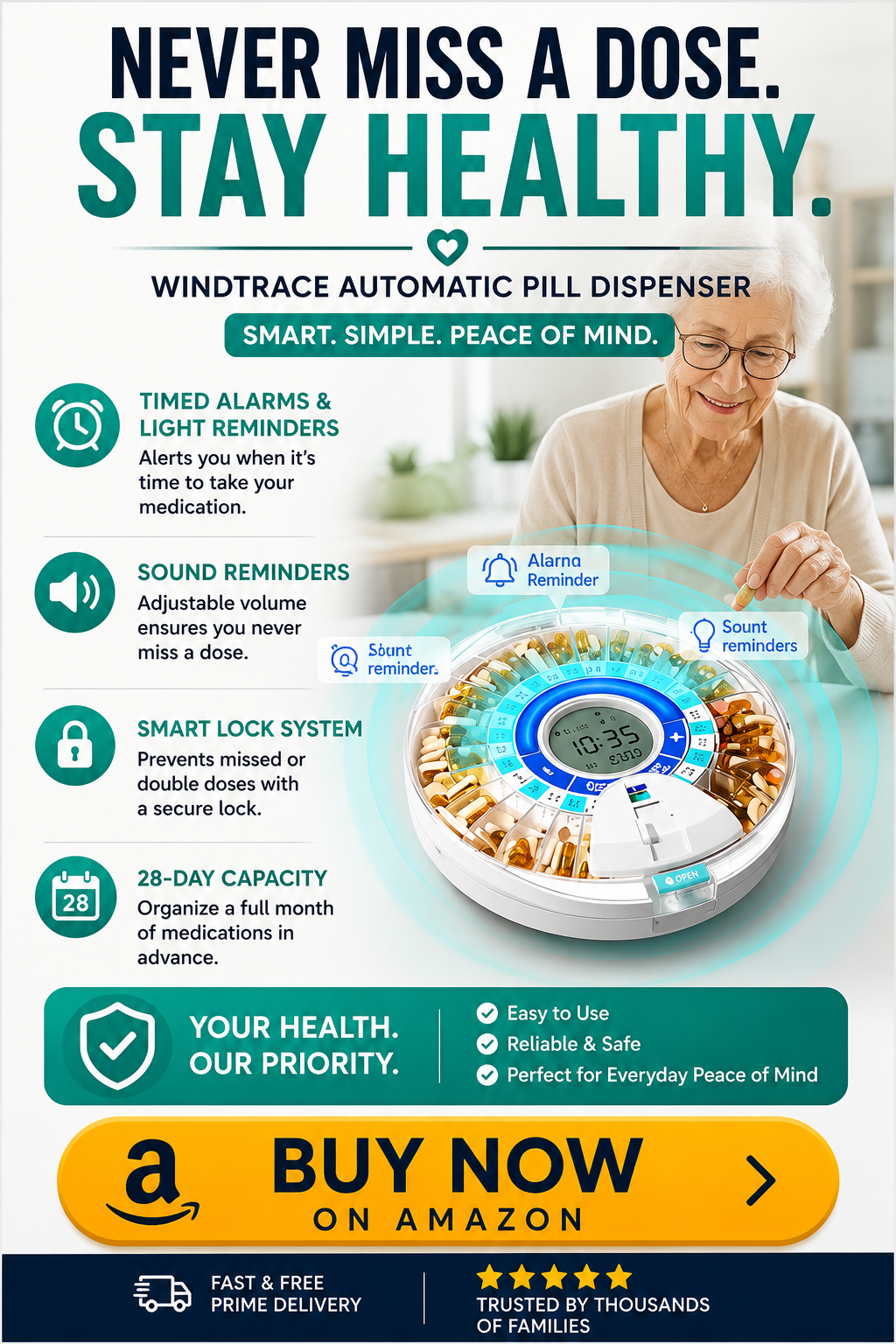
The Windtrace 28-day automatic pill dispenser holds a full month of medications, sounds an alarm at each dose time, only opens the current compartment, and notifies caregivers if a dose is missed. Load it once a month and medication management runs on autopilot.
This is one of those gifts that works invisibly and continuously — the recipient may not think about it much after the first week, but it’s protecting them every single day.
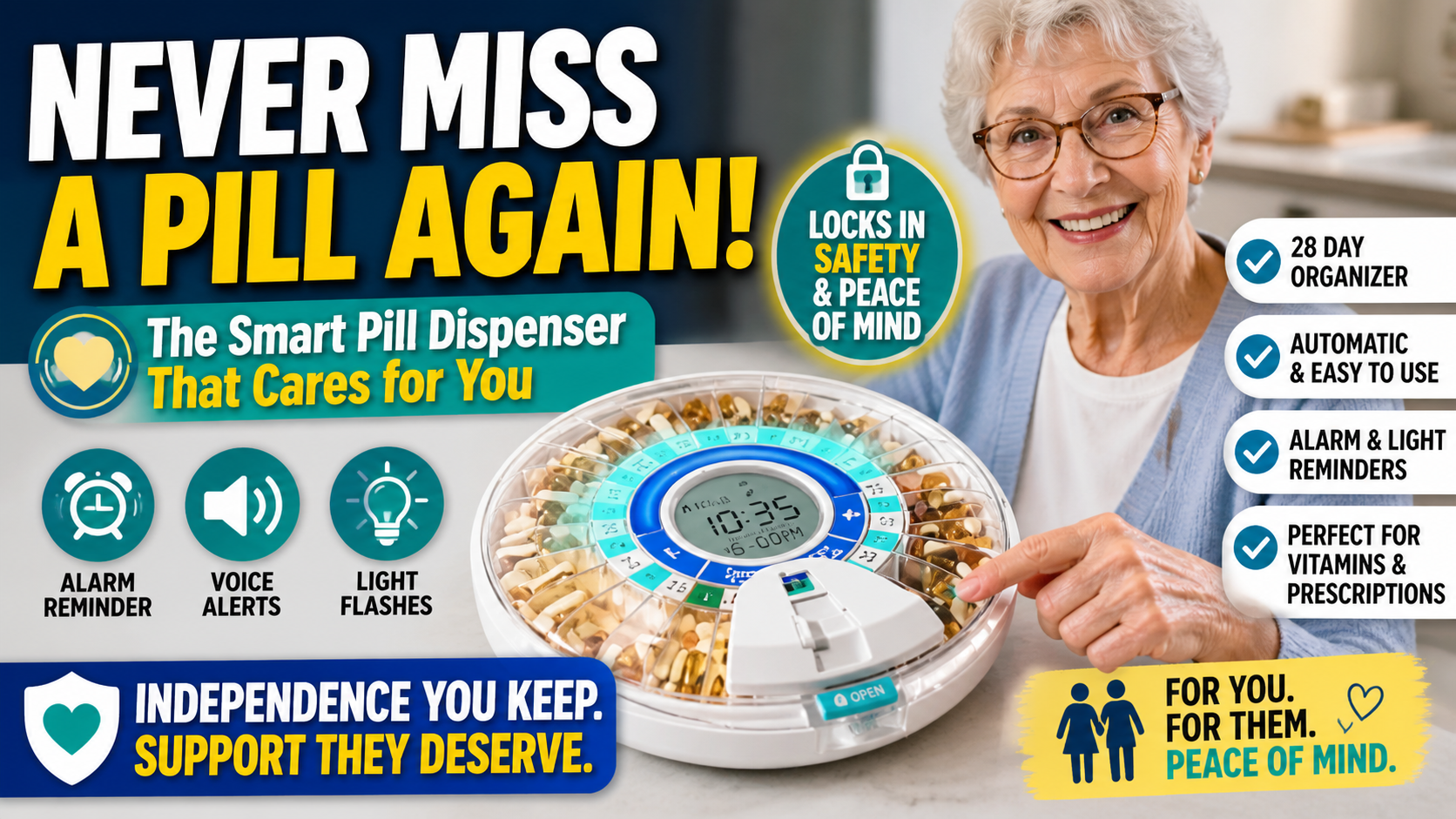
Our full automatic pill dispenser review covers the Windtrace in detail.
→ Get the Windtrace Pill Dispenser on Amazon
4. Ring Video Doorbell
Best for: Anyone who gets regular visitors or deliveries. Budget: $60-$100.
A video doorbell is a gift that feels modern and practical rather than safety-focused — which is exactly why it works so well as a gift for seniors. See who’s at the door from a phone without getting up. Speak to visitors through two-way audio without opening the door. Get motion alerts before anyone even rings.
For seniors living alone the safety benefits are real — fewer unnecessary trips to the door, protection against scammers and unwanted visitors, and the ability for family members to see who’s coming and going remotely. But it doesn’t feel like a safety device. It feels like smart home technology — which is exactly how to present it.
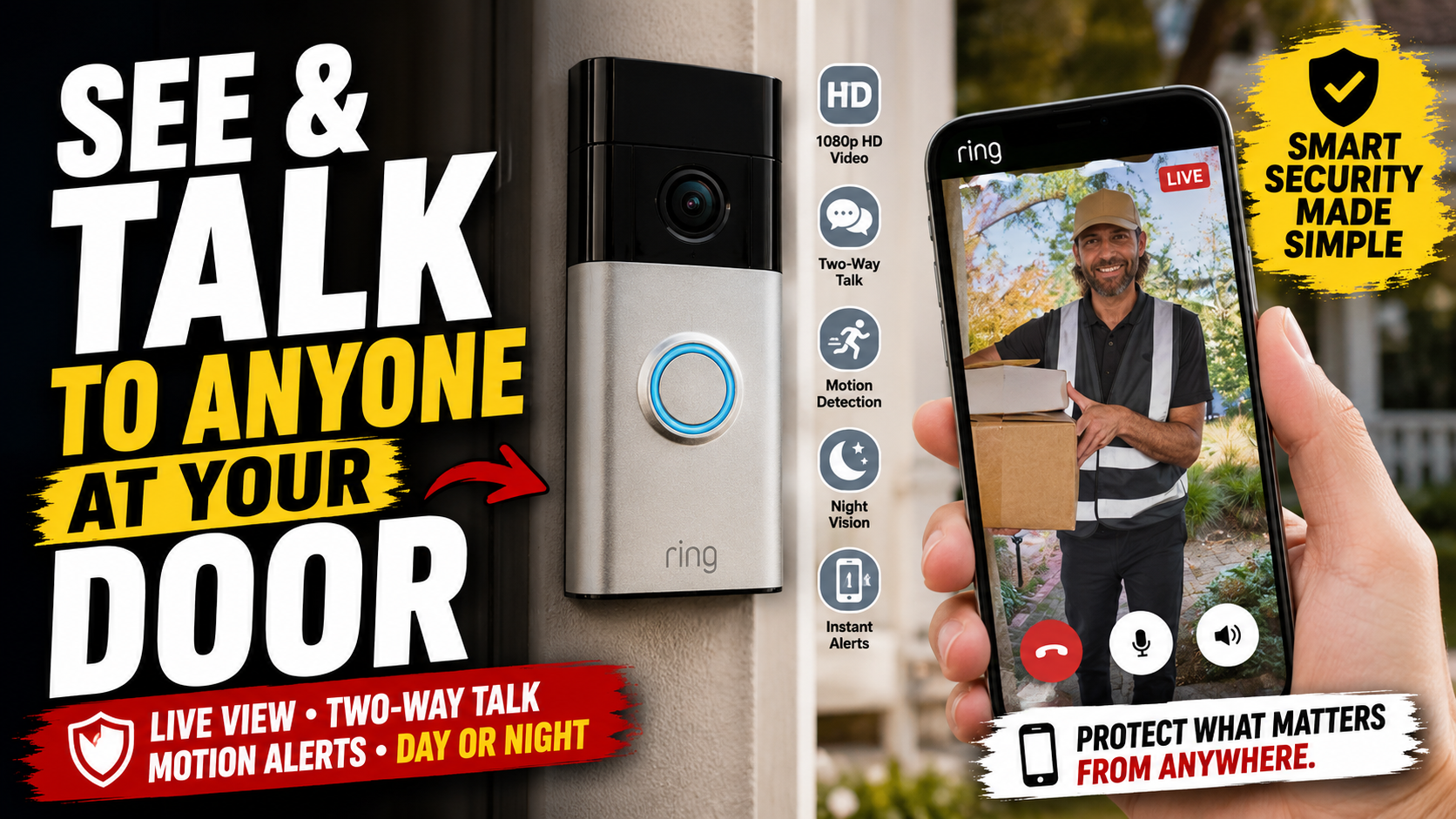
Our Ring Battery Doorbell review covers setup, features, and everything worth knowing.
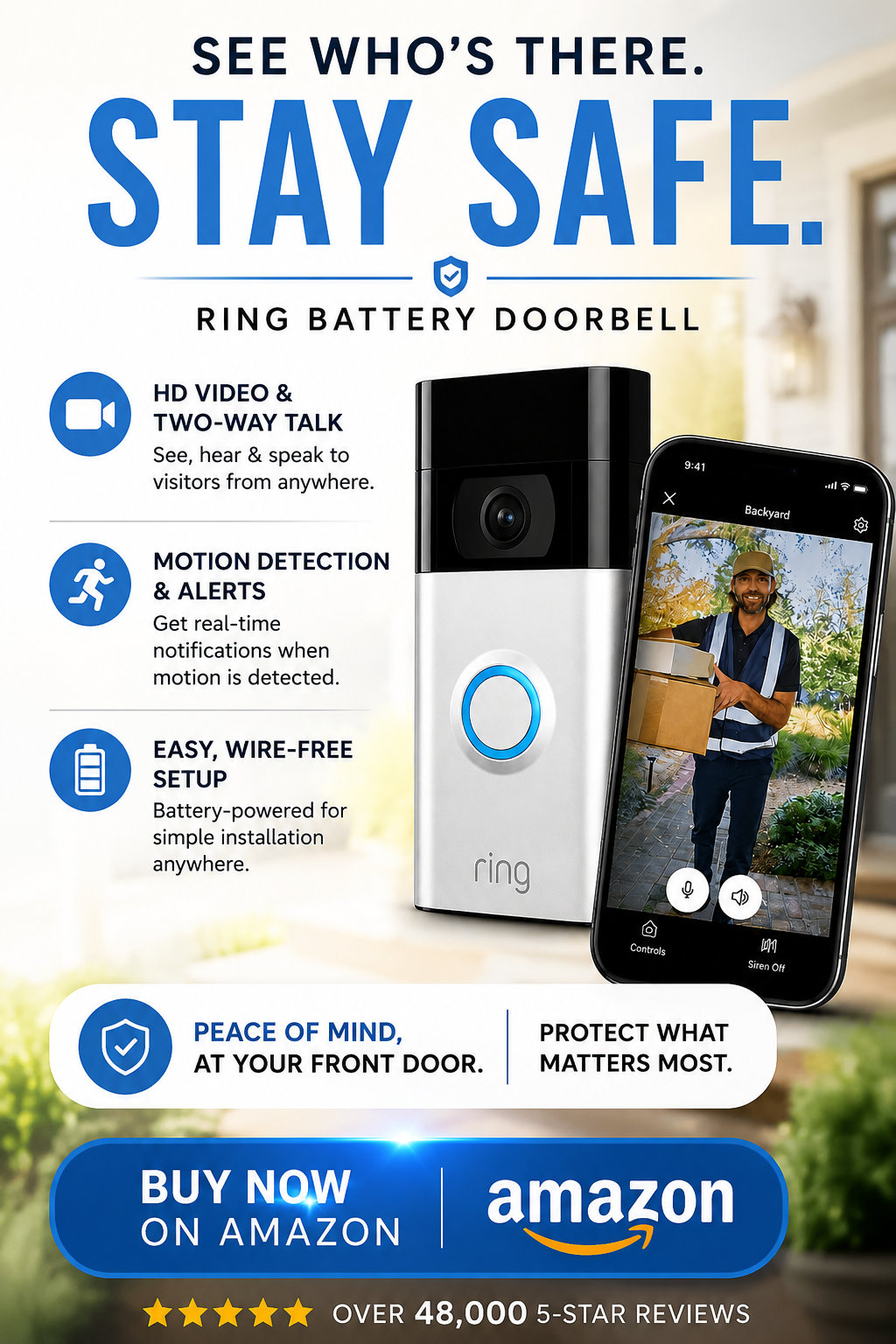
→ Get the Ring Battery Doorbell on Amazon
5. Toilet Safety Rails
Best for: Anyone who struggles with sitting and standing. Budget: $50-$80.
Getting on and off the toilet multiple times every day is one of the most repeated fall risks in a senior’s home — and toilet safety rails with armrests address it directly and immediately. They install without tools, fit any toilet, and make the sit-to-stand transition dramatically safer and easier.
Frame this one as making things easier rather than safer: “These make it so much less effort to get up.” That framing is both accurate and much more likely to be received well than any safety-focused pitch.

Our review of the best toilet safety rails covers the Lianjindun option we recommend.
→ Get the Toilet Safety Rails on Amazon
6. Bed Rail
Best for: Anyone who struggles getting in and out of bed. Budget: $40-$80.
Getting out of bed — especially during nighttime bathroom trips — is one of the highest-risk daily transitions for older adults. An ASTM-certified bed rail gives a firm handle to push against during the sit-to-stand sequence, making every morning and every nighttime trip significantly safer.
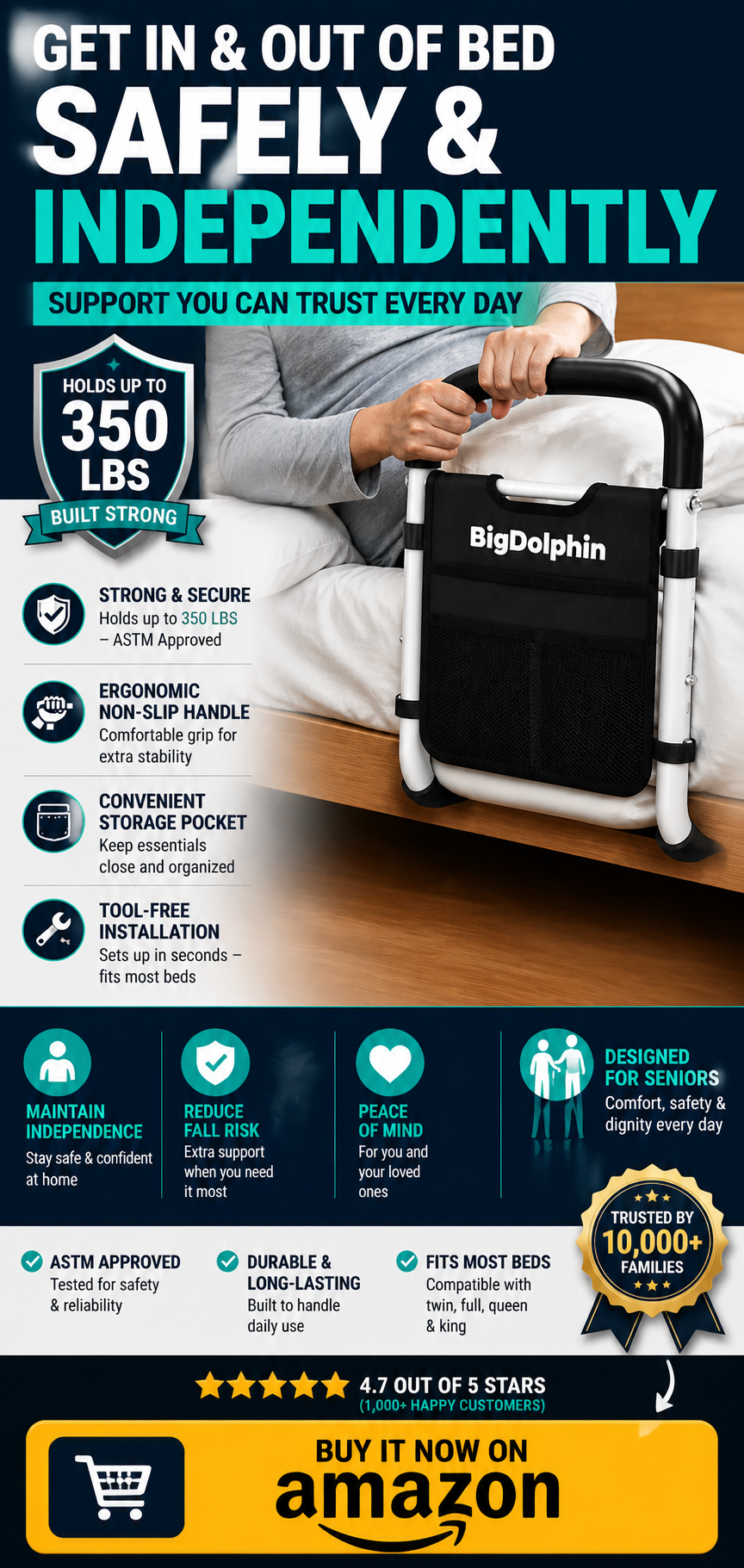
The storage pocket on the ASTM approved bed rail keeps phone and essentials within reach from bed — a genuinely useful daily convenience that makes the gift feel practical rather than medical.
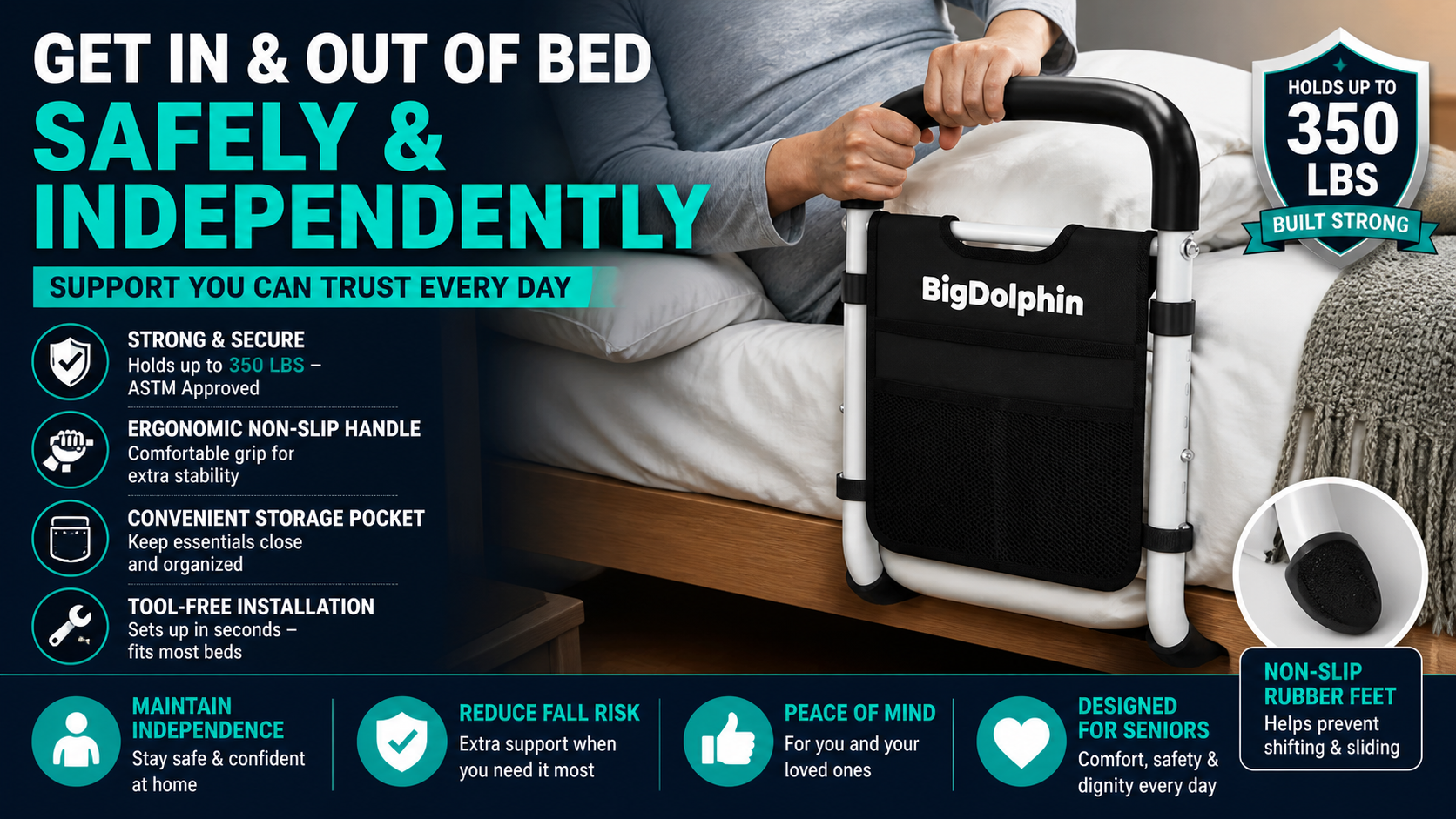
Our full bed rail review and our guide on safe ways to get out of bed cover everything worth knowing.
7. Auto-On Rechargeable Night Lights — 3 Pack
Best for: Anyone making nighttime bathroom trips. Budget: $30-$50.
Three plug-in rechargeable lights — one in the bedroom near the bed, one in the hallway, one in the bathroom — light the entire path to the bathroom automatically the moment feet hit the floor at night. They function as gentle night lights every night and activate at full brightness automatically during power outages.
This is a gift where the impact is invisible until it matters — and then it matters enormously. Nighttime falls are disproportionately serious. Lit paths prevent them.
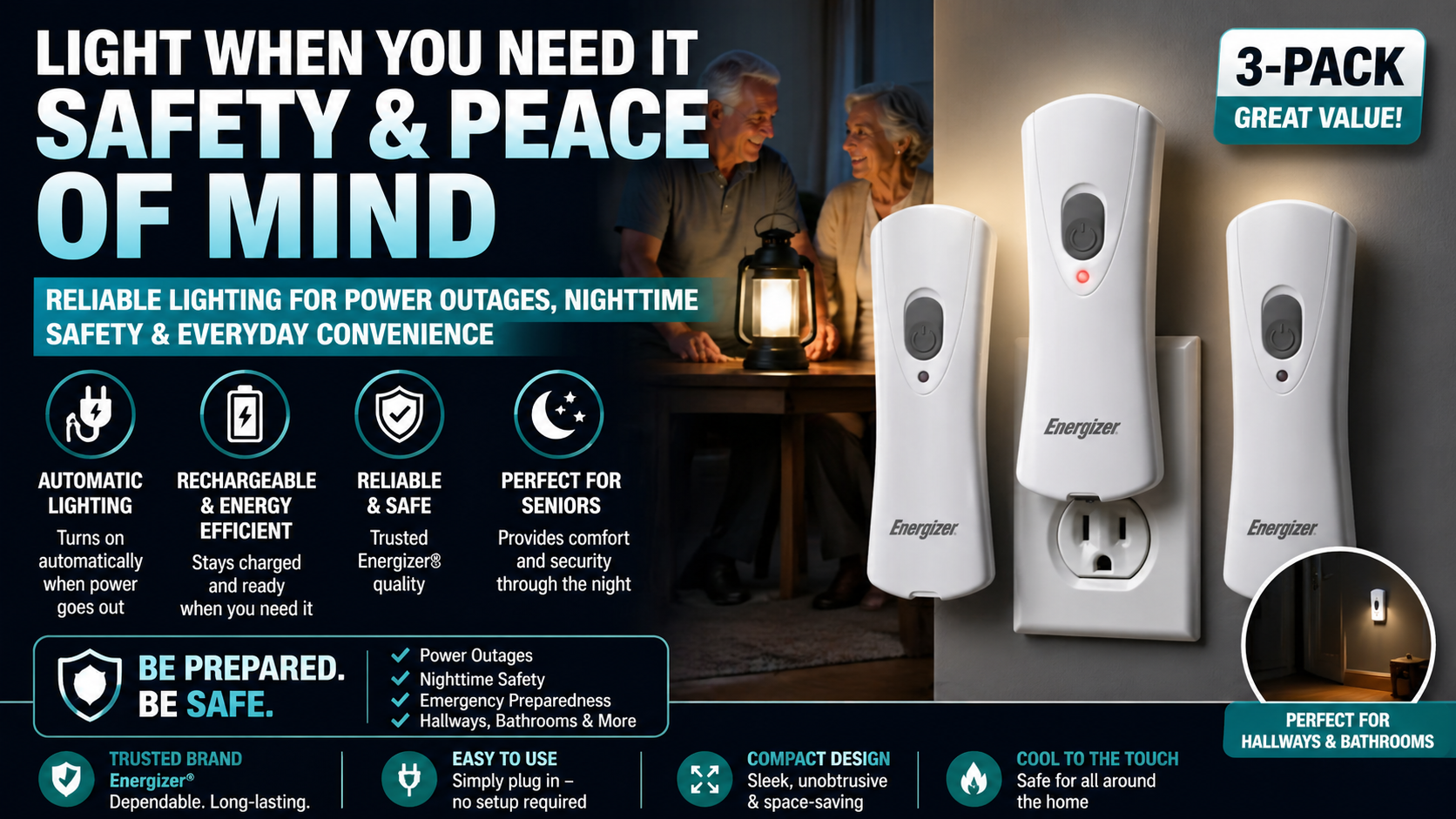
Our review of the best auto-on rechargeable flashlights covers the Energizer 3-pack we recommend.
→ Get the Energizer Auto-On 3-Pack on Amazon
8. Non-Slip Stone Bath Mat
Best for: Everyone. Budget: $30-$60.
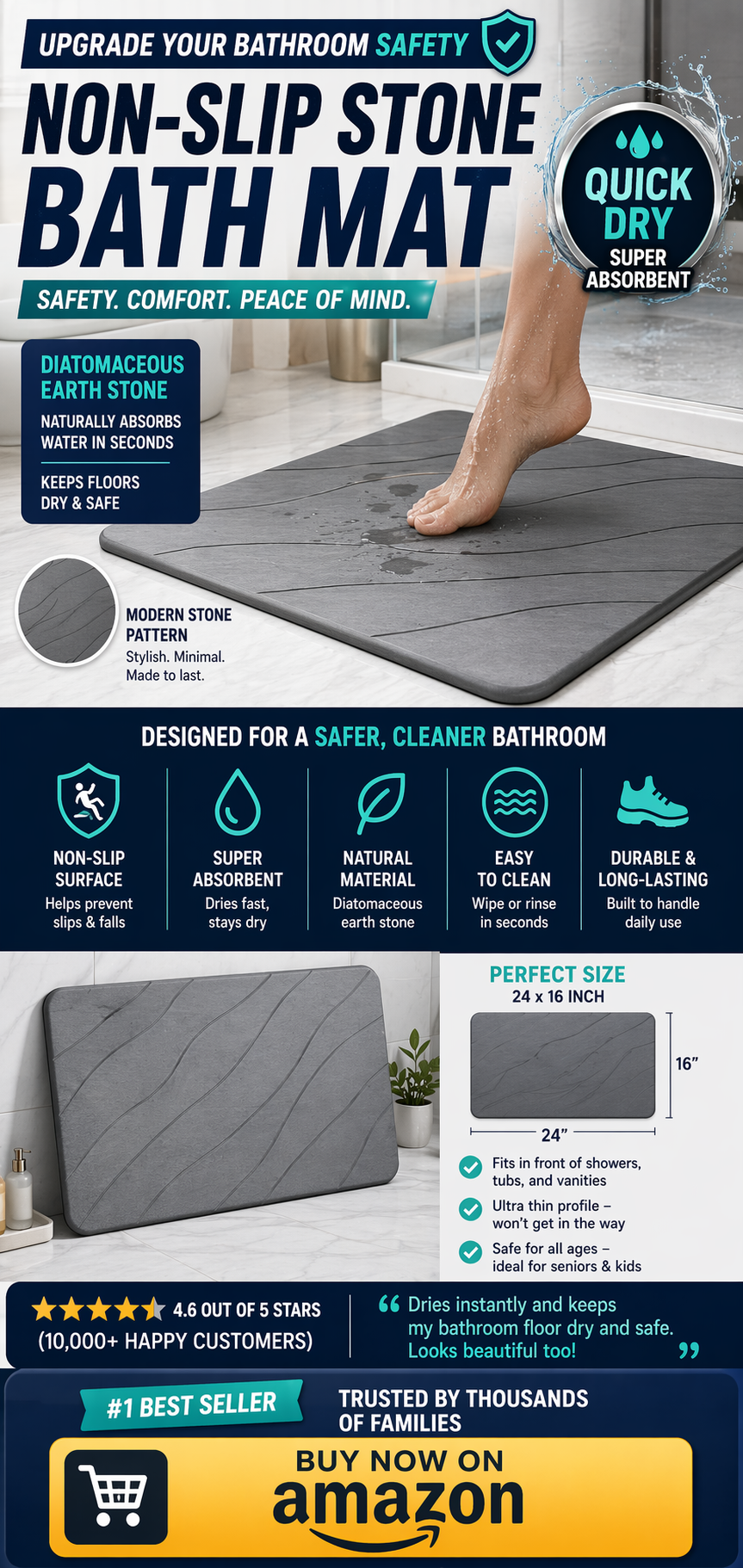
This is the gift that seems small and turns out to matter every single day. Most bath mats shift under wet feet, stay damp for hours, and mildew over time. The diatomaceous earth stone bath mat absorbs water instantly, never shifts, never mildews, and looks like a stylish bathroom accessory rather than a safety product.
It’s an easy gift to give without any safety framing at all — it’s genuinely attractive, it’s practical, and it solves a real problem. Anyone who receives it will notice the difference from their current bath mat immediately.
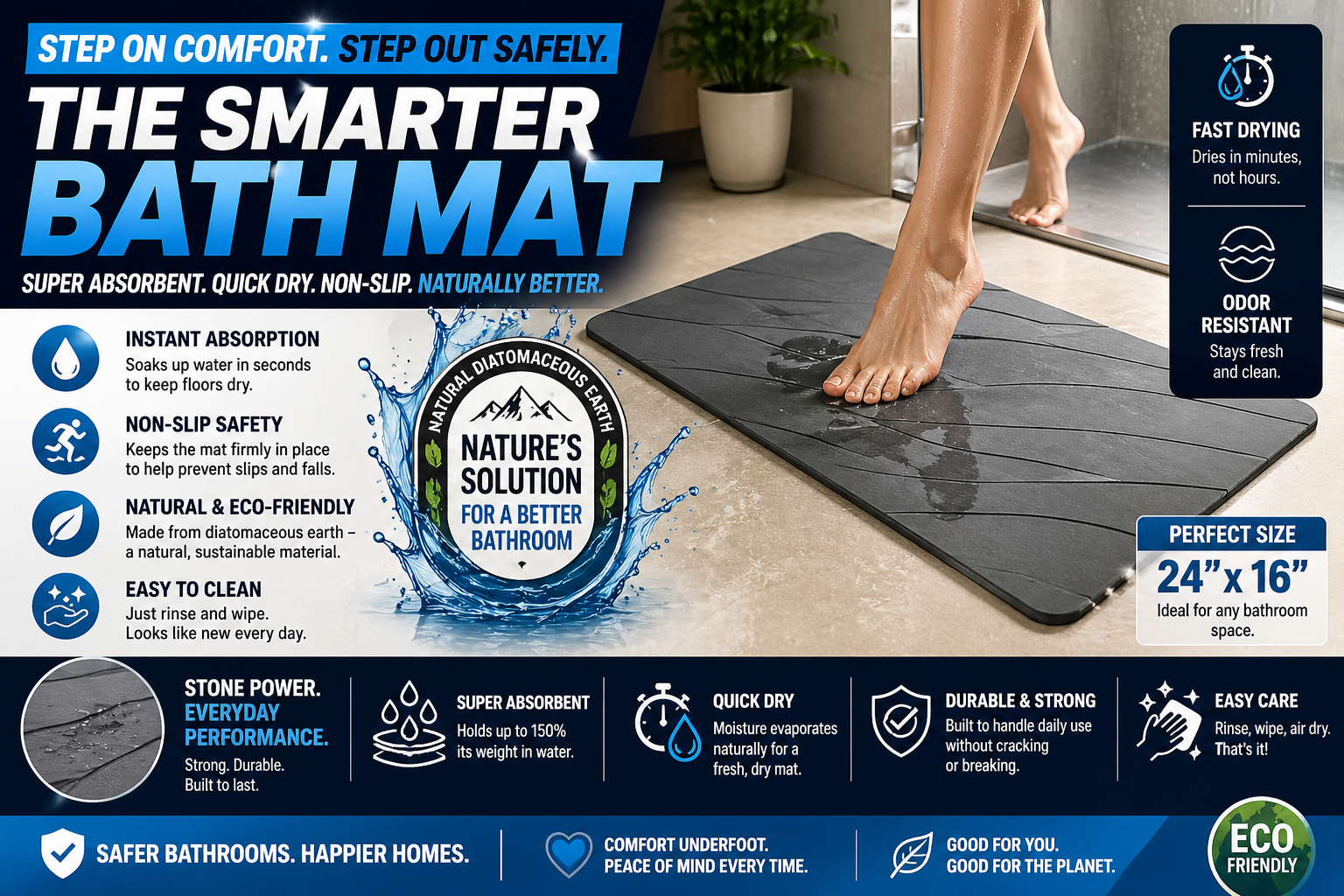
Our review of the best non-slip bath mat for seniors covers why it’s so much better than standard alternatives.
→ Get the Diatomaceous Earth Bath Mat on Amazon
9. Walking Cane — Foldable and Free-Standing
Best for: Anyone whose balance has noticeably changed. Budget: $25-$60.
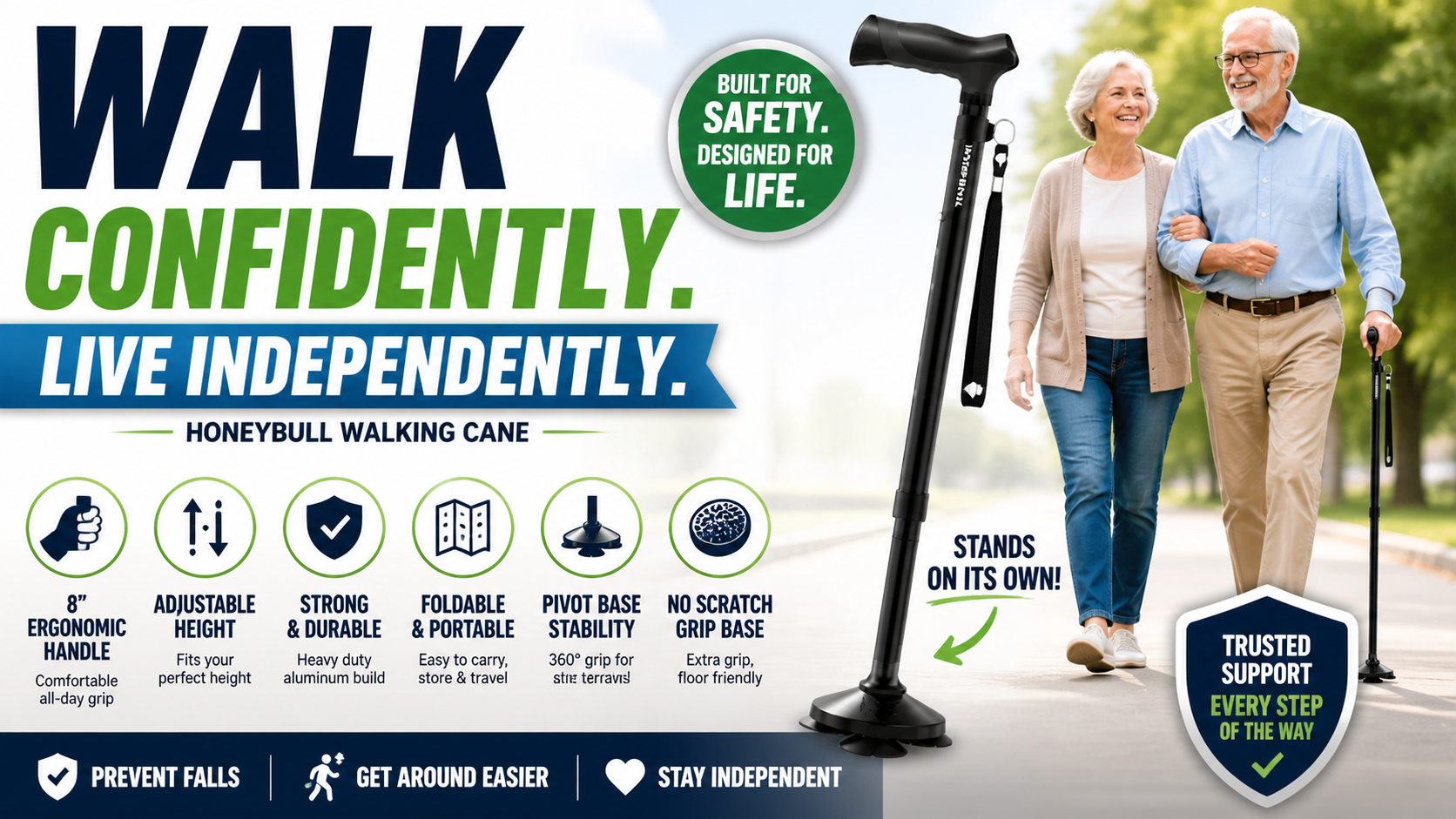
A walking cane as a gift works when it’s presented correctly. Not “I think you need this” — but “I found this really well-designed cane that folds up and stands on its own and I thought it was clever.” The foldable, free-standing format of the HONEYBULL walking cane makes it feel like a thoughtful modern product rather than a concession to decline.
For someone who has been resisting a cane despite obvious balance changes, a gift removes the psychological barrier of choosing to buy one for themselves. They can try it as something you gave them — which is a completely different dynamic.
Our walking cane review and our guide on tips for balance problems cover everything worth knowing.
→ Get the HONEYBULL Walking Cane on Amazon
10. Blood Pressure Monitor
Best for: Anyone managing blood pressure or on related medications. Budget: $40-$80.
A Bluetooth-connected blood pressure monitor that logs readings automatically to a smartphone app is both practical and genuinely useful for anyone managing hypertension — which is most older adults. Daily readings at home are more accurate and more clinically useful than occasional clinic readings.
The gift framing writes itself: “This way we can both keep an eye on your numbers between appointments.” It’s proactive health management presented as something you’re doing together — not a commentary on their health status.
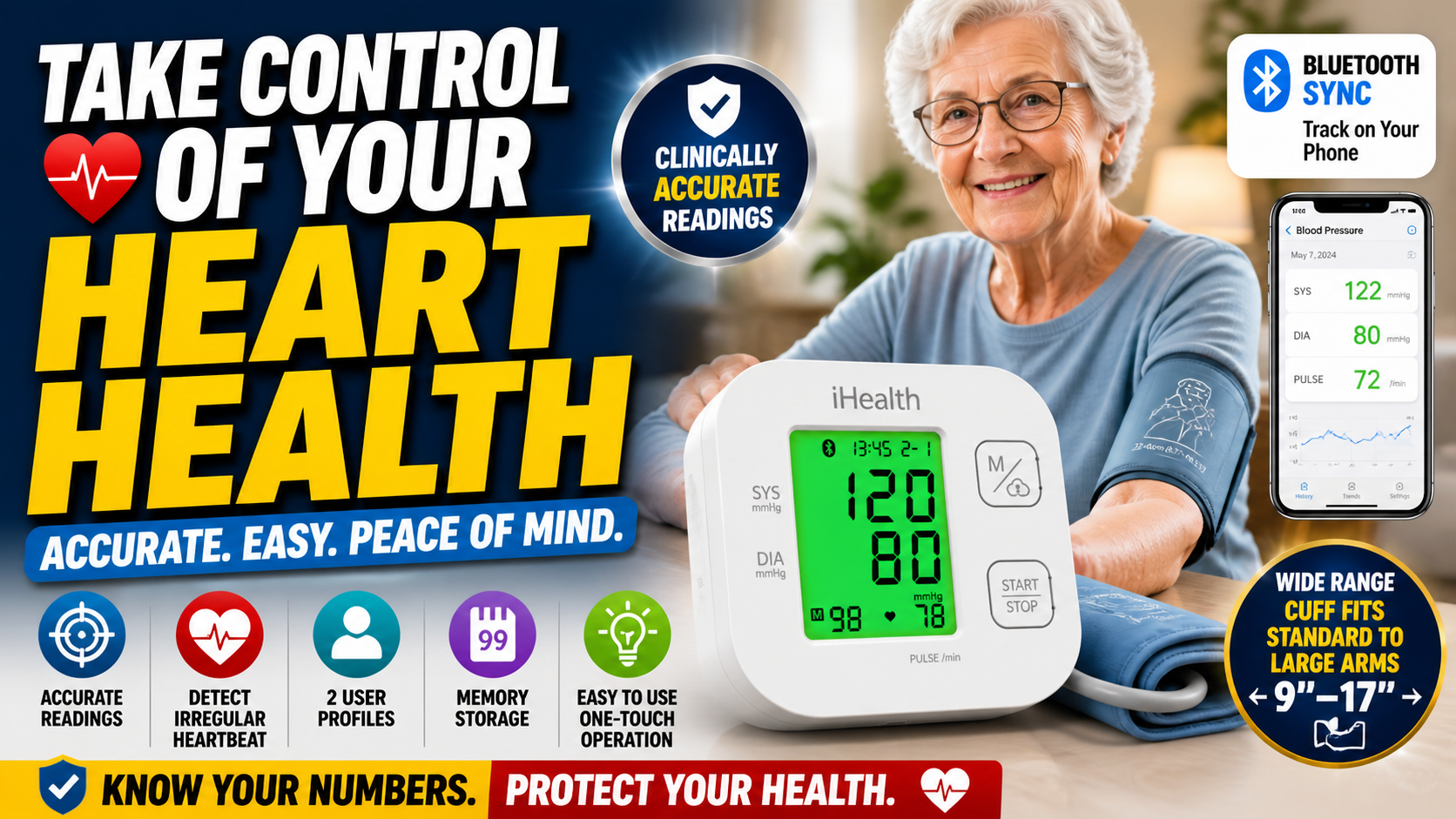
Our review of the best blood pressure monitor for seniors covers the iHealth Track we recommend.
→ Get the iHealth Blood Pressure Monitor on Amazon
11. Power Lift Recliner Chair
Best for: Anyone who spends significant time in a recliner and struggles to rise. Budget: $300-$800.
For a bigger budget gift — or a family group gift — a power lift recliner is one of the most impactful comfort and safety upgrades available. The motorized lift mechanism handles the sit-to-stand transition that becomes increasingly risky as leg strength declines, the heat and massage features provide therapeutic daily comfort, and the reclining positions allow genuinely restful sitting.
This is a gift that gets used for hours every single day. The daily value is exceptional and the safety benefit — eliminating one of the most repeated fall risk transitions in the home — is immediate and permanent.
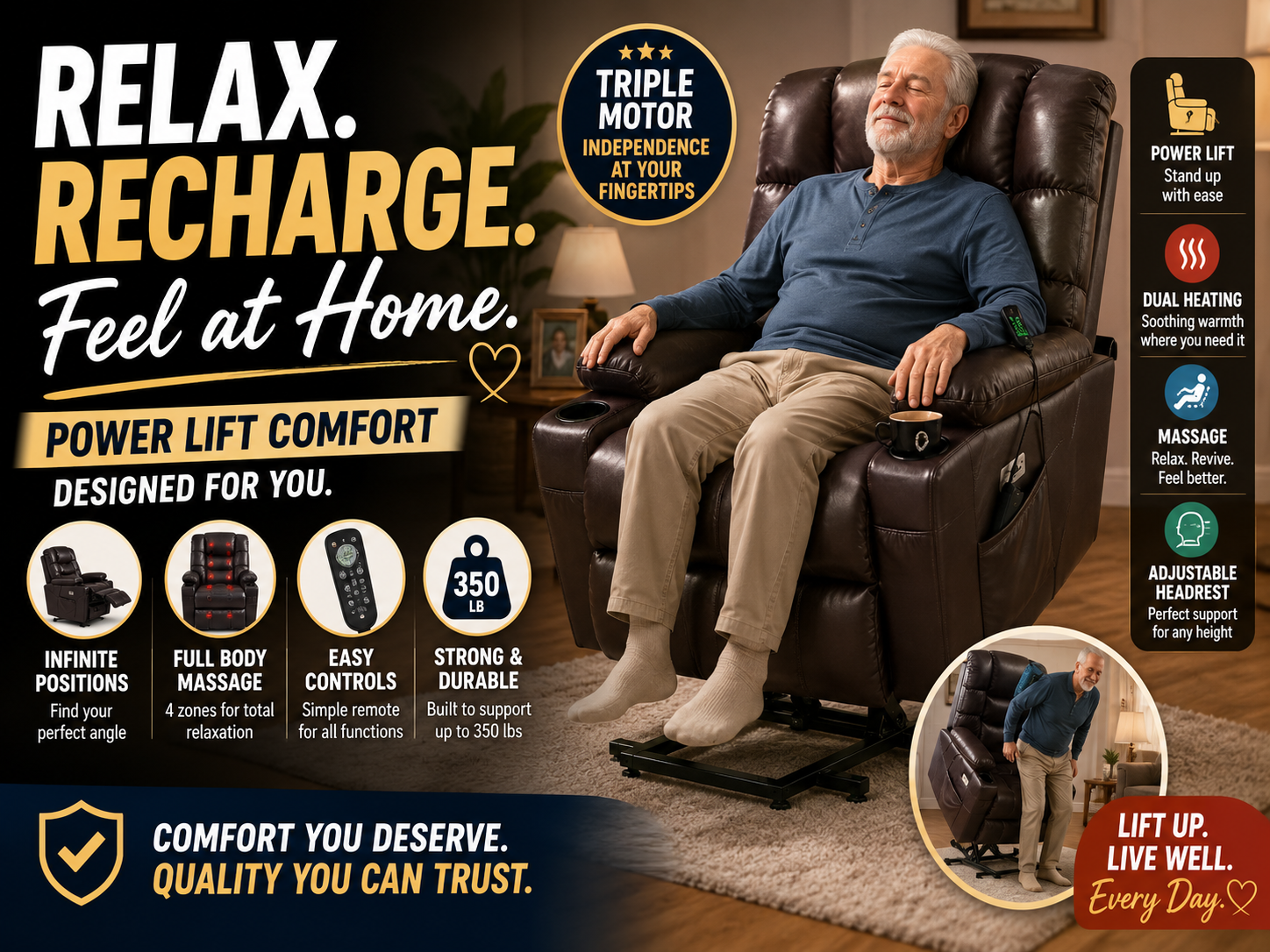
Our review of the best power lift recliner for seniors covers the MCombo triple motor option we recommend.
→ Get the MCombo Power Lift Recliner on Amazon
12. Rollator Walker
Best for: Anyone whose mobility has changed enough that walks are becoming shorter or less frequent. Budget: $100-$200.
A rollator walker with a seat extends the range of what’s possible for an older adult whose balance or endurance has reduced — longer walks, more confidence on varied terrain, the ability to rest when needed without finding somewhere to sit. It keeps people moving who might otherwise stop moving — with everything that implies for physical and cognitive health.
Present it as enabling more activity rather than compensating for limitation. “This means you can walk further and not have to worry about finding somewhere to sit when you need a break.” That’s accurate and it frames the gift as expanding capability rather than acknowledging decline.
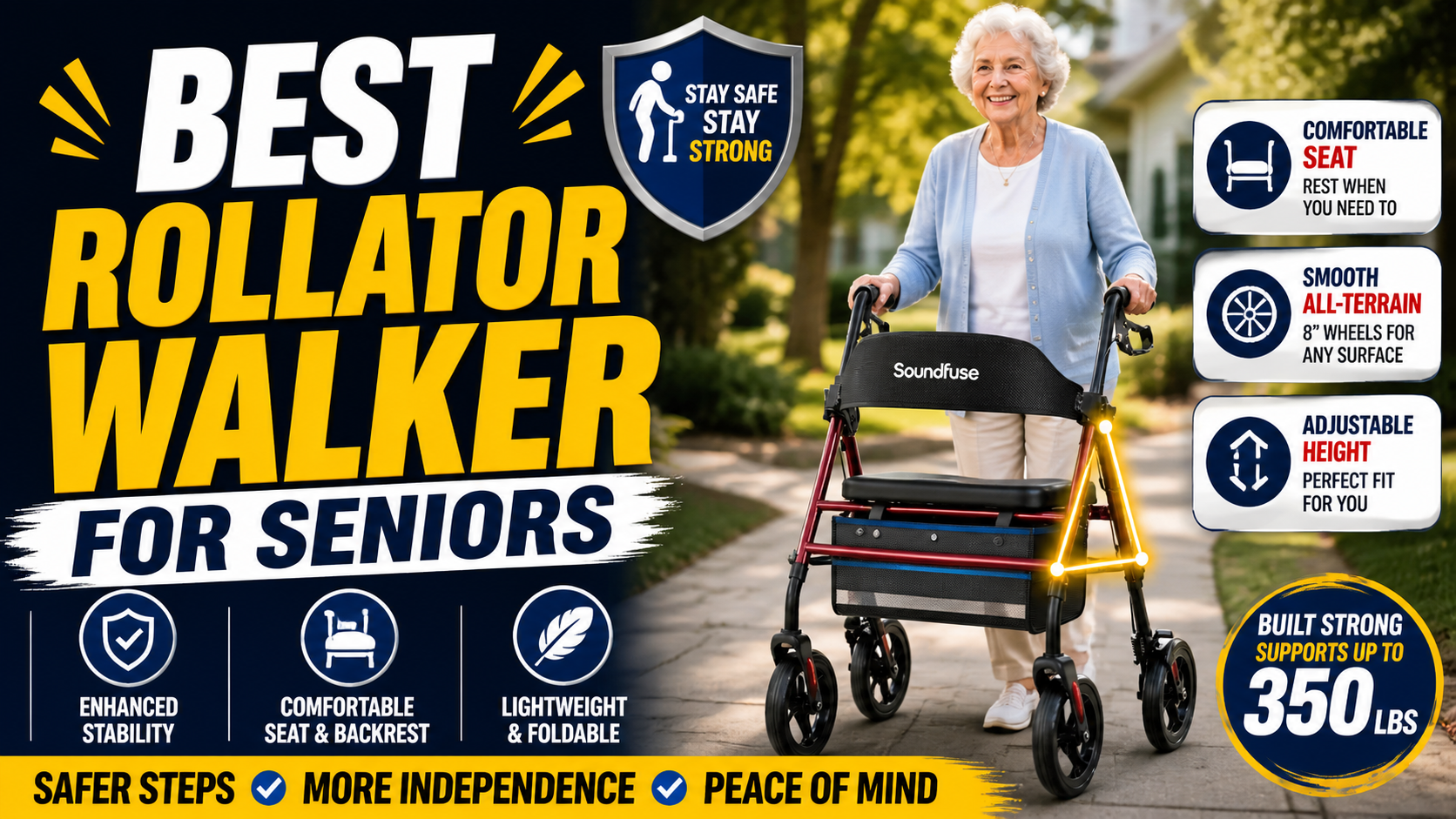
Our rollator walker review covers the SOUNDFUSE all-terrain option we recommend.
→ Get the SOUNDFUSE Rollator Walker on Amazon
Gift Combinations That Work Especially Well Together
Some of these gifts are even more powerful in combination — addressing multiple aspects of daily safety in one thoughtful package.
The Bathroom Safety Bundle — $100-$150
Grab bars + stone bath mat + toilet safety rails. Cover every high-risk bathroom transition in one gift. Add the installation and it’s the most impactful bathroom safety upgrade possible.
The Nighttime Safety Bundle — $80-$130
Bed rail + auto-on night lights 3-pack. Together they address the two highest-risk nighttime scenarios — getting out of bed and navigating to the bathroom in the dark.
The Complete Independence Bundle — $150-$250
SecuLife Smartwatch + blood pressure monitor + pill dispenser. Technology that covers fall detection, health monitoring, and medication management simultaneously. Three gifts that work together as a complete independent living support system.
How to Give Safety Gifts Without Causing Offense
The framing matters as much as the gift itself. A few principles that make safety gifts land well.
Lead with what it enables, not what it prevents. “This means you can keep taking those long walks” rather than “this is in case you fall.” One is empowering. The other is frightening.
Give it with enthusiasm, not apology. If you present a grab bar apologetically — “I know this might seem like a lot but I just worry…” — the recipient mirrors your discomfort. Present it as a great find you’re excited about and the energy is completely different.
Do the installation. For anything that needs to be installed — grab bars, the Ring doorbell — make the installation part of the gift. A grab bar still in the box on a shelf protects nobody.
Give experiences alongside products. Set up the pill dispenser together. Configure the SecuLife app together. Walk through the Ring setup together. Shared time with the gift makes it more likely to be used and reinforces the relationship alongside the practical benefit.
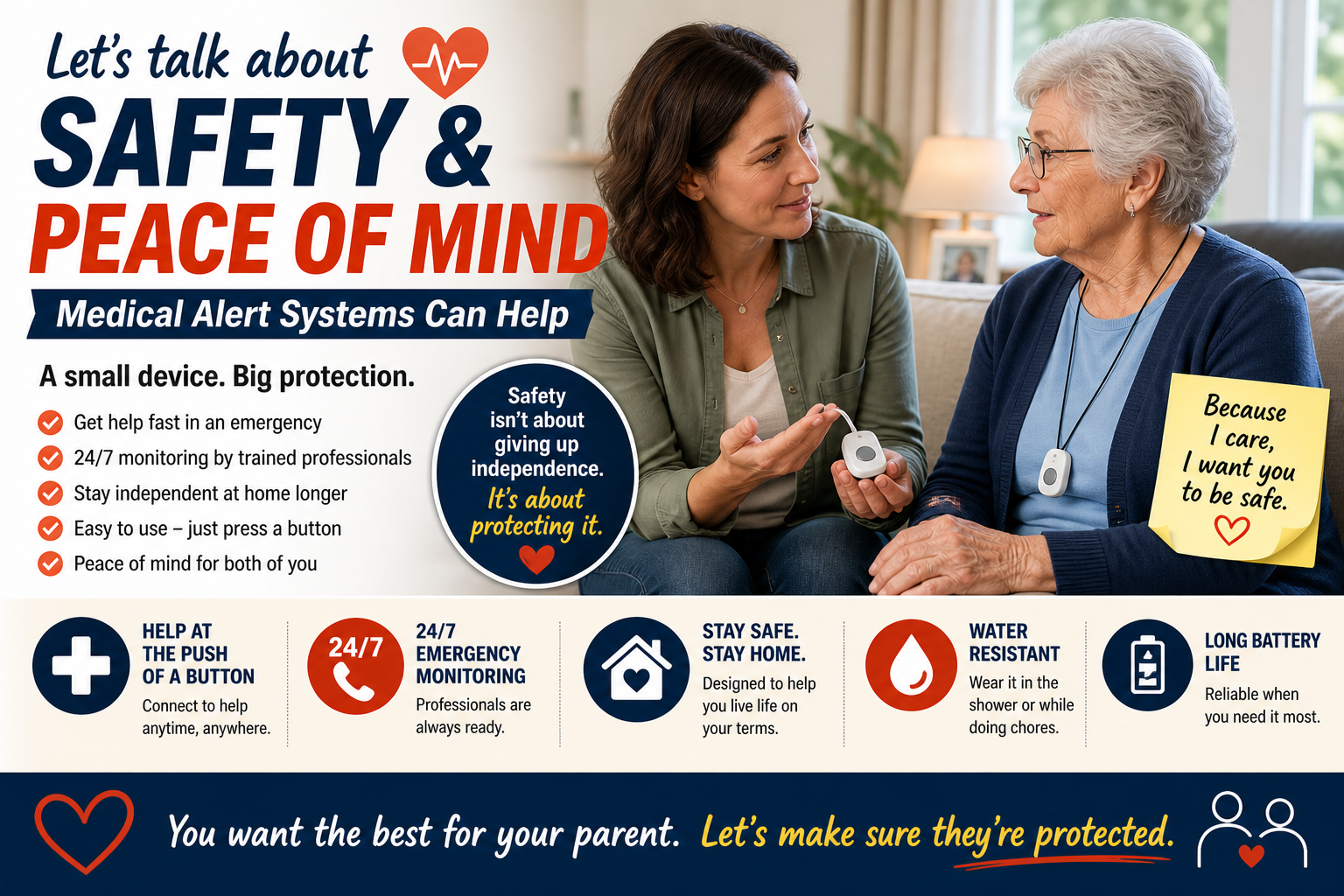
For more on navigating these conversations our guide on how to talk to a parent about safety measures covers the principles that apply across every gift in this guide.
Gifts by Budget
Under $50: Stone bath mat, auto-on night lights, walking cane
$50-$100: Toilet safety rails, bed rail, blood pressure monitor, Ring doorbell
$100-$200: Grab bars with installation, pill dispenser, SecuLife Smartwatch, rollator walker
$200+: Power lift recliner, stair lift, adjustable bed
The Gift That Keeps Giving
Every gift on this list provides value not once but every single day — every shower, every toilet trip, every time they get out of bed, every medication dose, every walk. The compounding daily value of practical safety gifts is what makes them genuinely worth giving over anything that gets used once and forgotten.
For anyone living alone the gifts at the top of this list — a medical alert device, bathroom safety equipment, medication management — aren’t luxuries. They’re the difference between independent living that’s genuinely safe and independent living that’s one fall away from a crisis.
That’s a gift worth giving.
→ Get the SecuLife Smartwatch on Amazon
→ Get the Pill Dispenser on Amazon
→ Get the Ring Doorbell on Amazon
→ Get the Toilet Safety Rails on Amazon
→ Get the Night Lights on Amazon

About the Author
Carol Simmons is a Certified Aging-in-Place Specialist (CAPS) who spent 15 years helping families identify the home modifications and products that make the most real-world difference for older adults living independently. She writes for Elder Safety Guide to help families find practical solutions that genuinely improve daily safety — and that actually get used rather than sitting in a closet.