Medical alert bracelets and pendants both have pros and cons. Here’s an honest comparison so you can choose the right format for your situation — and stop second-guessing.
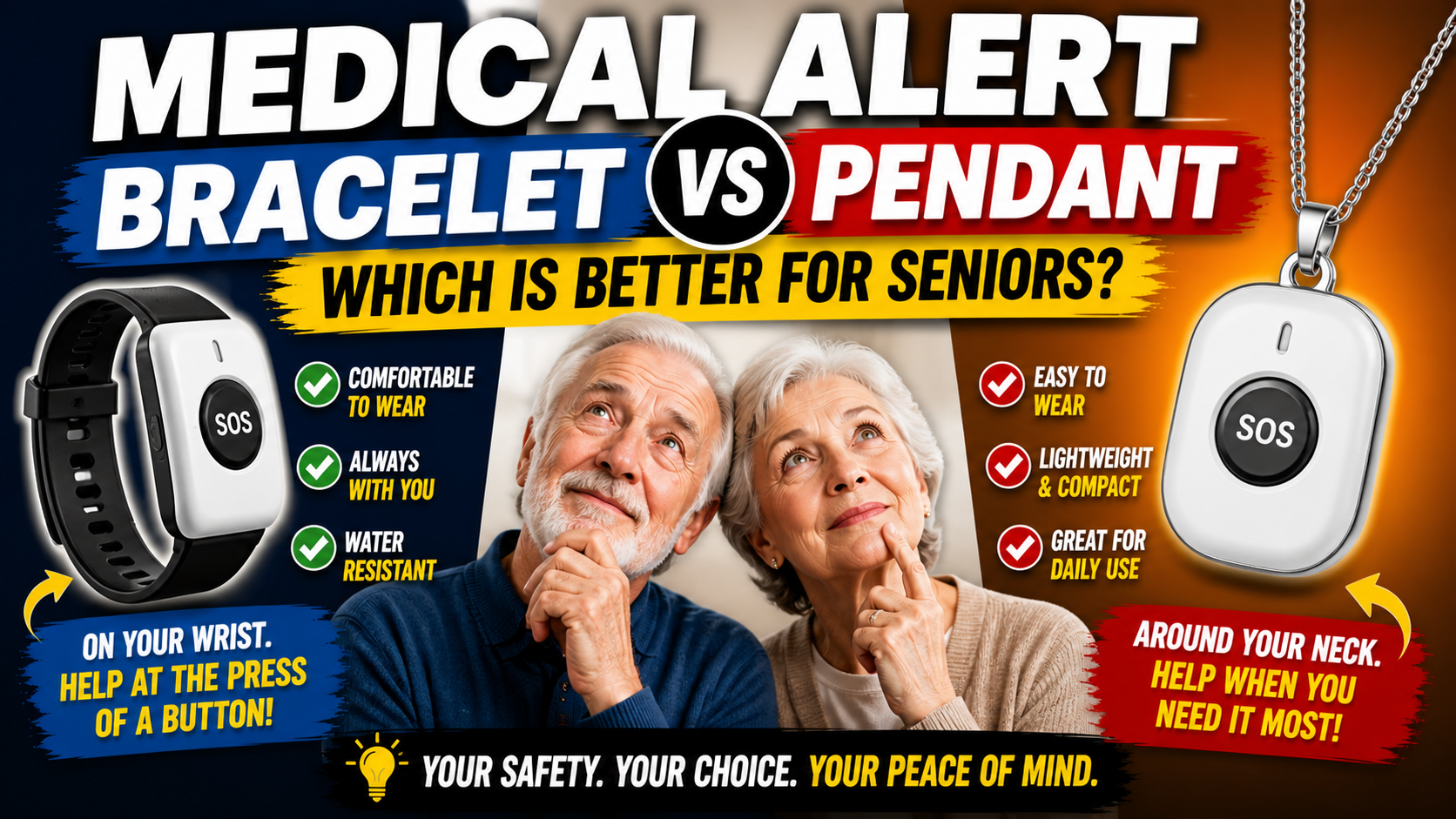
When you start shopping for a medical alert system one of the first decisions you hit is format — bracelet or pendant. It sounds like a minor detail. In practice it’s one of the most important decisions you’ll make, because the best medical alert device in the world is only as good as how consistently it gets worn.
A pendant left on the nightstand protects nobody. A bracelet that causes skin irritation gets taken off. Getting the format right is the foundation everything else builds on.
This guide covers the honest pros and cons of each format, who each one is best suited for, and the third option that’s increasingly becoming the most practical choice for active seniors who want full protection without the traditional tradeoffs. If you are still comparing use cases, the common questions about choosing safety devices provides additional guidance.
How Medical Alert Devices Work — A Quick Baseline
Before comparing formats it helps to be clear on what both types are doing. Both pendants and bracelets are designed to connect you to help in an emergency — either through a monitored call center, directly to designated family contacts, or to emergency services.
The format — where on the body the device sits — affects comfort, wearability, visibility, and in some cases capability. The core function is the same. Getting the format right is about maximizing the chance that the device is actually on your body when it’s needed.
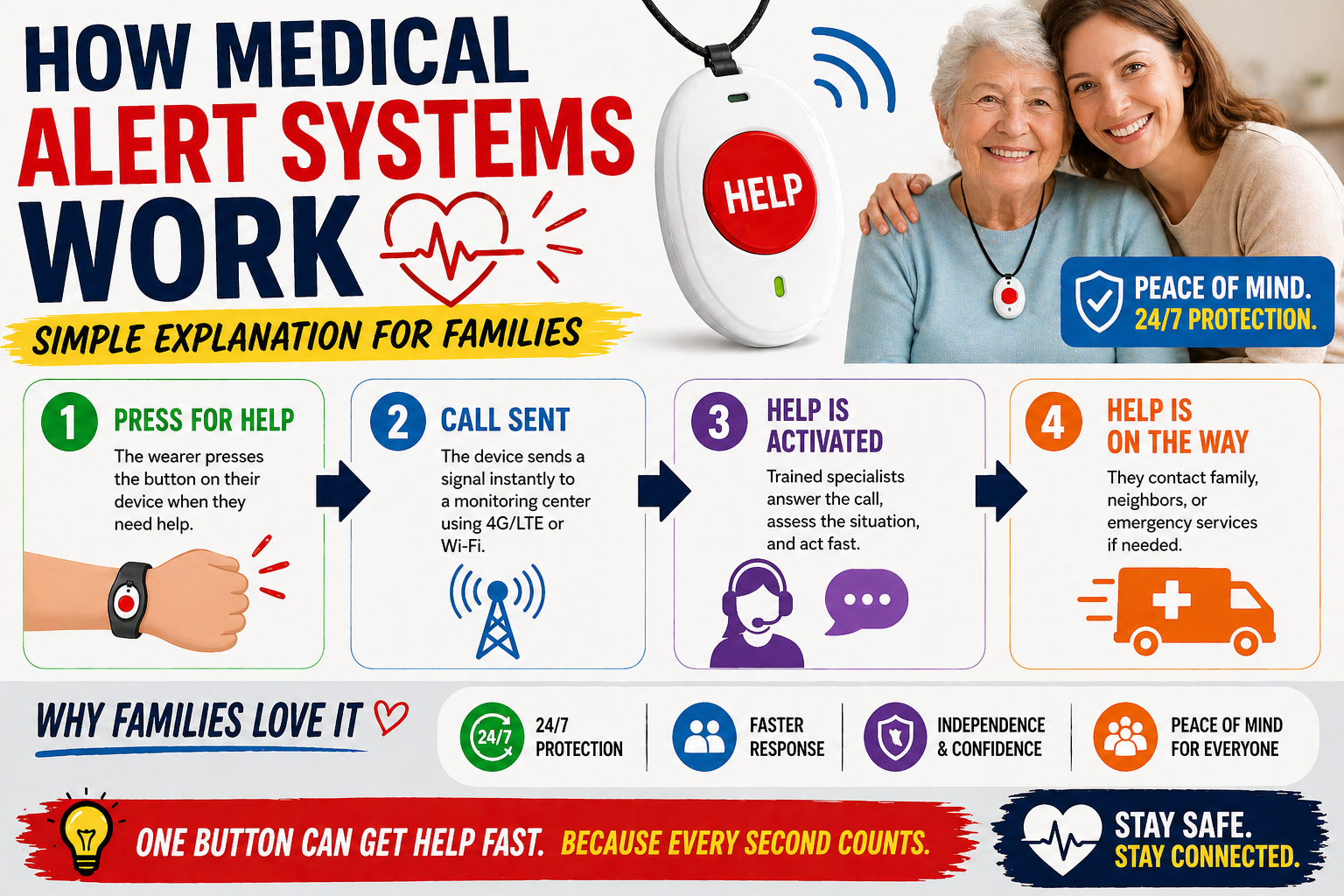
For a plain-English explanation of how medical alert systems work overall before diving into format comparison, our guide on how medical alert systems work covers the full picture clearly.
Medical Alert Pendants — Pros and Cons
The pendant — worn on a cord or chain around the neck — is the format most people picture when they think of a medical alert device. It’s been the standard format for decades and remains the most widely used option.
Advantages of Pendants
Simple and lightweight. Most pendant buttons are small, light, and require almost no adjustment period to wear. There’s nothing on the wrist, nothing to clasp, nothing to adjust. For seniors with arthritis or dexterity challenges, a cord that slips over the head is significantly easier to manage than a wristband clasp.
Always visible — to the wearer and to others. A pendant hangs where it can be seen and reached easily. In an emergency the button is visible, findable, and pressable without having to look at a wrist or navigate an interface.
Works well for at-home use. For seniors who spend most of their time at home and whose primary risk is a fall within the house, a pendant connected to a base unit provides reliable in-home coverage without complexity.
Long battery life on simple button models. Basic pendant buttons often have battery life measured in months rather than hours — no daily charging required. For seniors who are inconsistent with charging routines, this is a meaningful practical advantage.
Disadvantages of Pendants
Stigma and appearance. This is the elephant in the room with pendant medical alert devices — and it’s the primary reason so many of them end up in drawers. Many seniors simply do not want to wear something that announces their vulnerability to everyone who sees them. The pendant looks like what it is, and for a significant proportion of older adults that’s an insurmountable barrier to consistent wearing.
Limited capability on basic models. Many pendant buttons are one-function devices — press for help. They lack GPS tracking, two-way calling, fall detection, or any capability beyond the SOS function. For families who want location visibility or automatic fall detection, a basic pendant doesn’t deliver.
Can be inaccessible in certain situations. A pendant tucked inside clothing, tangled in a collar, or lying against the chest at an awkward angle may be harder to reach under stress than it appears in normal use. In a fall where arm movement is limited, reaching a pendant at the chest can be difficult.
Limited range without cellular capability. Many pendant systems rely on a home base unit and have limited range outside the house. For seniors who are still active and leave home regularly, a home-based pendant system leaves them unprotected away from the base unit.
Medical Alert Bracelets — Pros and Cons
Medical alert bracelets sit on the wrist — either as a simple button band or as a more sophisticated smartwatch-style device. The wrist format has distinct advantages and its own set of considerations.
Advantages of Bracelets
More discreet than a pendant. A wristband is less conspicuous than a pendant, particularly when worn under a sleeve. For seniors who are self-conscious about wearing a medical alert device, a bracelet format is generally more acceptable than something hanging around the neck.
Stays on the body regardless of clothing. A pendant can be tucked inside a shirt, removed when changing, or left off when wearing certain necklines. A bracelet stays on the wrist regardless of what’s being worn.
On the wrist means accessible in falls. In many fall scenarios the wrist is more accessible than the chest — particularly if the fall involves forward or sideward motion. A button on the wrist may be reachable in positions where a chest pendant isn’t.
Smartwatch format removes the stigma entirely. When the bracelet is a smartwatch rather than a medical device wristband, the stigma problem essentially disappears. A smartwatch looks like what everyone is wearing. Nobody looks at it and thinks medical alert device.
Disadvantages of Traditional Bracelets
Clasp management requires dexterity. For seniors with significant arthritis or reduced hand strength, managing a wristband clasp — putting it on and taking it off — can be genuinely difficult. This is worth testing before committing to a wrist format.
Can cause skin irritation. Some wristband materials cause irritation with continuous wear, particularly in warm weather or for seniors with sensitive skin. If a bracelet causes discomfort it will get taken off — defeating its purpose entirely.
Requires daily charging on smart devices. Smartwatch-style medical alert bracelets require daily charging — unlike simple pendant buttons that last months. Building a consistent charging routine is necessary for reliable protection.
The Smartwatch Format — The Best of Both
The most significant development in medical alert device formats over the last several years is the smartwatch — a wrist device that looks exactly like a consumer smartwatch but delivers full medical alert functionality underneath.
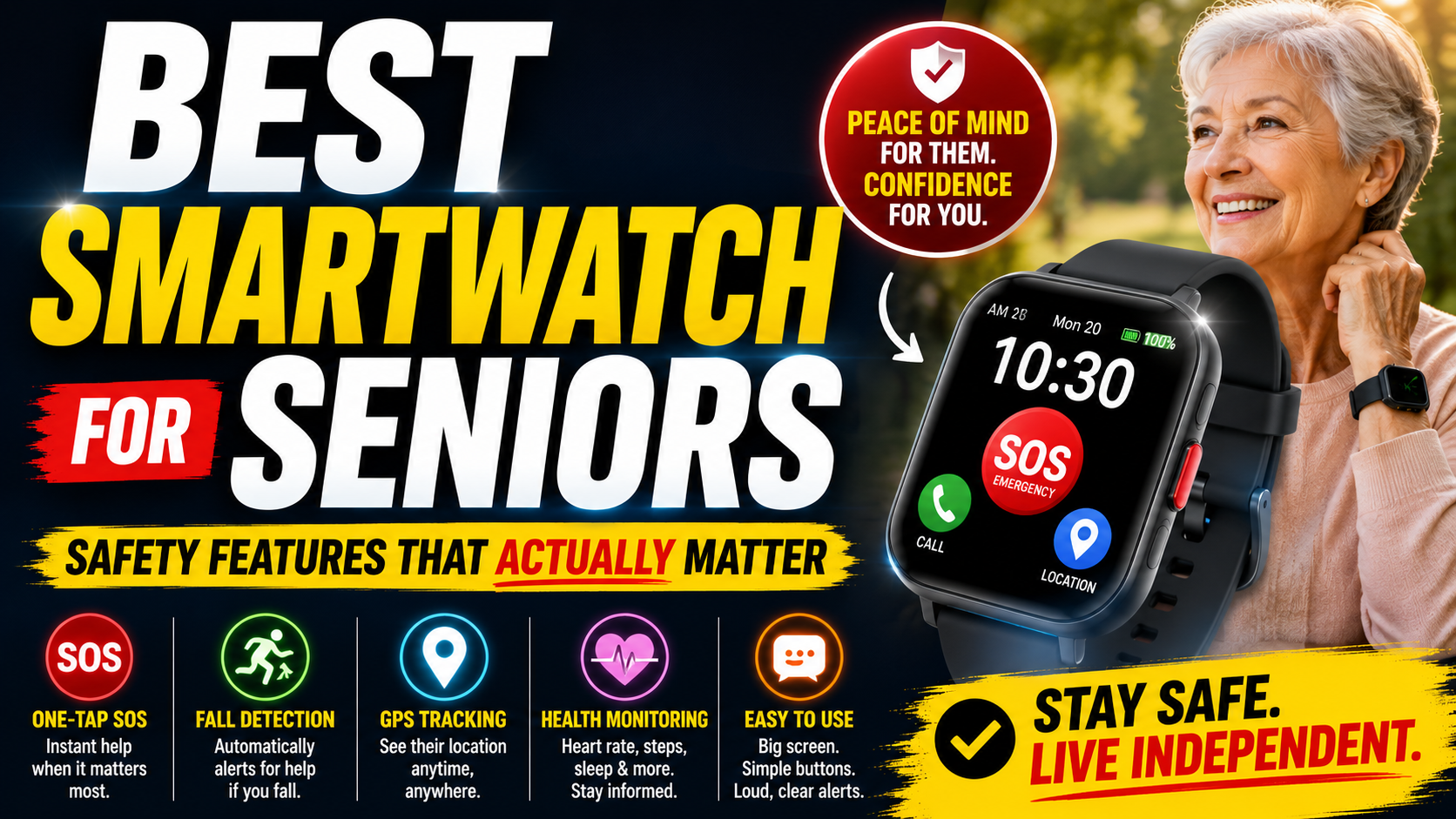
The smartwatch format directly addresses the two biggest failure modes of traditional medical alert devices: the pendant’s stigma problem and the basic bracelet’s limited capability. The key features to evaluate are explained in Best Smartwatch for Seniors — Safety Features That Actually Matter, including fall detection, GPS, and ease of use.
It looks like what everyone is wearing. Nobody looks at a smartwatch and thinks “medical alert device.” It looks like an Apple Watch, a Fitbit, a Galaxy Watch. For seniors who have resisted pendants and basic medical wristbands specifically because of how they look and what they signal, this distinction is frequently the difference between a device that gets worn every day and one that doesn’t get worn at all.
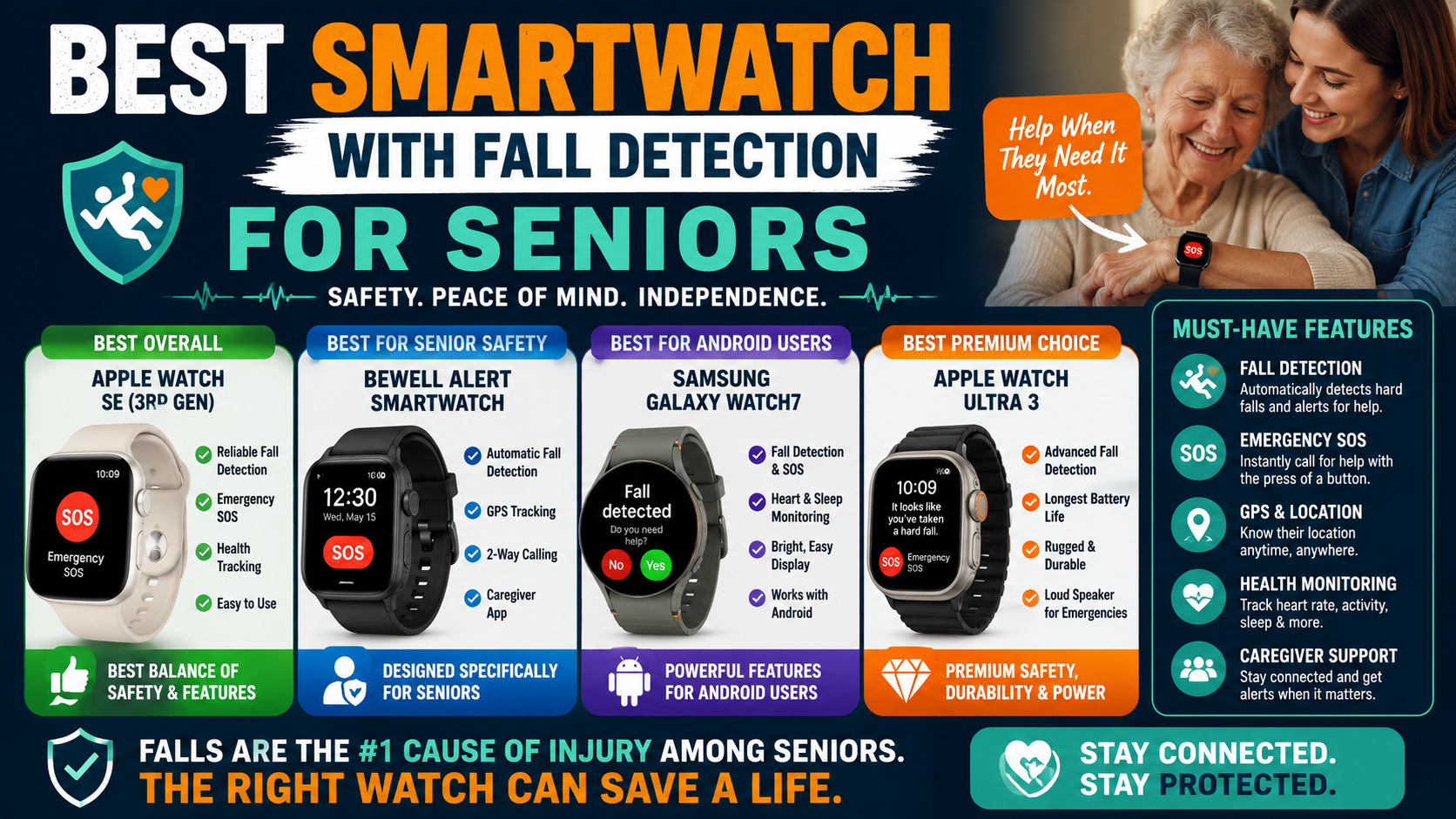
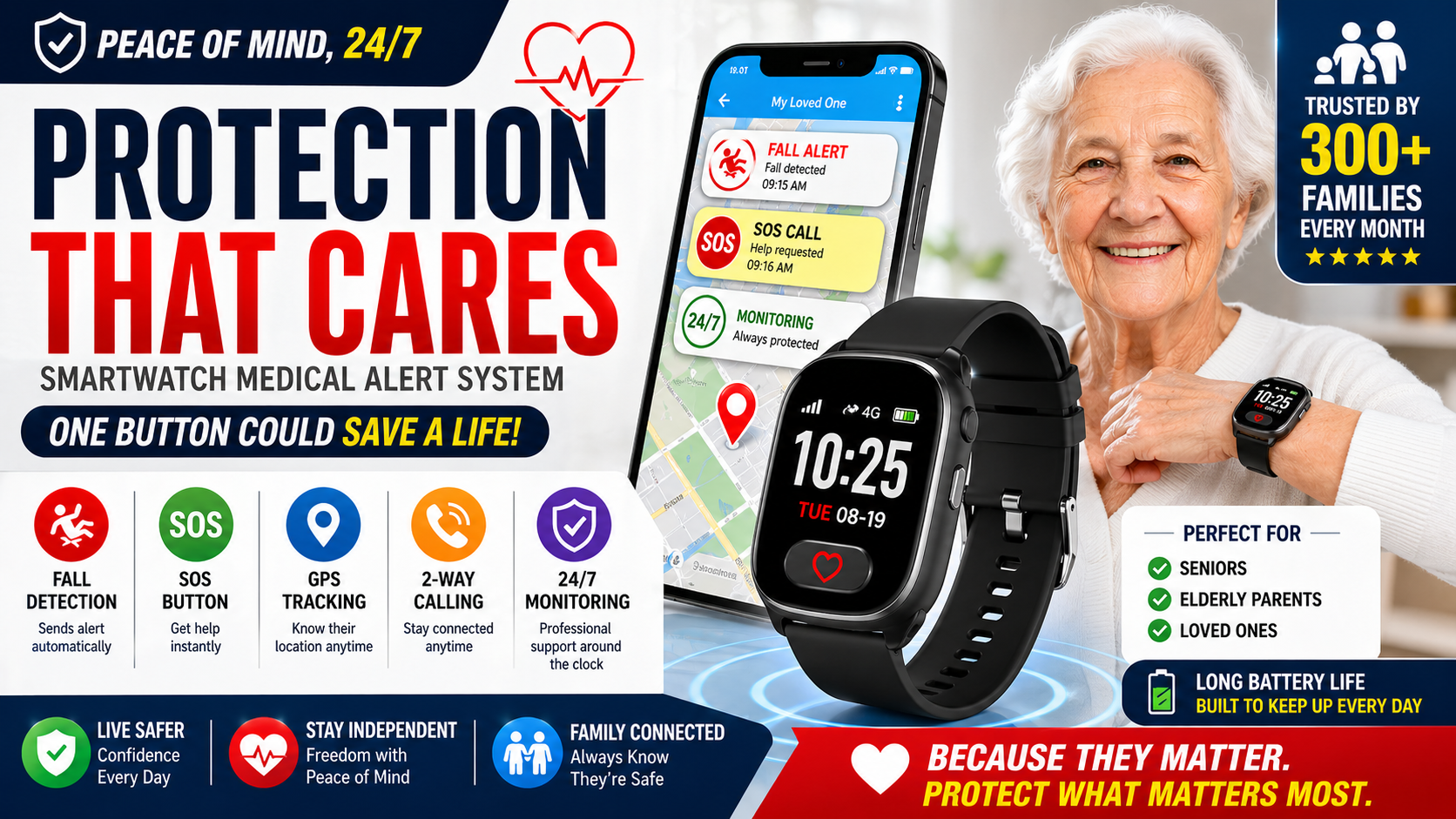
It delivers significantly more capability than either traditional format. GPS tracking, automatic fall detection, two-way calling, real-time location sharing with family — none of these are available on a basic pendant button or a simple wristband. The smartwatch format brings full capability to the wrist in a package that looks like a consumer device. Those capabilities are compared in detail in this overview of smartwatch fall detection features.
SecuLife Smartwatch — Medical Alert in Smartwatch Format
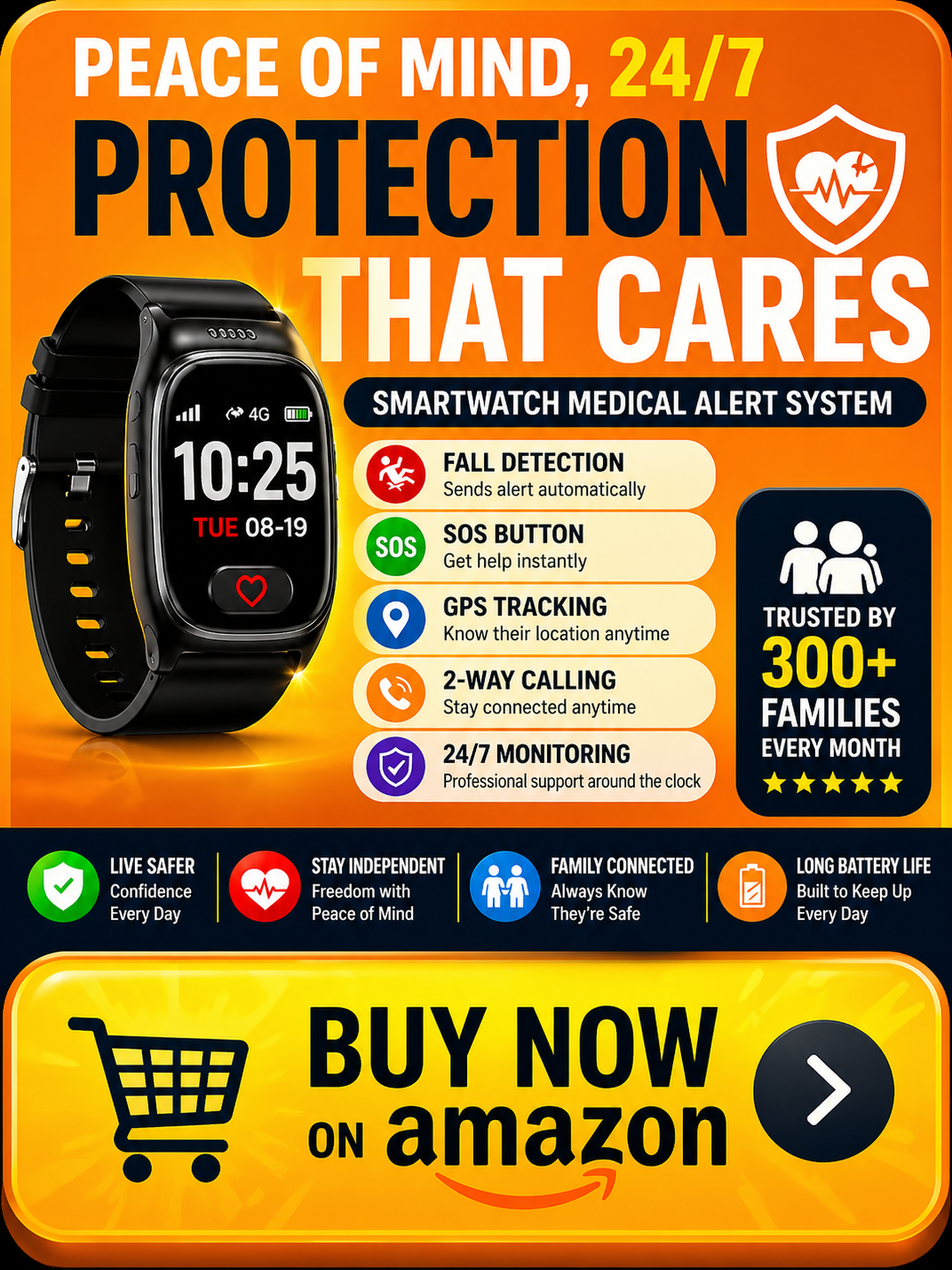
The SecuLife is the strongest example of this format done right. It delivers automatic fall detection, real-time GPS tracking, SOS calling, and two-way communication from the wrist — in a device that looks like a regular smartwatch and is set up once by a family member and then simply worn. A practical medical alert watch buying guide can help families verify which of those features matter most.
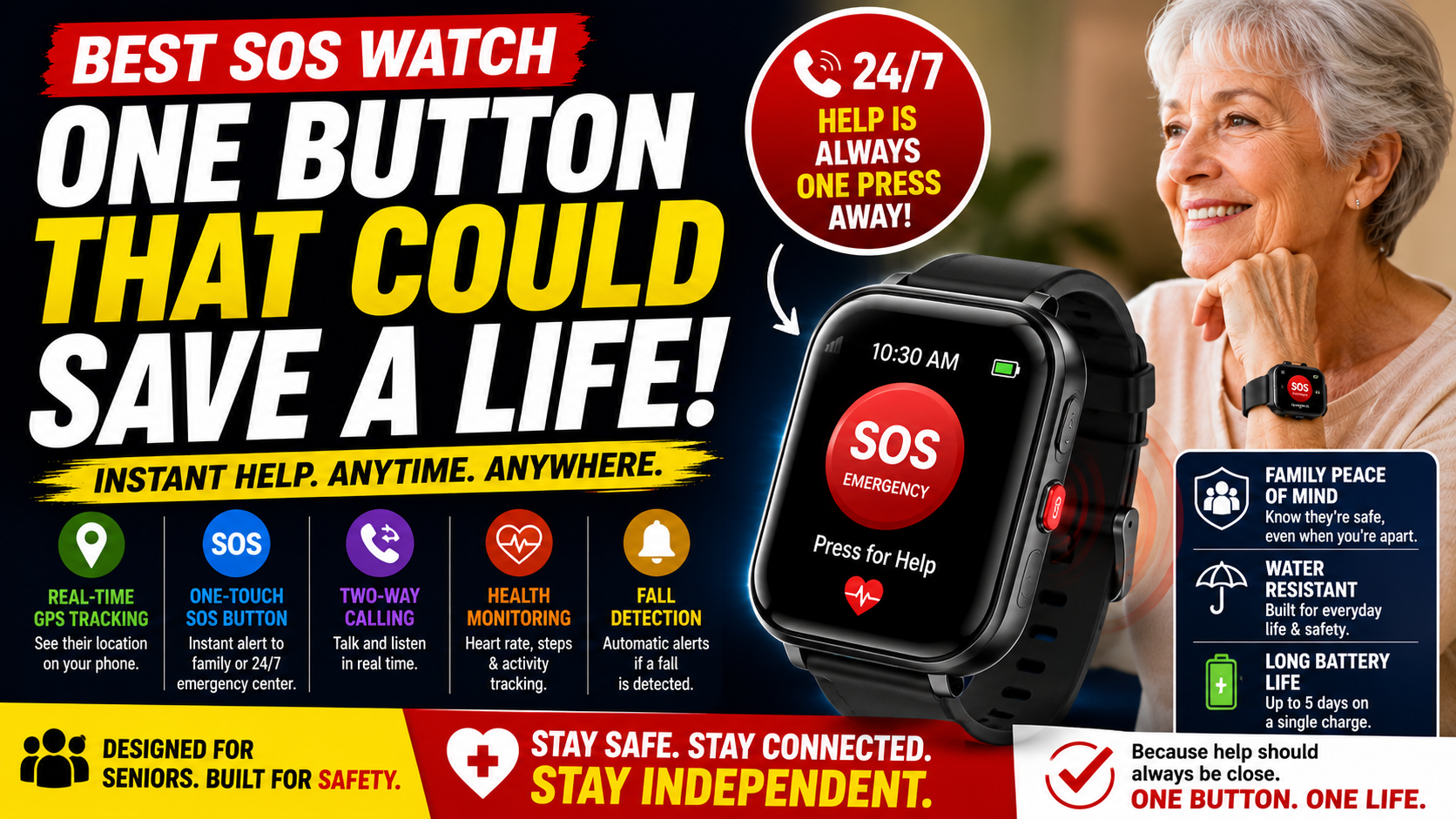
For seniors who have refused pendants, for active seniors who need protection away from home, and for families who want GPS visibility alongside emergency protection, the SecuLife consistently outperforms both traditional formats on the metrics that matter most in real-world use. Readers weighing those capabilities can compare them with the practical criteria in this modern SOS watch protection.
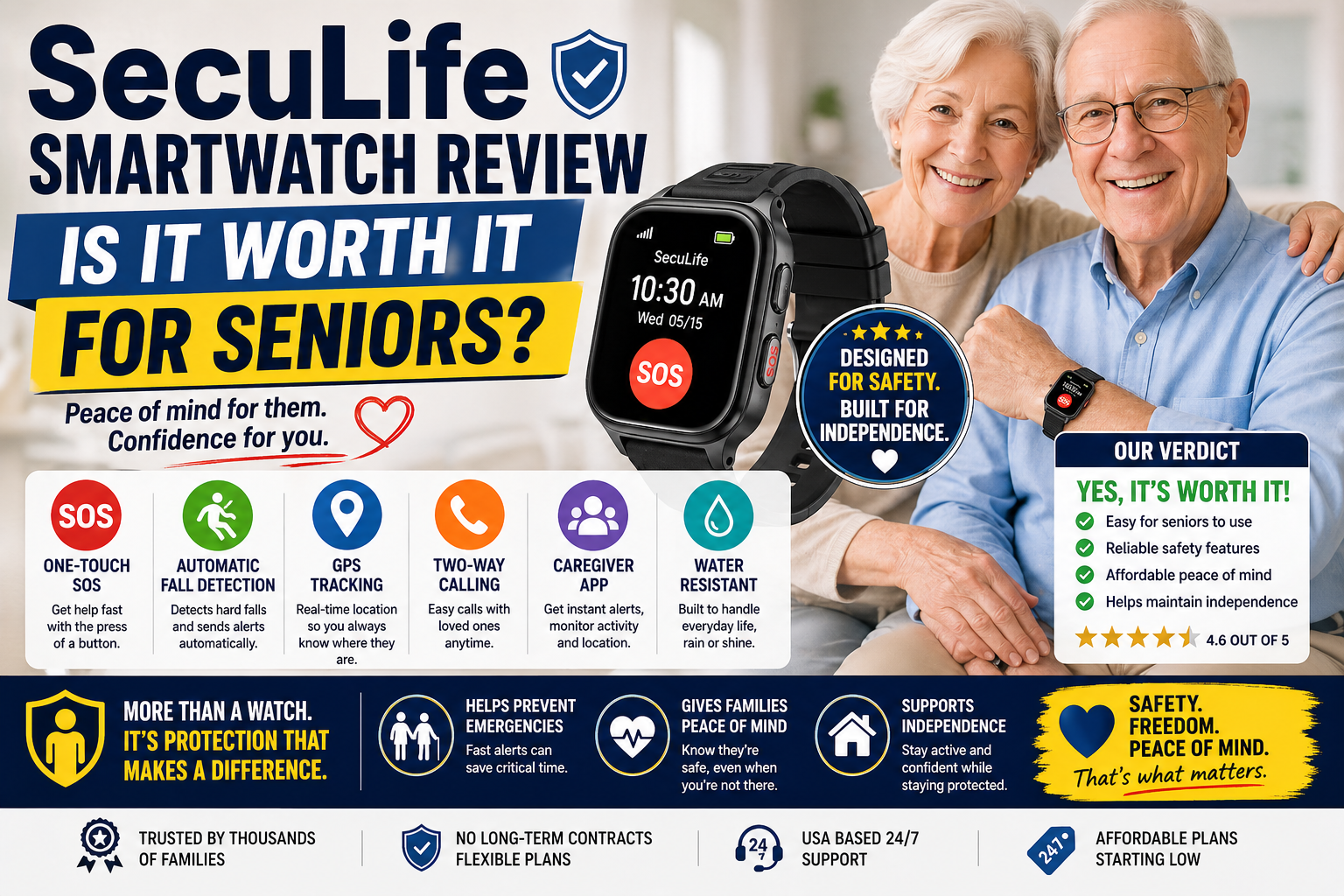
Our complete SecuLife Smartwatch review covers every feature, pricing across all plan options, real family feedback, and honest limitations in full detail.
→ Check current price and availability on Amazon
Head to Head Comparison
Here’s the direct comparison across the factors that matter most for real-world daily use.
Wearability and Stigma
Pendant: High stigma for many seniors. Looks like a medical device. Frequently refused or inconsistently worn as a result.
Basic bracelet: Lower stigma than pendant but still identifiable as a medical wristband. Better than a pendant for most resistant wearers.
Medical alert smartwatch: Essentially no stigma. Looks like a consumer smartwatch. Highest consistent wearing rate of any format.
Winner: Medical alert smartwatch
Ease of Use in Emergency
Pendant: Large visible button, easy to press from most positions. Simple and reliable in most scenarios.
Basic bracelet: Button on wrist — accessible from many fall positions. Generally easy to press.
Medical alert smartwatch: Large SOS button accessible from the wrist. Automatic fall detection means no button press required in many scenarios.
Winner: Medical alert smartwatch (automatic detection eliminates button requirement)
Capability
Pendant: Typically SOS only on basic models. Some higher-end pendants add fall detection.
Basic bracelet: Typically SOS only. Limited capability beyond the button function.
Medical alert smartwatch: GPS, fall detection, SOS, two-way calling, family app, geofencing. Full capability suite.
Winner: Medical alert smartwatch
Battery Life
Pendant: Months of battery life on simple button models. No daily charging required.
Basic bracelet: Varies by model. Simple button models have longer battery life than smart devices.
Medical alert smartwatch: Requires daily charging. Must build consistent routine.
Winner: Pendant (for users who won’t maintain a charging routine)
Dexterity Requirements
Pendant: Slip over head — minimal dexterity required. Best for arthritis and limited hand strength.
Basic bracelet: Clasp requires some dexterity. Challenging for significant arthritis.
Medical alert smartwatch: Standard watch clasp — easier than some bracelets but requires some dexterity.
Winner: Pendant (for significant dexterity limitations)
Protection Away From Home
Pendant: Limited for home-based systems without cellular capability.
Basic bracelet: Limited for home-based systems. Cellular models provide away-from-home coverage.
Medical alert smartwatch: Full cellular coverage anywhere with cell service. Works at home, in the car, on a walk, anywhere.
Winner: Medical alert smartwatch
Who Should Choose Each Format
Based on the comparison above, here’s the practical guidance on who each format serves best.
Choose a Pendant If:
- Significant arthritis or dexterity limitations make wristband management difficult
- The primary risk is in-home falls with a home base unit system
- Daily charging is genuinely not manageable and long battery life is a priority
- The person wearing it is fully comfortable with the pendant format and will wear it consistently
Choose a Medical Alert Smartwatch If:
- The person has refused a pendant due to appearance or stigma
- GPS tracking away from home is needed or wanted
- Automatic fall detection is a priority
- Two-way calling and family app access are wanted features
- The person is still active and leaves home regularly
- Family wants real-time location visibility
- Lower monthly cost without professional monitoring fees is a goal
For most seniors living independently today — particularly those who are still reasonably active and whose family wants meaningful safety assurance — the smartwatch format wins the comparison on almost every factor that matters in real-world daily use.
The one clear exception is significant dexterity limitation. If putting on and taking off a watch clasp is genuinely difficult, a pendant that slips over the head may be the more consistently worn option — and a consistently worn pendant is better than a smartwatch that’s too difficult to put on.
The Question That Decides Everything
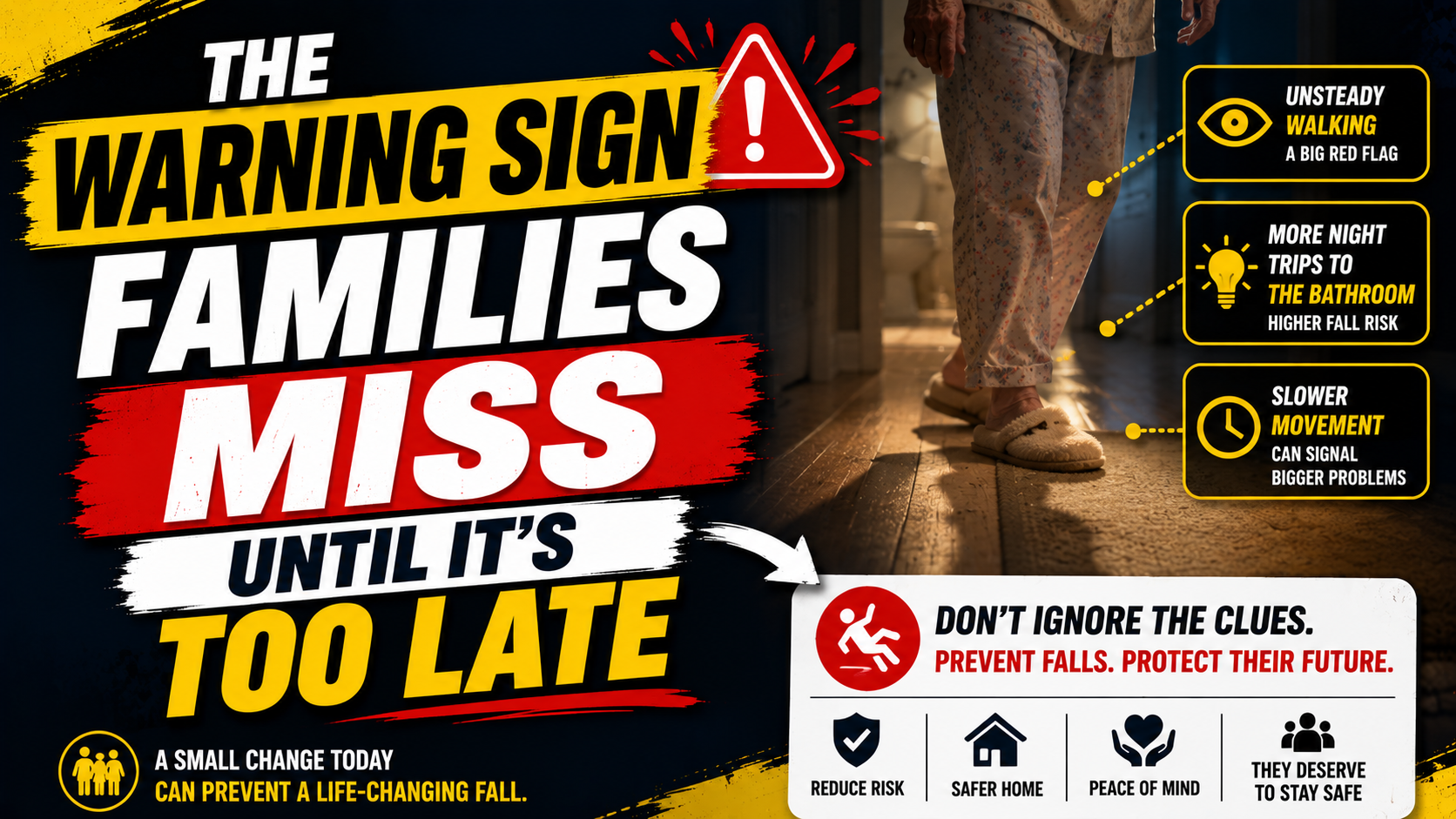
Format comparisons are useful but they all come back to one question: which format will actually be worn every single day, including days at home, including nighttime bathroom trips, including days when nothing seems likely to go wrong?
That question has a different answer for different people. For most seniors who have shown resistance to medical alert devices, the smartwatch format is the answer — because it removes the barrier that’s been blocking adoption. For seniors who are fully comfortable with a pendant and will wear it consistently, a pendant serves the core function well.
The worst outcome isn’t choosing the “wrong” format — it’s choosing a format that doesn’t get worn. Base the decision on honest assessment of what will actually be on the wrist or neck every day, not on which device has the most impressive spec sheet.
For a complete look at the best medical alert smartwatch options and what to look for before buying, our guide on the best medical alert smartwatches for seniors covers everything in detail. And for families working through the cost question our guide on how much a medical alert system costs breaks down exactly what different options cost across plan types.
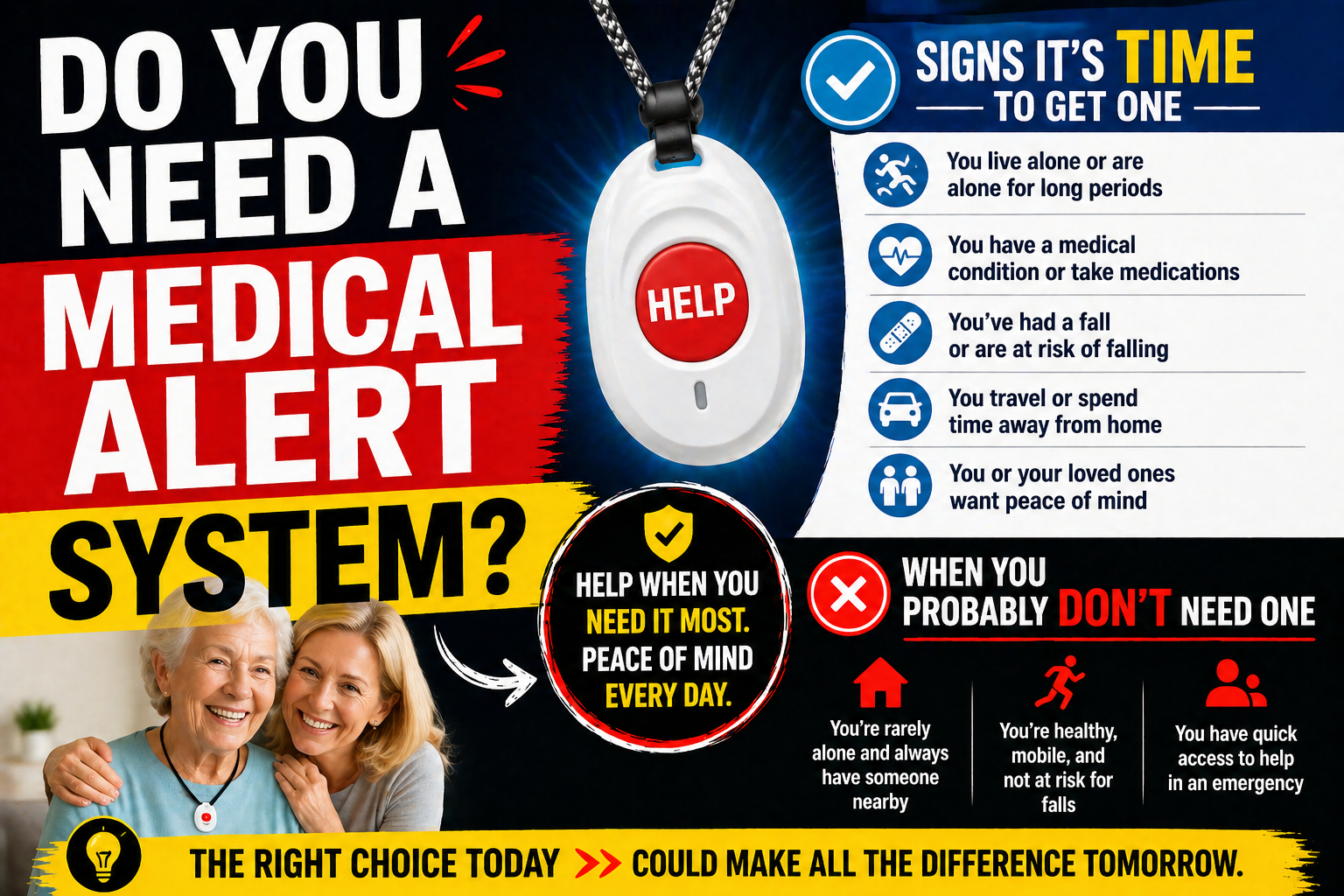
If you’re still deciding whether a medical alert device is necessary at all our guide on signs it’s time for a medical alert system walks through exactly what to look for.
Frequently Asked Questions
Can I switch formats after buying?
Yes — most medical alert providers offer different device options within the same service plan. If you start with a pendant and find it isn’t being worn consistently, switching to a smartwatch format is typically possible without changing the underlying service plan. Check the specific provider’s policy on device swaps before committing to a plan if this flexibility matters to you.
Is fall detection available on both pendants and bracelets?
Fall detection is available on some pendant models and on smartwatch-style bracelets but not on basic button-only devices in either format. It’s a feature of the device capability rather than the format specifically. If fall detection is a priority confirm it’s included in the specific device being considered — not just the format category.
What about waterproofing — which format handles water better?
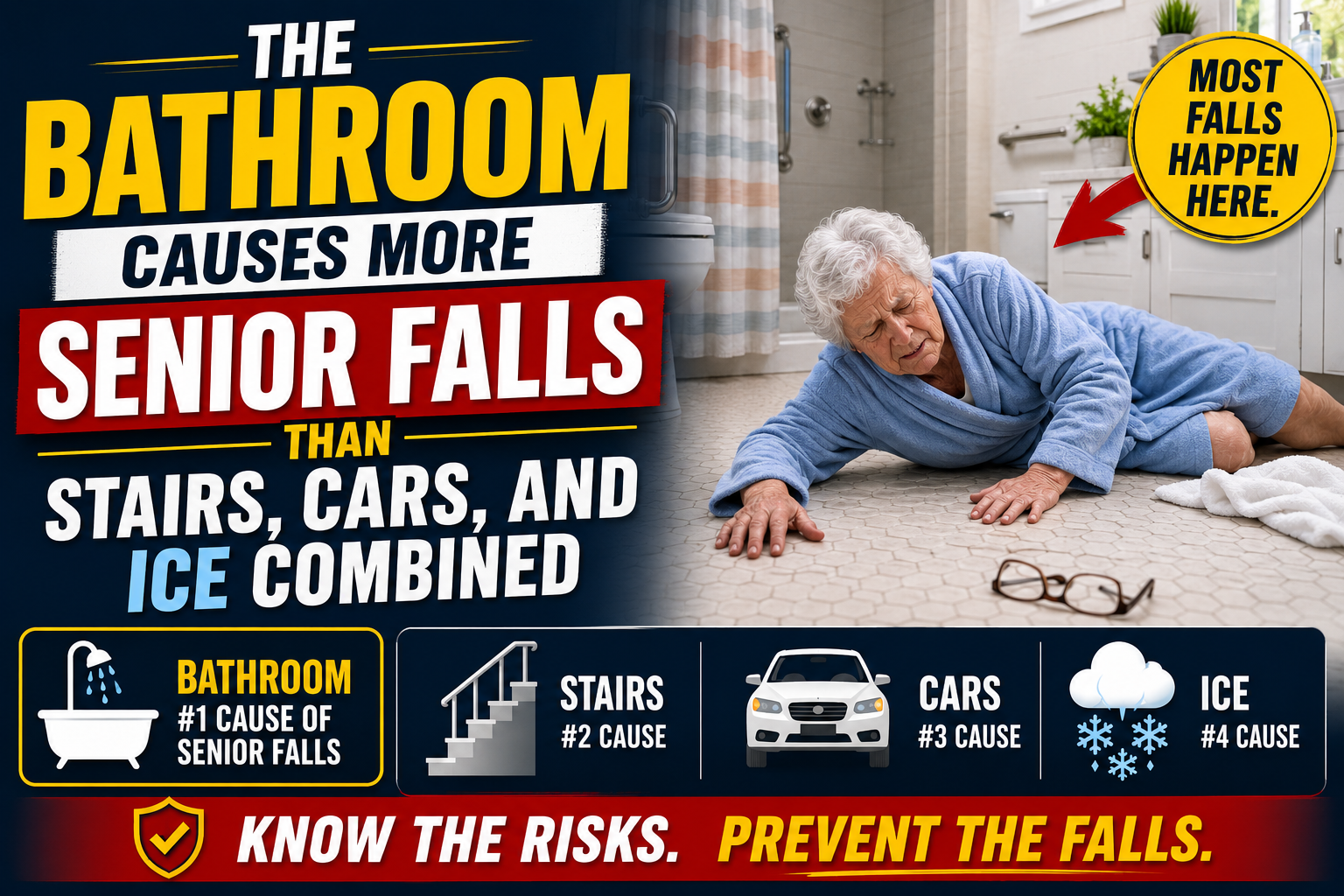
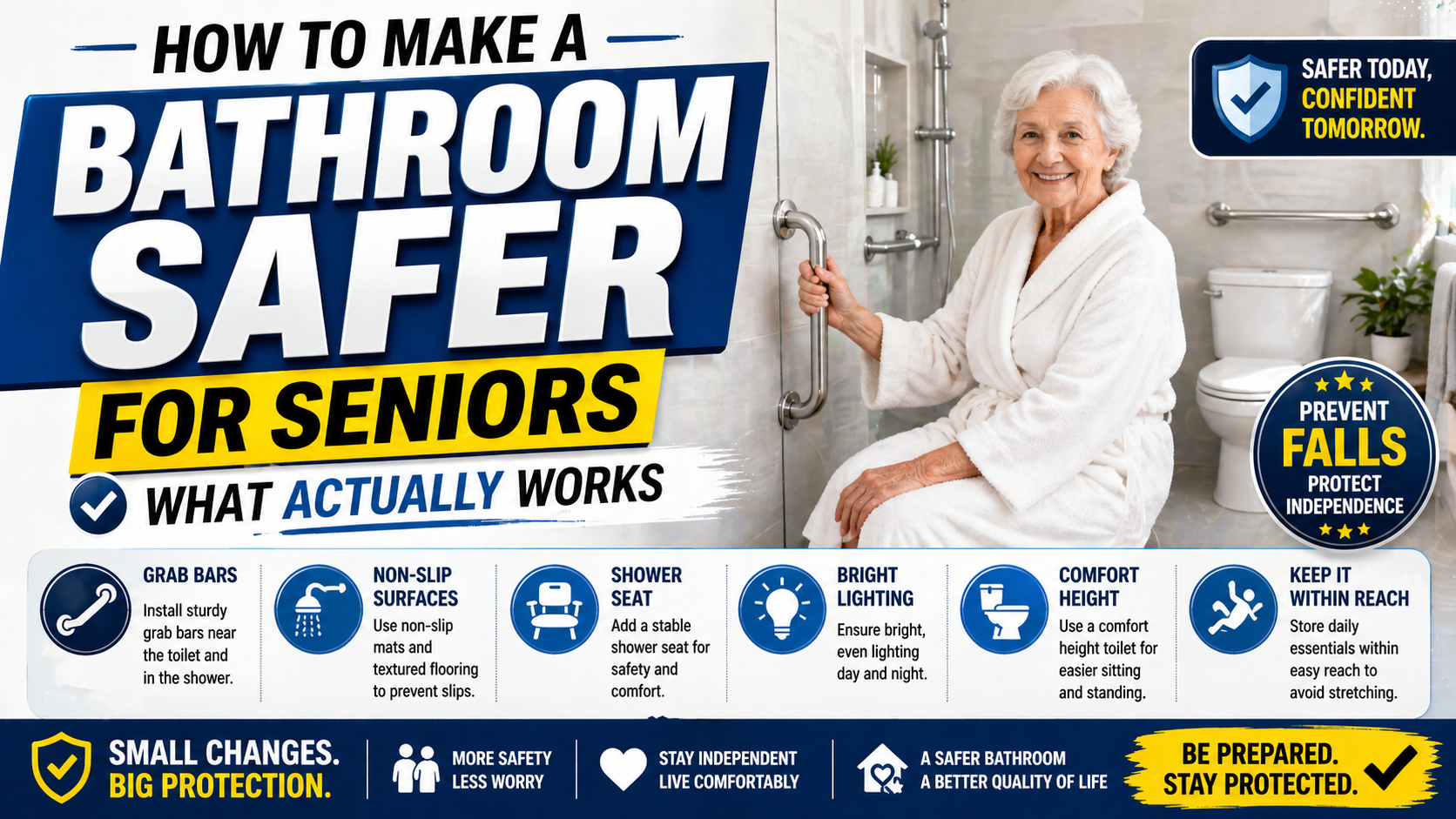
Both formats vary by specific device. For bathroom use — the highest-risk environment for senior falls — confirming water resistance is important regardless of format. Most dedicated senior safety devices have at least splash resistance. Full shower submersion rating varies by model. Check the specific IP rating of any device being considered, particularly if shower or bath use is a priority.
My parent already has a medical ID bracelet for medical conditions — can that replace a medical alert device?
Medical ID bracelets identify medical conditions for first responders — they don’t call for help. They serve an important but completely different function from a medical alert device. Someone can have both — a medical ID bracelet on one wrist and a medical alert smartwatch on the other, or a medical ID bracelet and a separate pendant. They aren’t alternatives to each other.
Do pendants or bracelets work better in the shower?
Both formats can be designed for shower use but it depends entirely on the specific device’s water resistance rating rather than the format. The advantage of the wrist format in the shower is that it stays on the body during the shower — a pendant may be removed before showering and left outside the bathroom, which removes protection during one of the highest-risk daily activities. A wrist device with adequate water resistance stays on throughout.
Make the Decision Based on What Gets Worn
The format that gets worn every day — consistently, without resistance, without it being left on the nightstand or taken off because it’s uncomfortable or embarrassing — is the right format regardless of what the spec comparison shows.
For most seniors navigating this decision today the smartwatch format resolves the adoption problem that has made traditional formats so inconsistently worn. It looks like what everyone else is wearing. It delivers more capability. And it’s there on the wrist during the nighttime bathroom trip, the morning getting-up transition, and every other moment when a fall could happen.
→ See the SecuLife Smartwatch on Amazon — medical alert in a format seniors will actually wear
About the Author
Tom Garrett spent eight years as an EMT and several more as a caregiver for his father, navigating the medical alert device market from both a professional and personal perspective. He writes for Elder Safety Guide with a focus on cutting through the marketing noise to give people the practical information they need to make decisions they won’t regret.