Trying to decide if a medical alert system is really necessary? Learn the clear warning signs, when it makes sense, and how to protect your loved one before an emergency happens.
A Simple Guide for Families Trying to Make the Right Call
Deciding whether a loved one needs a medical alert system isn’t always obvious.
Most families don’t start thinking about it until something happens:
- A fall
- A health scare
- A moment where help wasn’t immediately available
But here’s the reality…
The best time to get a medical alert system is before something goes wrong.
This guide will help you figure out:
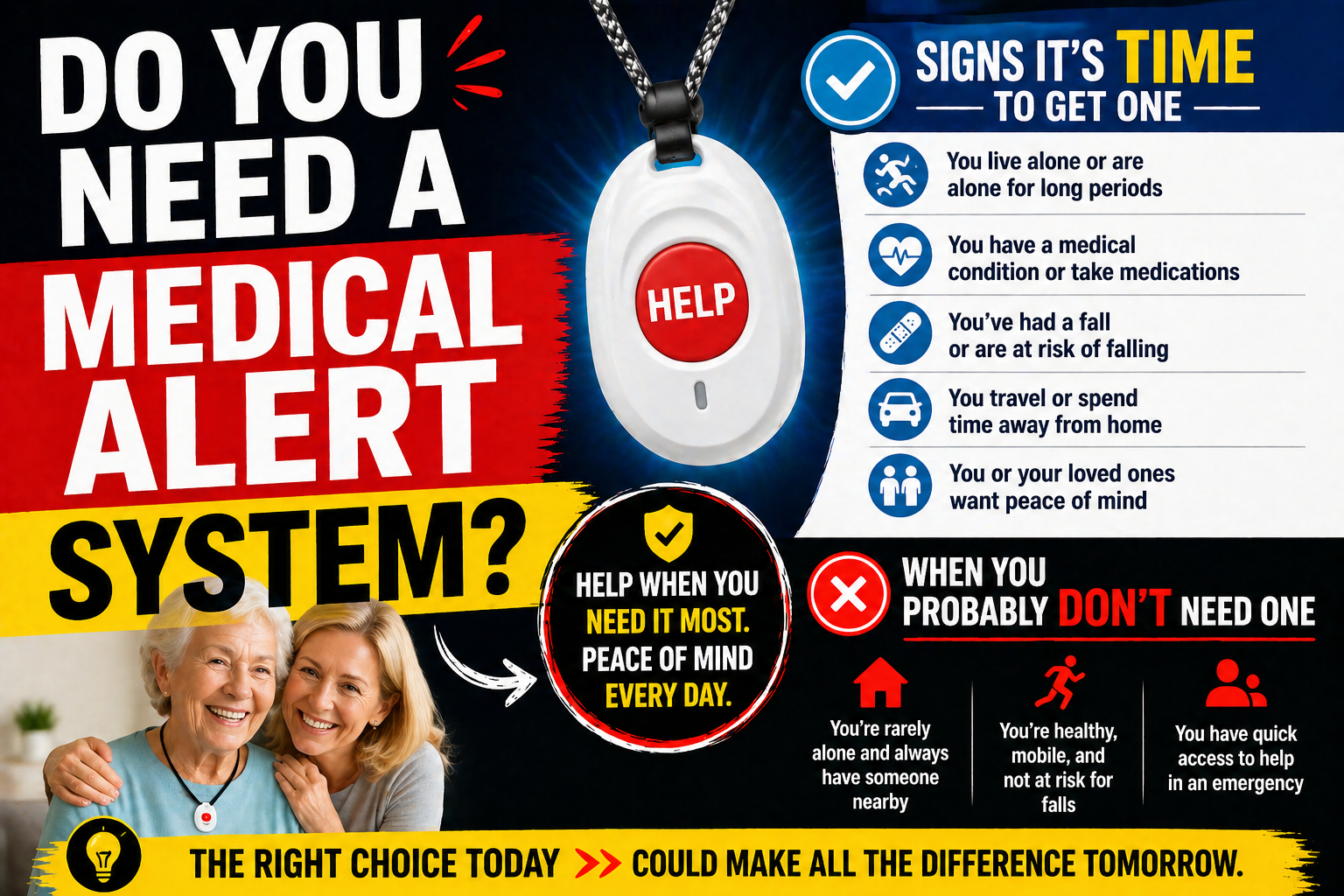
- When it actually makes sense to get one
- When you might not need one yet
- What warning signs to watch for
- How to think through the decision without pressure
If you’re new to this topic, you may also want to read our
senior safety FAQ guide
for a quick overview of how these systems work.
What a Medical Alert System Actually Does
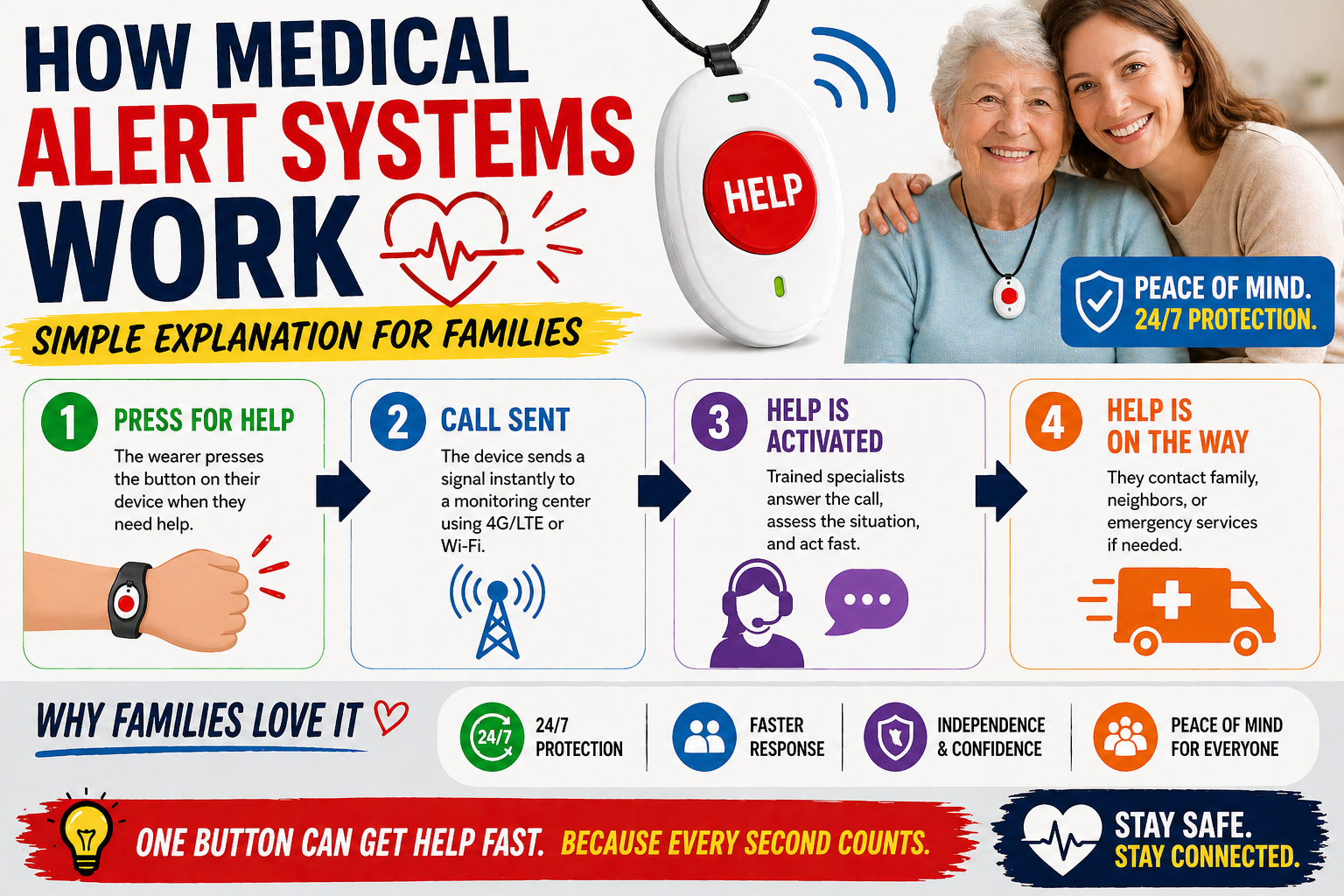
At its core, a medical alert system is simple: The practical details are explained in How Medical Alert Systems Work (Simple Explanation for Families), including what happens after the alert is triggered.
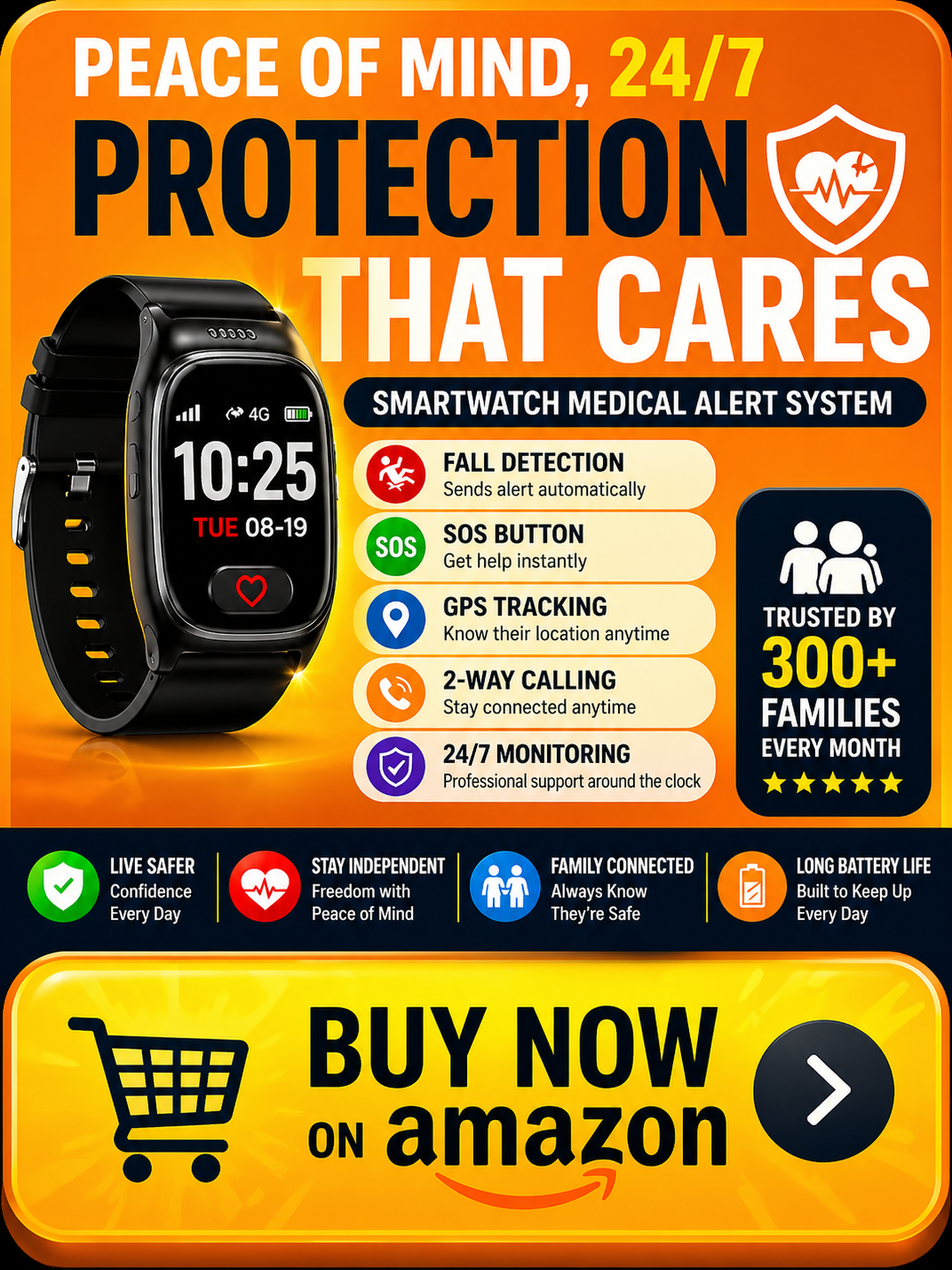
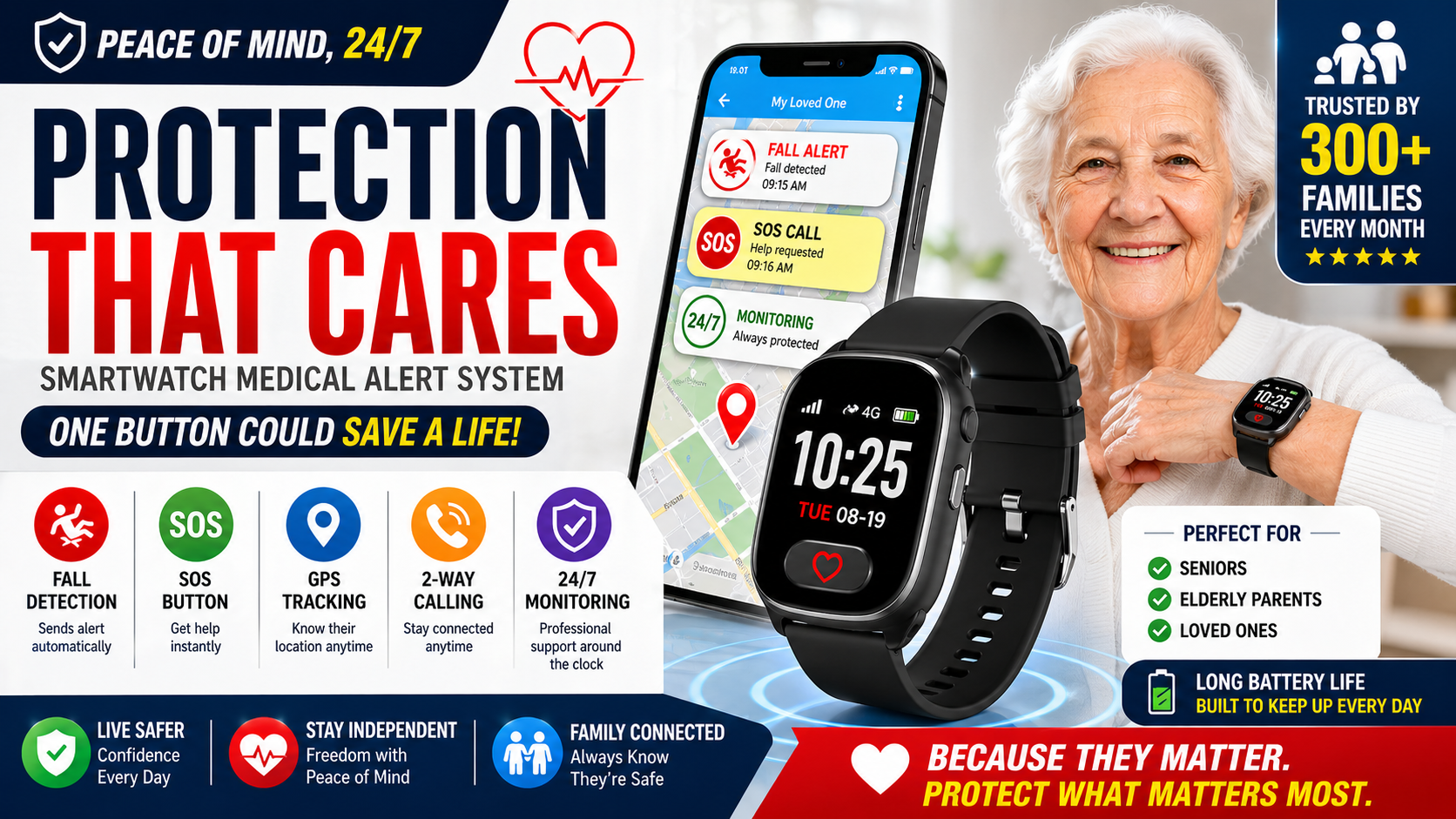
It connects a person to help quickly in an emergency. For readers considering a wearable option, the SecuLife fall-detection smartwatch is one product to review alongside the warning signs discussed here.
Most systems allow someone to:
- Press a button to call for help
- Automatically alert someone after a fall
- Reach emergency services or family
The goal is not to replace independence…
It’s to protect it.
The Biggest Risk Most Families Overlook
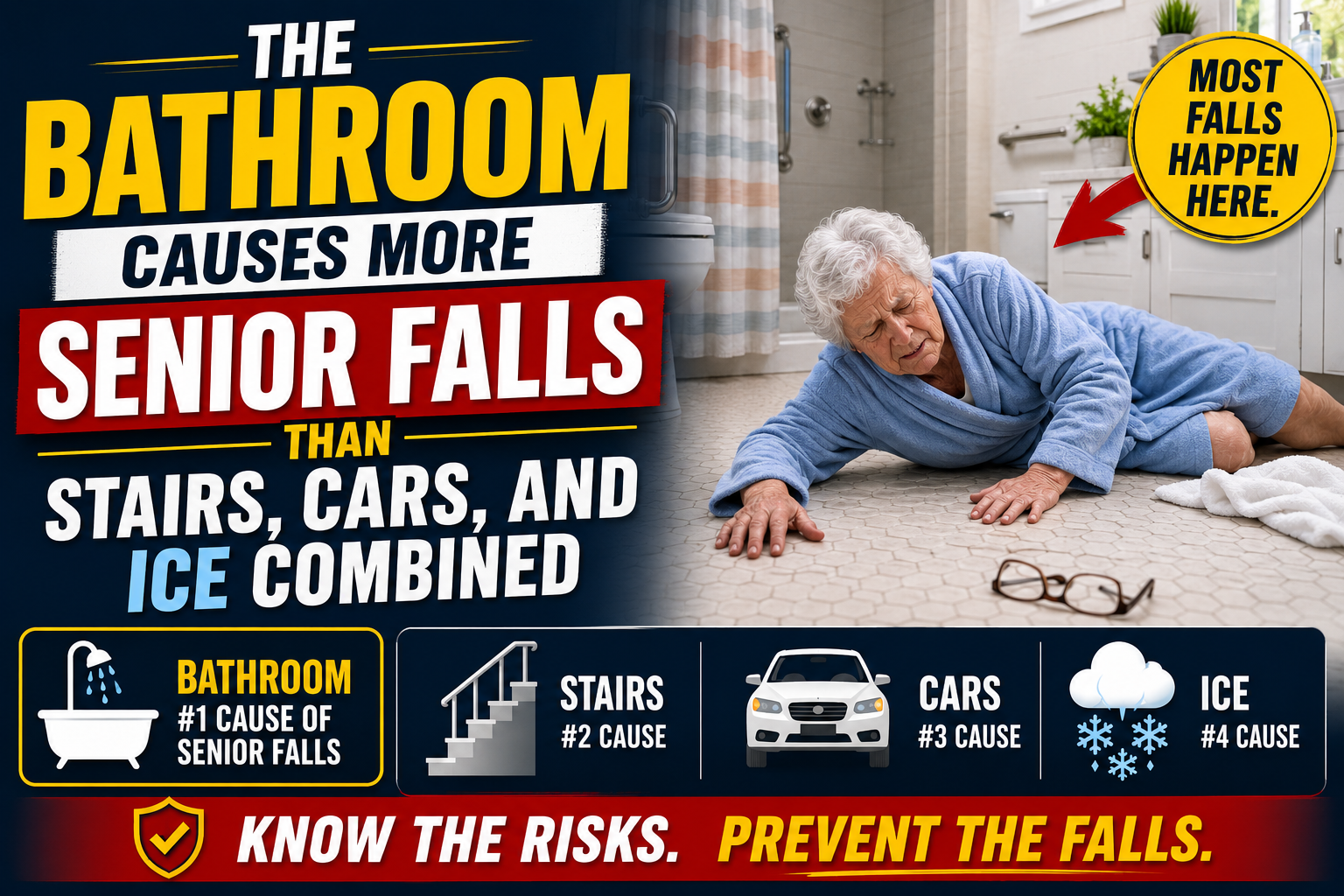
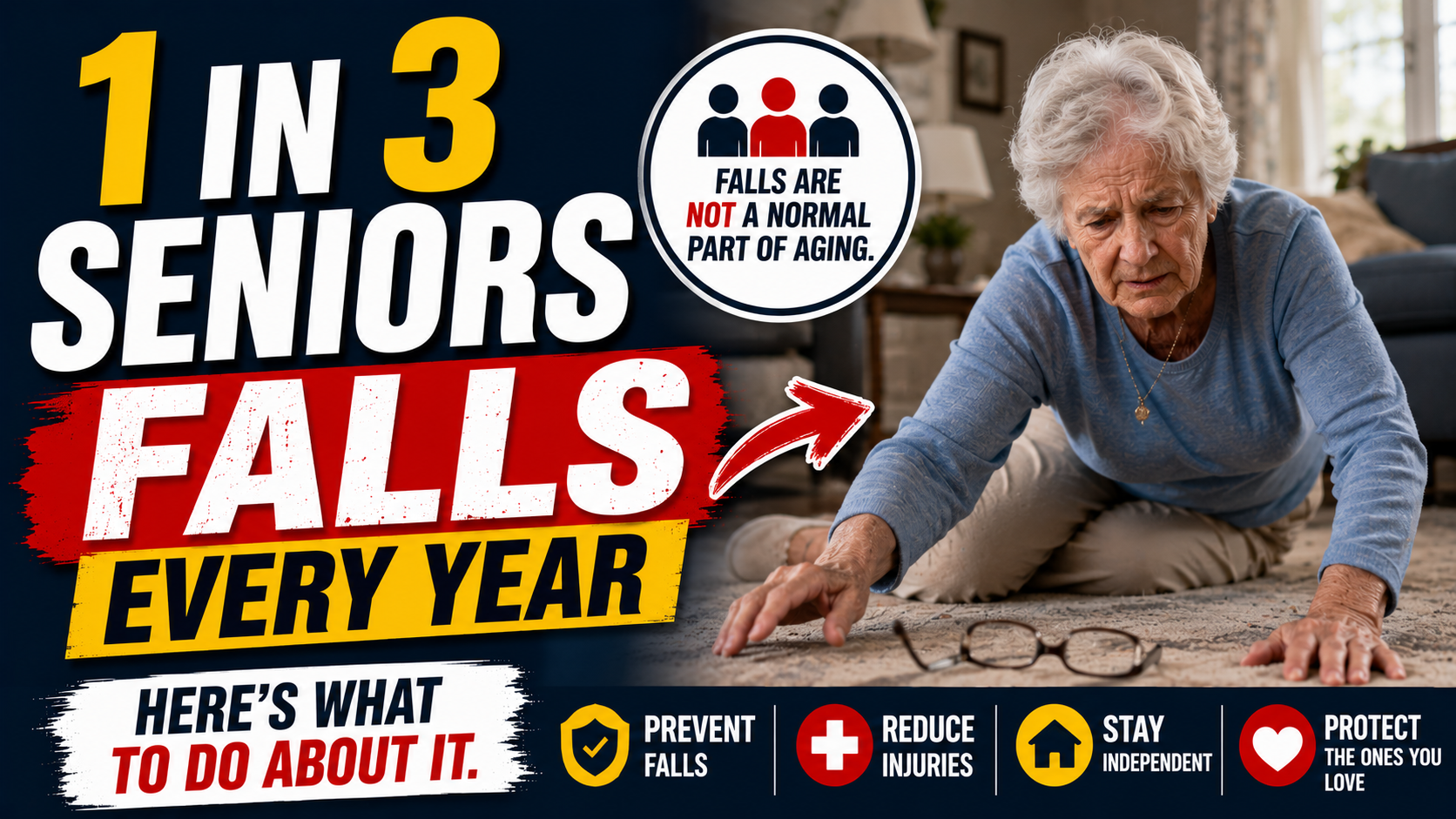
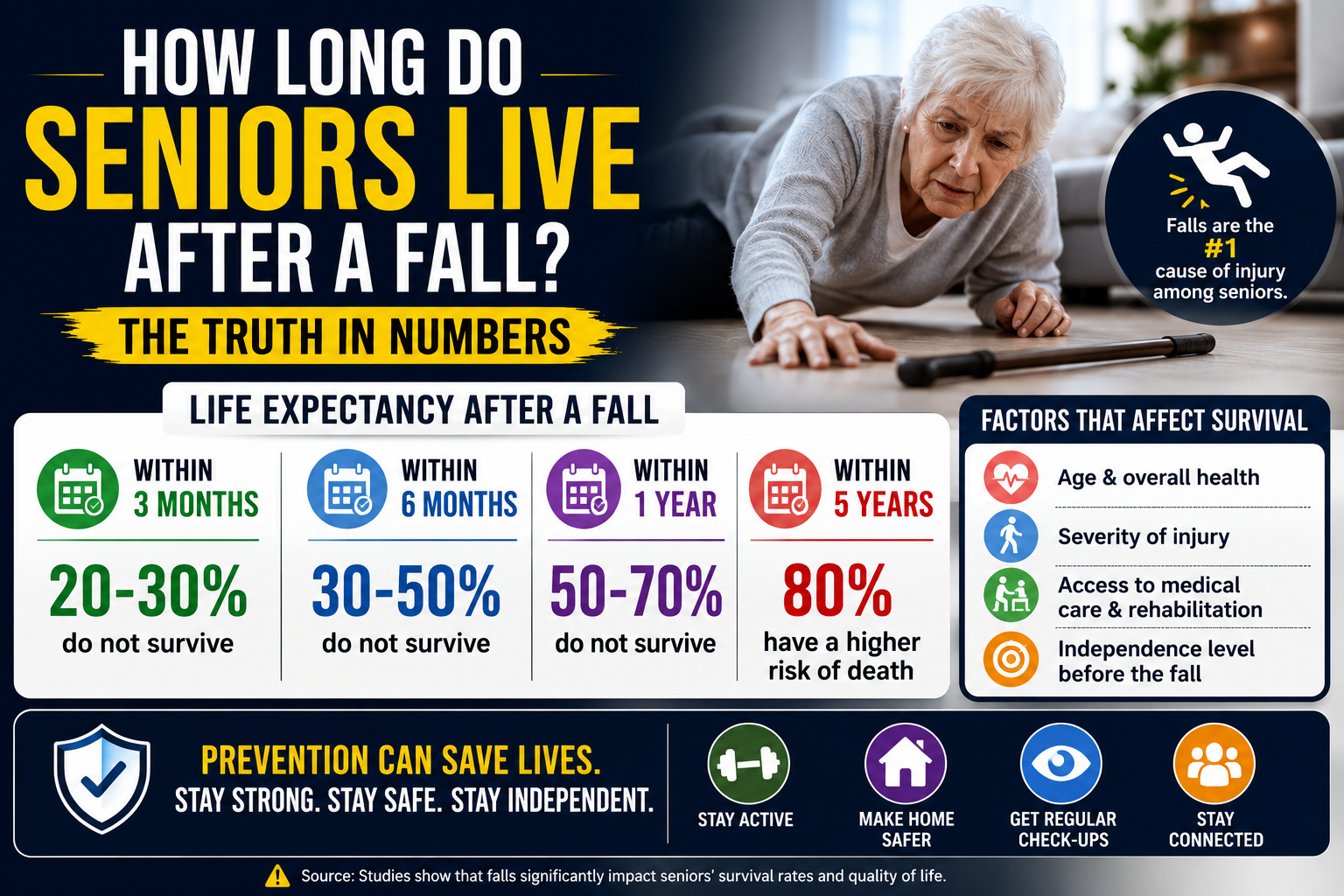
The issue isn’t always the fall itself.
It’s what happens after.
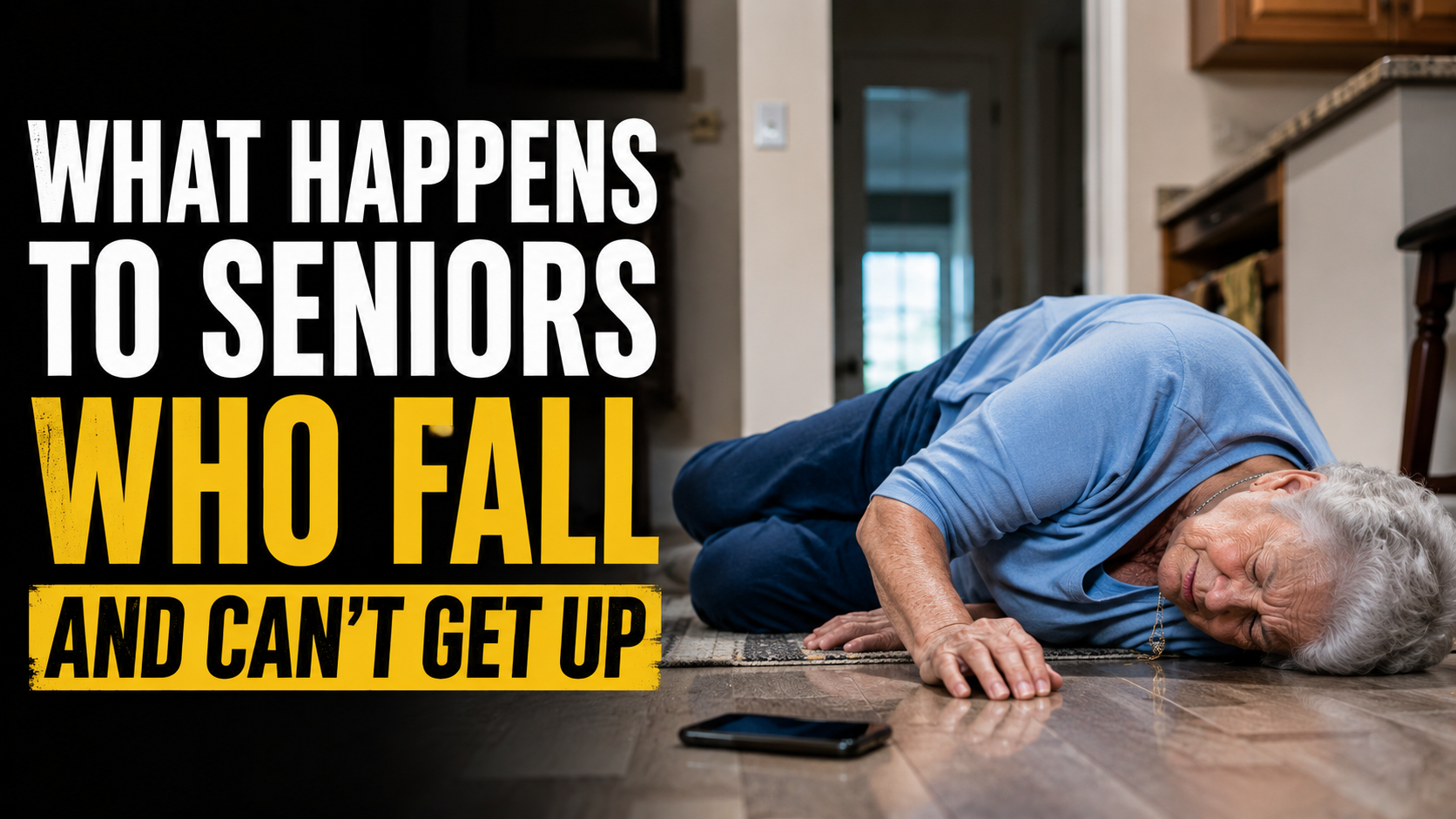
A person who falls and can’t get up may: The medical consequences of being unable to get up are explained in What Happens to Seniors Who Fall and Can’t Get Up — The Medical Reality Most Families Don’t Know.
- Be stuck for hours
- Become dehydrated
- Develop serious complications
That delay is what turns small incidents into serious problems.
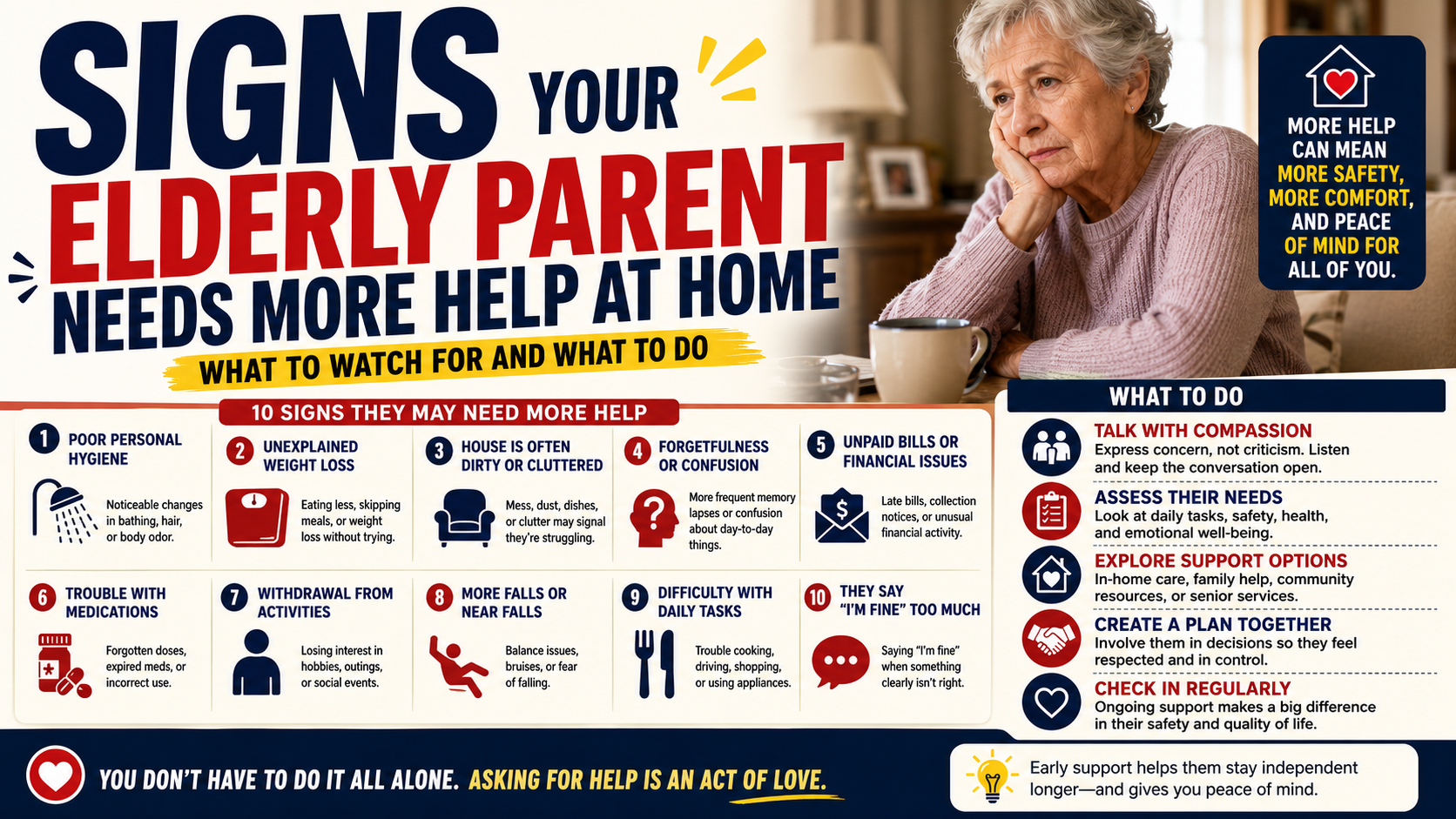
Clear Signs It Might Be Time for a Medical Alert System
These are the situations where a system becomes much more important.
1. There Has Already Been a Fall
Even one fall is a major warning sign.
After a fall:
- Confidence often drops
- Risk of another fall increases
This is one of the strongest indicators that extra protection is needed.
2. They Live Alone
Living alone increases risk significantly.
There’s no one to:
- Notice a problem
- Check in immediately
- Call for help
A medical alert system fills that gap.
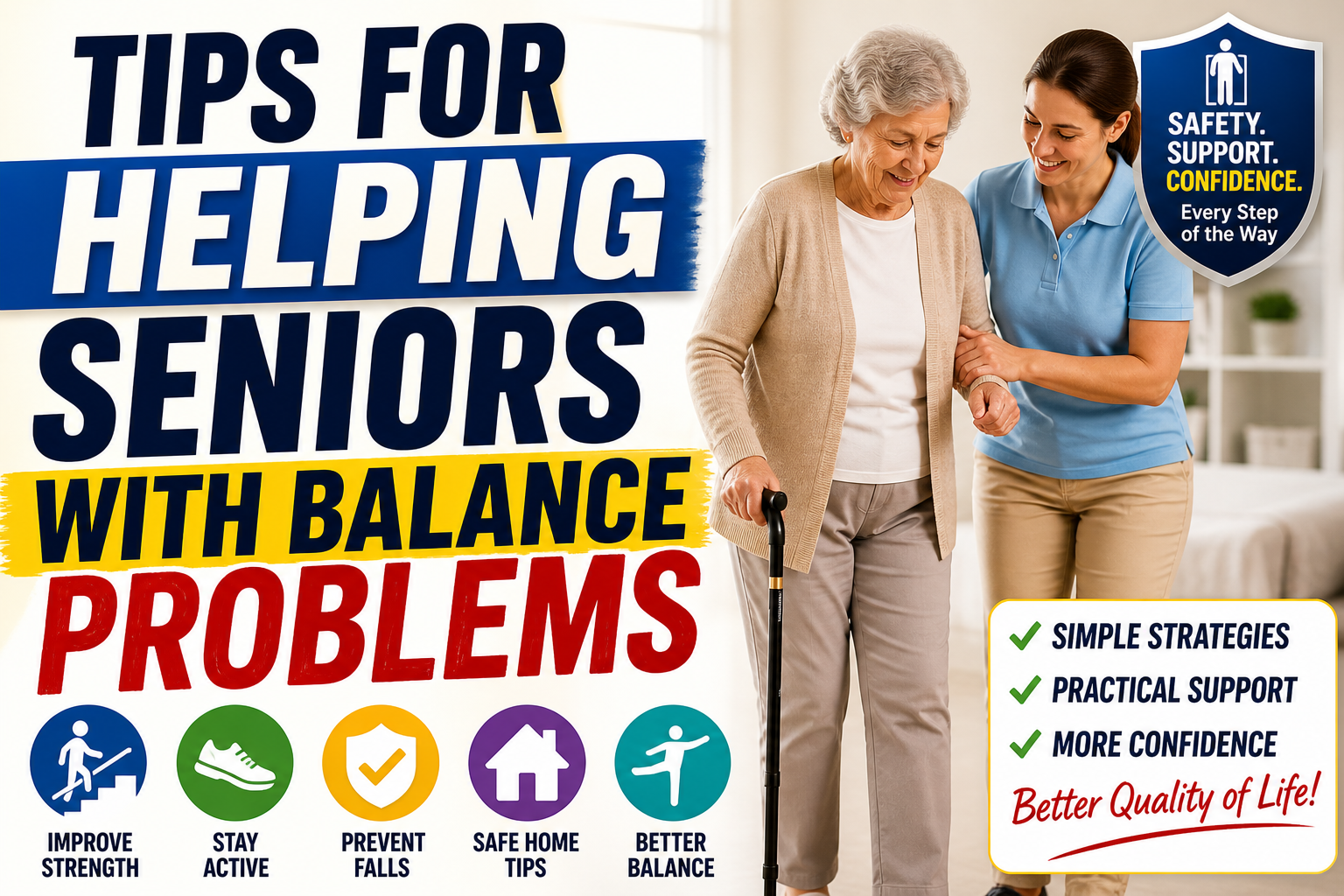
3. Balance or Mobility Issues
Watch for:
- Unsteady walking
- Using walls or furniture for support
- Difficulty getting up
These are early signs that something could happen.
4. Memory Concerns
If someone:
- Forgets things often
- Gets confused
- Wanders
Then response time becomes even more critical.
5. Chronic Health Conditions
Conditions like:
- Heart issues
- Diabetes
- Breathing problems
Increase the likelihood of emergencies.
6. Recent Hospital Visit
After a hospital stay, the body is often weaker.
This is a high-risk period where extra safety makes sense.
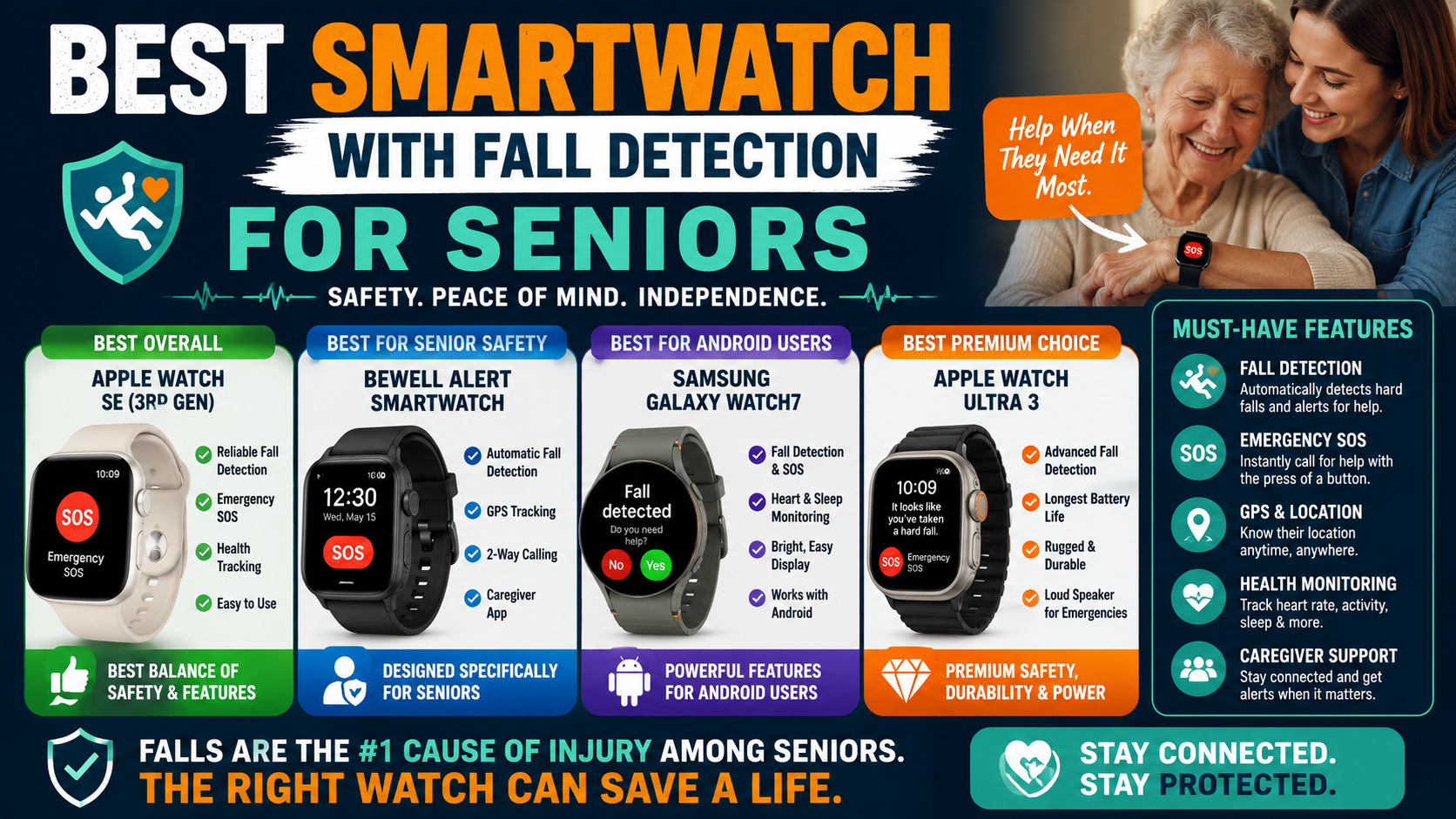
Click here to buy an affordable SOS senior smart watch!
Situations Where You Might Not Need One Yet
Not everyone needs a system right away.
They Are Fully Independent and Active
If someone:
- Is mobile
- Has no history of falls
- Is mentally sharp
They may not need one yet.
They Have Strong Daily Support
If they:
- Live with family
- Have frequent check-ins
Risk is lower.
They Are Resistant to Wearing Devices
Some seniors simply won’t wear anything.
In that case:
- The system won’t be used
- Which makes it ineffective
The Gray Area (Where Most People Are)
Most families fall into this category.
Nothing major has happened yet…
But there are small warning signs.
This is where the decision gets harder.
In these cases, it’s often better to act early rather than wait.
How to Think About the Decision
Instead of asking:
“Do they need this right now?”
Ask:
“What happens if something goes wrong tomorrow?”
This shift makes the answer clearer.
Are Medical Alert Systems Worth It?
For many families, yes.
Not because something will happen…
But because something could.
They provide:
- Faster response time
- Increased safety
- Peace of mind
How to Bring It Up Without Causing Resistance
This is one of the hardest parts.
Avoid:
- “You need this because you’re getting older”
Instead say:
- “This just gives you more independence”
Focus on:
- Freedom
- Staying at home longer
- Confidence
Our Approach to Senior Safety
At Elder Safety Guide, we focus on:
- Real-life situations
- Practical advice
- Simple solutions
We don’t believe in pushing products before people understand what they actually need.
If you want to learn more about how we approach this, visit our
about our mission and approach
Frequently Asked Questions
What age should someone get a medical alert system?
There’s no exact age — it depends on risk factors.
Are these systems difficult to use?
Most are designed to be very simple.
Do they replace caregivers?
No — they support safety, not replace care.
What to Do Next
If you’re unsure, start by paying attention to the small signs.
You don’t need to rush into a decision…
But you also don’t want to ignore warning signals.
If you need help thinking through your situation, you can always reach out through our
contact page for guidance