Medical alert system costs vary wildly and the monthly fees add up fast. Here’s the full honest breakdown of what you’ll actually pay — and how to find the best value.
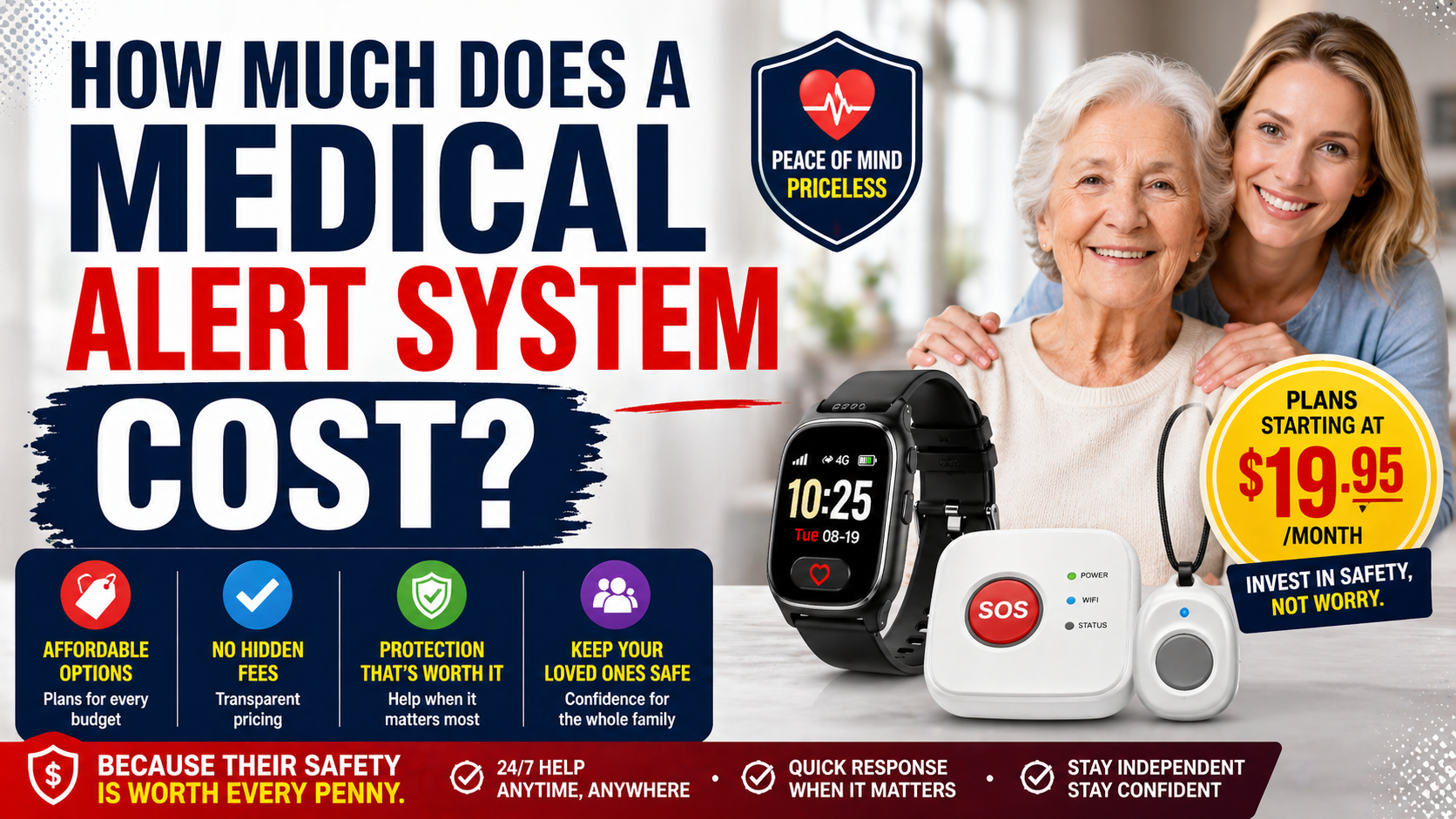
The moment most families start researching medical alert systems, they run into the same problem: the pricing is confusing on purpose. You see a device advertised for $79. Then you find out there’s a $30 monthly fee. Then there’s an activation fee nobody mentioned. Then fall detection costs extra. Then you realize the plan you chose has a one-year contract.
By the time you’ve read through five different provider websites, you’re more confused than when you started — and you still don’t know what you’re actually going to pay.
I’ve watched families navigate this exact frustration for years. The goal of this guide is simple: give you a completely honest, straightforward breakdown of what medical alert systems actually cost, what drives those costs, and how to find genuine value without getting caught off guard by fees nobody told you about upfront.
The Two Main Costs to Understand First
Every medical alert system has two separate cost components. Understanding both before you compare options will save you a lot of confusion.
1. The Device Cost
This is what you pay upfront to get the physical hardware — the watch, pendant, wristband, or base unit. Device costs typically range from $0 (some providers include the device free with a monitoring plan) to $200 or more for premium smartwatch-style devices.
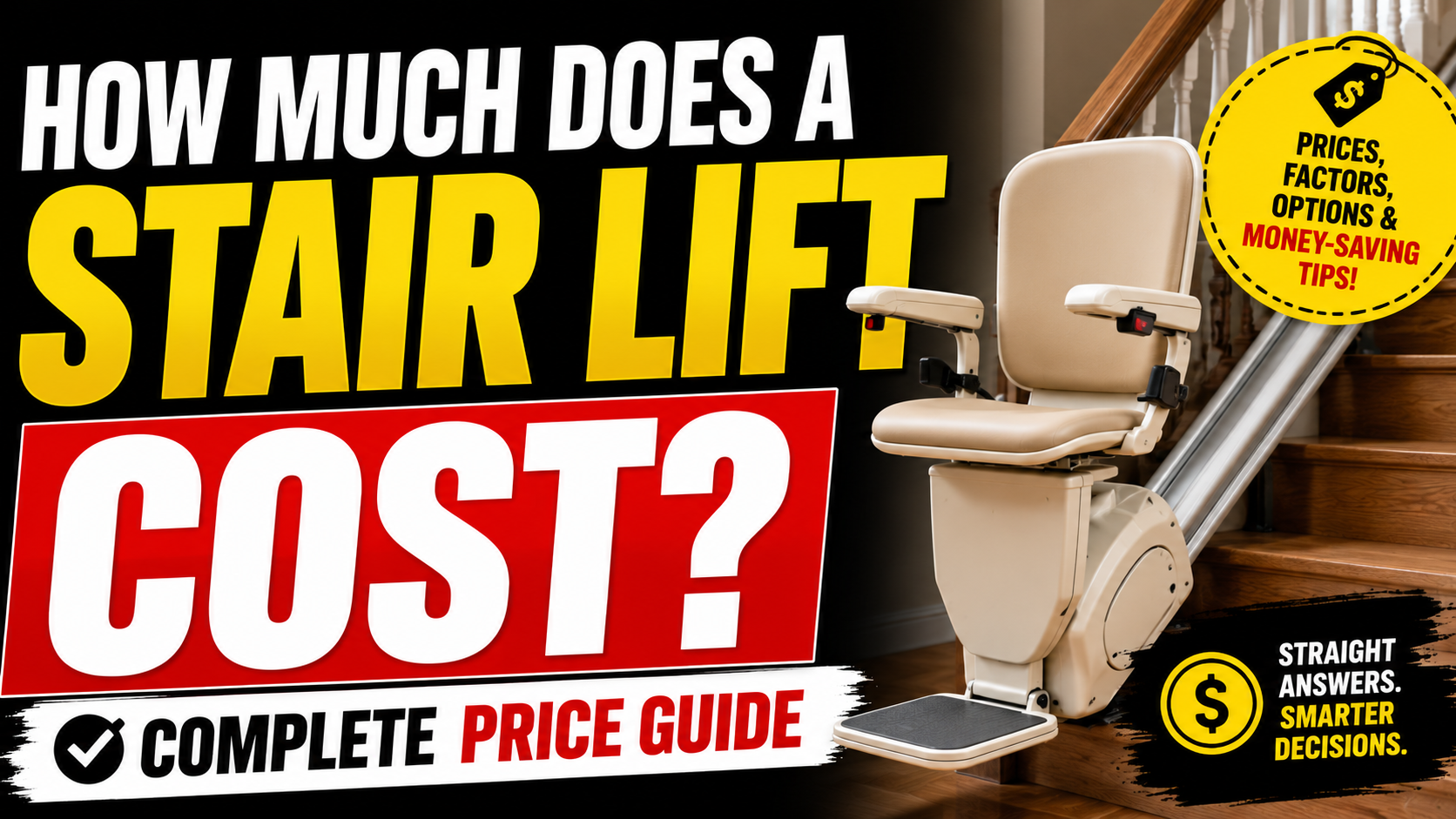
A low device cost doesn’t mean a good deal. Providers who give you the hardware free often lock you into higher monthly fees or longer contracts to recoup that cost. Always look at the total 12-month cost, not just the device price. That same total-cost approach is useful when comparing total stair lift pricing, where installation and add-ons can change the initial quote.
2. The Monthly Service Fee
This is the ongoing cost that covers whatever the device needs to function — cellular connectivity, GPS data, app access, fall detection processing, and in some cases 24/7 professional monitoring. This fee continues indefinitely for as long as your parent uses the device.
Monthly fees are where the real money is. A $25/month plan costs $300 per year. A $45/month plan costs $540 per year. Over three years, that difference is $720 — more than the cost of most devices themselves. Monthly fees deserve far more attention than most families give them when comparing options.
What’s Included in the Monthly Fee — and What Costs Extra
Not all monthly fees cover the same things. Here’s what to check before assuming a plan includes everything you need. The Medical Alert Systems for Seniors — The Complete Buyer’s Guide provides a broader framework for comparing coverage, features, and service models alongside price.
Fall Detection
Many providers charge an additional $10/month specifically for automatic fall detection — even if the device is physically capable of it. This fee gets added on top of the base monitoring fee and catches a lot of families off guard. Always confirm whether fall detection is included or an add-on before signing up.
GPS Tracking
Some base plans only cover in-home monitoring. GPS tracking for use outside the home can be a separate tier at a higher price. If your parent leaves the house — for appointments, errands, walks — make sure GPS is included in the plan you’re choosing, not an upgrade.
Professional Monitoring vs. Family Monitoring
There are two fundamentally different service models:
- Professional monitoring connects your parent to a staffed call center 24/7. Trained operators answer when SOS is triggered and dispatch help. This is the traditional model and typically costs more.
- Family monitoring sends alerts directly to designated contacts — you, a sibling, a neighbor — without a call center in the middle. This model costs significantly less because there’s no monitoring infrastructure to pay for.
Neither model is inherently better. The right choice depends on your family’s specific situation — how reachable you are, how close you live, and what your parent’s risk level is. Our answers to common safety questions can help you weigh those personal factors before choosing a system.
App Access and Caregiver Features
Some providers charge extra for caregiver app access — the ability to check GPS location, review alert history, and manage settings remotely. Others include it at every tier. If staying connected through an app is important to you, verify it’s in the base plan.
Real Cost Breakdown — What Different Plans Actually Cost Per Year
To make this concrete, here’s what different pricing structures actually add up to over 12 months. These are representative ranges based on what’s currently available in the market.
Budget Tier — $20 to $25 per month
Annual cost: $240 to $300 plus device cost
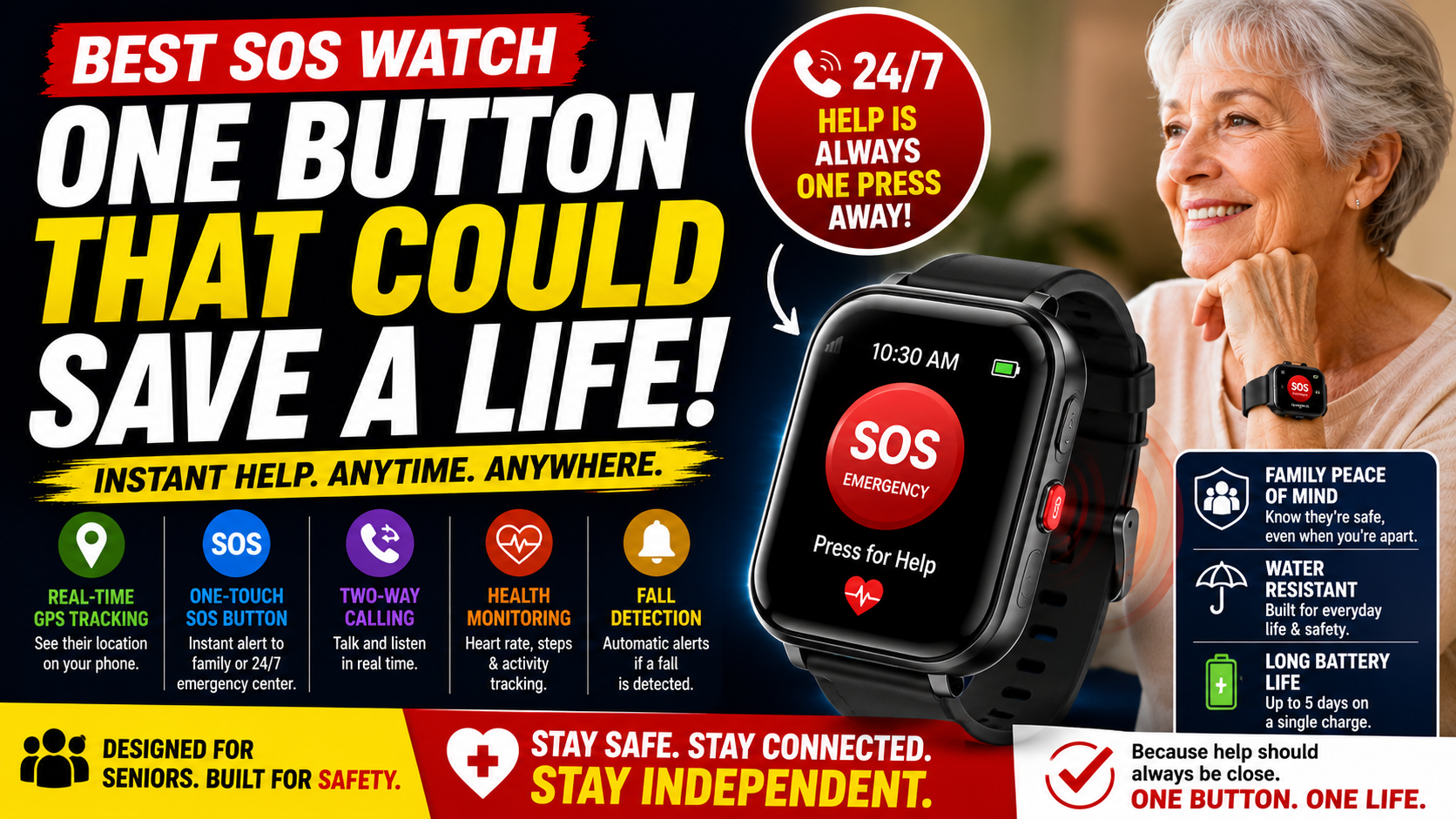
At this price point you can get genuine full-featured protection — GPS tracking, fall detection, SOS calling, and app access — if you choose the right provider. The key is finding a plan where all core features are included rather than a stripped-down base plan with expensive add-ons. Before comparing plans, review this guide to full-featured senior SOS watches and the features that should be included.
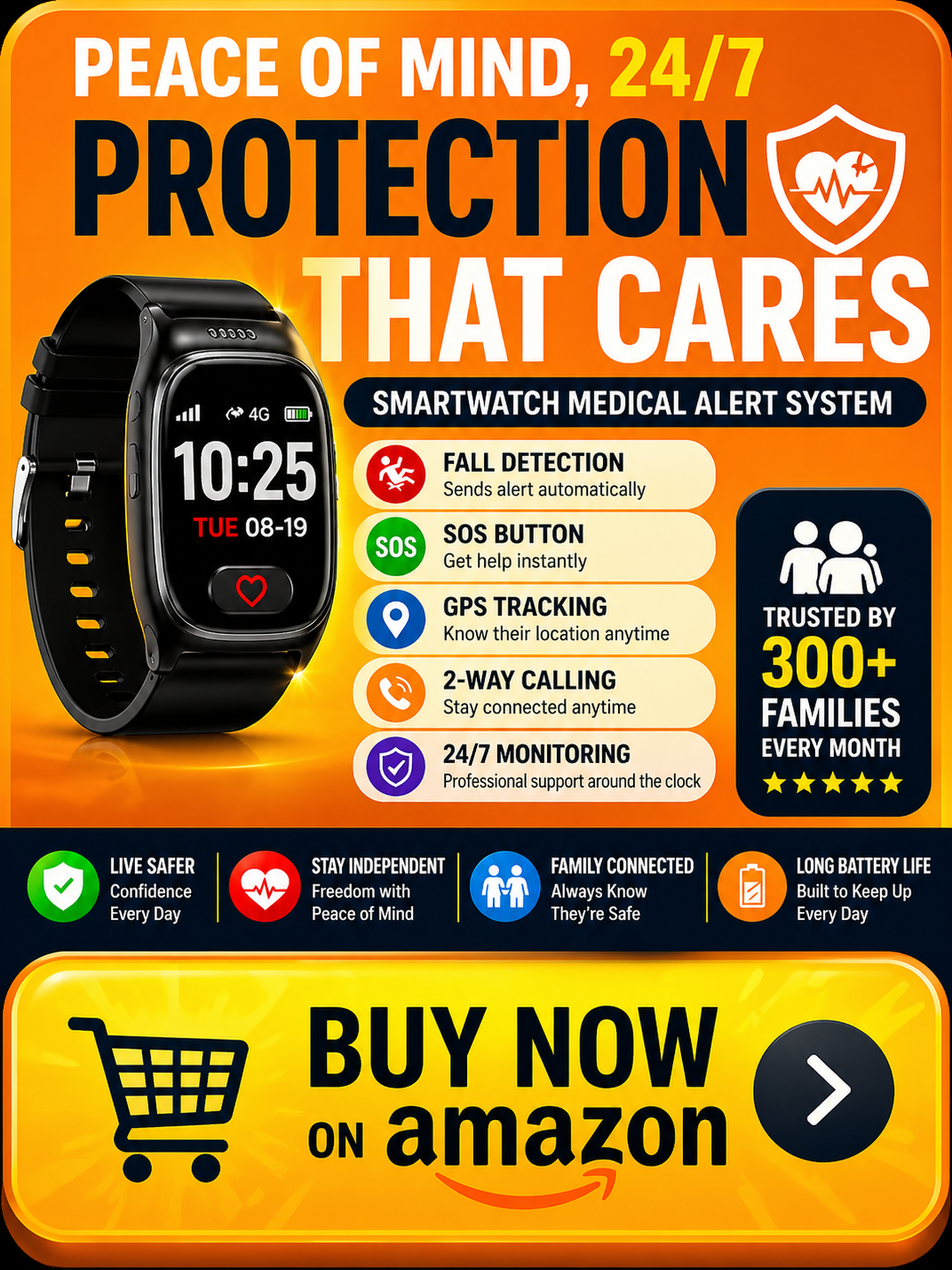
The SecuLife Smartwatch sits in this tier with plans starting at $20/month on an annual plan or $25/month on a one-year contract. For that price you get unlimited fall detection alerts, real-time GPS tracking, two-way calling through the watch, full app access for family members, and 7-day-a-week customer support. Compared to what competitors charge for equivalent features, that’s genuinely strong value.
This is the tier where most families will find the best balance of cost and capability — especially if professional 24/7 monitoring isn’t a strict requirement.
Mid Tier — $30 to $40 per month
Annual cost: $360 to $480 plus device cost
This range typically covers professional monitoring plans — a staffed call center that responds when SOS is triggered. For seniors who live completely alone with no nearby family contacts, the professional monitoring model has real value. Someone is always on the other end of that button, regardless of the time or whether family members are reachable.
At this price point, confirm that fall detection is included and not an additional $10/month on top.
Premium Tier — $45 to $55 per month
Annual cost: $540 to $660 plus device cost
The top end of the market covers premium professional monitoring with advanced features — health tracking, medication reminders, caregiver dashboards, and in some cases two-person household plans. For most families, the jump from mid to premium tier doesn’t deliver proportional value. You’re often paying for features that sound impressive but don’t meaningfully improve day-to-day safety.
Hidden Fees to Watch For Before You Sign Anything
This is where a lot of families get burned. Medical alert providers are not always upfront about every cost involved. Here are the fees most commonly buried in the fine print.
Activation Fees
Some providers charge a one-time activation fee of $25 to $50 just to turn the service on. This is separate from the device cost and the monthly fee. It often disappears if you choose an annual plan over month-to-month — worth asking about before committing.
Cancellation Fees
Providers with annual or multi-year contracts sometimes charge early termination fees if you cancel before the contract ends. For elderly parents whose needs can change quickly — a move to assisted living, a hospitalization, a change in condition — being locked into a contract with a cancellation penalty is a real problem. Prioritize flexible plans or month-to-month options if long-term commitment feels risky.
Equipment Return Fees
Some providers require you to return equipment when you cancel service and charge a restocking fee — sometimes up to $50 — even during a trial period. Read the return policy carefully before purchasing.
Shipping Fees
Not always free, especially for replacement devices or accessories. Minor but worth knowing.


How to Calculate the True Cost Before You Buy
Before committing to any medical alert system, do this simple calculation:
- Device cost (one-time)
- Plus activation fee if applicable (one-time)
- Plus monthly fee × 12
- Plus any add-on fees (fall detection, GPS, app access) × 12
- Equals your true Year 1 cost
Then compare that number across options — not the advertised monthly price. A device advertised at $29/month with a $10 fall detection add-on and a $49 activation fee costs more in Year 1 than a $25/month plan with everything included and no activation fee.
This calculation changes the comparison completely for most families.
Is a Cheaper Medical Alert System Less Safe?
This is the question families worry about most, and the honest answer is no — not automatically. Price does not equal protection level in this industry.
What actually determines how safe a device is:
- Whether fall detection works reliably
- Whether GPS coverage is accurate and real-time
- Whether the SOS button triggers alerts fast
- Whether the device gets worn consistently
A $25/month device that your parent wears every day is dramatically safer than a $50/month device they leave on the nightstand. Wearability and consistency matter more than price tier in real-world outcomes.
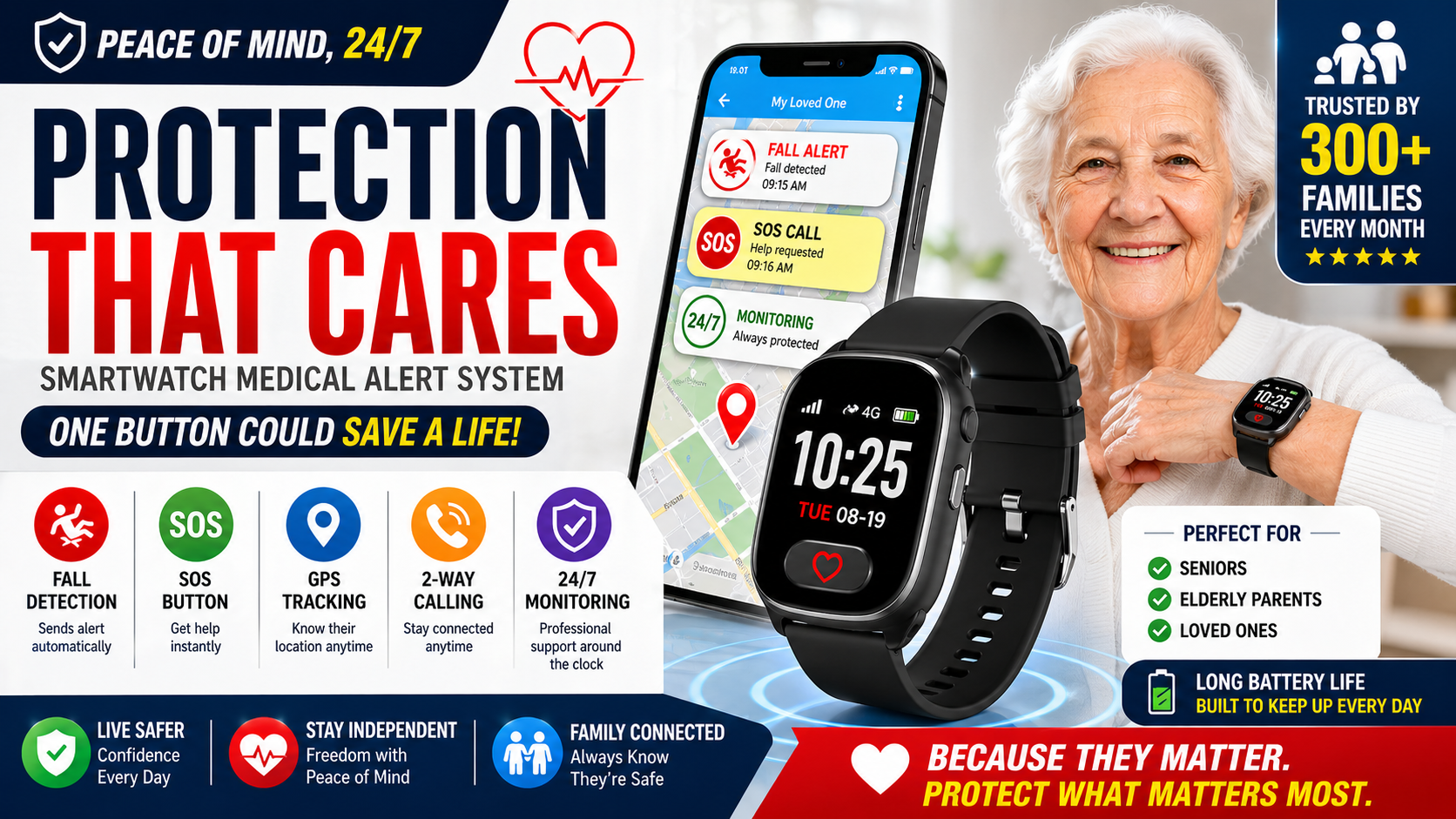
That last point is one reason the SecuLife Smartwatch stands out at its price point — it’s designed to look like a regular watch, which means seniors are significantly more likely to wear it willingly. A device that gets worn is a device that works. You can read more about why wearability matters so much in our guide to the best medical alert smartwatches for seniors.
What About Medical Alert Systems With No Monthly Fee at All?
They exist, but the category is smaller than most people expect. True no-fee devices typically work by connecting directly to 911 via a cellular button — no GPS, no fall detection, no companion app, no two-way calling. They’re the most basic form of emergency response available.
For some seniors — particularly those who are relatively healthy, rarely leave home, and just want a simple panic button as a backup — a basic no-fee device is perfectly adequate.
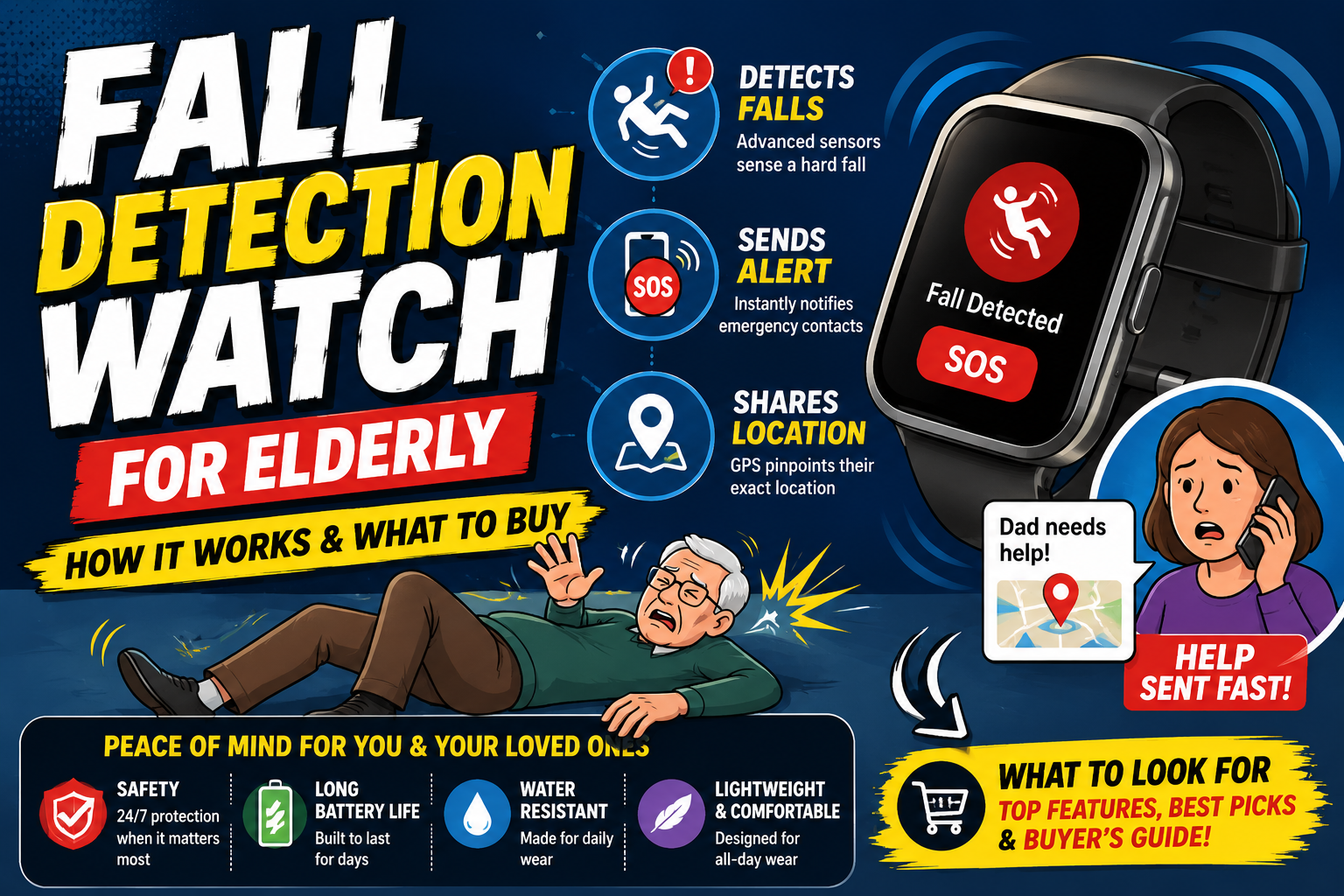
For most families reading this guide, however, the features that make a medical alert device genuinely useful — GPS, automatic fall detection, two-way communication, family app access — all require cellular connectivity and ongoing service. That connectivity has a real cost, and the monthly fee covers it. Before comparing those capabilities and their service requirements, see how GPS and fall detection features function in everyday use.
The better question isn’t “how do I avoid a monthly fee entirely?” It’s “how do I find a plan where the monthly fee is fair and covers everything I actually need?” At $20 to $25 per month for a full-featured device, the answer to that question already exists.
Does Insurance or Medicare Cover Medical Alert Systems?
This comes up constantly, and families are often disappointed by the answer.
Original Medicare (Parts A and B) does not cover medical alert systems. They are not classified as durable medical equipment under standard Medicare coverage, which means there is no reimbursement available through traditional Medicare.
However, there are some legitimate pathways worth exploring:
- Medicare Advantage plans — Some Medicare Advantage (Part C) plans include supplemental benefits that cover or subsidize medical alert devices. Coverage varies significantly by plan and by state. Contact your parent’s specific plan to ask directly.
- Medicaid waivers — Some state Medicaid waiver programs cover medical alert devices as part of home and community-based services. Eligibility and availability vary by state.
- Veterans benefits — Veterans may be eligible for assistance through the VA, particularly through programs focused on aging in place and home safety.
- FSA and HSA accounts — Medical alert devices may be eligible for purchase using Flexible Spending Account or Health Savings Account funds. Check with your account administrator.
- Tax deduction — If prescribed by a physician, medical alert systems may qualify as a deductible medical expense. Consult a tax professional about your specific situation.
None of these are guaranteed, but they’re all worth checking before paying entirely out of pocket.

How to Get the Best Value Without Sacrificing Protection
Here’s the practical checklist for finding a medical alert plan that’s both affordable and genuinely protective.
Choose annual over month-to-month when you can
Annual plans almost always come at a lower monthly rate than month-to-month options. If your parent’s situation is stable and you’re confident they’ll use the device, paying annually saves meaningful money over time. The SecuLife annual plan, for example, drops from $25/month to $20/month — a $60 annual savings just for choosing the yearly billing option.
Make sure fall detection is included, not an add-on
Before committing to any plan, confirm that automatic fall detection is included in the base price. If it costs extra, factor that into your true monthly cost comparison.
Don’t pay for professional monitoring if family monitoring fits your situation
If you and other family members are generally reachable and live within a reasonable distance, family monitoring — where alerts go directly to you — is often just as effective as professional monitoring and costs significantly less. Be honest about your family’s actual availability before paying for a call center you may not need.
Read the cancellation policy before signing
Things change. Your parent’s needs, living situation, and health can shift quickly. Make sure you understand what it costs to cancel before you’re locked into a commitment that no longer makes sense.
Look at the device form factor alongside the cost
The cheapest plan is worthless if your parent won’t wear the device. If your parent has resisted pendants or traditional alert devices before, a smartwatch-style option like the SecuLife may cost a similar amount per month but deliver dramatically better real-world outcomes simply because it gets worn.
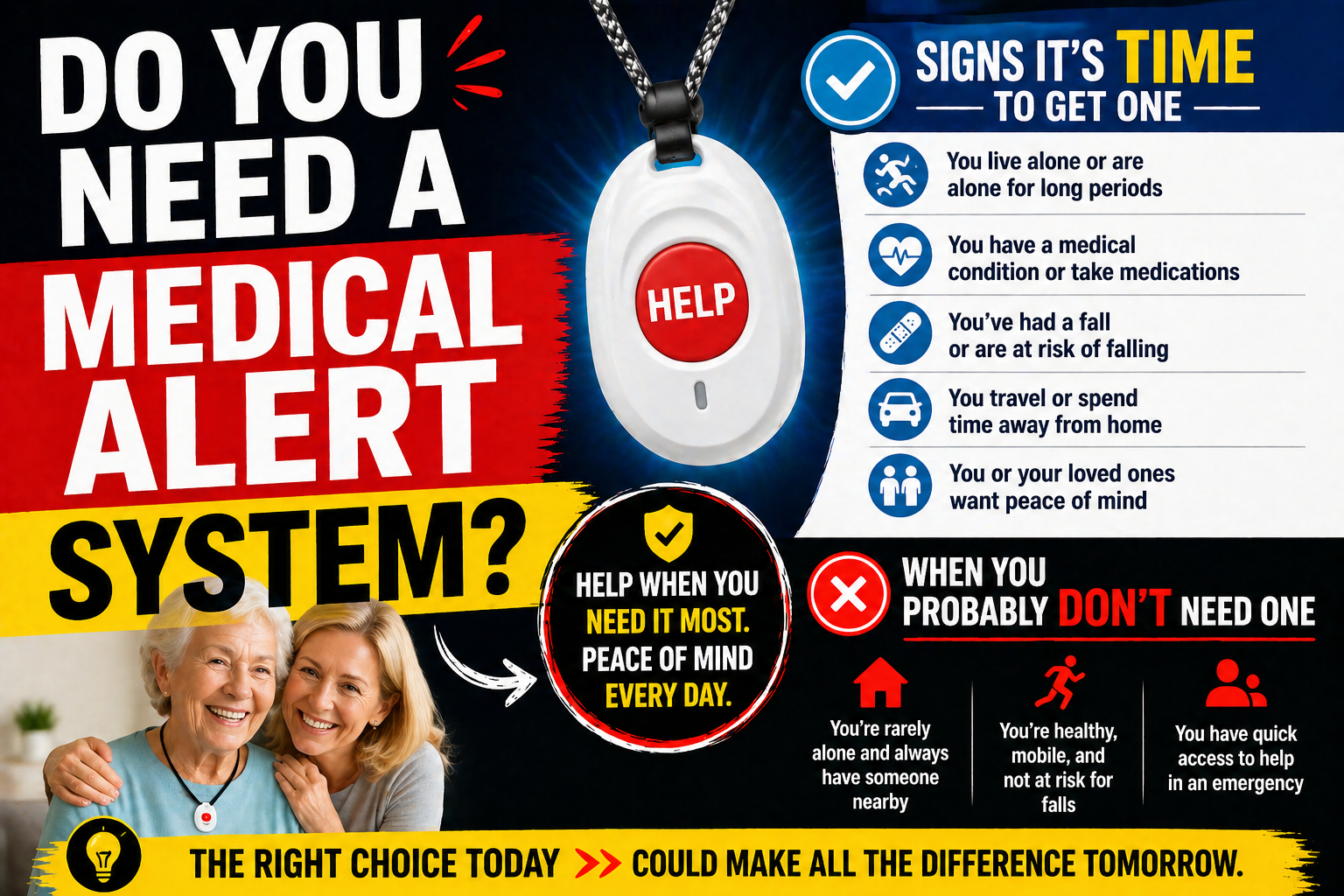
We cover this in detail in our guide on signs it’s time for a medical alert system — including how to approach the conversation with a parent who’s been resistant.
The Bottom Line on Medical Alert System Costs
Here’s the summary for families who need a clear answer fast.
Expect to pay $20 to $50 per month for a quality medical alert system with real features — GPS, fall detection, SOS, and app access. Device costs typically run $0 to $150 upfront depending on the provider and plan structure.
The sweet spot for most families is in the $20 to $25/month range — plans that include all core features without professional monitoring markup. At that price, you get genuine protection without overpaying for infrastructure you may not need.
The SecuLife Smartwatch hits that range with plans starting at $20/month annually — full GPS tracking, automatic fall detection, two-way calling, and complete app access included. Check current device pricing and plan details on Amazon before deciding, and read through the customer reviews from other families who’ve been in exactly your situation.
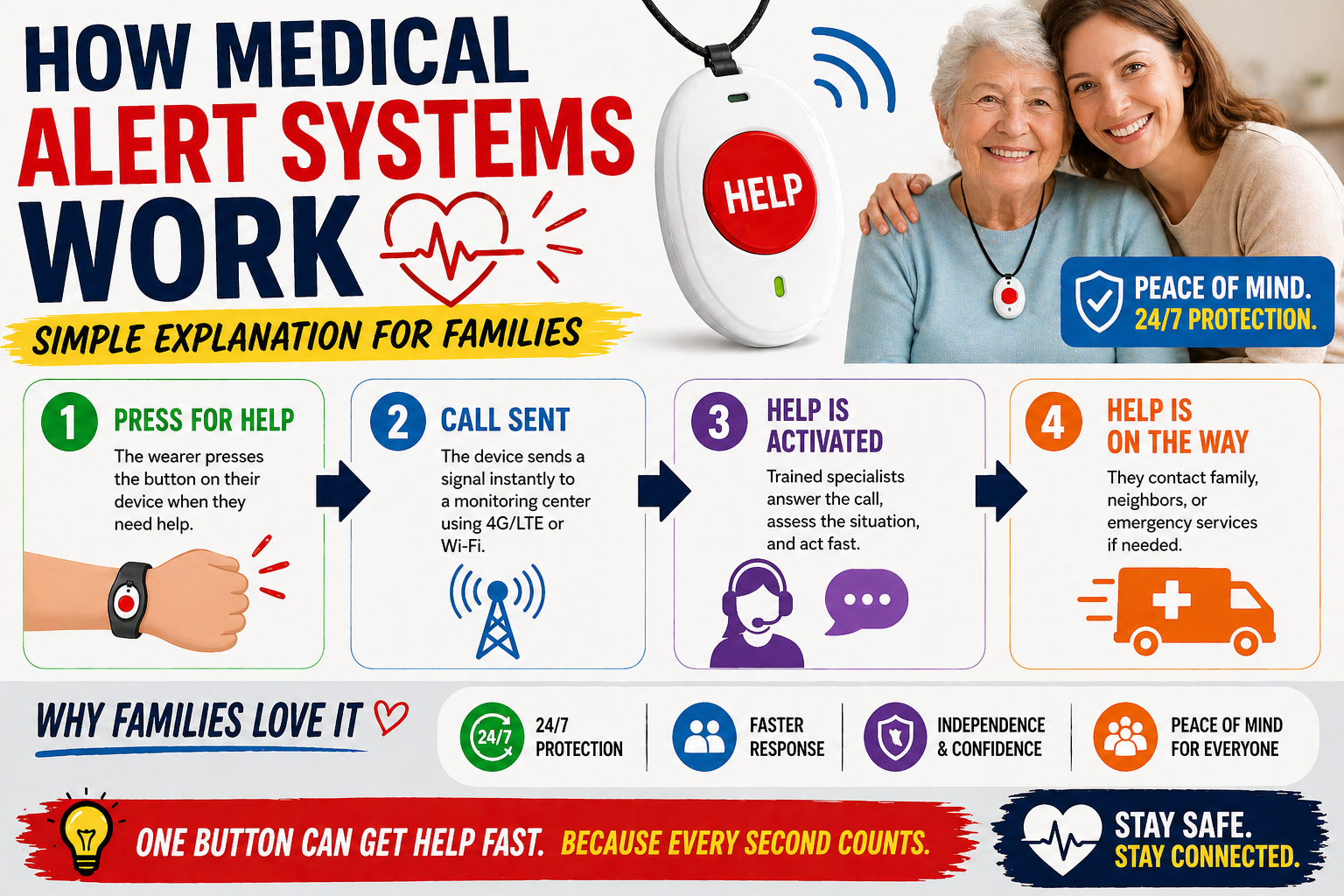
For a broader look at how these devices actually work before committing to a purchase, our guide on how medical alert systems work is worth reading first.
About the Author
Tom Garrett spent eight years working as an EMT before leaving the field to become a full-time caregiver for his father, who fell twice in one year at age 79. That experience — navigating the medical alert market under pressure, making mistakes, and eventually finding what actually worked — is what drives his writing. Tom covers senior safety topics for Elder Safety Guide with a focus on giving families the plain-English information he wishes he’d had when he needed it most. You can learn more about Elder Safety Guide's approach and the perspective behind its safety guidance.