Getting out of bed sounds simple — until it isn’t. Here’s the right technique, the right equipment, and the right setup to make every morning safer.
Getting out of bed is something most people do without a second thought — until one morning it isn’t so simple anymore. A moment of dizziness when standing. A knee that doesn’t cooperate. A stumble in the dark on the way to the bathroom. These aren’t signs of dramatic decline. They’re signs that the way you’re getting out of bed needs to change before something goes wrong. These everyday changes can be easier to act on when families know the subtle signs of fall risk to watch for.
Falls during the getting-up transition are among the most common — and most preventable — falls older adults experience. The good news is the fix isn’t complicated. The right technique, combined with the right setup, makes every morning and every nighttime bathroom trip significantly safer with very little effort.
This guide covers exactly what to do — step by step — and what to put in place to support that sequence every single day.
→ See the ASTM Approved Bed Rail that makes this process easier on Amazon
Why Getting Out of Bed Gets Harder With Age
Before getting into technique it helps to understand what’s actually happening in the body during this transition — because understanding the mechanism makes the solutions obvious rather than arbitrary.
Orthostatic Hypotension
When you move from lying down to sitting to standing, your heart needs to work harder to pump blood upward against gravity. In younger adults this adjustment happens almost instantly. With age — and with many common medications — the adjustment is slower, causing a brief drop in blood pressure that produces dizziness, lightheadedness, or a momentary feeling of weakness immediately after standing.
This is called orthostatic hypotension and it’s one of the leading physiological contributors to morning and nighttime falls. The fix is simple: don’t rush. Sit on the edge of the bed for 30 to 60 seconds before standing. Let blood pressure normalize. Let the dizziness pass before committing weight to standing.
It sounds straightforward but it requires having something to hold during that pause — because sitting on the unsupported edge of a mattress is itself somewhat unstable. A bed rail makes the pause comfortable and practical rather than something that gets skipped because it feels precarious.
Reduced Muscle Strength and Power
Rising from a seated position requires significant leg and core strength — more than most people realize because it happens automatically when those systems are working well. The quadriceps, glutes, and core all fire in a coordinated sequence to get the body from sitting to standing. When any of those systems are weaker than they once were, the movement becomes less controlled and less stable.
Mattresses compound this because they compress and shift under body weight — removing the firm, stable push-off surface that makes rising from a chair manageable. There’s nothing solid to push from, which increases the demand on leg strength significantly.
Slower Reflexes and Reaction Time
The automatic postural corrections that keep a younger person upright during a stumble happen in milliseconds. With age those corrective reflexes slow — meaning the window between an off-balance moment and a fall is shorter, and the recovery is less certain. Moving deliberately and having something to hold during the transition reduces the demand on those reflexes significantly.
Reduced Proprioception
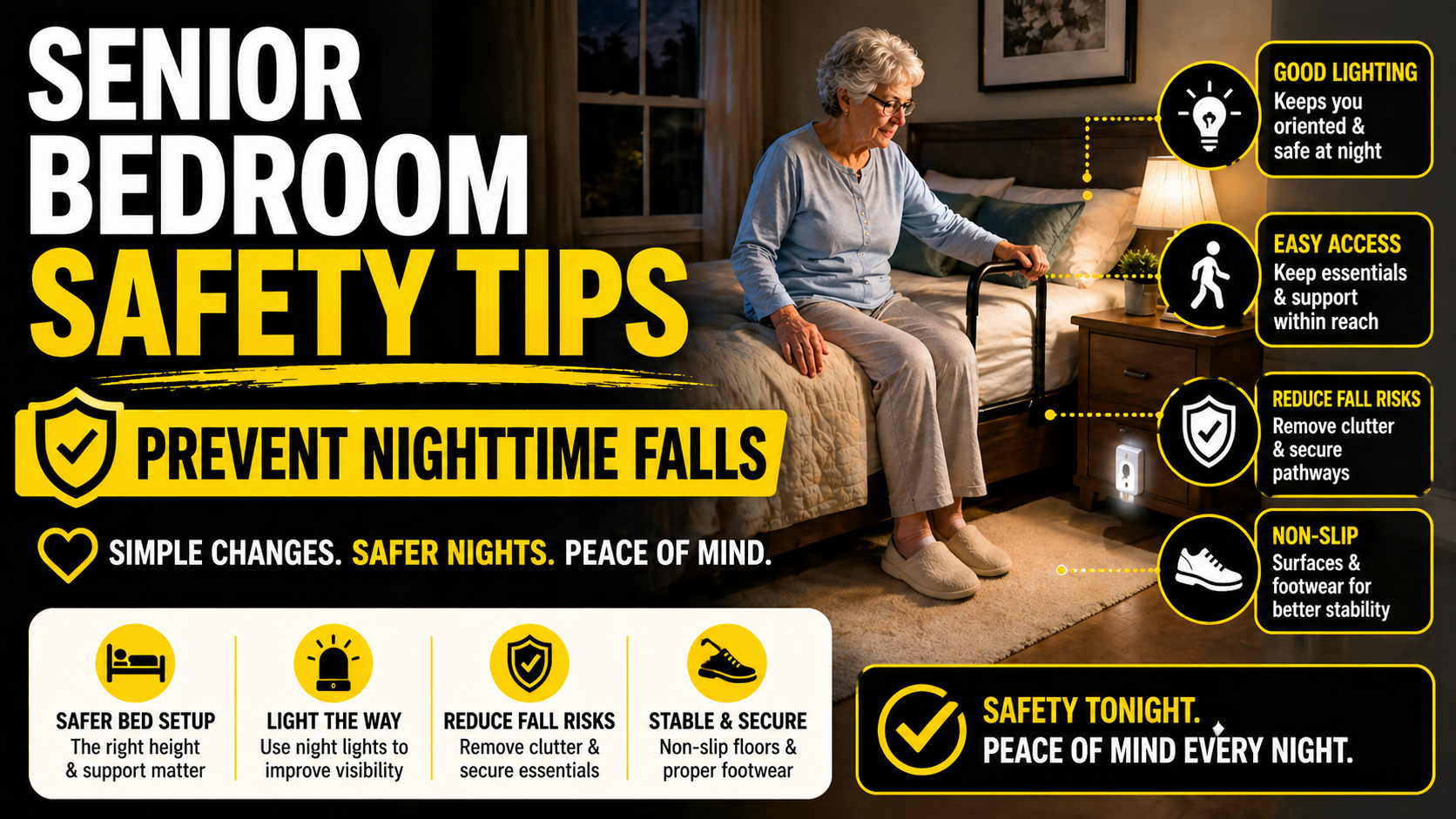
Proprioception is the body’s sense of its own position in space — knowing where your feet are, whether you’re balanced, how your weight is distributed. It relies on sensors in muscles, joints, and the inner ear that become less sensitive with age. Reduced proprioception makes the first steps after rising from bed less reliable, particularly in the dark when visual input isn’t available to compensate. Lighting, clear walking paths, and other bedroom changes can address the nighttime risks described in Senior Bedroom Safety Tips to Prevent Nighttime Falls.

The Right Technique — Step by Step
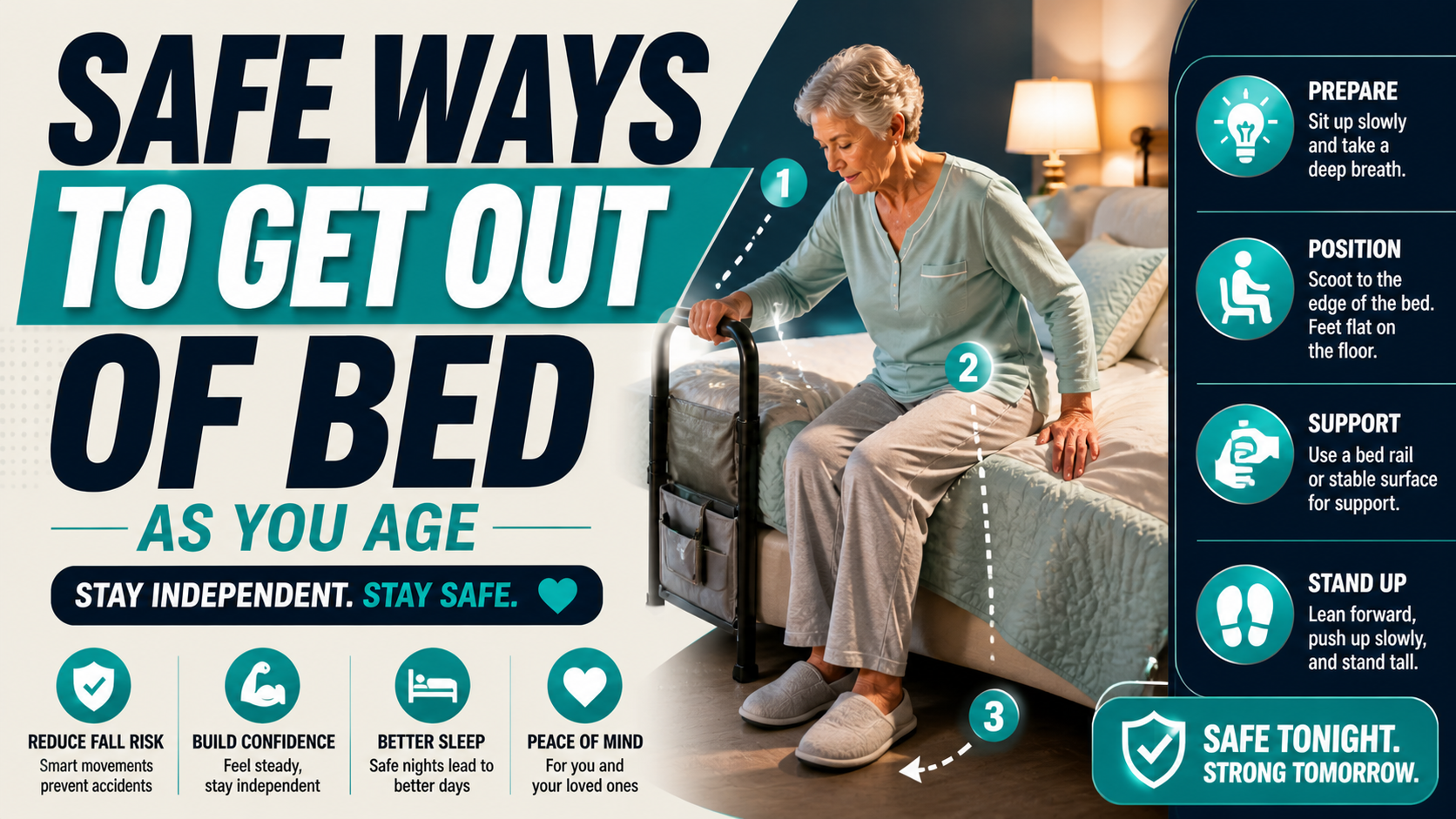
The sequence below is the technique occupational therapists and physical therapists teach for safe bed transfers. It’s not complicated — but doing it consistently, every time, is what makes it effective.
Step 1 — Wake Up Before Moving
Before doing anything else, take 30 to 60 seconds to fully wake up while still lying down. Let awareness come online. Do a few gentle ankle rotations and flex your feet to start circulation moving in the legs. This brief preparation period reduces the severity of orthostatic hypotension and gives the vestibular system time to begin recalibrating.
This step gets skipped most often during urgent nighttime bathroom trips — exactly when it matters most. Building the habit of even a brief pause before moving makes the entire sequence safer.
Step 2 — Roll to Your Side
Rather than sitting straight up from lying flat — which requires significant abdominal strength and puts the body in a mechanically disadvantaged position — roll onto your side first. Face the side of the bed you’ll be getting up from. Bend your knees and bring them toward the edge of the bed.
Rolling to the side before sitting up is dramatically easier on the back, requires less core strength, and positions the body for a more controlled transition to sitting.
Step 3 — Use Your Arms to Push Up
From lying on your side, push up with your arms while simultaneously swinging your legs over the edge of the bed and down toward the floor. The arm push and the leg swing work together — the weight of the legs going down helps lever the upper body up, reducing the strength required from the arms and core.
This is where a bed rail makes the biggest difference. Having a solid handle to grip with the upper hand during this push-up gives you something firm to push against and hold for balance as you come to sitting. Without it you’re pushing up from a compressing mattress surface with nothing to stabilize against.
→ Get the ASTM Approved Bed Rail on Amazon — tool-free installation, 350 lb capacity
Step 4 — Sit on the Edge and Pause
Once sitting on the edge of the bed, stop. Hold the bed rail or place both hands flat on the mattress surface. Sit for at least 30 seconds — longer if you feel any dizziness or lightheadedness. Look at a fixed point on the wall to help the vestibular system stabilize.
This pause is the most important step in the sequence and the one most frequently skipped. Skipping it is when orthostatic hypotension causes falls — the dizziness hits in the first few seconds of standing rather than passing while still safely seated.
If you feel dizzy during this pause, sit longer. If dizziness is consistently significant every morning, discuss it specifically with your doctor — medication timing adjustments frequently help.
Step 5 — Position Feet Before Standing
Before standing, make sure both feet are flat on the floor, hip-width apart, positioned slightly back toward the bed rather than directly below the knees. This foot position gives the most stable base for rising and puts the legs in the most mechanically advantageous position for the push-up movement.
If your feet don’t reach the floor comfortably from a sitting position on the edge of the bed, the bed is too high. If you have to sit in a very low position with knees significantly above hip height, the bed is too low. Getting bed height right removes a mechanical disadvantage from the transition every single day.
Step 6 — Lean Forward and Stand
Lean your upper body forward — nose over toes — before pushing up to stand. This forward lean shifts your center of gravity over your feet before you rise, making the stand significantly easier and more stable. Rising straight up without leaning forward is mechanically much harder and less stable.
Push up through the legs — not just the arms — using the bed rail as a guide and stability point rather than the primary thing lifting you. Stand fully upright and pause again for a moment before taking your first step. Confirm you feel stable before moving away from the bed.


The Equipment That Makes This Easier Every Day
The technique above works significantly better with the right equipment in place. Here’s what makes the biggest practical difference.
Bed Rail
A properly positioned bed rail is the single most impactful piece of equipment for safe bed transfers. It provides the firm non-compressing handle needed during the push-up phase, the stability point during the seated pause, and the support during the stand-and-stabilize moment before walking.

Our full review of the best bed rail for seniors covers exactly what to look for and the specific product we recommend — ASTM certified, 350 lb capacity, ergonomic non-slip handle, tool-free installation, with a storage pocket that keeps phone and essentials within reach overnight.
Correct Bed Height
As covered above — sitting on the edge of the bed with feet flat on the floor and knees at approximately 90 degrees is the target. Adjust with bed risers to go higher or remove the box spring to go lower. Getting this right is a one-time adjustment with permanent daily benefit.
Non-Slip Footwear
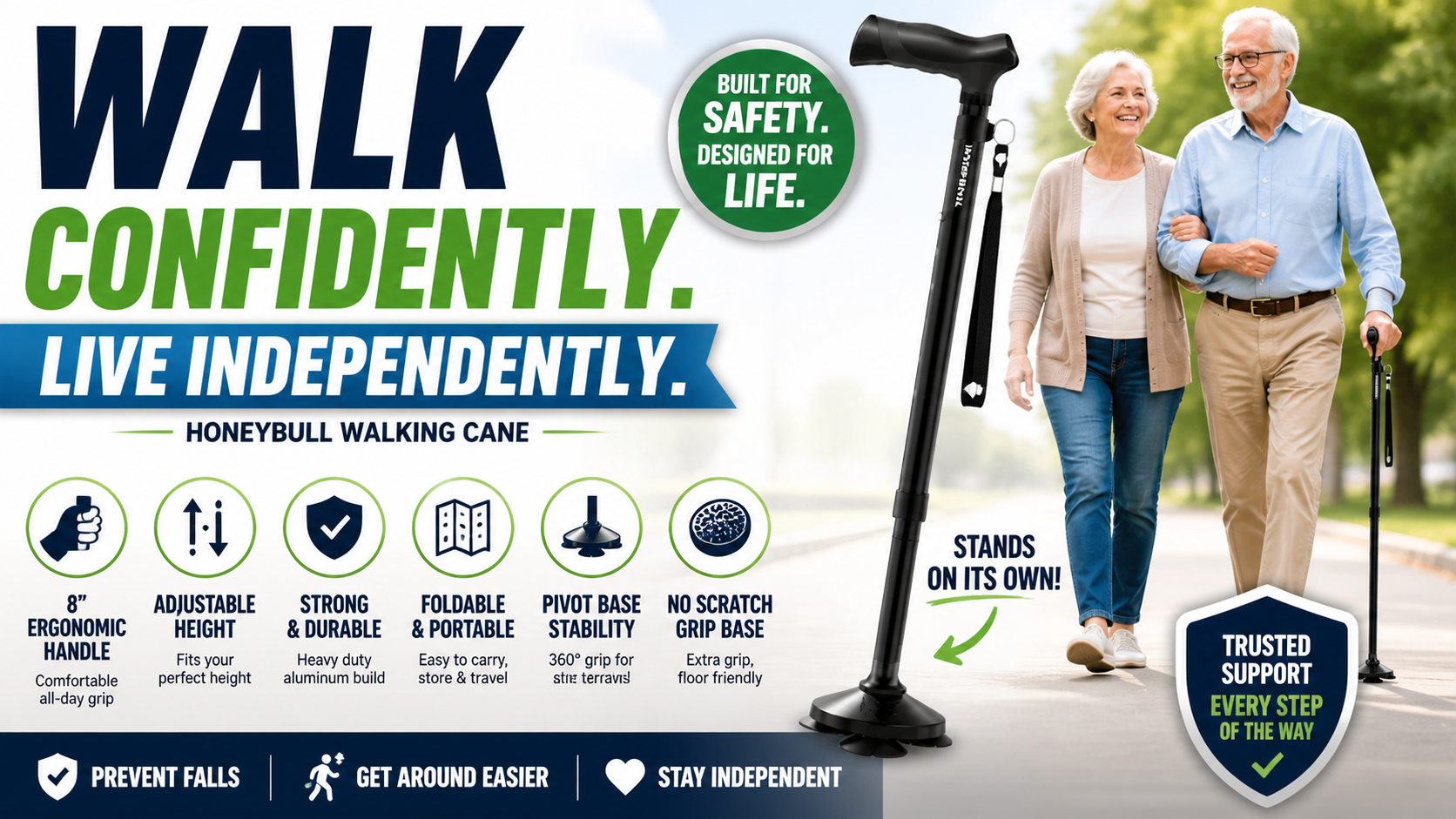
The first steps after getting up from bed are taken on potentially cold, smooth bedroom floors — often in socks or bare feet. Non-slip slippers or well-fitting supportive shoes with non-slip soles provide significantly better traction and ankle stability than socks alone. Keep them right next to the bed so they go on immediately rather than after navigating to find them. If those first steps still feel unsteady, a foldable walking cane can add support during the transition from bed to walking.
Lighting

For nighttime bathroom trips the path from the bed to the bathroom needs to be lit automatically — before you’re moving, not after. Plug-in auto-on units like the Energizer Auto-On rechargeable flashlights stay plugged in as night lights and activate automatically during power outages. One in the bedroom near the bed means you can see the floor the moment your feet swing over the edge.
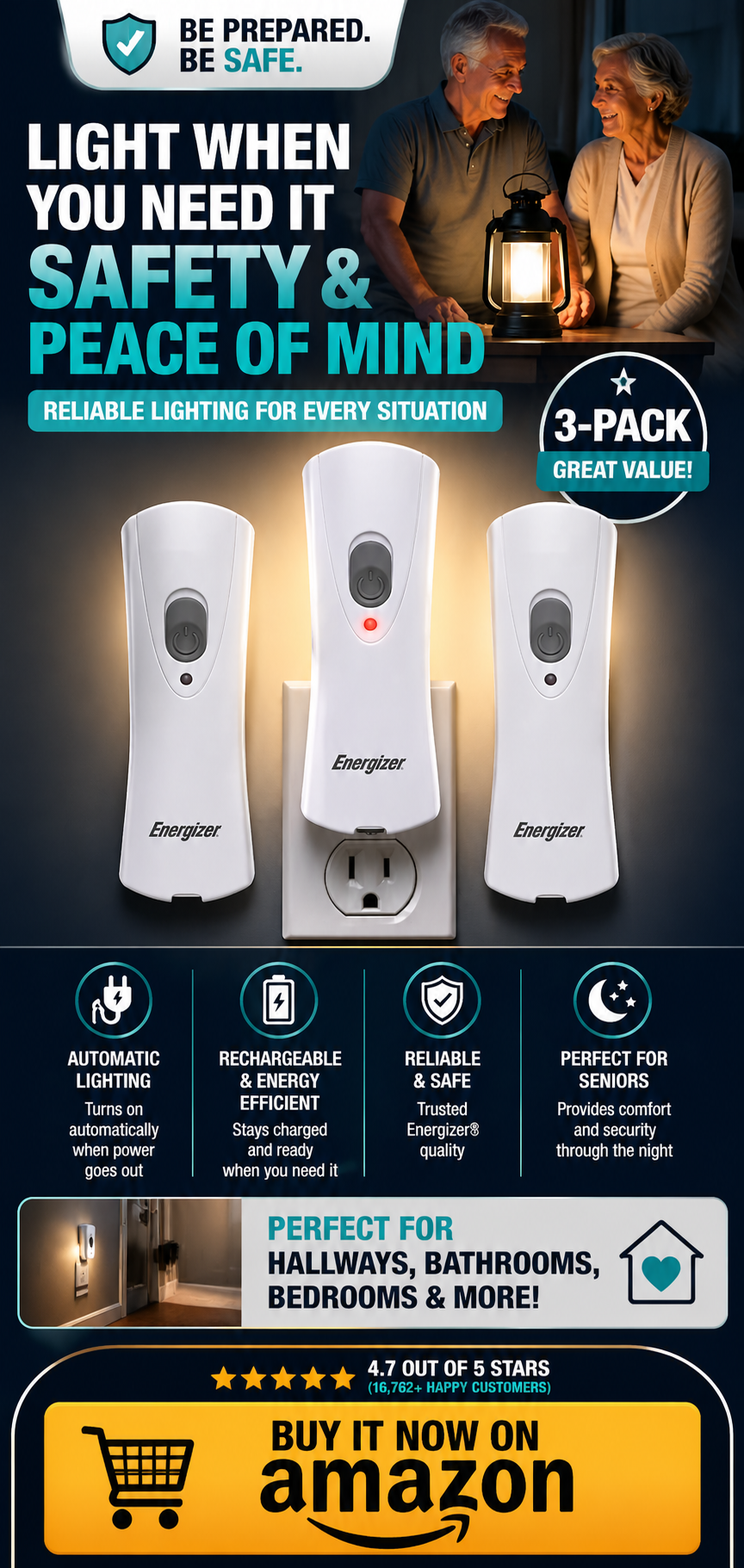
→ Get the Energizer Auto-On 3-Pack on Amazon
When Getting Out of Bed Is Consistently Difficult
If getting out of bed has become consistently difficult — requiring significant effort, causing regular dizziness, or involving near-falls — it’s worth addressing proactively rather than adapting around it.
Talk to Your Doctor About Medications
Orthostatic hypotension is frequently medication-related. Blood pressure medications, diuretics, alpha-blockers, and several other commonly prescribed drugs can worsen the blood pressure drop on rising. A simple timing adjustment — taking a diuretic in the morning rather than the evening, for example — can meaningfully reduce morning dizziness without changing the medication itself.
Bring up morning dizziness and getting-up difficulty specifically at your next appointment. It’s a common and very manageable issue that often gets dismissed as normal aging when it’s actually a treatable medication effect.
Ask for a Physical Therapy Referral
A physical therapist can assess the specific strength and balance factors making bed transfers difficult and create a targeted exercise program to address them. Leg strengthening, balance training, and transfer technique practice under professional guidance can significantly improve the safety and ease of getting up over weeks to months.
Medicare typically covers physical therapy when there’s documented functional limitation — difficulty with bed transfers qualifies. Ask your doctor for a referral specifically for fall prevention and functional mobility.
Consider an Adjustable Base
An adjustable bed base that raises the head of the bed can assist with the transition from lying to sitting — using the bed’s own movement to help rather than relying entirely on arm and core strength. For seniors with significant weakness or post-surgical restrictions, an adjustable base can make an otherwise very difficult transition manageable independently.


The Safety Net for When Prevention Isn’t Enough
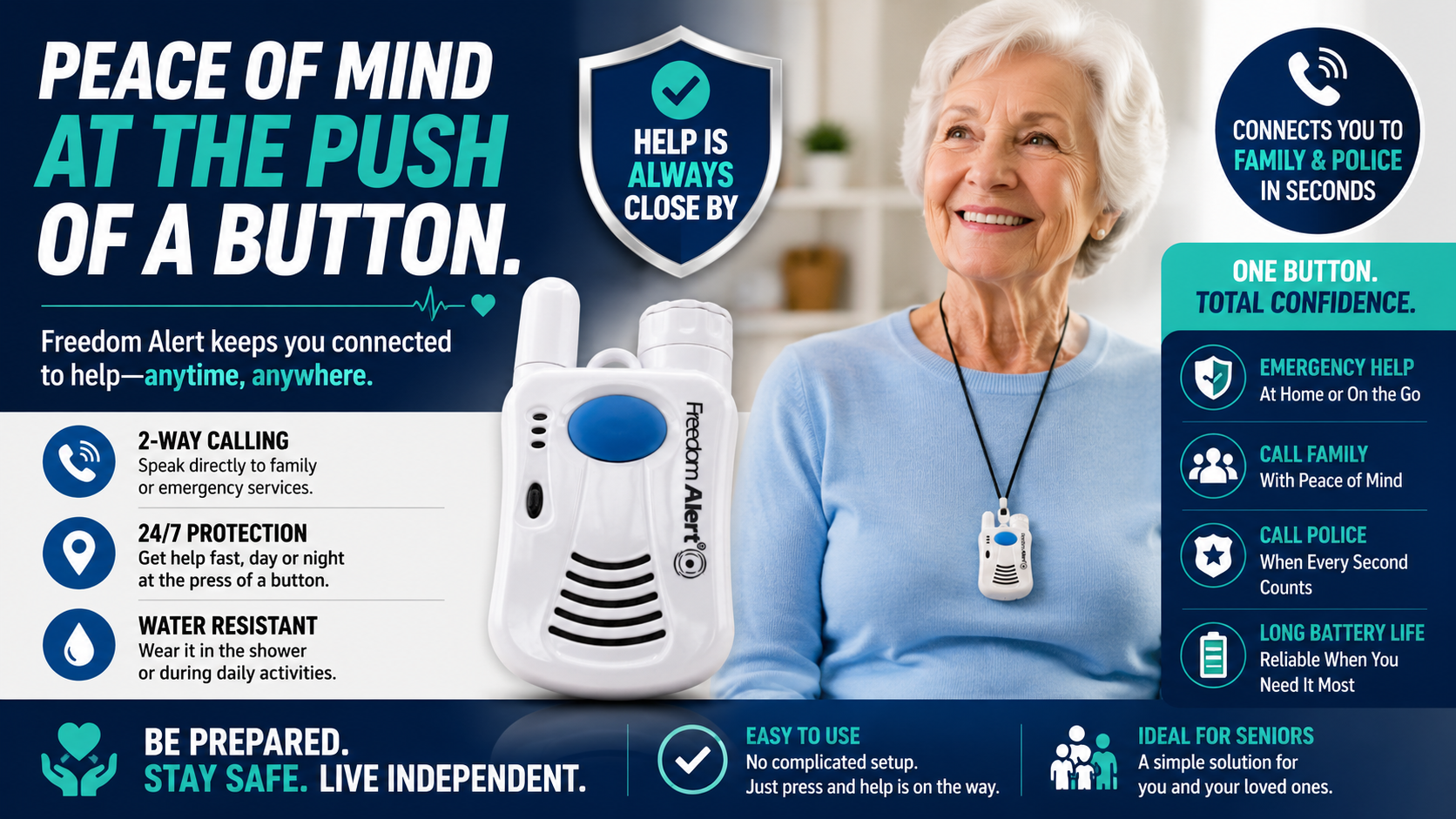
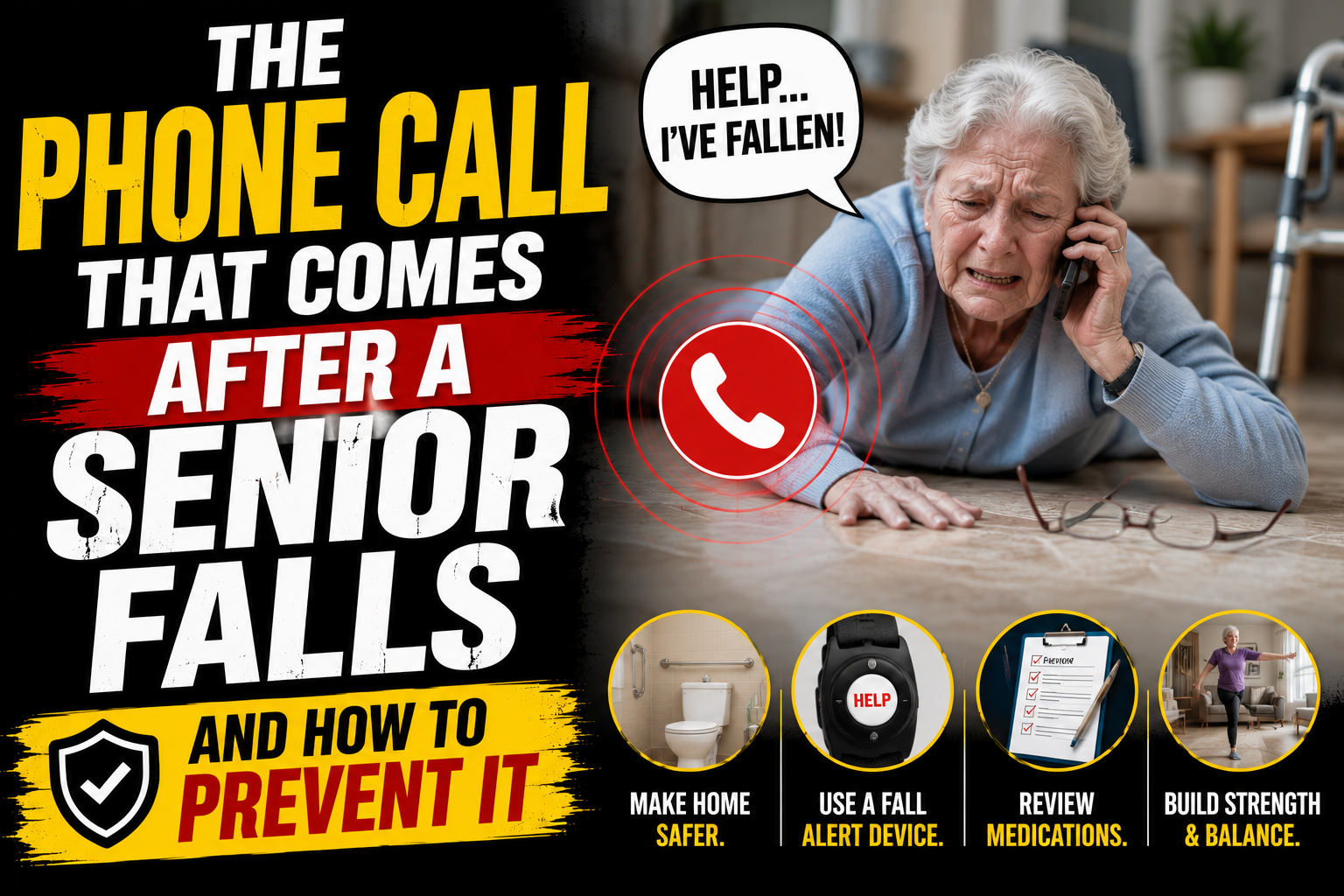
Every technique and piece of equipment in this guide reduces the risk of a fall during bed transfers. None of it eliminates the possibility entirely. For anyone living alone the question worth answering is what happens if a fall does occur — particularly at night when no one is nearby.

The SecuLife Smartwatch detects falls automatically and alerts designated contacts without requiring any action from the wearer. Worn on the wrist it’s there during every bed transfer, every nighttime bathroom trip, and every other moment throughout the day when a fall is possible. No button to press. No phone to find. Automatic detection and immediate alert.

For the full picture on how fall detection works and what to look for before choosing a device, our guide on the best medical alert smartwatch for seniors covers everything in detail. Our complete SecuLife review covers the specific device we recommend — features, pricing, and real user feedback.

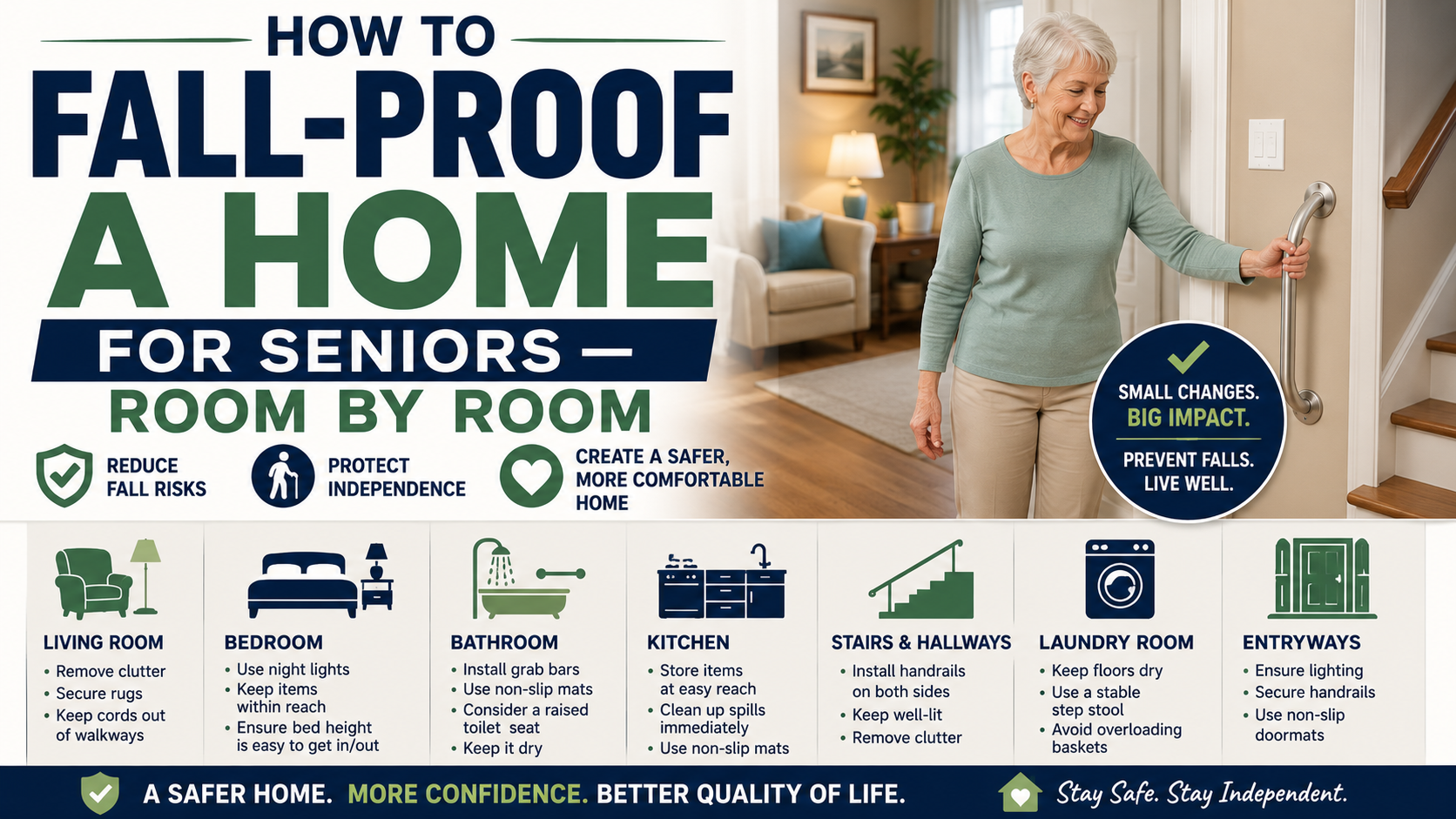
And for families thinking through the full picture of home fall prevention — not just the bedroom — our comprehensive guide on fall prevention tips at home covers every room with a practical checklist. The bathroom end of the nighttime path gets its own dedicated coverage in our guide on how to make a bathroom safer for seniors.
Getting Up Safely — Quick Reference
Print this or save it on your phone as a quick reference for the correct sequence.
- Wake up before moving — 30 to 60 seconds lying still, gentle ankle rotations
- Roll to your side — face the exit side, knees bent toward the edge
- Push up with arms, swing legs down — use the bed rail for support
- Sit on the edge and pause — minimum 30 seconds, hold rail or mattress
- Position feet flat on the floor — hip-width apart, slightly back from knees
- Lean forward, then stand — nose over toes before pushing up
- Pause standing before walking — confirm stability before first step
Frequently Asked Questions
How long should I wait before standing after waking up?
At minimum 30 seconds sitting on the edge of the bed. If you experience regular morning dizziness, 60 seconds or longer is better. The goal is to let blood pressure normalize from the lying-to-sitting transition before adding the additional demand of the sitting-to-standing transition. Rushing this step is where most morning falls happen.
Which side of the bed should I get up from?
Get up from whichever side your bed rail is on, and position the rail on whichever side is closest to the bathroom — minimizing the distance and number of direction changes on the nighttime path. Consistency matters too — getting up from the same side every time builds automatic muscle memory for the sequence.
Is it normal to feel dizzy every morning when getting up?
Some degree of morning lightheadedness is common but significant or regular dizziness on rising is worth discussing with a doctor. It’s frequently medication-related and often very manageable with timing adjustments or medication changes. Don’t accept significant morning dizziness as normal aging without having it evaluated — it’s a treatable fall risk in many cases.
What if I fall getting out of bed and can’t get up?
Stay calm and don’t try to get up quickly. Roll to your side, assess for pain, and if you’re not injured try to crawl to a sturdy piece of furniture and use it to get to kneeling then standing. If you can’t get up call for help immediately — phone, medical alert device, or shouting. This is exactly why having a phone within reach of the bed and a medical alert device with fall detection matters so much for anyone living alone.
Does exercise actually help with getting out of bed more easily?
Yes — significantly. Leg strengthening exercises specifically targeting the quadriceps and glutes, and core strengthening exercises, directly improve the ability to rise from a seated position. Chair squats, sit-to-stand practice from a firm chair, and wall sits are all effective and low-impact. A physical therapist can design a program specifically targeting transfer strength if getting up has become genuinely difficult.
Make the Change Today
The technique in this guide takes the same amount of time as getting up the way you’re currently doing it — just done differently and more safely. The equipment — a bed rail, proper lighting, non-slip footwear — is inexpensive and in place within days of ordering.
Getting out of bed is something you do every single day for the rest of your life. Getting it right is worth the five minutes it takes to read this guide and the few days it takes to put the right equipment in place.
→ Get the ASTM Approved Bed Rail on Amazon
→ Get the Energizer Auto-On Night Light 3-Pack on Amazon

About the Author
Carol Simmons is a Certified Aging-in-Place Specialist (CAPS) who spent 15 years helping people assess and modify their homes for safe independent living across Florida and the Southeast. She has completed hundreds of home safety assessments and transfer technique evaluations, and writes for Elder Safety Guide to give people the practical guidance they need to stay safe and independent at home.