The right grab bar can prevent a serious fall. Here’s an honest review of the best grab bars for seniors, what to look for, and exactly where to install them. Once you know which features matter, the Bathroom Grab Bar Placement for Seniors — Where to Install explains how to position each bar for the highest-risk bathroom transitions.
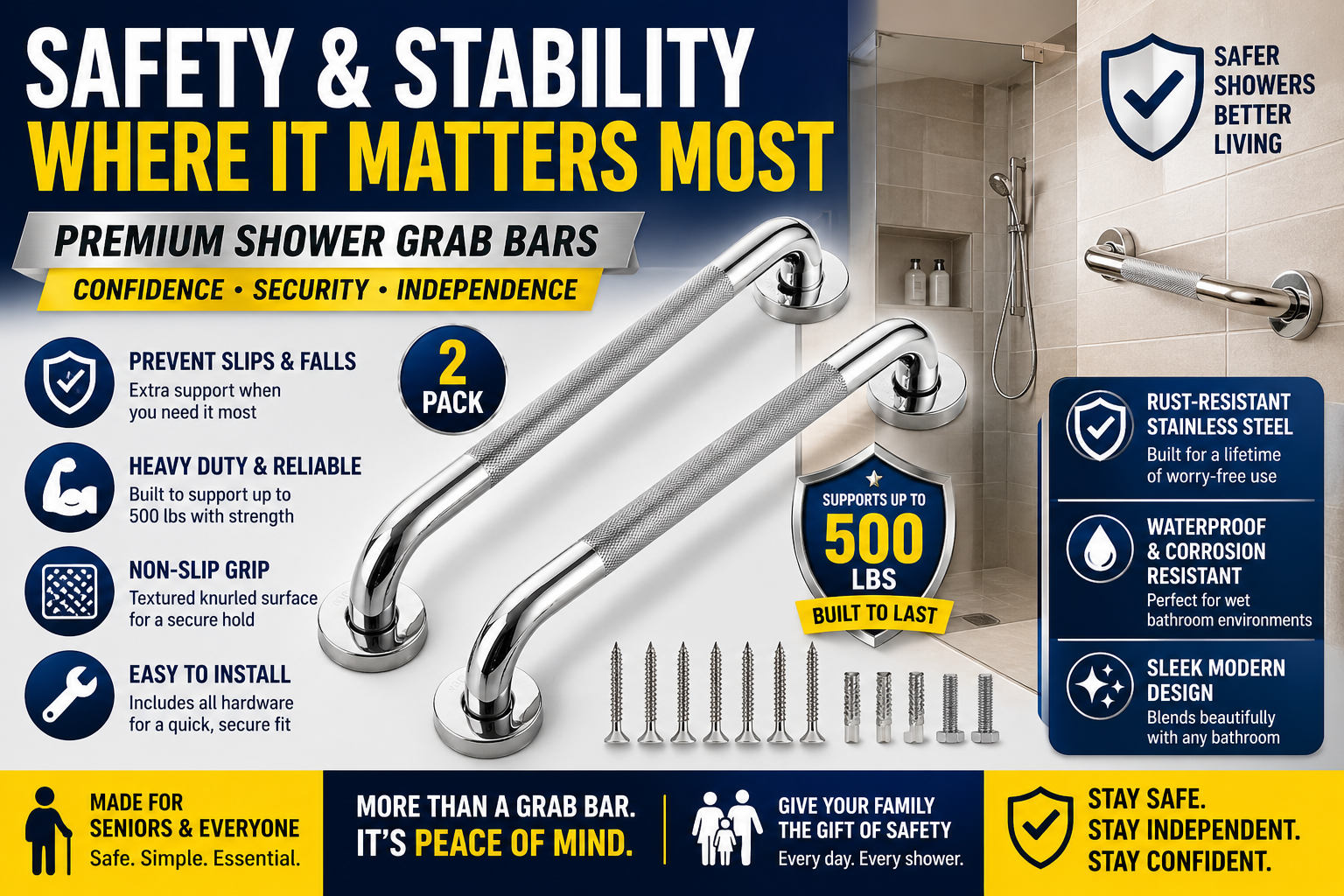
If you could make one change to your parent’s bathroom that would have the biggest immediate impact on their safety, it would be installing grab bars. Not a shower chair. Not a bath mat. Grab bars — specifically, properly installed grab bars in the right locations.
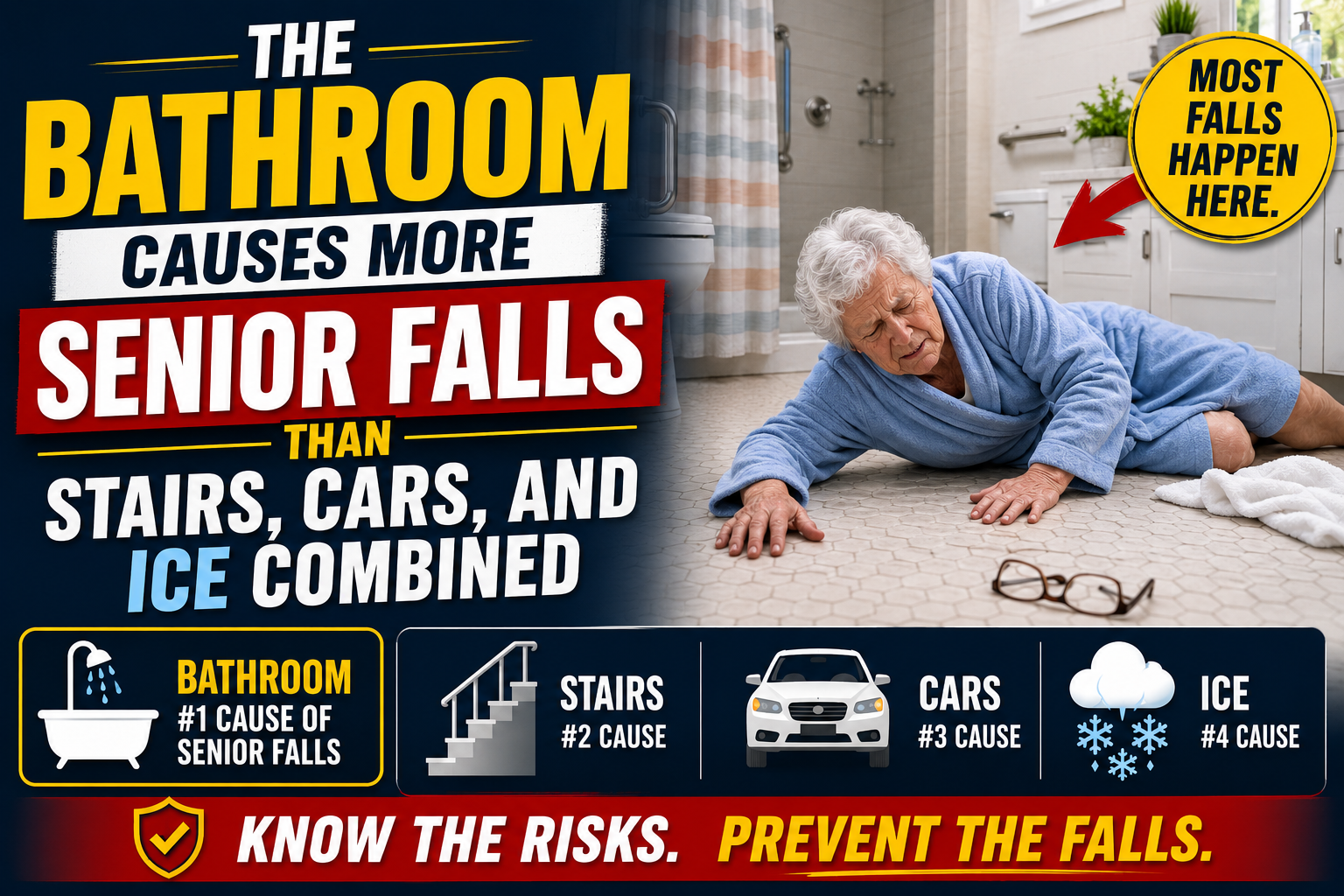
The bathroom is statistically the most dangerous room in the house for older adults. Falls in the bathroom are among the most common causes of serious injury in seniors — and the majority of those falls happen during transitions. Stepping into the shower. Getting up from the toilet. Moving on a wet floor. These are exactly the moments a grab bar is designed for. Grab bars are one of the highest-impact options discussed in this guide to fall prevention products for seniors.
The problem is most families either don’t install them at all, install the wrong thing, or put them in the wrong place. This guide covers everything you need to know to get it right — what to look for, what to buy, exactly where to install them, and the most common mistakes to avoid. Once the bathroom is addressed, use the complete aging-in-place checklist to organize the rest of the home's safety and support needs.
Grab Bars vs. Towel Bars — The Mistake That Causes Falls
Before anything else, this distinction needs to be crystal clear: a towel bar is not a grab bar and must never be used as one.
Towel bars are mounted decoratively. They are designed to hold a towel — not to support a person’s body weight during a stumble or transition. When a senior grabs a towel bar during a fall, it pulls out of the wall. That makes the fall worse, not better, and leaves a hole in the wall as a reminder.
Proper grab bars are load-bearing safety fixtures engineered to support 250 pounds or more. They mount into wall studs or with appropriate load-rated anchors. They don’t flex, shift, or pull free under body weight. The difference between the two is the difference between a safety fixture and a liability.
If your parent’s bathroom currently has towel bars anywhere near the toilet or shower, replace them with proper grab bars. This is not optional if safety is the goal.
What to Look for in a Grab Bar
Not all grab bars are equal. Here’s what to evaluate before purchasing.
Weight Rating
The minimum acceptable weight rating for a senior safety grab bar is 250 pounds. Many quality bars are rated significantly higher. This is not a specification to compromise on — the bar needs to hold under the full force of body weight during a stumble, which can exceed a person’s static weight considerably.
Bar Diameter
Standard grab bars run between 1.25 and 1.5 inches in diameter. This range allows most seniors to grip securely without having to open their hand too wide. Bars outside this range — particularly thinner decorative bars — are harder to grip under stress with wet hands.
Surface Texture
The gripping surface of the bar should be textured or knurled — not smooth. A smooth bar becomes genuinely slippery with wet hands, which is exactly the condition it will be used in. Anti-slip texture on the bar surface is a non-negotiable feature for bathroom safety use.
Material and Finish
Stainless steel is the gold standard — corrosion resistant, extremely strong, and easy to clean. Finish options like polished chrome, brushed nickel, and matte black allow the bar to blend with existing bathroom fixtures rather than looking like a medical device installation. That matters for getting resistant seniors to accept the change without feeling like their bathroom has been turned into a hospital room.
Length
Grab bar length affects how useful it is across the range of movement. A bar that’s too short only helps at one specific point in a transition. For shower and tub use, 16 to 24 inches is the practical range for most seniors. Longer bars provide more coverage but require more wall space and more studs for secure mounting.

Our Top Grab Bar Pick
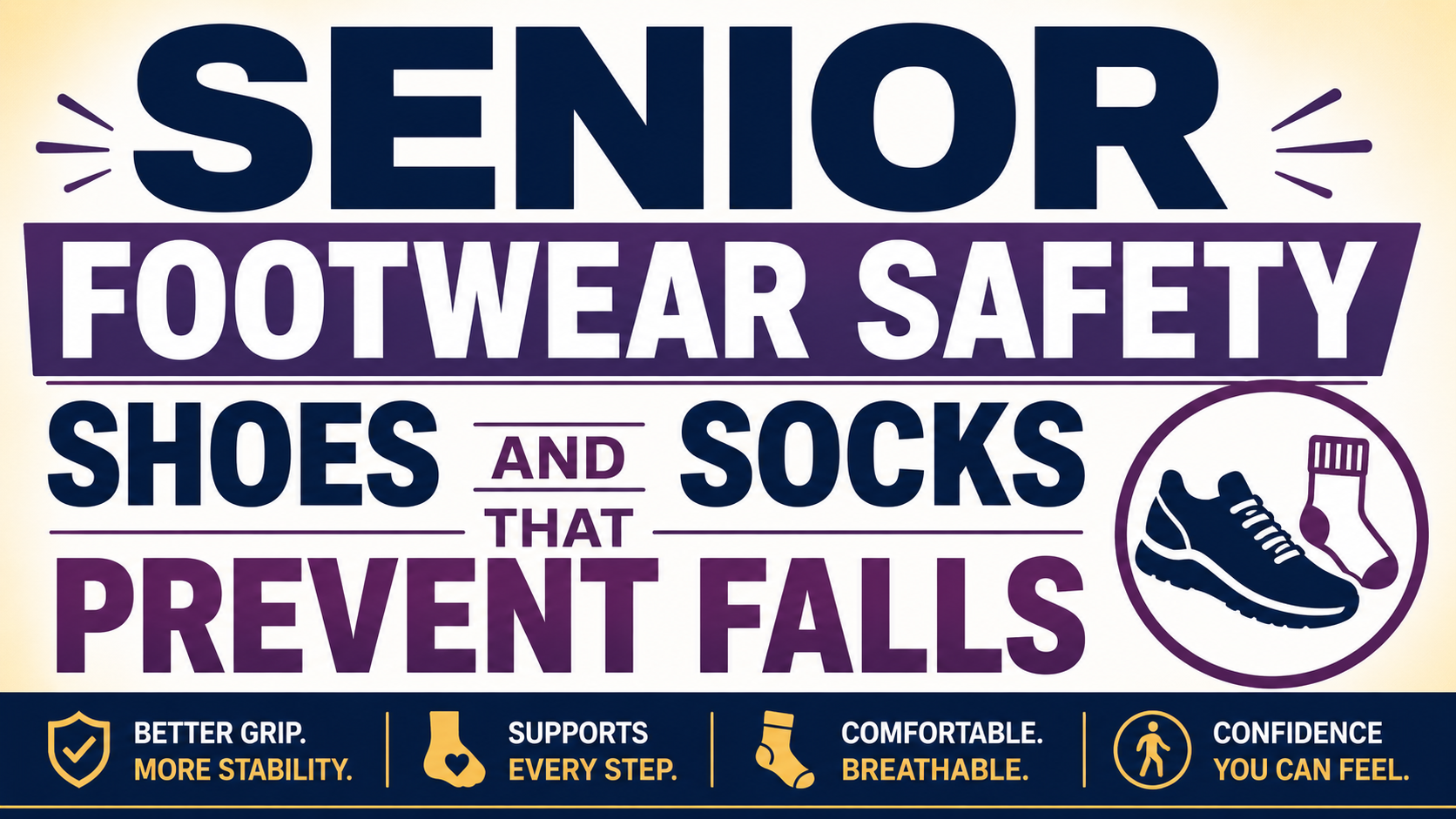
Grab Bars for Shower — 2 Pack 16-Inch Anti-Slip Stainless Steel Safety Grab Bars in Polished Nickel
This two-pack hits every specification that matters for genuine bathroom safety use — and it does it at a price point that makes equipping the full bathroom affordable without cutting corners on the things that count.
The stainless steel construction is rated for real load-bearing use — not decorative mounting. These bars are engineered to hold under body weight in exactly the situations a grab bar needs to perform. The construction is solid and consistent with what you’d find specified by an occupational therapist or certified aging-in-place specialist.
The anti-slip texture on the bar surface gives your parent grip even with wet hands — the condition that matters most. A smooth bar in a wet shower is nearly as useless as a towel bar. The knurled surface on these bars stays grippy under the conditions they’ll actually be used in.
At 16 inches these bars are long enough to be useful across the range of movement during a shower entry or tub transfer — not so short they only help at one specific point. The length covers the arc of motion from reaching while upright to gripping while bent, which is what a bathroom grab bar actually needs to do.
The polished nickel finish looks like a standard bathroom fixture. This matters more than most families expect. Seniors who feel like their bathroom has been turned into a medical facility are more resistant to using safety features consistently. A bar that blends with the existing fixtures gets used without the psychological friction that comes with something that screams “accessibility device.”
Buying two in one purchase means you can cover both critical installation points — shower entry and back wall, or shower and toilet — without a second order. For most bathrooms this two-pack covers the minimum necessary installation.
→ Check current price and availability on Amazon
Where to Install Grab Bars — Exact Placement Guide
Placement is as important as the bar itself. A grab bar installed in the wrong location provides false security — it’s there but not where your parent needs it during the highest-risk moments.
Shower Entry Point
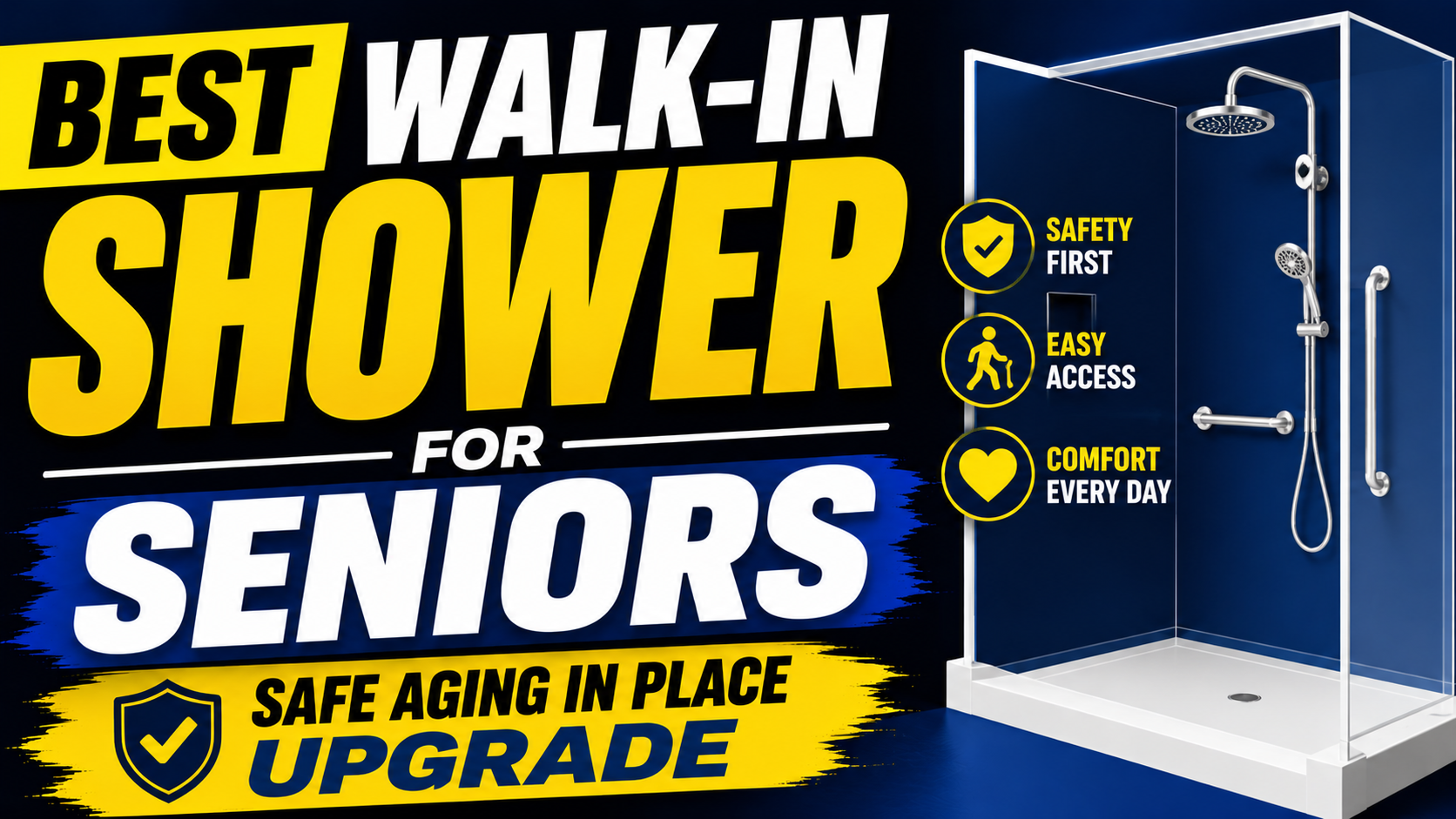
This is the single most important location. Stepping into a shower requires shifting all body weight onto one leg while lifting the other over a threshold — a significant balance challenge for any older adult. A vertical or angled bar mounted at the shower entry, at a height your parent can reach comfortably while stepping in and out, provides the anchor they need during that one-legged moment. Eliminating that threshold altogether is one of the key benefits discussed in these walk-in shower safety features.
Height: Mount the bar so the top is at approximately shoulder height for your parent, allowing them to grip at a natural arm position while stepping through.
Shower Back Wall — Horizontal Bar
A horizontal bar on the back wall of the shower provides support while standing and bathing — for reaching, bending, and any moment of instability during the shower itself. This bar should run the width of the shower if possible, or at minimum cover the area where your parent typically stands.
Height: Mount at approximately hip to waist height — a natural reaching height for support during standing use.
Next to the Toilet
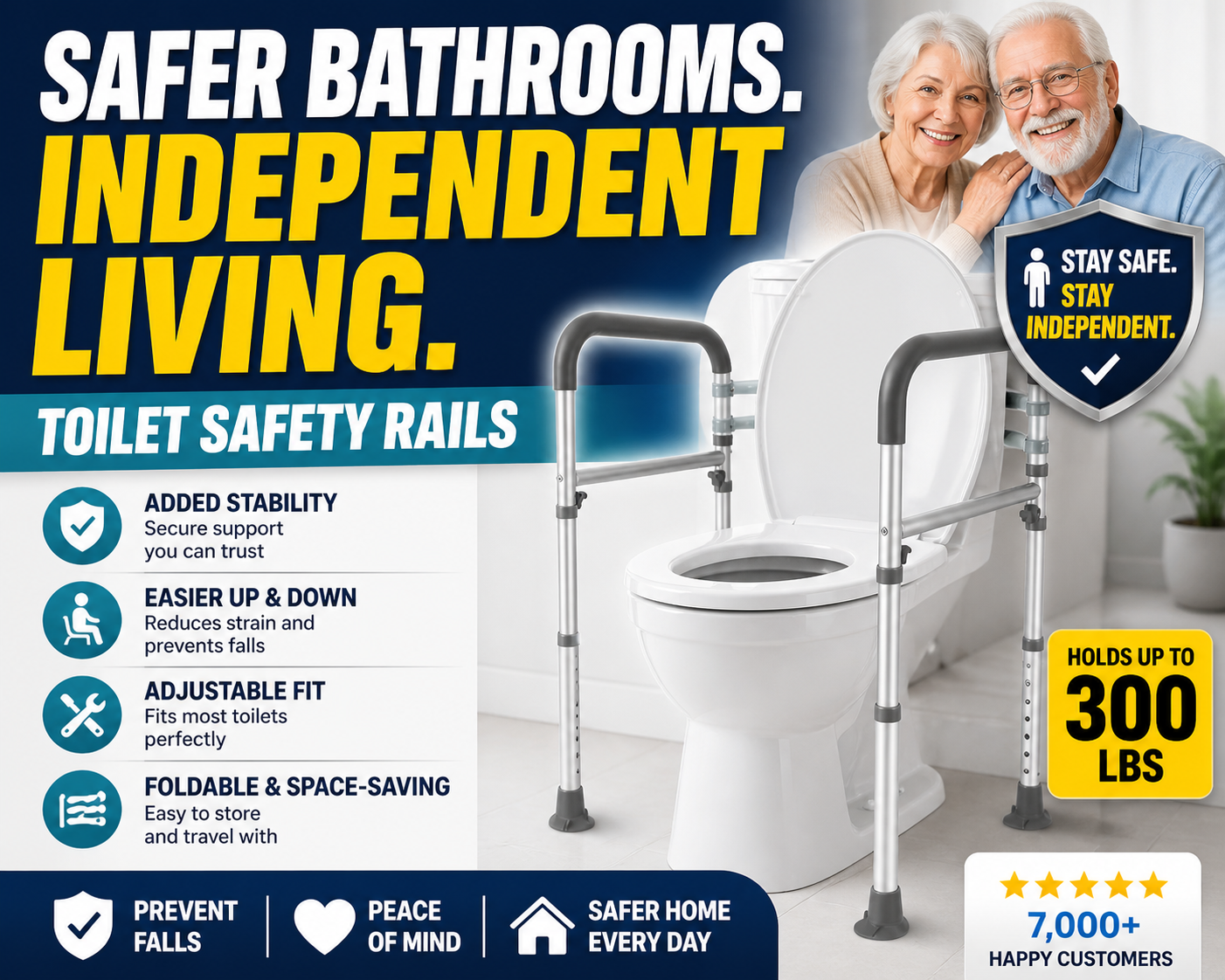
Getting on and off the toilet is a repeated daily fall risk that most families underestimate. A bar on the wall beside the toilet at the right height allows your parent to lower and rise with control — dramatically reducing the eccentric muscle demand on the legs and improving stability throughout the motion. For bathrooms where a wall-mounted bar is not practical, this toilet safety rail review evaluates a freestanding alternative with arm support.
Height: Mount so the bar is at a height your parent can push down on when rising — typically 6 to 8 inches above the toilet seat height.
Additional Locations Worth Considering
For seniors with significant balance challenges, additional bars along the path from the bathroom door to the shower can make the entire room safer to navigate. A bar near the bathroom entrance, or along a longer wall between the door and shower, gives your parent something to hold throughout the full path rather than just at the highest-risk transition points.


How to Install Grab Bars Correctly
Installation quality is everything. A grab bar mounted incorrectly — into drywall without studs or appropriate anchors — will fail under load. Here’s what correct installation requires.
Find the Studs First
The ideal installation mounts directly into wall studs — the wooden framing behind the drywall or tile. Use a stud finder before marking any holes. Studs are typically 16 inches apart, which is why 16-inch grab bars align well with standard stud spacing in many bathrooms.
Tiled Walls Require Care
Drilling through tile without cracking it requires a tile bit and careful technique. Mark hole locations precisely before drilling. Use a tile drill bit at low speed until through the tile, then switch to a standard bit for the wall material behind it.
When Studs Aren’t in the Right Location
If studs aren’t positioned where you need the bar, use toggle bolts or specialized wall anchors rated for the load. Standard drywall anchors are not sufficient — use anchors specifically rated for grab bar installation loads.
When to Call a Professional
If you’re not comfortable with the installation process, hire a handyman. Grab bar installation typically takes under an hour and costs $50 to $150 in labor — a completely reasonable cost given that the bar’s entire value depends on it staying in the wall when it’s needed. Do not compromise on installation quality.
→ Get the grab bars on Amazon and schedule installation this week
Grab Bars and the Full Bathroom Safety Picture
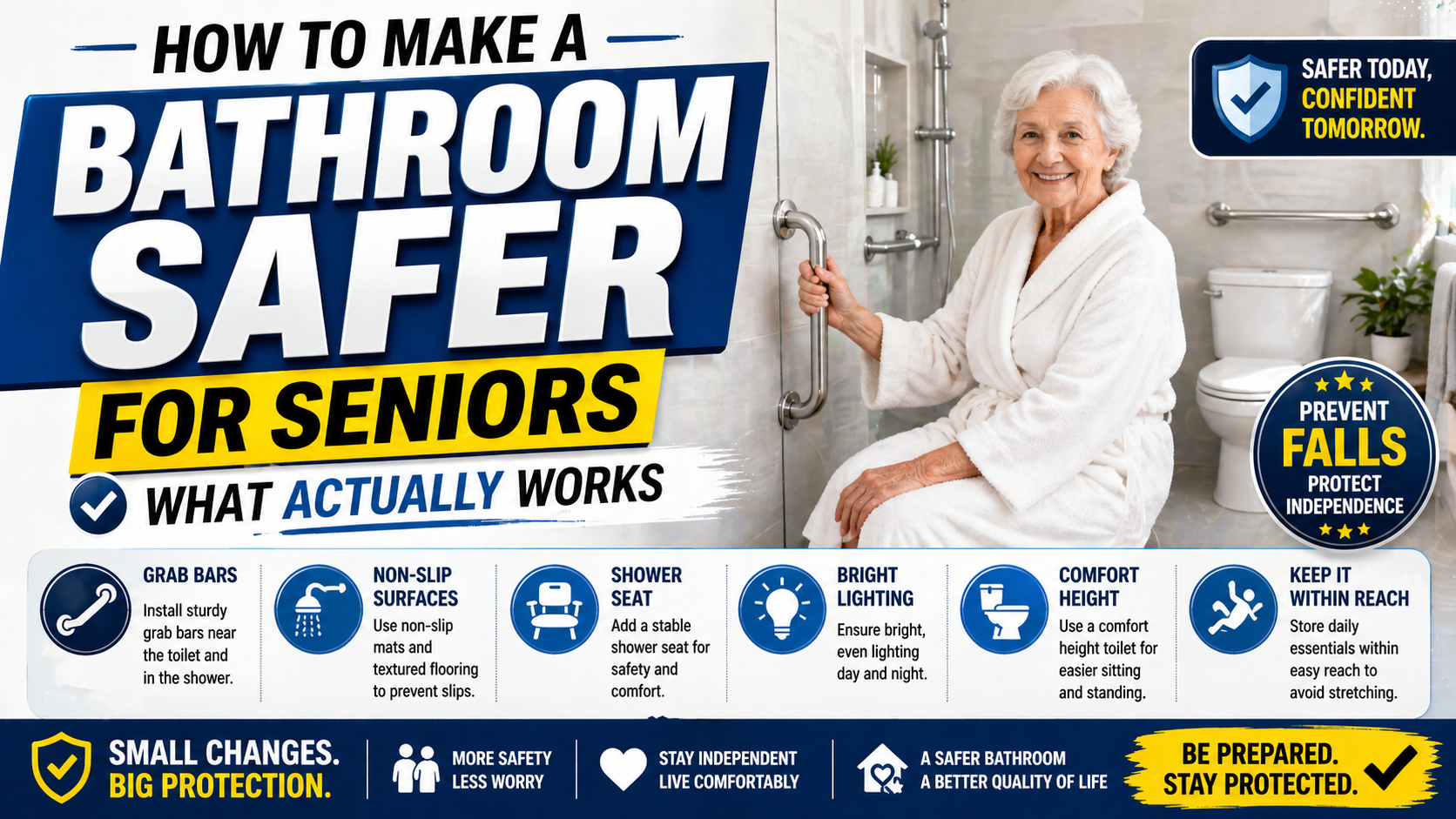
Grab bars are the highest-impact single change you can make in a senior’s bathroom — but they work best as part of a complete bathroom safety approach. Our full guide on how to make a bathroom safer for seniors covers every upgrade worth making, from non-slip mats to shower chairs to lighting — with the same practical, no-fluff approach.
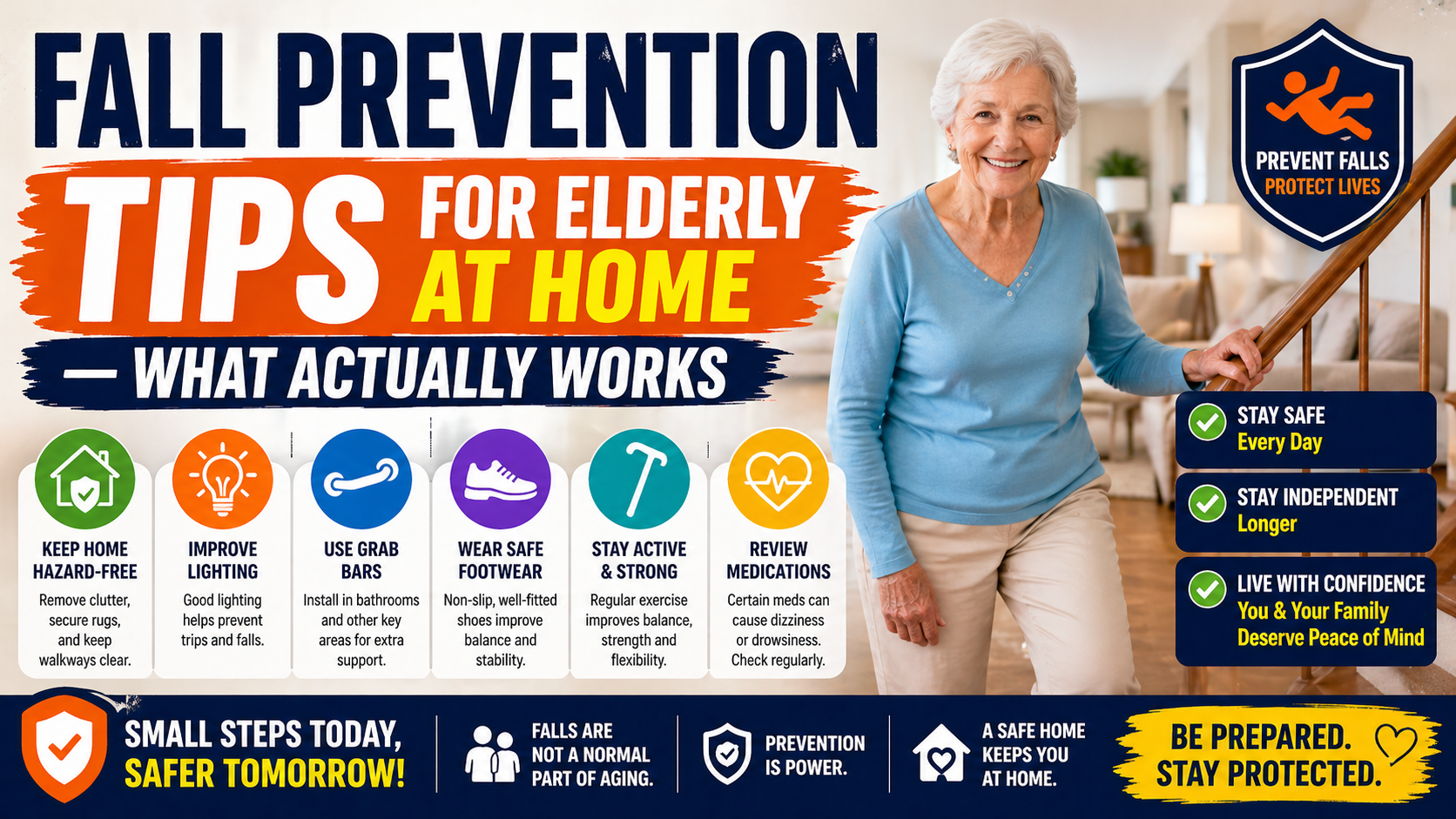
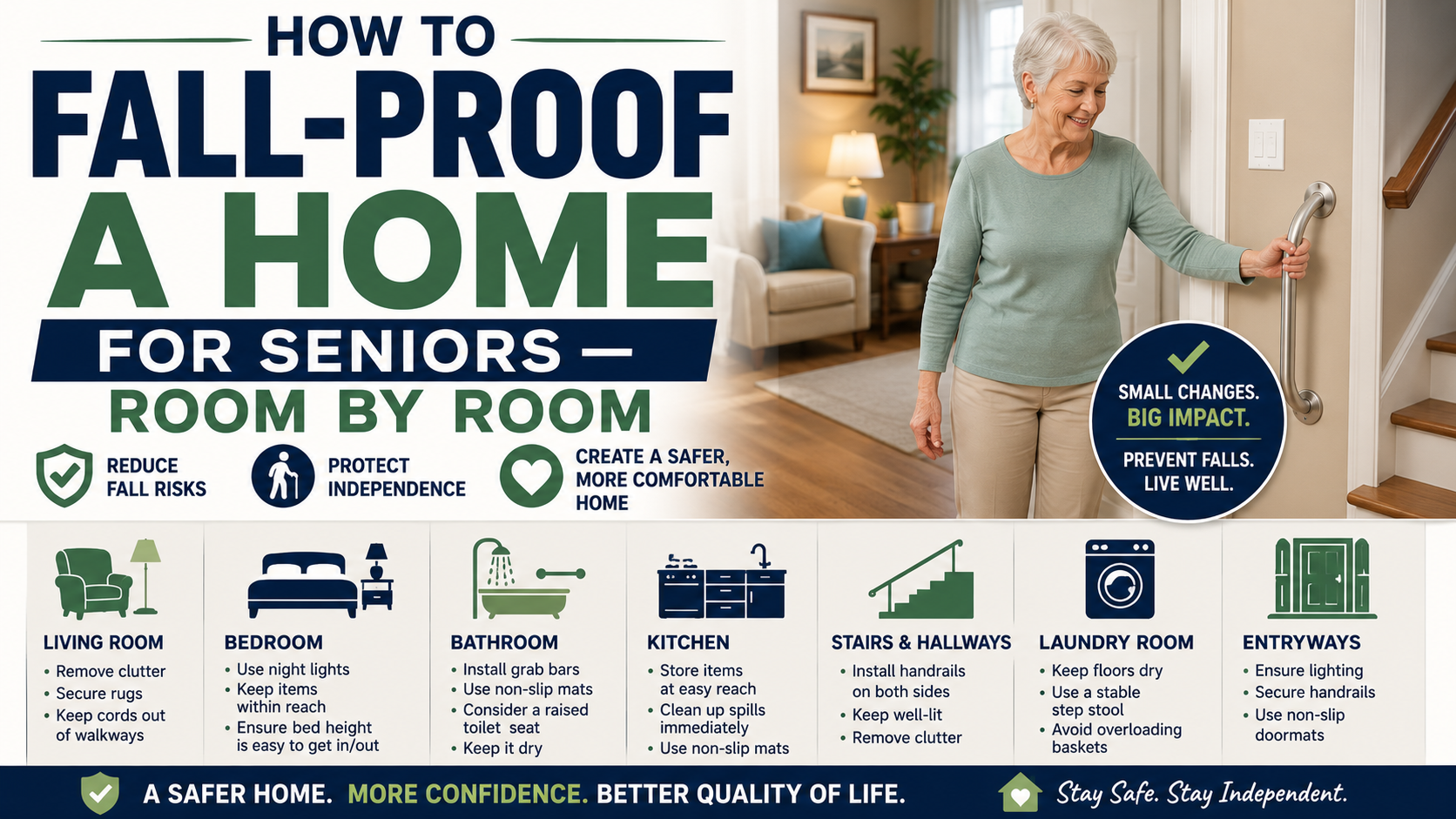
For broader fall prevention beyond the bathroom — including what to address in the bedroom, living areas, and on stairs — our comprehensive guide on fall prevention tips for elderly at home walks through every room systematically with a room-by-room checklist you can use immediately.

And even with grab bars installed and every bathroom hazard addressed, falls can still happen. The question every family needs to answer is what happens when one does. A medical alert device with automatic fall detection — like the SecuLife Smartwatch — detects falls automatically and alerts family members without your parent needing to press anything or find their phone. It’s the safety net that makes the difference between a fall that gets help in minutes and one that doesn’t get discovered for hours.

For a full look at how fall detection devices work and what to look for before buying, our guide on the best medical alert smartwatches for seniors covers everything in detail. And if you want to understand the real cost of medical alert devices before committing to one, our breakdown of how much a medical alert system costs cuts through the pricing confusion clearly.
Common Grab Bar Mistakes to Avoid
These are the errors that show up repeatedly — worth knowing before you buy or install.
Treating a towel bar as a grab bar
Covered above but worth repeating: towel bars fail under body weight. If there’s any chance your parent might grab a towel bar for support, replace it with a proper grab bar now — before a fall makes the lesson more expensive.
Installing only one bar
One bar at the shower entry is better than nothing — but it leaves the toilet area unprotected, which is equally high risk. The minimum for a genuinely safer bathroom is bars at both the shower and the toilet.
Installing at the wrong height
A bar mounted too high or too low for your parent’s specific height and mobility provides limited benefit. If possible, have your parent present during installation planning so you can verify the height is actually useful for their reach and movement pattern.
Choosing appearance over function
Decorative grab bars that look more attractive but don’t meet load ratings or have smooth surfaces are a common and dangerous compromise. Appearance matters for acceptance — but only bars that meet functional specifications should be installed.
Skipping professional installation when unsure
A bar that looks installed but isn’t properly anchored is worse than no bar — it creates false confidence. If the installation isn’t done correctly, spend the $100 on a handyman. It’s worth it every time.
Frequently Asked Questions About Grab Bars for Seniors
How many grab bars does a senior bathroom need?
At minimum two — one at the shower or tub entry and one next to the toilet. A third bar on the shower back wall adds meaningful protection during the shower itself. For seniors with significant balance challenges additional bars along the path through the bathroom may be warranted.
Can grab bars be installed without drilling into tile?
Suction cup grab bars exist and are marketed as a no-drill option. They are not a safe substitute for permanently mounted bars in a primary use scenario. Suction cup strength varies by surface and degrades over time — they can release without warning under load. For permanent bathroom safety use, properly drilled and anchored bars are the only appropriate option.
Are there grab bars that don’t look like hospital equipment?
Yes — and this matters for senior acceptance. The polished nickel, brushed chrome, and matte black finish options available on quality grab bars like the ones reviewed above look like standard bathroom hardware. Most visitors won’t identify them as safety equipment at all, which significantly reduces the psychological barrier for seniors who resist anything that makes their home feel institutional.
How much weight can a grab bar hold?
Quality grab bars like the ones reviewed here are rated for 250 pounds minimum. This rating assumes correct installation into studs or with appropriate anchors — an incorrectly installed bar will fail at a fraction of its rated load regardless of the bar’s own specifications.
Do Medicare or insurance cover grab bar installation?
Original Medicare does not typically cover grab bars as durable medical equipment. Some Medicare Advantage plans include home modification benefits that may cover grab bars. Medicaid waiver programs in some states cover home safety modifications. It’s worth checking your parent’s specific plan before assuming out-of-pocket payment is the only option.
Install Them This Week
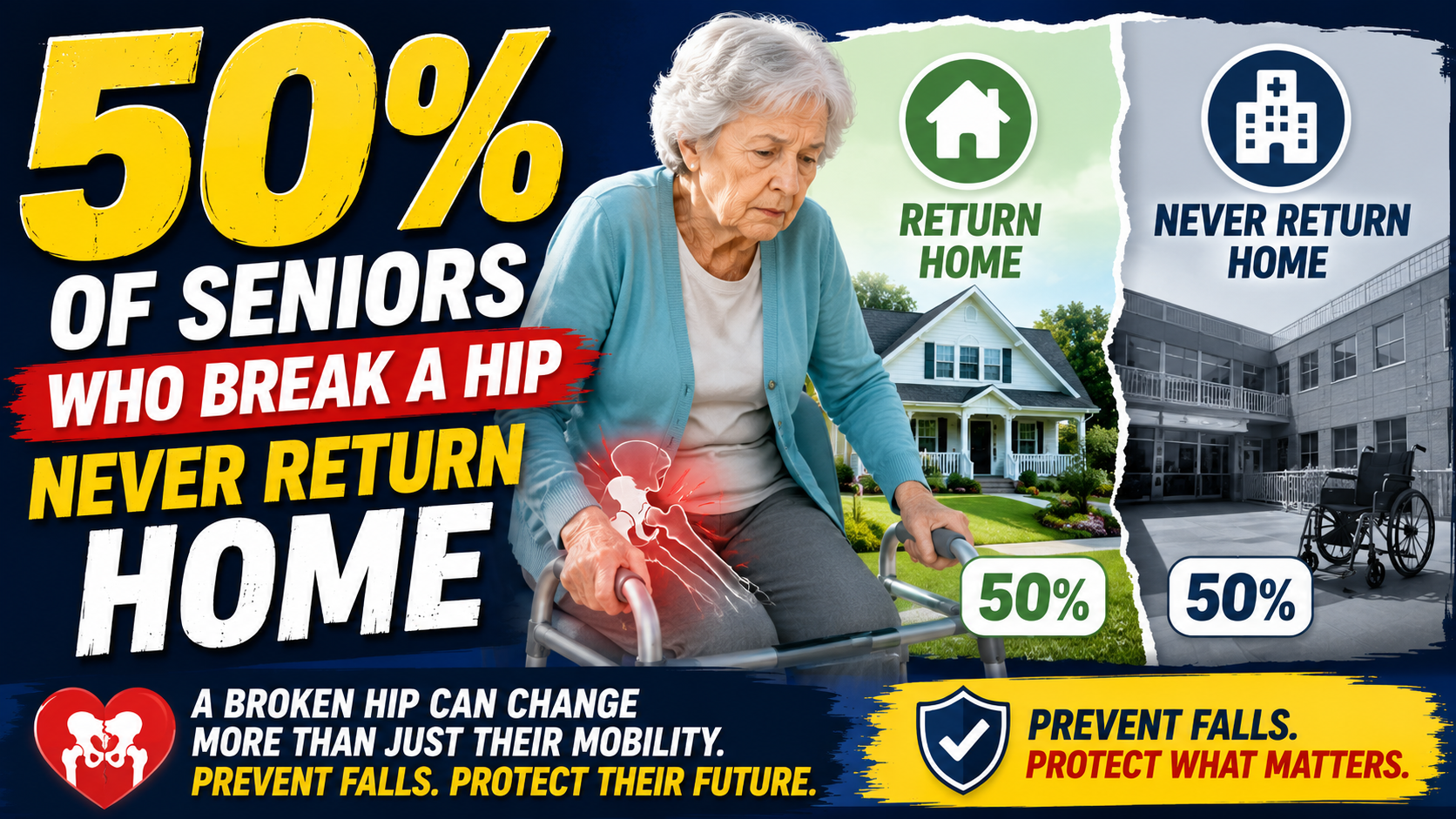
Grab bars are one of those safety upgrades that are easy to put off because nothing has gone wrong yet. That’s exactly backwards. The time to install them is before a fall — not after one. The stakes behind that timing become clear in the consequences of a hip fracture, which explains how a hip fracture can permanently change where a senior lives.
The product reviewed here ships quickly, installs in under an hour with basic tools, and costs a fraction of a single emergency room visit. There is no reasonable argument for waiting.
Order the bars. Schedule the installation. And if your parent needs convincing, show them how unobtrusive the polished nickel finish looks — it’s genuinely hard to distinguish from standard bathroom hardware until you’re holding onto it when you need it.
→ Order the 2-Pack Stainless Steel Grab Bars on Amazon
About the Author
Carol Simmons is a Certified Aging-in-Place Specialist (CAPS) who spent 15 years helping families assess and modify homes for elderly relatives across Florida and the Southeast. She has completed hundreds of home safety assessments and seen firsthand which changes make the biggest real-world difference — and which ones families spend money on without meaningful impact. Carol writes for Elder Safety Guide to help families get practical, prioritized guidance without needing to hire a specialist for every decision.