Recognizing when living alone has become genuinely unsafe is one of the hardest things to admit — but catching it early keeps you in control of what happens next.
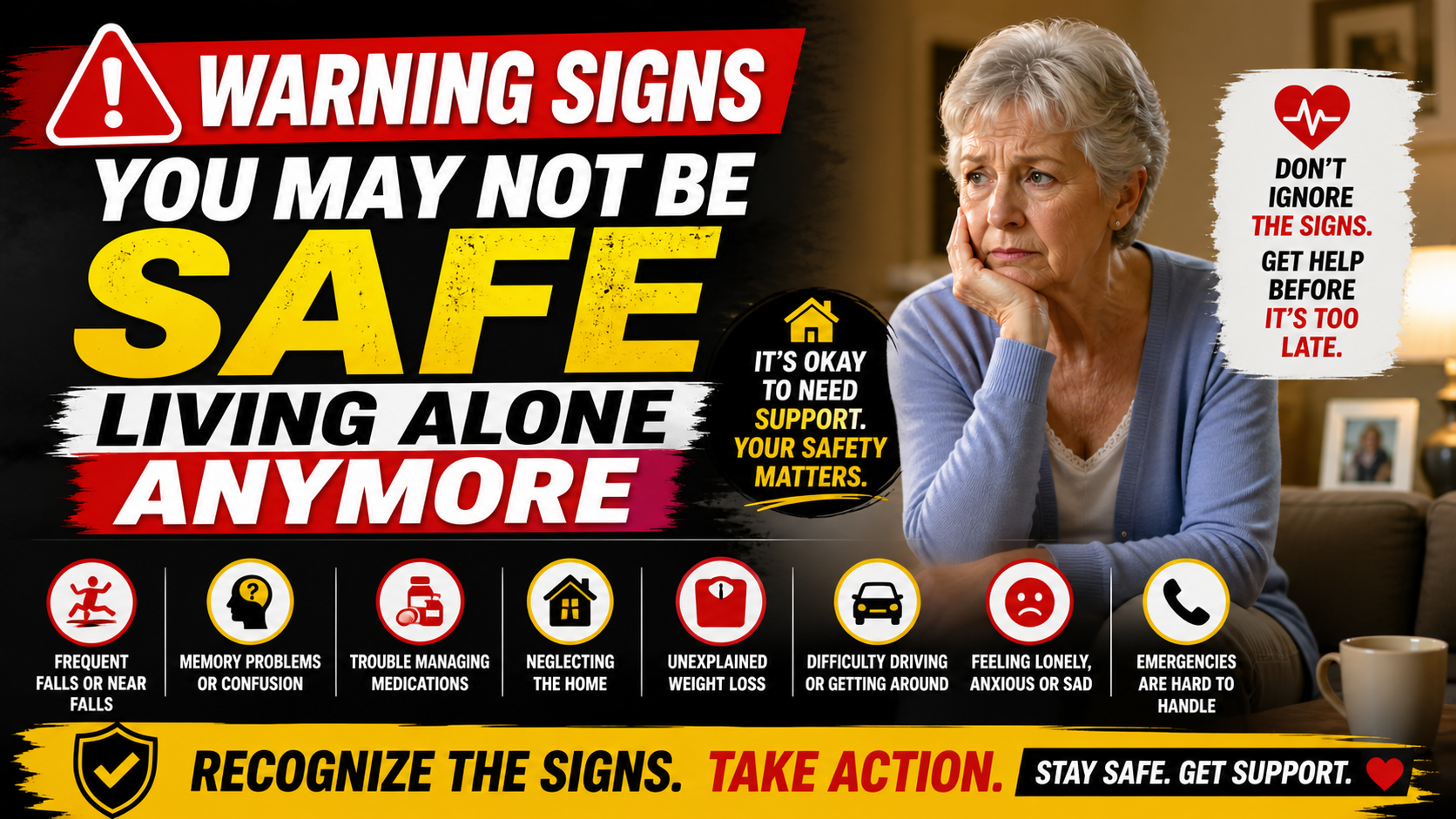
Nobody wants to think about this. It’s uncomfortable to consider, harder to admit, and easy to rationalize away. But the people who recognize the warning signs early — and do something about them before a crisis forces the issue — keep far more control over their lives than those who wait until something goes wrong.
Living alone as an older adult is something millions of people do successfully for decades. The goal isn’t to stop living independently. The goal is to recognize when specific things need to change — and to make those changes while you’re still the one making them, rather than having circumstances make them for you.
This guide covers the warning signs honestly, what they actually mean, and what to do about each one.
Why This Is Worth Thinking About Now
The biggest risk in ignoring warning signs isn’t a fall or a medical event — it’s losing control of the decision about what comes next. When a crisis happens without preparation the decisions get made under pressure, often by other people, often in ways that wouldn’t have been chosen with more time and information.
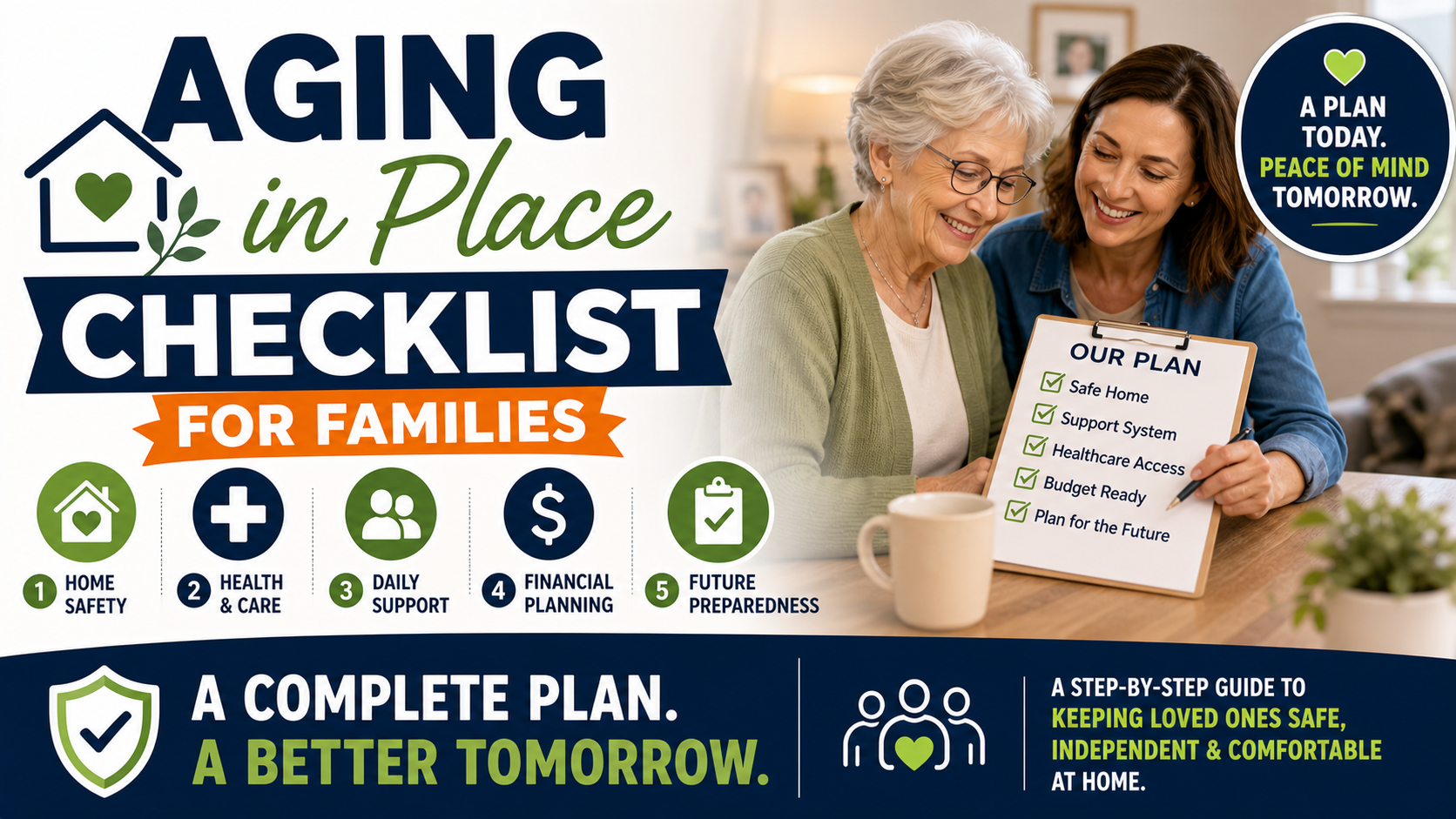
Recognizing warning signs early means staying ahead of those decisions. It means making changes to the home, adding safety measures, or adjusting daily routines while there’s still full control over what those changes look like. That’s not giving something up. That’s exactly the opposite. An Aging in Place Checklist for Families — Complete Planning Guide can turn those early observations into specific home, technology, health, and support actions.


Physical Warning Signs
Physical changes are often the most obvious warning signs — but they’re also the ones most frequently minimized or attributed to “just getting older” in ways that delay action.
Falls — Even Minor Ones
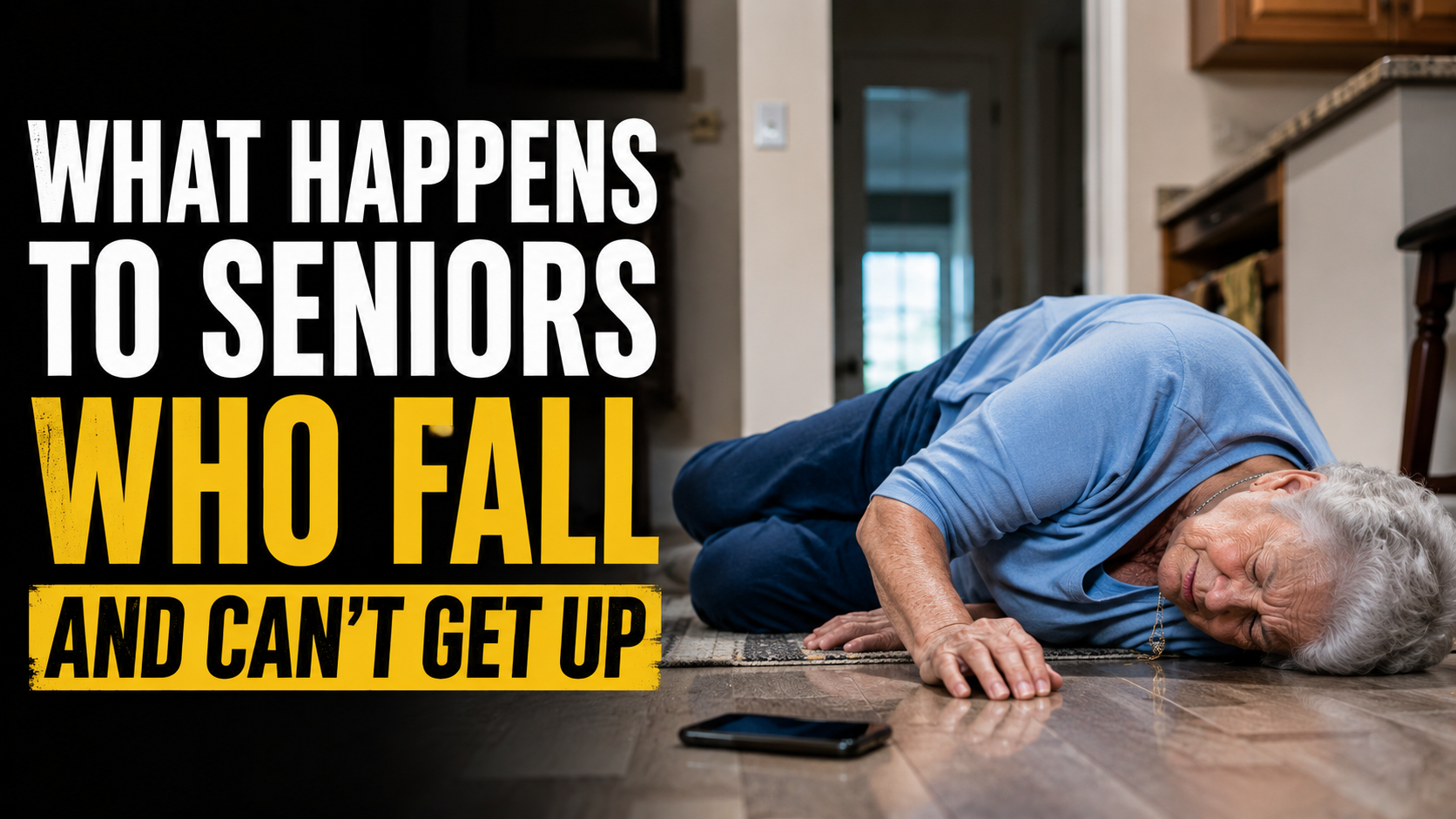
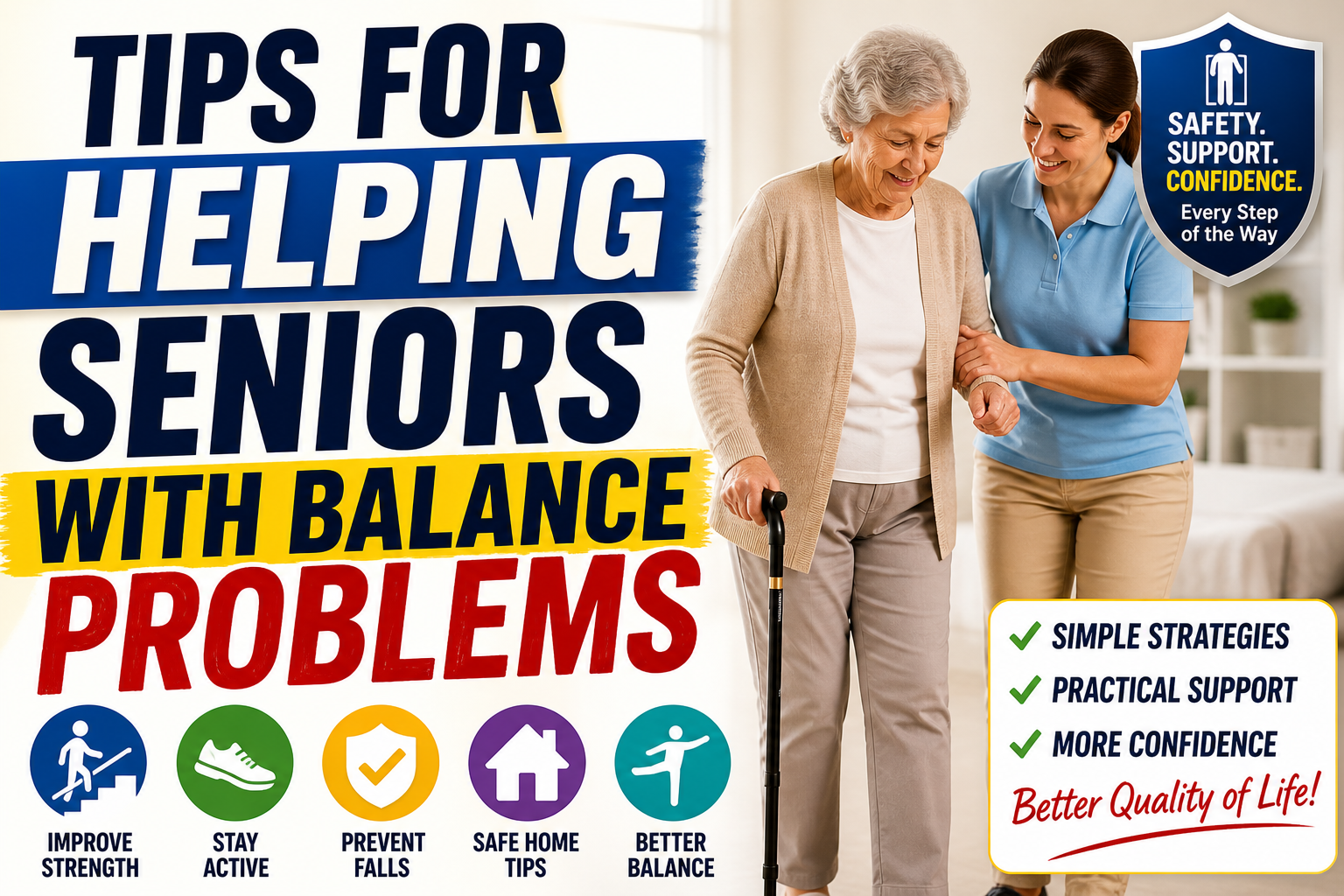
A single fall is a significant warning sign regardless of whether it caused injury. Research consistently shows that a first fall dramatically increases the risk of a second — and that most people who experience a serious fall have had at least one minor fall in the preceding months that didn’t get taken seriously. Understanding What Happens to Seniors Who Fall and Can’t Get Up — The Medical Reality Most Families Don’t Know explains why even an apparently minor fall deserves prompt attention.
A near-miss — catching yourself on a counter, stumbling but not going down — deserves the same attention as a fall. Near-misses are the warning the body is giving before the actual event. They’re the signal that something in the environment or in physical function needs to be addressed.
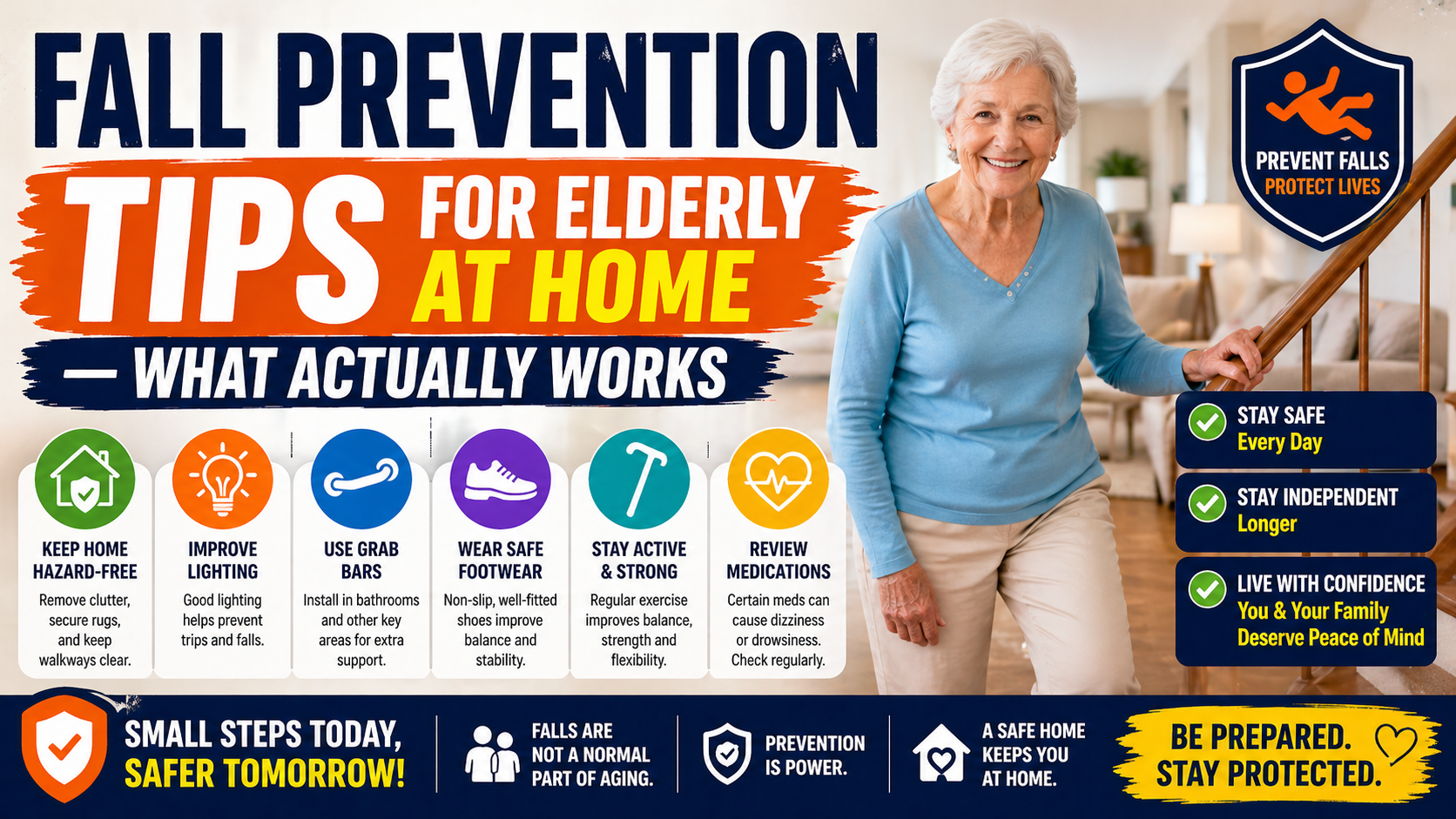
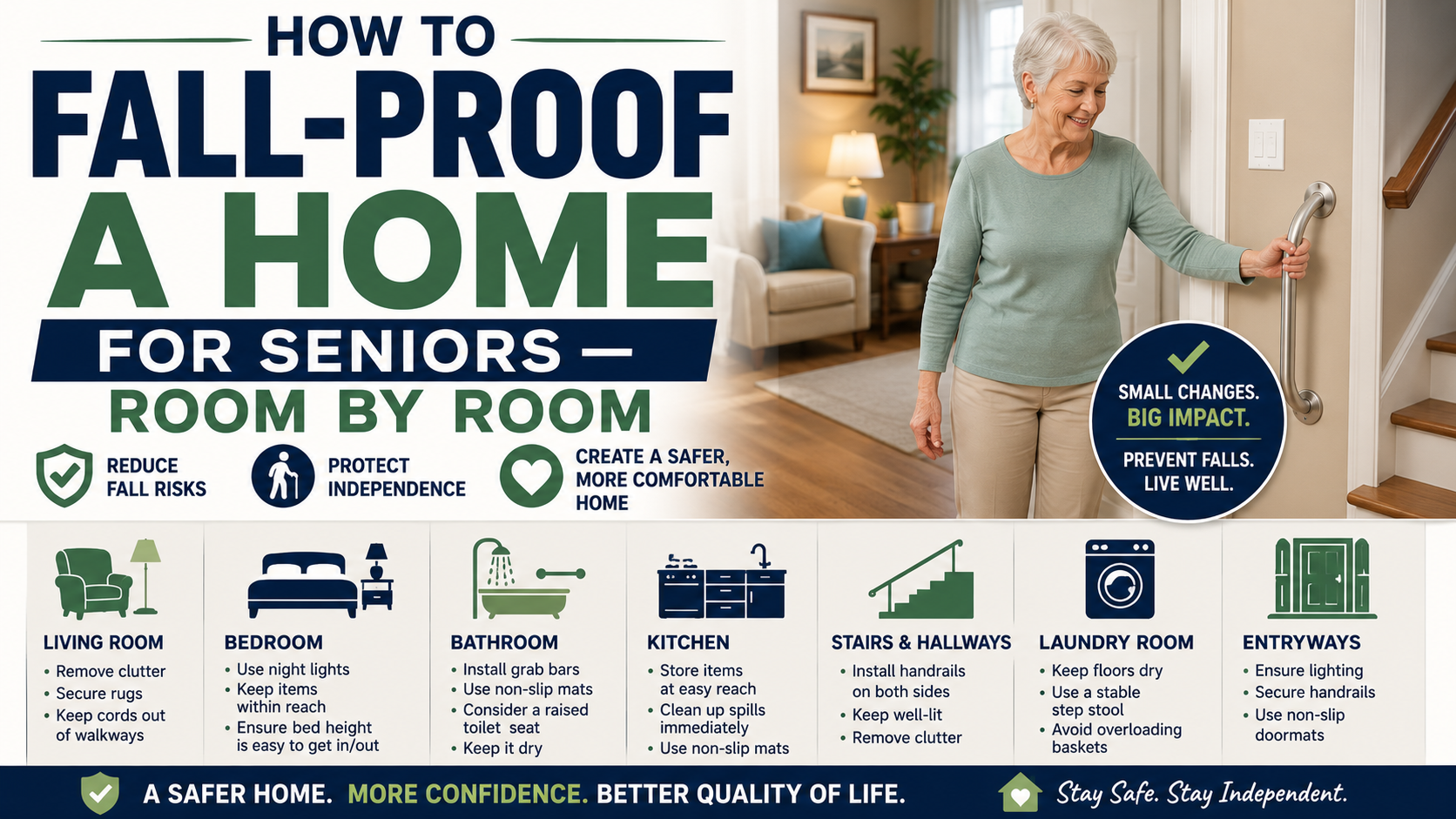
If you’ve fallen or had a near-miss, the right response is a home safety assessment and a conversation with your doctor — not waiting to see if it happens again. Our comprehensive guide on fall prevention at home covers every change worth making. Our home safety checklist gives you a systematic way to identify and address every hazard room by room.
Difficulty With Basic Physical Tasks
Specific physical tasks that have become noticeably harder deserve attention — not because difficulty is abnormal but because difficulty creates fall risk and functional limitation that can be addressed.
Watch for:
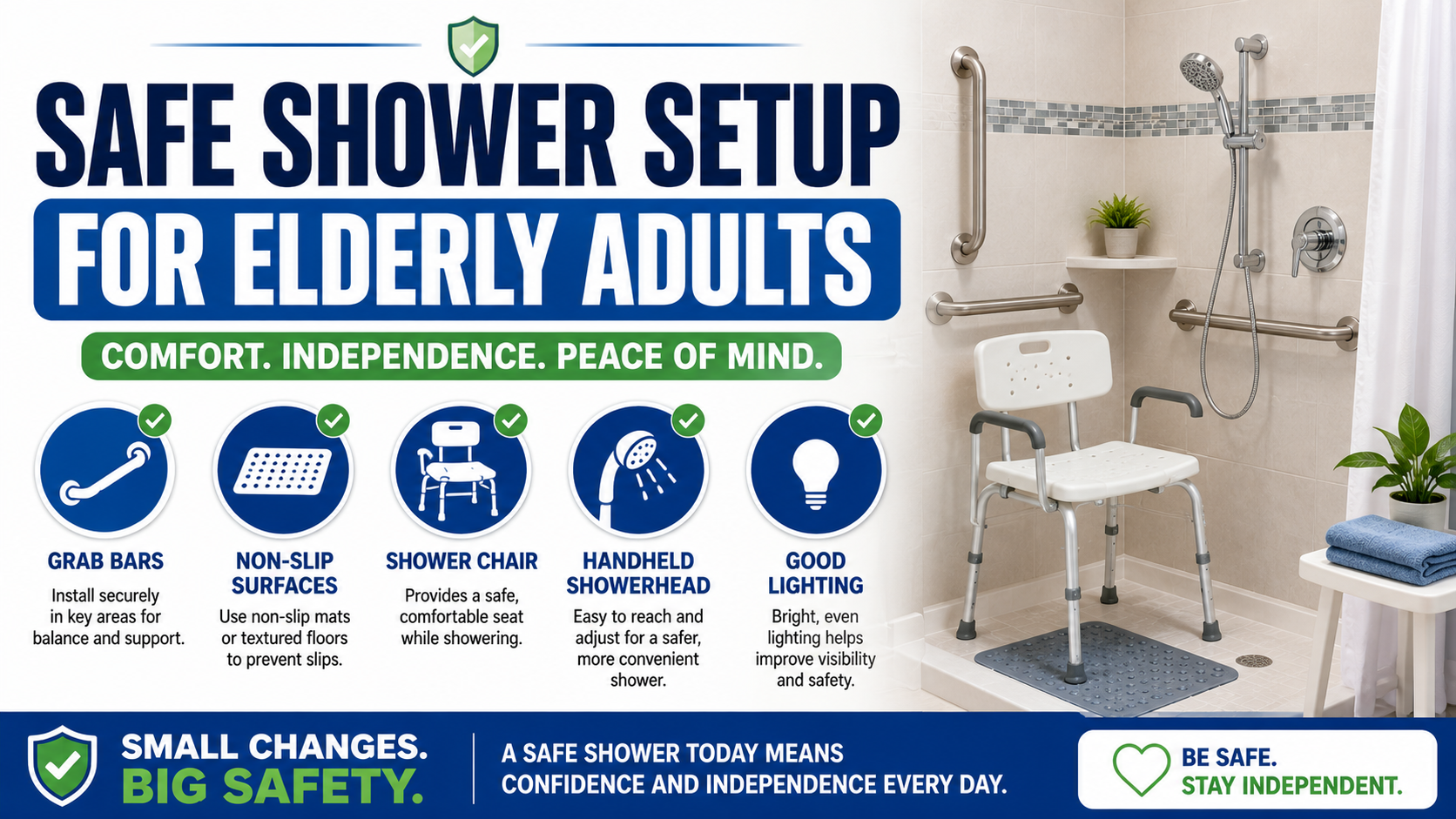
- Getting in and out of the bathtub or shower has become genuinely difficult or scary
- Getting up from chairs, the toilet, or the floor requires significant effort or assistance
- Climbing stairs has become exhausting or unstable
- Carrying grocery bags or laundry creates balance challenges
- Reaching overhead or bending to floor level causes dizziness or instability
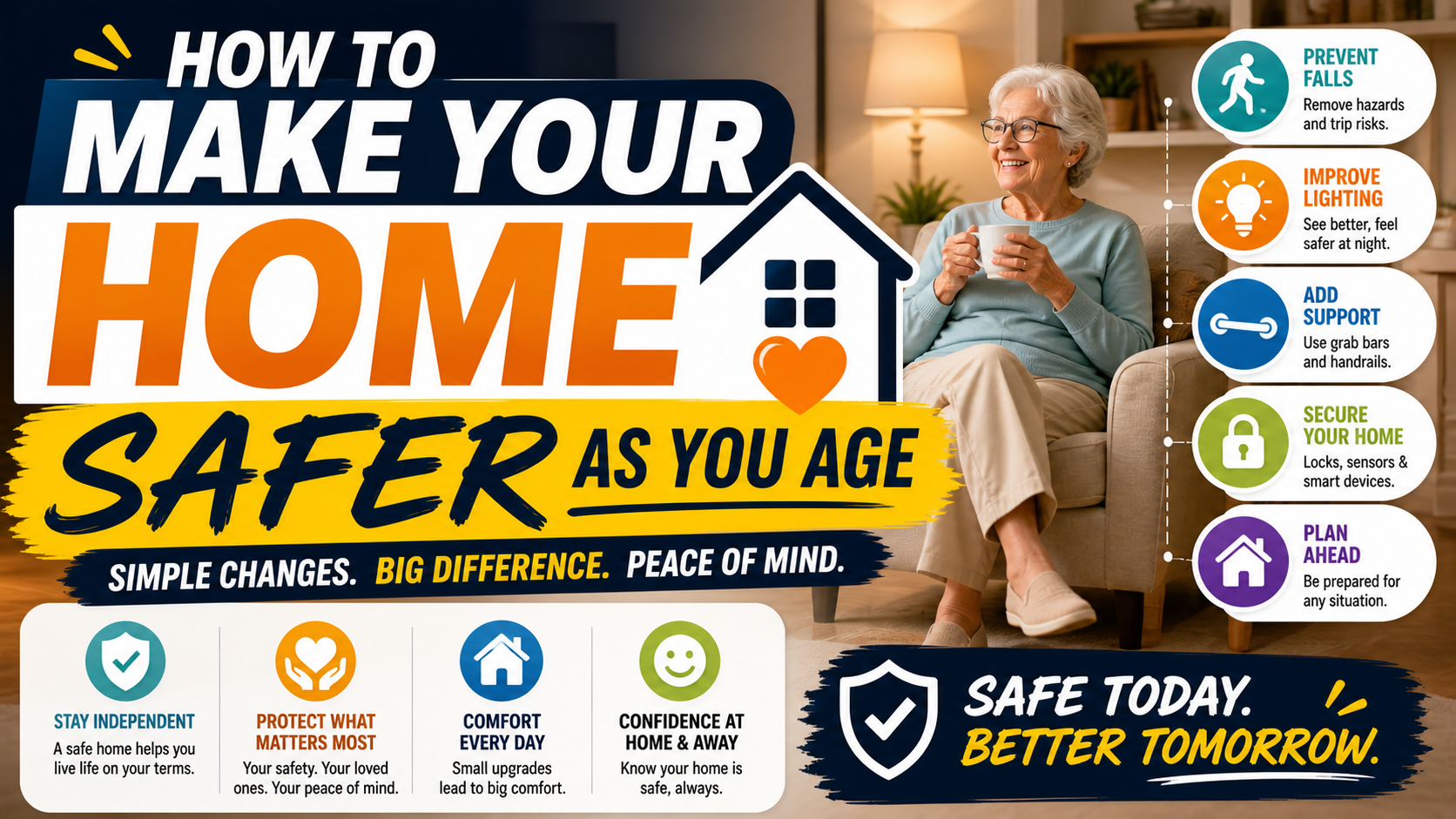
Each of these is addressable — grab bars, shower chairs, stair modifications, reorganized storage. Our guide on how to make your home safer as you age covers the full range of modifications worth making. The issue isn’t that these tasks are difficult — it’s whether the difficulty is being addressed or ignored.
Getting Out of Bed Has Become Risky
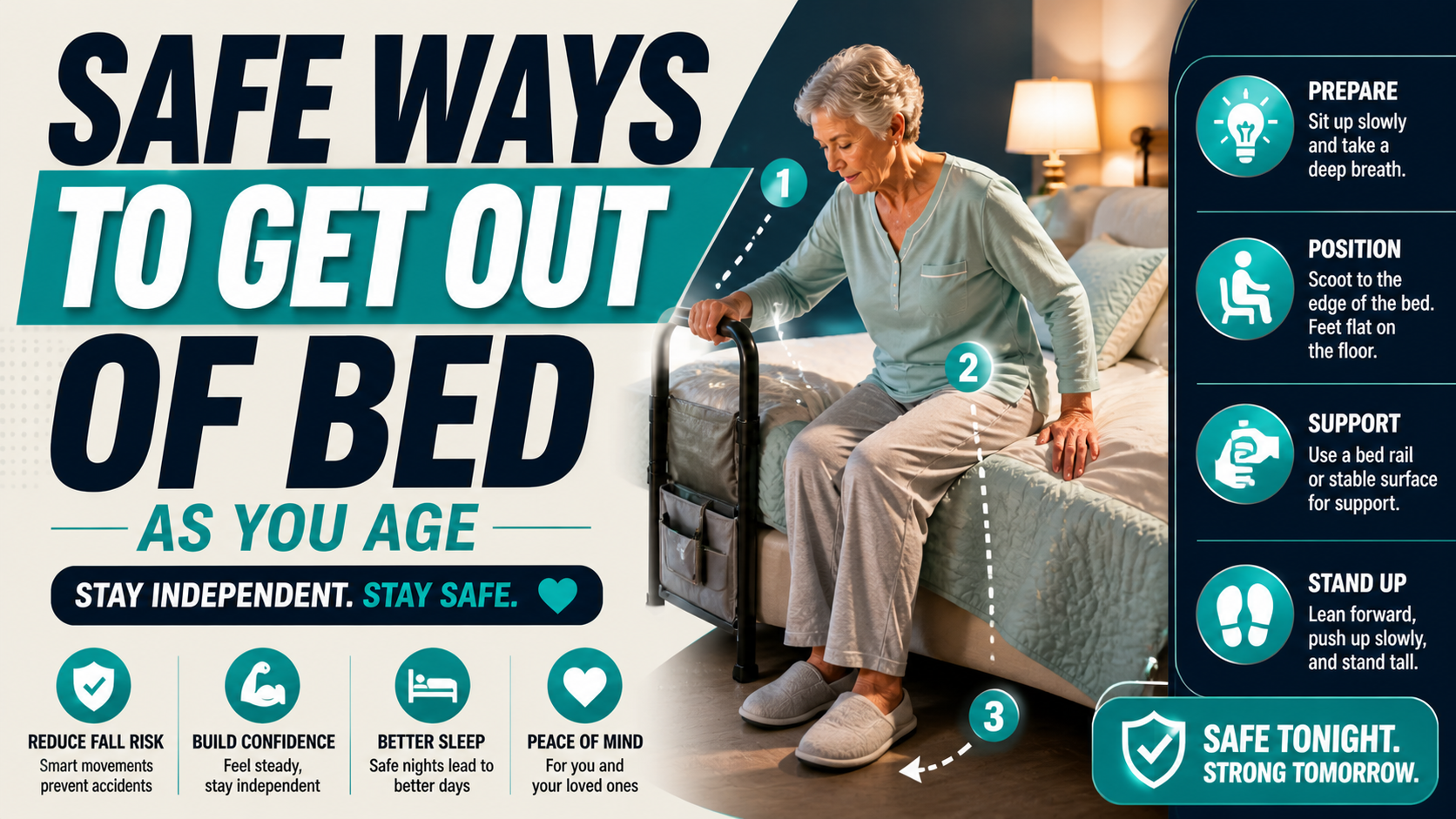
If getting out of bed in the morning involves dizziness, near-falls, or significant physical effort — particularly during nighttime bathroom trips — that’s a warning sign worth acting on. Our guide on safe ways to get out of bed as you age covers both the correct technique and the equipment that makes it safer. Our review of the best bed rail for seniors covers the specific product that makes the biggest difference in this transition.

→ Get the ASTM Approved Bed Rail on Amazon
Significant Dizziness on Standing
Occasional lightheadedness when rising quickly is common. Significant, regular dizziness every time you stand is a medical issue worth discussing with a doctor — it’s frequently medication-related and often very manageable with timing adjustments. Don’t accept it as normal aging without having it evaluated.
Unexplained Bruises or Injuries
Unexplained bruises — particularly on the arms, legs, or hips — may indicate falls or near-falls that weren’t significant enough to register as events but are happening with some frequency. If you notice unexplained bruising on yourself, take it seriously as a signal that something is happening that needs attention.
Cognitive Warning Signs
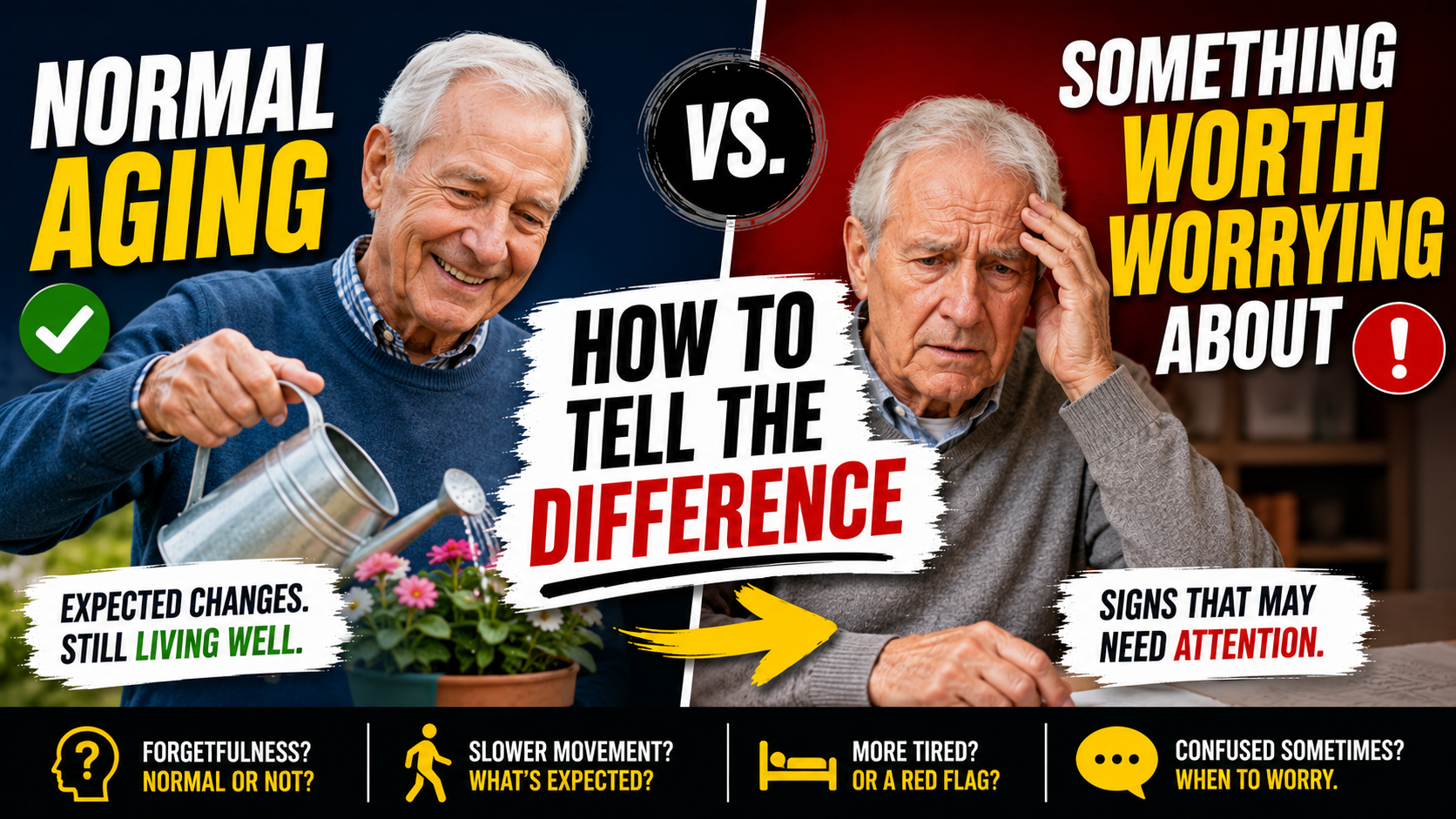
Cognitive changes are often more difficult to recognize than physical ones — partly because they happen gradually, and partly because the very changes that create risk can affect the ability to recognize that risk. The guide to Normal Aging vs Something Worth Worrying About — How to Tell the Difference provides a practical framework for deciding which cognitive changes warrant medical attention.
Missed Medications
Consistently missing medications — or being unsure whether medications were taken — is a meaningful warning sign both for the cognitive change it may indicate and for the direct safety risk of medication errors. An automatic pill dispenser addresses the practical risk. A conversation with a doctor addresses the underlying cause.
Getting Lost in Familiar Places
Getting disoriented in a familiar neighborhood, missing turns on routes driven hundreds of times, or becoming confused in familiar environments is a significant warning sign that warrants a medical evaluation rather than minimization.
Difficulty Managing Bills and Finances
Unpaid bills, duplicate payments, difficulty understanding financial statements, or increased vulnerability to phone and email scams can all indicate cognitive changes affecting executive function. This is worth discussing with a doctor — and worth setting up automatic payments and financial oversight while cognitive capacity is still fully present.
Forgetting Recent Conversations or Events
Occasional forgetfulness is normal at any age. Regularly forgetting conversations that happened hours ago, events from the recent past, or commitments that were clearly made — particularly when this represents a change from previous function — warrants medical evaluation.
Leaving Stove or Appliances On
Repeatedly leaving the stove on, forgetting running water, or leaving other appliances in states that create safety risk is a significant warning sign that deserves immediate attention — both from a safety modification standpoint and from a medical evaluation standpoint.
Practical Warning Signs — Daily Life
Beyond physical and cognitive changes, practical warning signs in daily life often tell the most accurate story of whether living alone is going safely.
The Home Is Noticeably Less Maintained
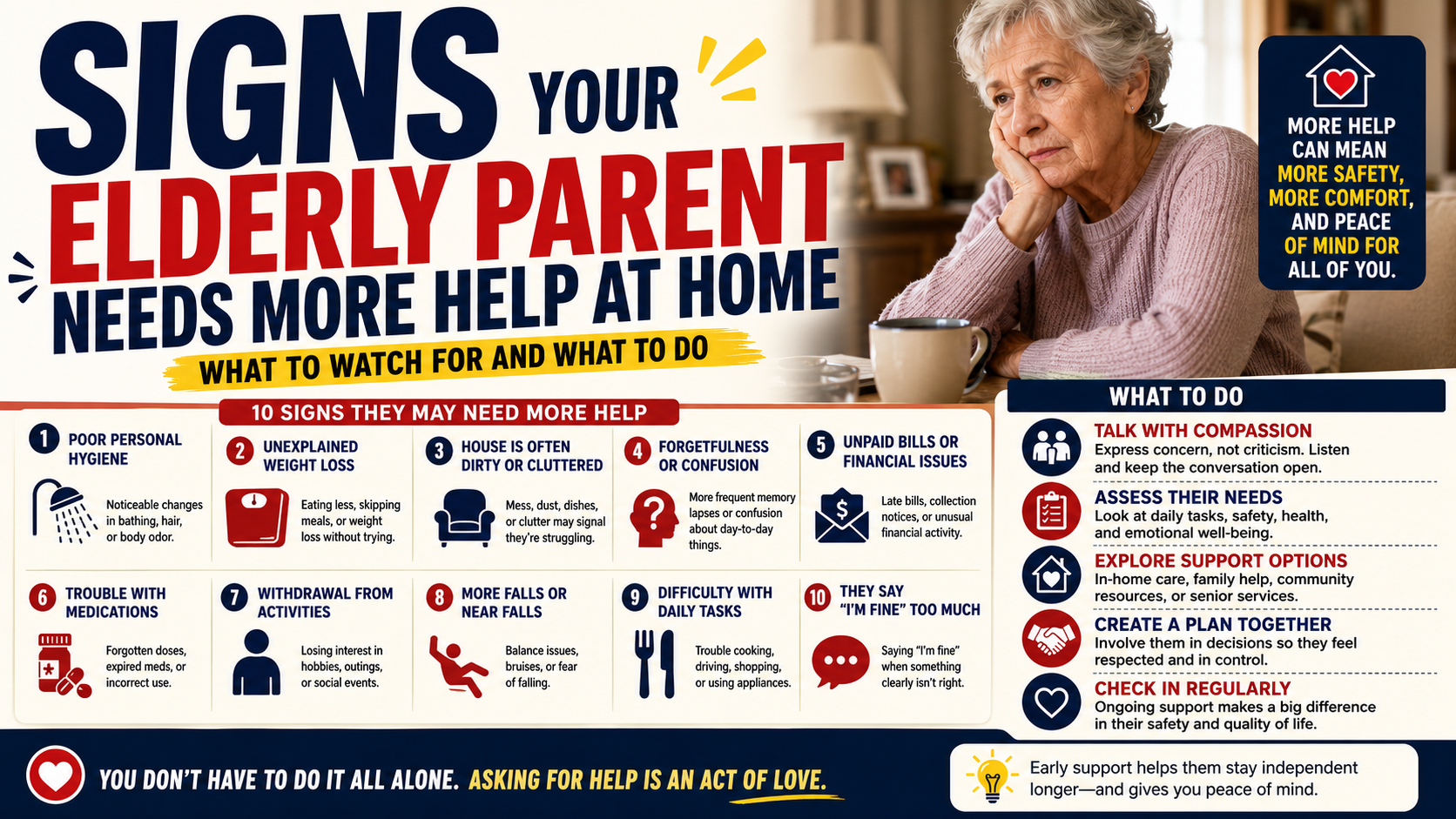
A home that has become significantly less clean or organized than it used to be — dishes accumulating, laundry not getting done, obvious maintenance issues being ignored — may indicate that daily tasks are taking more energy and capacity than is available. This isn’t a character issue. It’s a functional capacity issue worth addressing practically.
The Refrigerator Tells a Story
Expired food, very little food, or a refrigerator full of the same items repeatedly can indicate difficulty with grocery shopping, meal planning, or appetite changes that warrant attention. Nutrition matters enormously for physical and cognitive function — poor nutrition accelerates both.
Social Withdrawal
Significant reduction in social contact — stopping activities that were previously enjoyed, declining invitations, not answering calls — can indicate depression, mobility limitations, or cognitive changes. Social isolation is both a warning sign and a risk factor that accelerates physical and cognitive decline. It deserves attention as a safety issue, not just a lifestyle preference.
Driving Concerns
New dents or scrapes on the car, difficulty with familiar routes, missing traffic signals, or feedback from other drivers or passengers about concerning driving — these are warning signs that warrant honest evaluation. Driving safety affects not just the driver but everyone on the road.
Utilities or Bills Going Unpaid
Utility shutoff notices, past-due bills, or calls from creditors — when finances were previously managed well — indicate something has changed in the ability to manage daily administrative tasks. Setting up automatic payments and a simplified financial system is worth doing proactively.

What to Do When You Notice Warning Signs
Recognizing a warning sign is the first step. The response to each type of warning sign is different.
For Physical Warning Signs — Address the Home First
Most physical warning signs have direct home modification responses. Falls and near-misses call for a home safety assessment and specific modifications. Bathroom difficulty calls for grab bars and a shower chair. Getting-up difficulty calls for a bed rail and technique adjustment.

The full modification guide is in our article on how to make your home safer as you age. The checklist version is in our home safety checklist. Start there and work systematically through what needs attention.


→ Get the Shower Chair on Amazon
For Cognitive Warning Signs — See a Doctor
Cognitive warning signs warrant a medical evaluation — not to catastrophize but to understand what’s happening and what options exist. Many cognitive changes have treatable underlying causes. Even when they don’t, early diagnosis opens access to support, planning time, and resources that aren’t available after a crisis.
Be specific with your doctor about what you’ve noticed and when the changes started. Bring a written list if needed. “I’ve been more forgetful lately” is less useful than “I’ve missed three appointments in the last two months and forgotten conversations the same day they happened.”
For Practical Warning Signs — Build Systems
Practical daily life warning signs often respond well to systems rather than effort. Automatic bill payment removes the cognitive load of managing bills manually. Grocery delivery removes the physical and logistical burden of shopping. Meal delivery services address nutrition without requiring cooking energy. A regular check-in schedule with family or friends addresses isolation with structure rather than relying on spontaneous connection.
For All Warning Signs — Add a Safety Net
Regardless of which warning signs are present, anyone living alone who has noticed any of the signs in this guide should have a medical alert device with automatic fall detection in place. Not because a crisis is imminent — but because the cost of not having one when something happens is so much higher than the cost of having one when nothing does.
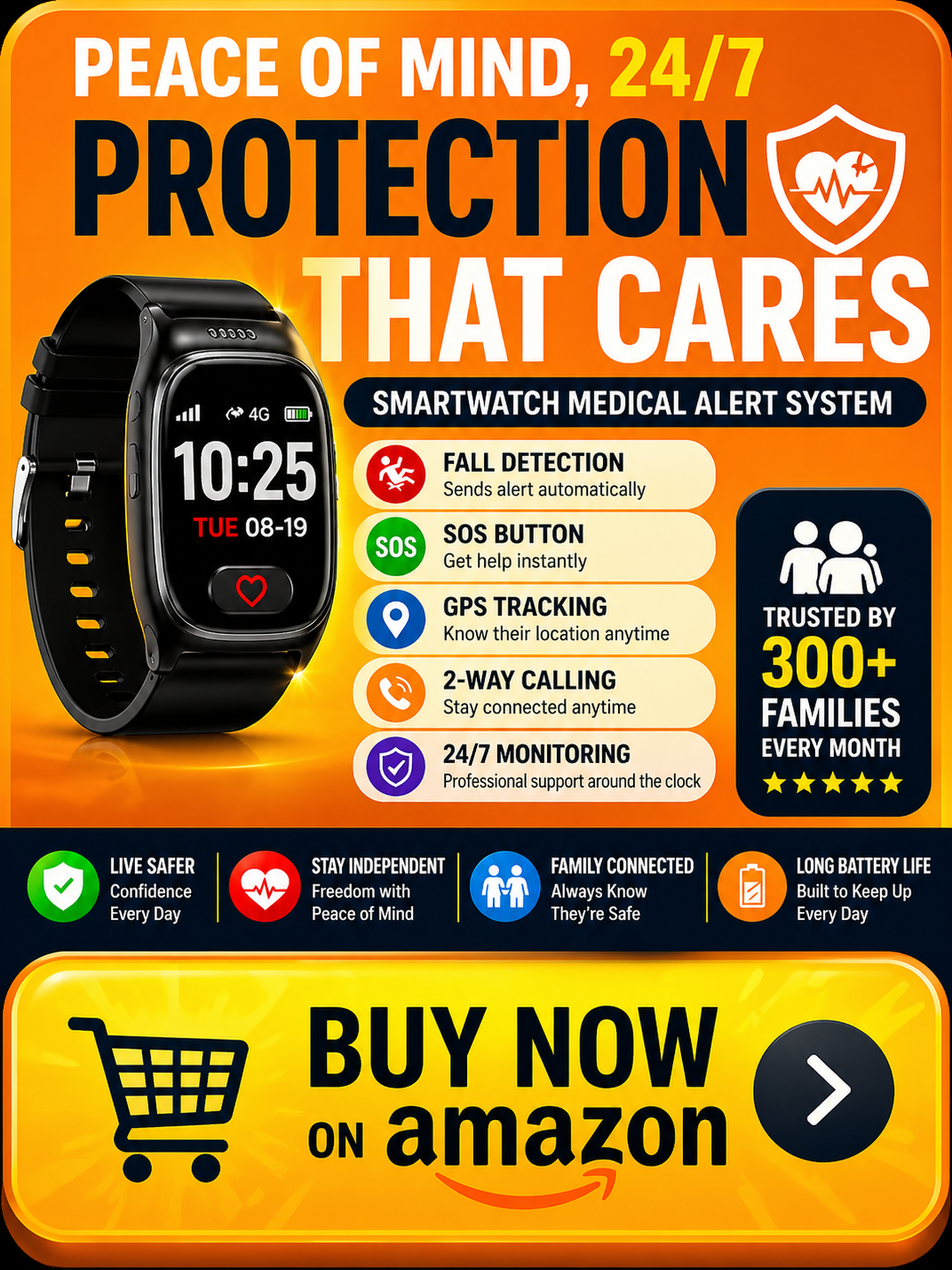
The SecuLife Smartwatch detects falls automatically and alerts designated contacts with GPS location — without requiring any action from the wearer. It’s worn on the wrist so it’s there in the bathroom, during the nighttime bathroom trip, during the getting-up transition, and everywhere else warning signs suggest risk may be elevated.
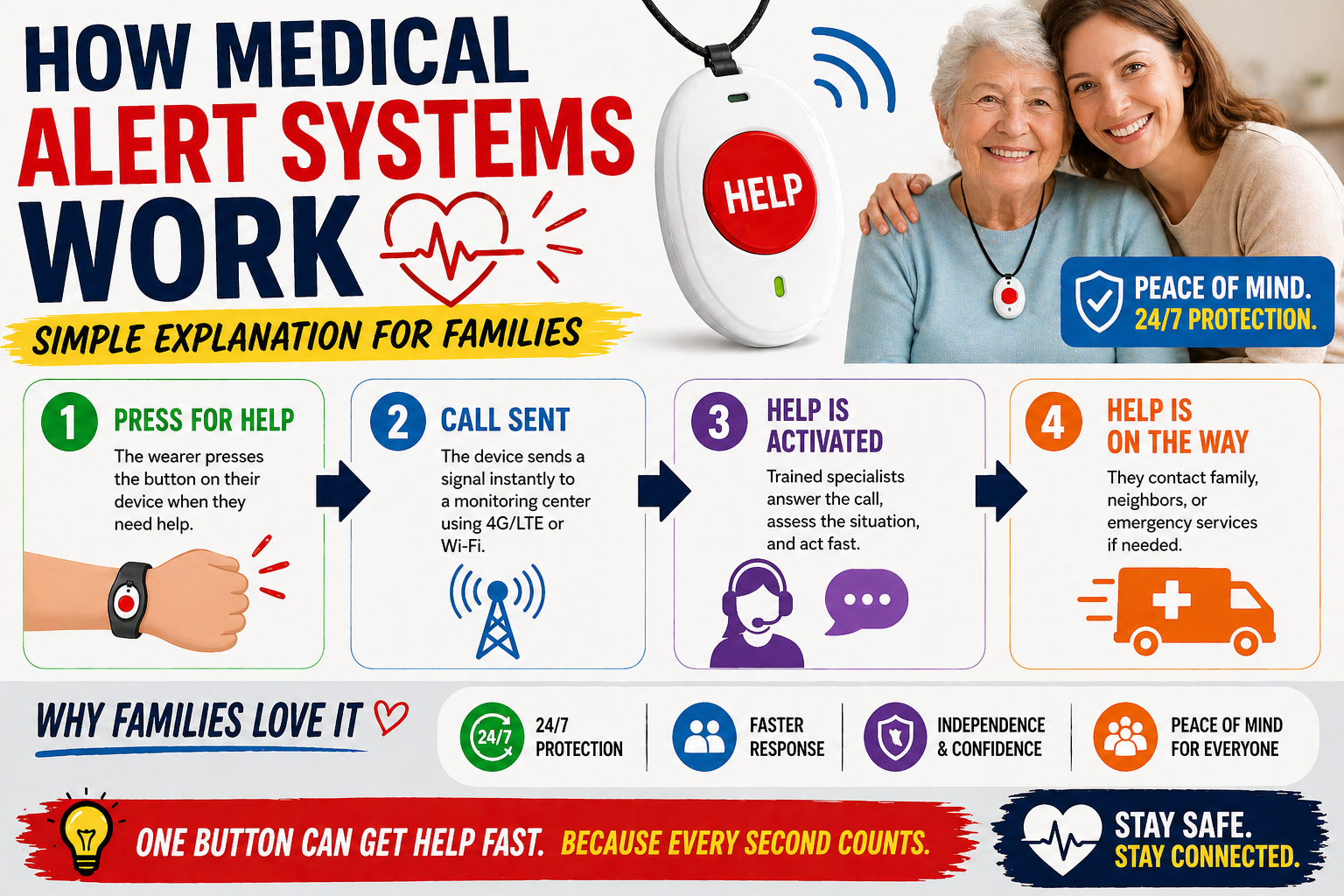
For the full picture on how these devices work our guide on how medical alert systems work explains everything clearly. Our complete SecuLife review covers the specific device we recommend. And if you’re comparing options our guide on whether a consumer smartwatch can replace a medical alert system breaks down exactly where each option works and where it falls short.
→ See the SecuLife Smartwatch on Amazon
Having the Conversation With Family
If family members have raised concerns — or if you’ve noticed warning signs yourself and haven’t mentioned them — having an honest conversation sooner rather than later is worth doing.
The most productive version of this conversation focuses on specific observations rather than general concerns. “I noticed you had three falls last month” is a more actionable conversation starter than “I’m worried about you living alone.” Specific observations lead to specific responses. General concerns lead to defensiveness.
Frame the conversation around staying independent — not around leaving. The goal of addressing warning signs is to make living alone safer and more sustainable, not to accelerate a move. Modifications, medical evaluations, and safety devices are all ways of extending independent living, not ending it. Leading with that framing changes the entire dynamic of the conversation.
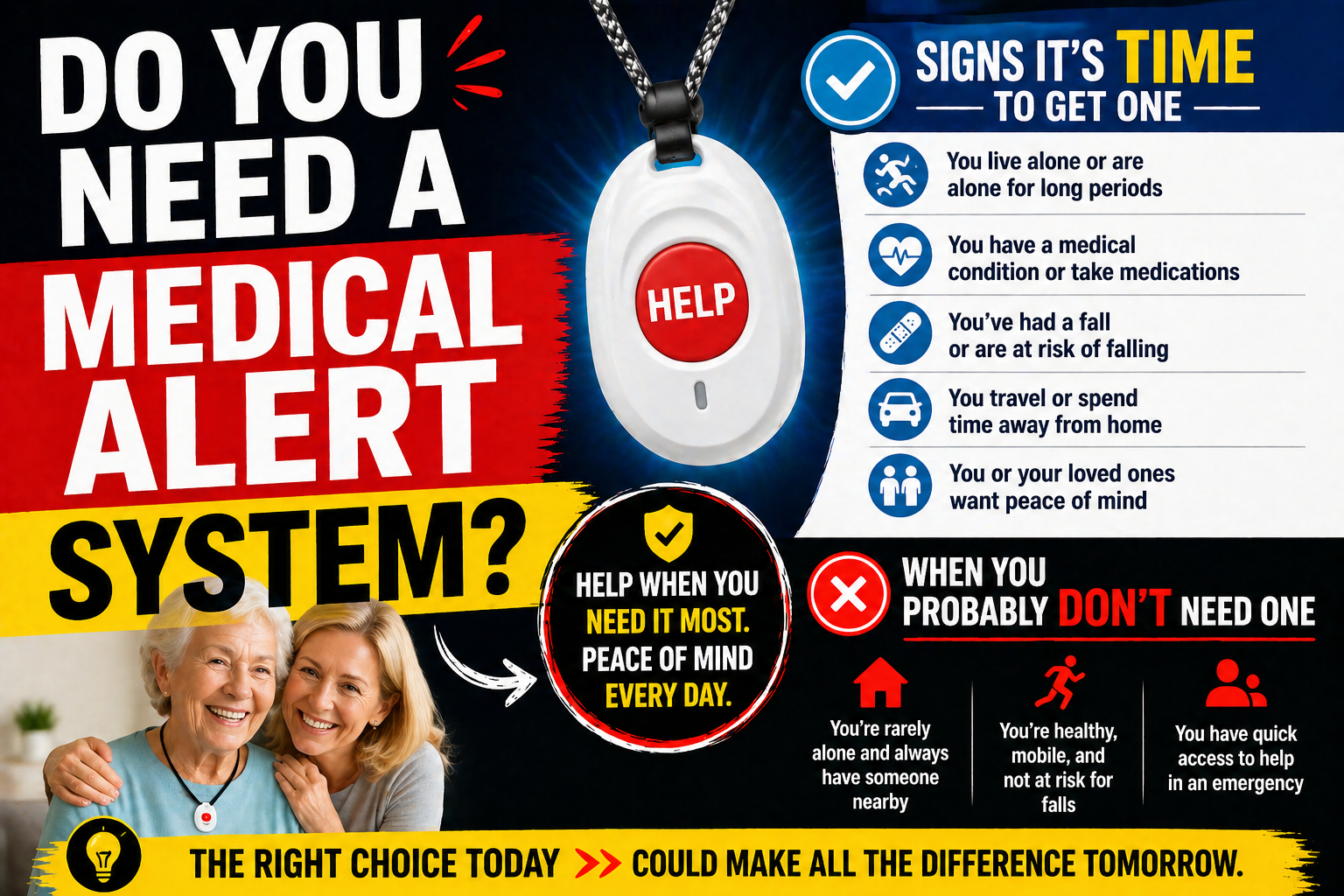
If you’re a family member reading this guide trying to figure out how to approach this conversation, our guide on signs it’s time for a medical alert system includes practical guidance on navigating these conversations with someone who’s resistant.

What This Doesn’t Mean
Recognizing warning signs doesn’t automatically mean it’s time to stop living alone. It means it’s time to take specific action on specific issues.
Most warning signs have direct, practical responses that extend independent living rather than ending it. A fall history calls for home modifications and a medical alert device — not a move. Bathroom difficulty calls for grab bars and a shower chair — not assisted living. Getting-up difficulty calls for a bed rail — not a care facility.
The warning signs in this guide are signals, not sentences. They’re information about what needs to change — not verdicts about whether independent living is over. The people who treat them as information and respond accordingly keep living independently on their own terms far longer than those who ignore them until a crisis forces a different outcome.
Frequently Asked Questions
How do I know if I’m just getting older or if something is actually wrong?
Normal aging involves gradual, modest changes in speed, strength, and memory. Warning signs worth acting on involve changes that are noticeable, represent a departure from previous function, affect safety or daily functioning, or have appeared relatively quickly. When in doubt discuss specific changes with your doctor — that’s exactly what they’re there for.
What if I notice warning signs but don’t want to tell anyone?
You can act on many warning signs independently — making home modifications, seeing your doctor, setting up automatic payments, adding a medical alert device — without involving family members in the process. Taking action independently is far better than taking no action. If the warning signs are significant enough that family involvement would help, consider that telling them yourself while you’re in control of the conversation is preferable to them finding out after something has already happened.
Is living alone actually dangerous for older adults?
Living alone is not inherently dangerous for older adults — millions of people do it safely for decades. The risk comes from specific, addressable factors: fall hazards in the home, inadequate safety equipment, medical issues that aren’t being managed, and the absence of a safety net when something goes wrong. Address those factors specifically and living alone remains a safe and viable choice for most people.
At what point does living alone become genuinely unsafe?
Living alone becomes genuinely unsafe when the risks can no longer be managed with modifications, technology, and support systems — typically when cognitive decline is severe enough to create consistent safety emergencies, when physical function is limited enough that daily care needs exceed what can be arranged at home, or when isolation has become so significant that there’s no meaningful social or safety network. Most people reading this guide are not at that point — they’re at the point where specific changes can significantly extend safe independent living.
What’s the difference between needing help and needing to move?
Needing help — with transportation, grocery shopping, home maintenance, medication management — is something that can be arranged at home through services, family support, and technology. Needing to move typically involves needing hands-on daily personal care that can’t be practically arranged in a home setting, or cognitive decline that makes unsupervised living genuinely dangerous regardless of modifications. Most warning signs indicate the former, not the latter.

Take Action While You’re the One Deciding
The window where you’re the one making decisions about your own safety and living situation is worth protecting actively. That window stays open longer for people who recognize warning signs and respond to them than for those who wait for a crisis to force the issue.
Pick one warning sign from this guide that resonates. Decide what the specific response to that sign is. Take that action this week.
That’s how people stay in their own homes, on their own terms, for as long as possible.
→ Get the SecuLife Smartwatch on Amazon — automatic fall detection for anyone living alone
About the Author
Tom Garrett spent eight years working as an EMT before leaving the field to become a full-time caregiver for his father, who fell twice in one year at age 79. That experience — watching warning signs get minimized until a crisis made them impossible to ignore — is what drives his writing. Tom covers senior safety topics for Elder Safety Guide with a focus on helping people act on information while they still have the most options available.