Bringing up a medical alert system with a resistant parent is one of the hardest conversations caregivers face. Here’s how to have it in a way that actually works.
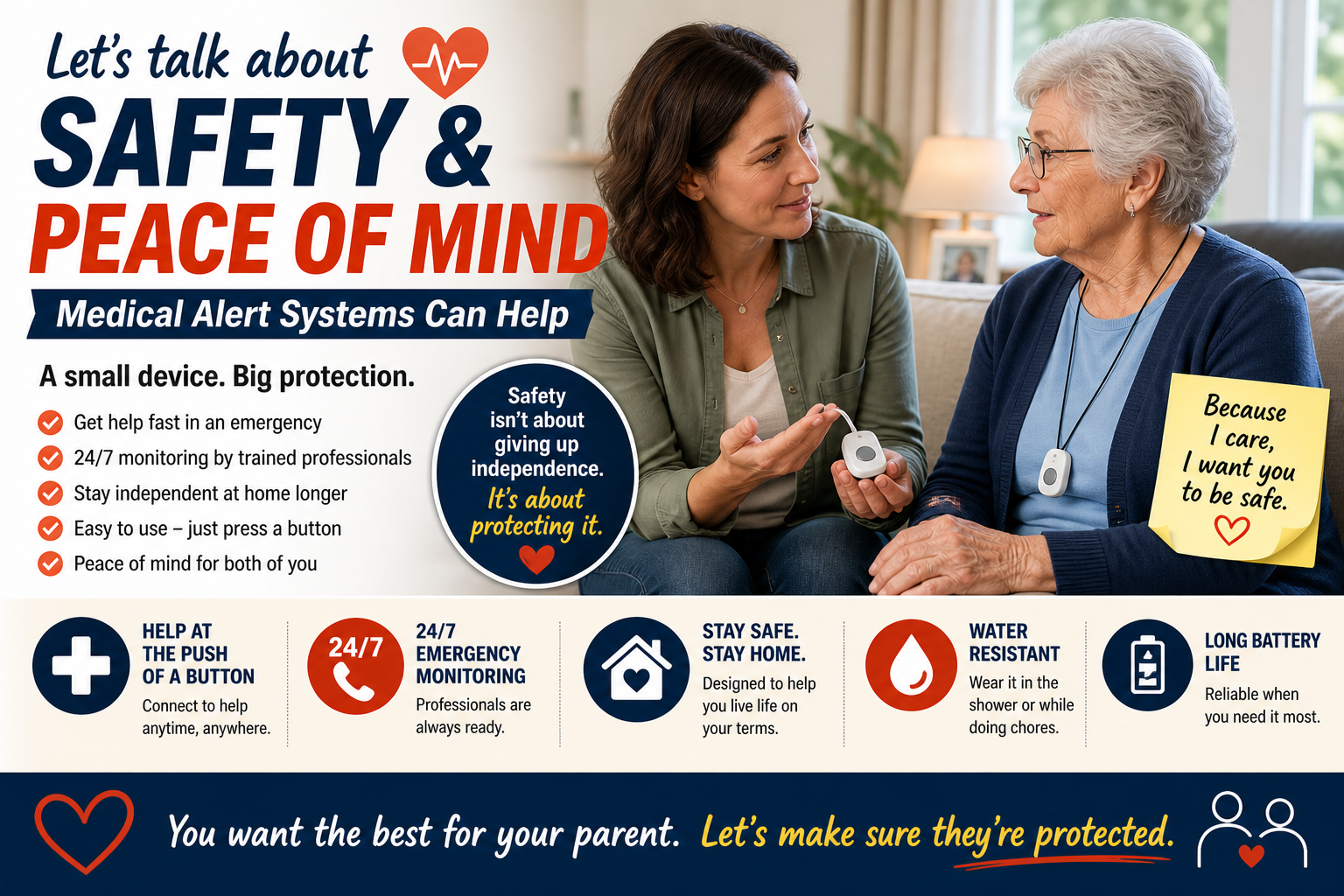
This is one of the hardest conversations adult children face. You can see the risk clearly. You lie awake worrying about the phone call you don’t want to get. And yet every time you bring it up your parent shuts it down — they’re fine, they don’t need it, they’re not an invalid.
The frustrating truth is that most of these conversations fail not because the concern is wrong but because of how it’s framed. The approach that feels most natural — leading with fear and safety — is almost always the least effective one. There’s a better way, and once you understand it the conversation becomes significantly more manageable.
This guide covers what actually works, what consistently backfires, and how to navigate the specific objections you’re most likely to hear.
Why the Standard Approach Fails
The most common way adult children approach this conversation sounds something like this: “Mom, I’m really worried about you living alone. What if you fall and no one knows? You need one of those medical alert buttons so we know you’ll be safe.”
Every word of that comes from genuine love and concern. And it almost never works. Here’s why.
It positions the parent as the problem. The implicit message is: you are a fall risk, you are vulnerable, you need help, we are worried about you. For someone who has lived independently for decades and takes enormous pride in that independence, this framing is a direct threat to their identity — not a practical safety suggestion.
It focuses on fear. Conversations driven by fear trigger defensiveness, not openness. Your parent hears the fear and responds to it by reassuring you — which means minimizing the risk — rather than engaging with the practical question of what to do about it.
It centers your needs. “I’m worried” and “we need to know you’re safe” are about you, not them. A parent who has spent a lifetime taking care of others may resist being the source of someone else’s anxiety — and may dig in specifically to reassure you that everything is fine.
Understanding why the standard approach fails points directly to what works instead.
The Framing That Actually Works
The conversations that succeed share a common characteristic: they center the parent’s interests, values, and goals — not the family’s fears.
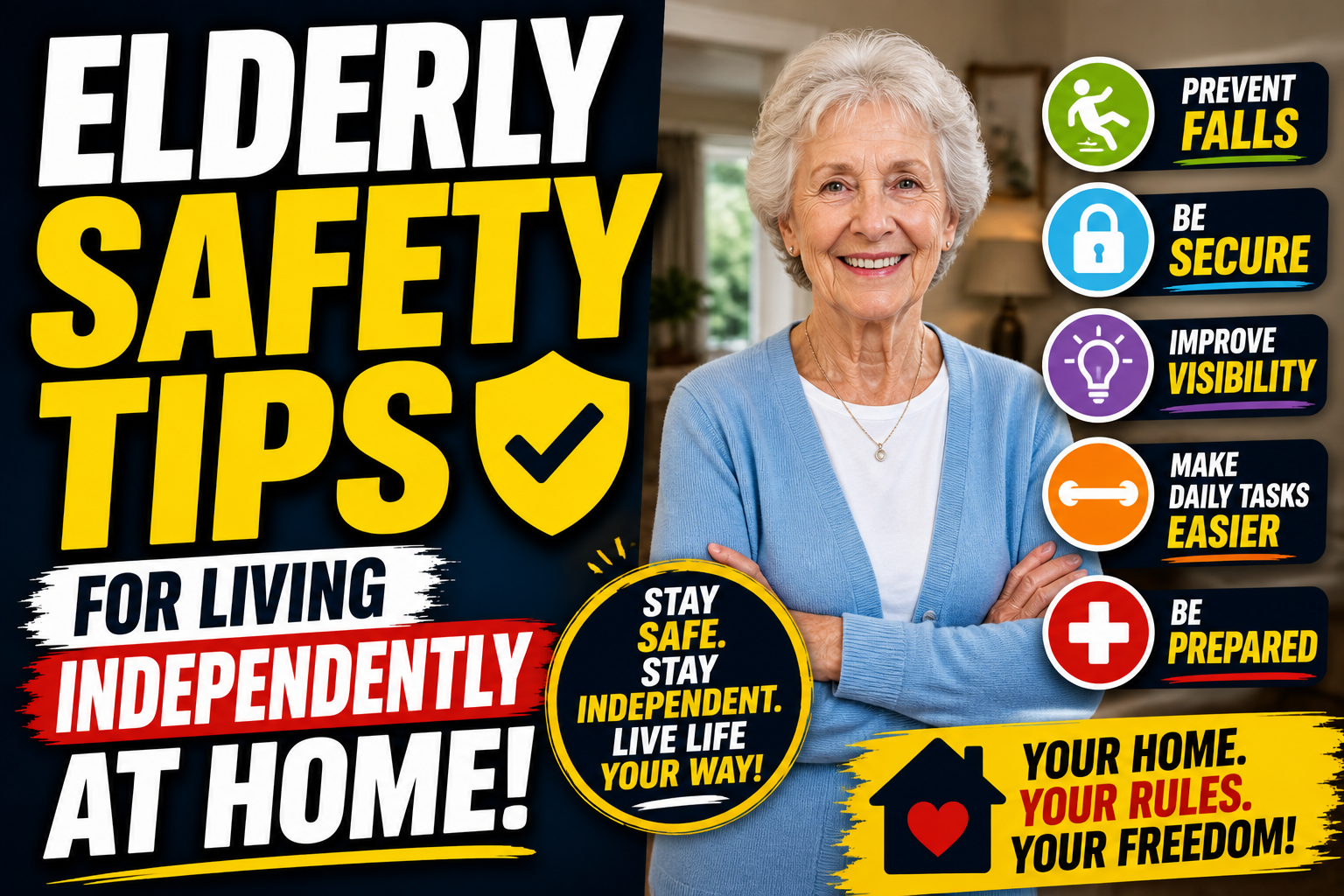
Lead With Independence, Not Safety
The most effective framing for a medical alert device is independence, not protection. “This means you can stay in your own home longer” lands completely differently than “this is so we know you’ll be safe if something happens.” The same emphasis on independence can guide a broader conversation about staying at home when concerns about safety eventually arise.
One is empowering. The other is frightening. One is about what your parent gets. The other is about what your parent might lose. Lead consistently with the independence angle and you’re speaking directly to what most older adults care about most — staying in their own home, on their own terms.
Make It About Convenience, Not Emergency
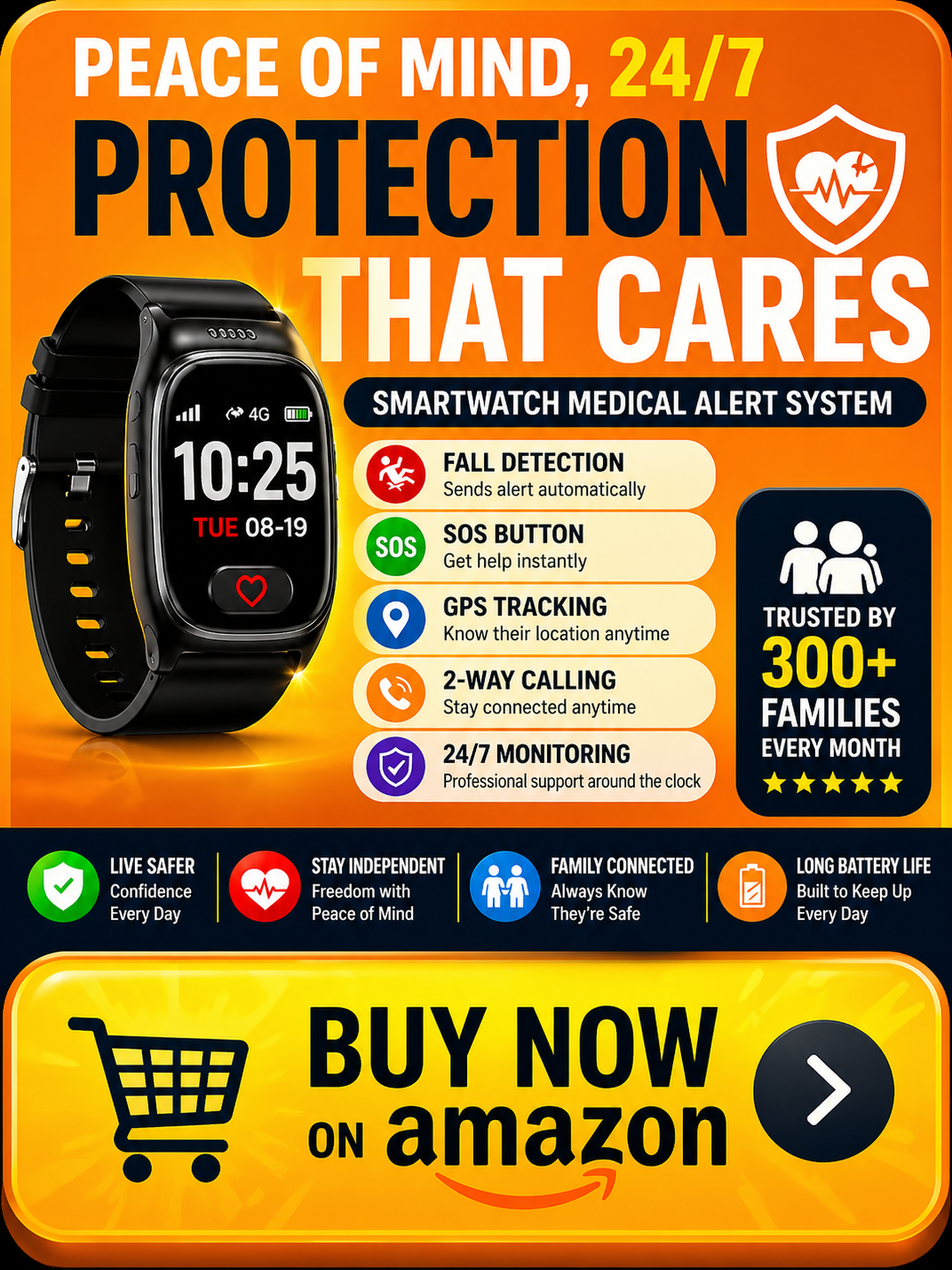
For devices like the SecuLife Smartwatch — which functions as a full smartwatch with GPS and two-way calling — there’s a natural entry point that has nothing to do with falls or emergencies.
“You can call me directly from the watch without finding your phone.” “I can see where you are so I don’t have to worry and call constantly.” “It works anywhere — when you’re in the garden, at the store, wherever.”
These are genuine, everyday benefits that have nothing to do with worst-case scenarios. Leading with them gets the device on the wrist. Once it’s part of the daily routine the emergency protection is there automatically — without the conversation ever needing to be about emergencies at all.
Acknowledge Their Perspective Genuinely
Before making any case for a device, spend real time acknowledging that your parent’s resistance makes sense. “I know you’ve been taking care of yourself your whole life and you don’t need me telling you what to do.” “I understand why this feels like a bigger deal than it needs to be.”
Genuine acknowledgment — not as a tactical opener before launching into your argument but as a real expression that you understand their position — changes the dynamic of the conversation. It signals that you’re trying to solve something together rather than convince them of something they’re wrong about.

Choose the Right Moment
Timing matters as much as framing. Several common timing mistakes undermine conversations that might otherwise have worked.
Don’t Have the Conversation Right After a Scare
The instinct after a fall or a close call is to immediately push for a medical alert device while the event is fresh. This instinct is understandable but usually counterproductive. Your parent is already shaken and possibly embarrassed — adding pressure in that moment triggers defensiveness rather than openness. The event may actually have made them more receptive to the idea, but that receptiveness is better accessed a few days later when emotions have settled.
Don’t Bring It Up at Family Gatherings
Raising the topic in front of multiple family members feels like an ambush to a parent who wasn’t expecting it. Being outnumbered triggers stubbornness rather than openness in most people. One-on-one, low-stakes conversations work far better than group interventions however well-intentioned.
Do Choose a Calm, Connected Moment
The best moments are ordinary, connected ones — a meal together, a quiet afternoon visit, a relaxed phone call. When the relationship feels warm and close before the topic comes up, the conversation starts from a better place. When the conversation is clearly called specifically to address this issue, the parent is already on guard before you say a word.
Start Small — The Foot in the Door
One of the most consistently effective approaches is starting with a smaller ask rather than the full pitch for a medical alert device.
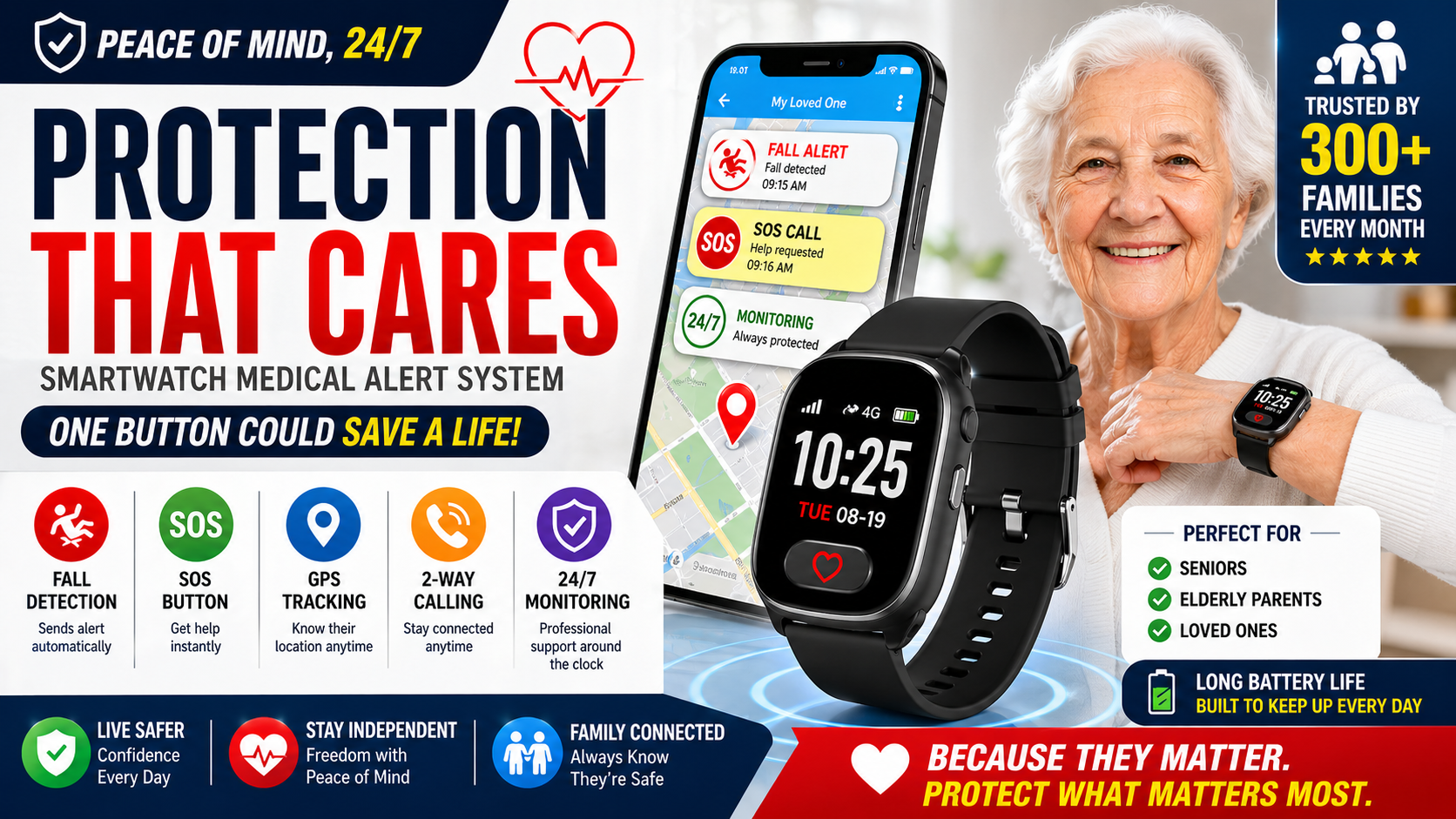
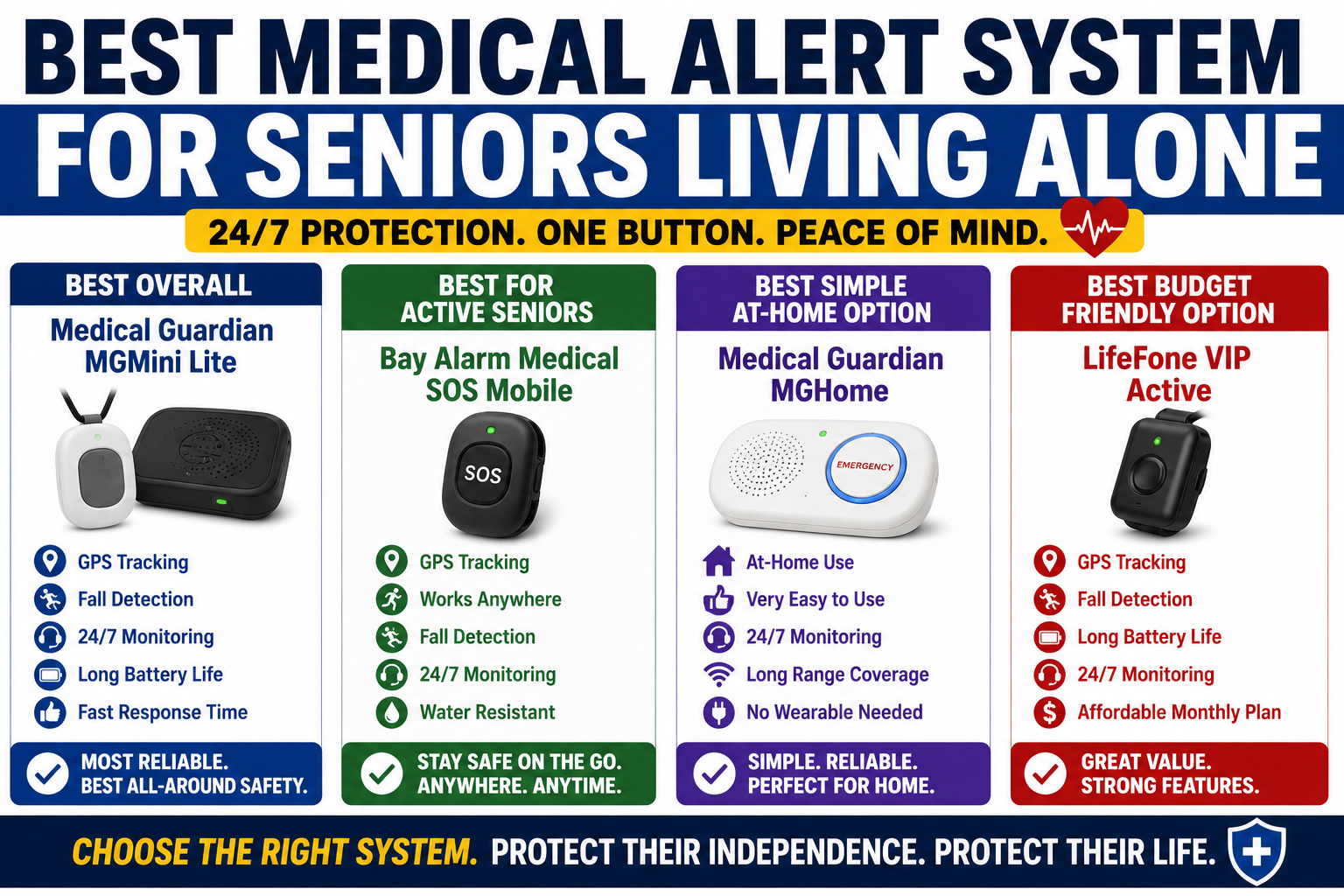
Ask your parent if they’d be willing to look at something with you — just look, no commitment. Pull up the best medical alert smartwatches article together and look at it as an exercise in curiosity rather than a decision. Or show them the SecuLife specifically as a piece of technology — “look at this watch, it does GPS and calling right from the wrist” — without leading with the medical alert angle at all.

Getting a parent to look at something is a much smaller ask than getting them to agree to use it. And looking often does more work than the conversation does — when they see that the device looks like a regular smartwatch rather than a medical pendant, the resistance often softens significantly before anything has been agreed to. Once interest is established, this medical alert watch selection guide can help the family compare practical features.
Address the Most Common Objections
Most parent resistance to medical alert devices comes down to a handful of specific objections. Knowing how to respond to each one genuinely — not dismissively — makes the conversation much more productive.
“I’m Not That Old / I Don’t Need That Yet”
This is the most common objection and the one that’s hardest to argue with directly because it triggers defensiveness. The most effective response doesn’t argue with the premise.
“You’re probably right that you don’t need it right now — that’s actually why it’s a good time to get it. Getting used to something before you need it is so much easier than trying to figure it out in a stressful moment.”
Framing the timing as an advantage — getting it while things are still fine — sidesteps the implied insult entirely.
“Those Things Are For Old People / It Would Make Me Feel Old”
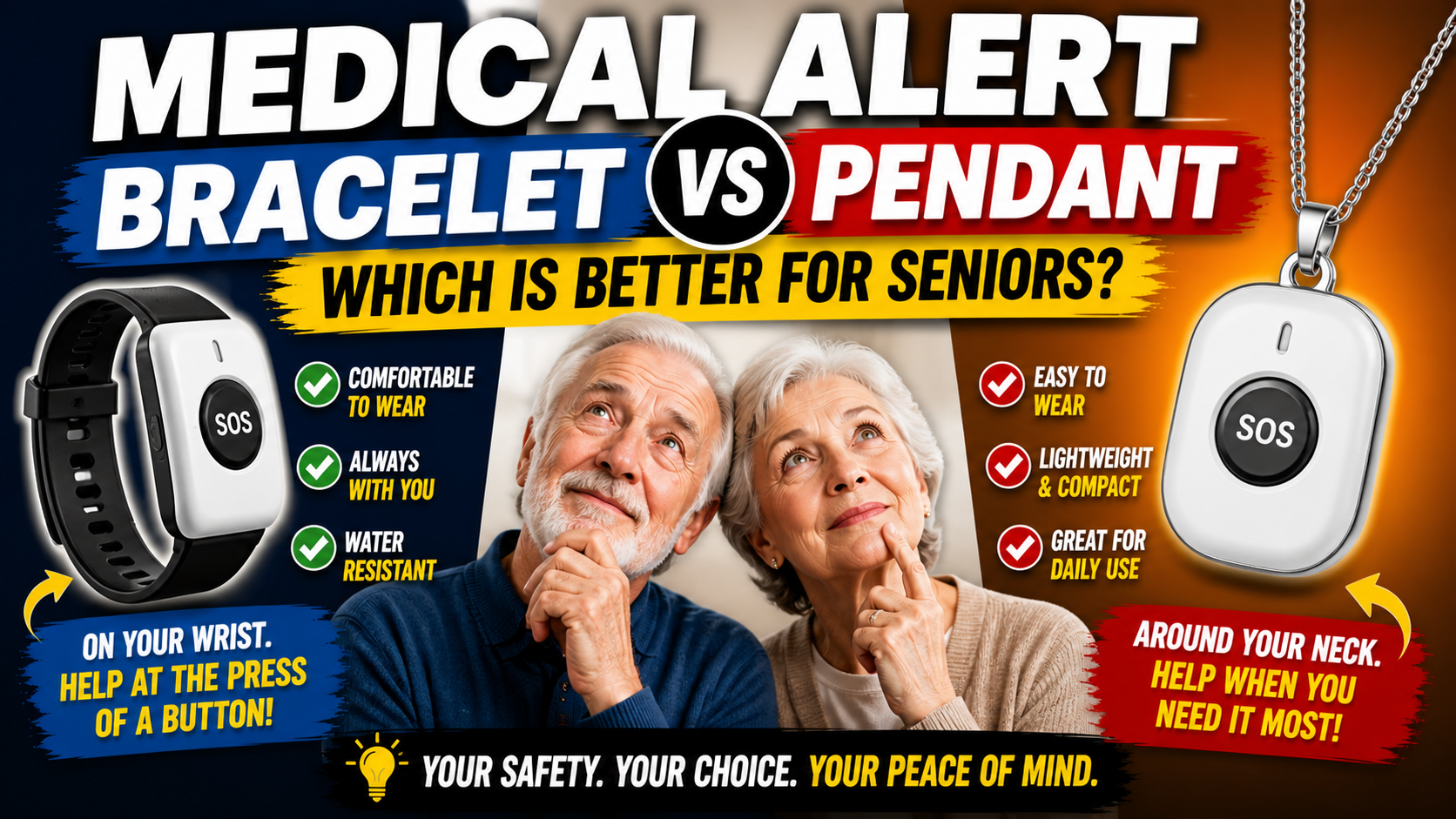
This is where the device format matters enormously. A traditional medical alert pendant is very hard to argue doesn’t look like “an old person’s device” — because it does. A smartwatch is genuinely different. A detailed breakdown of wrist versus neck device options can help families discuss the choice more concretely.
Show them the SecuLife. It looks like any other smartwatch. There’s nothing about it that announces itself as a medical device. Most people who see it won’t know what it is. This objection essentially disappears when the device in question looks like something everyone is wearing.
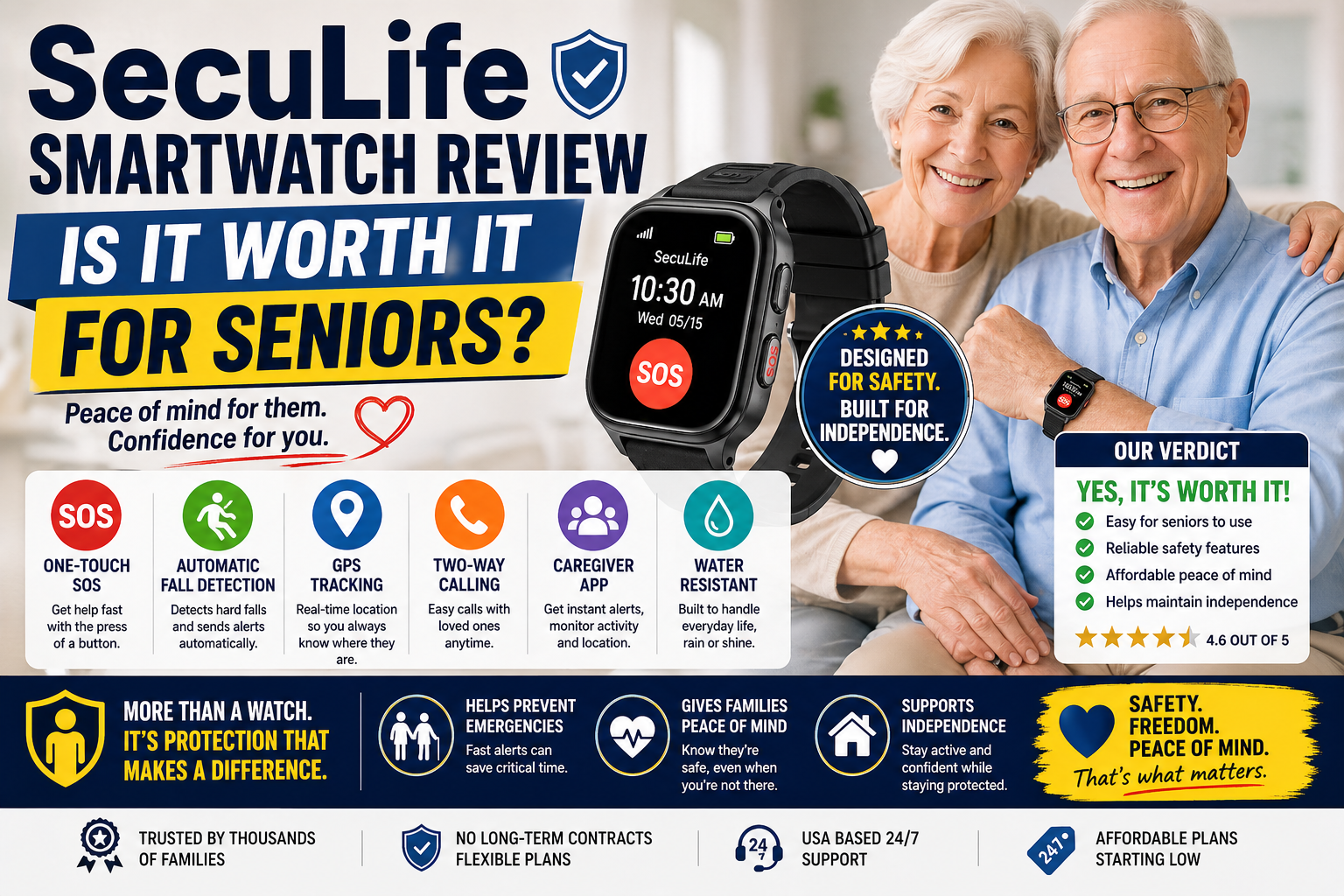
Our review of the SecuLife Smartwatch covers this in detail — including why the watch format has such dramatically higher adoption rates among seniors who previously refused pendants.
“I Don’t Want You Tracking Me”
This objection deserves a genuinely honest response rather than minimization. GPS tracking is a real feature of these devices and being transparent about it matters for trust.
“The GPS is something I’d use to make sure you’re okay, not to check up on you. I’d only look if I couldn’t reach you or was worried — not as a daily monitoring thing.” Being specific about how you’d actually use the feature, rather than defending it abstractly, tends to land much better.
You can also offer to set the GPS settings together so your parent has visibility into what’s being shared and with whom. Giving them control over the setup process changes the dynamic from surveillance to collaboration.
“It Costs Too Much”
This objection is often a proxy for other resistance rather than a genuine financial barrier — but it deserves a genuine response either way. Our guide on how much a medical alert system costs breaks down exactly what different options cost, which can help frame the conversation around actual numbers rather than vague concerns about expense.
The SecuLife starts at $20/month on the annual plan — less than most streaming services. Framing it in comparison to things your parent already pays for monthly can shift the perception of cost significantly.
“What If I Need Help and It Doesn’t Work”
This is actually a productive objection — it shows your parent is engaging with the practical reality rather than just resisting. Respond by offering to do a test together. Set up the device, do a test SOS to confirm it reaches you, check the GPS together. Seeing it work in a no-stakes test builds confidence that it will work when it matters.
Involve Them in the Decision
One of the most consistent findings from families who navigate this successfully is that involving the parent in choosing the device — rather than presenting a decision that’s already been made — changes the entire dynamic.
“I’ve been looking at some options and I’d love your input on which one makes the most sense” positions your parent as a decision-maker rather than a subject. Showing them comparisons, asking what features matter to them, letting them read reviews — all of these shift the conversation from something being done to them to something they’re doing.
People support decisions they made. They resist decisions made for them. That dynamic applies at any age.
If the First Conversation Doesn’t Work
Many families need more than one conversation — sometimes significantly more. That’s normal and not a reason to give up or to escalate pressure.
Plant seeds rather than forcing harvests. Mention it once. Let it sit. Mention it again a few weeks later in a different context. Share an article. Reference something a friend’s family did. Over time most people come around — particularly as they have experiences (their own near-misses, a friend’s fall, a news story) that make the topic feel more relevant.
The goal of each conversation isn’t necessarily agreement — it’s moving the needle slightly toward openness. That’s a more sustainable and ultimately more effective approach than pushing for an immediate yes.
When the Stakes Are High Enough to Push Harder
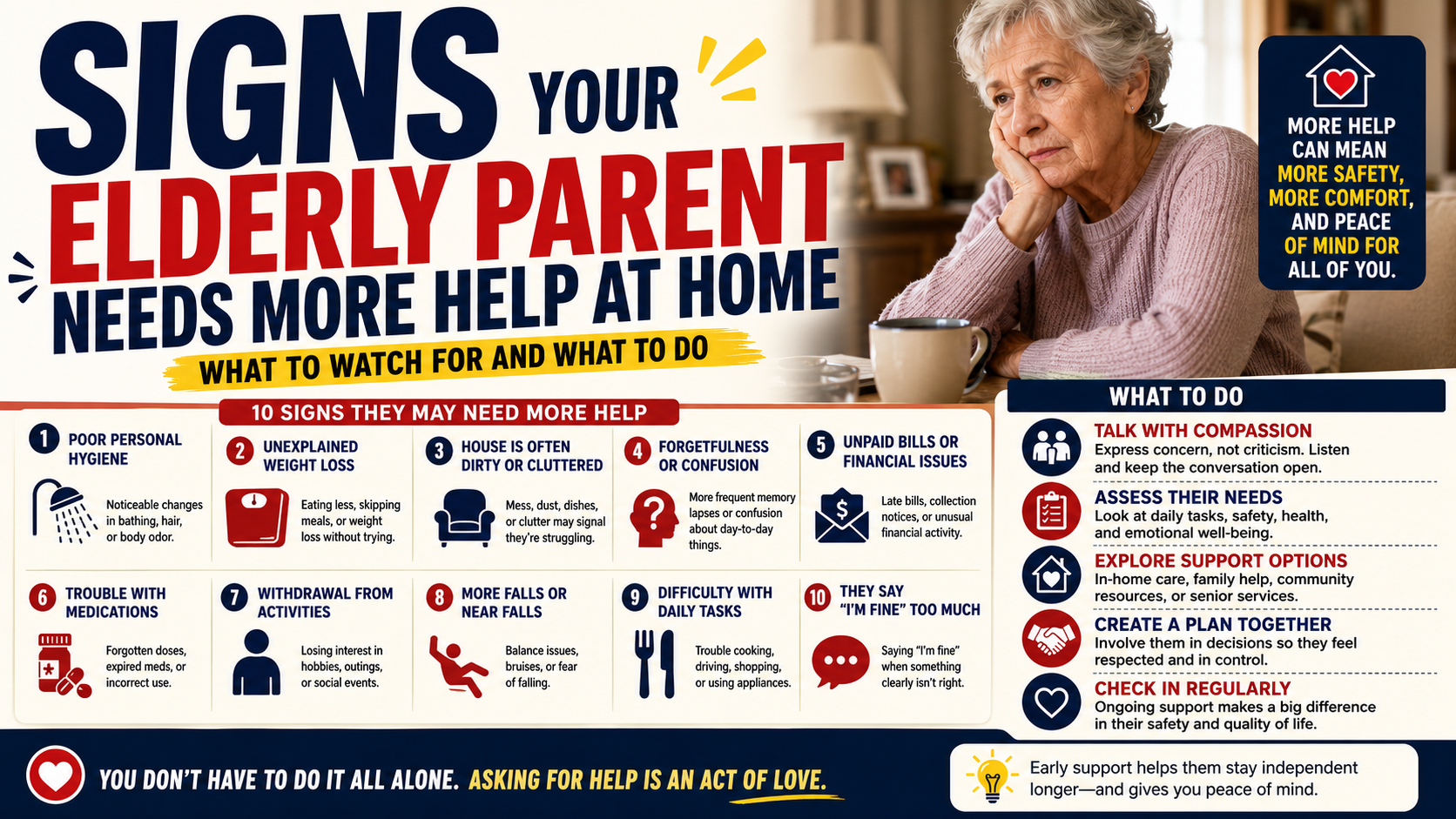
Everything above assumes a situation where the risk is real but not acute. When warning signs are significant — a recent serious fall, significant cognitive changes, documented near-misses — a firmer conversation may be warranted.
In those situations it’s reasonable to be more direct: “I need to be honest with you about how worried I am and why. I’m not trying to take over your life — I’m trying to make sure you can keep living it. Can we figure out together what would help me worry less?”
Framing it around your genuine emotional reality — not as pressure but as honest disclosure — often reaches people in ways that practical arguments don’t. And ending with a question that gives your parent agency over the solution keeps the conversation collaborative rather than coercive.
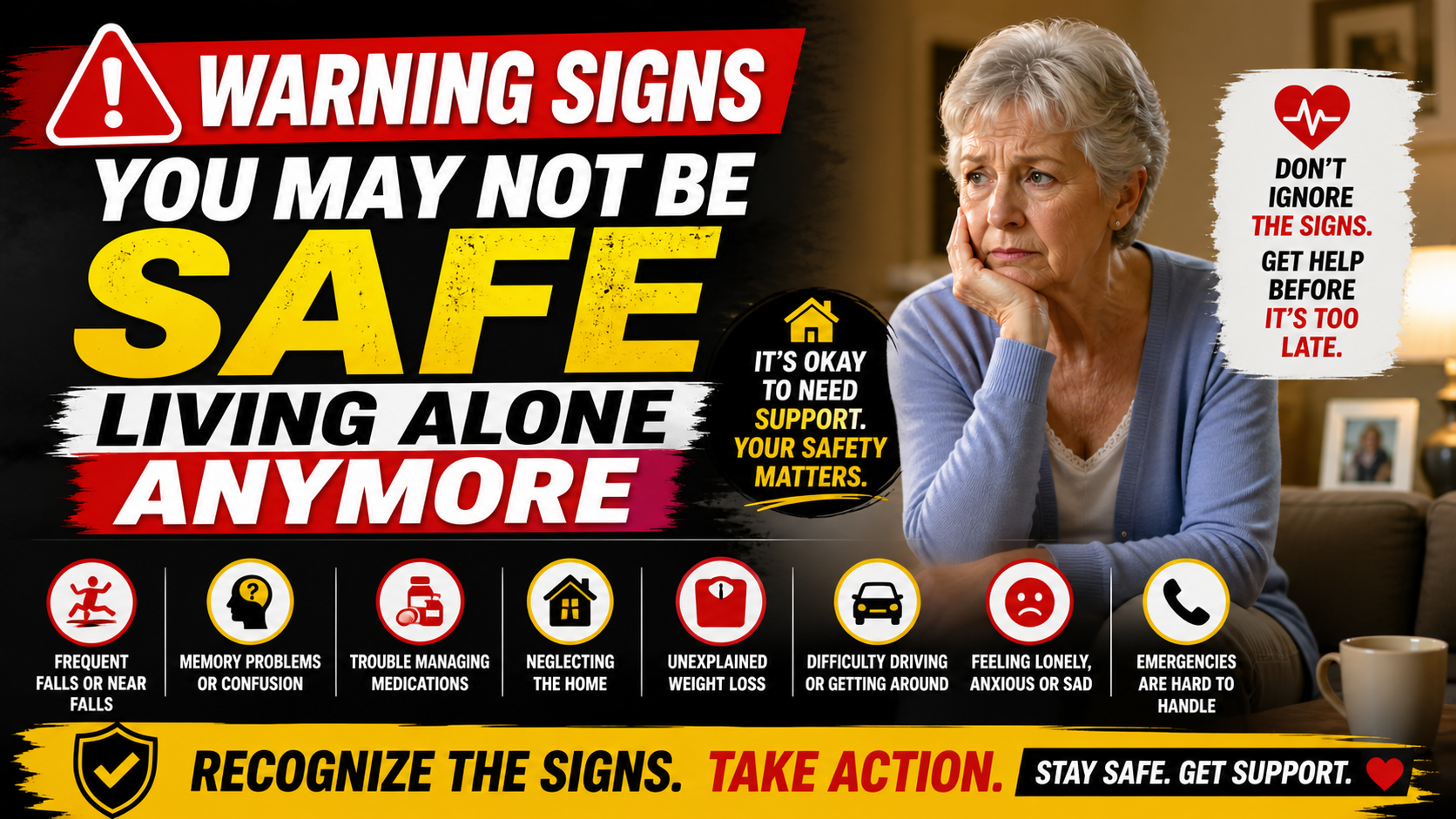
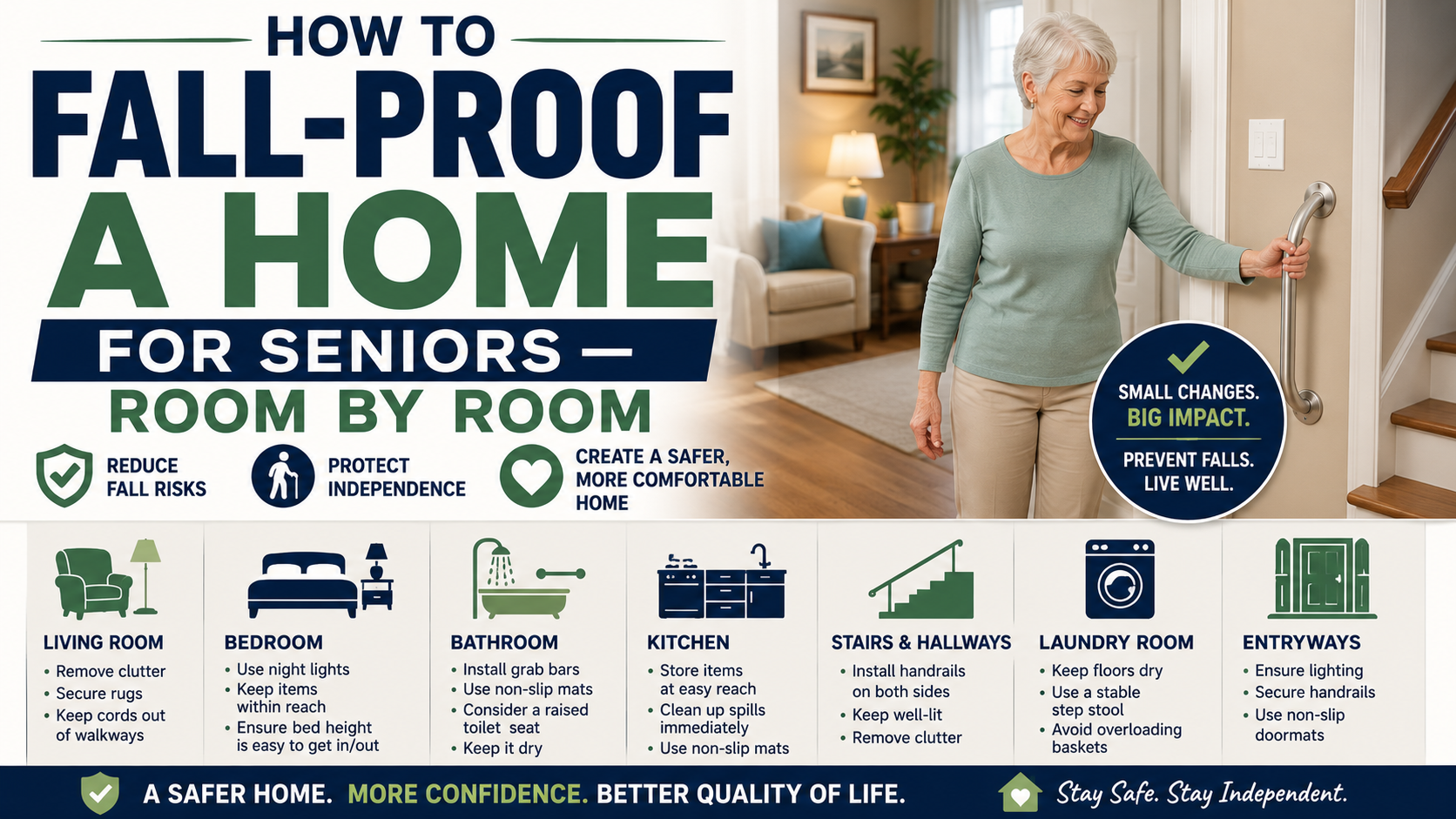
For specific warning signs that indicate elevated risk our guide on warning signs you may not be safe living alone anymore covers each one specifically. And for the broader home safety picture our guides on fall prevention at home and how to make a home safer as you age cover every practical change worth making alongside a medical alert device.
What to Do If They Still Say No
Sometimes a parent says no and means it — at least for now. There are still things worth doing in that situation.
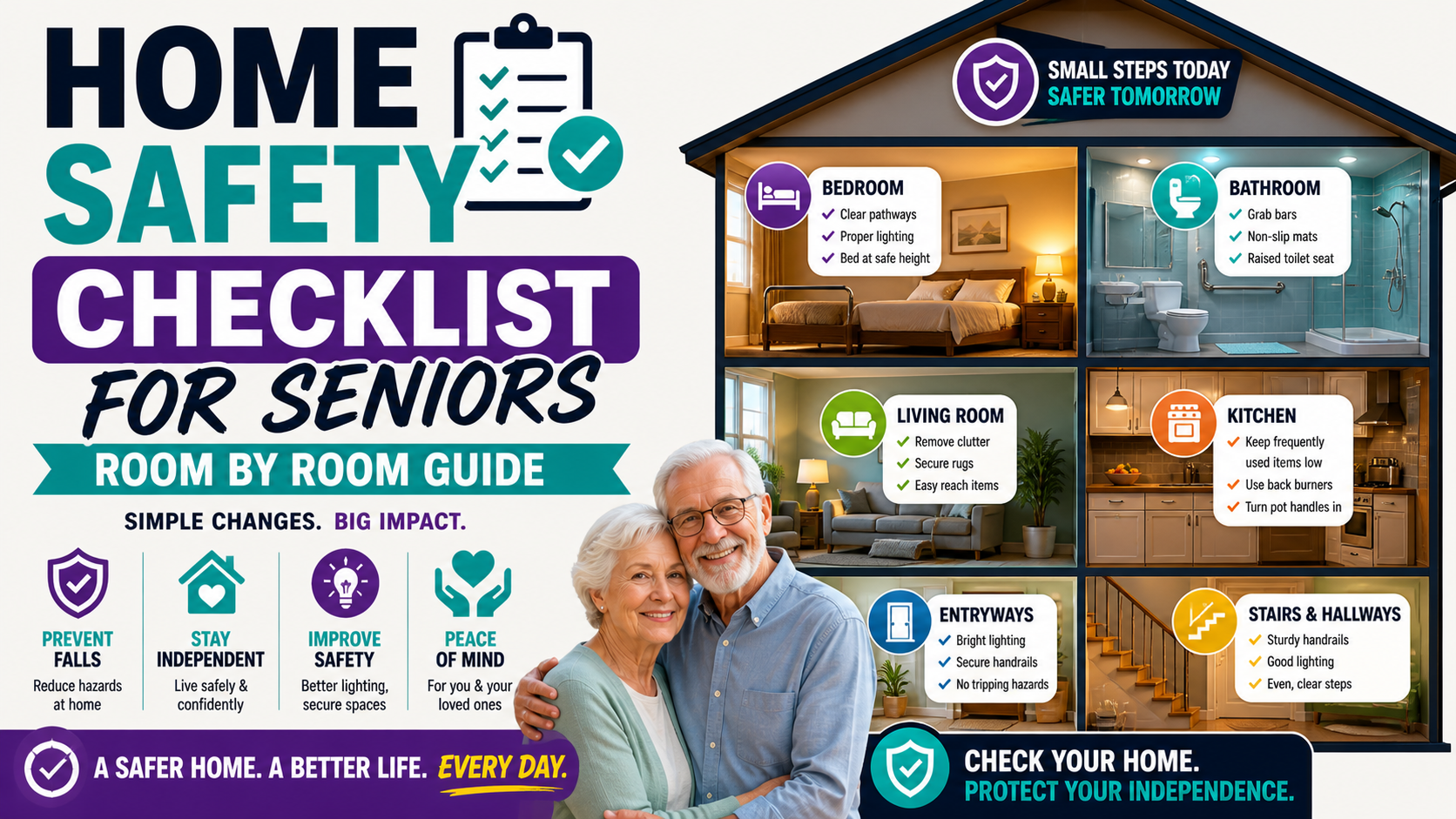
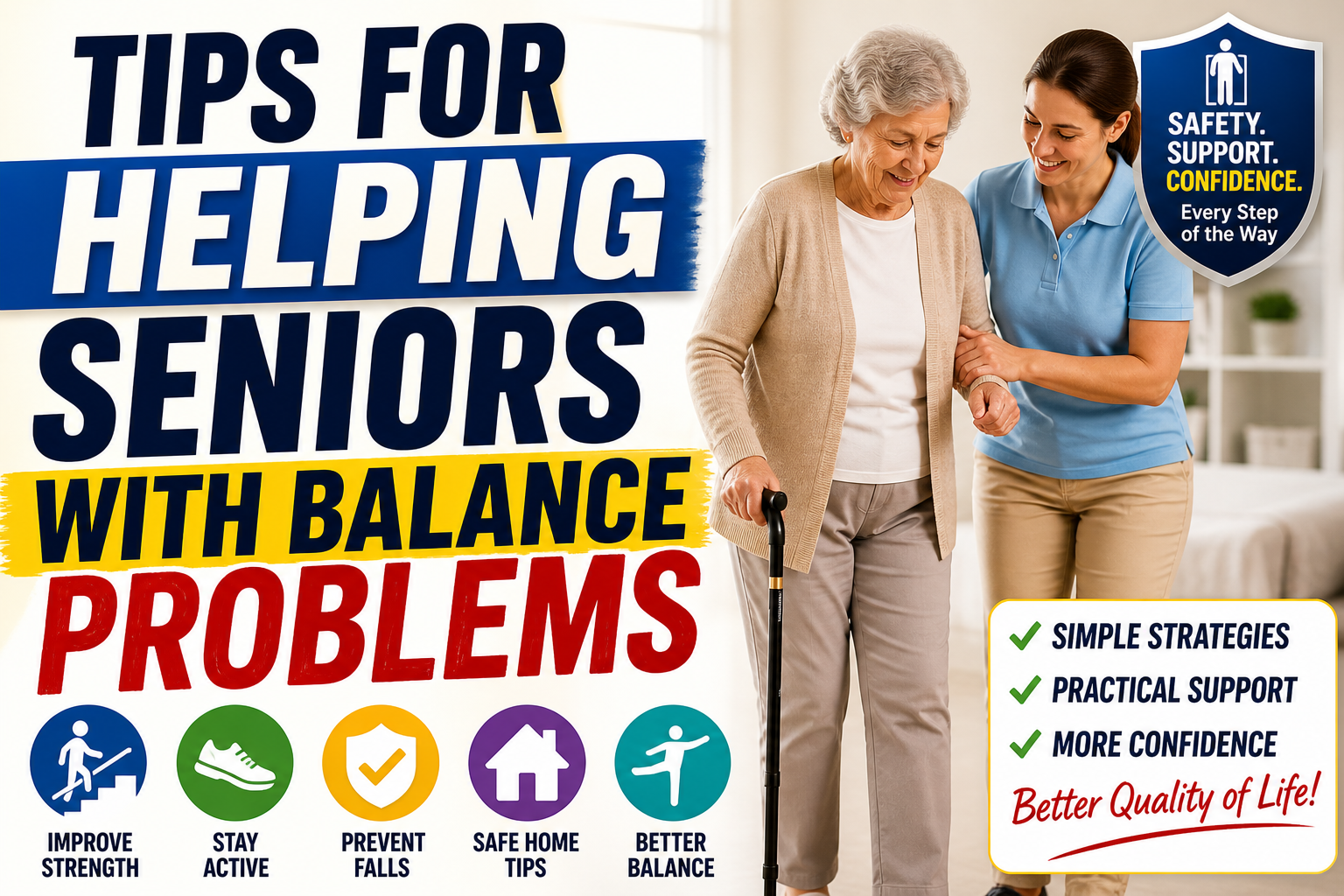
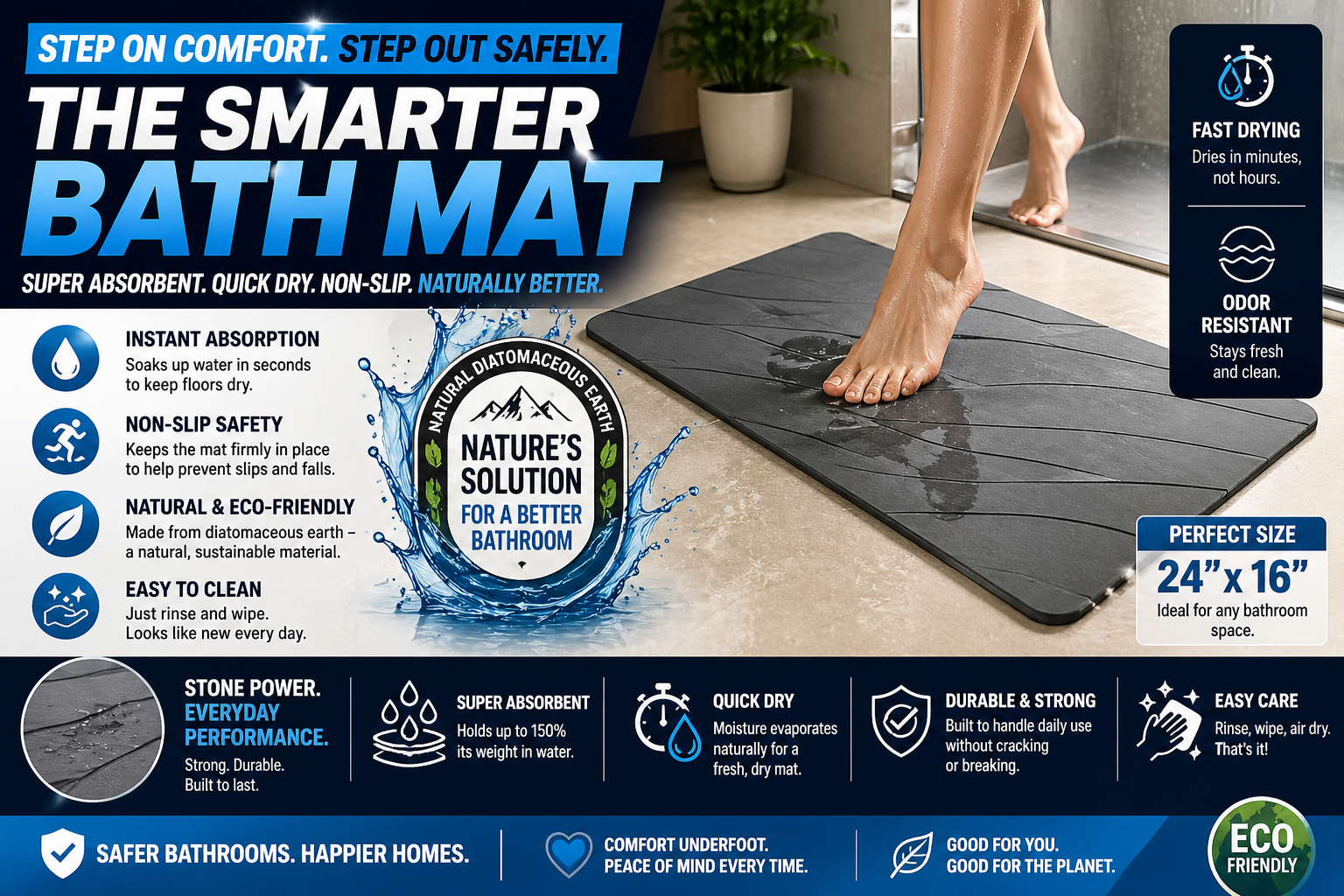
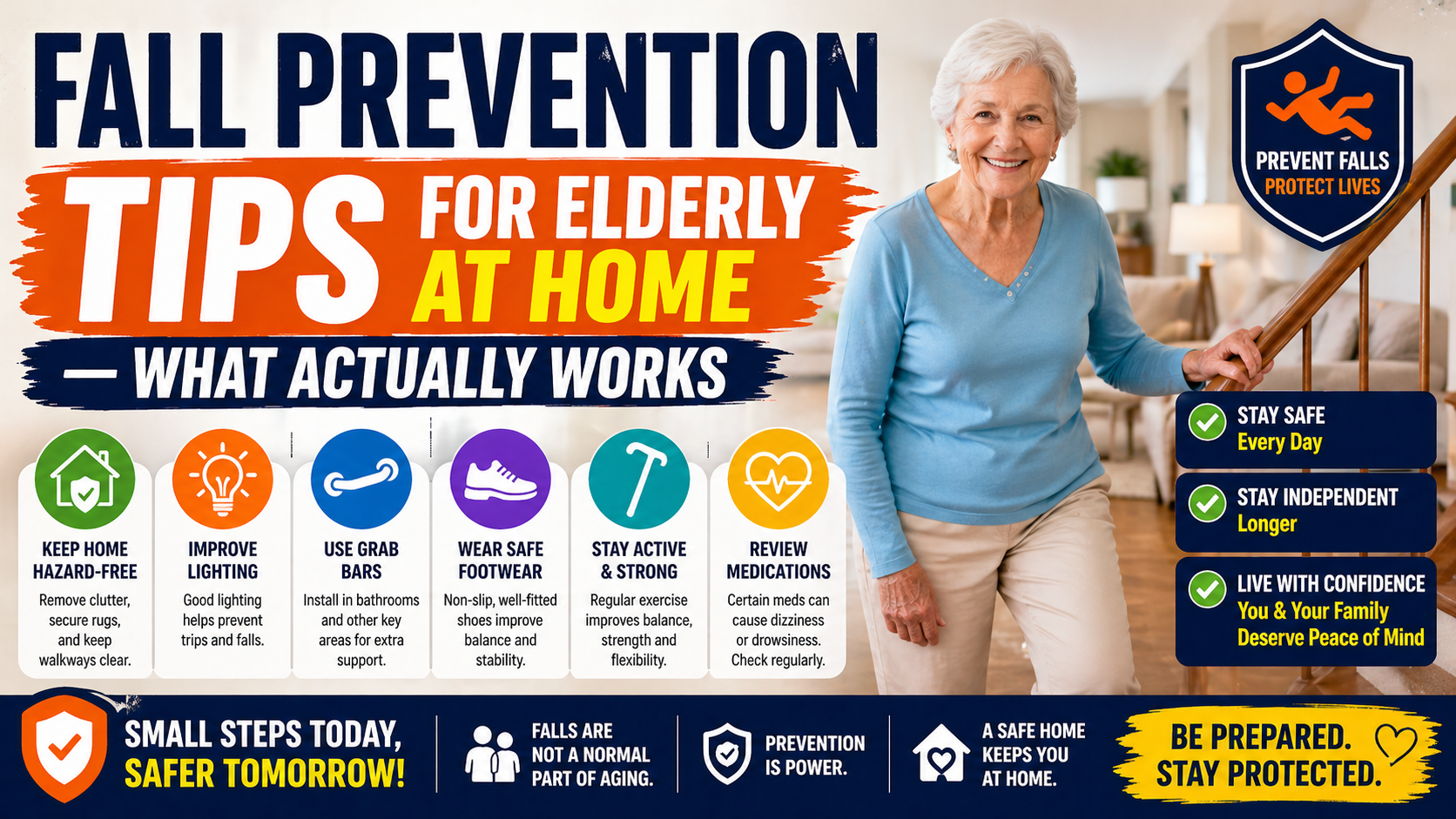
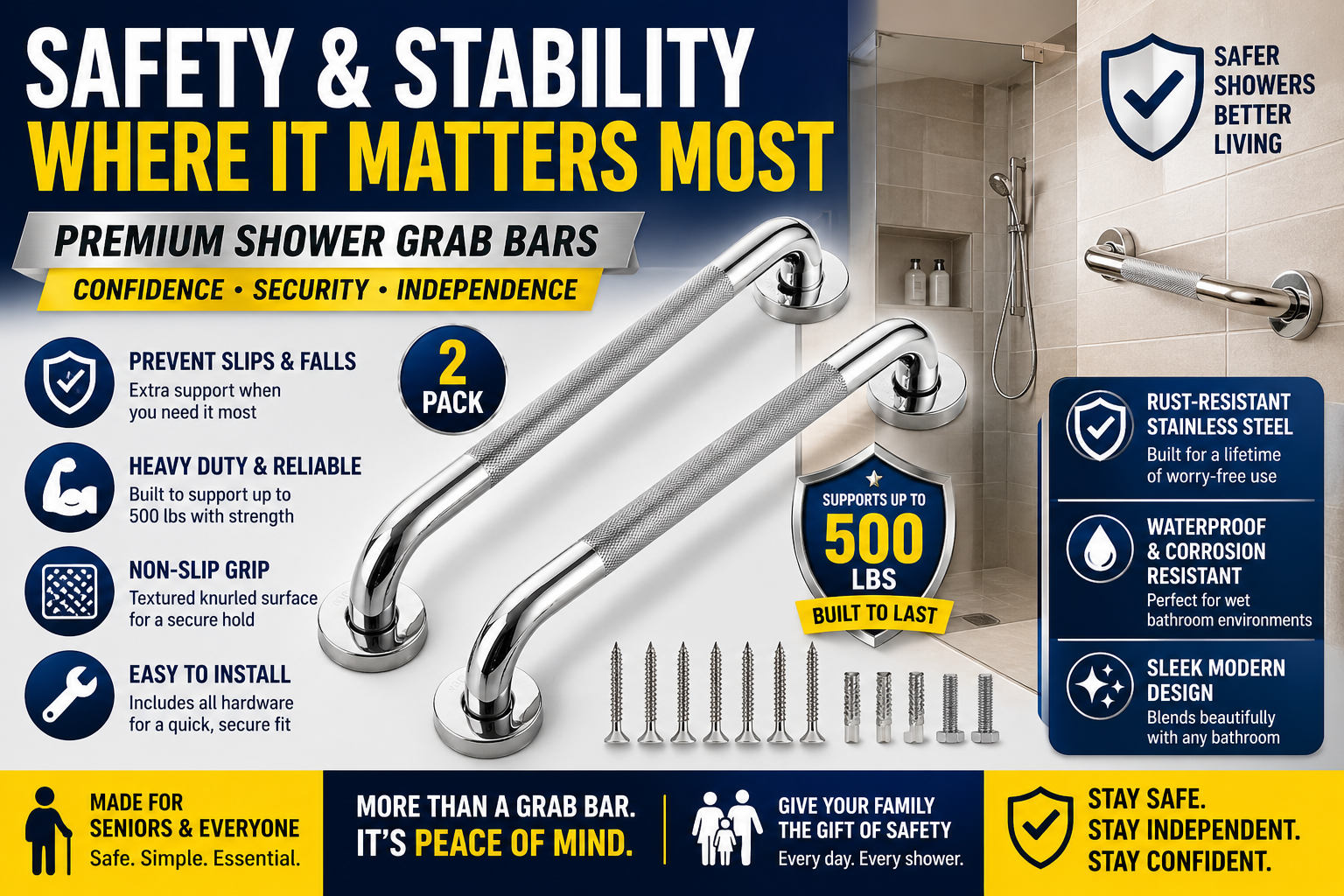
Make the home as safe as possible with the changes they will accept. Grab bars. Non-slip mats. A bed rail. Better lighting. These modifications reduce risk meaningfully even without a medical alert device. Our home safety checklist covers every modification worth making and many of them don’t require any agreement from the person living there — they’re just improvements to the environment.
Keep the conversation open. A no today isn’t a no forever. Experiences change perspectives. Keep the relationship warm and the door open and revisit periodically without pressure.
And make sure your parent has a phone that’s consistently charged and within reach — even without a dedicated medical alert device, being able to call for help is a meaningful safety baseline.
Frequently Asked Questions
What if my parent agrees but then never wears it?
This is the most common post-agreement challenge. The watch format helps significantly — there’s far less resistance to wearing something that looks like a regular watch than to wearing a pendant. Build it into the routine from day one: on in the morning like a watch, charged each night. Check in casually about how it feels in the first few weeks rather than asking whether they’re wearing it — “how’s the watch working out?” is a warmer conversation than “are you wearing it every day?”
Should I involve the doctor in this conversation?
Yes — if your parent has a trusted relationship with their physician, a recommendation from that doctor carries significant weight. Ask your parent’s doctor to raise the topic of fall prevention and medical alert devices at the next appointment. A recommendation from a medical professional feels different from a recommendation from an adult child who “just worries too much.”
What if my siblings disagree about how to handle this?
Family disagreements about how to approach a parent’s safety are common and genuinely difficult. The most important thing is presenting a consistent message — a parent who hears different things from different siblings will play them against each other, intentionally or not. Align the family on approach before any individual has the conversation.
Is it okay to set up a medical alert device without telling the parent about all its features?
Being fully transparent about what a device does — including GPS — is important for trust. A parent who discovers a feature they weren’t told about will feel surveilled rather than protected, which damages both the relationship and their willingness to keep using the device. Lead with the features they’re most receptive to and be honest about the full capability when asked.
My parent had a medical alert device and stopped using it — how do I get them to start again?
Find out specifically why they stopped. Comfort, appearance, complexity, and cost are the most common reasons. If comfort or appearance was the issue a different device format — particularly a smartwatch rather than a pendant — often resolves it. If complexity was the issue simplifying the setup and doing regular check-ins about how it’s working reduces the friction. If cost was the issue revisiting the plan options may find a more sustainable price point.
The Goal Is the Same as Theirs
It’s worth remembering throughout this process that you and your parent want the same thing: for them to stay safe, independent, and in their own home for as long as possible. You’re not on opposite sides of this — you just have different starting points for the conversation.
When the conversation is approached from that shared goal rather than from fear or pressure, it tends to go much better. You’re not trying to take something away. You’re trying to protect something you both care about.
The SecuLife Smartwatch is often the answer to the “they won’t wear a pendant” problem that blocks so many families from getting to yes. A device that looks like a watch, works like a watch, and happens to have fall detection and GPS built in removes the single biggest barrier most resistant parents cite.
→ See the SecuLife Smartwatch on Amazon — the medical alert device that doesn’t look like one
About the Author
Margaret Holloway, RN spent 22 years working as a registered nurse in geriatric care, watching hundreds of families navigate exactly this conversation — some successfully, many not. After retiring from clinical nursing she began writing about senior safety with a particular focus on the human side of these decisions: the resistance, the fear, the family dynamics, and what actually moves people toward better outcomes. She writes for Elder Safety Guide because she believes the right information at the right time changes what’s possible.