Getting on and off the toilet safely is one of the most overlooked daily fall risks for seniors. Here’s our honest review of the best toilet safety rails and what to look for.
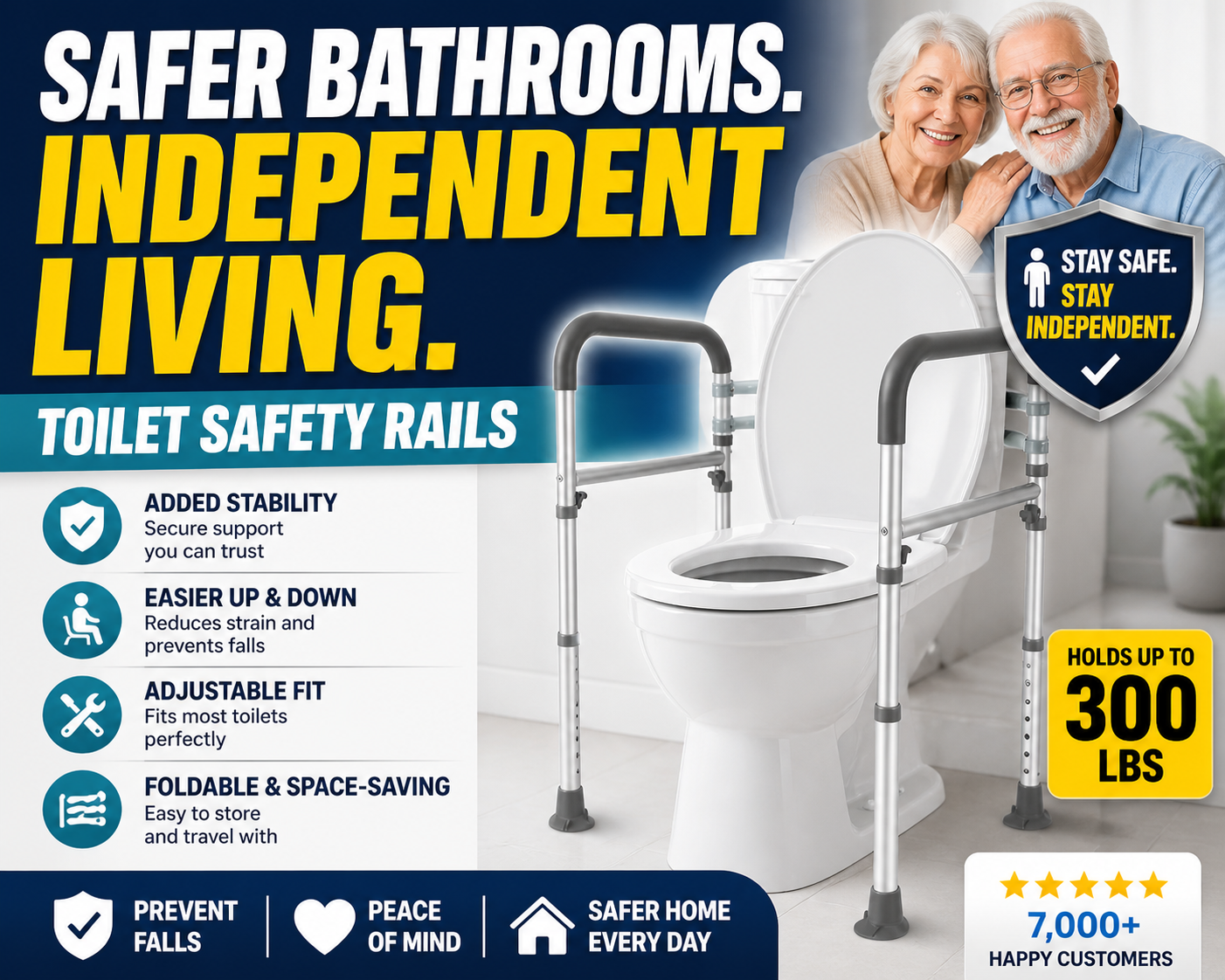
Getting on and off the toilet happens multiple times every single day. It’s one of the most physically demanding transitions older adults make regularly — and one of the least talked about fall risks in the home.
Think about what the movement actually requires. Lowering your body weight in a controlled descent onto a seat that’s significantly lower than a standard chair. Then rising from that low position using leg and core muscles that may not be what they once were. Multiple times a day, every day, often first thing in the morning when strength and balance are at their lowest.
For anyone with reduced leg strength, hip problems, knee pain, or any balance challenges, this transition is genuinely risky — and it gets riskier over time as strength declines gradually. The good news is it’s one of the most straightforward fall risks to address with the right equipment.
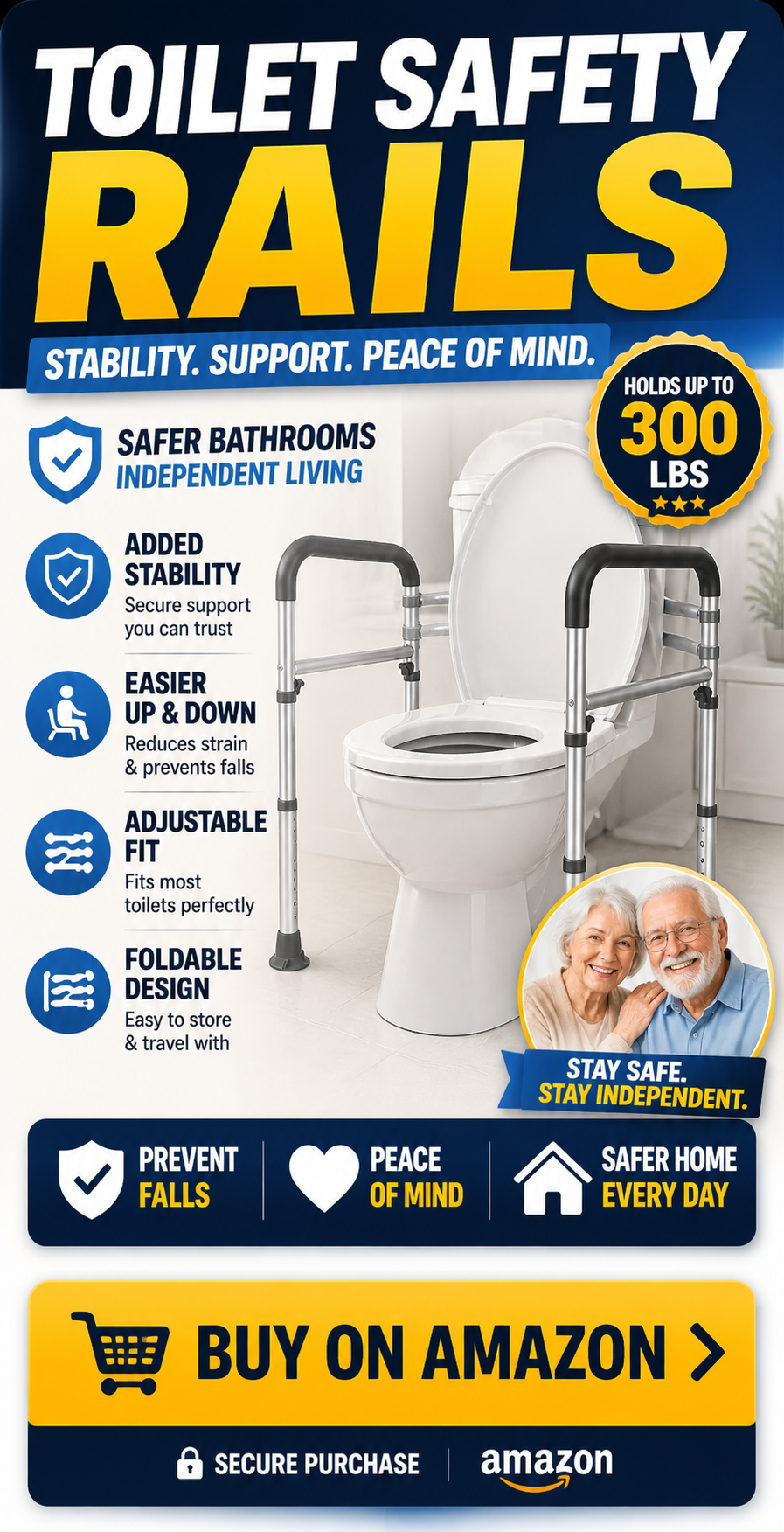
→ See the Lianjindun Toilet Safety Rails on Amazon
Why the Toilet Is a Bigger Fall Risk Than Most People Realize

The toilet fall risk is underestimated for a few reasons. The transition happens in a small, private space. It’s been done automatically for decades. And the consequences of a fall in a bathroom — hard tile floors, sharp fixture edges, small space to fall safely — are more serious than a fall in a more open area. To address the other high-risk bathroom transitions, Bathing Safety for Seniors — The Complete Guide covers bathing entry, washing, rinsing, and exit.
The Mechanics of the Problem
A standard toilet seat sits at approximately 15 to 17 inches from the floor — significantly lower than a typical chair seat. Rising from this height requires the legs to generate significant force from a deep, mechanically disadvantaged position. The quadriceps and glutes need to fire strongly to push the body upward, and the movement requires balance throughout the transition.
With reduced leg strength this movement becomes difficult. With reduced balance it becomes risky. With both it becomes a genuine fall hazard multiple times every day.
The lowering phase — sitting down — carries its own risk. Lowering body weight in a controlled manner onto a low seat requires eccentric muscle control — the ability to resist gravity through a range of motion. When that control is reduced the last few inches of the descent can become a drop rather than a controlled lower, creating impact stress on joints and a loss of control at the moment of landing.
Urgency Makes It Worse
Bathroom trips often happen with some degree of urgency — which means rushing, which means less careful movement, which means higher fall risk. The combination of urgency, a small space, hard floors, and a physically demanding transition is exactly the kind of scenario that produces bathroom falls.
Nighttime Amplifies Everything
Nighttime bathroom trips add darkness, partial sleep, and reduced alertness to an already risky transition. Falls during nighttime toilet use are a significant proportion of serious bathroom injuries in older adults — and they’re almost entirely preventable with the right equipment in place.
What to Look for in Toilet Safety Rails
Not all toilet safety frames are equally effective. Here’s what matters before purchasing.
Weight Capacity
The frame must support full body weight under dynamic loading — the forces involved when someone lowers onto or pushes up from the rails. A minimum rating of 300 pounds is appropriate for most users. Higher is better and reflects more robust construction.
Armrest Height Adjustability
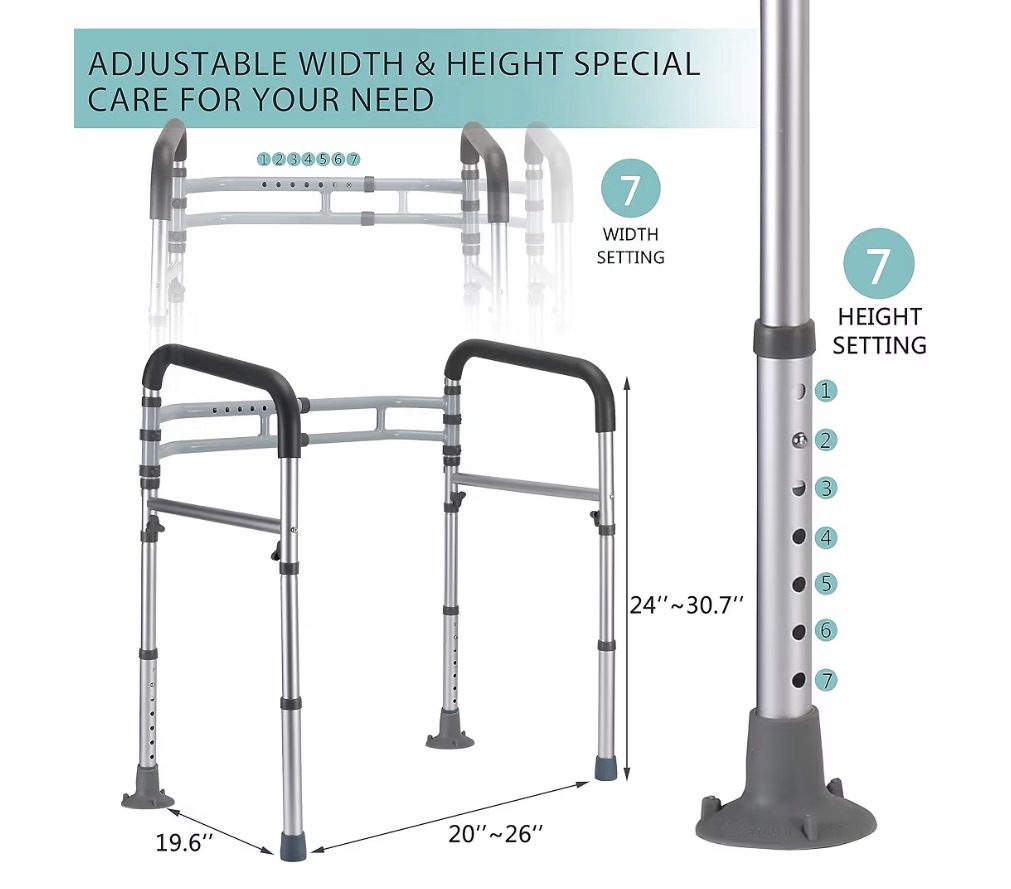
The armrests need to be at a height where pushing down on them during rising is mechanically effective — not so high that the arms are elevated awkwardly, not so low that they provide no leverage. Adjustable height accommodates different users and different toilet configurations.
Stability on the Toilet
A frame that rocks or shifts under load is dangerous. The entire value of toilet safety rails is providing a stable push-off point during the most physically demanding part of the transition. Any movement in the frame under load undermines that value entirely. Look for secure mounting systems and test stability before relying on it independently.
Fits Any Toilet
Toilet dimensions vary — elongated bowls, standard round bowls, different seat heights, different tank configurations. A frame that fits any standard toilet without modification is significantly more practical than one that requires specific toilet dimensions.
Foldable Armrests
Foldable armrests that swing up and out of the way are a genuinely useful feature for bathrooms shared with other household members, for caregivers assisting from the side, and for users who want the option to transfer from either side. Fixed armrests limit access and flexibility in ways that matter in real daily use.
Easy Installation
Toilet safety frames should install without tools and without permanent modification to the toilet or bathroom. A frame that clamps or secures to the toilet bowl without drilling or adhesives is appropriate for most home use situations including rentals.

Our Recommended Toilet Safety Rails
Lianjindun Toilet Safety Rails — Adjustable Foldable Handicap Toilet Frame for Seniors, Fits Any Toilet
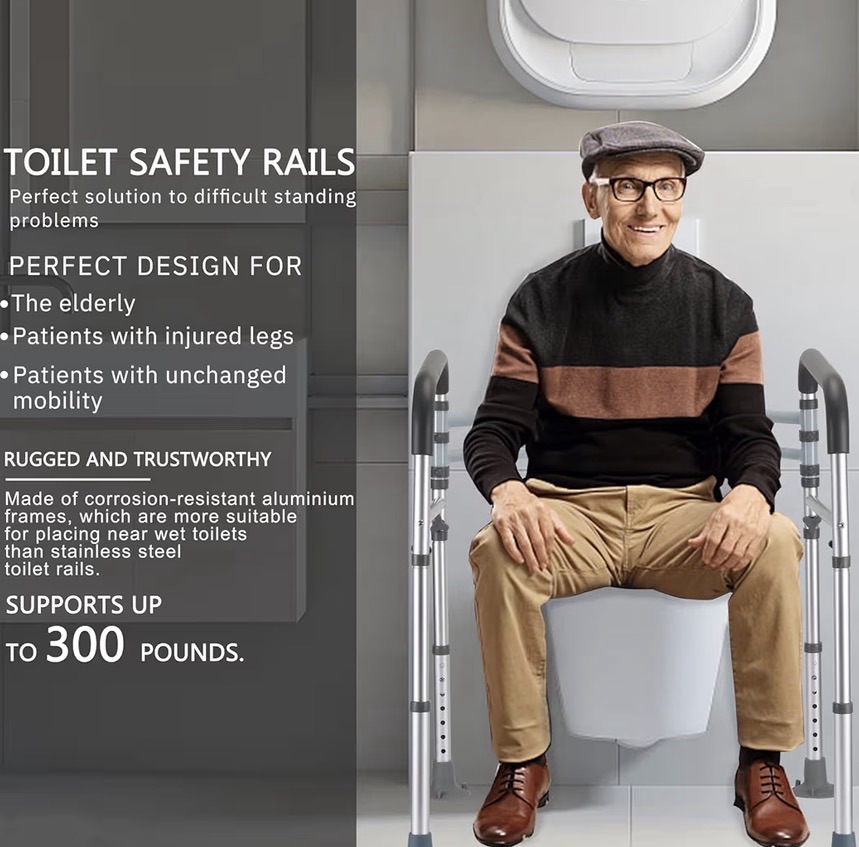
The Lianjindun toilet safety rails address every specification that matters for genuine senior safety use — and the foldable armrest design adds a practical flexibility that fixed-rail alternatives don’t provide.
→ Check current price and availability on Amazon
The adjustable height is the first thing to get right. The armrests adjust to accommodate different user heights and different toilet configurations — ensuring the push-off point is at the mechanically optimal height for your specific body and setup. A rail at the wrong height provides limited benefit even if everything else is correct. Taking the time to set the height correctly before first use makes every subsequent use more effective and safer.
The foldable armrests are a standout feature. Each armrest folds up and out of the way independently, which matters in several real-world scenarios. In a shared bathroom other users can fold the rails up when not needed without removing the frame entirely. Caregivers assisting from the side can fold the near armrest to access easily. Users who prefer to transfer from a specific side can fold the opposite rail out of the way. This flexibility makes the frame genuinely more useful than fixed alternatives without adding complexity.
The frame fits any standard toilet without modification — elongated and round bowl configurations are both accommodated. Installation requires no tools and no permanent changes to the toilet or bathroom. The frame secures to the toilet bowl and is stable under load without drilling, adhesives, or wall mounting. For renters or for families setting this up in a parent’s home, the no-modification installation is a significant practical advantage.
Stability under load is solid. The frame doesn’t rock or shift when weight is applied to the armrests during the rising transition — which is the moment that matters most. A frame that holds steady when pushed down on during rising is a frame that actually helps. Test stability when first installed and periodically thereafter to confirm the mounting remains secure.
The gray finish is clean and unobtrusive — it looks like bathroom equipment rather than a medical device, which matters for how people feel about having it in the bathroom. Seniors who are self-conscious about visible safety equipment in shared spaces are more likely to keep using something that doesn’t announce itself.
Weight capacity is appropriate for the intended use — the frame handles the dynamic forces of the sit-to-stand transition reliably rather than being sized only for static weight.
→ Get the Lianjindun Toilet Safety Rails on Amazon
How to Install and Position the Frame Correctly
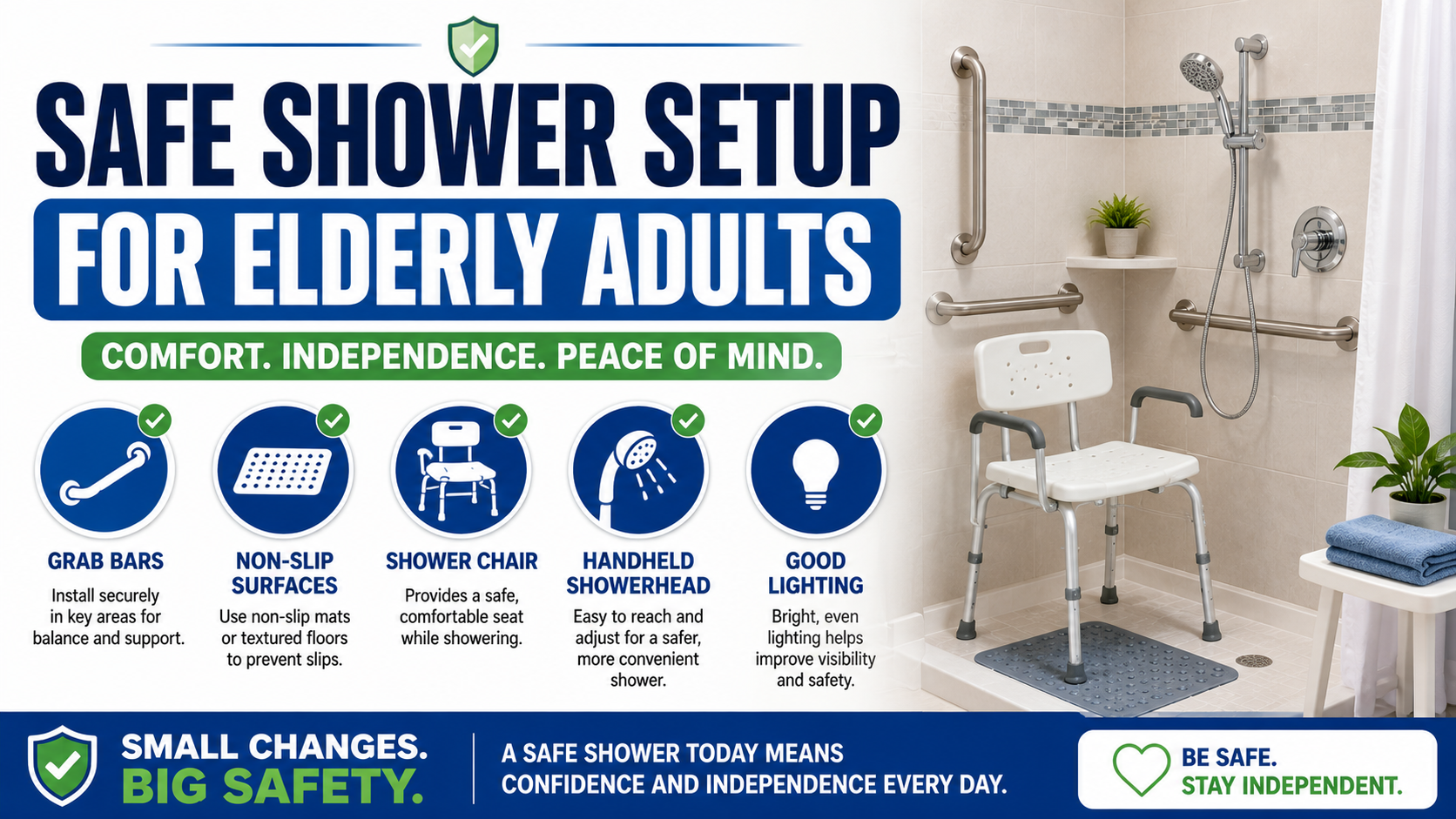
Getting the installation right takes a few minutes and makes a significant difference in how effective and safe the frame is in daily use. Once the toilet transition is addressed, the Safe Shower Setup for Elderly Adults — Everything You Need in One Place can help you reduce the remaining shower risks.
Step 1 — Position the Frame on the Toilet
Place the frame over the toilet bowl so it sits securely on the bowl rim. The frame should be centered on the toilet — equal distance on both sides — and positioned so the front of the armrests is slightly in front of the toilet seat front edge. This positioning ensures the armrests are in the right location for pushing up during rising rather than being too far back to provide leverage at the critical moment.
Step 2 — Secure to the Toilet Bowl
Follow the specific mounting instructions for the Lianjindun frame — the securing mechanism attaches to the toilet bowl to prevent the frame from shifting during use. Confirm it’s secure before use by applying downward pressure on both armrests and checking for any movement or rocking.
Step 3 — Adjust Armrest Height
With the frame in position, sit on the toilet and place your hands on the armrests in the position you’d use when rising. The armrests should be at a height where you can push down effectively — arms roughly at a 90-degree bend when seated, allowing a full push-down range of motion when standing. Adjust the height until this position feels natural and effective, then lock the adjustment in place.
Step 4 — Practice the Motion
Before using the frame independently for the first time, practice the rising motion with someone present. The motion is: hands on armrests, lean slightly forward, push down on armrests while straightening legs. The combination of forward lean and arm push significantly reduces the leg strength required and makes the rise more controlled.
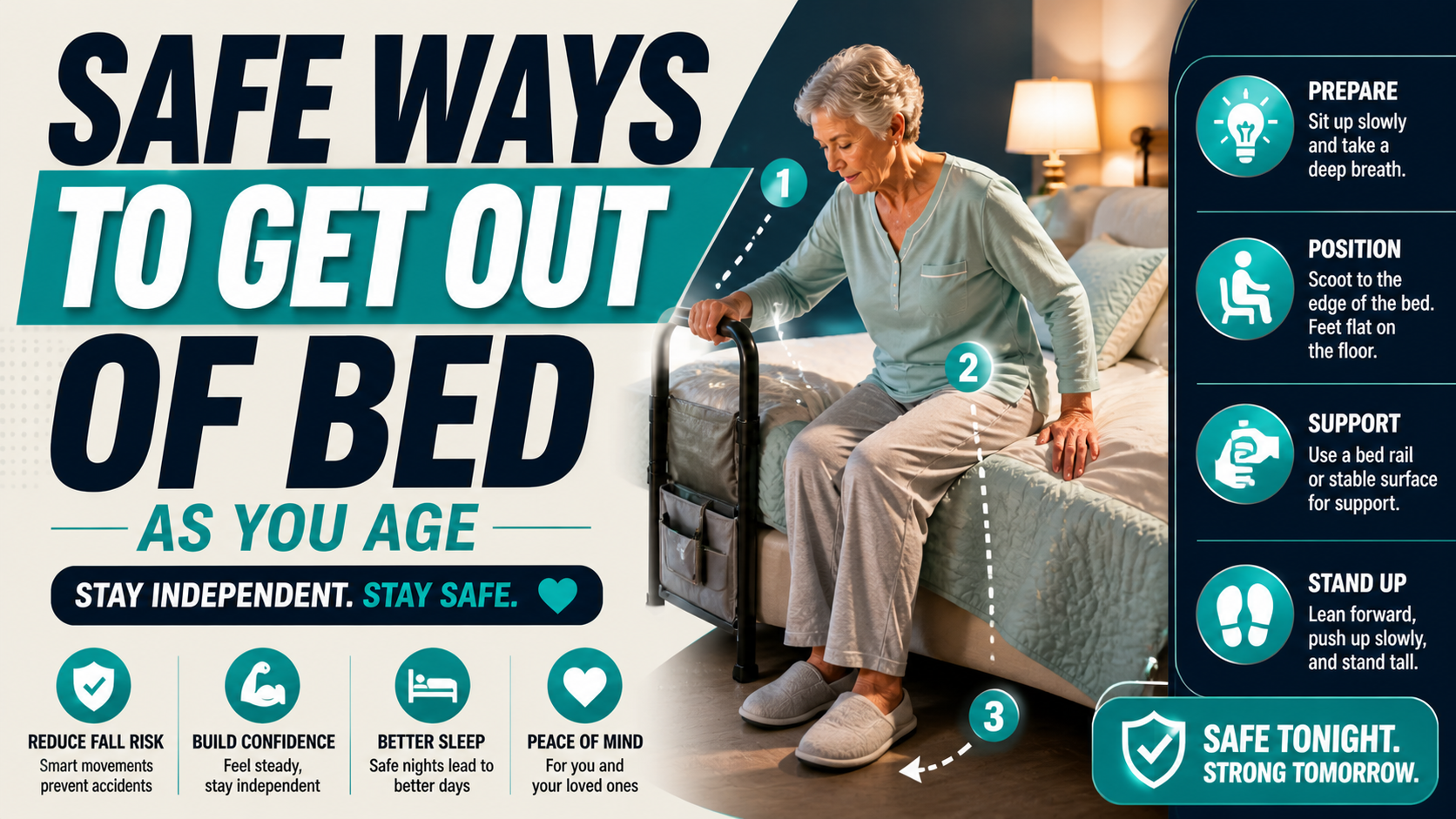
This is the same principle as the correct bed-exit technique — leaning forward before rising is mechanically critical for making the movement as manageable as possible. Our guide on safe ways to get out of bed covers this principle in detail for bed transfers, and it applies equally to toilet transfers.
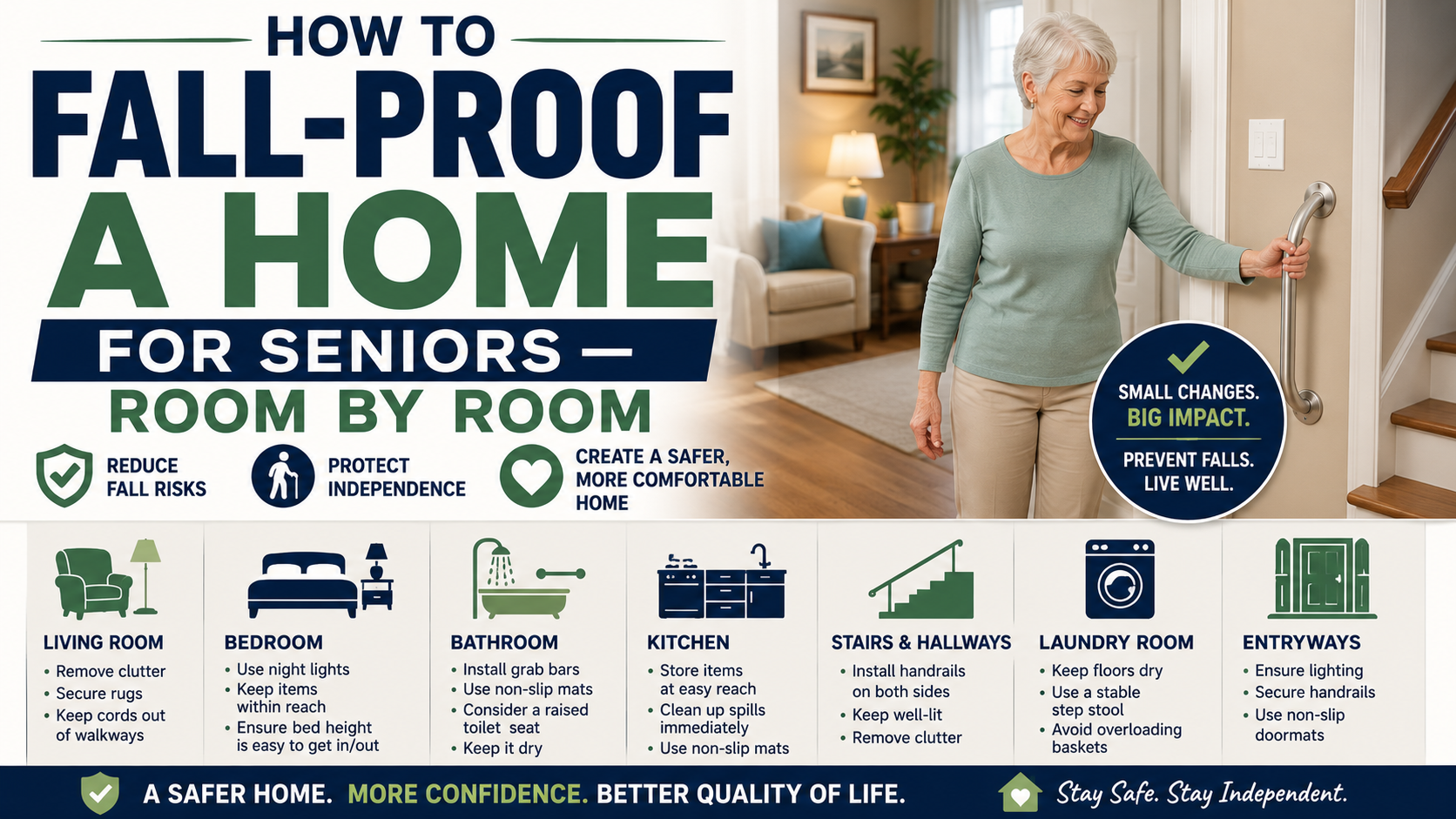
The Toilet Safety Frame in the Complete Bathroom Safety Picture
Toilet safety rails address the toilet transfer risk — but the bathroom has several other high-risk areas that deserve equal attention.

Grab bars at the shower entry and on the back wall of the shower address the showering risk. Our review of the best grab bars for seniors covers exactly what to buy and our grab bar placement guide covers exactly where to install them.
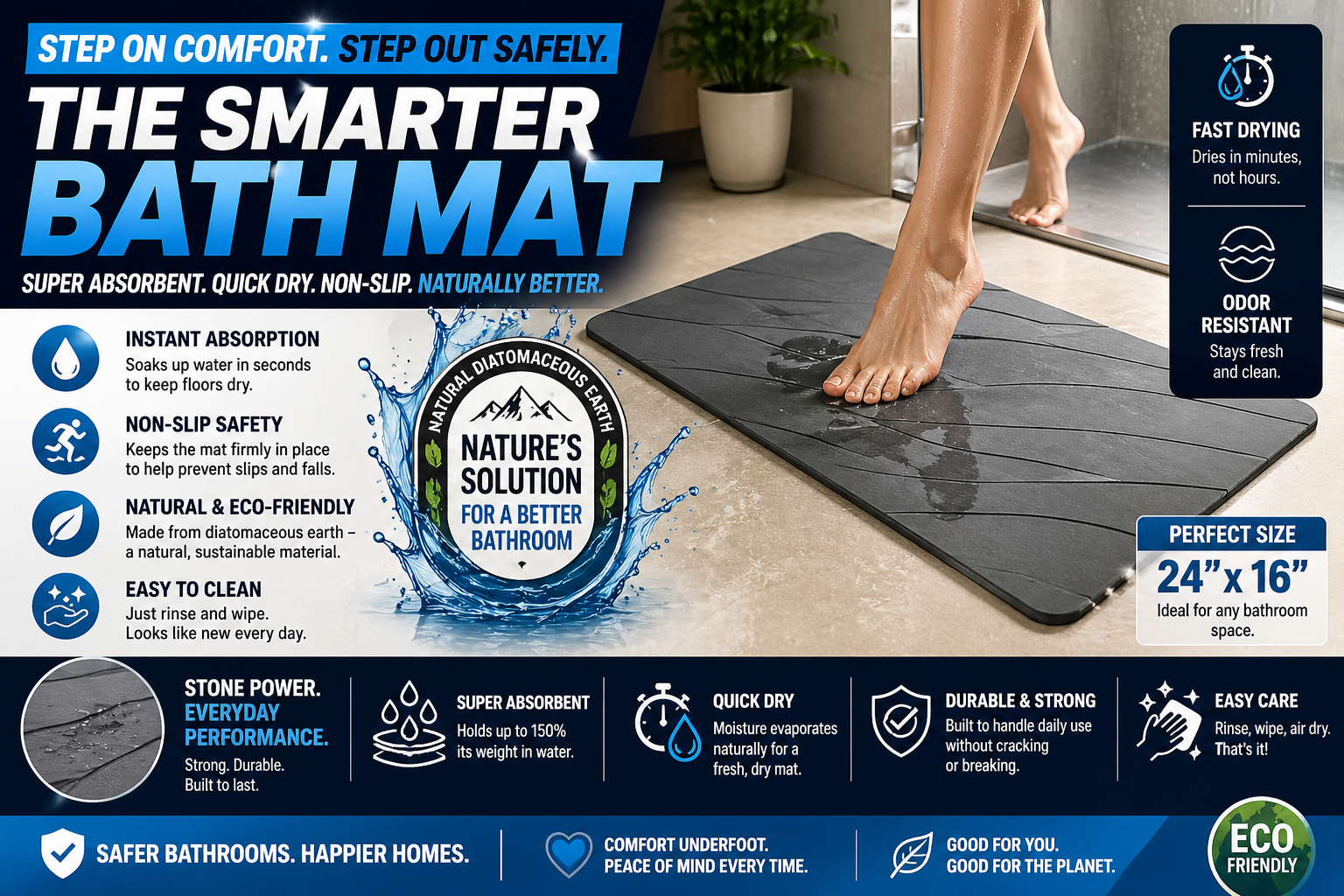
A non-slip bath mat outside the shower addresses the shower exit risk. Our review of the best non-slip bath mat for seniors covers why most mats fail and what actually works instead.
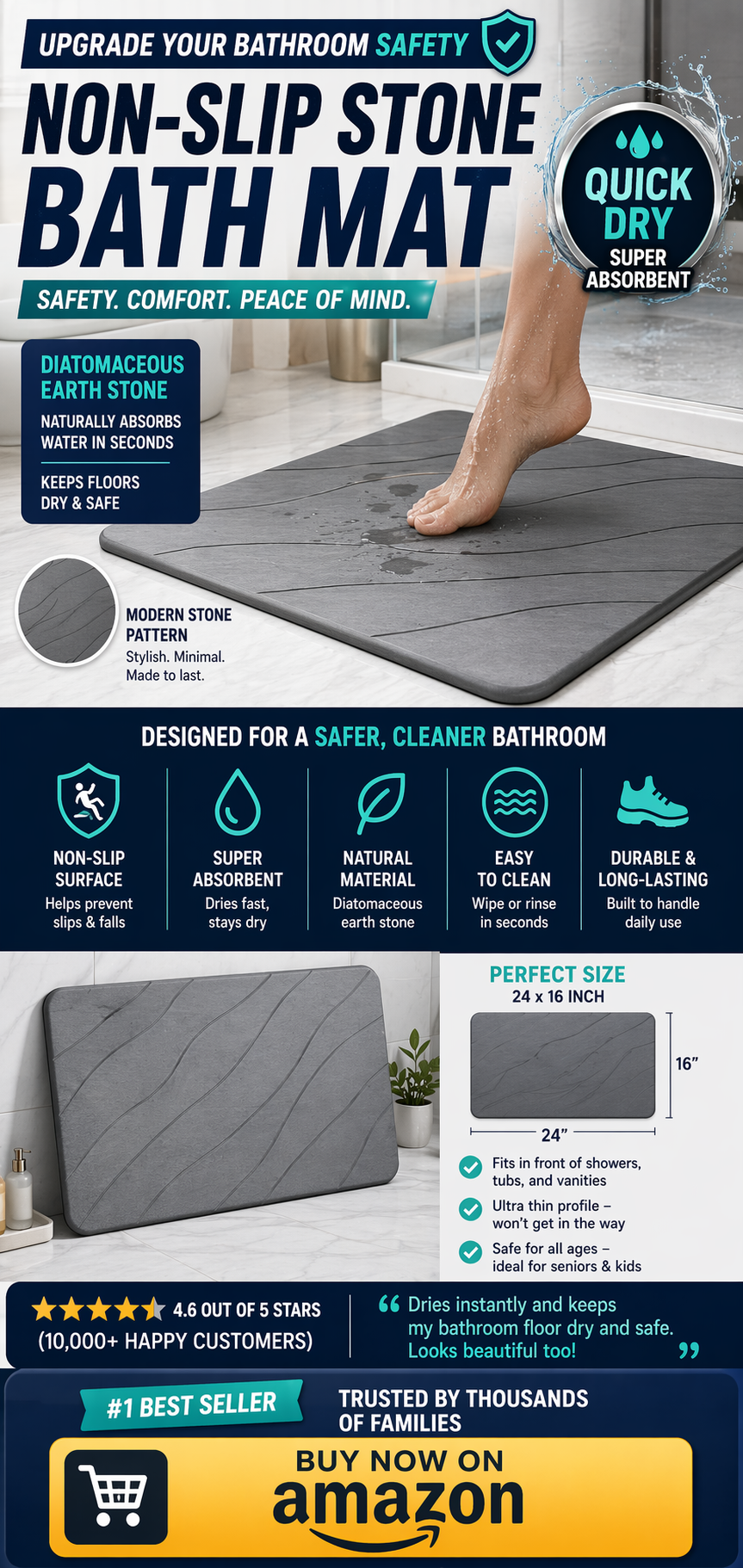
→ Get the Diatomaceous Earth Bath Mat on Amazon
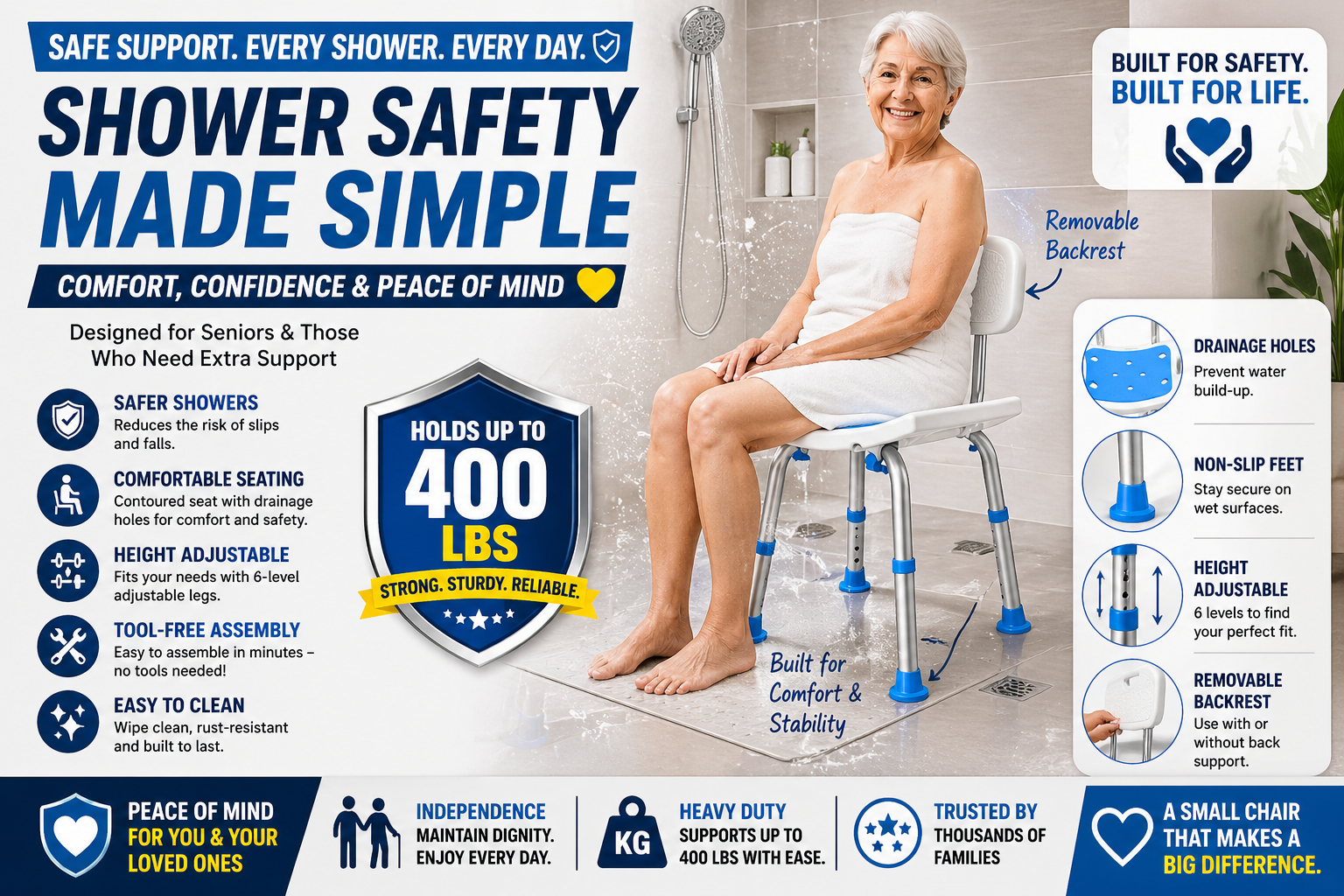
A shower chair eliminates standing risk inside the shower entirely. Our shower chair review covers the best option and what to look for.
→ Get the HOMLAND Shower Chair on Amazon
For the complete bathroom safety picture our guide on how to make a bathroom safer for seniors covers every upgrade worth making in one place.

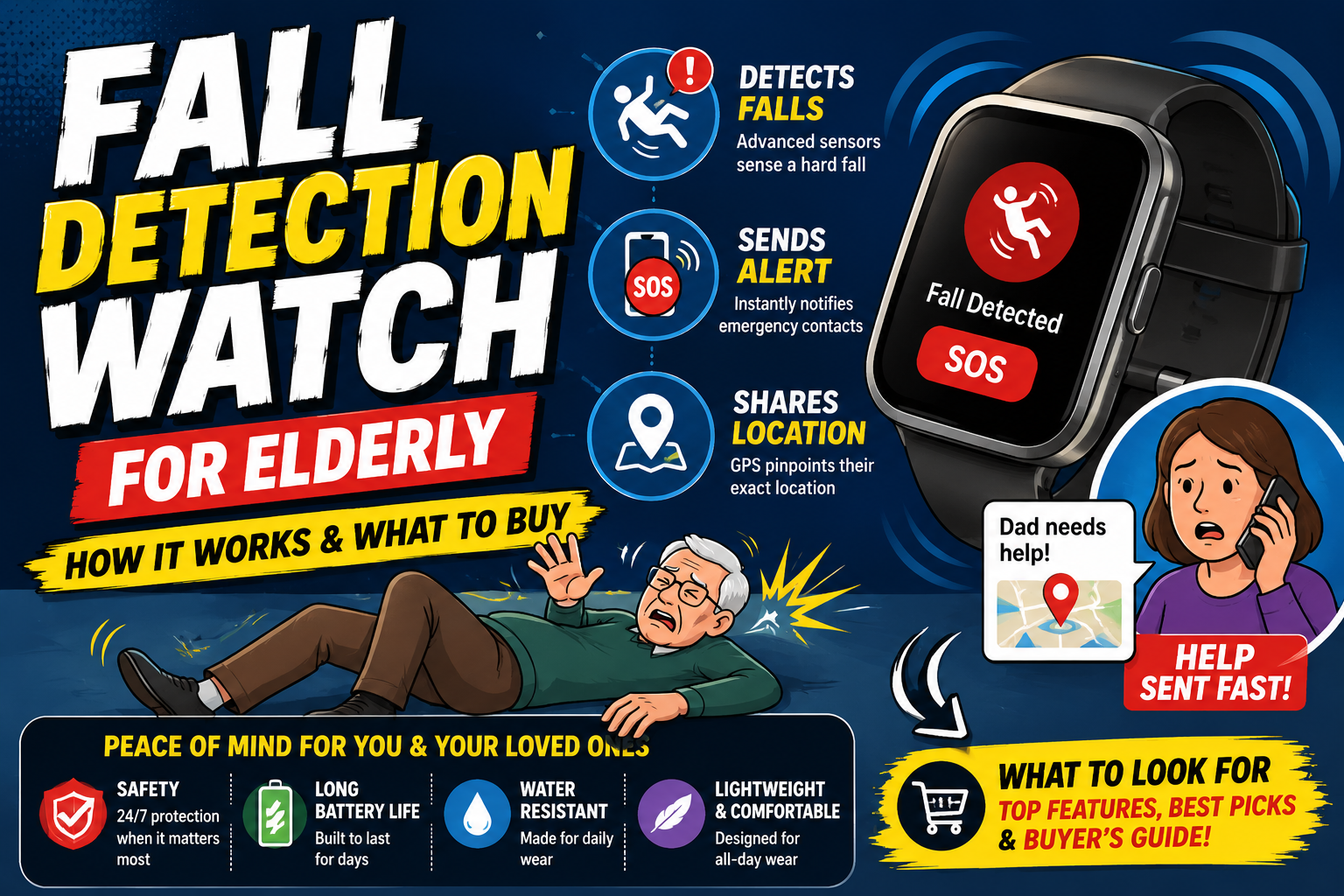
And even with every bathroom safety measure in place, falls can still happen. The SecuLife Smartwatch detects falls automatically and alerts designated contacts without any action required from the wearer. Worn on the wrist it goes into the bathroom — unlike a base unit in the living room that can’t help when something happens behind a closed bathroom door. Our full SecuLife Smartwatch review covers everything you need to know before deciding if it’s right for your situation.
→ See the SecuLife Smartwatch on Amazon
Who Benefits Most From Toilet Safety Rails
Toilet safety rails make a meaningful difference for a wide range of situations. Here’s who benefits most.
Anyone With Hip or Knee Problems
Hip arthritis, knee replacement recovery, hip replacement recovery, and general hip and knee pain all affect the ability to lower and rise from a low seat. The rails reduce the load on these joints significantly by allowing the arms to share the work of the transition — taking pressure off exactly the joints that are most affected.
Anyone With Reduced Leg Strength
Leg strength declines gradually with age and often goes unnoticed until a specific task becomes noticeably difficult. If getting up from a low chair, getting up from the car, or getting off the toilet has become noticeably harder than it used to be, reduced leg strength is likely a contributing factor. Safety rails address this directly by adding arm-assisted push to the transition.
Anyone Recovering From Surgery
Post-surgical recovery — hip replacement, knee replacement, abdominal surgery — often involves restrictions on movement and reduced strength during recovery. Toilet transfers during recovery are a high-risk activity. Safety rails are frequently recommended as part of post-surgical home setup and are often available through medical equipment suppliers as part of discharge planning.
Anyone With Balance Challenges
Balance challenges from any cause — vestibular issues, neurological conditions, medication effects, general age-related balance decline — make the toilet transfer riskier. Having armrests to hold throughout the transition provides stability from the moment of sitting down to the moment of being fully standing.
Anyone Living Alone
For anyone living alone, a fall during a toilet transfer is a fall that happens without anyone nearby to help. That reality alone justifies adding safety rails — particularly given how easy and inexpensive they are to put in place. This is exactly the scenario where having automatic fall detection through a device like the SecuLife Smartwatch provides an important additional layer of protection.
Getting a Resistant Person to Use the Rails
If you’re setting this up for a parent who’s resistant, the same principles that apply to other bathroom safety equipment apply here.
Lead with ease rather than safety. “These make it so much easier to get up” is more effective than “these are so you don’t fall.” The physical relief of having armrests to push against during rising is immediately apparent and often does the persuasion work that conversation can’t.
Have them try it once with you present. The difference in physical effort during the rising transition is noticeable from the first use. Many people who were resistant before trying become consistent users after experiencing the difference firsthand.

For broader guidance on navigating these conversations our guide on how to talk to a parent about safety equipment covers the principles that apply across all bathroom and home safety conversations.
Frequently Asked Questions
Will toilet safety rails fit my toilet?
The Lianjindun frame is designed to fit any standard toilet — both elongated and round bowl configurations. Measure your toilet bowl length before purchasing if you’re unsure of your configuration. Standard round bowls are approximately 16.5 inches and elongated bowls approximately 18.5 inches — both are accommodated by this frame.
Can toilet safety rails be used with a raised toilet seat?
In most cases yes — but check the specific compatibility of the frame with a raised seat if both are being used simultaneously. Some combinations work well together. Others create height or stability issues that affect function. If both are needed confirm compatibility before purchasing.
How do I know if the frame is stable enough to rely on?
Test stability before first independent use by applying firm downward pressure on each armrest separately and then both together. There should be no rocking, shifting, or movement of the frame on the toilet. If any movement is detected recheck the mounting and securing mechanism before use. Test stability periodically thereafter as normal use can loosen mounting over time.
Are toilet safety rails covered by Medicare?
Toilet safety equipment may qualify as durable medical equipment under Medicare with a physician’s prescription documenting medical necessity. Coverage depends on specific plan and circumstances — contact Medicare directly or ask your physician about documentation for coverage. Some Medicare Advantage plans have broader home safety equipment benefits worth exploring.
How do the foldable armrests work in practice?
Each armrest pivots upward independently — fold one or both out of the way when transferring from the side, when another household member is using the toilet, or when a caregiver needs lateral access. The folding mechanism is simple enough to operate one-handed and locks securely in both the open and folded positions so there’s no risk of an armrest folding unexpectedly during use.
Put It in Place This Week
The toilet transfer happens multiple times every day without fail. Every day without safety rails in place is a day that transfer is happening without support — in the morning when strength is lowest, during nighttime trips when alertness is reduced, and every time in between.
Installation takes minutes. The difference in daily safety is immediate and permanent. There is no good reason to delay this one.
→ Order the Lianjindun Toilet Safety Rails on Amazon — check current price and read customer reviews
About the Author
Carol Simmons is a Certified Aging-in-Place Specialist (CAPS) who spent 15 years helping people assess and modify their homes for safe independent living across Florida and the Southeast. She has completed hundreds of home safety assessments and writes for Elder Safety Guide to give people the practical guidance they need to stay safe and independent at home — without needing to hire a specialist for every decision.