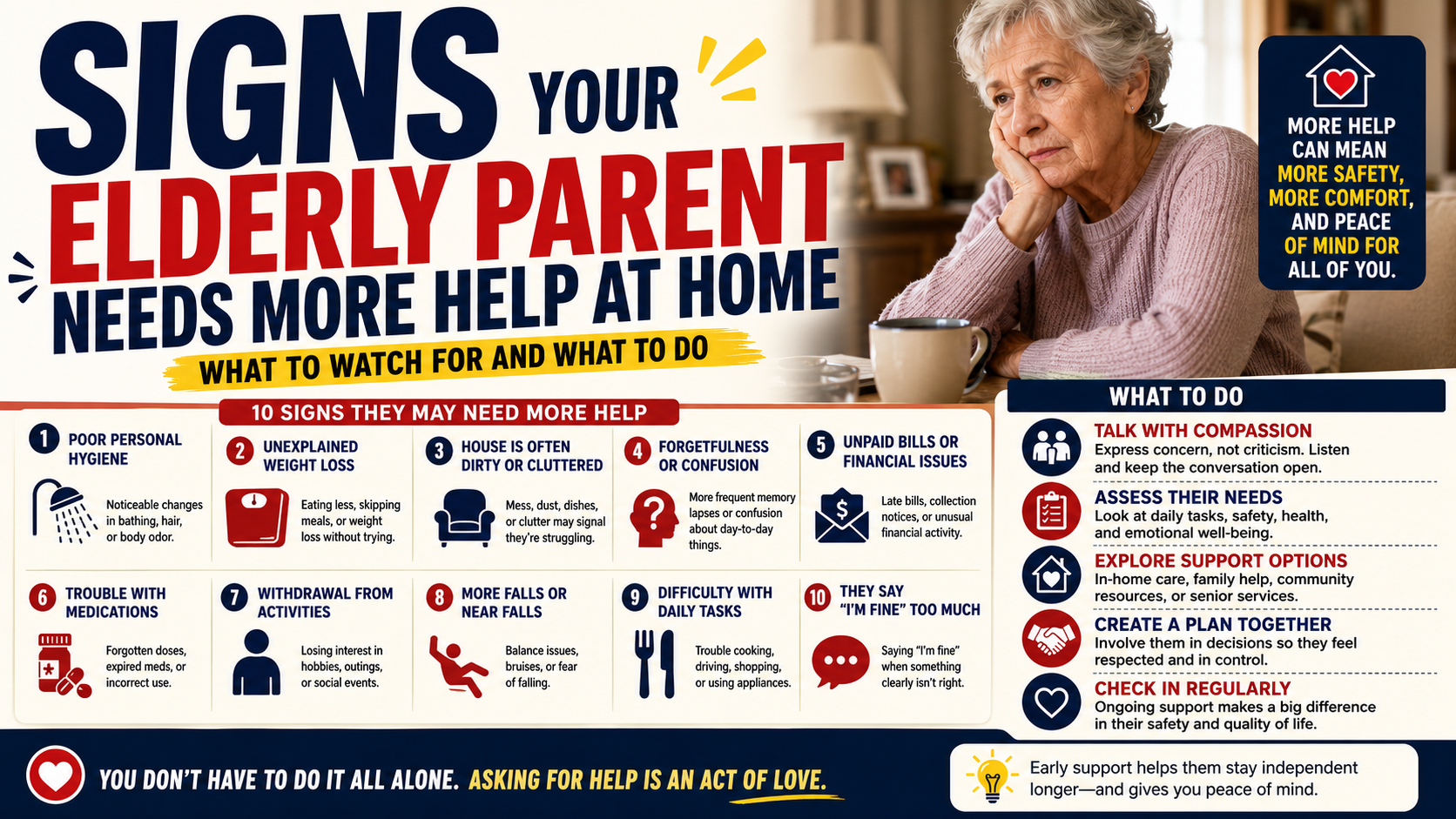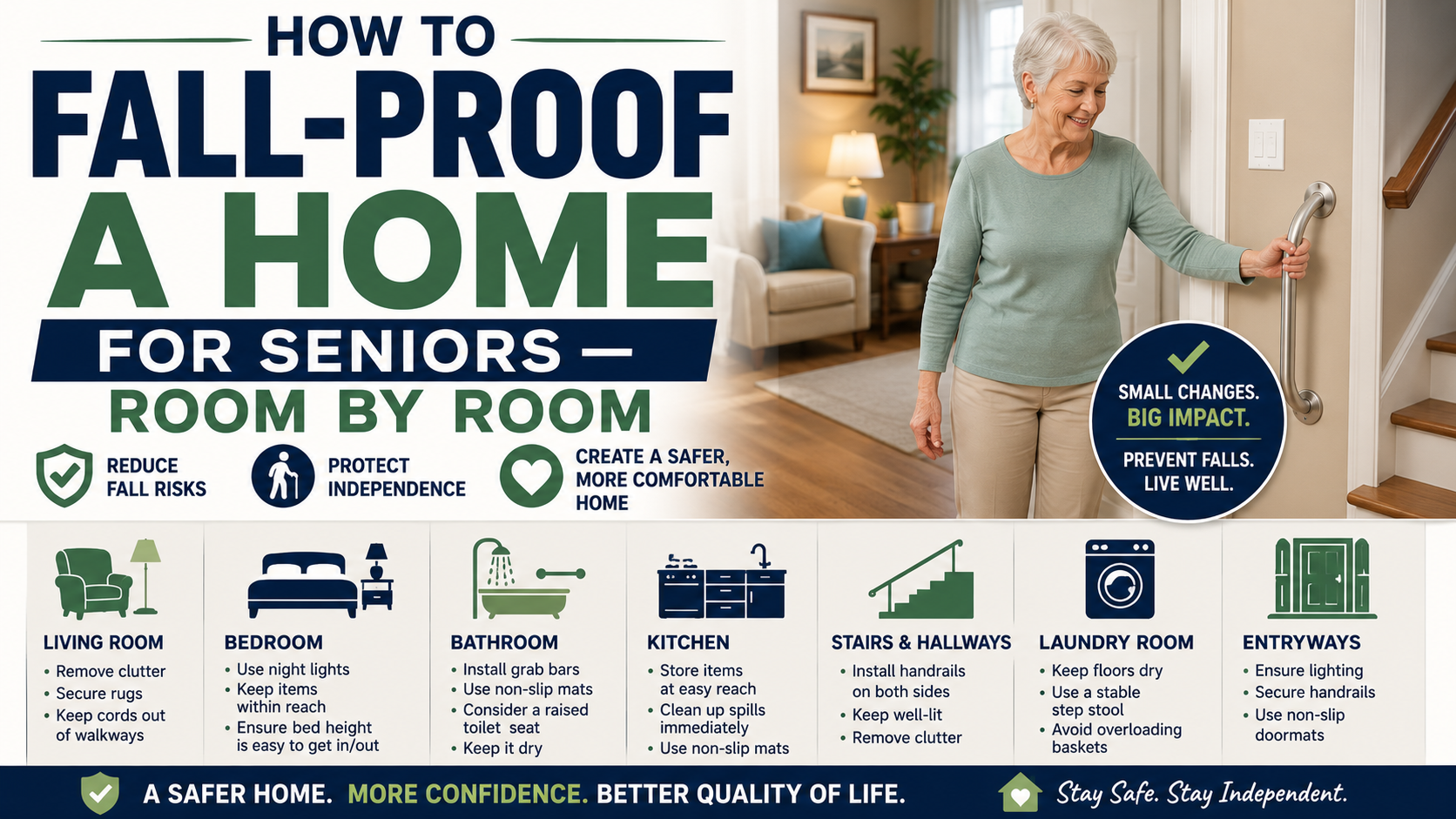
Falls are the number one cause of injury in older adults — and the majority happen right at home. Here’s what actually reduces the risk, room by room.
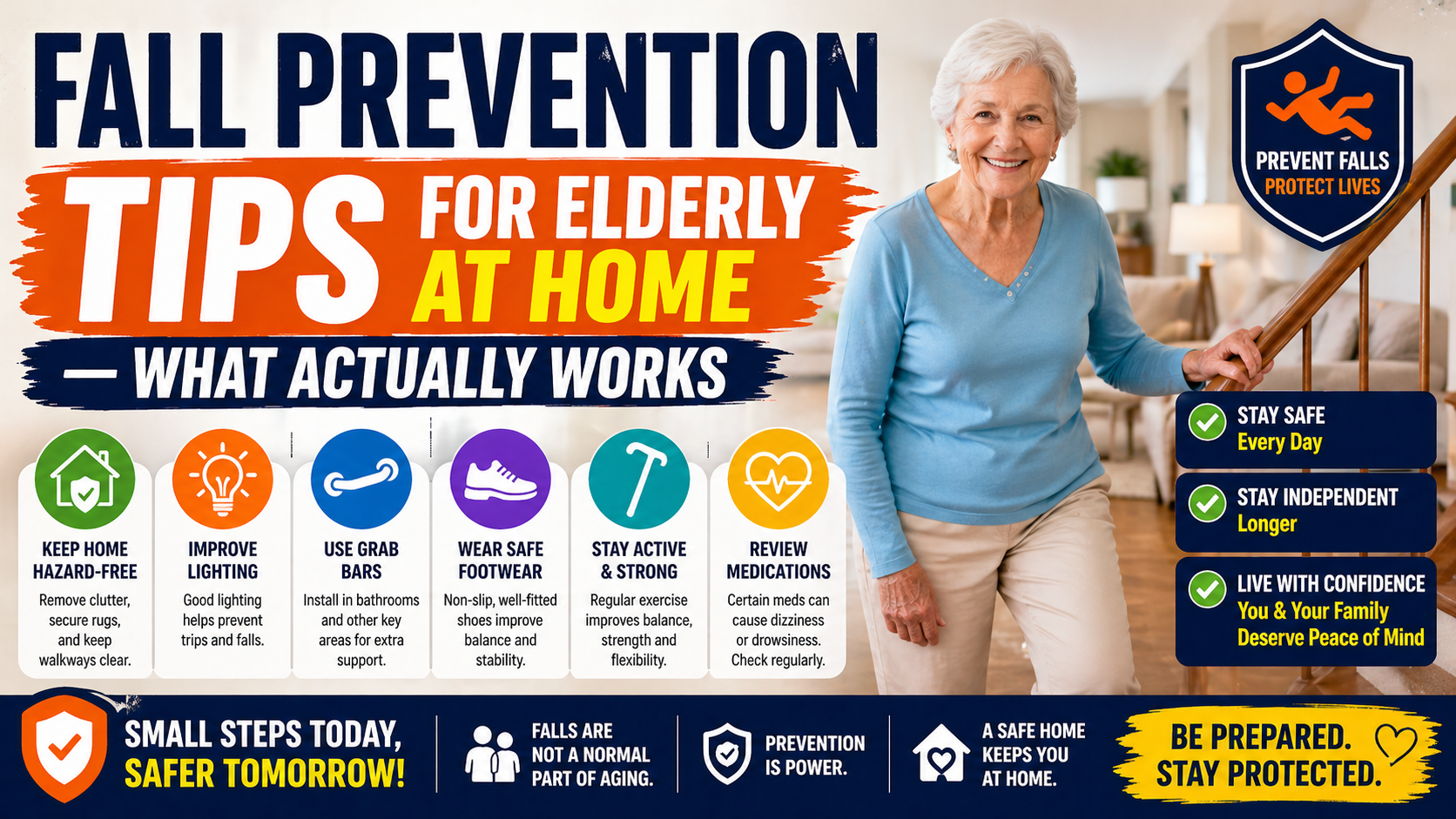
Falls are the leading cause of injury among older adults in the United States. Not car accidents. Not crime. Falls — most of which happen inside the home, on surfaces people have walked on thousands of times before.
What makes that statistic so hard to sit with is that the majority of those falls are preventable. Not with expensive equipment or major renovations — with practical, specific changes that most families can implement over a weekend.
I spent more than two decades in geriatric nursing watching what actually works and what doesn’t. The families who made a real difference in their parent’s safety weren’t the ones who worried the most. They were the ones who walked through the house with fresh eyes, identified the real hazards, and fixed them systematically.
That’s exactly what this guide will help you do. Once the hazards are identified, Simple Home Modifications for Aging in Place — Ranked by Impact helps prioritize the changes with the greatest impact.
Why Seniors Fall More — and Why It’s Not Just About Being Careful
Before jumping into specific tips, it helps to understand why older adults fall more frequently than younger people. It’s not carelessness or inattention. There are real physiological reasons that make falls more likely with age — and understanding them changes how you approach prevention.
Balance and Muscle Strength Decline
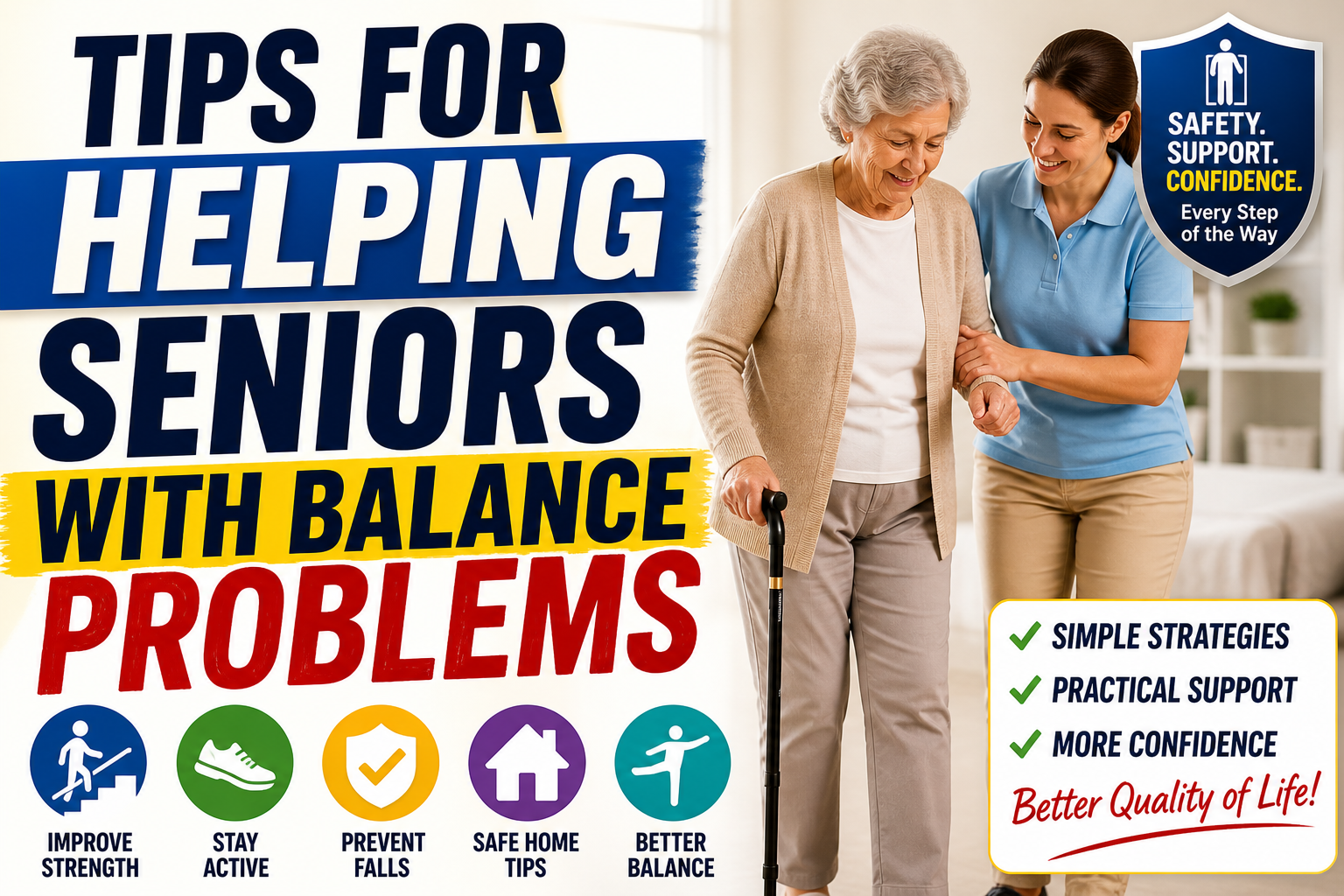
The muscles responsible for balance and stability weaken significantly with age, particularly in the legs and core. The body’s ability to make quick corrective movements — the automatic adjustments that keep a younger person upright when they stumble — slows down. What would be a near-miss for a 40-year-old becomes a fall for a 75-year-old. A closer look at the systems behind this decline appears in Tips for Helping Seniors With Balance Problems.
Vision Changes
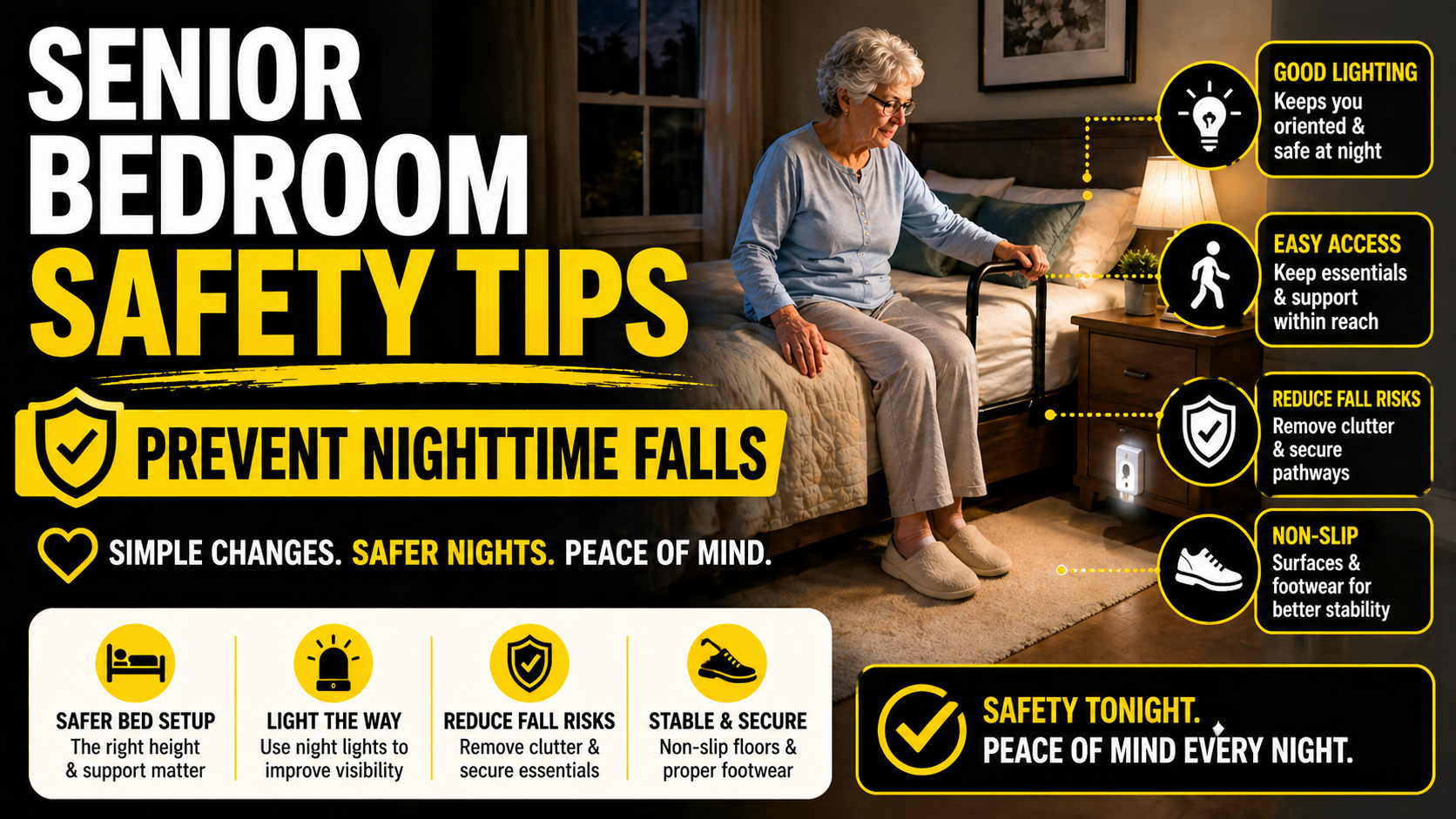
Reduced depth perception and contrast sensitivity make hazards harder to detect. A slightly uneven threshold that a younger person instinctively adjusts for can genuinely catch an older adult off guard. Poor lighting amplifies this dramatically — which is why nighttime falls are so common. The bedroom and nighttime route deserve particular attention, as detailed in Senior Bedroom Safety Tips to Prevent Nighttime Falls.
Medication Side Effects
Many medications commonly prescribed to older adults — blood pressure medications, sleep aids, antidepressants, diuretics — have side effects that increase fall risk. Dizziness, lightheadedness, frequent nighttime bathroom trips, and slowed reaction time are all fall contributors that come directly from the medicine cabinet. The specific medication-related fall risk described in The #1 Reason Seniors Fall at Home — And It’s Not What You Think explains why a medication review belongs in any prevention plan.
Chronic Conditions
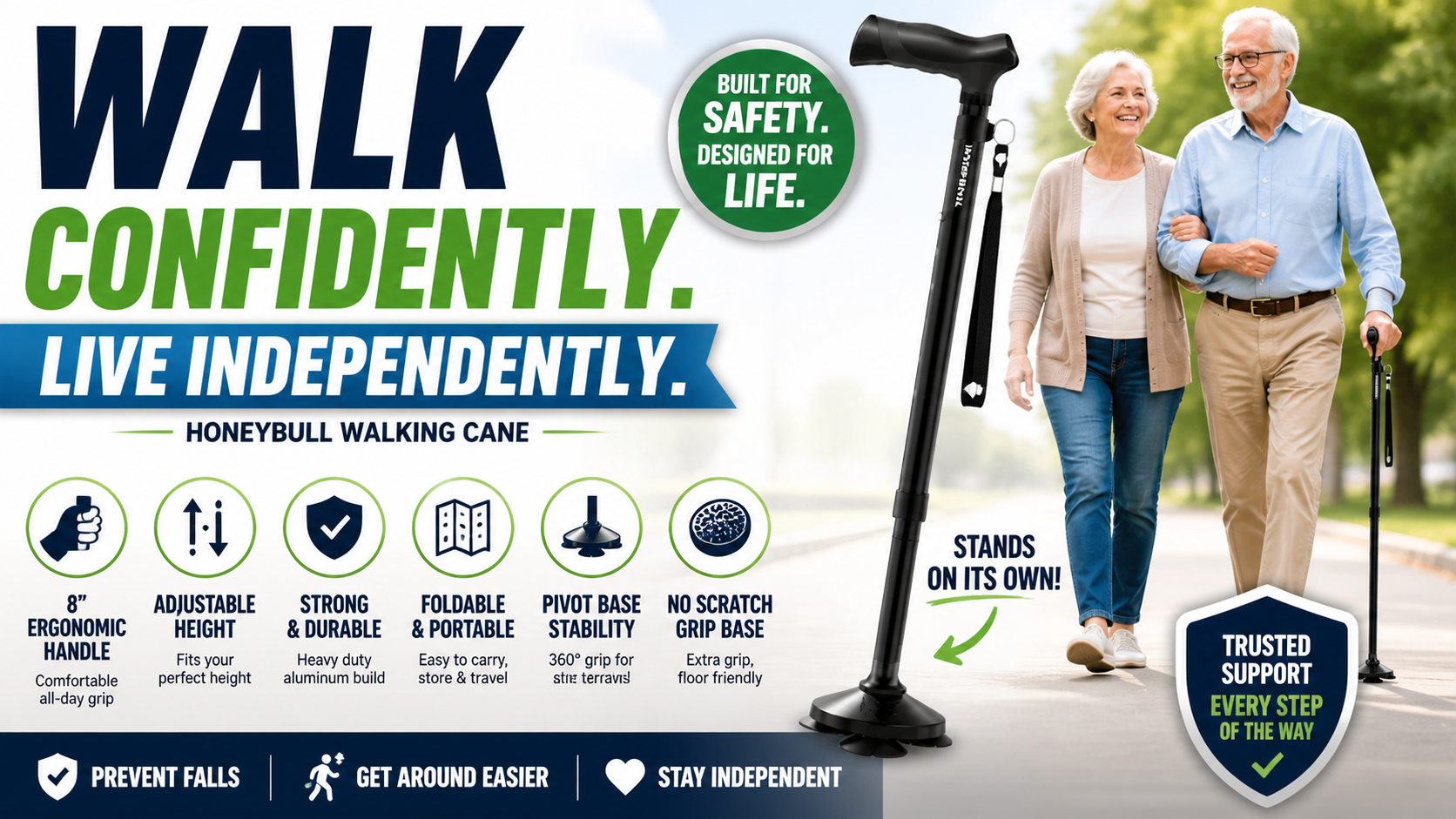
Arthritis, Parkinson’s disease, peripheral neuropathy, and other conditions affect gait, balance, and proprioception — the body’s sense of where it is in space. A senior with neuropathy in their feet may not feel uneven ground until it’s too late to correct. For seniors whose balance or gait has changed, a walking cane for added stability can provide an extra point of contact before a fall occurs.
Fear of Falling
Paradoxically, the fear of falling itself increases fall risk. Seniors who have already fallen — or who are afraid of falling — often move more tentatively, take shorter steps, and hesitate in transitions. That altered gait pattern actually creates instability rather than preventing it.
Understanding these underlying factors matters because it shifts fall prevention from “be more careful” — which doesn’t help — to specific environmental and behavioral changes that actually address the real causes.
Start Here — The Walk-Through Every Family Should Do
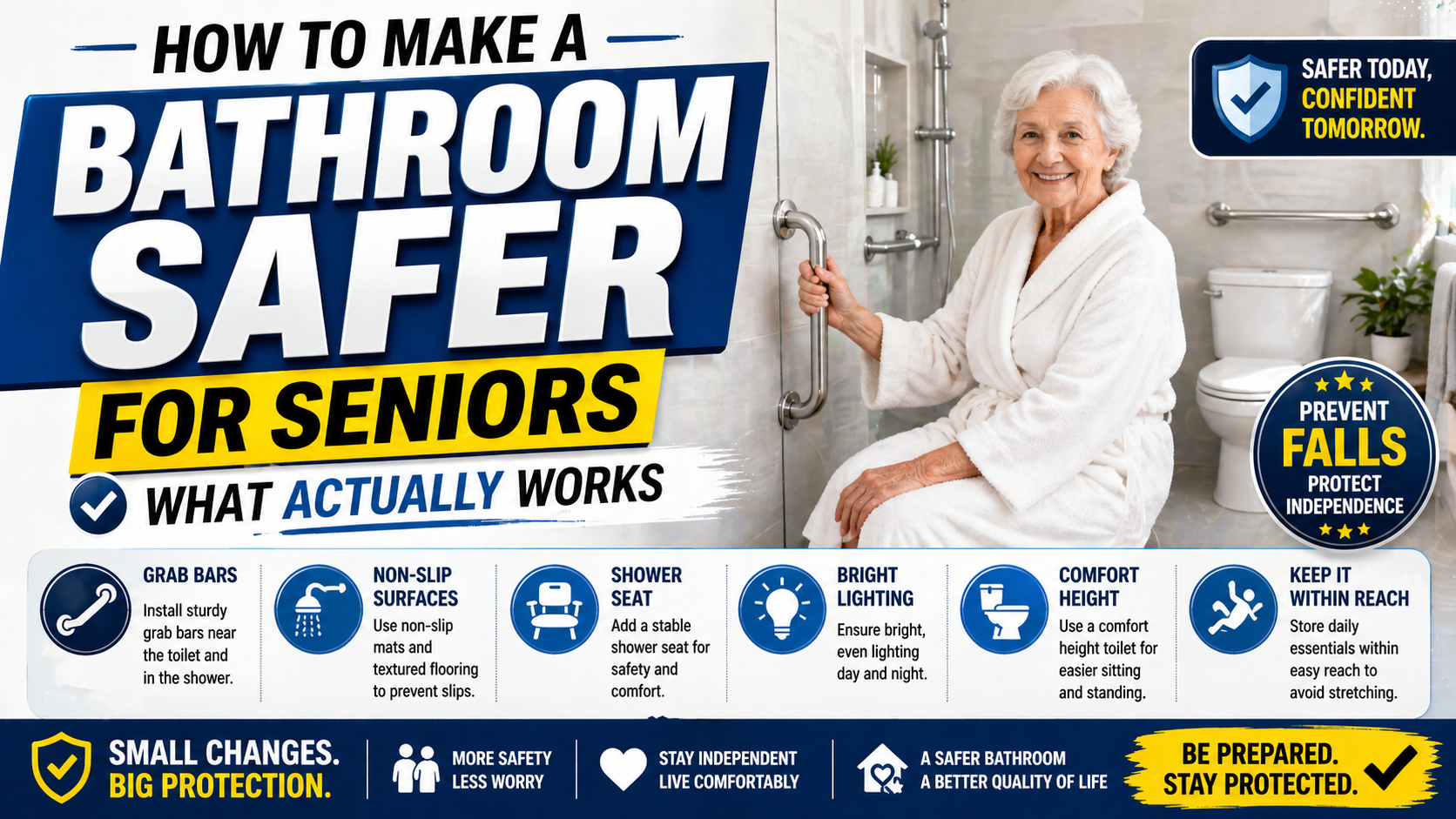
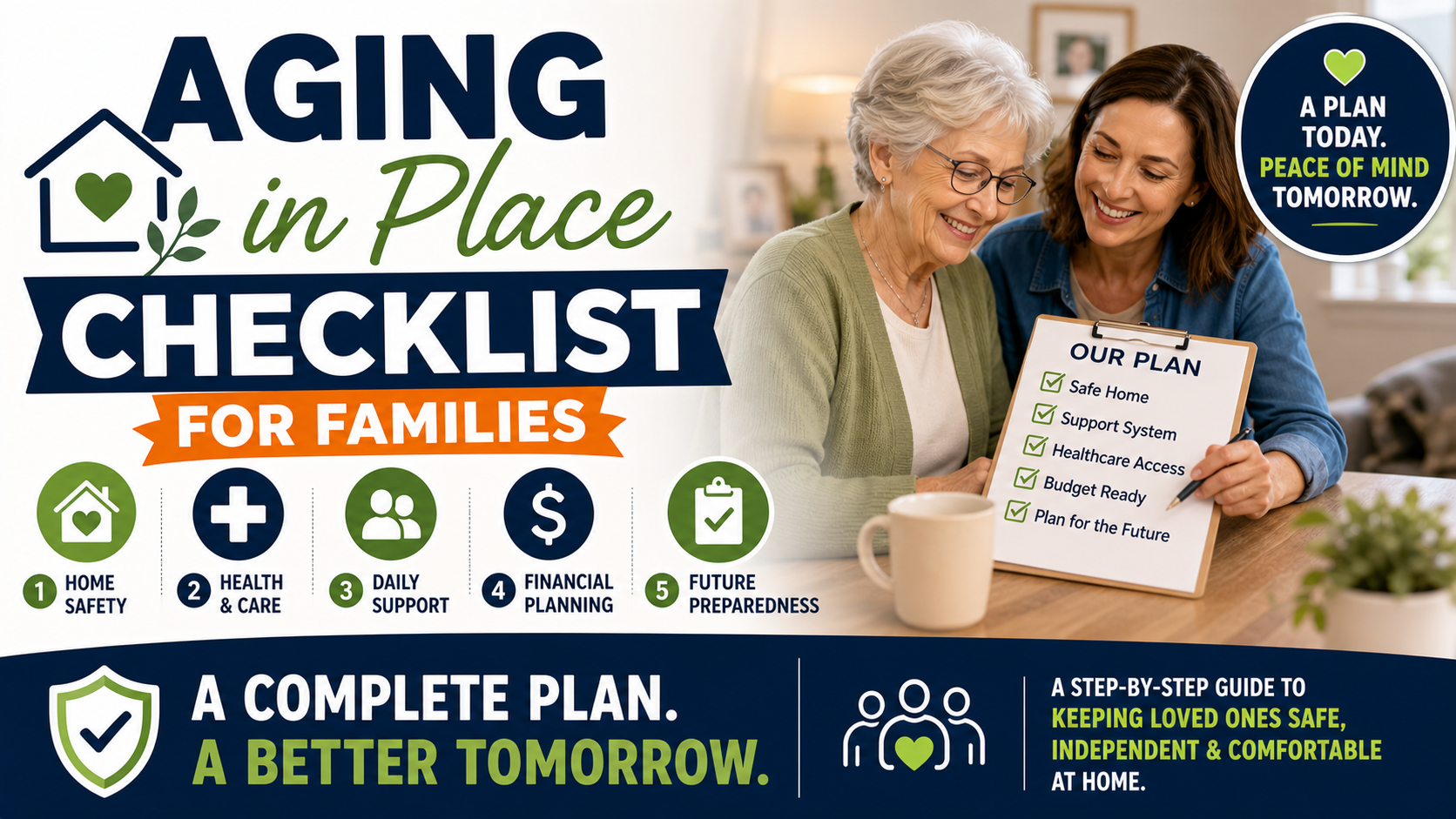
Before addressing individual rooms, do a full walk-through of your parent’s home with one specific goal: look at every surface, transition, and fixture as if you’ve never seen it before. You’re looking for anything that could catch a foot, require a reach, demand a step, or reduce visibility. When that walk-through identifies bathroom hazards, the How to Make a Bathroom Safer for Seniors — What Actually Works organizes the most effective fixes room by room.
Bring a notepad and be systematic. Go room by room. Look at the floor, the furniture layout, the lighting, and the pathways between rooms. Pay particular attention to:
- Thresholds between rooms — even small height differences are tripping hazards
- Rugs and mats that aren’t fully secured
- Cords and cables crossing walking paths
- Furniture that requires reaching or bending to use
- Areas with poor lighting, especially at night
- Distances from the bed to the bathroom — a particularly high-risk path
Most families are surprised by how many hazards they find once they’re actually looking. That’s normal. Homes accumulate hazards gradually, and familiarity makes them invisible until something goes wrong.
Fall Prevention in the Bathroom
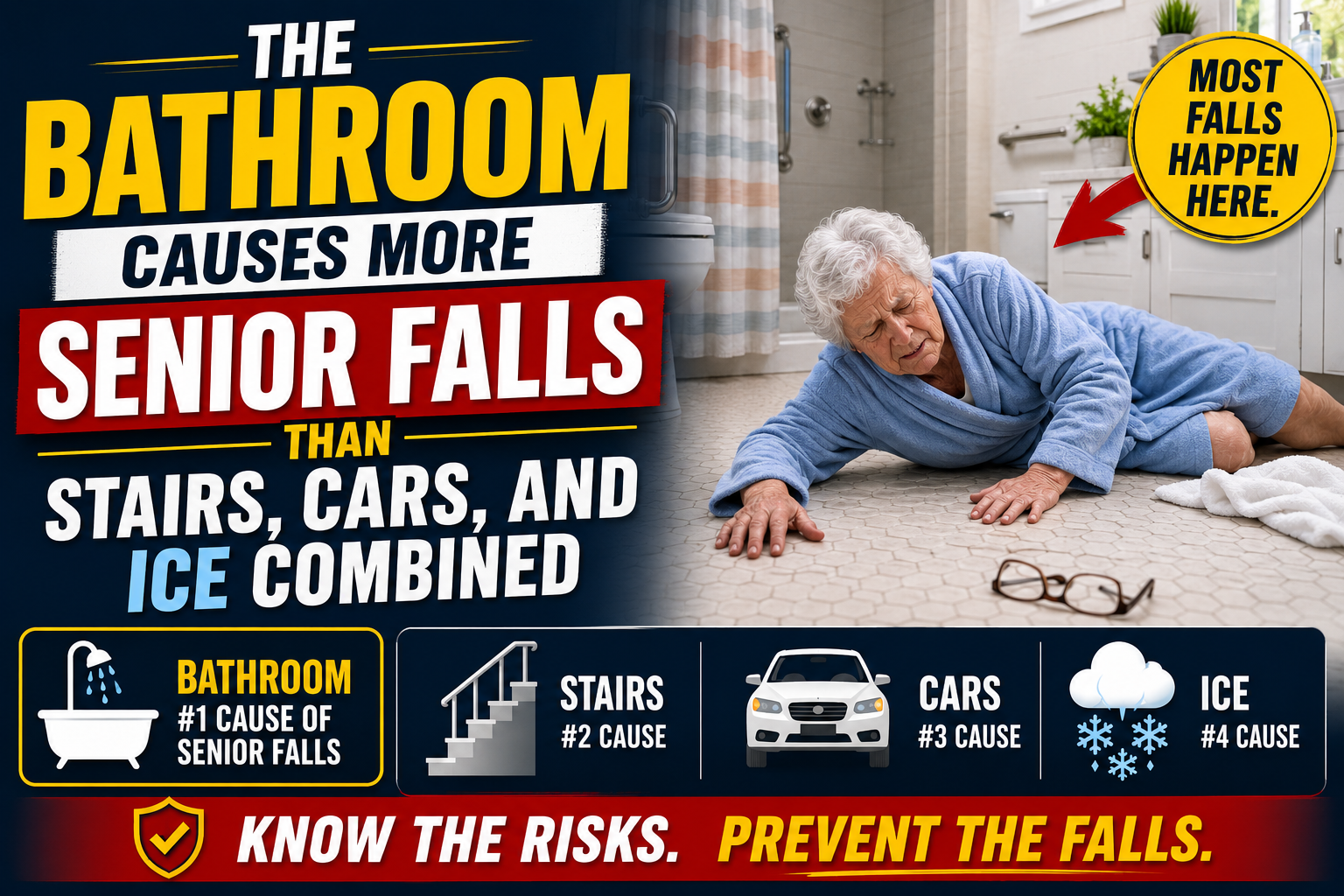
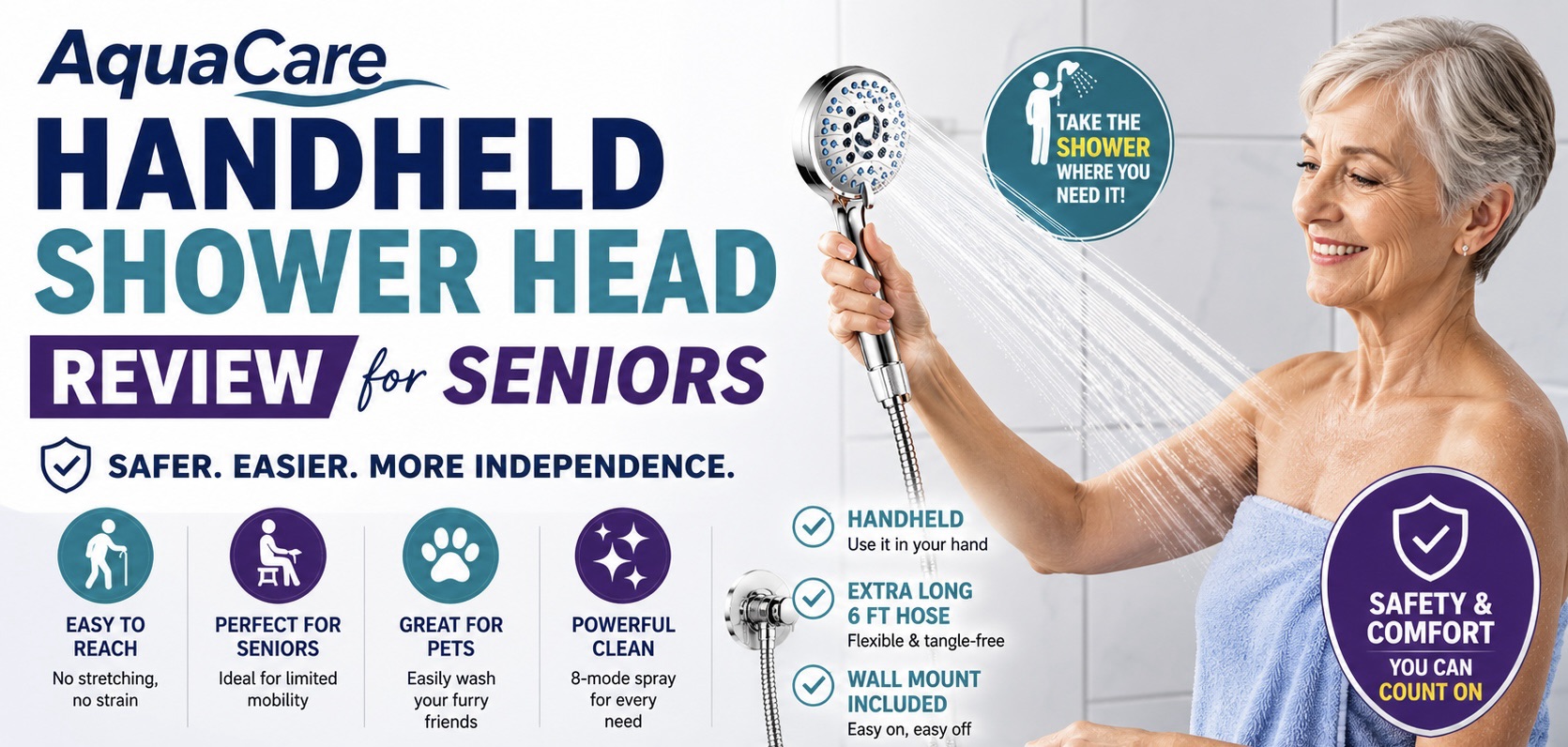
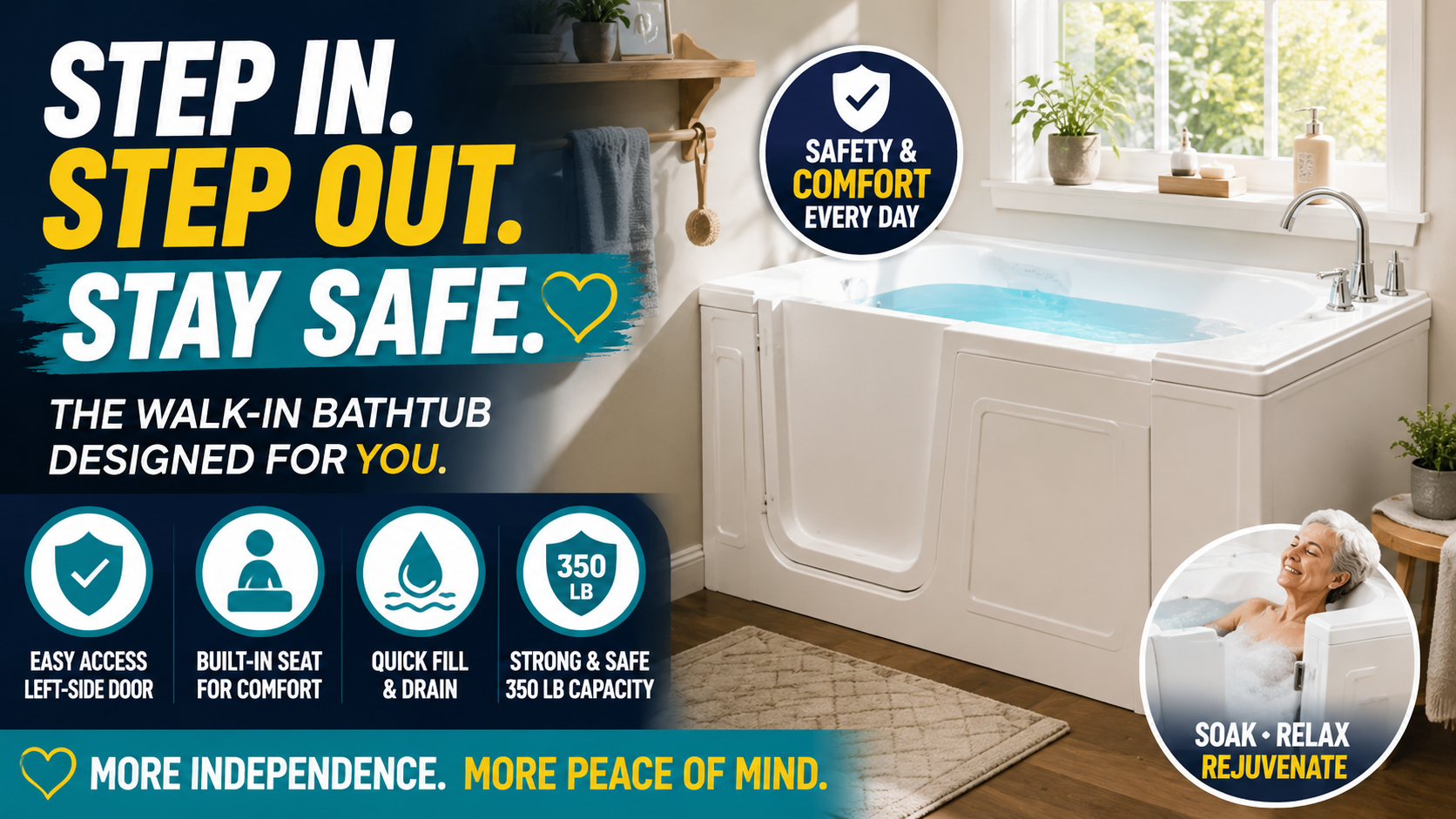
The bathroom is the highest-risk room in the house for older adults. Wet surfaces, awkward movements getting in and out of the tub or shower, and the urgency of nighttime bathroom trips create a perfect storm of fall conditions.
Install Grab Bars — Not Towel Bars

This is the single highest-impact change you can make in most bathrooms. Grab bars mounted securely into wall studs give seniors something solid to hold onto when getting in and out of the shower, rising from the toilet, and navigating wet floors. For families ready to compare a bathroom support option, Get the 2-Pack Stainless Steel Grab Bars on Amazon may be a practical starting point.
A critical point most people miss: towel bars are not grab bars. They are not designed to support body weight and will pull out of the wall in exactly the moment your parent needs them most. Proper grab bars are rated for 250 pounds or more and must be mounted into studs or with appropriate anchors.
Placement matters as much as installation. At minimum, install grab bars at the shower or tub entry point and next to the toilet. A certified aging-in-place specialist can advise on optimal placement for your parent’s specific mobility and height.
Add Non-Slip Surfaces
Non-slip mats inside the shower or tub and a secure bath mat outside are essential. Look for mats with strong suction cups on the bottom — test them before relying on them, because suction cup performance varies significantly by product and surface type. Our comparison of non-slip bath mat options looks at the features that help a mat stay reliable under wet feet.
Non-slip adhesive strips applied directly to the tub or shower floor are an alternative that doesn’t shift or move. For seniors with significant balance challenges, these are often the more reliable option.
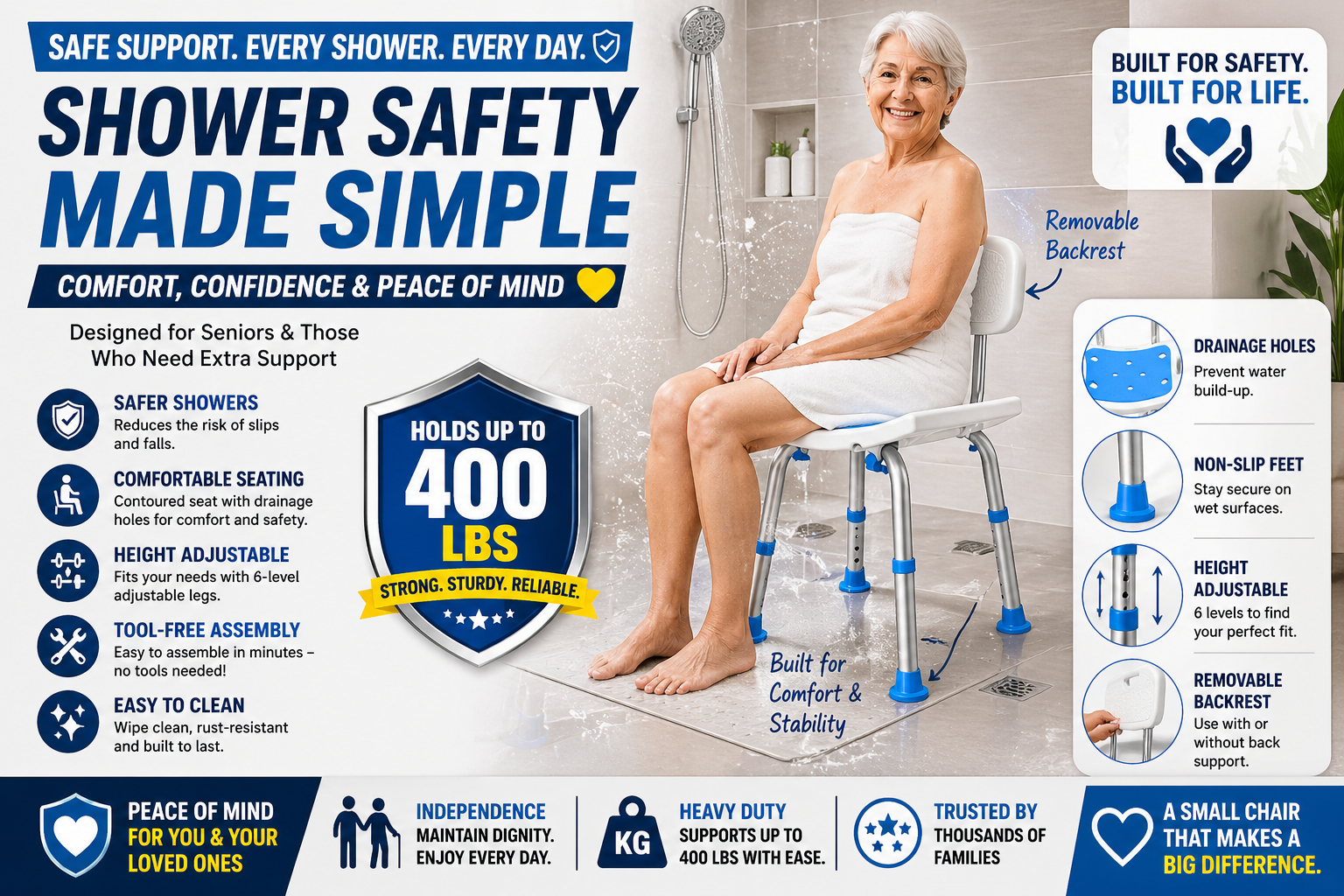
Consider a Shower Chair or Transfer Bench
Standing in a wet shower is one of the riskiest things an older adult does regularly. A shower chair or transfer bench eliminates that standing risk entirely by allowing your parent to bathe seated. This is not a sign of decline — it’s a straightforward risk reduction that most occupational therapists recommend proactively rather than reactively.
Raise the Toilet Seat
Getting on and off a standard-height toilet is a significant fall risk, particularly for seniors with hip or knee problems. A raised toilet seat or toilet safety frame with armrests makes this transition dramatically safer and more manageable without requiring any permanent modifications.
Fall Prevention in the Bedroom
Nighttime and early morning are peak fall times — specifically the transition from lying down to standing, and the path from the bedroom to the bathroom in the dark. Both are very fixable.
Install Motion-Activated Night Lights
The path from the bed to the bathroom needs to be lit the moment your parent’s feet hit the floor. Motion-activated night lights that turn on automatically eliminate the need to fumble for a switch in the dark. Place them in the bedroom, the hallway, and the bathroom so the entire path is illuminated.
Look for night lights with enough brightness to actually illuminate the floor — not just provide a dim glow. Seniors with reduced vision need meaningful light, not ambiance.
Assess the Bed Height
A bed that’s too low forces a senior to push up from a deep squat position — hard on the knees and hips, and a balance challenge. A bed that’s too high creates a long drop to the floor and difficulty getting legs down safely. The ideal height allows your parent to sit on the edge with feet flat on the floor and knees at roughly a 90-degree angle.
Adjustable bed legs, bed risers, or a new mattress may be needed to get the height right. It’s worth the effort — getting in and out of bed safely multiple times a day is cumulative fall risk that’s easy to overlook.
Add Bed Rails if Needed
For seniors who have difficulty with the transition from lying to sitting to standing, a bedside rail or grab bar mounted beside the bed provides a stable anchor point for that sequence. This is particularly helpful for seniors who wake disoriented at night, have Parkinson’s symptoms, or are recovering from a fall or surgery.
Clear the Path to the Bathroom
The floor between the bed and the bathroom door should be completely clear at all times. No furniture corners to navigate around, no items on the floor, no rugs that shift. This path gets traveled in the dark, half-asleep, often urgently — it needs to be as simple and clear as possible.
Fall Prevention in the Living Room and Common Areas
Living rooms accumulate fall hazards slowly — a rug here, a cord there, furniture that gets rearranged and never quite put back. A systematic review typically reveals several fixable issues.
Secure or Remove Area Rugs
Unsecured area rugs are one of the most common fall hazards in senior homes. Edges curl, corners lift, and the rug shifts underfoot at exactly the wrong moment. The options are to remove them entirely, secure them with non-slip rug pads and double-sided tape on all edges, or replace them with rugs that have non-slip backing built in.
When in doubt, remove the rug. No decorative item is worth a fall.
Manage Cords and Cables
TV cables, lamp cords, phone chargers, and extension cords crossing walking paths are tripping hazards that are easy to eliminate. Route cords along walls and secure them with cord clips or covers. If a cord has to cross a walking path, cover it with a flat cord protector rated for foot traffic.
Assess Furniture Arrangement
Furniture should support moving through the room — not create an obstacle course. Clear pathways of at least three feet wide between pieces of furniture. Avoid low coffee tables in the center of walking paths. Consider whether each piece of furniture provides a stable surface to hold onto if needed, or whether it would slide or tip under pressure.
Address Lighting Throughout
Rooms that feel adequately lit to a younger person may be genuinely dim for an older adult with reduced visual acuity. Increase wattage in overhead fixtures, add floor or table lamps to dark corners, and make sure light switches are accessible before entering a room — not tucked behind furniture or requiring a reach across a dark space.
Fall Prevention on Stairs
Stairs deserve their own section because they represent concentrated risk. A fall on stairs typically has more serious consequences than a fall on a flat surface, and the specific hazards are very fixable.
Handrails on Both Sides
Most home staircases have a handrail on only one side. For a senior with balance challenges, this means going up or down while holding a rail that may only be on their weaker side, depending on direction. Installing a second handrail on the opposite wall gives your parent something to hold on both sides of the body throughout the entire stair run.
Improve Stair Visibility
Each stair edge should be clearly visible. Apply contrasting-color non-slip stair treads to make the edge of each step obvious, particularly at the top and bottom where transitions are most dangerous. Ensure the staircase is well-lit with a switch accessible at both the top and bottom.
Keep Stairs Clear
Nothing should be stored on stairs — not temporarily, not “just for now.” Items left on stairs waiting to go up or down are a genuine hazard. Create a habit of keeping stairs completely clear at all times.
Medications and Fall Risk — What Families Often Miss
Environmental changes are important, but medication management is equally critical for fall prevention — and it’s an area many families overlook entirely.
Ask your parent’s physician for a medication review specifically focused on fall risk. Many medications that increase fall risk — blood pressure medications, sleep aids, antihistamines, muscle relaxants — have alternatives that carry less risk, or can be adjusted in dose or timing to reduce their fall-related side effects.
Timing matters significantly. A blood pressure medication that causes dizziness when standing is far more dangerous if taken in the morning when your parent gets up and moves around, compared to at bedtime. Something as simple as a timing adjustment can meaningfully reduce risk without changing the medication itself.
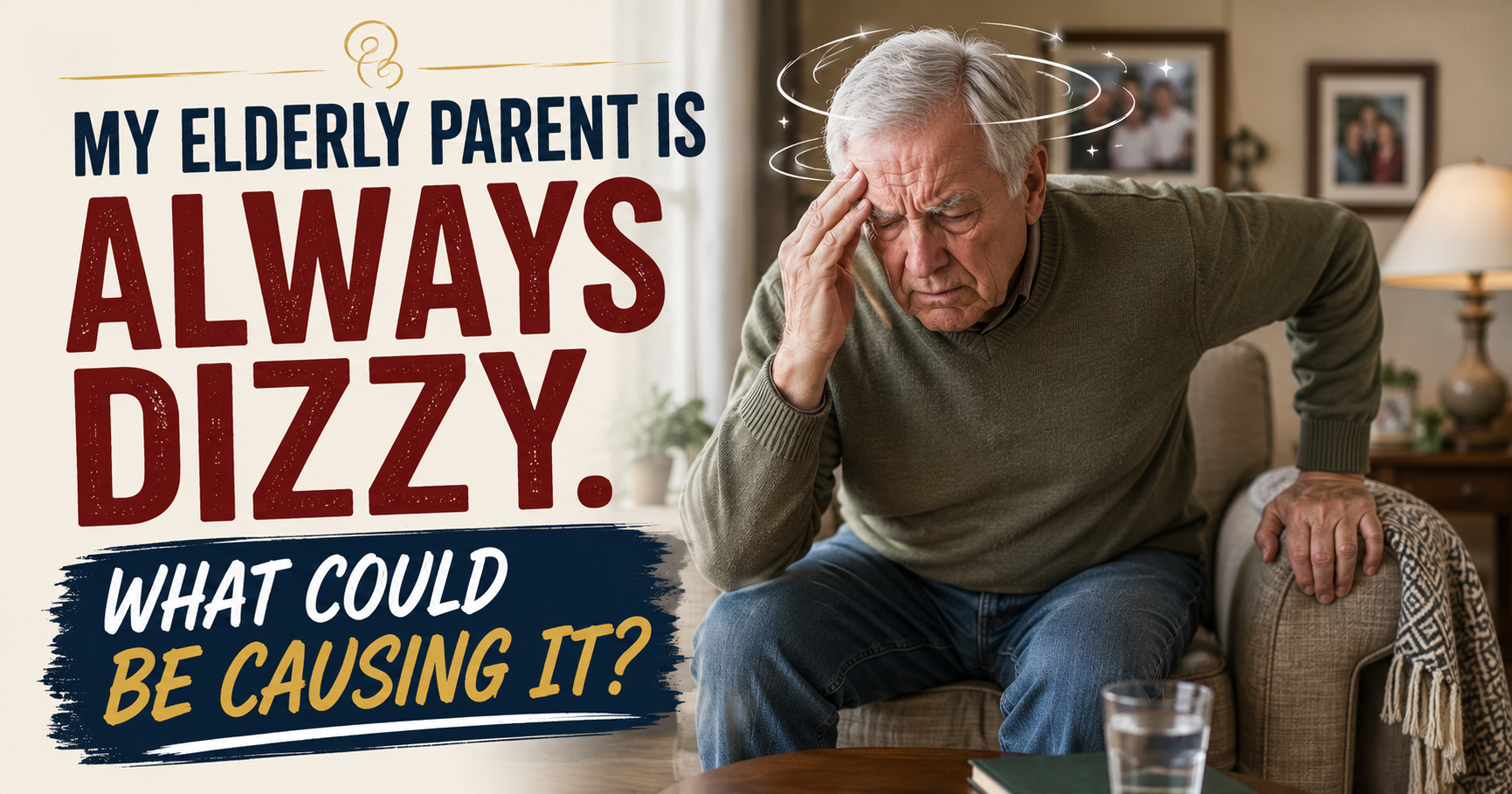
Dehydration also increases fall risk by causing dizziness and reduced blood pressure on standing. Many seniors are chronically mildly dehydrated. Encouraging consistent fluid intake throughout the day — particularly in warm weather — is an underrated fall prevention strategy. When dizziness persists despite improving fluid intake, consider the possible reasons an older adult feels dizzy for other possibilities to discuss with a healthcare provider.
Exercise and Strength — The Underrated Prevention Tool
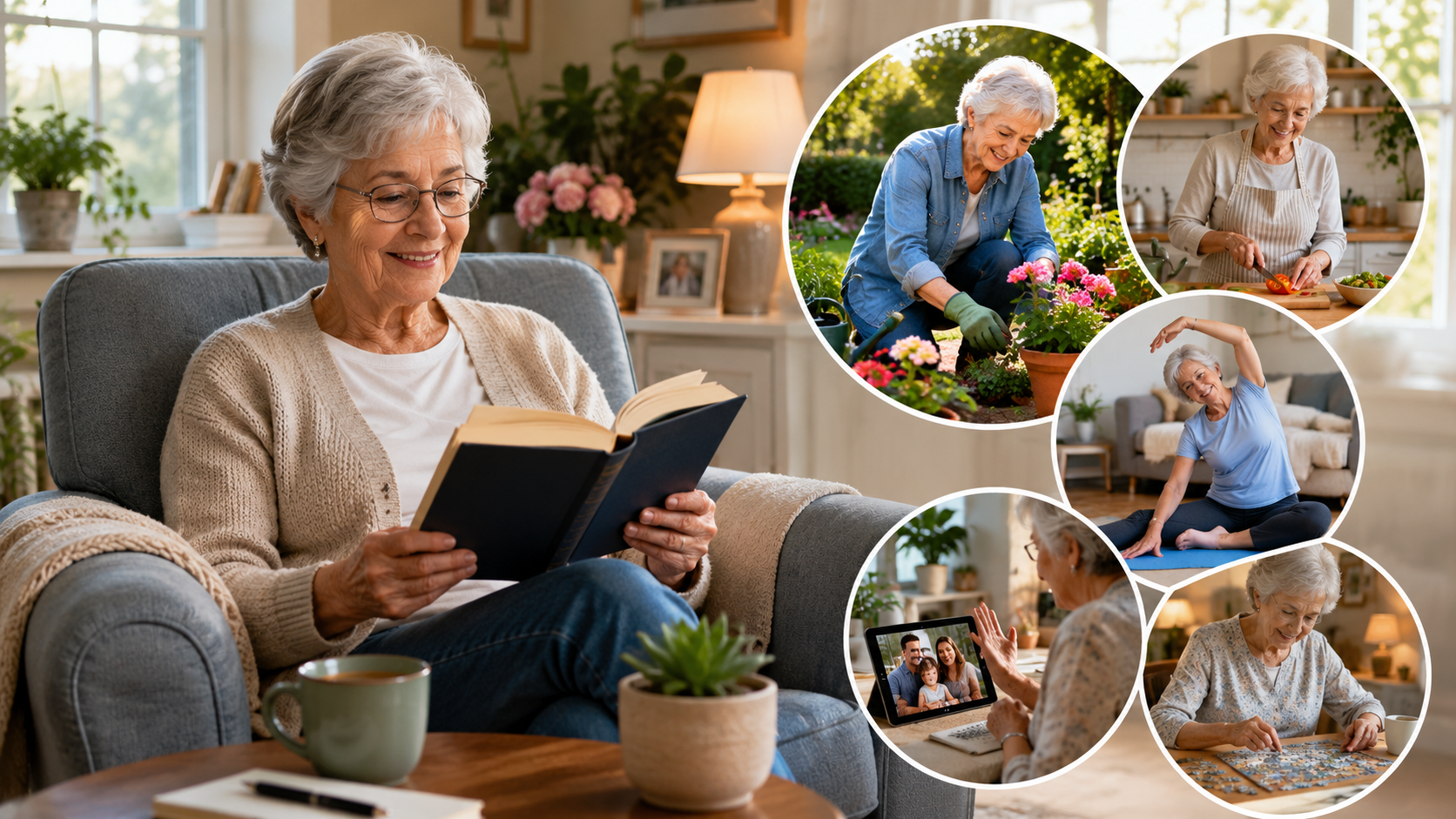
Home modifications matter, but so does what’s happening inside your parent’s body. Strength and balance training specifically designed for older adults has strong evidence for reducing falls — in some studies reducing fall rates by 20 to 30 percent.
Programs like Tai Chi have particularly strong evidence for fall prevention in seniors. The slow, deliberate movements train exactly the balance and proprioception systems that weaken with age. Many community centers and senior programs offer Tai Chi classes specifically for older adults.
Physical therapy is worth asking for specifically. A physical therapist can assess your parent’s specific balance and gait patterns, identify individual risk factors, and create a targeted exercise program. This is typically covered by Medicare after a fall or with documented fall risk — worth pursuing proactively rather than reactively.
The Safety Net — What Happens When Prevention Isn’t Enough
Even the most thoroughly fall-proofed home and the most diligent prevention efforts can’t guarantee a fall never happens. That’s the honest reality. And the question of what happens when a fall does occur — when your parent is on the floor and can’t get up and no one is home — is one every family needs to answer before it becomes urgent.
A medical alert device with automatic fall detection is the answer most families land on, and for good reason. When a fall is detected, the device alerts designated family members or emergency services automatically — without your parent having to press a button, find their phone, or do anything other than fall.

For families who want that protection in a form that seniors will actually wear consistently, the SecuLife Smartwatch combines automatic fall detection with real-time GPS tracking, an SOS button, and two-way calling in a device that looks like a regular watch. The fall detection runs in the background constantly — no action required from your parent. If a fall is detected and there’s no response, the alert goes out immediately.

We cover this in detail in our guide to the best medical alert smartwatches for seniors, including what to look for and why wearability matters as much as features.
Fall Prevention Checklist — Room by Room
Use this checklist as a starting point for your walk-through. Check off each item as you address it.
Bathroom
- Grab bars installed at shower entry and next to toilet
- Non-slip mat inside shower or tub
- Secured bath mat outside tub or shower
- Shower chair or transfer bench in place if needed
- Raised toilet seat or safety frame installed if needed
- Night light installed and working
Bedroom
- Motion-activated night lights on path to bathroom
- Bed height assessed and adjusted if needed
- Path to bathroom completely clear
- Bed rail installed if needed
- No unsecured rugs on floor
Living Areas
- All area rugs secured or removed
- All cords managed and off walking paths
- Clear pathways of at least 3 feet throughout
- Lighting assessed and increased where needed
- No items stored on floors or in pathways
Stairs
- Handrails on both sides
- Non-slip treads on all steps
- Lighting with switches at top and bottom
- Stairs completely clear at all times
General
- Medication review requested from physician
- Vision check completed within the past year
- Exercise or physical therapy program in place
- Medical alert device with fall detection in use


Frequently Asked Questions About Senior Fall Prevention
What is the most common cause of falls in the elderly at home?
The most common causes are a combination of environmental hazards — unsecured rugs, poor lighting, lack of grab bars — and physical factors like reduced balance, muscle weakness, and medication side effects. In most falls, multiple factors contribute simultaneously rather than a single cause.
At what age do fall risks increase significantly?
Fall risk increases gradually through the 60s and accelerates significantly in the mid-70s and beyond. However, proactive prevention is most effective when started before a fall occurs — not after. If your parent is in their late 60s or early 70s, now is the right time to start addressing hazards.
Should I be worried after my parent has their first fall?
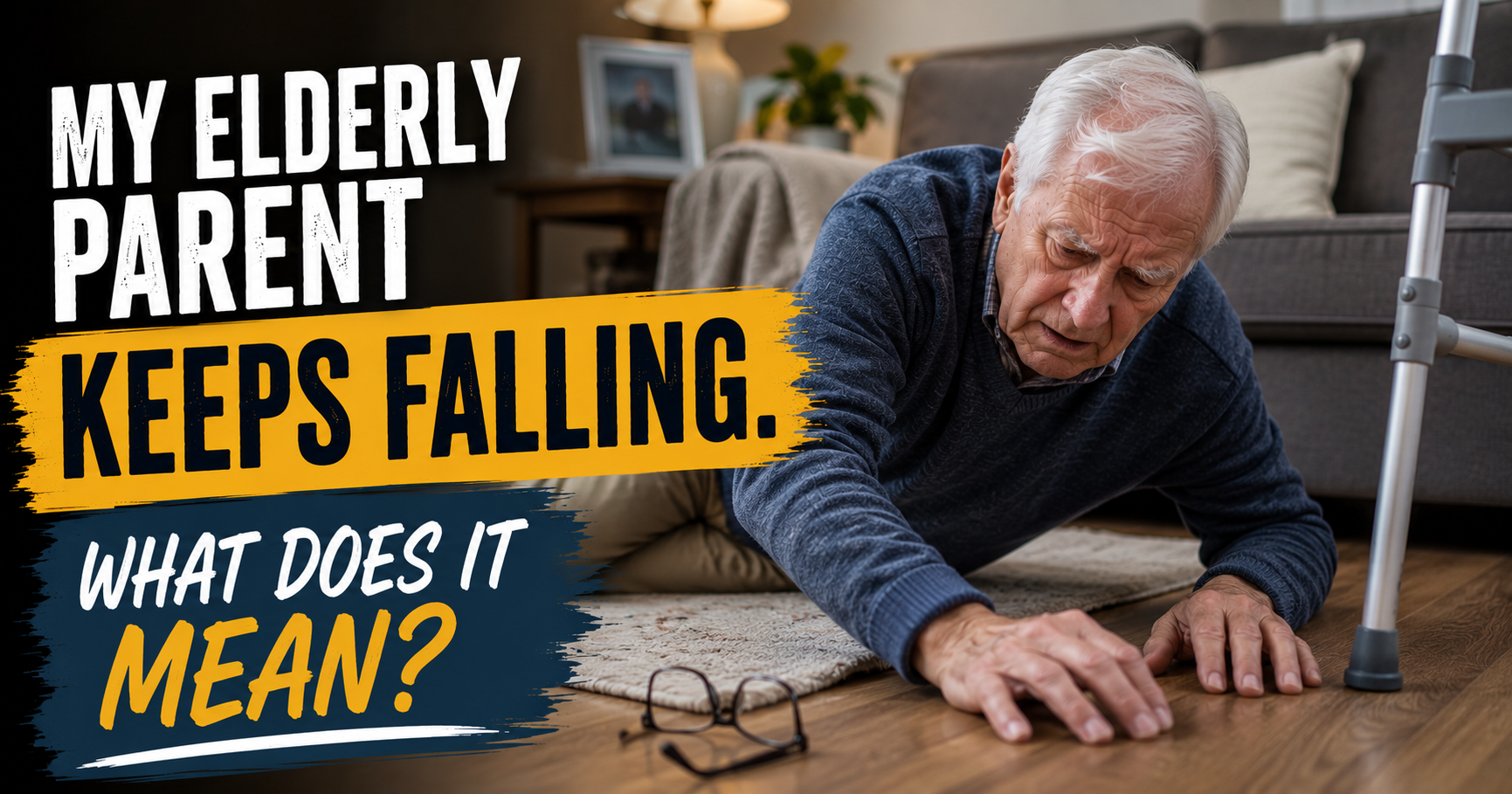
Yes — a first fall is a significant warning sign and deserves a serious response. Research consistently shows that seniors who have fallen once are at substantially higher risk of falling again. Use a first fall as the prompt to do a thorough home assessment, request a medication review, and put a medical alert device in place before the next one happens. Understanding why repeated falls happen can help families look beyond the immediate incident and identify what needs to change.
Do non-slip socks actually prevent falls?
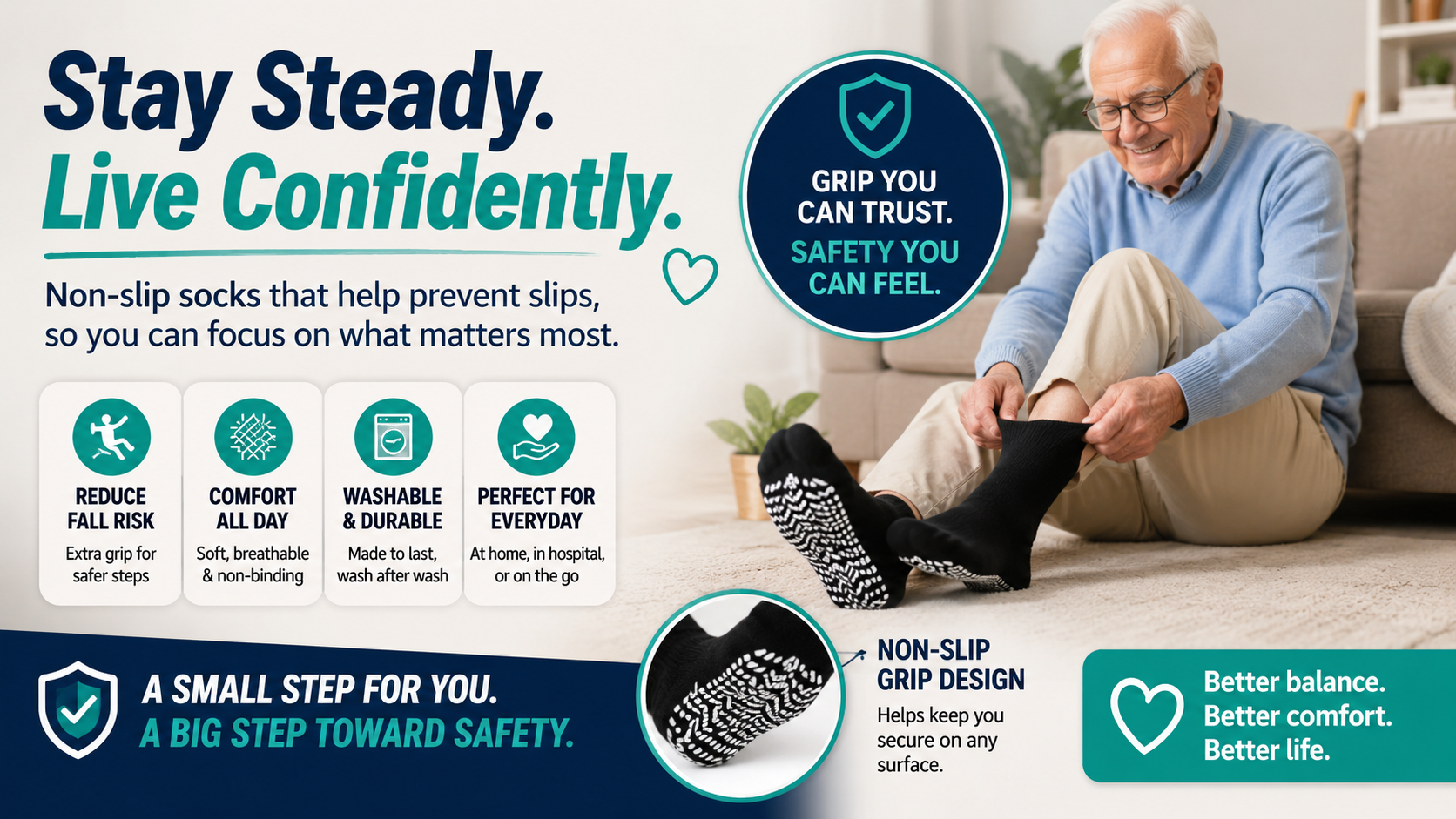
Non-slip socks provide some benefit on smooth flooring but are not a substitute for proper footwear. Well-fitting, supportive shoes with non-slip soles provide significantly better traction and ankle support than socks alone. Encourage your parent to wear proper footwear at home rather than walking in socks or slippers with smooth bottoms. For seniors who still wear socks indoors, non-slip grip socks can add traction on smooth floors while reinforcing the importance of supportive footwear.
Is it better to fix the home or get a medical alert device first?
Both — and as simultaneously as possible. Environmental changes reduce the likelihood of a fall. A medical alert device with fall detection reduces the consequences if a fall happens anyway. Neither replaces the other. Start the home walk-through immediately and get a fall detection device in place at the same time, not sequentially.
Taking Action Before Something Goes Wrong
The hardest part of fall prevention is that it requires taking action before anything has happened — before there’s a dramatic event to motivate the effort. Most families make their biggest safety improvements after a fall, when the cost of waiting is already clear.
The families who do it beforehand have better outcomes. That’s not complicated — it’s just true.
Start with the walk-through this week. Address the highest-risk items first — bathroom grab bars, unsecured rugs, nighttime lighting. Build from there. And put a fall detection safety net in place so that if a fall does happen despite everything, help is on the way immediately.
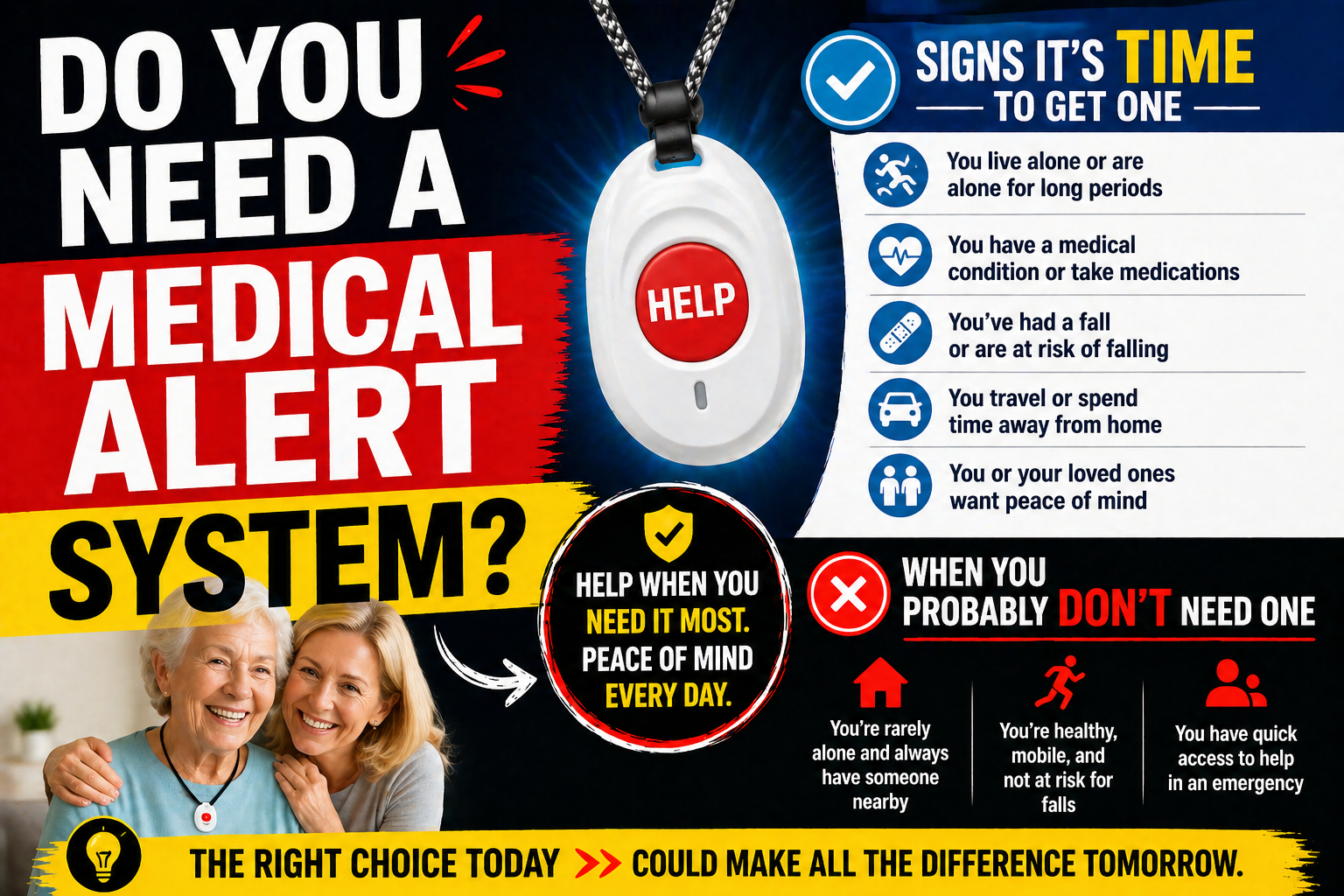
For more on making your parent’s home safer overall, our guide on signs it’s time for a medical alert system is a good next step — including how to have that conversation with a parent who’s resistant to the idea.
About the Author
Carol Simmons is a Certified Aging-in-Place Specialist (CAPS) who spent 15 years helping families assess and modify homes for elderly relatives across Florida and the Southeast. She has completed hundreds of home safety assessments and seen firsthand which changes make the biggest real-world difference — and which ones families spend money on without meaningful impact. Carol writes for Elder Safety Guide to help families get practical, prioritized guidance without needing to hire a specialist for every decision.