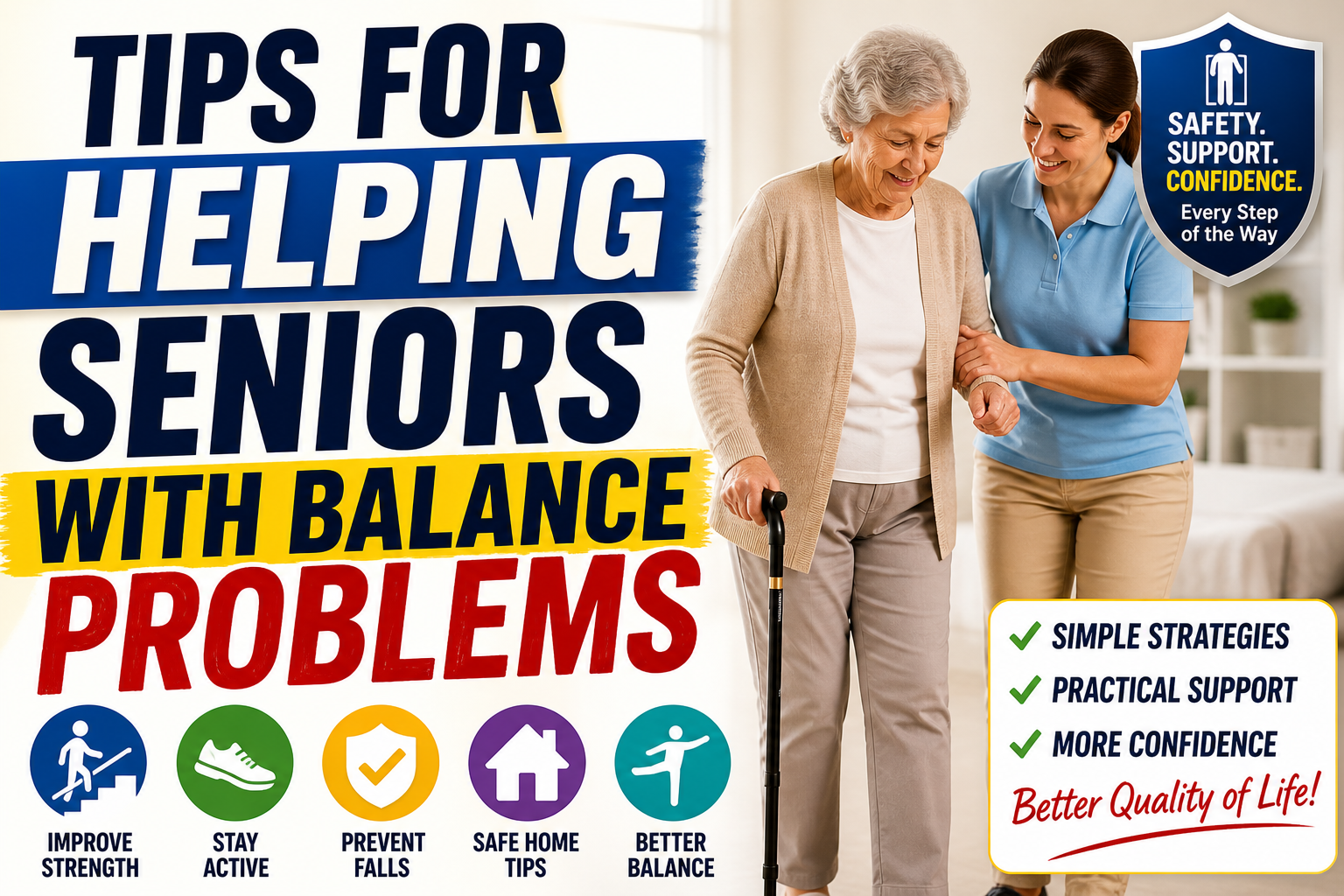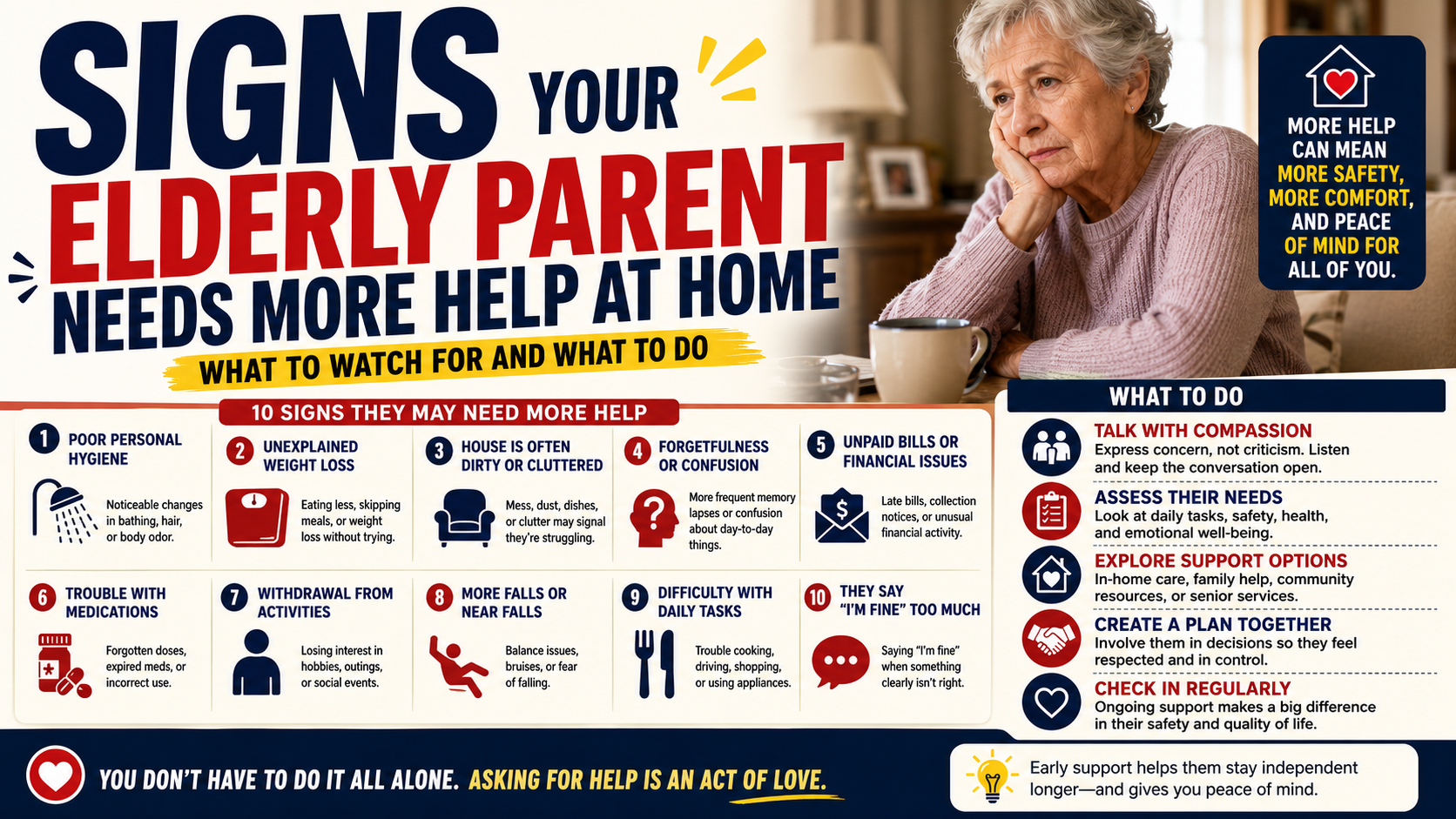
A good walking cane makes a real difference in daily stability and fall prevention. Here’s our honest review of the best foldable walking cane for seniors and what to look for.
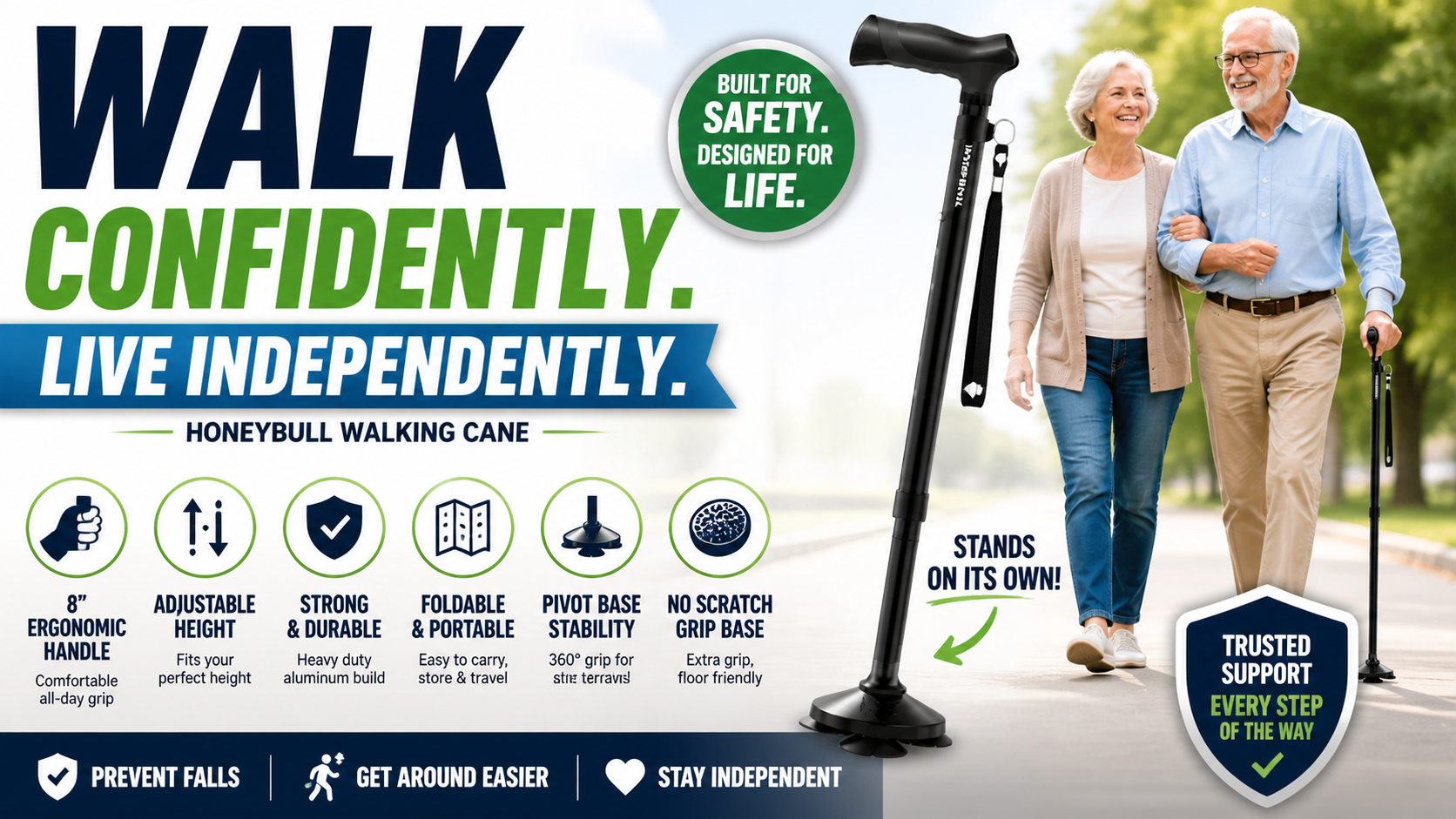
A walking cane done right is one of the most effective fall prevention tools available — and one of the most underused. Many people wait far too long to start using one, either because they don’t think they need it yet or because of how it makes them feel to carry one.
Here’s the reality: a cane used before a fall happens keeps you upright and independent. A cane adopted after a fall is damage control. The people who use one proactively — when balance has changed enough to notice but before anything serious has happened — stay active, stay independent, and fall significantly less than those who wait.
The right cane matters as much as the decision to use one. A cane that folds for travel, stands on its own when you need both hands, handles any surface reliably, and adjusts to your exact height is a completely different experience from a basic drug store cane. This review covers the best option available and exactly what makes it worth recommending.
→ See the HONEYBULL Foldable Walking Cane on Amazon
Who Actually Needs a Walking Cane
The answer to this question is broader than most people assume. A walking cane isn’t just for people who can barely walk — it’s for anyone whose balance has changed enough that an extra point of contact with the ground would meaningfully improve stability and confidence.
A cane is worth considering if any of these apply:
- You’ve had a fall or near-miss in the past year
- You feel noticeably less steady on uneven ground, stairs, or wet surfaces
- You find yourself instinctively reaching for walls, furniture, or other people for balance
- You slow down significantly or feel anxious on certain surfaces or in certain environments
- A physician or physical therapist has suggested one
- You have a condition affecting balance — inner ear issues, neuropathy, Parkinson’s, arthritis
- You’re recovering from hip or knee surgery
If two or more of those apply, a cane is probably worth using now rather than later. The earlier it becomes part of the routine the more naturally it integrates — and the more falls it prevents before they happen.
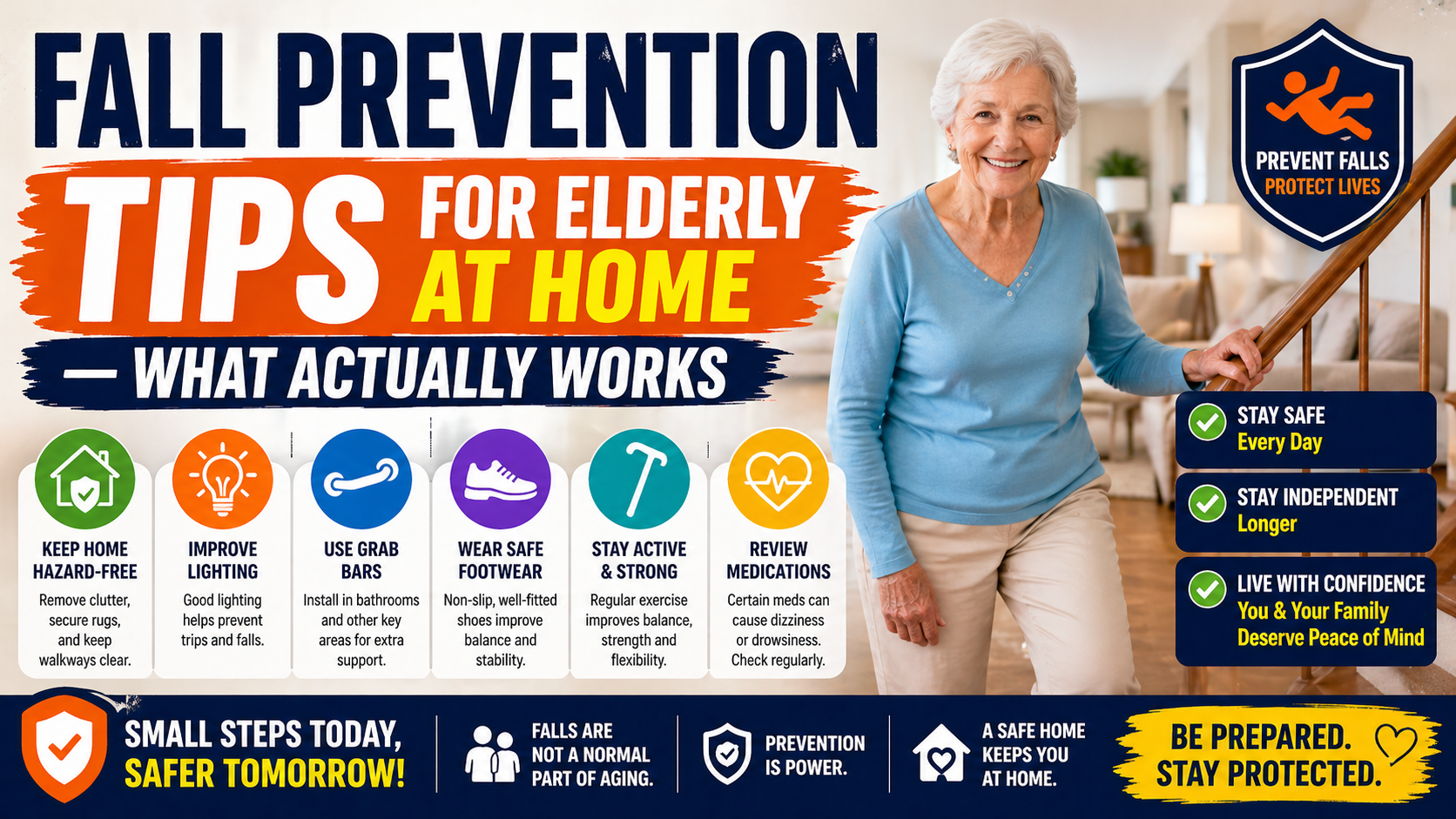
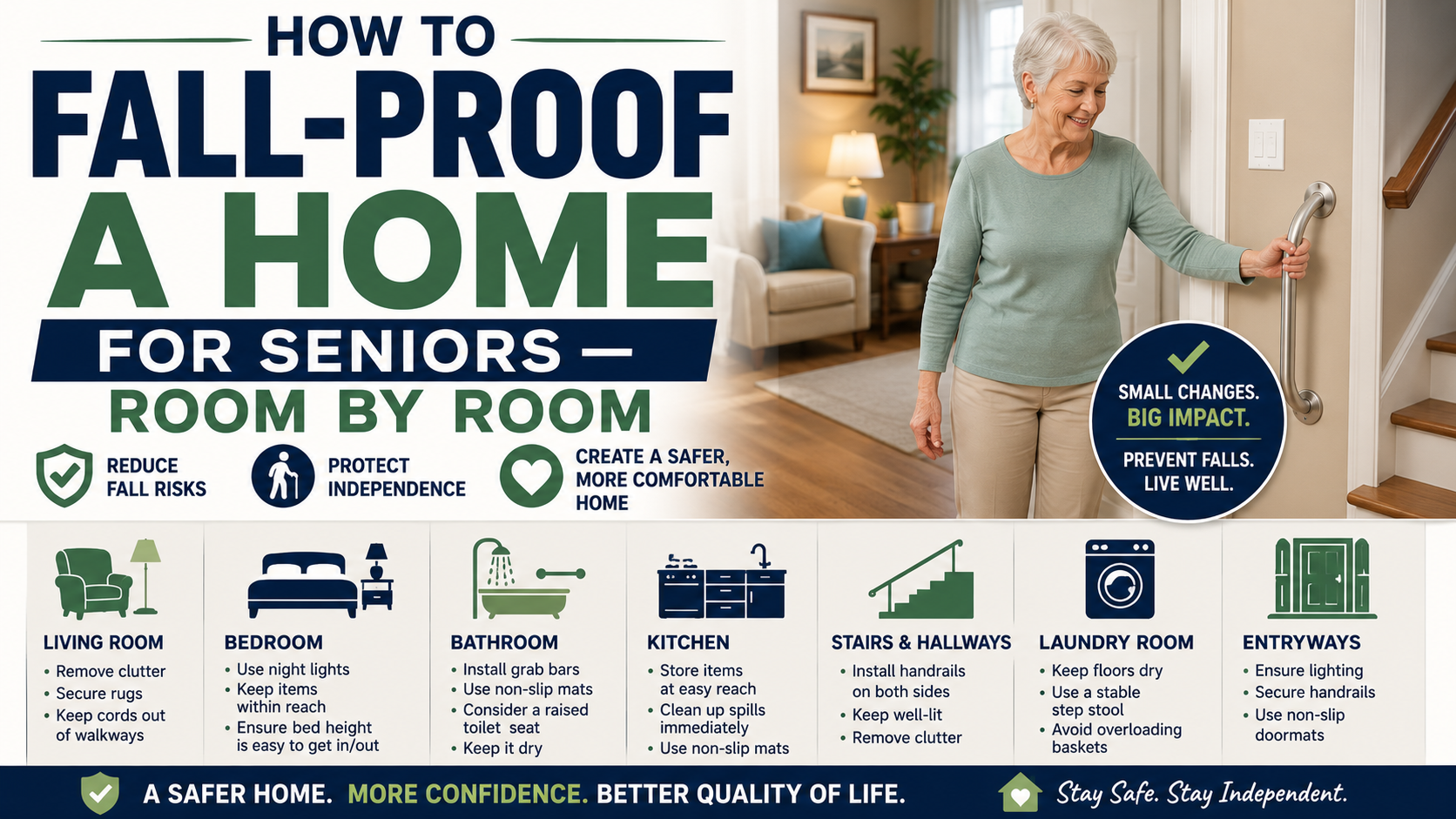
For a broader look at fall risk and everything worth doing to address it our comprehensive guide on fall prevention tips at home covers every factor worth addressing. Our home safety checklist is a useful companion — covering every room-by-room hazard that a cane alone won’t address.
What to Look for in a Walking Cane for Seniors
The walking cane market ranges from basic drug store models to genuinely well-engineered mobility aids. Here’s what separates the ones worth buying from the ones worth avoiding.
Handle Design and Grip
The handle is where the cane meets the hand — and it’s the most important feature for daily comfort and safety. An ergonomic offset handle distributes weight more effectively than a standard crook handle, reducing strain on the wrist and allowing more natural body mechanics during walking. A non-slip grip surface maintains control in all conditions — wet hands, cold weather, warm weather.
For seniors with arthritis or reduced grip strength, handle design is particularly critical. A handle that’s painful to grip won’t be used consistently — and inconsistent use means the cane isn’t there during the moments it’s most needed.
Height Adjustability
Cane height directly affects how effective it is. A cane set too short forces a stoop that throws off balance. A cane set too tall creates an awkward reach that reduces stability. The correct height allows a slight bend at the elbow — approximately 15 to 20 degrees — when the cane tip is on the ground and the hand is on the handle.
Adjustable height accommodates different users, allows fine-tuning to your exact measurement, and means the cane can be adjusted if height needs change over time.
Tip Design and Terrain Performance
The tip of the cane is what contacts the ground — and tip design determines how well the cane performs on different surfaces. A single rubber tip works on flat indoor surfaces but provides limited grip on wet pavement, grass, gravel, or uneven ground. All-terrain tip designs or quad bases provide significantly better stability across the range of surfaces most people actually walk on.
Foldability
A cane that folds is a cane that goes everywhere. A non-folding cane creates storage problems in cars, restaurants, and other environments that make people leave it at home — exactly when they might need it. Foldability dramatically improves the consistency with which a cane gets used in all environments rather than just at home.
Free-Standing Capability
This is a feature most people don’t think to look for until they’ve used a cane without it. A cane that stands on its own when set down means both hands are free when needed — at a checkout counter, when sitting down at a table, when using both hands to carry something. A cane that falls over every time it’s set down becomes genuinely annoying and makes people leave it in the car rather than carry it.
Weight and Durability
A cane that’s too heavy to carry comfortably for extended periods won’t be carried. Lightweight construction that doesn’t sacrifice structural integrity — supporting the user’s weight reliably throughout the day — is the target. Heavy-duty doesn’t mean heavy.
Our Recommended Walking Cane for Seniors
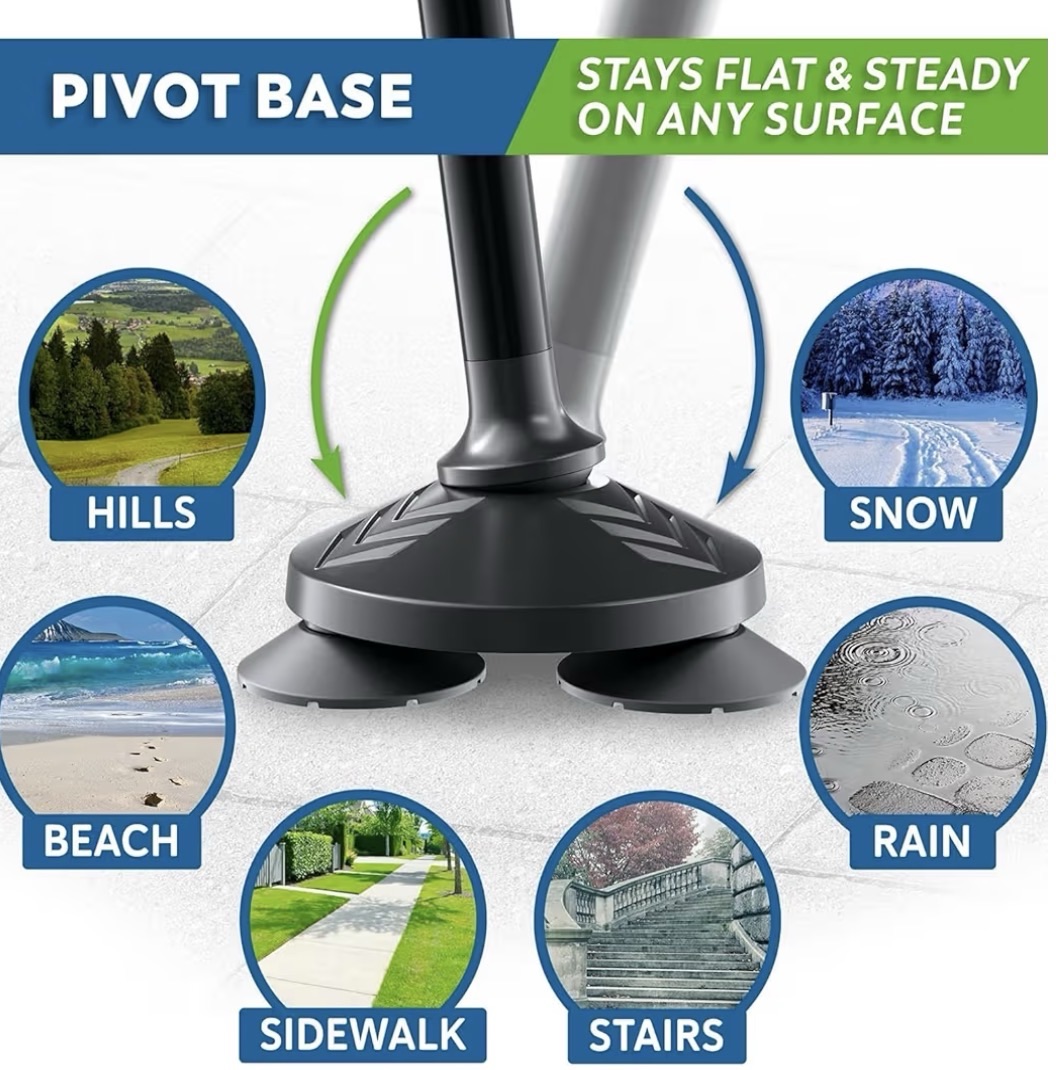
HONEYBULL Walking Cane — Foldable, Adjustable, Heavy Duty, Free Standing, All Terrain
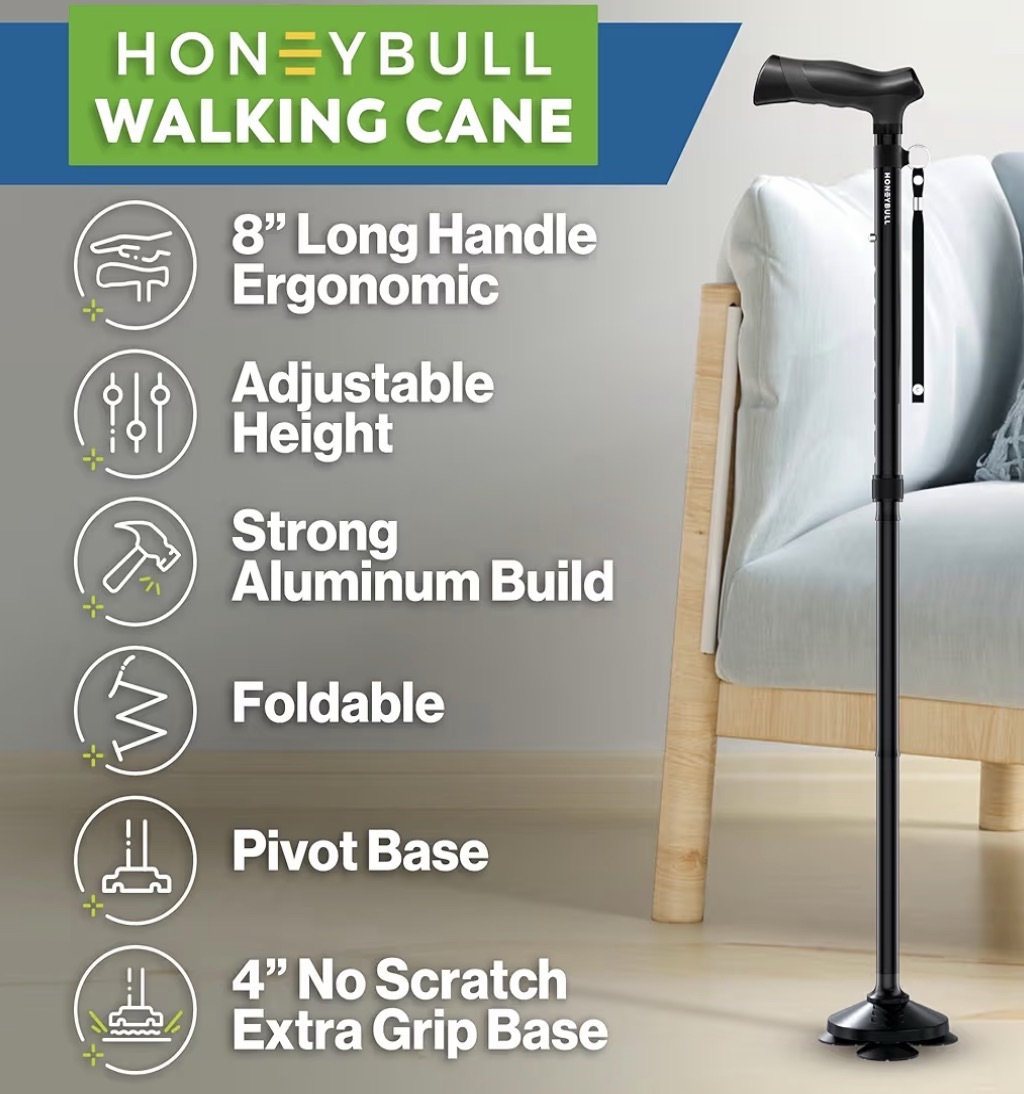
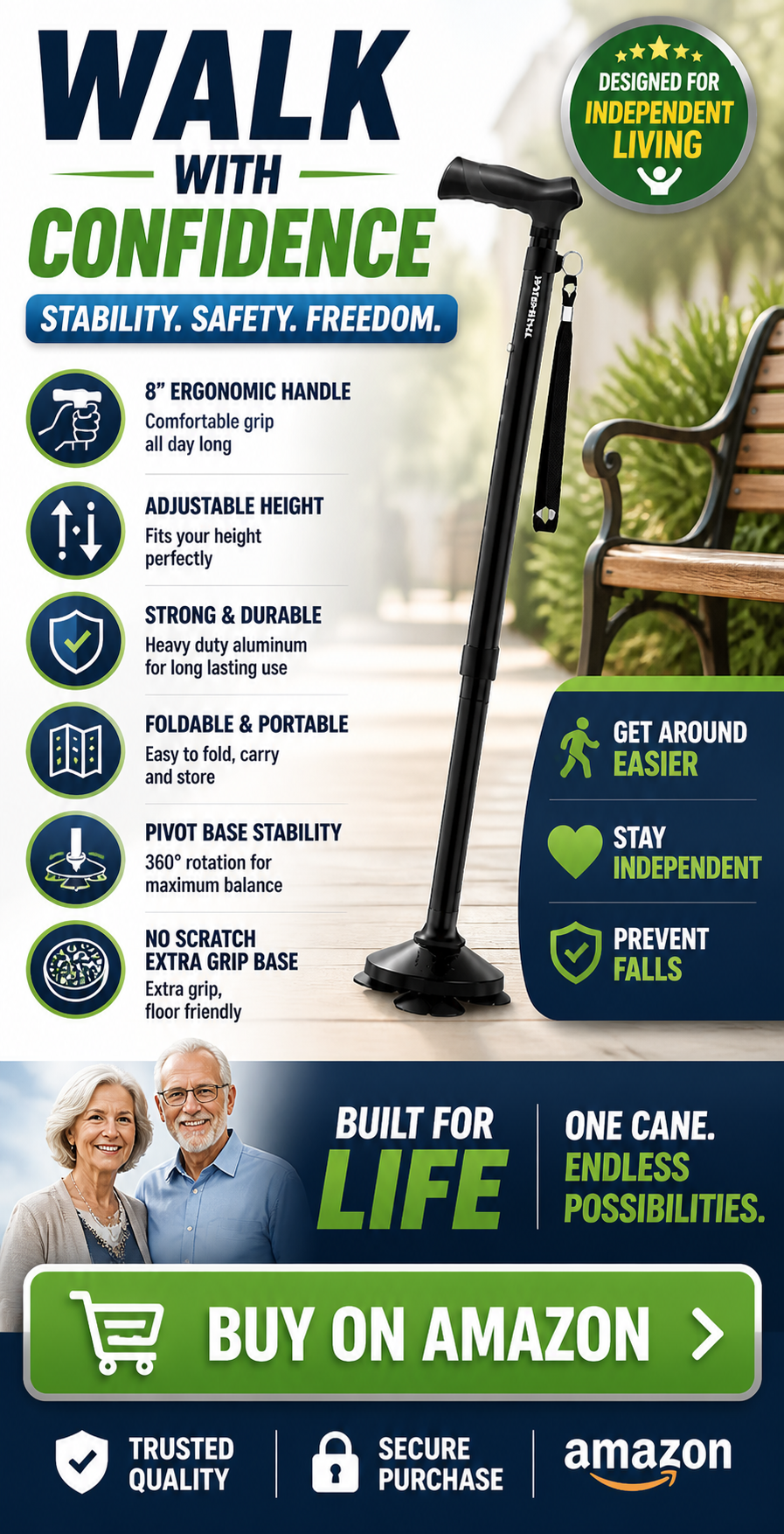
The HONEYBULL walking cane hits every specification on the list above — and the combination of foldability, free-standing capability, and all-terrain performance in a single cane is what makes it stand out in a crowded product category.
→ Check current price and availability on Amazon
The free-standing design is the feature that makes daily use genuinely practical. Set the cane down at a table, a checkout counter, or anywhere else and it stays upright rather than clattering to the floor. This sounds like a small convenience but it’s actually the feature that most directly affects whether a cane gets used consistently throughout the day or left in the car because it’s too much hassle to manage in certain environments. A cane that stands on its own goes everywhere.
All-terrain performance means confidence on every surface. Indoor floors, outdoor pavement, grass, gravel, wet surfaces — the HONEYBULL performs reliably across the range of surfaces most people actually encounter in daily life. A cane that only works well indoors leaves its user less protected in exactly the environments where balance challenges are most acute — uneven outdoor surfaces, wet pavement, unfamiliar terrain.
The foldable design collapses quickly for storage in a car, a bag, or a small space. It reassembles just as quickly when needed. This portability removes the excuse of leaving it behind — which means it’s there in the restaurant, the grocery store, the doctor’s office, and everywhere else the user goes rather than only at home where falls are actually less likely than in public environments.
Height adjustability covers the full range needed for most users and the adjustment mechanism is simple enough to set correctly without tools or assistance. Taking the time to set the correct height before regular use makes a meaningful difference in how effectively the cane supports balance and how comfortable it is to use over extended periods.
The handle is designed for comfortable extended grip — the ergonomics accommodate natural hand positioning during walking without creating the wrist strain that poorly designed handles cause after extended use. For seniors with any arthritis or hand sensitivity this distinction is immediately noticeable.
Construction is heavy duty without being heavy — the cane handles the dynamic loads of daily walking support reliably while remaining light enough to carry comfortably throughout an extended outing.
The HONEYBULL is available for both men and women and in multiple color options — a minor detail that matters for people who care about carrying something that looks good rather than purely functional.
→ Get the HONEYBULL Walking Cane on Amazon
HONEYBULL Walking Cane Review Pros and Cons
The HONEYBULL is a strong fit for someone who wants one cane for everyday indoor use, outdoor walking, and travel. Its foldable design makes it easier to store and carry, while the free-standing base means it does not have to be leaned against a wall or left on the floor when both hands are needed.
There are a few limits to keep in mind. A folding cane still needs to be fully locked before every use, and the height should be adjusted carefully so the handle reaches the wrist crease with a slight bend at the elbow. The cane is intended to provide balance and supplementary support, not to replace a walker or bear significant body weight continuously.
For someone who needs a compact, adjustable cane for moderate balance support, those tradeoffs are reasonable. Someone who needs substantial weight-bearing assistance or feels unsafe even with a properly fitted cane should speak with a physical therapist about whether a different mobility aid would be more appropriate.

How to Use a Walking Cane Correctly
A cane used incorrectly provides limited benefit and can actually contribute to awkward gait patterns that increase rather than decrease fall risk. Here’s the correct technique.
Set the Correct Height First
Stand upright in your normal walking shoes. Let your arms hang naturally at your sides. The top of the cane handle should be at the level of your wrist crease. When holding the cane with the tip on the ground there should be a slight bend — 15 to 20 degrees — at the elbow. Adjust the cane height to achieve this position before beginning regular use.
Hold It on the Stronger Side
This surprises most people — the cane goes in the hand opposite the weaker or injured leg, not the same side. When you step forward with the weaker leg, the cane moves forward on the opposite side simultaneously, creating a stable triangle of support. This is the biomechanically correct technique that maximizes stability and minimizes awkward gait compensation.
If both legs are equally affected or if balance is the primary issue rather than a specific leg weakness, hold the cane in the dominant hand — typically the right for right-handed users.
Move the Cane and Weaker Leg Together
The movement sequence is: cane and weaker leg move forward together, then stronger leg steps through. On stairs: step up with the stronger leg first, then bring the weaker leg and cane up. Step down with the cane first, then the weaker leg, then the stronger leg. The memory aid is “up with the good, down with the bad.”
Keep the Tip Close
The cane tip should land close to the body — not far out to the side or far in front. A cane placed too far from the body creates an awkward lean rather than stable support. The tip should land approximately 12 inches to the side and 12 inches in front of the foot on the cane side.
Don’t Lean on It Heavily
A cane provides balance and a supplementary support point — it’s not designed to bear significant body weight continuously. Leaning heavily on a cane for propulsion or as a primary support shifts body mechanics in ways that create other problems over time. Use it for stability during the walking cycle rather than as a weight-bearing substitute for leg strength.
The Cane and the Complete Fall Prevention Picture
A walking cane addresses mobility and outdoor fall risk — but fall prevention at home requires a full approach. Most falls in older adults happen at home, on surfaces that feel familiar, in situations that don’t seem risky in the moment.
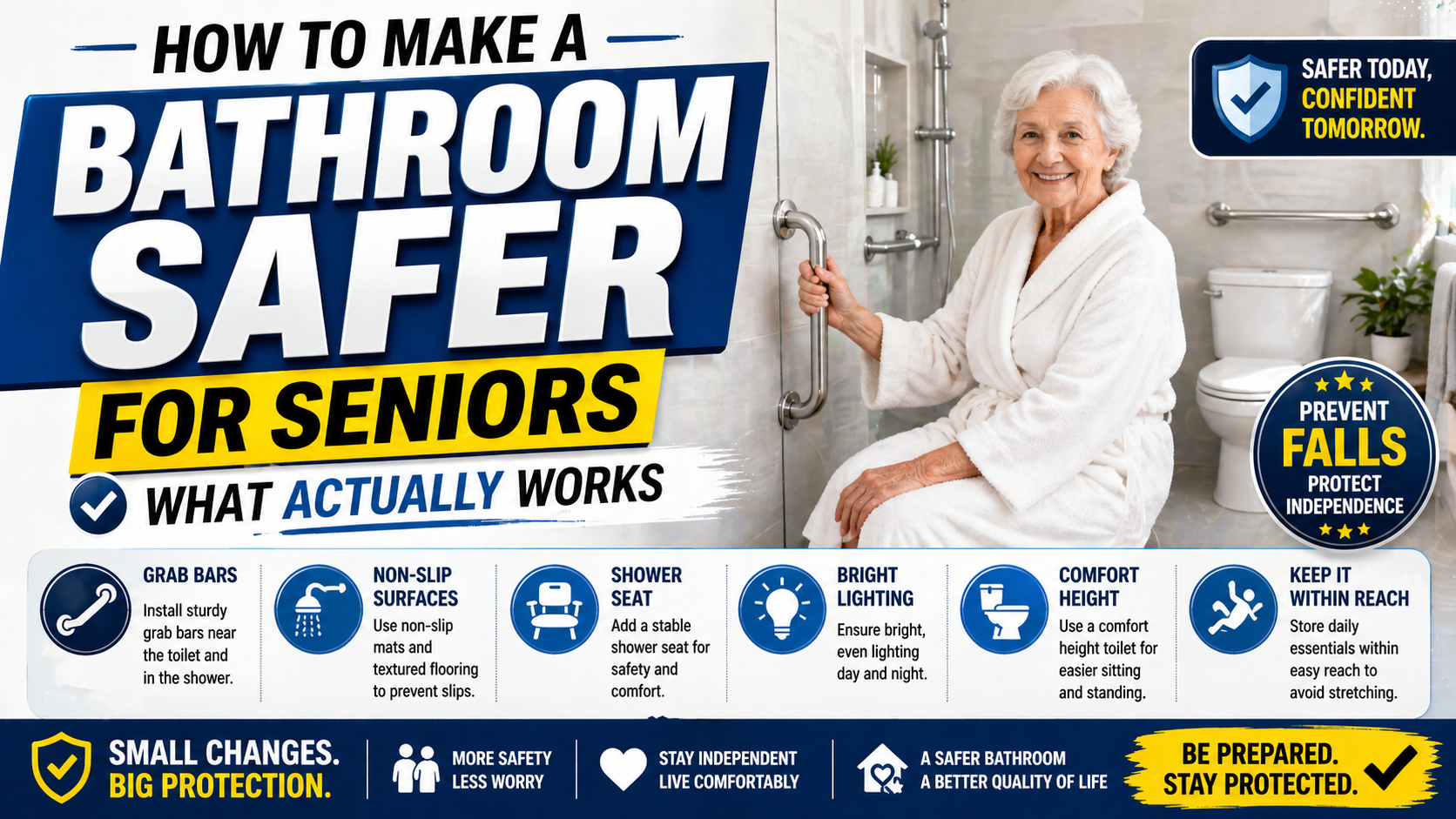
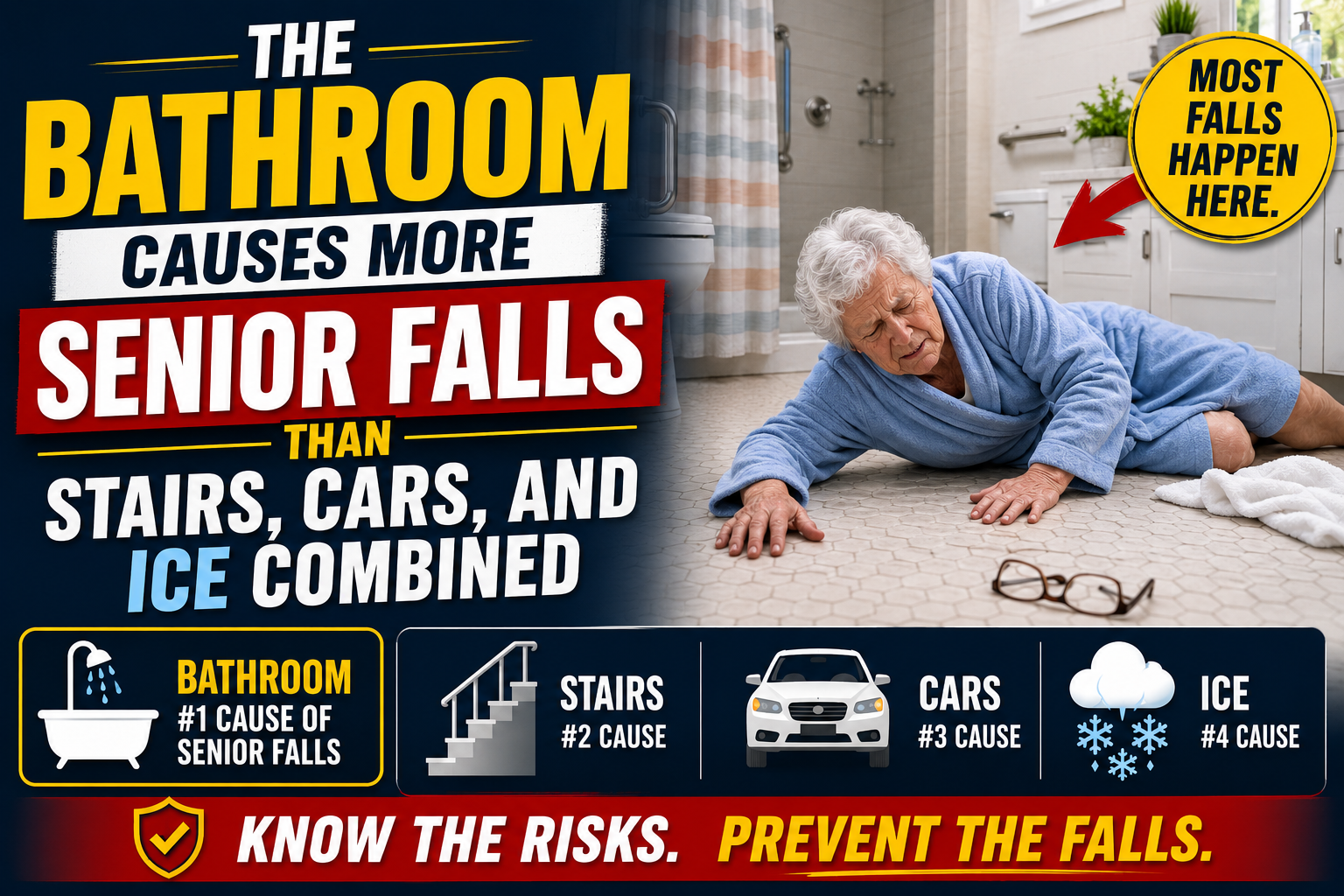
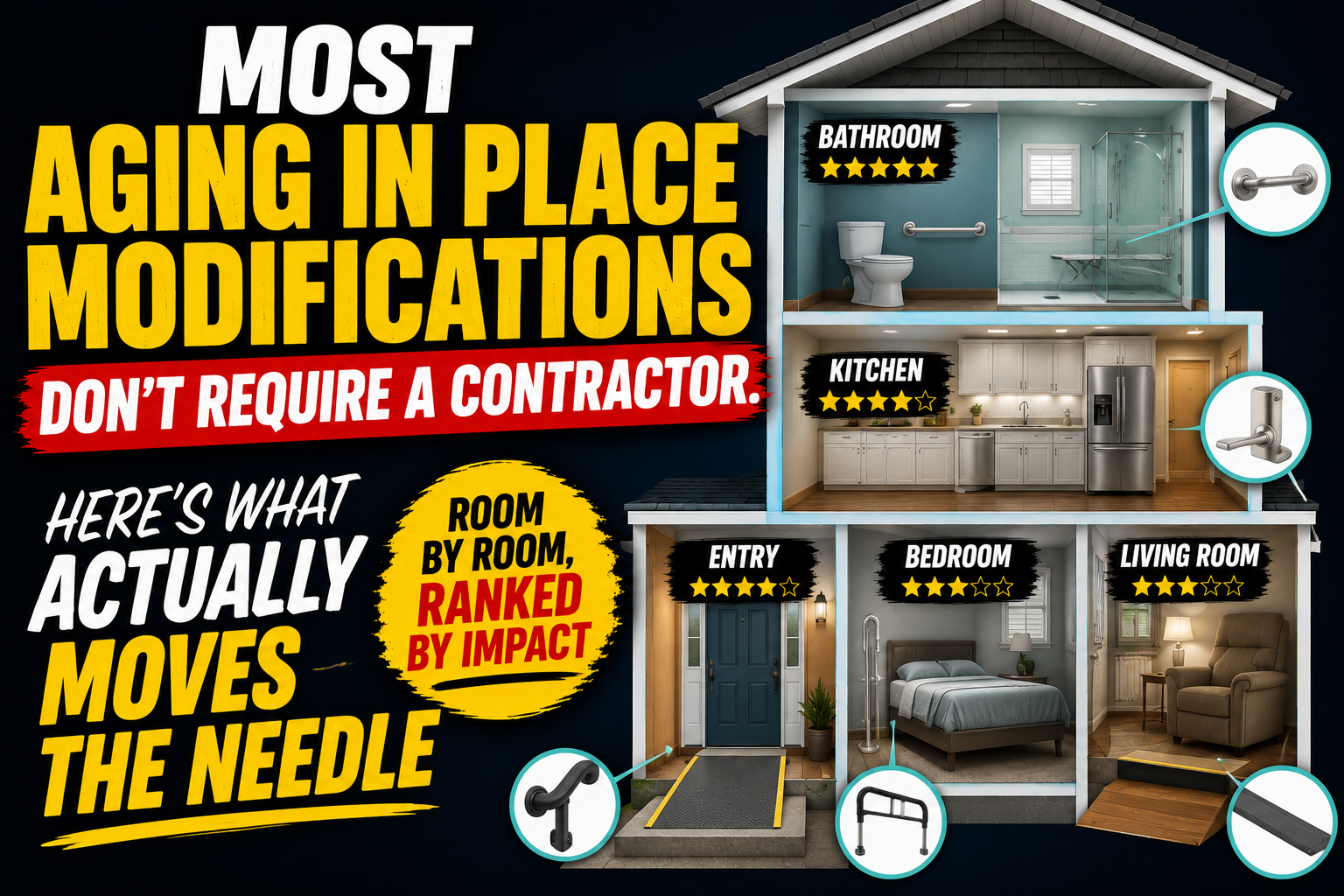
The bathroom is the highest-risk room regardless of mobility aid use. Our complete guide on how to make a bathroom safer covers every upgrade worth making. The specific products that make the biggest bathroom difference — grab bars, toilet safety rails, non-slip bath mat, and shower chair — are all covered in dedicated reviews.
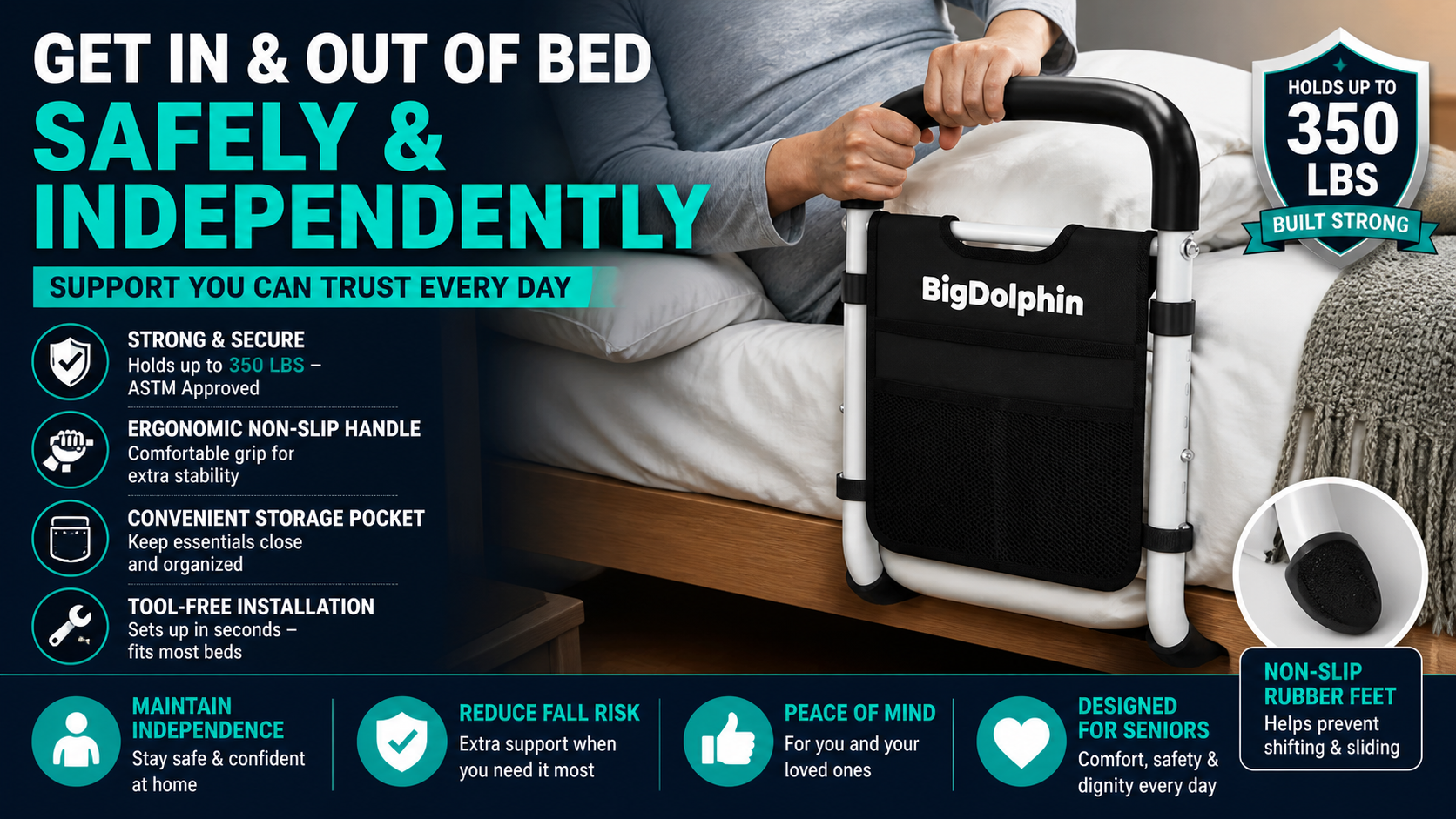
The bedroom getting-up transition is the other high-risk daily moment. Our review of the best bed rail for seniors covers the equipment that makes that transition safer, and our guide on safe ways to get out of bed covers the correct technique.
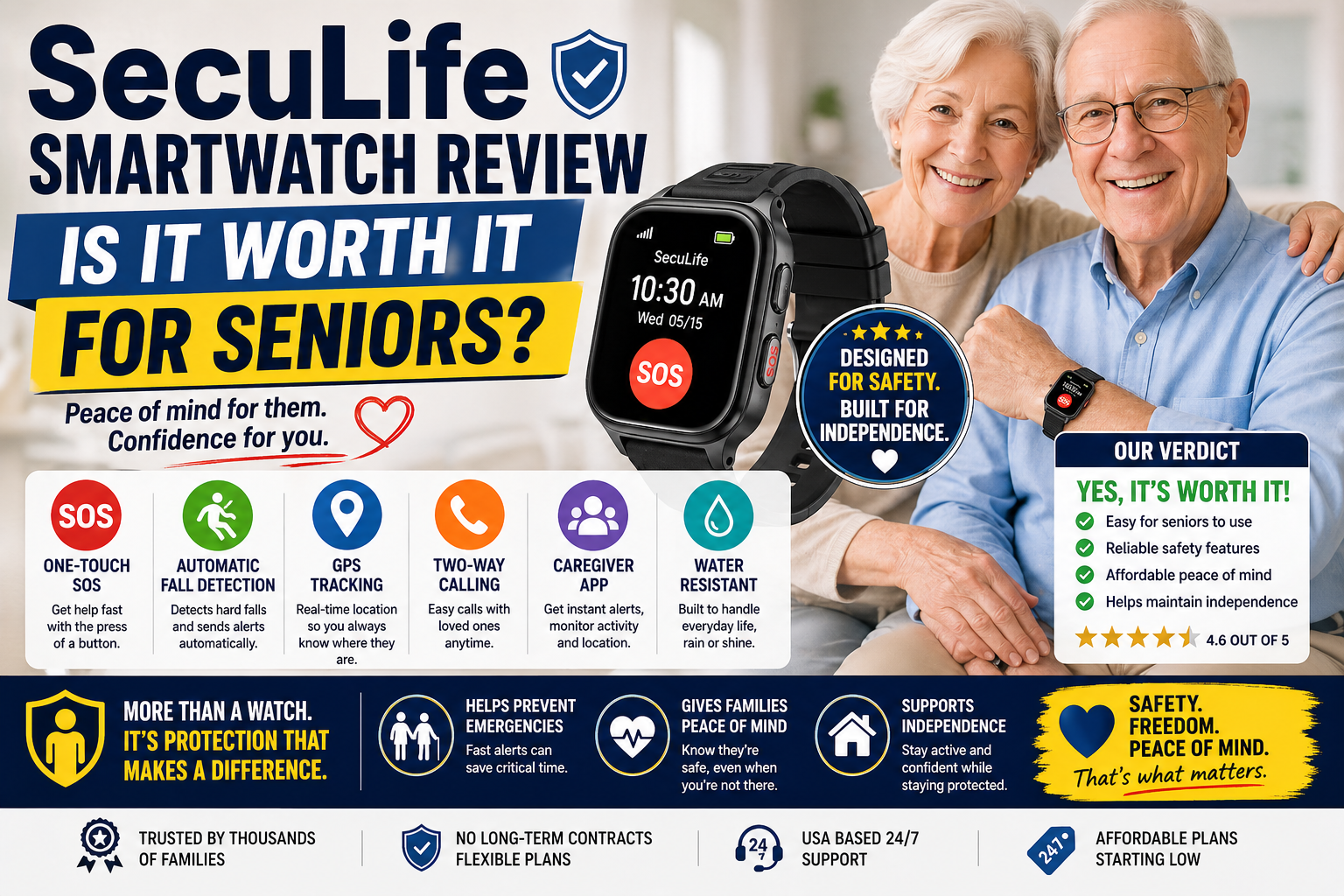
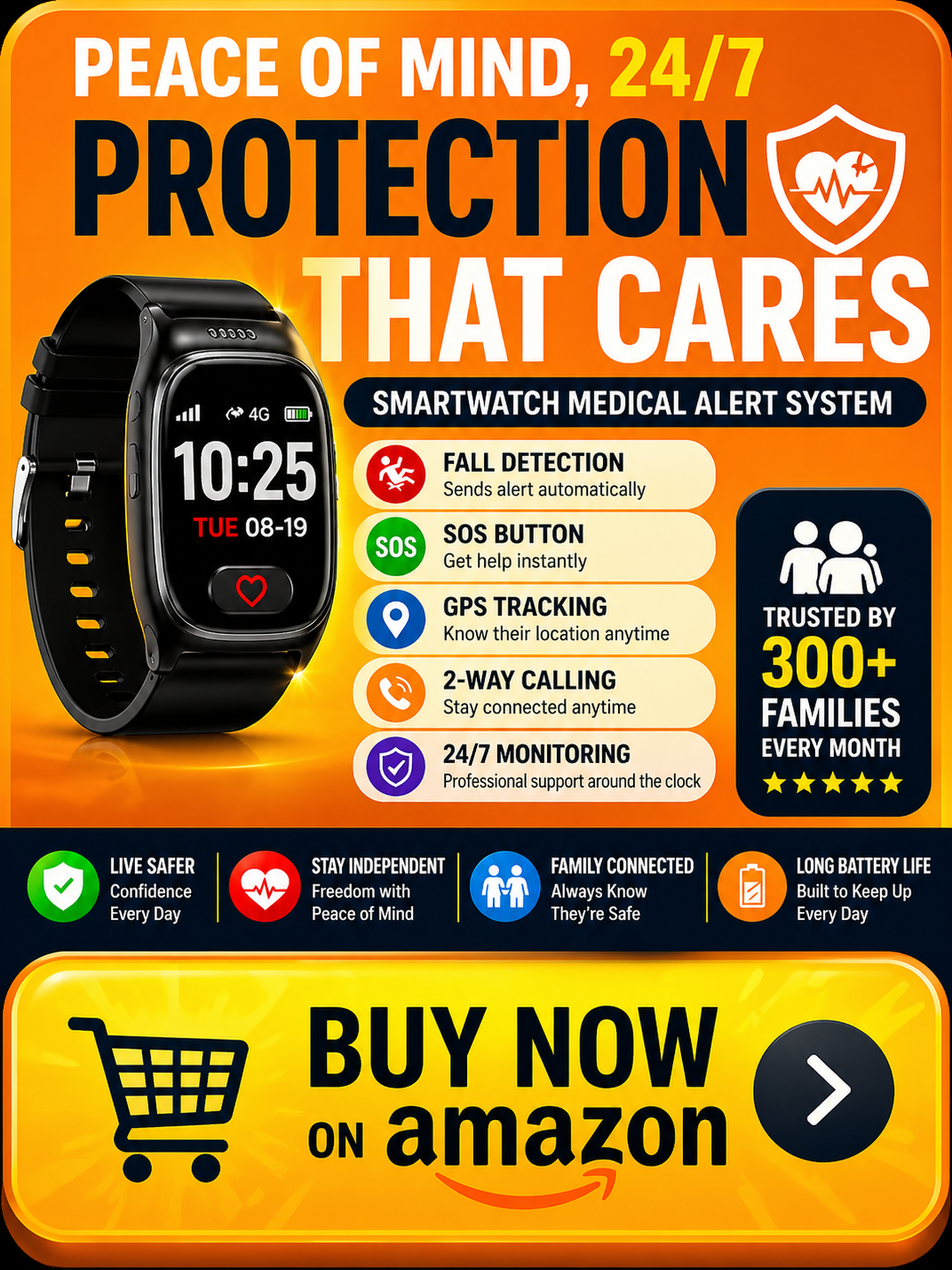
And regardless of every physical safety measure in place, automatic fall detection provides the safety net for when prevention isn’t enough. The SecuLife Smartwatch detects falls automatically and alerts designated contacts without any action required — worn on the wrist it’s there during outdoor walks, indoor navigation, and every other moment throughout the day. Our full SecuLife review covers everything you need to know before deciding.
→ See the SecuLife Smartwatch on Amazon
Getting Comfortable Using a Cane
The adjustment period for using a cane consistently is real — and worth acknowledging honestly. Most people feel self-conscious when they first start using one, particularly in public. That feeling typically fades within a few weeks as the cane becomes part of the normal routine and the stability benefit becomes the primary experience rather than the appearance.
A few things help with the adjustment period:
Start at home. Use the cane at home first — where there’s no audience and the stakes of looking self-conscious don’t exist. Building comfort and correct technique at home before using it in public makes the transition to public use significantly easier.
Choose a cane you like the look of. The HONEYBULL comes in multiple colors and has a design that looks more like a modern mobility accessory than a medical device. Carrying something you don’t mind being seen with makes consistent use more likely.
Focus on how it feels, not how it looks. Within a few days of consistent use the stability benefit becomes the dominant experience — not the self-consciousness about carrying a cane. That shift in focus usually happens faster than people expect.
Tell people who matter. Letting close friends and family know you’ve started using a cane removes the awkward moment of them noticing and commenting. Once it’s been mentioned it becomes unremarkable quickly.
Frequently Asked Questions
How do I know what height to set my cane?
Stand in your normal walking shoes with your arms hanging naturally at your sides. The handle of the cane should reach your wrist crease. When holding the cane with the tip on the ground you should have a slight bend — 15 to 20 degrees — at the elbow. If you’re between adjustment settings err toward the lower setting — a cane that’s slightly too short is less disruptive to gait than one that’s too tall.
Which hand should I hold the cane in?
Hold the cane in the hand opposite your weaker or injured leg. If balance is the primary issue without specific leg weakness, hold it in your dominant hand. This positioning creates the most stable support triangle during walking and is the biomechanically correct technique recommended by physical therapists.
Can I use a foldable cane as reliably as a non-folding one?
A quality foldable cane like the HONEYBULL provides the same stability and support as a non-folding cane during use. The folding mechanism is a convenience feature for storage and transport — it doesn’t affect performance during walking. The locking mechanism holds the cane rigid during use. Check that the cane is fully locked before each use.
Should I use a cane all the time or only when I feel unsteady?
Consistent use is more effective than situational use. Using a cane only when you feel unsteady means it’s not there for the moments when you feel fine but are actually at risk — which is most falls. Building it into the daily routine so it’s always present is the approach that provides the most consistent fall prevention benefit.
Is there a difference between a walking cane and a walking stick?
Walking sticks are typically trekking poles designed for outdoor hiking — they’re used in pairs and designed for active terrain navigation rather than daily mobility support. Walking canes are designed for single-hand use as a daily mobility aid. The HONEYBULL is a walking cane — designed for daily use across all terrain including both indoor and outdoor environments.
Start Using It Before You Need To
The best time to start using a walking cane is before a fall makes the decision for you. Every day of use before a fall happens is a day of prevention. Every day of use after a fall is recovery.
The HONEYBULL folds for travel, stands on its own when set down, handles any surface confidently, and adjusts to exactly the right height for your body. It goes everywhere you go — which means it’s there during the outdoor walk, the grocery store trip, and the uneven parking lot that’s actually where falls are most likely to happen.
Don’t wait for a fall to make the case for it.
→ Order the HONEYBULL Walking Cane on Amazon — check current price and availability
About the Author
Tom Garrett spent eight years working as an EMT before leaving the field to become a full-time caregiver for his father, who fell twice in one year at age 79. That experience — watching his father resist using a cane until after his second fall, then wishing he’d started sooner — is what drives his writing on fall prevention. Tom covers senior safety topics for Elder Safety Guide with a focus on practical guidance that helps people act before something goes wrong.