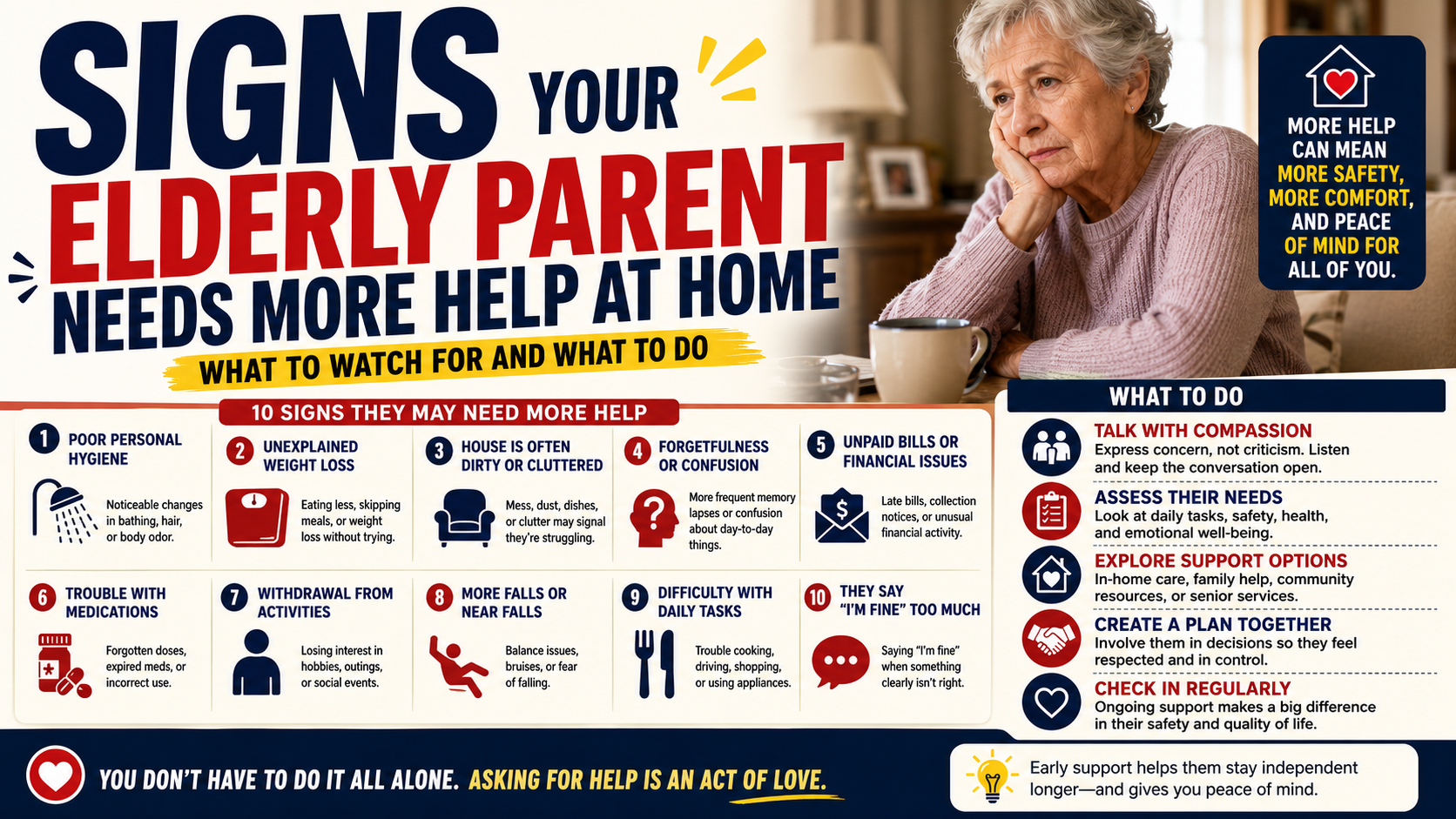
Balance problems in older adults are common, progressive, and very manageable with the right approach. Here’s what actually helps — and what to put in place today.
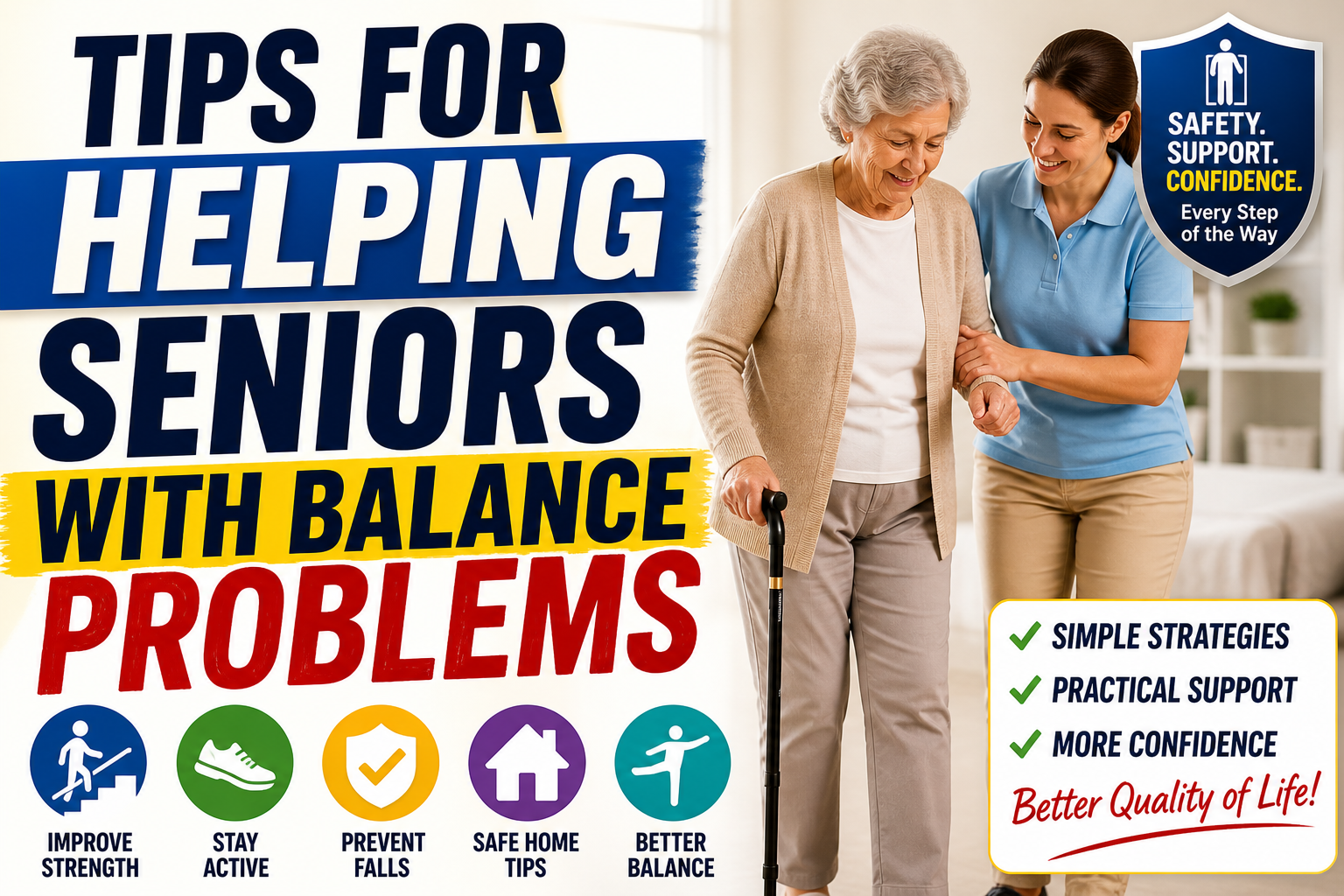
Balance problems in older adults are one of the most common — and most underaddressed — contributors to falls. They develop gradually, which means they’re easy to dismiss as normal aging. And because the changes happen slowly, most people don’t realize how significantly their balance has shifted until something goes wrong.
The good news is that balance problems are rarely a fixed condition. Most of the factors that contribute to balance decline in older adults are addressable — through exercise, home modifications, the right equipment, and medical evaluation. The combination of all four is what actually moves the needle. Those interventions support safer daily routines at home, and Elderly Safety Tips for Living Independently — A Practical Guide for Staying Home on Your Terms brings them together in a broader independent-living framework.
This guide covers everything worth knowing about senior balance problems — what causes them, how to assess them honestly, and exactly what to do about each contributing factor.
What Balance Actually Is — and Why It Declines With Age
Balance isn’t a single system — it’s the result of three systems working together continuously. Understanding what they are makes it much clearer why balance declines with age and which interventions actually help.
The Vestibular System
The inner ear contains the vestibular system — fluid-filled canals that detect head position and movement and send that information to the brain. With age the vestibular system becomes less sensitive and slower to respond. The automatic adjustments that keep the body upright during a stumble happen more slowly and less reliably.
Certain medical conditions — benign paroxysmal positional vertigo (BPPV), Meniere’s disease, and labyrinthitis — directly affect the vestibular system and can cause sudden, severe balance disruption. These are treatable conditions that are frequently underdiagnosed in older adults.
Proprioception
Proprioception is the body’s sense of its own position in space — knowing where your feet are, whether you’re leaning, how your weight is distributed. It relies on sensors in muscles, joints, and connective tissue that send continuous feedback to the brain.
Peripheral neuropathy — nerve damage most commonly caused by diabetes — significantly reduces proprioceptive feedback from the feet and lower legs. A senior with neuropathy may not feel that their foot is on uneven ground until it’s too late to correct. This is why neuropathy is such a significant fall risk factor and why addressing blood sugar management in diabetic seniors directly reduces fall risk.
Vision
Vision provides the third input to the balance system — visual cues about the environment, horizon lines, and spatial relationships. Reduced visual acuity, contrast sensitivity, and depth perception all affect how effectively the visual system contributes to balance. This is why falls increase at night and in poorly lit environments — one of the three balance systems is essentially removed from the equation.
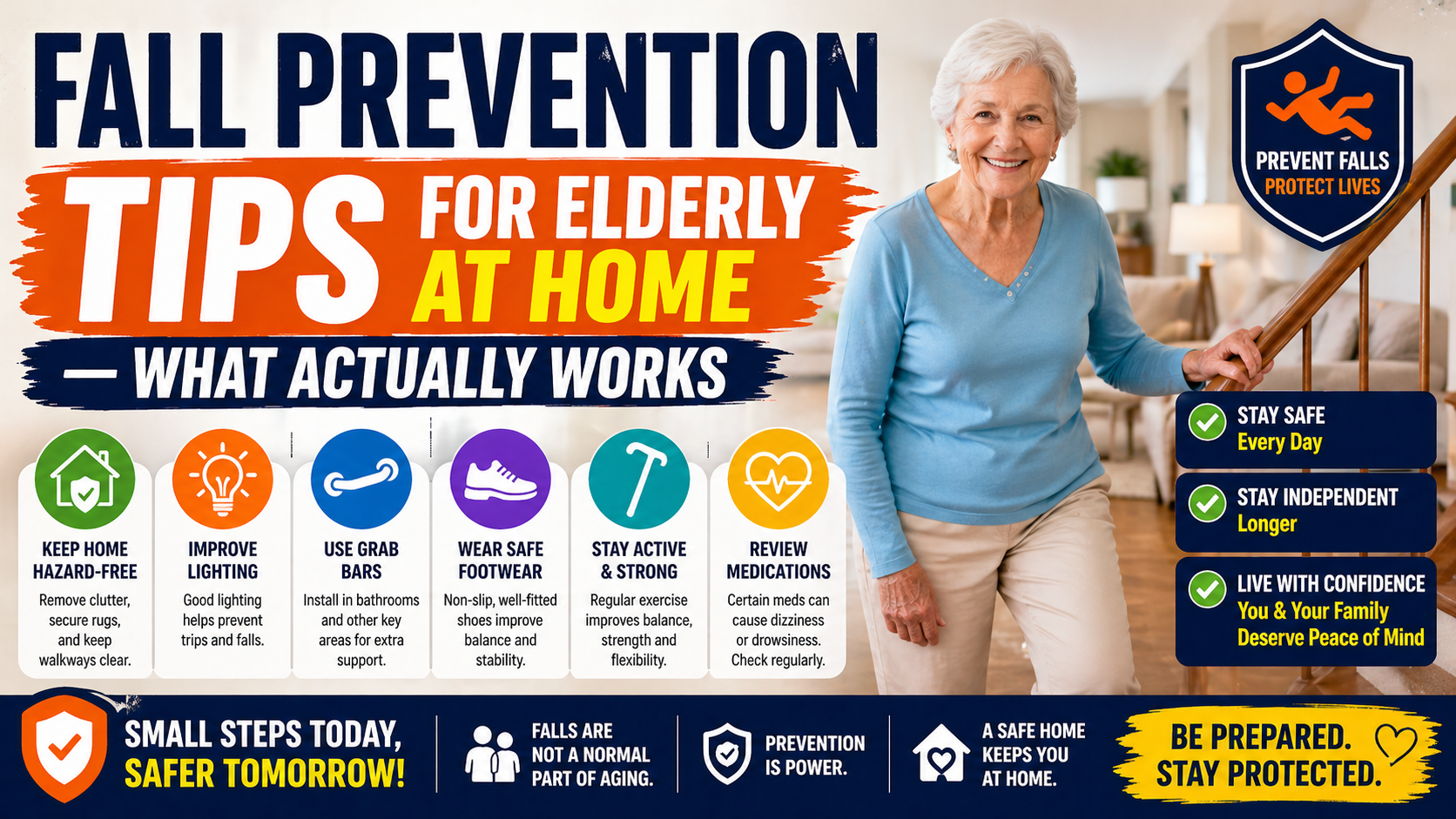
Regular vision checks and keeping prescriptions current are genuine fall prevention interventions — not just vision care. Our guide on fall prevention tips at home covers this and every other home-based intervention worth making.

Common Causes of Balance Problems in Seniors
Balance problems in older adults rarely have a single cause. More typically several contributing factors compound each other. Identifying and addressing as many as possible is more effective than treating any single cause in isolation.
Muscle Weakness — Particularly in the Legs and Core
The muscles of the legs, hips, and core are the physical infrastructure of balance. When they weaken — as they do with age, particularly with reduced activity — the body has less capacity to make the rapid corrective movements that prevent stumbles from becoming falls.
Leg and core strengthening through targeted exercise directly improves balance — this is one of the best-evidenced interventions available. It’s not complicated exercise either. Chair stands, heel raises, and core engagement exercises done consistently over weeks to months produce measurable improvements in balance and fall risk.
Medication Side Effects
This is one of the most significant and most overlooked contributors to balance problems in older adults. Dozens of commonly prescribed medications have side effects that directly affect balance and fall risk — blood pressure medications causing orthostatic hypotension, sleep aids causing morning drowsiness and slowed reflexes, diuretics causing dehydration-related dizziness, antidepressants affecting vestibular function. The medication-specific causes behind these effects are explained in The #1 Reason Seniors Fall at Home — And It’s Not What You Think.
A medication review specifically focused on fall risk is one of the highest-value medical appointments an older adult can have. Ask your doctor to look at your complete medication list through the lens of balance and fall risk. Timing adjustments — not necessarily medication changes — frequently reduce the balance impact significantly.
Chronic Conditions
Several chronic conditions directly affect balance beyond normal aging. Parkinson’s disease affects the motor control systems that coordinate movement and balance. Arthritis in the hips, knees, and ankles affects the proprioceptive feedback from those joints and reduces the range of motion available for corrective movements. Diabetes causes neuropathy that reduces foot sensation. Cardiovascular conditions affect blood pressure regulation and therefore orthostatic stability.
Managing these conditions effectively — not just tolerating them — is part of fall prevention. This is worth discussing explicitly with your care team rather than treating balance decline as a separate issue from the underlying condition.
Dehydration
Chronic mild dehydration is common in older adults — the thirst mechanism becomes less sensitive with age, meaning you may not feel thirsty even when significantly under-hydrated. Dehydration reduces blood volume and blood pressure, contributing to dizziness and orthostatic hypotension during position changes.
Consistent fluid intake throughout the day — not just when thirsty — is a genuine balance intervention. Aim for consistent hydration rather than drinking large amounts infrequently.
Footwear
Worn-out shoes with compressed cushioning, poor-fitting shoes that affect gait, smooth-soled footwear that provides no grip, and walking in socks all meaningfully affect balance during walking. Footwear is a frequently overlooked and easily addressed contributing factor.
Well-fitting, supportive shoes with non-slip soles and adequate ankle support are a genuine fall prevention intervention. For seniors with foot problems, orthotic inserts prescribed by a podiatrist improve gait mechanics and proprioceptive feedback.
Assessing Balance Honestly
One of the challenges with gradual balance decline is that most people adapt to it without realizing they’re doing so — taking shorter steps, slowing down on certain surfaces, avoiding specific activities. These adaptations feel like normal adjustments but are actually compensation for real balance changes.
A few honest self-assessments are worth doing:
The Single-Leg Stand Test
Stand near a wall or sturdy surface for safety. Lift one foot slightly off the floor and stand on the other leg. Time how long you can hold it without touching the lifted foot down or grabbing the support. Most healthy adults under 60 can hold this for 30 seconds or more. A healthy 70-year-old averages around 20 seconds. Under 10 seconds on either leg is a significant signal worth discussing with a doctor.
The Timed Up and Go Test
Sit in a standard chair. On a signal, stand up, walk 10 feet, turn around, walk back, and sit down. A time of 12 seconds or more is associated with significantly increased fall risk in older adults. This is one of the standard clinical assessments physical therapists use for fall risk evaluation.
The Honest Activity Inventory
Ask yourself honestly: have you stopped doing anything in the past year because of balance concerns? Have you started holding walls or furniture more than you used to? Have you slowed down on stairs, uneven surfaces, or wet pavement? Any “yes” answer is a signal worth acting on.
What Actually Helps — The Four-Part Approach
The most effective approach to balance problems combines four elements. Each one helps. All four together make a significantly larger difference than any single intervention.
1. Exercise — The Most Powerful Intervention Available
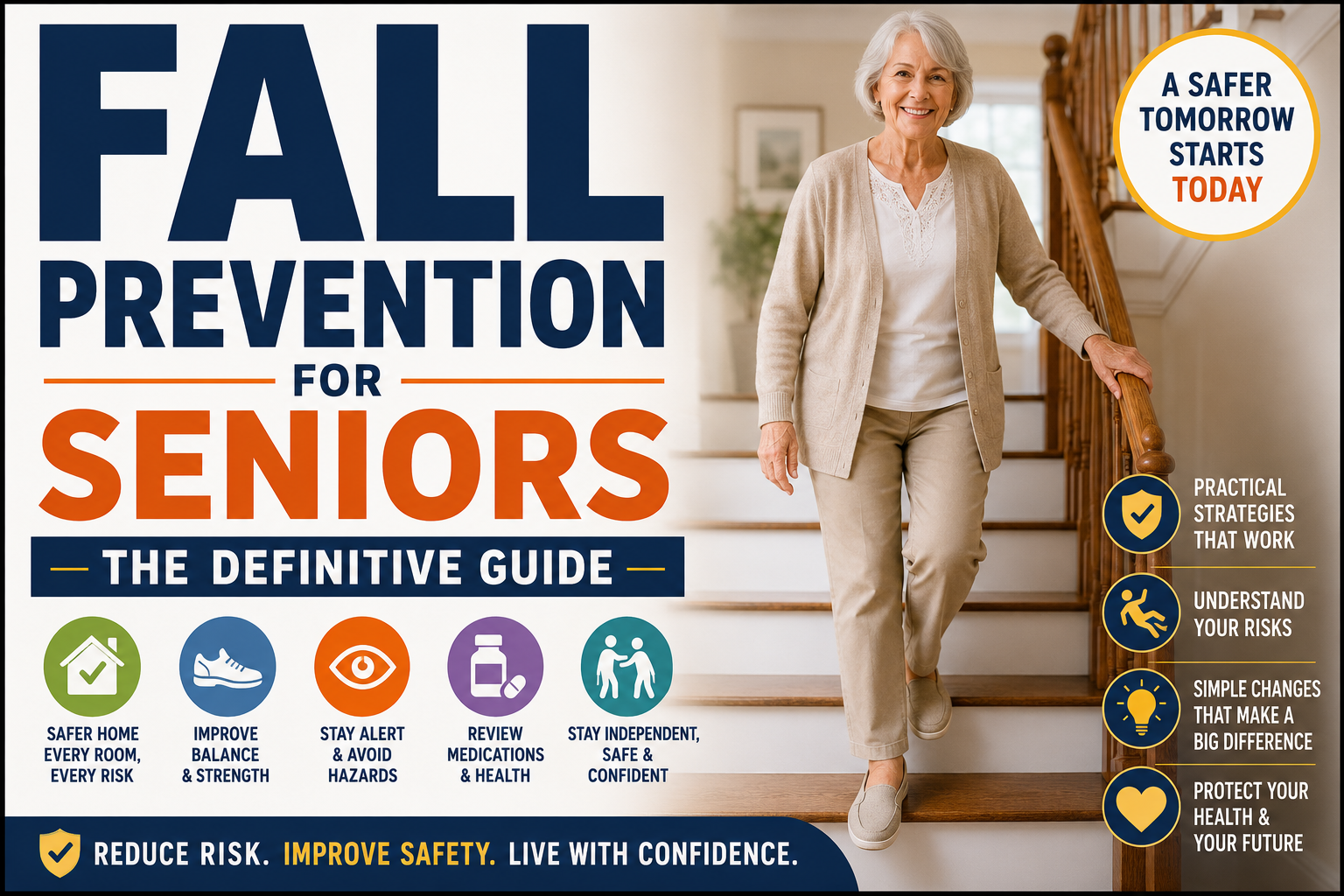
Exercise targeted at balance, strength, and flexibility has the strongest evidence base of any single fall prevention intervention. Programs specifically designed for older adults — Tai Chi, otago exercise programs, physical therapy balance training — reduce falls by 20 to 30 percent in research studies. That’s a larger reduction than most medical interventions produce. These exercise strategies fit into the broader framework of Fall Prevention for Seniors — The Definitive Guide.
Tai Chi specifically has exceptional evidence for fall prevention in older adults. The slow, deliberate, weight-shifting movements train exactly the proprioceptive and vestibular systems that decline with age. Many community centers and senior programs offer Tai Chi classes — worth seeking out and attending consistently rather than occasionally.
For home exercise, three specific movements produce meaningful balance improvement with consistent practice:
- Chair stands — standing from a seated position without using hands, then slowly lowering back down. Start with whatever number is manageable and build over weeks.
- Heel raises — standing behind a chair, rising onto the balls of the feet and lowering slowly. Strengthens the calf muscles critical for push-off and landing stability.
- Tandem standing — standing with one foot directly in front of the other, heel to toe, holding as long as possible. Progressively challenges balance in a safe way.
A physical therapist can assess your specific balance pattern and design a program targeting your individual weak points. This is covered by Medicare with documented fall risk or functional limitation — worth pursuing specifically rather than hoping general activity will address the specific deficits.
2. Mobility Aids — Used Proactively, Not Reactively
A well-chosen mobility aid used proactively is one of the most immediately impactful balance interventions available. The key word is proactively — used before a fall forces the issue, when confidence and independence are still fully intact.
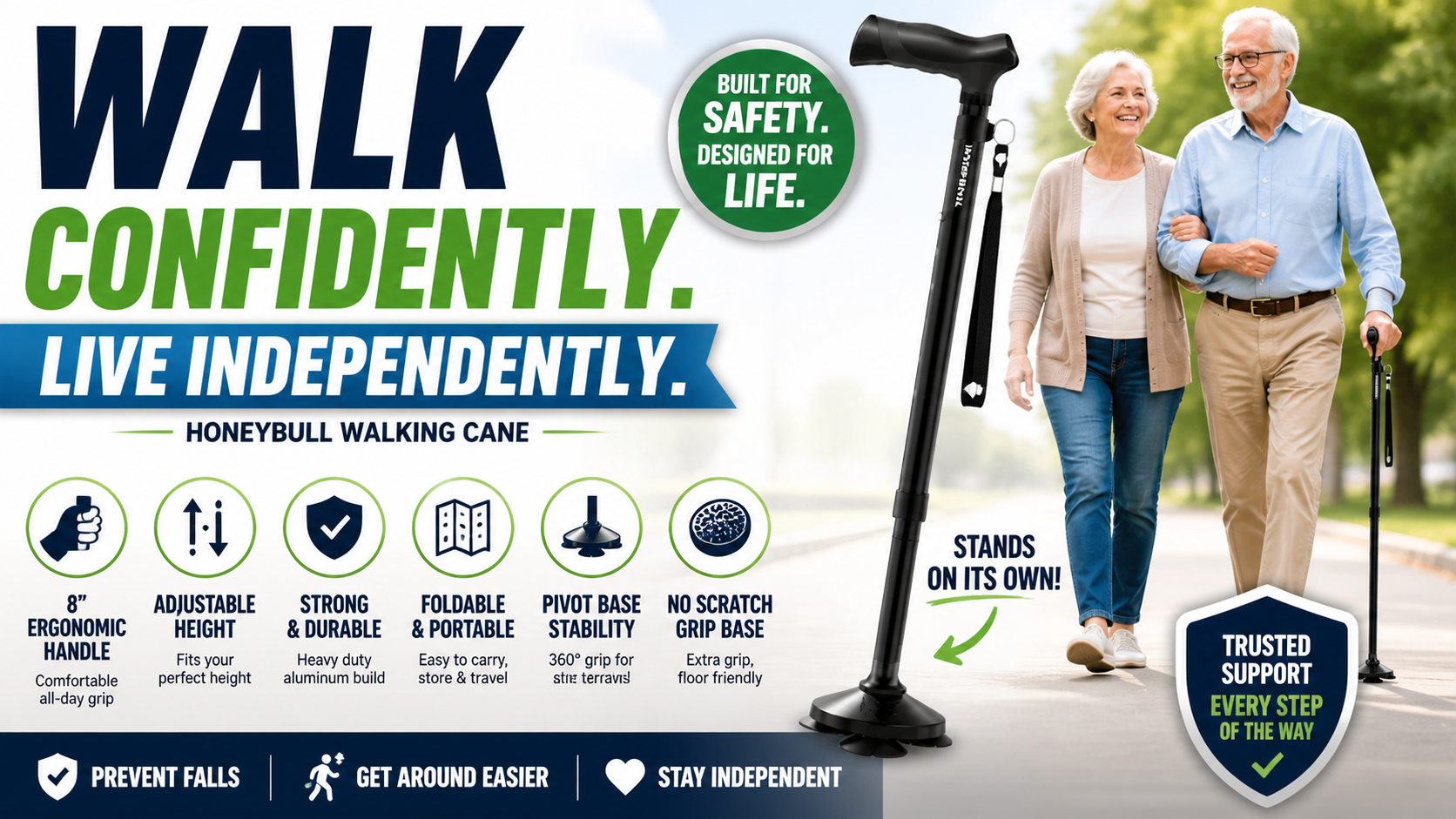
A walking cane provides a third point of contact with the ground that meaningfully improves stability during walking — particularly on uneven surfaces, wet pavement, and any terrain that challenges balance. It also provides a psychological confidence benefit that shouldn’t be underestimated: knowing there’s a backup support point changes how freely and naturally people move.
The HONEYBULL foldable walking cane is the option we recommend for most seniors with balance challenges. It folds for portability so it goes everywhere rather than being left at home, stands on its own when set down so both hands are free when needed, and handles any terrain reliably.
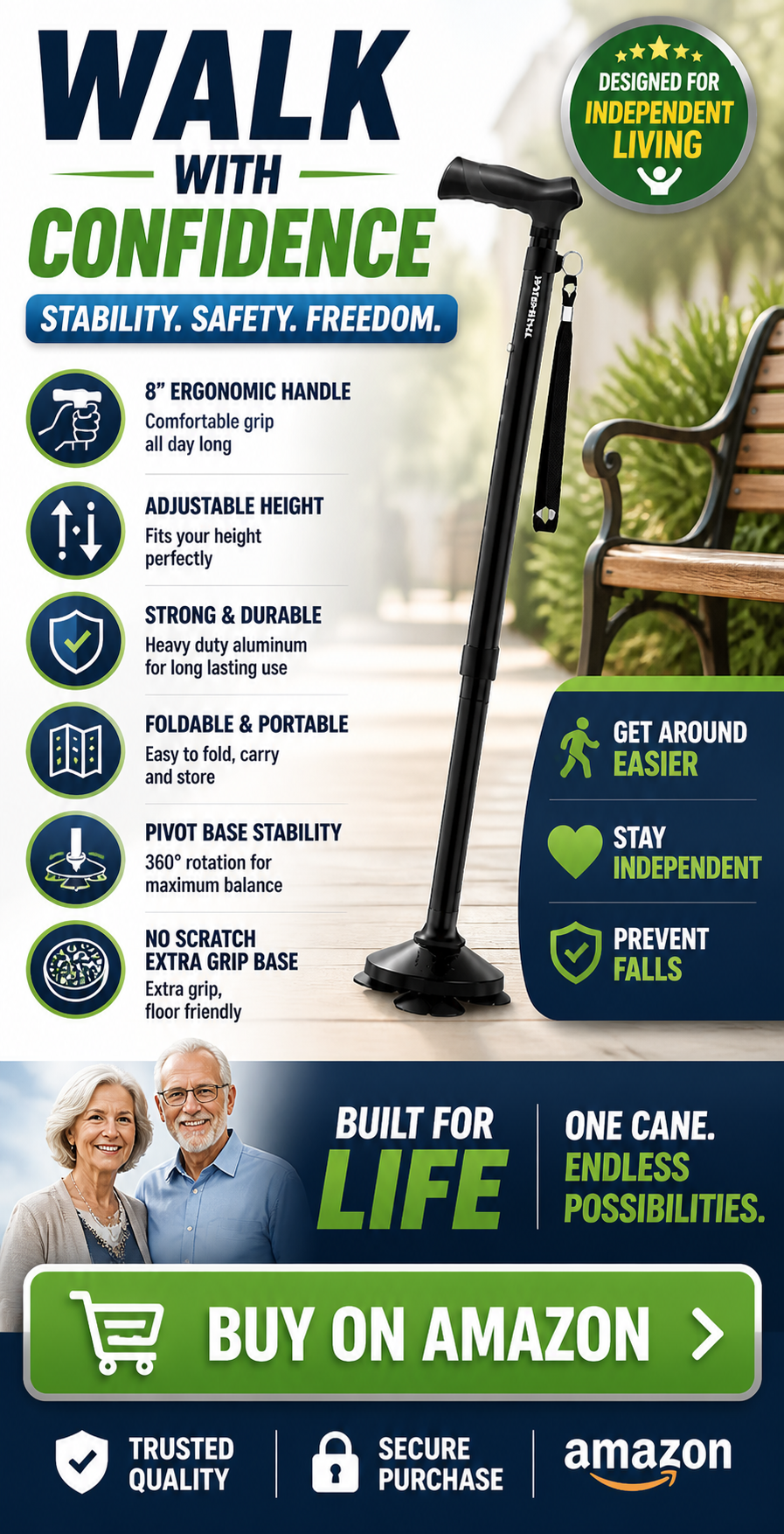
→ Get the HONEYBULL Walking Cane on Amazon
Using a cane correctly matters as much as using one at all. The cane goes in the hand opposite the weaker leg — creating a stable triangle of support during walking. Height should be set so there’s a slight bend at the elbow when the tip is on the ground. Our full walking cane review covers correct technique in detail.
3. Home Modifications — Addressing the Environment
Balance problems that are manageable in an open, well-lit, even environment become fall risks in a home full of rugs, poor lighting, and high-risk transitions. Home modifications address the environment rather than the person — reducing the demands placed on a balance system that may already be working hard.
The highest-impact home modifications for someone with balance problems:

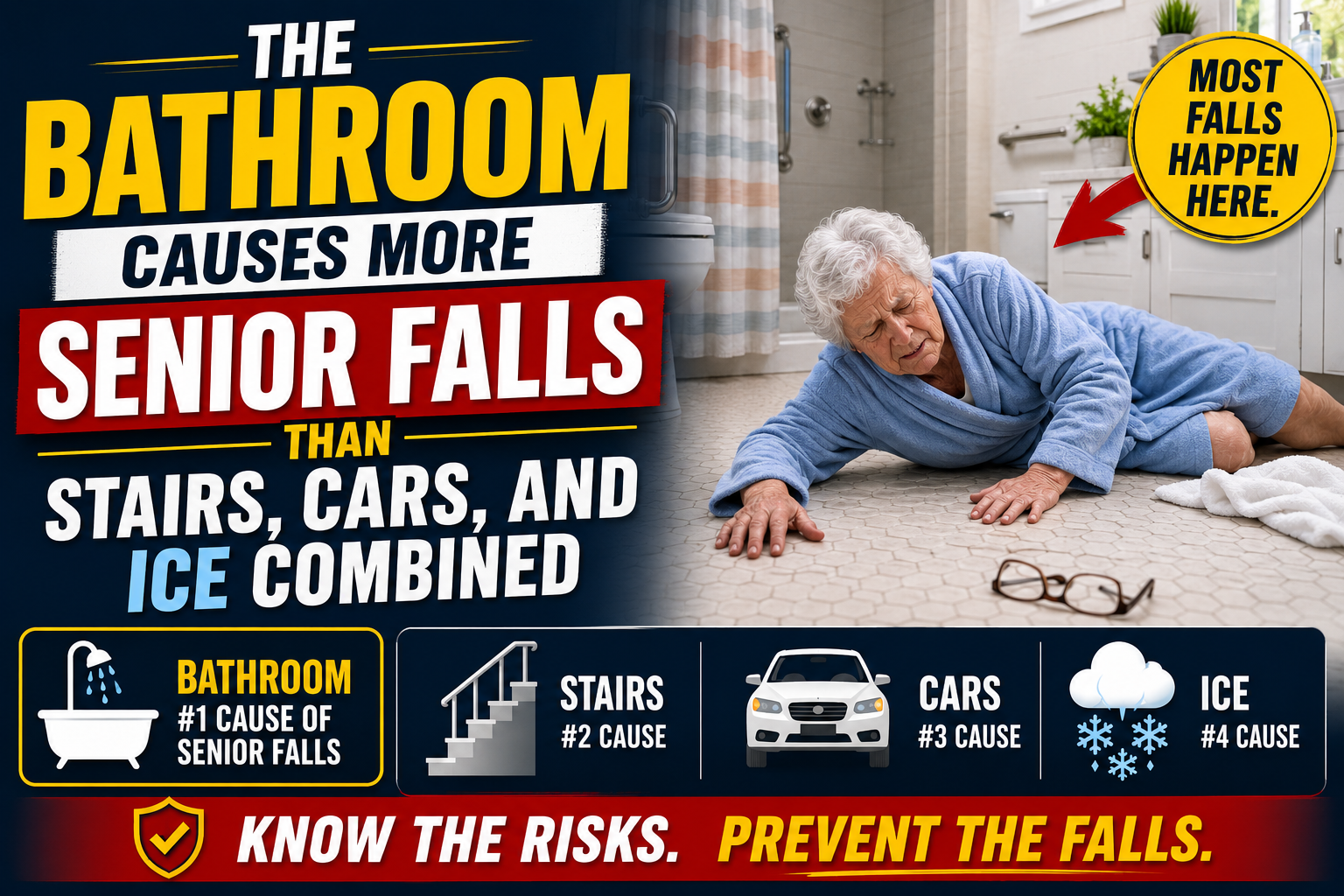
Bathroom safety is the priority. Grab bars at the shower entry and next to the toilet are essential — these are the two highest-risk transitions in the home for anyone with balance challenges. Our review of the best grab bars for seniors covers what to buy and our grab bar placement guide covers exactly where to install them.
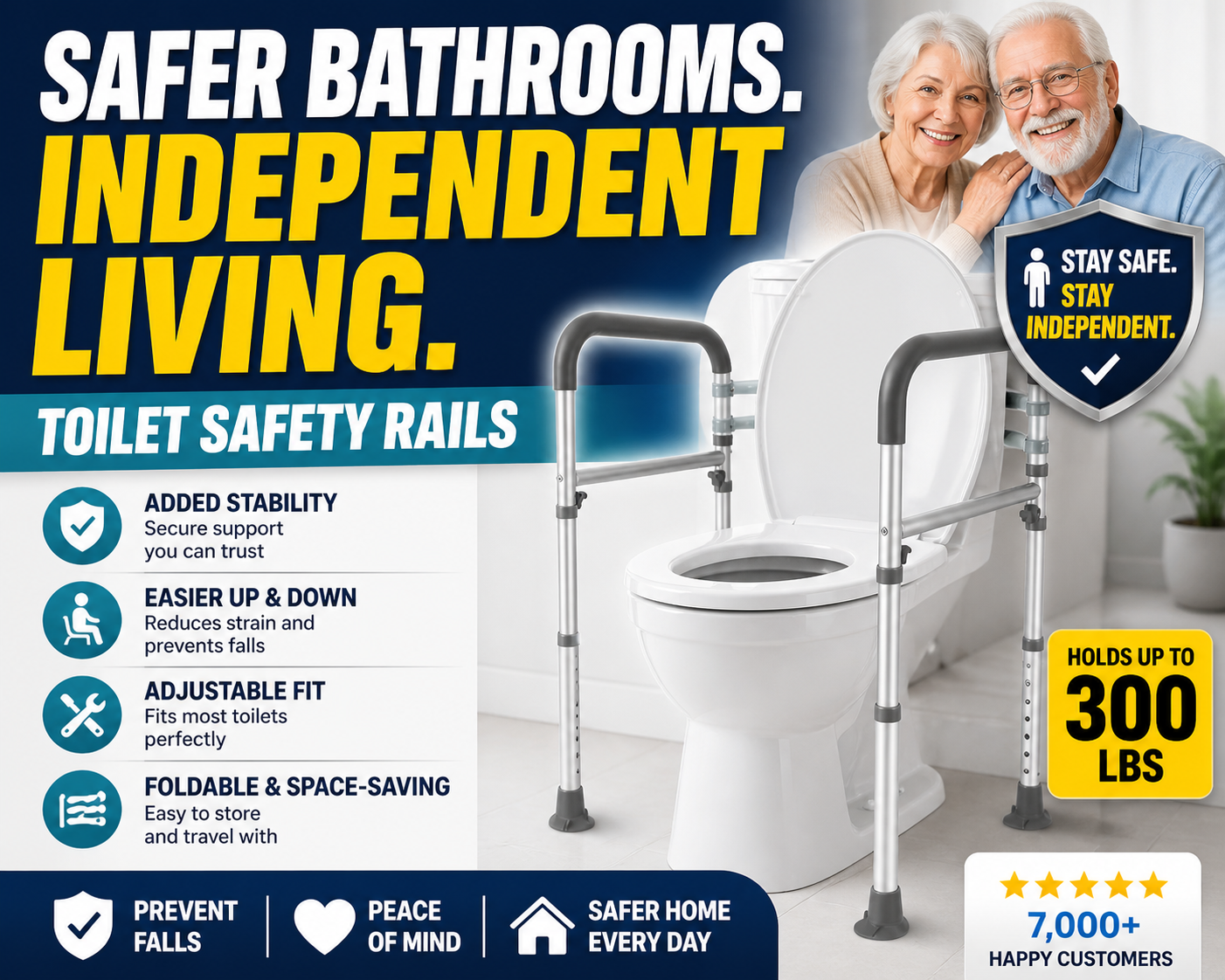
Toilet transfers become significantly more challenging with balance problems. The sit-to-stand transition from a low toilet seat is one of the most physically demanding movements in daily life for someone whose balance and leg strength are reduced. Toilet safety rails with armrests transform this transition from a fall risk into a managed, supported movement.
The Lianjindun toilet safety rails install without tools, fit any toilet, and have foldable armrests that make them practical in shared bathrooms. For anyone with balance problems the toilet transfer happens multiple times every day — having armrails in place is one of the most impactful changes available.
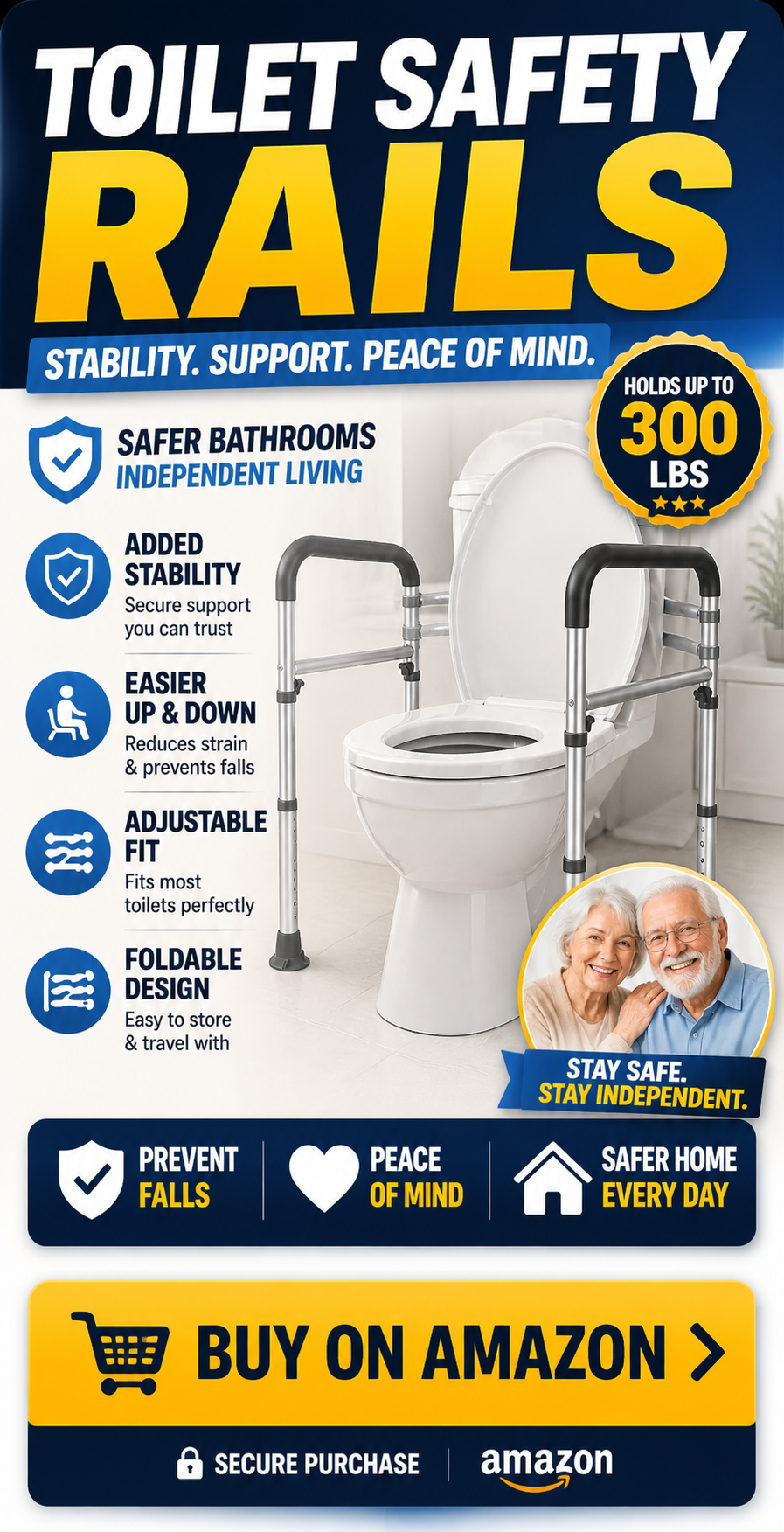
→ Get the Toilet Safety Rails on Amazon

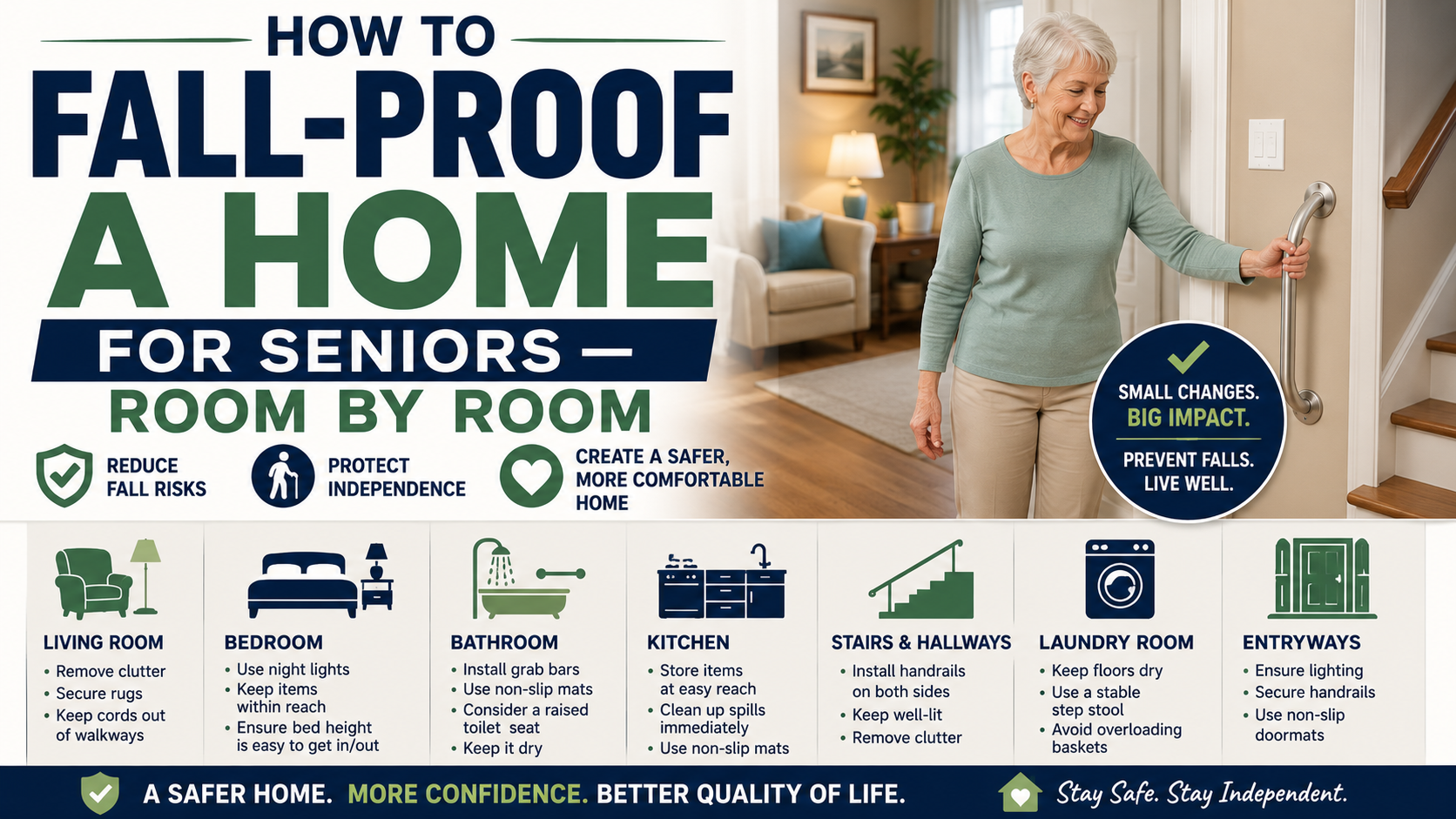
Floor hazards — unsecured rugs, cords on walking paths, poor lighting — all place additional demands on a balance system that’s already working harder than it used to. Our comprehensive home safety checklist covers every room-by-room hazard worth addressing. And our guide on how to make your home safer as you age covers the full modification picture in detail.
Bedroom safety matters particularly for nighttime balance — when vestibular recalibration after sleep, lower blood pressure, and reduced alertness compound balance challenges. A bed rail, proper lighting on the path to the bathroom, and the correct getting-up technique all address this. Our guide on senior bedroom safety tips for nighttime falls covers everything worth doing.
4. The Safety Net — Fall Detection for When Prevention Isn’t Enough
Exercise improves balance. Mobility aids support it. Home modifications reduce environmental demands. None of this eliminates the possibility of a fall entirely — particularly for someone with significant ongoing balance challenges.
The honest final layer of a complete balance and fall prevention approach is automatic fall detection — a device that calls for help immediately when a fall occurs without requiring any action from the person who fell.
The SecuLife Smartwatch detects falls automatically and alerts designated contacts with GPS location — worn on the wrist so it’s there during every outdoor walk, every bathroom trip, and every moment throughout the day when a fall is possible. For anyone living alone with balance problems this is not an optional extra — it’s a core component of a safe independent living setup.

Our full SecuLife Smartwatch review covers everything you need to know. And if you’re still deciding whether a medical alert device makes sense our guide on signs it’s time for a medical alert system walks through exactly what to consider.
→ See the SecuLife Smartwatch on Amazon

When to See a Doctor About Balance Problems
Many balance changes can be addressed through the interventions above without medical involvement beyond a medication review. But certain balance symptoms warrant medical evaluation rather than self-directed management.
See a doctor specifically about balance if:
- Balance problems came on suddenly rather than gradually
- You experience vertigo — a sensation that the room is spinning
- Balance problems are accompanied by hearing changes or ringing in the ears
- You’ve had two or more falls in the past year
- Balance problems are accompanied by weakness or numbness in any limb
- You feel generally unsteady in ways that are new and noticeably different from six months ago
Sudden balance changes particularly warrant prompt evaluation — they can indicate inner ear conditions, neurological changes, or cardiovascular events that need medical assessment rather than lifestyle management.
Ask specifically for a referral to a vestibular physical therapist if inner ear involvement is suspected — this is a subspecialty with highly effective treatments for vestibular-related balance problems that general practitioners may not automatically refer to.
Balance Problems and Independence — The Real Relationship
There’s a common but mistaken belief that balance problems mean independence is ending. The reality is more nuanced and more hopeful.
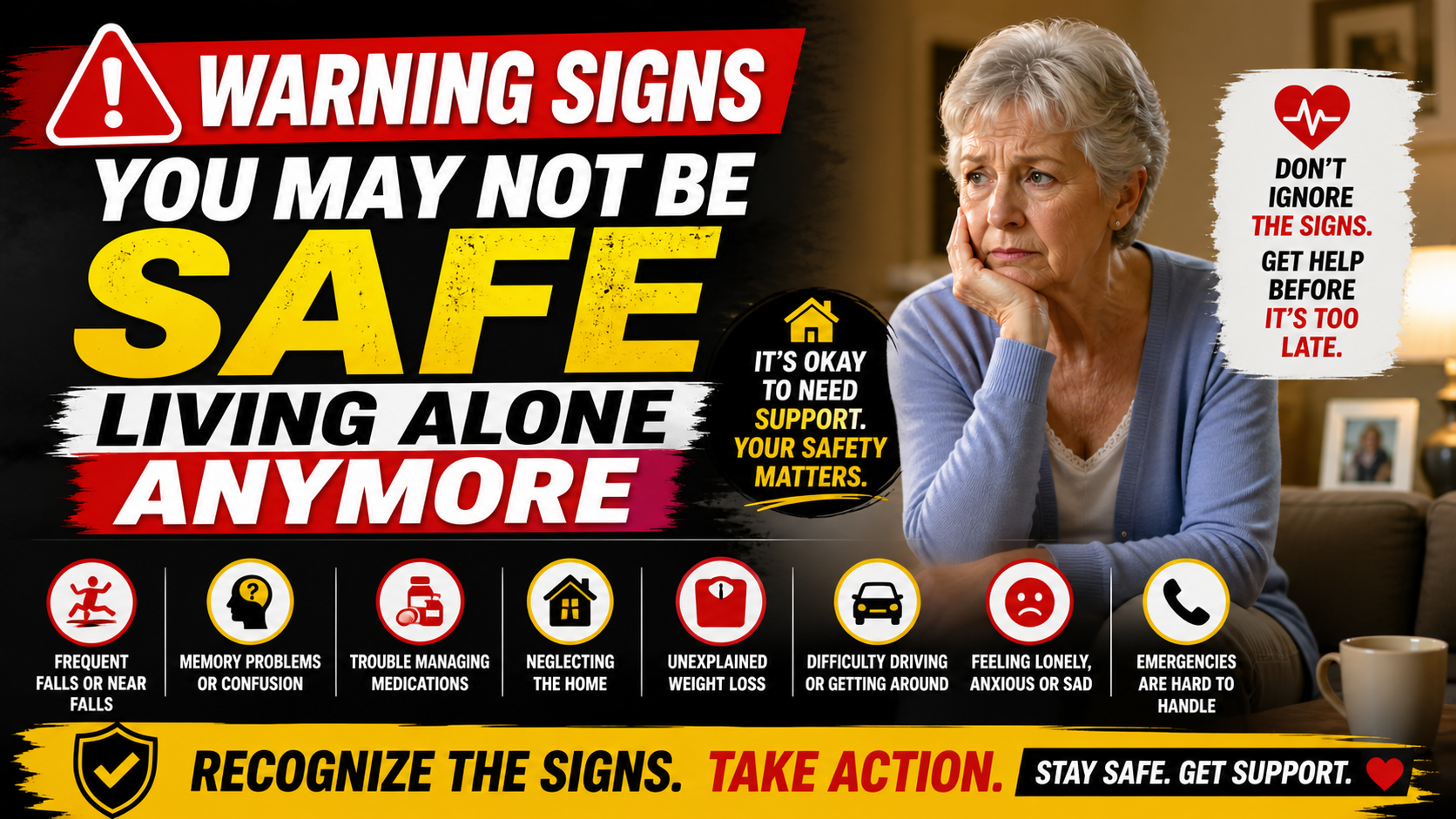
Addressed proactively — with exercise, appropriate mobility aids, home modifications, and medical management — balance problems are compatible with full, active independent living for most older adults. The warning signs covered in our guide on warning signs you may not be safe living alone help distinguish between balance changes that are manageable with the right approach and those that indicate something more significant needs attention.
A walking cane used confidently is not a symbol of decline — it’s a tool that extends independence. Toilet safety rails that make the daily toilet transfer safe and easy are not a concession — they’re a practical solution to a real physical challenge. The people who use these tools are the ones who stay in their own homes, on their own terms, for longer.
Balance Improvement Checklist
Use this as your action plan. Work through it systematically rather than trying to do everything at once.
Medical evaluation:
- ☐ Medication review with doctor specifically for balance and fall risk
- ☐ Vision check — updated prescription if needed
- ☐ Evaluation for vestibular conditions if dizziness or vertigo is present
- ☐ Physical therapy referral for balance assessment and targeted program
- ☐ Neuropathy assessment if diabetes is present
Exercise:
- ☐ Chair stands — daily, building from comfortable starting number
- ☐ Heel raises — daily behind a stable chair
- ☐ Tandem standing — daily near a wall for safety
- ☐ Tai Chi class or video program started
- ☐ Physical therapy balance program in progress
Equipment:
- ☐ Walking cane assessed and in use if balance has changed noticeably
- ☐ Grab bars installed at shower entry and next to toilet
- ☐ Toilet safety rails in place
- ☐ Non-slip bath mat outside shower
- ☐ Bed rail on exit side of bed
- ☐ Night lights in bedroom, hallway, and bathroom
- ☐ Medical alert device with fall detection in use
Environment:
- ☐ All unsecured rugs removed or secured
- ☐ All cords off walking paths
- ☐ Clear path from bed to bathroom
- ☐ Adequate lighting throughout home
- ☐ Non-slip footwear worn at home consistently
Frequently Asked Questions
Can balance actually improve with exercise or does it only decline with age?
Balance genuinely improves with appropriate exercise — this is one of the most consistently demonstrated findings in fall prevention research. The vestibular and proprioceptive systems respond to training at any age. Strength improvements in the legs and core directly improve the physical capacity for corrective balance responses. Most people who commit to a consistent balance and strength program notice meaningful improvement within 8 to 12 weeks.
How do I know if I need a cane or a walker?
A cane is appropriate when balance challenges are moderate — you’re noticeably less steady but can walk independently with one additional support point. A walker provides bilateral support and is appropriate when balance challenges are more significant — when a single cane doesn’t provide adequate stability, when both hands are needed for support, or when endurance during walking is significantly limited. If you’re uncertain a physical therapist can assess your specific situation and make an appropriate recommendation.
What’s the single most effective thing I can do for balance right now?
If you’re not already doing balance-specific exercise, starting today is the highest-impact single action available. Chair stands and tandem standing can be started immediately with no equipment. If you’ve been avoiding a walking cane despite noticing balance changes, getting one and starting to use it consistently is the second most impactful immediate action. Both of these together — today — address the two most modifiable contributors to fall risk simultaneously.
Are balance problems hereditary?
Some conditions that affect balance — certain vestibular disorders, some neurological conditions — have hereditary components. General age-related balance decline is not strongly hereditary — it’s primarily driven by lifestyle factors including physical activity level, medication load, and management of chronic conditions. A family history of falls is worth noting as a risk factor but shouldn’t be treated as an inevitable outcome.
Should I tell my doctor I’m having balance problems?
Yes — absolutely and specifically. Balance problems are frequently underreported to physicians because patients assume they’re a normal part of aging that doctors can’t do much about. In reality doctors can assess for treatable causes, adjust medications contributing to balance problems, refer to physical therapy, and provide specific guidance for individual situations. Use the words “balance problems” and “fall risk” explicitly rather than general language about feeling a bit unsteady — it prompts a more thorough evaluation.
Address It Now — While the Options Are Widest
Balance problems addressed early — before a fall happens, before confidence is shaken, before independence is threatened — respond better to intervention than those addressed after a crisis. The exercise works better when starting from a higher baseline. The equipment integrates more naturally into a routine that doesn’t yet feel compromised. The medical evaluation has more to work with before things have progressed.
The action list in this guide is not small. But it doesn’t need to be done all at once. Pick the two highest-impact items for your specific situation and start there this week. Build from that foundation over the following weeks and months.
The goal — staying active, independent, and in your own home on your own terms — is worth the effort this guide asks for.
→ Get the HONEYBULL Walking Cane on Amazon
→ Get the Toilet Safety Rails on Amazon
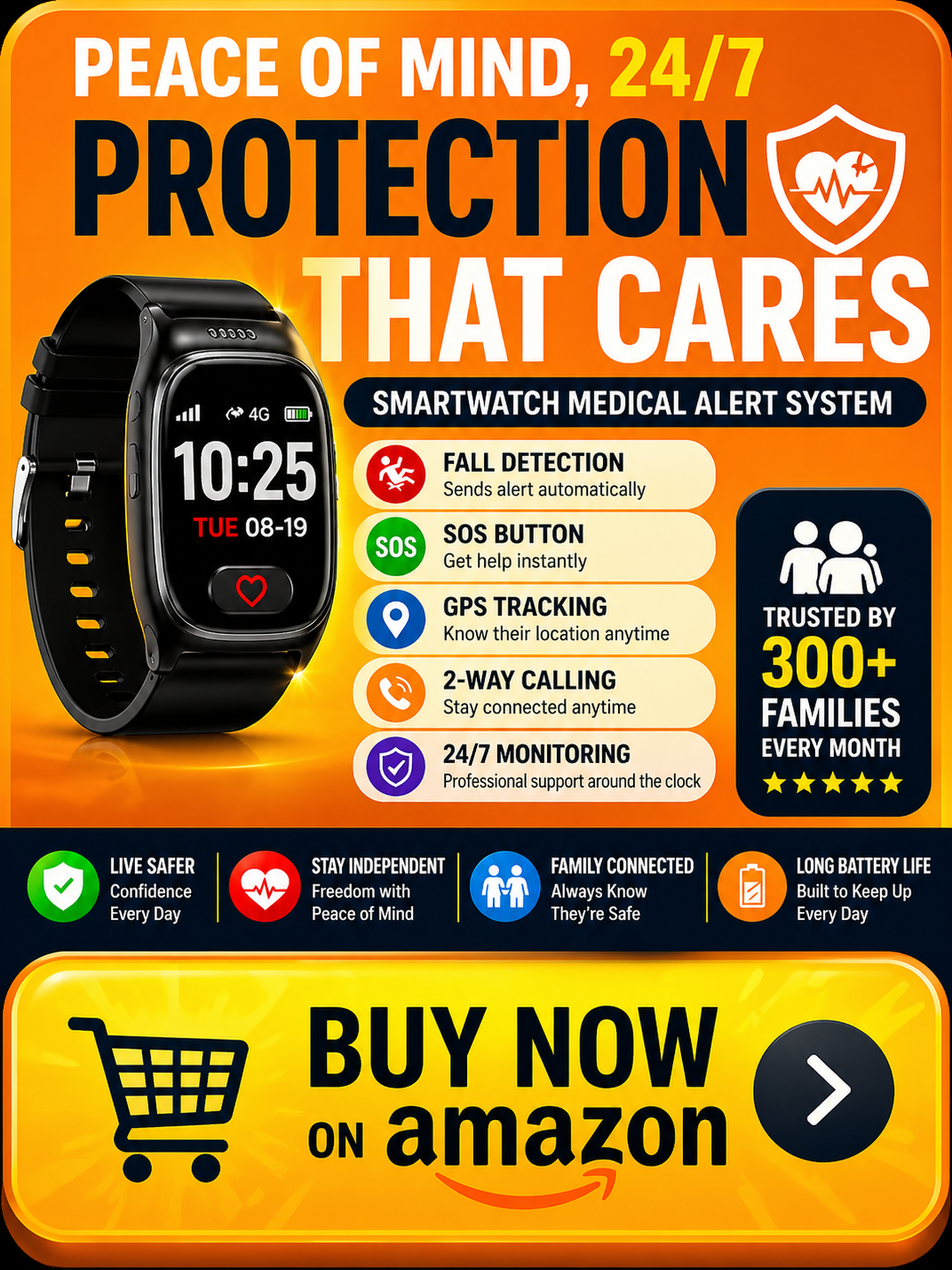
→ Get the SecuLife Smartwatch on Amazon
About the Author
Margaret Holloway, RN spent 22 years working as a registered nurse in geriatric care, including more than a decade in a hospital-based falls prevention program. She watched hundreds of patients navigate balance decline — some proactively and successfully, others reactively after a serious fall. The difference in outcomes between those two groups is what drives her writing. She covers senior safety topics for Elder Safety Guide with a focus on the interventions that research and clinical experience show actually make a difference.