Between 50 and 80 percent of falls in older adults go unreported to physicians. Here’s why seniors don’t disclose falls — and what families can do about it.
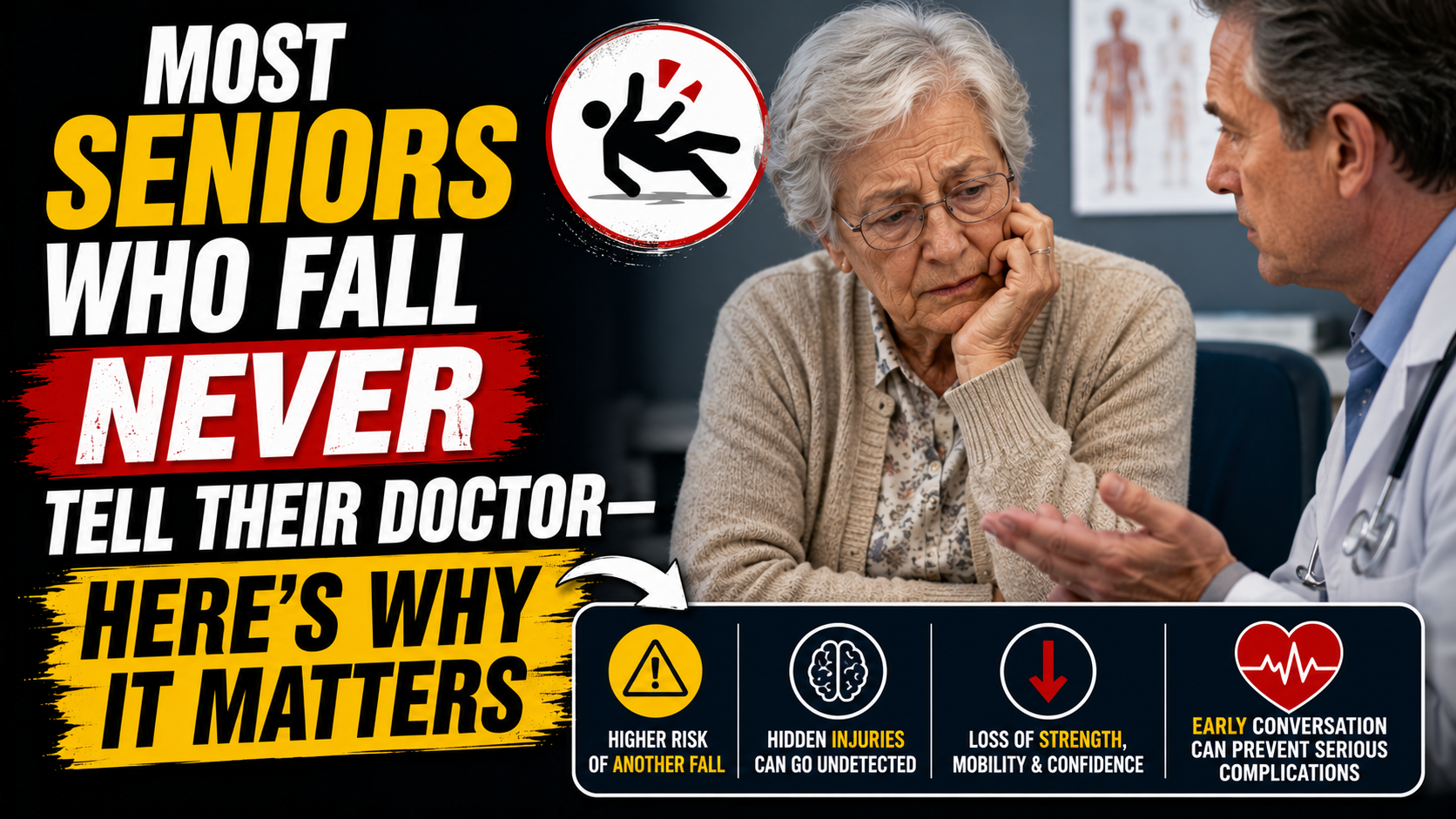
Most seniors who fall don’t tell their doctor.
Research puts the proportion of unreported falls in older adults at somewhere between 50 and 80 percent depending on the study and population. The majority of falls — including falls that cause pain, produce bruising, and leave the person shaken for days — never make it into a medical record.
This matters more than most families realize. Because the physician who doesn’t know about the fall can’t order the physical therapy that addresses the balance deficit behind it. Can’t review the blood pressure medication that may be causing the orthostatic hypotension that caused it. Can’t note the pattern of repeated falls that warrants a formal fall risk assessment. Can’t refer to a geriatrician who specializes in exactly this problem.
The fall that doesn’t get reported is the fall that doesn’t get addressed. And the fall that doesn’t get addressed is the fall that happens again — usually sooner and usually worse.
Why Seniors Don’t Report Falls to Their Doctors
Understanding why falls go unreported is important — because the solution isn’t telling seniors to “just report it.” The barriers are real and they don’t dissolve with instruction.
Fear of Losing Independence
This is the primary reason and it’s completely rational from the senior’s perspective. Reporting a fall to a physician initiates a conversation about safety and capacity that feels like it leads in one direction — toward restrictions, toward family involvement, toward the loss of control over daily life that represents one of the deepest fears in aging.
The calculation, conscious or not, goes like this: if I tell the doctor I fell, there will be questions, and those questions will lead to conversations with my family, and those conversations will lead to changes I don’t want. If I don’t tell the doctor, none of that happens.
The calculation is understandable. It’s also wrong — not about the sequence of events, which may be accurate, but about which outcome is preferable. A fall that triggers a physician conversation and appropriate intervention is vastly preferable to a fall that doesn’t get reported and is followed by a more serious fall that triggers a hospitalization instead.
Minimization — “It Wasn’t a Real Fall”
Many older adults maintain a mental category of falls that “count” — falls that result in injury, falls that require getting help, falls that involved losing consciousness. Falls that don’t meet those criteria — the trip that was caught on the counter, the slip that resulted in a controlled descent to the floor, the stumble that produced a bruise but nothing requiring treatment — get filed under “it wasn’t a real fall” rather than under “I fell.”
From a medical perspective this distinction doesn’t exist. Any unintentional descent to the ground or a lower level is a fall. The severity of the outcome doesn’t change the clinical significance of the event — a fall that produced no injury this time still reflects the risk factors and circumstances that will produce injury the next time.
Embarrassment
Falls carry stigma in a culture that equates physical decline with diminished worth. Reporting a fall means admitting physical vulnerability in a setting — the physician’s office — that already involves assessments of physical capacity and decline. The embarrassment of that admission, particularly for people who have always valued physical competence and independence, is a real barrier to honest reporting.
“There’s Nothing They Can Do Anyway”
Some seniors don’t report falls because they believe — incorrectly — that falls are an inevitable consequence of aging that medicine has no meaningful response to. This belief, while understandable given the cultural framing of aging as decline, is factually wrong.
Medicine has a great deal to offer for fall prevention — medication review that addresses iatrogenic fall risk, physical therapy that addresses specific balance and strength deficits, vestibular rehabilitation for inner ear balance disorders, vitamin D supplementation for deficiency, referral to geriatric specialists for complex presentations. The physician who knows about the fall can pursue all of these. The one who doesn’t know cannot.
Not Wanting to Worry the Family
For seniors who know that fall disclosure to a physician often leads to family notification, protecting family members from worry is a genuine motivation for non-disclosure. The parent who doesn’t want their adult children to worry — who doesn’t want to become a source of anxiety and burden — may choose non-disclosure specifically to protect family members they love from concern.
This motivation is touching and counterproductive simultaneously. The family that doesn’t know about the fall can’t help address the risk factors behind it. The concern that’s being protected against is smaller than the concern that arrives when the undisclosed fall pattern culminates in a serious injury.
What the Physician Misses When Falls Go Unreported
The consequences of fall non-disclosure aren’t abstract. Here’s specifically what a physician who doesn’t know about falls cannot do.
Medication Review for Fall Risk
A falls-focused medication review — evaluating which medications have fall-risk side effects and whether timing, dosing, or alternatives might reduce those effects — is one of the highest-impact fall prevention interventions available. It requires knowing falls are occurring to be prompted.
A physician who doesn’t know about falls has no specific reason to conduct this review. The patient’s blood pressure is managed. Their sleep is managed. Their anxiety is managed. The medications doing all of this managing may be causing falls — but without fall disclosure that connection doesn’t get examined.
We covered the specific medications most likely to cause falls in our guide on the #1 reason seniors fall at home.
Physical Therapy Referral
Physical therapy for fall prevention — specifically targeting the balance deficits and muscle weakness that contribute to fall risk — is covered by Medicare when fall history or functional limitations are documented. A physician who knows about falls can write this referral. One who doesn’t know has no documented basis for it.
A targeted physical therapy program that addresses specific individual balance and gait deficits can meaningfully reduce fall risk — but it requires a referral that requires a physician who knows a fall has occurred.
Vestibular Assessment
Some falls result from vestibular disorders — inner ear conditions that affect balance and spatial orientation. Benign paroxysmal positional vertigo (BPPV) — the most common vestibular disorder — is both a significant fall risk factor and one of the most responsive conditions to treatment, often resolving completely with a simple repositioning maneuver performed by a trained provider.
BPPV and other vestibular conditions go undiagnosed when falls go unreported — because the physician who doesn’t know about the falls doesn’t know to ask about the dizziness that may be causing them.
Fall Risk Documentation and Pattern Recognition
A single fall in a medical record prompts clinical attention. A pattern of falls — documented over months and years — prompts escalating clinical response, specialist referral, and more comprehensive assessment. Neither happens when falls aren’t reported.
The medical record that shows no falls when falls are occurring is a medical record that provides an inaccurate picture of the patient’s risk status — and clinical decisions based on that inaccurate picture are less protective than they would be with accurate information.


What Families Can Do About Unreported Falls
The response to this problem isn’t simply telling your parent to report falls. That approach doesn’t address the real barriers behind non-disclosure. These specific strategies work better.
Create an Environment Where Falls Can Be Reported Honestly
If every fall mention triggers a lengthy conversation about safety, independence, and whether things need to change — your parent will stop mentioning falls. The emotional cost of disclosure is too high.
If fall mentions are received calmly, specifically, and without immediate escalation to existential conversations about living arrangements and independence — disclosure becomes safer. “Tell me more about what happened” is a different response than “that’s it, we need to talk about whether you should still be living alone.”
This doesn’t mean ignoring falls. It means creating enough safety in the relationship that falls get mentioned — so you can then address them thoughtfully rather than reactively.
Send Information to the Physician Directly
You don’t have to wait for your parent to disclose a fall to get fall information into the medical record. If you’ve observed a fall, been told about a fall, or noticed signs suggesting falls have occurred — unexplained bruising, movement changes, furniture being used for support — you can communicate that directly to the physician.
Most physician offices have a patient portal or nurse line specifically for this kind of communication. A message saying “I’ve noticed my mother has unexplained bruising on her hip and she mentioned a slip in the bathroom last month that she may not have told you about — I wanted to flag this for her next appointment” is clinically useful information that gets into the record without requiring your parent to report it themselves.
Accompany to Medical Appointments
Being present at physician appointments — with your parent’s agreement — allows you to provide clinical information that may not be volunteered, to hear recommendations directly rather than through a filtered summary, and to support your parent in disclosing things they might otherwise minimize.
This works best when it’s framed as support rather than monitoring — “I’d love to come with you so I can hear what the doctor says and help remember everything” — and when you enter the appointment having agreed with your parent that you’ll both be honest about what’s been happening.
Ask About Falls Directly — Not Generally
Asking “how are you doing?” produces “fine.” Asking specifically — “have you had any slips or stumbles since I last saw you?” — produces more accurate information. Specific questions are harder to deflect with general reassurances.
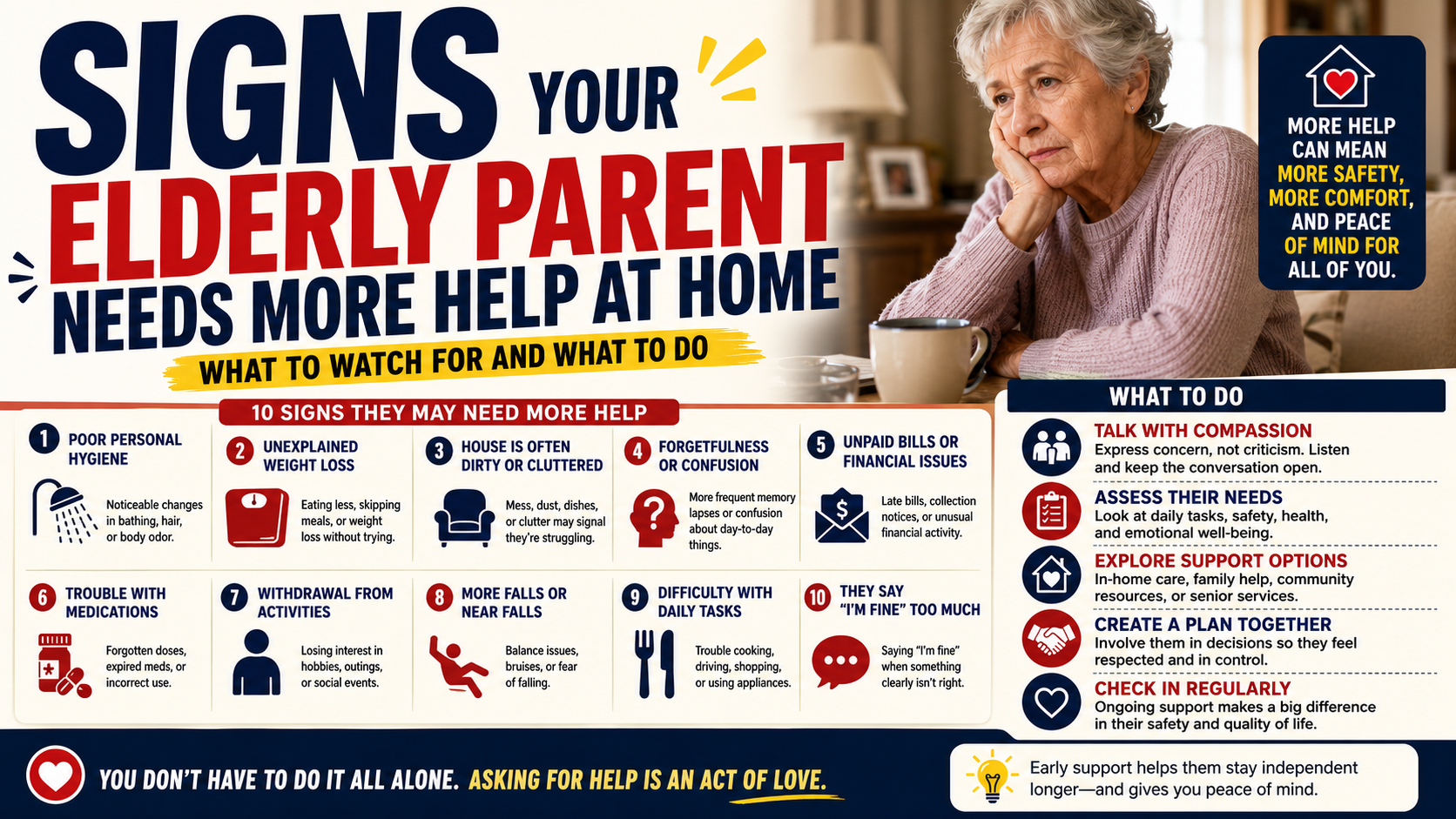
Asking consistently and calmly — not just after a concern arises — normalizes fall reporting and removes the sense that any disclosure will trigger a crisis. Our guide on signs your elderly parent needs more help at home covers the specific observations worth monitoring alongside direct questions.
Address the Fear of Independence Loss Directly
If your parent is not disclosing falls because they fear the consequences, addressing that fear directly — and honestly — is more effective than working around it.
“I know you might worry that telling me or the doctor about a fall means we’ll want to make changes you don’t want. I want you to know that my goal is to help you stay in your home, not to find reasons to change that. But I can’t help you stay safe if I don’t know what’s happening.”
This kind of direct, honest framing — acknowledging the fear rather than pretending it doesn’t exist — opens more honest communication than a general invitation to “tell me if anything happens.”
Put Prevention in Place So Disclosure Feels Safer
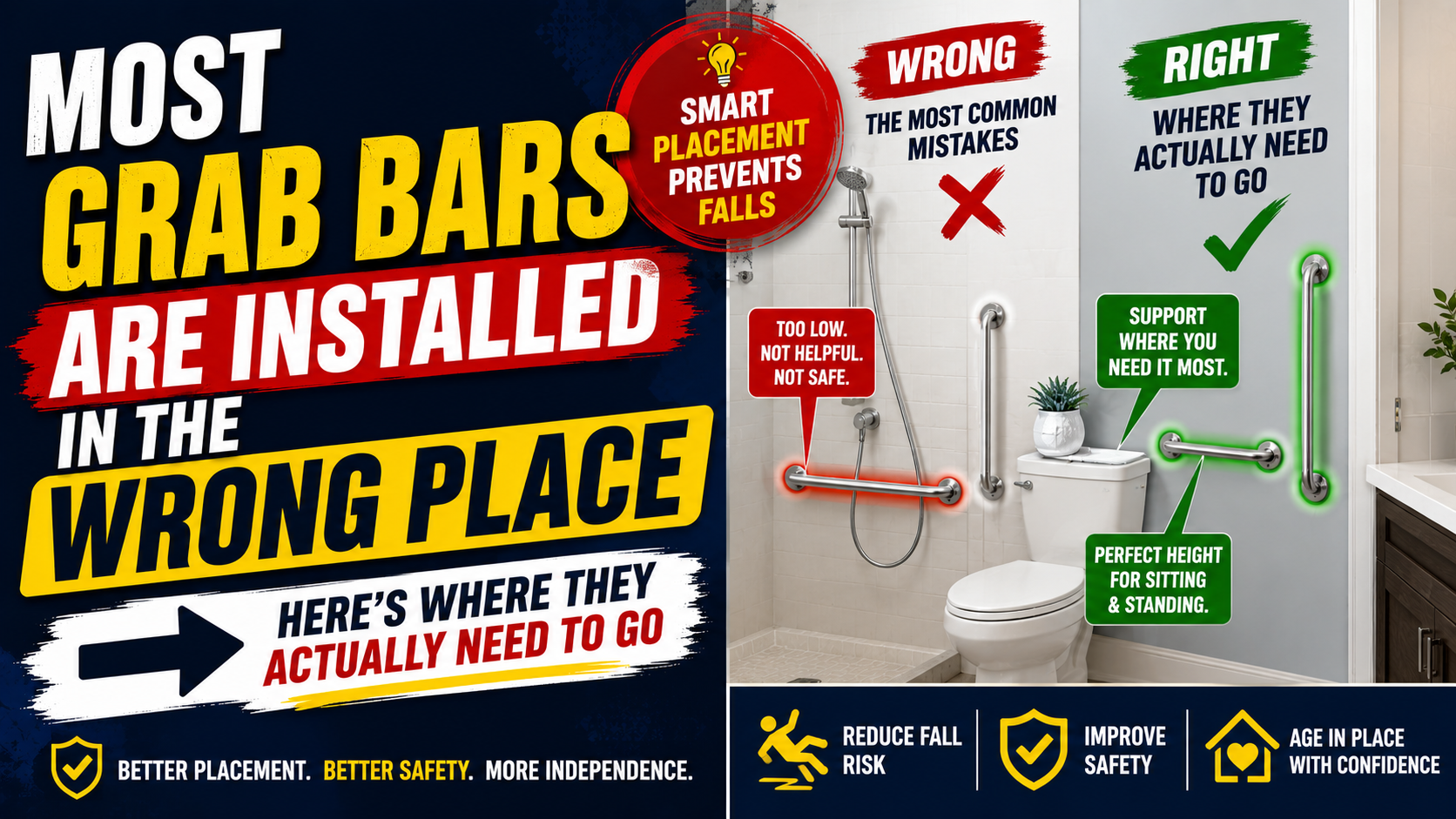
One reason seniors fear fall disclosure is that it initiates conversations about safety that feel threatening precisely because nothing has been done to make the home safer. If grab bars are already installed, if a medical alert device is already in place, if the bathroom has been modified — disclosure of a fall is less threatening because the obvious response has already been taken.
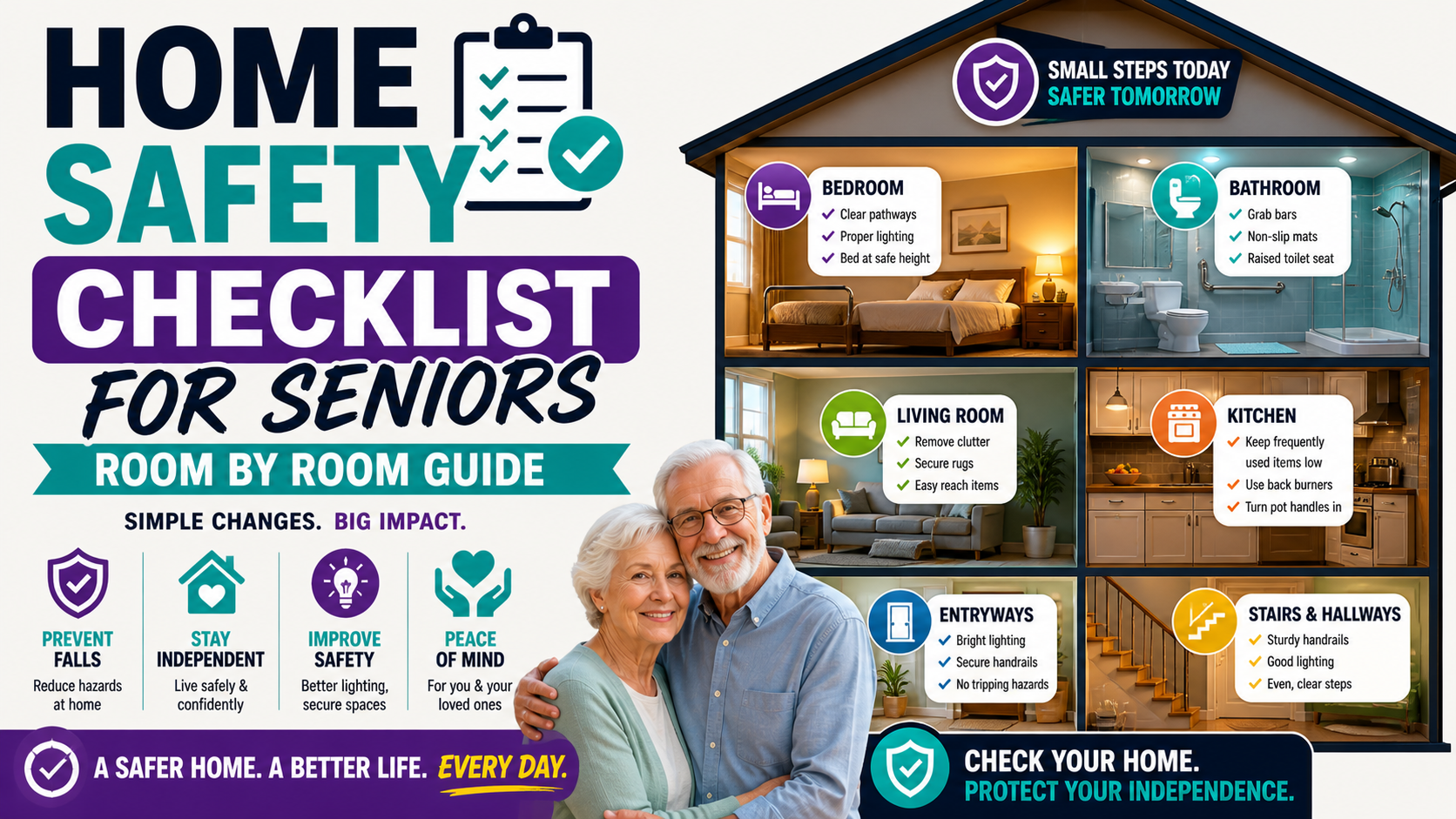
A parent who knows that falling doesn’t automatically lead to a conversation about moving — because meaningful safety measures are already in place — may be more willing to disclose falls honestly. Our complete guide on how to help an elderly parent live safely alone covers every safety measure worth having in place. Our home safety checklist gives you the systematic tool to work through the home.
→ Get the Toilet Safety Rails on Amazon
The Medical Alert Device — Closing the Gap Even Without Disclosure
Even with every strategy above in place, some falls will go undisclosed. The human psychology behind non-reporting is durable enough that even the best family communication practices don’t eliminate it entirely.
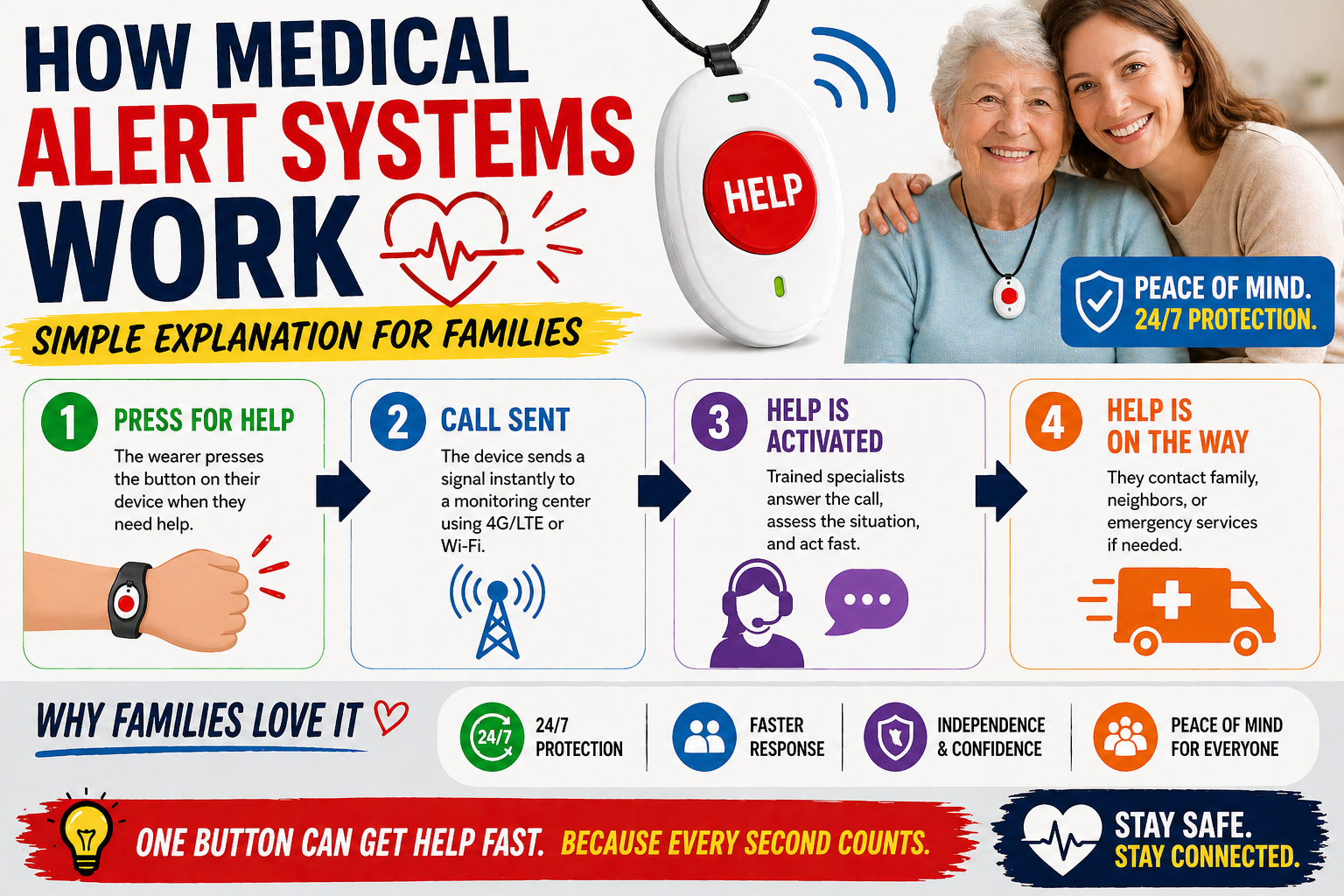
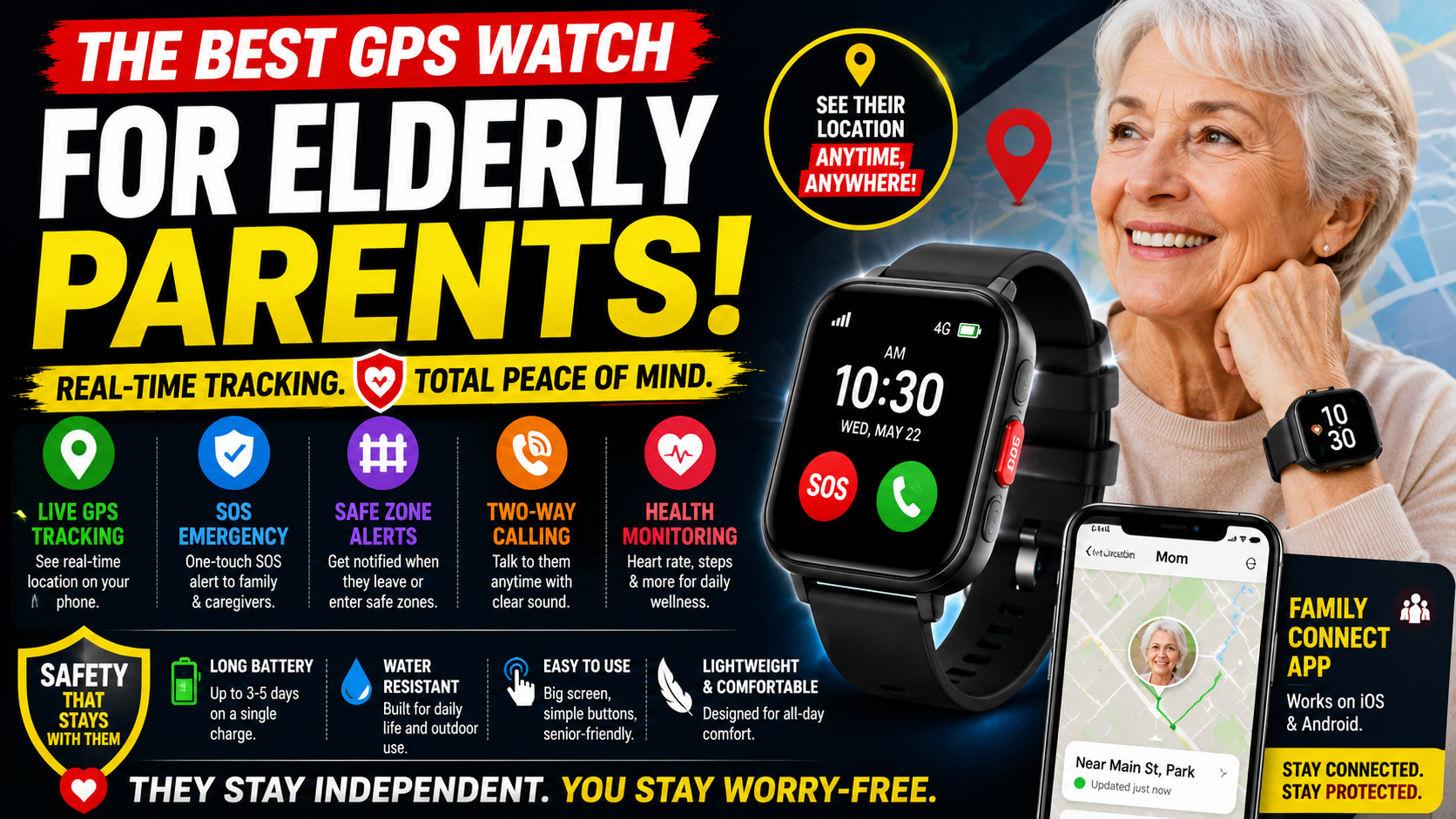
A medical alert device with automatic fall detection closes the most dangerous gap — the one between a fall happening and help arriving — without depending on disclosure at all. The SecuLife Smartwatch detects falls automatically and alerts family immediately with GPS location. It doesn’t require the person who fell to tell anyone anything. The detection happens regardless of whether the fall would have been disclosed.
This doesn’t replace the medical disclosure that produces appropriate clinical response. But it addresses the immediate safety gap — the long lie risk we covered in detail in our guide on what happens to seniors who fall and can’t get up — regardless of what gets reported to whom.
Our complete review at SecuLife Smartwatch Review covers every feature worth knowing before deciding.
→ Get the SecuLife Smartwatch on Amazon

The Fall That Gets Reported Changes Everything
When a fall does get reported — to a physician, to a family member, to anyone who can act on it — the cascade of appropriate responses becomes possible. Medication review. Physical therapy. Vestibular assessment. Home modification. Fall detection technology.
All of these are available. None of them happen without disclosure. The fall that gets reported is the fall that gets addressed. The fall that gets addressed is less likely to be the fall that changes everything permanently.
Create the conditions where disclosure is safe. Ask the specific questions. Get the information to the physician when you have it. Put prevention in place so disclosure feels less threatening. And put fall detection technology in place so that when undisclosed falls happen anyway, the most dangerous gap — the one between the fall and help arriving — is closed automatically.
The goal isn’t perfect disclosure. It’s a safety system robust enough to protect your parent whether or not any given fall gets reported.
About the Author
Tom Garrett spent eight years as an EMT responding to fall emergencies in older adults — including many calls where family members described a pattern of falls they’d suspected for months but hadn’t been able to confirm because their parent hadn’t disclosed them. The falls that didn’t get reported were the ones that accumulated into the serious fall that finally brought him to the door. He writes for Elder Safety Guide because the pattern of unreported falls is predictable, the consequences are serious, and the strategies that break that pattern are specific enough to be genuinely useful.