Most seniors wear socks on smooth floors without thinking twice. Here’s why that’s one of the most overlooked fall risks at home — and the specific non-slip socks that fix it.
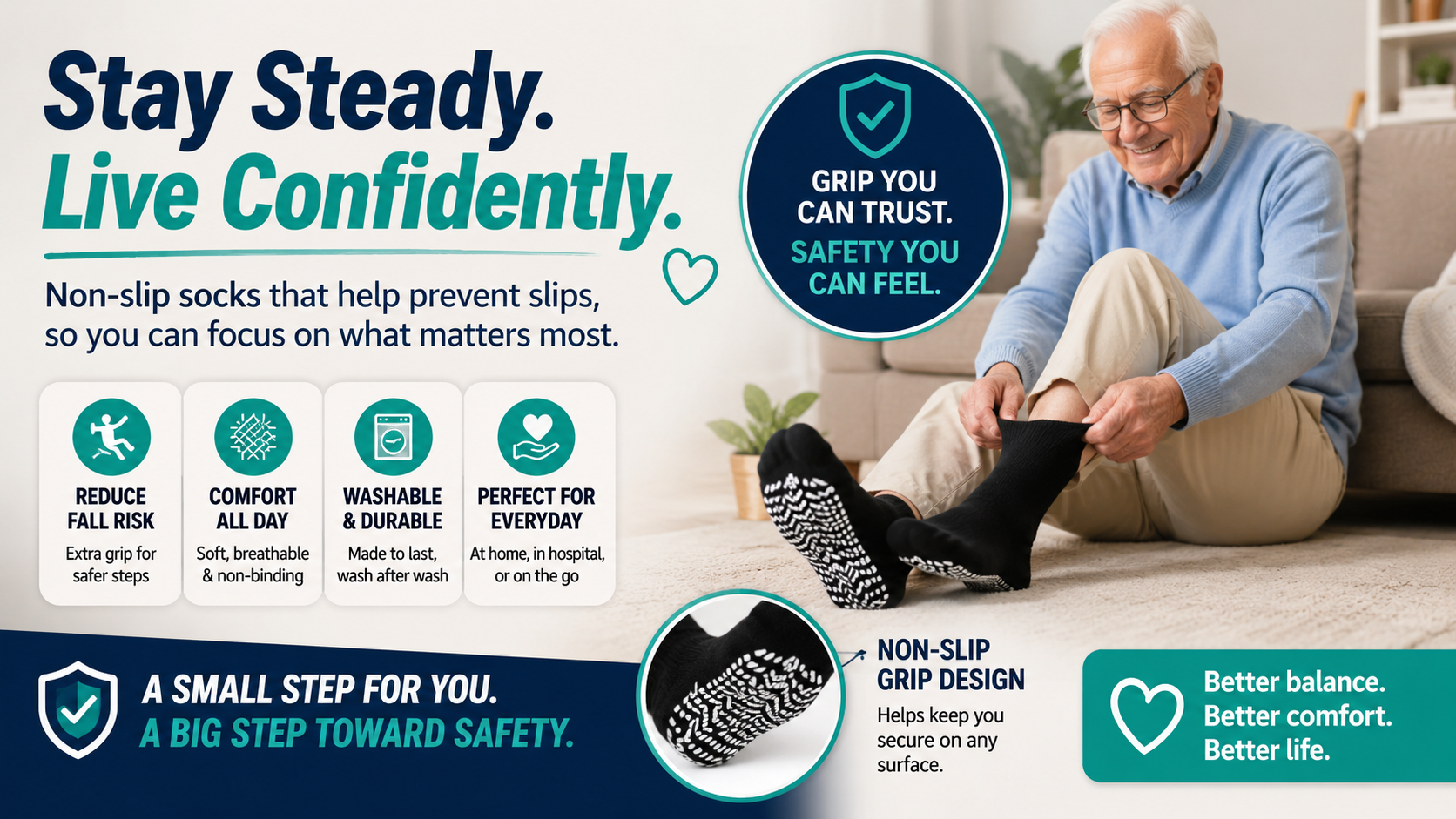
There’s a fall risk hiding in almost every older adult’s home that costs nothing to address and gets almost no attention in most fall prevention conversations.
It’s the socks they’re wearing right now.
Standard socks on smooth floors — hardwood, tile, laminate — provide almost zero traction. The foot slides on the floor surface with each step, requiring small constant corrections that accumulate into significant balance demands over the course of a day. On wet surfaces — stepping out of the shower, walking near the kitchen sink — standard socks become dangerously slippery.
Non-slip grip socks solve this completely. Rubber grip patterns on the sole create traction between the sock and the floor that standard socks don’t provide — dramatically reducing the sliding that contributes to falls in the home environment most older adults navigate barefoot or in socks every day.
This guide covers why footwear inside the home matters more than most people realize, what makes a non-slip sock actually effective, and the specific option we recommend.
→ See the Artfasion Non-Slip Grip Socks on Amazon
Why Indoor Footwear Is a Genuine Fall Risk
Most fall prevention conversations focus on the bathroom, the bedroom, the stairs. All of these are critical — and covered in depth across this site. But the floors someone walks on all day in their own home — in socks, in worn slippers, in bare feet — represent a continuous low-level fall risk that compounds over every step taken throughout every day.
The Physics of Socks on Smooth Floors
Traction between a foot and a floor surface depends on the friction coefficient between the two materials. Cotton or wool socks on smooth hardwood, tile, or laminate flooring have a very low friction coefficient — meaning the foot slides easily relative to the floor rather than gripping it securely.
Every step involves a small amount of this sliding — usually imperceptible and managed automatically by balance reflexes operating faster than conscious awareness. As balance reflexes slow with age and as muscle strength reduces, the small constant corrections required to manage this sliding become a more significant demand. A sudden larger slide — from a wet patch near the kitchen sink, a slightly uneven floor surface, or simply a step that lands slightly differently — can overwhelm the available corrective capacity and produce a fall.
The Morning and Nighttime Risk Specifically
Two specific daily windows make indoor sock traction particularly important. First thing in the morning — when orthostatic hypotension may be reducing alertness and balance capacity — navigating from bedroom to kitchen or bathroom in standard socks on smooth floors adds a traction deficit to an already compromised balance system.
During nighttime bathroom trips — in the dark, half-asleep, often urgent — the same traction deficit exists in the highest-risk daily scenario for falls. The combination of reduced alertness, darkness, urgency, and poor foot-floor traction is a specific fall risk profile that non-slip socks directly address.
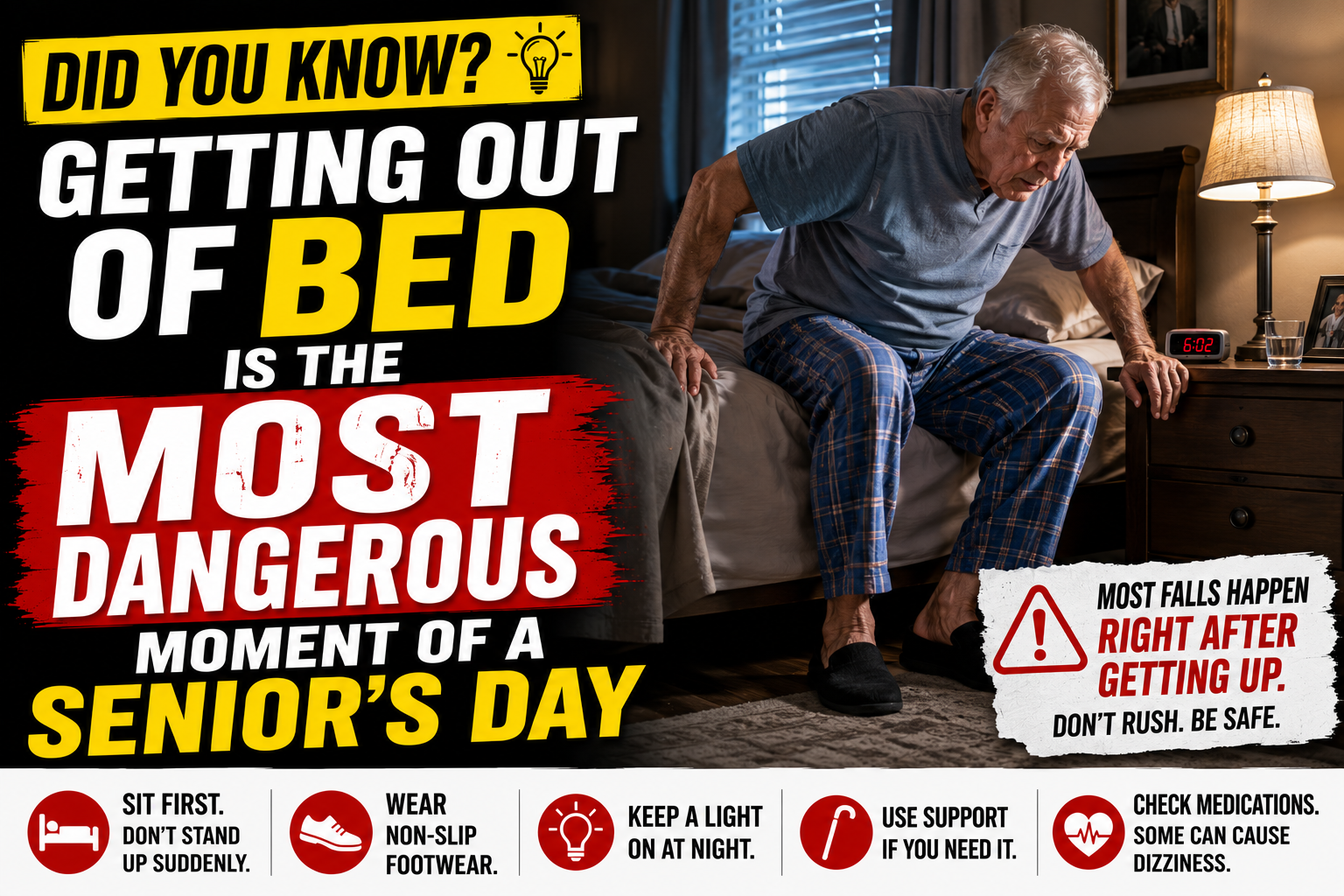
As covered in our guide on getting out of bed is the most dangerous moment of a senior’s day — the nighttime bathroom trip combines orthostatic hypotension, sleep inertia, and darkness into the highest-risk daily event for most older adults. Adding standard socks on smooth floors to that combination is unnecessary and preventable.
Where Doctors and Researchers Point
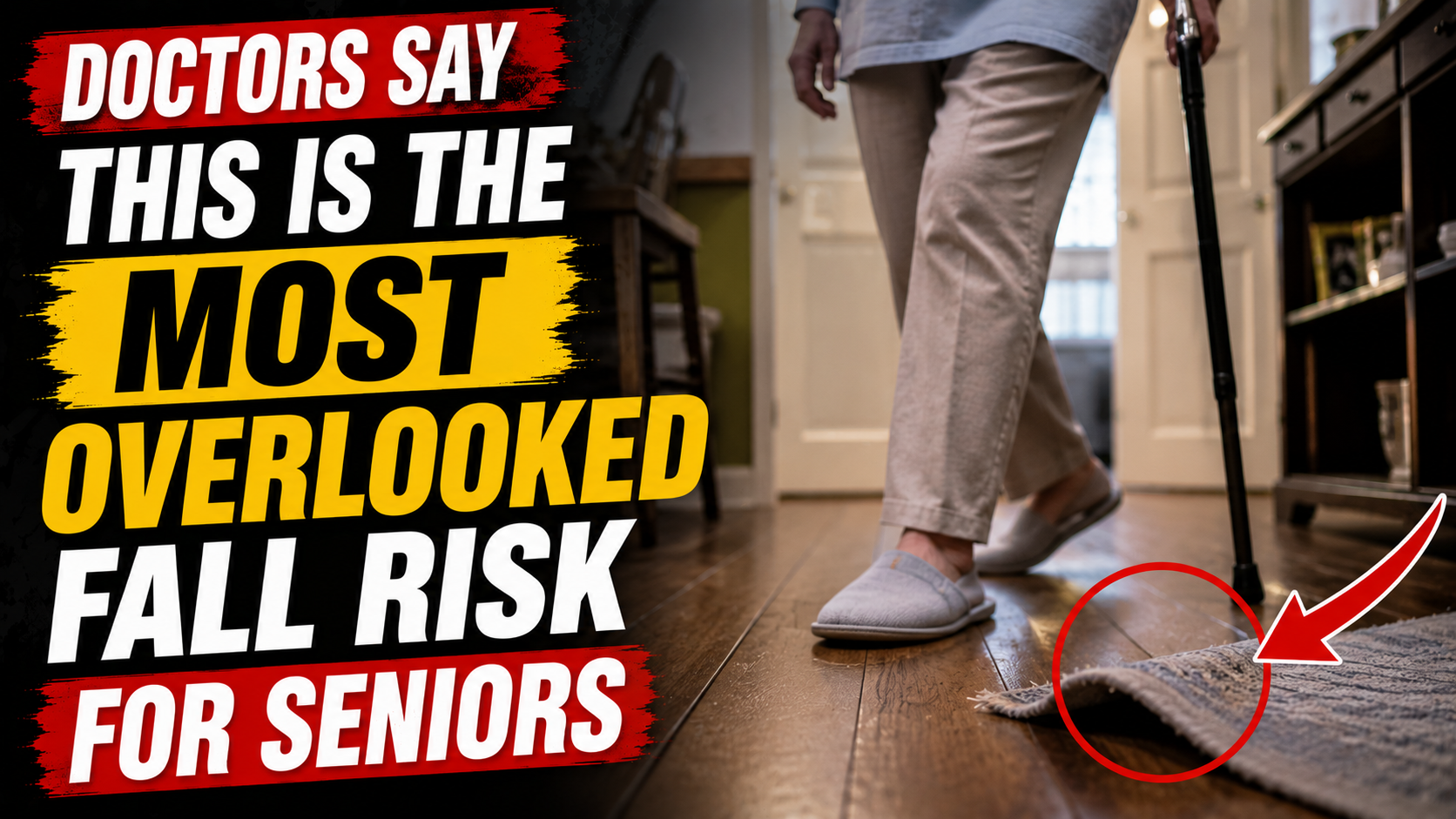
As covered in our guide on the most overlooked fall risks for seniors — footwear is one of the most consistently underestimated fall risk factors in home settings. Multiple fall prevention research programs specifically identify indoor footwear as a modifiable risk factor — meaning it’s something that can be changed and that changes fall probability when it is.
The specific recommendation from geriatric fall prevention programs: wear well-fitting, low-heeled, closed-toe footwear with non-slip soles inside the home. Non-slip grip socks worn inside the home — or inside existing footwear — directly address the traction component of this recommendation.
Non-Slip Socks vs Regular Socks — What Actually Differs
The difference between a standard sock and a non-slip grip sock is specific and functional — not just a marketing distinction.
The Grip Pattern
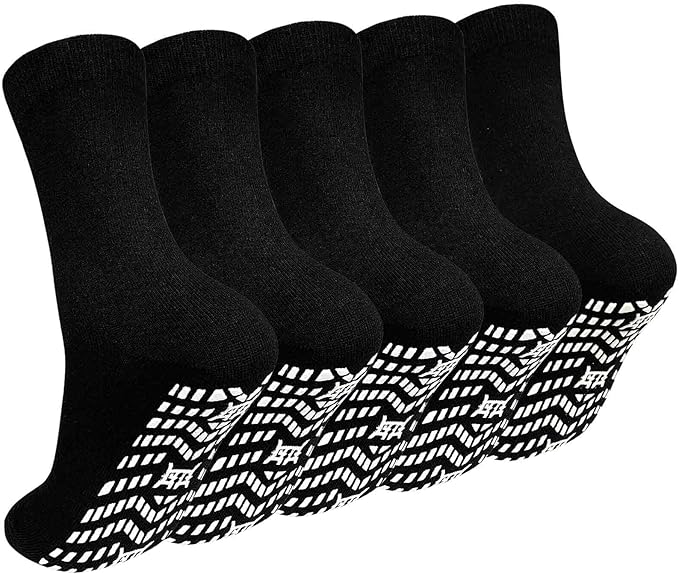
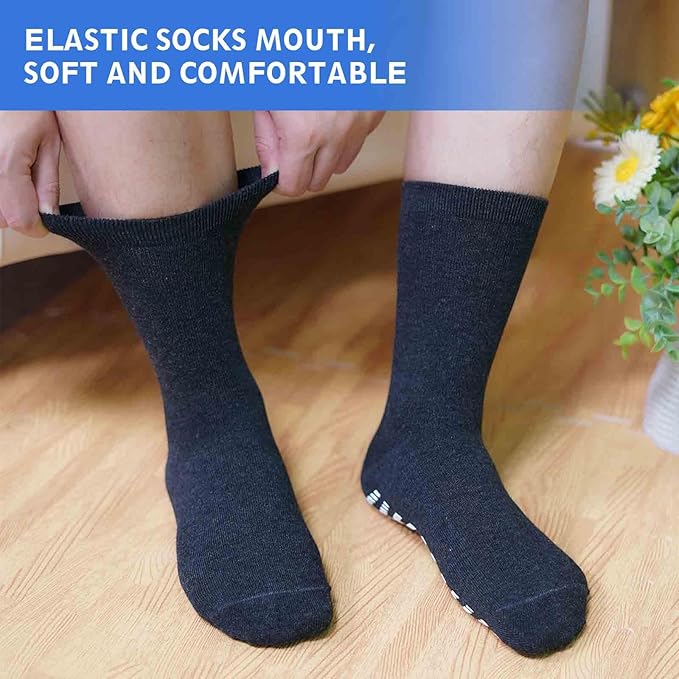
Quality non-slip socks have rubber or silicone grip patterns applied to the sole surface — typically a series of dots, lines, or geometric patterns covering the heel and ball of the foot where ground contact occurs during walking. This grip pattern creates a high-friction interface between the sock and the floor that standard sock materials don’t provide.
The effectiveness of the grip pattern depends on its coverage — how much of the sole surface is covered — and the quality of the grip material. Sparse patterns with minimal coverage provide less traction than comprehensive patterns covering the full contact area.
Fit — Why It Matters for Fall Prevention
A sock that fits poorly — too large, bunching under the foot, sliding down the leg — creates its own traction problem and trip hazard. The sock needs to fit the foot precisely, maintaining its position during walking without sliding or bunching. This is particularly important for older adults whose foot width or arch height may have changed with age.
The Material Around the Grip
The upper portion of the sock — the fabric in contact with the skin — matters for comfort and consistent wearing. A sock that’s uncomfortable, that creates pressure points, or that requires fidgeting during wear is a sock that gets taken off. And a non-slip sock taken off provides no fall prevention benefit. Comfort is a functional specification, not a luxury one.
The Artfasion Non-Slip Grip Socks — Full Review
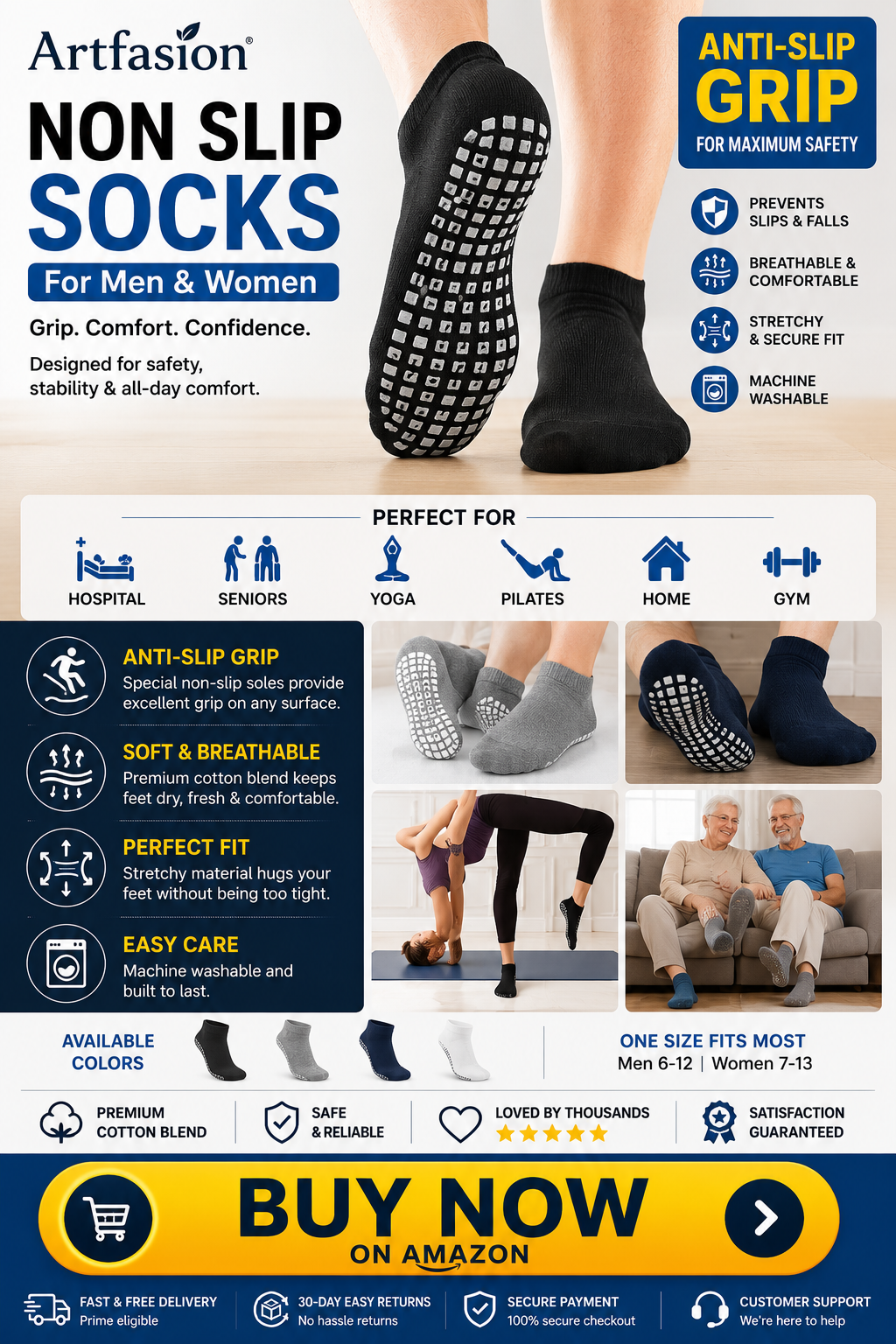
Artfasion Non-Slip Socks — Men and Women Grip Anti-Slip Socks for Seniors, Hospital, Yoga, Pilates
The Artfasion non-slip socks address the specific requirements for effective indoor traction for older adults — comprehensive grip pattern coverage, comfortable fit, and a design suited to daily wear in the home environment rather than just occasional specialty use.
→ Check current price and availability on Amazon
The grip pattern covers the areas that matter for walking traction. Heel and ball of foot coverage — the primary ground contact points during normal walking gait — are where grip matters most for fall prevention. A grip pattern focused on these areas provides traction during every step rather than only in specific positions.
Available for both men and women with sizing that accommodates the range of adult foot sizes. Proper fit prevents the bunching and sliding that undermines grip performance regardless of the quality of the grip material itself.
The hospital-grade non-slip design reflects the specific use case that drives most non-slip sock development — hospital settings where fall prevention is a primary patient safety concern and where the socks are used on smooth institutional floors similar to the smooth hardwood, tile, and laminate floors in most homes. Hospital non-slip socks are specifically designed for the fall prevention function this guide addresses.
Versatility across settings — home, hospital visits, yoga, pilates — makes these practical for consistent daily wear across all the contexts where smooth floor traction matters. A sock worn consistently in every relevant setting provides continuous protection rather than protection only when specifically remembered.
Washable and durable for regular use — non-slip socks need to maintain their grip performance through repeated washing. Check the care instructions for this specific product to ensure the grip pattern maintains its traction after laundering.
→ Get the Artfasion Non-Slip Socks on Amazon
Who Benefits Most From Non-Slip Grip Socks
Anyone Who Walks on Smooth Floors in Socks
This describes the majority of older adults in their own homes — where shoes come off at the door and socks or slippers become the primary indoor footwear. Any smooth floor surface — hardwood, tile, laminate, vinyl — creates the traction deficit that non-slip socks address.
Anyone Making Nighttime Bathroom Trips
The nighttime bathroom trip in standard socks on smooth floors is one of the highest-risk daily scenarios for indoor falls. Non-slip socks worn to bed — or put on before the nighttime trip — directly address the traction component of this high-risk scenario. Our guide on senior bedroom safety tips for nighttime falls covers every modification worth making for this specific scenario.
Anyone Recovering from a Fall or Surgery
During recovery from a fall or surgical procedure — when balance and strength are temporarily reduced and fall risk is elevated — non-slip socks address the traction component of indoor fall risk during the highest-risk recovery window. They’re frequently recommended by rehabilitation teams as part of the standard discharge safety kit for exactly this reason.
Hospital Patients and Those Recently Discharged
Hospitals provide non-slip socks to patients specifically because falls on smooth institutional floors are a documented patient safety risk. The same floor traction logic applies at home — particularly in the high-risk period immediately following hospital discharge when the transition from institutional to home environment creates a safety gap.
Anyone With Reduced Sensation in Their Feet
Peripheral neuropathy — reduced sensation in the feet from diabetes or other conditions — impairs the proprioceptive feedback from each step contact that contributes to balance. Non-slip socks compensate partially by adding friction that reduces the corrective demands that reduced proprioception struggles to manage.

Non-Slip Socks as Part of the Complete Indoor Safety System
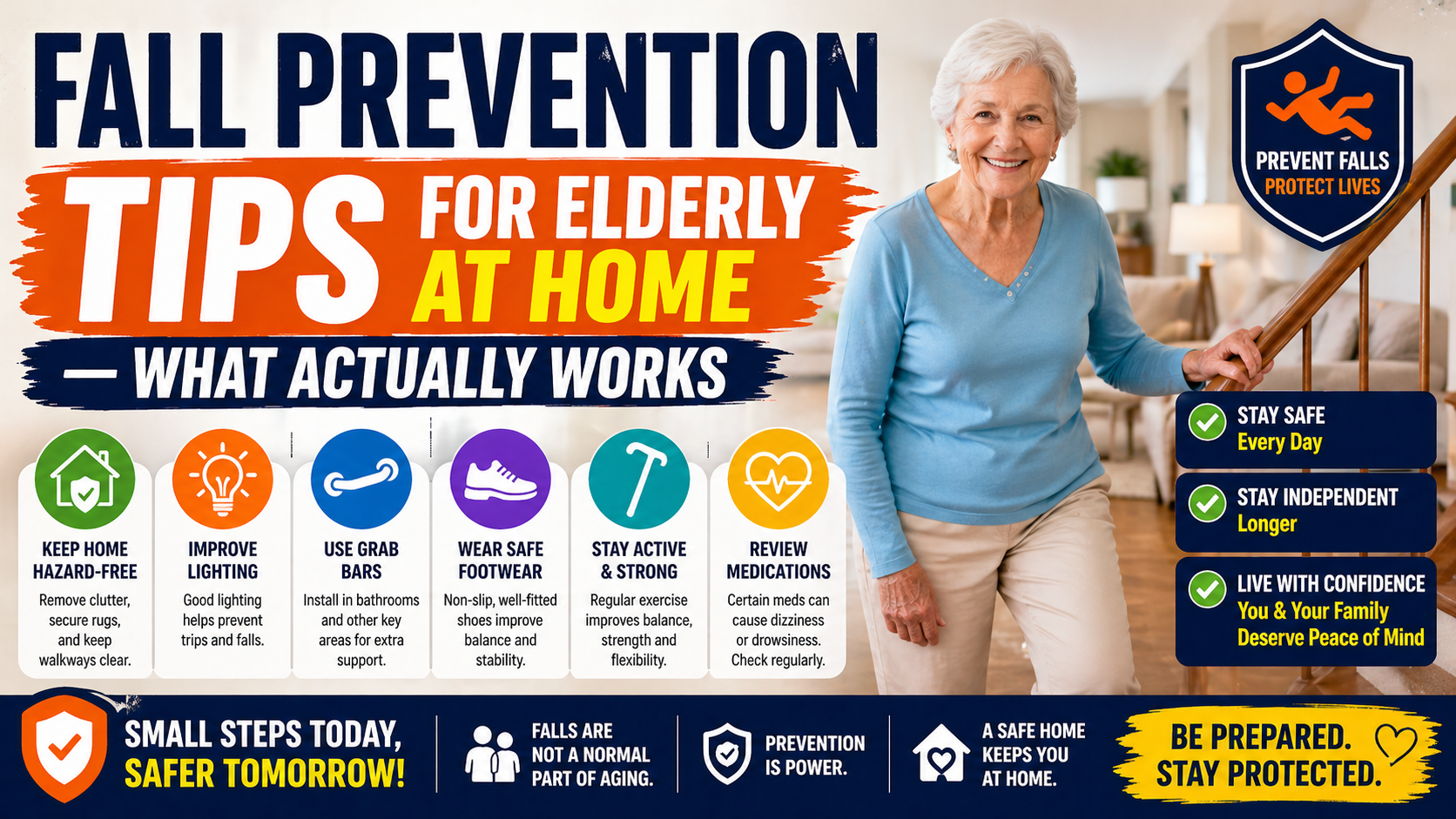
Non-slip socks address the foot-floor traction component of indoor fall risk. They work best as part of a comprehensive approach that addresses every major fall risk factor in the home environment.
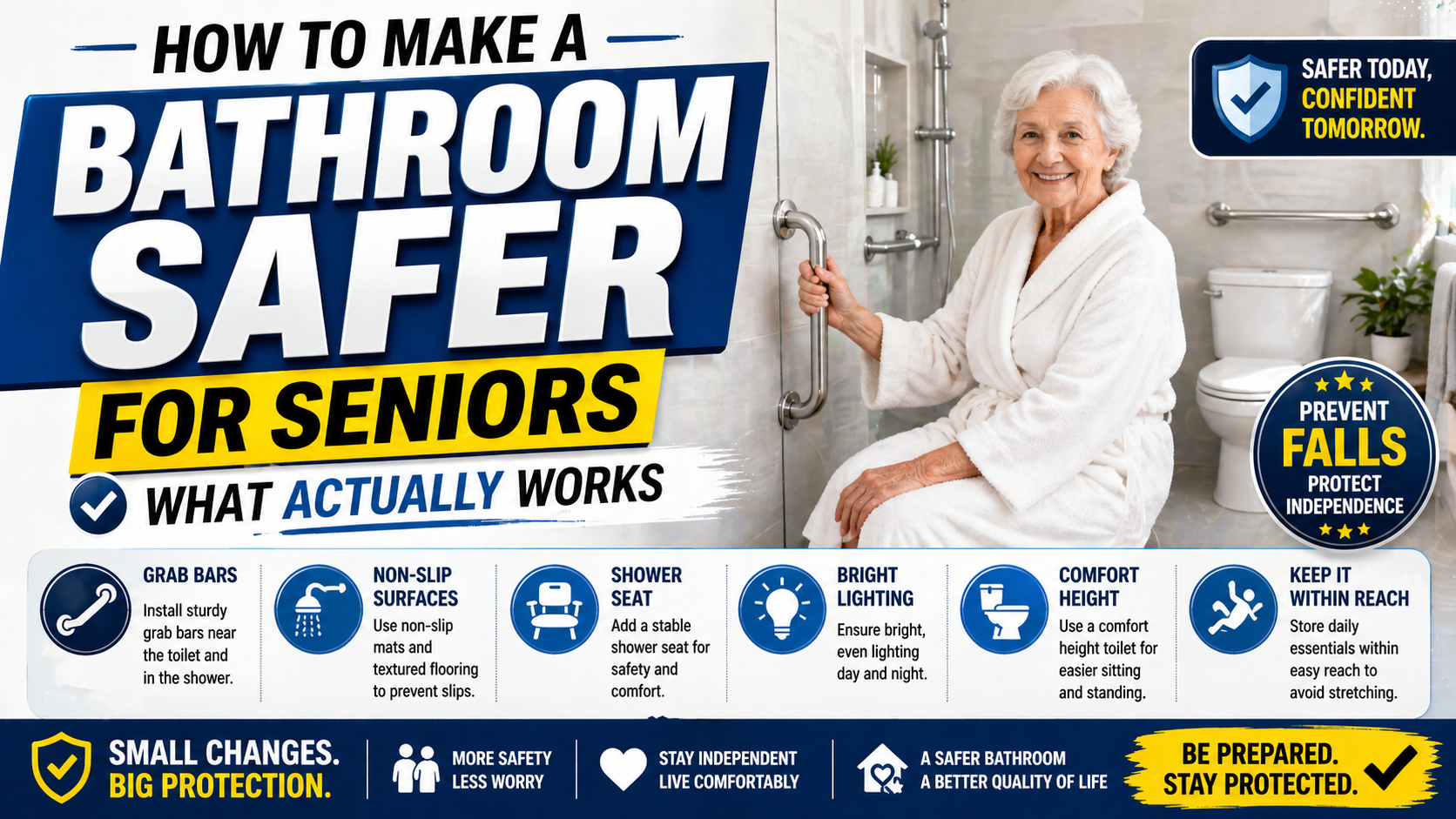
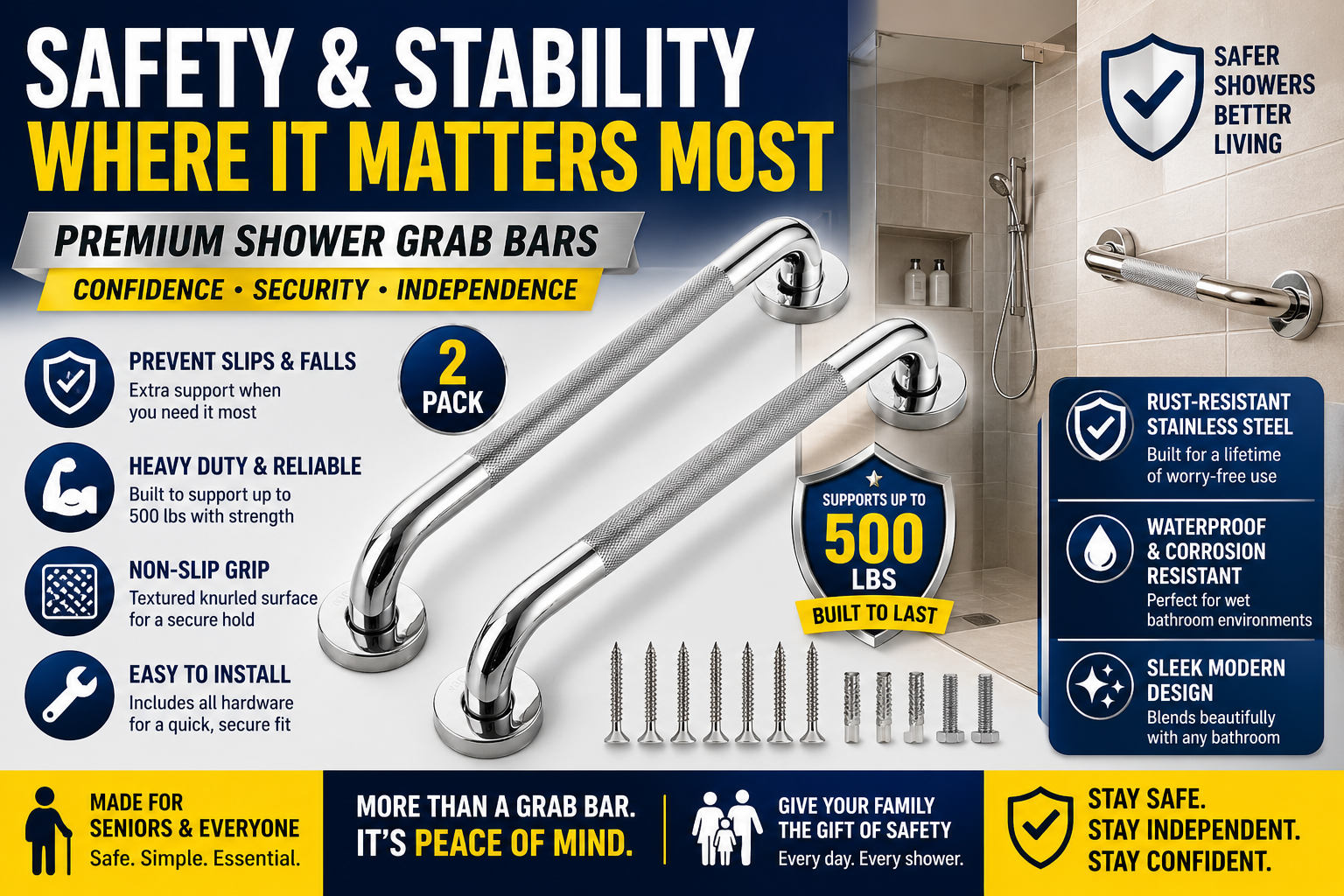
The bathroom modifications — grab bars, toilet safety rails, non-slip bath mat, shower chair — address the highest-risk room. Our complete guide on how to make a bathroom safer for seniors covers every modification. Our guide on your parent’s bathroom is more dangerous than you realize covers why the bathroom deserves priority attention.
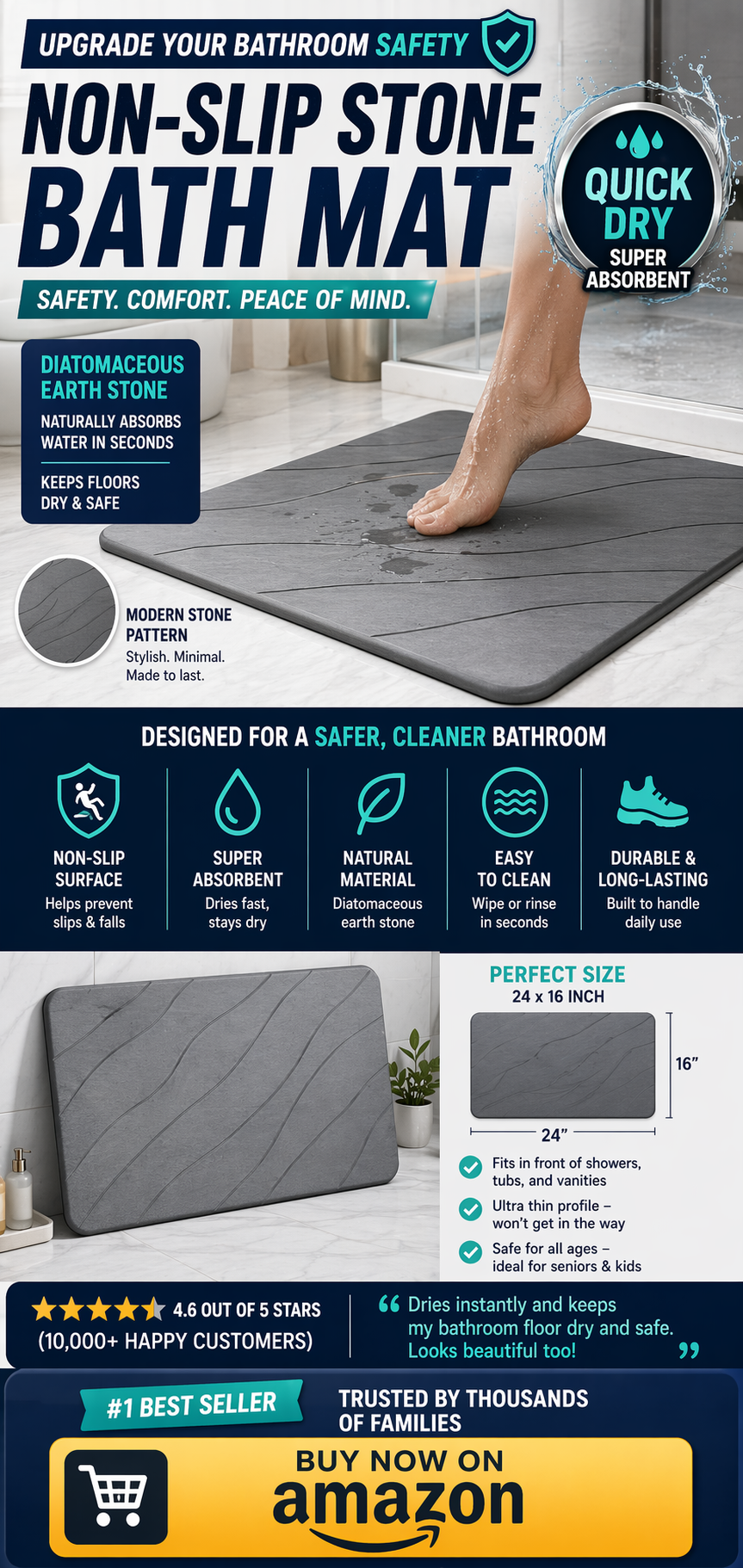
→ Get the Non-Slip Bath Mat on Amazon
The bedroom modifications — bed rail, night lights — address the getting-up transitions. Our guide on getting out of bed is the most dangerous moment of a senior’s day covers this specific scenario.
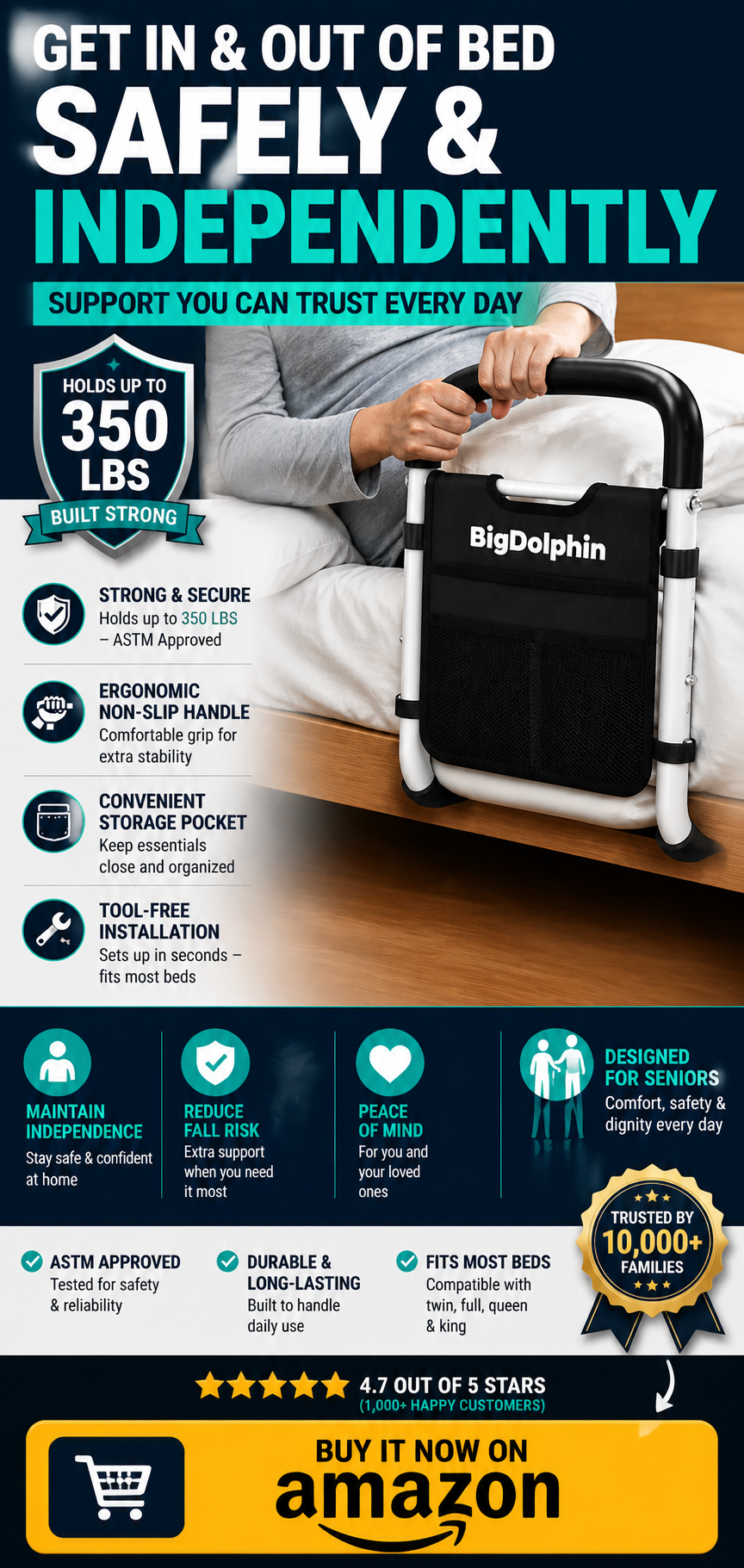
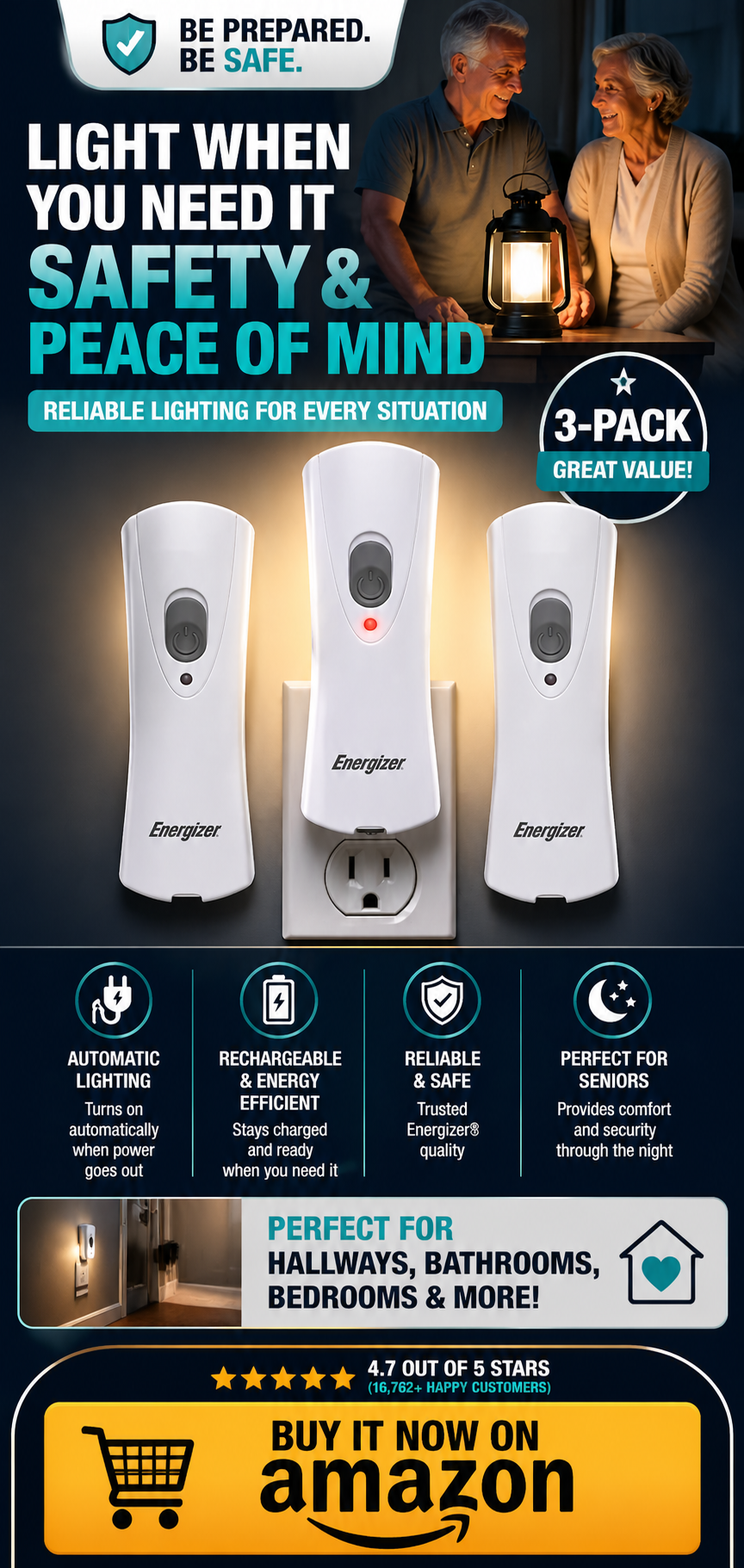
→ Get the Night Lights on Amazon
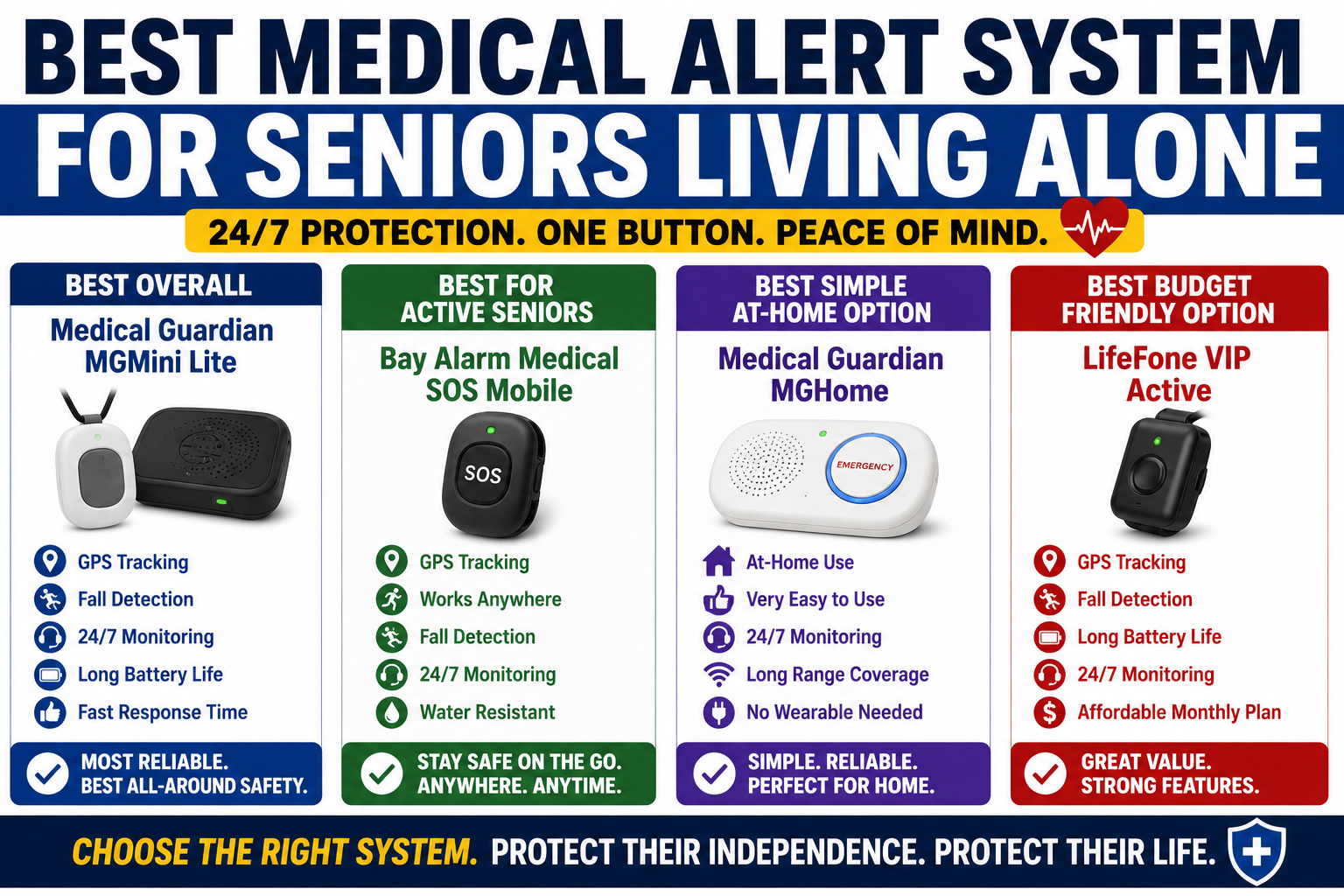
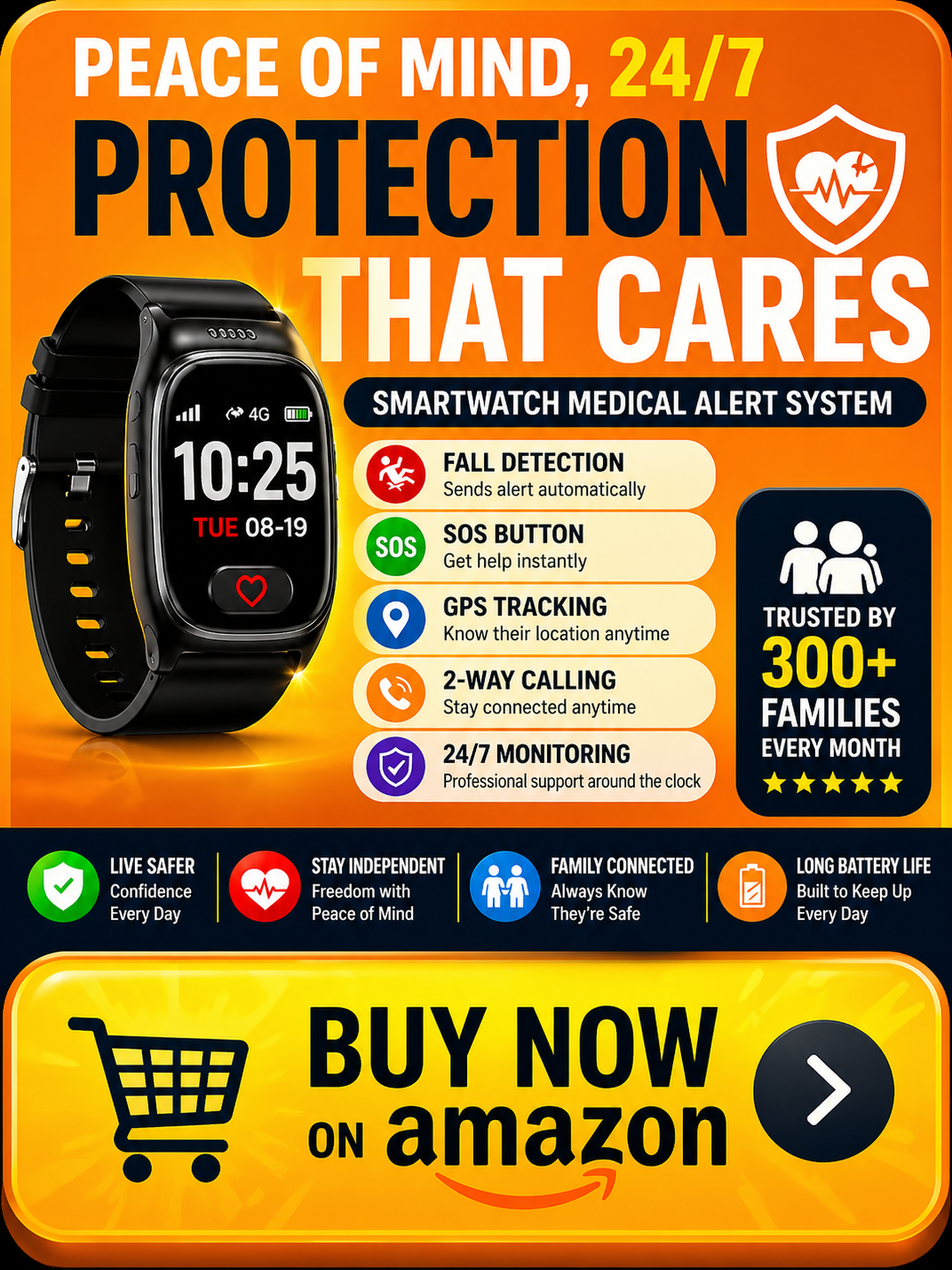
The medical alert device — for when prevention isn’t enough. The SecuLife Smartwatch provides automatic fall detection from the wrist regardless of what footwear is being worn. Our guide on best medical alert system for seniors living alone covers the complete solo-living safety picture.
→ Get the SecuLife Smartwatch on Amazon
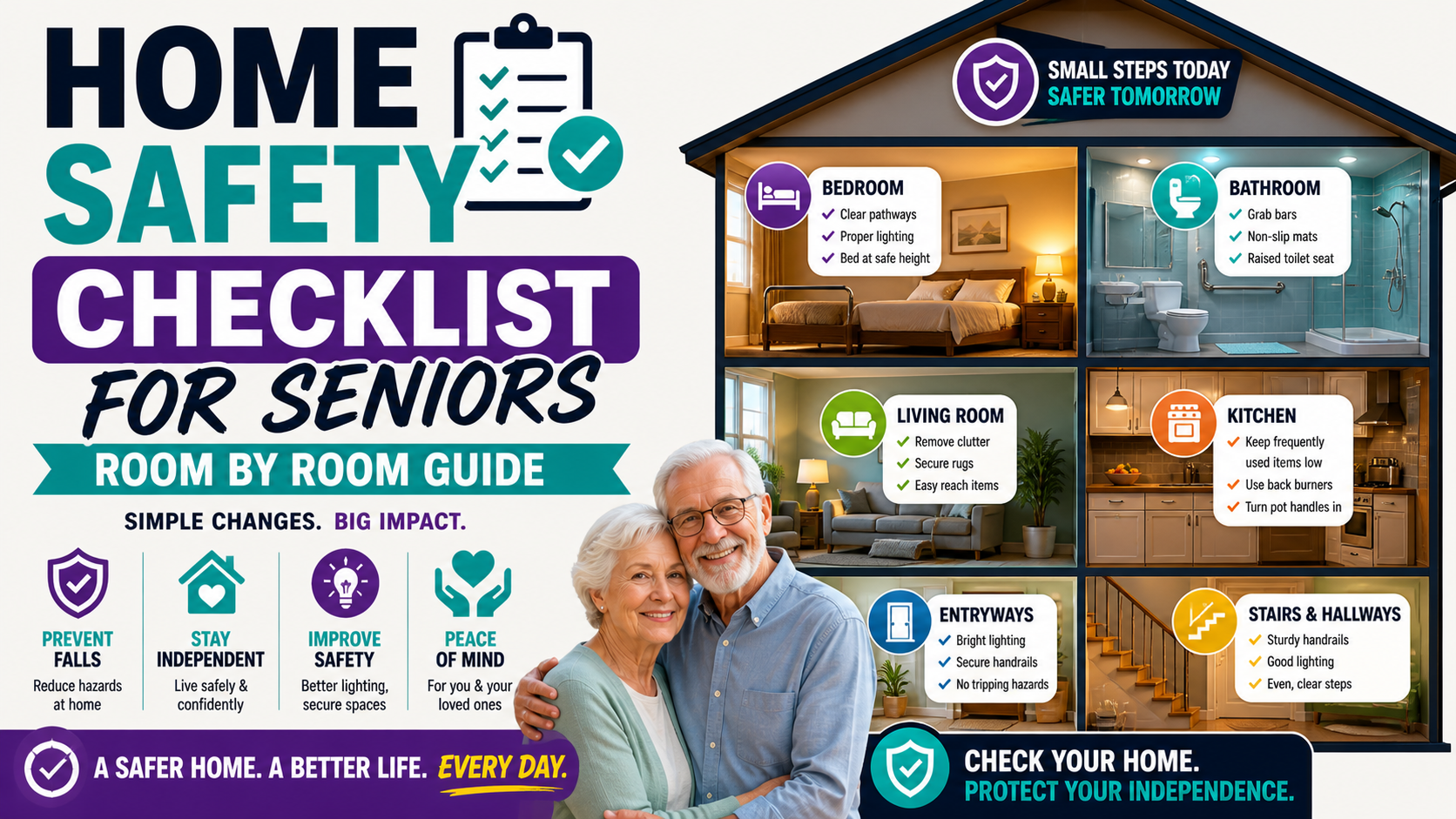
For the complete home safety picture our home safety checklist for seniors gives you the systematic room-by-room assessment. Our guide on senior fall prevention products that actually work covers every product ranked by impact. And our guide on home modifications ranked by impact tells you exactly what to prioritize.
Making Non-Slip Socks a Daily Habit
The most effective non-slip sock is the one actually being worn. Several practical habits make consistent wearing more likely.
Keep them where shoes come off. Position a pair near the front door or by the bed — wherever shoes typically come off — so switching to non-slip socks becomes automatic rather than requiring a deliberate decision each time.
Make them the default indoor sock. Rather than treating non-slip socks as specialty footwear for specific situations, replace standard socks entirely for indoor home wear. If the sock drawer contains non-slip socks, they get worn consistently.
Have enough pairs to wear daily without laundry pressure. A single pair that needs washing every day creates gaps in protection. Several pairs allow daily wear with normal laundry rotation.
Wear to bed if nighttime bathroom trips are frequent. For anyone making multiple nighttime trips wearing non-slip socks to bed eliminates the step of putting on footwear before navigating to the bathroom in the dark — removing a barrier to having traction during the highest-risk daily scenario.
Frequently Asked Questions
Do non-slip socks work on all floor types?
Non-slip grip socks perform best on smooth surfaces — hardwood, tile, laminate, vinyl — where standard socks provide the least traction. On carpet the grip pattern provides minimal additional benefit since carpet already provides significant friction between the sock and floor surface. For most older adults who have smooth floors in their primary living and bathroom areas non-slip socks address exactly the surfaces where traction matters most.
Are non-slip socks a substitute for shoes indoors?
Non-slip socks improve traction significantly over standard socks but don’t provide the full lateral ankle support and arch support that proper indoor footwear does. For maximum fall prevention in the home environment, supportive shoes with non-slip soles worn indoors is the gold standard recommendation from fall prevention programs. Non-slip socks are the best solution for situations where shoes aren’t being worn — after showering, immediately after waking, during nighttime bathroom trips.
How do I know if the grip pattern is maintaining its effectiveness after washing?
Run your hand across the grip pattern after washing — the rubber or silicone dots should feel distinctly raised and grippy rather than flat or smooth. If the grip pattern feels significantly less raised after repeated washing the sock’s traction performance has diminished and replacement is warranted. Following the care instructions — particularly avoiding fabric softener which can coat and reduce the grip surface — maintains performance through more wash cycles.
Can non-slip socks be worn with shoes?
Yes — the grip pattern on the sole doesn’t interfere with wearing inside shoes and the socks function normally as standard socks when footwear is being worn. The grip pattern only engages when in contact with a floor surface — which happens during the sock-on-floor scenarios this guide addresses.
What size should I buy?
Check the size chart on the product listing before purchasing — non-slip sock sizing varies between manufacturers and a poorly fitting sock undermines both comfort and grip performance. A sock that’s too large bunches under the foot and creates a trip hazard. A sock that’s too small creates pressure and discomfort that discourages consistent wearing. Accurate sizing produces the consistent daily wear that provides consistent fall prevention benefit.
The Simplest Fall Prevention Step You Haven’t Taken Yet
Non-slip grip socks are one of the most accessible fall prevention measures available — inexpensive, immediately effective, requiring no installation and no physician conversation. They address a genuine daily fall risk that every older adult who walks on smooth floors in socks is exposed to right now.
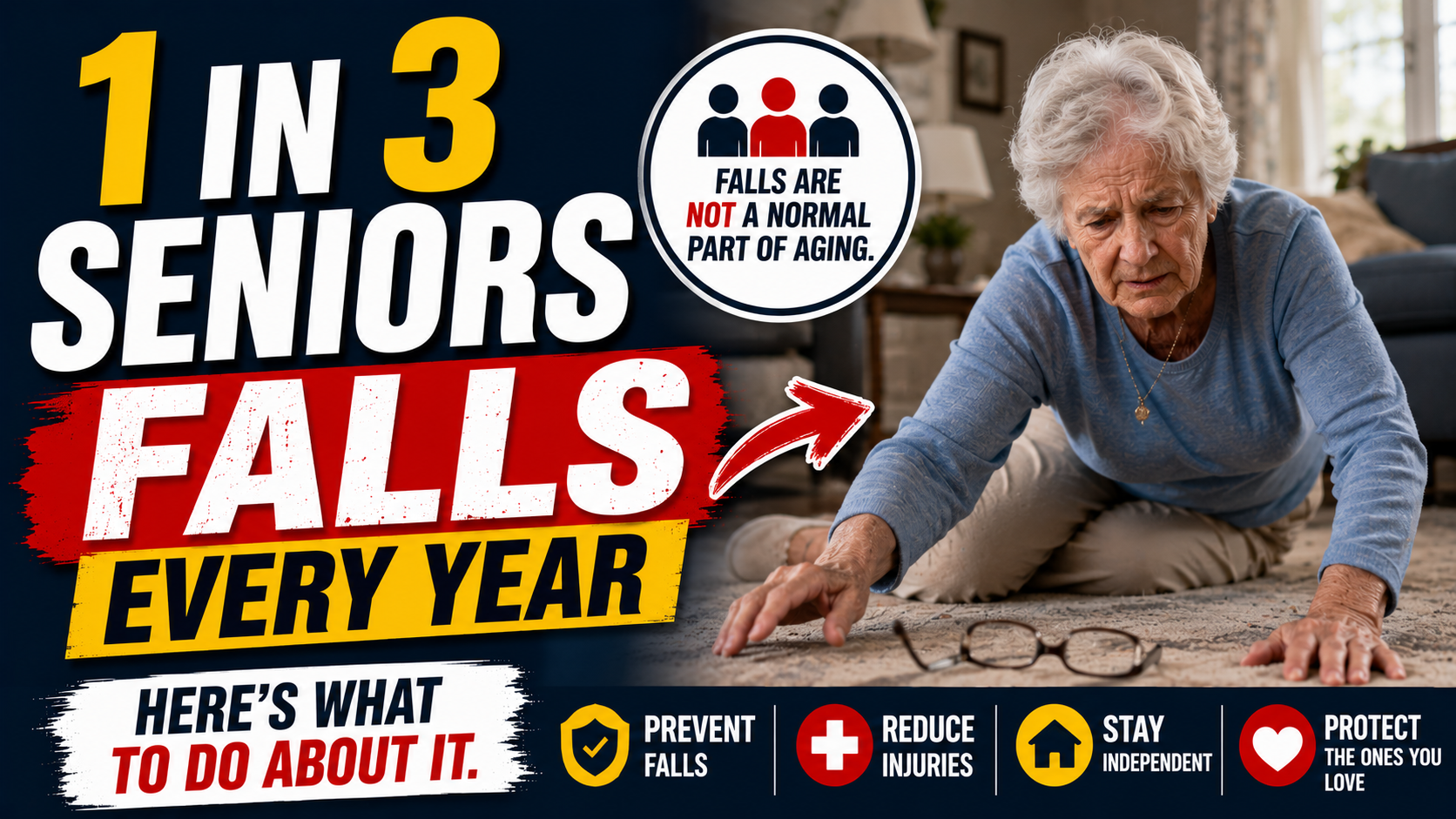
As covered in our guide on 1 in 3 seniors falls every year — fall risk is reduced by addressing every modifiable risk factor, not just the most dramatic ones. The combination of grab bars in the bathroom, a bed rail in the bedroom, night lights on the path to the bathroom, and non-slip socks on smooth floors addresses fall risk comprehensively rather than selectively.
This is the smallest step on that list. It’s also the easiest one to take today.
→ Get the Artfasion Non-Slip Grip Socks on Amazon — check current price and read customer reviews

About the Author
Carol Simmons is a Certified Aging-in-Place Specialist (CAPS) who has completed hundreds of home safety assessments. Footwear — specifically the standard socks worn on smooth floors throughout the home — is one of the most consistent findings in her assessments that families hadn’t considered before the evaluation. It’s also one of the easiest to address. She writes for Elder Safety Guide to give families the complete fall prevention picture — including the small, inexpensive changes that accumulate alongside the larger modifications into a genuinely comprehensive safety system.