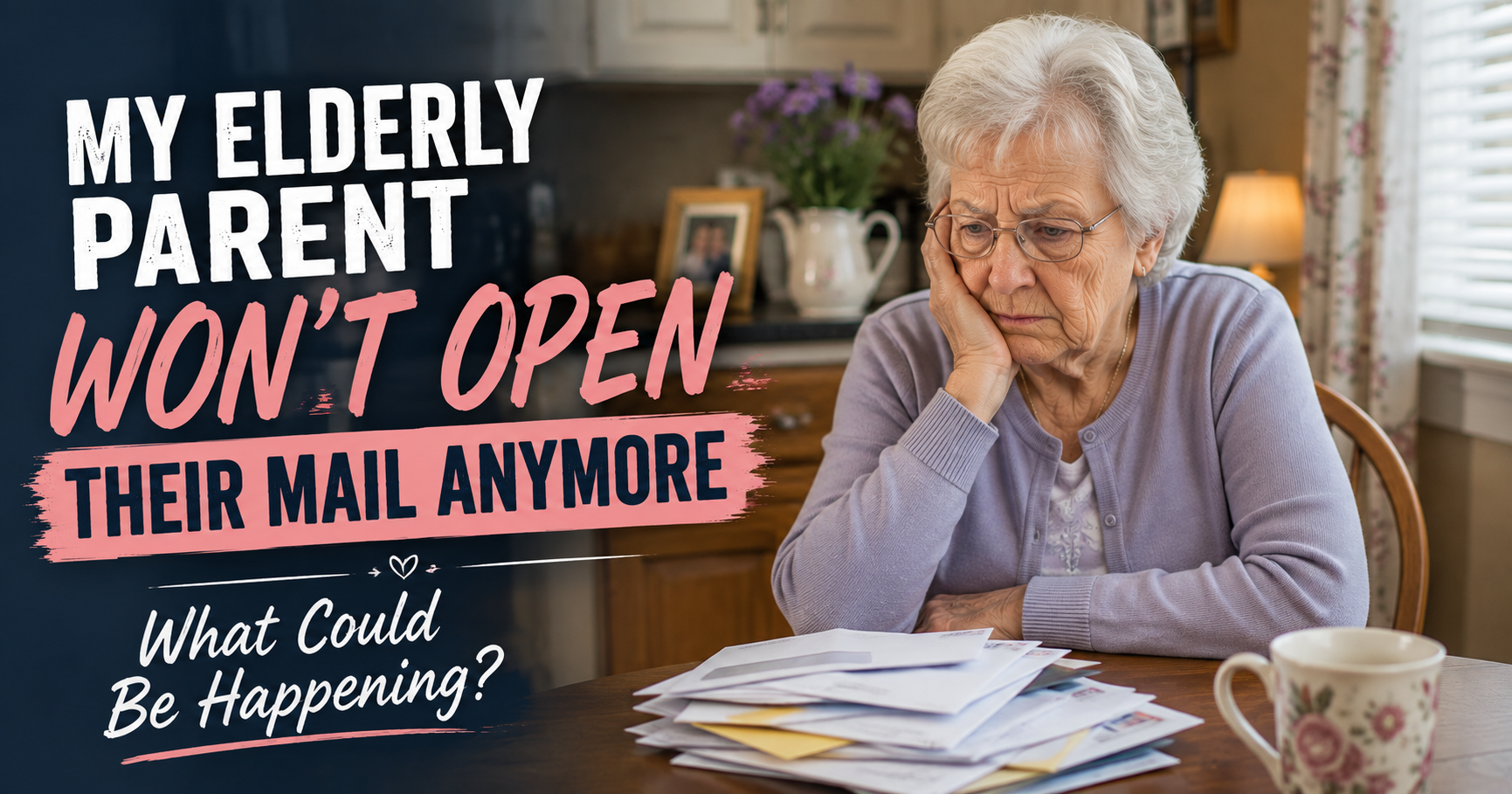
A friend of mine called one evening after helping his grandmother clean her living room.
He wasn’t calling because she’d fallen.
She wasn’t sick.
She hadn’t been diagnosed with dementia.
Instead, he told me something that sounded surprisingly small.
“We found two grocery bags full of unopened mail.”
Some envelopes were still sealed from months earlier.
Utility bills.
Bank statements.
Insurance paperwork.
Birthday cards.
Even letters from her doctor had never been opened.
He asked me a question I don’t think enough families ask.
“Why would someone who always stayed on top of everything suddenly stop opening their mail?”
The answer usually isn’t about the mail.
It’s about what the unopened mail represents.
I’ve found that when an older adult suddenly stops opening letters they’ve faithfully checked every day for decades, something else has often changed behind the scenes.
Sometimes the explanation is simple.
Other times, it’s one of the earliest clues that daily life is becoming more difficult than anyone realizes.
I Always Compare Today With Six Months Ago
One thing I’ve learned is that changes matter much more than habits.
Some people have never been organized.
Others have always let junk mail pile up.
That’s completely different from someone who spent forty years paying every bill the day it arrived and suddenly has stacks of unopened envelopes sitting on the kitchen table.
Whenever a long-established routine changes, I think it’s worth paying attention.
The mail simply happens to be one of the easiest routines for family members to notice.


Opening The Mail Requires More Than Most People Realize
Most of us never think twice about bringing the mail inside.
But there are actually several steps involved.
Walking to the mailbox.
Sorting envelopes.
Reading small print.
Understanding what’s important.
Remembering what needs to be done.
Making phone calls.
Writing checks.
Keeping paperwork organized.
If any one of those tasks becomes difficult, the easiest solution is often doing nothing at all.
Over time, the pile quietly grows.

Sometimes The Mail Feels Overwhelming
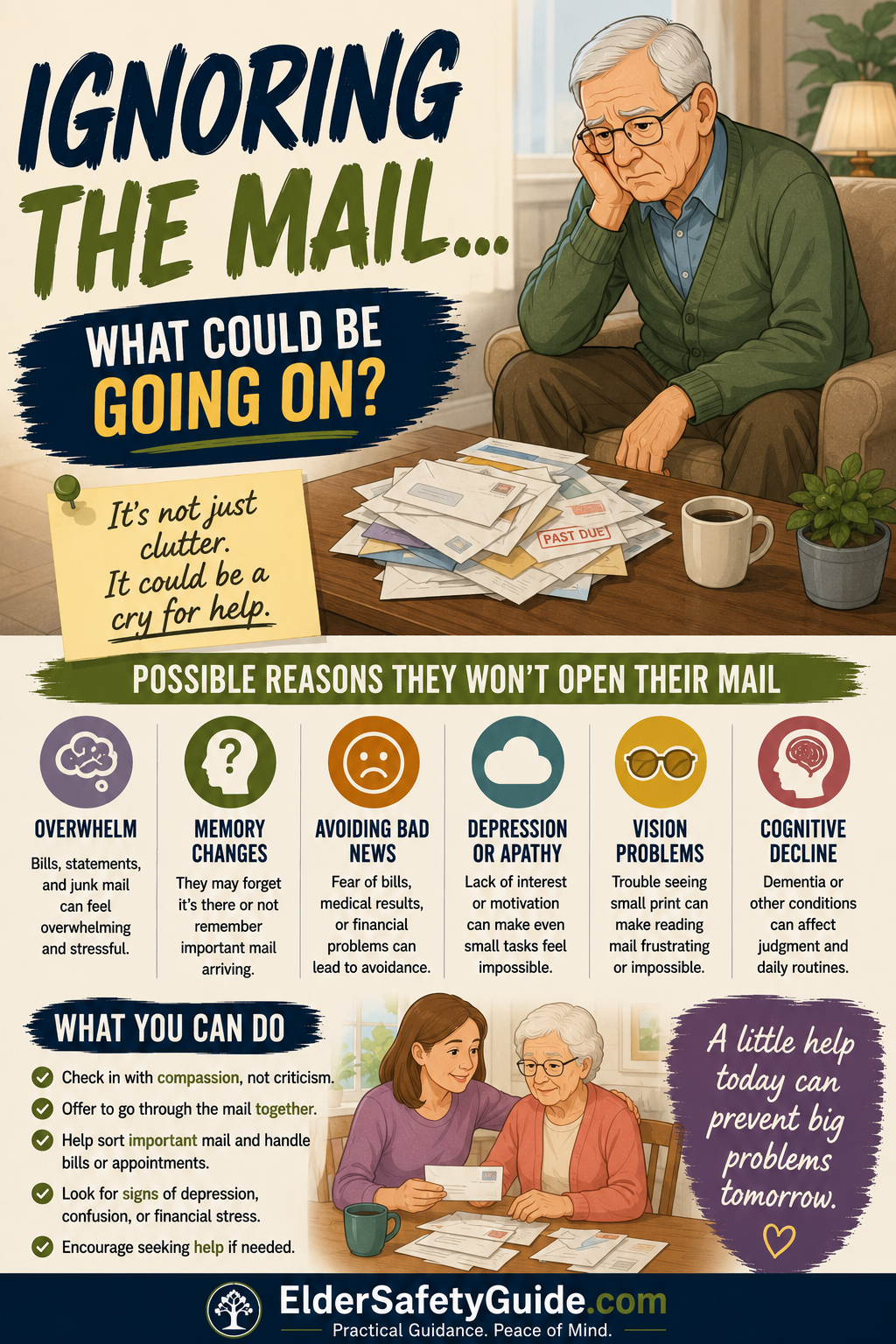
I’ve talked with caregivers whose parents admitted they stopped opening mail because they were afraid of what might be inside.
Medical bills.
Insurance forms.
Bank statements.
Prescription costs.
Everything felt stressful.
Rather than facing another problem, they simply stopped looking.
Unfortunately, avoiding the envelopes didn’t make the problems disappear.
It only delayed them.
Vision Problems Can Turn Simple Tasks Into Difficult Ones
One thing families don’t always consider is how frustrating mail becomes when reading is no longer easy.
Tiny print.
Low contrast.
Long explanations.
Even opening envelopes can become challenging for someone with arthritis.
I’ve known older adults who quietly stopped reading important paperwork simply because they couldn’t see it comfortably anymore.
Instead of asking for help, they pushed the envelopes aside.
Memory Changes Often Show Up In Everyday Tasks

I’ve noticed that memory problems don’t usually begin with forgetting family members. Changes in everyday responsibilities, including prescriptions, may be among the early memory-related changes families notice first.
More often, they begin with everyday responsibilities.
Paying bills.
Keeping appointments.
Remembering medications.
Sorting paperwork.
Opening the mail.
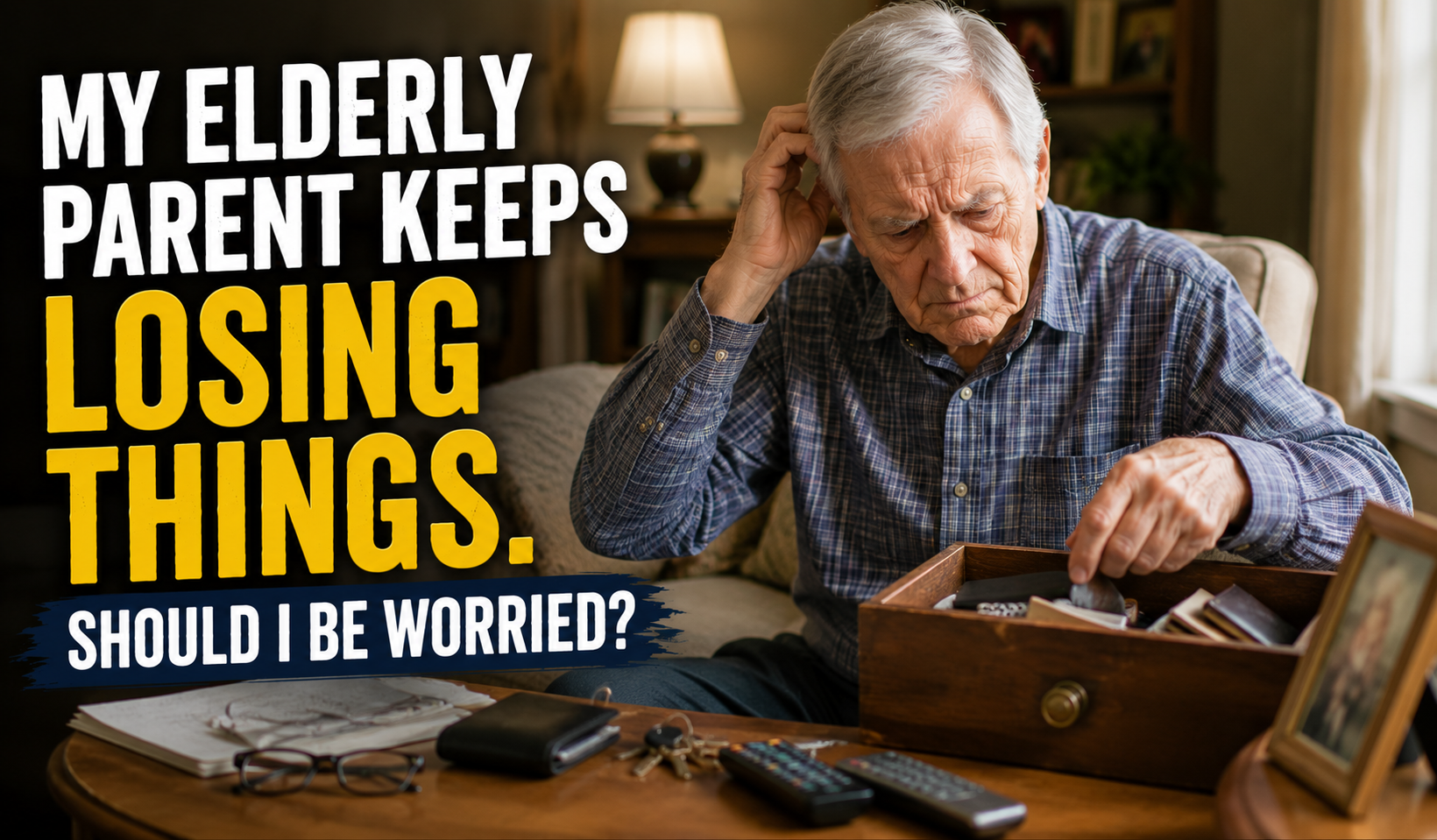
If those responsibilities have become noticeably harder, I recommend reading My Elderly Parent Keeps Losing Thingsbecause difficulty managing everyday items often appears alongside other subtle memory changes.
They May Not Know Which Mail Matters
Another thing I’ve seen is older adults becoming overwhelmed by the amount of mail they receive.
Advertisements.
Charity requests.
Insurance updates.
Prescription notices.
Bank offers.
Medical paperwork.
When every envelope looks important, some people stop opening any of them because they don’t know where to start.
I’ve watched families discover that a parent wasn’t ignoring responsibilities.
They were simply overwhelmed.

Depression Can Change Everyday Habits
Depression doesn’t always announce itself with sadness.
Sometimes it quietly steals motivation.
I’ve seen people stop doing laundry.
Stop cooking.
Stop gardening.
Stop opening mail.
None of those changes happened because they stopped caring about life overnight.
They happened because everyday tasks began feeling heavier than they once did.

If your parent also seems less interested in hobbies, conversations, or daily routines, spend some time reading My Elderly Parent Doesn’t Care About Anything Anymore because a loss of motivation often reaches far beyond one simple task.
One Stack Of Mail Rarely Tells The Whole Story
Whenever someone shows me unopened mail, I immediately become curious about everything else.
Is the refrigerator full of expired food?
Has laundry started piling up?
Are medications being taken correctly?
Has the house become unusually cluttered?
Is personal hygiene changing?
One pile of unopened envelopes usually isn’t the real problem.
It’s often one clue pointing toward several other changes that deserve attention.

They May Be Hiding Financial Worries
Money is a difficult topic for many families.
I’ve met seniors who quietly ignored bank statements because they were embarrassed about their finances.
Others avoided opening bills because they already knew they couldn’t afford to pay them.
Some simply didn’t want their children worrying about them.
Whatever the reason, unopened financial mail deserves a gentle conversation instead of criticism.
Medical Mail Should Never Be Ignored
One thing that concerns me most is finding unopened letters from doctors, insurance companies, pharmacies, or hospitals.
Those envelopes often contain information that’s important for ongoing care.
Appointment reminders.
Test results.
Insurance changes.
Prescription information.

If your parent has also begun missing appointments, My Elderly Parent Keeps Missing Doctor Appointments. What Does It Mean? explains why those changes sometimes happen together.
One Thing I’ve Learned From Caregivers

One thing I’ve noticed after speaking with many families is that unopened mail is almost never the first change. Unopened mail can be one part of a broader pattern, so recognizing the first signs of change may help you assess what else has changed.
It’s simply the first obvious one.
Looking back, they often realize there had been smaller clues for months.
A forgotten appointment.
A missed medication.
Less interest in hobbies.
More time spent sleeping.
Less interest in cooking.
The unopened envelopes simply became impossible to ignore.
Unopened Mail Can Make Someone An Easy Target
One thing I don’t think families talk about enough is how unopened mail can create other problems.
Important notices get buried.
Bank statements go unread.
Insurance changes are missed.
Unfortunately, scammers often target older adults because they know many receive large amounts of confusing mail.
I’ve seen families discover overdue bills mixed together with fake sweepstakes letters, misleading charity requests, and advertisements that looked remarkably official.
That’s why I encourage families not to simply throw everything away.
Instead, sit down together and sort through it calmly.
You may uncover problems that have simple solutions before they become much larger ones.
Everyday Decisions Can Become Exhausting
One thing I’ve learned is that opening the mail isn’t really one task.
It’s dozens of small decisions.
Is this important?
Can I throw it away?
Do I need to call someone?
Should I pay this today?
Where do I file it?
When someone is already overwhelmed, even those simple decisions can feel exhausting.
Sometimes the easiest choice is putting the envelope back on the table and promising yourself you’ll deal with it tomorrow.
Then tomorrow becomes next week.
Before long, months have passed.
What This Looked Like In My Experience
One thing I’ve noticed after talking with many caregivers is that unopened mail is rarely the problem that brings them to my website.
Instead, they’ll tell me something like this.
“My mom has been sleeping more, she missed two doctor appointments, and when I stopped by last weekend there were stacks of unopened mail on the kitchen counter.”
Or…
“My dad isn’t answering his phone anymore, he seems tired all the time, and I found utility bills mixed in with junk mail.”
Those conversations almost always involve several changes happening at once.
The mail simply becomes the clue that’s impossible to ignore.
Questions I’d Ask My Parent
If this were happening in my own family, I wouldn’t immediately ask,
“Why aren’t you opening your mail?”
That question often makes people feel defensive.
Instead, I’d try something gentler.
“I noticed there are quite a few letters here. Has keeping up with paperwork become more difficult lately?”
Or…
“Would it help if we sorted through these together?”
Those questions invite conversation instead of creating embarrassment.
What I Would Do If This Were My Own Family
If this were my own parent, I’d begin by organizing rather than criticizing.
I’d separate medical mail.
Financial mail.
Insurance paperwork.
Personal letters.
Junk mail.
Then I’d ask whether there were certain types of mail they found confusing or stressful.
Sometimes the solution isn’t taking over.
Sometimes it’s simply creating a system that’s easier to manage.
I’d also begin paying attention to everything else happening around the house.
Are groceries being replaced?
Are medications organized?
Is laundry being done?
Is the calendar being updated?
The answers often reveal whether unopened mail is an isolated issue or part of a larger pattern.
Mistakes I See Families Make
One mistake I see is assuming unopened mail automatically means memory loss.
Sometimes that’s true.
Many times it isn’t.
Another mistake is cleaning everything up without asking questions.
If you quietly pay every bill and throw every envelope away, you may miss the opportunity to understand why the mail accumulated in the first place.
I’ve also seen families become angry because they assume their parent is being irresponsible.
In reality, many older adults are embarrassed, overwhelmed, or afraid to admit they’re struggling.
Patience usually accomplishes much more than frustration.
When I Become More Concerned
I become much more concerned when unopened mail is happening alongside other noticeable changes.
For example:
- Bills are going unpaid.
- Important medical appointments are being missed.
- Prescription refill notices remain unopened.
- Bank statements are piling up.
- The house is becoming cluttered.
- Personal hygiene is changing.
- Memory problems are becoming more noticeable.
Those situations tell me this probably isn’t just about paperwork anymore.
It’s about everyday life becoming harder to manage.
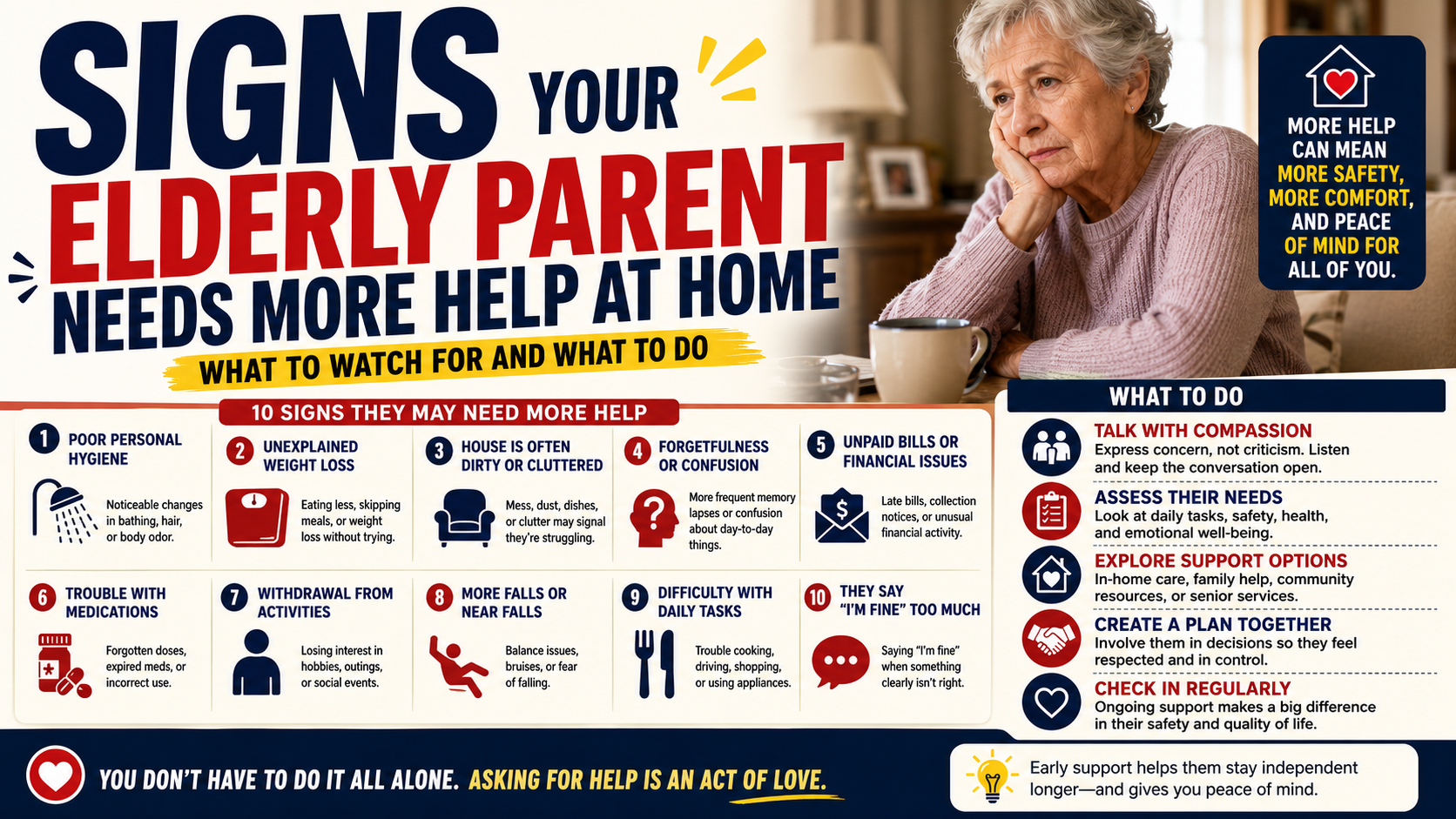
If you’re beginning to notice several of those warning signs together, Signs Your Elderly Parent Needs More Help at Home can help you recognize when extra support may be needed.
Small Changes Often Lead To Bigger Conversations
Finding unopened mail sometimes becomes the moment families realize their parent may need a little more help.
That doesn’t always mean moving out of their home.
Sometimes it means checking in more often.
Helping organize paperwork.
Setting up automatic bill payments.
Attending important appointments together.
If your parent still lives independently and you’re becoming concerned about their overall safety, it’s also worth comparing the best medical alert systems for seniors. While they won’t solve paperwork challenges, they can provide valuable peace of mind if other signs suggest your parent is becoming more vulnerable while living alone.
Don’t Assume They’re Ignoring You Too
One thing I’ve learned is that someone who stops opening mail may also begin avoiding phone calls, text messages, or even visitors.
Not because they don’t love their family.
Because they’re embarrassed.
They may worry you’ll notice the unopened bills.
The clutter.
The missed responsibilities.
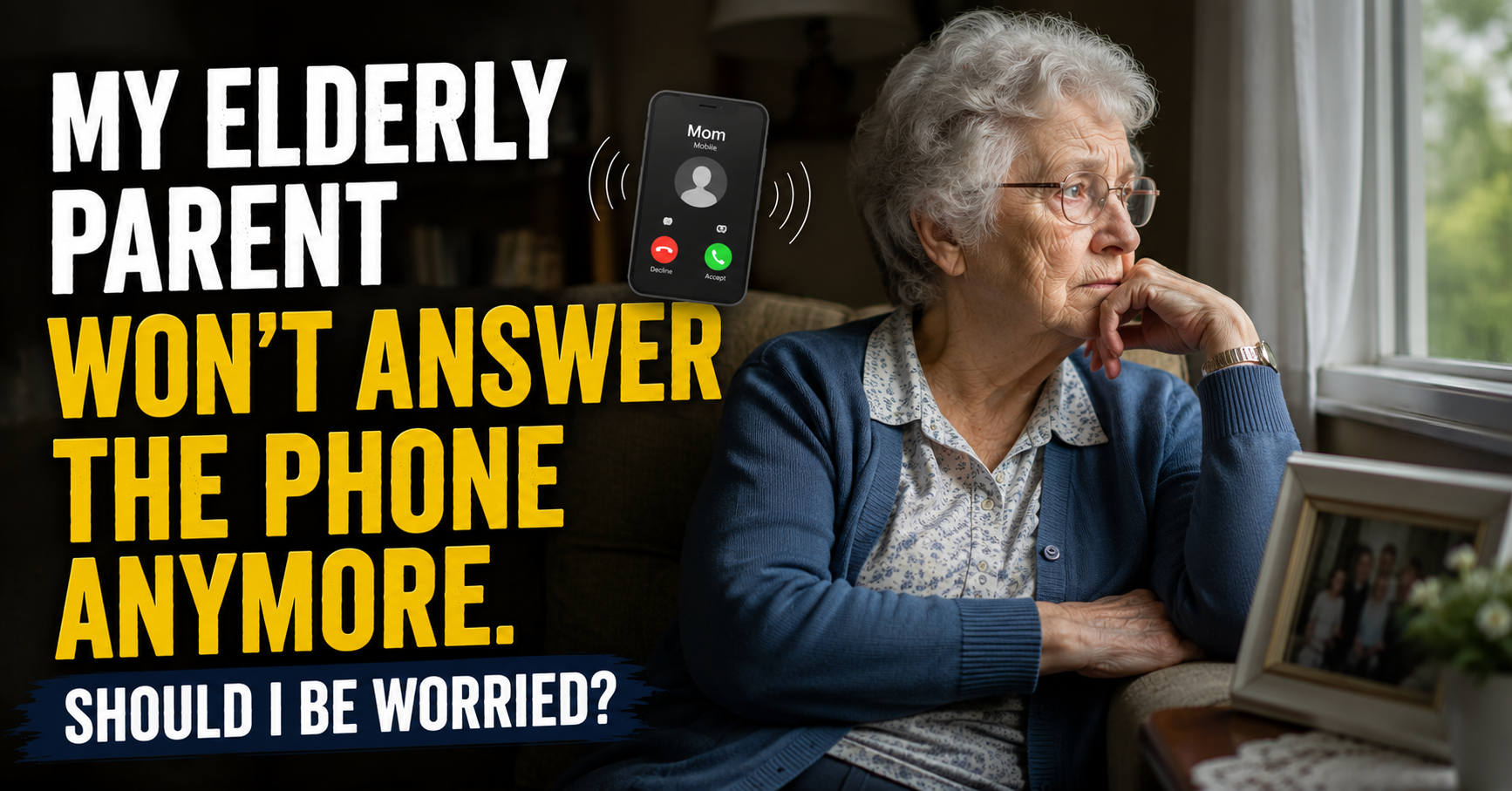
If you’ve also found it harder to reach your parent lately, I recommend reading My Elderly Parent Won’t Answer the Phone Anymore because these changes often happen together.
Trust The Pattern You’re Seeing
One unopened envelope isn’t usually a reason to worry.
Neither is forgetting to pay one bill.
But when unopened mail becomes a regular sight, especially in someone who was once organized and dependable, I think it’s worth asking why.
Most older adults don’t suddenly stop opening their mail for no reason.
Sometimes they’re overwhelmed.
Sometimes they’re struggling with memory.
Sometimes they’re hiding financial or health concerns.
Sometimes they simply need a little more support than they did a year ago.
Whatever the reason, paying attention to these small changes gives your family the opportunity to step in early, offer help with dignity, and solve problems before they grow into much larger ones.
About the Author
Michael Reynolds is a senior care educator and contributing writer for Elder Safety Guide. He writes about the everyday changes families often notice first, including memory concerns, household routines, financial organization, and aging in place. His goal is to help adult children recognize subtle warning signs early and provide practical guidance that supports both safety and independence.