
A few months ago, my mom called me with a question that stopped me in my tracks.
She wasn’t asking about a diagnosis.
She wasn’t asking about medications.
She simply said, “Your dad just isn’t acting like himself anymore.”
At first, I wasn’t sure what she meant.
She couldn’t point to one specific problem.
He wasn’t seriously sick.
He hadn’t fallen.
He wasn’t complaining about anything.
But she knew something had changed.
Looking back, that feeling turned out to be one of the earliest warning signs our family had.
I’ve learned that families often notice personality changes long before they notice an actual medical problem. They may not have the words to explain what’s different, but they know something feels off.
If you’ve found yourself saying, “My elderly parent just isn’t acting like themselves anymore,” I think it’s worth paying attention.
Sometimes the cause is relatively minor.
Other times, those subtle changes are the first clues that something bigger is happening.
Trust Your Instincts
One thing I hear over and over from adult children is this:
“I can’t explain it, but something feels different.”
Don’t ignore that feeling.
You know your parent better than almost anyone.
You’ve watched their personality for decades.
You know how they laugh.
How they tell stories.
How they react to stress.
How they interact with family.
When those things begin changing, your instincts often notice before your brain can explain why.
That doesn’t automatically mean something serious is wrong.
But it does mean it’s worth slowing down and taking a closer look.
Acting Different Can Mean Many Things
Personality changes don’t always look dramatic.
Sometimes they’re surprisingly subtle.

Your parent might:
- Become quieter than usual.
- Lose interest in favorite hobbies.
- Get irritated over small things.
- Repeat themselves more often.
- Seem unusually withdrawn.
- Forget conversations.
- Become unusually emotional.
- Lose confidence.
One change by itself may not mean much.
Several changes happening together deserve attention.


Sometimes It’s A Physical Health Problem
One thing many people don’t realize is that physical health problems often affect behavior before obvious symptoms appear.
I’ve seen situations where an older adult seemed:
- More tired.
- Less social.
- More forgetful.
- Less interested in activities.
Family members assumed it was simply aging.
Instead, the person was dealing with an untreated medical condition.
That’s one reason I encourage families to think beyond personality.
Behavior is often the visible symptom.
The real problem may be happening underneath.
Hidden Health Problems Are More Common Than You Think
Many seniors don’t like talking about their health.
Some don’t want to worry their children.
Others fear losing their independence.
Instead of asking for help, they quietly adapt.
I’ve found that many older adults become less active, sleep more, eat less, and avoid conversations about their health long before anyone discovers what’s really happening.
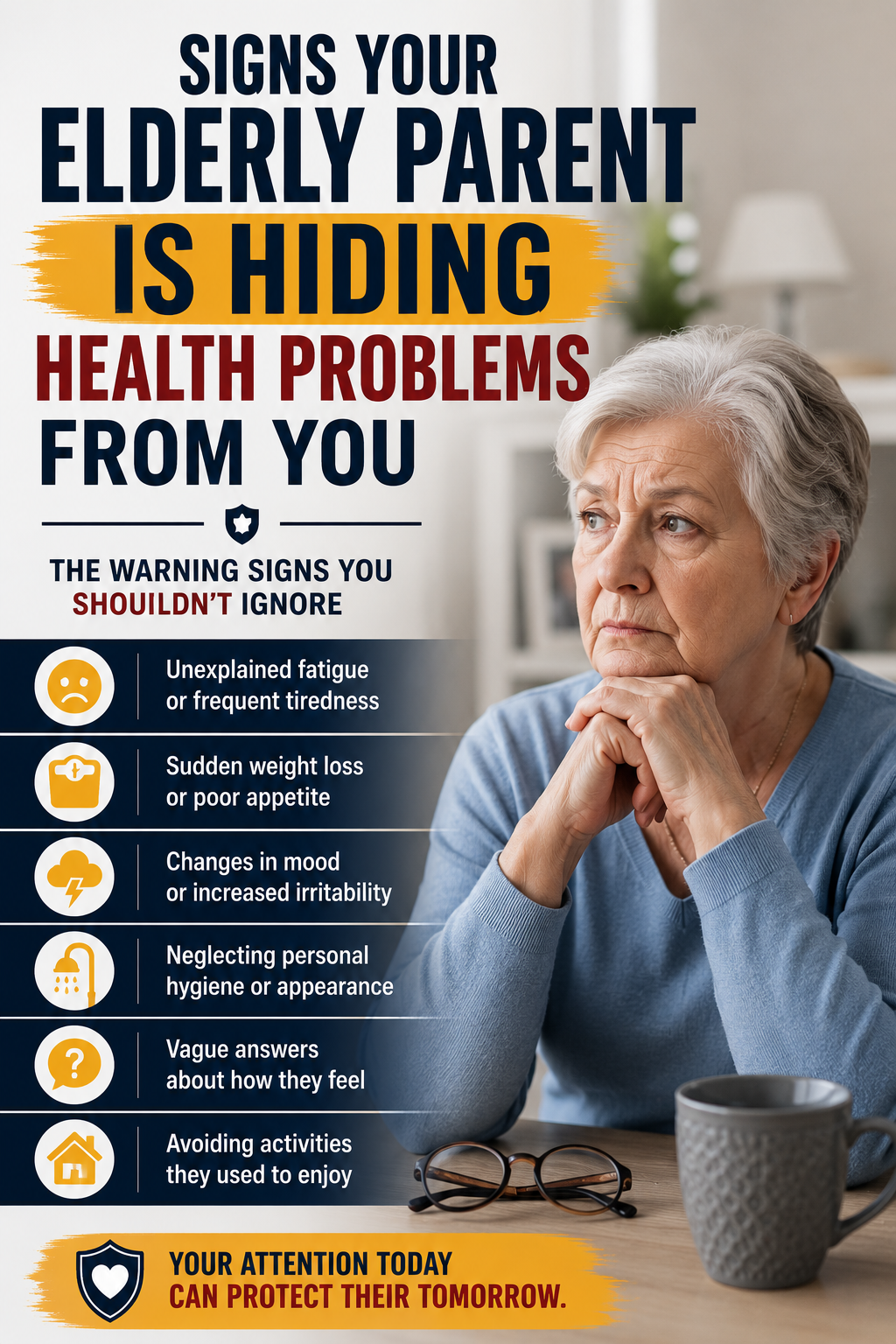
If that sounds familiar, take a few minutes to read Signs Your Elderly Parent Is Hiding Health Problems From You. It explains why many seniors hide symptoms and what families often overlook.


Medication Changes Can Affect Personality
This surprises many families.
A medication doesn’t have to be “wrong” to affect someone’s mood or behavior.
Even medications that are working properly can sometimes contribute to:
- Fatigue.
- Irritability.
- Confusion.
- Sleepiness.
- Mood changes.
I’ve also seen personality changes happen when someone starts forgetting medications altogether.

If you’ve noticed pill bottles piling up or your parent seems confused about prescriptions, my guide on Elderly Parent Keeps Forgetting Medication When Should You Worry? explains why medication mistakes should never be brushed aside.
They’re Sleeping More Than They Used To
One of the first questions I ask families is simple.
“Have they started sleeping more?”
Excessive sleeping often changes a person’s mood.
Someone who spends much of the day sleeping naturally becomes:
- Less active.
- Less social.
- Less engaged.
- Less interested in daily routines.
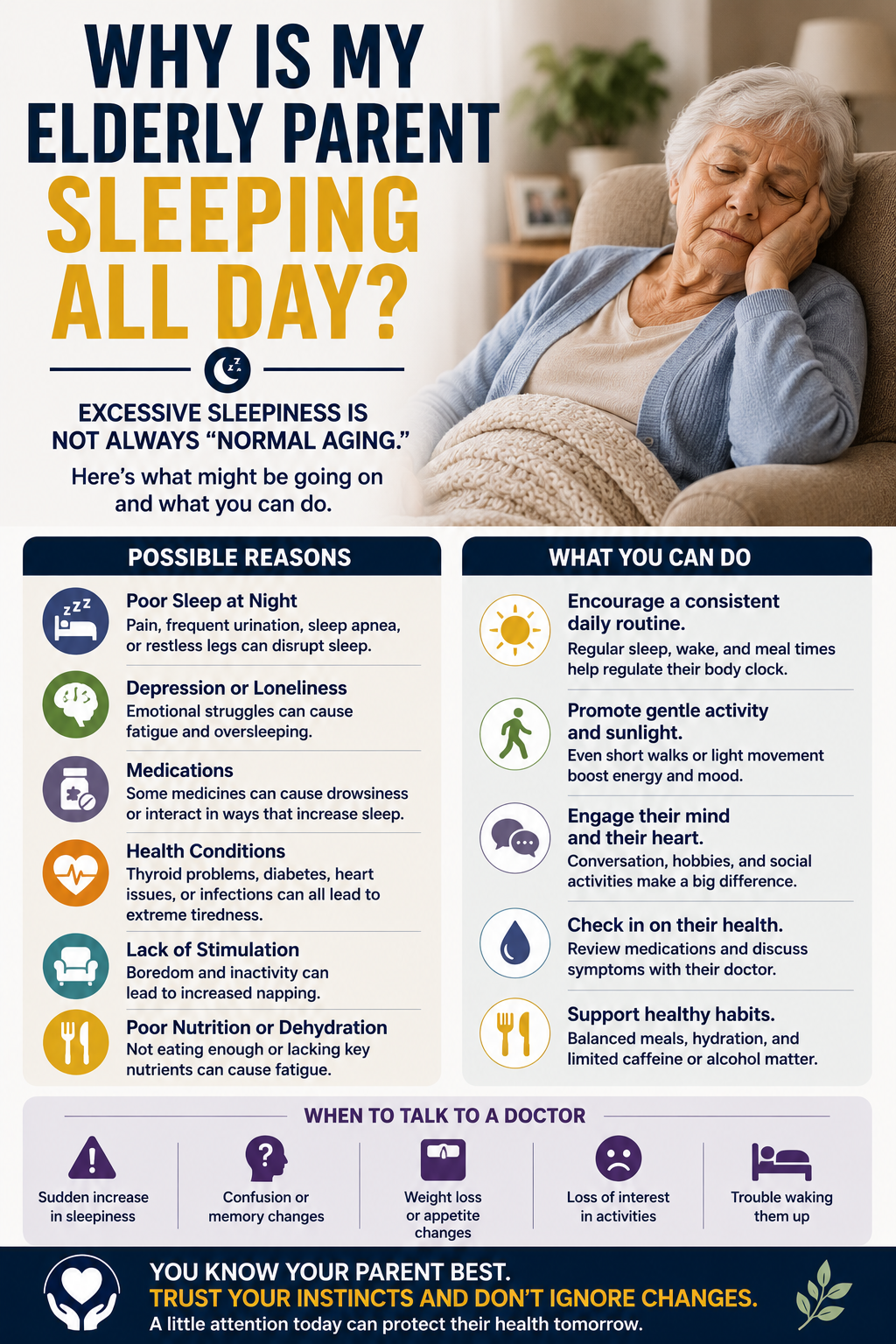
If you’ve noticed that change, I recommend reading Why Is My Elderly Parent Sleeping All Day? because fatigue and personality changes often appear together.
Weight Loss Can Change More Than Appearance
I’ve also seen behavior changes appear alongside unexplained weight loss.
When someone isn’t eating enough, lacks proper nutrition, or has an underlying illness, it often affects energy, patience, and emotional well-being.
If your parent seems thinner than they used to, don’t assume it’s unrelated.

My article on My Elderly Parent Is Losing Weight but Says They’re Fine explains why unexplained weight loss deserves attention even when your parent insists everything is okay.
Sometimes They’re Simply Overwhelmed
Growing older isn’t easy.
Doctor appointments.
New medications.
Friends passing away.
Reduced mobility.
Financial concerns.
These changes can leave an older adult feeling overwhelmed.
Instead of talking about those feelings, they may become short-tempered or withdrawn.
I’ve learned not to assume every personality change points to dementia.
Sometimes it’s stress.
Sometimes it’s grief.
Sometimes it’s loneliness.
That’s why looking at the whole picture matters.

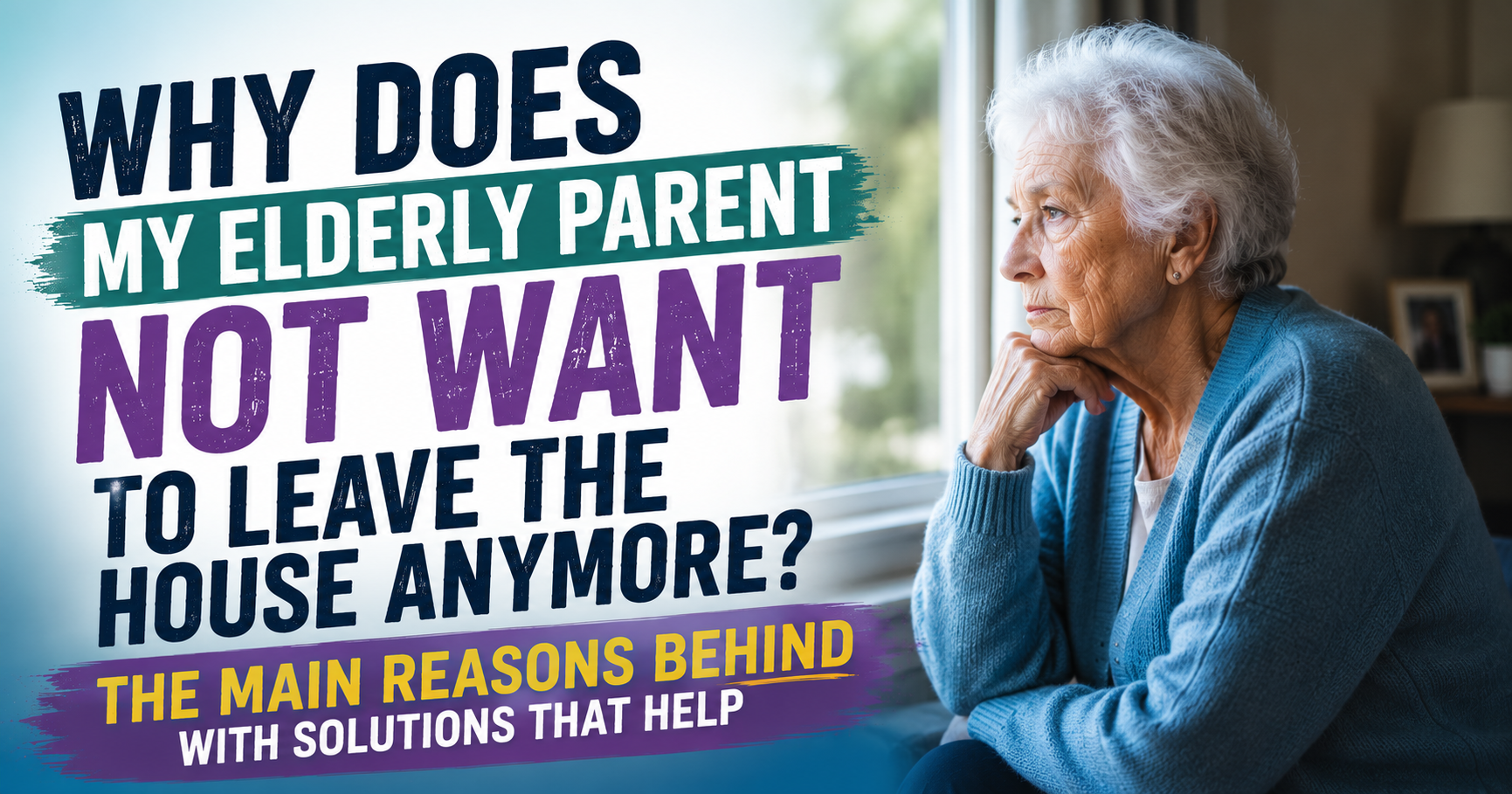
Are They Still Enjoying Life?
One question I always encourage families to ask themselves is:
“Does my parent still enjoy the things they used to love?”
Maybe they no longer:
- Visit friends.
- Work in the garden.
- Attend church.
- Go fishing.
- Watch their favorite sports.
Loss of interest can provide important clues about overall health and emotional well-being.
What If They Keep Saying They’re Fine?
This is where many families become frustrated.
You see changes.
Other relatives notice them too.
Yet every conversation ends the same way.
“I’m fine.”
“I don’t know why everyone keeps asking.”
“I’ve just slowed down.”
If you’ve reached that point, I wouldn’t argue.
I’d stay curious.
The goal isn’t proving your parent is wrong.
The goal is understanding why they’re changing.
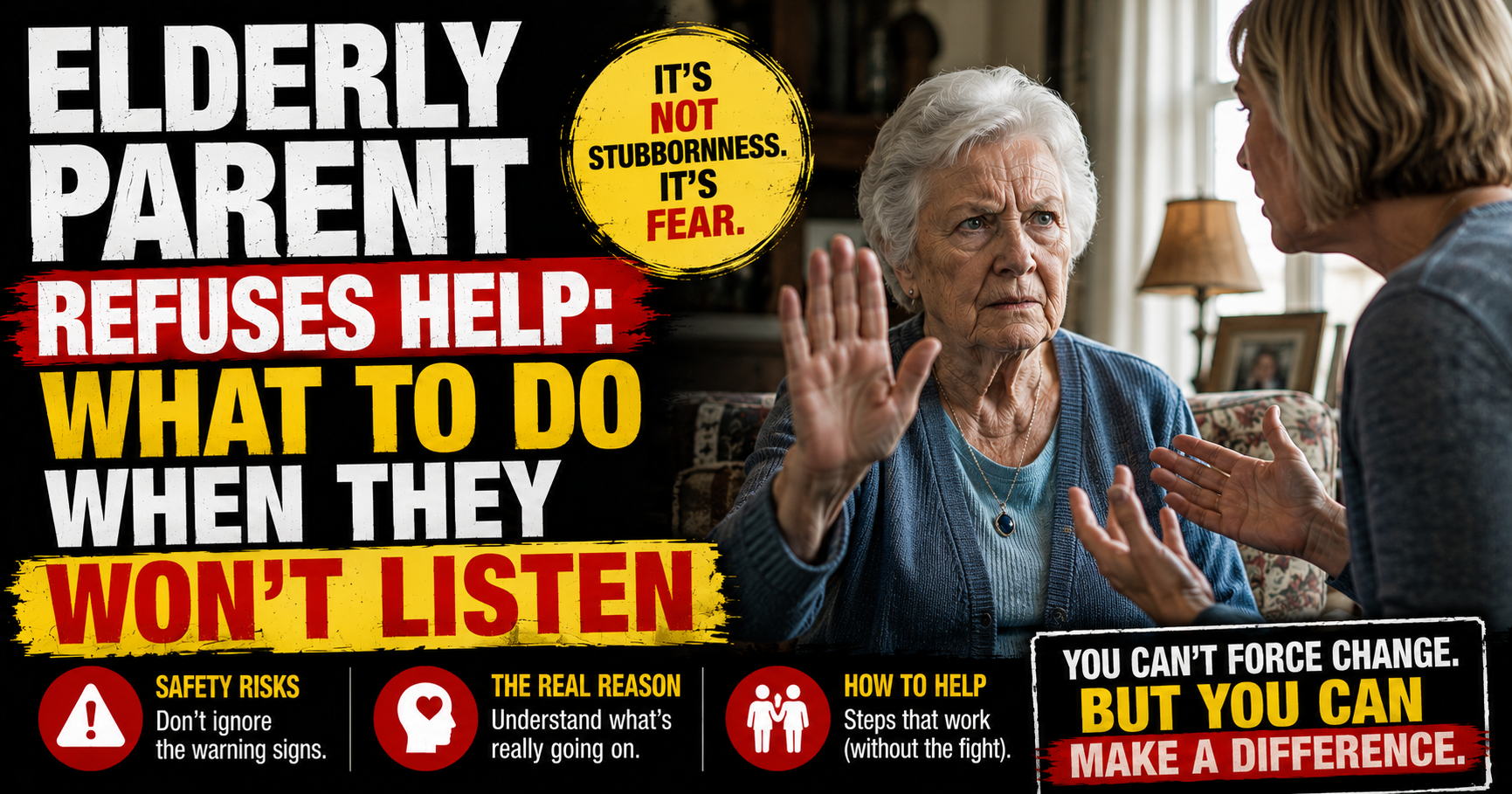
If those conversations feel impossible, my article on Elderly Parent Refuses Help What To Do When They Won’t Listen may help you approach the discussion in a way that feels less confrontational.


Look For Patterns Instead Of One Big Event
One mistake families make is waiting for something dramatic.
A hospitalization.
A major fall.
A diagnosis.
In reality, decline often happens gradually.
Small changes slowly begin stacking together.
Maybe your parent:
- Sleeps more.
- Eats less.
- Forgets medications.
- Stops cleaning the house.
- Seems less interested in people.
- Gets irritated more easily.
Each change seems small.
Together, they tell an important story.
When Should You Become Concerned?
I become much more concerned when personality changes appear alongside:
- Frequent falls.
- Weight loss.
- Memory problems.
- Confusion.
- Poor hygiene.
- Driving issues.
- Missed medications.
- Isolation.
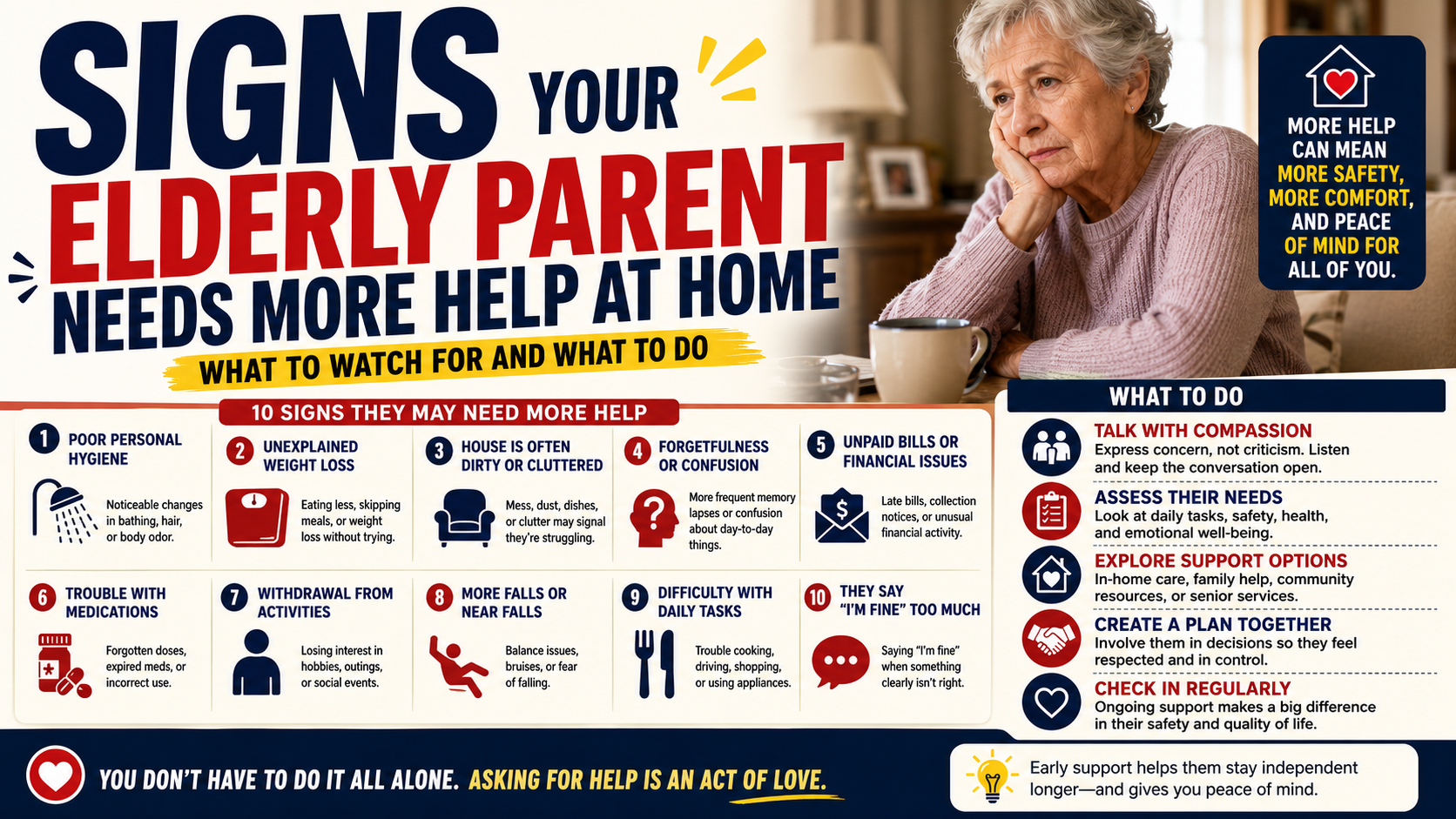
If you’re recognizing several of those changes, I recommend reading Signs Your Elderly Parent Needs More Help at Home because it brings many of these warning signs together in one place.
Don’t Ignore The Small Changes
Looking back, many families tell me they noticed something months before a diagnosis.
They simply couldn’t explain what it was.
Your parent doesn’t have to be seriously ill before their behavior changes.
Sometimes subtle personality changes are the first visible clue that their health, memory, or ability to manage daily life is beginning to change.
Pay attention.
Ask questions.
Spend time together.
Notice the little things.
Those quiet observations often become the reason families are able to step in early, get answers, and help an aging parent remain safe and independent for much longer.
About the Author
Emily Lawson is a senior care educator and contributing writer for Elder Safety Guide. She specializes in helping families recognize early behavioral changes, memory concerns, aging-in-place challenges, and caregiver decisions before they become emergencies. Her work focuses on practical, compassionate advice that helps adult children better understand and support their aging parents while preserving dignity and independence.