
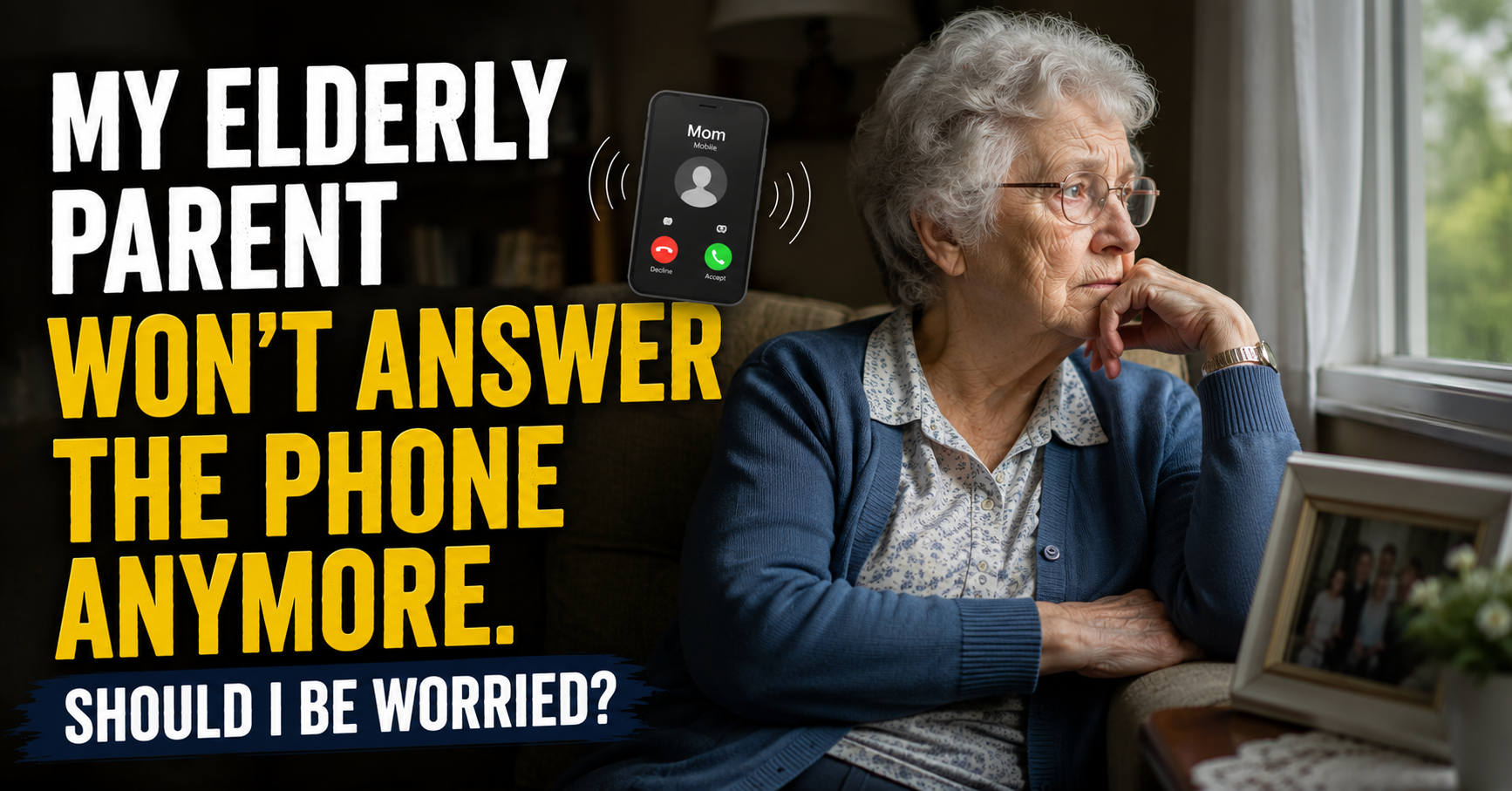
I’ll never forget the feeling.
I called my dad one afternoon.
No answer.
I figured he was outside.
A few hours later, I called again.
Still nothing.
Then I tried that evening.
Straight to voicemail.
By the next morning, my mind had gone everywhere.
Had he fallen?
Was he sleeping?
Did something happen overnight?
When I finally reached him, everything was okay. His phone had accidentally been left on silent after a doctor’s appointment.
But that experience taught me something important.
When an elderly parent suddenly stops answering the phone, it’s natural to worry.
Most of the time, there’s a simple explanation.
Sometimes, however, unanswered calls are one of the first signs that something has changed.
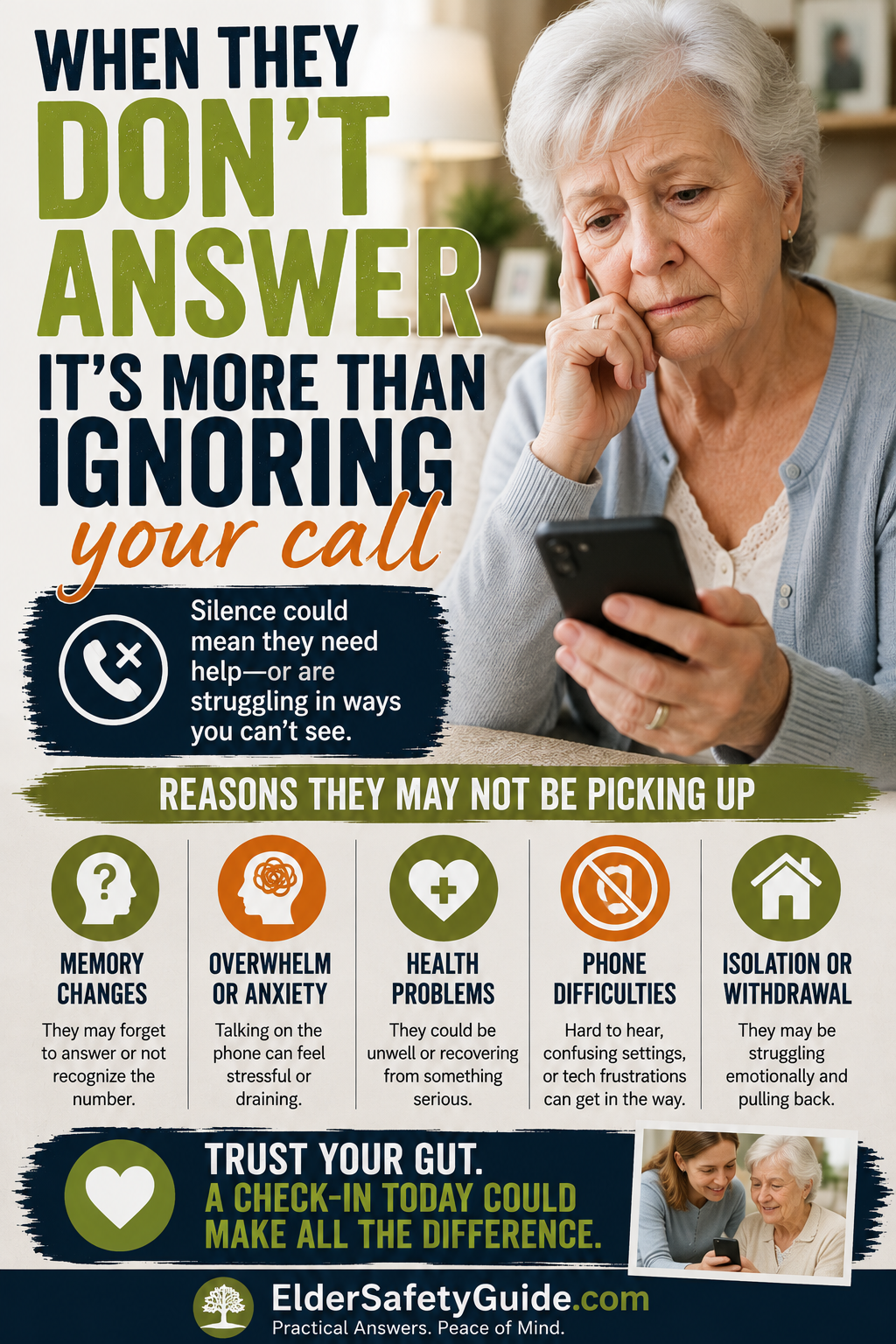
One Missed Call Usually Isn’t A Reason To Panic
I always tell families not to jump straight to the worst-case scenario.
Everyone misses calls.
Phones get left in another room.
Batteries die.
People fall asleep.
A single missed call usually isn’t enough to suggest something is wrong.
What gets my attention is a noticeable change in routine.
If your parent always answered the phone and suddenly doesn’t for several days, that’s worth looking into.


Ask Yourself What Has Changed
Whenever I hear this concern, I immediately wonder:
Is this new?
If your parent has never liked talking on the phone, that’s very different from someone who suddenly stops answering after years of picking up every call.
Changes in normal behavior usually tell us much more than the behavior itself.


Hearing Loss Is More Common Than Many Families Realize
Sometimes the phone rings.
Your parent simply doesn’t hear it.
I’ve known seniors who gradually stopped answering calls because they could no longer hear the ringtone from another room.
Others became embarrassed because conversations were becoming difficult to follow.
Instead of admitting that, they quietly stopped answering altogether.
They’re Sleeping More Than You Think
One of the first connections I’ve noticed is between missed phone calls and excessive sleeping.
If someone spends much of the afternoon asleep, they’re naturally going to miss more calls.
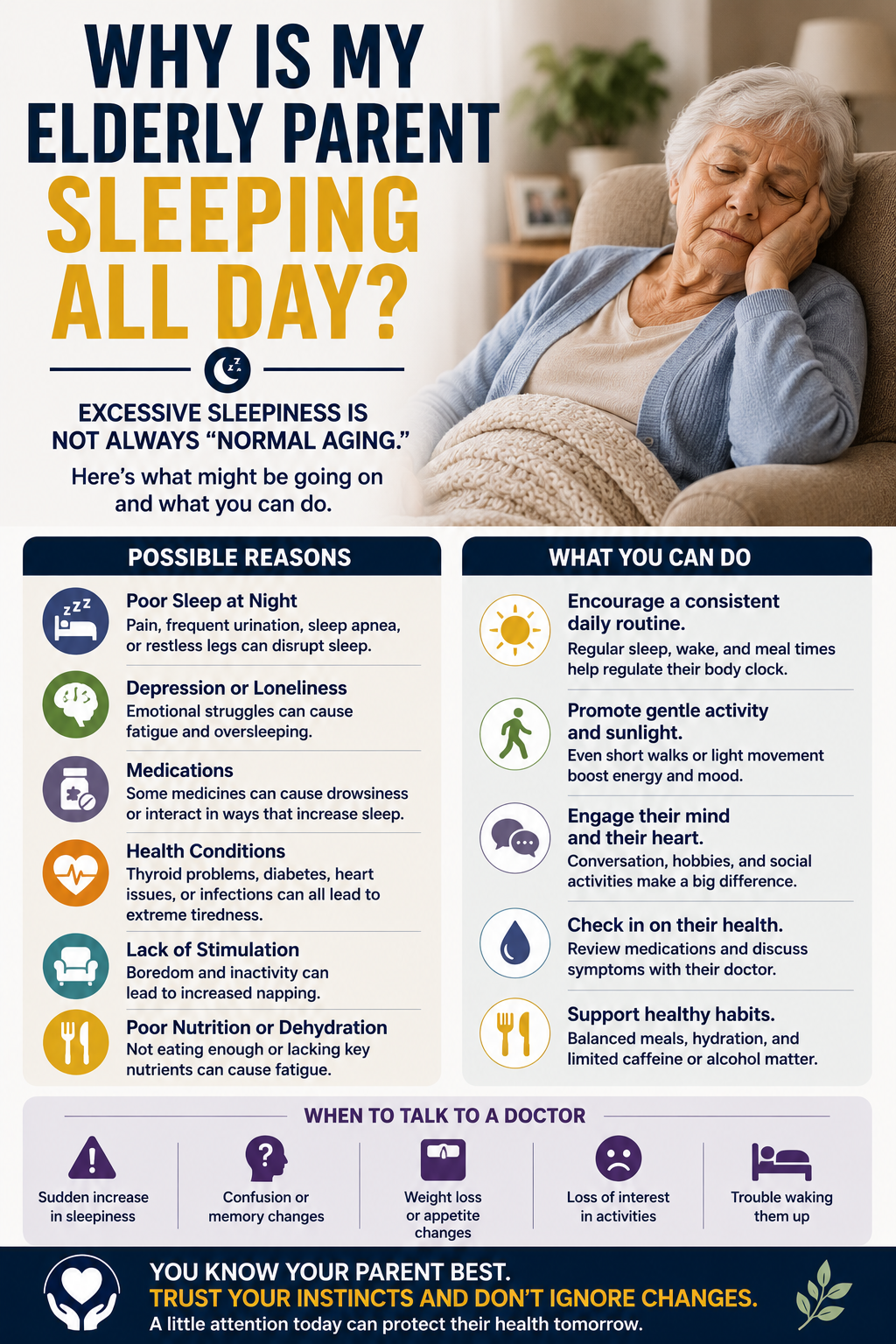
If this sounds familiar, I recommend reading Why Is My Elderly Parent Sleeping All Day?. Increased sleep is sometimes harmless, but it can also point toward health changes worth paying attention to.


They May Be Avoiding Conversations
Not every missed call is accidental.
Sometimes older adults intentionally avoid answering.
Why?
Because they know what the conversation is going to be.
They expect questions about:
- Their health.
- Driving.
- Eating.
- Medications.
- Living alone.
When someone feels those conversations are becoming uncomfortable, avoiding the phone can seem easier than answering it.

If you’ve been struggling to get your parent to accept help, take a look at Elderly Parent Refuses Help What To Do When They Won’t Listen. Understanding why they pull away often changes how you approach future conversations.
Health Problems Sometimes Lead To Isolation
I’ve also seen older adults stop answering the phone because they don’t want family members noticing they’re not feeling well.
Maybe they’re losing weight.
Maybe they’re struggling to walk.
Maybe they’re having memory problems.
Rather than explaining what’s happening, they simply stop picking up.

If that possibility has crossed your mind, I encourage you to read Signs Your Elderly Parent Is Hiding Health Problems From You. It explains why many seniors quietly keep important health concerns to themselves.


Memory Changes Can Affect Phone Habits
Sometimes the issue isn’t the phone at all.
It’s memory.
I’ve seen older adults:
- Forget where they left the phone.
- Forget how to check voicemail.
- Forget they missed a call.
- Think they already returned a call when they hadn’t.
These situations can become more common as memory changes begin affecting everyday routines.
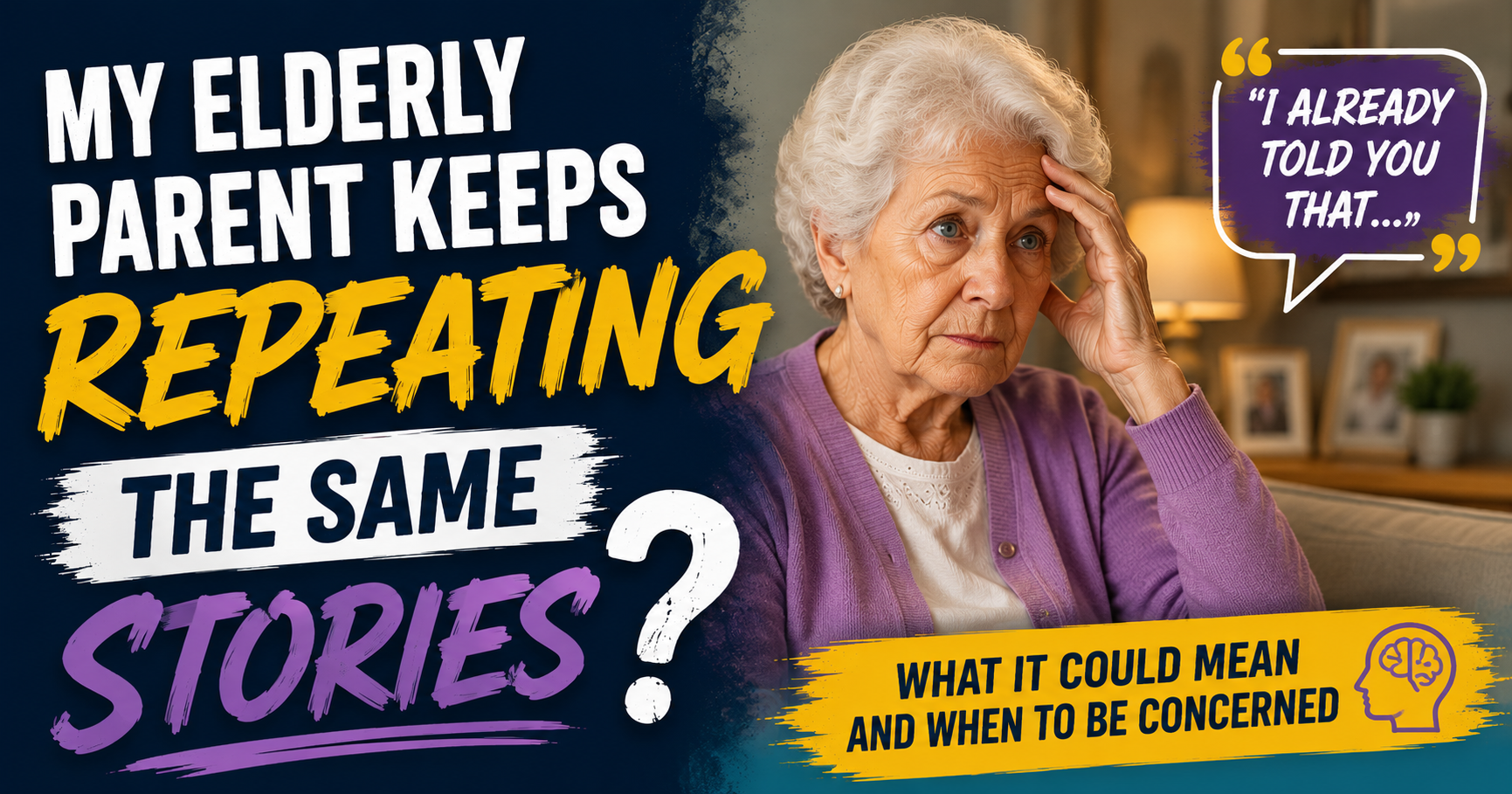
If you’ve also noticed repeated conversations or forgotten discussions, my article on My Elderly Parent Keeps Repeating the Same Stories explains why seemingly small memory changes deserve attention.
Don’t Assume They’re Ignoring You
One mistake I see families make is taking unanswered calls personally.
They think:
“They don’t want to talk to me.”
Sometimes that’s true.
Most of the time, it isn’t.
Older adults often have perfectly reasonable explanations that have nothing to do with their relationship with you.
Approach the situation with curiosity before frustration.


Living Alone Changes The Situation
When an elderly parent lives alone, unanswered calls naturally become more concerning.
Family members don’t have someone else nearby to check on them.
That’s why I encourage families to look for patterns rather than isolated incidents.
If calls suddenly stop being answered while other warning signs are appearing, it’s worth investigating further.
Notice Everything Else That’s Changing
Whenever someone tells me their parent won’t answer the phone anymore, I immediately ask what else they’ve noticed.
Are they:
- Sleeping more?
- Eating less?
- Leaving the house less often?
- Forgetting medications?
- Acting differently?
One concern by itself rarely tells the whole story.
Several changes together often do.

If you’ve recently felt like your parent simply isn’t acting like themselves, spend some time reading My Elderly Parent Is Acting Different All of a Sudden What To Do. Looking at the bigger picture is often what helps families recognize that something has truly changed.


Technology Can Help Without Taking Away Independence
One thing I’ve learned is that many older adults want to remain independent just as much as their families want them to stay safe.
Fortunately, those goals don’t have to compete with each other.
Sometimes a simple check-in routine works.
Other families benefit from smart home devices or scheduled calls.
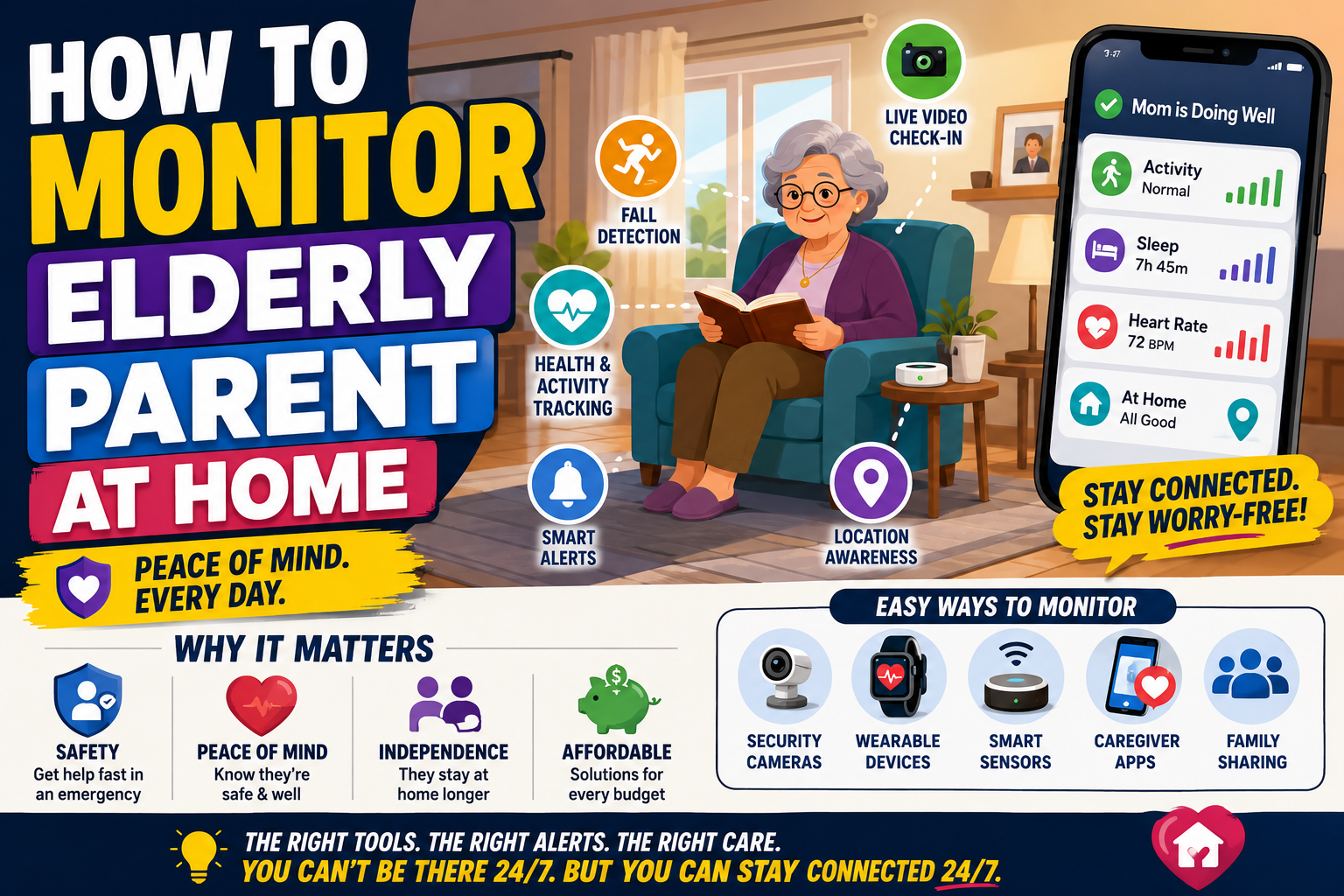
When communication becomes increasingly difficult, my guide on How to Monitor an Elderly Parent at Home covers several practical ways to stay informed while still respecting your parent’s privacy and independence.
When Should You Go Check On Them?
There isn’t one answer that fits every family.
I become much more concerned when unanswered calls happen alongside things like:
- Missed appointments.
- Confusion.
- Frequent falls.
- Weight loss.
- Sleeping much more than usual.
- Memory changes.
- Recent illnesses.
If your parent has a history of these issues and suddenly becomes unreachable, I wouldn’t wait days to check on them.
Sometimes asking a nearby neighbor, another family member, or stopping by yourself can provide peace of mind.
Trust Your Gut
One thing I’ve learned from talking with caregivers is that they often sense when something is different before they can explain why.
If unanswered calls feel unusual, don’t ignore that feeling.
You know your parent’s habits.
You know what’s normal.
Most unanswered calls turn out to have simple explanations.
But every now and then, they’re one of the earliest signs that an aging parent needs a little more support than they’re willing to admit.
Pay attention to the pattern, not just the phone.
It may be telling you much more than you realize.
About the Author
David Mercer is a senior safety educator and contributing writer for Elder Safety Guide. He specializes in helping families recognize the early changes that can affect an older adult’s ability to live safely and independently. His work focuses on practical caregiver guidance, aging in place, and identifying subtle warning signs before they become emergencies.