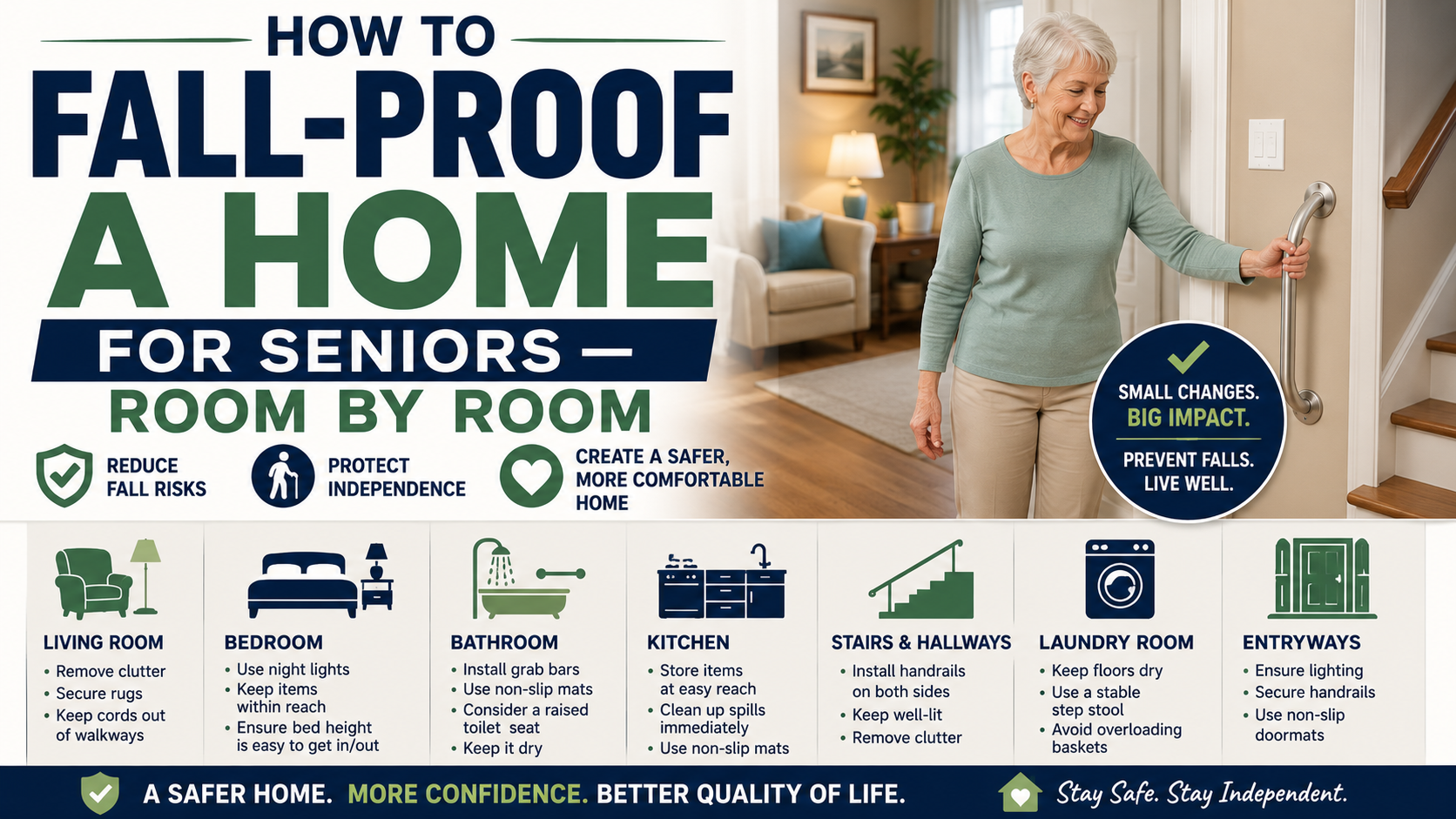
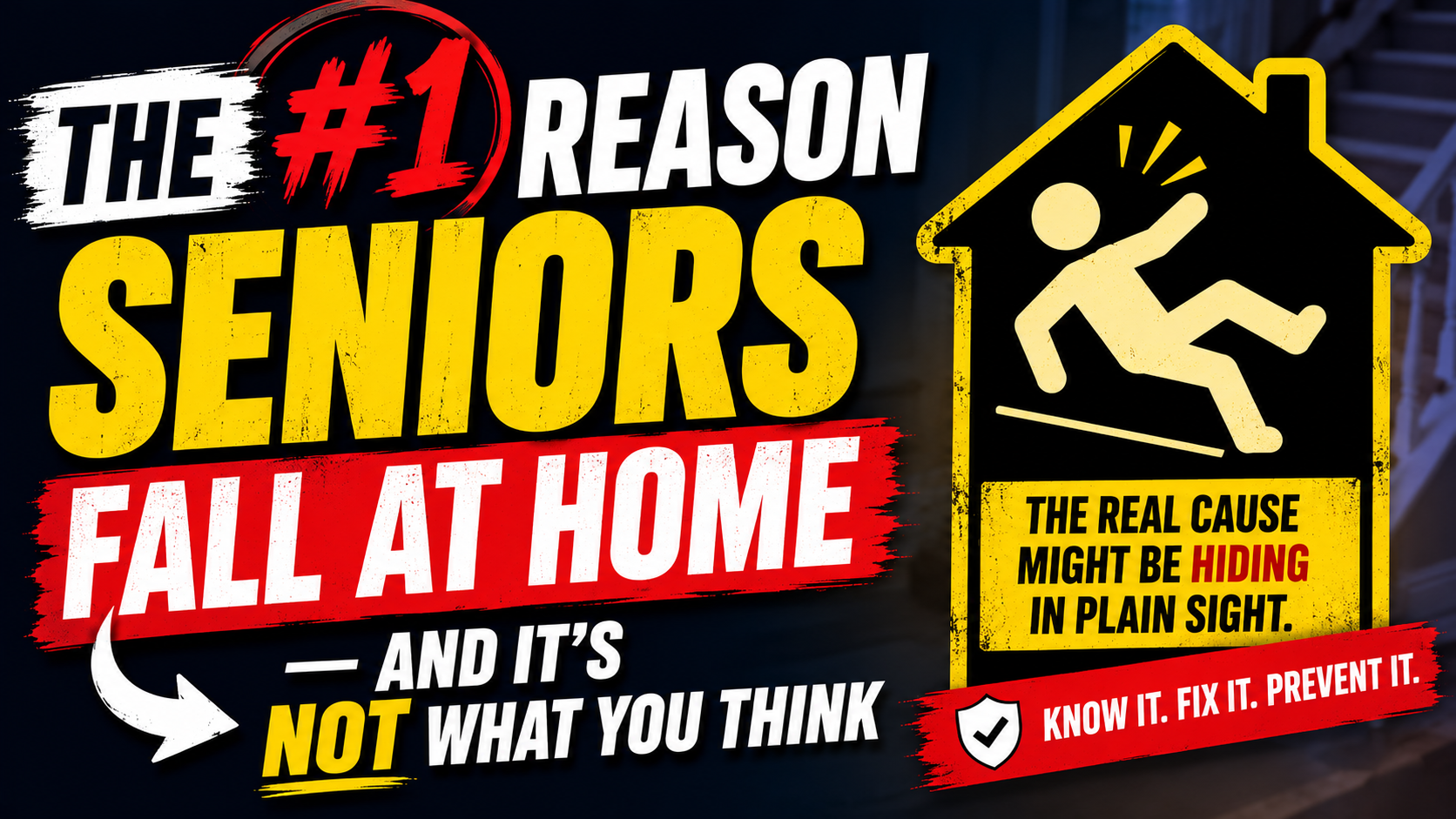
Most fall hazards at home are hiding in plain sight — you’ve just stopped seeing them. Use this room-by-room checklist to find and fix them before something goes wrong.
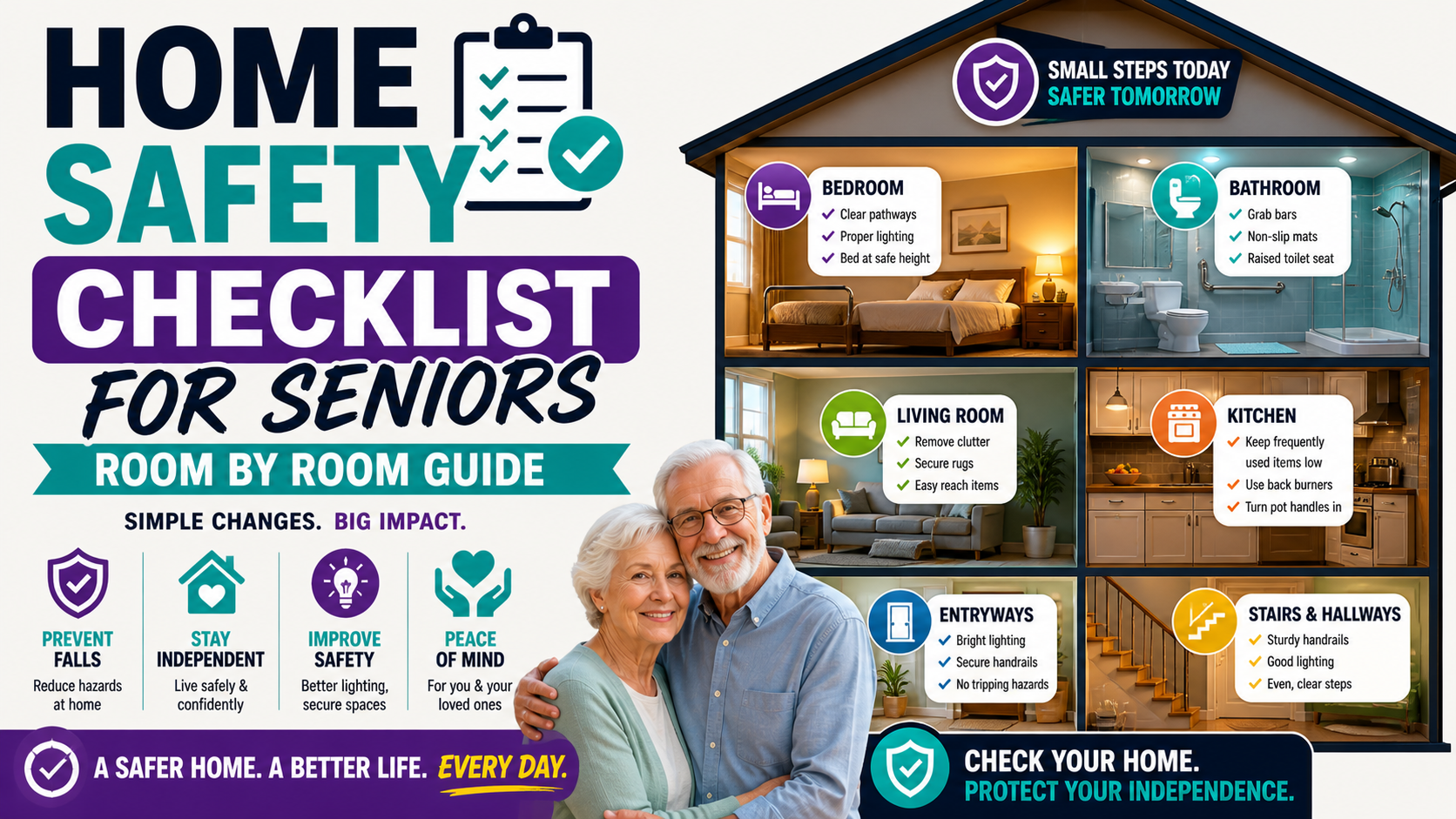
Most fall hazards at home are hiding in plain sight. The rug that’s been in the hallway for ten years. The cord that runs across the bedroom floor. The bathroom that’s never had a grab bar. You stop seeing these things after a while — they become part of the background of a familiar space.
That familiarity is exactly what makes them dangerous. A hazard you don’t notice is a hazard you don’t fix.
This checklist gives you a systematic way to walk through your home with fresh eyes — room by room, surface by surface — and identify everything worth addressing. Work through it once and you’ll have a clear action list. Work through it every six months and you’ll stay ahead of hazards that accumulate gradually over time. Once the hazards are identified, Elderly Safety Tips for Living Independently — A Practical Guide for Staying Home on Your Terms can help turn that action list into sustainable daily practices.
Print it out. Grab a pen. Walk through the house.
How to Use This Checklist
Go room by room. Check each item. Mark anything that needs attention. Then prioritize — bathroom and bedroom first, since those are the highest-risk areas. Everything else in order of how frequently the space is used.
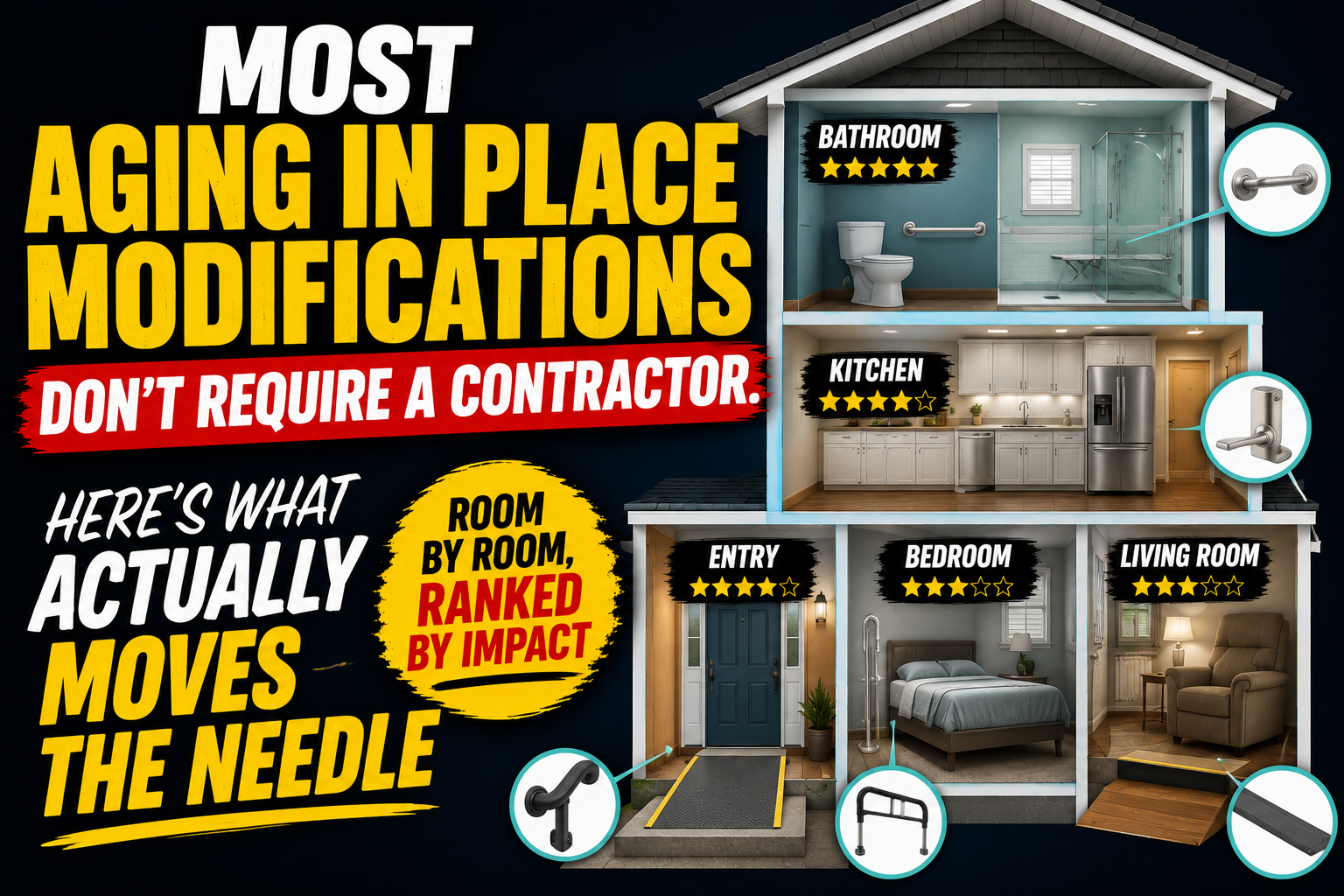
Don’t try to fix everything at once. A clear list of what needs attention is already a significant win. Address the highest-risk items first and work down the list over the following days and weeks. Once your checklist is complete, Simple Home Modifications for Aging in Place — Ranked by Impact can help you decide which fixes deserve attention first.
If you’re doing this assessment for a family member rather than yourself, do the walk-through with them present where possible. They’ll spot hazards you miss, and being involved in the process makes them more likely to accept the changes that follow.
Bathroom Safety Checklist
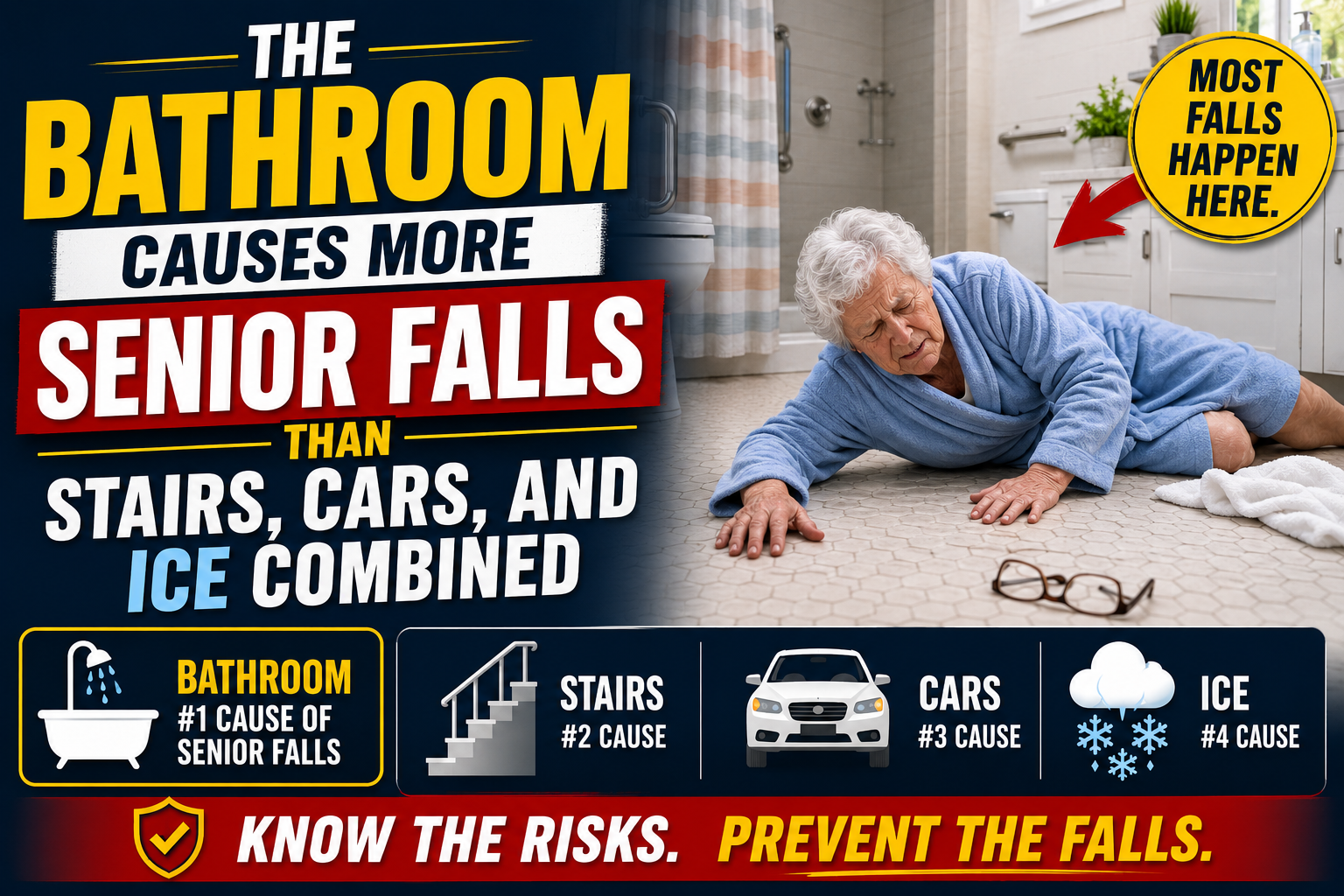
The bathroom is statistically the most dangerous room in the house for older adults. Check every item here carefully — this is where the highest-impact changes live.
Grab Bars
- Grab bar installed at shower or tub entry point
- Grab bar on back wall of shower at hip height
- Grab bar next to toilet on dominant hand side
- All bars mounted into studs or load-rated anchors — not towel bar brackets
- No towel bars being used as grab bars anywhere in the bathroom

If grab bars aren’t in place yet our review of the best grab bars for seniors covers exactly what to buy, and our grab bar placement guide covers exactly where to put them.
→ Get the 2-Pack Stainless Steel Grab Bars on Amazon
Shower and Tub
- Non-slip mat or adhesive strips inside shower or tub
- Non-slip bath mat outside tub or shower that stays completely in place
- Shower chair or bath seat in place if balance is any concern
- All shampoo, soap, and products within easy reach — no stretching or bending required
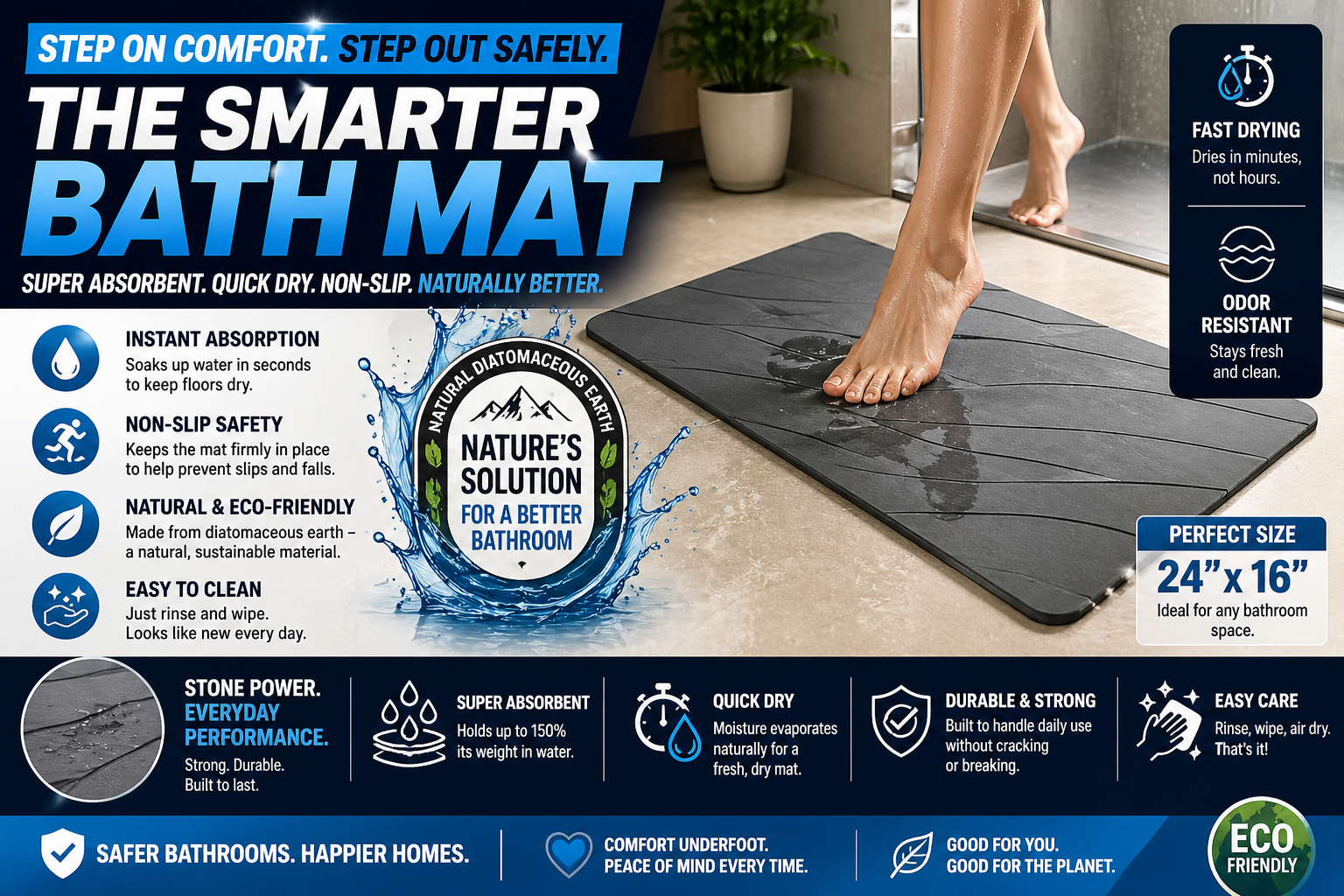
Our review of the best non-slip bath mat for seniors covers why most mats fail and what actually works. For shower seating our shower chair review covers the best option and what to look for.
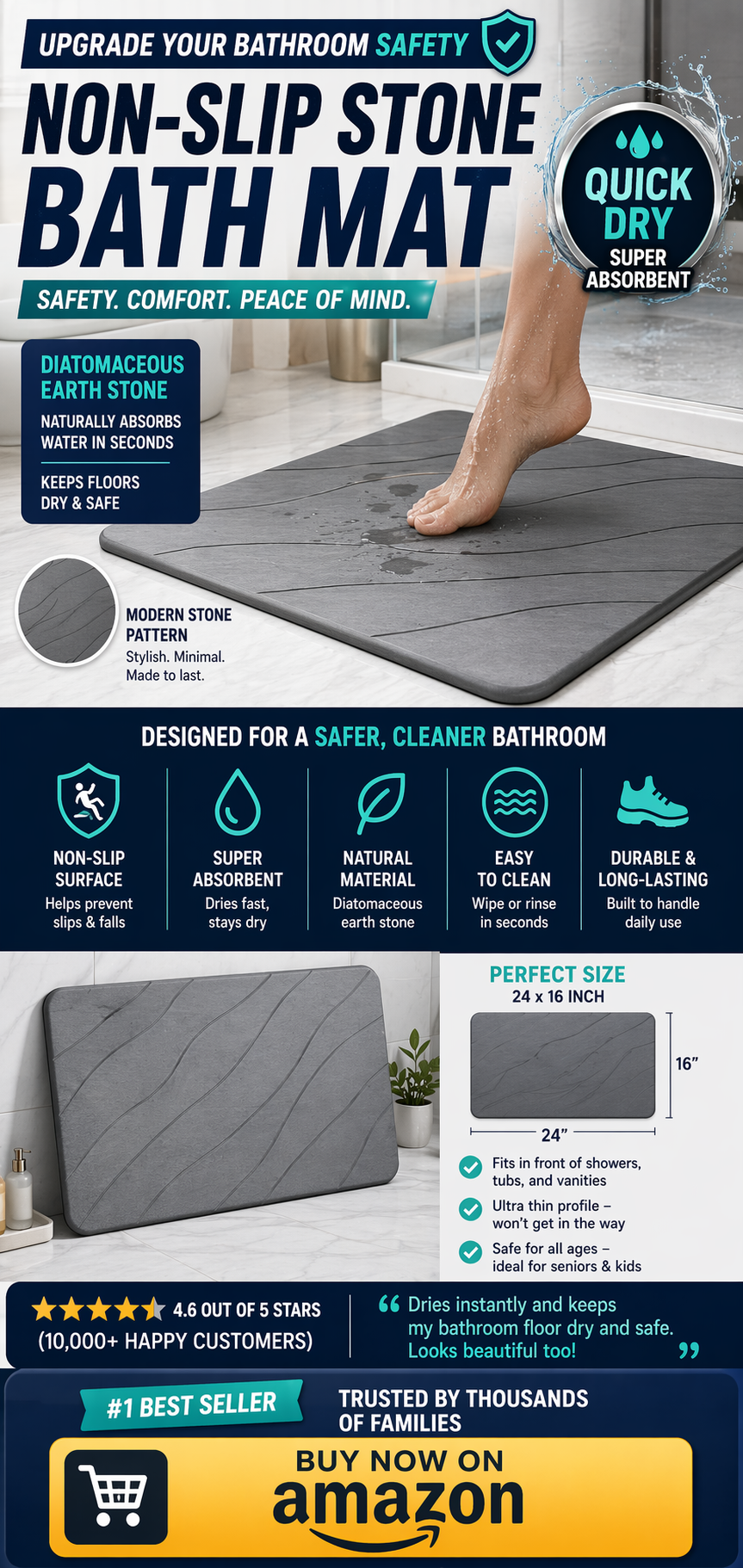
→ Get the Diatomaceous Earth Stone Bath Mat on Amazon
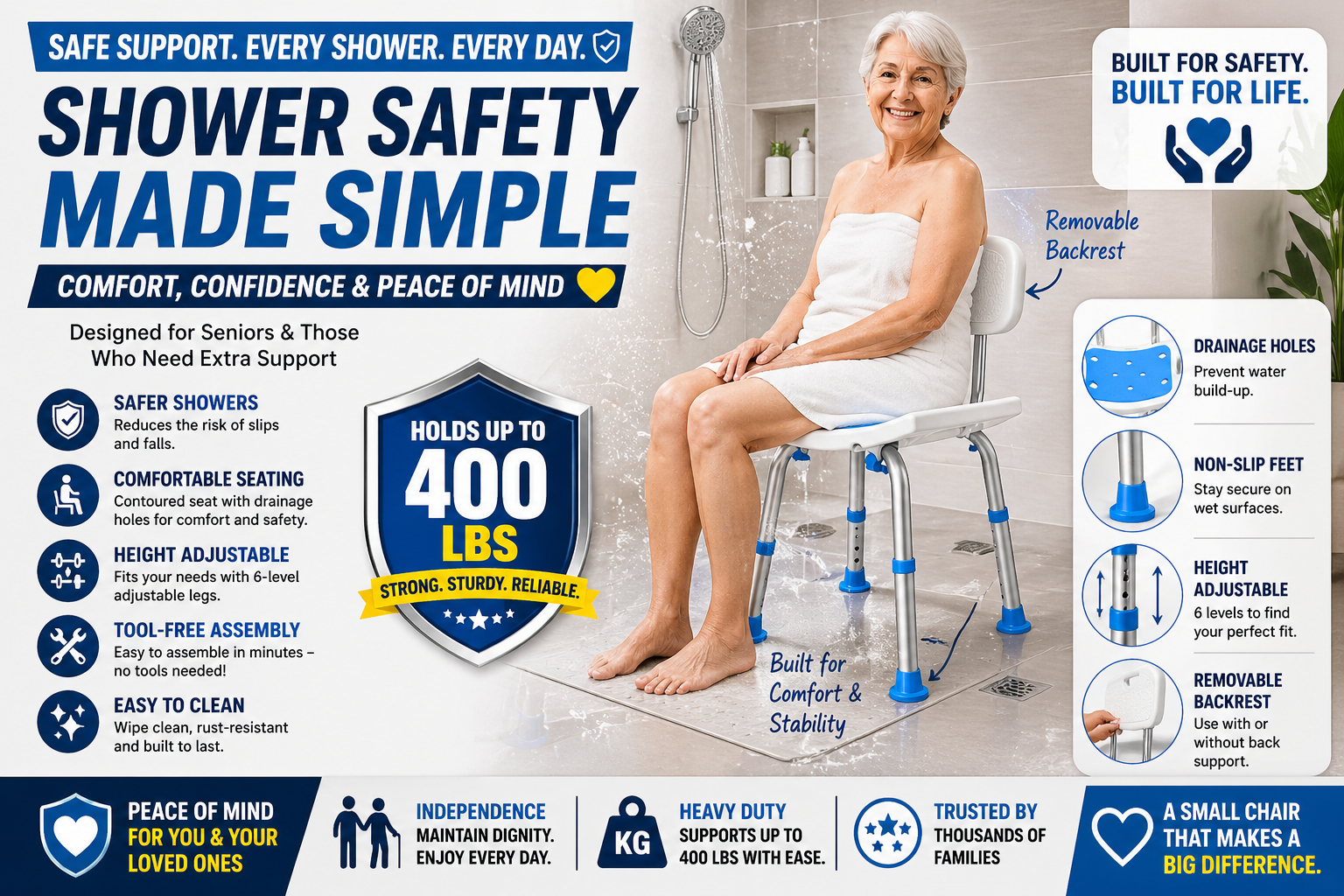
→ Get the HOMLAND Shower Chair on Amazon
Toilet
- Toilet height allows feet flat on floor when seated — raised seat if needed
- Toilet safety frame or grab bar provides support for lowering and rising
Lighting and Floor
- Night light installed and working
- Main light switch accessible immediately at door
- Bathroom floor completely clear — nothing except bath mat
- Door opens outward or can be unlocked from outside in emergency
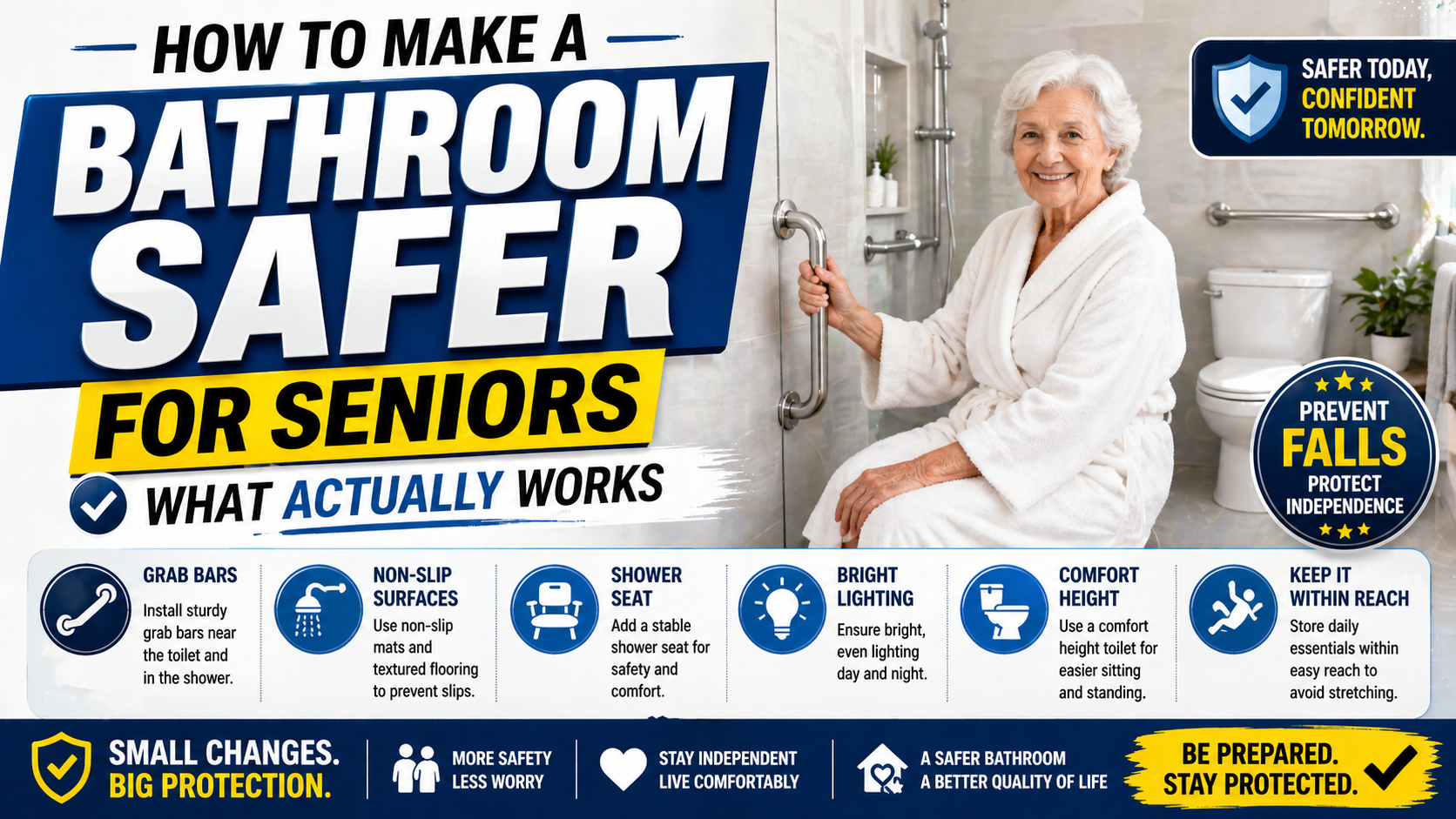
For the complete bathroom safety picture our guide on how to make a bathroom safer covers every upgrade worth making.
Bedroom Safety Checklist
The bedroom and the nighttime path to the bathroom are the second-highest risk area. Focus especially on the getting-up transition and the floor between bed and bathroom door.
The Bed
- Bed height allows feet flat on floor when sitting on edge — adjust if needed
- Bed rail installed on the exit side of the bed
- Phone and essentials within reach from lying down
- Non-slip footwear within reach of the bed
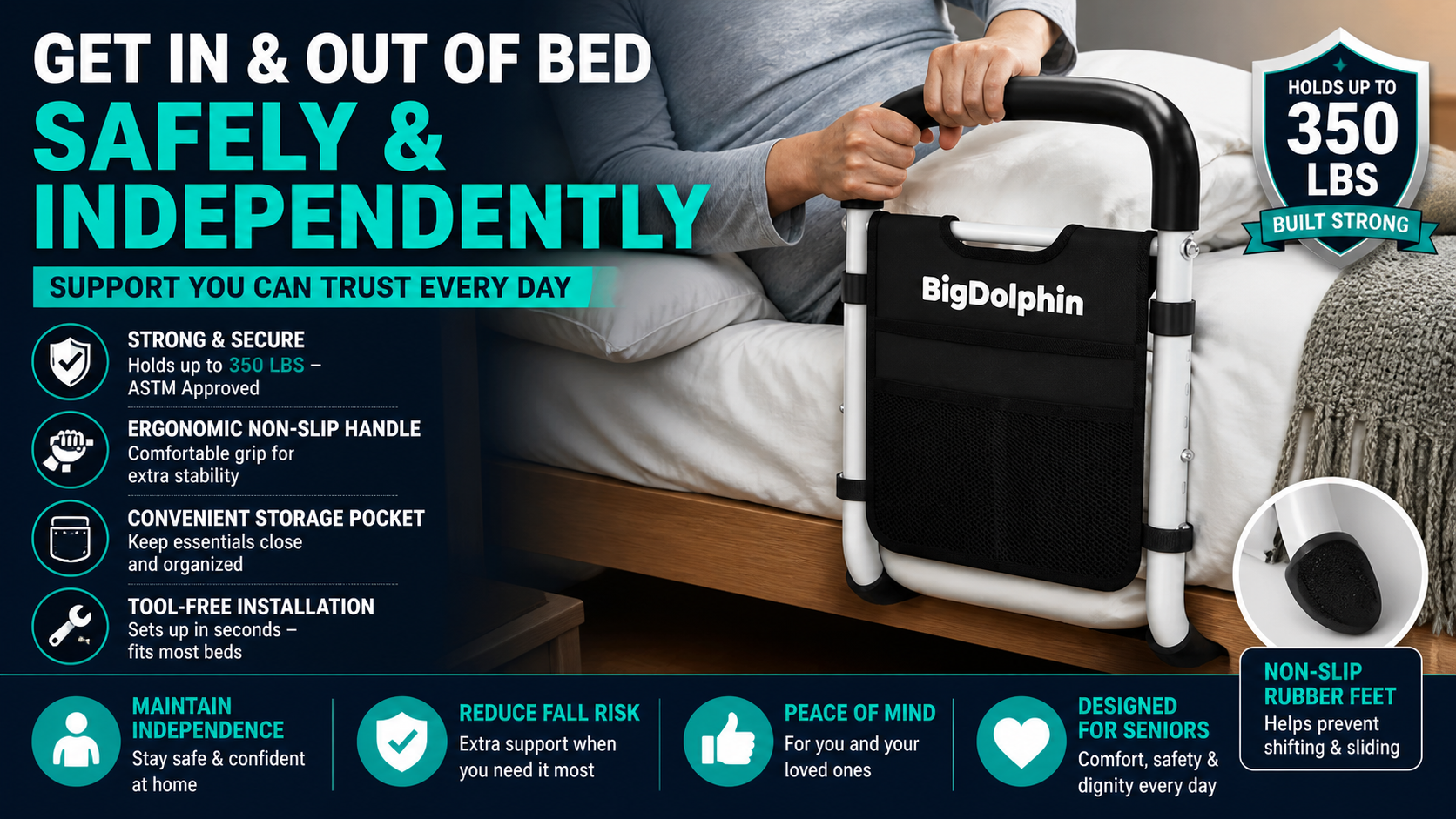
Our review of the best bed rail for seniors covers the ASTM certified option we recommend. For the correct technique for getting out of bed safely our guide on safe ways to get out of bed as you age walks through every step.
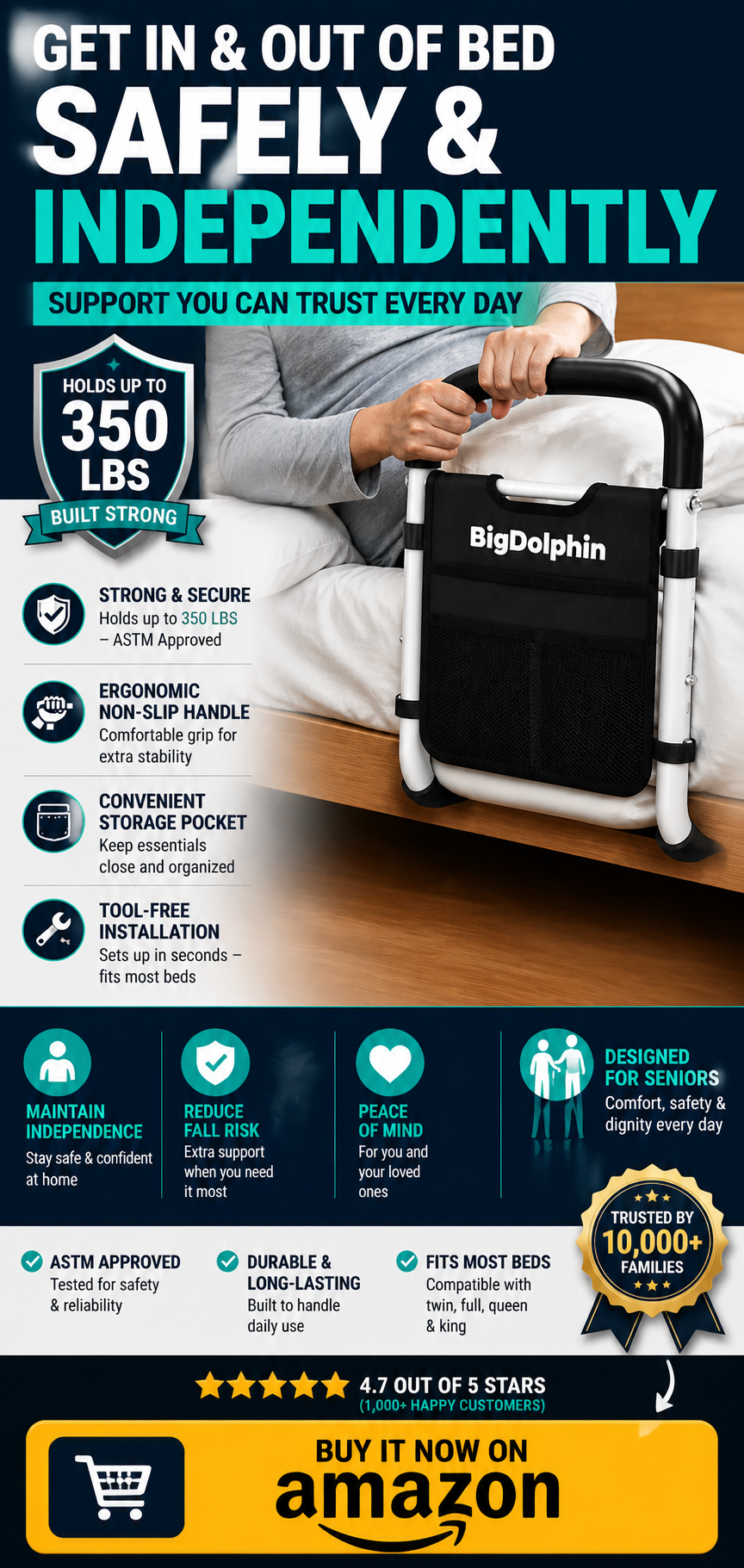
→ Get the ASTM Approved Bed Rail on Amazon
Lighting
- Night light in bedroom near the bed — illuminates floor when feet swing over edge
- Night light in hallway between bedroom and bathroom
- Night light in bathroom
- All night lights auto-on capable for power outage protection
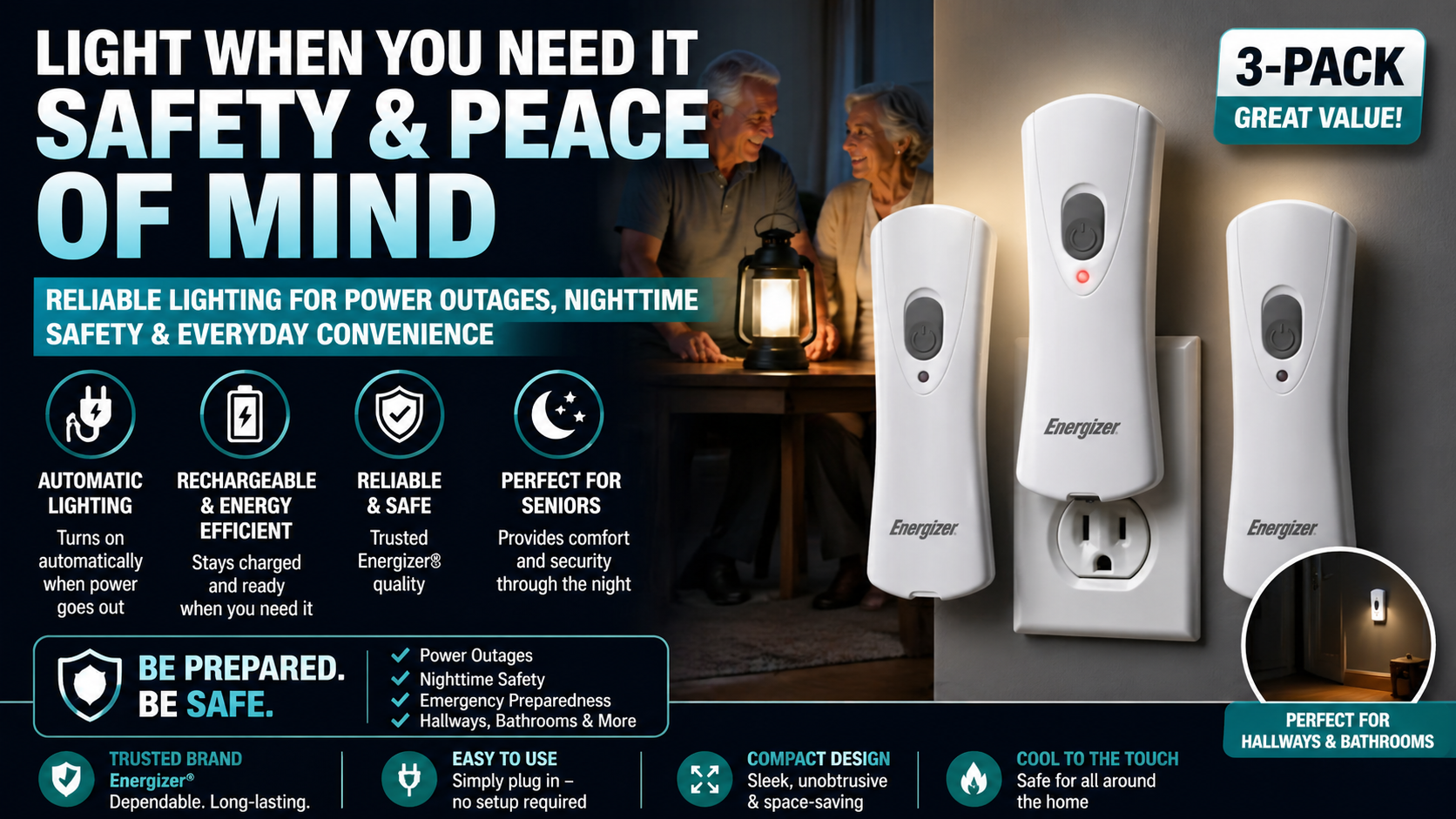
The Energizer Auto-On rechargeable flashlights cover all three locations in one three-pack purchase — functioning as night lights normally and activating automatically during power outages.
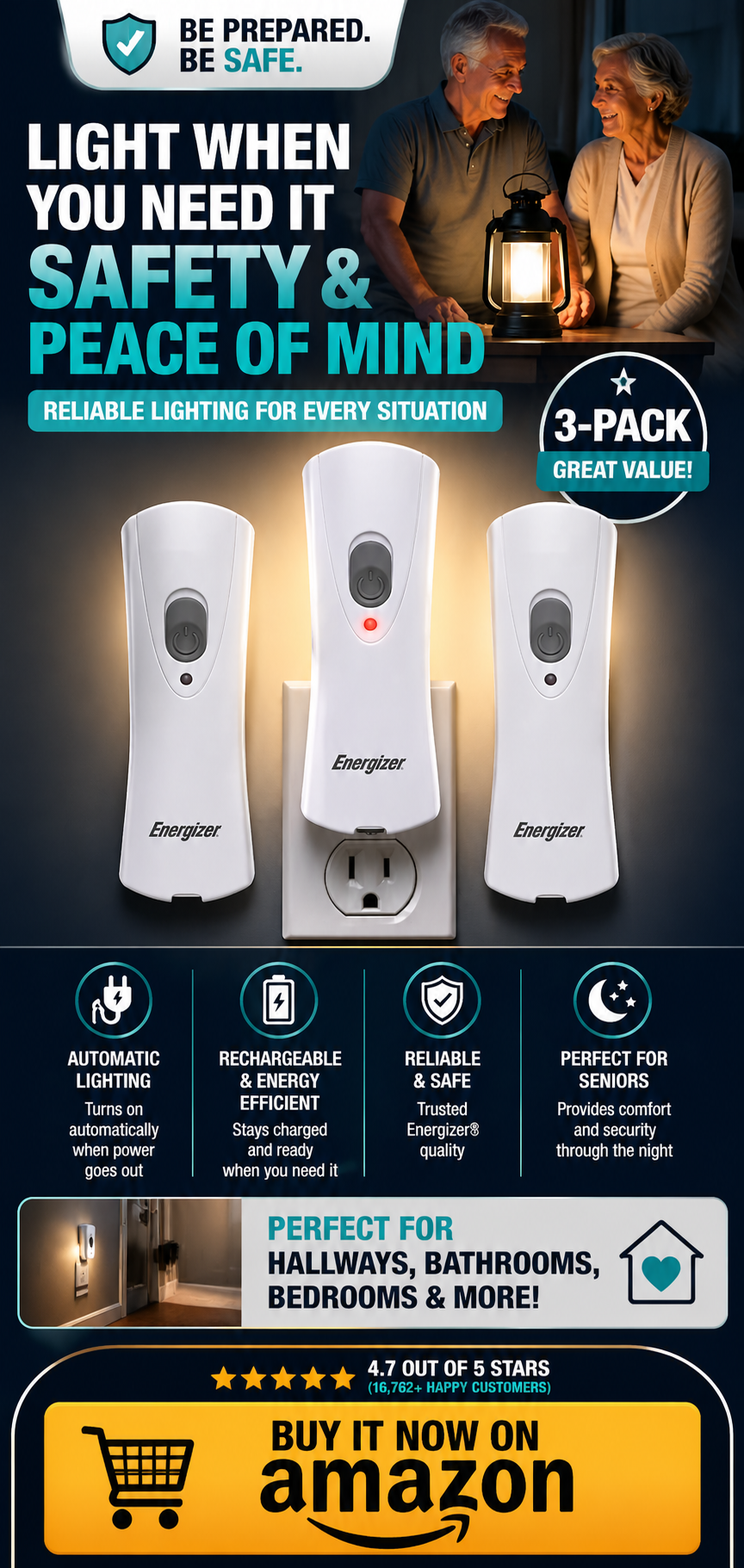
→ Get the Energizer Auto-On 3-Pack on Amazon
Floor and Path
- Path from bed to bathroom completely clear at all times
- All rugs secured or removed from bedroom floor
- All cords off the floor and away from walking paths
- Furniture arranged for clear direct path to bathroom door
For the full bedroom safety picture our guide on senior bedroom safety tips for nighttime falls covers every change worth making.
Living Room and Common Areas Checklist
Living areas accumulate hazards slowly — a rug here, a cord there, furniture that drifts out of position. A systematic check usually reveals several fixable issues.
Floors and Rugs
- All area rugs secured with non-slip backing and taped edges — or removed
- No rug edges curling or corners lifting anywhere
- All cords and cables off walking paths and secured along walls
- No items stored on the floor in any walking area
- Thresholds between rooms assessed — even small height differences are tripping hazards
Furniture and Layout
- Clear pathways of at least 3 feet throughout all walking areas
- No low coffee tables or ottomans in the center of walking paths
- Furniture provides stable surfaces to hold if needed — nothing that tips or slides
- Frequently used items within reach without climbing, stretching, or bending
Lighting
- All rooms adequately lit for your specific vision — increase wattage if needed
- Light switches accessible before entering each room — not across a dark space
- No dark corners or hallways on frequently used paths

Kitchen Safety Checklist
The kitchen involves more reaching, bending, carrying, and moving between surfaces than any other room — all while managing hot items and wet floors. It deserves its own careful assessment.
Layout and Storage
- Frequently used items stored between hip and shoulder height — no reaching overhead or bending to floor level for daily items
- Step stool available if overhead storage is needed — with a handle for stability
- No climbing on chairs or countertops to reach anything
Floor and Surfaces
- Kitchen floor dry and clear — spills cleaned immediately
- No rugs or mats in front of sink or stove that shift or curl
- Anti-fatigue mat in front of sink if standing for extended periods — secured and non-slip
Appliances and Safety
- Appliance cords not crossing walking paths
- Stove knobs clearly labeled and easy to confirm off
- Smoke detector and carbon monoxide detector working — batteries tested
Stairway Safety Checklist
Stairs represent concentrated fall risk — a fall on stairs typically has more serious consequences than a fall on a flat surface. Every item here matters.
- Handrail on both sides of every staircase
- Both handrails secure — no wobbling or loose mounting
- Non-slip treads on every step — contrasting color to make each edge visible
- Light switches at both top and bottom of every staircase
- Staircase well lit — every step clearly visible from top and bottom
- Stairs completely clear at all times — nothing stored on any step even temporarily
- No loose carpet or flooring on any step
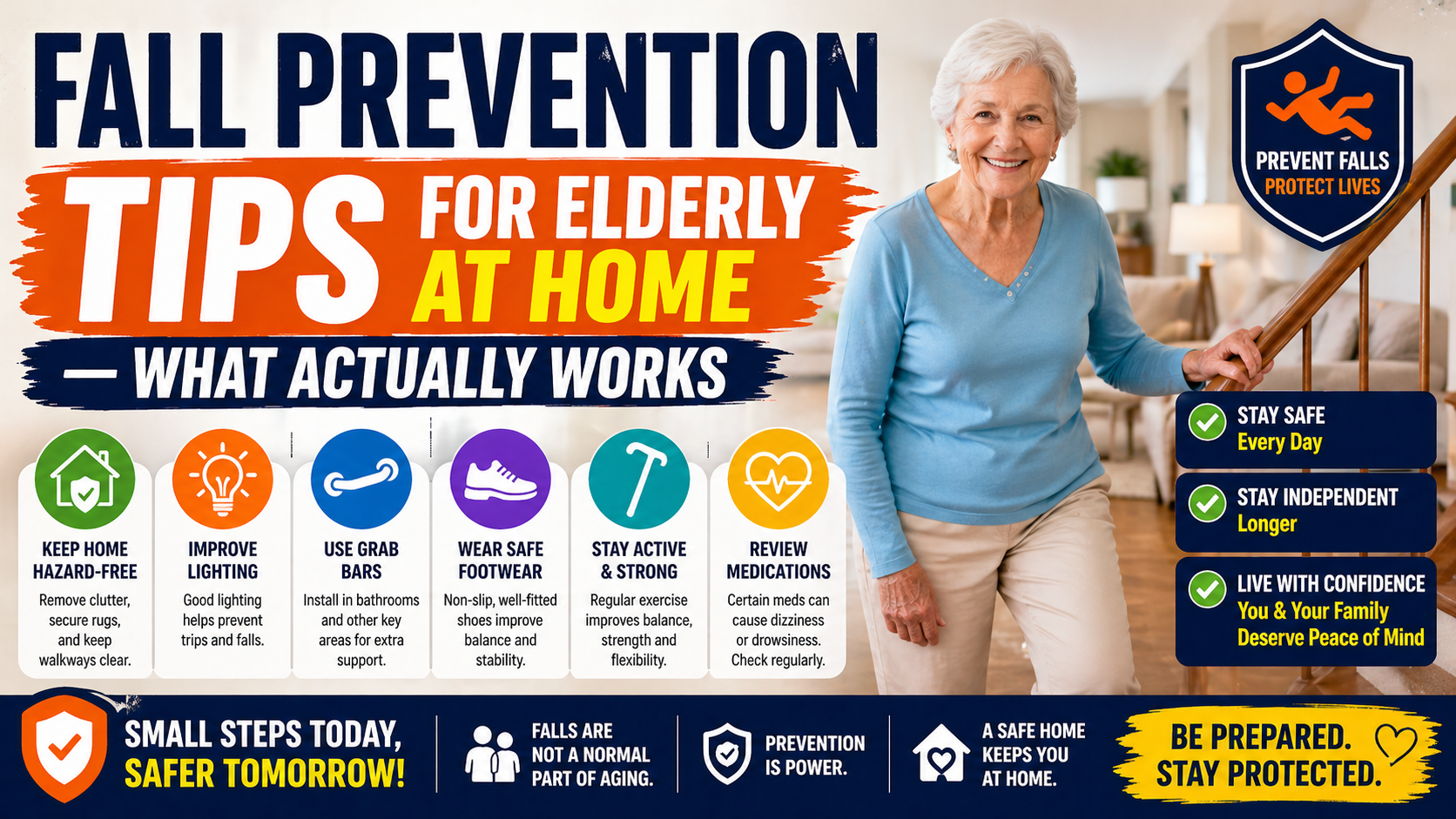
For a detailed guide on stair fall prevention our comprehensive guide on fall prevention tips at home covers stairs in detail alongside every other room.
Entryway and Outdoor Areas Checklist
The transition between indoors and outdoors — and the outdoor areas immediately around the home — carry fall risk that’s easy to overlook when focused on interior safety.
Entryway
- Secure handrail at every exterior step — even a single step
- >Exterior lighting at all entry points — motion-activated if possible
- Entry mat secure and non-slip — not a tripping hazard at the door
- Clear path from parking area to door — no obstacles, even surfaces
Outdoor Areas
- Walkways in good repair — no cracked or uneven surfaces
- Garden hoses and tools stored when not in use — not left on walking paths
- Steps and slopes have handrails or support structures
- Ice and snow management plan in place for winter months
General Home Safety Checklist
These items apply throughout the home and don’t fit neatly into a single room.
Medications
- Medication timing reviewed with doctor for fall risk side effects
- No medications causing significant morning dizziness without physician awareness
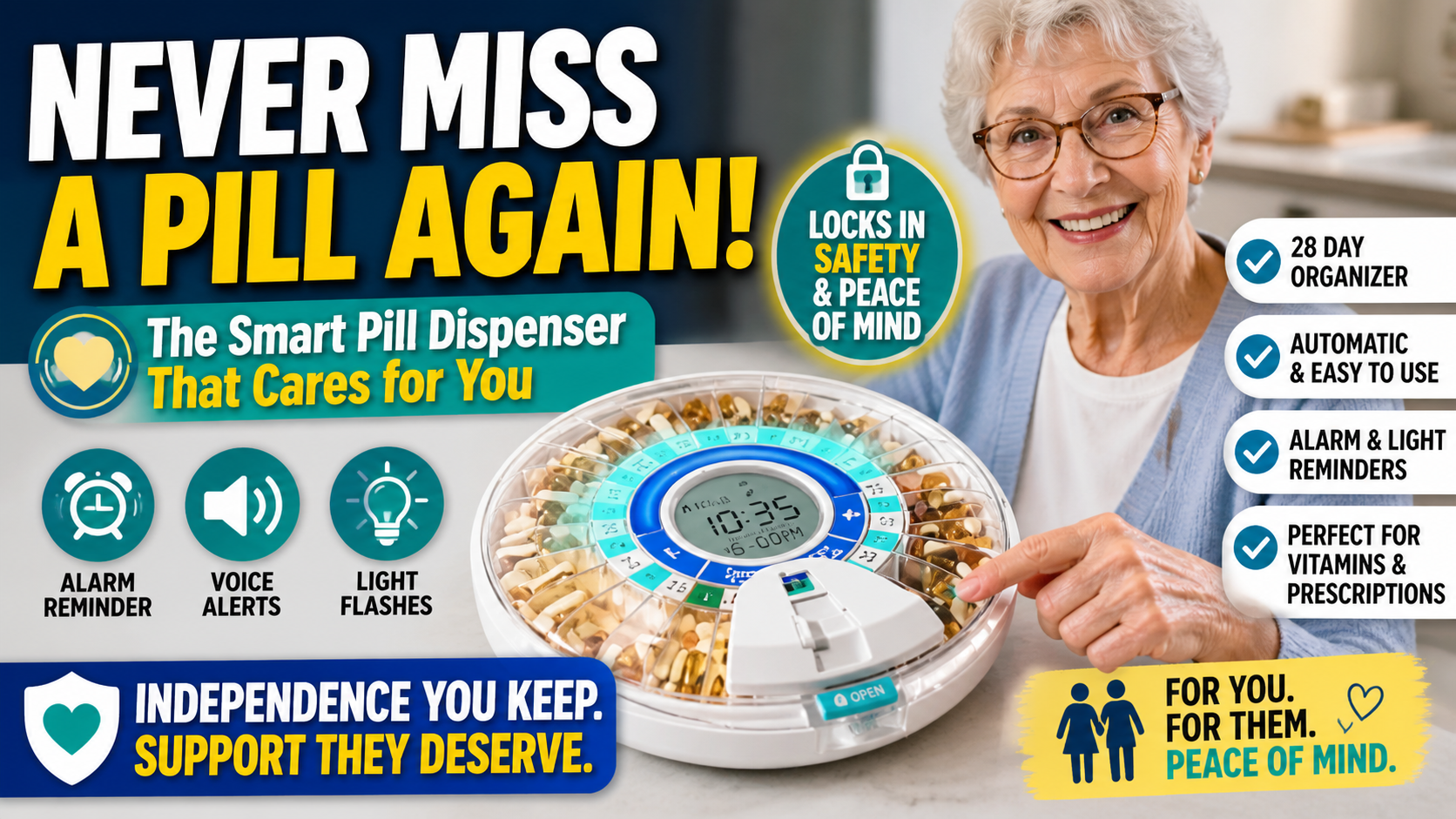
- All medications organized and labeled clearly
Vision and Hearing
- Vision checked within the past year — updated prescription if needed
- Glasses worn consistently — not left in another room during movement
- Hearing assessed if relevant — reduced hearing affects spatial awareness
Footwear
- Non-slip supportive footwear worn at home — not smooth-soled socks or slippers
- No walking in socks on smooth floors
- Shoes fit well and are in good repair
Emergency Preparedness
- Phone charged and within reach at all times
- Emergency contacts easily accessible on phone
- Medical alert device with fall detection in use
- Power outage lighting in place — bedroom, hallway, bathroom
- Family members know what to do and who to call in an emergency
The Safety Net — Medical Alert Device
A thorough home safety assessment and the changes that follow from it significantly reduce fall risk. They don’t eliminate it. Floors get wet. Distractions happen. The body has bad days.
The honest final item on every home safety checklist is a medical alert device with automatic fall detection — because even a well-prepared home needs a safety net for when prevention isn’t enough.

The SecuLife Smartwatch detects falls automatically and alerts designated contacts without requiring any action from the wearer. It operates on its own cellular connection independently of any phone, works anywhere with cell coverage, and provides real-time GPS visibility for family members through the companion app.
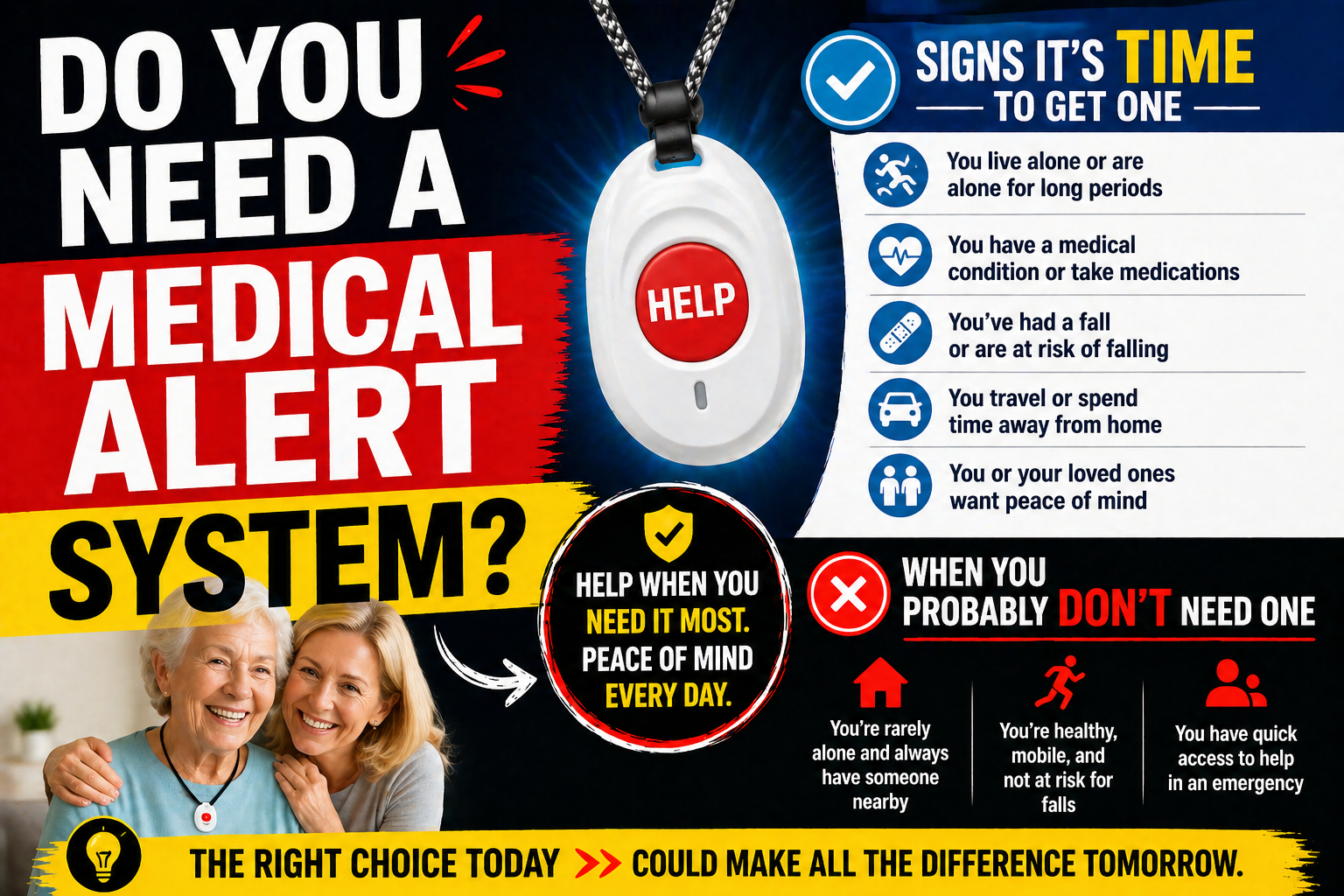
For the full picture on whether a medical alert device is right for your situation our guide on signs it’s time for a medical alert system walks through exactly what to consider. Our complete SecuLife review covers the specific device we recommend in full detail. And for a clear breakdown of what these devices actually cost our guide on how much a medical alert system costs makes the numbers straightforward.
→ See the SecuLife Smartwatch on Amazon
What to Do After the Walk-Through
Once you’ve completed the checklist you’ll have a list of items that need attention. Here’s how to prioritize.
Fix immediately — highest impact, lowest effort:
- Clear the path from bed to bathroom
- Secure or remove unsecured rugs
- Move cords off walking paths
- Move phone to within reach of bed
Order this week — high impact, requires purchase:
- Grab bars if not in place
- Bed rail if not in place
- Non-slip bath mat replacement if current mat shifts
- Night lights for bedroom, hallway, and bathroom
Schedule within the month:
- Grab bar installation — professional if needed
- Handrail installation on any staircase missing one
- Medication review appointment with doctor
- Vision check if more than a year since last exam
Frequently Asked Questions
How often should I do a home safety assessment?
Every six months is a good target — hazards accumulate gradually and a biannual walk-through catches changes before they become problems. Also reassess after any health change, fall, surgery, or new medication that affects balance or mobility.
Should I hire a professional to assess my home?
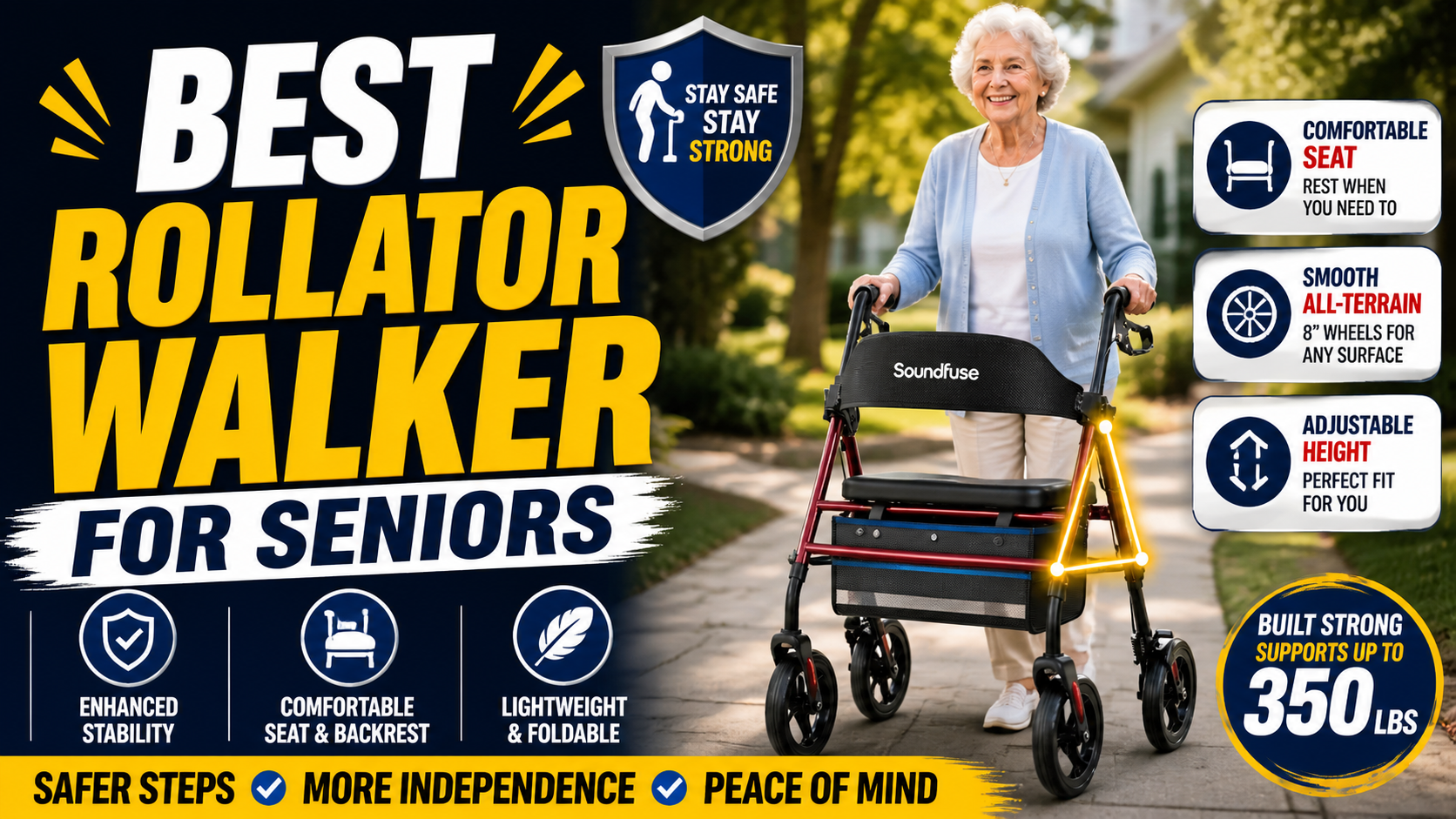
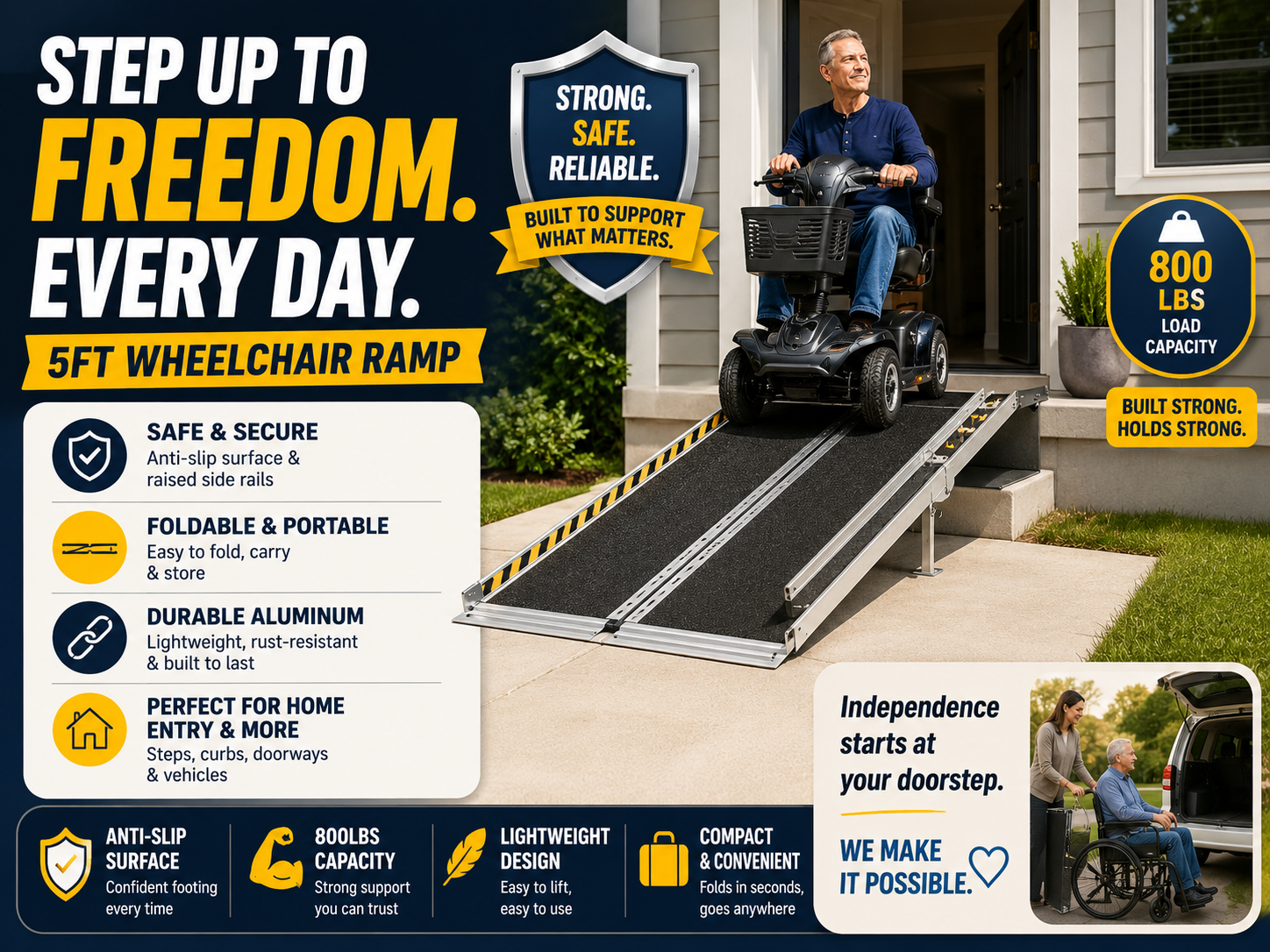
A Certified Aging-in-Place Specialist (CAPS) can provide a professional home safety assessment that goes beyond what a self-directed checklist covers — particularly for complex modifications like ramps, doorway widening, or significant bathroom remodeling. For most people the checklist above combined with the product recommendations throughout covers the highest-impact changes without professional help. Consider a professional assessment if mobility challenges are significant or if major home modifications are being considered.
What’s the single most important home safety change to make?
If there’s only one thing to do first it’s installing grab bars in the bathroom — specifically at the shower entry and next to the toilet. These two locations address the highest-frequency, highest-consequence fall risks in the home and can be in place within a day of ordering the bars.
Can I do this checklist for someone else’s home?
Yes — and walking through it with the person who lives there is more effective than doing it alone. They’ll identify hazards you miss and they’re more likely to accept and implement changes they were involved in identifying. Approach it as a collaborative assessment rather than an inspection.
What if the person I’m concerned about won’t make changes?

Focus on the changes that don’t require their active participation first — adjusting furniture, securing rugs, adding lighting. For changes that do require cooperation lead with the practical benefit rather than the safety angle. “This makes getting up in the morning easier” lands better than “this is so you don’t fall.” For the bigger conversation about medical alert devices our guide on whether a smartwatch can replace a medical alert system offers a less confrontational entry point for the discussion.
Start Today
The walk-through takes 20 minutes. The highest-impact fixes take an afternoon. The products that make the biggest difference ship within days.
Most fall hazards at home are entirely fixable. The only thing standing between a safer home and the one you’re living in right now is the walk-through.
Start in the bathroom. Work outward from there. Check things off as you go.
→ Get the SecuLife Smartwatch on Amazon
→ Get the Energizer Night Lights on Amazon
About the Author
Carol Simmons is a Certified Aging-in-Place Specialist (CAPS) who spent 15 years helping people assess and modify their homes for safe independent living across Florida and the Southeast. She has completed hundreds of home safety assessments and writes for Elder Safety Guide to give people the practical guidance they need to stay safe and independent at home — without needing to hire a specialist for every decision.