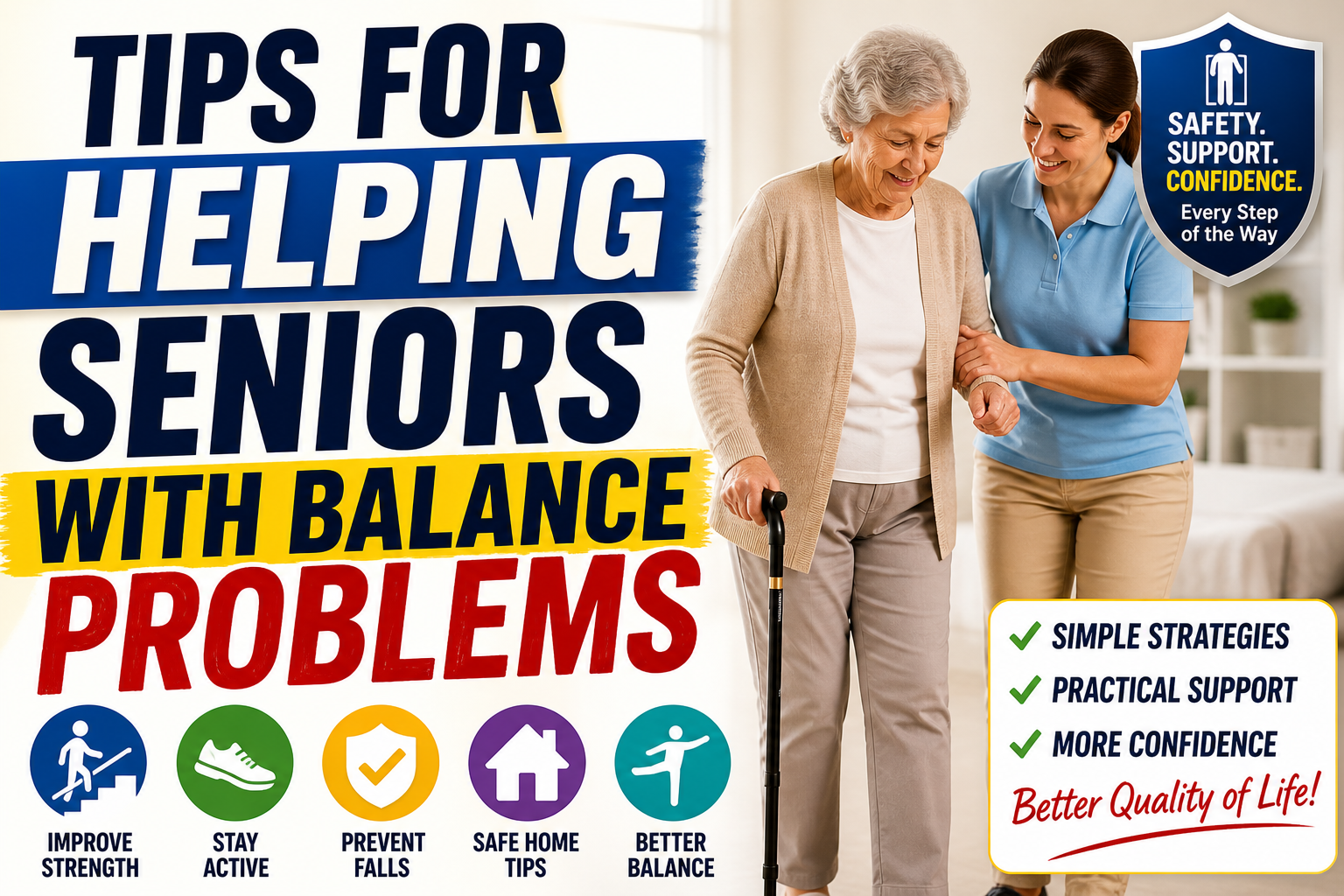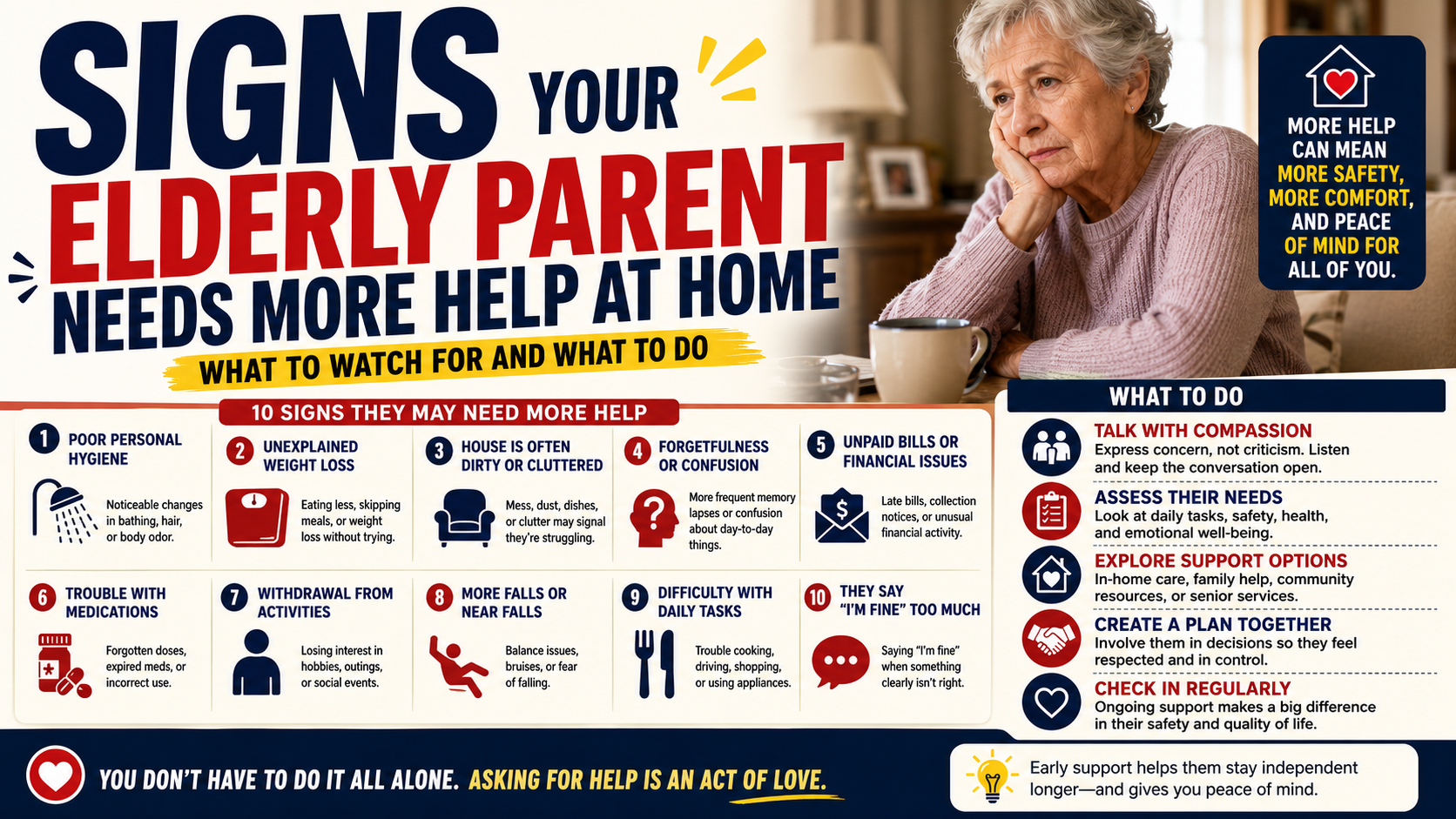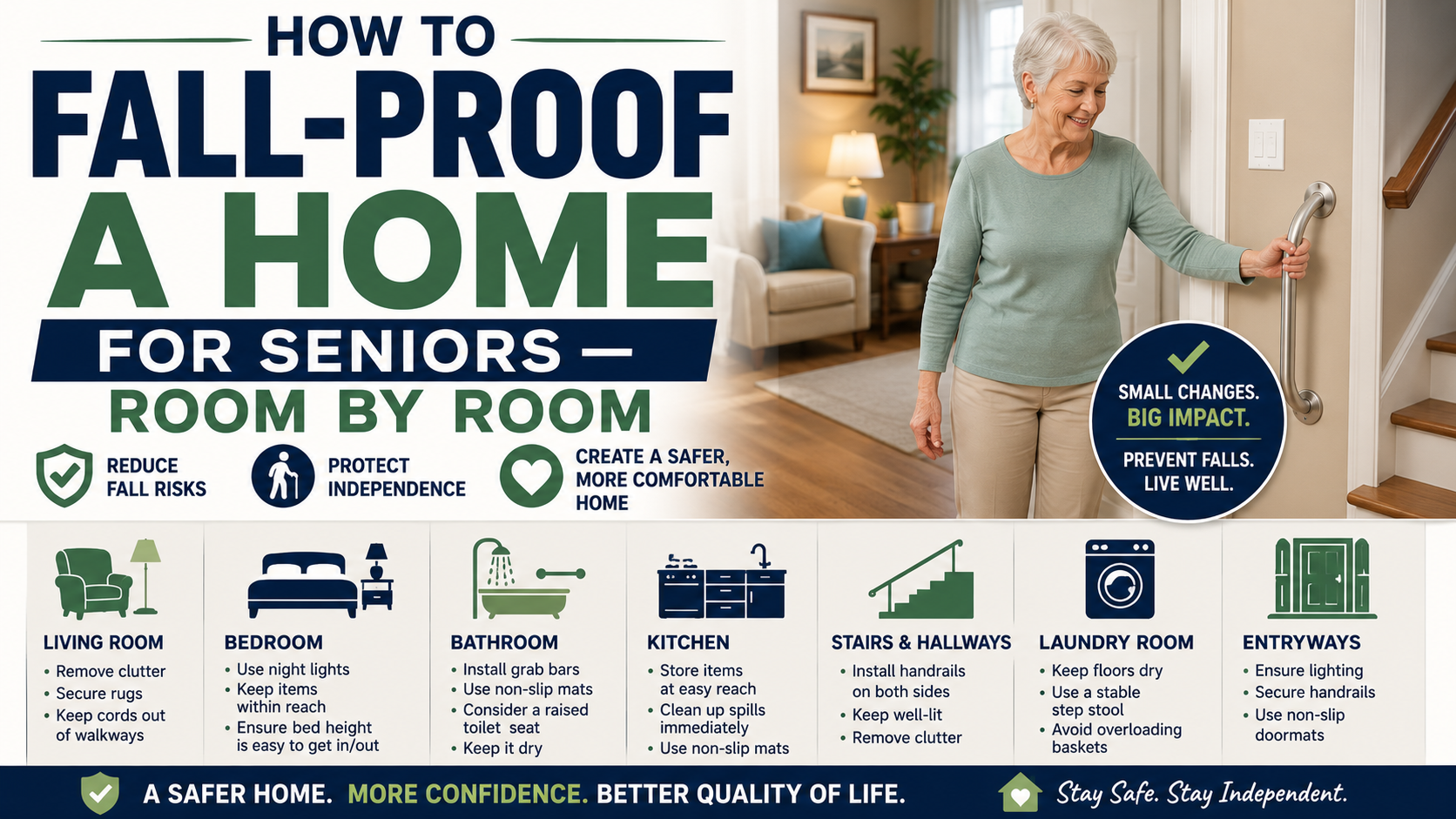
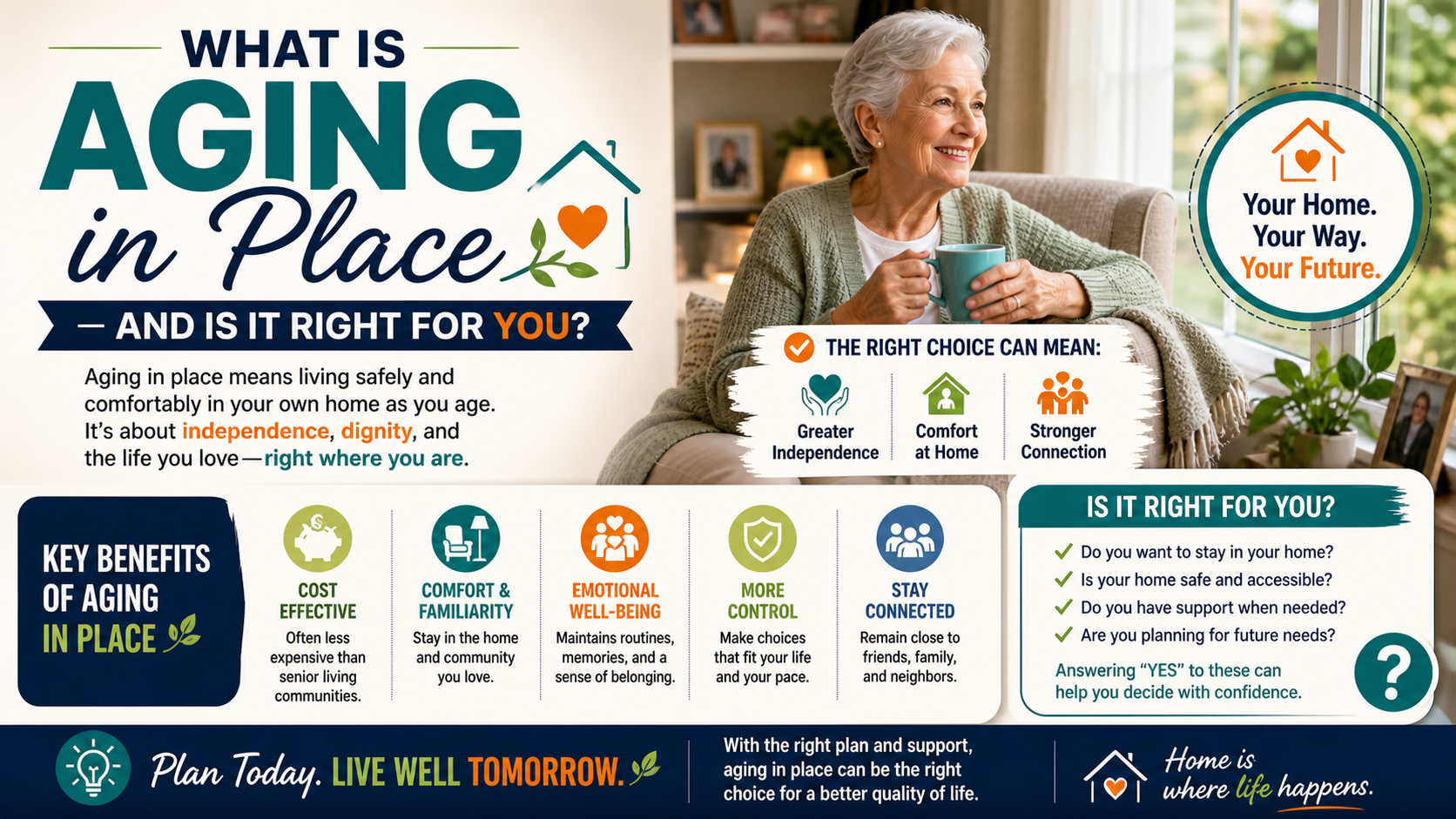
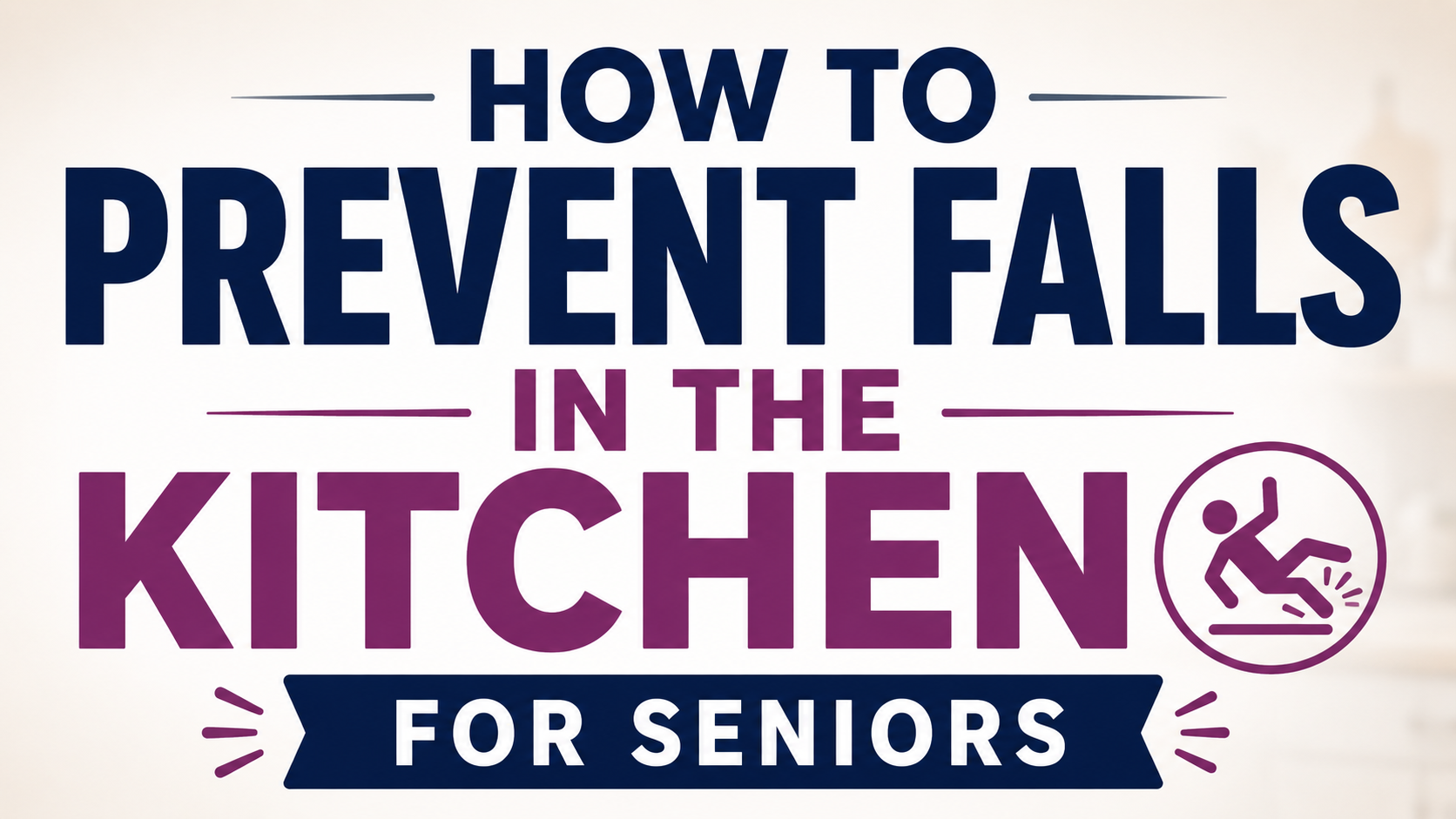
Staying safe at home as you age is mostly about fixing specific things — not overhauling everything. Here’s what actually moves the needle.
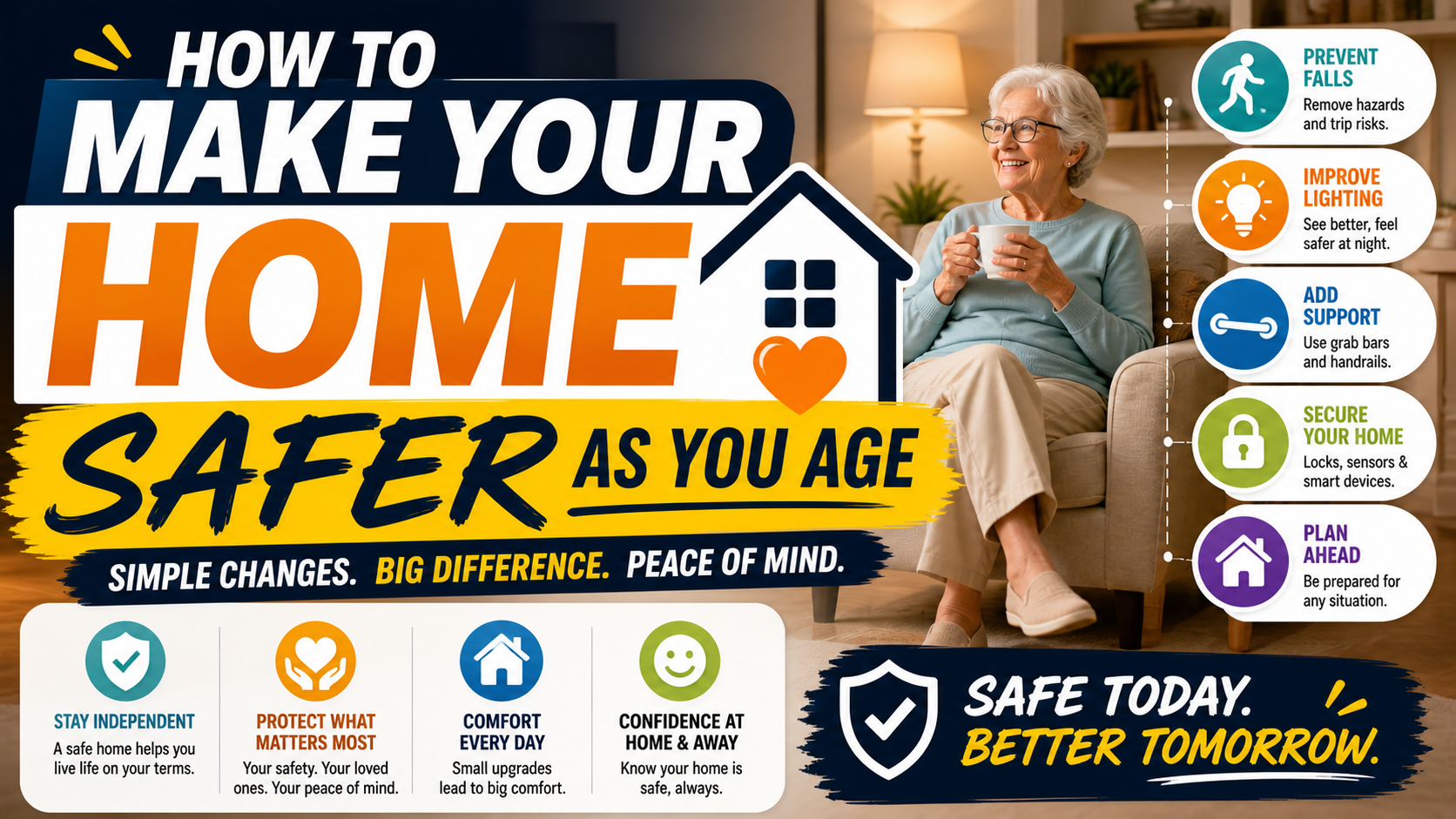
Staying safe at home as you get older doesn’t require major renovations or turning your house into something that looks like a medical facility. Most of the changes that make the biggest difference are simple, inexpensive, and can be done over a weekend. A few require a handyman for an hour. Almost none require a contractor.
What they do require is looking at your home honestly — with fresh eyes, room by room — and addressing what you find systematically rather than reactively. The families and individuals who make these changes before a fall happens have dramatically better outcomes than those who get around to it after. For a room-by-room prevention strategy that supports this process, use Fall Prevention Tips for Elderly at Home — What Actually Works.
This guide covers everything worth doing, in order of impact, so you can build a genuinely safer home without wasting time or money on things that don’t move the needle. For a more detailed priority order based on impact, cost, and effort, see Simple Home Modifications for Aging in Place — Ranked by Impact.
Start With the Right Mindset
The most common barrier to making a home safer isn’t cost or effort — it’s the feeling that doing so is an admission of something. That installing grab bars means admitting weakness. That getting a bed rail means admitting decline. That putting a shower chair in the bathroom is crossing some kind of threshold.
That mindset is worth examining honestly because it’s the one that keeps people from making changes until after something goes wrong.
The people who modify their homes proactively aren’t admitting weakness — they’re making smart decisions about risk. Pilots do pre-flight checks. Athletes use protective equipment. Drivers wear seatbelts. None of these are admissions of inadequacy. They’re rational responses to predictable risk by people who want to keep doing what they’re doing for as long as possible.
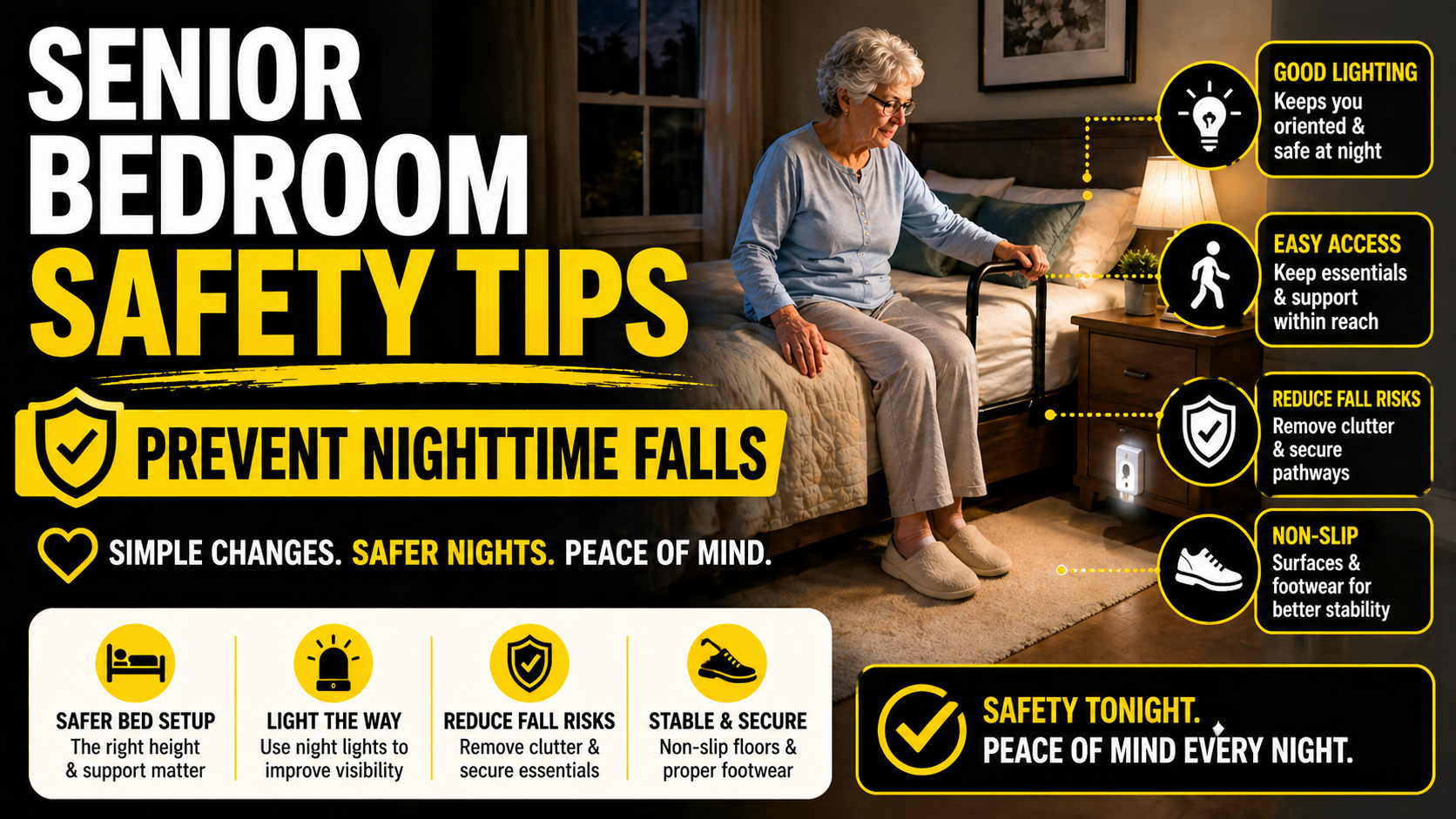
Staying in your own home, on your own terms, for as long as possible is the goal. The changes in this guide serve that goal directly. Bedroom lighting, bed height, and nighttime movement are addressed in Senior Bedroom Safety Tips to Prevent Nighttime Falls.
The Bathroom — Highest Priority, Highest Impact
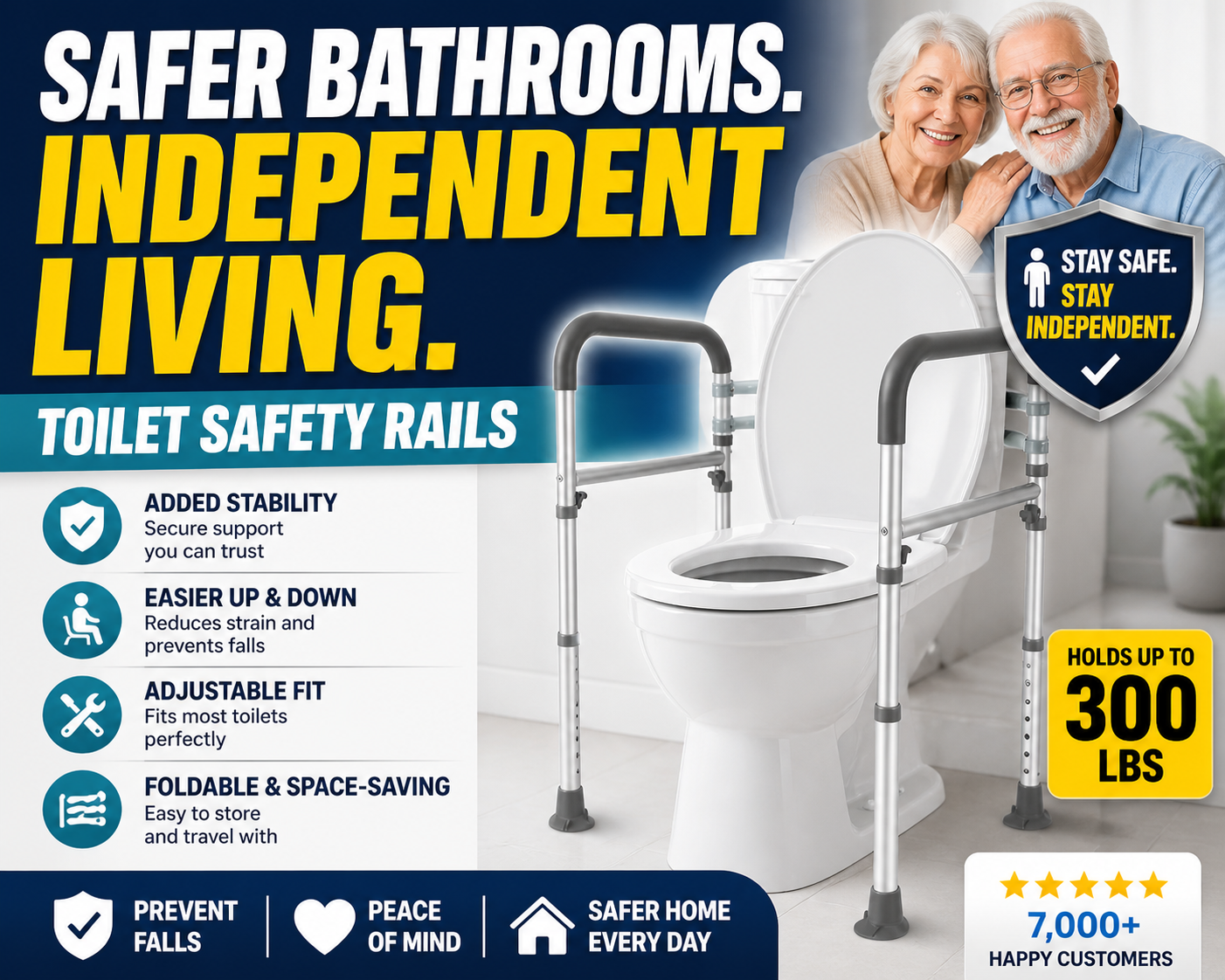
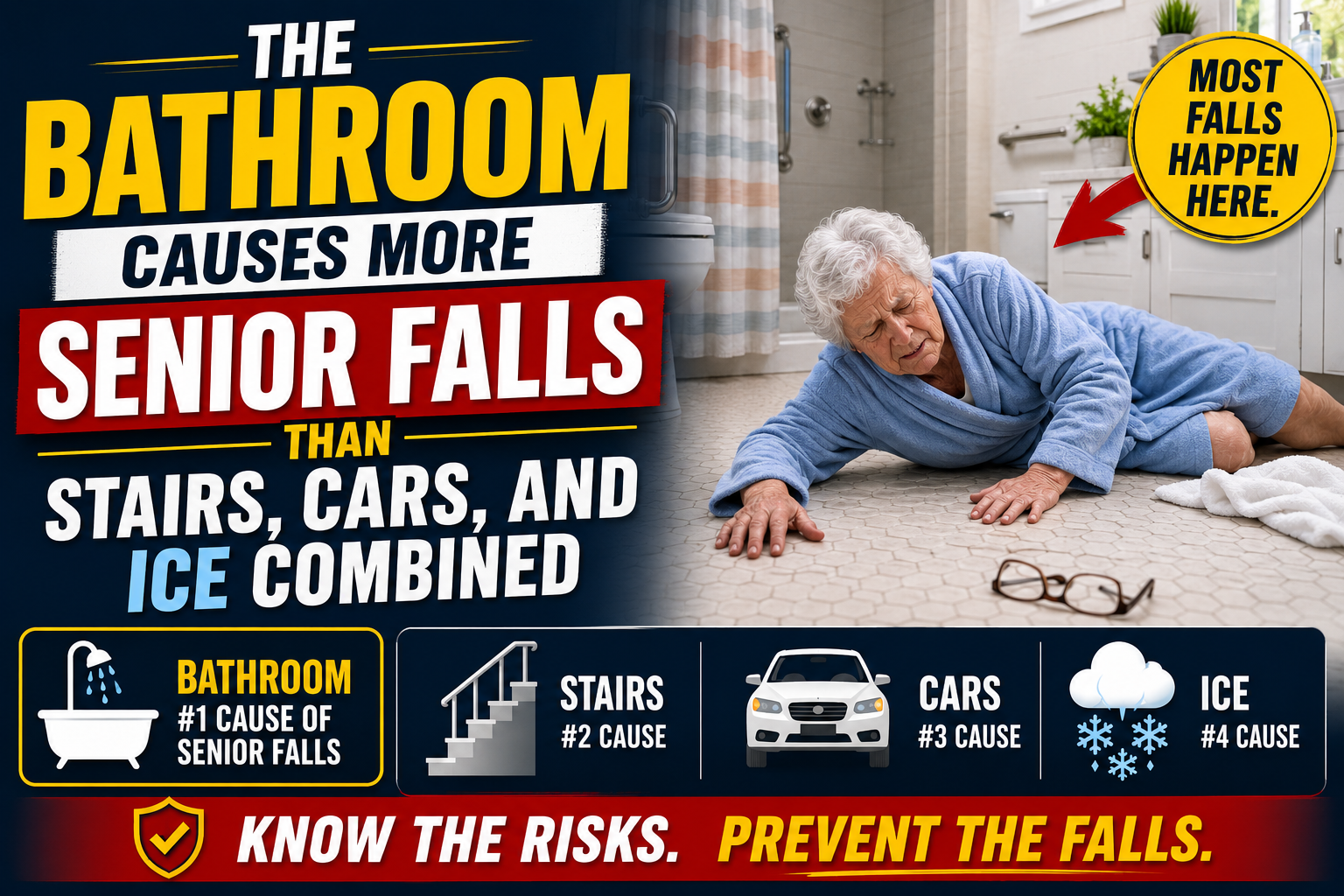
Start here. The bathroom is statistically the most dangerous room in the house for older adults and the room where the highest-impact safety changes are available. If you only address one room, make it this one. For support during the toilet's lowering and rising movements, see Best Toilet Safety Rails for Seniors — What to Look for and Why This One Wins.
Install Grab Bars
Nothing in bathroom safety comes close to the impact of properly installed grab bars. At the shower or tub entry. On the back wall of the shower. Next to the toilet. These three locations cover the highest-risk transitions in the bathroom — the moments where falls are most likely to happen.
The critical point most people miss: towel bars are not grab bars. They will pull out of the wall under body weight and make a fall worse. Proper grab bars are load-rated safety fixtures mounted into studs or appropriate anchors.
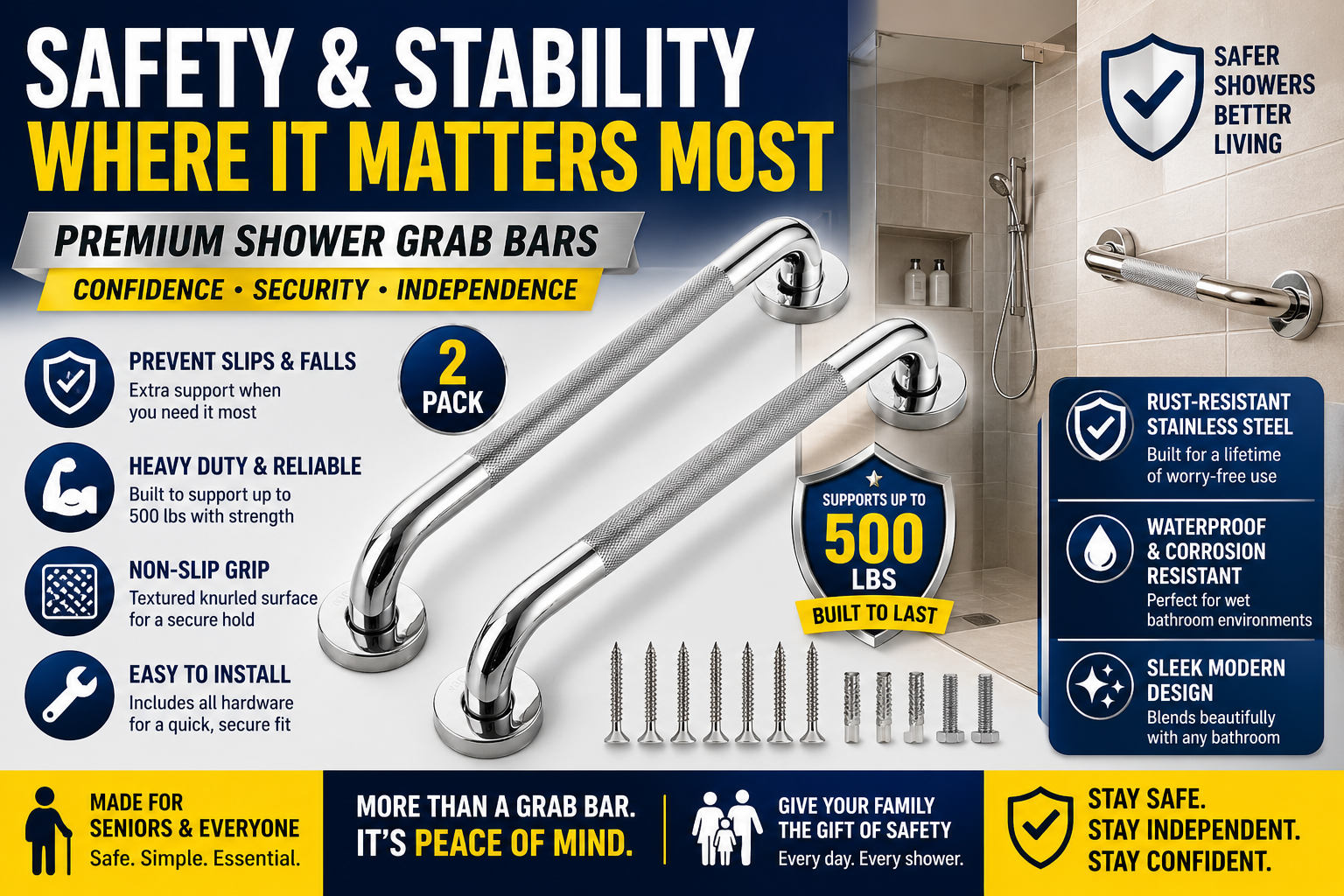
Our review of the best grab bars for seniors covers exactly what to look for and buy. Our grab bar placement guide covers exactly where to put them with precise measurements.
→ Get the 2-Pack Stainless Steel Grab Bars on Amazon
Add Non-Slip Surfaces
Non-slip surfaces inside the shower and a stable non-slip mat outside address wet surface risk at its two most dangerous points — the shower floor and the exit transition. A mat that shifts under wet feet is a fall risk rather than a safety measure.
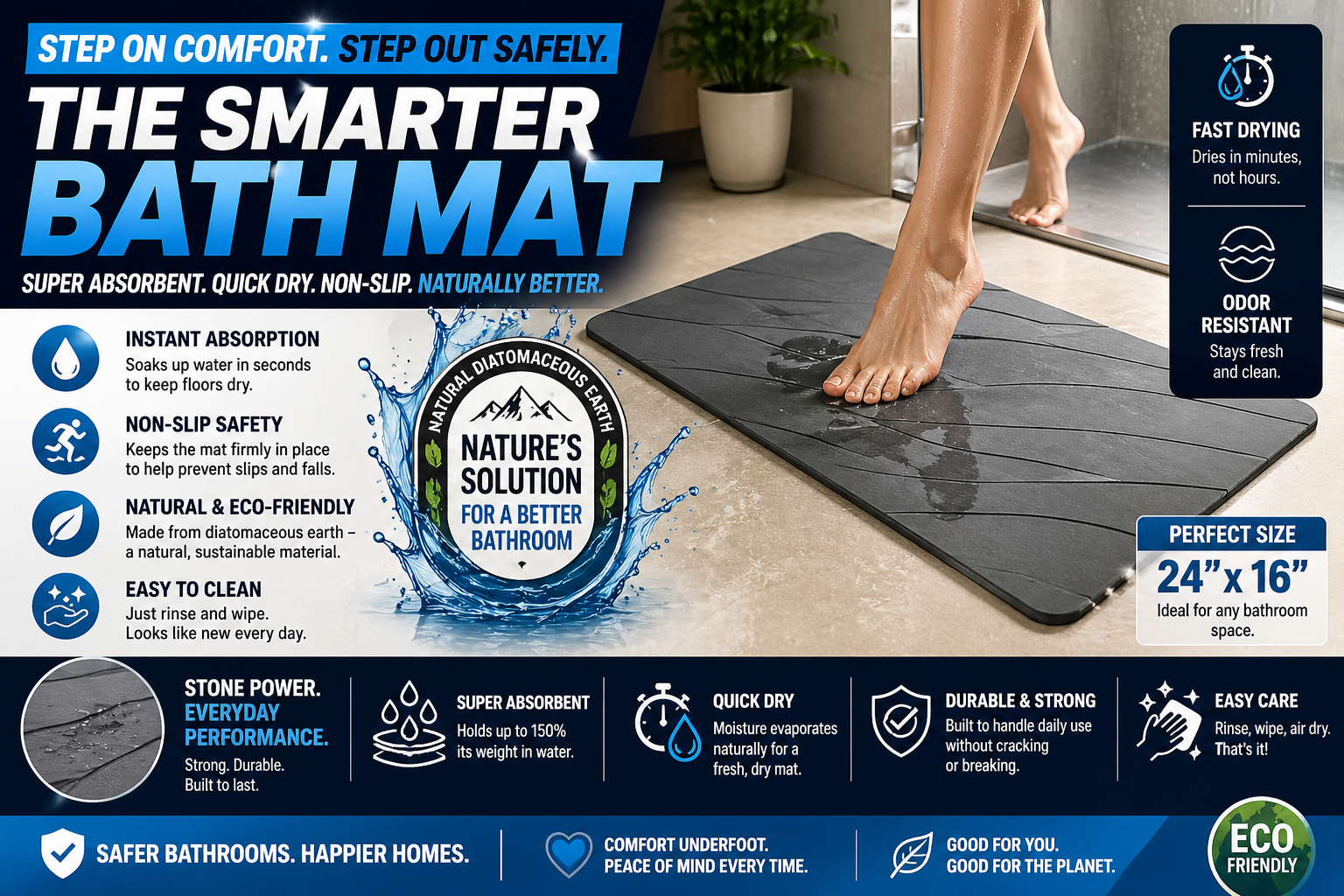
The diatomaceous earth stone bath mat solves every failure mode of standard fabric mats — it absorbs water instantly, stays completely in place, and doesn’t mildew.
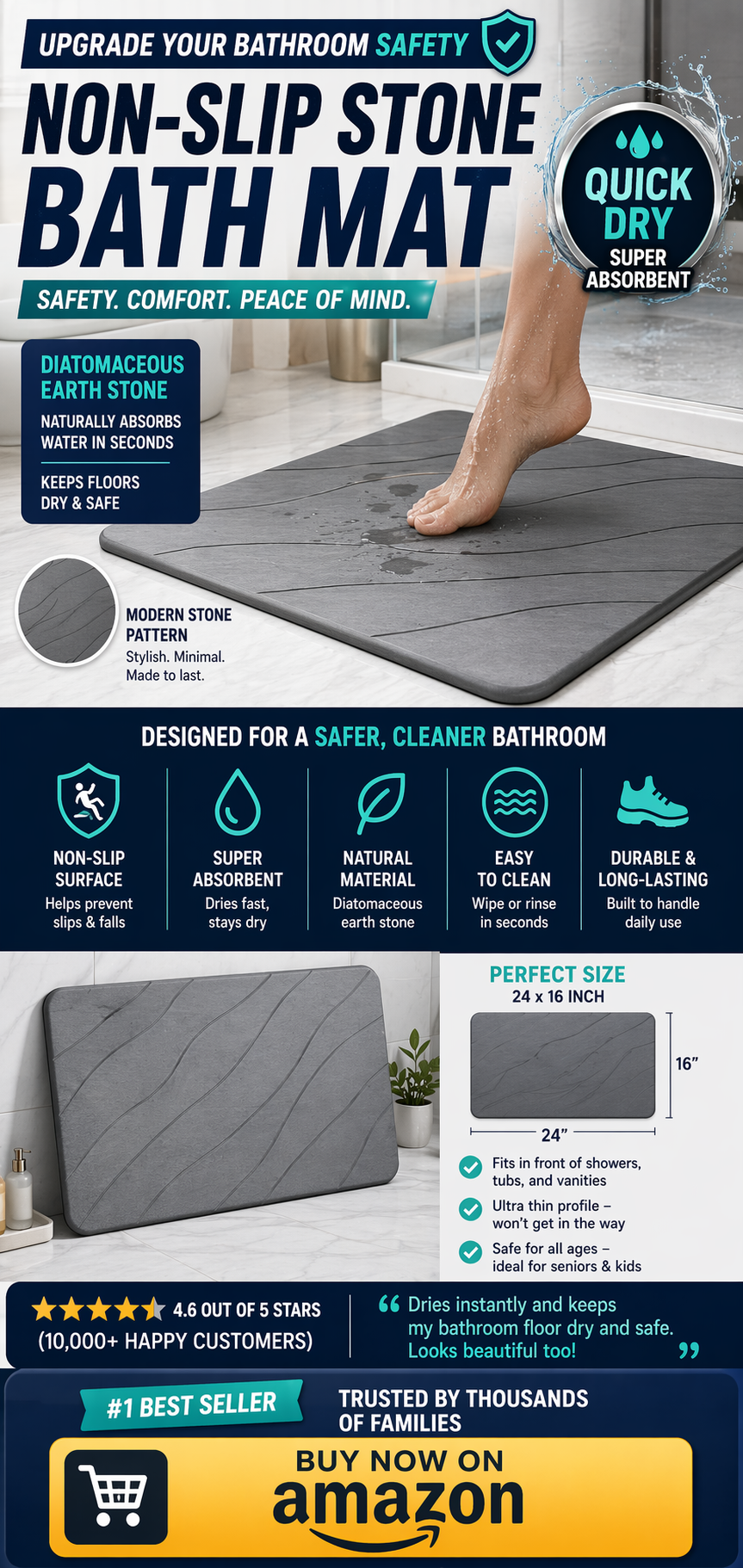
→ Get the Diatomaceous Earth Stone Bath Mat on Amazon
Consider a Shower Chair
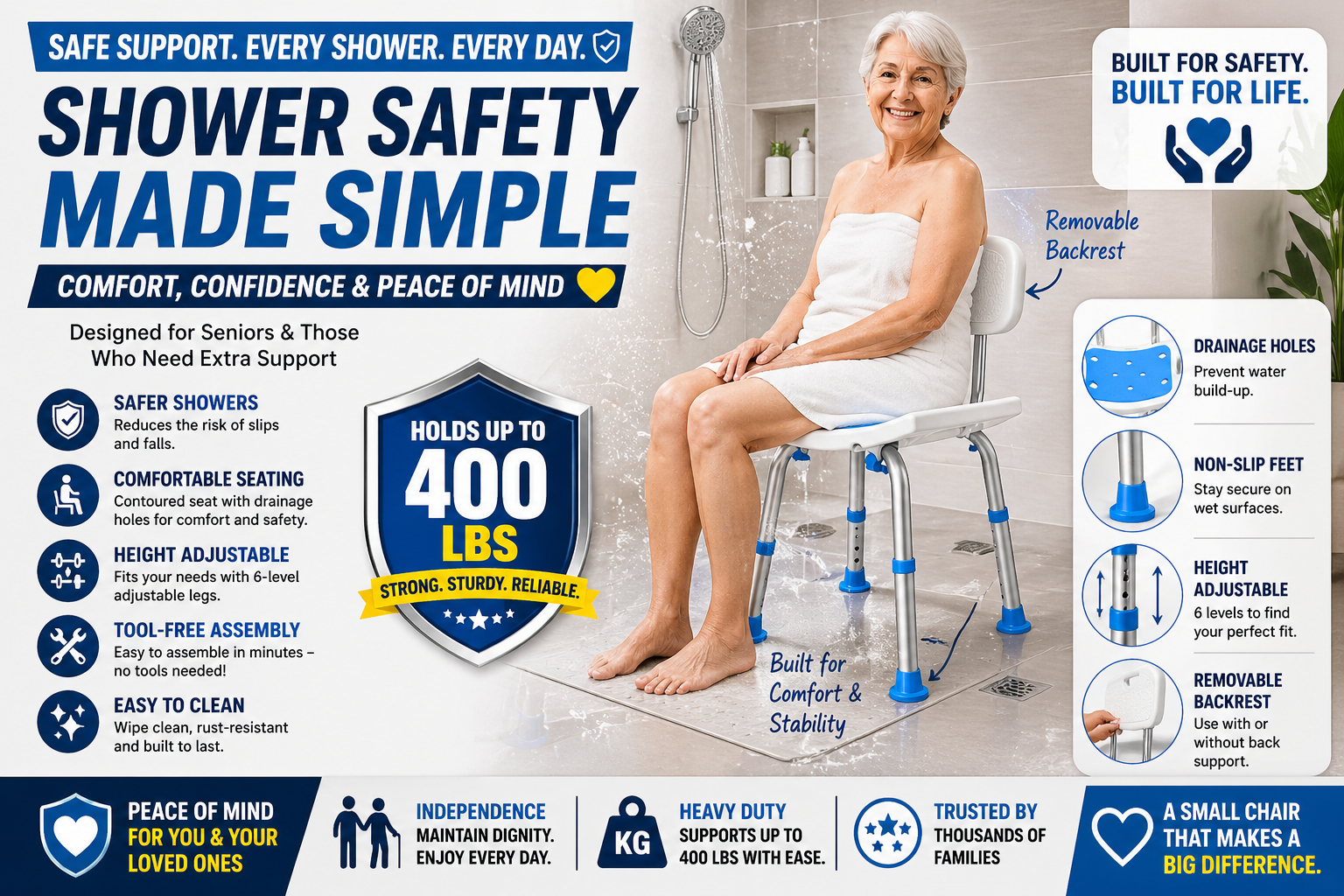
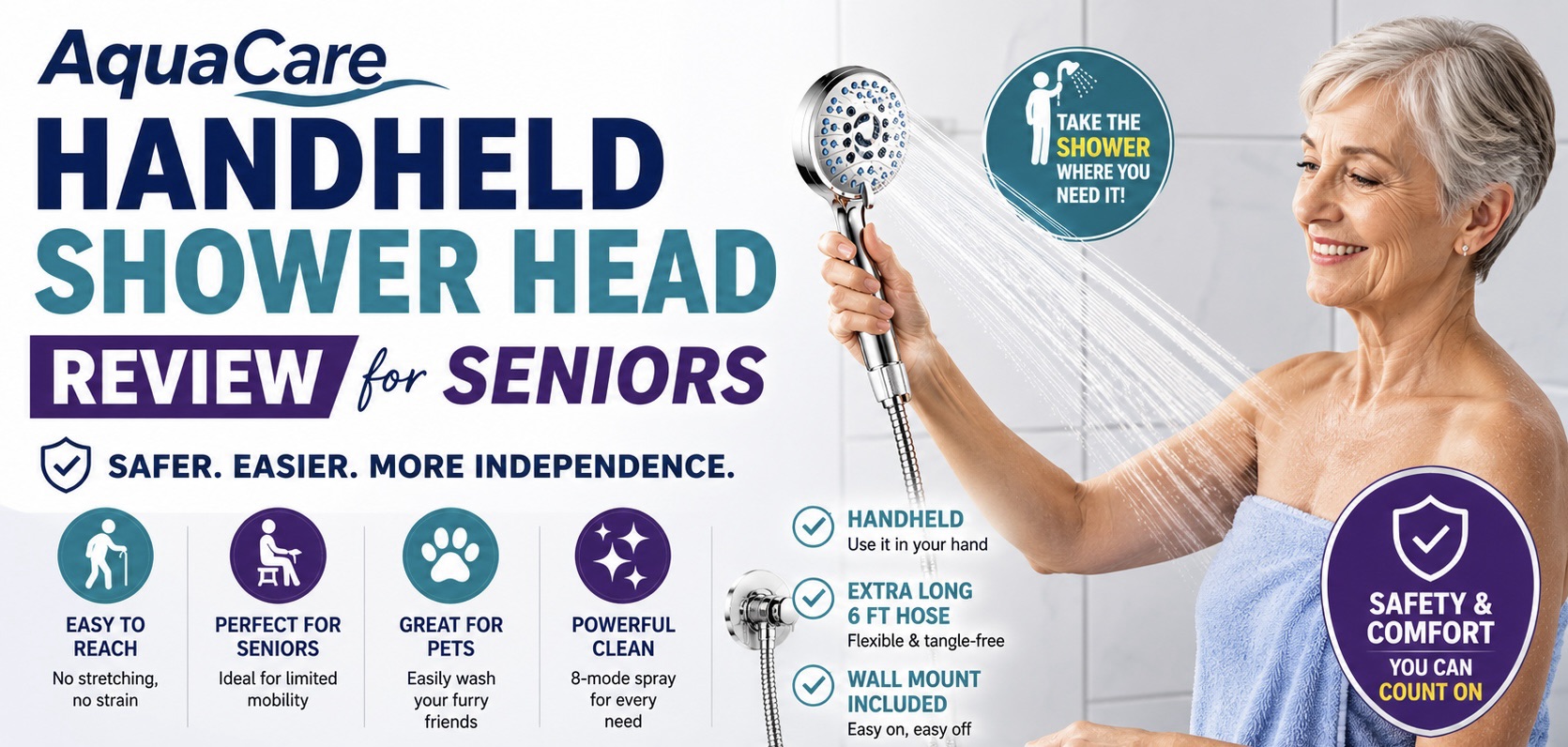
Standing in a wet shower is one of the riskiest things you do every day. A shower chair eliminates that standing risk entirely. It’s not a device for people who can no longer stand — it’s a sensible risk reduction for anyone whose balance isn’t what it once was. Our shower chair review covers the best option and what to look for.
→ Get the HOMLAND Shower Chair on Amazon
Address the Toilet Height
Getting on and off a standard toilet is a repeated daily fall risk for anyone with reduced leg strength or hip problems. A raised toilet seat or toilet safety frame with armrests makes this transition significantly easier and safer — and it’s used multiple times every single day.
Improve Bathroom Lighting
A night light in the bathroom ensures it’s lit when you arrive during a nighttime trip — before you have to find a switch in the dark. The main light switch should be immediately accessible at the door without navigating into a dark room to reach it.
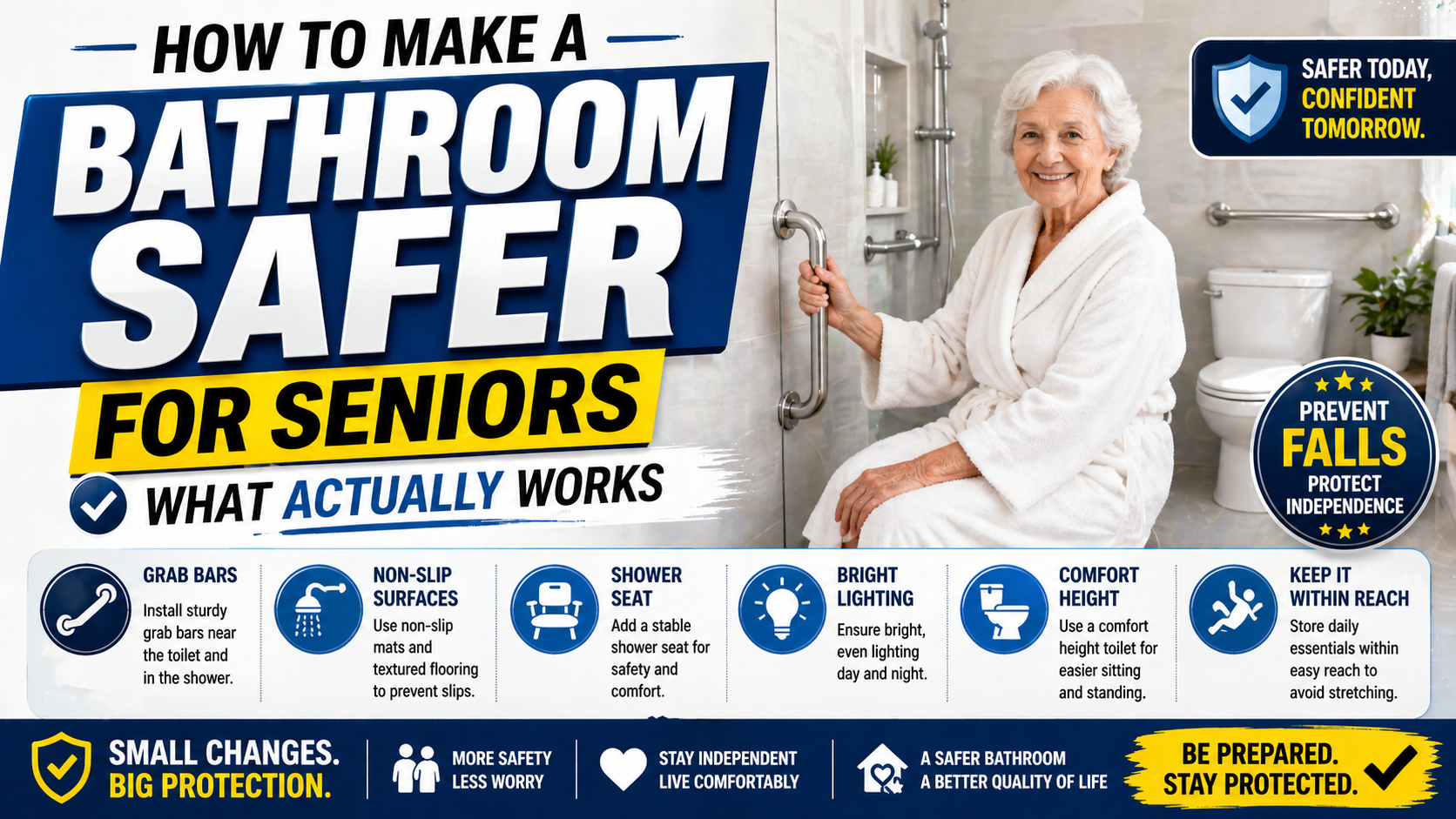
For the complete bathroom safety picture our guide on how to make a bathroom safer covers every upgrade worth making in detail.
The Bedroom — Second Priority
The bedroom and the nighttime path to the bathroom are the second-highest risk area in the home. The getting-out-of-bed transition and the path to the bathroom in the dark account for a disproportionate share of serious falls.
Install a Bed Rail
A bed rail on the exit side of the bed gives you a firm non-compressing handle for the sit-to-stand transition — the most fall-prone moment in the bedroom. Mattresses compress under body weight and provide nothing solid to push against. A bed rail changes that entirely.
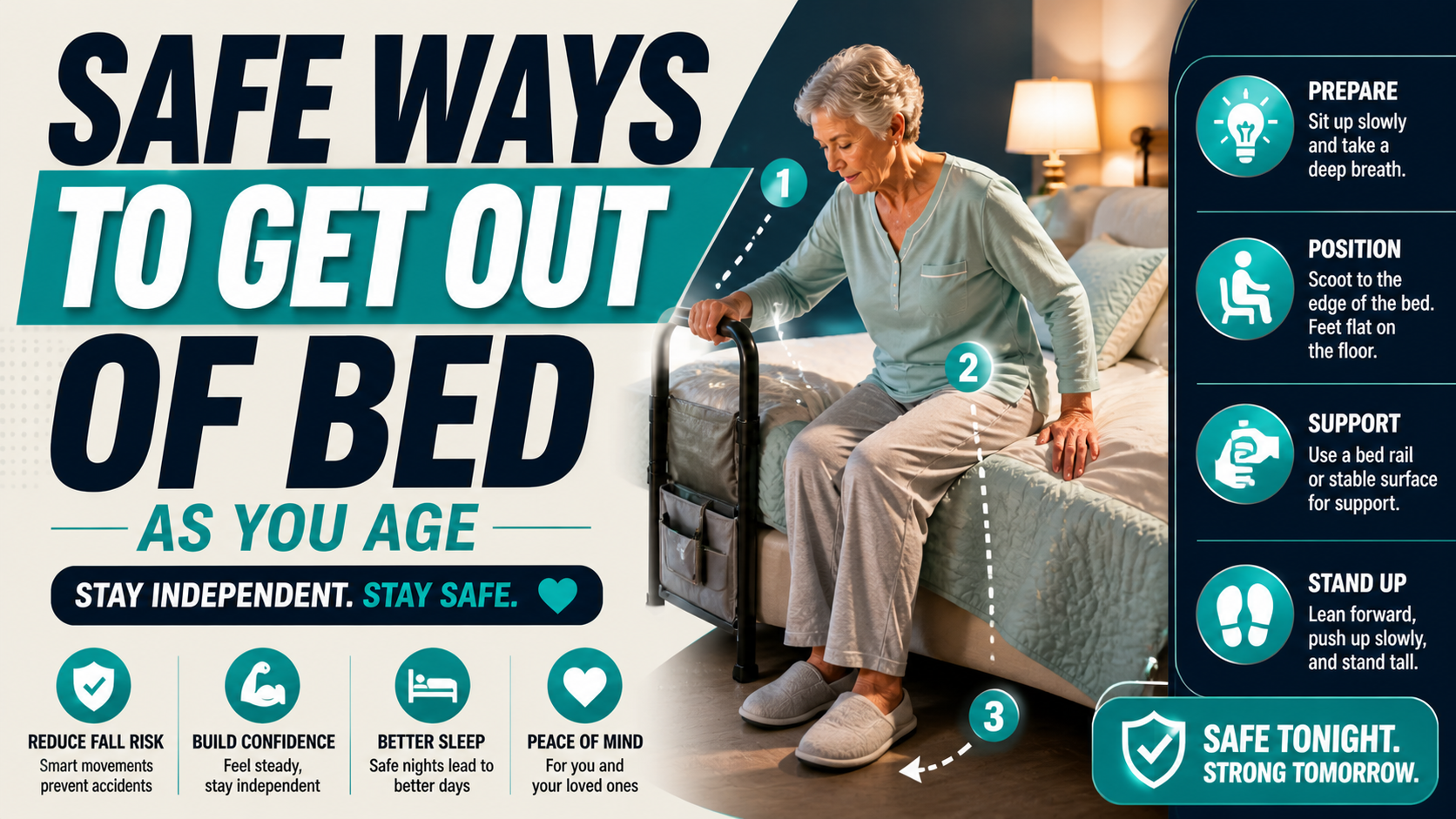
The technique matters too — our guide on safe ways to get out of bed as you age covers the correct step-by-step sequence that significantly reduces fall risk during this transition. Our review of the best bed rail for seniors covers the ASTM certified option we recommend.
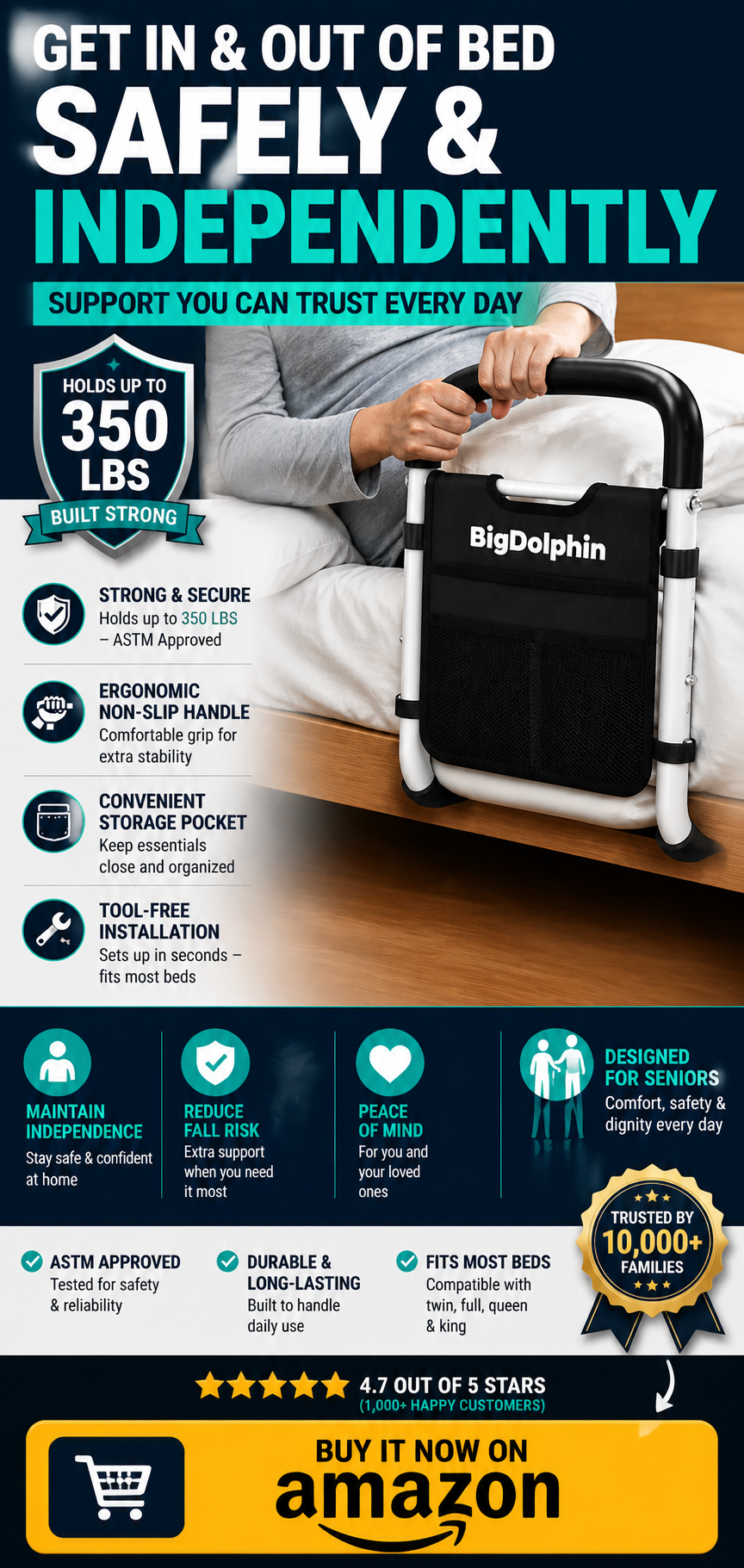
→ Get the ASTM Approved Bed Rail on Amazon
Get Bed Height Right
Sitting on the edge of the bed with feet flat on the floor and knees at approximately 90 degrees is the target. Too low makes rising much harder. Too high makes sitting down risky. Bed risers add height quickly. Removing a box spring reduces it. Getting this right is a one-time adjustment with permanent daily benefit.
Light the Nighttime Path
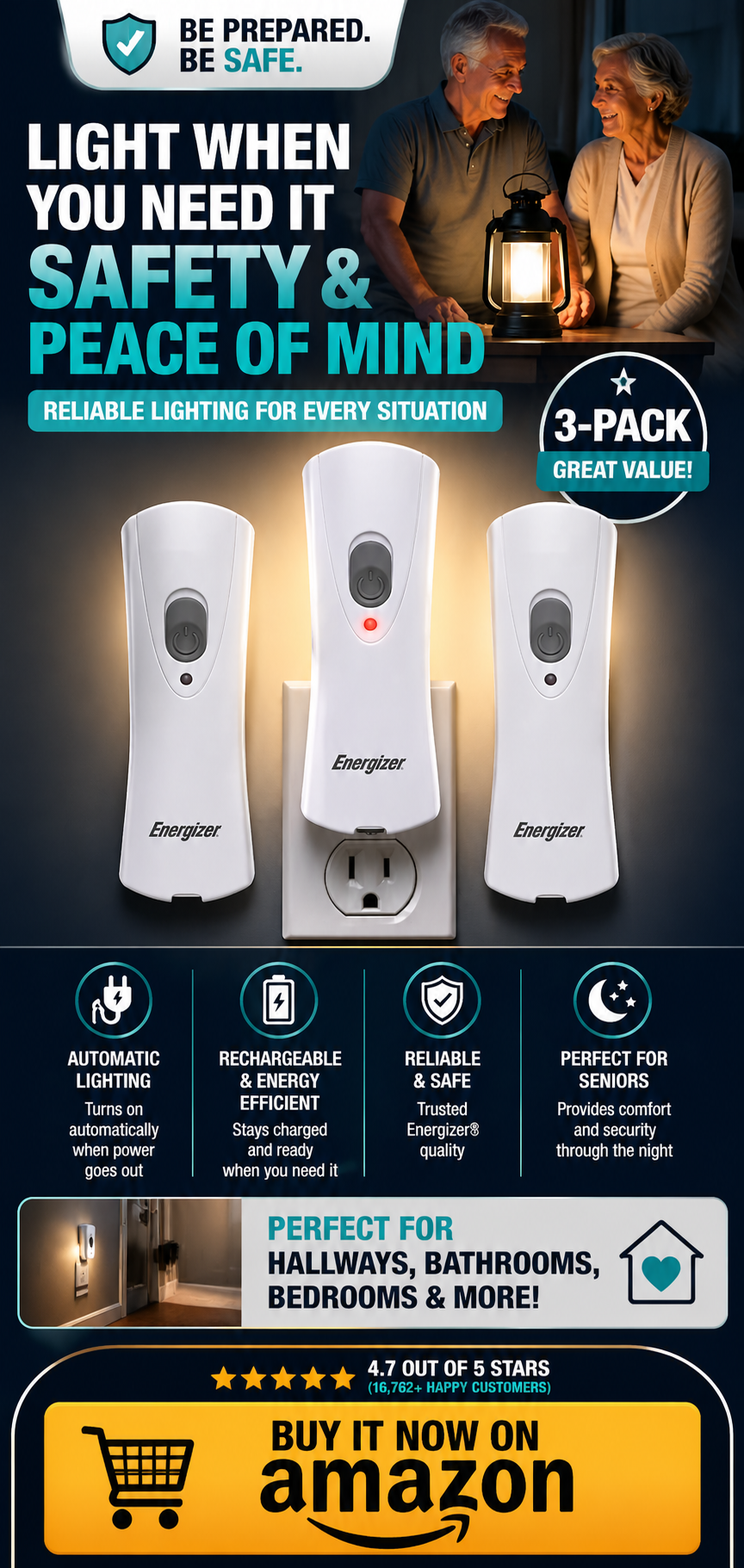
The path from bed to bathroom needs to be lit automatically — before you’re moving, not after finding a switch. Plug-in auto-on units that function as night lights normally and activate automatically during power outages cover both scenarios simultaneously.
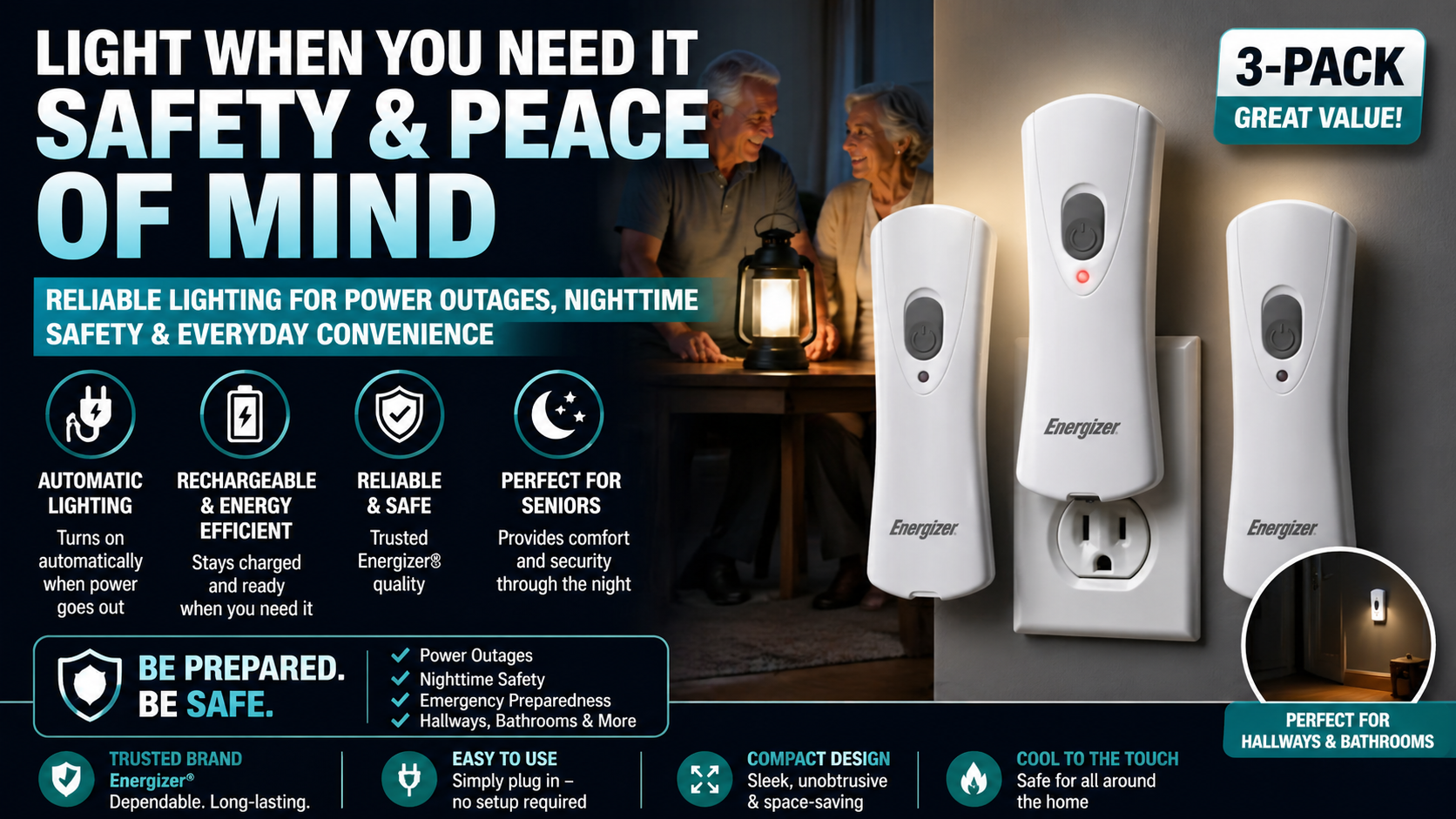
The Energizer Auto-On rechargeable flashlights cover all three key locations — bedroom, hallway, bathroom — in one three-pack purchase.
→ Get the Energizer Auto-On 3-Pack on Amazon
Clear the Floor
The path from bed to bathroom door should have nothing on it. No rugs that shift. No furniture corners to navigate. No items left on the floor. This path gets walked in the dark, half-asleep, sometimes urgently — it needs to be as clear and direct as possible.
For the complete bedroom safety picture our guide on senior bedroom safety tips for nighttime falls covers every change worth making.
Living Areas — Third Priority
Living rooms, hallways, and common areas accumulate hazards gradually. A systematic walk-through typically reveals several fixable issues that have become invisible through familiarity.
Rugs — Secure or Remove
Unsecured area rugs are one of the most common fall hazards in the home and one of the easiest to eliminate. A curling edge, a lifting corner, a mat that shifts under foot — any of these can cause a serious fall. Secure every rug completely with non-slip backing and double-sided tape on all edges, or remove it. When in doubt remove it.
Manage Every Cord
TV cables, lamp cords, phone chargers, extension cords — anything crossing a walking path is a trip hazard. Route all cords along walls and secure with cord clips or covers. A cord that has been on the floor for years without incident is still a cord that can catch a foot.
Clear Walking Paths
Pathways through every room should be at least three feet wide with no obstacles at shin height or below. Rearrange furniture if needed. Low coffee tables in the center of walking paths are a particular hazard — consider relocating or removing them.
Increase Lighting
What feels adequately lit to a younger person may be genuinely insufficient for an older adult with reduced visual acuity. Increase wattage in overhead fixtures. Add floor or table lamps to dark corners. Ensure every room can be lit before entering — switches accessible at the door rather than across a dark space.
Stairs — Address Every Item
Stairs represent concentrated fall risk and every safety measure here matters. A fall on stairs typically has more serious consequences than a fall on a flat surface.
Handrails on Both Sides
Most home staircases have a handrail on only one side. For anyone with balance challenges this means going up or down while holding a rail that may only be on their weaker side. A second handrail on the opposite wall gives support on both sides throughout the entire stair run — a meaningful safety improvement that a handyman can typically install in a few hours.
Non-Slip Treads
Non-slip stair treads with contrasting color make each step edge clearly visible and provide grip underfoot. Apply to every step — paying particular attention to the top and bottom steps where transitions are most dangerous.
Lighting at Both Ends
Light switches at both the top and bottom of every staircase ensure the stairs are lit before you step onto them rather than after. A staircase that requires walking onto the first step before reaching the switch is a staircase with an unnecessary hazard at the most dangerous point.
Keep Stairs Clear
Nothing on the stairs. Ever. Not temporarily. Not just for now. Items stored on stairs waiting to go up or down are a genuine hazard every time the staircase is used.
The Kitchen
The kitchen involves more reaching, bending, and carrying than any other room — combined with hard floors, wet surfaces, and hot items. A few targeted changes address the most significant risks.
Reorganize Storage by Frequency of Use
Items used daily should live between hip and shoulder height — no reaching overhead or bending to floor level for anything used regularly. Reorganizing kitchen storage so the most-used items are in the most accessible locations eliminates a daily source of awkward reaching and bending.
Address Wet Floors Immediately
Spills on kitchen floors should be cleaned up immediately — not left while finishing what you were doing. A wet kitchen floor is a genuine fall hazard and the urgency of cleaning it should override whatever else is happening.
Use a Stable Step Stool With a Handle
If overhead storage is necessary, use a step stool specifically designed with a handle for stability. Never use a chair or improvised climbing surface. A step stool with a handle that can be gripped while climbing provides a meaningful safety margin over an improvised alternative.
Entryways and Outdoor Areas
The transition between indoors and outdoors — and the immediate outdoor areas — carry fall risk that’s easy to overlook when focused on interior safety.
Handrail at Every Exterior Step
Every exterior step — even a single step at the front or back door — should have a secure handrail. Single-step falls are among the most common exterior fall scenarios precisely because people approach a single step less carefully than a full staircase.
Exterior Lighting
Motion-activated exterior lighting at all entry points ensures the path from car to door is lit automatically when you arrive after dark. This is a simple, inexpensive modification that eliminates a consistently overlooked fall risk.
Maintain Walking Surfaces
Cracked or uneven walkways, raised sidewalk sections, and deteriorating driveway surfaces are all tripping hazards worth addressing. Have any significant surface irregularities repaired — the cost of repair is a fraction of the cost of a fall.
Technology That Adds a Safety Layer
Physical modifications reduce fall risk. Technology provides the safety net for when prevention isn’t enough — and for staying connected and independent in ways that make home living more manageable.
Medical Alert Device With Fall Detection
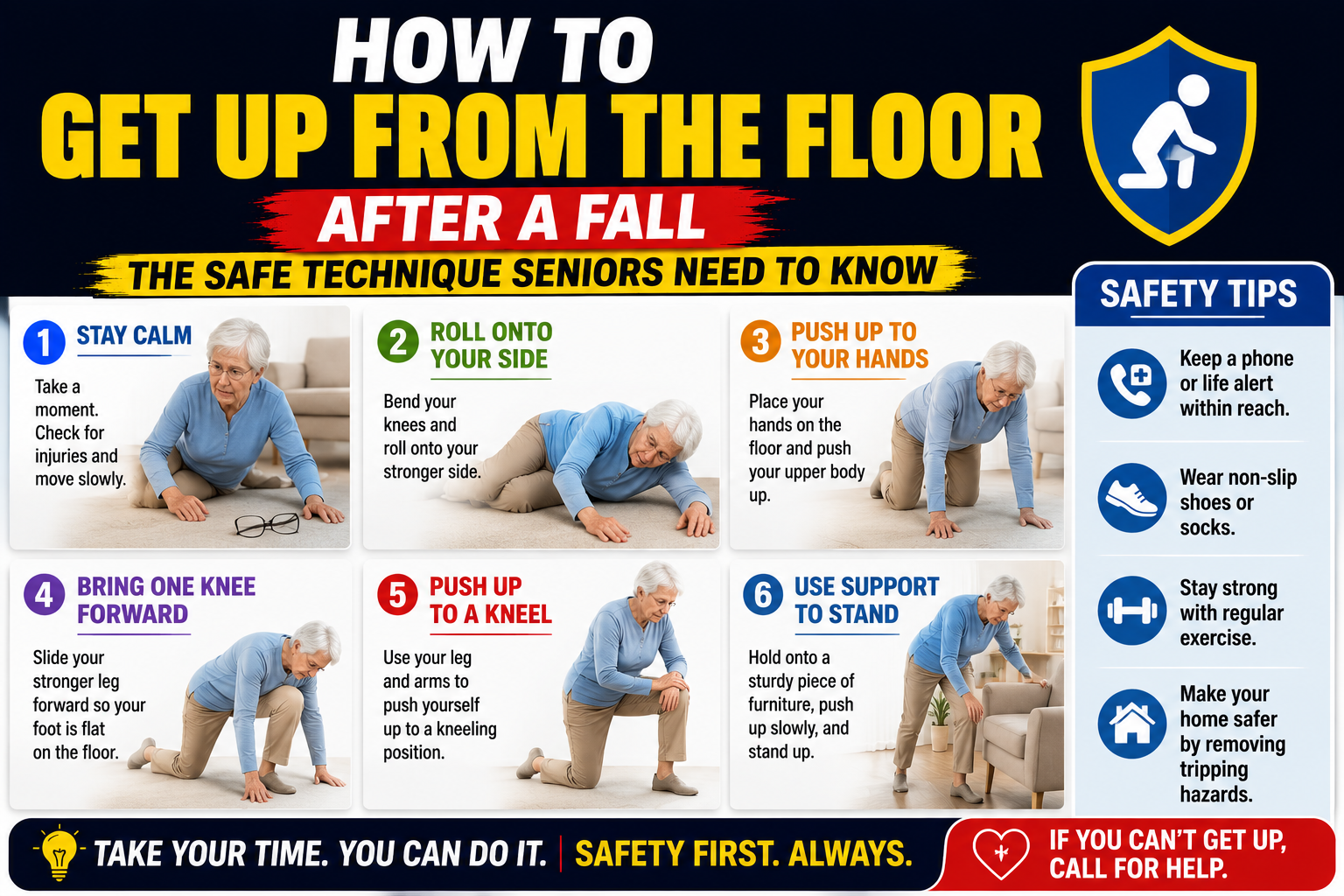
Even the most thoroughly modified home can’t guarantee a fall never happens. A medical alert device with automatic fall detection ensures that if one does occur — in the bathroom, during a nighttime bathroom trip, anywhere — help is called automatically without requiring any action from you.
The SecuLife Smartwatch detects falls automatically, alerts designated contacts with GPS location, and operates from the wrist independently of any phone. It looks like a regular smartwatch — no pendant, no stigma, nothing that announces itself as a medical device.
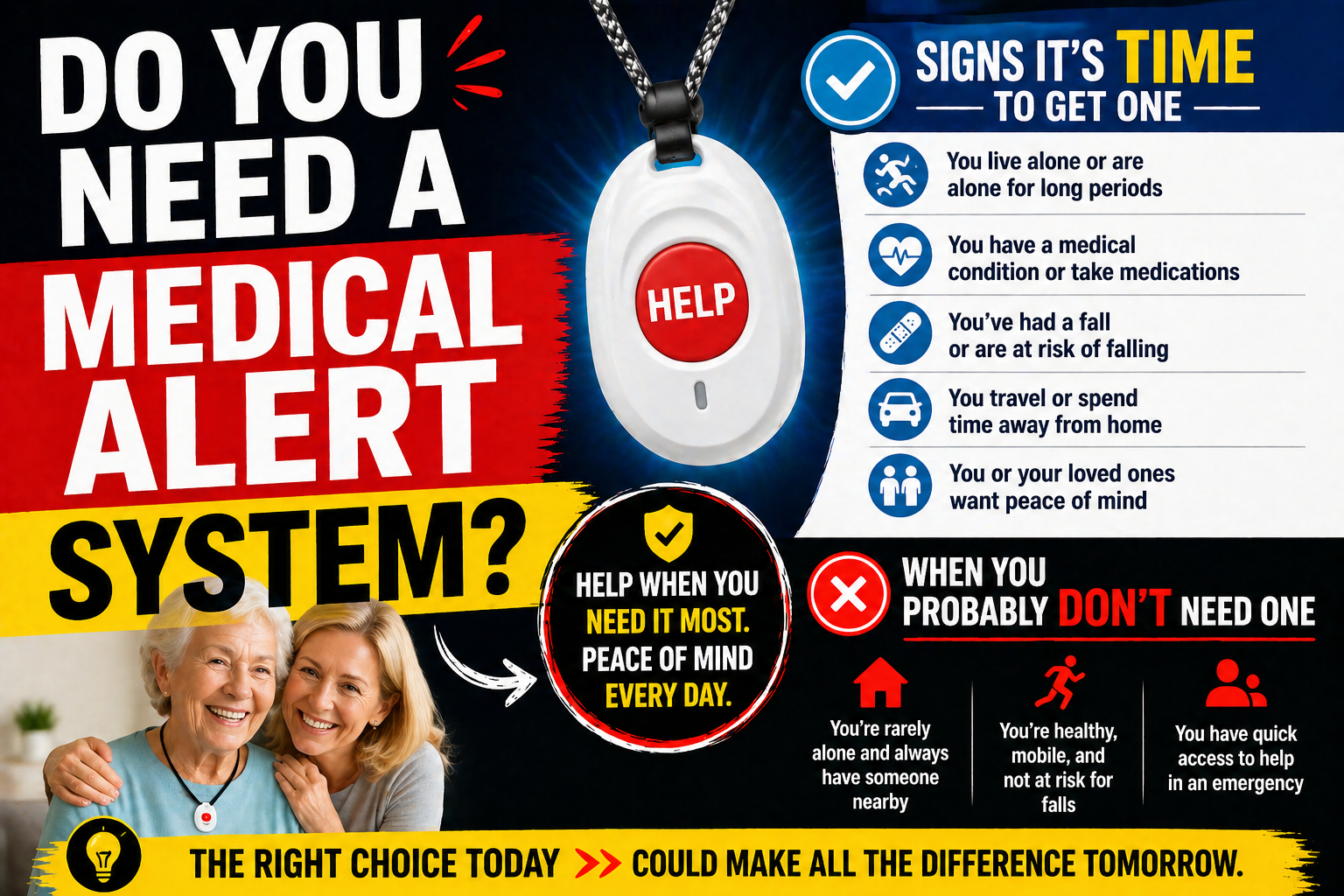
For the full picture on whether a medical alert device makes sense for your situation our guide on signs it’s time for a medical alert system walks through exactly what to consider. Our complete SecuLife review covers the specific device we recommend. And if you’re comparing options our guide on whether a consumer smartwatch can replace a medical alert system breaks down exactly where each falls short and where each works well.

→ See the SecuLife Smartwatch on Amazon
Smart Home Additions Worth Considering
Beyond medical alert devices a few smart home additions add meaningful safety value with minimal complexity.
Video doorbell: Allows you to see and speak with whoever is at the door without getting up — eliminating rushed trips to the door that create fall risk.
Smart speaker with voice control: Being able to call family members, get information, or control lights and thermostats by voice reduces the need to move through the house for routine tasks.
Smart locks: Keypad or app-controlled locks eliminate fumbling with keys at the door — particularly useful in poor weather or when carrying items.
Making It Happen — A Practical Approach
The full list of changes in this guide can feel overwhelming if approached all at once. The practical approach is to prioritize by impact and tackle systematically.
This week — zero cost, immediate action:
- Clear the path from bed to bathroom completely
- Secure or remove every unsecured rug
- Move all cords off walking paths
- Reorganize one cabinet so daily kitchen items are at accessible height
- Move phone to nightstand within reach from bed
Order this week — products with highest impact:
- Grab bars if not already installed
- Bed rail for the exit side of the bed
- Non-slip bath mat if current mat shifts at all
- Auto-on night lights for bedroom, hallway, and bathroom
Schedule within the month:
- Grab bar installation — hire a handyman if needed
- Second handrail on any staircase that has only one
- Medication review with doctor specifically for fall risk
- Vision check if more than a year since last exam
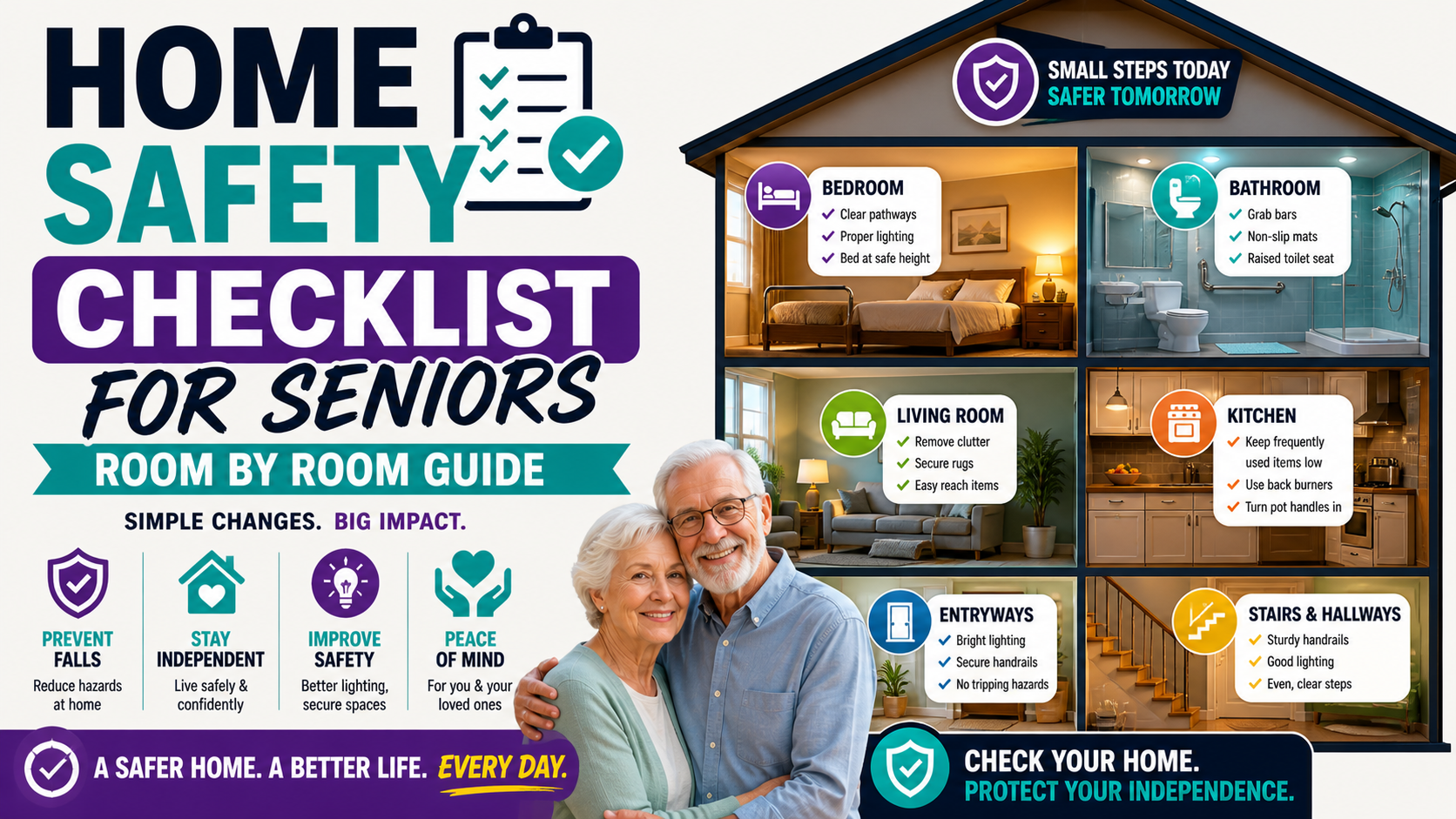
For a complete room-by-room checklist version of everything in this guide our home safety checklist for seniors gives you a printable version you can walk through your home with and check off as you go.
Frequently Asked Questions
How much does it cost to make a home safer for aging in place?
The core safety changes — grab bars, non-slip mats, a bed rail, and night lights — typically cost between $200 and $500 in total product costs, plus $100 to $200 for grab bar installation if hiring a handyman. Major modifications like ramps, widened doorways, or bathroom remodels cost significantly more but are rarely necessary for the average home. Most people are surprised by how much can be accomplished for a few hundred dollars.
What’s the difference between aging in place modifications and accessibility modifications?
Aging in place modifications are generally proactive changes that reduce fall risk and make daily activities safer and easier — grab bars, improved lighting, reorganized storage. Accessibility modifications are typically more significant structural changes made to accommodate specific mobility equipment like wheelchairs or walkers — widened doorways, roll-in showers, ramps. This guide focuses on aging in place modifications that most people can implement without major construction.
Should I hire a professional to assess my home?
A Certified Aging-in-Place Specialist (CAPS) can provide a professional assessment that goes beyond self-directed review — particularly useful if significant modifications are being considered or if mobility challenges are already significant. For most people the changes in this guide cover the highest-impact modifications without requiring a professional assessment. Use a professional when you want comprehensive guidance on major modifications or when physical limitations make self-assessment difficult.
Does homeowner’s insurance cover home safety modifications?
Standard homeowner’s insurance generally doesn’t cover elective home safety modifications. Some long-term care insurance policies include home modification benefits — check your policy specifically. Medicaid waiver programs in some states cover home safety modifications for eligible individuals. Local Area Agencies on Aging sometimes offer grants or low-cost assistance programs for home modifications — worth contacting your local agency to ask what’s available in your area.
At what point should I consider moving rather than modifying?
This is a deeply personal decision that depends on physical limitations, home layout, support network, and personal preference. Modifications work well when the home’s basic layout is manageable and the primary risks are addressable with the kinds of changes in this guide. When a multi-story home becomes unnavigable, when bathroom or kitchen layouts require major structural changes, or when isolation is a significant concern, the calculus shifts. There’s no universal answer — but making modifications first and reassessing is usually the right sequence rather than moving preemptively.

Your Home — On Your Terms
The goal of every change in this guide is the same: staying in your own home, living independently, on your own terms, for as long as possible. That goal is worth investing in proactively — not reactively after something has already gone wrong.
Most of what makes a home safer as you age is straightforward, affordable, and achievable over a weekend. The hardest part is usually starting — overcoming the feeling that making changes means something other than what it actually means, which is making smart decisions about the life you want to keep living.
Start with the bathroom. Work outward. Check things off. Your home can be genuinely safer by next weekend.
→ Get the Night Lights on Amazon
→ Get the SecuLife Smartwatch on Amazon
About the Author
Margaret Holloway, RN spent 22 years working as a registered nurse in geriatric care before retiring and turning her focus to senior safety education. She writes for Elder Safety Guide to give people the honest, practical guidance she wished more of her patients had access to before something went wrong — not after.