Most people assume senior falls happen because of age. The real cause is something entirely different — and almost completely preventable once you know what it is.
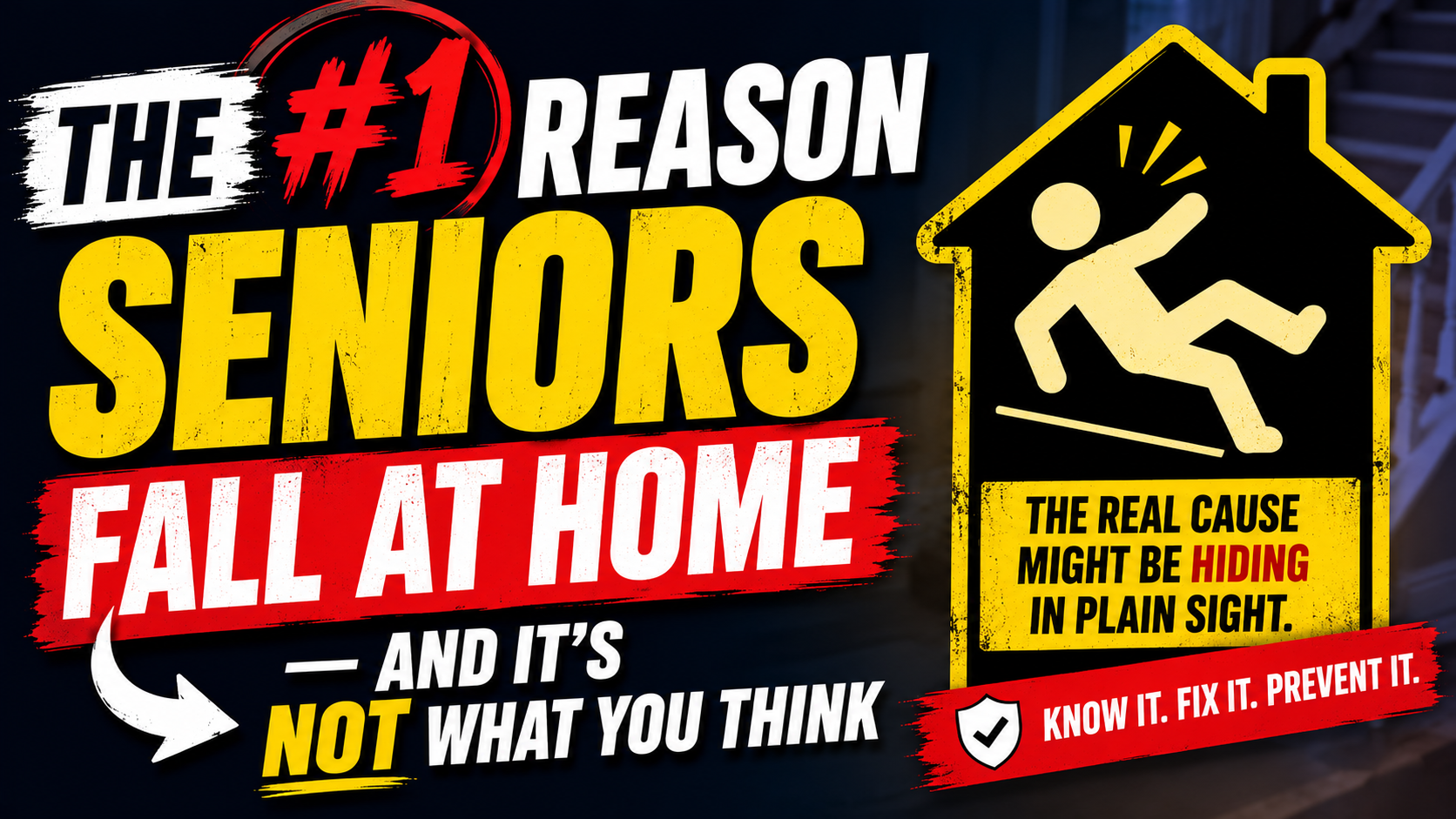
Ask most people why seniors fall and they’ll say the same thing: age. Bones get weaker. Balance goes. It’s just what happens.
That answer isn’t wrong — but it’s incomplete in a way that matters enormously. Because if age is the cause of falls, there’s nothing to be done. You can’t stop aging. The logic leads straight to acceptance and inaction.
But age isn’t actually the primary cause of most senior falls. The primary cause is something far more specific, far more actionable, and almost completely preventable once you know what it is.
Here’s what the research actually shows — and what it means for keeping an older adult safe at home.
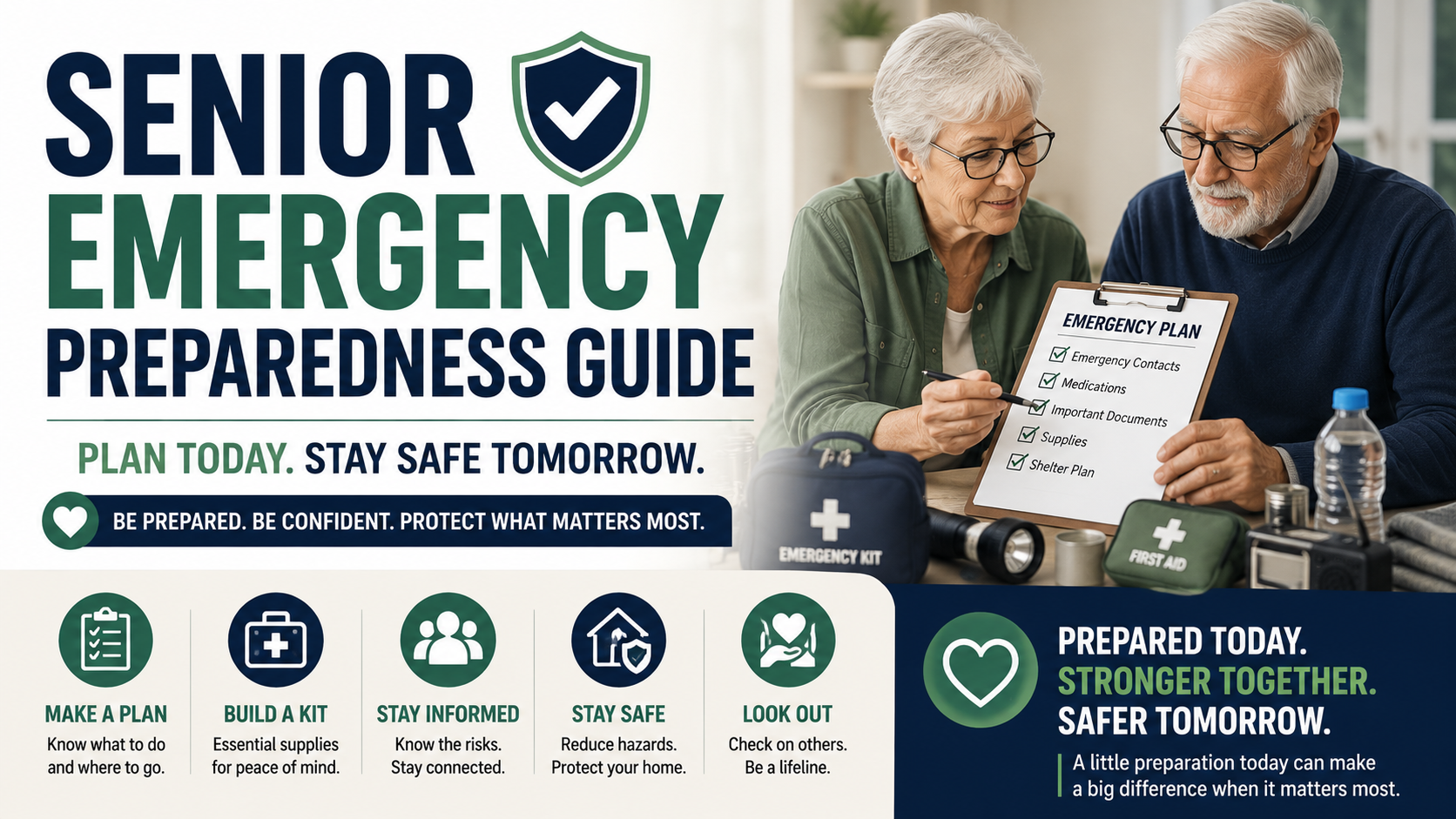
The Real #1 Cause — Medication
The single most common identifiable cause of falls in older adults isn’t a slippery floor. It isn’t weak bones. It isn’t even poor balance, though balance is a factor.
It’s medication.
Specifically, it’s the side effects of commonly prescribed medications — or more precisely, the combination of multiple medications — that directly compromise the physical systems required for safe movement. Blood pressure that drops too fast when standing. Sedation that slows reaction time. Dizziness that throws off spatial orientation. Muscle weakness that reduces the leg strength needed for stable walking.
Research from the Journal of the American Geriatrics Society consistently identifies medication use — and particularly polypharmacy, the use of four or more medications simultaneously — as one of the strongest modifiable risk factors for falls in older adults. The more medications, the higher the risk. And older adults are the most heavily medicated demographic in the population.
This matters because it’s actionable. You can’t undo age. You can review medications.
The Specific Medications That Increase Fall Risk Most
Not all medications increase fall risk equally. These categories are the highest-risk and the most worth discussing specifically with a physician in the context of fall prevention.
Blood Pressure Medications — Orthostatic Hypotension
Many blood pressure medications work by reducing blood pressure — which is exactly what they’re supposed to do. The problem is that when a person stands up from sitting or lying, blood pressure drops momentarily before the cardiovascular system compensates. In people on blood pressure medications this compensatory mechanism may be blunted — producing a sudden drop in blood pressure on standing that causes dizziness, lightheadedness, and loss of balance.
This is called orthostatic hypotension and it’s one of the most common fall mechanisms in medicated older adults. It’s not a sign that the medication is wrong — it may be a sign that timing or dosing needs adjustment. Taking blood pressure medications in the evening rather than the morning, for example, can reduce the morning dizziness that makes the getting-out-of-bed transition so dangerous.
This is exactly why getting out of bed safely — slowly, using a bed rail, sitting on the edge for a moment before standing — matters so much. Our guide on safe ways to get out of bed as you age covers the technique that reduces orthostatic hypotension risk at this specific moment.
Sleep Medications and Sedatives
Sedative-hypnotic medications — prescribed for sleep, anxiety, or muscle relaxation — directly impair the neurological systems responsible for balance and coordination. The half-life of many of these medications extends well into the following morning, meaning a person who took a sleep aid at bedtime may still have meaningful sedative effects when they get up at 3am for a bathroom trip or when they wake in the morning.
Nighttime falls on sleep medications are disproportionately serious — the combination of sedation, darkness, and the disorientation of partial sleep creates a particularly high-risk scenario. This is one of the most important medication categories to discuss specifically with a physician in the context of nighttime fall prevention.
Diuretics — Nighttime Urgency
Diuretics increase urinary frequency — which is their mechanism of action for managing fluid retention and blood pressure. When taken in the evening they increase nighttime bathroom trips, and each nighttime bathroom trip is a fall risk event. A simple timing adjustment — taking diuretics earlier in the day — can meaningfully reduce nighttime fall risk without changing the medication at all.
Antidepressants
Several classes of antidepressants — particularly older tricyclic antidepressants but also some SSRIs and SNRIs — have vestibular effects that affect balance. They also commonly cause orthostatic hypotension. The fall risk from antidepressants is real and worth discussing specifically with a prescribing physician, particularly when falls have occurred or fall risk is high.
Antipsychotics
Antipsychotic medications — used for dementia-related behavioral symptoms, bipolar disorder, and other conditions — have particularly strong associations with fall risk. They affect dopamine pathways that influence movement control and frequently cause orthostatic hypotension and sedation. Their use in older adults — particularly for dementia behavioral management — is one of the most significant medication-related fall risk factors in that population.
What to Do About Medication-Related Fall Risk
The response to medication-related fall risk is not stopping medications. It’s a targeted review with the prescribing physician focused specifically on fall risk — which is different from a general medication review.
Ask for a “falls-focused medication review.” Use those exact words. This signals to the physician that you want a review specifically evaluating which medications have fall-risk side effects and whether timing, dosing, or alternative medications might reduce that risk without compromising the therapeutic benefit.
Bring a list of all medications — including over-the-counter medications and supplements — to the appointment. Drug interactions between prescription medications and OTC products are a significant and under-recognized fall risk factor.
Ask specifically about timing adjustments. For blood pressure medications and diuretics especially, taking them at different times of day can meaningfully reduce fall-risk side effects without changing the medication itself.
Don’t stop medications independently. Stopping blood pressure or heart medications without medical supervision can cause the very events they prevent. The response to medication-related fall risk is medical consultation, not independent discontinuation.
Home blood pressure monitoring helps identify when orthostatic hypotension is occurring — a reading taken sitting and then again immediately after standing shows the drop that may be contributing to dizziness and falls. Our review of the best blood pressure monitor for seniors covers the Bluetooth-connected option we recommend for home monitoring.
The Other Major Fall Risk Factors — And What to Do About Each
Medication is the #1 modifiable cause but it doesn’t operate alone. Falls are almost always multifactorial — several risk factors present simultaneously, each contributing to a cumulative risk that exceeds what any single factor would produce alone. Here are the other major ones and what to do about them.
The Bathroom Environment
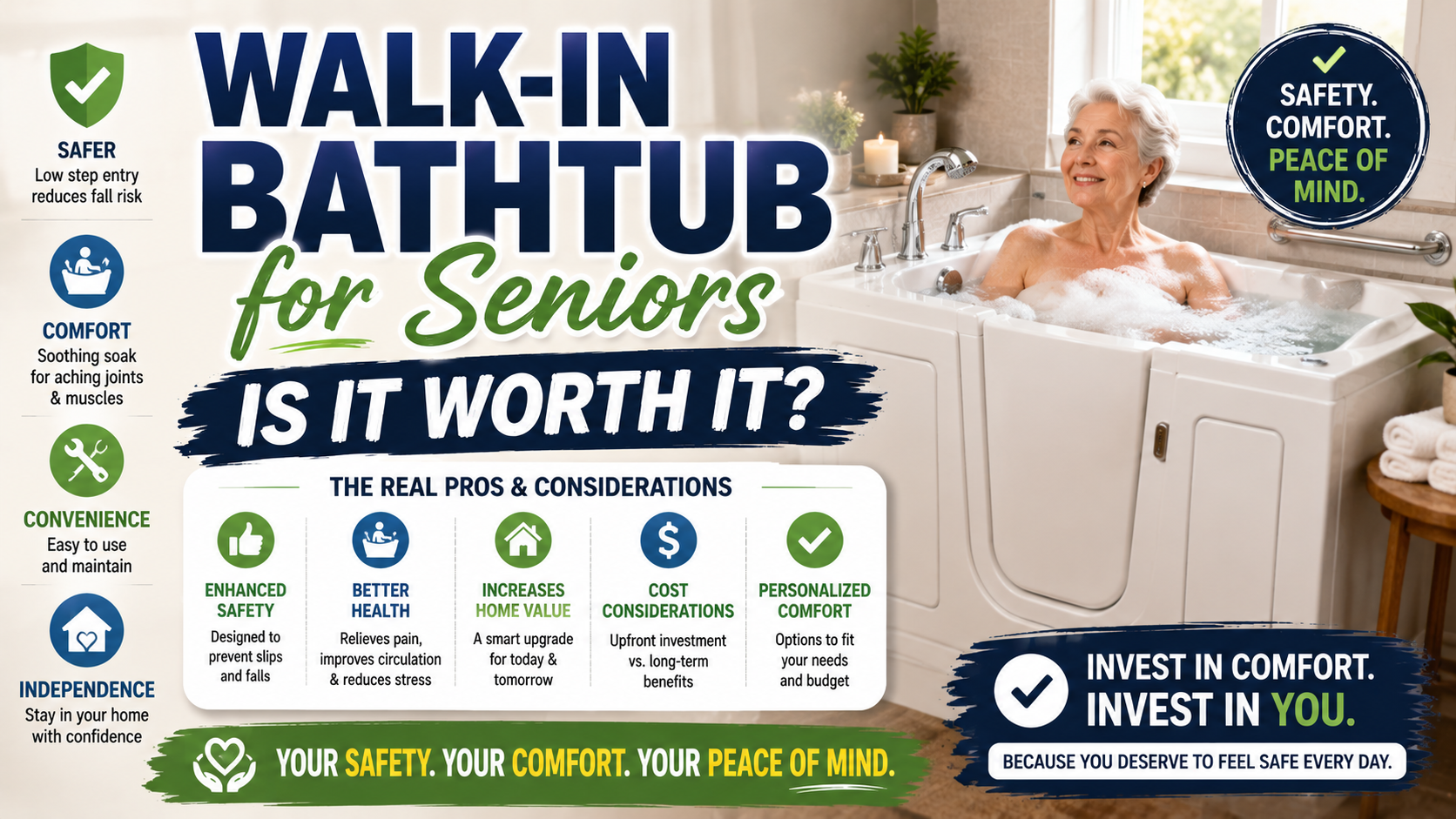
Statistically the most dangerous room in the home for older adults — wet surfaces, awkward movements, hard floors, and multiple daily high-risk transitions in a small enclosed space. The bathroom is where the highest-impact environmental modifications are available and where they make the most immediate difference.
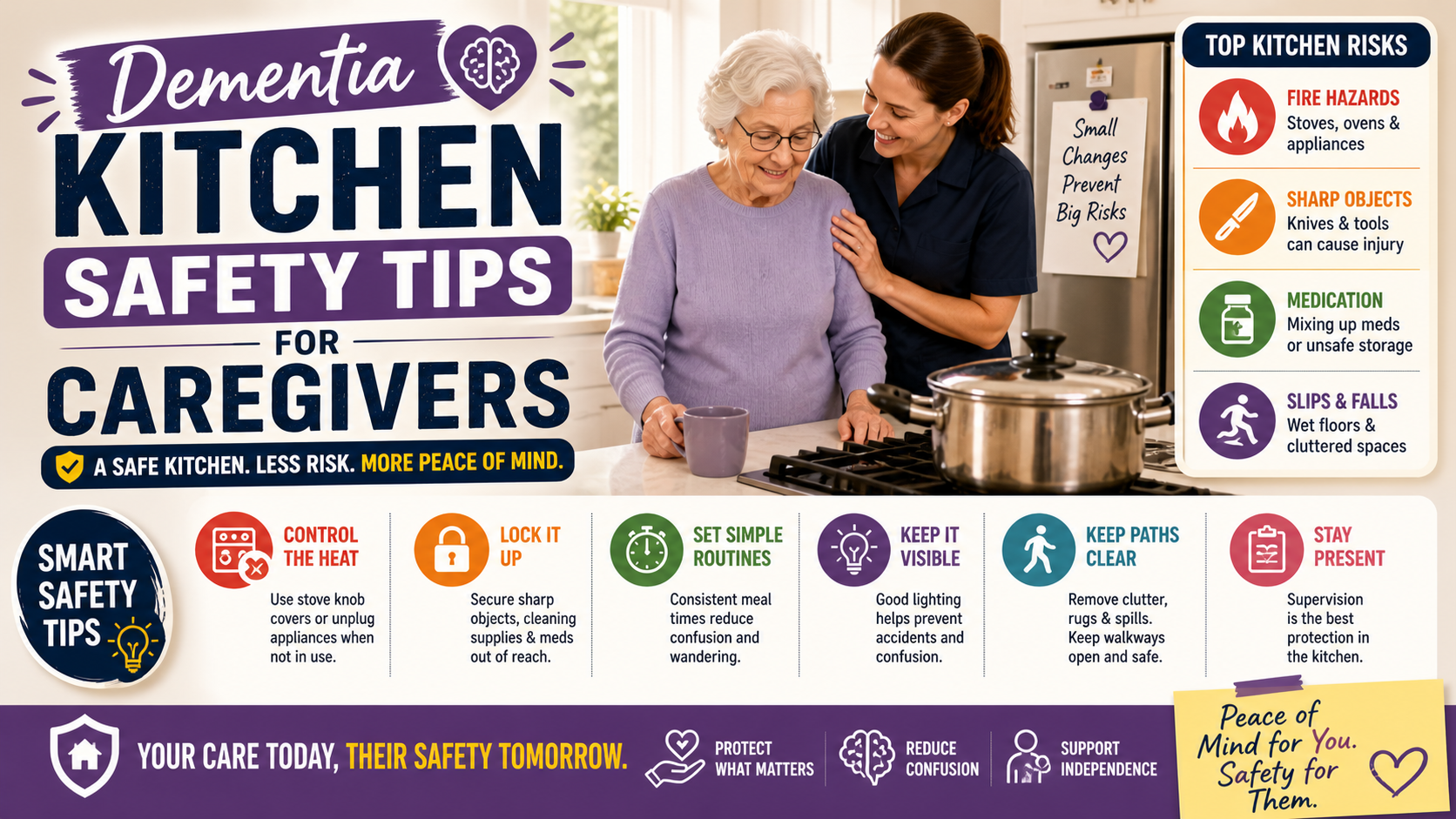
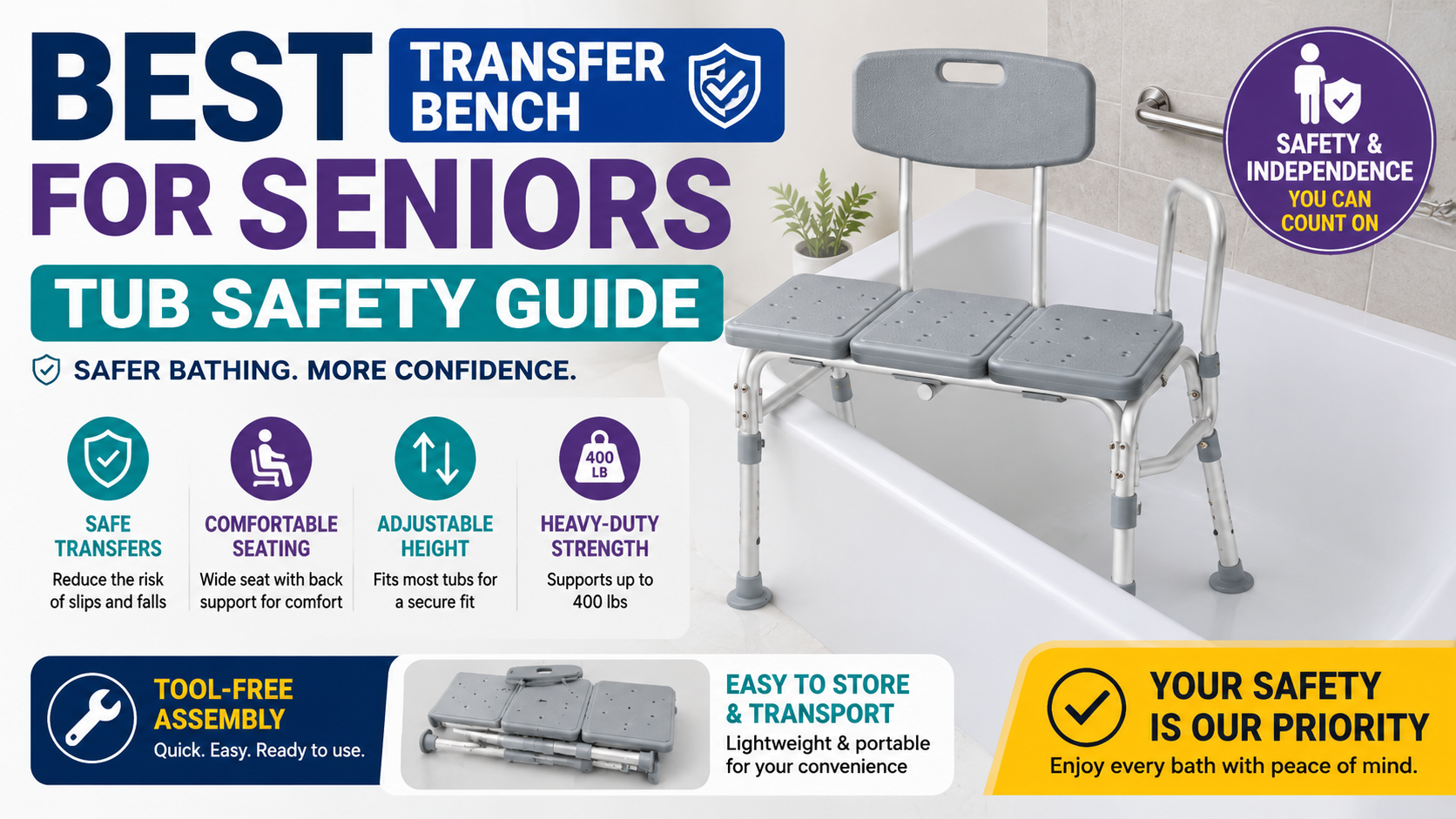
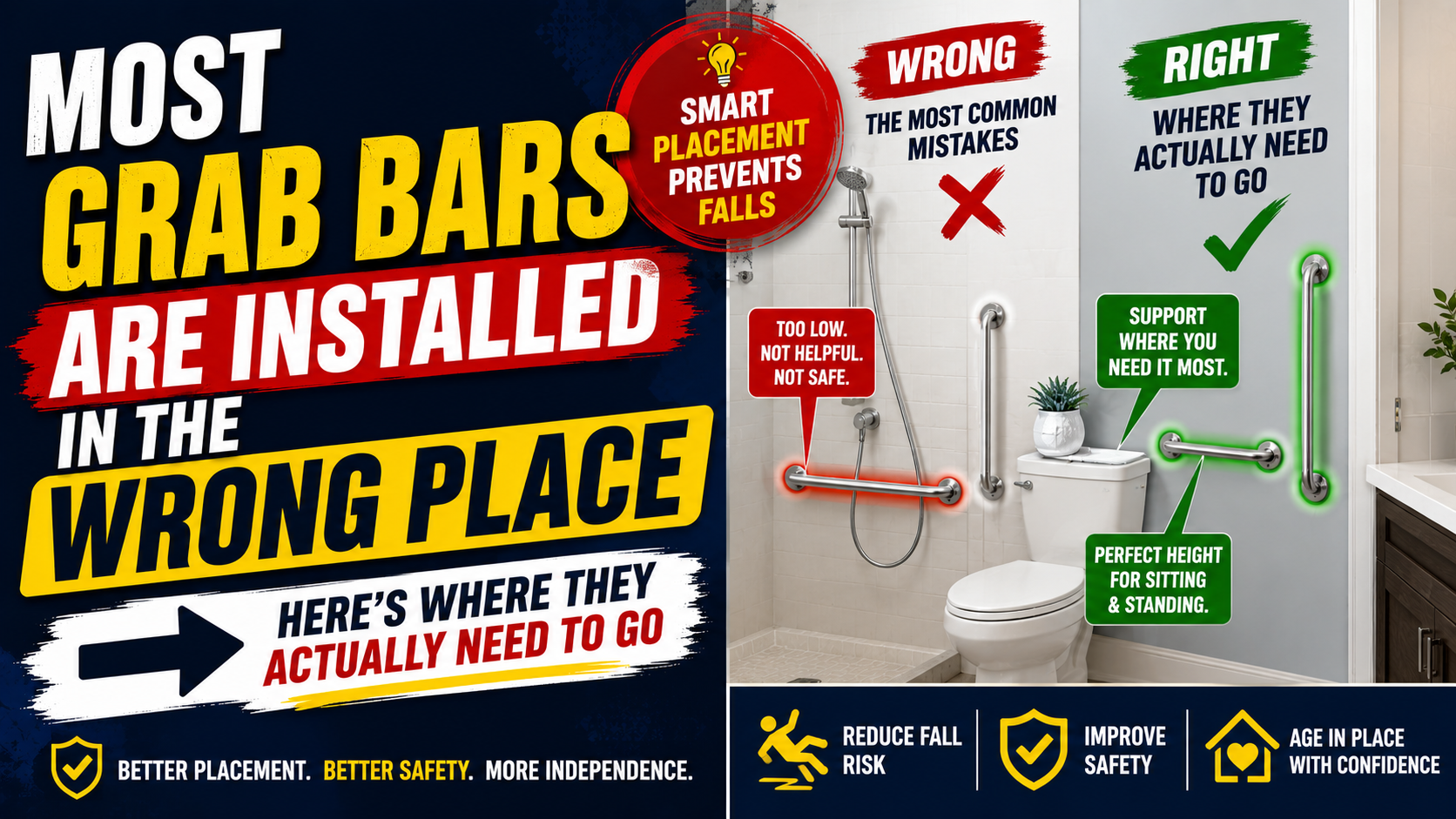
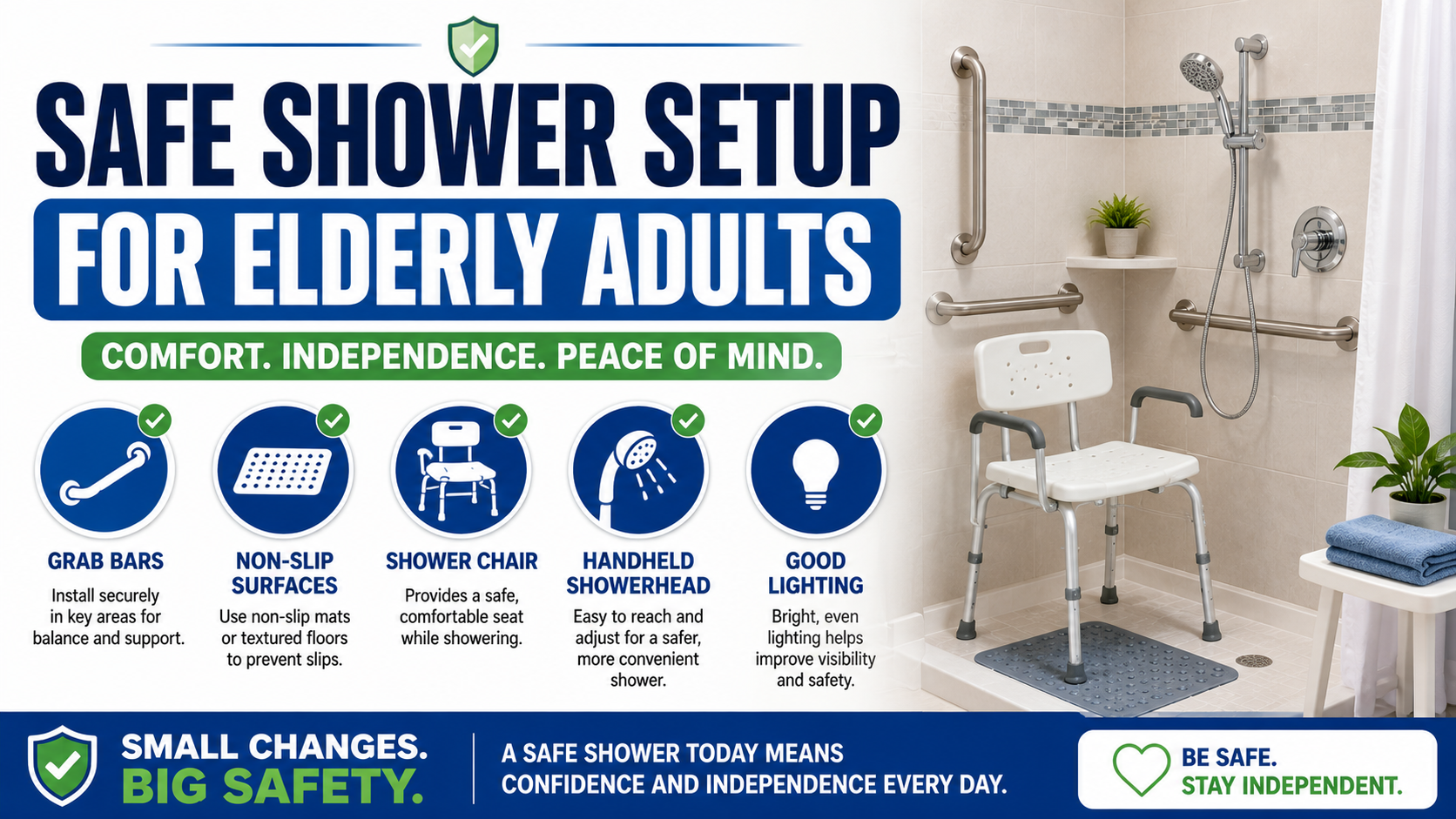
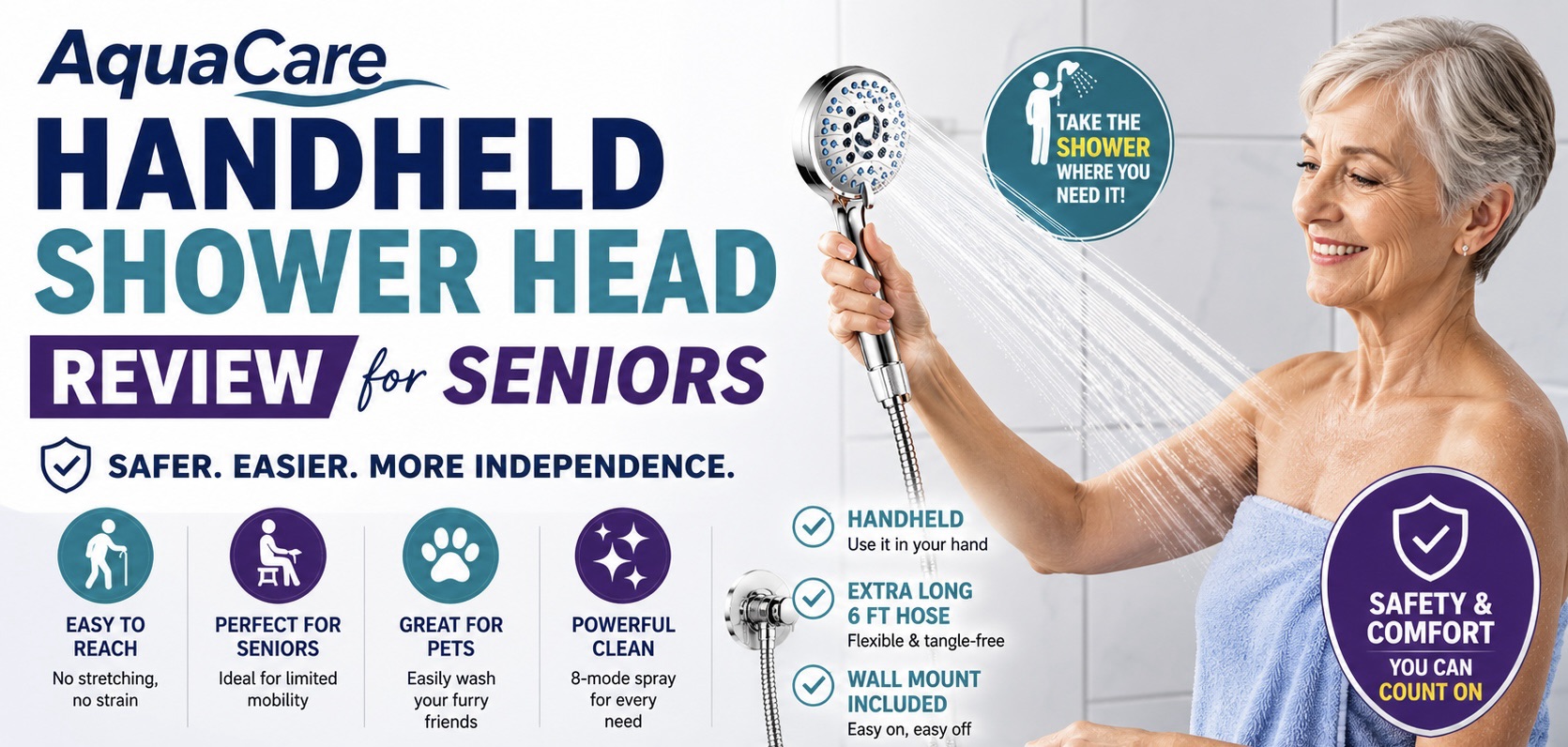
Grab bars at the shower entry and next to the toilet are the single highest-impact home modification available for fall prevention. Our complete guide on how to make a bathroom safer for seniors covers every upgrade worth making. A non-slip bath mat that stays completely in place covers the shower exit transition. A shower chair eliminates standing in the wet shower entirely.
Poor Lighting — Especially at Night
Visual input is one of three systems the brain uses to maintain balance — the others being the vestibular system and proprioception. When lighting is inadequate, particularly during nighttime bathroom trips, the visual system’s contribution to balance is compromised at exactly the moment when alertness and coordination are already reduced.
The path from bed to bathroom — bedroom, hallway, bathroom — needs to be lit automatically without requiring the person to find a switch in the dark. Auto-on night lights that activate immediately when power drops and serve as continuous night lights every night address this with zero daily management required. Our guide on senior bedroom safety tips for nighttime falls covers the complete nighttime fall prevention picture.
Footwear — The Invisible Risk Factor
Footwear is one of the most consistently underestimated fall risk factors in the home. Socks without grip on smooth floors. Loose slippers that don’t secure to the foot. High heels that shift the center of gravity. Shoes worn down past their tread. Any of these create a foot-floor interface that doesn’t support stable movement.
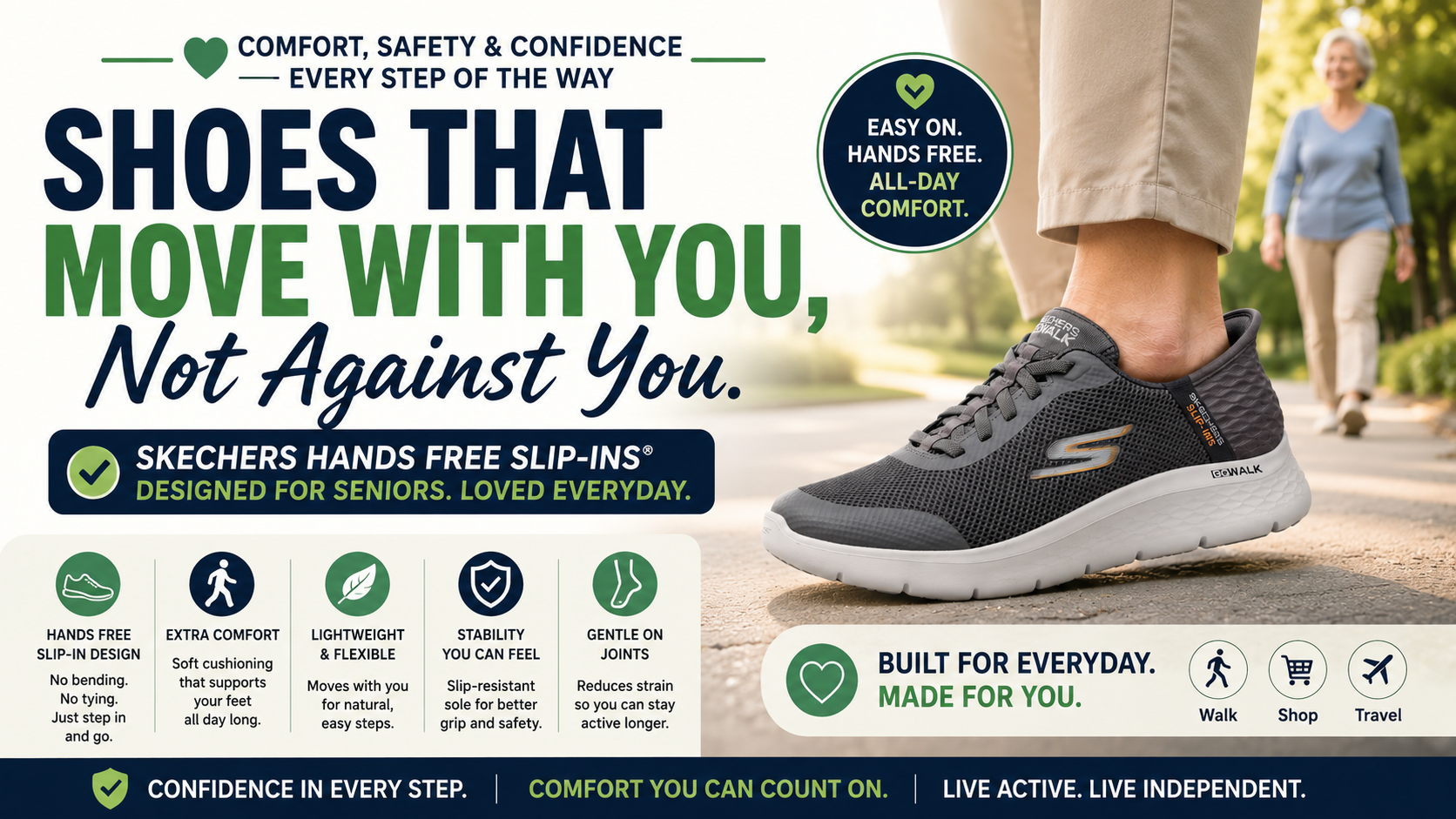
The recommended standard for in-home footwear is supportive, low-heeled, closed-toe shoes with non-slip rubber soles — worn inside the home rather than just outside it. Bare feet are better than loose slippers on most home floor surfaces. This is a free intervention that requires only a habit change and potentially a new pair of well-fitting shoes.
Muscle Weakness — Particularly in the Legs
The eccentric and concentric muscle strength required for safe movement — getting up from chairs, navigating stairs, catching a stumble before it becomes a fall — declines with age and particularly with physical inactivity. This decline is not fully reversible but it is significantly modifiable through targeted exercise.
Balance and strength training specifically targeting the muscle groups used in fall prevention — quadriceps, glutes, core, ankle stabilizers — produces 20 to 30 percent reductions in fall rates in research studies. Tai Chi has the strongest evidence and is widely available through senior community programs. Physical therapy provides a personalized program addressing specific weaknesses.
Our guide on tips for helping seniors with balance problems covers the exercise interventions with the strongest evidence for real-world fall prevention.
Vision Changes
Reduced depth perception, contrast sensitivity, and peripheral vision all affect the visual system’s contribution to balance and spatial awareness. An outdated glasses prescription is a genuine fall risk factor — not just an inconvenience. Annual vision checks and current prescriptions are genuine fall prevention interventions that most families don’t frame that way.
Bifocal and progressive lens wearers have a specific additional risk on stairs — the distance correction at the top of the lens is used for looking straight ahead but the reading correction at the bottom affects downward gaze, distorting the visual information about stair surfaces. Some physicians recommend single-vision distance glasses specifically for stair navigation in high-risk individuals.
Previous Falls
A first fall more than doubles the risk of a second. The mechanism is partly physical — the fall may have caused injury that reduces balance capacity — and partly psychological — the fear of falling that follows a fall often changes movement patterns in ways that paradoxically increase rather than decrease fall risk. Protective, shuffling, fearful movement reduces balance efficiency.
The response to a first fall — even a minor one with no significant injury — is not to move more carefully and cautiously. It’s to identify and address the contributing risk factors and get appropriate safety measures in place. Our guide on fall prevention tips at home covers the complete evidence-based approach.
Home Hazards
Unsecured rugs. Cords crossing walking paths. Inadequate lighting. Furniture arranged with low obstacles at shin height. Steps without handrails on both sides. These environmental hazards are visible, fixable, and free to address in most cases.
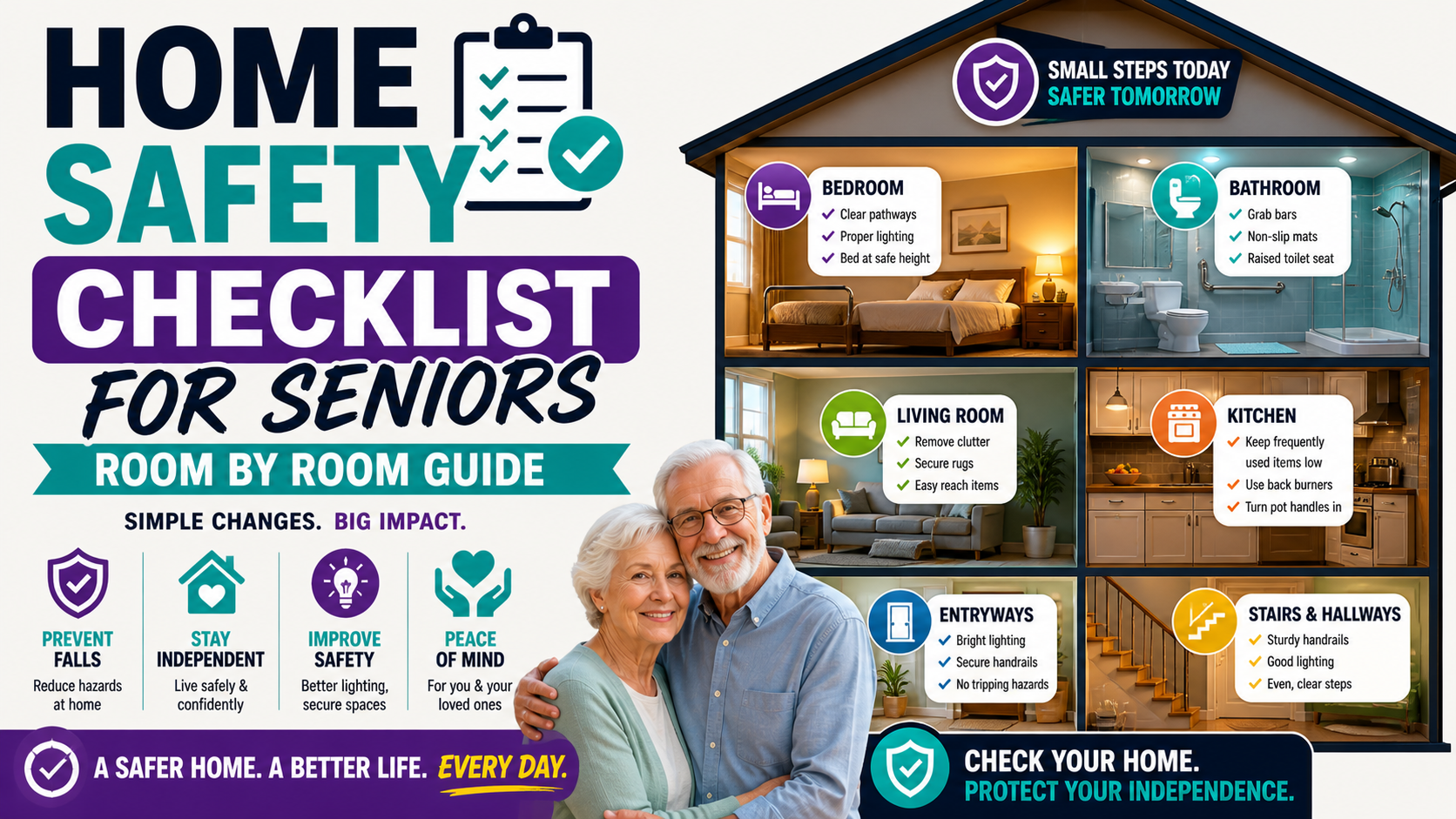
Walking through the home with deliberately fresh eyes — or having someone unfamiliar with it do so — reveals hazards that familiarity has made invisible. Our home safety checklist for seniors gives you a systematic room-by-room assessment tool. Our guide on home modifications ranked by impact tells you what to fix first.
The Fall That Changes Everything
Falls in older adults are not all equal. A minor stumble that produces a bruise is very different from a hip fracture that requires surgery, extended rehabilitation, and often produces a permanent reduction in functional independence.
Hip fractures specifically — which occur in approximately 300,000 Americans over 65 each year — have a one-year mortality rate of 20 to 30 percent and permanently reduce independent living capacity in the majority of survivors. The fall that causes a hip fracture is frequently indistinguishable from minor falls that came before it — same floor, same time of day, same movement — until it isn’t.
This is why fall prevention is worth taking seriously before any fall has occurred. The fall that changes everything often follows a pattern of smaller falls and near-misses that provided the warning — and were ignored.

The Safety Net — When Prevention Isn’t Enough
Every fall risk factor addressed reduces the probability of a fall. None reduces it to zero. For anyone living alone or spending meaningful time without others nearby the question worth answering honestly is: if a fall occurs, what happens next?
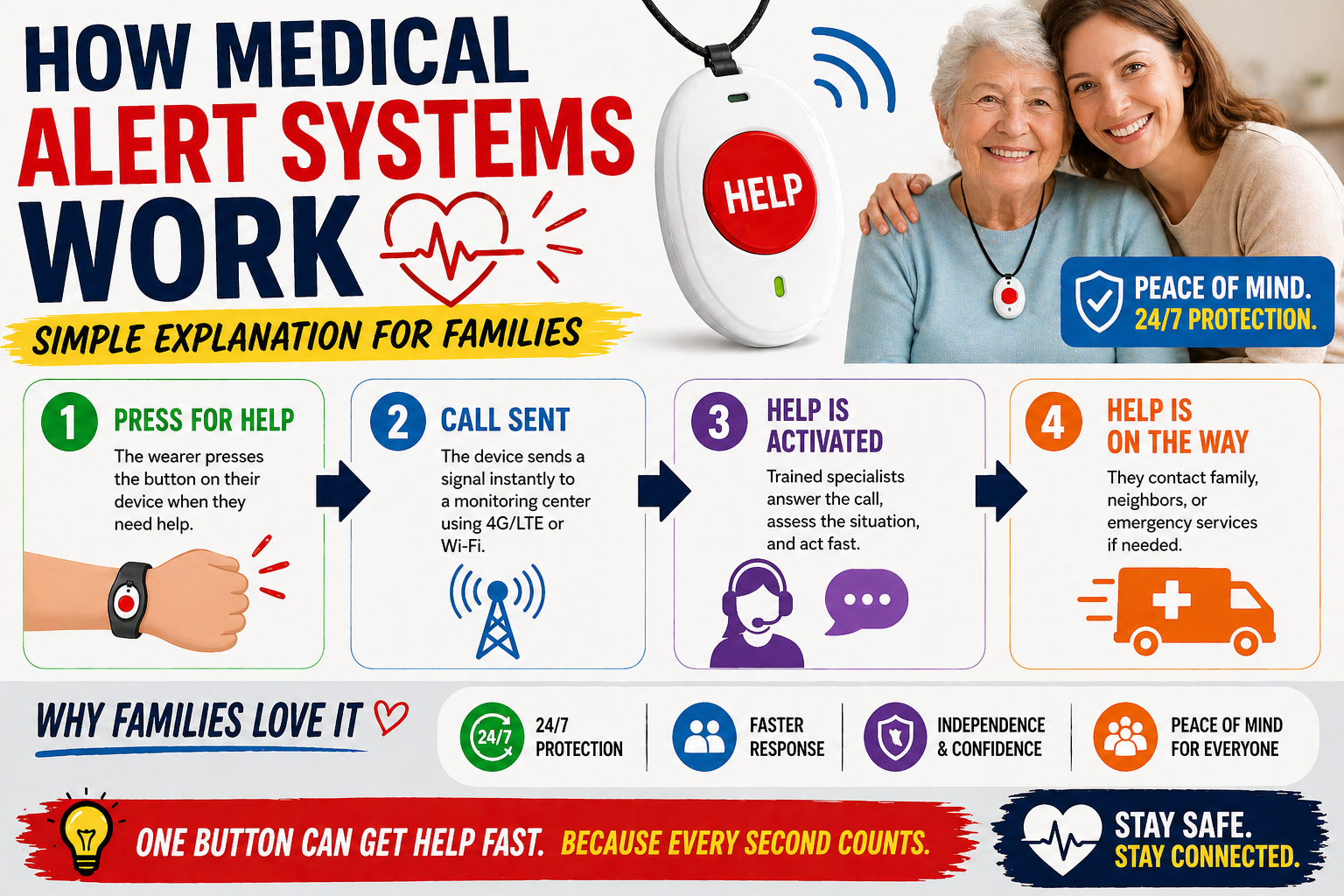
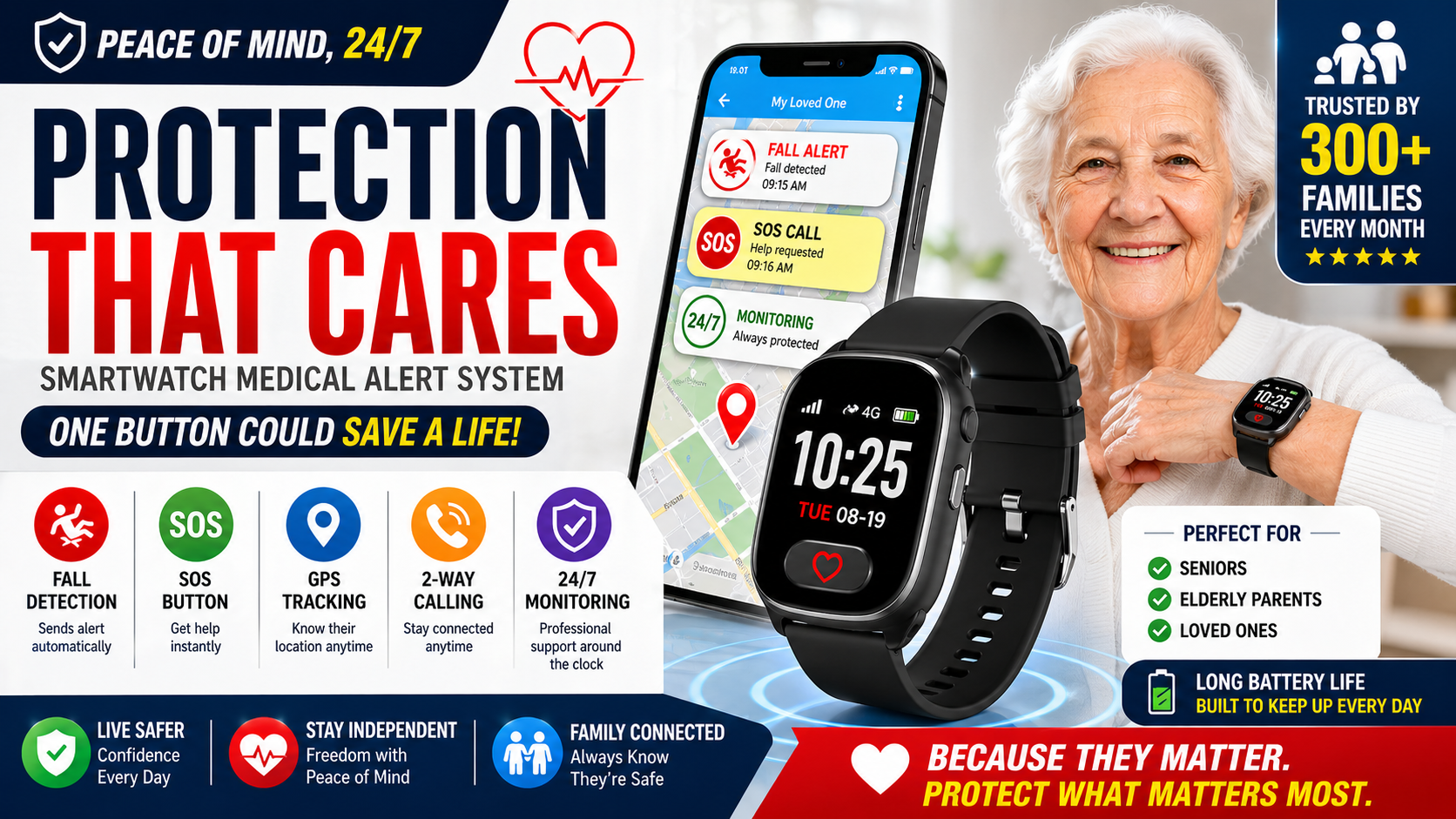
The SecuLife Smartwatch is the answer to that question — automatic fall detection that alerts family immediately with GPS location, without requiring the person who fell to press anything. For someone living alone this is the measure that determines whether a fall becomes a tragedy or an incident. Our complete review at SecuLife Smartwatch Review covers every feature worth knowing before deciding.
→ Get the SecuLife Smartwatch on Amazon
Six Things to Do This Week
If this article has changed how you think about fall risk, here’s what to act on immediately.
- Request a falls-focused medication review from the physician managing medications — this week, not at the next scheduled appointment. Call and ask for it specifically.
- Check all medications for timing — are blood pressure medications or diuretics being taken in the evening? A timing adjustment may reduce morning and nighttime fall risk immediately.
- Install grab bars in the bathroom — shower entry and next to the toilet. Our grab bar review covers exactly what to buy.
- Remove every unsecured rug from every walking area in the home — free, immediate, high impact.
- Add night lights on the path from bed to bathroom — bedroom, hallway, bathroom. All three.
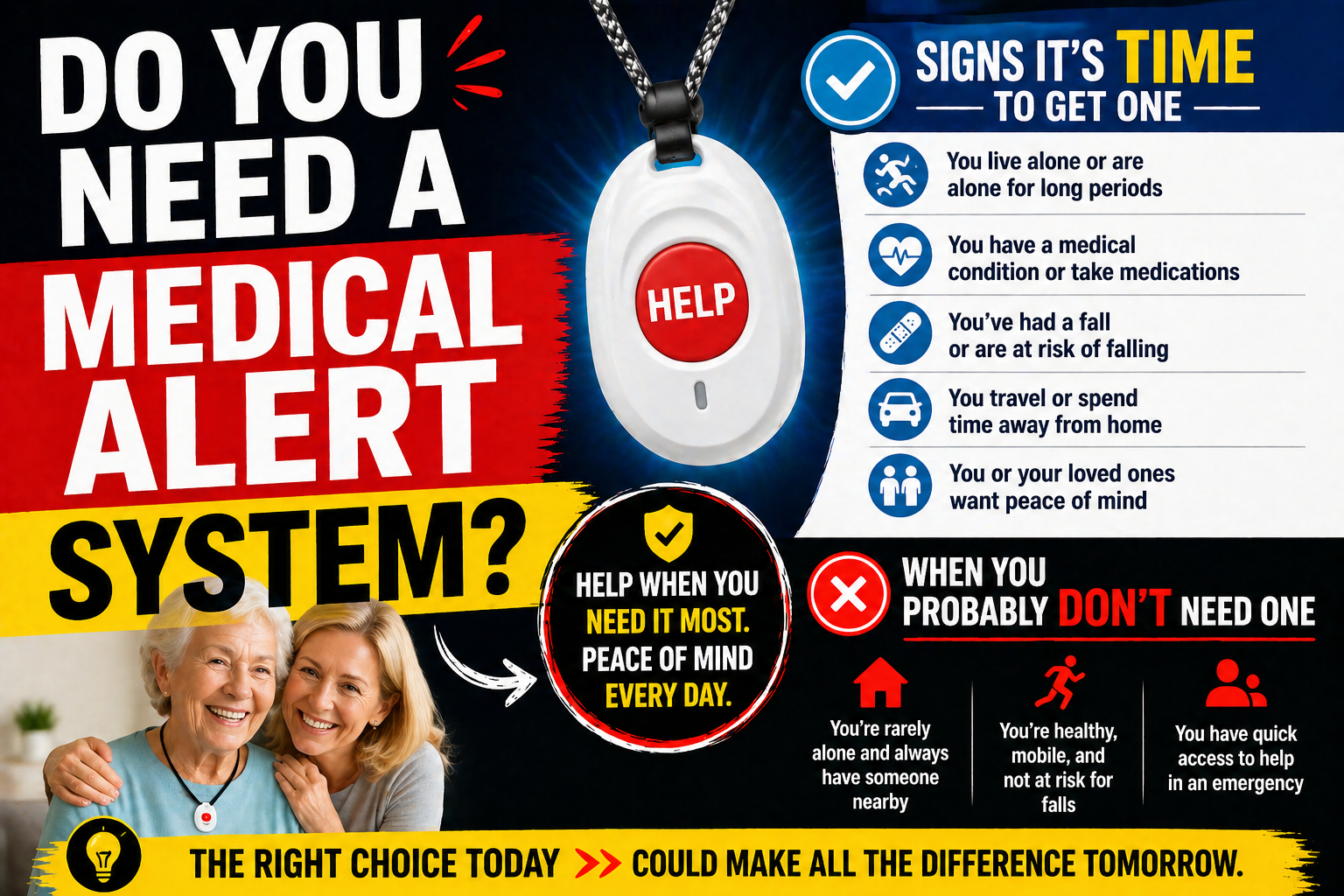
- Get a medical alert device with fall detection in place before the next fall rather than after it.
These six actions address medication risk, environmental risk, and detection — the three most important categories. They can all be initiated this week.
Falls Are Preventable — Not Inevitable
The framing that falls are simply what happens with age is both factually incomplete and practically harmful. It leads to acceptance of risk that is largely modifiable and inaction on interventions that genuinely work.
Medication review. Environmental modification. Balance exercise. Vision care. Appropriate footwear. Safety equipment. Each of these addresses a real, specific, modifiable risk factor. Together they reduce fall risk dramatically — not to zero, but to a fraction of what it was without them.
Falls are not inevitable. They are preventable — with the right information and the will to act on it.
About the Author
Margaret Holloway, RN spent 22 years in geriatric nursing watching the cascade of consequences that follows a serious fall in an older adult — the surgery, the rehabilitation, the loss of confidence, the permanent reduction in independence. She also watched families who had acted on fall prevention information keep their loved ones safe through years of independent living. The difference between those two groups is what motivates her writing. She covers senior safety for Elder Safety Guide because she believes falls are preventable — and that most families simply haven’t been given the right information to act on.