Keeping a senior with dementia safe at home requires specific changes beyond standard fall prevention. Here’s what actually works — room by room.
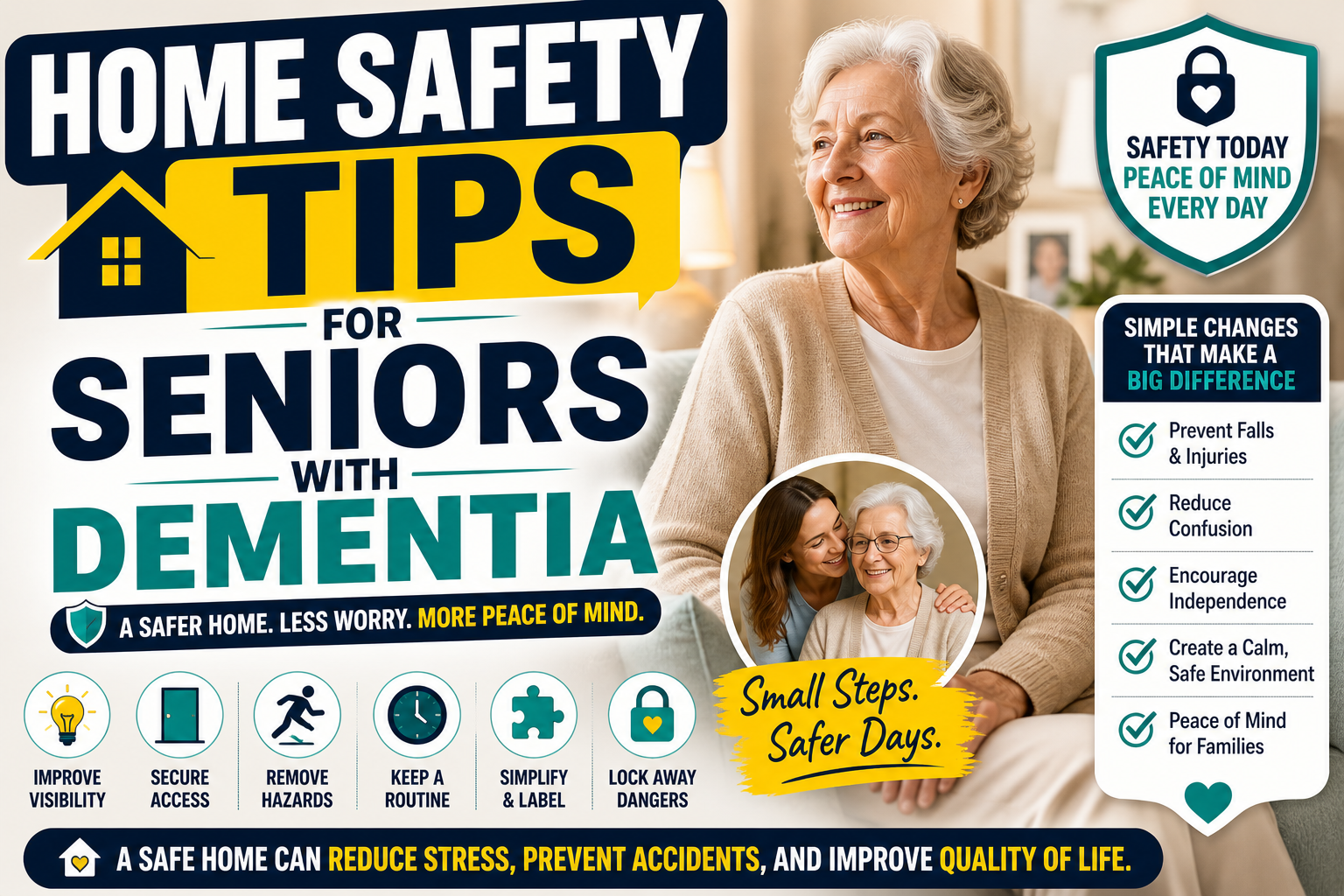
Keeping someone with dementia safe at home is a different challenge from standard senior home safety. The hazards overlap — falls, bathroom risks, nighttime confusion — but the solutions need to account for something standard safety guides don’t address: a person who may not recognize danger, may not remember safety measures that were explained yesterday, and whose needs will change as the condition progresses.
This guide covers what actually works for dementia-specific home safety — the modifications, the equipment, and the monitoring tools that make a genuine difference for families trying to keep a loved one safe and at home for as long as possible. The Aging in Place Checklist for Families — Complete Planning Guide adds broader sections for support systems, health management, and future planning alongside these dementia-specific changes.
How Dementia Changes the Home Safety Picture
Standard home safety focuses on removing hazards and adding supports that a person can use intentionally — grab bars they reach for, bed rails they push against, safety equipment they activate. With dementia, the approach has to shift fundamentally.
A person with dementia may not recognize a hazard as dangerous. They may not remember that the stove was turned off two minutes ago and turn it on again. They may not understand what a grab bar is for and walk past it. They may wake at 3am convinced they need to be somewhere and head for the door without any sense of the risk involved.
Effective dementia home safety focuses on three things: removing hazards before they’re encountered rather than relying on the person to avoid them, adding supervision and monitoring that works even when the person forgets safety measures exist, and slowing the progression of situations that create danger — wandering, nighttime confusion, unsafe appliance use — with environmental rather than cognitive solutions.
The Wandering Risk — Address This First
Wandering is one of the most serious safety risks associated with dementia and the one that families are least prepared for when it first emerges. Up to 60 percent of people with dementia wander at some point — leaving the home without awareness of where they’re going, sometimes in dangerous weather, sometimes at night, sometimes never finding their way back without help.
The risk isn’t just getting lost. It’s exposure — cold weather, traffic, unfamiliar environments — combined with an inability to communicate location or seek help effectively.
GPS Tracking
Real-time GPS tracking is the most important technological tool for families managing wandering risk. A device worn on the wrist that provides continuous location visibility means family members can see immediately when their loved one has left a safe area and where they are in real time.

The SecuLife Smartwatch provides exactly this — real-time GPS tracking through the companion app, geofencing alerts that notify designated family members when the wearer leaves a defined safe zone, and two-way calling so family can communicate directly with their loved one through the watch. It looks like a regular smartwatch rather than a medical device, which means it’s more likely to be accepted and worn consistently.
For families managing early to moderate dementia where wandering is a concern, geofencing alerts are particularly valuable. Set a boundary around the home and receive an immediate notification when it’s crossed — before the person has gone far enough to be in serious danger.

Our full SecuLife Smartwatch review covers every feature in detail including GPS and geofencing functionality.
→ See the SecuLife Smartwatch on Amazon
Door Alarms and Deterrents
Door alarms that sound when an exterior door is opened alert caregivers immediately to exit attempts — even during the night when monitoring is most difficult. Simple chime alarms that attach to door frames without installation are available inexpensively and provide an important auditory alert layer.
Visual deterrents also work for some people with dementia. A stop sign or “do not enter” sign at eye level on the door, a dark floor mat in front of the door that appears to the person as a hole or obstacle, or a door covered with a curtain or painted to blend with the wall — these simple visual modifications exploit the perceptual changes of dementia to discourage exit attempts without physical restraint.
Door Knob Covers and Locks
Door knob covers that require a specific grip to turn — difficult for someone with dementia to operate — can slow exit attempts enough to provide time for a caregiver to respond. Locks positioned high on the door frame — above typical eye level for a person with dementia — are another option. The goal is delay and alert, not permanent prevention.
Kitchen Safety — The Highest-Risk Room for Dementia
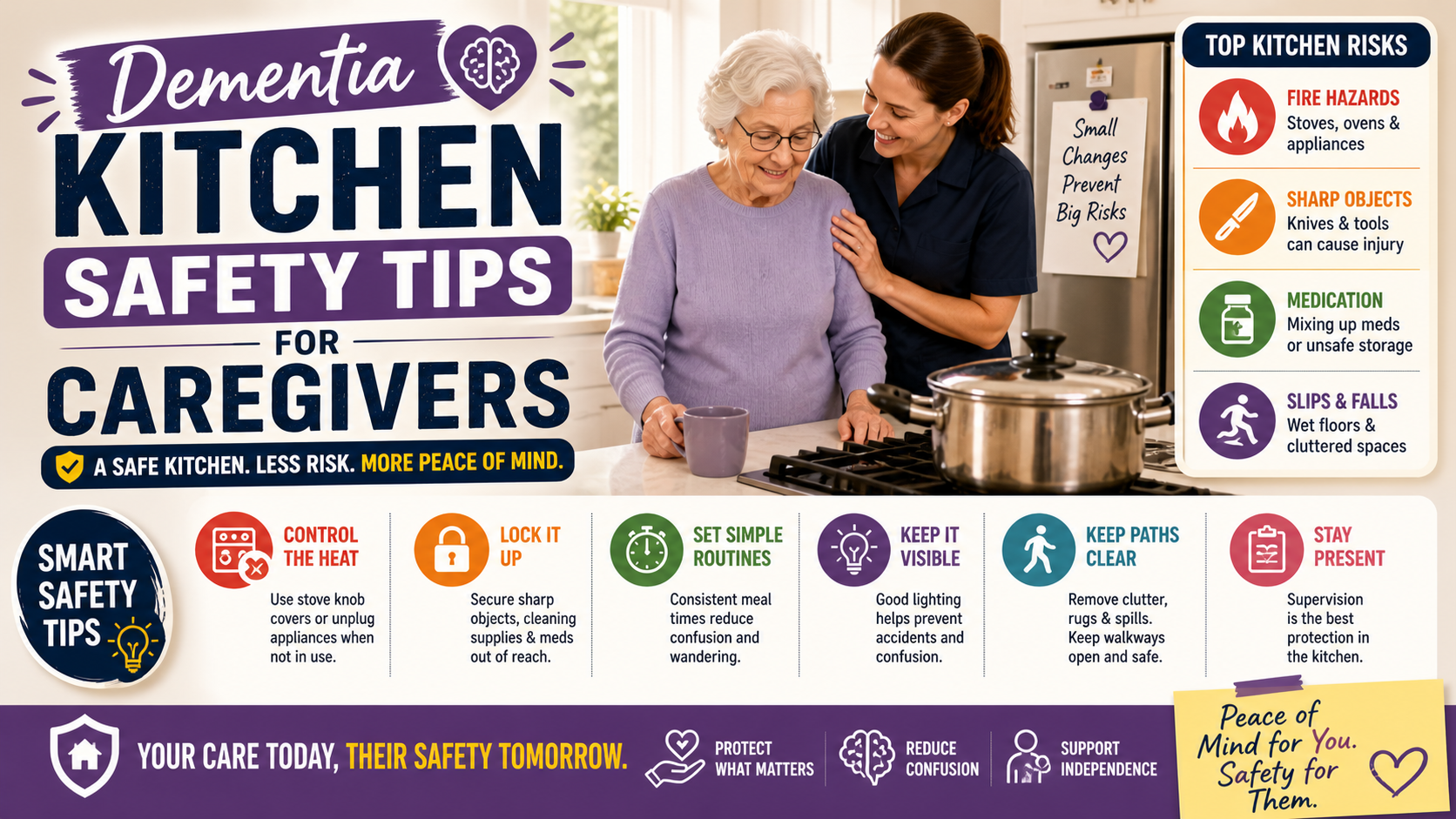
The kitchen is the most dangerous room in the home for a person with dementia — primarily because of the stove. A person who forgets they turned on a burner, who turns on a burner without intending to cook, or who leaves food cooking without monitoring it creates a genuine fire and burn risk that standard senior safety modifications don’t address. Caregivers can use Dementia Kitchen Safety Tips for Caregivers — A Room-by-Room Action Plan for a staged plan covering stove access, sharp objects, poisoning risks, and nutrition.
Stove Management
The most effective stove safety solution for moderate to advanced dementia is removing access to the stove entirely. This can be accomplished by removing stove knobs when the person is unsupervised, installing a stove knob cover that requires a specific action to remove, or using an automatic stove shutoff device that cuts power after a set period of inactivity.
For earlier stages where supervised cooking is still possible, removing knobs during unsupervised periods — and replacing them for supervised cooking — is a practical approach that allows continued participation in cooking activities with appropriate oversight.
Kitchen Hazard Reduction
Beyond the stove, a kitchen safety assessment for dementia should address:
- Sharp objects — knives and scissors stored in locked drawers or removed from accessible locations
- Cleaning products and medications — stored in locked cabinets, not under the sink where they look like familiar household items
- Small appliances — toasters, kettles, and other heat-producing appliances unplugged when not in use and supervised
- Refrigerator contents — expired food removed regularly, as a person with dementia may not recognize spoilage and may eat anything accessible
Bathroom Safety for Dementia
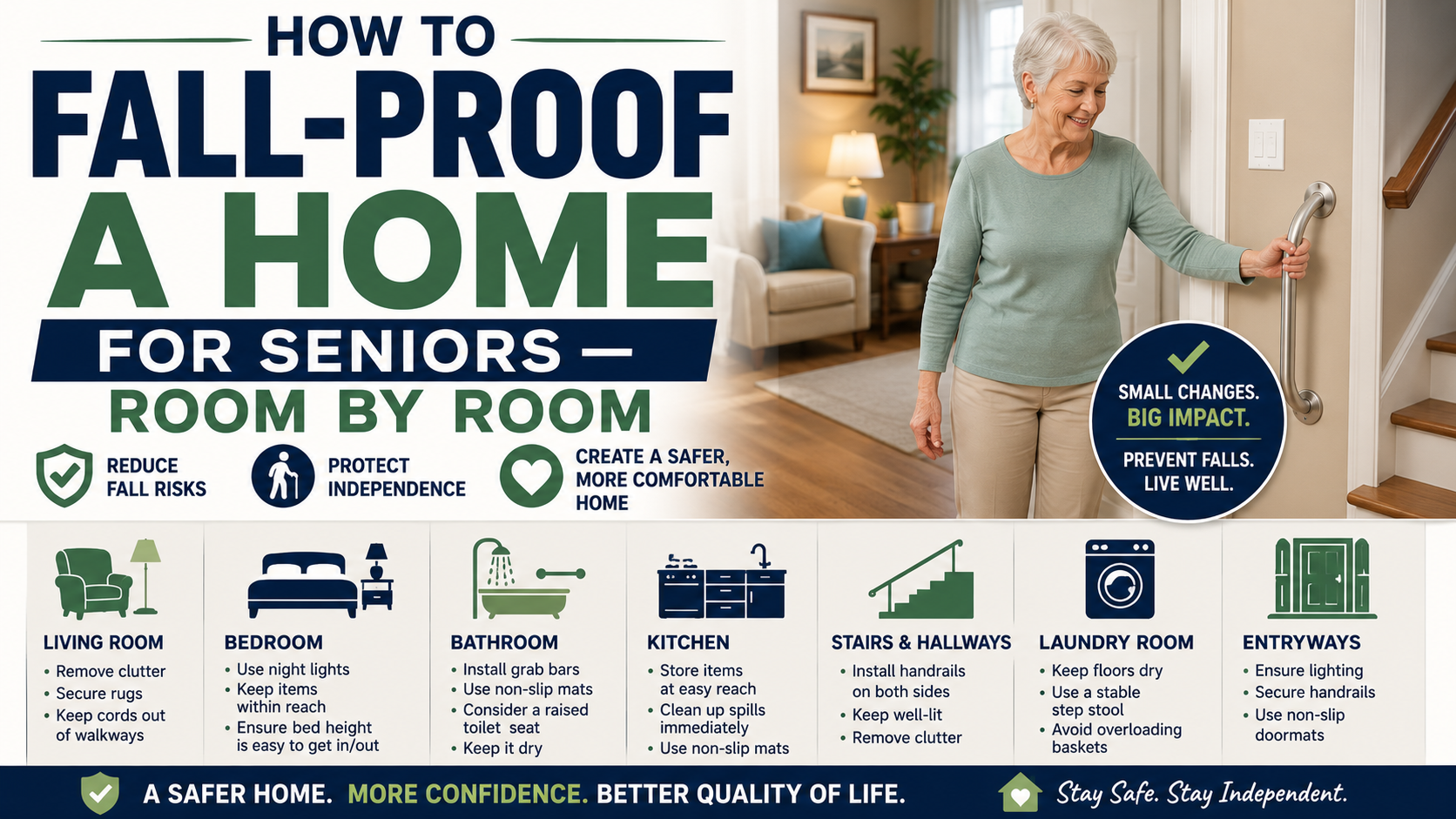
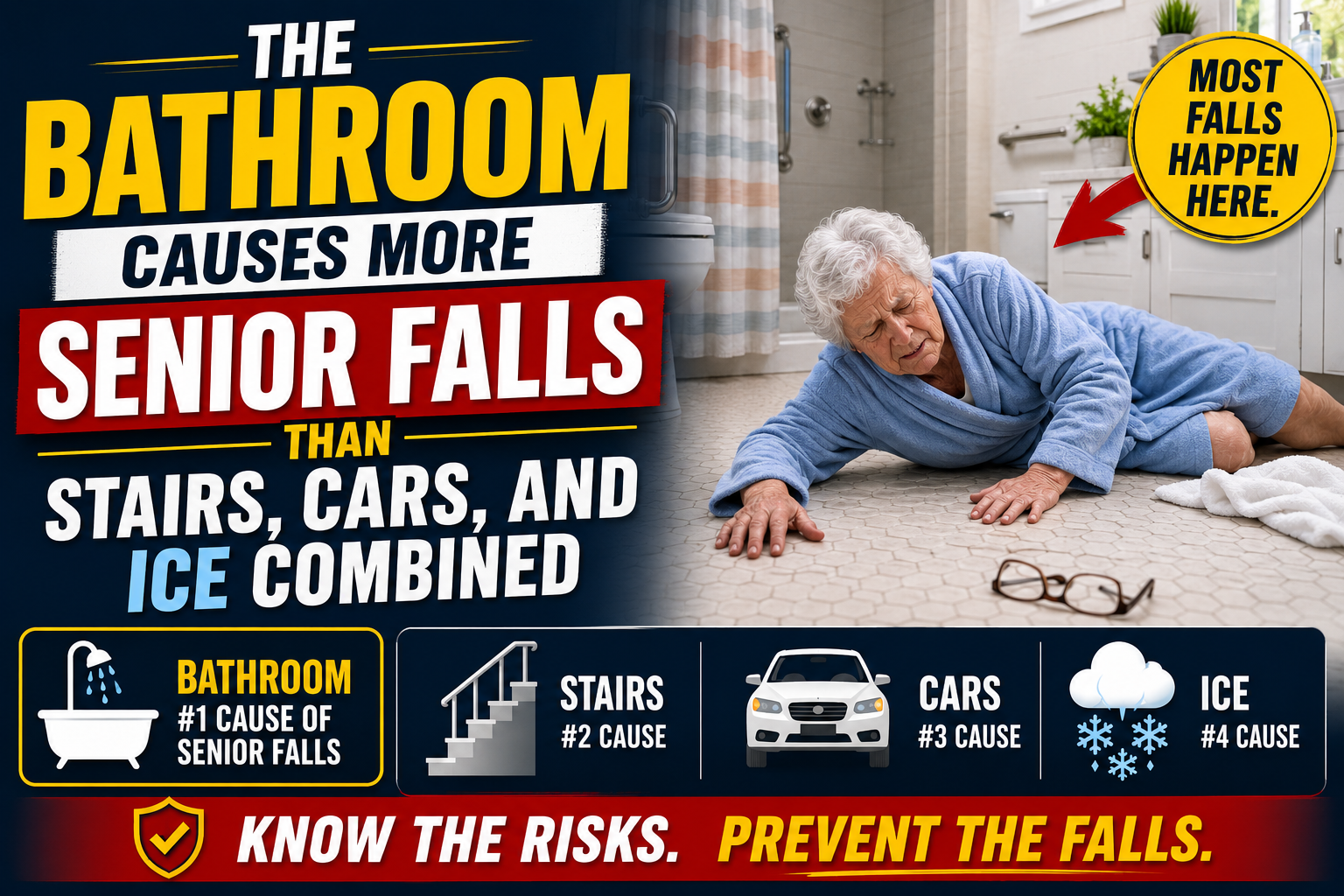
Bathroom safety for a person with dementia shares the core requirements of standard senior bathroom safety — grab bars, non-slip surfaces, adequate lighting — but adds several dementia-specific considerations.
Hot Water Temperature
Set the water heater to 120°F or below. A person with dementia may not be able to reliably assess water temperature and may enter water that’s dangerously hot without recognizing the risk. Lowering the maximum hot water temperature is a simple, permanent modification that prevents scalding regardless of the person’s ability to judge temperature.
Grab Bars — Essential, Not Optional

Grab bars in the shower and next to the toilet are critical for any older adult — and for someone with dementia they’re particularly important because balance and spatial awareness are often affected by the condition itself. Our review of the best grab bars for seniors covers exactly what to install, and our grab bar placement guide covers where to put them.
Toilet Safety

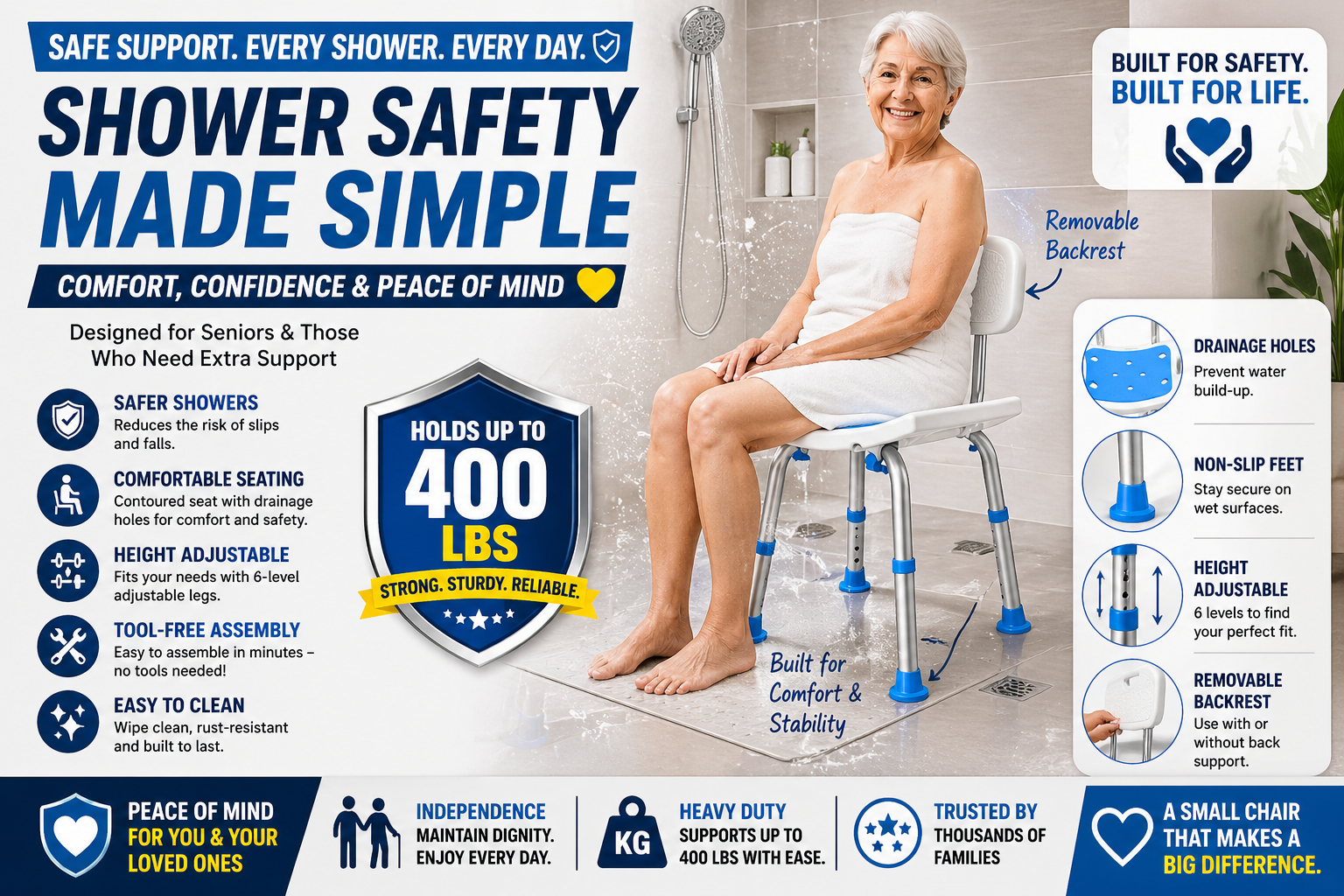
Toilet transfers are a significant fall risk for anyone with balance or strength limitations — and dementia often affects both. Toilet safety rails with armrests reduce the physical demand of the sit-to-stand transition and provide stability throughout. Our review of the best toilet safety rails covers the specific product we recommend.
→ Get the Toilet Safety Rails on Amazon
Medication and Product Safety
Medications, cleaning products, and personal care products that look like beverages or food should be locked or removed from bathroom accessibility. A person with dementia may not distinguish between a bottle of mouthwash and a bottle of shampoo, or may attempt to drink something that looks like a familiar container.
Non-Slip Surfaces
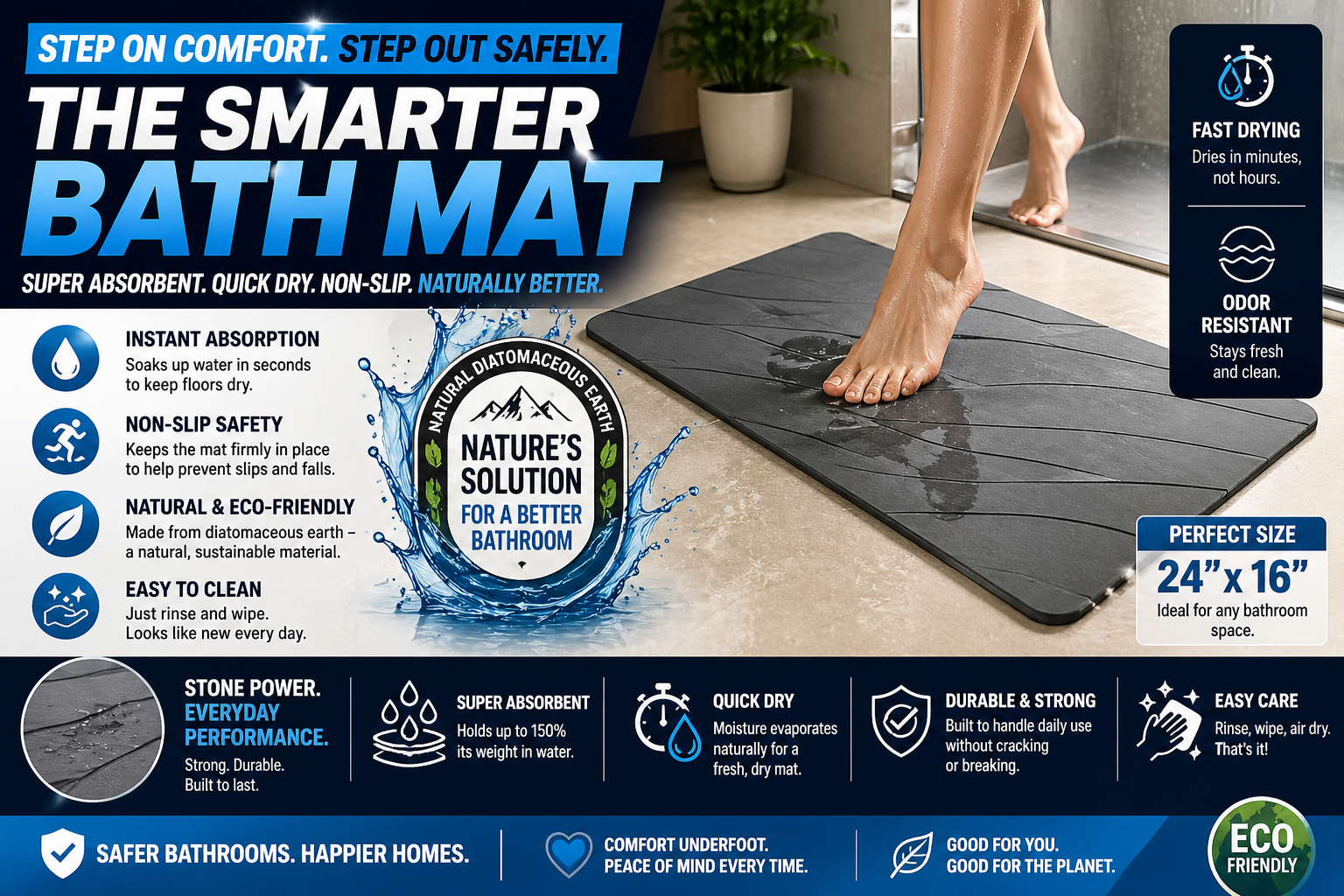
Non-slip surfaces inside the shower and a bath mat that stays completely in place at the shower exit are essential. Our review of the best non-slip bath mat for seniors covers why most mats fail and what actually works.

→ Get the Diatomaceous Earth Bath Mat on Amazon
Bedroom Safety and Nighttime Confusion
Nighttime is one of the most challenging periods for families managing dementia at home. Sundowning — increased confusion, agitation, and disorientation that typically worsens in the late afternoon and evening — can cause significant behavioral changes that create safety risks throughout the night.
Lighting
Adequate nighttime lighting is even more critical for someone with dementia than for the average older adult. Waking in darkness and being confused about where they are is deeply disorienting for a person with dementia — and that disorientation creates fall risk and behavioral distress simultaneously.
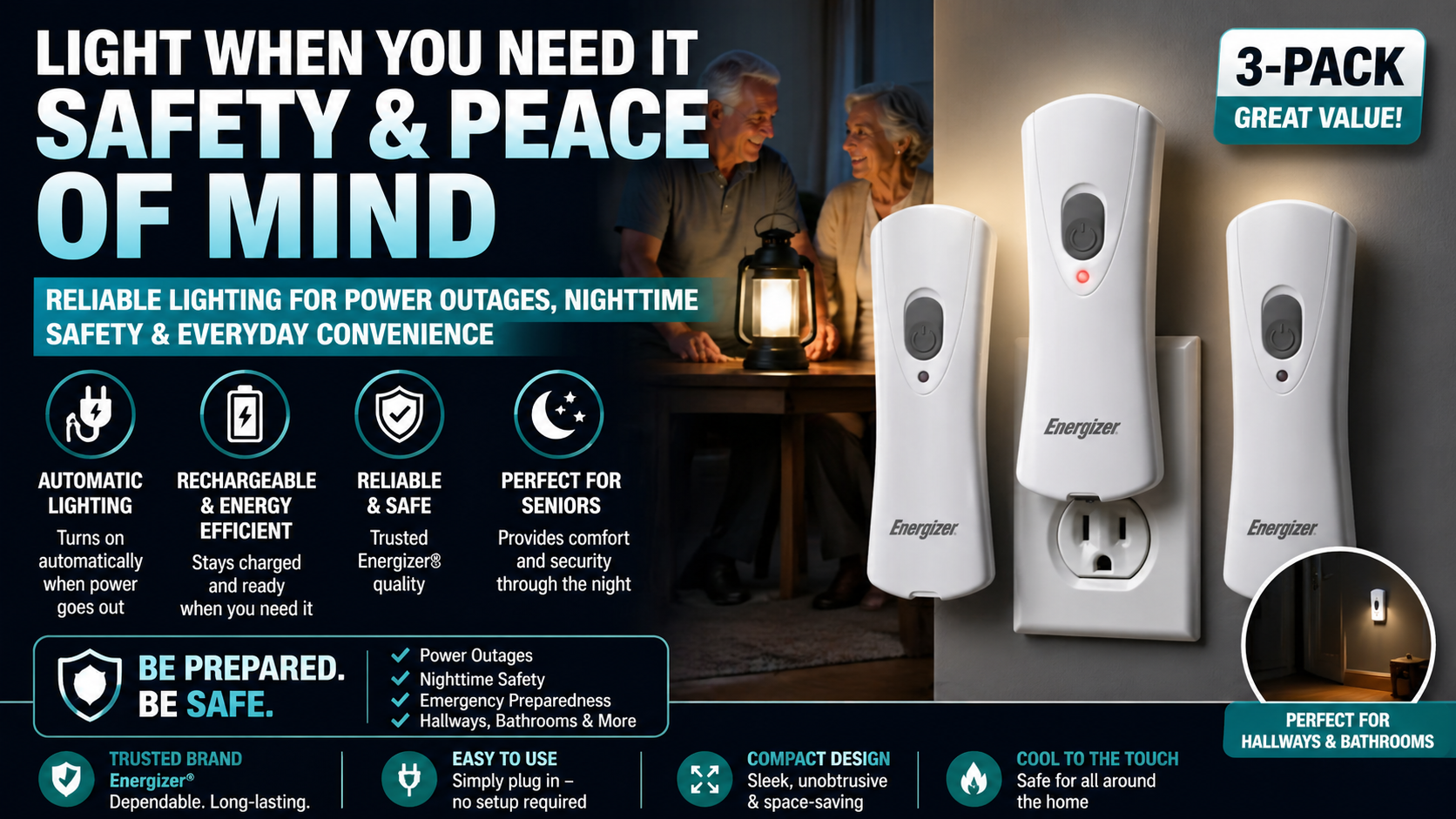
Plug-in auto-on lights in the bedroom, hallway, and bathroom ensure the environment is immediately lit when movement begins — without requiring any action from someone who may be confused about where they are and what time it is. The Energizer Auto-On rechargeable flashlights cover all three key locations in one purchase and activate automatically during power outages as well as providing night light function every night.
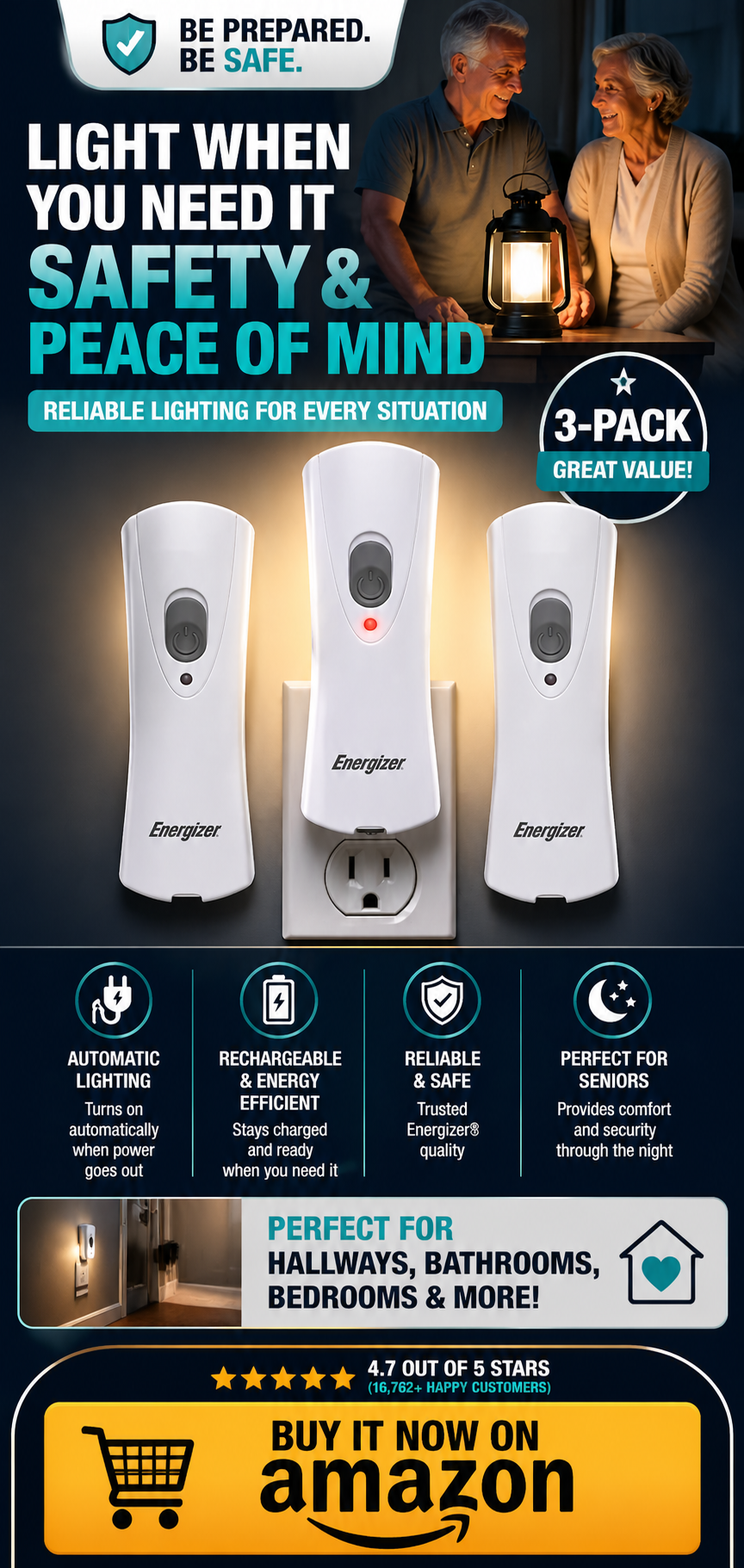
→ Get the Energizer Auto-On 3-Pack on Amazon
Bed Safety
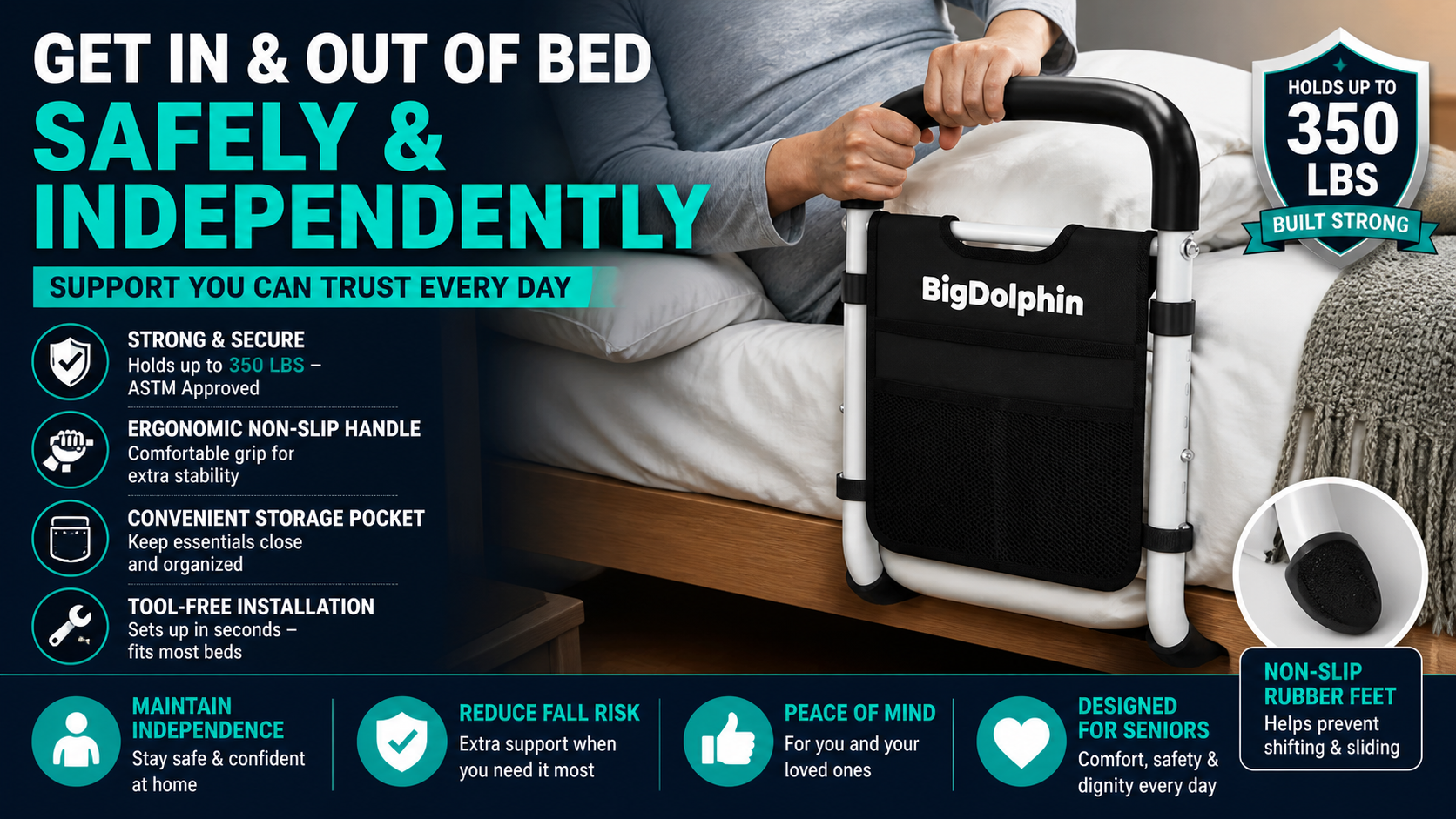
A bed rail provides support during the getting-in and getting-out transition — particularly important during nighttime when confusion may affect coordination and awareness. Our review of the best bed rail for seniors covers the specific product we recommend and how to position it correctly.

Bed Alarms
A bed alarm — a pressure sensor under the mattress that alerts when the person gets out of bed — gives caregivers immediate notification of nighttime movement. This is particularly valuable for families where a caregiver sleeps in an adjacent room and needs to be alerted before their loved one has navigated far in a confused state.
General Home Modifications for Dementia Safety
Beyond room-specific changes, several general home modifications significantly improve safety for a person with dementia.
Reduce Visual Complexity
People with dementia often have difficulty processing complex visual environments. Cluttered surfaces, busy patterns, and lots of visual stimulation make it harder to identify relevant objects and navigate the space. Simplifying the home — clear surfaces, solid color floor coverings, reduced decorative clutter — makes the environment easier to navigate and reduces confusion.
Label Everything Clearly
Large, clear labels on cabinet doors, drawers, and rooms — “bathroom,” “bedroom,” “do not open” — help orient a person with dementia to their environment and reduce the random opening of cabinets and doors that can create safety risks. Photo labels work better than text-only labels for people with more advanced reading difficulties.
Remove Mirrors in Some Areas
People with moderate to advanced dementia sometimes do not recognize themselves in mirrors and become frightened or agitated by what they perceive as a stranger in the home. Removing or covering mirrors in bedrooms and hallways — while keeping them in bathrooms for practical use — can reduce this source of distress and behavioral disruption.
Secure Hazardous Areas
Garages, basements, laundry rooms, and outdoor areas containing tools, chemicals, or equipment should be secured with locks that require deliberate action to open. Baby-proof cabinet locks on lower cabinets containing cleaning supplies or other hazardous materials are a simple and effective modification.
Simplify the Floor Plan
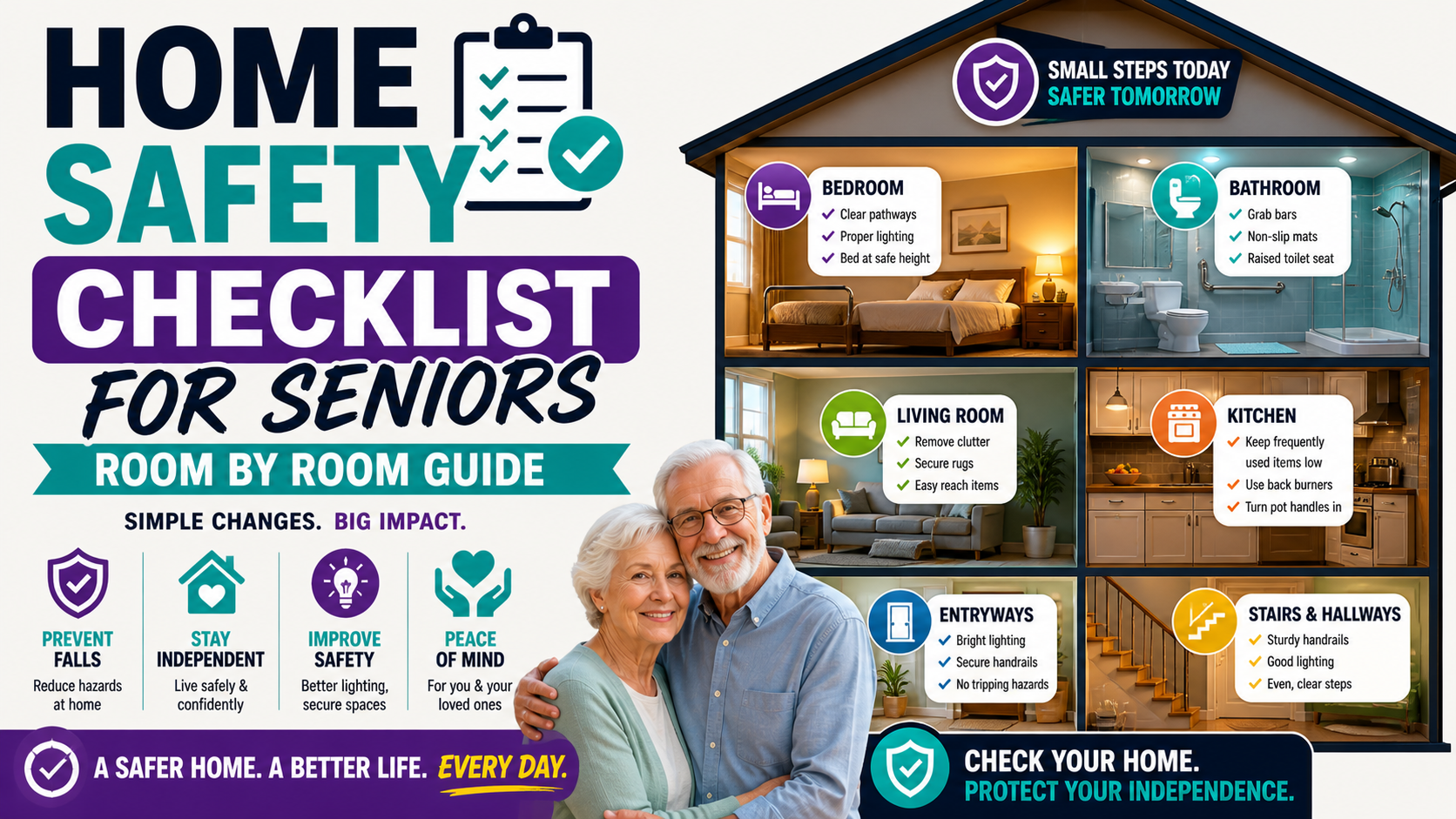
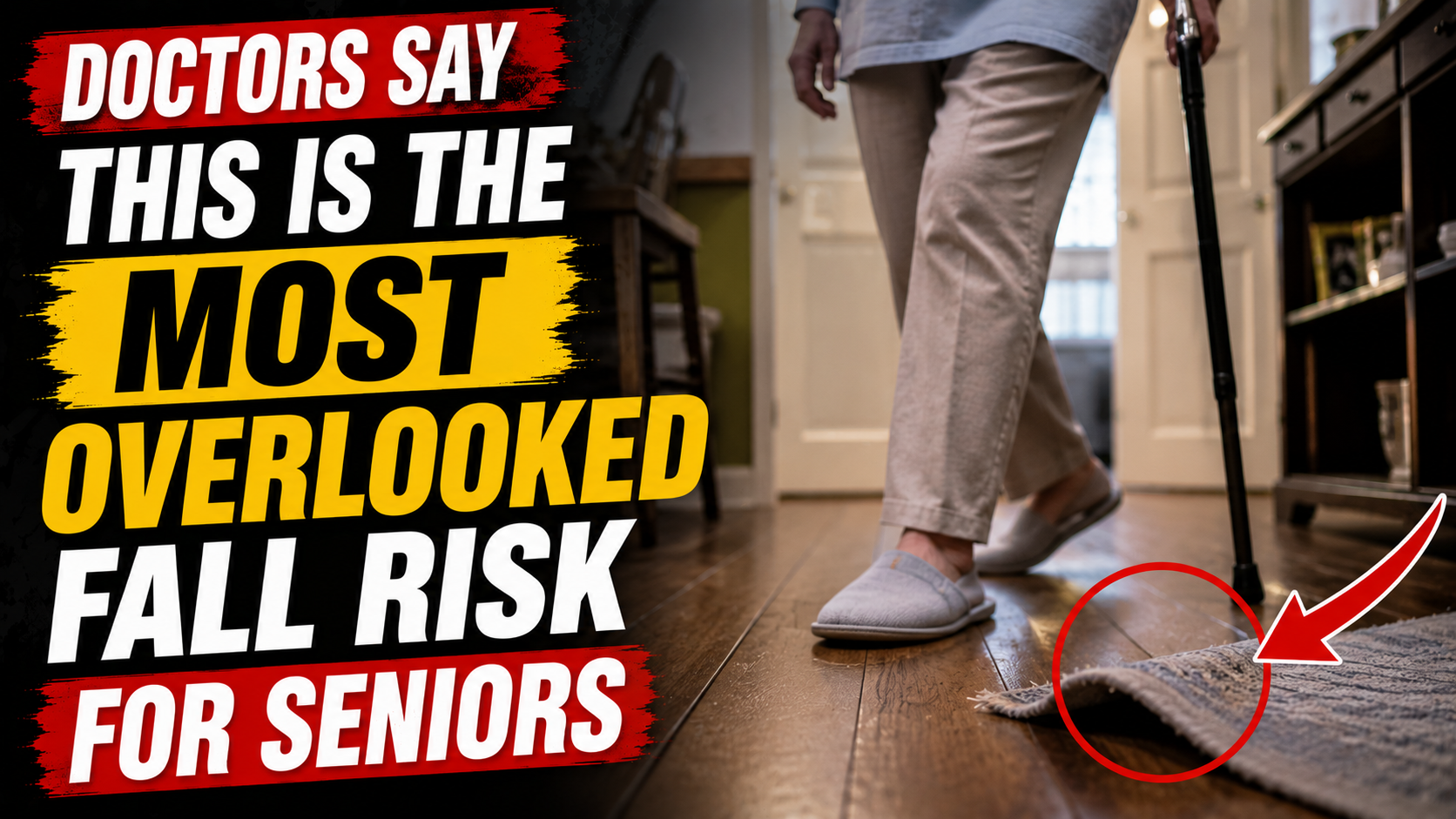
Unnecessary furniture that creates navigation obstacles should be removed. Pathways through the home should be as clear and direct as possible — particularly the path from the bedroom to the bathroom. Our comprehensive home safety checklist covers every room-by-room hazard worth addressing and our guide on how to make a home safer as you age covers the full modification picture.

Technology Tools That Help
Technology plays a particularly important role in dementia home safety — because many of the most effective safety measures work passively, without requiring action or awareness from the person with dementia.
GPS and Location Monitoring
As covered in the wandering section, GPS tracking through a wearable device is the most important technology tool for families managing dementia. The SecuLife Smartwatch provides real-time location, geofencing alerts, and two-way communication in a wrist device that works independently of any phone or home base unit.
Automatic Fall Detection
Automatic fall detection is particularly valuable for someone with dementia who may not be able to press an SOS button intentionally after a fall — or who may not understand what the button is for. The SecuLife’s automatic fall detection sends an alert without requiring any action from the wearer, which means it works even when the person can’t or doesn’t activate it themselves.
Stove Shutoff Devices
Automatic stove shutoff devices that cut power after a period of inactivity provide passive kitchen safety without requiring the person with dementia to remember to turn the stove off.
Video Monitoring
Indoor cameras in common areas allow remote monitoring by family members — providing visibility into what’s happening at home without requiring a caregiver to be physically present at all times. This is a sensitive topic that involves privacy considerations worth discussing with the person with dementia to the extent their capacity allows.
Planning for Progression
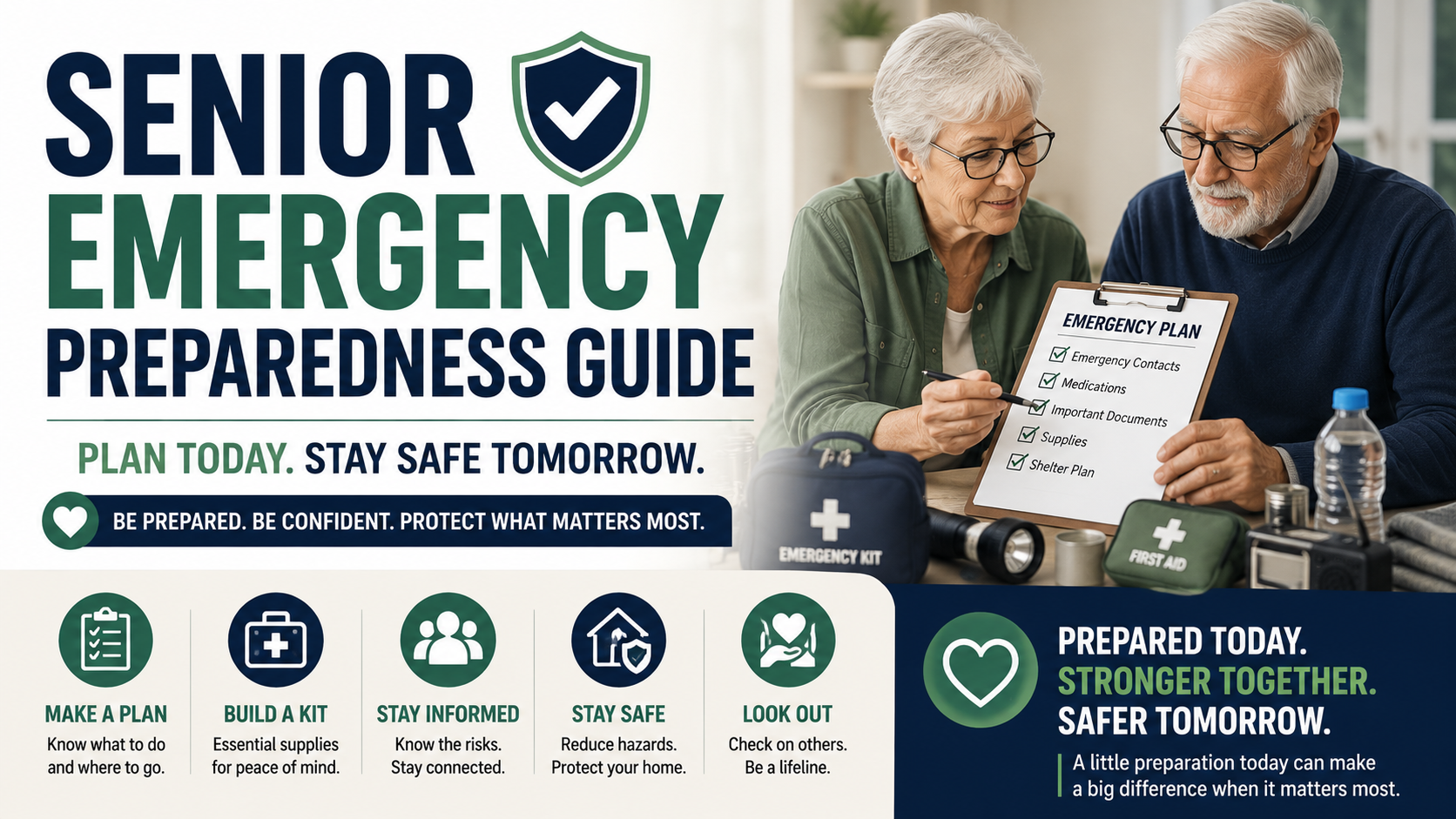
Dementia is a progressive condition — the safety needs at diagnosis are different from the safety needs two years later. The modifications appropriate for early-stage dementia may be insufficient as the condition advances.
Building a safety plan that accounts for progression — rather than only addressing current needs — allows families to stay ahead of emerging risks rather than constantly reacting to them. This means thinking now about what wandering management will look like if it emerges, what kitchen access restrictions will be needed as independence in cooking becomes unsafe, and what level of supervision will be needed as the condition advances.
Working with an occupational therapist who specializes in dementia care provides professional guidance for this planning process — identifying what’s needed now and what will be needed in 12 to 24 months, and helping prioritize modifications in a sequenced way that’s manageable for families.
Supporting the Caregiver
Home safety for a person with dementia is only sustainable if the caregiver is also being supported. Caregiver burnout is a genuine risk when managing dementia at home — and burnout compromises the safety of the person being cared for as much as any environmental hazard.
Respite care — scheduled time away from caregiving — is not a luxury. It’s a sustainability measure that allows caregivers to continue providing care over the long term. Local Area Agencies on Aging, the Alzheimer’s Association, and community senior services all offer resources for dementia caregivers including respite programs, support groups, and care coordination services.
The warning signs of caregiver burnout — exhaustion, resentment, neglecting personal health, social withdrawal — are worth monitoring honestly. Getting support before burnout becomes severe is far easier than recovering from it after the fact.
Frequently Asked Questions
At what stage of dementia does home safety become a serious concern?
Home safety concerns begin at diagnosis and evolve throughout the progression. Early-stage dementia may require only modest modifications — medication management systems, stove safety measures, GPS tracking in place before wandering emerges. Middle-stage dementia typically requires more significant modifications — kitchen access restrictions, door alarms, increased supervision. Late-stage dementia usually requires full-time care that may not be safely manageable at home for all families. The specific timeline varies significantly between individuals.
How do I get someone with dementia to wear a GPS device?
Introduce it as a regular watch rather than a safety device. The SecuLife looks like a standard smartwatch — frame it as a gift, help put it on as part of the morning routine, and make wearing it as unremarkable as possible. For people with more advanced dementia who may resist wearing anything on their wrist, discuss alternative GPS options — shoe inserts, clip-on devices, or other wearable formats — with their care team.
Should someone with dementia live alone?
This depends entirely on the stage of dementia, the specific symptoms present, and the support network available. Early-stage dementia with minimal functional impact may be compatible with living alone with appropriate safety modifications and regular check-ins. As dementia progresses, unsupervised living becomes increasingly unsafe — particularly once wandering, cooking safety issues, or medication management problems emerge. There’s no universal answer — it requires honest assessment of the specific person’s current function and trajectory.
What’s the most important home safety change to make first for someone with dementia?
GPS tracking in place before wandering emerges is the highest-priority proactive measure — because once wandering happens without GPS in place, the consequences can be severe and irreversible. Kitchen stove safety is the highest-priority reactive measure for families where unsupervised cooking is already happening. Both should be addressed as early in the diagnosis as possible rather than waiting for an incident to motivate action.
How do I talk to my parent about these safety changes without causing distress?
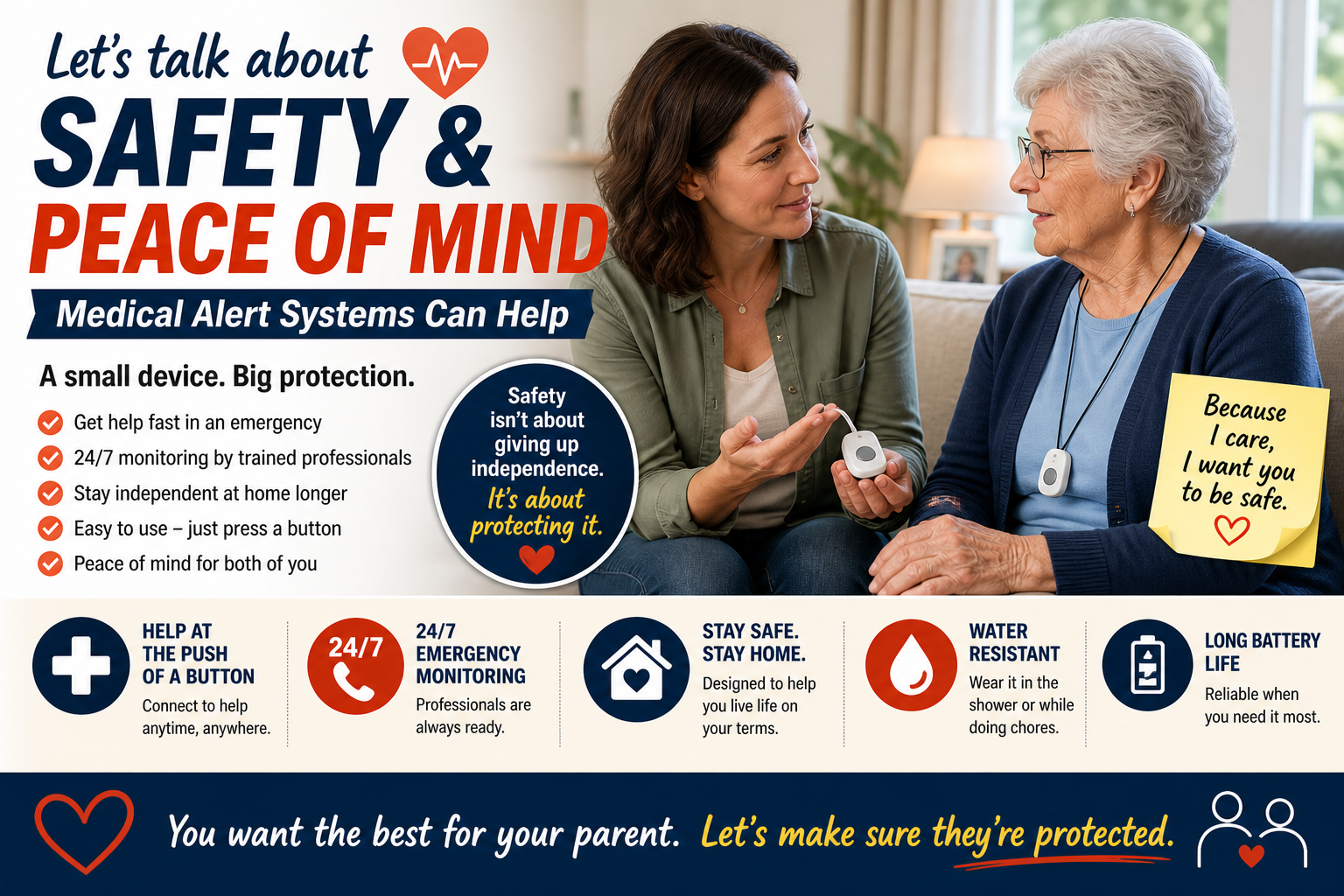
Frame changes around comfort and convenience rather than safety and limitation wherever possible. Introduce changes gradually rather than all at once. Involve the person in decisions to the extent their capacity allows — people support changes they participated in making. For significant safety restrictions that the person with dementia objects to, involve their physician — a recommendation from a trusted doctor often carries more weight than the same recommendation from a family member. Our guide on how to talk to a parent about safety measures covers the general principles that apply across these conversations.
Keep Them Safe and at Home — For as Long as Possible
Keeping a loved one with dementia safe at home is one of the most demanding things a family can take on. It requires constant reassessment, ongoing adaptation, and a willingness to implement changes that may feel intrusive or difficult.
The modifications in this guide — GPS tracking, kitchen safety, bathroom safety, nighttime monitoring — address the specific risks that dementia creates beyond standard senior home safety. Implemented systematically and updated as the condition progresses, they give families the best possible foundation for safe home living for as long as it’s genuinely viable.
Start with GPS tracking and kitchen safety. Build from there. Reassess every six months or whenever there’s a significant change in function.
→ Get the SecuLife Smartwatch on Amazon — GPS tracking and fall detection for dementia safety
About the Author
Margaret Holloway, RN spent 22 years working as a registered nurse in geriatric care and has extensive experience working with dementia patients and their families across both hospital and community settings. She writes for Elder Safety Guide with a focus on giving families practical, honest guidance for some of the most challenging caregiving situations they will face.