You don’t need a prescription or a $3,000 hearing aid to hear better. Our honest rechargeable PSAP hearing amplifier review covers what works, what doesn’t, and who it’s for.
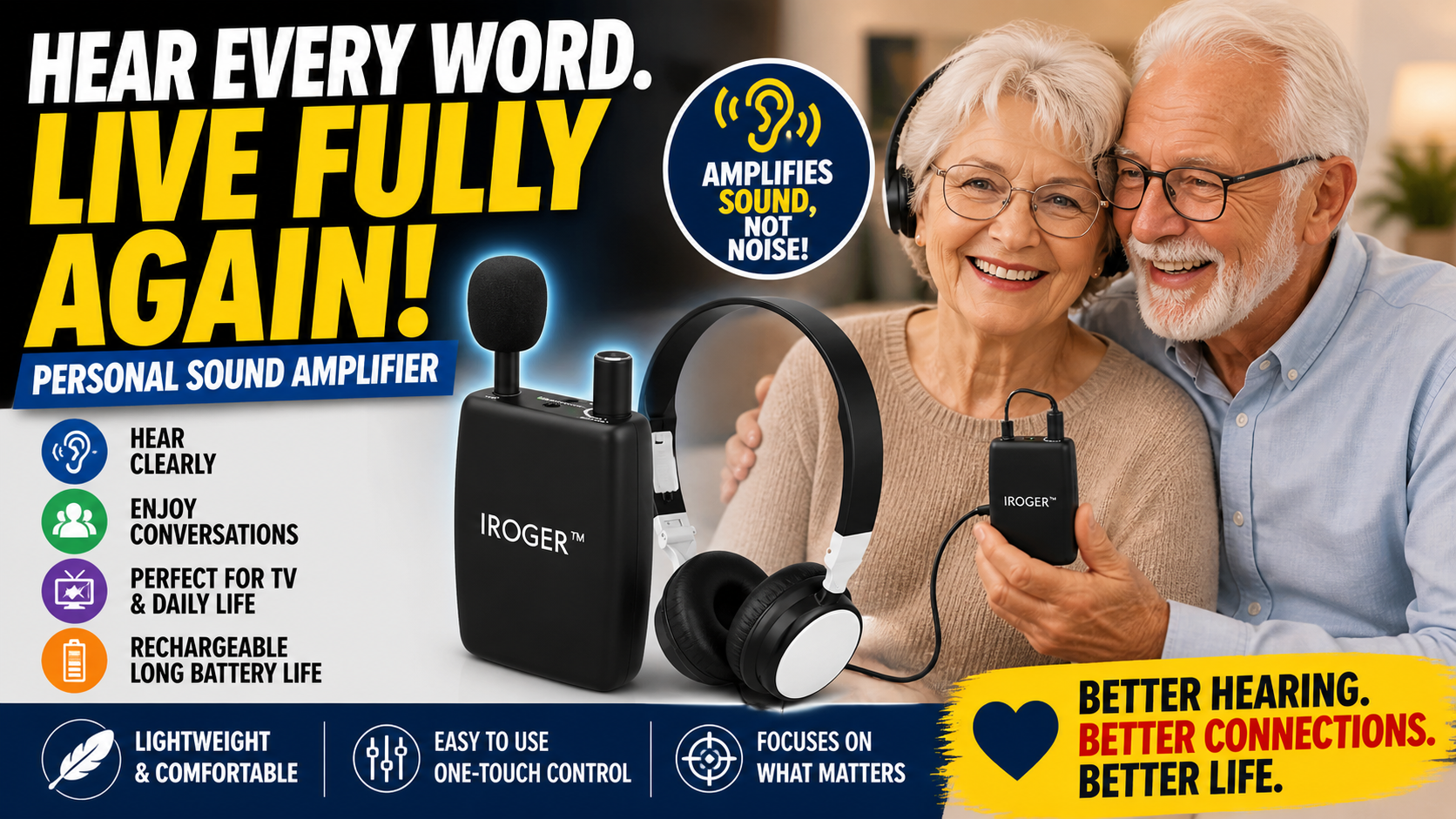
There’s a significant gap between normal hearing and needing prescription hearing aids — and for a large portion of older adults, that gap is where they spend years without adequate hearing support. Hearing amplifiers — also called Personal Sound Amplification Products or PSAPs — fill that gap with a device that’s available without an audiologist appointment, without a prescription, and without the $3,000 to $7,000 price tag of traditional hearing aids.
They’re not a replacement for prescription hearing aids when those are genuinely needed. But for the millions of older adults with mild to moderate hearing reduction who are putting off hearing care because of cost, access, or the stigma of hearing aids, a quality hearing amplifier provides meaningful improvement in daily hearing that directly affects safety, social connection, and quality of life.
This review covers the rechargeable hearing amplifier with directional microphone and headphone design — and what you need to know to decide whether this is the right solution for your situation.
→ See the Rechargeable Hearing Amplifier on Amazon
Why Hearing Loss Is a Safety Issue, Not Just a Convenience Issue
Hearing loss in older adults is associated with significantly increased fall risk — and the mechanism is more direct than most people realize.
Balance relies on three systems: the vestibular system, proprioception, and vision. Hearing loss doesn’t directly affect any of these — but it does increase the cognitive load required to process the environment. When the brain is working harder to parse conversations and ambient sounds, less cognitive capacity is available for the balance-related processing that keeps the body upright during walking and navigation.

Research from Johns Hopkins found that people with mild hearing loss were nearly three times more likely to have a history of falling than those with normal hearing. The association strengthens with the degree of hearing loss. This makes addressing hearing loss — even mild hearing loss — a genuine fall prevention intervention, not just a quality of life improvement. The Tips for Helping Seniors With Balance Problems covers the other major contributors to balance decline and the interventions that can reduce fall risk.
Beyond falls, hearing loss affects social connection — conversation becomes effortful, group settings become exhausting, and withdrawal from social activity follows. Social isolation is itself a significant health risk for older adults, associated with accelerated cognitive decline and reduced physical activity. Treating hearing loss addresses the social connection risk directly.
Hearing Amplifier vs. Hearing Aid — Understanding the Difference
This distinction matters and is worth being clear about before purchasing either.
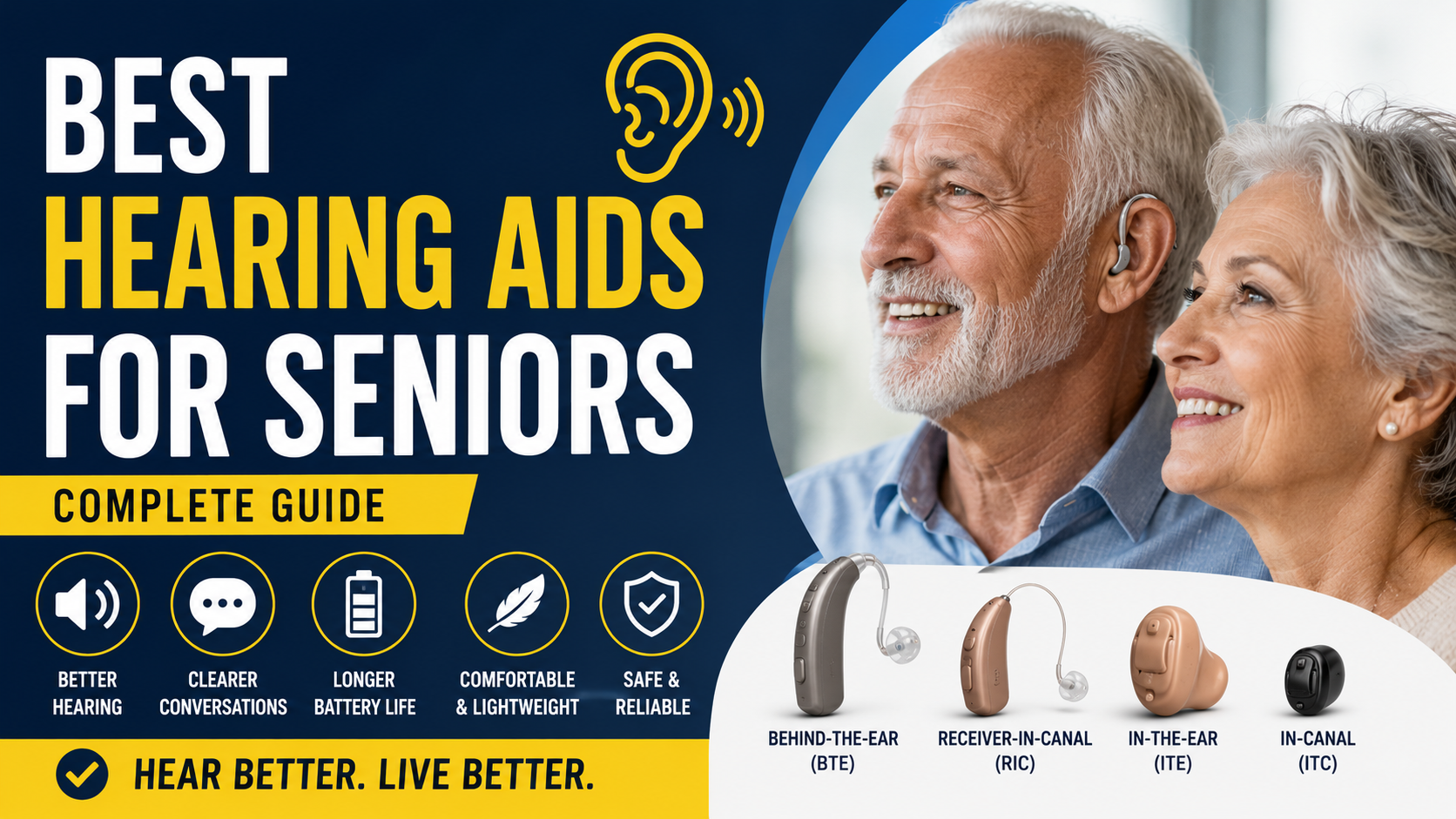
Prescription hearing aids are medical devices regulated by the FDA, fitted by an audiologist following a hearing test, and programmed to the specific hearing loss pattern of the individual user. They address specific frequency losses in ways customized to the individual. They’re the right solution for moderate to severe hearing loss where a tailored, professionally fitted device provides meaningfully better outcomes than a general amplification device. The Best Hearing Aids for Seniors — Complete Guide explains how prescription, OTC, and amplified hearing options differ in more detail.
Hearing amplifiers (PSAPs) amplify sound across the audible range — making everything louder rather than selectively amplifying the specific frequencies where the user has loss. They’re not medical devices and they’re not programmed to individual hearing profiles. For mild to moderate hearing reduction — where sound needs to be louder but the loss isn’t severe enough to require the precision of a custom-fitted hearing aid — amplifiers provide meaningful improvement at a fraction of the cost.
The honest guidance: if you’ve had a hearing test and been told you have significant hearing loss requiring a hearing aid, get a hearing aid. If you’ve noticed you need people to repeat themselves, struggle in noisy environments, or turn up the television volume more than you used to — a hearing amplifier may provide meaningful improvement worth trying before committing to the hearing aid process.

The Rechargeable Hearing Amplifier With Directional Microphone — Full Review
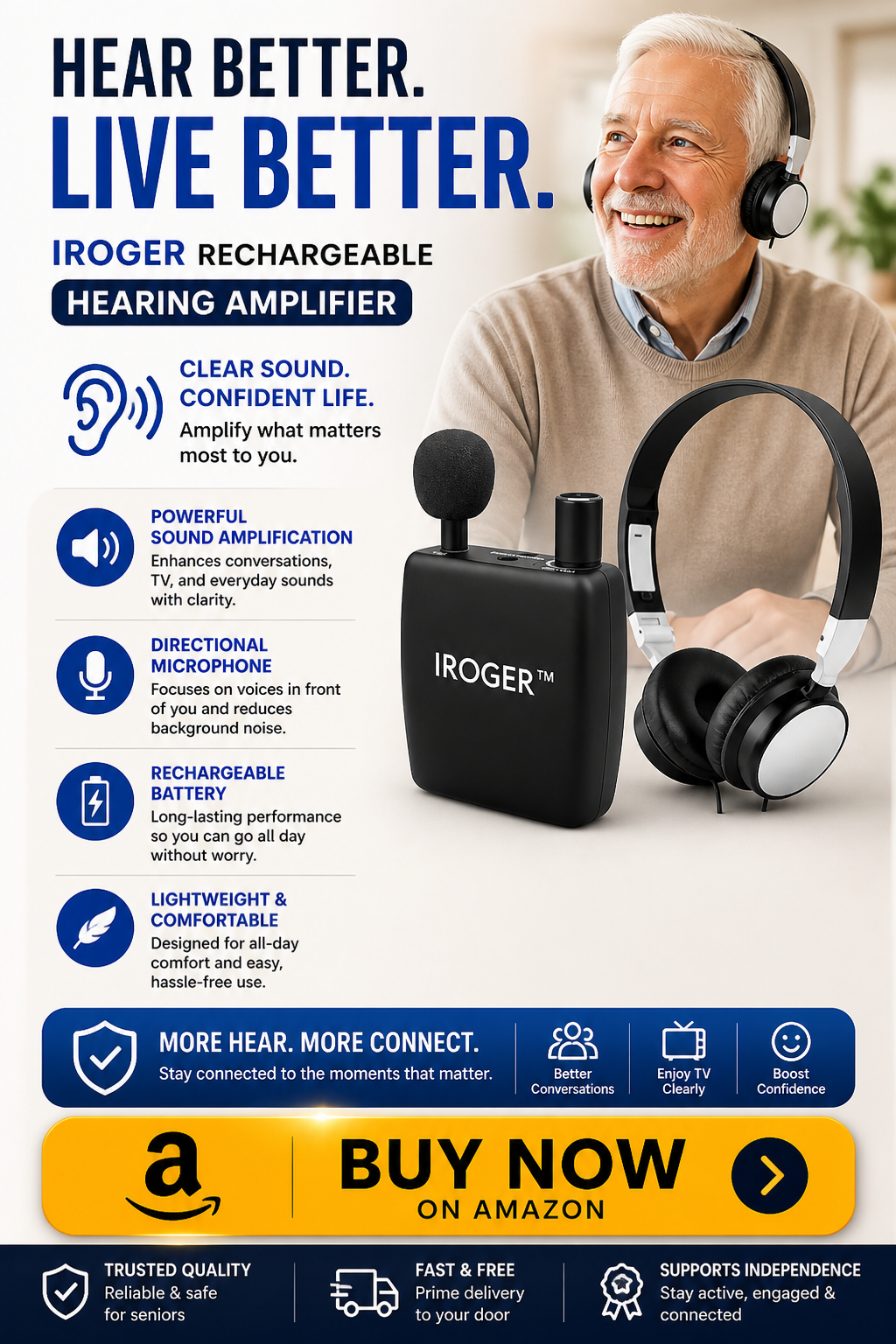
Rechargeable Hearing Amplifier — PSAP With Directional Microphone, Headphone Design
This hearing amplifier addresses the most common practical barriers to consistent hearing aid or amplifier use — battery management and comfort — with a rechargeable design that eliminates the fiddly small battery replacement that many older adults with arthritis or reduced dexterity find genuinely difficult, and a headphone-style fit that many users find more comfortable and secure than in-ear devices.
→ Check current price and availability on Amazon
Rechargeable design eliminates the battery problem. Traditional hearing aids and many amplifiers use tiny hearing aid batteries — size 10, 312, or 13 — that are small enough to be genuinely difficult to handle, last only days to a week, and require regular replacement that becomes an ongoing management task. A rechargeable amplifier charges like a phone — set it in the charging case overnight and it’s ready in the morning. No tiny batteries to handle, no running out at inconvenient times, no ongoing purchase cost.
The directional microphone improves performance in the environments where hearing difficulty is most pronounced. General amplifiers make everything louder — including background noise. A directional microphone preferentially amplifies sound from in front of the user — where conversation partners typically are — relative to ambient noise from other directions. In restaurants, group conversations, and noisy environments, directional microphones produce noticeably better speech clarity than omnidirectional amplifiers.
The headphone-style design provides a stable, comfortable fit that stays in place during activity better than fully in-ear devices for many users. For seniors with reduced dexterity or who find in-ear insertion and removal difficult, an over-ear or behind-ear design is typically easier to manage independently.
Volume adjustment allows the user to set the amplification level appropriate for their specific situation — quieter environments need less amplification than noisy ones. This adjustability makes the device useful across a range of daily settings rather than being set to one fixed level.
→ Get the Rechargeable Hearing Amplifier on Amazon
Realistic Expectations for Hearing Amplifiers
Being honest about what hearing amplifiers do and don’t do helps set appropriate expectations and avoids disappointment.
What hearing amplifiers do well: Make speech louder in quiet to moderately noisy environments. Reduce the effort required to follow conversations. Allow comfortable television volume at lower levels. Improve awareness of environmental sounds — doorbells, phones, alarms — that may currently be missed.
Where hearing amplifiers have limitations: They don’t selectively amplify the specific frequency ranges where an individual has the most loss — which is what prescription hearing aids do. In very noisy environments the background noise amplification can be distracting. They don’t provide the feedback cancellation and sophisticated signal processing of modern prescription hearing aids.
The realistic verdict: For mild to moderate hearing reduction, many users find hearing amplifiers provide meaningful real-world improvement in daily communication. They’re not equivalent to prescription hearing aids for significant hearing loss — but for the gap between normal hearing and needing a full hearing aid fitting, they’re a meaningful and accessible option.

Hearing Health and the Complete Senior Safety Picture
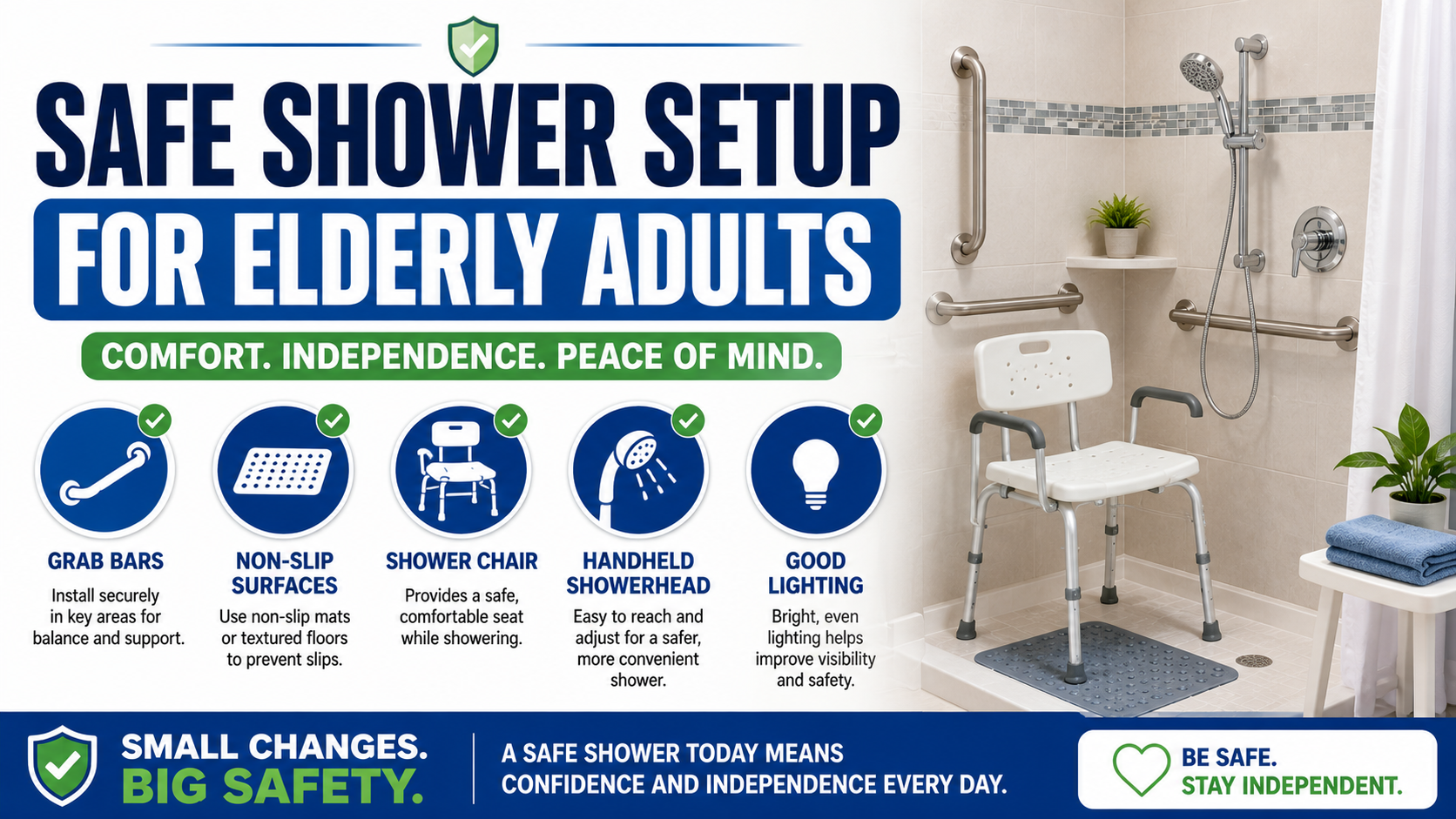
Addressing hearing loss — through a hearing amplifier, OTC hearing aid, or prescription hearing aid — is a genuine component of senior safety that’s often overlooked in favor of more visible interventions like grab bars and night lights.

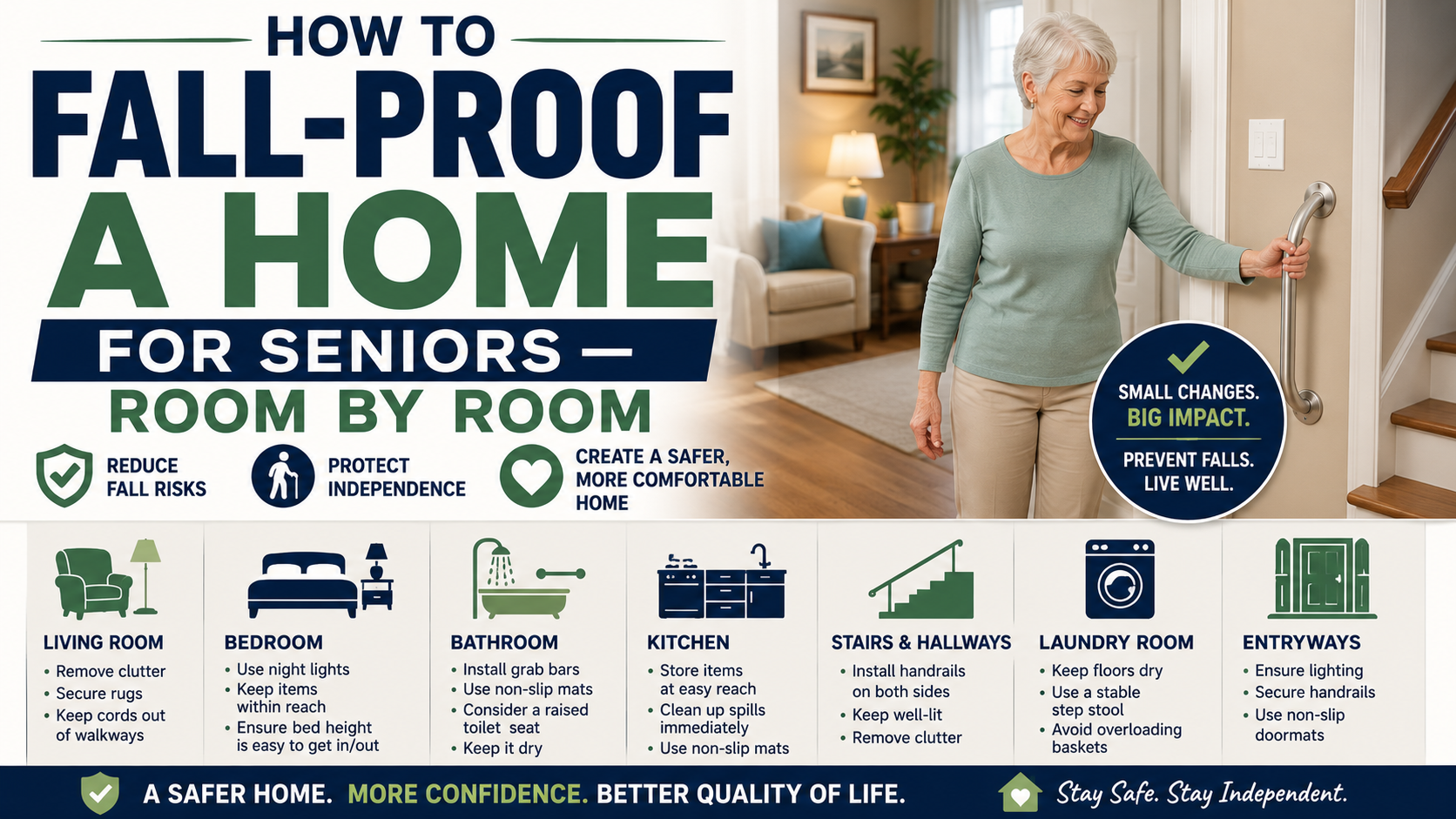
For the complete safety picture our guide on fall prevention tips at home covers hearing health alongside environmental modifications. Our guide on elderly safety tips for independent living covers the health management components of safe independent living comprehensively.
→ Get the Rechargeable Hearing Amplifier on Amazon
Frequently Asked Questions
Do I need a hearing test before buying a hearing amplifier?
No — hearing amplifiers are available without a prescription or audiologist appointment. That said, a hearing test is valuable for understanding the nature and degree of your hearing loss, which helps determine whether an amplifier is appropriate or whether prescription hearing aids would provide significantly better outcomes. Many audiologists offer free initial consultations.
Can hearing amplifiers damage hearing?
Used at appropriate volumes, hearing amplifiers don’t damage hearing. Consistently using amplified sound at very high volumes — as with any listening device — can contribute to noise-induced hearing damage over time. Use the volume control to set the amplification level that makes hearing comfortable rather than maximum amplification.
How long does the rechargeable battery last between charges?
Check the current product listing for the specific battery life specification. Most rechargeable hearing amplifiers in this category provide full-day use — 10 to 16 hours — on a single charge, with overnight charging restoring full battery. This aligns with the natural daily routine of wearing during waking hours and charging during sleep.
Are hearing amplifiers covered by insurance or Medicare?
Original Medicare does not cover hearing aids or hearing amplifiers. Some Medicare Advantage plans include hearing benefits — check your specific plan. Hearing amplifiers purchased for personal use may be eligible for FSA or HSA reimbursement — check with your account administrator.
What’s the difference between this and the EarCentric hearing aids also reviewed on this site?
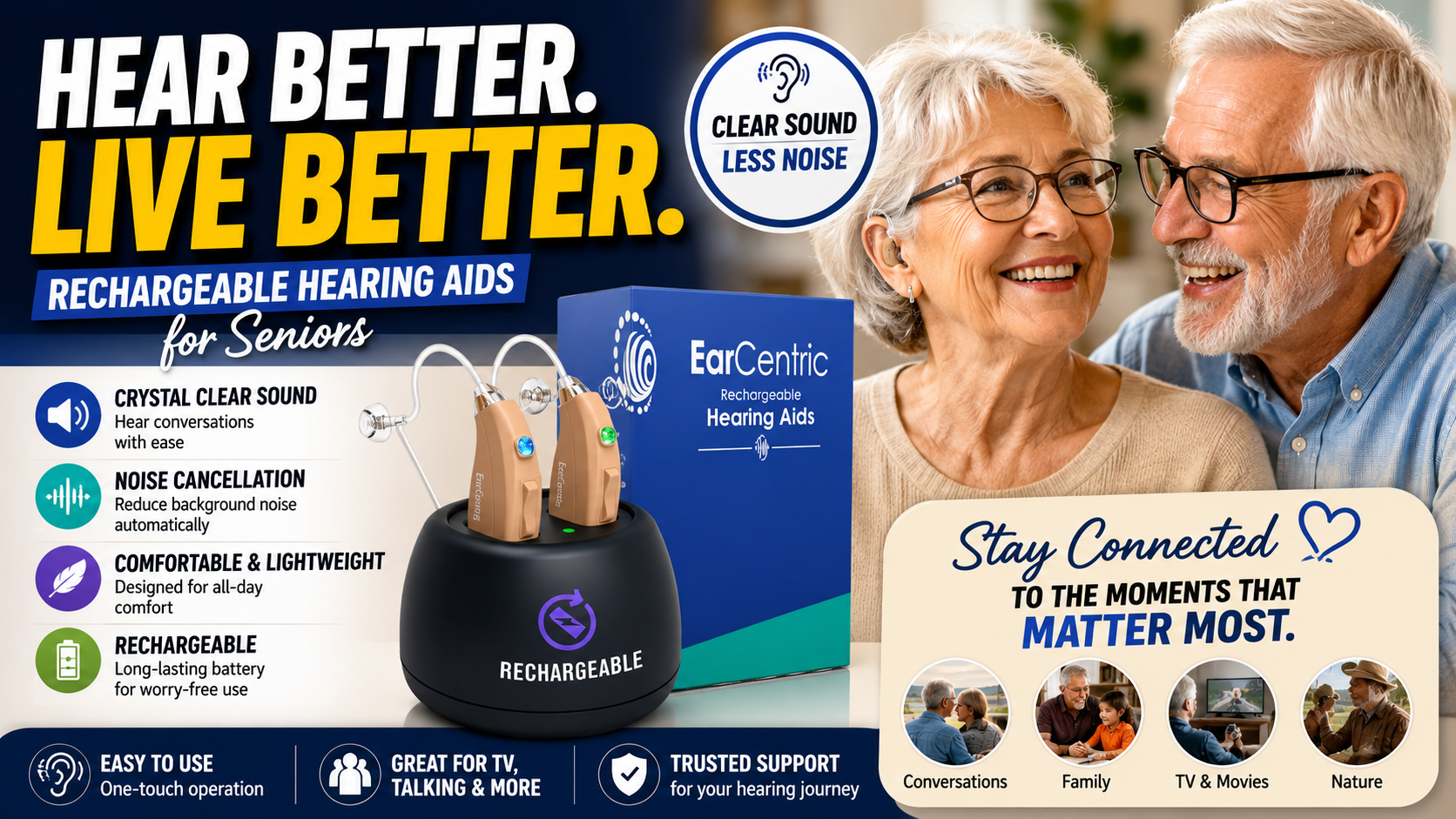
The rechargeable hearing amplifier reviewed here is a PSAP — a personal sound amplification product designed for mild hearing reduction. The EarCentric hearing aids are OTC hearing aids with more sophisticated processing designed for mild to moderate hearing loss. OTC hearing aids typically provide better speech clarity and more adjustable amplification profiles than PSAPs. The amplifier is the lower-cost entry point; the OTC hearing aids are the step up for more significant hearing reduction.
Hear Better — Starting Today
Hearing better isn’t just about comfort — it’s about safety, social connection, and cognitive health. A rechargeable hearing amplifier that eliminates the battery hassle and fits comfortably removes the two most common barriers to consistent hearing device use.
→ Order the Rechargeable Hearing Amplifier on Amazon — check current price and read customer reviews
About the Author
Carol Simmons is a Certified Aging-in-Place Specialist (CAPS) who has worked extensively with older adults navigating hearing loss and its impact on daily safety and independent living. She writes for Elder Safety Guide to give people practical guidance on the full range of factors that affect safe aging at home.