Most families focus on grab bars and lighting. Geriatric physicians say there’s a more overlooked fall risk that most families miss entirely — and it’s completely preventable.
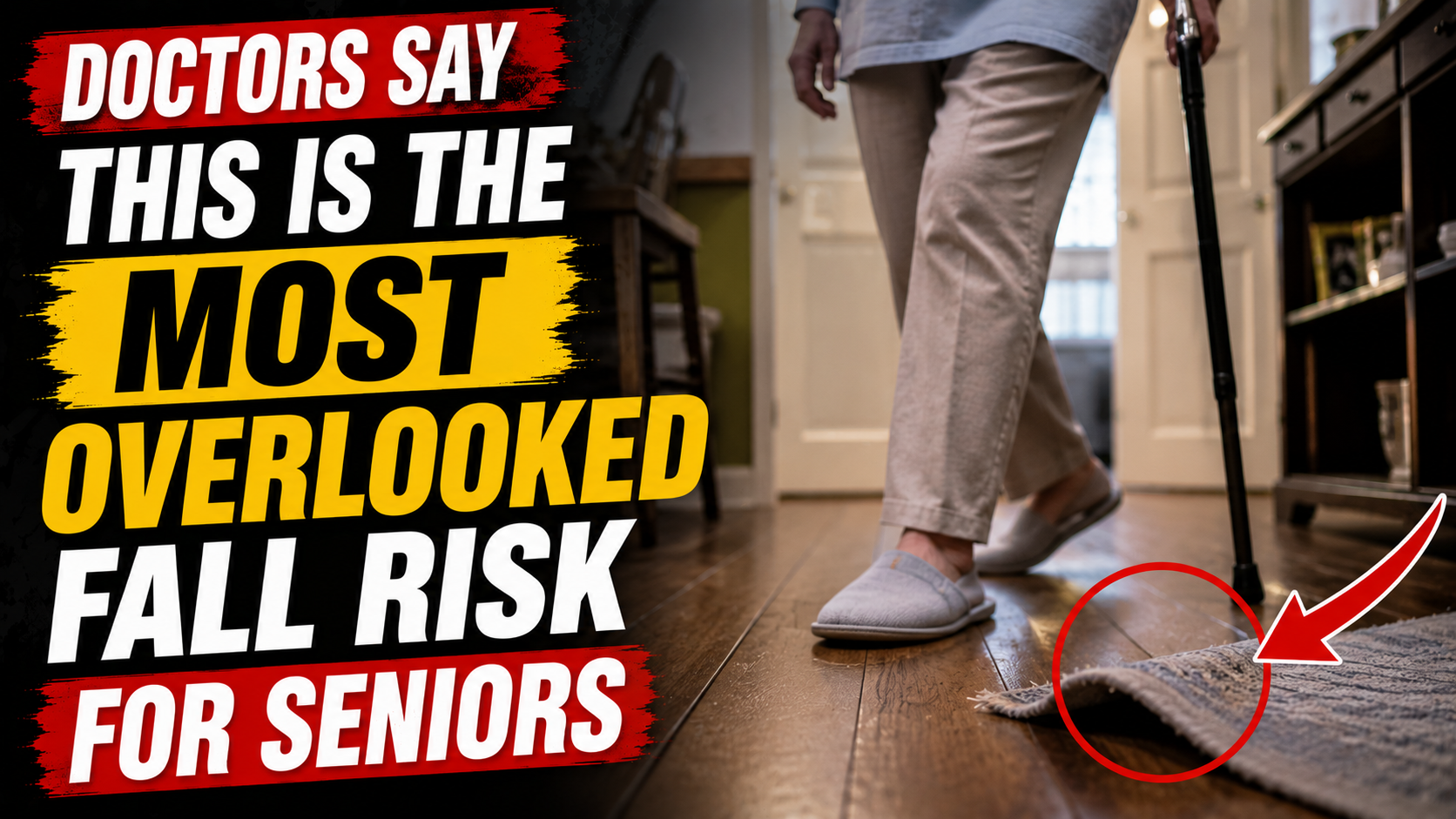
Ask a family what they’re doing to prevent falls in an elderly parent and most will mention the same things. Grab bars in the bathroom. A walking cane. Better lighting. Maybe a medical alert device.
These are all correct. They’re also not what geriatric physicians consistently identify as the most overlooked fall risk in their older adult patients.
The most overlooked fall risk isn’t environmental. It isn’t equipment. It’s something that happens inside the body — something invisible, something that most seniors don’t mention to their doctors and most doctors don’t ask about specifically in the context of falls.
It’s dehydration. And the mechanism by which it causes falls is specific enough — and preventable enough — that understanding it changes what families prioritize.
Why Dehydration and Falls Are Connected
The connection between dehydration and falls in older adults isn’t obvious until you understand the specific physiological mechanisms. Once you do, it’s difficult to understand why this isn’t the first thing discussed in every fall prevention conversation.
Orthostatic Hypotension — The Direct Mechanism
When a person stands up from sitting or lying, blood must move quickly from the lower body back toward the heart and brain to maintain blood pressure. This transition is called the orthostatic response and it happens automatically — or should.
Dehydration reduces blood volume. Lower blood volume means the cardiovascular system has less to work with during the orthostatic response. The result is orthostatic hypotension — a drop in blood pressure upon standing that causes dizziness, lightheadedness, and in some cases loss of consciousness.
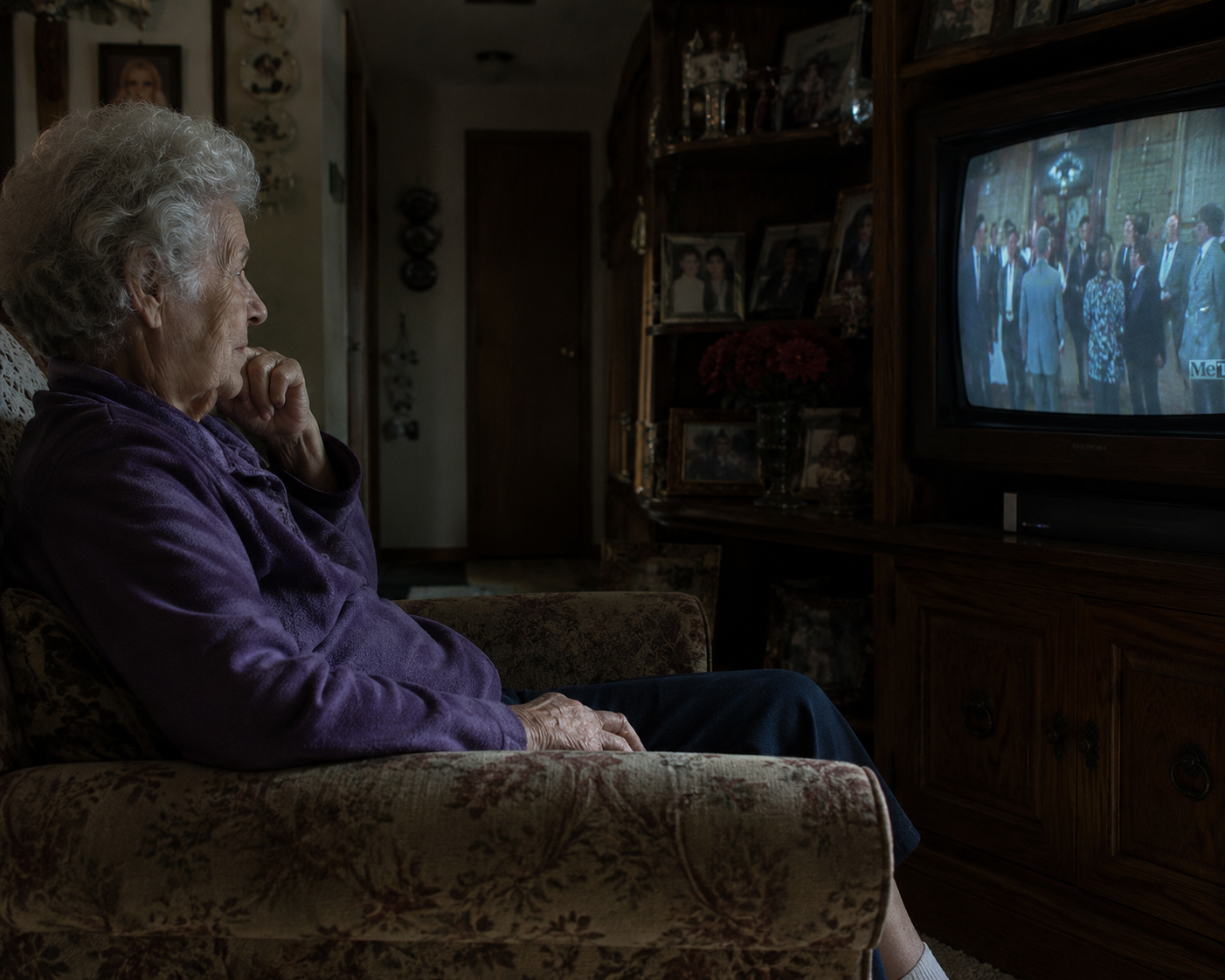
That dizzy moment immediately after standing up — the one that makes a person reach for the nearest wall or piece of furniture — is orthostatic hypotension. For a dehydrated older adult it can be severe enough to cause a fall before they’ve taken a single step.
This same mechanism is one of the primary ways blood pressure medications increase fall risk — which we covered in our guide on the #1 reason seniors fall at home. Dehydration compounds medication effects — a mildly dehydrated person on blood pressure medication may experience significantly more orthostatic hypotension than the medication alone would produce.
Reduced Cognitive Alertness
Even mild dehydration — a fluid deficit of one to two percent of body weight — measurably affects cognitive function in older adults. Attention, processing speed, and working memory all decline with dehydration at levels that don’t produce obvious thirst or physical symptoms.
Reduced alertness and slower processing directly affect fall risk — the ability to notice a hazard, process it, and respond before contact is the cognitive sequence that prevents many falls. A slightly slower version of that sequence — produced by mild dehydration — is the difference between catching a stumble and not.
Reduced Muscle Function
Muscle contraction depends on adequate hydration for the electrochemical processes that produce force. Dehydrated muscles produce less force and fatigue more quickly than adequately hydrated ones. The leg strength required to catch a stumble, navigate stairs safely, or rise from a low chair is directly impaired by dehydration — even at levels that don’t produce obvious symptoms.
The Thirst Problem in Older Adults
Here’s what makes this particularly insidious for older adults specifically: the thirst mechanism becomes less sensitive with age. Younger adults feel thirst when fluid deficit is approximately one percent of body weight — and that signal reliably drives drinking behavior. Older adults may not feel significant thirst until fluid deficit is two to three percent or higher — a level at which the physiological effects on blood pressure, cognition, and muscle function are already meaningful.
An older adult who drinks only when they feel thirsty is an older adult who is frequently mildly dehydrated — and who may not know it. The absence of obvious thirst doesn’t mean adequate hydration. It means the signal system is less reliable than it used to be.

Why Older Adults Are Specifically Vulnerable
Beyond the thirst mechanism, several age-related changes make older adults specifically vulnerable to dehydration and its fall-related consequences.
Reduced Total Body Water
Total body water as a proportion of body weight declines with age. Older adults have less water reserve — meaning the same fluid intake produces lower hydration status than it would in a younger person, and the same fluid loss produces more significant dehydration.
Kidney Function Changes
Age-related decline in kidney function reduces the kidneys’ ability to conserve water when intake is low. A younger person’s kidneys respond to low intake by producing more concentrated urine — preserving fluid. Older adult kidneys are less efficient at this response, meaning more fluid is lost even when intake is inadequate.
Medication Effects
Many medications commonly prescribed to older adults affect fluid balance. Diuretics — used for blood pressure and heart failure — directly increase fluid loss. Some diabetes medications have diuretic effects. NSAIDs affect kidney function in ways that alter fluid management. The combination of age-related hydration vulnerability and medication effects creates a compounding risk that’s greater than either factor alone.
Deliberate Restriction
Many older adults — particularly those with urinary incontinence or who want to reduce nighttime bathroom trips — deliberately restrict fluid intake. This common and understandable response to a real quality-of-life issue directly worsens dehydration and its fall-related consequences.
The irony is significant: restricting fluids to reduce nighttime bathroom trips — which are themselves a fall risk — may increase fall risk through dehydration more than the reduced bathroom trips decrease it. This is worth discussing specifically with a physician who can advise on the right balance for the individual situation.
The Signs of Dehydration That Families Should Know
Because the thirst mechanism is unreliable in older adults, monitoring for other signs of dehydration is worth building into regular family check-ins.
Urine color is the most reliable home indicator of hydration status. Pale yellow — the color of light lemonade — indicates adequate hydration. Dark yellow or amber urine indicates significant dehydration. This is simple, free, and actionable — and worth mentioning to elderly parents as something worth paying attention to.
Dry mouth and dry skin — particularly skin that tents when pinched and returns slowly — indicate dehydration, though these signs appear later in the dehydration progression than urine color changes.
Increased confusion or cognitive changes that seem to fluctuate — better some days, worse others — may reflect fluctuating hydration status. Dehydration-related cognitive changes can look like dementia symptoms, leading to incorrect escalation of dementia management when hydration correction might resolve or significantly reduce the cognitive symptoms.
Dizziness on standing — the orthostatic hypotension described above — is a direct symptom of dehydration-related blood pressure effects and one that family members may observe during visits.
What to Do About Dehydration and Fall Risk
The response to dehydration-related fall risk is practical and doesn’t require medication changes or major lifestyle overhauls. These specific strategies work for most older adults.
Make Fluids Visible and Accessible
The most effective intervention for inadequate fluid intake is making fluids consistently visible and accessible throughout the day. A water bottle that travels with the person rather than staying in the kitchen. A glass of water placed on the nightstand refilled each morning. Fluids at every meal as a routine rather than a choice.
Out of sight is out of mind for fluid intake in older adults who don’t experience reliable thirst. In sight and within reach is what produces consistent drinking behavior without requiring deliberate effort.
Schedule Fluid Intake — Not Just Drink When Thirsty
Because the thirst signal is unreliable, timed drinking — a glass of water at specific times regardless of perceived thirst — produces more consistent hydration than drinking on demand. Morning, mid-morning, lunch, mid-afternoon, dinner, and early evening provide six hydration opportunities that distribute fluid intake across the day without creating excessive late-evening intake that worsens nighttime bathroom frequency.
Address Fluid Restriction Patterns
If a parent is restricting fluids to manage incontinence or reduce nighttime bathroom trips, this is worth discussing directly and then with their physician. Urinary incontinence has medical management options — pelvic floor therapy, medication, bladder training — that address the underlying issue without requiring fluid restriction. Trading dehydration for incontinence management is a trade worth examining with medical input.
Monitor Medications That Affect Hydration
A medication review focused on fall risk — which we recommend requesting by name from the prescribing physician — should include attention to medications affecting fluid balance. Diuretic timing, dose review, and awareness of hydration effects are all appropriate components of a falls-focused medication conversation.
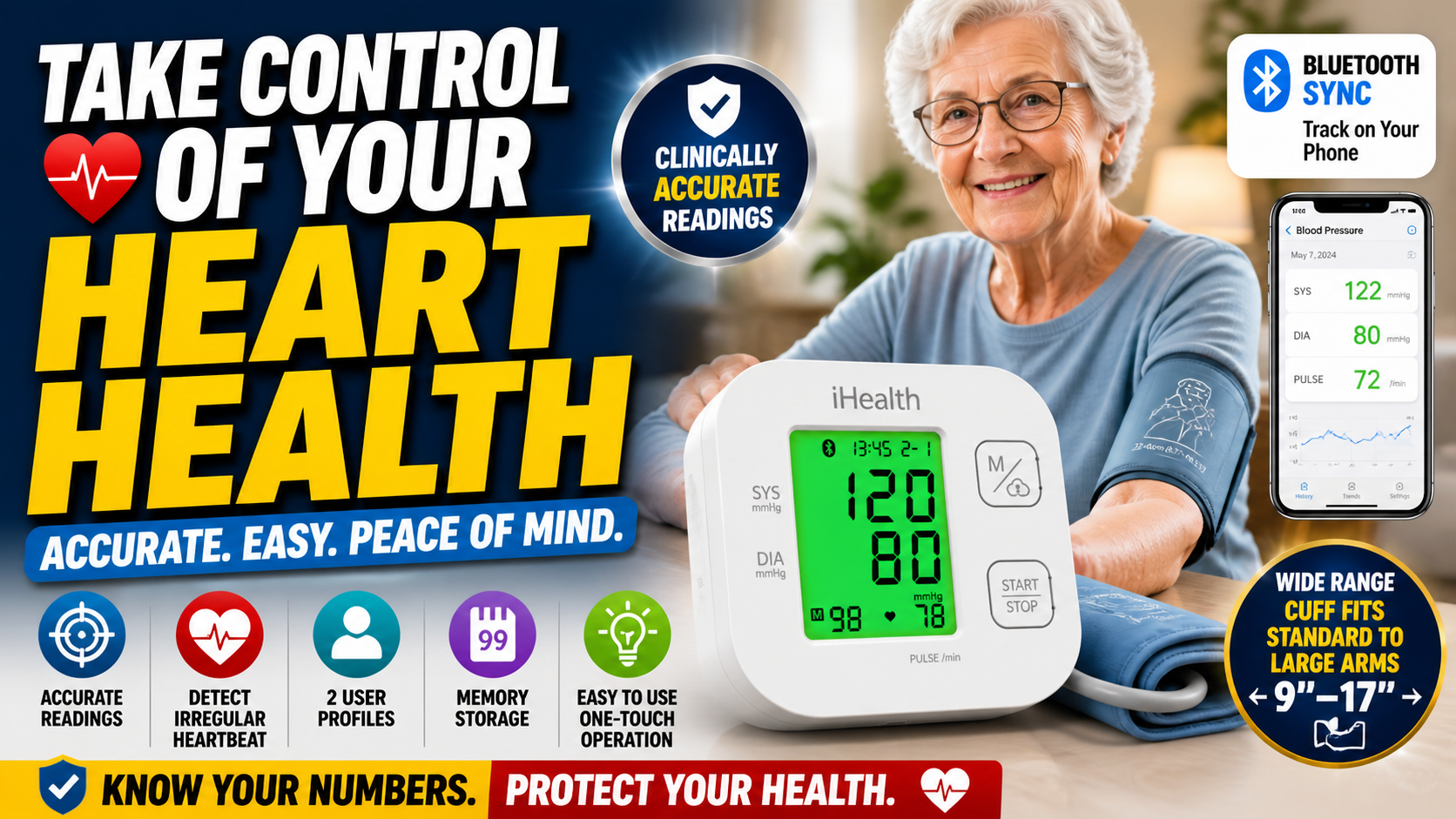
A home blood pressure monitor helps identify when orthostatic hypotension is occurring — which may reflect either medication effects, dehydration, or their combination. Our review of the best blood pressure monitor for seniors covers the Bluetooth-connected option that logs readings automatically for sharing with physicians.
Increase Hydrating Foods
Fluid doesn’t only come from beverages. Foods with high water content — fruits, vegetables, soups, yogurt — contribute meaningfully to total daily fluid intake. For older adults who find drinking large volumes of water difficult, increasing hydrating foods alongside moderate beverage intake can achieve adequate total fluid status without requiring significant changes to drinking behavior.
Other Overlooked Fall Risks Worth Knowing
Dehydration is the most consistently overlooked — but several other fall risk factors receive less attention than they deserve in most family fall prevention conversations.
Footwear Inside the Home
The footwear most older adults wear inside their homes — loose slippers, socks on smooth floors, worn-out shoes — is specifically unsuited to the demands of indoor movement on the surfaces where they spend most of their time. Non-slip rubber soles, a secure fit that doesn’t allow the foot to slide within the shoe, and adequate heel support are the specifications that matter for fall-preventive indoor footwear. This is a free change that requires only a new pair of well-fitted shoes and the habit of wearing them.
Bifocal and Progressive Lens Effects on Stairs
Progressive and bifocal lens wearers experience a specific stair hazard that most optometrists don’t spontaneously mention and most wearers don’t know about. The reading portion of the lens — at the bottom — is what the eye uses when looking down at stairs. This portion is optimized for near vision rather than distance, producing a distorted view of the stair surface that affects depth perception and step edge visibility.
For older adults who wear progressive or bifocal lenses and who navigate stairs regularly, this specific visual hazard is worth discussing with their optometrist. Single-vision distance glasses for stair navigation specifically may be recommended for high-risk individuals.
The First Day of a New Medication
The period of highest medication-related fall risk is the first few days on a new medication — when the body is adjusting to the new compound and side effects are typically at their most pronounced. Blood pressure effects, sedation, and dizziness tend to be strongest in the first days and moderate as the body adjusts.
The first day or two on any new medication — particularly any medication in the categories we covered in our guide on the #1 reason seniors fall — warrants specific additional caution. Family members who know a parent has started a new medication can provide additional check-ins and awareness during this window.
Post-Meal Hypotension
Blood pressure drops after meals in many older adults — a phenomenon called postprandial hypotension — as blood is redirected to the digestive system. This produces dizziness and fall risk in the period after eating, particularly after larger meals. Smaller, more frequent meals reduce the magnitude of postprandial blood pressure drops. Remaining seated for 20 to 30 minutes after meals before rising and walking avoids activity during the lowest blood pressure window.
The Morning — Highest Risk Time of Day
More falls occur in the morning — in the first hour after waking — than at any other time of day. Blood pressure is lowest, blood has pooled in the lower body during sleep, alertness is reduced, and medications may not yet have reached their therapeutic level. Getting up from bed slowly, sitting on the edge before standing, and moving deliberately rather than quickly through the first morning activities meaningfully reduces morning fall risk.
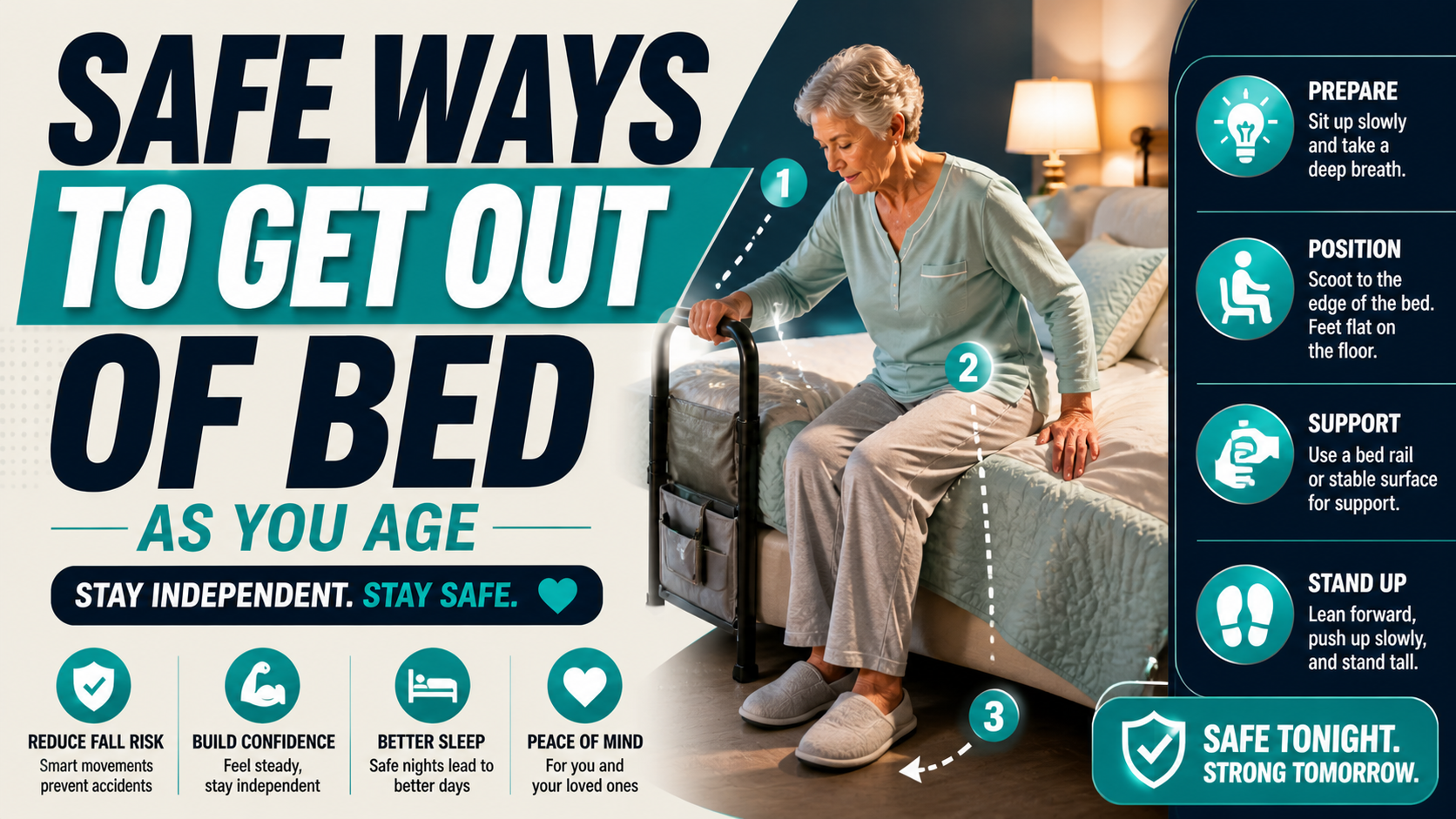
Our guide on safe ways to get out of bed as you age covers the specific technique that addresses morning fall risk at the most dangerous daily transition. Our guide on senior bedroom safety tips for nighttime falls covers the equipment that supports safe morning and nighttime transitions.
The Complete Fall Prevention Picture
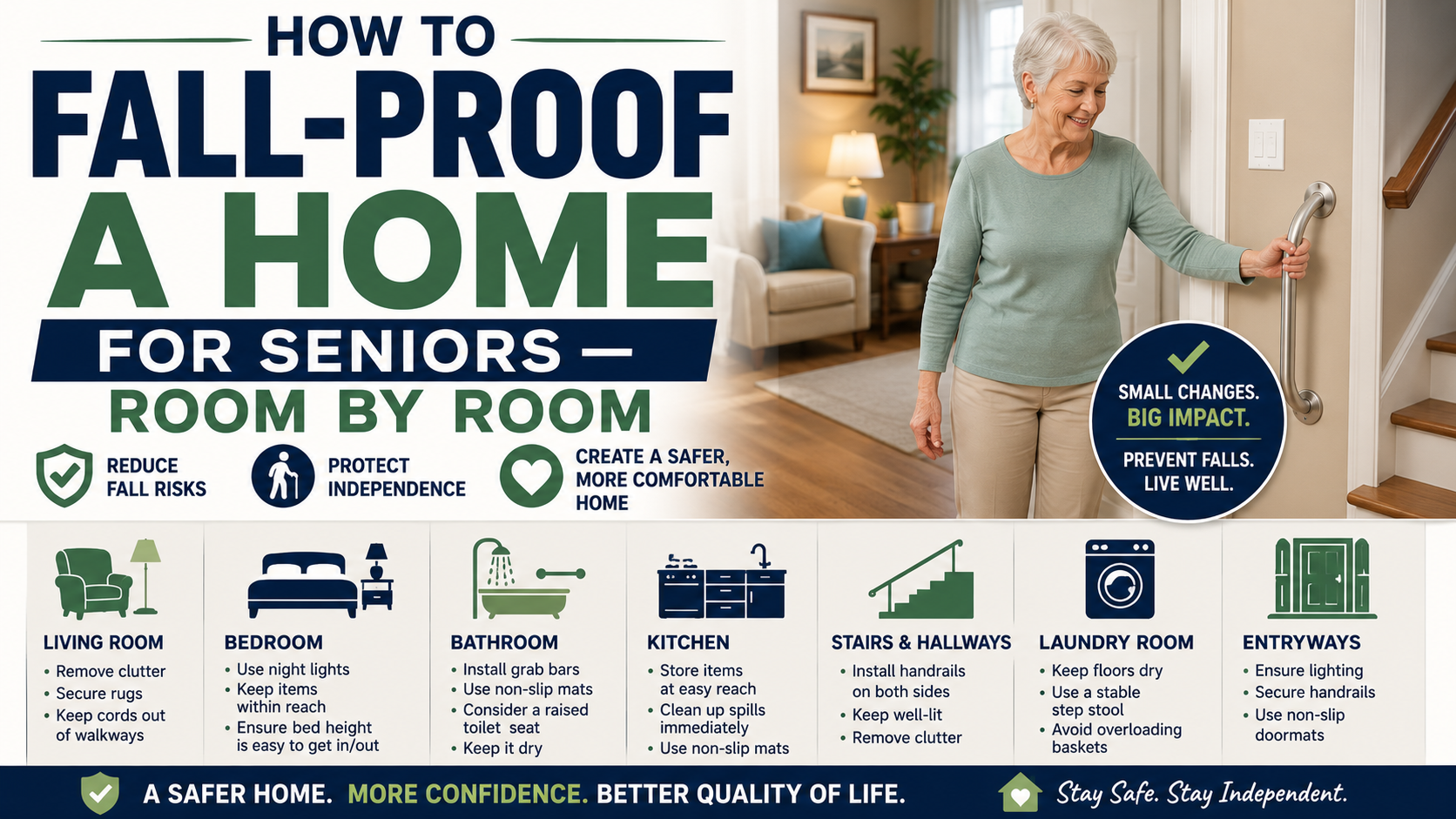
Environmental modifications — grab bars, night lights, removing rugs, bathroom safety — address one category of fall risk. Medical factors — medications, dehydration, vision, footwear — address another. Physical factors — balance, strength, gait — address a third. A complete fall prevention approach addresses all three categories because falls almost always have multiple contributing factors rather than a single identifiable cause.
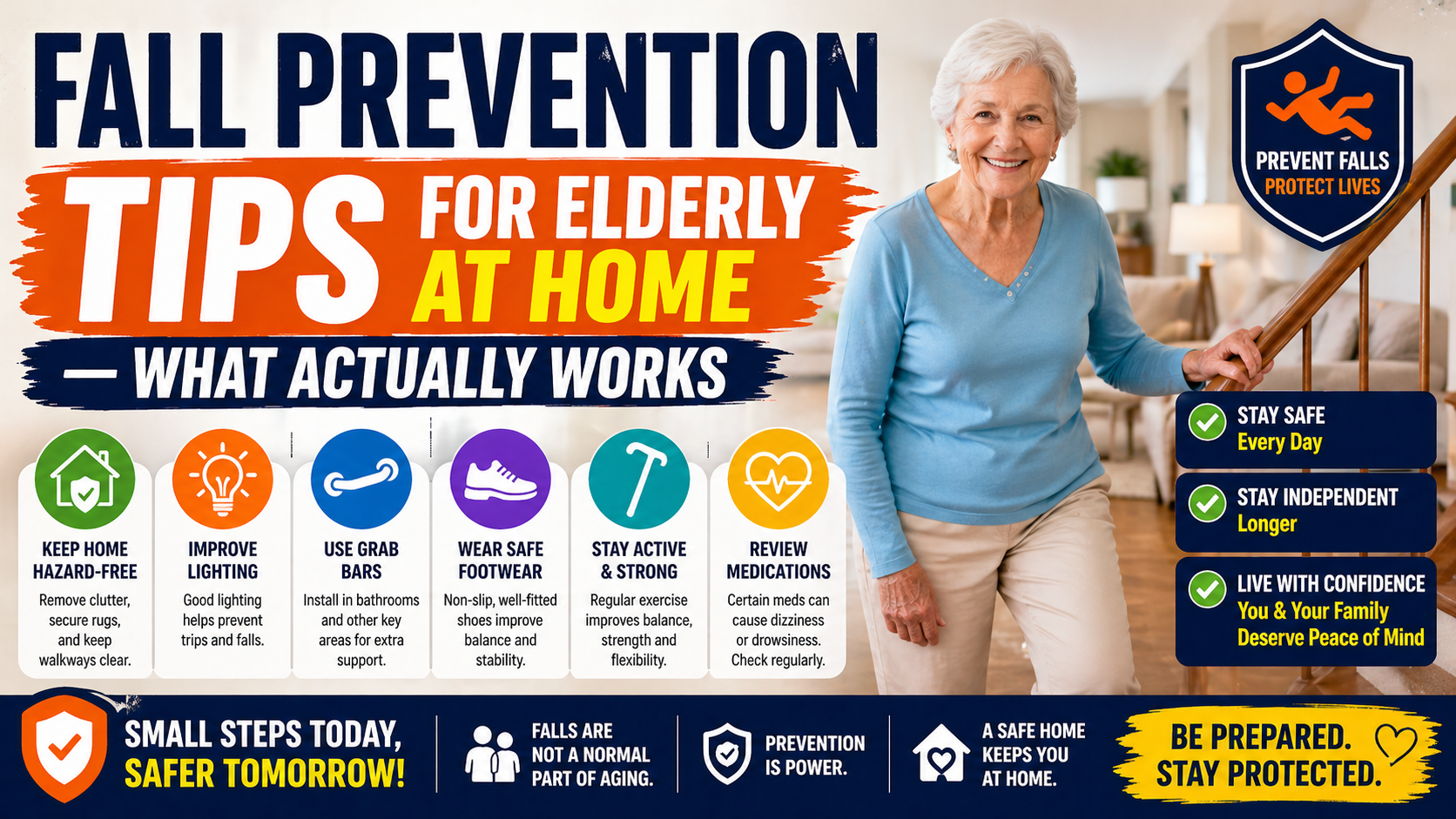
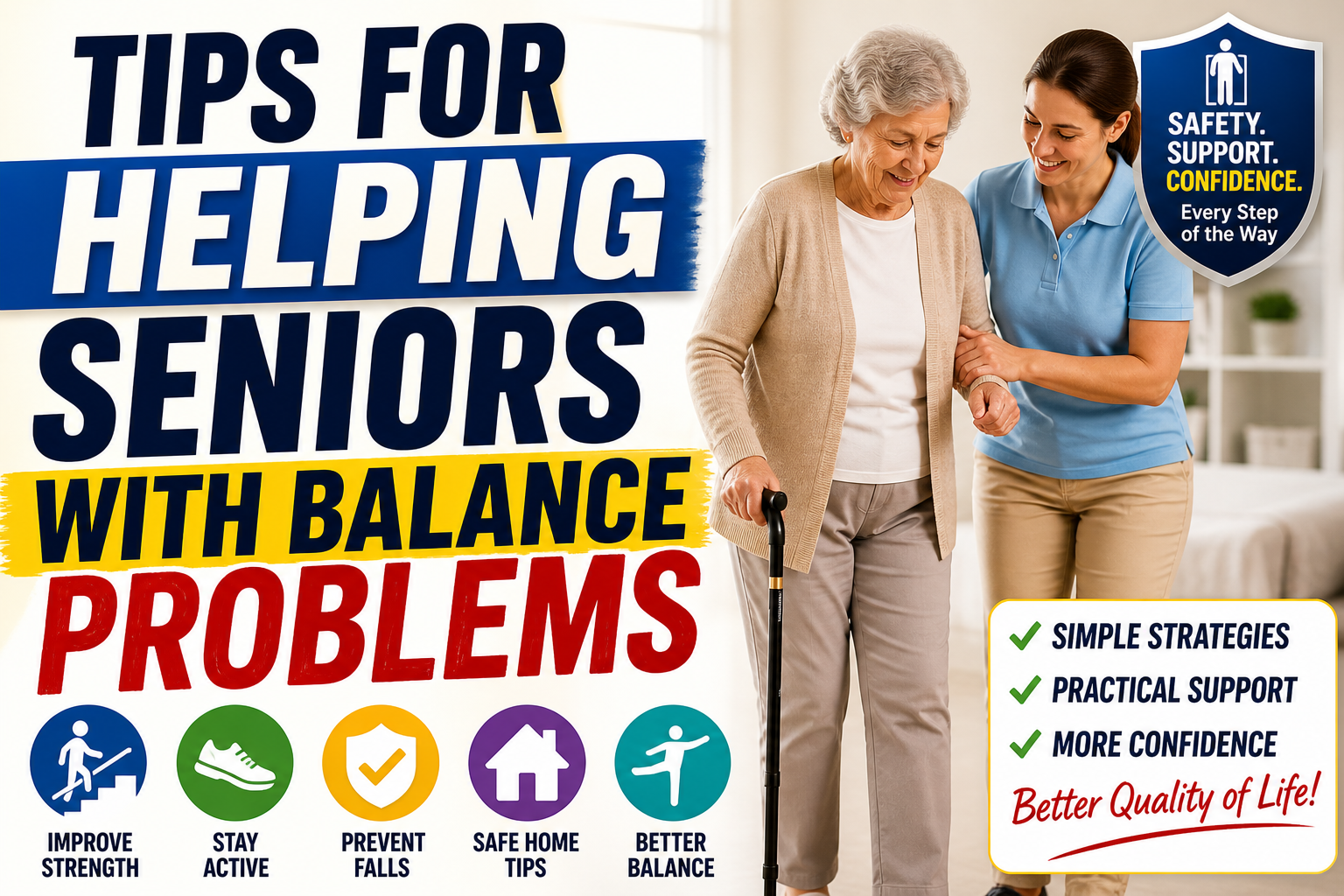
Our complete guide on fall prevention tips at home covers the full picture. Our guide on senior fall prevention products that actually work covers the equipment side ranked by impact. Our guide on tips for balance problems covers the physical intervention side.
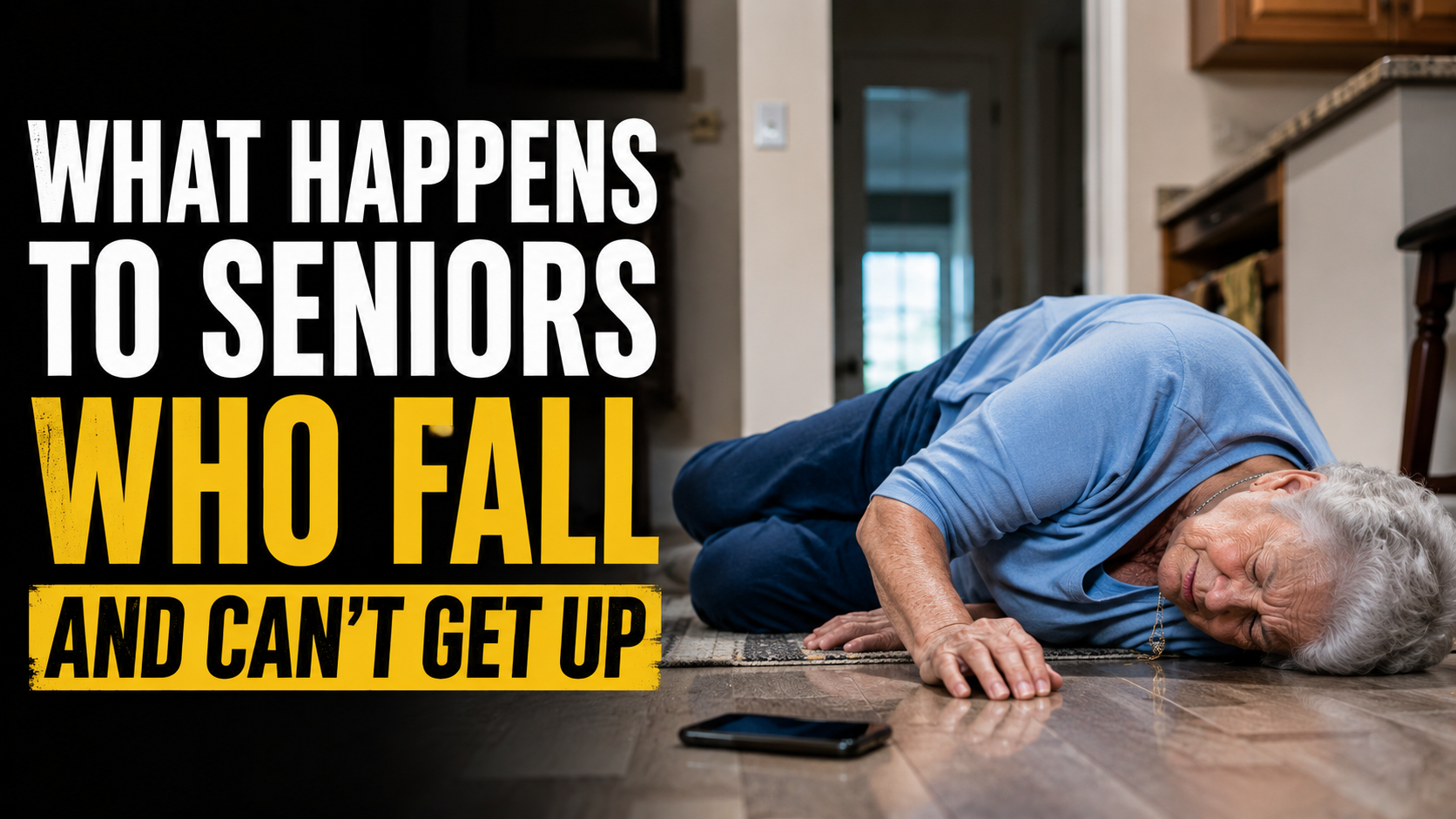
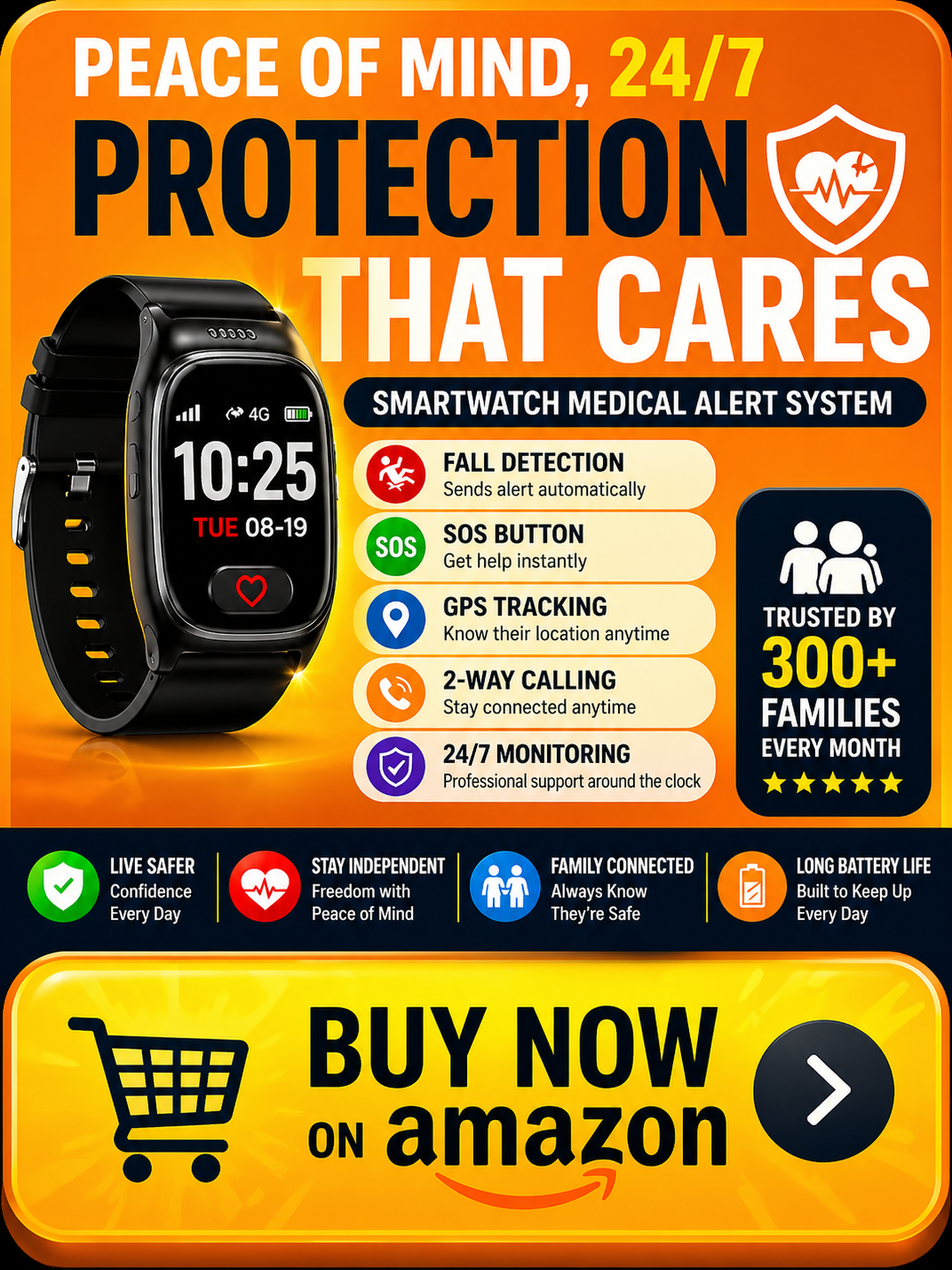
And for the safety net when prevention isn’t enough — the SecuLife Smartwatch with automatic fall detection ensures that when a fall does occur, help arrives in seconds rather than hours. For what happens when that gap isn’t closed our guide on what happens to seniors who fall and can’t get up covers the medical reality in full detail.
→ Get the SecuLife Smartwatch on Amazon
Start With a Glass of Water
The practical takeaway from this guide is both smaller and more actionable than most fall prevention advice.
Put a water bottle within reach of wherever your parent spends most of their day. Make fluid intake visible and routine rather than dependent on a thirst signal that may not be reliable. Monitor urine color as the simplest objective indicator of hydration status. And have the fluid restriction conversation if it’s happening — because the trade may not be worth making.
Falls have many causes. Some require construction and installation. Some require medical appointments and prescription reviews. Some require significant investment.
This one starts with a glass of water.
About the Author
Margaret Holloway, RN spent 22 years in geriatric nursing where dehydration-related falls were a consistent, preventable, and consistently overlooked contributor to patient admissions. She watched patients arrive having fallen — with orthostatic hypotension clearly present, with urine dark amber, with cognitive changes consistent with dehydration — and watched families be surprised to learn that inadequate fluid intake had contributed to the fall that brought their parent to the hospital. She writes for Elder Safety Guide because the gap between what geriatric nurses know and what families know about fall risk is wide enough to cause preventable falls — and doesn’t have to be.