One in three adults over 65 falls every year. Most of the homes where these falls happen have no meaningful prevention measures in place. Here’s the evidence-based action plan.
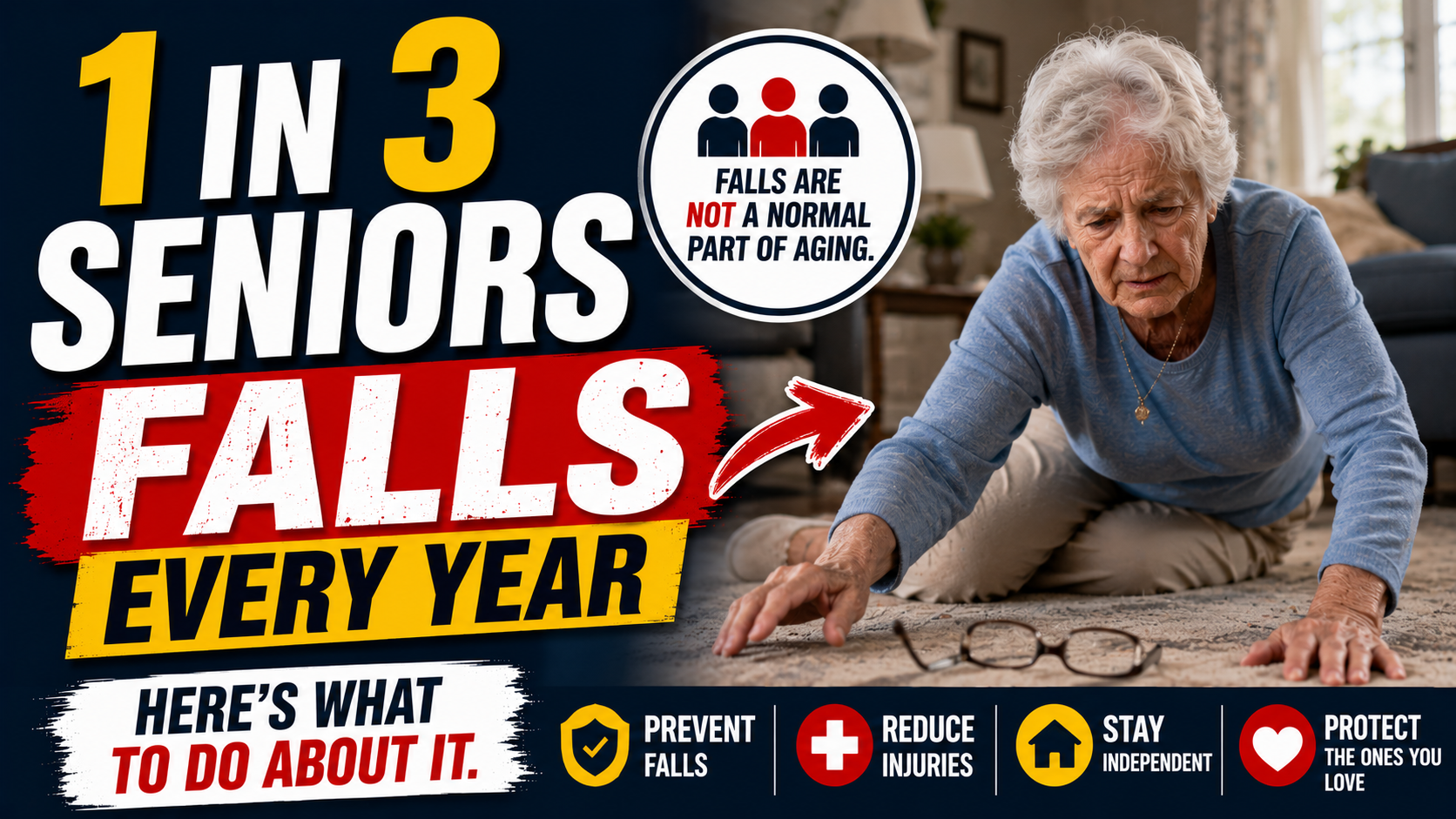
One in three adults over 65 falls every year. One in two adults over 80.
Those numbers come from the Centers for Disease Control — and they’ve been consistent across decades of research. Falls are not a rare event in the senior population. They are the most common cause of both fatal and nonfatal injuries in older adults in the United States. They send more than 3 million seniors to emergency rooms annually. They are the leading cause of traumatic brain injury in adults over 65.
And most of the homes where these falls happen have no meaningful fall prevention measures in place.
This article covers what those statistics actually mean for your family — and specifically what the evidence says about reducing the probability that your parent or loved one becomes part of them.
What “1 in 3” Actually Means for Your Family
Statistics like “1 in 3” can feel abstract until you apply them to your actual situation.
Think about the older adults in your family — your parents, your aunts and uncles, your grandparents if they’re still living. If there are three of them, statistically one will fall this year. If there are six, statistically two will fall. If your parent is over 80, the odds are closer to even that they’ll experience a fall in the next 12 months.
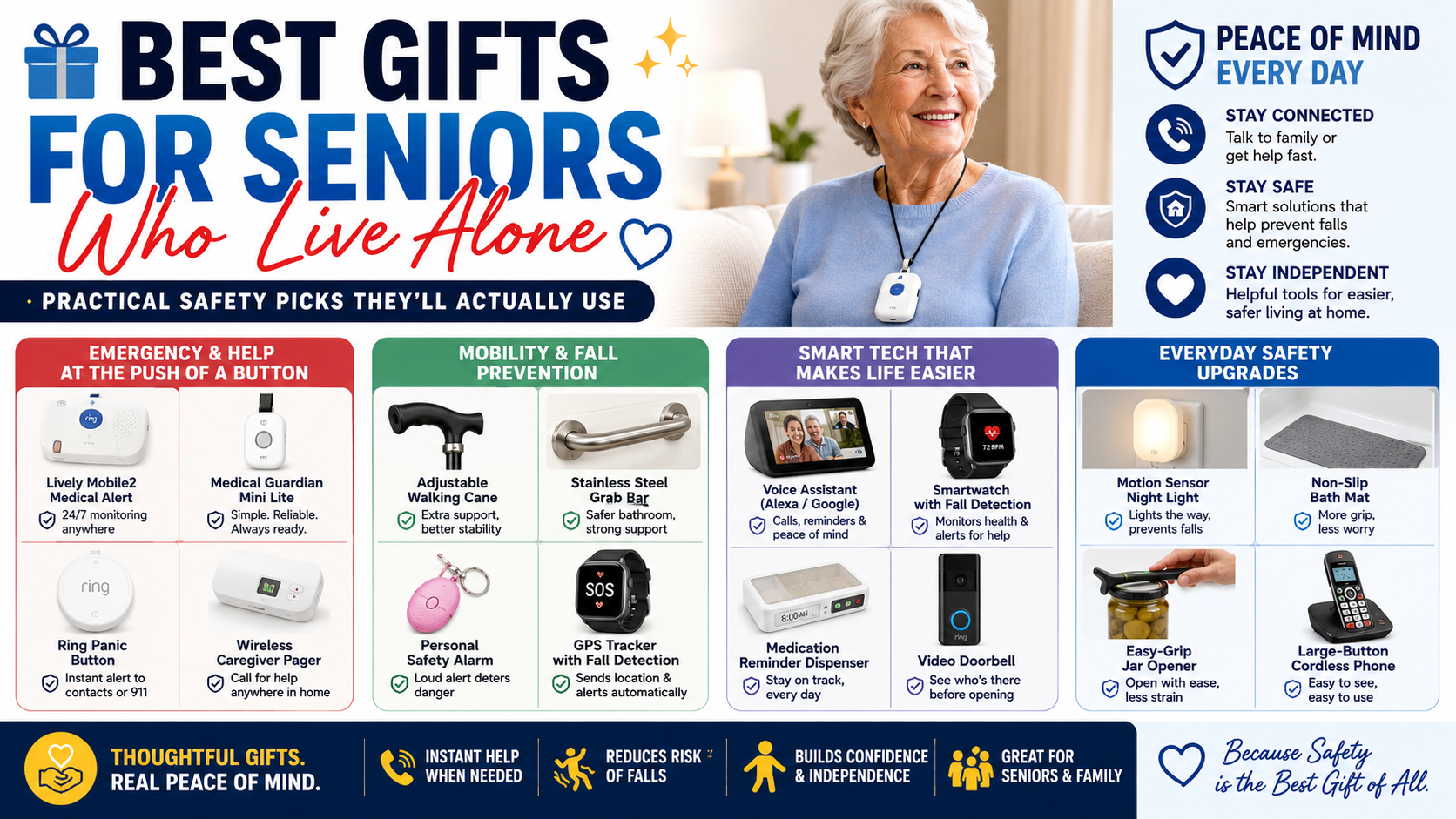
Now think about whether meaningful fall prevention measures are in place for each of them. Grab bars in the bathroom. A medical alert device with fall detection. Nighttime path lighting. Toilet safety rails. A walking aid for anyone whose balance has changed.
For most families the honest answer is that few or none of these measures are in place for most of the older adults they care about. That gap — between a one-in-three annual fall probability and a home with no meaningful fall prevention — is the space where most serious falls in older adults happen.
Not All Falls Are Equal — Why Some Are Catastrophic
The 1 in 3 statistic covers falls of all severity levels — from minor trips with no significant injury to falls that permanently change the trajectory of someone’s life. Understanding what separates the minor falls from the catastrophic ones is important for understanding what prevention actually achieves.
Hip Fractures — The Most Feared Consequence
Approximately 300,000 older Americans are hospitalized for hip fractures annually — and roughly 95 percent of those hip fractures result from falls. The consequences of hip fracture in older adults are severe enough to deserve specific attention.
One in four older adults who sustains a hip fracture dies within 12 months. Not from the fracture itself — from the cascade of consequences that follows. Pneumonia acquired during the hospitalization and rehabilitation period. Blood clots. The general physical and cognitive decline that follows extended immobility. The failure to return to baseline function that sends previously independent seniors into long-term care facilities.
Of those who survive a hip fracture, only approximately half return to their prior level of function. The other half experience a permanent reduction in independence, mobility, and quality of life — from a single fall on an ordinary day in an ordinary home.
This is what’s at stake in the 1 in 3 statistic. Not a bruise. Not an inconvenient recovery. For a meaningful proportion of falls in older adults — particularly falls in the bathroom, on stairs, or from standing height onto hard surfaces — the consequence is life-altering.
Traumatic Brain Injury
Falls are the leading cause of traumatic brain injury in adults over 65 — more common than vehicle accidents, sports injuries, or any other mechanism. Head injuries from falls in older adults produce both immediate consequences — intracranial bleeding, concussion — and long-term consequences including accelerated cognitive decline, increased dementia risk, and permanent neurological change.
Older adults are specifically vulnerable to intracranial bleeding from falls because of the brain atrophy that occurs with age — as the brain shrinks slightly within the skull, the bridging veins that span the resulting space are under more tension and more susceptible to tearing on impact. A fall that produces minimal external head trauma can cause significant intracranial bleeding in an older adult through this mechanism.
The Psychological Consequences — Fear of Falling
Even falls that produce no significant physical injury have measurable psychological consequences in older adults. Fear of falling — a lasting anxiety about falling that changes movement and activity patterns — affects approximately 50 percent of older adults who have experienced a fall and a significant proportion who haven’t fallen but are aware of fall risk.
Fear of falling reduces activity. Reduced activity reduces the strength and balance that prevents falls. The fear creates the very vulnerability it’s responding to — a self-reinforcing cycle that accelerates physical decline and reduces quality of life independently of whether another fall occurs.
The response to a fall that produces fear of falling isn’t rest and caution. It’s targeted physical therapy to address the underlying balance and strength deficits, combined with home modifications that address the environmental risks that make the feared fall more likely. Our guide on tips for helping seniors with balance problems covers the exercise interventions with the strongest evidence.
Why Falls Happen — The Modifiable Risk Factors
Falls are not random. They result from specific risk factors — many of which are modifiable — meeting specific environmental opportunities. Understanding both sides of that equation is what makes fall prevention actionable rather than abstract.
The Person-Side Risk Factors
Medication is the single most significant modifiable fall risk factor — blood pressure medications causing orthostatic hypotension, sleep medications reducing alertness and coordination, diuretics increasing nighttime bathroom trips. A falls-focused medication review with the prescribing physician is the highest-impact single medical intervention available for fall prevention. We covered this in depth in our guide on the #1 reason seniors fall at home.
Dehydration produces orthostatic hypotension through blood volume reduction — the same dizziness-on-standing mechanism as some medications. As we covered in our guide on the most overlooked fall risk for seniors, consistent fluid intake throughout the day is a fall prevention intervention that most families never consider.
Reduced balance and muscle strength — addressable through exercise, particularly balance and strength training. Tai Chi has the strongest evidence. Physical therapy addresses specific individual deficits.
Vision changes — addressable through annual vision checks and current prescriptions.
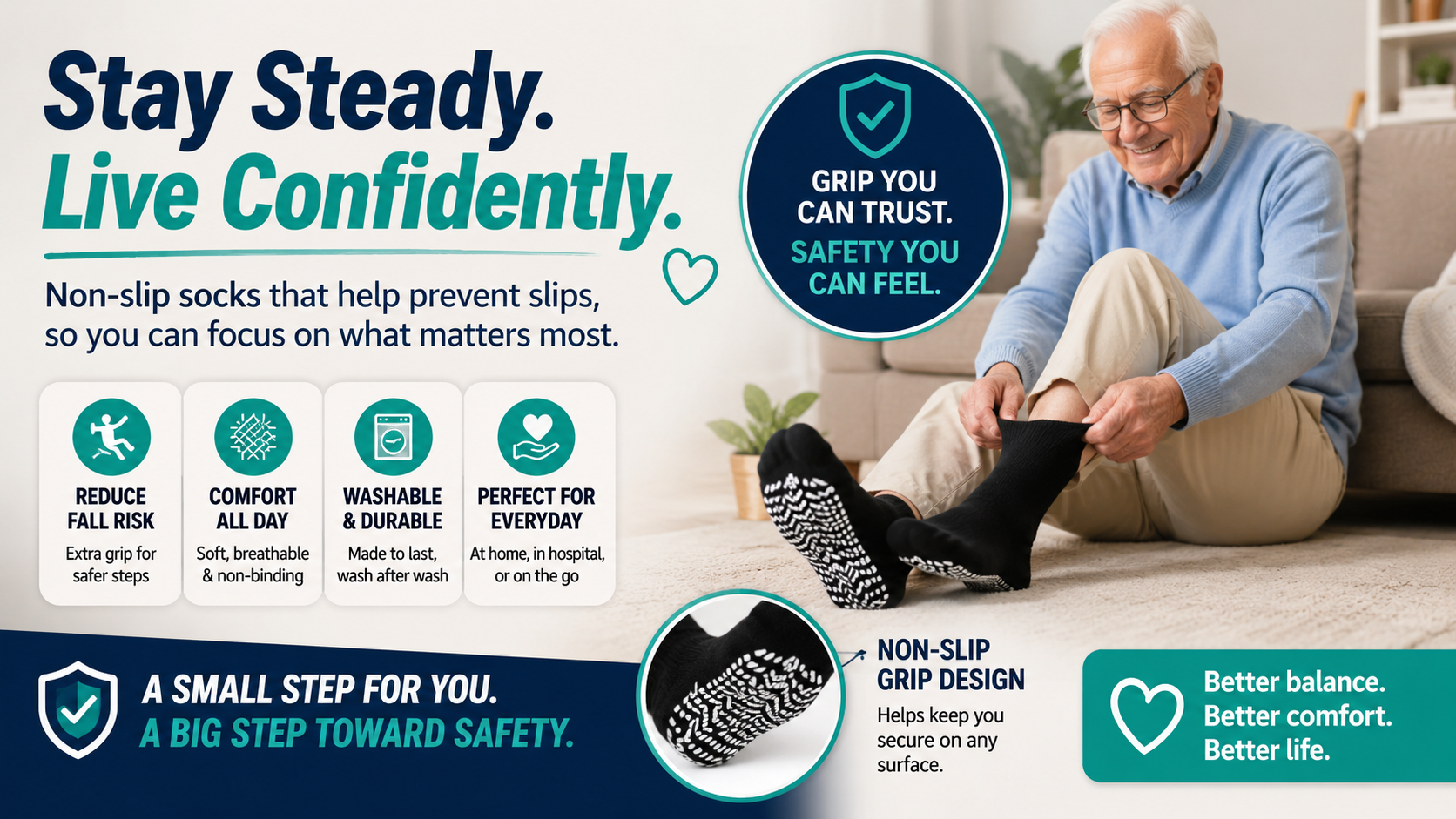
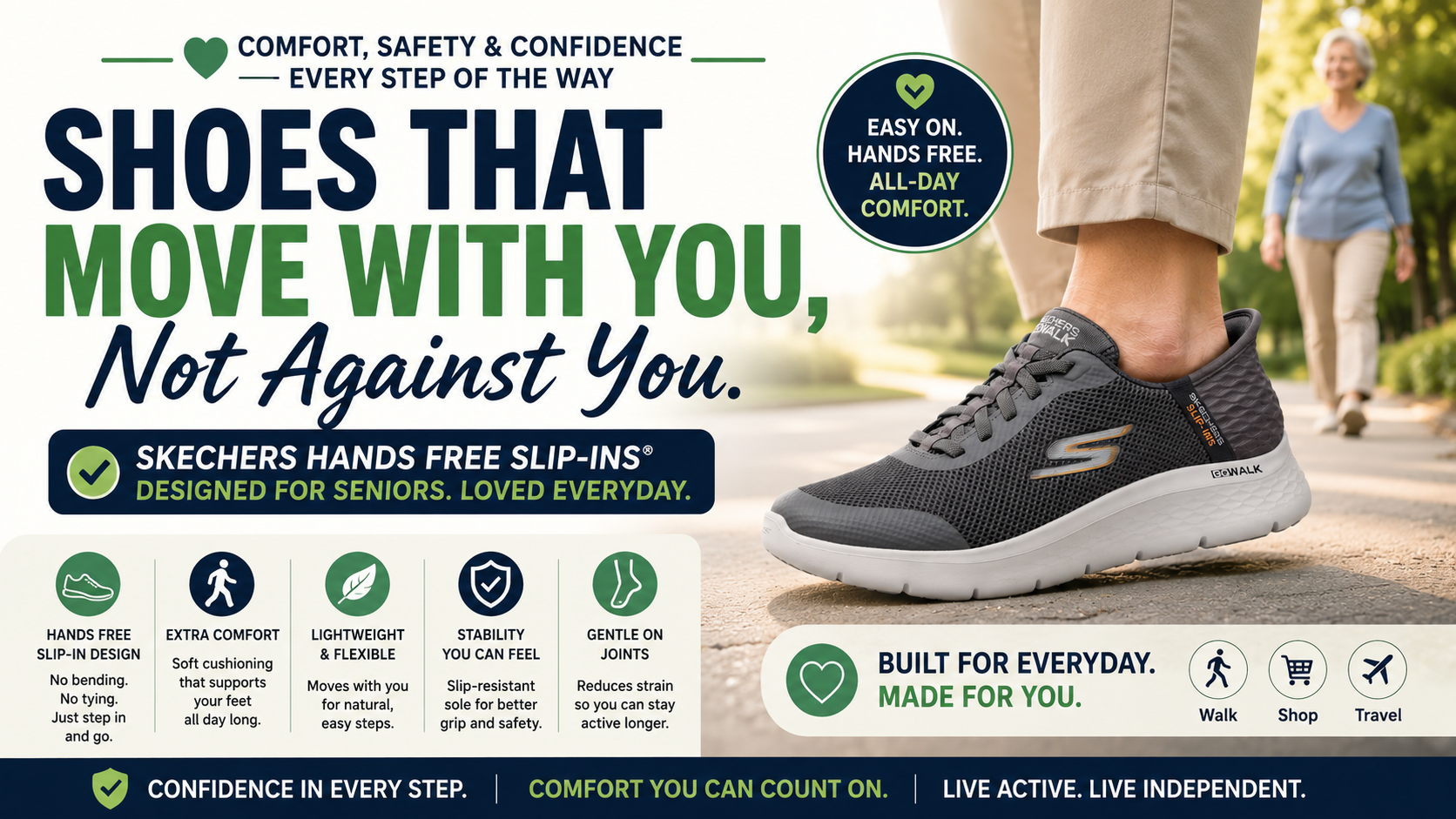
Footwear — indoor footwear with non-slip soles and secure fit. A free change with meaningful impact.
The Environment-Side Risk Factors
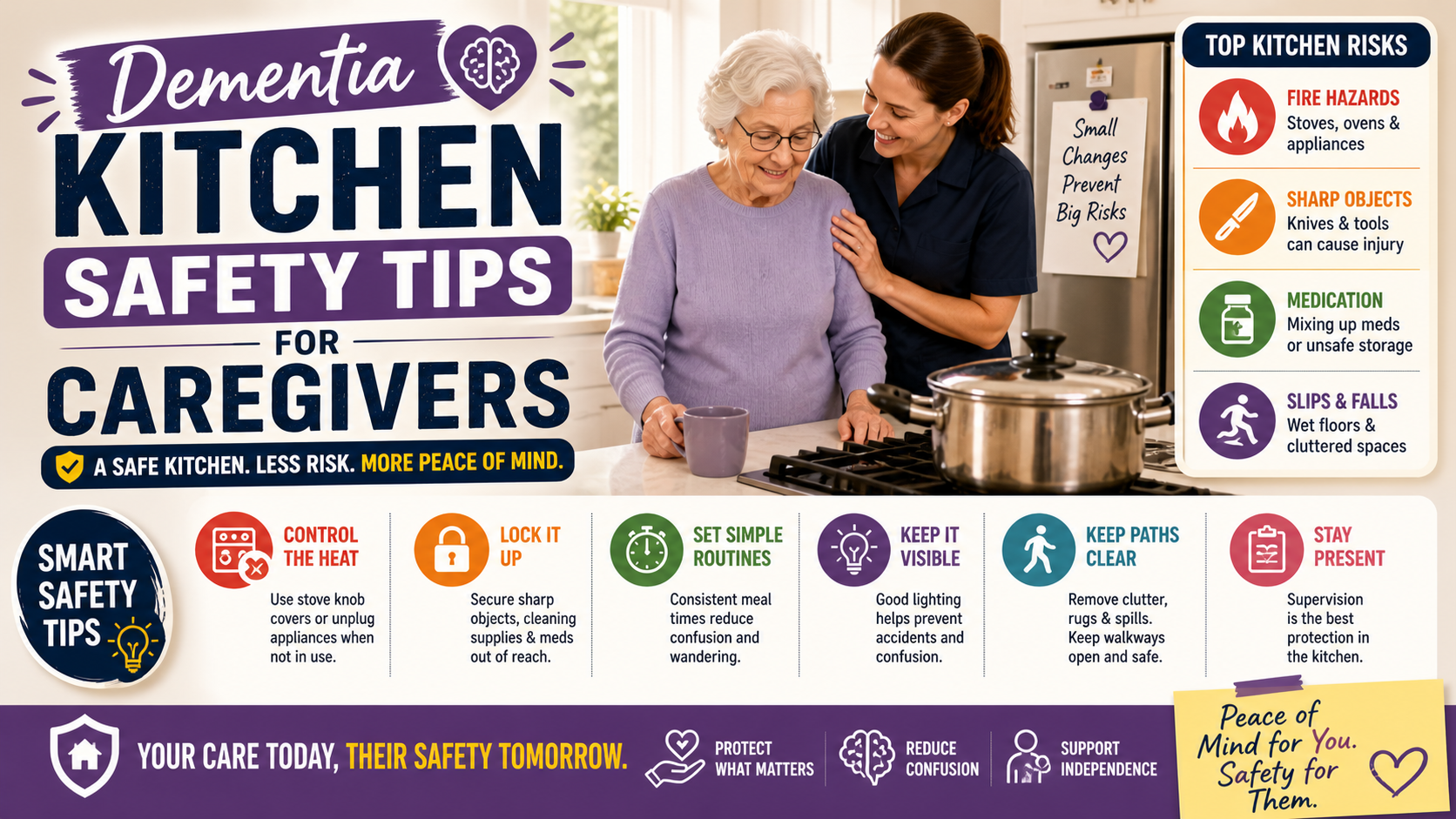
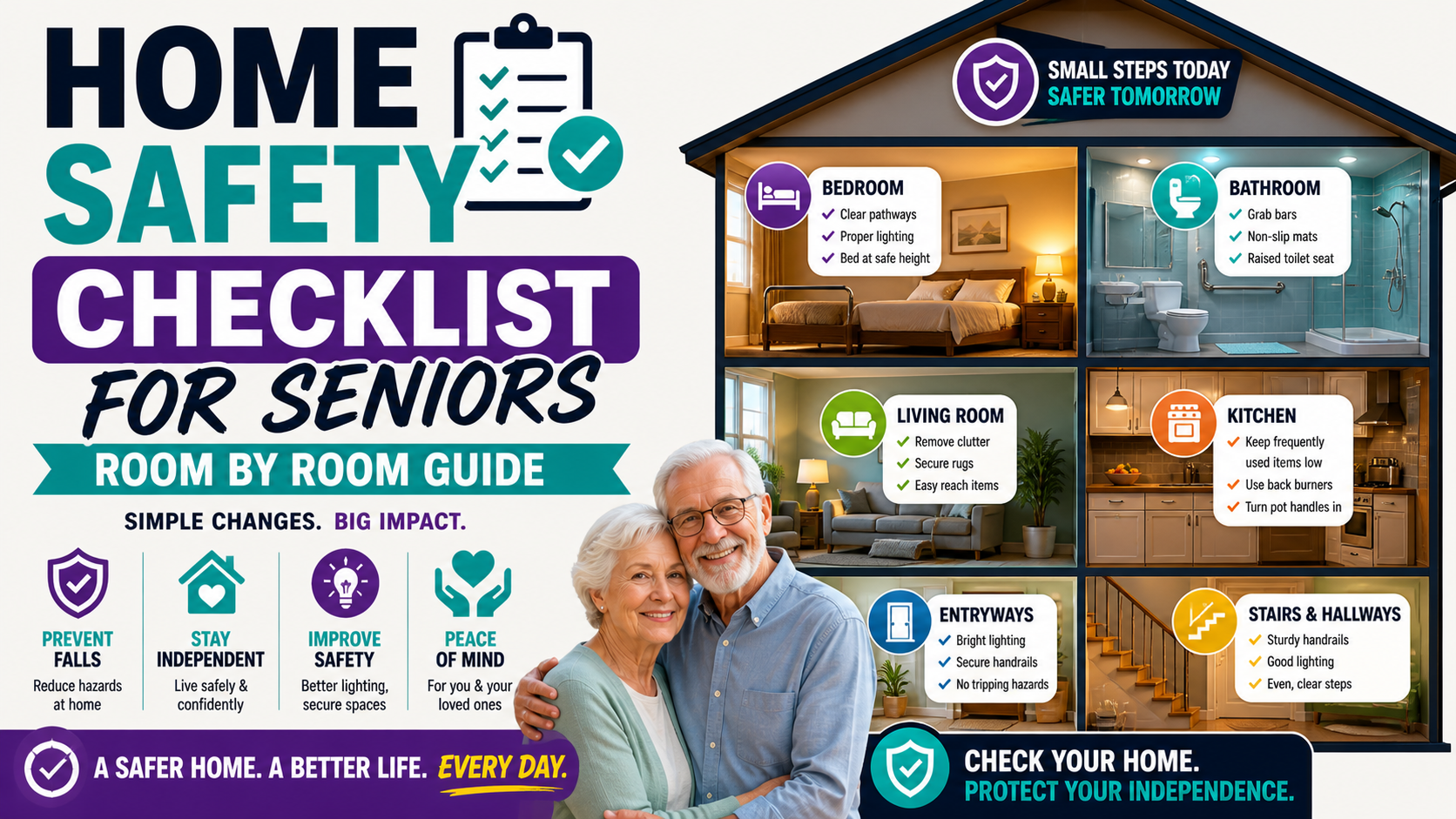
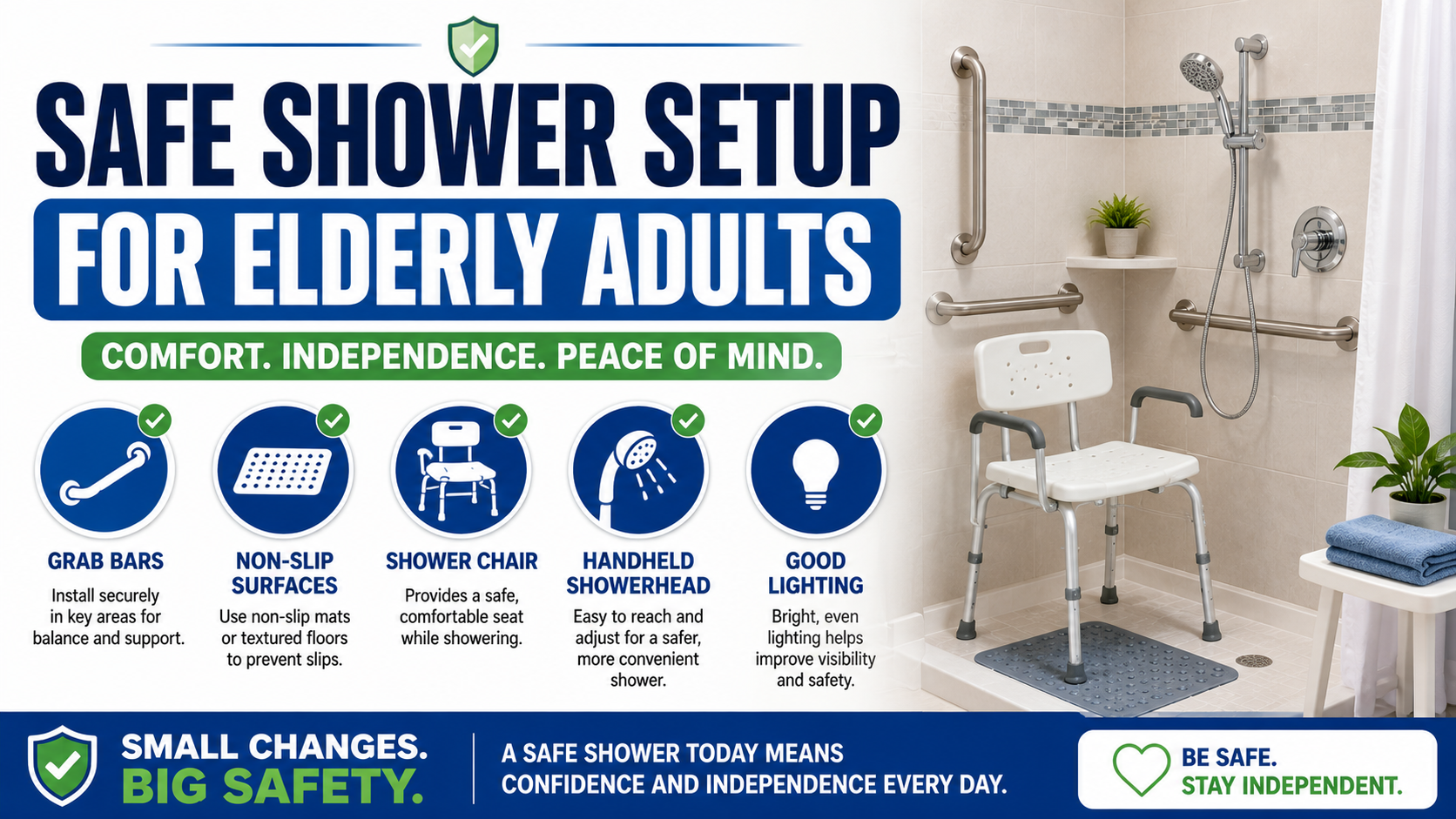
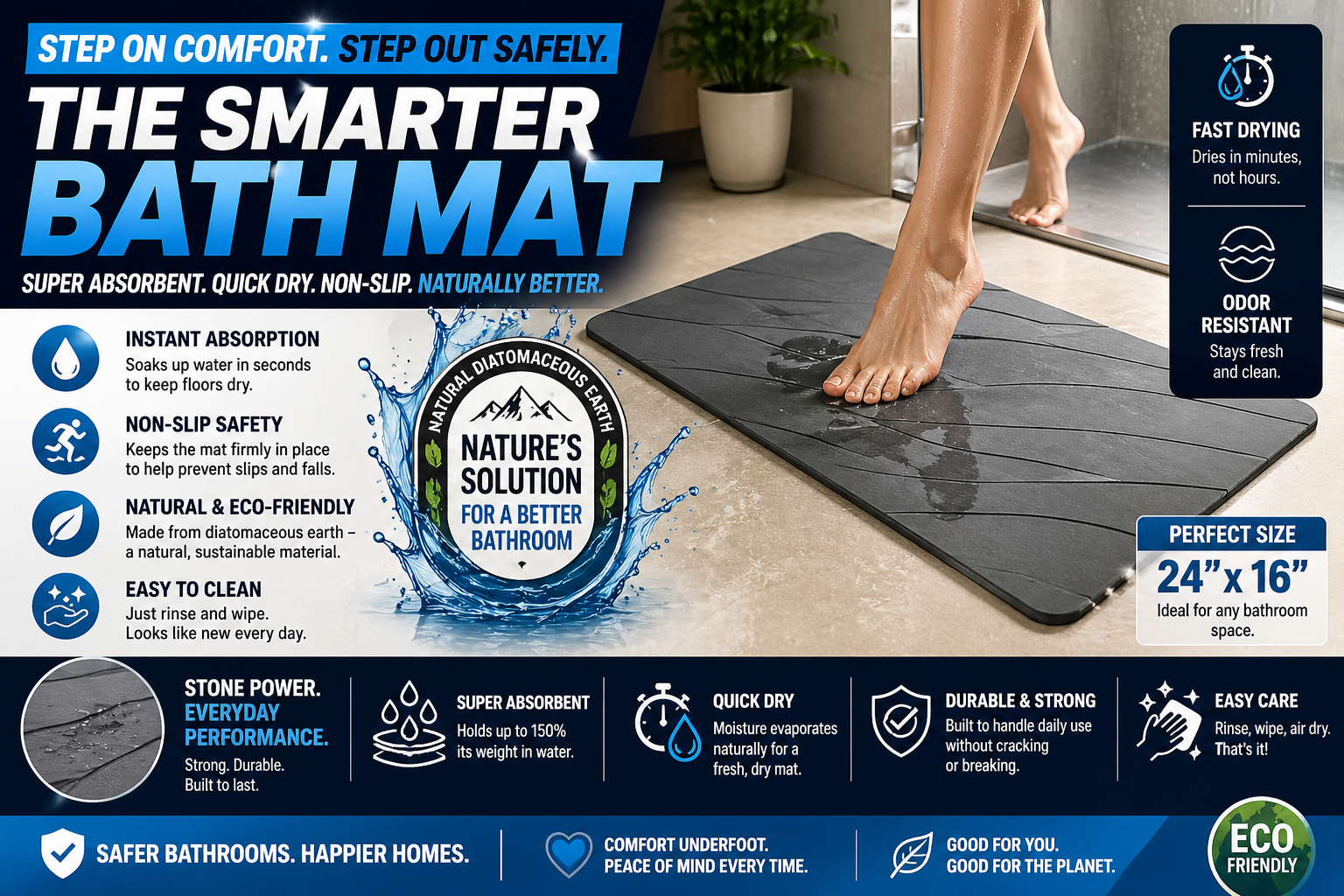
The bathroom — the most dangerous room in the home. Wet surfaces, one-legged transitions, hard floors, small enclosed spaces. As we covered in our guide on your parent’s bathroom is more dangerous than you realize, most bathrooms have none of the modifications that address these risks.
Unsecured rugs and cords — free to address. Remove unsecured rugs. Route all cords along walls. Both done in an afternoon.
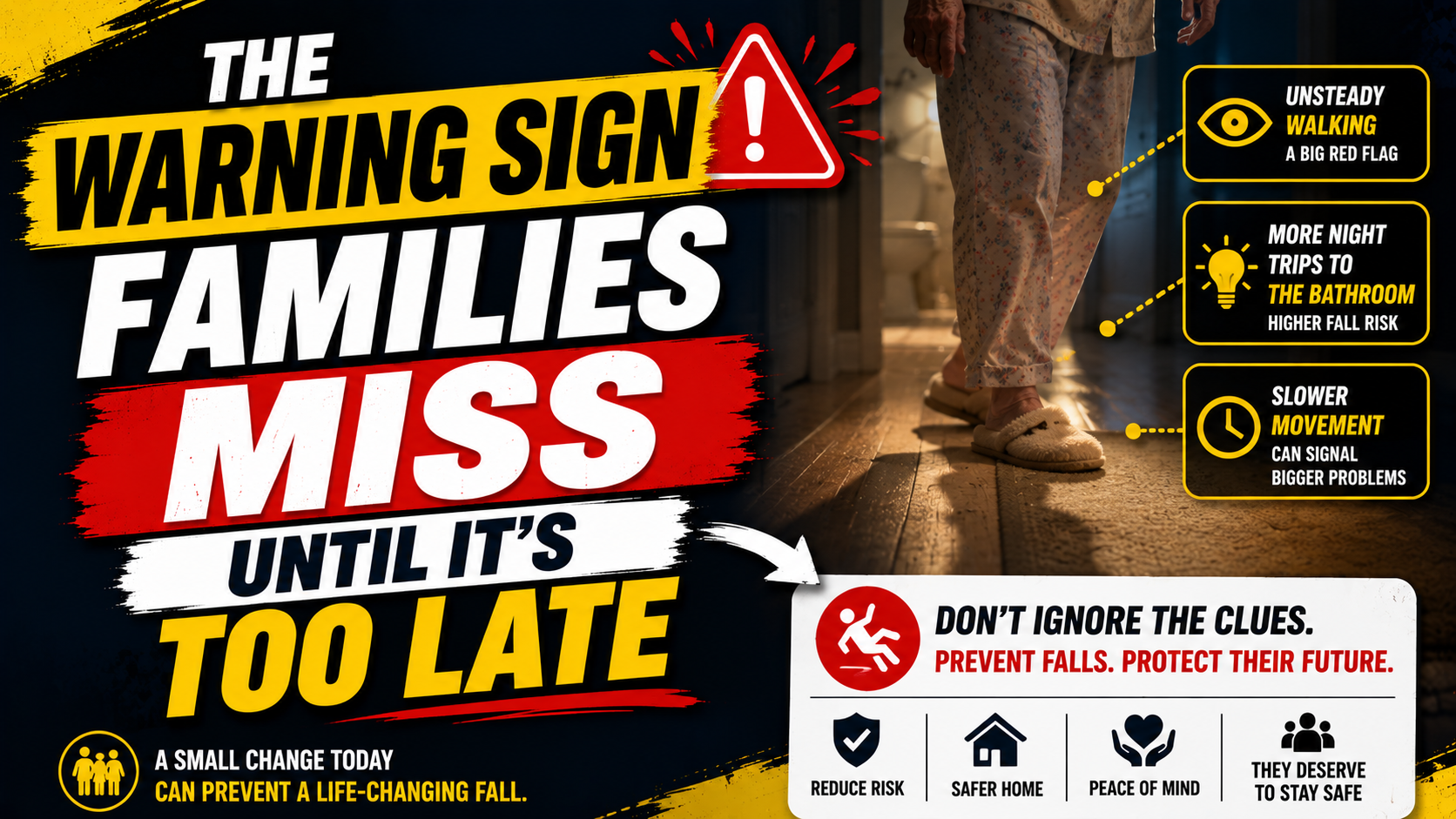
Inadequate lighting — particularly on the path from bed to bathroom at night. Auto-on night lights covering bedroom, hallway, and bathroom address this completely.
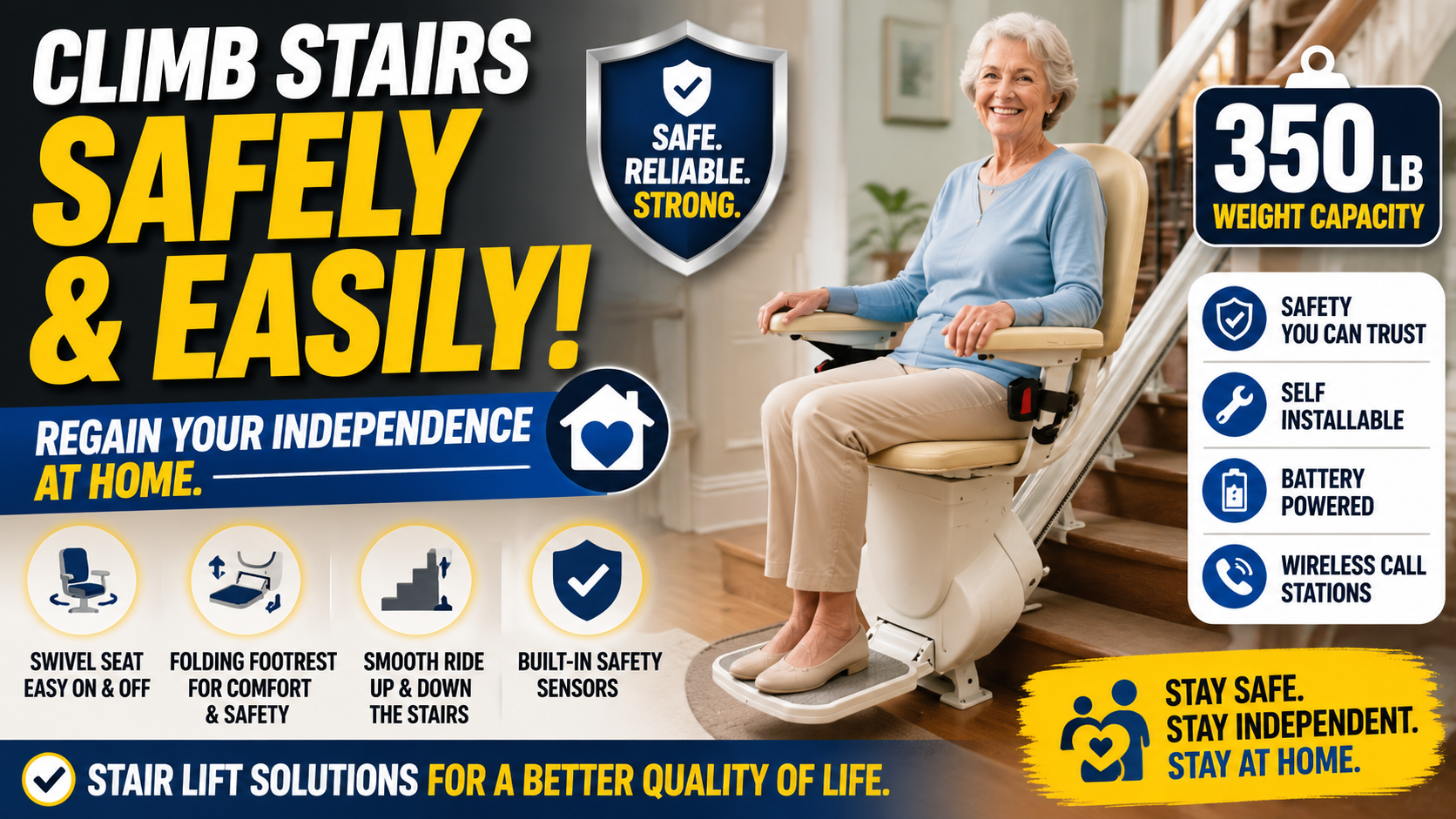
Stairs without bilateral handrails — one of the highest-consequence fall environments. Our guide on how to prevent elderly falls on stairs covers every modification worth making.
Getting out of bed — one of the most repeated high-risk transitions. A bed rail addresses this directly. Our guide on safe ways to get out of bed as you age covers both technique and equipment.
What the Evidence Says About Prevention
Fall prevention isn’t wishful thinking. There’s a substantial research base on what actually works — and what the evidence shows is more encouraging than the 1 in 3 statistic alone might suggest.
Exercise — The Highest-Evidence Intervention
Systematic reviews of fall prevention research consistently identify exercise — particularly balance and strength training — as the intervention with the strongest and most consistent evidence for fall rate reduction. Research shows 20 to 30 percent reductions in fall rates for older adults who engage in regular targeted balance exercise. Tai Chi programs specifically show consistent results across multiple high-quality studies.
This is the intervention that costs nothing, has no side effects, and produces benefits beyond fall prevention — improved cardiovascular health, cognitive function, mood, and independence. It’s also the intervention most consistently not happening for most older adults at fall risk.
Home Modification — High Evidence, Particularly for High-Risk Individuals
Home modification programs specifically — professional assessment followed by targeted modifications — show significant fall rate reductions in higher-risk populations, particularly those with previous falls. The evidence is strongest for bathroom modifications, which address the highest-risk environment in the home.
Our guide on home modifications ranked by impact covers every modification in priority order based on real-world impact evidence. Our guide on senior fall prevention products that actually work covers the specific products with the best evidence.
Medication Review — High Evidence, Consistently Underutilized
Medication review specifically focused on fall risk — conducted by a physician or pharmacist with geriatric expertise — consistently produces meaningful fall rate reductions in trials. The mechanism is clear: identifying and modifying medications that directly impair the physiological systems required for safe movement reduces those impairments and the falls they produce.
Despite strong evidence this intervention remains underutilized — partly because it requires someone to specifically request it rather than it happening automatically as part of routine care. Requesting a “falls-focused medication review” by name at the next physician appointment is one of the highest-impact single actions available in fall prevention.
Vitamin D — Modest Evidence, Easy Intervention
Several studies have found associations between vitamin D supplementation and reduced fall rates in older adults, particularly those who are vitamin D deficient. The evidence is more modest than for exercise or medication review but the intervention is inexpensive and has minimal side effects at recommended doses. Worth discussing with the physician managing care.
The Safety Net — When Prevention Isn’t Enough
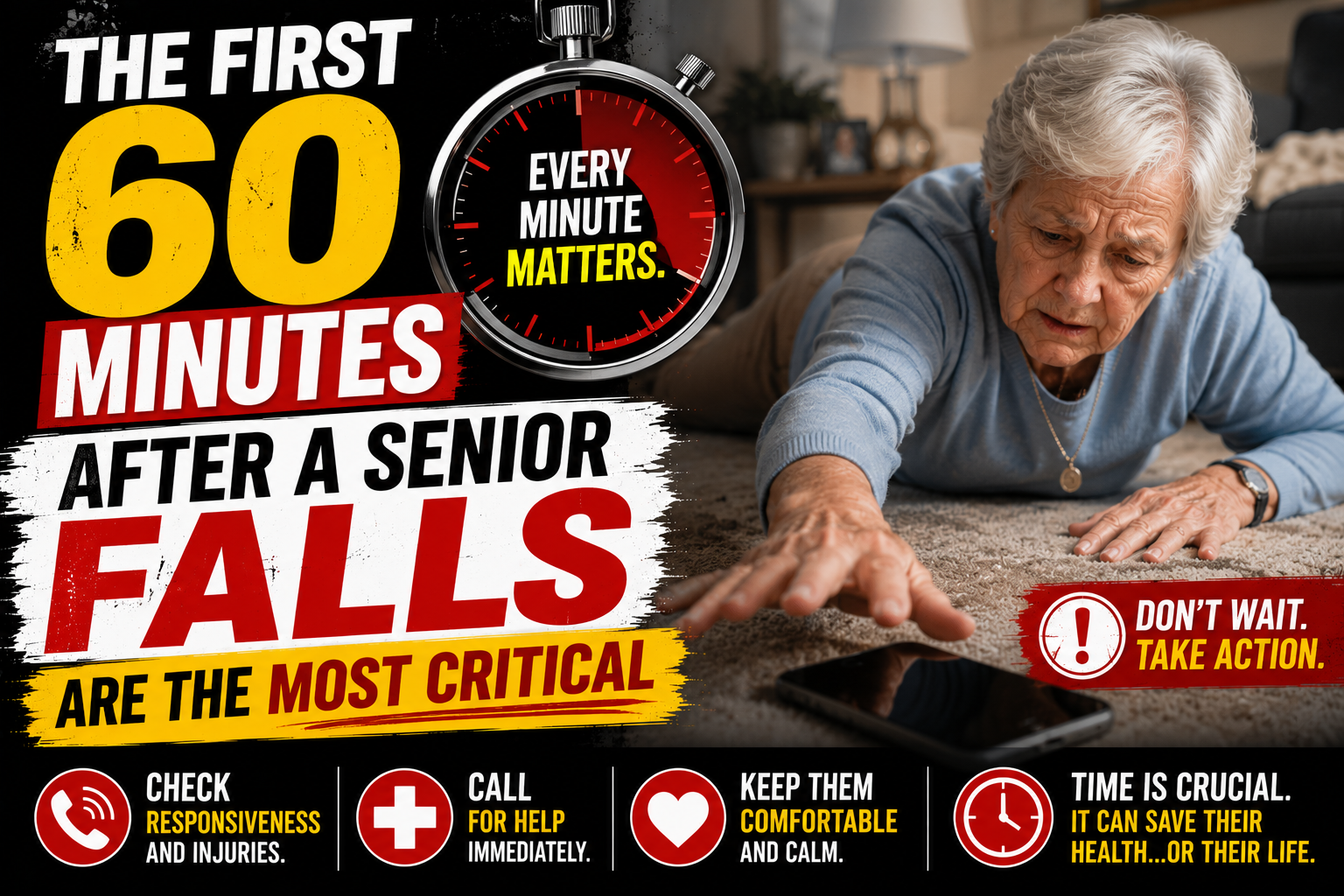
Prevention reduces falls. It doesn’t eliminate them. For anyone in the 1 in 3 who will fall this year despite best efforts, the most important additional variable is how quickly help arrives.
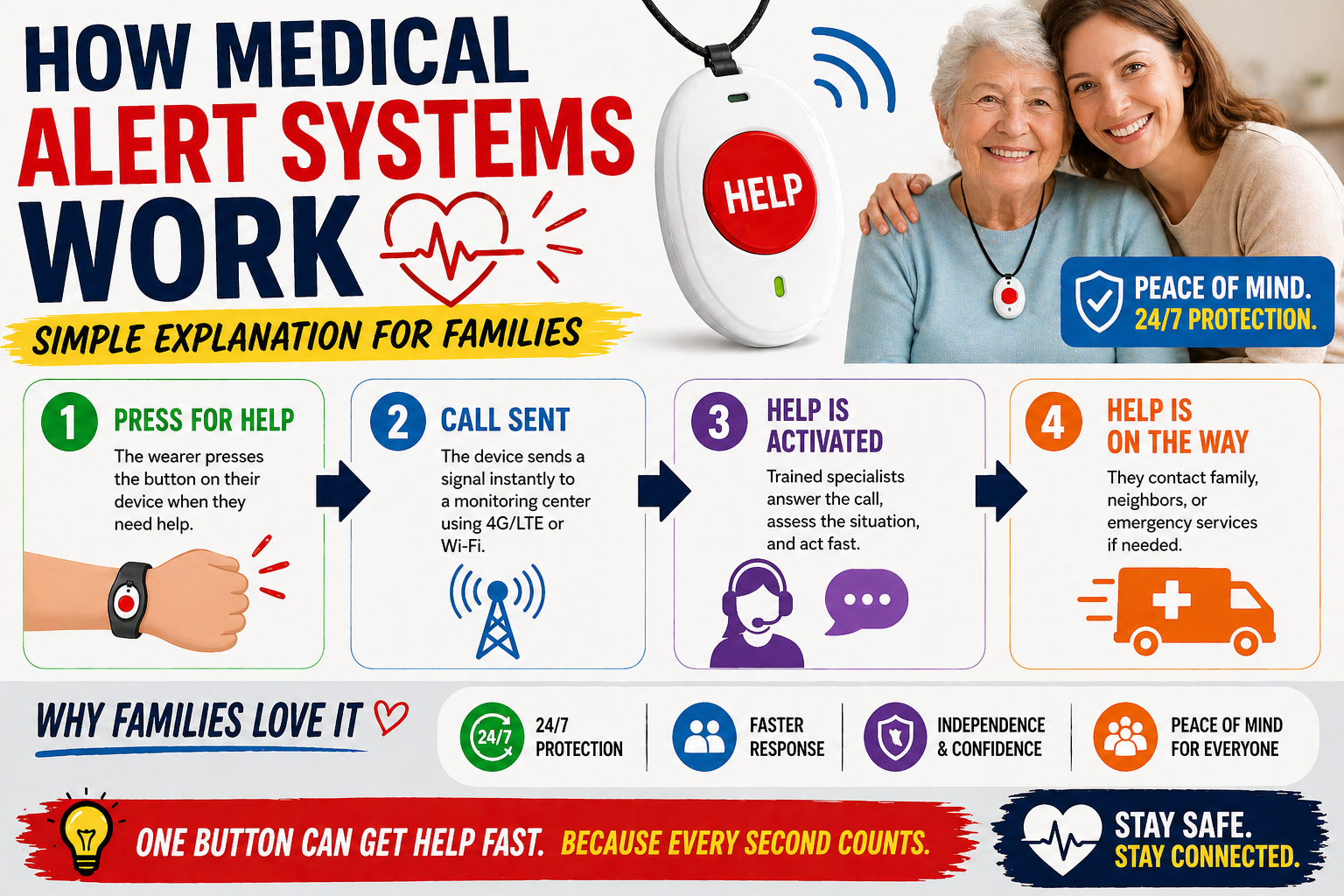
As we covered in detail in our guide on what happens to seniors who fall and can’t get up — the duration between a fall and discovery independently predicts outcomes. An older adult who falls and is discovered within minutes has a dramatically different medical trajectory than one on the floor for hours.
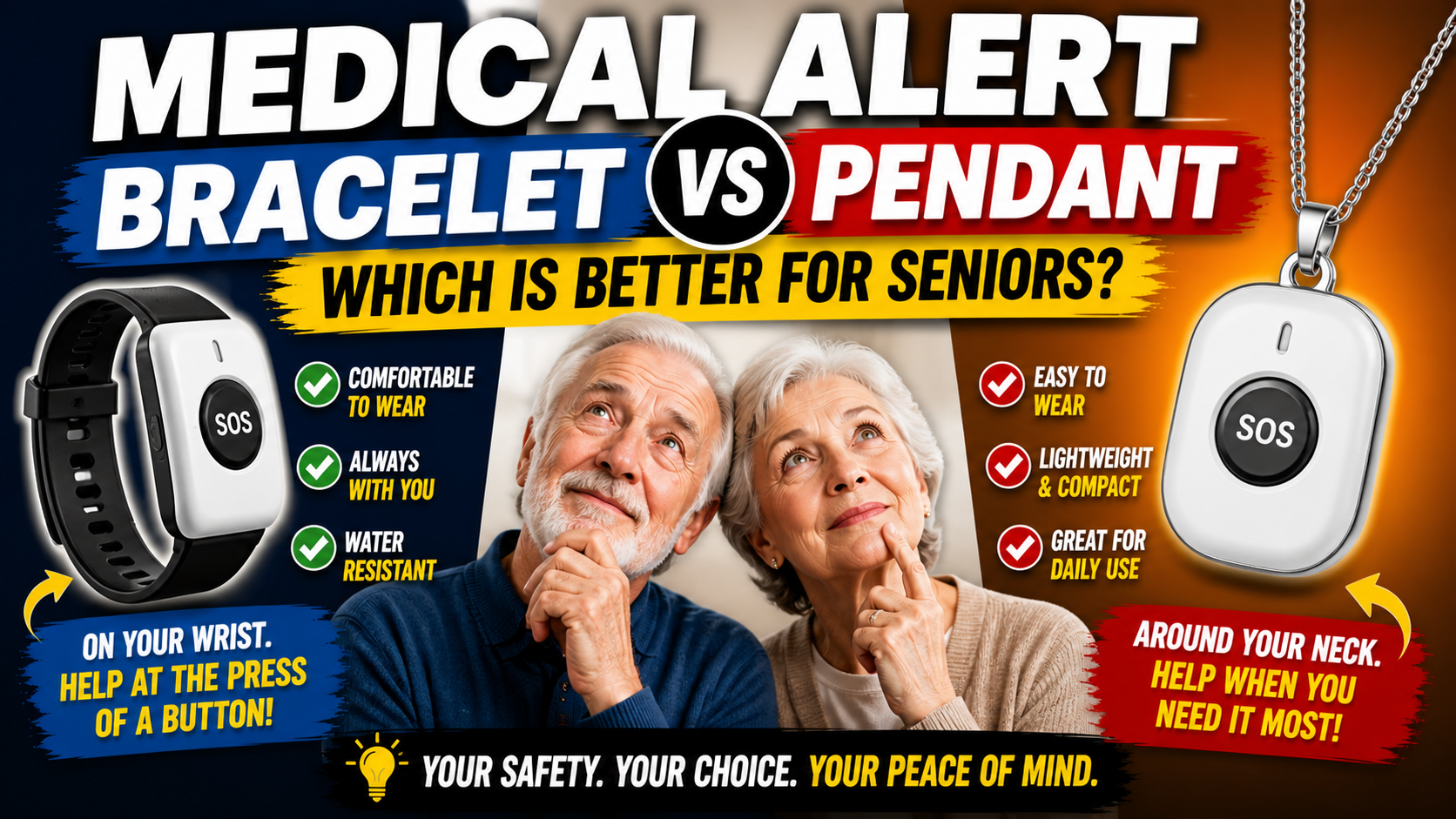
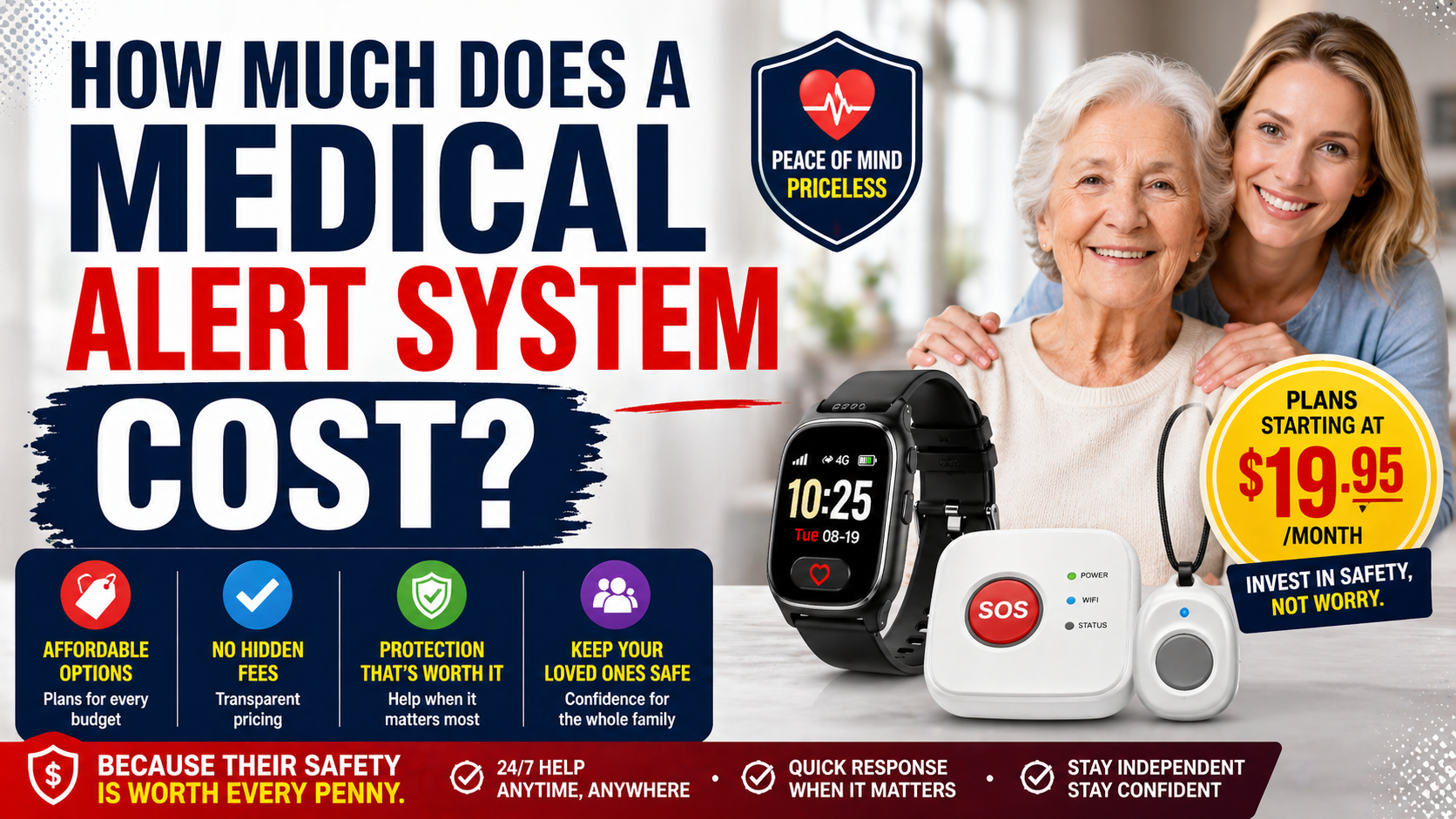
Automatic fall detection closes that gap to seconds rather than minutes or hours. The SecuLife Smartwatch detects falls automatically — without requiring any action from the person who has fallen — and alerts designated family contacts with GPS location immediately. For anyone in the 1 in 3 who will fall this year it’s the measure that determines what the fall becomes: a frightening incident with rapid response, or a long lie with cascading medical consequences.
Our complete review at SecuLife Smartwatch Review covers every feature worth knowing. Our guide on best medical alert system for seniors living alone covers the complete solo-living safety picture.
→ Get the SecuLife Smartwatch on Amazon
The Action Plan — What to Do With This Information
Statistics are only useful when they produce action. Here’s the specific action plan that addresses the 1 in 3 risk with the interventions that have the strongest evidence.
This week:
- Remove every unsecured rug and clear every cord from walking areas — free, immediate, meaningful
- Order grab bars for the bathroom shower entry and next to the toilet
- Order auto-on night lights for bedroom, hallway, and bathroom — three units covers the complete path
- Order a medical alert device with automatic fall detection
This month:
- Install grab bars correctly — our guide on most grab bars are installed in the wrong place covers positioning precisely
- Request a falls-focused medication review from the prescribing physician — by name
- Schedule a vision check if more than a year since the last one
- Identify a balance exercise program — Tai Chi class, physical therapy referral, or structured home program
Ongoing:
- Consistent exercise targeting balance and leg strength — the highest-evidence fall prevention intervention
- Adequate daily fluid intake — not dependent on thirst
- Six-month home safety reassessments using our home safety checklist
- Medical alert device worn consistently — charged nightly, on in the morning
The Other Two-Thirds
Here’s what the 1 in 3 statistic also tells us: two-thirds of older adults don’t fall in any given year. Falling is not inevitable. It’s probabilistic — and the probability is meaningfully reducible through specific, known, accessible interventions.
The older adults who make it through year after year without a serious fall aren’t simply lucky. They’re often the ones whose medications have been reviewed for fall risk. Whose bathrooms have been modified. Who exercise consistently. Whose families noticed the warning signs and acted on them.
The 1 in 3 isn’t a sentence. It’s a starting point. The question is whether the people you care about are in the two-thirds or the one-third — and what you do between now and the fall that hasn’t happened yet determines a great deal of that answer.
→ Get the Auto-On Night Lights on Amazon
→ Get the SecuLife Smartwatch on Amazon
About the Author
Margaret Holloway, RN spent 22 years in geriatric nursing watching the 1 in 3 statistic play out in real individual lives — the fall that was the first one, the fall that was the last one before everything changed, and the family members sitting in waiting rooms who hadn’t known the number or hadn’t believed it applied to their parent. She writes for Elder Safety Guide because the statistic is real, the interventions are real, and the window in which they matter is before the fall — not after it.