Every 19 minutes an older adult in the United States dies from a fall-related injury.
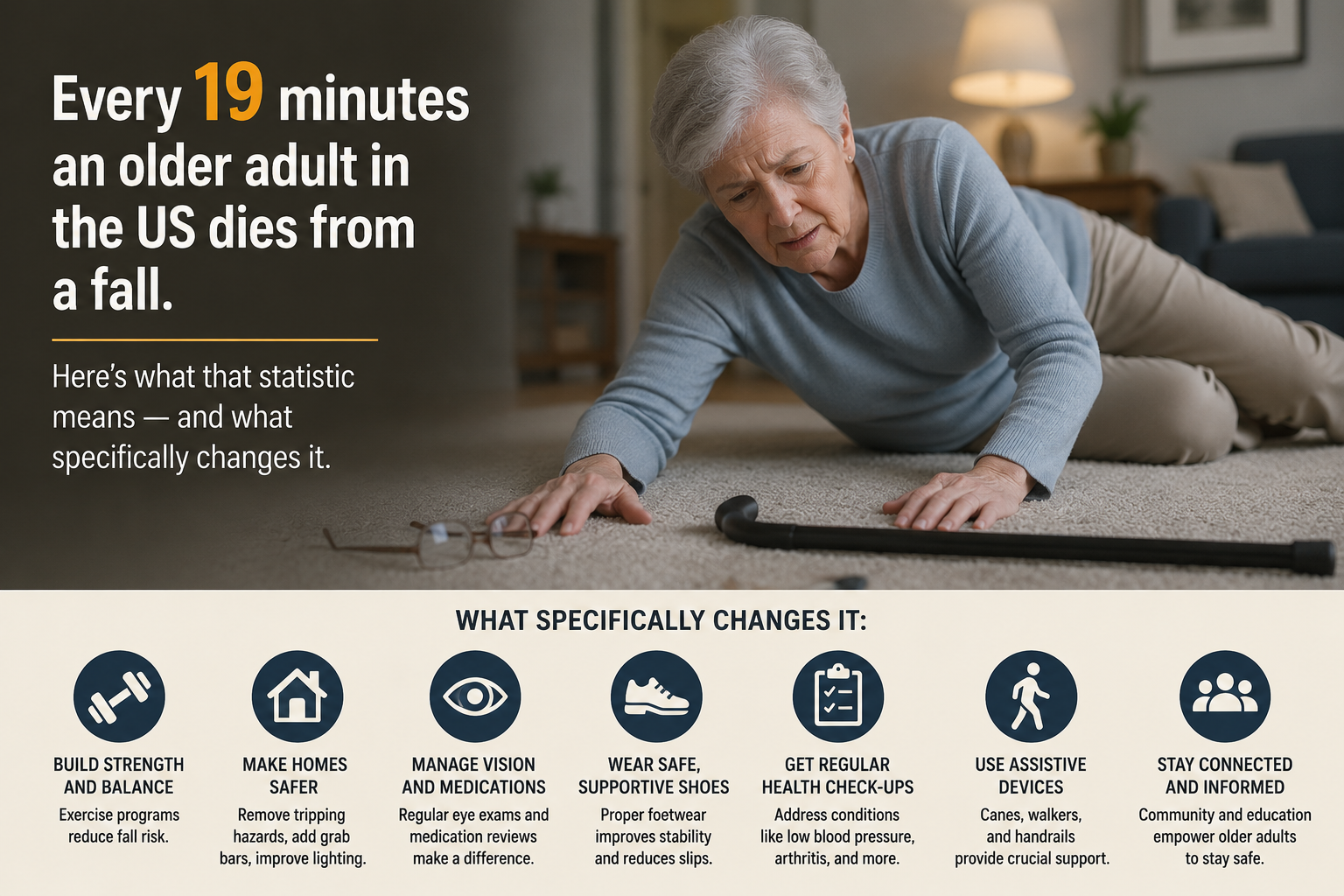
Not every day. Not every hour. Every 19 minutes — around the clock, every day of the year. That works out to more than 75 fall-related deaths in older adults every single day. More than 27,000 per year. Making falls the leading cause of injury death in adults over 65 by a margin that no other cause comes close to.
This statistic comes from the Centers for Disease Control. It is not disputed. It is not an outlier finding from a single study. It is the consistent, documented reality of fall mortality in the United States — and most families don’t know it exists until they’re sitting in a hospital waiting room learning it in the worst possible context.
What This Number Actually Means
Statistics can feel abstract until they’re applied to real situations. Here is what “every 19 minutes” means in practical terms.
In the time it takes to read this article, another older adult in the United States will have died from a fall. In the time it takes to have the conversation about whether to install grab bars or get a medical alert device — another one. In the time it takes to decide that the bathroom modifications can wait until next visit — three more.
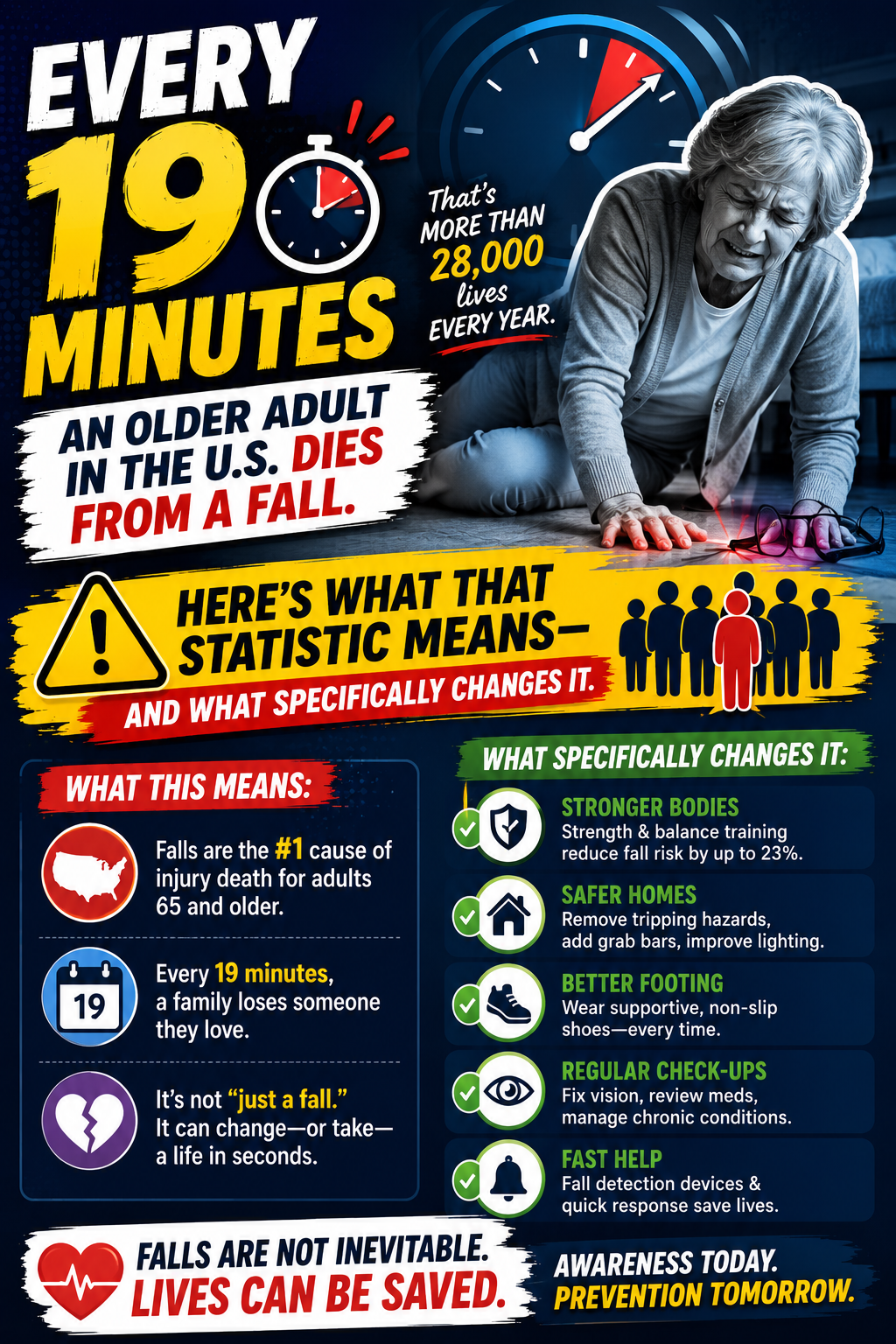
The 19-minute figure isn’t meant to produce panic. It’s meant to produce calibration — to give the fall prevention conversation the weight it actually deserves relative to what’s actually at stake.
Most families treat fall prevention as a someday project. The statistics suggest it is an urgent one.
Who These Deaths Are
The 27,000 annual fall deaths in older adults are not concentrated in one age group or one health status. They span the full range of older adults — from relatively healthy 70-year-olds to frail 90-year-olds, from those with multiple chronic conditions to those who seemed to be managing well until the fall that wasn’t.
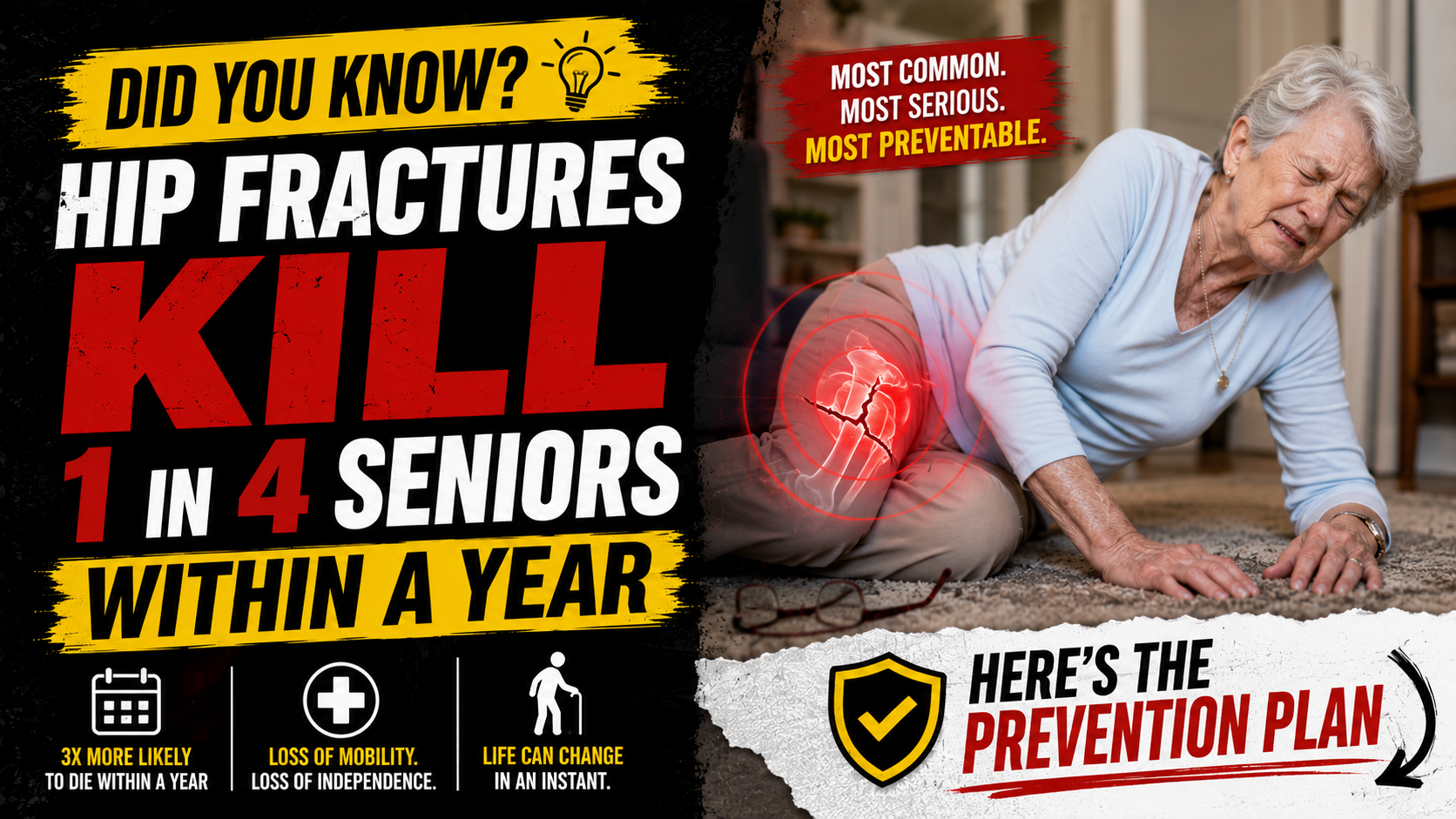
Approximately 300,000 of the 36 million annual falls in older adults result in hip fracture. As covered in our guide on hip fractures kill 1 in 4 seniors within a year — the one-year mortality rate following hip fracture is approximately 20 to 30 percent. The deaths that result aren’t always immediate. They come from the cascade — the pneumonia that arrives three weeks after surgery, the blood clot during immobile recovery, the general decline that follows extended hospitalization in a body that didn’t have the reserve to absorb it.
Falls are also the leading cause of traumatic brain injury in adults over 65. Head injuries from falls — particularly in older adults on blood thinners — produce both immediate and delayed consequences including intracranial bleeding that can develop hours after a fall that seemed minor at the time.
The Falls That Don’t Kill — And Why They Still Matter
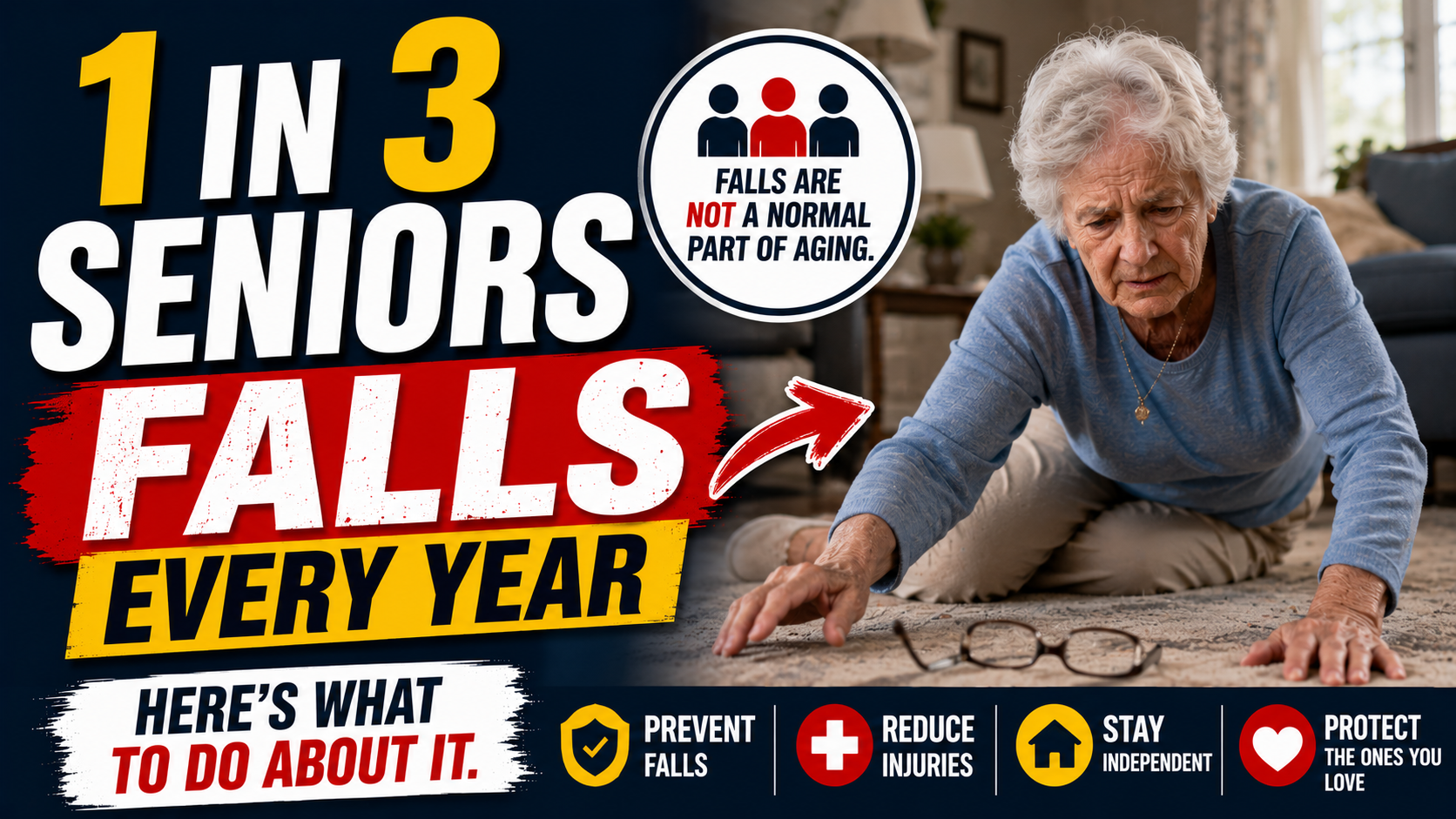
For every fall death there are many more falls that don’t result in death but that permanently change the trajectory of the person’s life. As covered in our guide on 1 in 3 seniors falls every year — of the 36 million annual falls approximately 3 million result in emergency department visits and 800,000 result in hospitalization.
Of hip fracture survivors approximately half do not return to their pre-fracture level of function. The fall that didn’t kill moved them from independent living to assisted living, from walking unassisted to using a walker permanently, from managing their own daily life to depending on others for personal care they previously handled independently.
The 19-minute death statistic is the sharpest end of the fall consequence spectrum. The permanent functional decline that affects hundreds of thousands more represents the broader impact — and it all starts with the same event that the modifications in this guide address.
What Changes This Number
The 19-minute statistic is not fixed. It is the current outcome of the current state of fall prevention adoption — which is to say, largely inadequate. Most homes where serious falls occur have no meaningful fall prevention measures in place. Most falls that kill are preceded by warning signs that weren’t acted on. Most of the deaths in that statistic were not inevitable.
The research on what changes fall outcomes is robust. Exercise — particularly balance and strength training — reduces fall rates by 20 to 30 percent. Medication review specifically focused on fall risk produces meaningful reductions. Home modification programs show significant fall rate reductions in high-risk populations. Automatic fall detection that closes the gap between a fall and discovery reduces the mortality and serious injury that comes from long lies.
None of this is hypothetical. The evidence is strong, the interventions are specific, and the gap between current adoption rates and what’s possible is enormous.
The Gap Between the Fall and Discovery
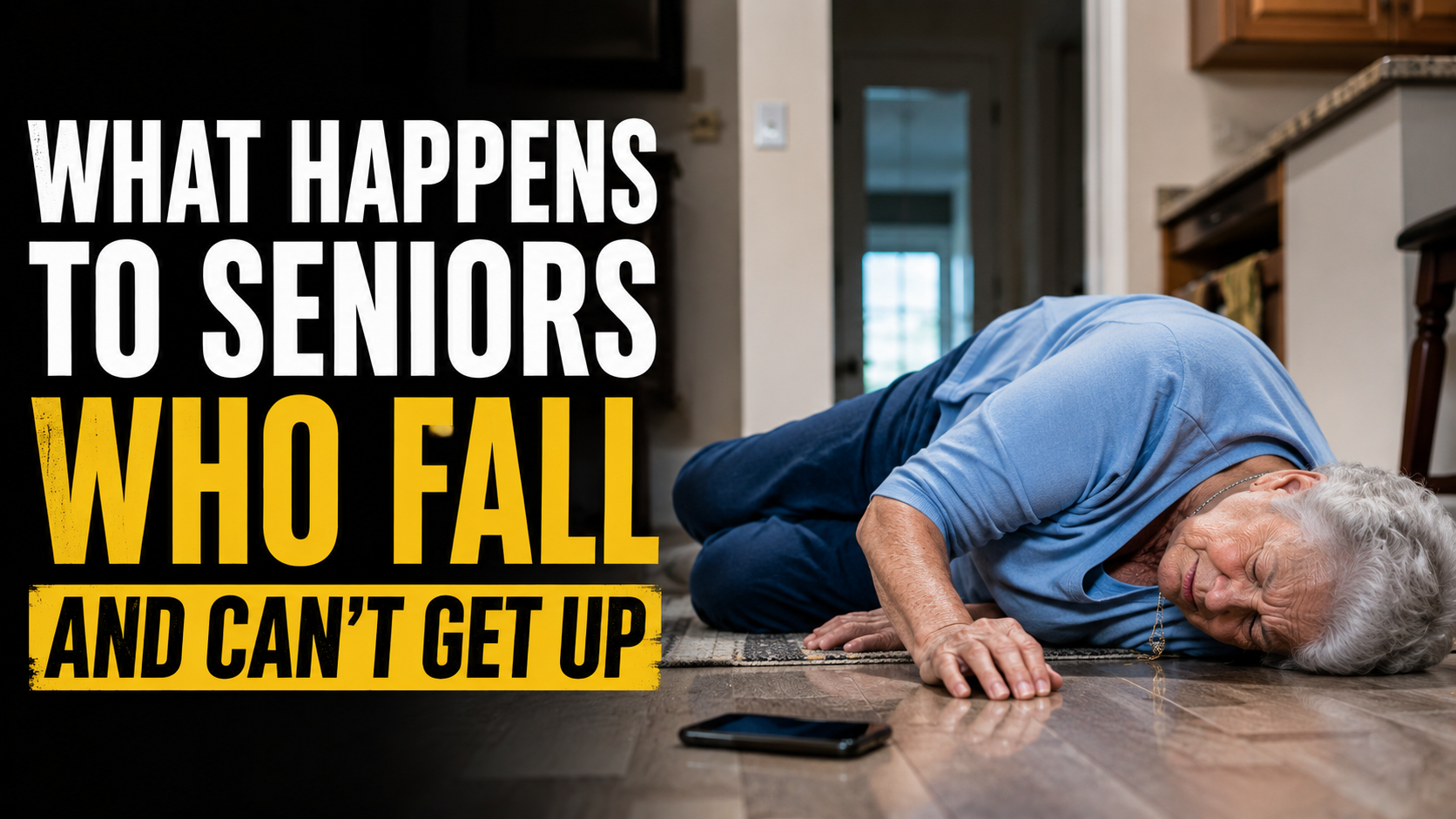
A significant proportion of fall deaths involve not just the fall injury but the consequences of extended time on the floor before help arrived. As covered in our guide on what happens to seniors who fall and can’t get up — rhabdomyolysis, hypothermia, dehydration, and pressure injuries accumulate with every hour on the floor after a fall.
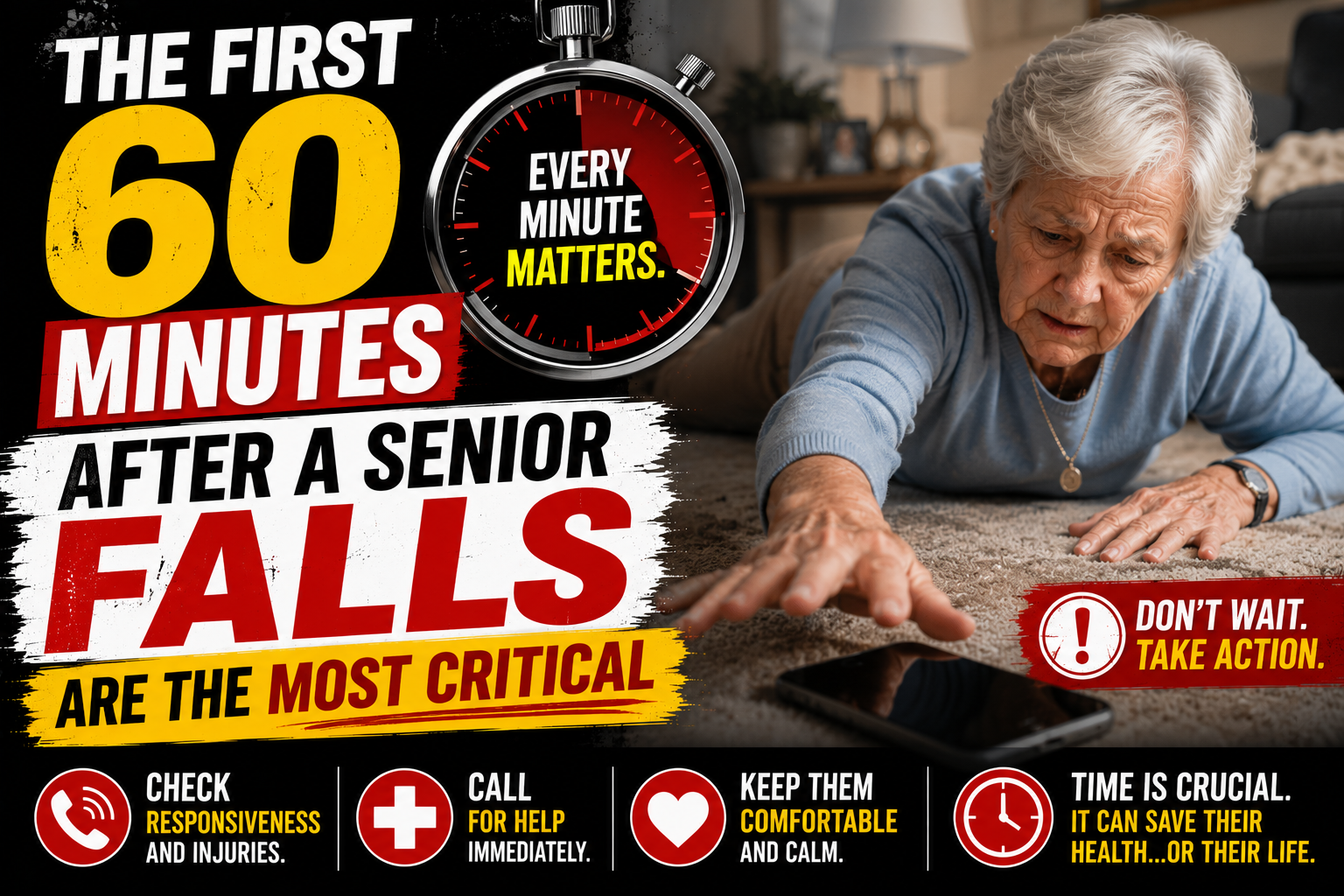
For older adults living alone this gap is determined by one variable: what detection is in place. With no medical alert device the gap is measured in however long until someone checks — potentially hours or days. As covered in our guide on the first 60 minutes after a senior falls are the most critical — the physiological consequences of a long lie begin within 30 minutes.
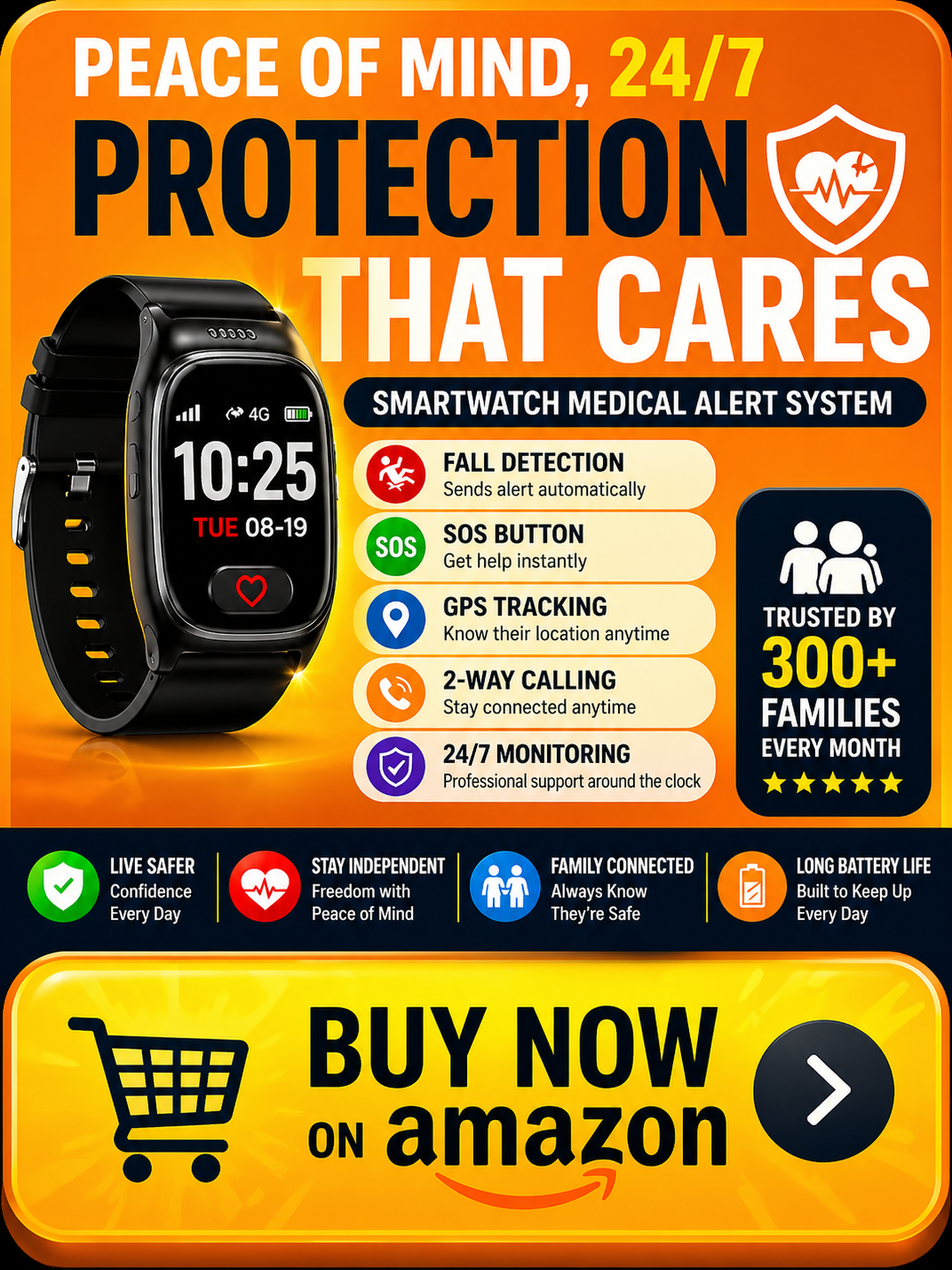
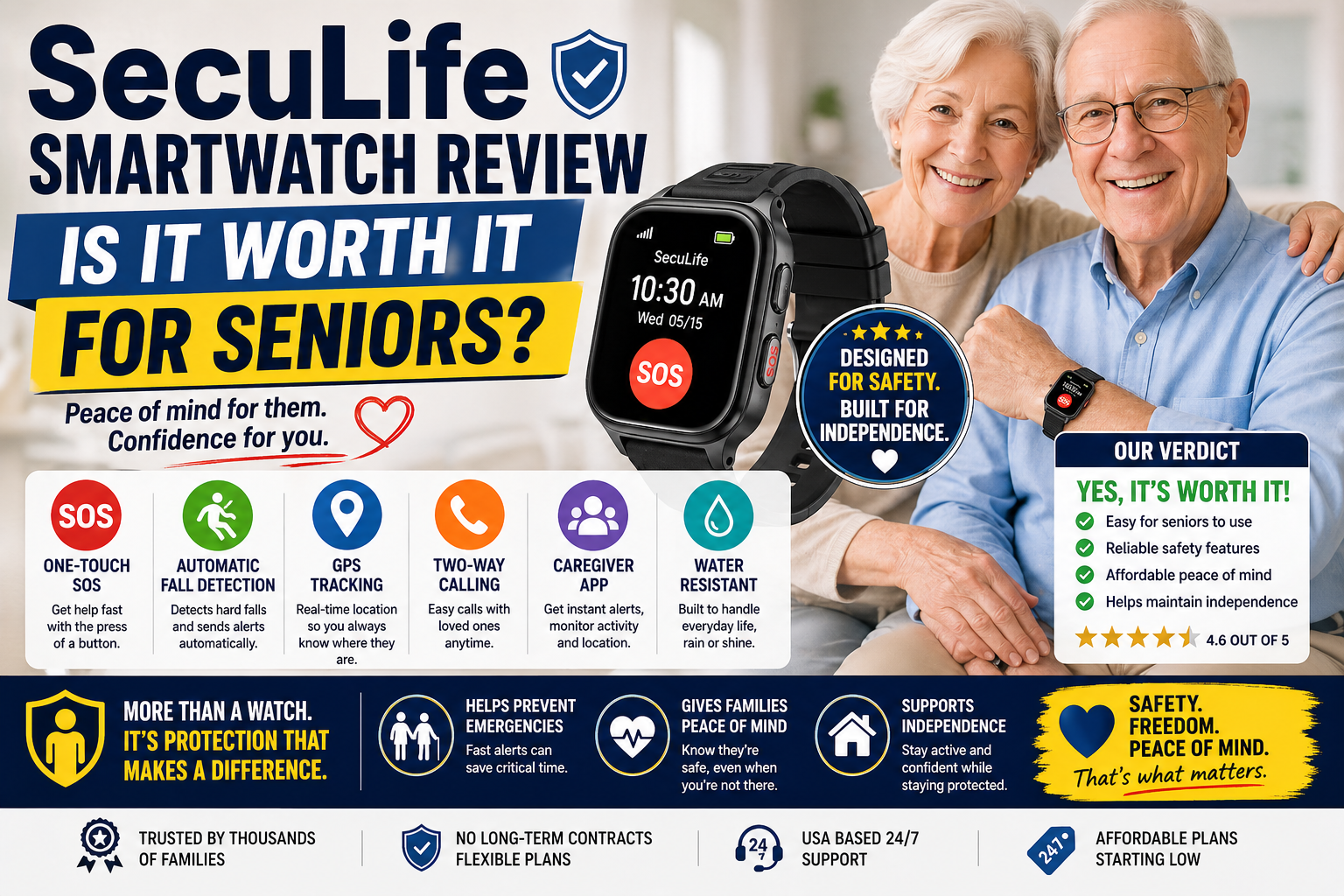
Automatic fall detection that alerts family in seconds rather than hours addresses this component of fall mortality directly. The SecuLife Smartwatch worn on the wrist provides this detection continuously — during the shower, during the nighttime bathroom trip, during the morning getting-up that is the highest-risk daily moment for most older adults.
→ Get the SecuLife Smartwatch on Amazon
The Modifications That Move the Number
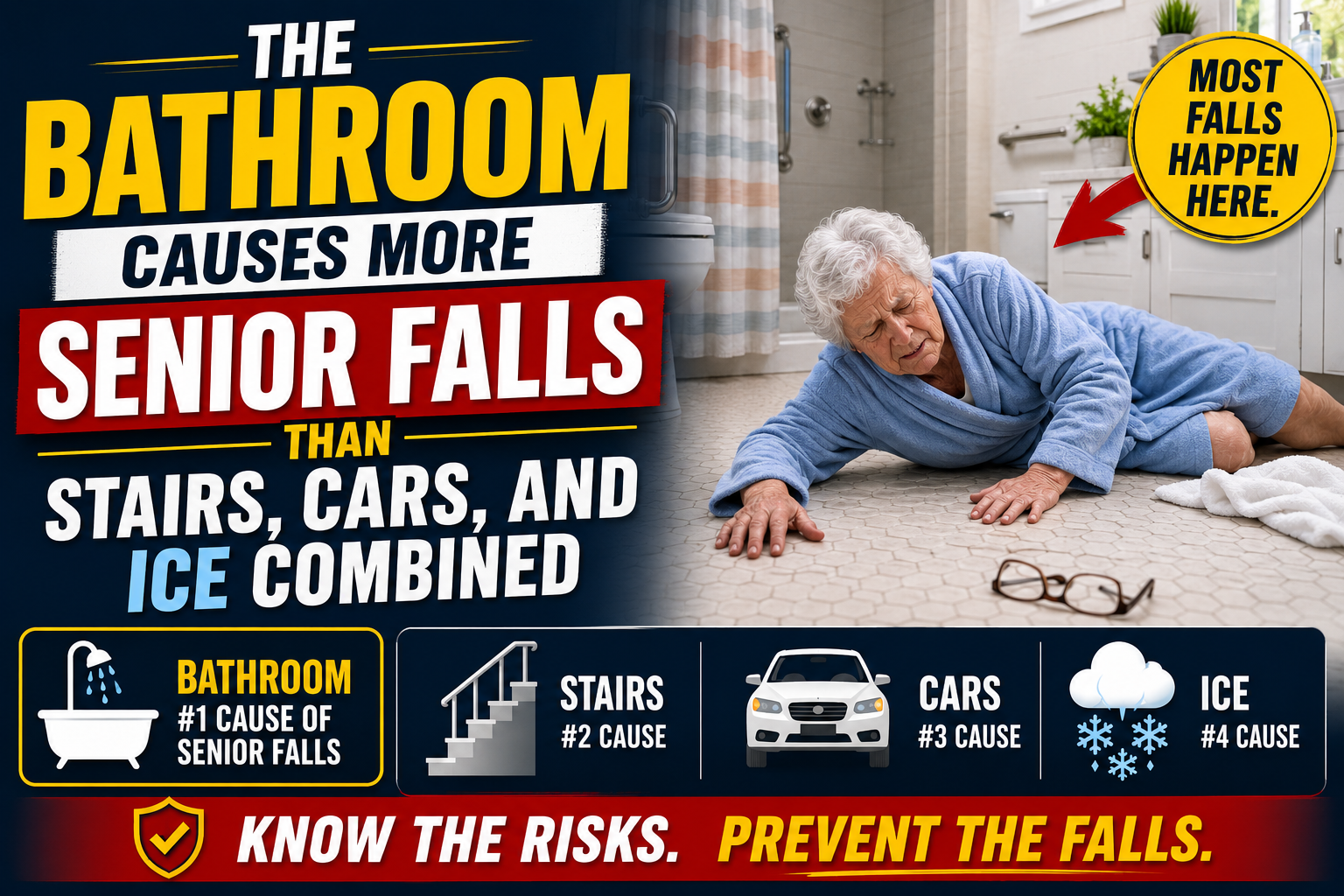
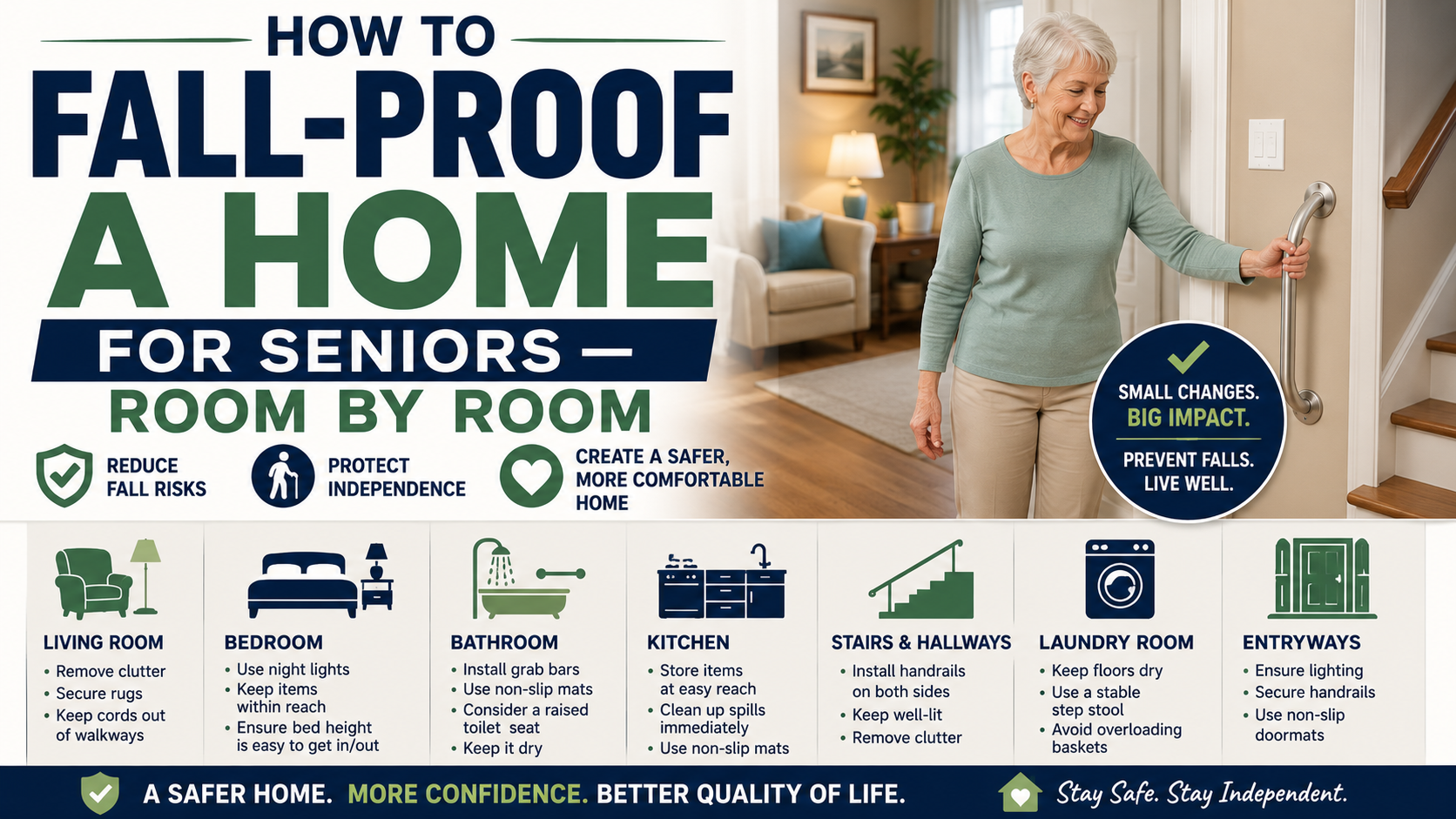
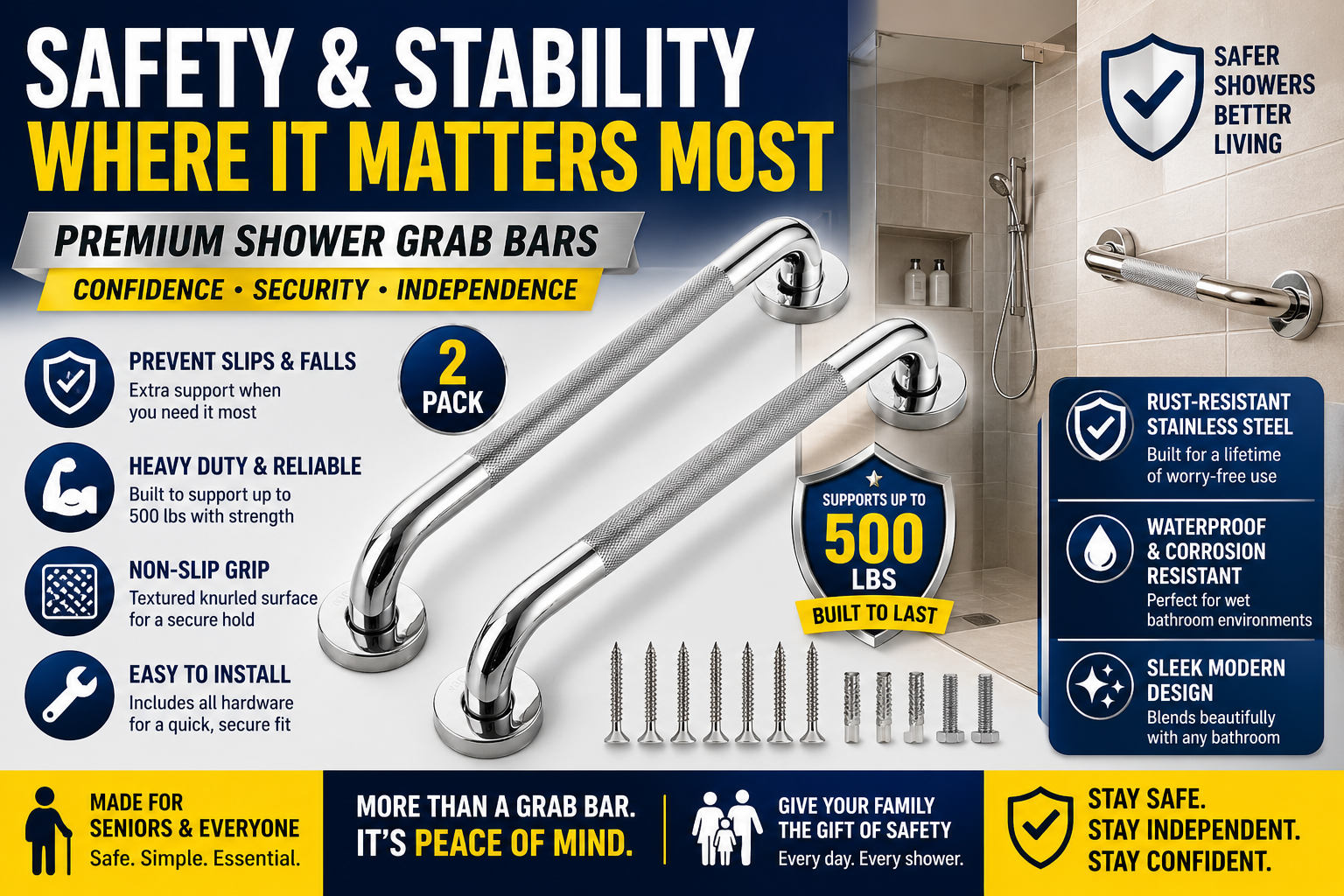
The bathroom is where most serious falls begin. As covered in our guide on the bathroom causes more senior falls than stairs, cars, and ice combined — approximately 80 percent of falls in older adults occur in the bathroom. Grab bars at the shower entry and next to the toilet address the two highest-risk daily transitions.
→ Get the 2-Pack Grab Bars on Amazon
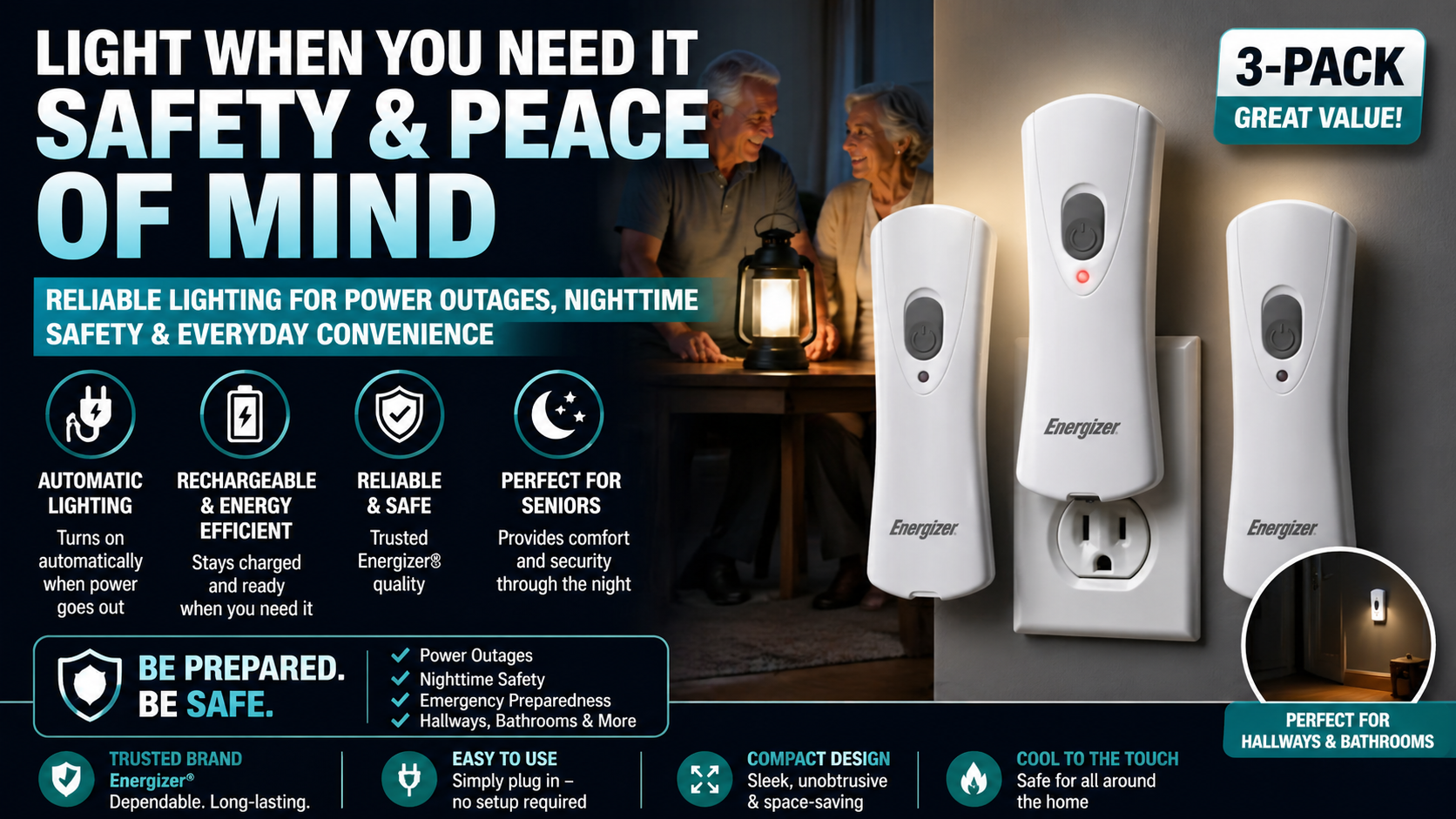
The bedroom morning transition is the second-highest-risk moment. A bed rail for the getting-up sequence. Night lights covering the path from bed to bathroom for every nighttime trip.
The medication review that addresses the single largest modifiable fall risk factor — as covered in our guide on the number one reason seniors fall at home.
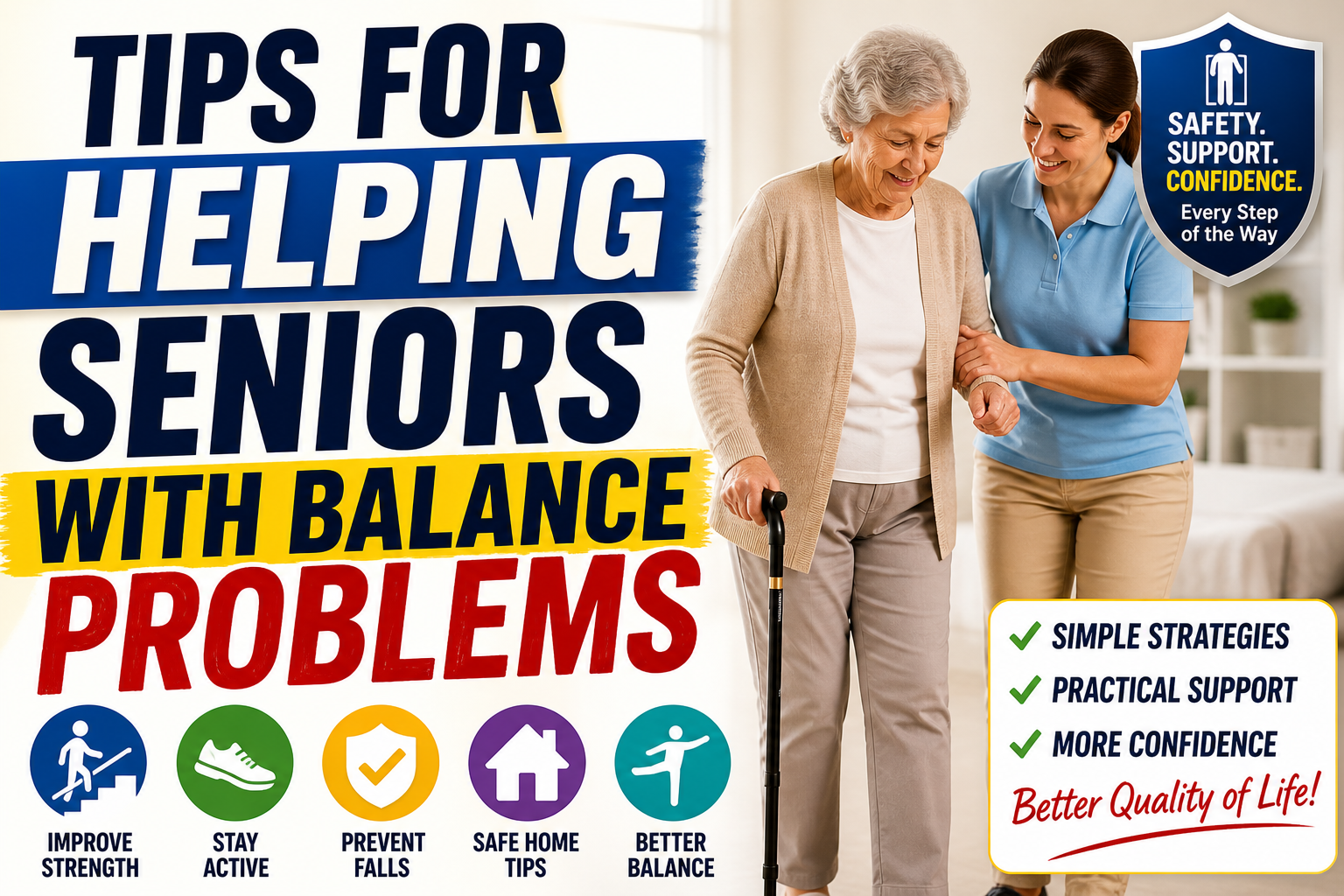
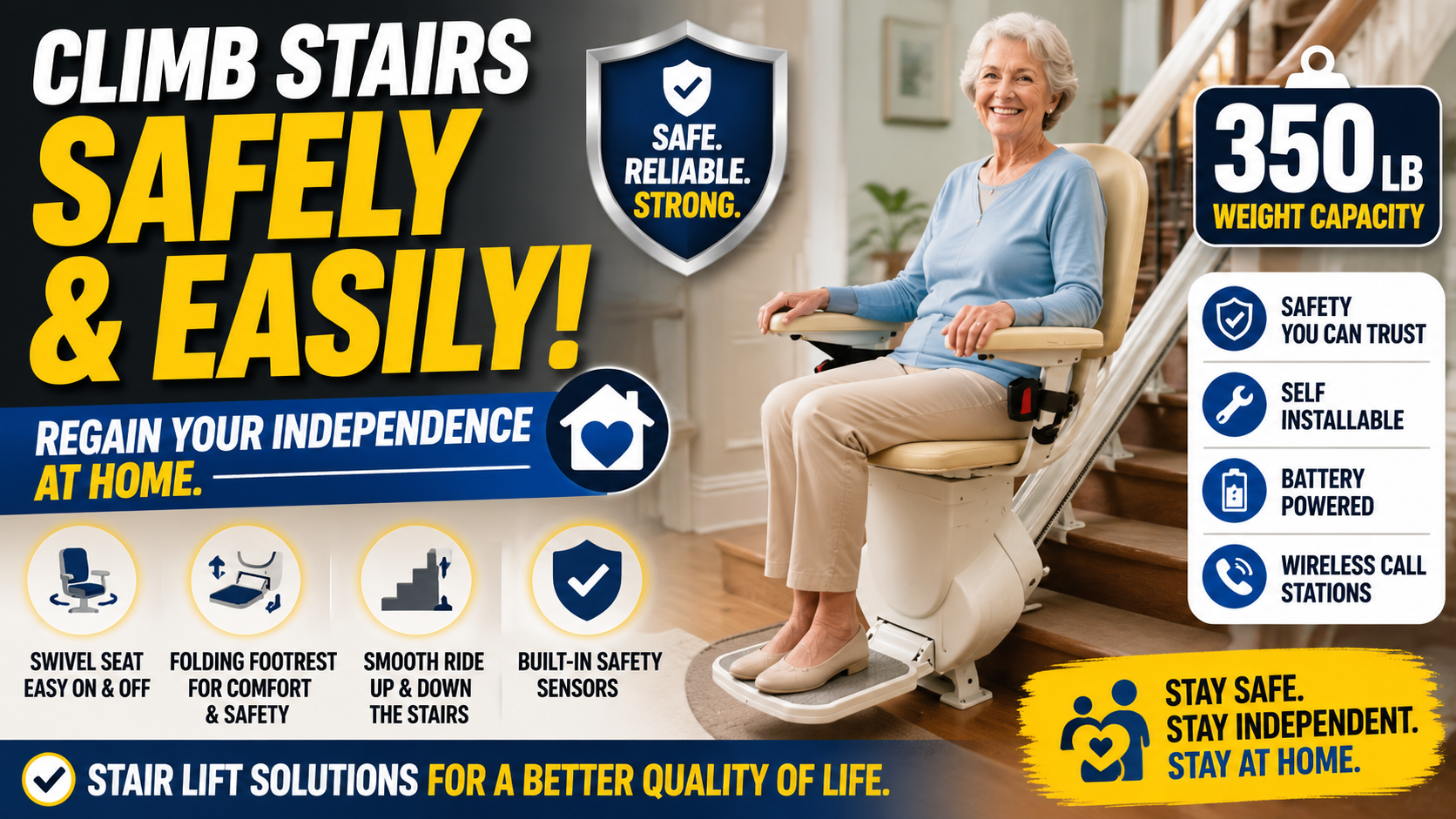
The balance exercise program that reduces fall rates by 20 to 30 percent in research studies. The vision check that addresses the visual contribution to balance. The footwear that provides traction on every step of every day.
Each of these interventions reduces the probability of the fall. The fall detection technology reduces the severity of the fall that occurs despite every prevention measure. Together they address every point at which the 19-minute statistic is created — and together they reduce it.
The Conversation Worth Having Today
Every family with an older adult has had the mental version of the fall prevention conversation — the one that happens internally when something is noticed during a visit, when a news story triggers the thought, when a friend mentions a parent’s recent fall. The conversation that stays internal because it feels too hard to have, because the parent will say they’re fine, because there’s never quite the right moment.
The 19-minute statistic provides the right moment. Not as a scare tactic. As context. As the information that gives the conversation the weight it actually deserves.
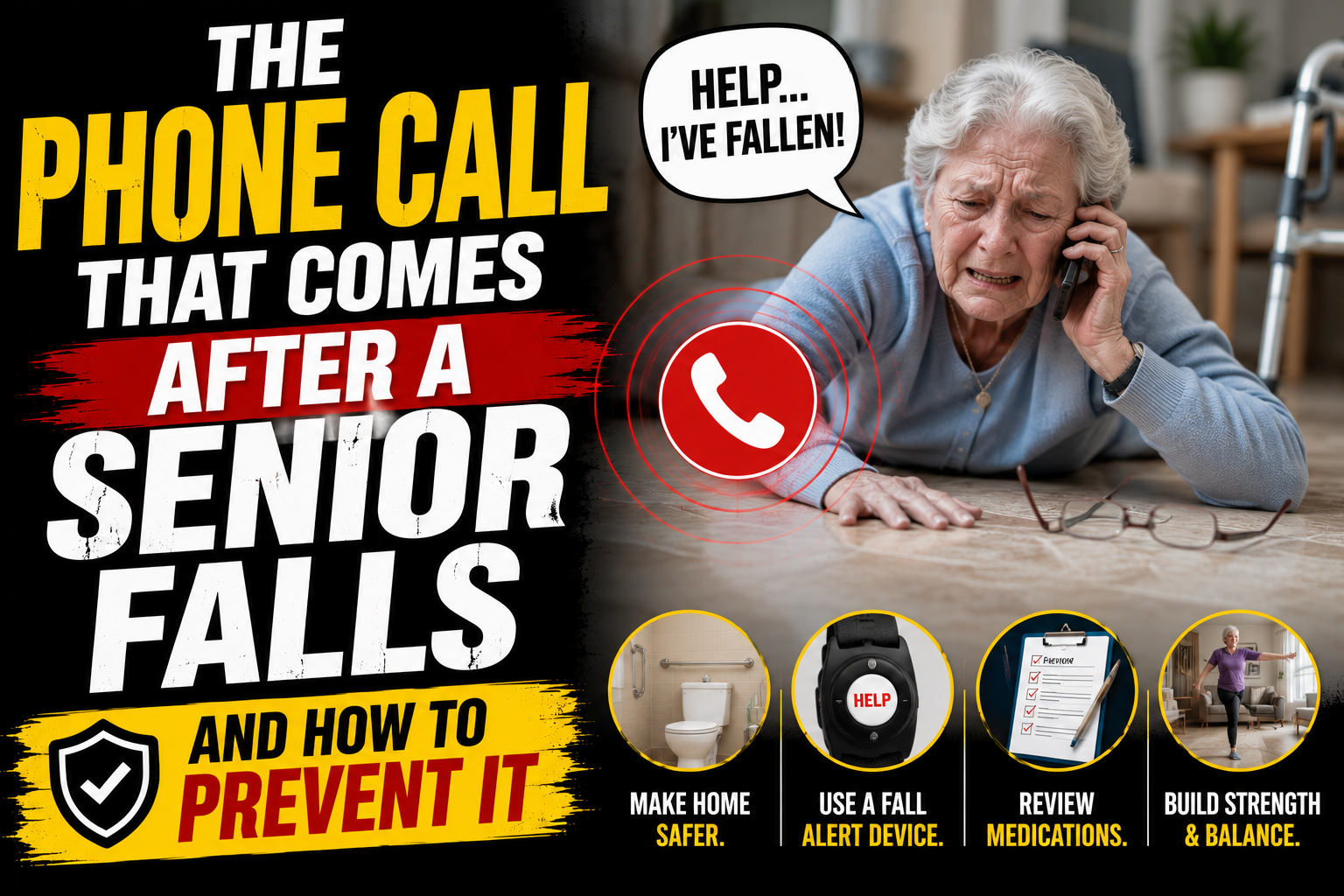
As covered in our guide on the phone call that comes after a senior falls — the families who have the conversation before a fall implement the same measures in weeks that they implement in days after a fall. The measures were always available. The urgency wasn’t felt until the fall made it undeniable.
The 19-minute statistic makes it undeniable before the fall. That’s what it’s for.
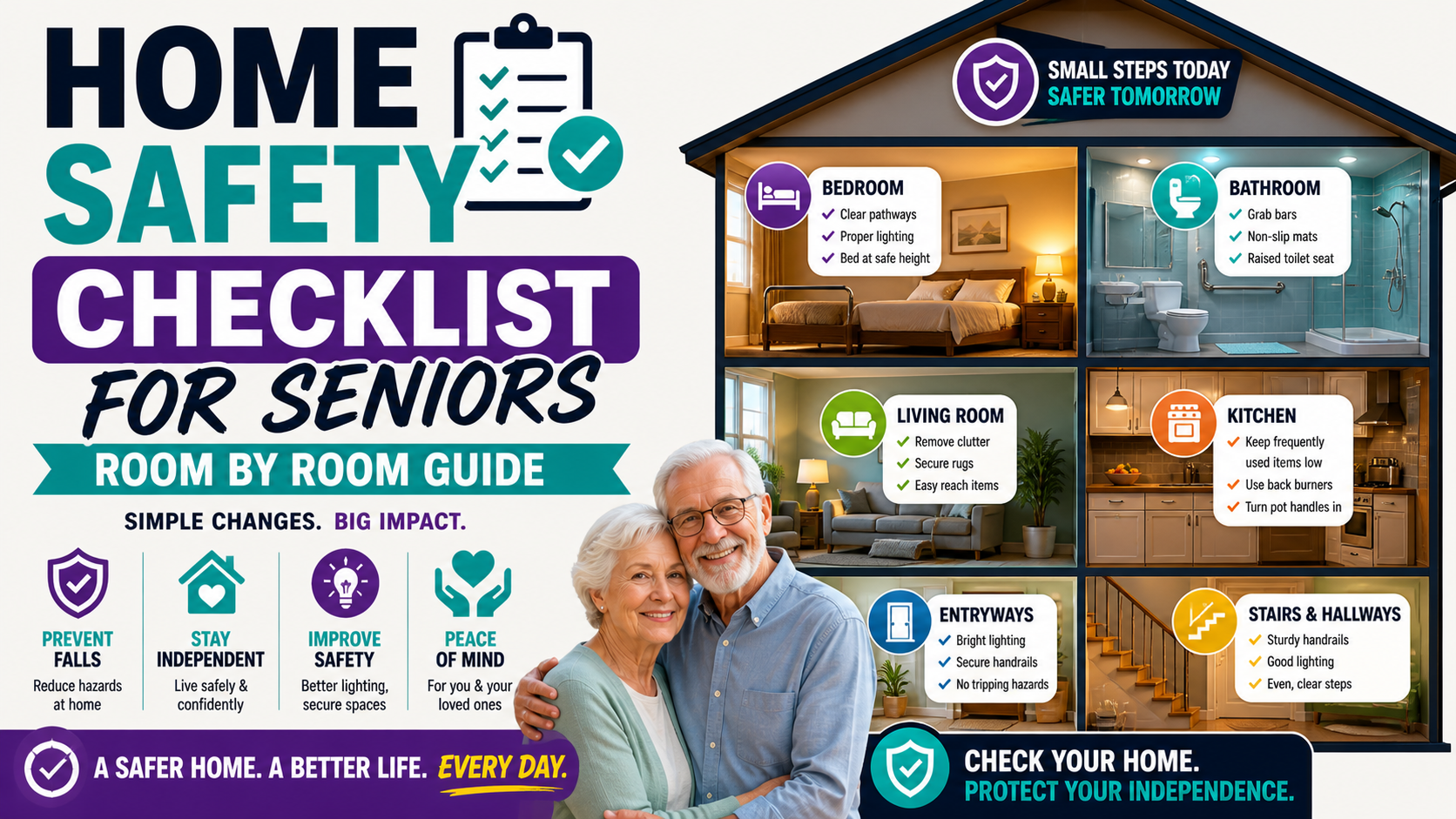
Our complete guide on fall prevention for seniors covers every intervention with the evidence behind it. Our home safety checklist gives you the systematic tool to work through every room. Start today — not because a fall has happened, but because every 19 minutes one does.
About the Author
Margaret Holloway, RN spent 22 years in geriatric nursing and knew the fall mortality statistics intimately — not as abstract numbers but as the reality behind each patient admission, each family meeting, each conversation about what came next after a serious fall. The 19-minute figure is not meant to frighten. It is meant to inform — to give families the accurate picture of what falls actually cost in this country so that the prevention conversation gets the urgency it deserves. She writes for Elder Safety Guide because the gap between what families know about fall risk and what the statistics show is wide enough to cost lives — and closing that gap is exactly what this site exists to do.