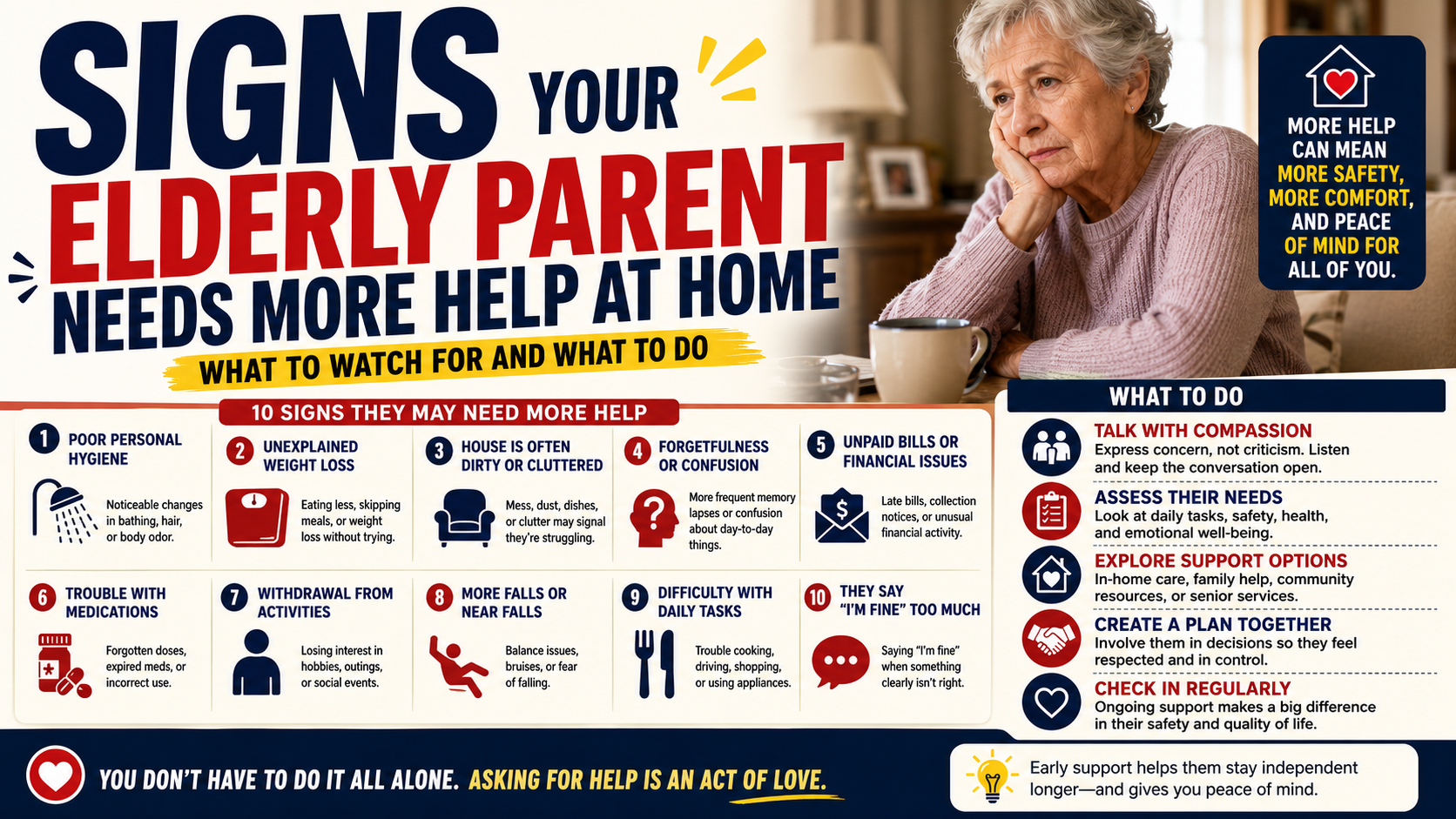
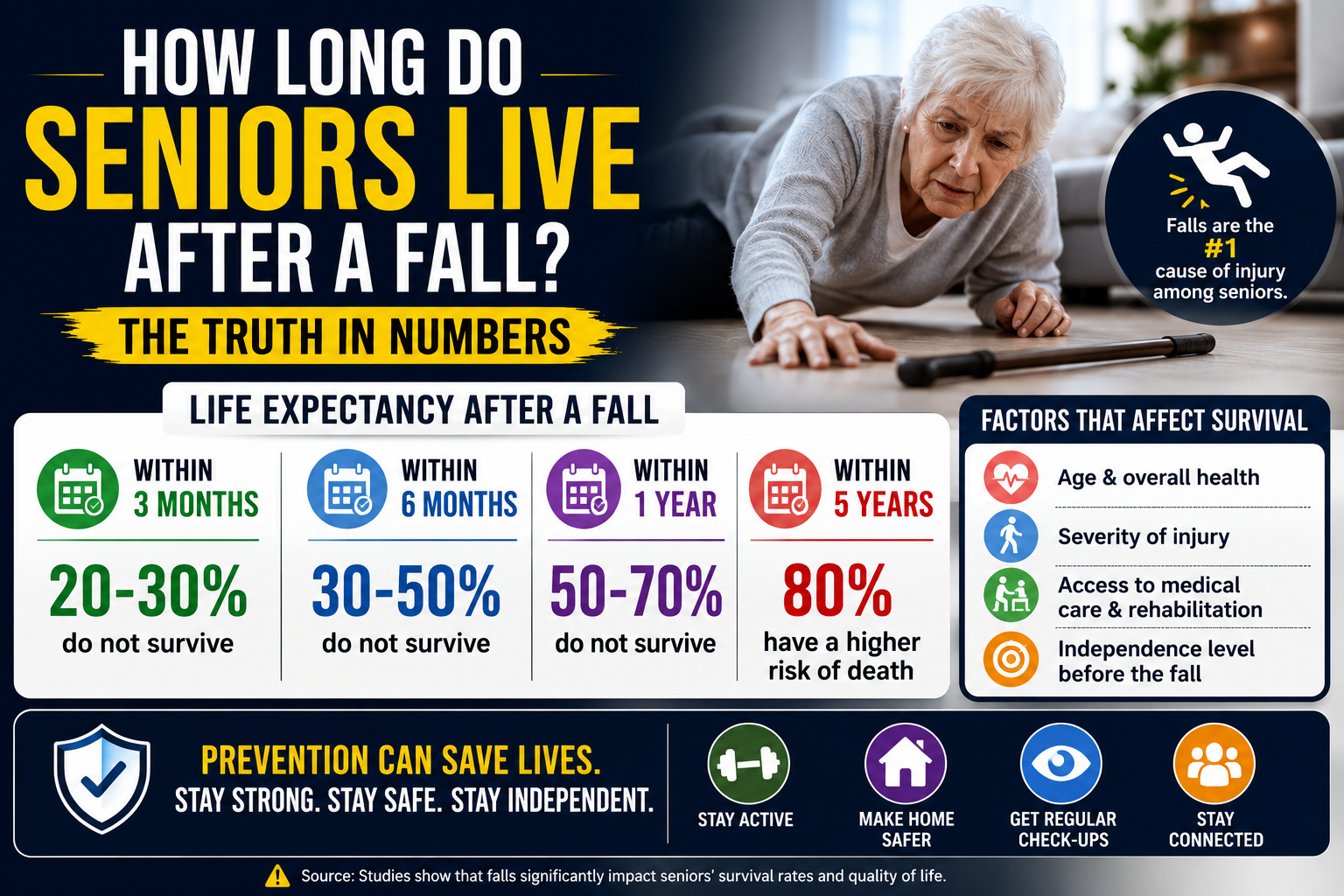
This is the question families search in hospital waiting rooms, in the middle of the night, in the days after a serious fall when the reality of what happened is still settling in. It deserves a direct, honest answer — not reassurance, not evasion, but the actual facts that allow families to understand what they’re facing and what actually changes the outcome.
Here is the honest answer.
The Direct Answer — What the Research Shows
The answer depends almost entirely on what the fall caused.
For falls that cause no serious injury — soft tissue bruising, minor cuts, the fear and shock of the event itself — life expectancy is not meaningfully affected by the fall. The person recovers physically, the psychological impact of fear of falling is real and worth addressing, but the fall itself does not shorten life.
For falls that cause hip fracture — the most serious common fall injury in older adults — the statistics are sobering. Approximately one in four older adults who sustains a hip fracture dies within 12 months. Within five years the majority of hip fracture patients have died, though causation here is complex — the same frailty that contributed to the fall and fracture also contributes to mortality.
For falls that cause traumatic brain injury — intracranial bleeding, significant head trauma — outcomes depend on the severity of the injury and how quickly treatment was received. Serious brain injuries from falls carry significant mortality risk and permanent functional impact for survivors.
The fall itself is not what determines how long someone lives afterward. What determines it is what the fall caused, how quickly help arrived, what treatment was received, and — critically — what happens in the weeks and months after the fall in terms of complications, rehabilitation, and continued care.
Why Hip Fractures Are So Dangerous — The Cascade
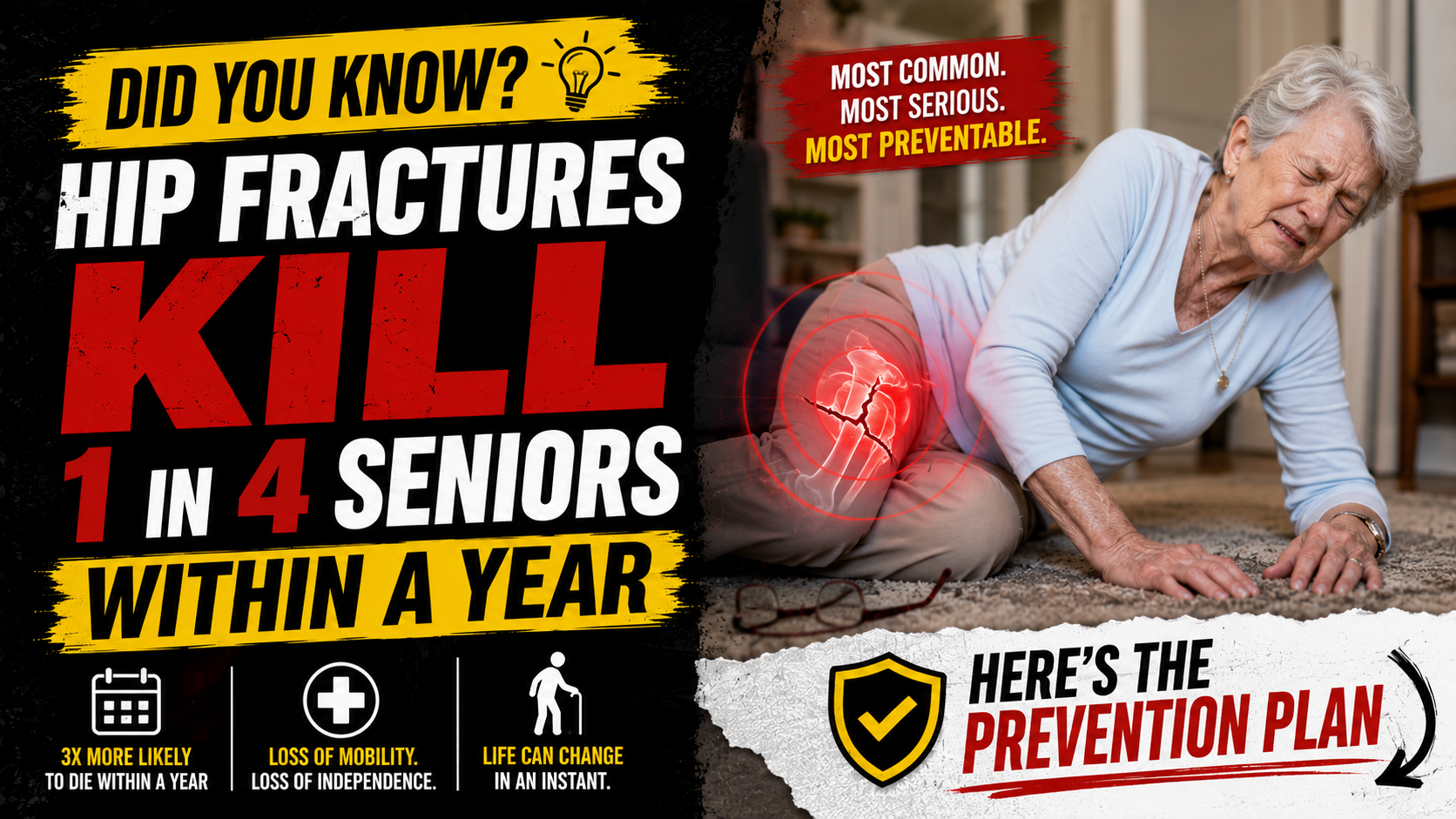
As covered in detail in our guide on hip fractures kill 1 in 4 seniors within a year — the mortality from hip fracture is not from the fracture itself. It’s from the cascade of consequences that follows surgery and immobility in a body already managing the accumulated vulnerabilities of age.
Pneumonia is the most common cause of death in the months following hip fracture. Immobility during recovery reduces respiratory function. Surgical stress suppresses immune response. Hospital-acquired infections find a vulnerable host. Pneumonia that arrives three weeks after a fall is statistically connected to that fall even when it doesn’t feel that way to the family watching it happen.
Blood clots — deep vein thrombosis and pulmonary embolism — are elevated risks during the immobility of hip fracture recovery. These are preventable with appropriate anticoagulation treatment but remain a significant cause of post-fracture mortality.
Delirium — acute confusion following surgery and hospitalization — occurs in a significant proportion of hip fracture patients and is associated with accelerated long-term cognitive decline. Delirium itself increases mortality risk during the hospitalization period.
General deconditioning — the rapid muscle loss and cardiovascular decline that occurs during immobility — pushes frail older adults below the threshold of independent function. Recovery from hip fracture surgery requires physical reserves that many older adults don’t have in sufficient quantity to fully return to pre-fracture function.
The One-Year Mortality Statistic — Context Matters
The one-in-four mortality figure that applies to hip fractures in older adults requires context to be useful rather than just frightening.
The statistic reflects all older adults who sustain hip fractures — including those who were already significantly frail, those with multiple serious chronic conditions, those in their late 80s and 90s with limited physiological reserve. For a relatively healthy 70-year-old with good functional reserve and no serious comorbidities, the risk profile is meaningfully better than the population average. For a frail 85-year-old with heart failure and dementia, it may be worse.
The statistic also reflects outcomes without optimization. Research consistently shows that outcomes improve significantly with early surgery (within 24 to 48 hours of the fracture), aggressive rehabilitation beginning within 24 hours of surgery, multidisciplinary geriatric co-management during hospitalization, careful attention to nutrition during recovery, and prevention and prompt treatment of complications like pneumonia and blood clots.
The one-in-four figure is not a sentence. It’s a starting point that specific interventions meaningfully improve.
What Happens in the First 60 Minutes Matters Enormously
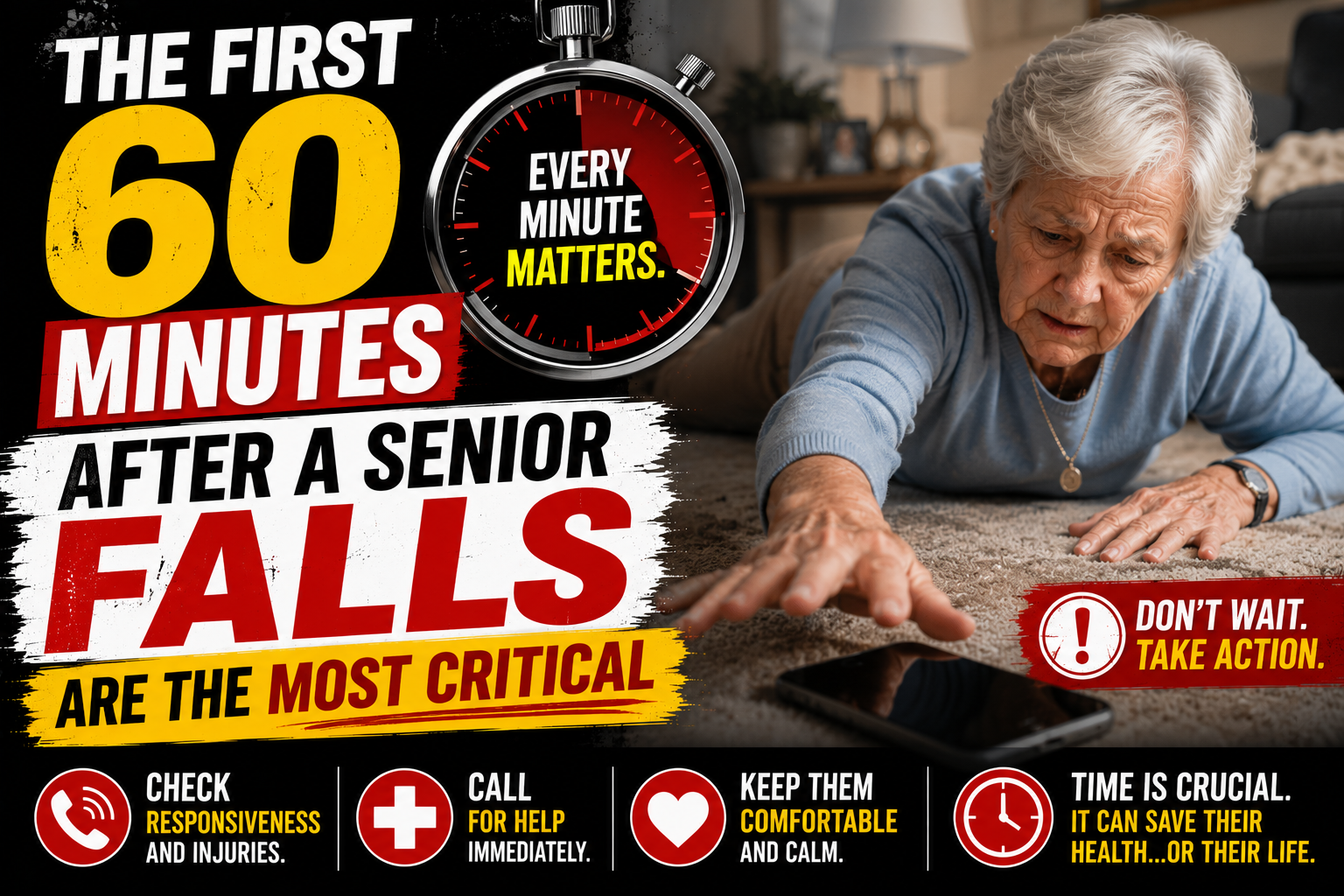
For falls that produce serious injury the time between the fall and the arrival of help is an independent predictor of outcome — separate from the injury itself. As covered in our guide on the first 60 minutes after a senior falls are the most critical — physiological consequences begin accumulating within 30 minutes on a cold floor.
Hypothermia from lying on cold tile. Rhabdomyolysis from muscle compression that can cause kidney injury. Dehydration. Pressure injuries. These are not consequences of the fall injury — they are consequences of time on the floor before help arrived. They compound the injury and worsen outcomes independently.
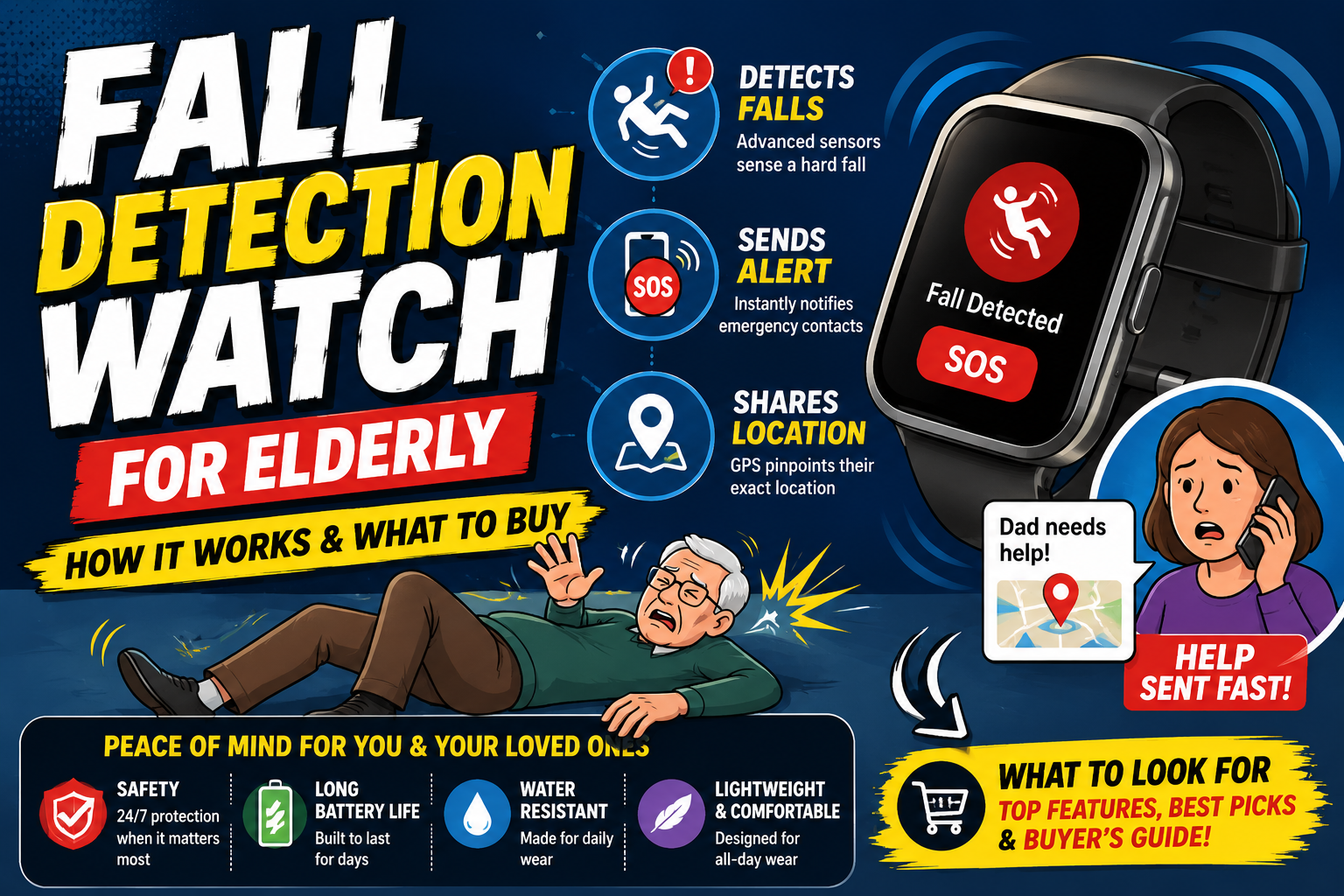
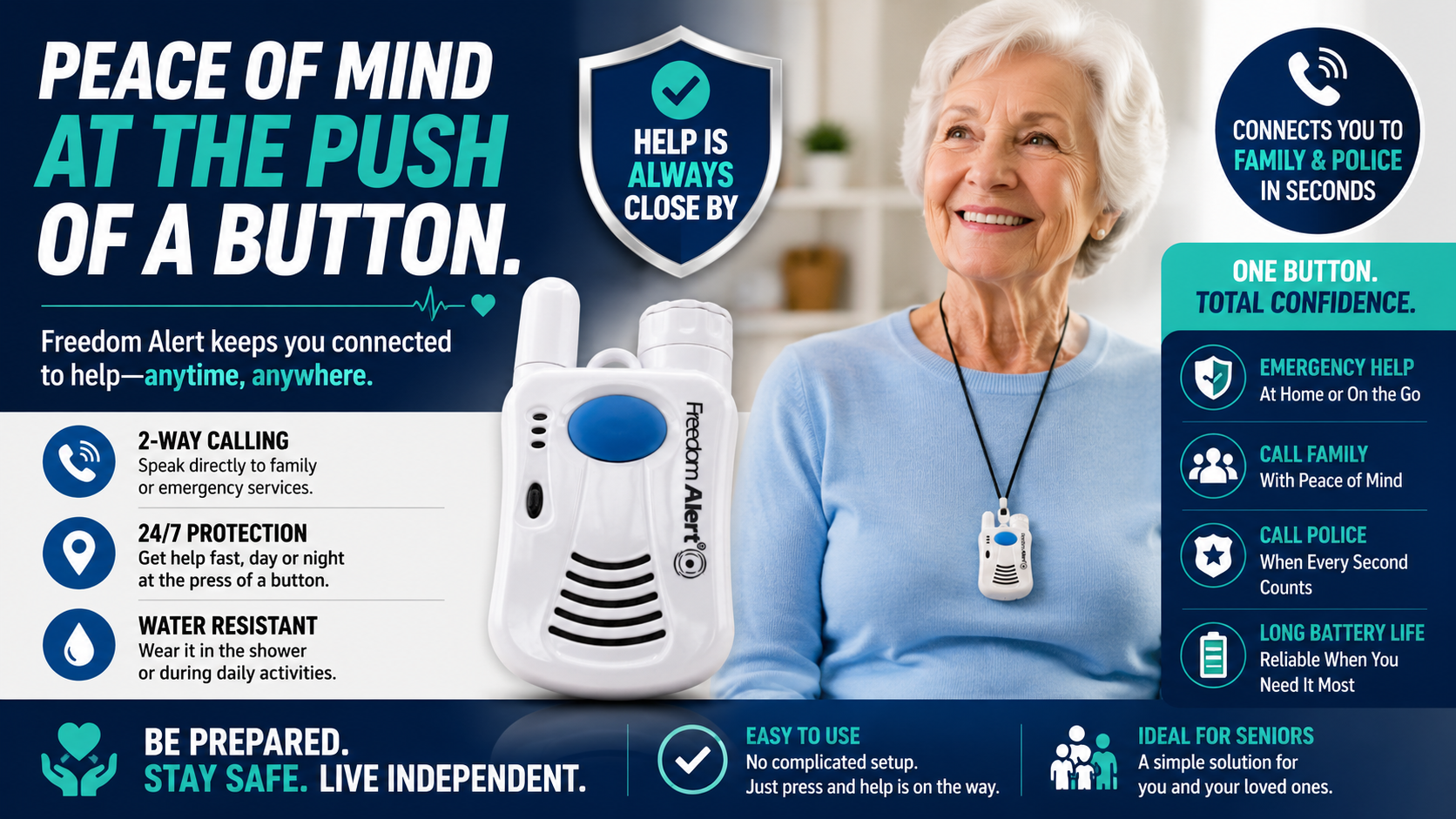
For a senior living alone this time is determined by one variable: what detection technology is in place. With no medical alert device the clock runs until someone happens to call or visit — potentially hours. With automatic fall detection on the wrist the clock runs for seconds.
That gap — between seconds and hours — is one of the most consequential variables in fall outcomes. And it’s entirely within a family’s control to close before a fall occurs.

The Falls That Don’t Cause Serious Injury — A Different Concern
Falls without serious physical injury still carry real consequences worth taking seriously.
Fear of falling affects approximately 50 percent of older adults after a fall — even a minor one. Fear of falling produces activity restriction that reduces the strength and balance that prevent future falls. The psychological consequence of a minor fall can accelerate the physical vulnerability that leads to the serious fall that comes later.
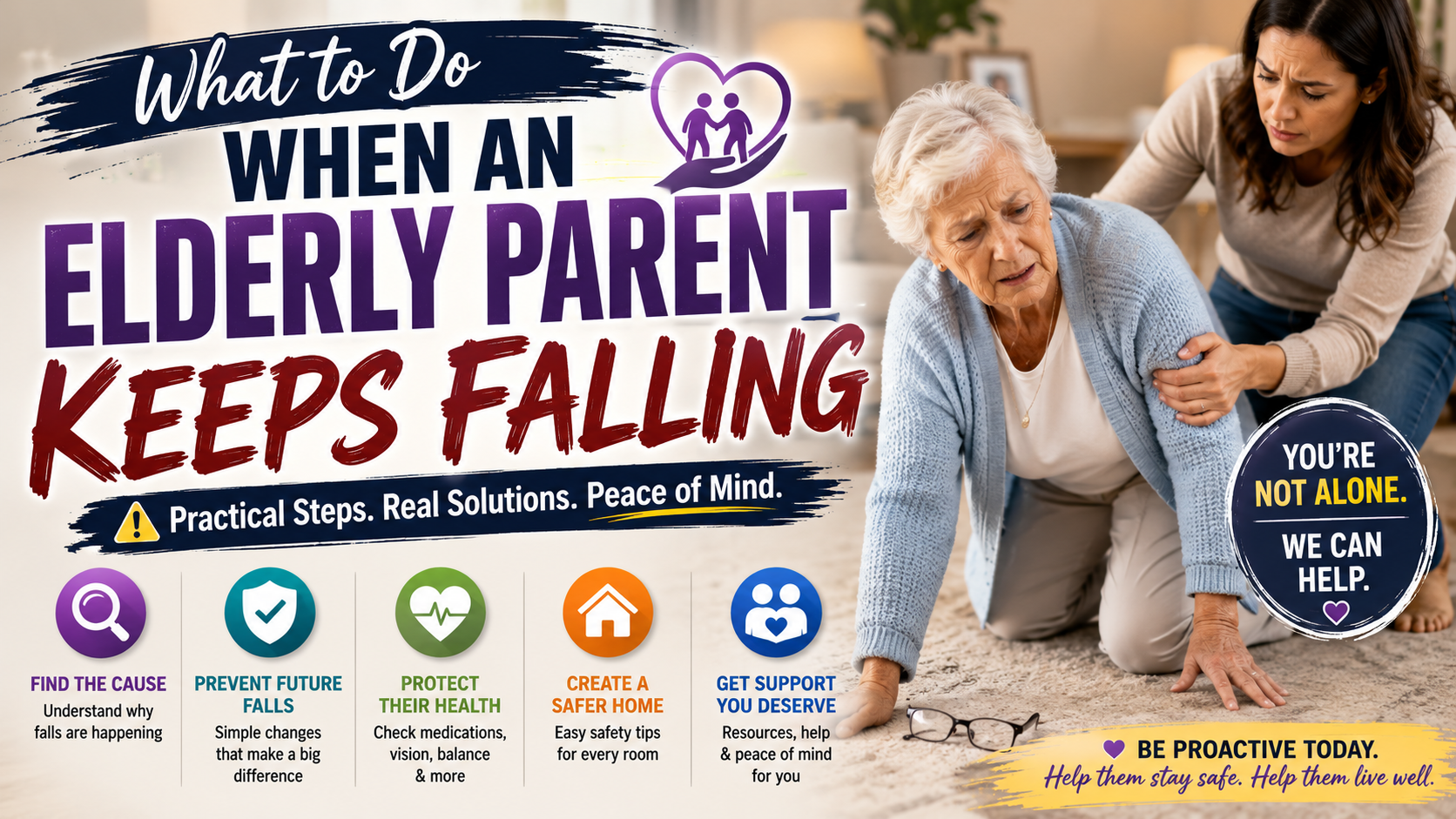
Repeated falls — even without serious individual injury — are a signal of accumulating risk factors that will eventually produce a serious fall if not addressed. As covered in our guide on what to do when an elderly parent keeps falling — the pattern of repeated falls is a system problem that warrants formal assessment, not repeated explanation and minimization.
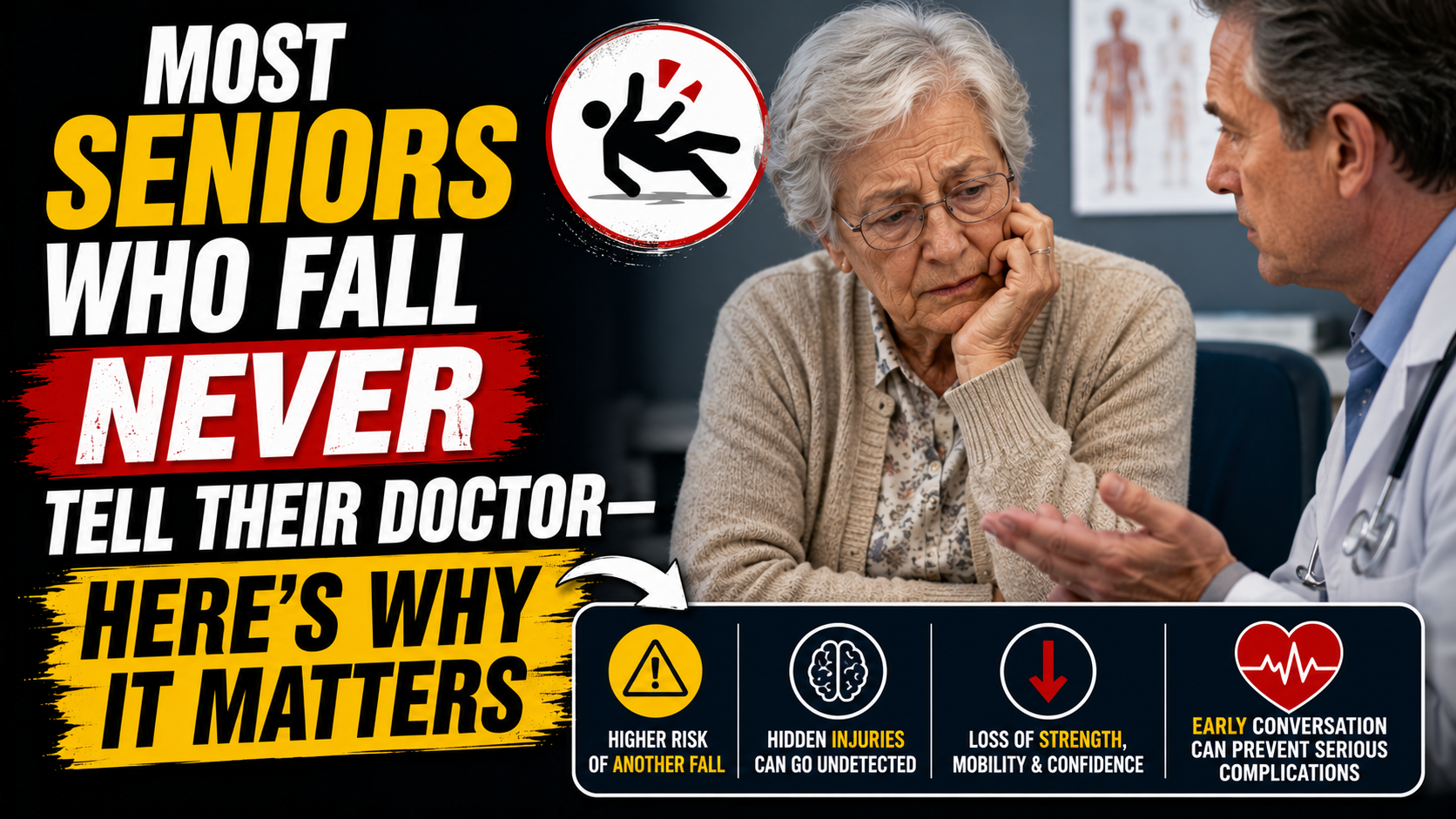
The fall that wasn’t reported — the slip that was caught on the counter, the stumble that produced a bruise explained as something else — is often more consequential than its minor outcome suggests. As covered in our guide on most seniors who fall never tell their doctor — the fall that doesn’t reach the medical record doesn’t generate the physical therapy referral, the medication review, or the fall risk assessment that might prevent the next one.
What Actually Changes the Outcome After a Serious Fall
For families whose parent has already had a serious fall — or who are watching recovery from one — these are the interventions that the research shows meaningfully improve outcomes.
Early Surgery
For hip fractures surgery within 24 to 48 hours of the fracture consistently produces better outcomes than delayed surgery — lower mortality, better functional recovery, shorter hospital stay. Families who understand this can advocate for prompt surgical scheduling when delays occur.
Early Mobilization
Beginning physical therapy within 24 hours of hip fracture surgery — getting the patient upright and moving as soon as medically safe — produces significantly better functional outcomes than extended bed rest. Early mobilization reduces pneumonia risk, blood clot risk, and deconditioning. Families can ask specifically about the rehabilitation plan and timeline at admission.
Geriatric Co-Management
Hospitals with orthogeriatric programs — where geriatricians co-manage hip fracture patients alongside orthopedic surgeons — consistently show better outcomes than standard orthopedic care alone. The geriatrician addresses the medical complexity that standard orthopedic management wasn’t designed for. Ask whether the hospital has an orthogeriatric or geriatric fracture program.
Nutrition During Recovery
Malnutrition during hip fracture recovery significantly worsens outcomes. Adequate protein intake specifically is critical for muscle recovery and immune function during the post-surgical period. Nutritional supplementation and close monitoring of intake during hospitalization and early rehabilitation are worth specifically requesting if appetite and intake seem poor.
Complication Prevention
Pneumonia prevention — incentive spirometry, early mobilization, respiratory therapy when indicated. Blood clot prevention — anticoagulation, compression devices, early mobilization. Delirium prevention — orientation support, consistent care routines, minimizing sedating medications. These are standard of care interventions that families can confirm are being actively managed.

Preventing the Fall That Changes Everything
The most important thing about how long seniors live after a fall is that the answer is largely determined before the fall — by what prevention measures are in place and by how quickly help arrives when prevention isn’t enough.
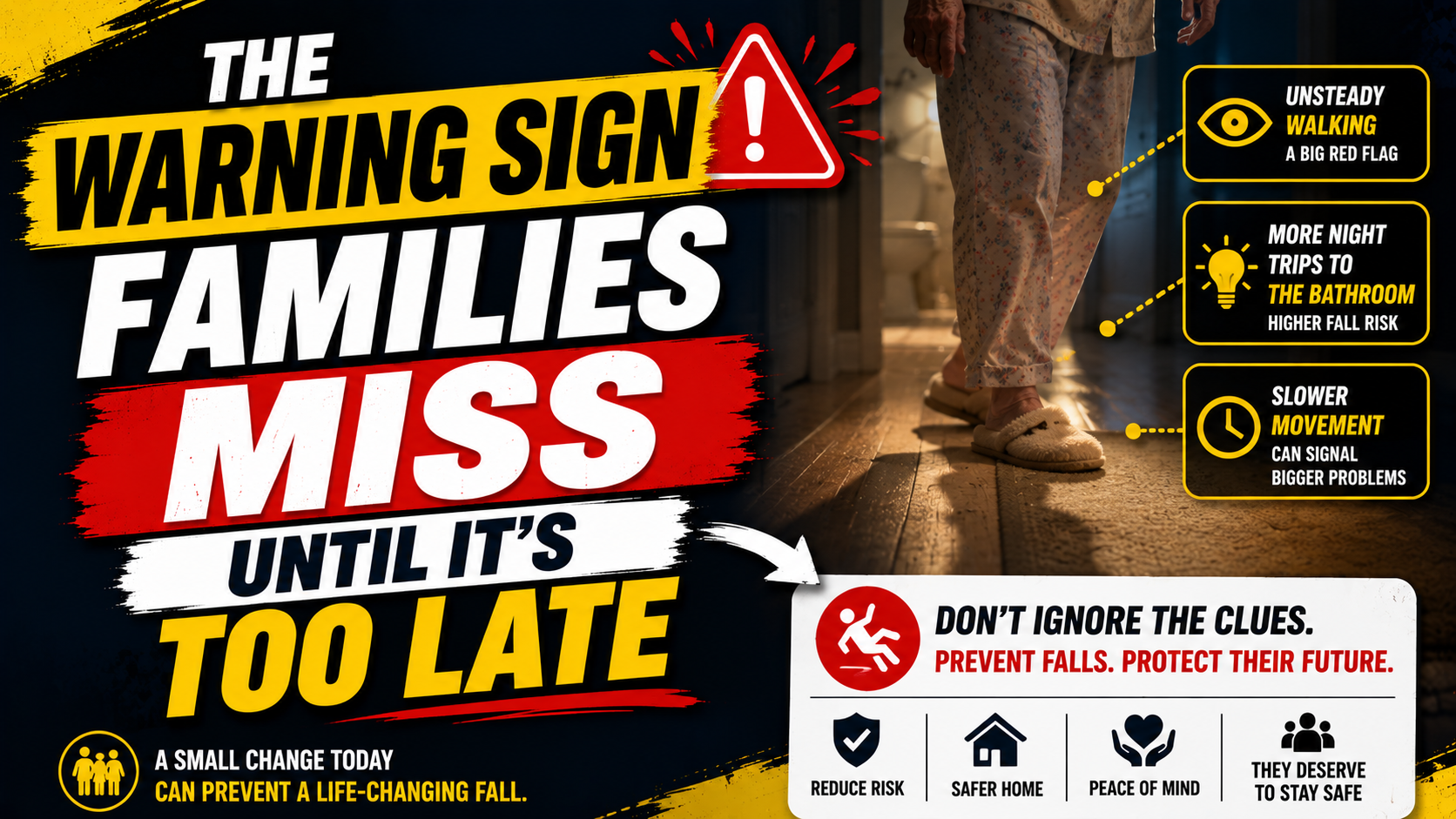
The fall that produces hip fracture is frequently preceded by a pattern of smaller falls and near-misses that provided the warning. As covered in our guide on the warning sign families miss until it’s too late — these warning signs are real, recognizable, and actionable. The families who act on them prevent the serious fall. The families who accept each smaller fall’s explanation wait for the one that’s harder to explain away.
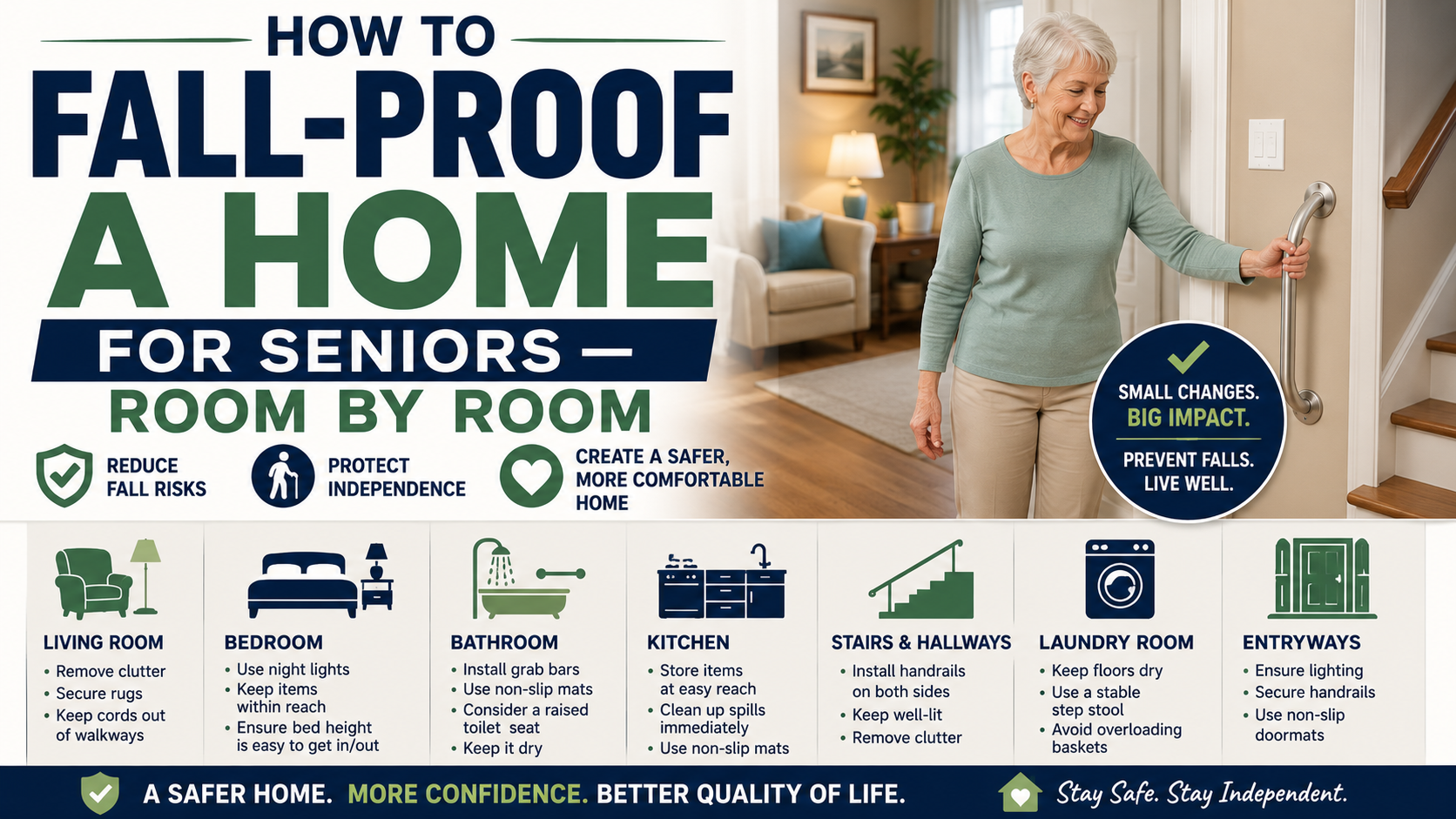
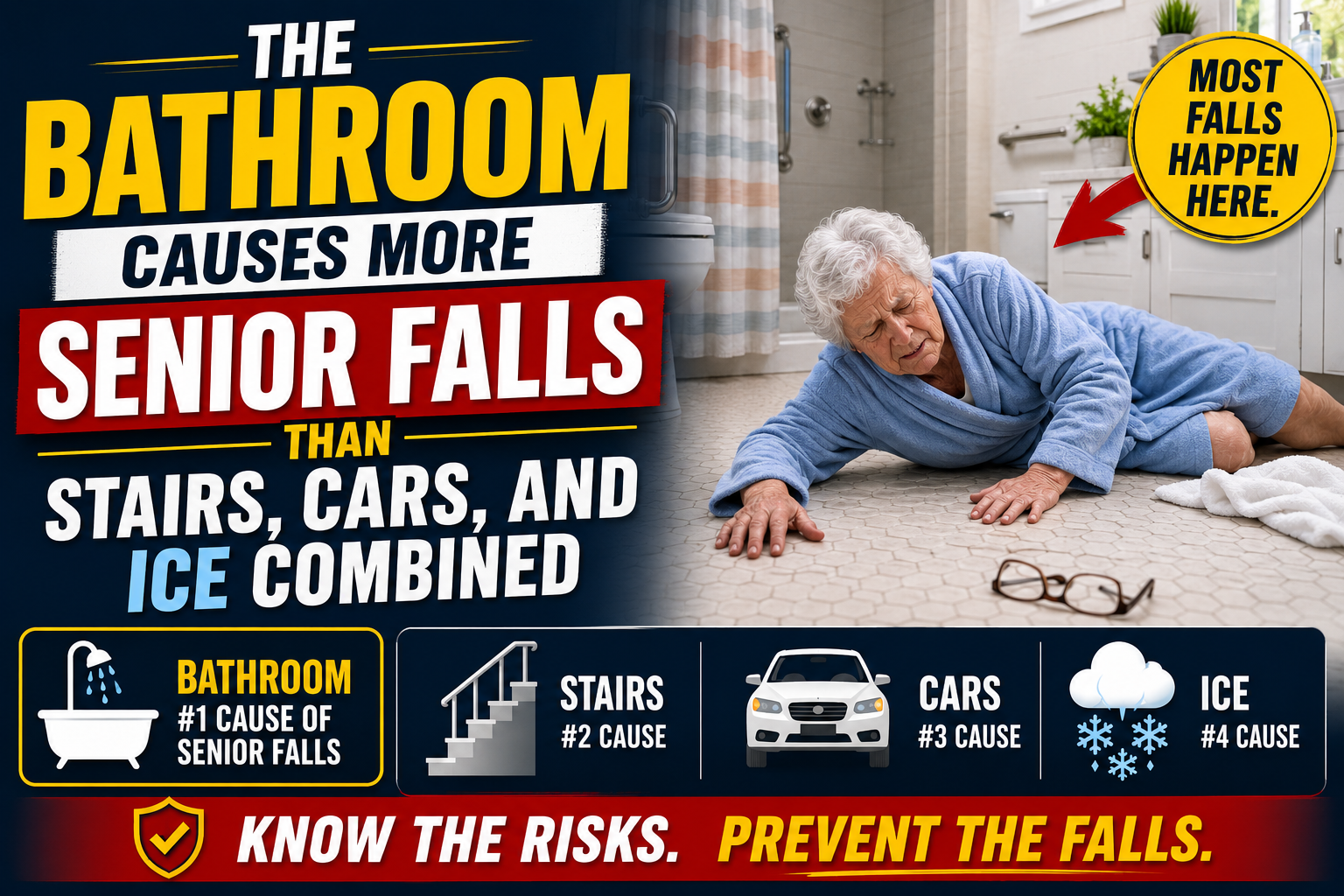
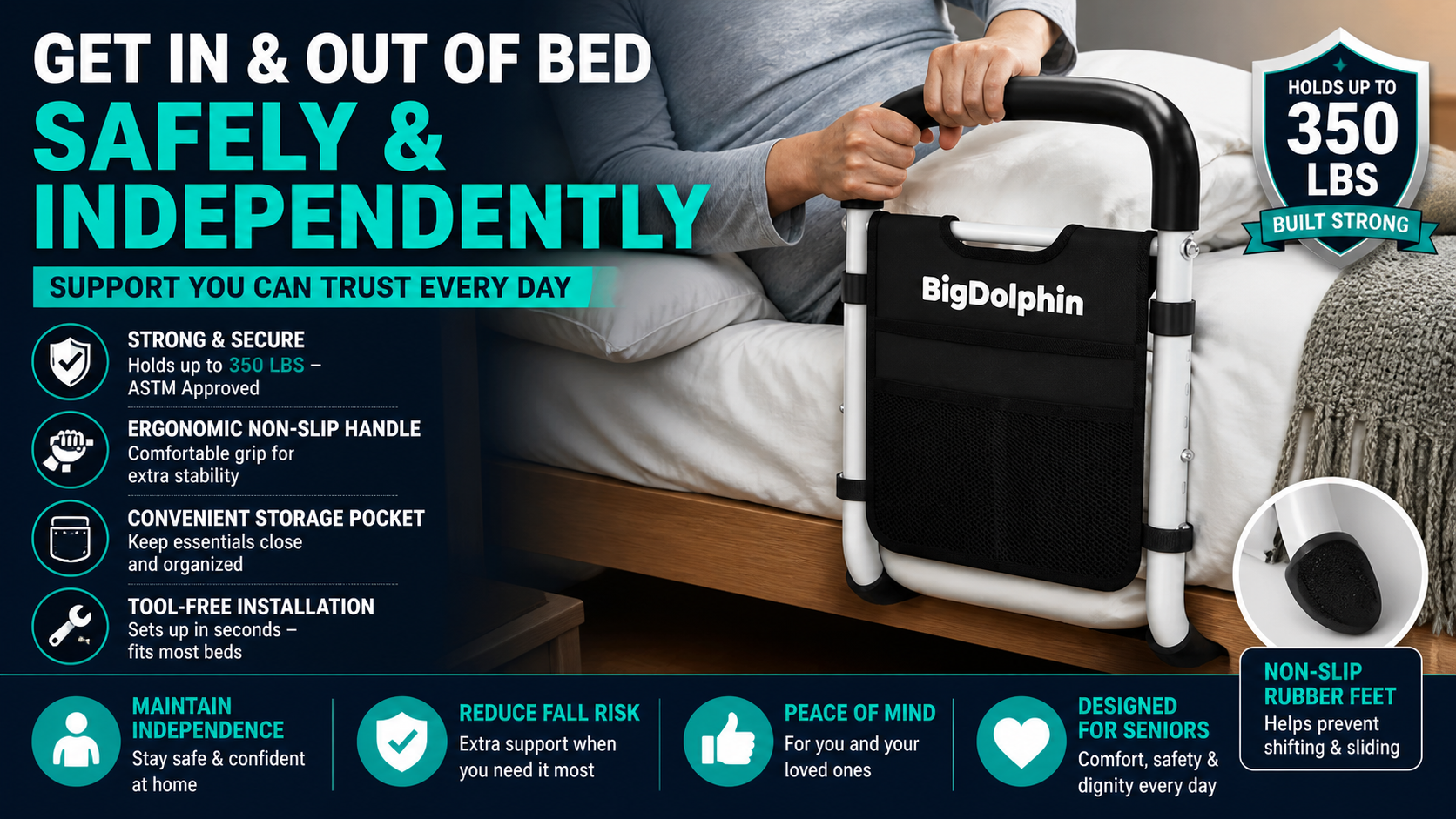
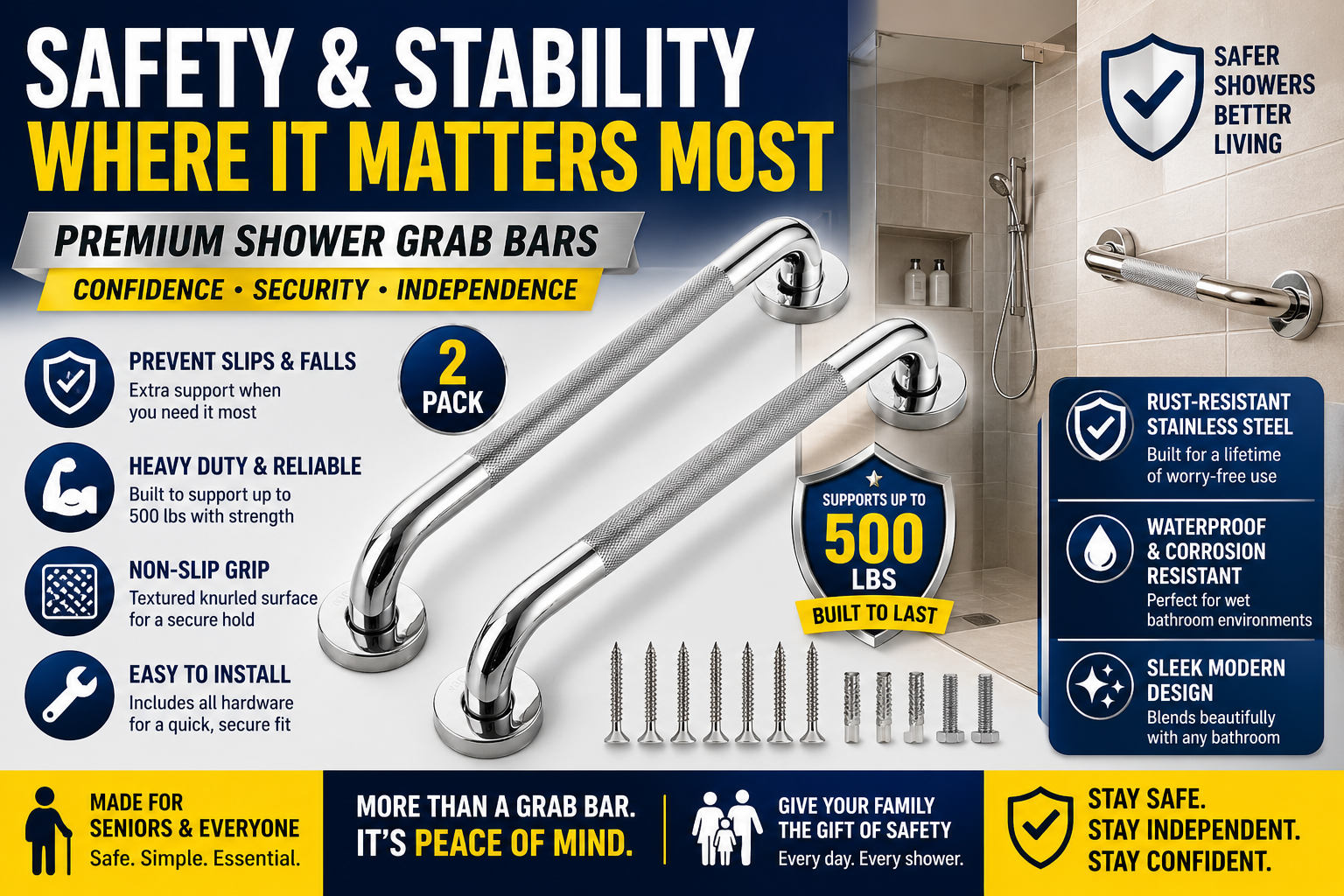
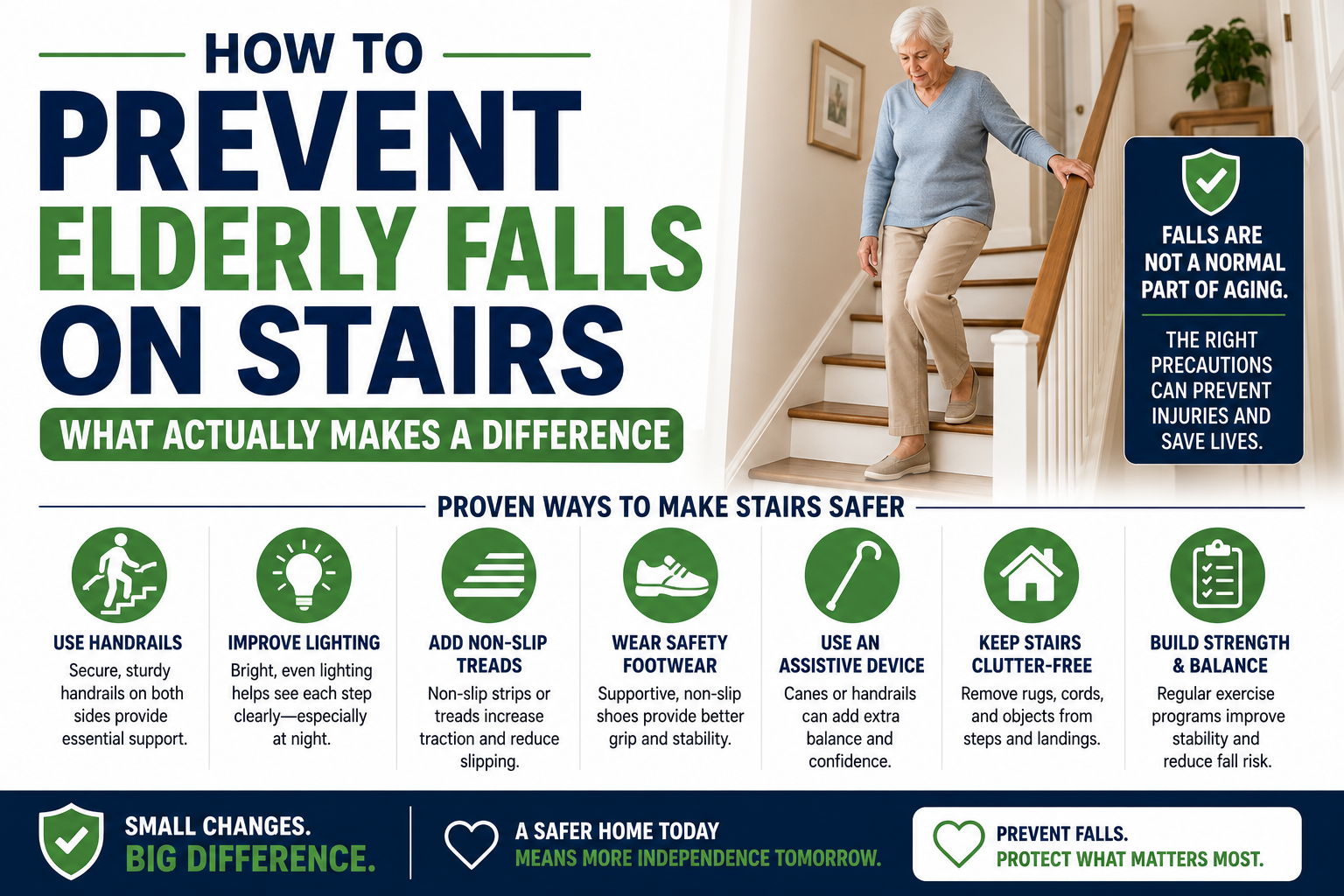
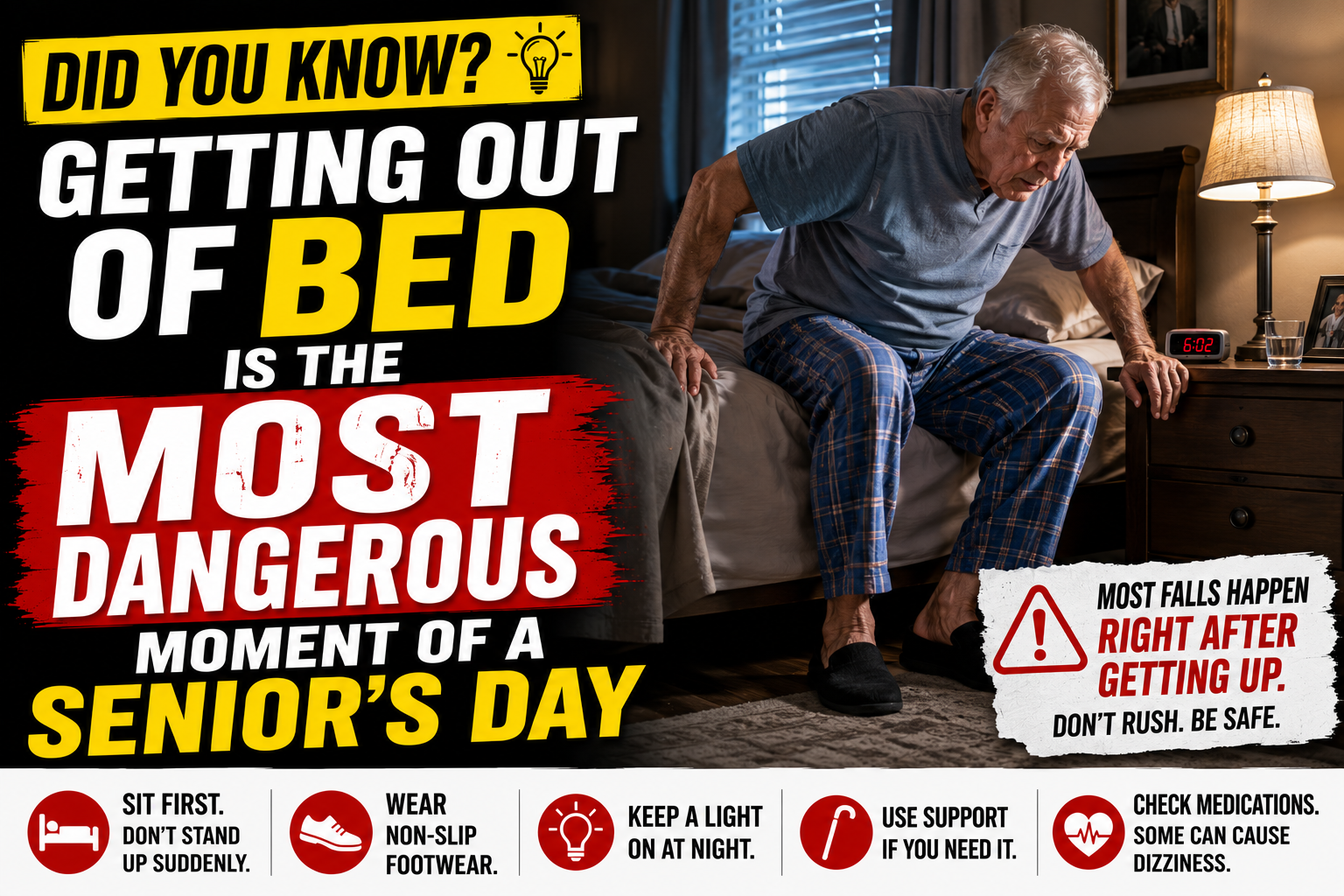
Grab bars in the bathroom. A bed rail for the morning getting-up transition. Night lights on the path from bed to bathroom. Medication review for fall risk. Balance exercise. These modifications address the risk factors that produce the falls that produce the outcomes this article describes.
And automatic fall detection — the technology that closes the gap between a fall happening and help arriving — addresses the time-on-floor variable that compounds the injury into the cascade that produces the mortality statistics.
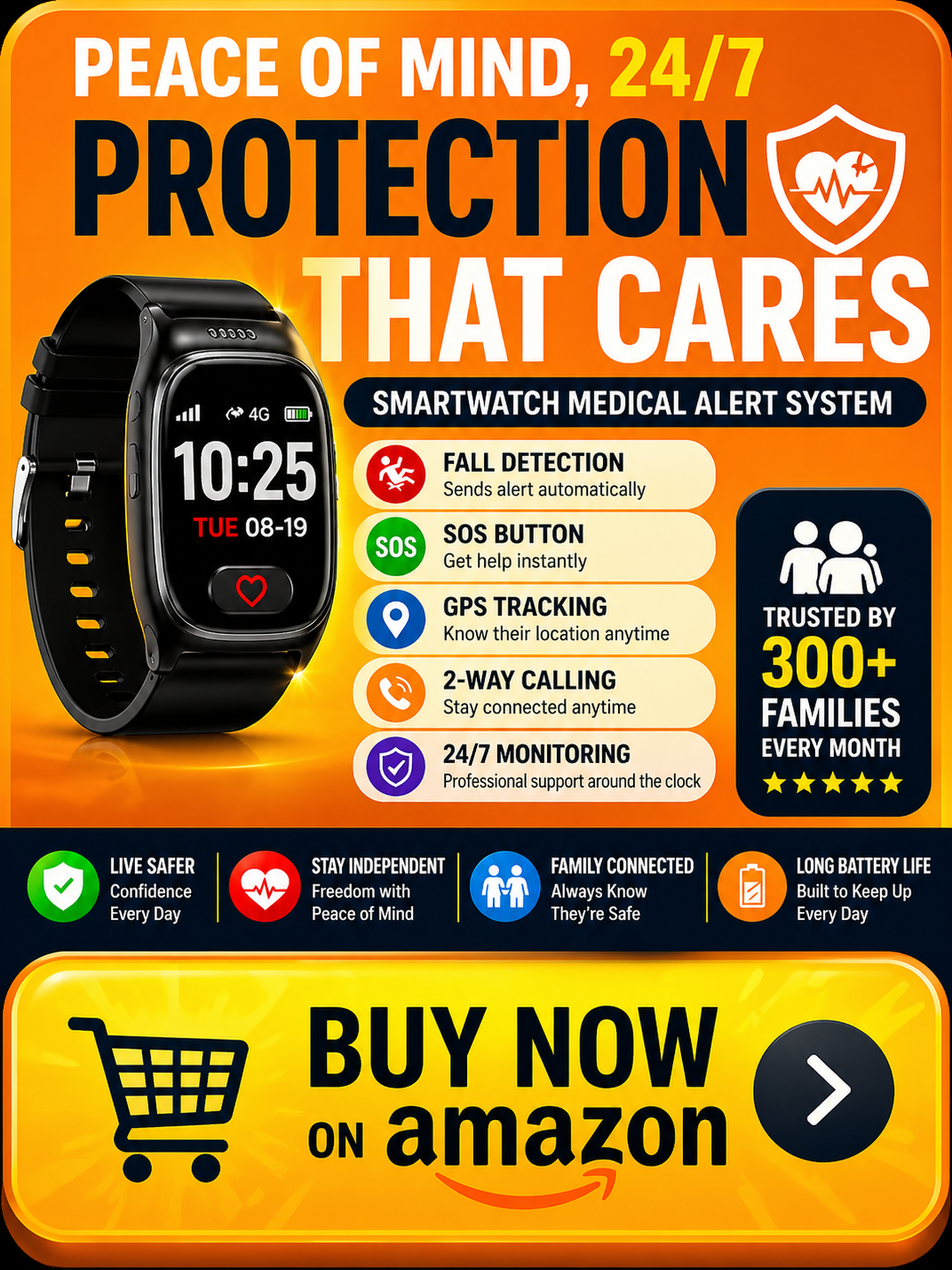
The SecuLife Smartwatch worn on the wrist provides fall detection that alerts family in seconds rather than hours. For anyone living alone it’s the measure that determines whether the fall that occurs despite every prevention measure becomes a manageable incident or a long lie with cascading consequences.
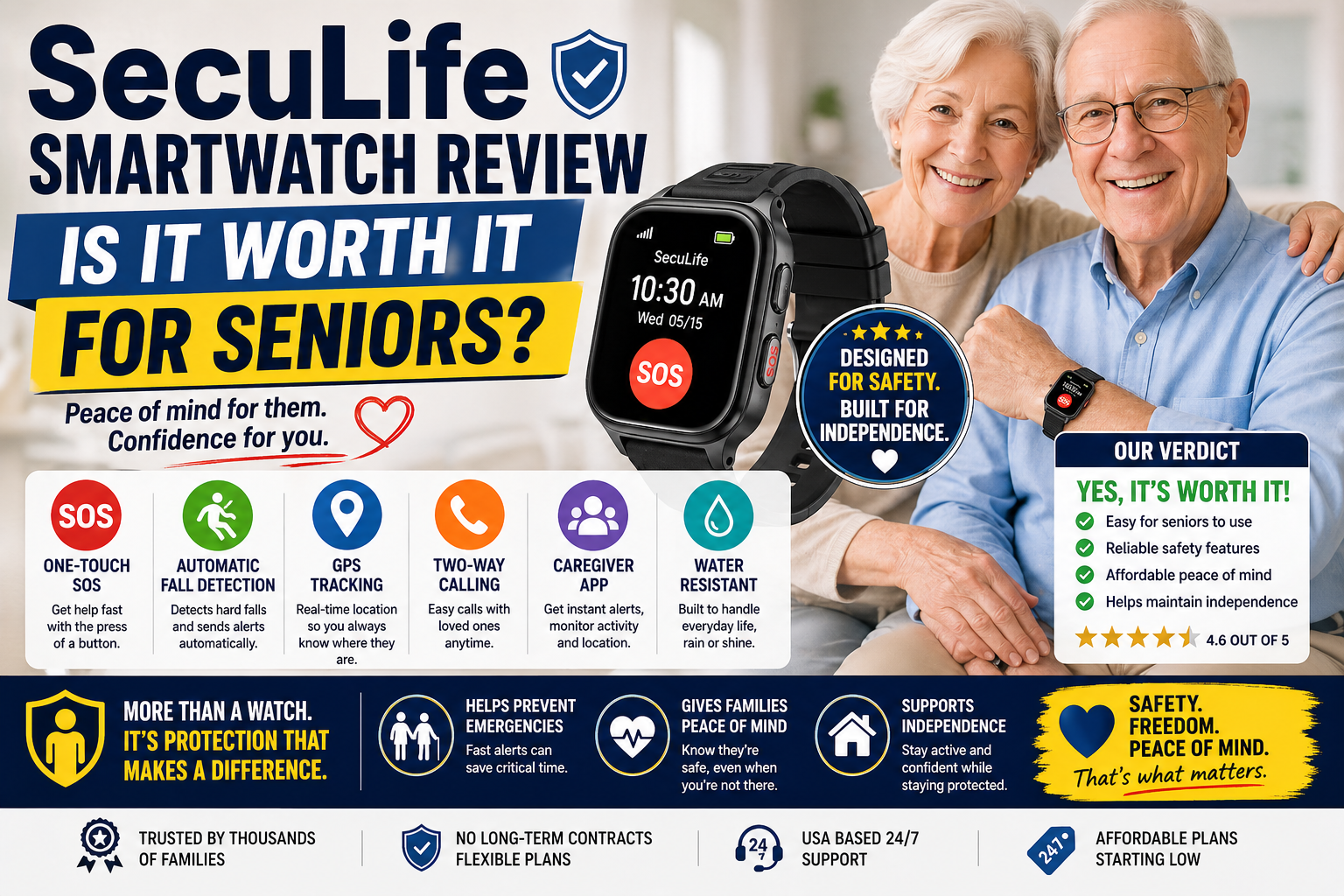
Our complete review at SecuLife Smartwatch Review covers every feature. Our complete guide on fall prevention for seniors covers the complete prevention framework.
→ Get the SecuLife Smartwatch on Amazon
If a Fall Has Already Happened — What to Do Now
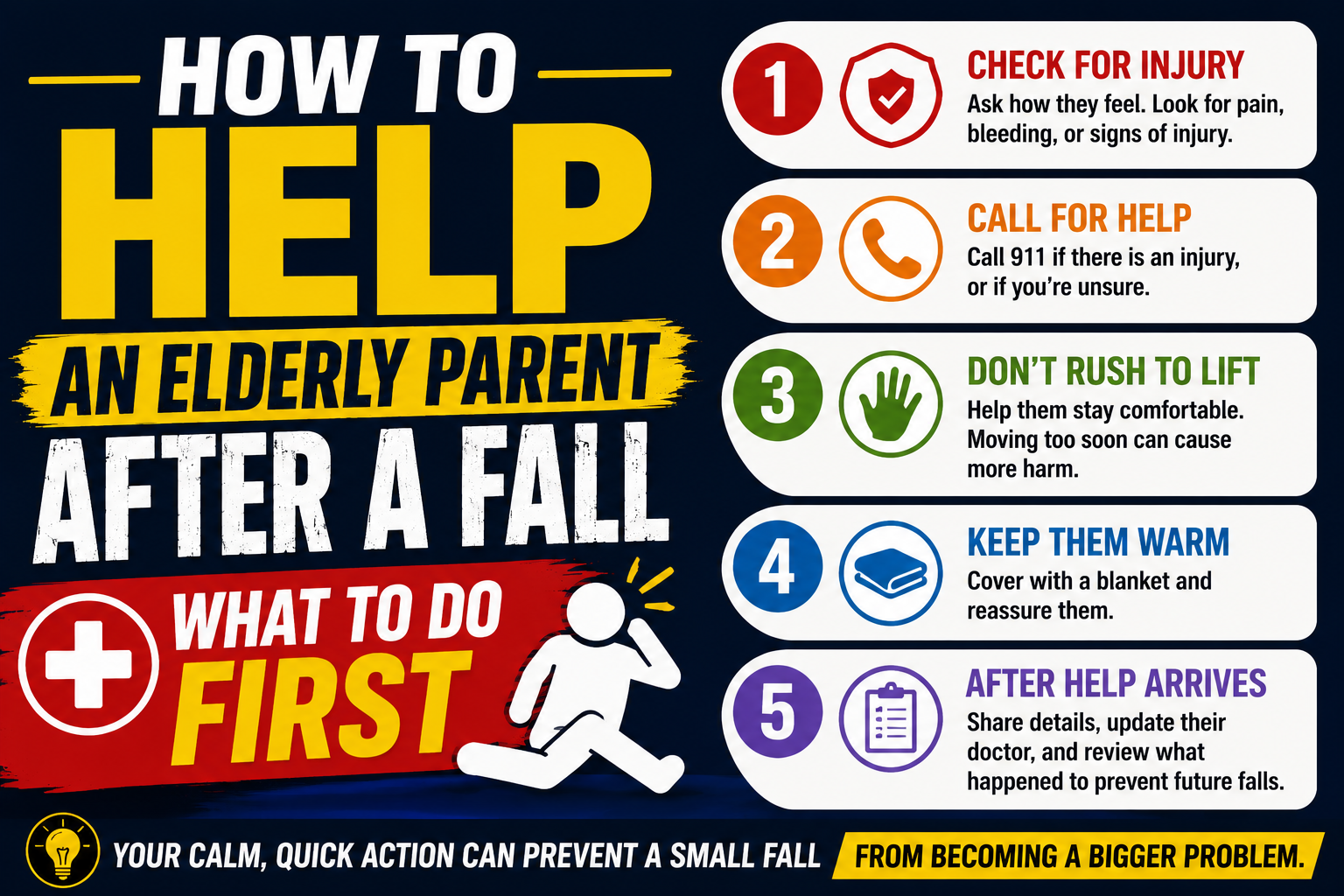
If a parent has recently had a serious fall our guide on how to help an elderly parent after a fall covers the complete post-fall response — from the immediate medical priorities through the home modifications and detection technology that reduce the risk of the next one.
A first fall more than doubles the risk of a second. The window between the first fall and the second is when everything in this site’s guidance matters most — and when acting on it produces the most meaningful change in what comes next.
Frequently Asked Questions
Is a fall always serious for a senior?
Not always — many falls in older adults produce no significant injury and with appropriate attention to the underlying risk factors don’t lead to serious consequences. What makes any fall worth taking seriously is the pattern it may represent and the risk factors it reveals, not just the immediate outcome. A fall with no injury is still a signal that risk factors are present and warrant attention.
What percentage of seniors die within a year of a fall?
For falls in general — including those without serious injury — the one-year mortality rate is not dramatically elevated. For falls that cause hip fracture specifically the one-year mortality rate is approximately 20 to 30 percent across all older adults who sustain this injury. This statistic varies significantly by age, health status at the time of the fall, and the quality of care received during recovery.
Can seniors fully recover from a fall?
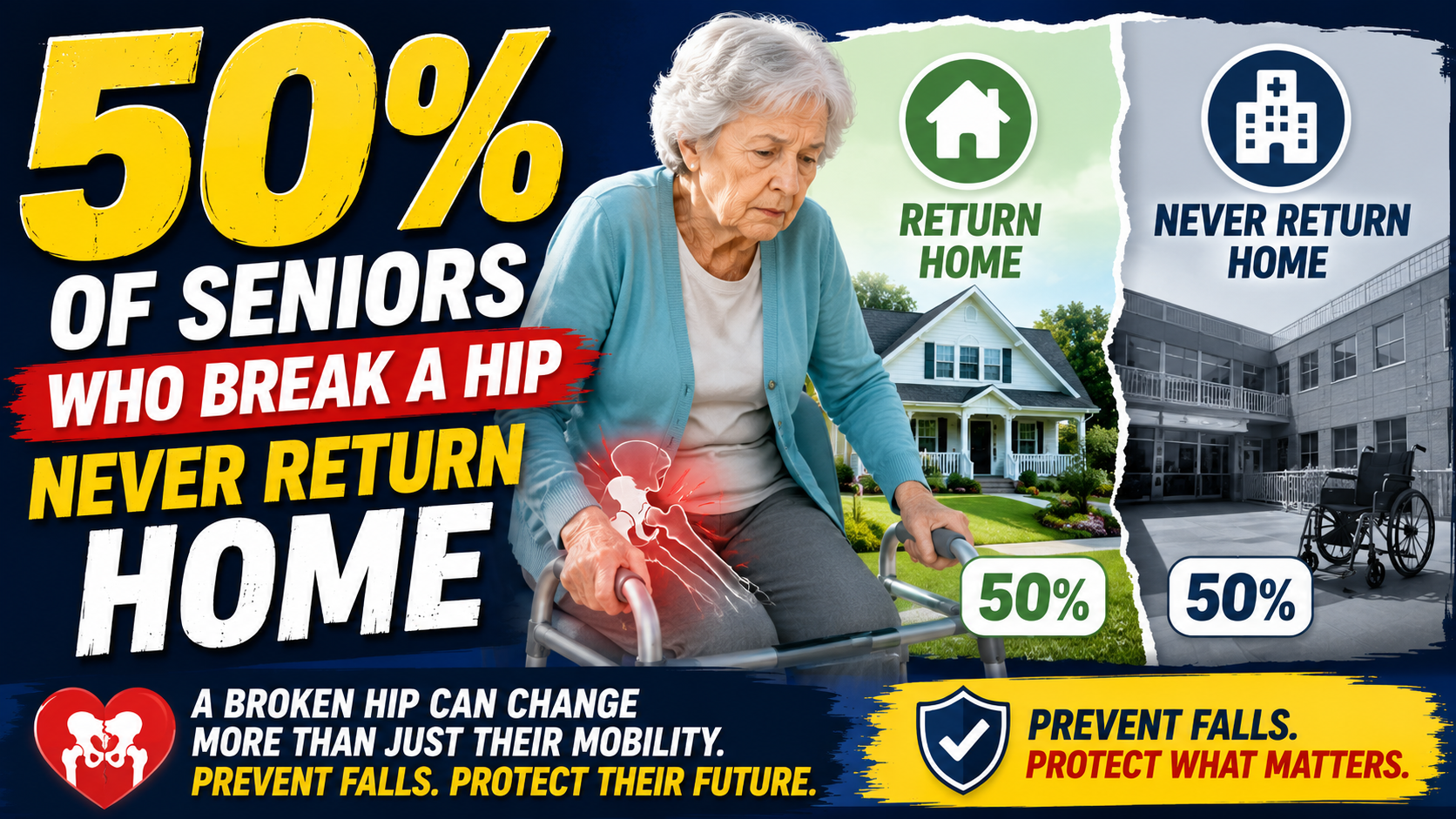
Many seniors recover fully from falls — particularly those without serious injury and those with good baseline health and functional reserve. For hip fractures approximately 50 percent of survivors return to their pre-fracture level of function. The other half experience some permanent reduction in function — though the degree varies from minor to significant depending on individual factors and the quality of rehabilitation received. The broader impact of that loss of function is explored in what happens after a hip fracture, including why many survivors do not return to their previous home.
What is the most dangerous type of fall for a senior?
Falls that cause hip fracture carry the most serious and well-documented mortality risk. Falls that cause head injury — particularly in older adults on blood thinners, where intracranial bleeding risk is elevated — are the most acutely dangerous and require immediate emergency evaluation. Falls that result in long lies — where the person cannot get up and is on the floor for extended periods — compound any injury with the physiological consequences of time on the floor.
Should a senior go to the hospital after a fall?
Any fall involving head impact, severe pain, inability to bear weight on a limb, confusion beyond baseline, or any neurological symptom warrants emergency evaluation. Falls without these features still warrant prompt physician evaluation — ideally same day or next day — to assess for injuries that may not be immediately apparent and to document the fall in the medical record where it can inform clinical follow-up.
The Question Behind the Question
Families who search “how long do seniors live after a fall” are almost never looking for a statistic. They’re looking for reassurance, for understanding, for something that makes the fear they’re feeling make sense.
The honest answer to what they’re actually asking: it depends — on what the fall caused, on how quickly help arrived, on what care was received, and on what happens next. And what happens next is something families have more influence over than most realize — both in the quality of recovery from this fall and in the prevention of the next one.
The window after a serious fall is the most important window in fall prevention. Everything changes in how urgent prevention feels. Everything becomes possible that wasn’t before. The family that uses that window — that installs the grab bars, gets the medical alert device, requests the medication review, starts the physical therapy — is the family that changes what comes next.
Use it.
About the Author
Margaret Holloway, RN spent 22 years in geriatric nursing answering the question this article addresses — in hospital hallways, in family meetings, in the quiet conversations that happen when a family needs to understand what they’re facing. She answered it honestly every time, because honest information is what allows families to make good decisions in the time they have. The statistics in this article are real. So is the variability around them. And so is the genuine influence that family action — in the hospital, in the rehabilitation facility, in the home after discharge — has on which end of that variability their parent ends up on. She writes for Elder Safety Guide because the families who need this information most often find it too late. This guide exists to find them earlier.