The right footwear protects on every step of every day. Here’s exactly what to wear indoors, outdoors, and during the highest-risk daily moments.
Most senior fall prevention conversations cover the bathroom, the bedroom, and the stairs. The home safety checklist gets completed. The grab bars go in. The night lights get plugged in. And then the person walks across smooth hardwood floors in standard socks to make their morning coffee — in the footwear that never came up once during the entire safety conversation.
Footwear is the fall prevention measure that’s applied continuously — on every step of every day — and it’s the one most consistently left unaddressed. The grab bar protects during one specific transition. The right footwear protects during every single step taken in every room of the home.
This guide covers everything worth knowing about senior footwear safety — what makes footwear fall-preventive, what to wear indoors, what to wear outdoors, what to wear when shoes aren’t on, and the specific options we recommend for men and women.
Why Footwear Matters More Than Most Families Realize
The connection between footwear and fall risk is specific and documented — not general caution. Research from fall prevention programs consistently identifies indoor footwear as a modifiable fall risk factor. That means changing it changes fall probability. Several specific mechanisms explain why.
Traction — The Primary Mechanism
Standard socks on smooth floors — hardwood, tile, laminate, vinyl — provide minimal friction between foot and floor. Every step involves slight sliding that balance reflexes normally manage automatically. As those reflexes slow with age and muscle strength reduces, the margin for error shrinks. A sudden larger slide — from a wet patch, a slightly uneven surface, or simply a step that lands differently — produces a fall.
Non-slip soles and grip patterns on socks create meaningful friction where standard footwear doesn’t. The difference between a smooth-soled slipper and a non-slip rubber-soled shoe on a hardwood floor is the difference between a foot-floor interface that requires constant correction and one that grips reliably with every step.
Heel Security — The Second Mechanism
A shoe or slipper that doesn’t hold the heel securely requires the toes to grip to keep it on. This produces a shuffling gait — reduced foot clearance, shortened step length, forward-leaning posture — that fall prevention research consistently identifies as a fall risk pattern. The gait change that loose footwear produces is itself a fall risk independent of any specific hazard being navigated.
The Putting-On Risk
Getting shoes on and off is a balance-challenging activity that most people don’t recognize as a fall risk. Standing on one foot while the other is raised. Bending forward while maintaining balance. Managing laces or fasteners while in an unstable position. A shoe that eliminates all of this — that goes on by sliding the foot forward while seated — removes a daily fall risk that conventional footwear creates multiple times per day.
The Four Footwear Scenarios — What to Wear When
Different daily scenarios require different footwear solutions. Here’s the complete picture.
Scenario 1 — All-Day Indoor Wear
Fall prevention programs recommend wearing proper supportive shoes with non-slip soles throughout the day including indoors — not transitioning to socks or slippers when entering the home. The smooth indoor floors where most falls occur demand as much traction attention as outdoor surfaces.
The shoe that makes this realistic is one that’s easy enough to put on and comfortable enough to wear all day — without the effort of lacing or the discomfort of a shoe that was designed for outdoor use only.
For men — the Skechers Go Walk Flex Hands Free delivers this. Hands-free entry means it goes on without bending, balancing, or fastening. Non-slip rubber sole. Secure heel hold. Lightweight and comfortable enough for all-day indoor wear. Our complete review covers everything worth knowing before buying.
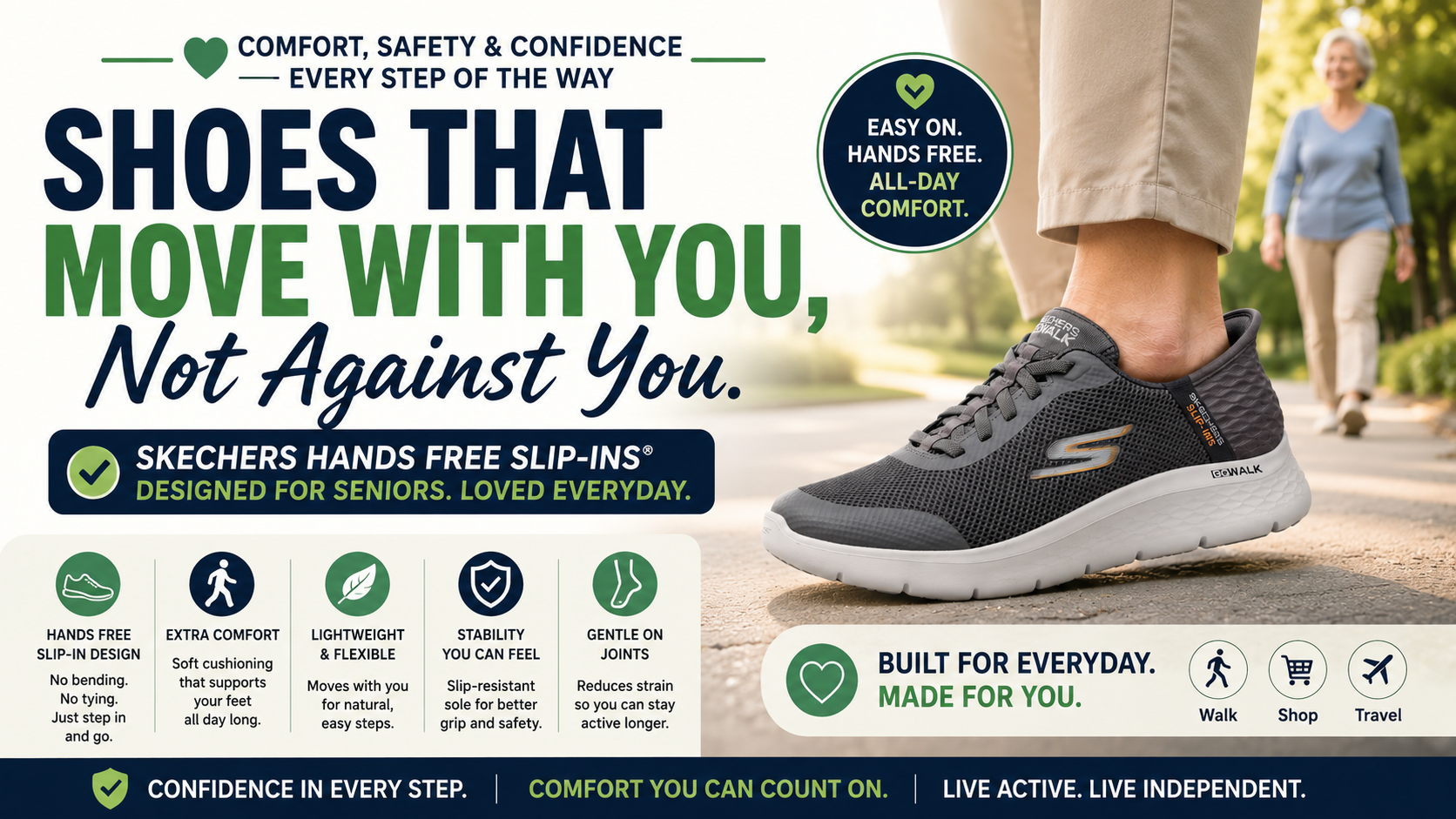
Full review: Best Slip-On Shoes for Senior Men — Skechers Go Walk Flex Review
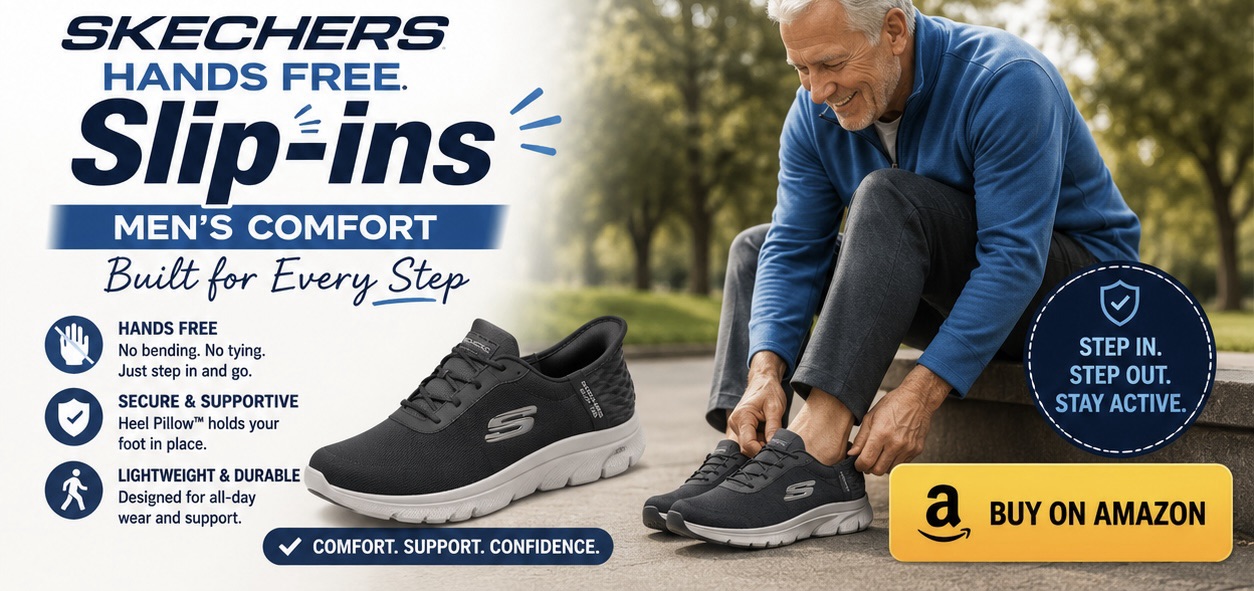
→ Get the Skechers Go Walk Flex Men’s on Amazon
For women — the Skechers Summits Dazzling Haze Hands Free addresses the same need with a design built for women. Memory foam insole. Heel pillow. Hands-free entry. Contemporary styling that doesn’t announce itself as safety footwear. Our complete review covers sizing, fit, and performance in detail.
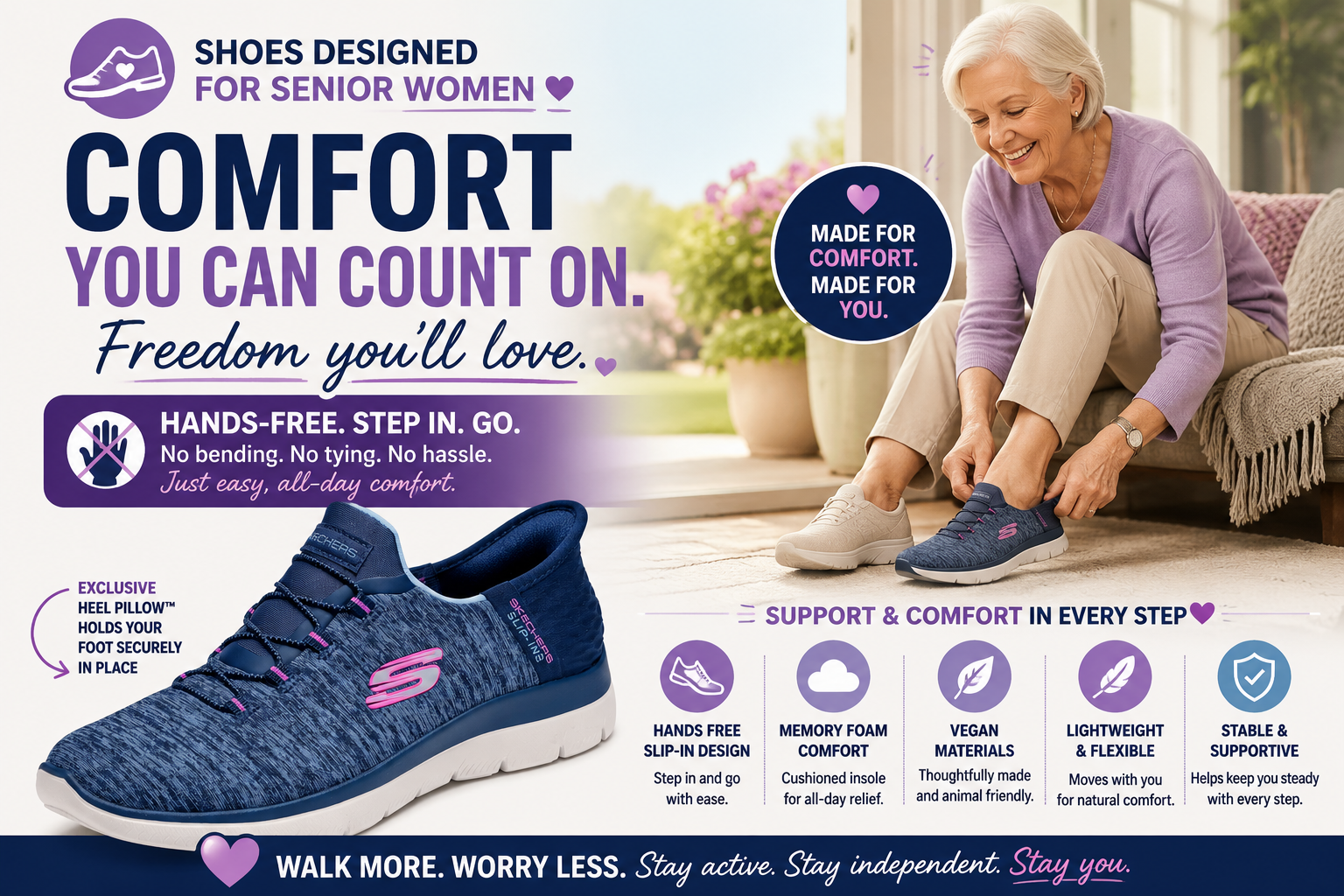
Full review: Best Slip-On Shoes for Senior Women — Skechers Summits Review
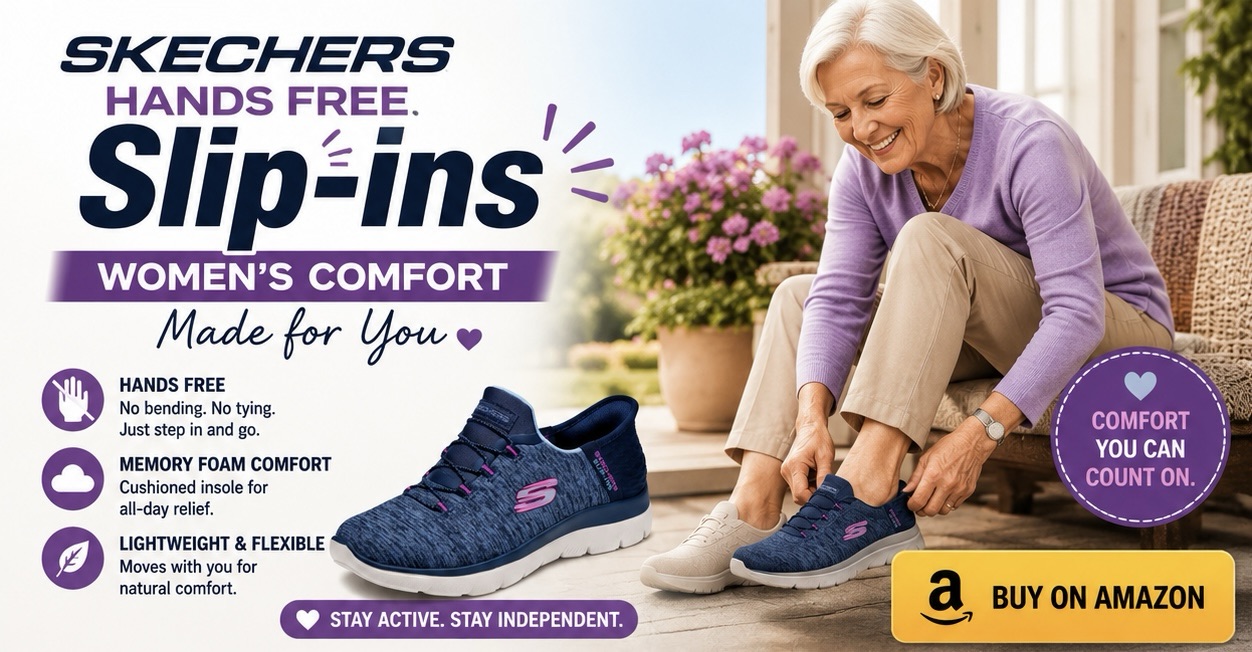
→ Get the Skechers Summits Women’s on Amazon
Scenario 2 — Immediately After Waking
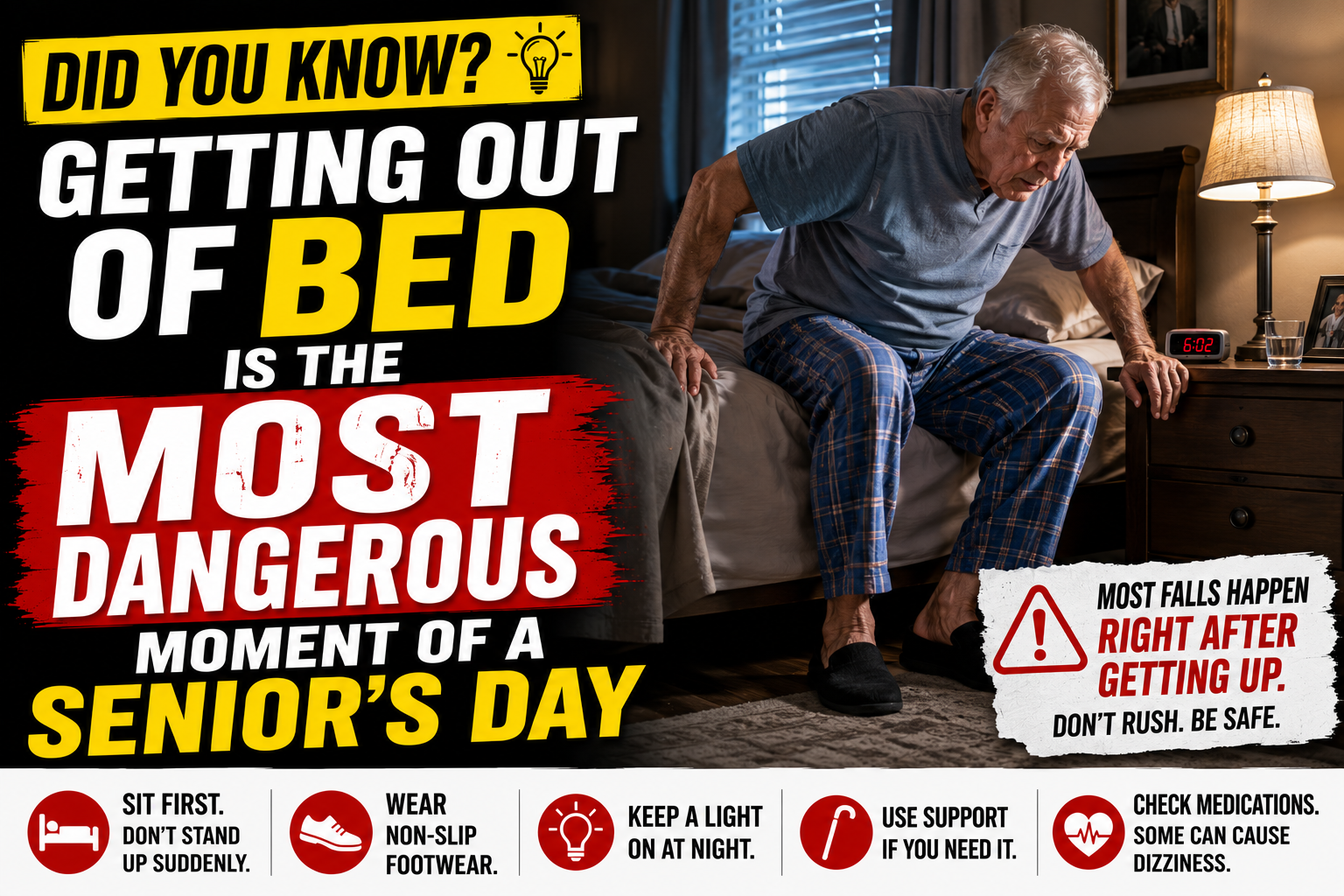
The first minutes of the morning — before shoes are on — are among the highest-risk daily moments. As covered in our guide on getting out of bed is the most dangerous moment of a senior’s day — orthostatic hypotension, sleep inertia, and reduced alertness combine into the highest-risk daily transition. Navigating to the bathroom in standard socks on a smooth floor adds a traction deficit to an already compromised balance system.
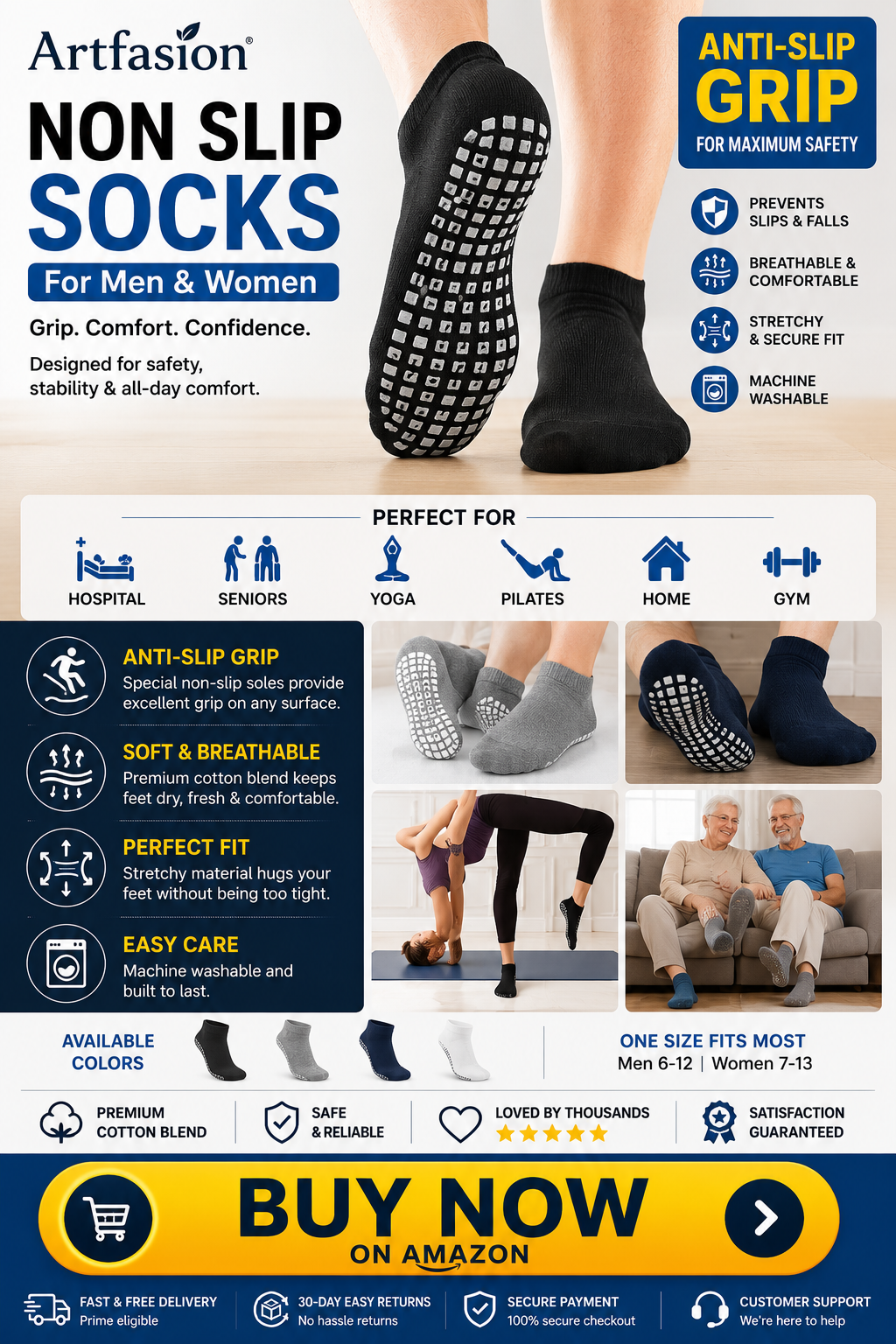
Non-slip grip socks worn to bed — or put on before the first morning step — address this specific window. The rubber grip pattern on the sole creates traction on smooth floors that standard socks don’t provide.
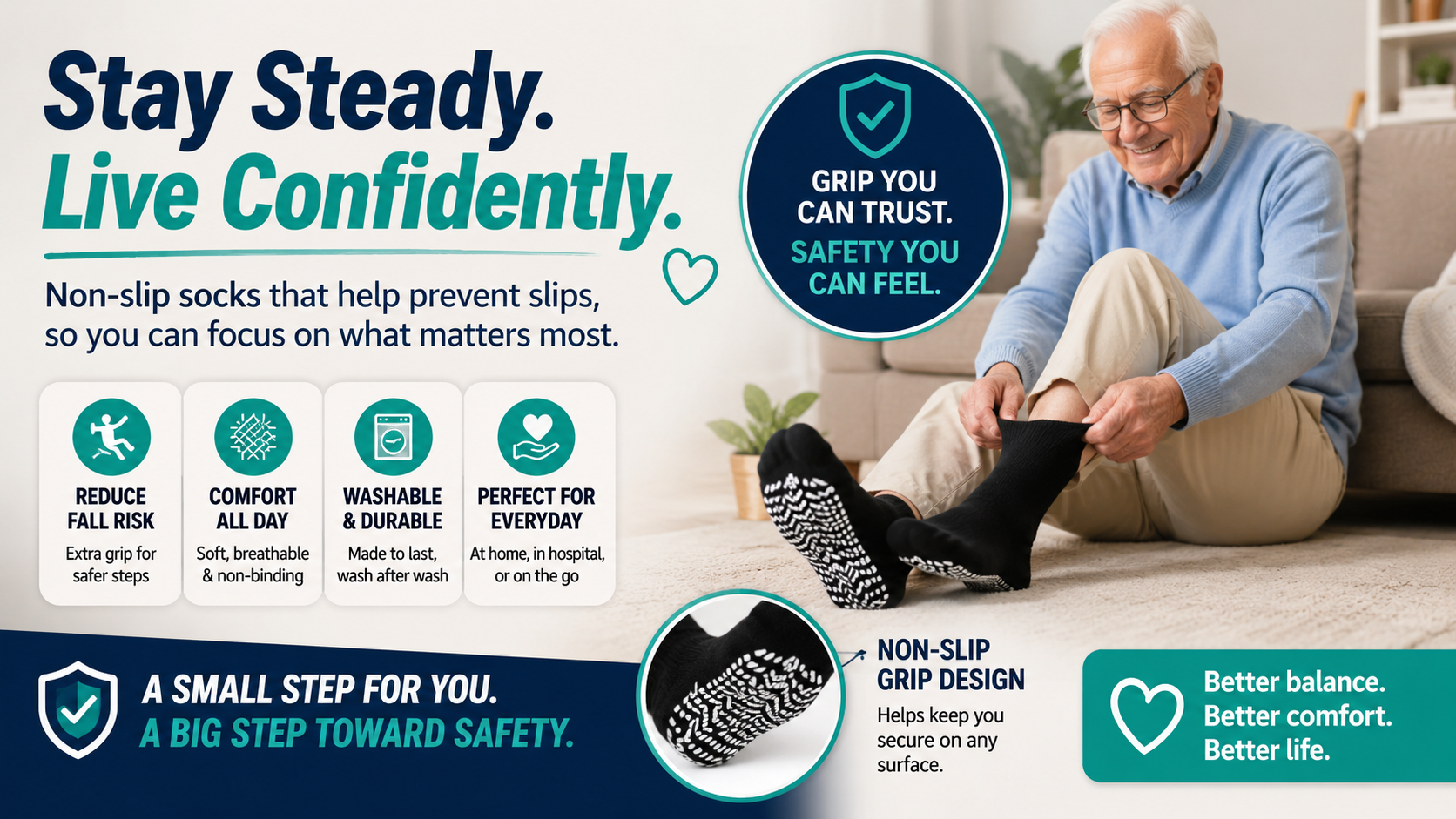
Full review: Best Non-Slip Socks for Seniors
→ Get the Non-Slip Grip Socks on Amazon
Scenario 3 — After Showering
The post-shower transition — stepping out of the shower onto the bathroom floor with wet feet, moving to the bedroom to get dressed — is a specific traction-challenge window when neither the non-slip bath mat nor shoes are present. Non-slip socks put on immediately after the shower and bath mat transition cover this window until shoes go on.
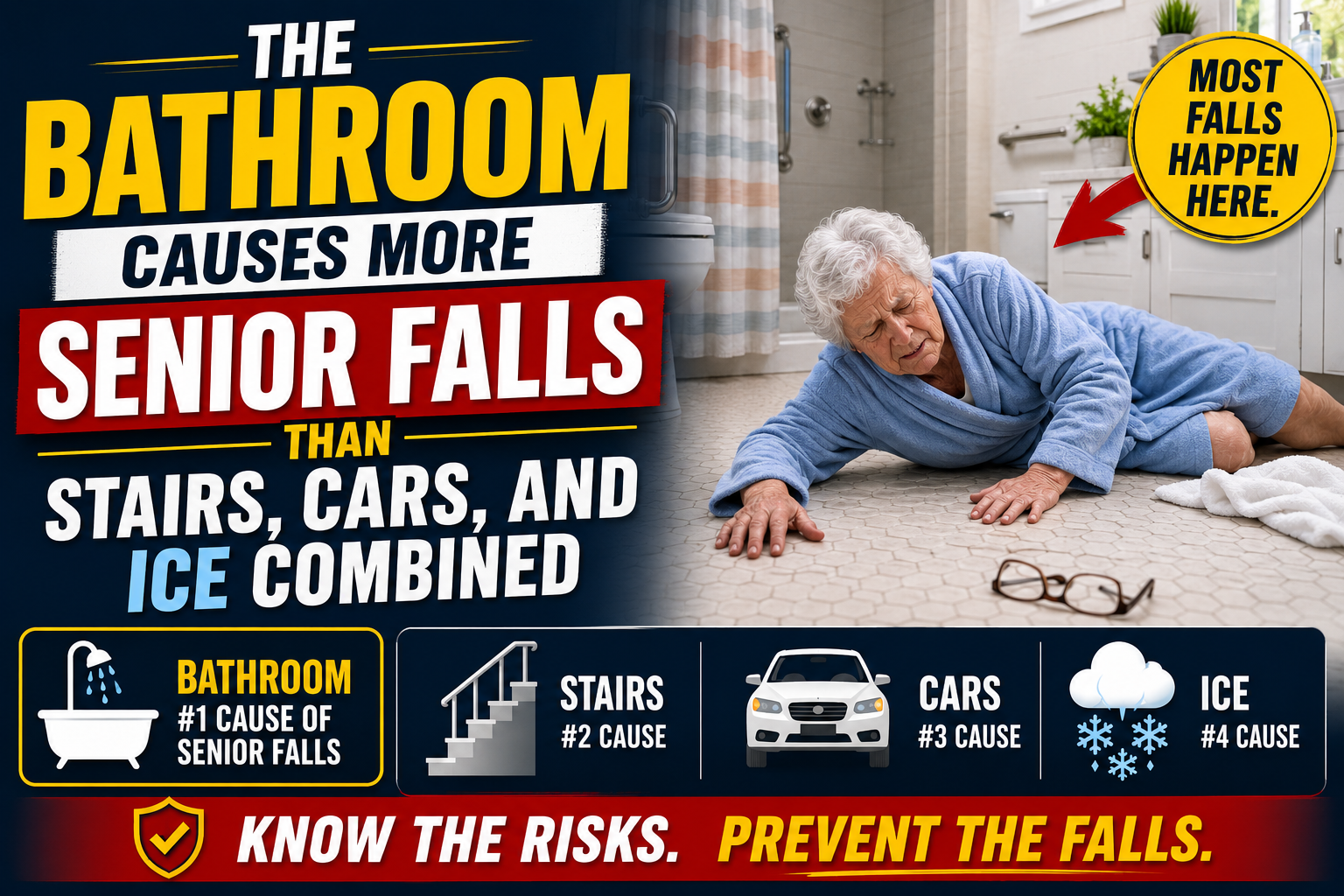
As covered in our guide on the bathroom causes more senior falls than stairs, cars, and ice combined — the bathroom exit is one of the highest-risk daily transitions. Non-slip socks address the traction component of that transition for the floor area beyond the bath mat.
→ Get the Non-Slip Grip Socks on Amazon
Scenario 4 — Nighttime Bathroom Trips
The nighttime bathroom trip adds urgency, darkness, and sleep inertia to the standard smooth-floor traction challenge. Non-slip socks worn through the night — or put on before the nighttime bathroom trip — address the traction component of this high-risk scenario without requiring full shoe-donning in the middle of the night.
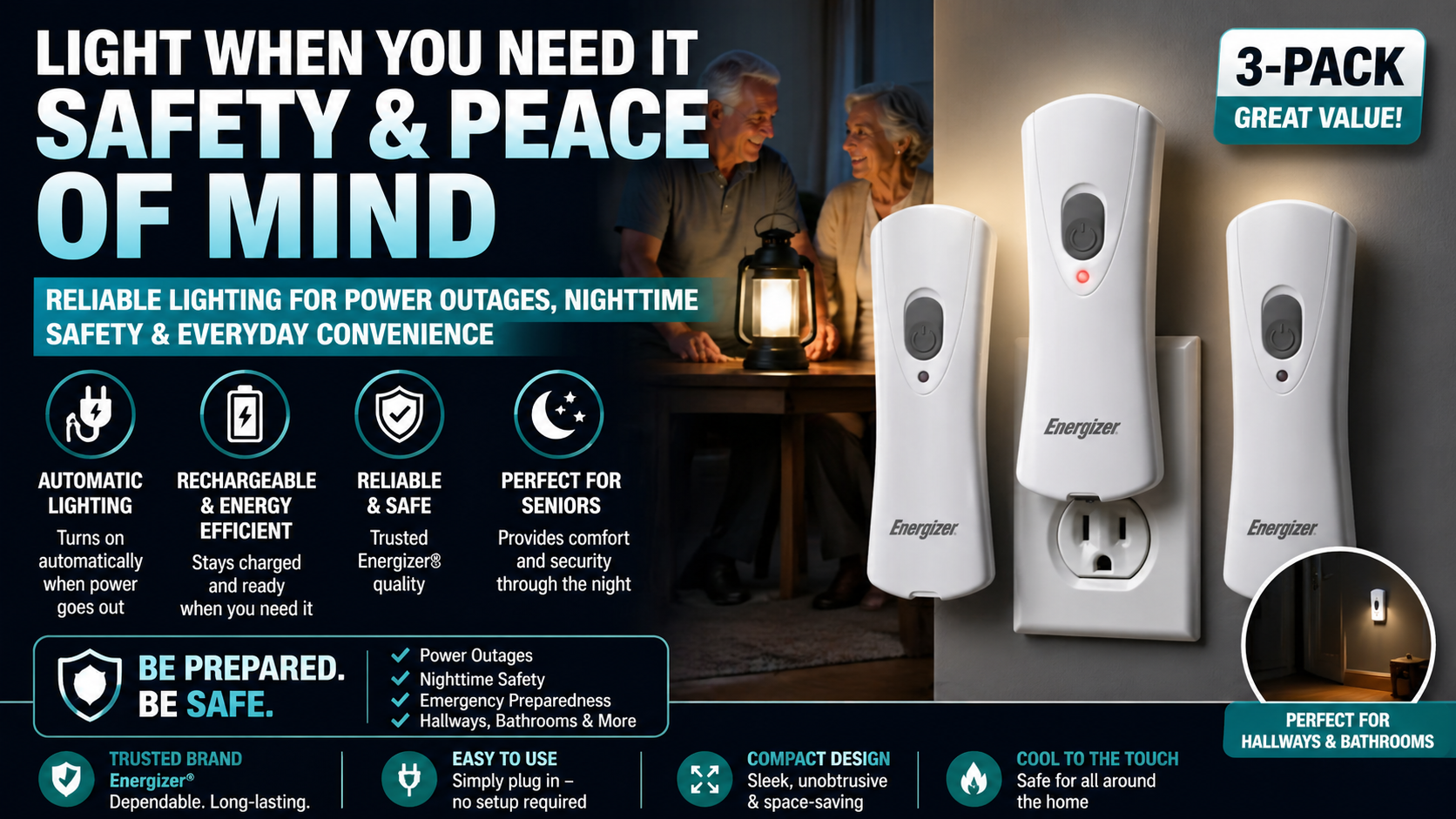
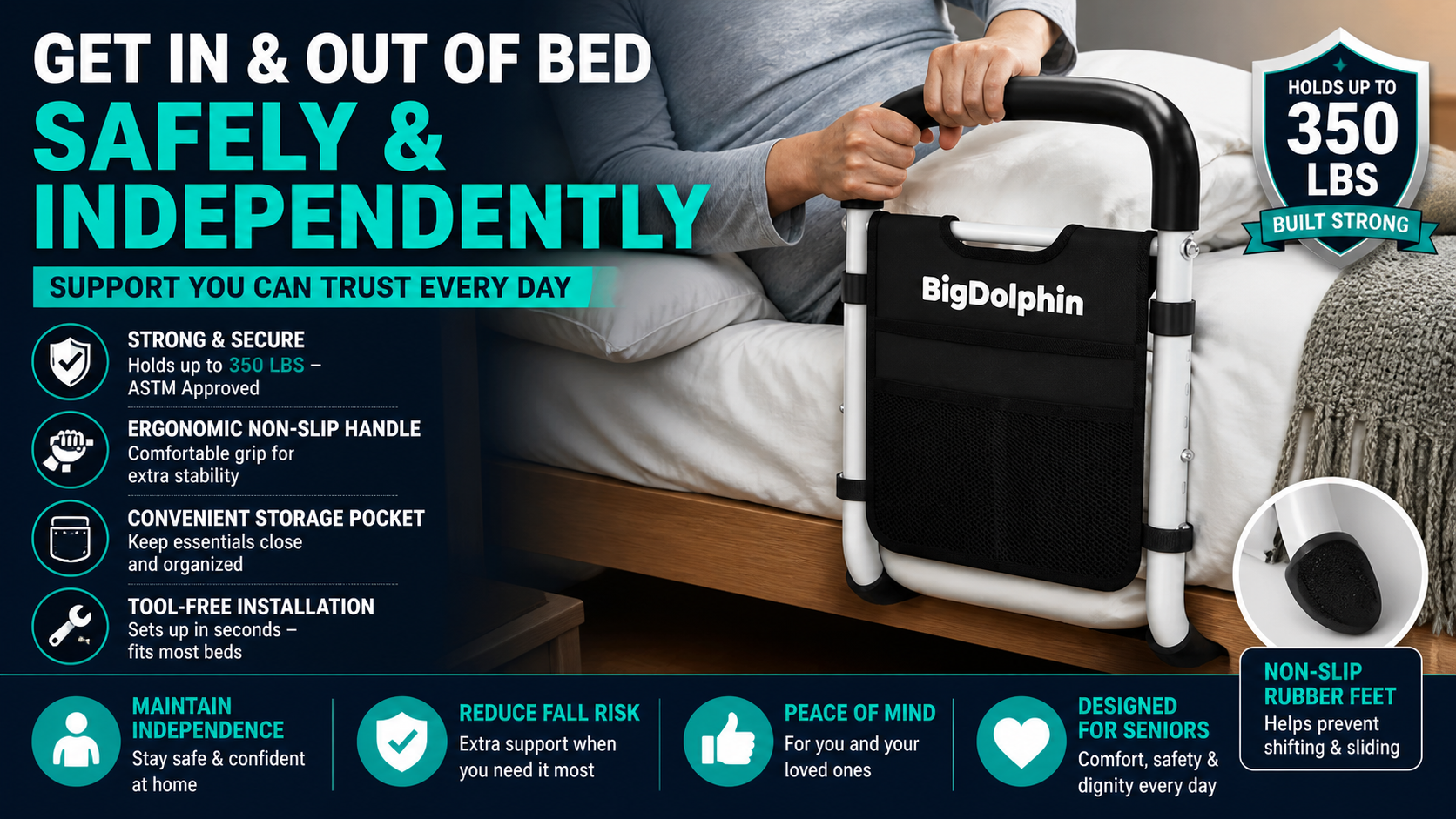
Combined with a bed rail for the getting-up transition and auto-on night lights covering the path to the bathroom, non-slip socks complete the nighttime safety picture. Our guide on senior bedroom safety tips for nighttime falls covers the complete nighttime approach.
→ Get the Non-Slip Grip Socks on Amazon
What Makes Footwear Fall-Preventive — The Criteria
Not all footwear marketed to seniors is genuinely fall-preventive. These specific features distinguish footwear that reduces fall risk from footwear that merely looks appropriate. Our complete guide on best shoes for seniors to prevent falls covers every criterion in full detail. Here’s the summary.
Must Have
- Non-slip rubber sole with textured tread — the traction interface that matters most
- Secure heel hold — no slipping at the heel, no toe-gripping to keep the shoe on
- Low heel — half an inch or less for maximum stability
- Closed toe — full foot protection and stable platform
- Appropriate width — feet widen with age, standard width may no longer fit correctly
Avoid
- Open-back slippers — no heel security, require toe gripping, produce shuffling gait
- Standard socks on smooth floors — near-zero traction, daily sliding risk
- Worn-down soles — tread that’s worn flat has lost its traction performance
- High heels of any kind — shifts center of gravity, narrows stable base
- Very thick soft soles — reduces ground feel and proprioceptive feedback
- Flip flops and backless sandals — no heel security, minimal traction
The Footwear Gap Most Families Miss
Here’s the pattern that shows up consistently in home safety assessments: the bathroom has been modified. The grab bars are in. The night lights are plugged in. The bed rail is there. And the person is walking around all day in open-back slippers with smooth soles on hardwood floors.
The gap between what’s fall-preventive and what’s actually being worn is almost always a comfort and convenience gap — not a knowledge gap. People know slippers aren’t ideal. They wear them anyway because they’re easy, familiar, and comfortable.
The solution isn’t lectures about slippers. It’s footwear that’s as easy to put on as a slipper, as comfortable as a slipper, and actually fall-preventive — which is exactly what the Skechers Hands Free options and the non-slip grip socks provide.
The shoe that gets worn every day is the shoe that protects every day. That’s the only metric that matters for fall prevention — not what the footwear does on paper but what it does on the foot of someone who actually wears it consistently.
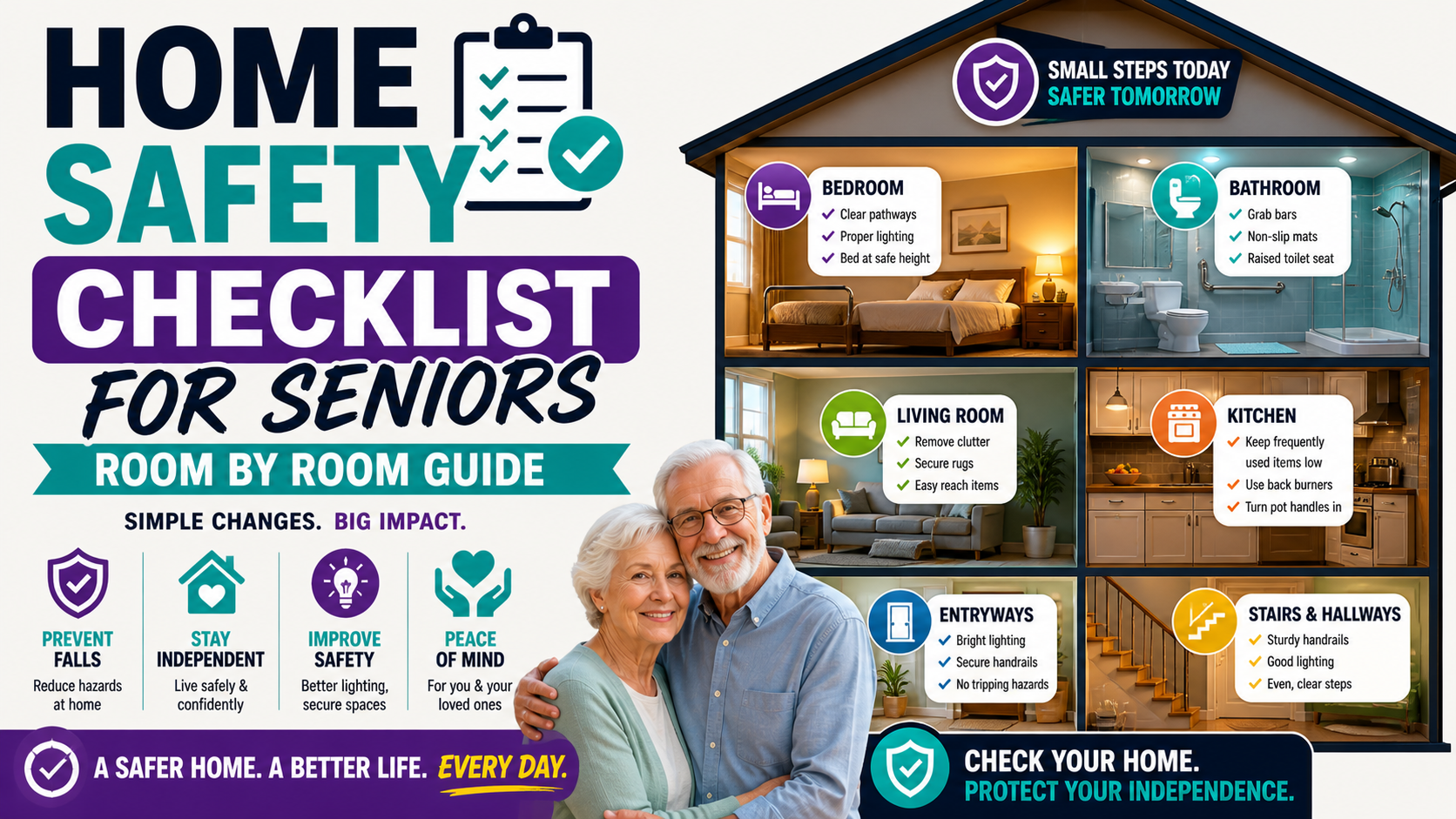
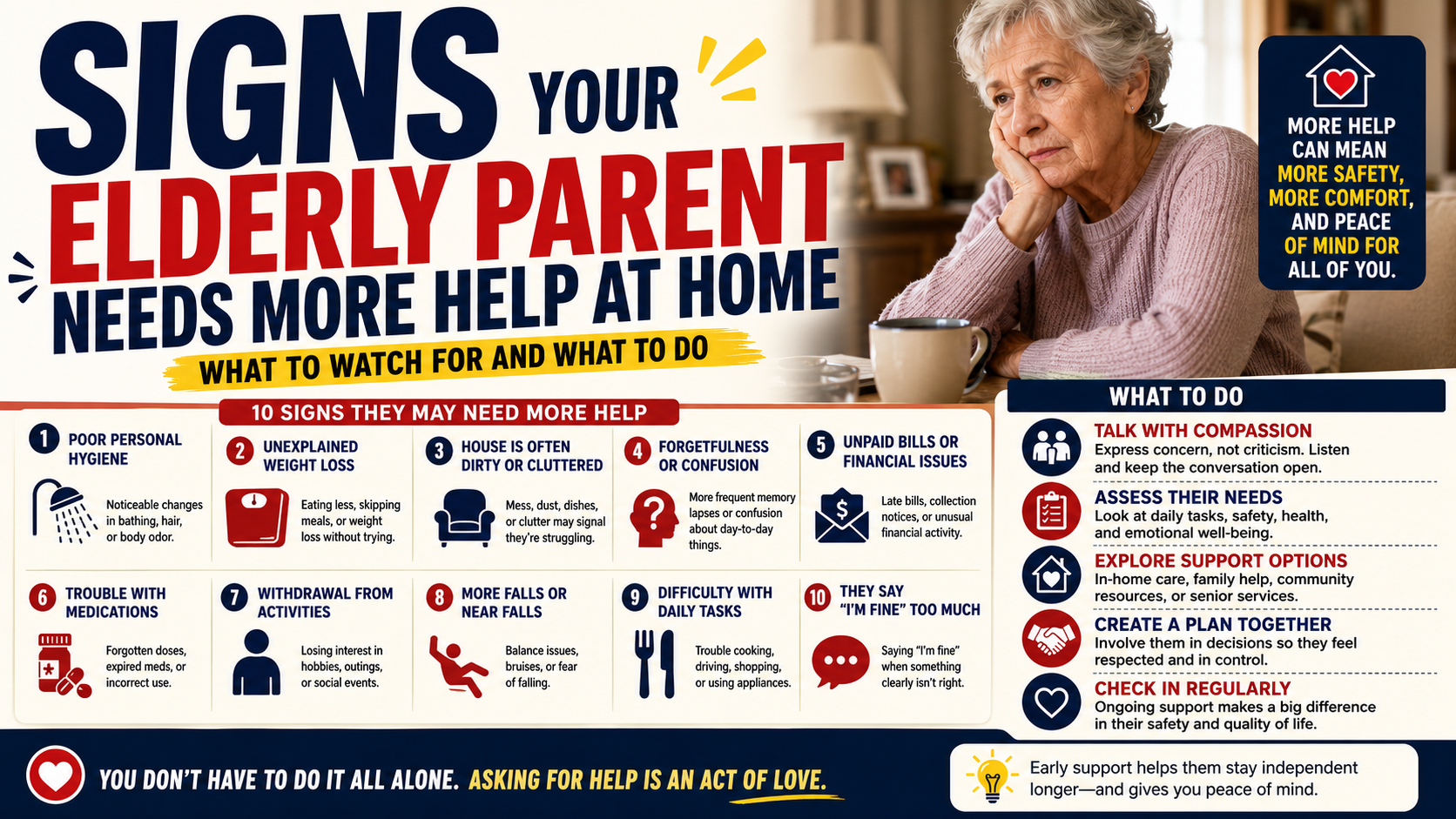
Footwear Room by Room
Different rooms create slightly different footwear demands. Here’s how footwear safety applies specifically across the rooms that matter most.
Bedroom
First and last contact with the floor every day. Non-slip socks for the morning getting-up transition and the nighttime bathroom trip. Shoes on as part of the morning routine before leaving the bedroom for the day. Our guide on getting out of bed is the most dangerous moment of a senior’s day covers the complete bedroom transition safety picture.
Bathroom
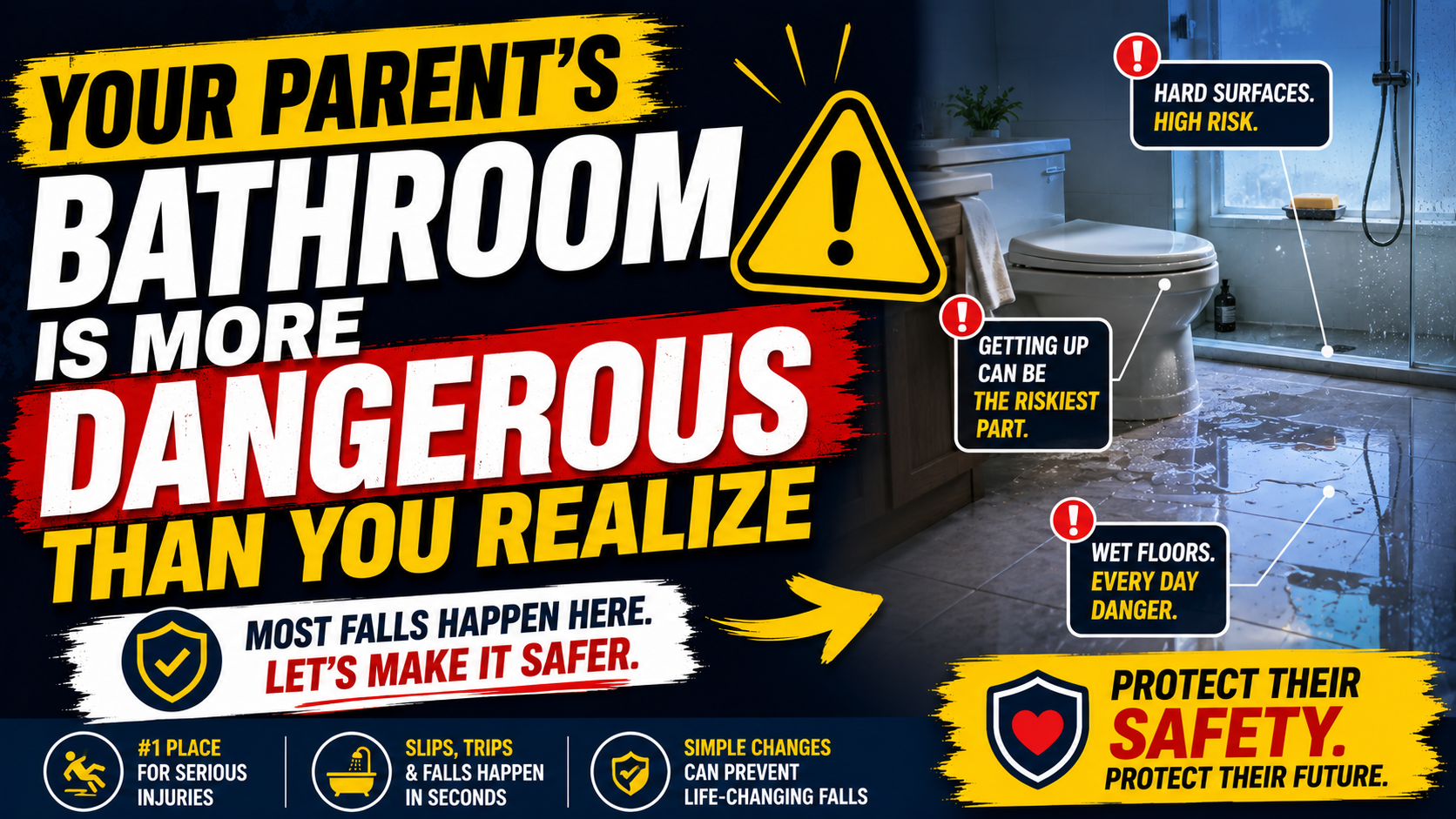
Non-slip socks for the floor area beyond the bath mat. Proper shoes during any bathroom navigation before showering or after dressing. As covered in our guide on your parent’s bathroom is more dangerous than you realize — the bathroom combines wet surfaces, one-legged transitions, and hard floors into the highest daily fall risk environment in the home. Footwear covers the floor traction component — grab bars, toilet rails, and a shower chair cover the rest.
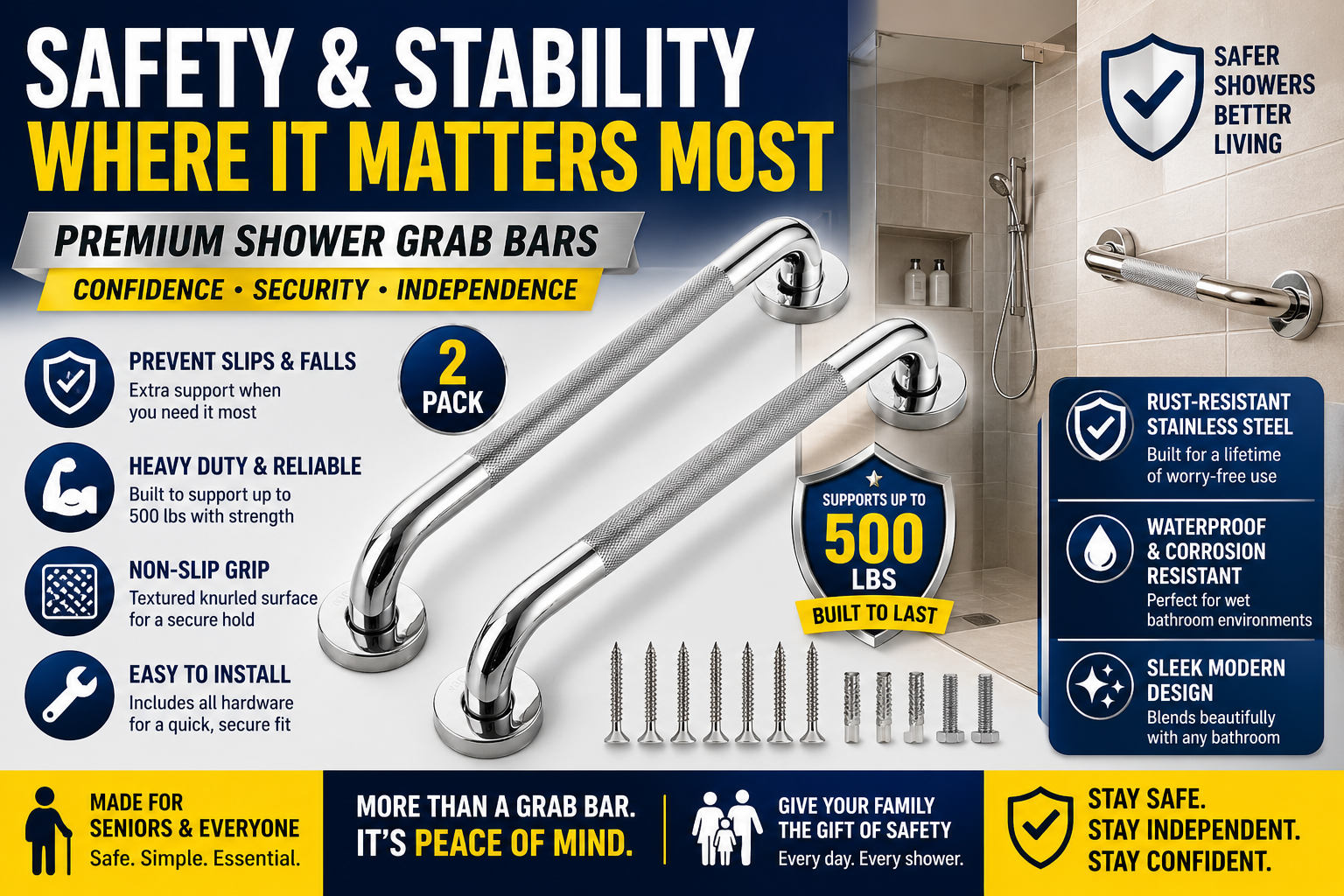
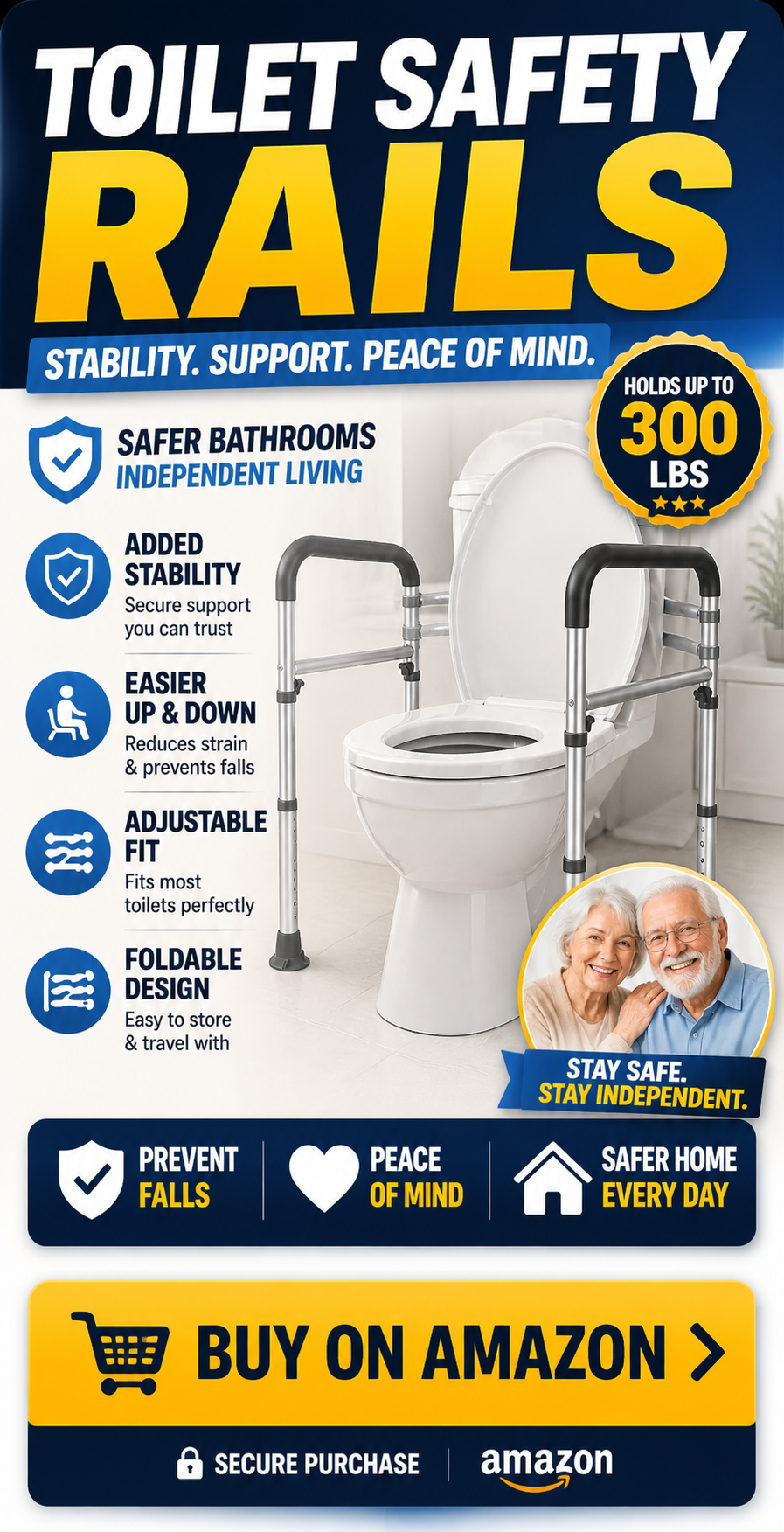
→ Get the Toilet Safety Rails on Amazon
Kitchen
Extended standing, reaching, bending, and carrying — all of which challenge balance — on tile or vinyl floors that become wet without warning. Proper shoes or non-slip socks throughout all kitchen time. As covered in our guide on how to prevent falls in the kitchen for seniors — the kitchen is the most overlooked fall risk room after the bathroom.
Living Areas
The smooth hardwood and laminate floors of living areas are navigated constantly throughout the day — often in socks or slippers when shoes have been removed. Non-slip socks cover these areas when shoes aren’t on. The Skechers Hands Free options are comfortable enough for all-day living area wear when shoes are preferred throughout the day.
The Complete Footwear Safety System — All Four Products
The complete footwear safety picture requires products that cover every scenario. Here’s the full four-product system.
All-day indoor and outdoor wear — men:
Full review: Best Slip-On Shoes for Senior Men
→ Get the Skechers Go Walk Flex Men’s on Amazon
All-day indoor and outdoor wear — women:
Full review: Best Slip-On Shoes for Senior Women
→ Get the Skechers Summits Women’s on Amazon
Morning, nighttime, and shoeless moments:
Full review: Best Non-Slip Socks for Seniors
→ Get the Non-Slip Grip Socks on Amazon
The safety net when prevention isn’t enough:
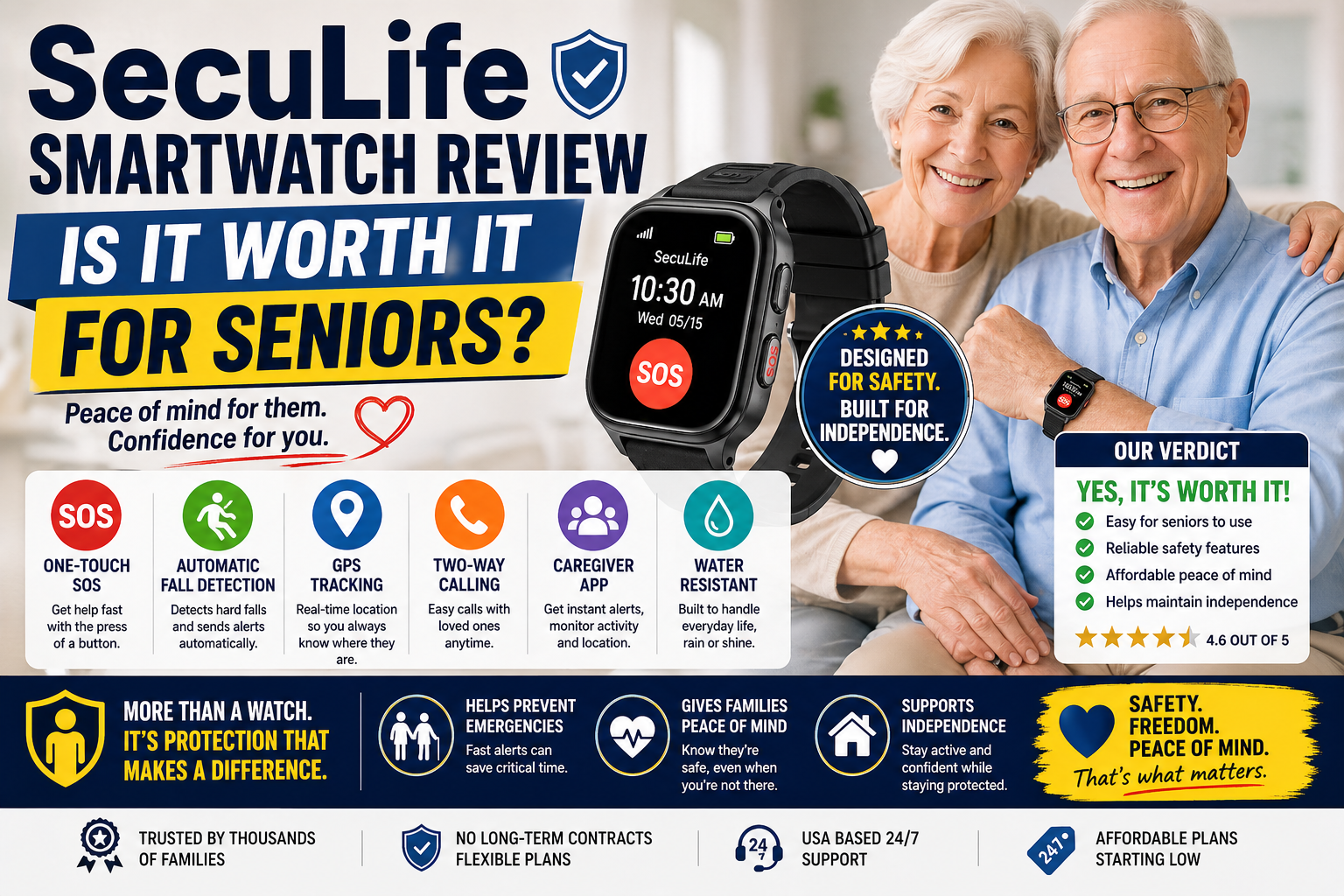
The SecuLife Smartwatch with automatic fall detection ensures that when a fall occurs despite every footwear measure, help arrives in seconds. Our complete review at SecuLife Smartwatch Review covers every feature worth knowing.
→ Get the SecuLife Smartwatch on Amazon
The Footwear Assessment — Five Minutes Right Now
A quick footwear assessment reveals whether current footwear is contributing to daily fall risk.
- Check the sole. Rubber with texture? Or smooth, leather, or worn flat? If not rubber with texture — it’s a daily fall risk on smooth floors.
- Check the heel. Does it stay in place without toe-gripping? If not — the gait it’s producing increases fall risk.
- Check the heel height. More than half an inch? If yes — it’s reducing stability on every step.
- Check sole wear. Significantly worn in heel or ball of foot? Traction has been compromised — replace.
- Check what’s being worn first thing in the morning and last thing at night. Standard socks? Open-back slippers? These are the highest-risk footwear windows of the day.
If any check fails — footwear is contributing to daily fall risk that the right shoes or socks would eliminate.
Frequently Asked Questions
Should seniors wear shoes inside the house all day?
Fall prevention programs say yes — proper supportive shoes with non-slip soles worn throughout the day including indoors provide meaningfully better protection than socks or slippers on smooth floors. The key is shoes that are comfortable and easy enough to wear all day — which is exactly what the Skechers Hands Free options are designed to be. Non-slip socks are the practical alternative for times when shoes genuinely aren’t being worn.
Are non-slip socks as good as shoes for fall prevention?
Non-slip socks are significantly better than standard socks on smooth floors but don’t provide the full lateral support, arch support, and toe protection that proper shoes provide. For all-day wear, shoes are better. Non-slip socks cover the scenarios where shoes aren’t on — morning, nighttime, immediately post-shower — and provide meaningful protection during those high-risk windows.
What about slippers — are any slippers acceptable?
Slippers that have fully enclosed heels that hold securely without toe-gripping, non-slip rubber soles with tread, and a secure midfoot fit are acceptable. Most slippers sold as comfortable house shoes fail at least two of these criteria. If a slipper can be kicked off easily or requires any gripping to stay on — it’s not acceptable for anyone with fall risk.
How often should footwear be replaced?
When sole tread is significantly worn — typically 12 to 24 months for regular wearers of walking shoes. Check sole wear rather than replacing on a schedule. Any shoe where the heel or ball-of-foot tread has worn flat has lost meaningful traction and warrants replacement. Non-slip socks should be checked after washing — if the grip pattern feels flat rather than raised the traction has degraded.
My parent won’t wear proper shoes indoors. What do I do?
Start with non-slip socks — they’re the lowest-barrier footwear change available, require no change to the getting-dressed routine, and address the most dangerous footwear windows. Present them as a gift. Leave them on the bedside table where they’re the first thing reached for in the morning. Our guide on your parent said they’re fine covers navigating resistance to safety changes generally.

The Step That’s Always Being Taken
Every other fall prevention measure in the home protects during specific moments — the grab bar during the shower entry, the bed rail during the morning getting-up, the night light during the nighttime path. These moments are brief.
Footwear protects during every step taken in every room of the home across every waking hour of every day. It’s the fall prevention measure with the longest daily duration of any item in the home — and the one most consistently left unaddressed while grab bars and night lights get the attention.
The right shoes and the right socks for the right scenarios together cover every step of the day. That’s complete footwear safety — and it starts with the four products above.
→ Get the Skechers Go Walk Flex Men’s on Amazon
→ Get the Skechers Summits Women’s on Amazon
→ Get the Non-Slip Grip Socks on Amazon
→ Get the SecuLife Smartwatch on Amazon
About the Author
Carol Simmons is a Certified Aging-in-Place Specialist (CAPS) who includes a footwear assessment in every home safety evaluation she conducts. It is one of the most consistent findings — appropriate shoes in the closet, open-back slippers or standard socks being worn all day. The grab bars are in. The night lights are plugged in. The footwear gap is open on every step between every modification. She writes for Elder Safety Guide because closing the footwear gap costs the price of a good pair of shoes and a pack of socks — and addresses a fall risk that’s present on every single step taken every single day.