Living alone as an older adult is not inherently dangerous. Millions of older adults live alone safely and independently for years — because they’ve addressed the specific risks that solo living creates rather than ignoring them or pretending they don’t exist.
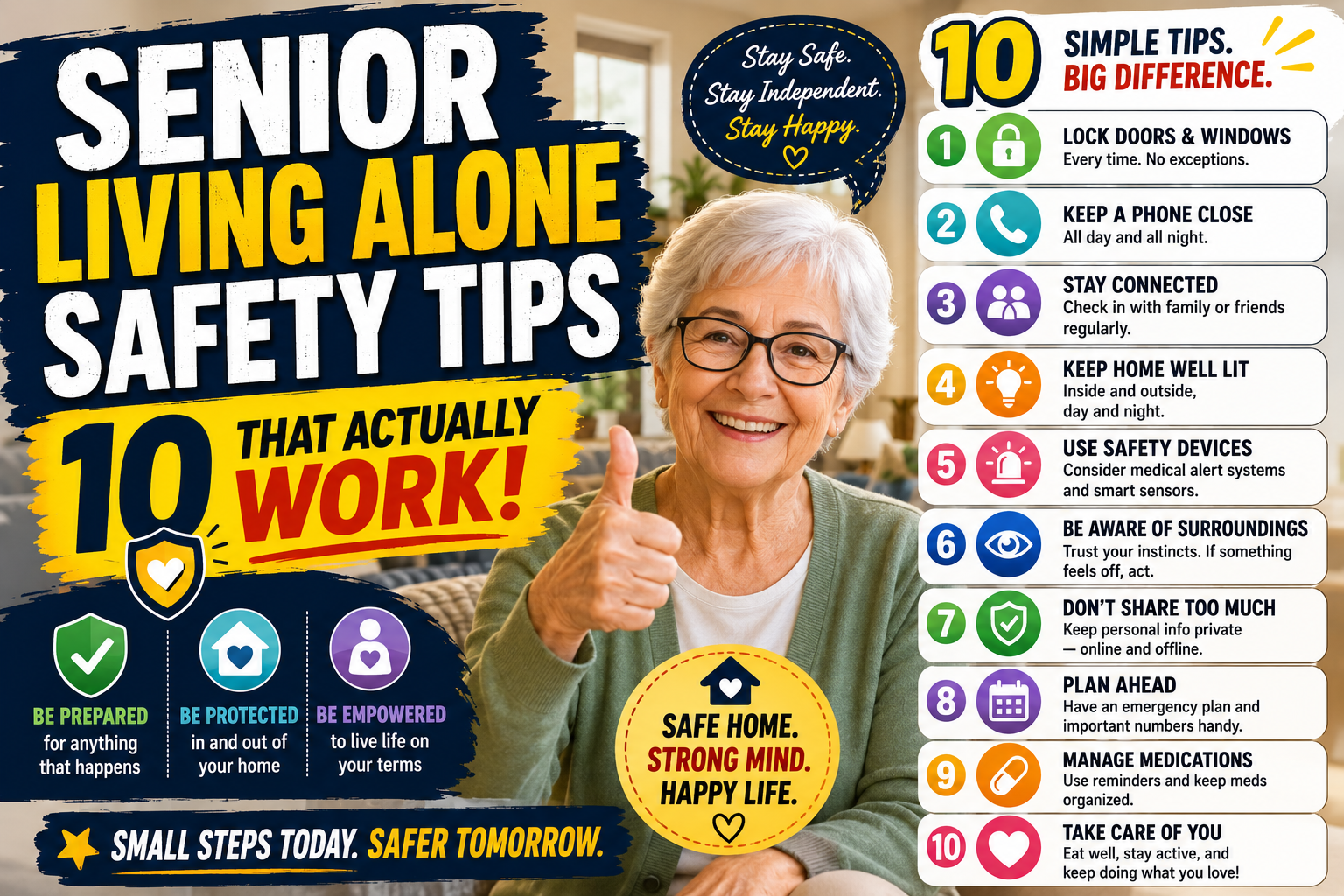
The risks of living alone are real and specific. A fall with no one to notice. A medical event with no one to call for help. A door answered without knowing who’s there. These aren’t hypothetical concerns — they’re the scenarios that produce the serious outcomes. And every one of them has a specific, practical solution.
This guide covers everything worth doing to live alone safely as an older adult — or to help an elderly parent do so.
The Specific Risk That Living Alone Creates
Living alone doesn’t increase the probability of a fall compared to living with others. What it changes is the outcome when something goes wrong.
A fall in a home where someone else lives is discovered in minutes — the time before the other person notices something is wrong. A fall in a home where someone lives alone is discovered at the next human contact — a scheduled call, a neighbor’s visit, a family member stopping by. That gap could be hours. In many families it could be days.
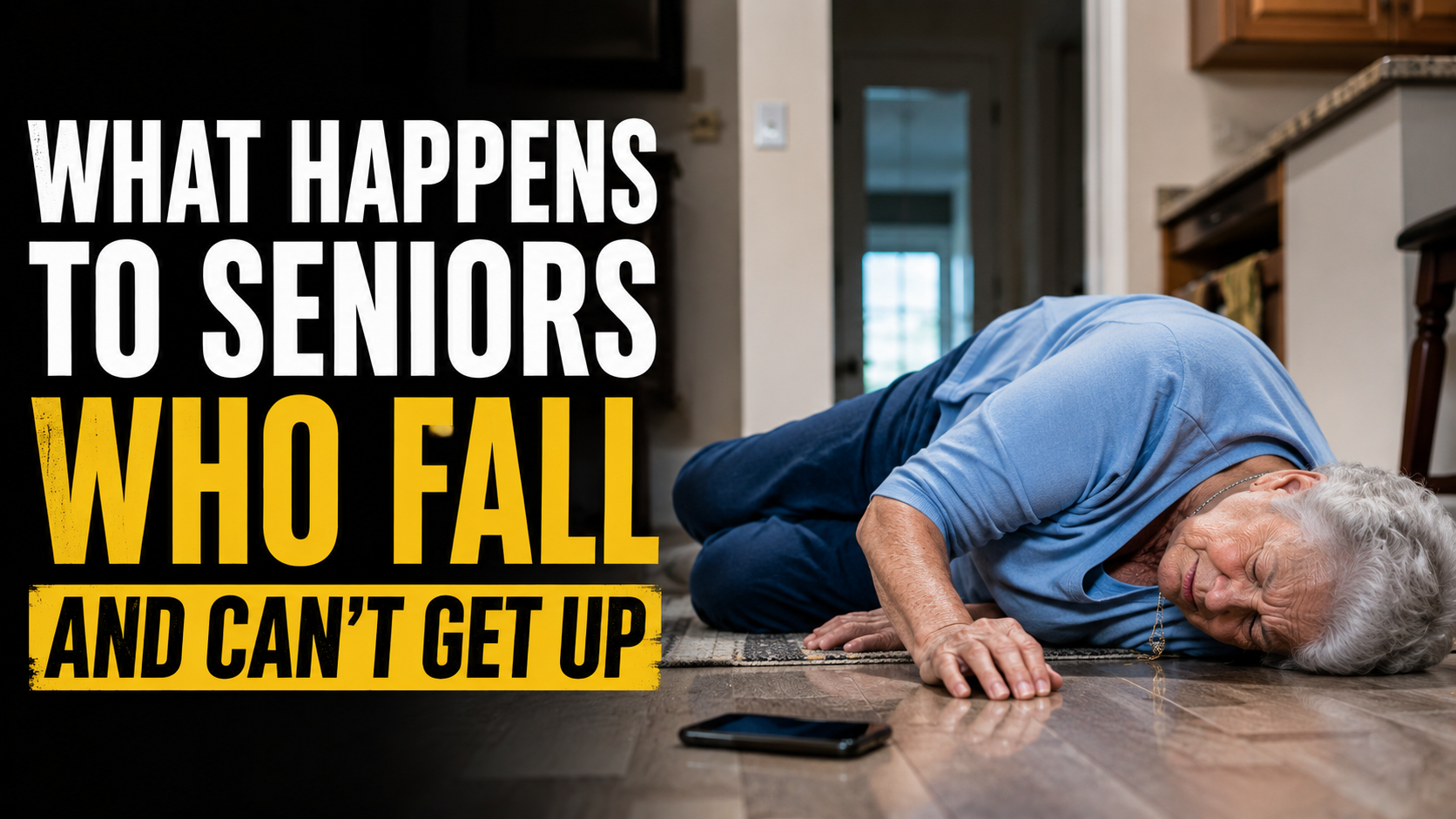
As covered in our guide on what happens to seniors who fall and can’t get up — the duration on the floor after a fall independently predicts outcome. The same fall that produces a manageable incident with rapid response becomes a medical crisis after hours on a cold bathroom floor.
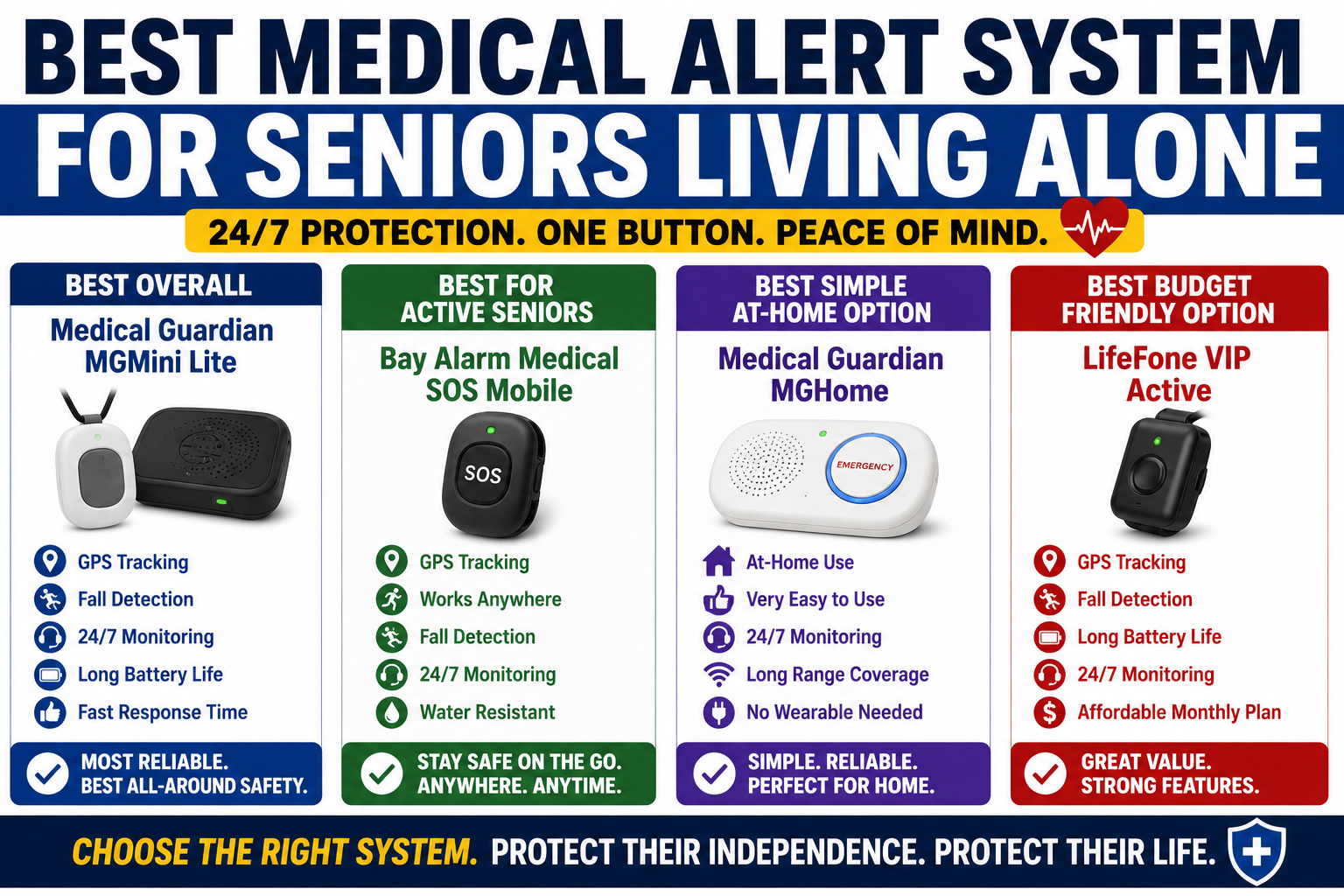
This is the gap that solo living safety planning specifically addresses — closing the discovery window through technology and human systems so that what happens when something goes wrong is fast response rather than long wait. Choosing the right technology is the next step, and Best Medical Alert System for Seniors Living Alone — What to Look For and Why It Matters explains which features close that discovery gap.
Tip 1 — Get Automatic Fall Detection on Your Wrist
For anyone living alone this is the single most important safety measure available. Not a suggestion. Not a someday item. The first thing worth doing.
A fall detection watch worn on the wrist detects falls automatically and alerts designated family contacts with GPS location — without requiring any action from the person who has fallen. Unconscious. Disoriented. Unable to reach anything. The detection works regardless.
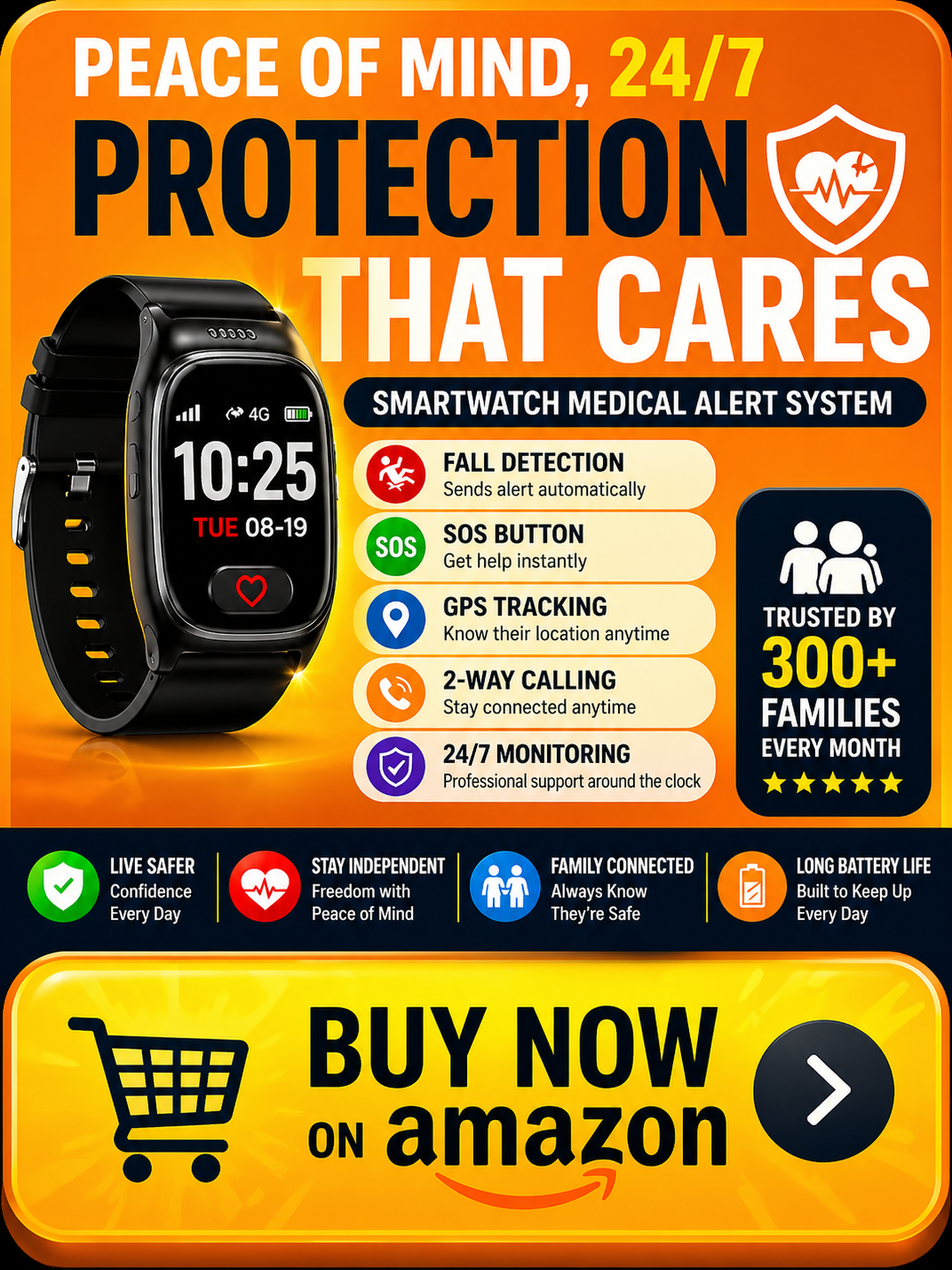
The SecuLife Smartwatch is the device we recommend throughout this site. Automatic fall detection calibrated for senior movement patterns. Real-time GPS anywhere with cell coverage. Two-way calling through the watch. A watch design that gets worn every day because it looks like a regular watch.
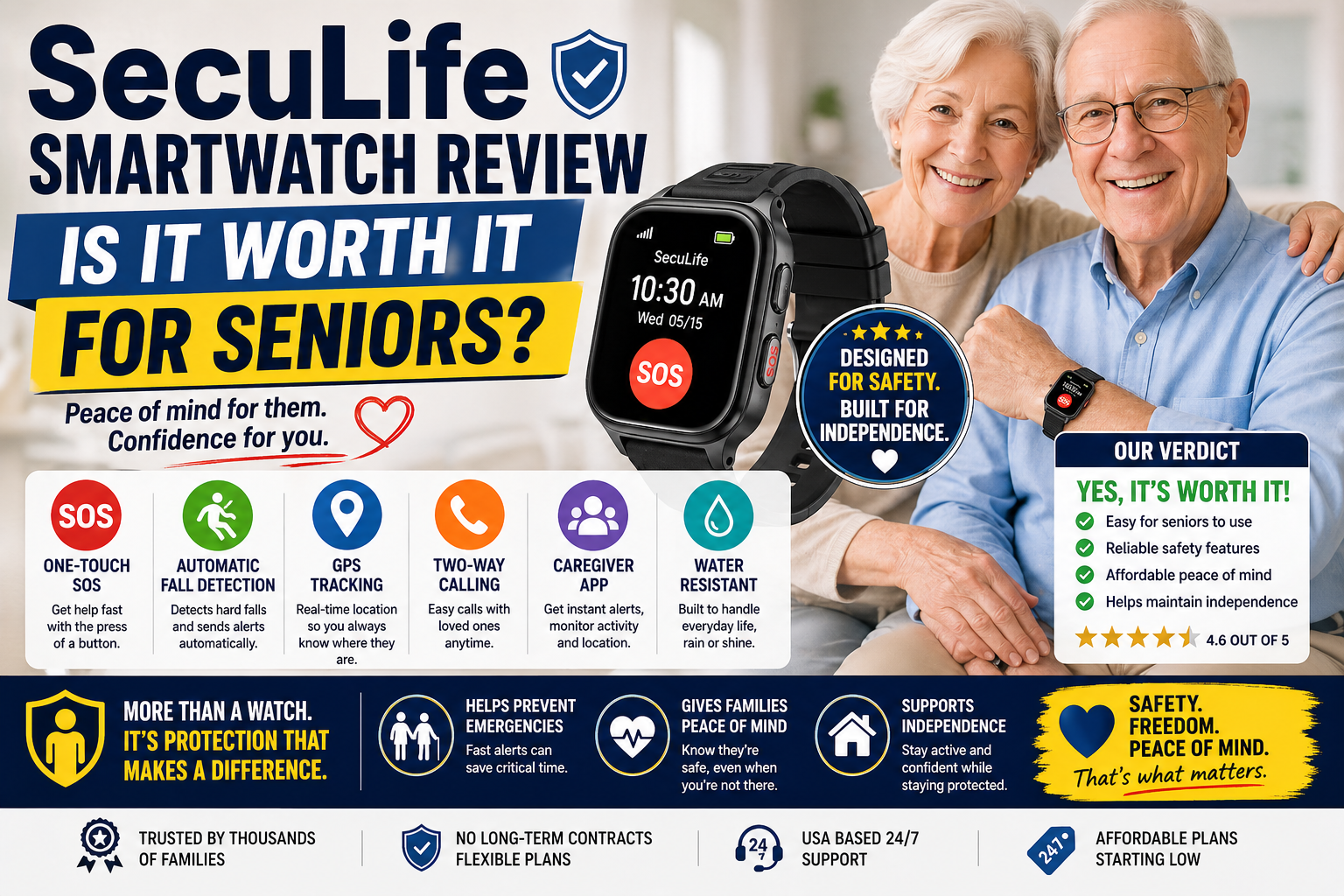
Our complete review at SecuLife Smartwatch Review covers every feature worth knowing before buying.
Tip 2 — Establish a Daily Check-In Routine
A structured daily check-in — a specific time, a specific format, a clear escalation plan if it’s missed — caps the discovery window at 24 hours when technology fails and provides the consistent human contact that supports mental health alongside physical safety. A senior emergency preparedness plan can add broader guidance for coordinating communication, medications, and assistance during unexpected events.
The check-in needs to be specific to work. Not “I’ll call when I get a chance” — a specific time. Not “someone will notice” — a specific person with a specific escalation plan. If the 9am text isn’t responded to by 9:30 someone calls. If the call isn’t answered someone goes by. The plan exists before the missed check-in makes it necessary.
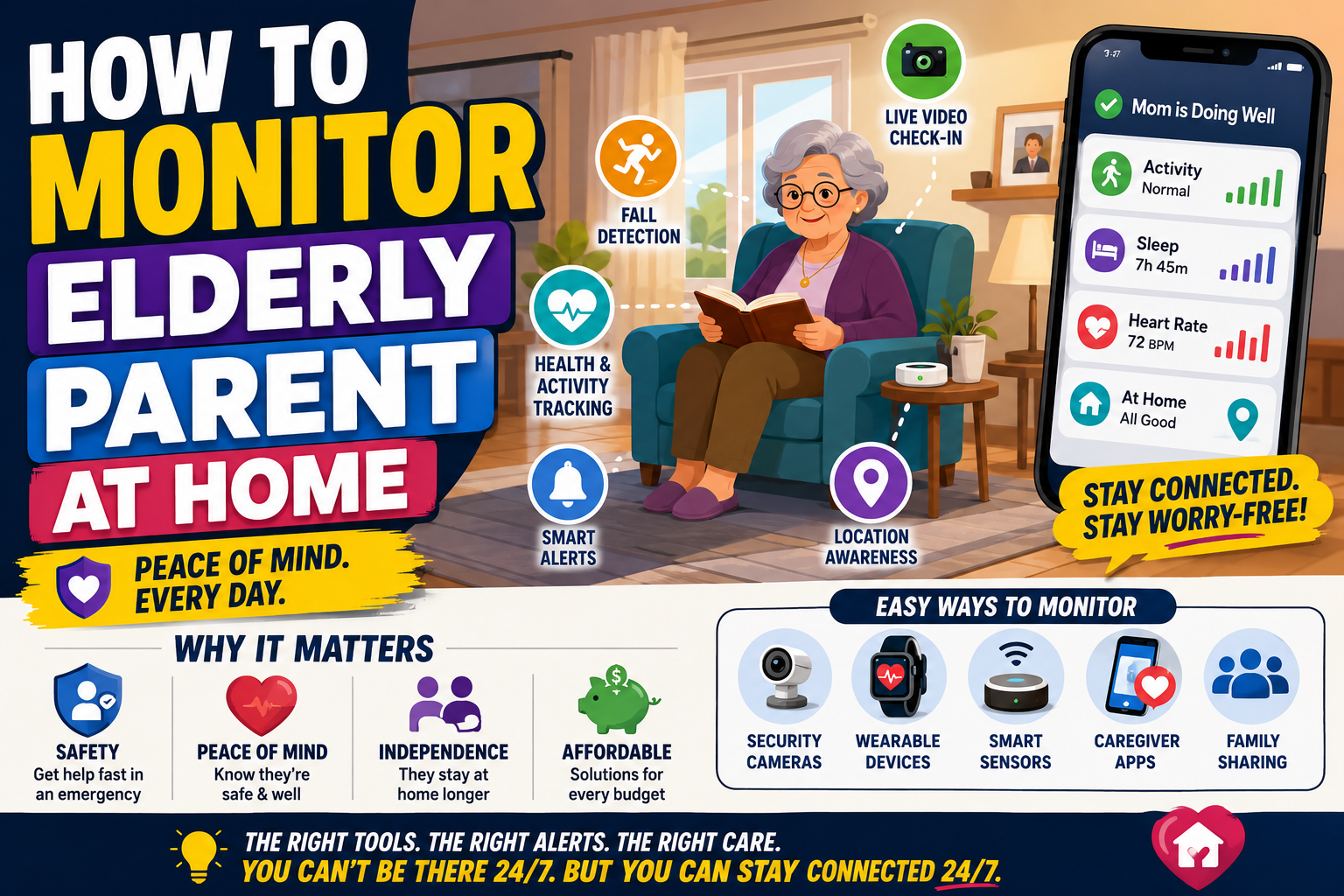
As covered in our guide on how to monitor an elderly parent at home — the combination of automatic detection technology and a structured human check-in covers every scenario. Technology covers the between-check-in gaps. The check-in covers what happens when technology fails.
Tip 3 — Make the Bathroom as Safe as the Rest of the Home
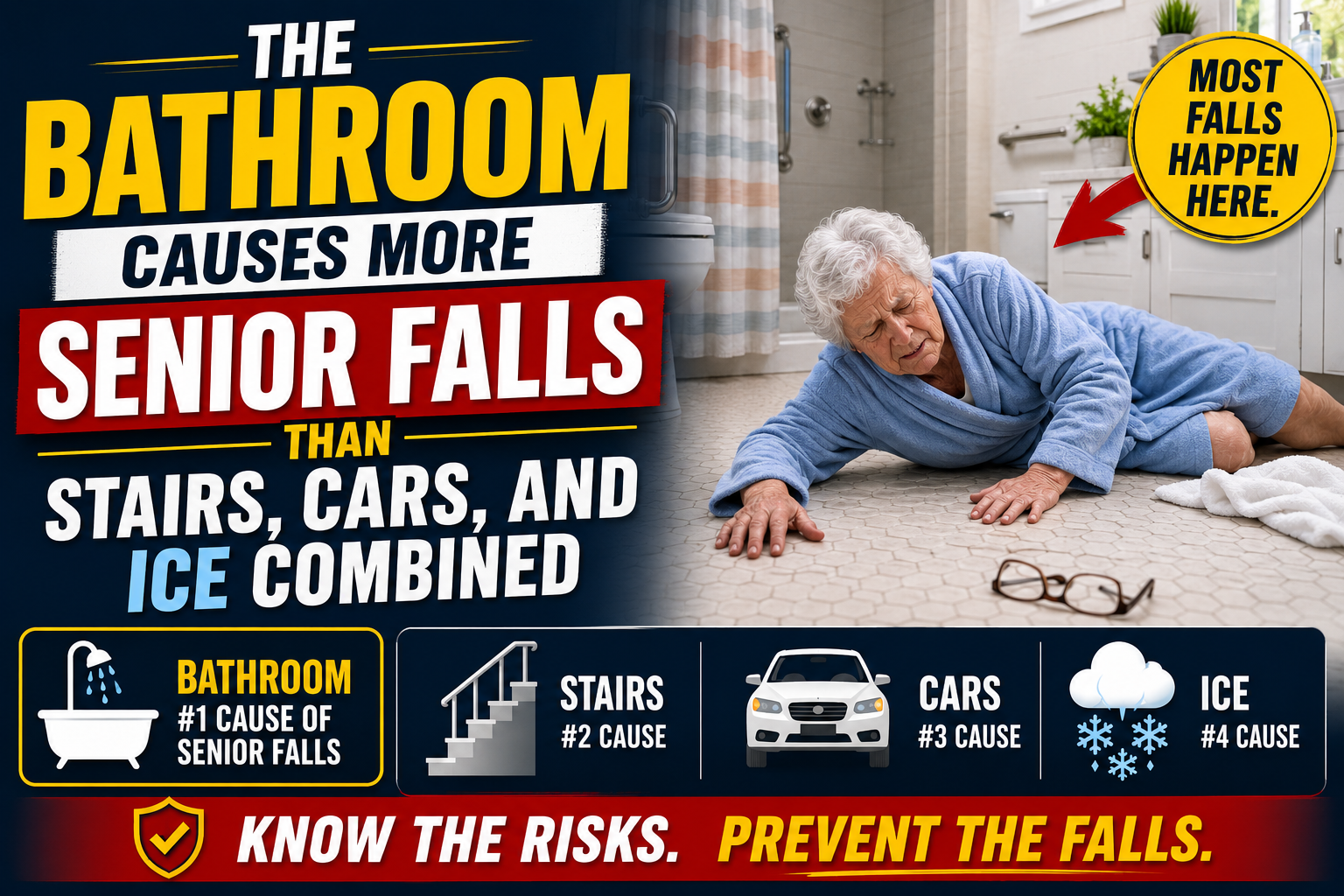
As covered in our guide on the bathroom causes more senior falls than stairs, cars, and ice combined — approximately 80 percent of falls in older adults occur in the bathroom. For someone living alone a bathroom fall is the highest-risk scenario — behind a closed door, on a cold tile floor, with no one to notice until the next check-in.
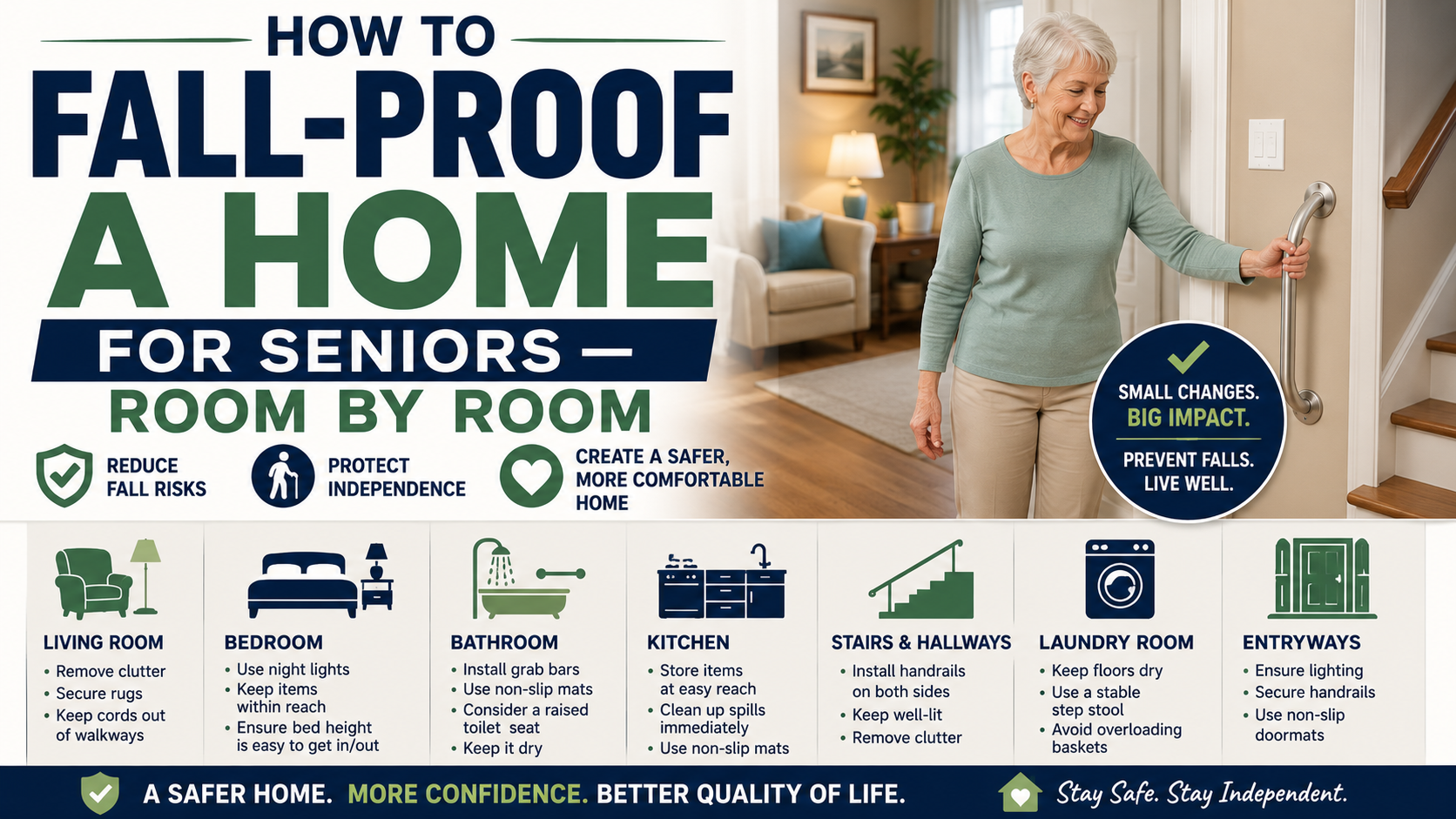
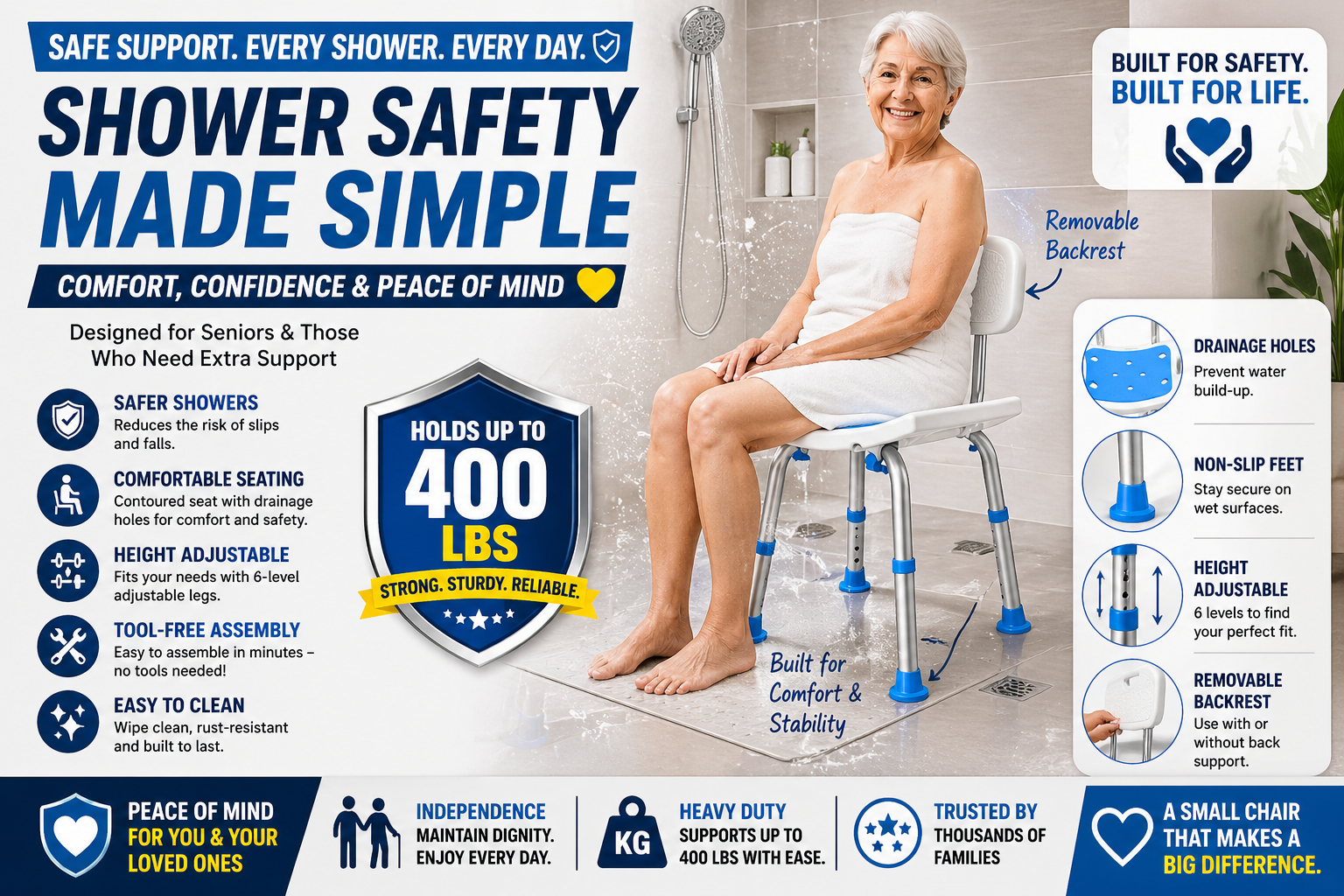
Grab bars at the shower entry and next to the toilet address the two highest-risk daily transitions. A non-slip bath mat outside the shower catches the exit. Toilet safety rails support the multiple daily toilet transfers. Night lights on the path from bedroom to bathroom cover the nighttime trips where fall risk is highest.

→ Get the 2-Pack Grab Bars on Amazon
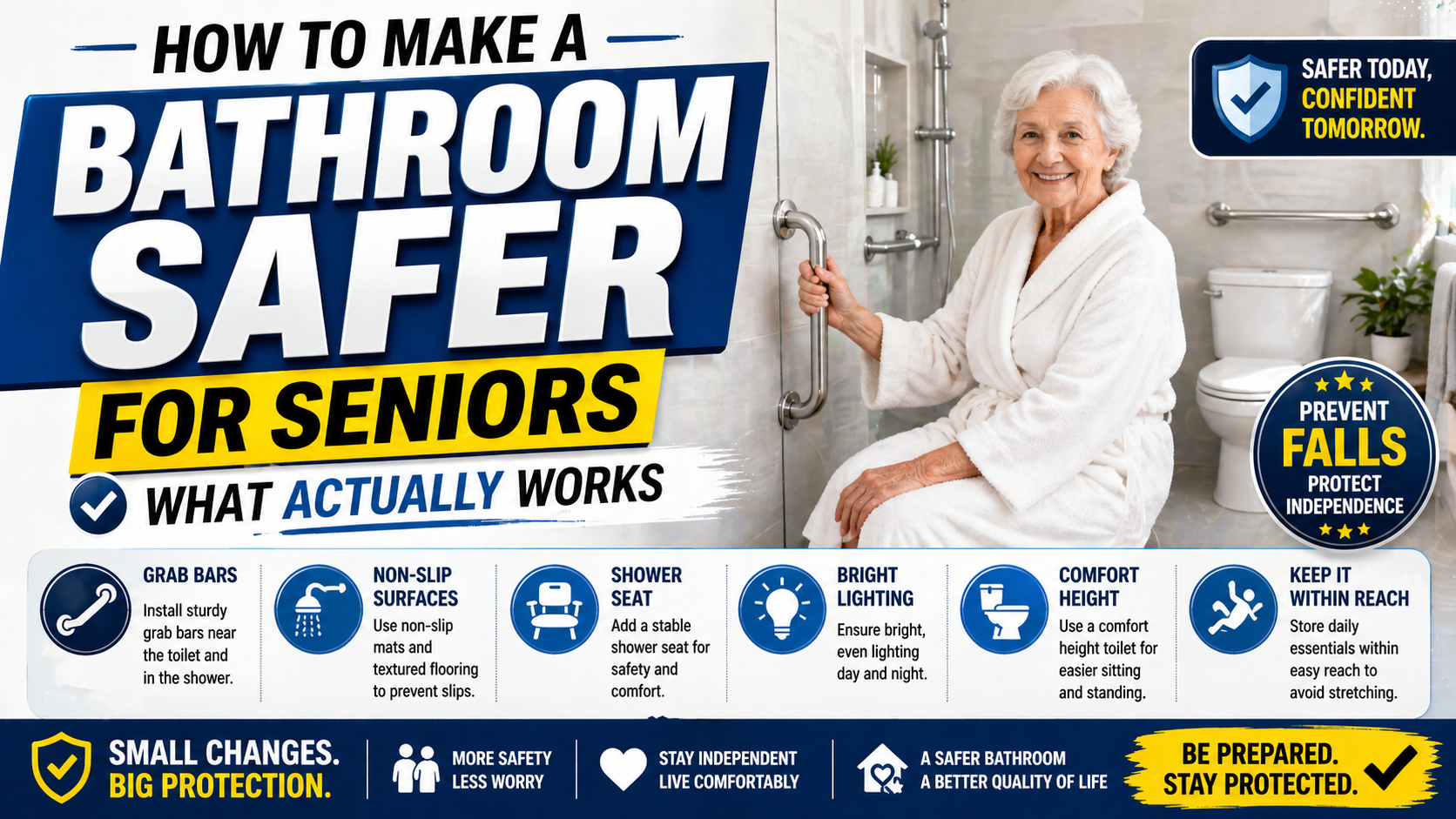
Our complete guide on how to make a bathroom safer for seniors covers every modification worth making.
Tip 4 — Address the Morning Getting-Up Transition
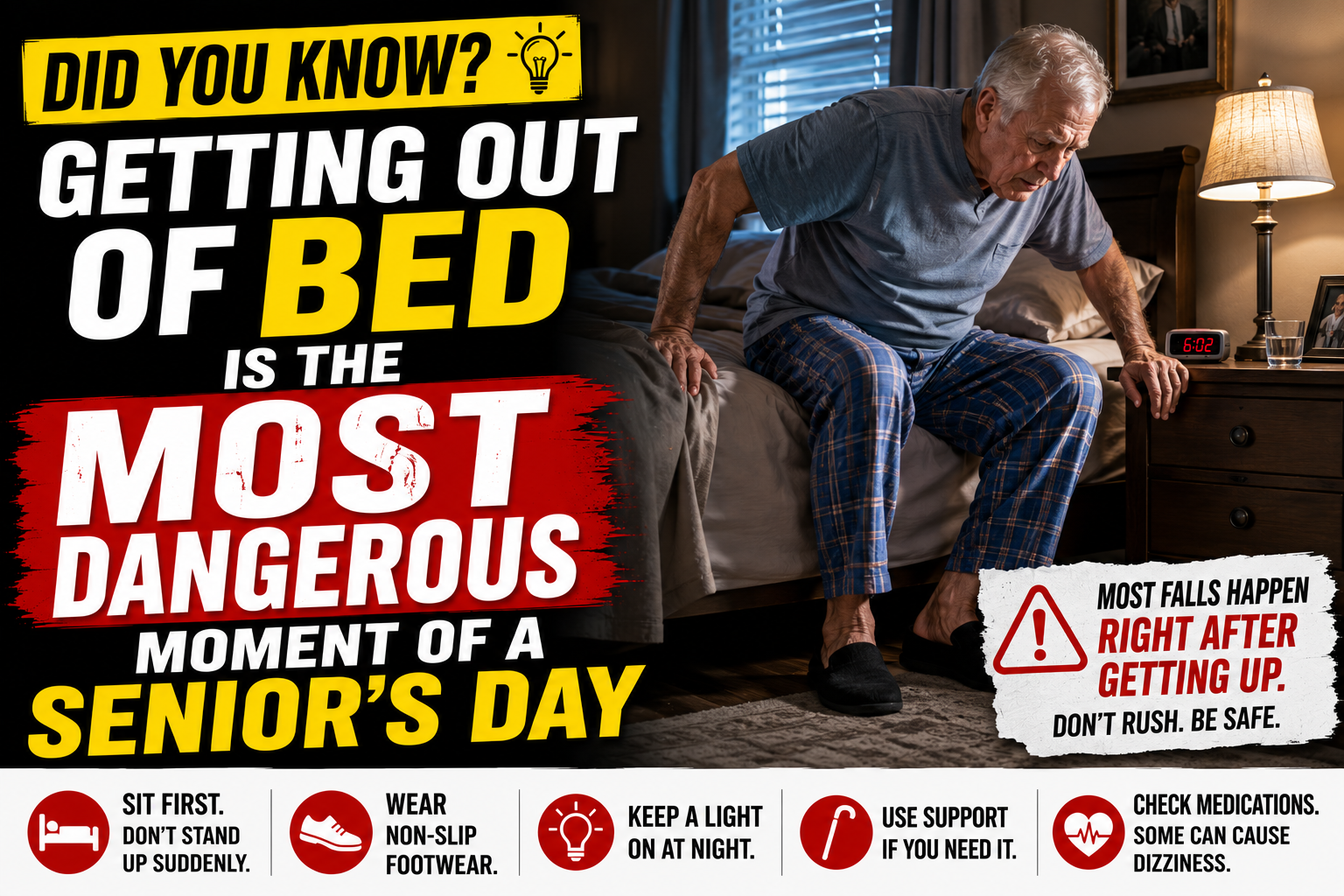
As covered in our guide on getting out of bed is the most dangerous moment of a senior’s day — the first movement of every morning combines orthostatic hypotension, sleep inertia, and mattress instability into the highest-risk daily moment outside the bathroom.
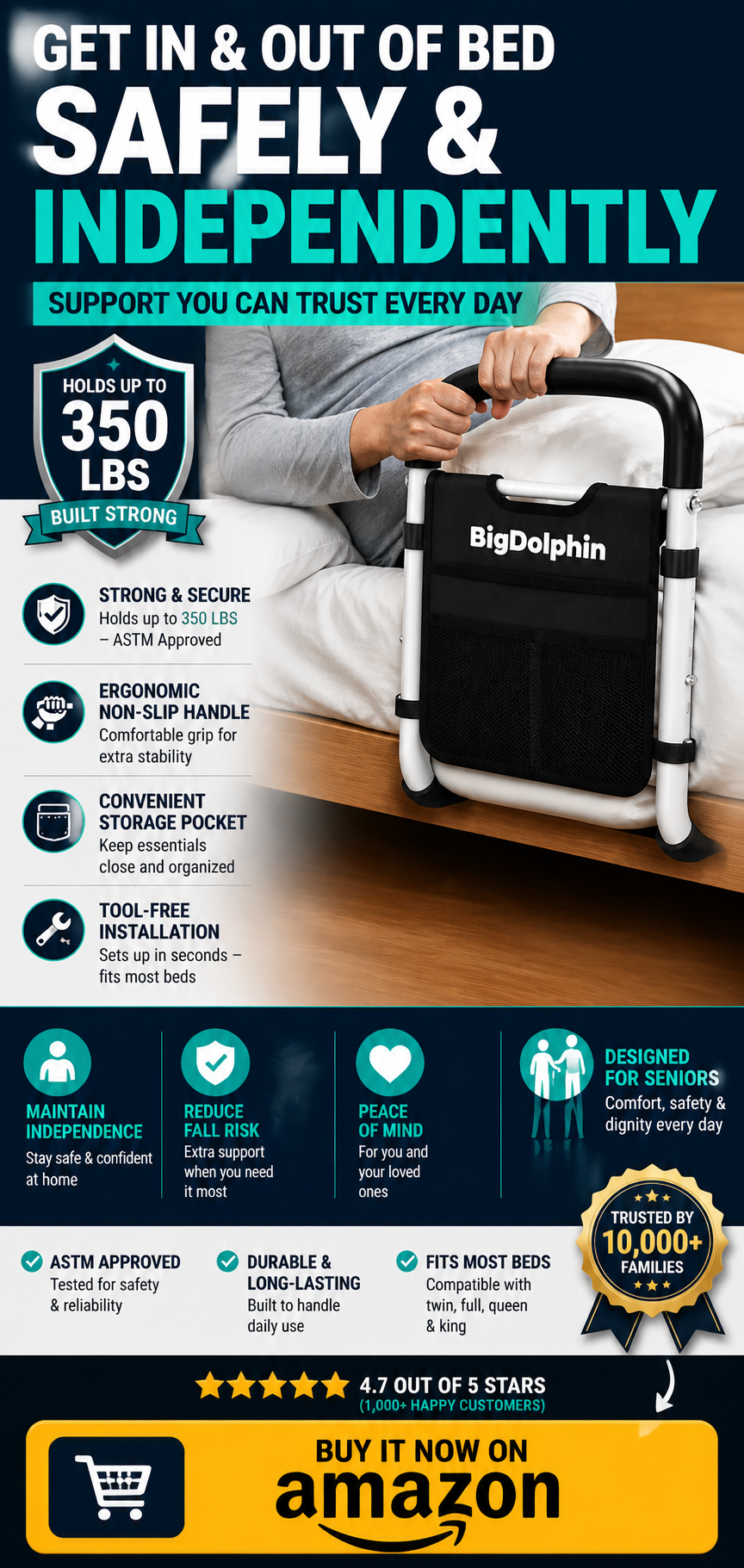
A bed rail on the exit side of the bed provides the firm push-off support that reduces the strength required for the sit-to-stand and provides stabilization during the dizziness window immediately after standing. Sitting on the bed edge for 30 to 60 seconds before standing allows blood pressure to normalize before the balance demands of walking begin.
Tip 5 — Build a Neighbor Network
Technology covers automated detection. A neighbor network covers the human judgment layer that technology doesn’t replace — the neighbor who notices the lights haven’t come on, the newspaper hasn’t been collected, or that something just seems off.
Two neighbors specifically identified and explicitly asked — “if you ever notice something that seems off please call me, here’s my number” — provide local monitoring coverage that family at a distance can’t replicate. Most neighbors are genuinely glad to be asked. The conversation takes five minutes and the coverage it provides lasts indefinitely.
Tip 6 — Manage Medications Reliably
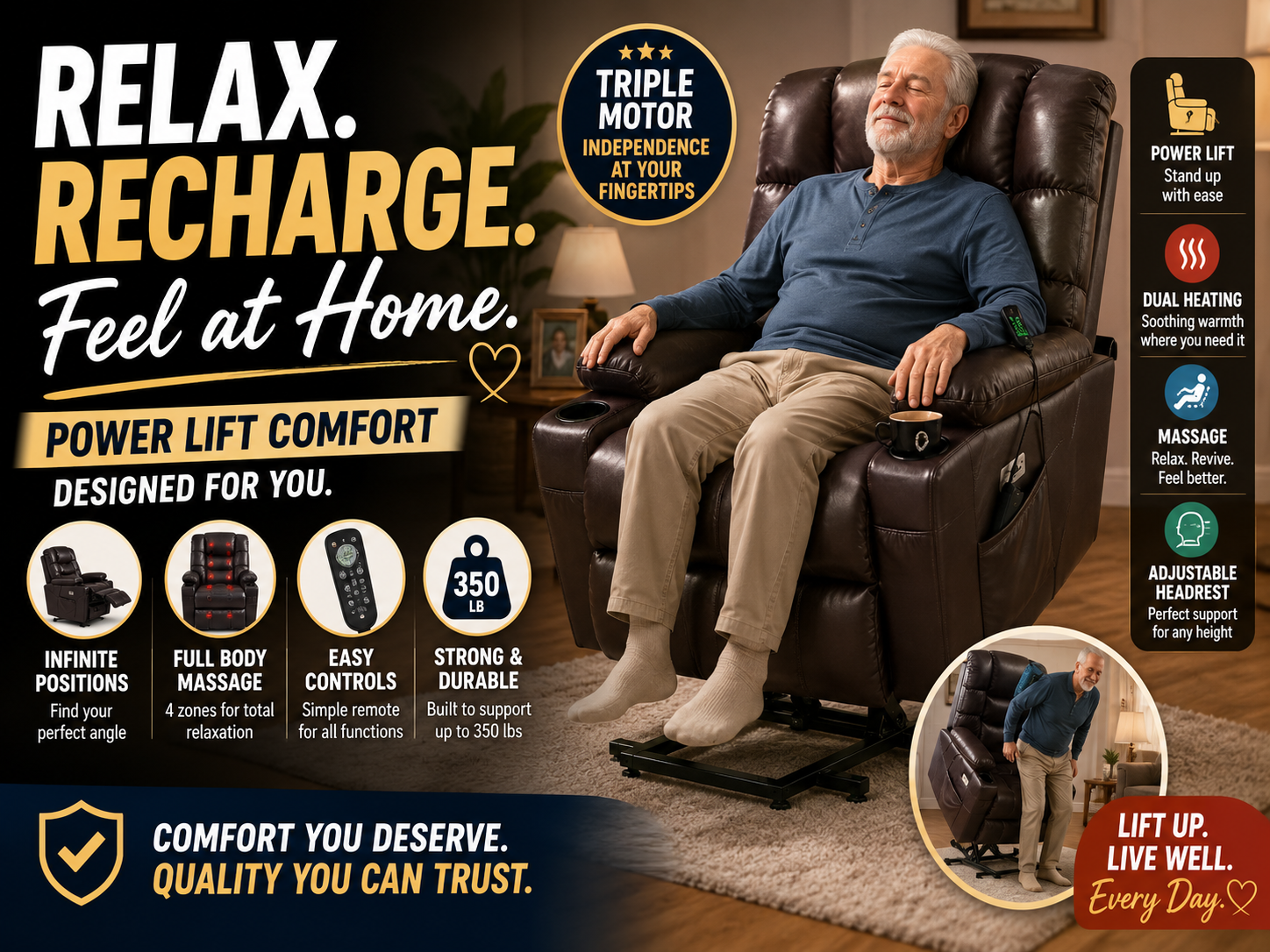
Medication errors — missed doses, doubled doses, wrong timing — are among the most common causes of medical events in older adults living alone. Without someone else in the home to notice an unusual pattern the errors accumulate before consequences reveal them.
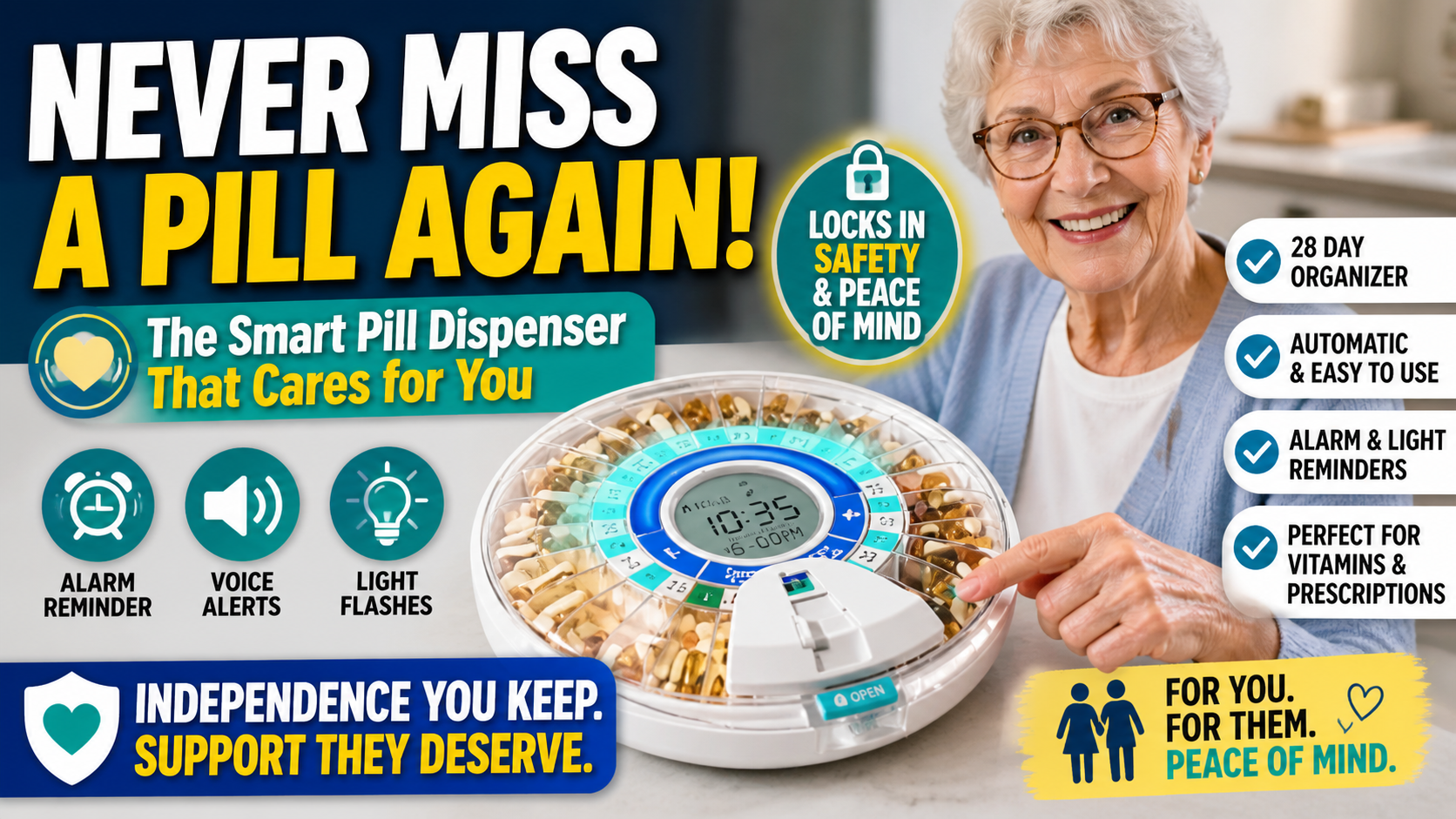
An automatic pill dispenser that organizes medications by dose and alerts when each dose is due removes human memory from medication management. It also provides indirect monitoring — family who receive confirmation alerts know the dose was taken, and absence of the alert signals a missed dose worth following up on.
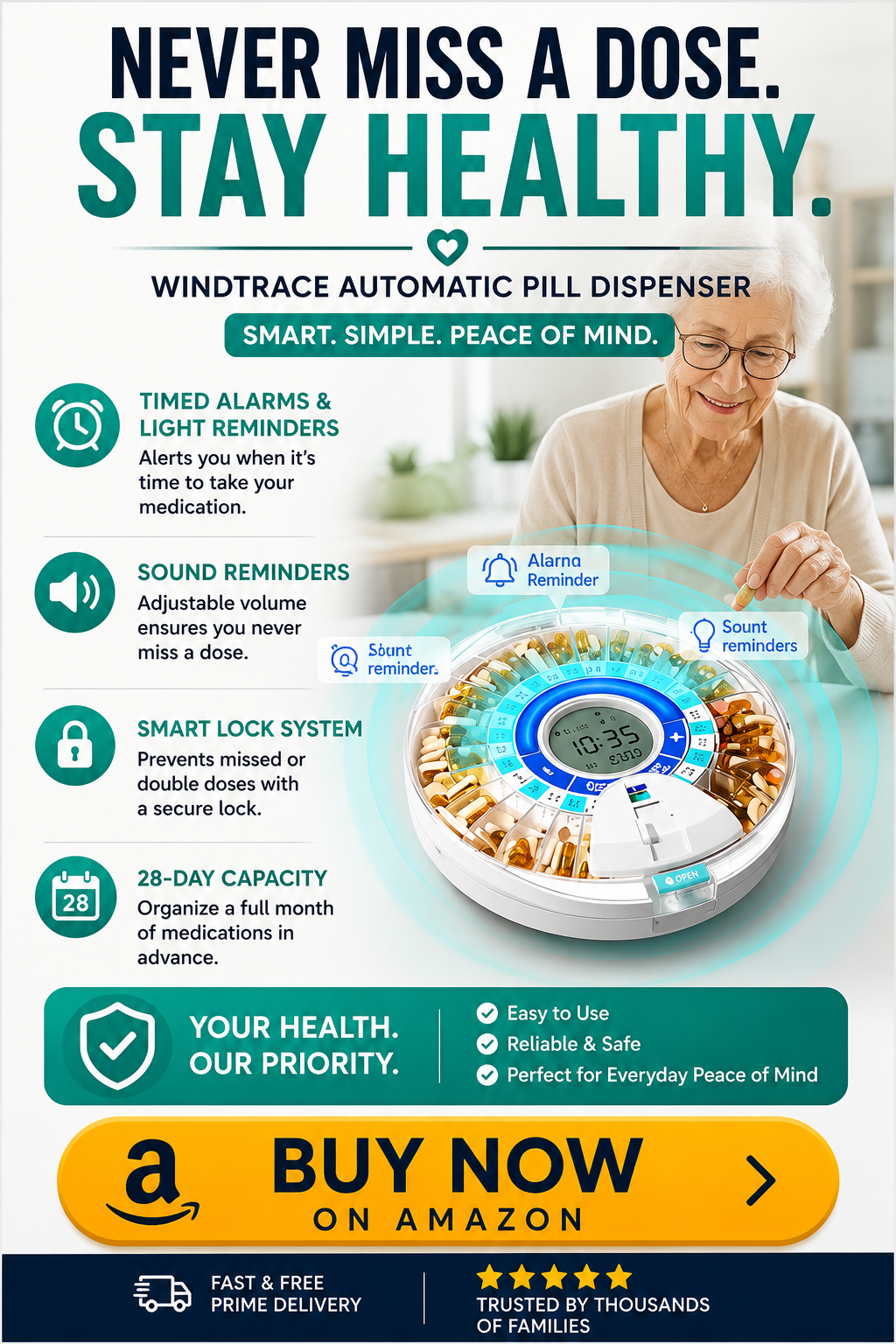
→ Get the Windtrace Pill Dispenser on Amazon
As covered in our guide on the number one reason seniors fall at home — medication timing and dosing errors directly increase fall risk. Managing them reliably addresses fall risk and general health simultaneously.
Tip 7 — Control Who Comes to the Door
Older adults living alone are specifically targeted by door-to-door scammers and criminals who identify solo elderly residents as potential targets. Answering the door without knowing who’s there — particularly late in the day or for unexpected visitors — is an unnecessary risk with a simple solution.
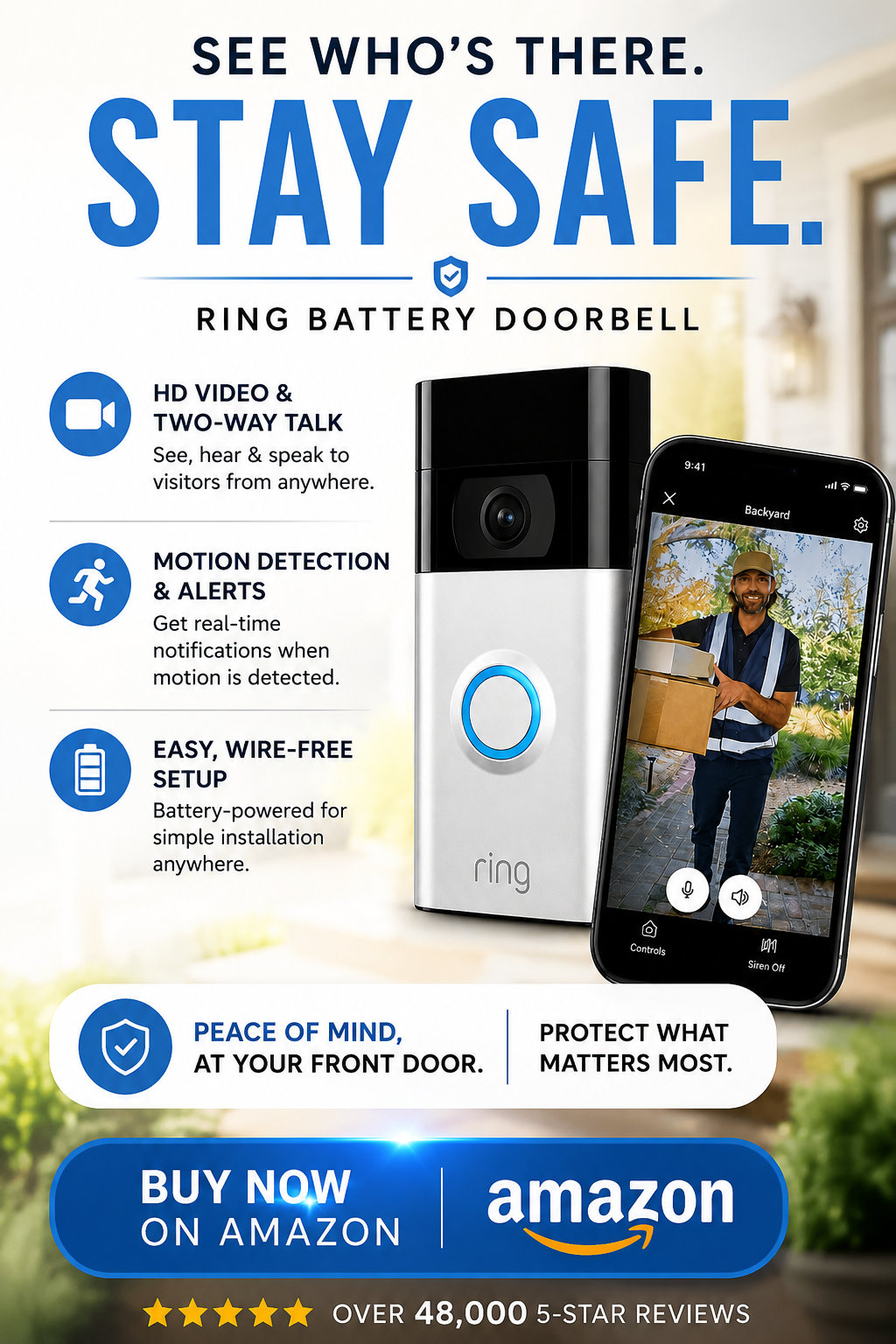
A video doorbell allows seeing and speaking with anyone at the door from any room in the house — or from anywhere via smartphone — without approaching the door or opening it. The caller is verified before the door is touched.
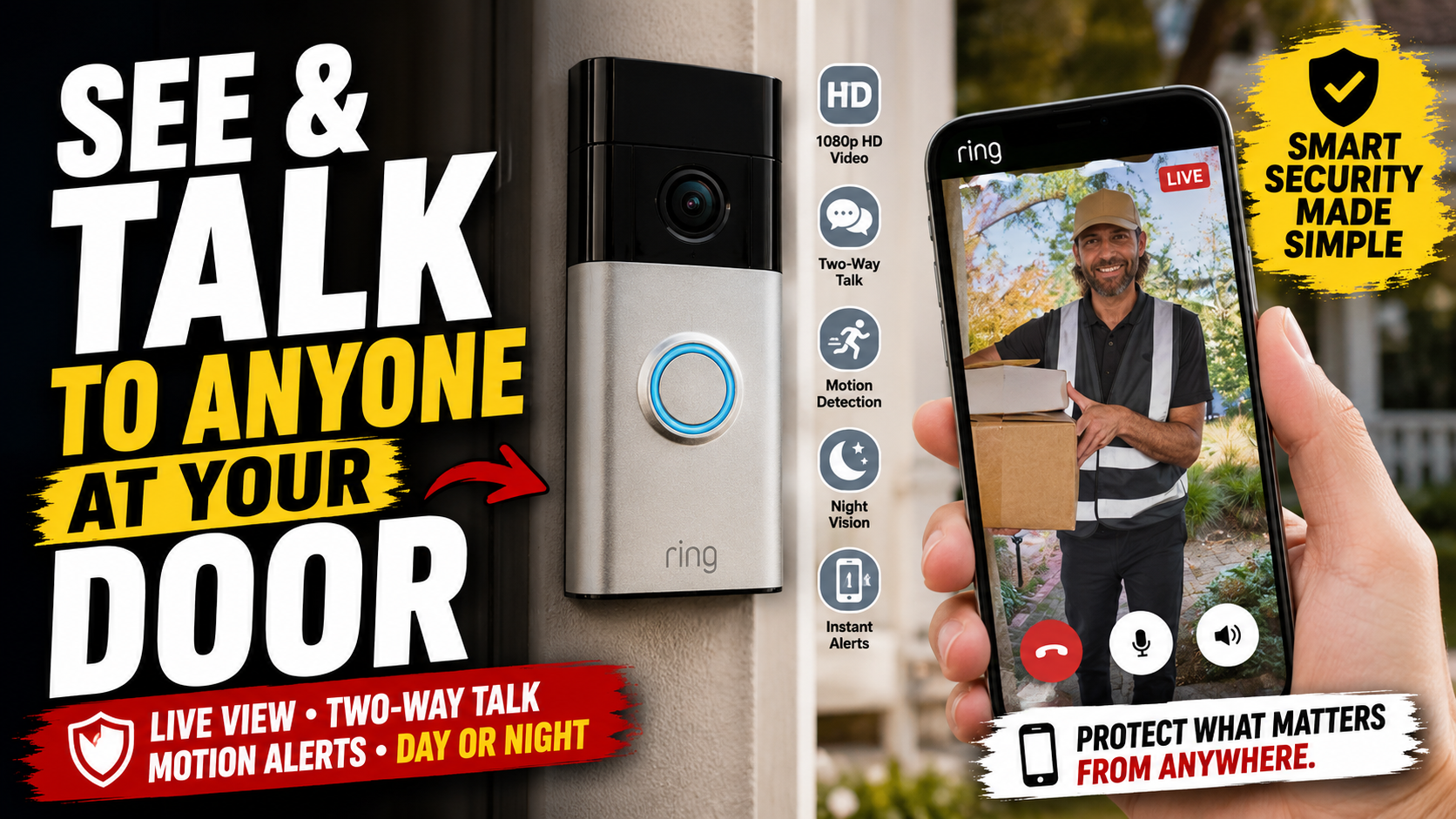
Our review of the Ring Battery Doorbell covers the specific option we recommend for senior home security.
→ Get the Ring Battery Doorbell on Amazon
Tip 8 — Remove the Fall Hazards That Familiarity Has Made Invisible
Walk through every room with deliberately fresh eyes — or ask a family member to do it during a visit. The hazards that familiarity has made invisible are the ones that produce falls.
Every unsecured rug from every walking area — removed. Every cord crossing a walking path — routed along walls. Every dim area — lighting improved. Every item stored overhead that requires reaching — relocated to between hip and shoulder height.
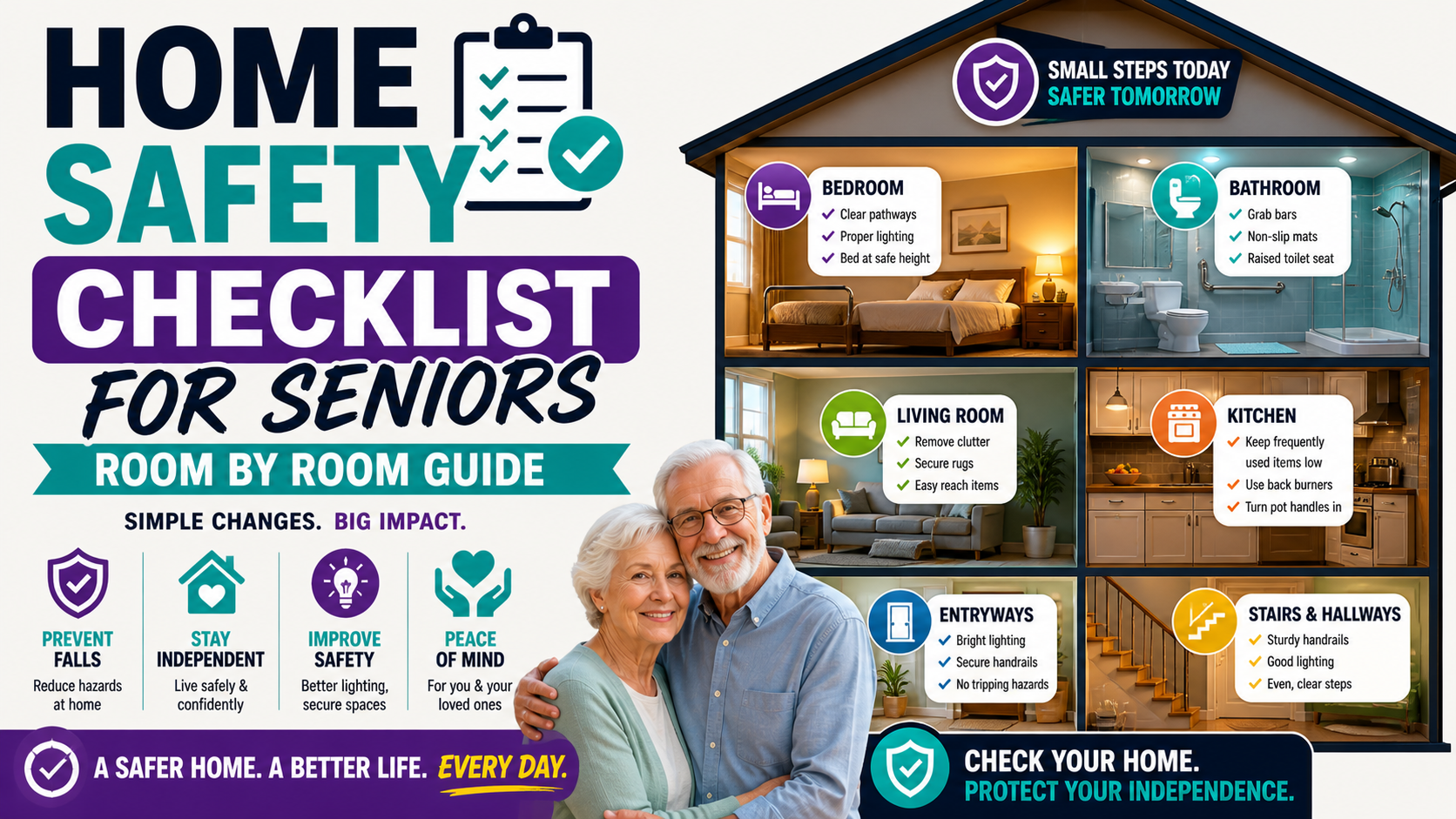
These are free changes that can be made in an afternoon. Our complete home safety checklist for seniors covers every room systematically.
Tip 9 — Wear the Right Footwear Indoors
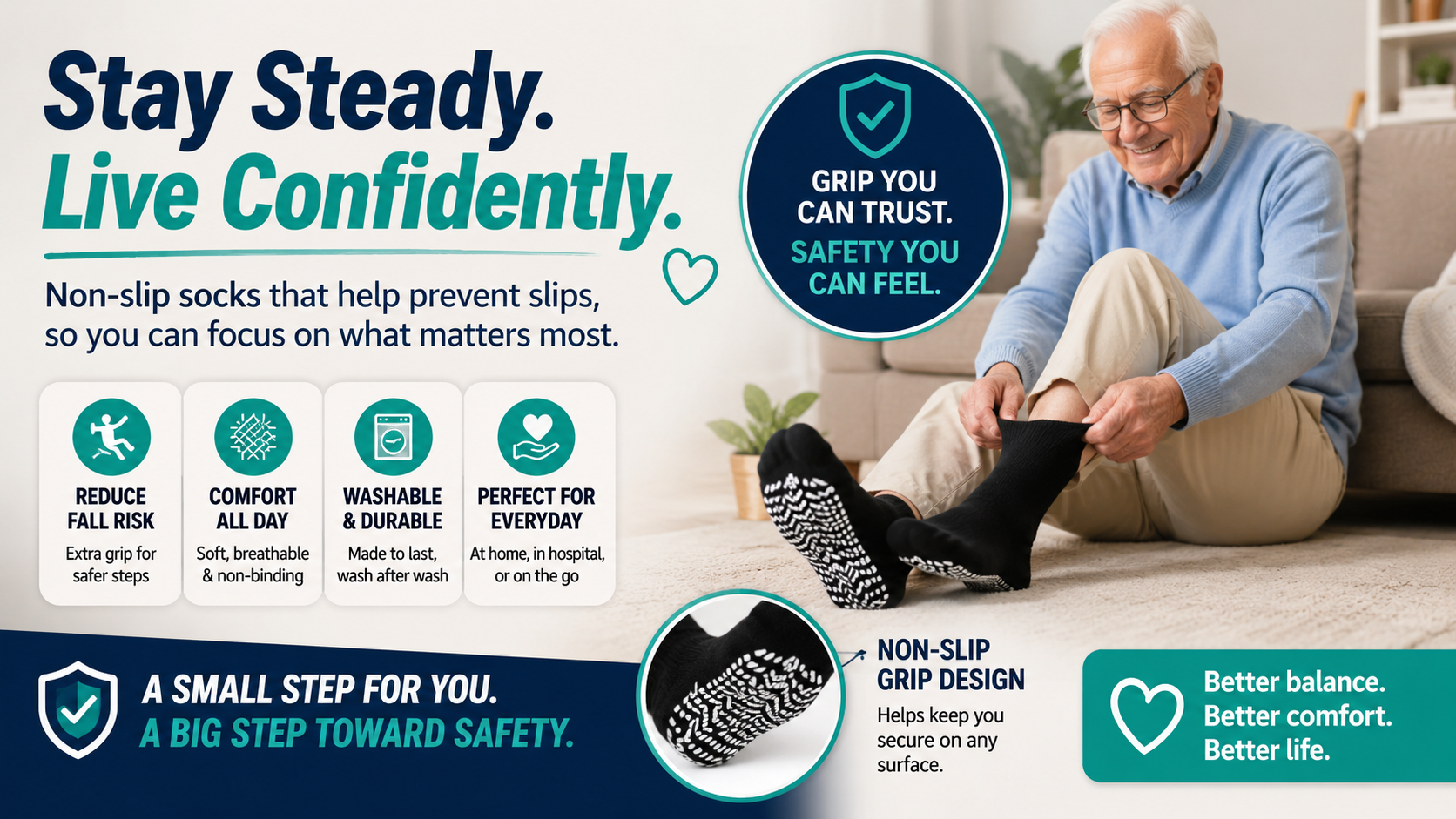
Standard socks on smooth indoor floors provide minimal traction — a continuous daily fall risk on every step in every room. Non-slip grip socks with rubber sole patterns address this for the hours when shoes aren’t being worn.
→ Get the Non-Slip Grip Socks on Amazon
For all-day indoor wear proper shoes with non-slip rubber soles and secure heel hold address the traction gap completely. Our guide on senior footwear safety covers the complete picture of indoor footwear for fall prevention.
Tip 10 — Have the Conversation Before It’s Urgent
The safety conversations that are hardest to have — about fall detection devices, about the neighbor having your number, about what would happen if something went wrong — are significantly easier to have before anything has gone wrong than after.
Before a fall these conversations are planning. After a fall they’re crisis management. Planning conversations happen at a kitchen table with coffee. Crisis management conversations happen in hospital waiting rooms. The outcome of the planning conversation is a safety system put in place while everything is calm. The outcome of the crisis management conversation is a safety system put in place too late for the current crisis.
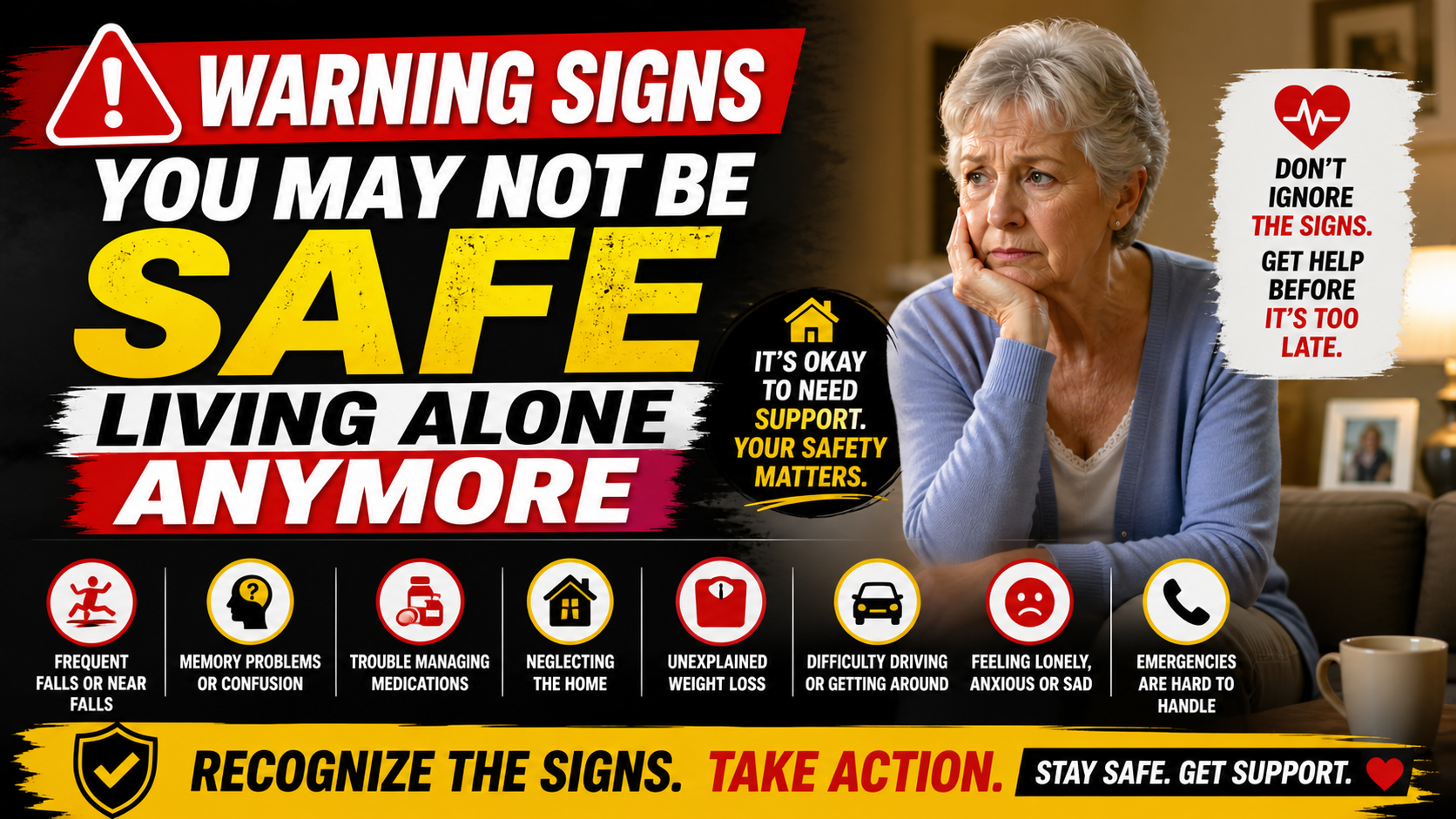
Our guide on warning signs you may not be safe living alone anymore covers the specific indicators worth addressing in these conversations. Our guide on how to help an elderly parent live safely alone covers the complete framework for supporting safe independent living.
The Complete Solo Living Safety System
The ten tips above work together as a system — each addressing a specific gap that the others don’t cover.
Automatic fall detection closes the discovery gap when a fall occurs. The daily check-in provides the human layer when technology fails. Bathroom modifications reduce the probability that the fall detection needs to fire. The bed rail addresses the highest-risk non-bathroom transition. The neighbor network provides local coverage when distance prevents family response. Medication management prevents the errors that cause both falls and medical events. The video doorbell addresses visitor security. Hazard removal addresses the environmental risks that accumulate invisibly. Footwear addresses the traction gap on every step. The conversations make all of it possible before urgency removes the option of doing it thoughtfully.
No single tip covers everything. Together they cover the specific risks that solo living creates — making independent living genuinely safe rather than hopefully safe.
Frequently Asked Questions
At what age is it unsafe to live alone?
There is no specific age at which living alone becomes unsafe — it depends on the individual’s health, cognitive status, functional capacity, and what safety measures are in place. Many people live alone safely into their 90s with appropriate modifications and monitoring. The relevant question isn’t age but whether the specific risks of solo living have been addressed — fall detection, human check-in, home modifications, medication management — and whether any changes in health or cognition have been assessed and responded to.
What is the biggest danger for seniors living alone?
The biggest danger for seniors living alone is a fall or medical event that goes undiscovered for an extended period — not the event itself but the time on the floor or without treatment before help arrives. This specific risk is addressed by automatic fall detection technology and a structured daily check-in routine. Together these two measures address the most dangerous specific consequence of living alone more effectively than any other combination of interventions.
How can I make sure my elderly parent is safe living alone?
The complete approach combines technology and human systems. Automatic fall detection watch with GPS — the SecuLife. A structured daily check-in with a clear escalation plan. Bathroom modifications including grab bars, toilet safety rails, and non-slip bath mat. A bed rail for morning getting-up safety. A neighbor with your contact information. Medication management through an automatic dispenser. Hazard removal throughout the home. Each layer addresses what the others miss — together they create a monitoring and prevention system robust enough to support safe independent living.
Should an elderly person live alone after a fall?
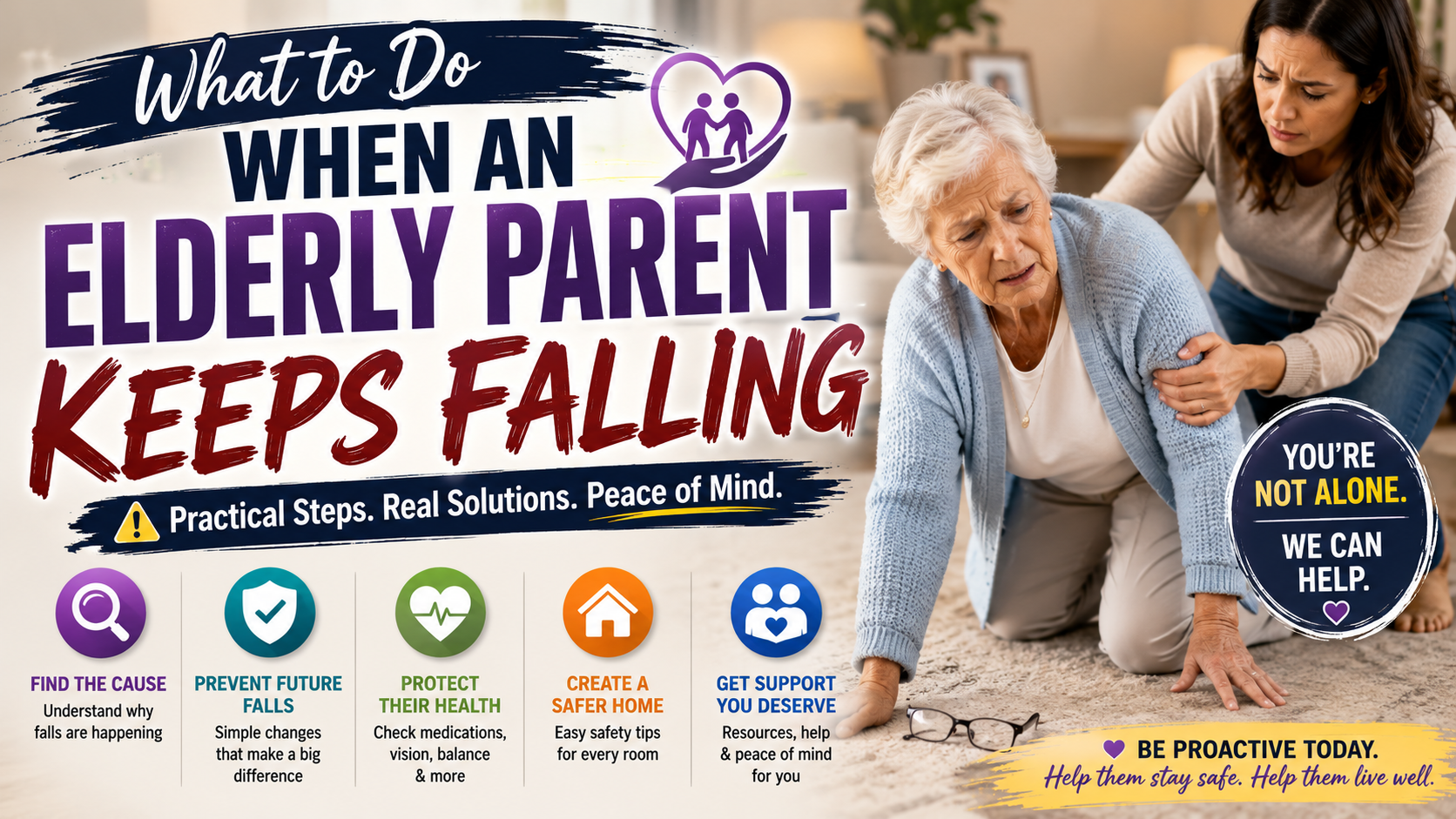
A single fall is not automatically a reason to change living arrangements if the underlying risk factors can be identified and addressed and appropriate safety measures are put in place. The right response to a fall is a formal fall risk assessment, medication review, home modifications, fall detection technology, and physical therapy — not an immediate living situation change. Living situation changes become appropriate when falls persist despite comprehensive intervention or when cognitive decline removes the capacity to participate safely in independent living. Our guide on what to do when an elderly parent keeps falling covers the complete post-fall response.
What should be in an emergency plan for a senior living alone?
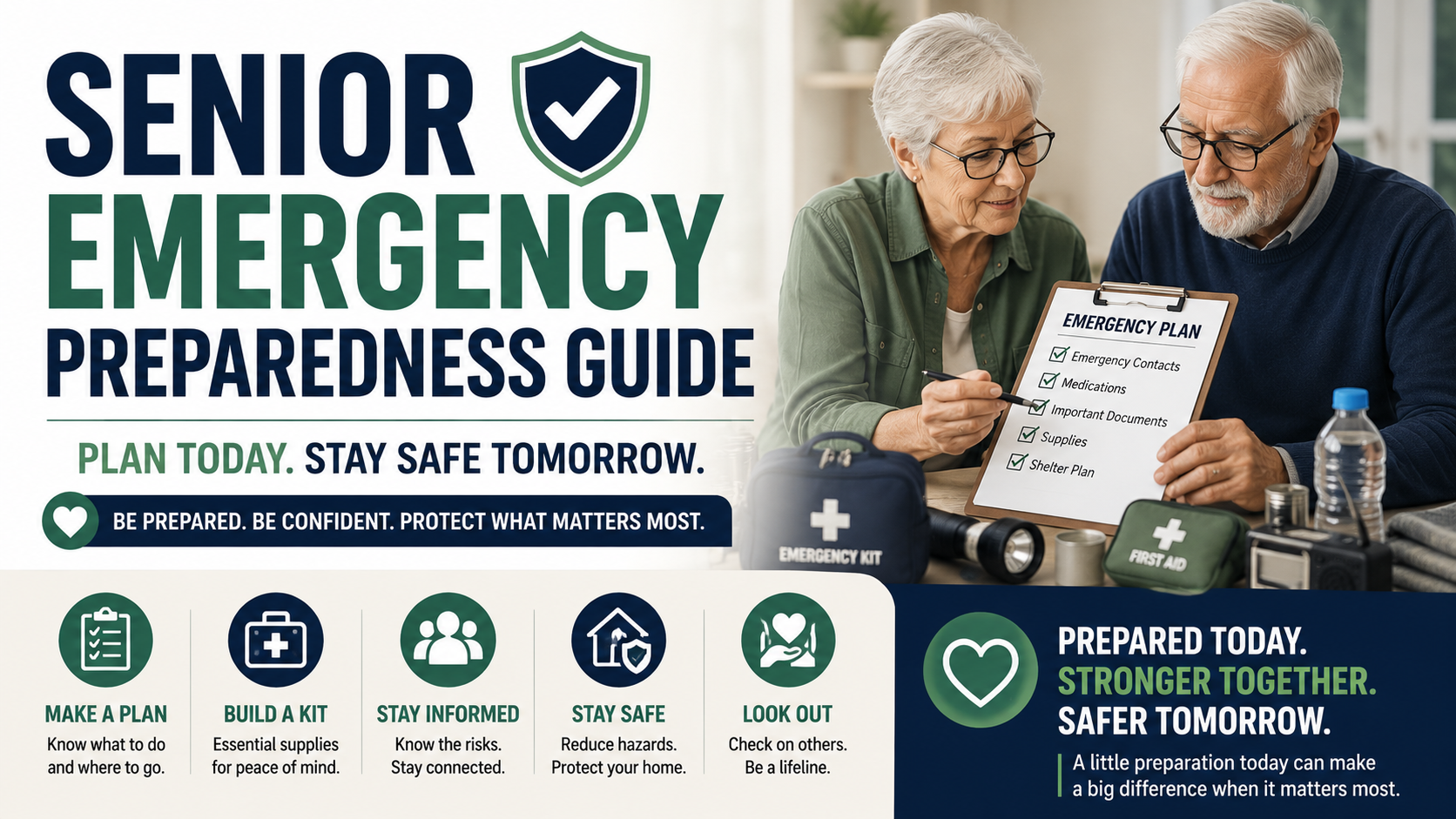
A complete emergency plan includes: a medical alert device with automatic fall detection worn daily, a list of emergency contacts accessible to first responders, a medication list in the emergency kit, a daily check-in routine with escalation steps, a neighbor with family contact information, knowledge of the nearest emergency shelter for weather events, and a structured communication plan for extended emergencies. Our guide on senior emergency preparedness covers the complete emergency planning framework.
Living Alone Well
Living alone as an older adult is not a problem to be solved. It’s a situation to be supported — with the right technology, the right human systems, and the right conversations happening before urgency removes the luxury of having them thoughtfully.
The older adults who live alone safely for years aren’t the ones who pretend the risks don’t exist. They’re the ones who addressed them specifically — who have the fall detection watch on their wrist, the grab bars in their bathroom, the neighbor’s number on the family’s phone, and the check-in call at 9am every morning.
That’s what living alone well looks like. And every piece of it is specific, achievable, and available right now.
About the Author
Carol Simmons is a Certified Aging-in-Place Specialist (CAPS) who has worked with hundreds of older adults and their families to build the safety systems that make independent solo living sustainable rather than precarious. The difference between the older adults who thrive living alone and those who don’t is almost never health or luck. It’s preparation — the specific measures put in place before they were urgently needed that made solo living genuinely safe rather than hopefully safe. She writes for Elder Safety Guide because those measures are specific enough to list, affordable enough to act on, and important enough to deserve a guide dedicated entirely to the person who has made the choice — or is considering making the choice — to live independently alone.