Seniors who exercise regularly fall 30 percent less often than those who don’t.
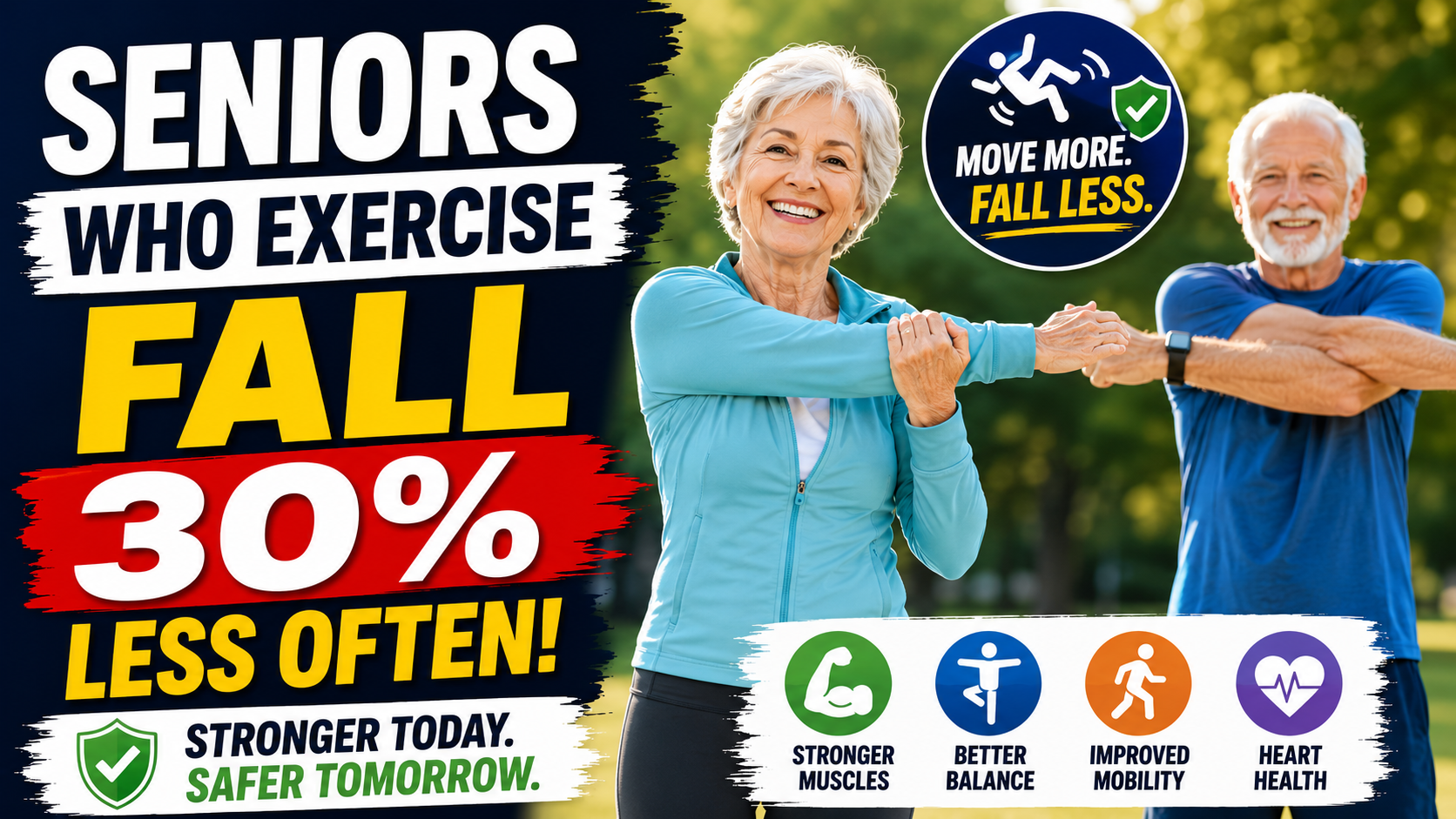
That figure comes from systematic reviews of fall prevention research — analyses that pooled results across multiple high-quality trials to arrive at the most reliable estimate of exercise’s effect on fall rates in older adults. Thirty percent. Not a marginal benefit. Not a trend that might be meaningful. A substantial, consistent, replicated reduction in the most dangerous health event facing the older adult population.
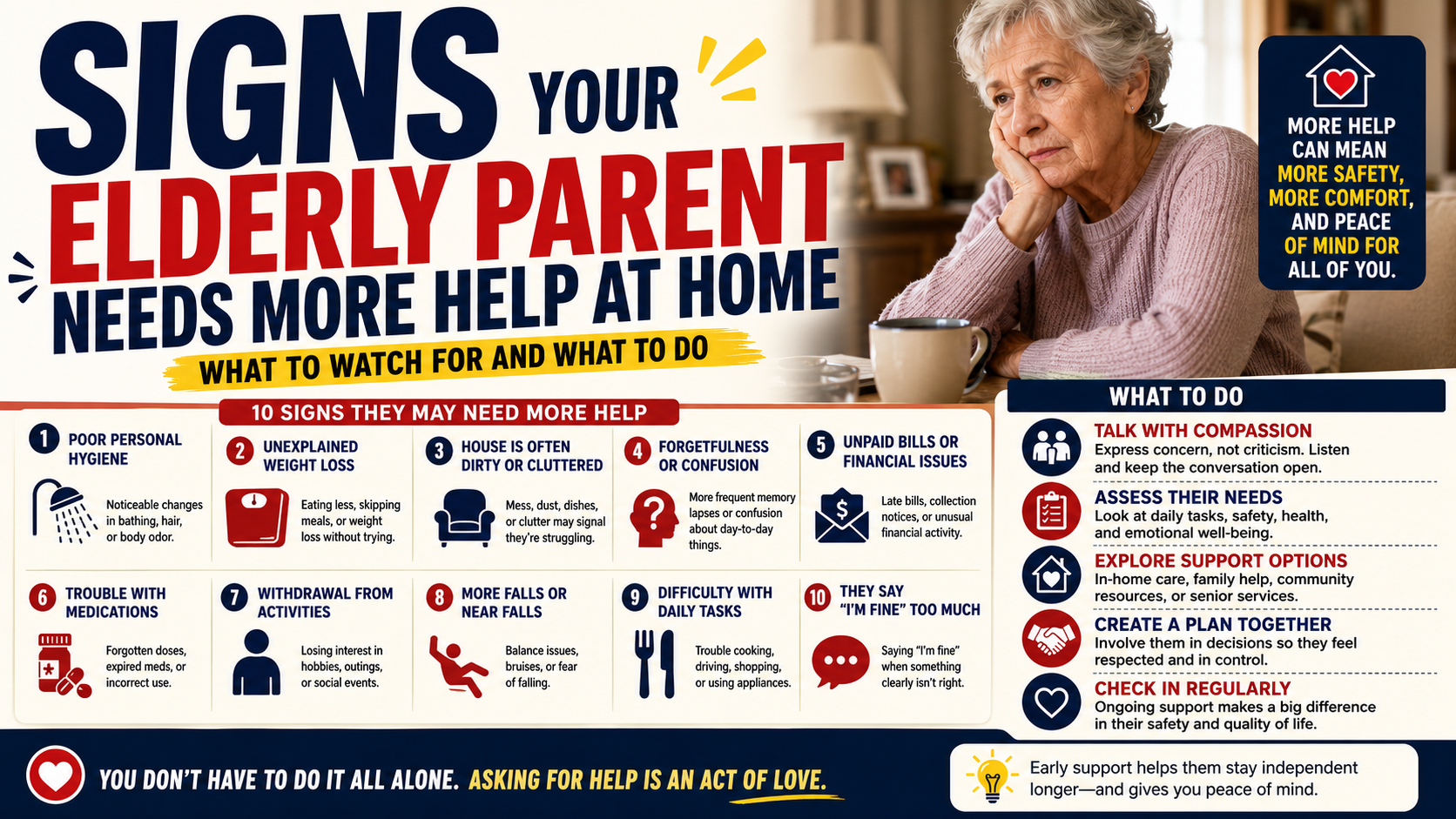
And it’s the intervention most consistently not happening for most older adults at fall risk.
Why Exercise Works — The Specific Mechanisms
The 30 percent figure isn’t magic. It comes from specific physiological improvements that directly address the risk factors that produce falls.
Balance — The Primary Mechanism
Balance is a skill — one that declines with disuse and improves with targeted practice. The vestibular system, proprioception, and the muscle strength that executes the rapid corrections that prevent stumbles from becoming falls all respond to training. Exercise programs that specifically challenge balance — requiring the body to maintain stability in progressively challenging positions — build the capacity that prevents falls at the moment they’re most likely to happen.
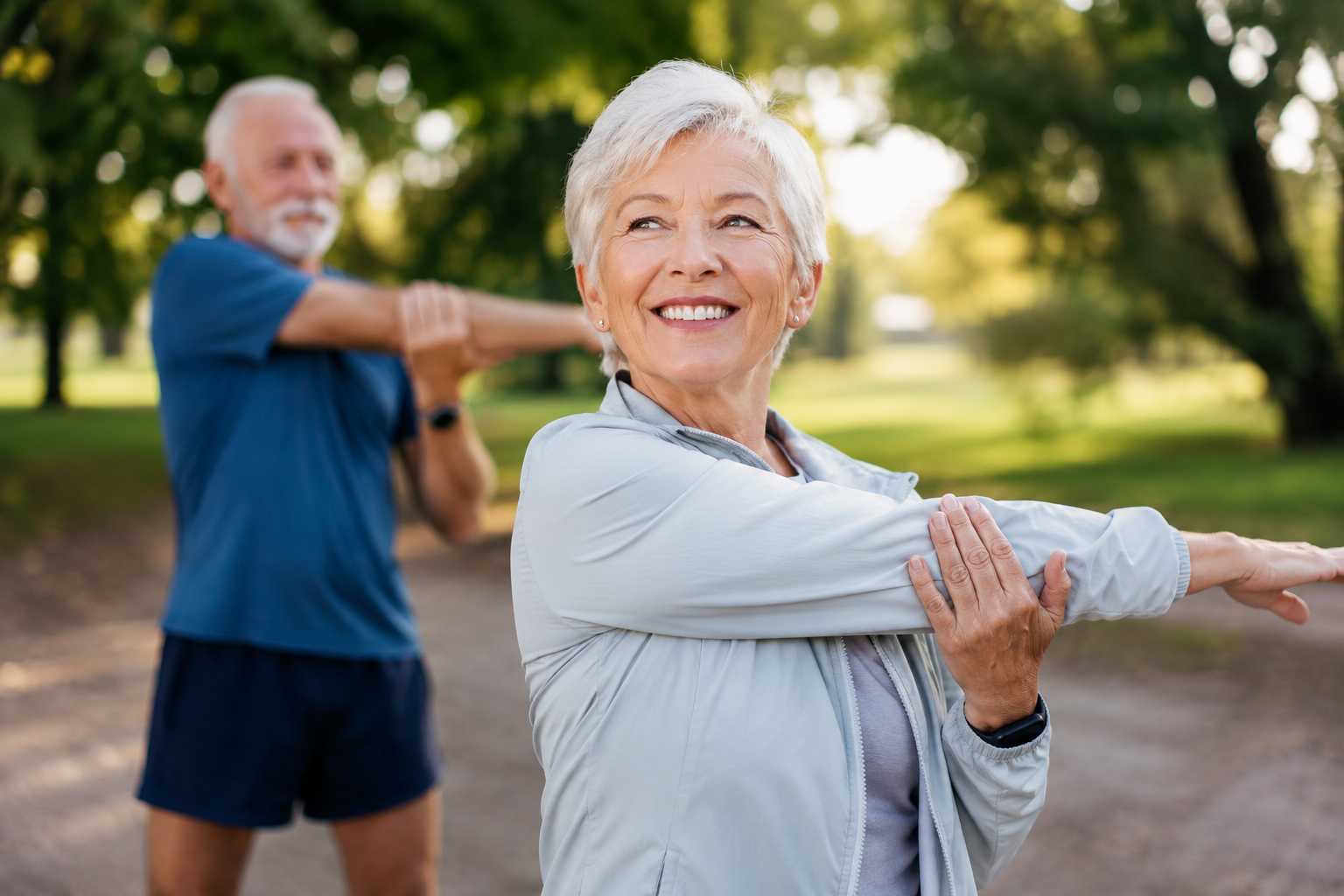
Tai Chi specifically has the strongest evidence for balance improvement in older adults — with multiple high-quality trials showing 30 to 40 percent reductions in fall rates. The slow, controlled, weight-shifting movements of Tai Chi practice are precisely the movements that build the balance capacity that fall prevention requires.
Leg Strength — The Secondary Mechanism
The eccentric muscle strength required to catch a stumble — the deceleration force that converts a trip into a recovery rather than a fall — declines with age and particularly with inactivity. Leg strengthening exercises rebuild this capacity directly. Squats, step-ups, calf raises — movements that build the quadriceps, gluteal, and ankle muscles that provide the strength to catch a fall in progress.
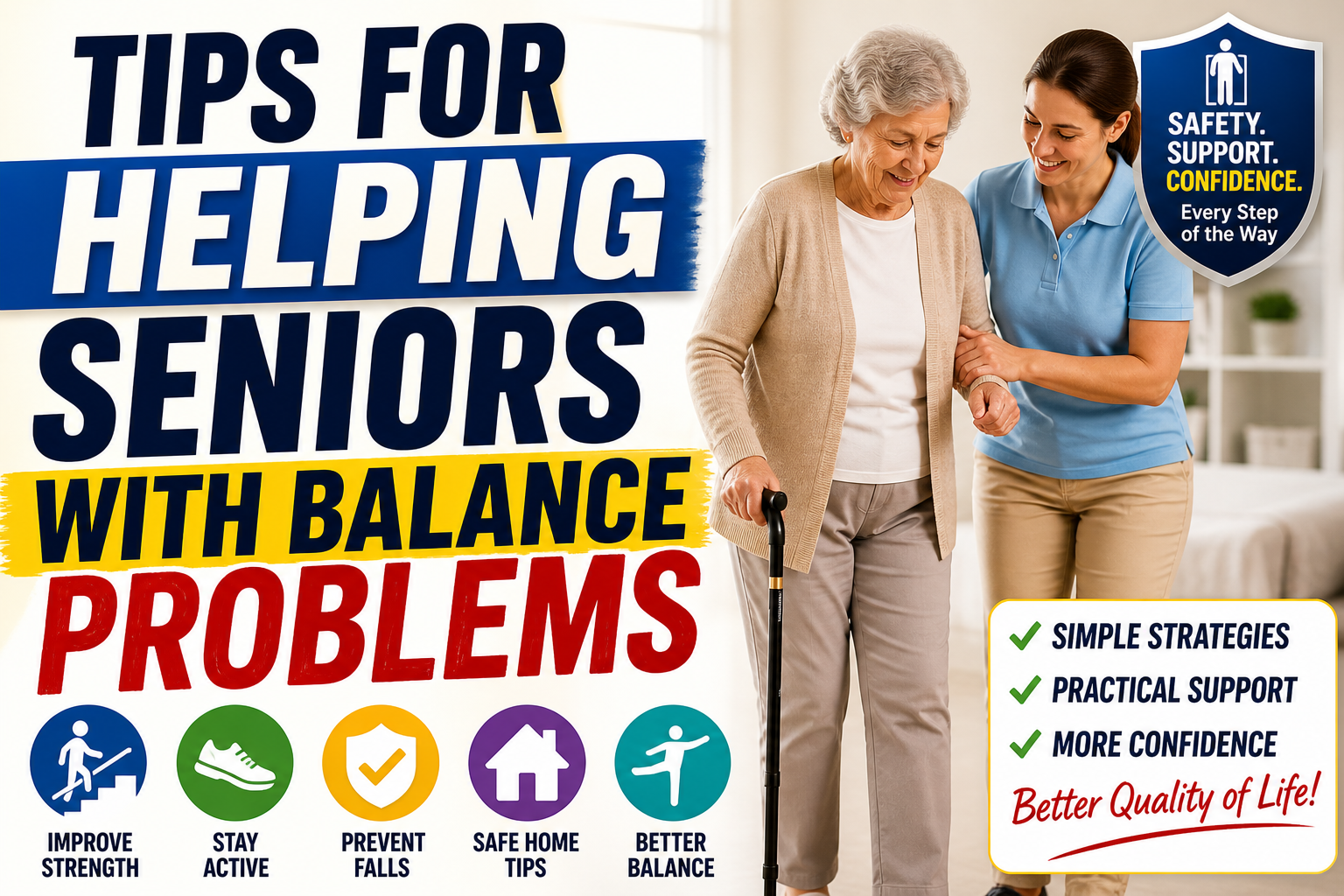
As covered in our guide on tips for helping seniors with balance problems — the exercises with the strongest evidence combine balance challenge with strength building rather than addressing either in isolation.
Reaction Time — The Third Mechanism
Exercise improves neurological processing speed — the time between sensing a loss of balance and executing a corrective response. This reaction time is the difference between a stumble caught and a stumble that becomes a fall. Regular physical activity maintains and can improve this processing speed in older adults, providing a neurological fall protection mechanism alongside the physical ones.

Tai Chi — The Single Best Exercise for Fall Prevention
If there is one exercise recommendation worth emphasizing from the fall prevention research it is Tai Chi. No other single intervention has as consistent and as strong an evidence base for fall rate reduction in older adults.
The specific features of Tai Chi that make it effective for fall prevention: slow controlled movements that challenge balance without requiring rapid movement. Weight shifting from one leg to the other that builds the single-leg balance capacity required for walking, stair climbing, and the bathroom transitions where most falls occur. Deep breathing and mental focus that reduce the anxiety and fear of falling that paradoxically increases fall risk through protective movement changes.
Tai Chi classes are available through most senior centers, YMCAs, and community centers — often at low or no cost. Online programs exist for those with transportation limitations. The investment is time rather than money, and the return is a 30 to 40 percent reduction in fall probability from this single intervention.

What “Regular” Means — The Right Dose
The research on exercise and fall prevention is specific enough to give guidance on what “regular” means in practice. The trials that showed significant fall rate reductions typically used programs involving:
- Two to three sessions per week minimum
- Sessions of 30 to 60 minutes duration
- At least 12 weeks of consistent participation for measurable benefit
- Ongoing participation to maintain benefit — the fall rate reduction diminishes if exercise stops
This isn’t a weekend project. It’s a lifestyle change that takes weeks to produce measurable benefit and requires ongoing maintenance to preserve it. The families who understand this frame exercise not as a temporary intervention but as the permanent component of fall prevention it actually is.
Exercise Alongside Environmental Modifications
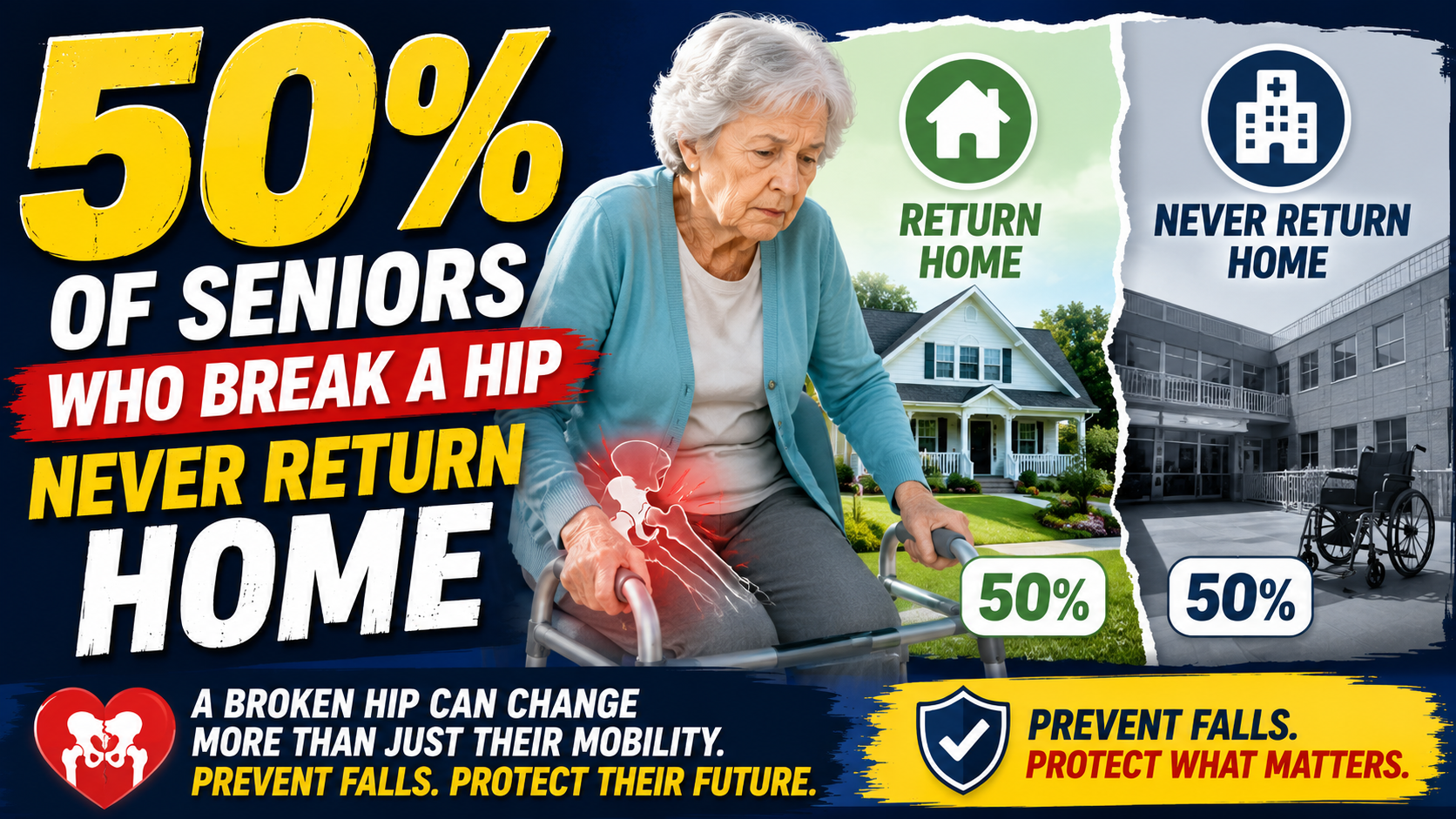
The 30 percent reduction from exercise is meaningful — and it’s additive to the reductions produced by environmental modifications and medical interventions. Exercise addresses the person-side risk factors. Home modifications address the environment-side risk factors. Medication review addresses the pharmacological risk factors. Together they produce cumulative reductions that exceed what any single intervention achieves alone. That prevention strategy carries particular weight when families understand why preventing hip fractures matters and the lasting effect a fracture can have on independent living.
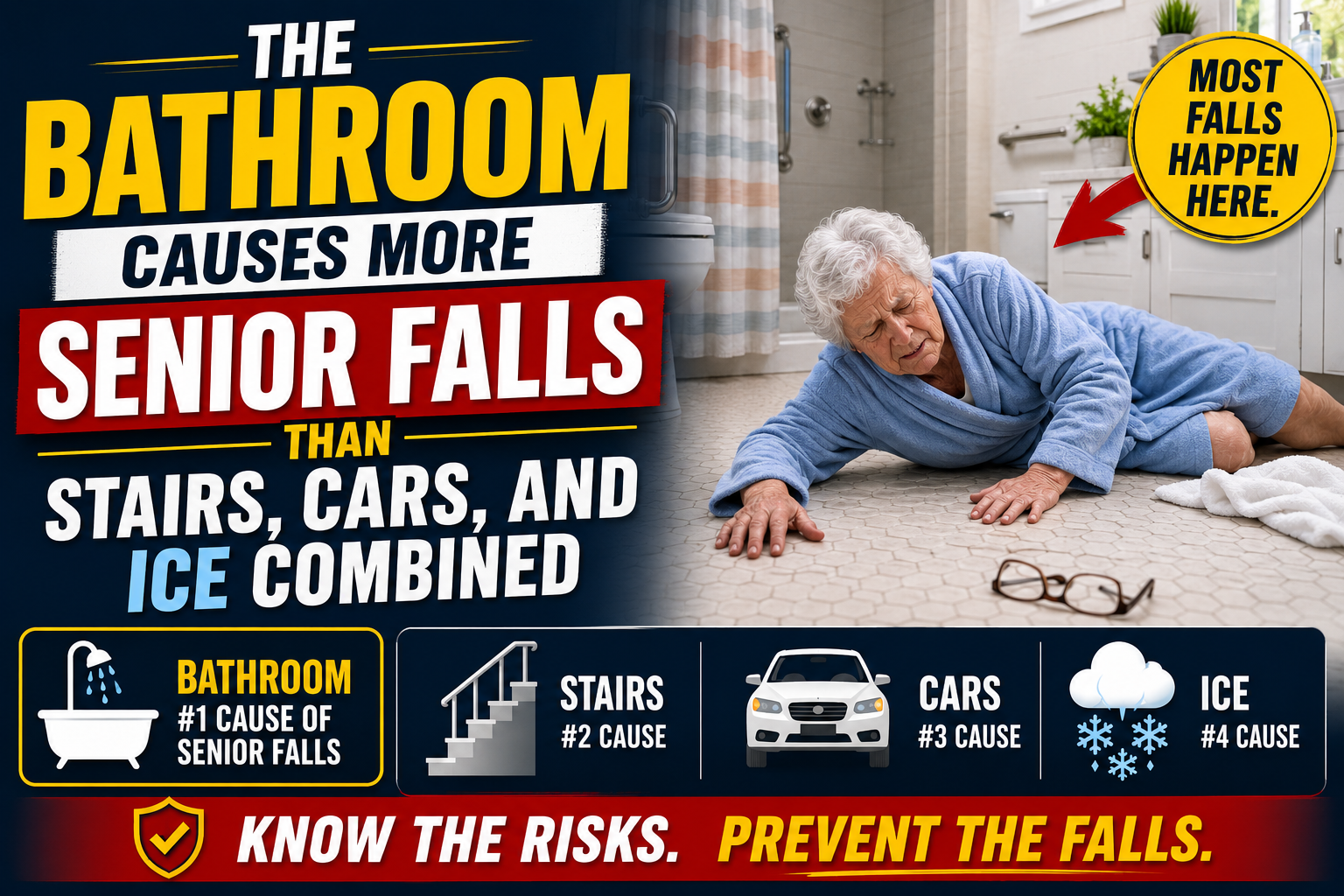
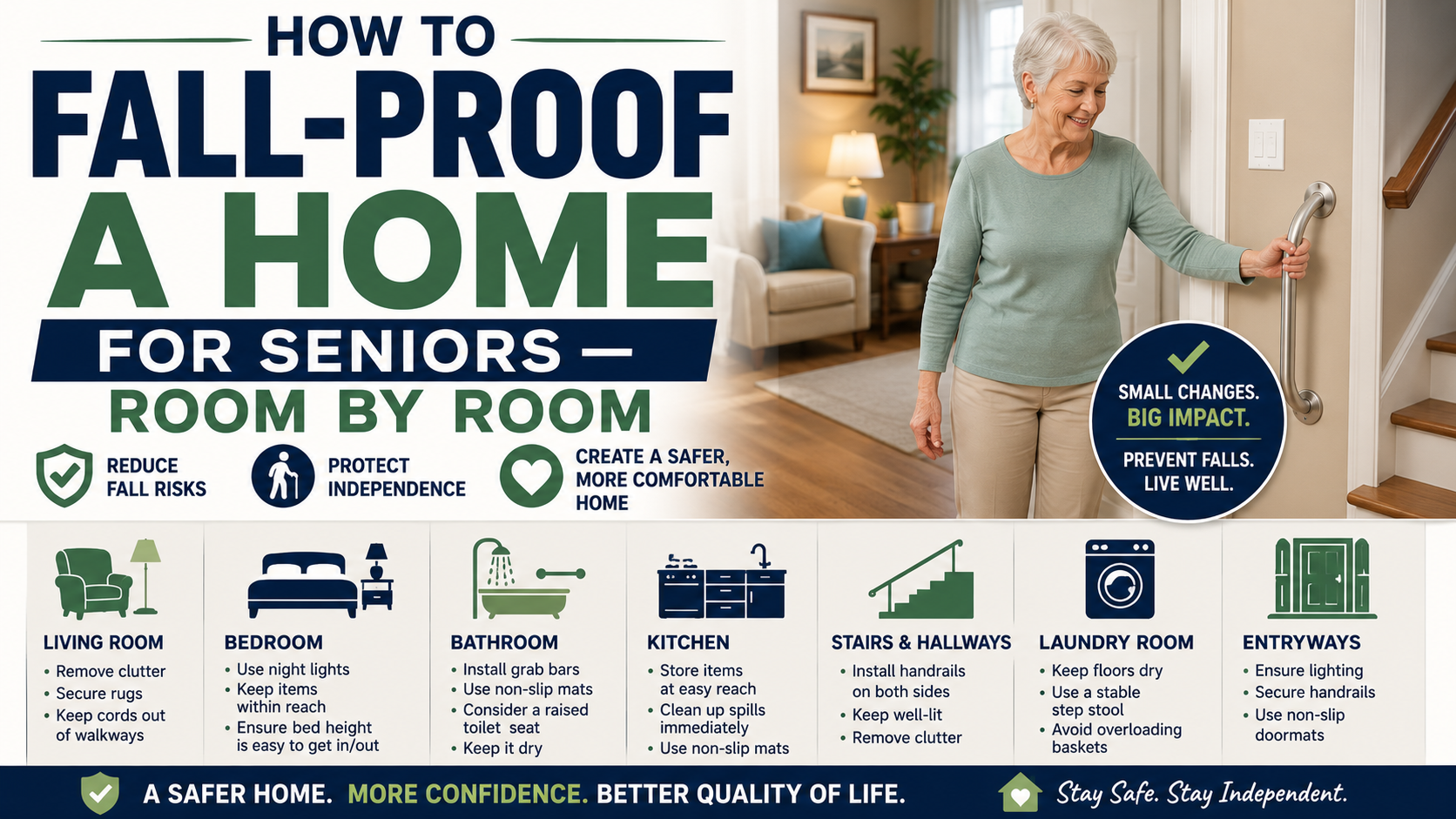
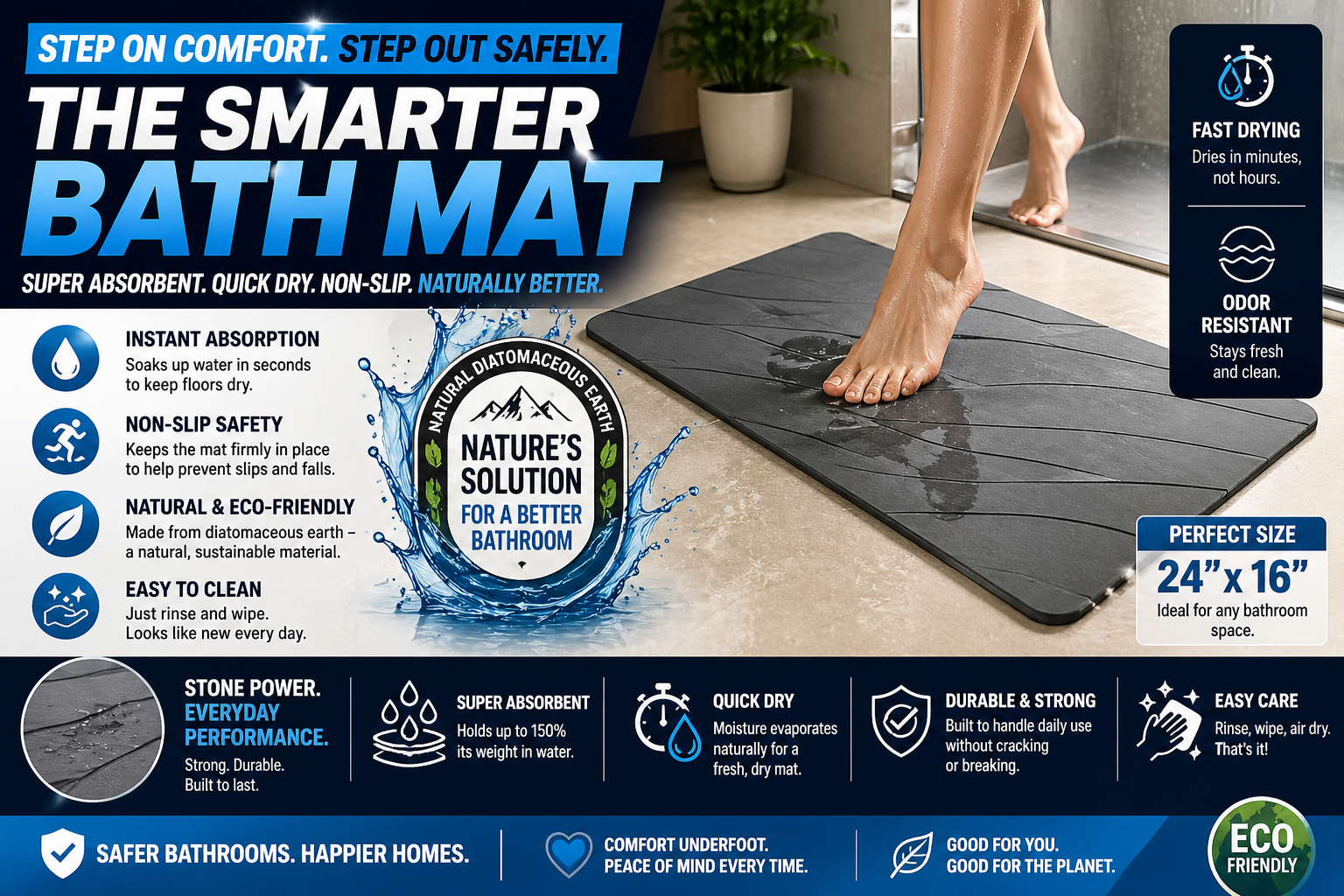
The bathroom modifications that address the highest-risk room — grab bars at the shower entry and next to the toilet, toilet safety rails, non-slip bath mat. As covered in our guide on the bathroom causes more senior falls than stairs, cars, and ice combined — the bathroom is where most falls happen and where modifications make the most immediate difference.

→ Get the 2-Pack Grab Bars on Amazon
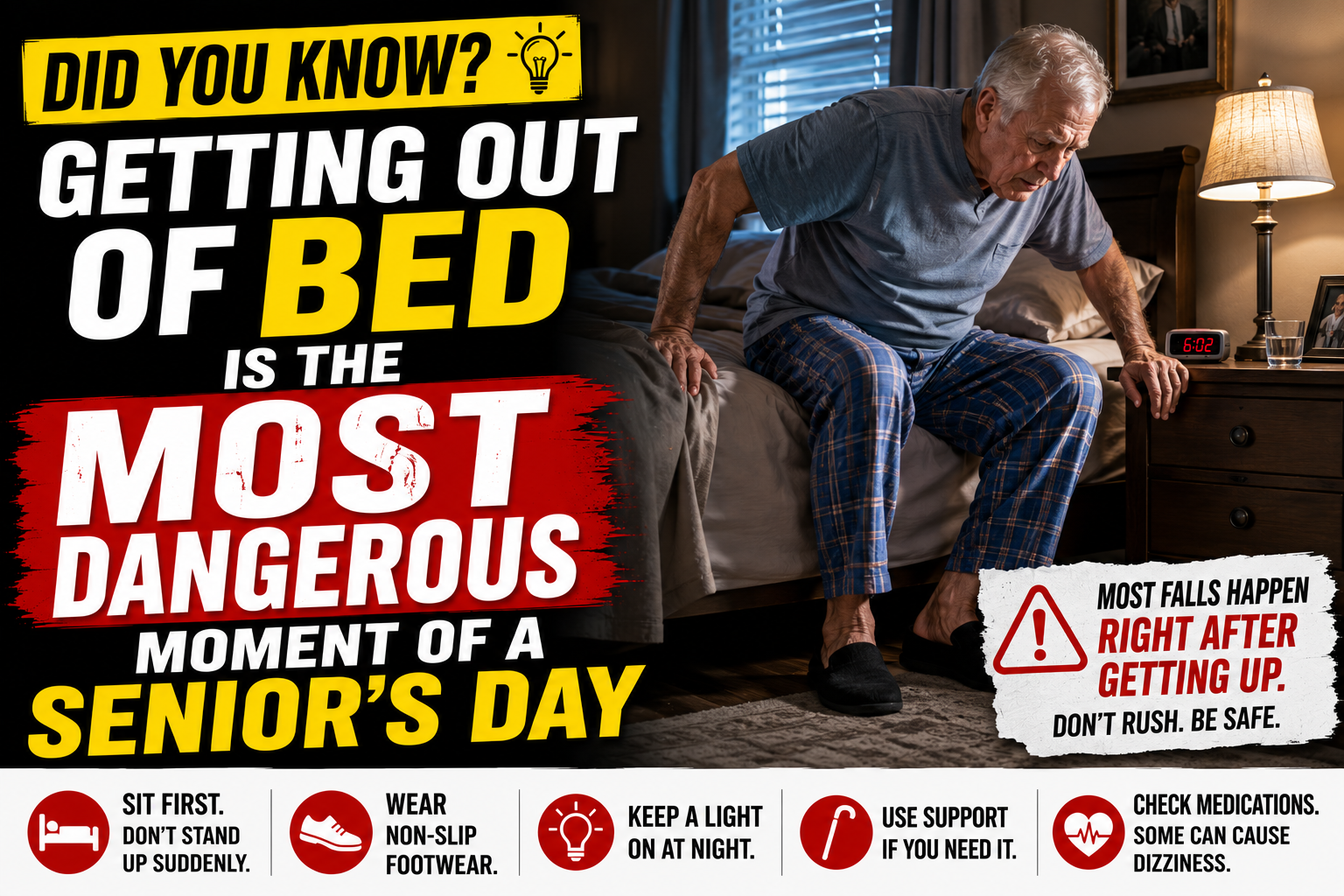
The bed rail for the morning getting-up transition — the highest-risk daily moment outside the bathroom. Night lights covering the nighttime path.


And the safety net — automatic fall detection that addresses what happens when prevention isn’t enough. The SecuLife Smartwatch worn on the wrist provides detection that alerts family in seconds when a fall occurs despite every prevention measure in place.
→ Get the SecuLife Smartwatch on Amazon
Physical Therapy — The Personalized Version
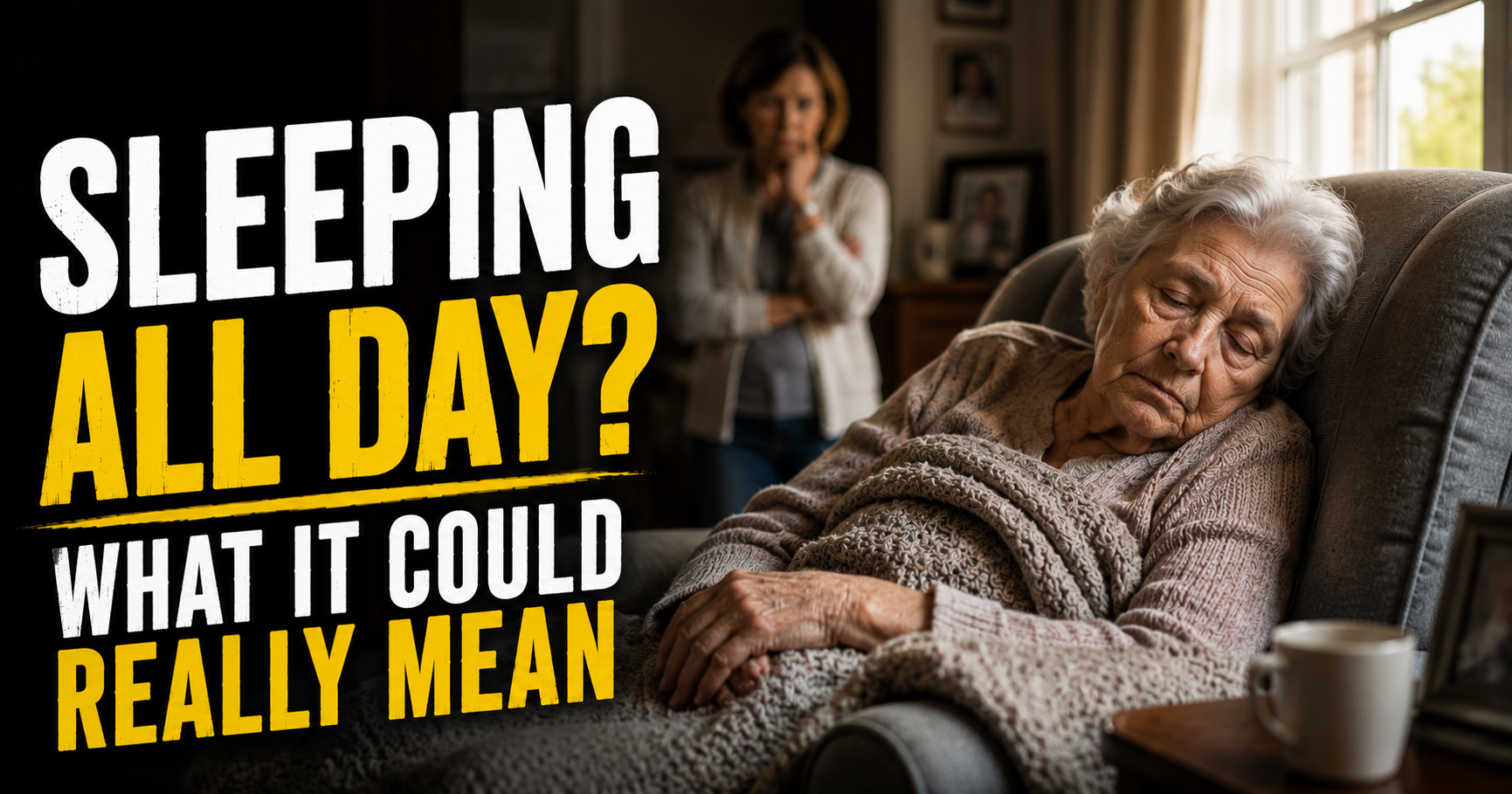
For anyone with a fall history or identified balance deficits physical therapy provides the personalized version of exercise-based fall prevention — a program specifically designed around the individual’s specific impairments rather than a general class that addresses typical risk factors.
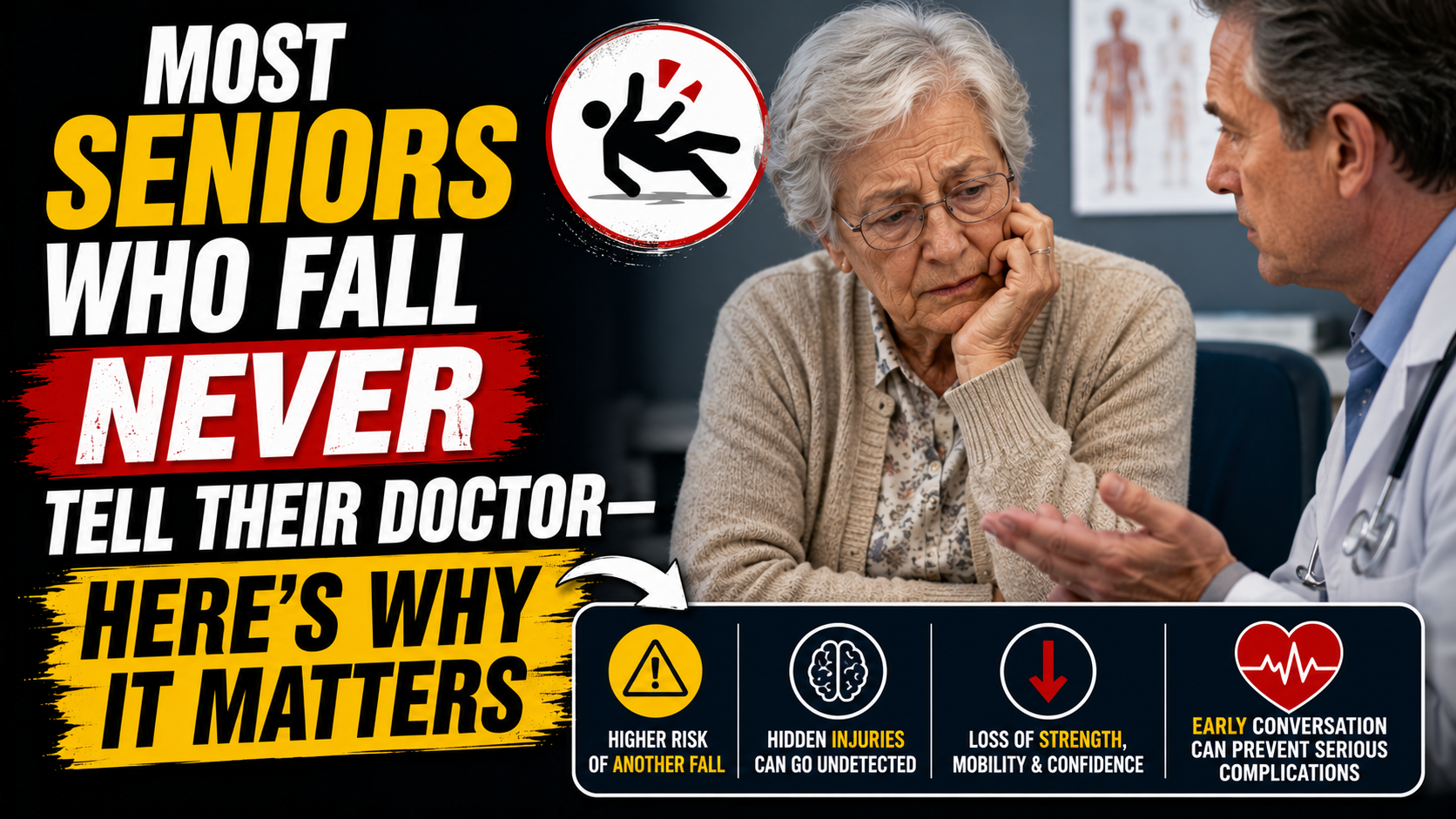
A physical therapist assesses gait, balance, strength, and coordination and designs a targeted program addressing the exact deficits contributing to fall risk for that specific person. Medicare covers physical therapy for fall prevention when fall history is documented — which is another reason why getting falls into the medical record matters, as covered in our guide on most seniors who fall never tell their doctor.
Starting When It Feels Like It’s Too Late
The most common response to exercise recommendations in older adults is some version of “it’s too late for that to help.” It isn’t.
Research on exercise interventions includes participants in their 80s and 90s — and shows meaningful benefit across age groups. Muscle strength and balance capacity respond to targeted training at every age, including very advanced age. The improvement may be smaller and slower than in younger adults. It is still real, still meaningful, and still sufficient to produce measurable fall rate reductions.
Starting later is better than not starting. Starting now is better than starting later. The 30 percent reduction is available to any older adult who begins and maintains a targeted balance and strength program — regardless of when they start.

Making It Happen — The Practical Path
The gap between knowing exercise helps and actually exercising consistently is where most fall prevention plans stall. These specific approaches address the practical barriers.
Find a class rather than exercising alone. Group exercise classes — Tai Chi, yoga, senior fitness, water aerobics — provide the social accountability and structured scheduling that solo exercise often lacks. Most senior centers offer free or low-cost options.
Start with what’s achievable, not what’s ideal. Two sessions per week is better than zero. Fifteen minutes is better than no minutes. The perfect program that never starts is less effective than the imperfect program that does.
Frame it as fall prevention specifically. Exercise for general health is easy to deprioritize. Exercise that reduces the probability of the fall that could end independent living has a different weight. Framing the motivation accurately produces better adherence than generic health messaging.
Get a physical therapy referral. For anyone with a fall history or identified balance concerns a physician referral to physical therapy provides professional guidance on the specific program most likely to address individual risk factors. This is the starting point for anyone who doesn’t know where to begin.
The Number That Changes With Action
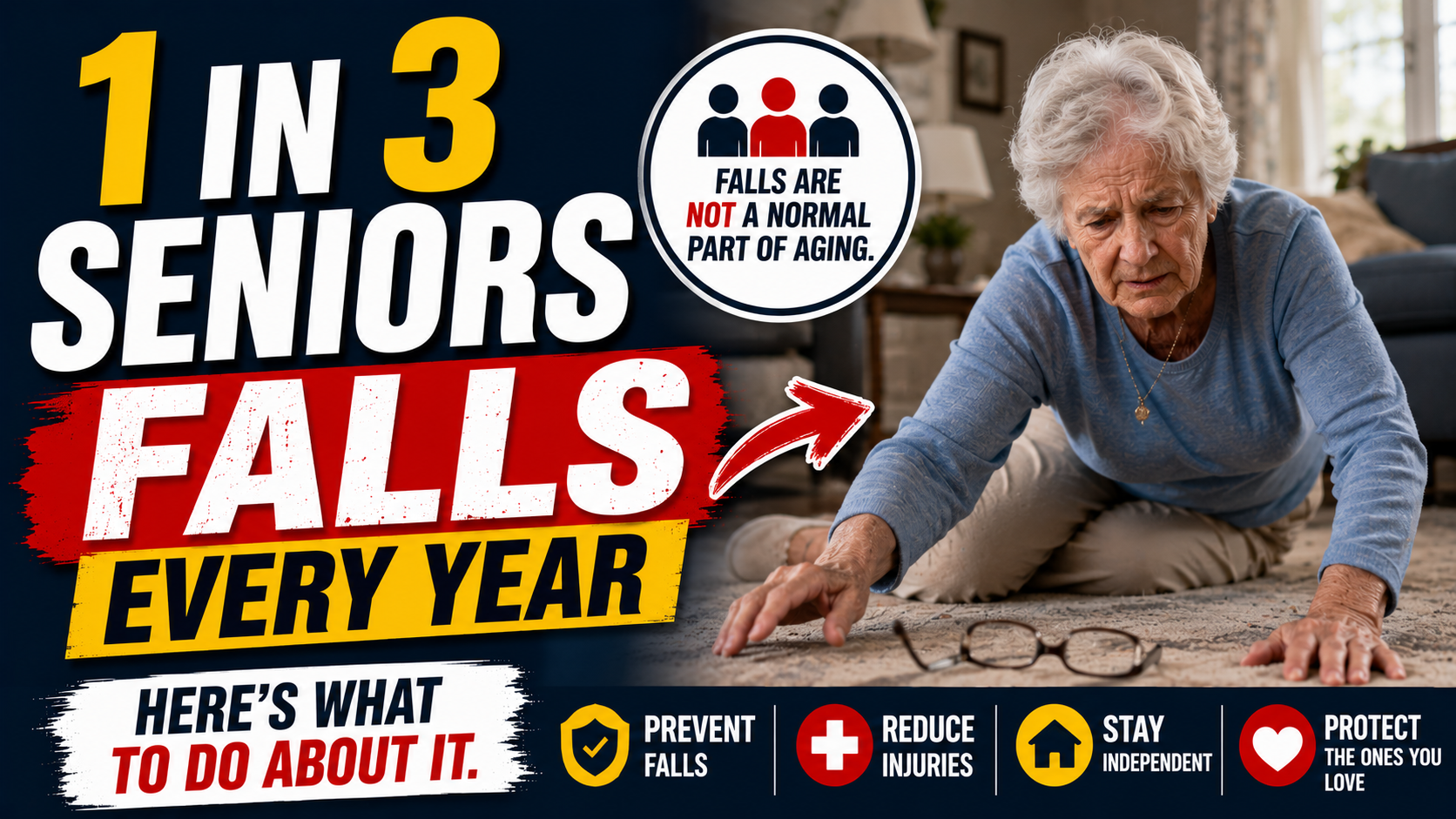
As covered in our guide on 1 in 3 seniors falls every year — fall risk is not fixed. It’s a probability that specific interventions meaningfully reduce. Exercise is the intervention with the highest and most consistent evidence for that reduction.
Thirty percent fewer falls. From an activity that costs nothing, requires no prescription, has no side effects, and provides health benefits across every system in the body alongside the fall prevention benefit.
The question isn’t whether exercise works for fall prevention. The evidence settled that. The question is whether the older adult at fall risk in your family is doing it — and if not, what it would take to change that.
Our complete guide on fall prevention for seniors covers exercise alongside every other evidence-based intervention in one comprehensive resource.

About the Author
Margaret Holloway, RN spent 22 years in geriatric nursing watching the exercise question play out consistently — the patients who maintained physical activity had meaningfully better outcomes than those who didn’t, across every measure including fall rates. The research that’s accumulated since she began her career has only strengthened what clinical observation suggested: exercise is the most powerful single modifiable intervention in senior fall prevention. She writes for Elder Safety Guide because the 30 percent figure deserves to be known — not as a footnote in a research paper but as the practical information that changes what families prioritize for aging parents who aren’t yet exercising for fall prevention.