One of the most uncomfortable conversations many families have is about bathing.
Maybe you’ve noticed your mom wearing the same clothes for days.
Maybe your dad suddenly has body odor when he never did before.
Or maybe you’ve walked into a parent’s home and immediately realized they haven’t showered in quite some time.
If you’re dealing with this situation, you’re not alone.
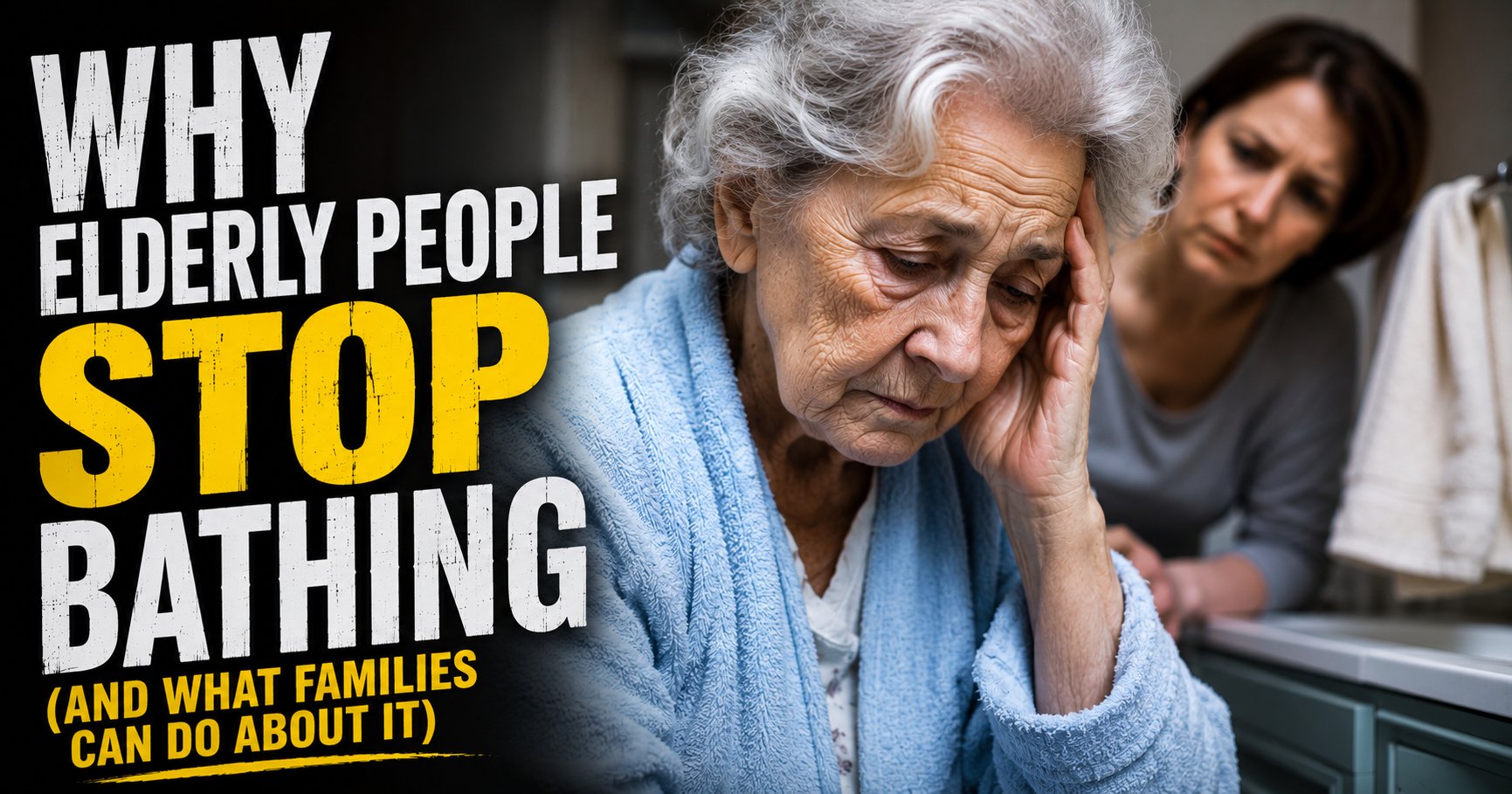
I’ve talked with many families who were shocked when a parent who spent decades taking pride in their appearance suddenly stopped bathing regularly.
The good news is that this behavior usually has a reason behind it.
The bad news is that many families misunderstand that reason and accidentally make the problem worse.
Before assuming your parent is simply being stubborn, it’s important to understand what may actually be happening.

Most Seniors Don’t Stop Bathing Because They Want To
One of the biggest misconceptions I hear is:
“My parent just doesn’t care anymore.”
Sometimes that’s true.
Most of the time, it isn’t.
Many elderly people stop bathing because something has changed physically, mentally, emotionally, or cognitively.
The refusal to shower is often a symptom of a larger issue rather than the actual problem itself.
That’s why I always encourage families to look deeper.
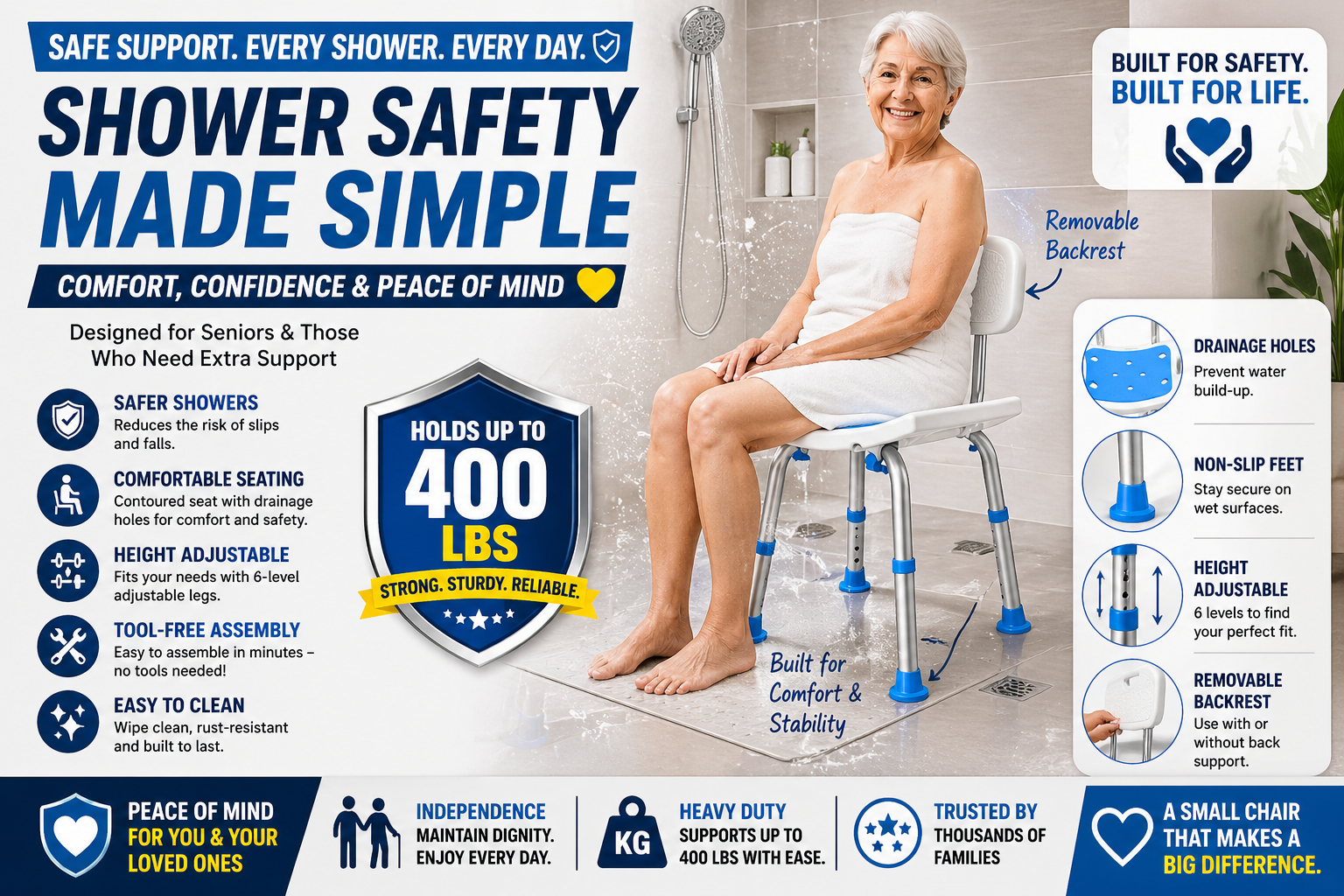

Fear Of Falling Is One Of The Biggest Reasons
This is probably the most overlooked cause.
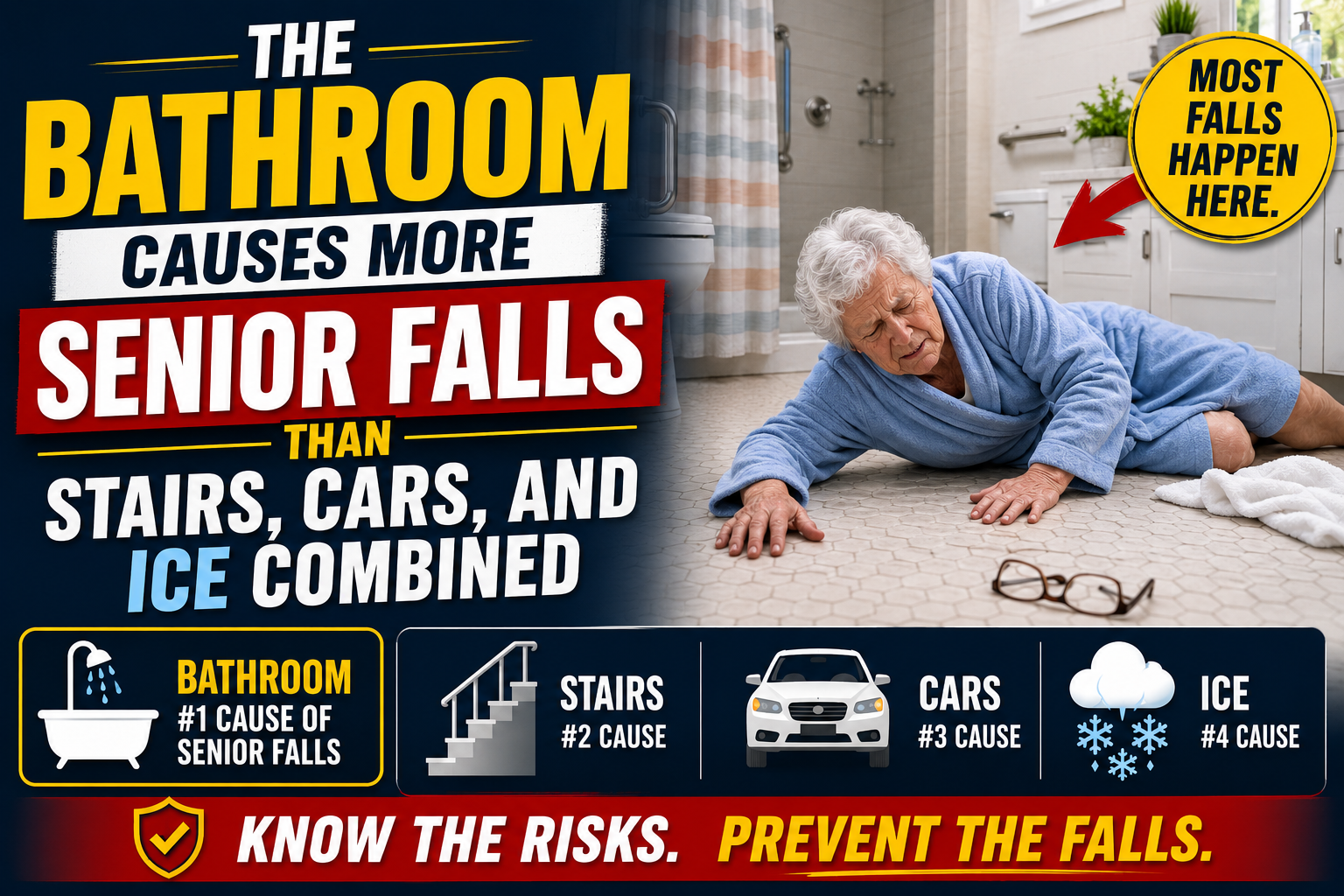
Bathrooms are dangerous.
In fact, falls in the bathroom happen far more often than many people realize.
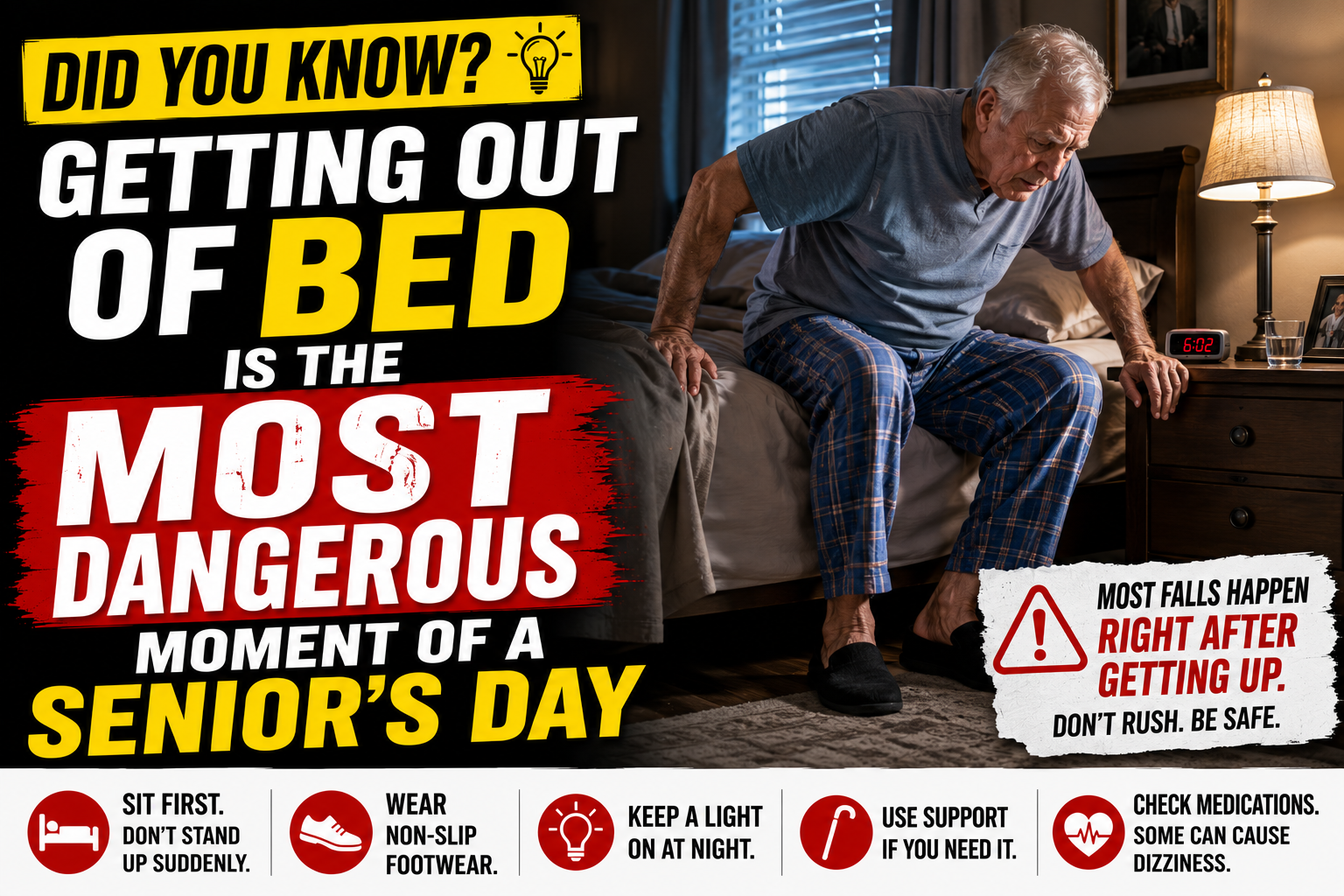
An older adult who nearly slipped once may become terrified of getting into the shower again.
They may never tell anyone.
Instead, they quietly start avoiding showers.
I’ve seen situations where a parent appeared stubborn when they were actually scared.

If balance problems may be involved, read our guide on tips for helping seniors with balance problems.

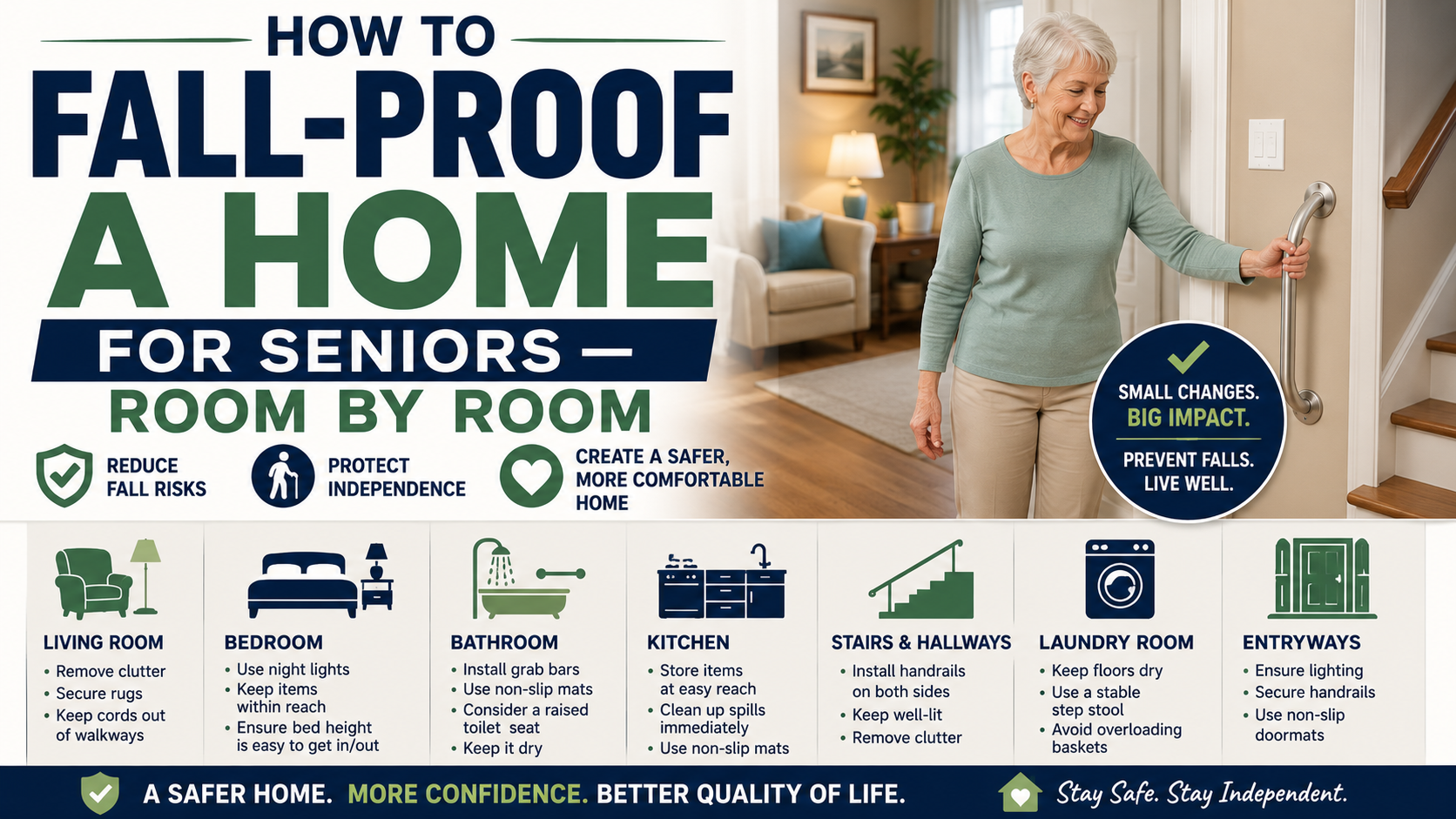
You should also review fall prevention for seniors because fear of falling often starts after a previous incident.
Showering May Have Become Physically Difficult
Something many younger adults forget is how much physical effort bathing requires.
Showering involves:
- Standing
- Reaching
- Turning
- Bending
- Stepping over obstacles
- Maintaining balance
Arthritis, back pain, weakness, or mobility limitations can turn a simple shower into a difficult task.
A parent who says they “just don’t feel like showering” may actually be struggling physically.
They May Be Hiding Health Problems
One pattern I’ve noticed repeatedly is that hygiene changes often appear alongside other hidden health concerns.
A senior who stops bathing may also be:
- Losing weight
- Missing medications
- Skipping appointments
- Experiencing memory problems
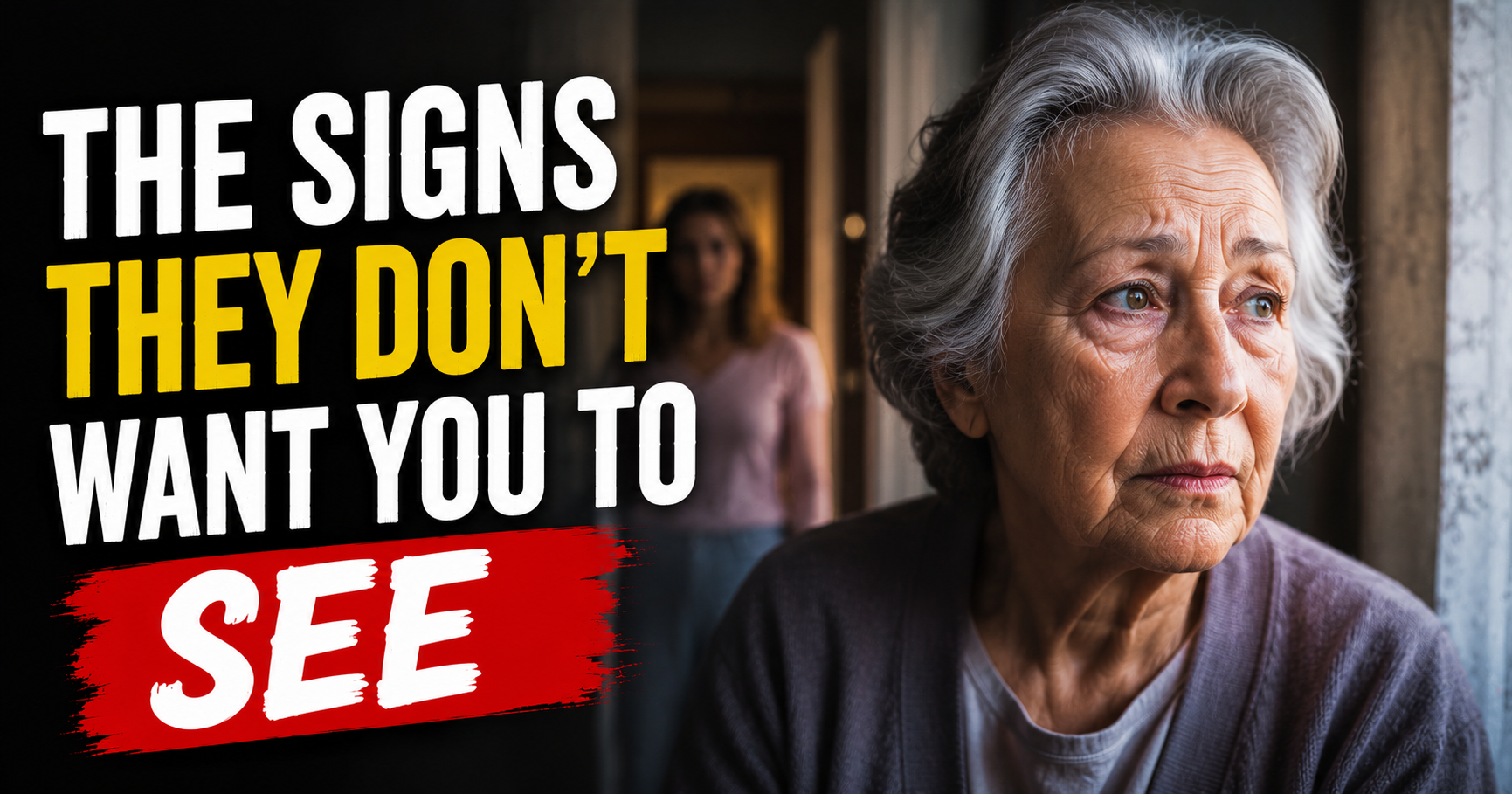
That’s why I recommend reading signs your elderly parent is hiding health problems from you.
Sometimes poor hygiene is simply the visible symptom of a larger issue happening behind the scenes.
Depression Can Change Everything
Depression looks different in older adults.
Many seniors don’t describe themselves as depressed.
Instead they may:
- Lose motivation
- Withdraw socially
- Stop participating in hobbies
- Neglect self-care
Families often assume the person is becoming lazy.
In reality, depression may be reducing their ability to care about daily routines.
Memory Problems Can Affect Bathing
Many people automatically think of memory loss as forgetting names or appointments.
However, cognitive decline can also affect hygiene.
A senior may:
- Forget when they last showered
- Believe they already bathed
- Become confused about bathing routines
- Resist unfamiliar situations
This is particularly common with dementia.

Families dealing with memory concerns should review home safety tips for seniors with dementia and wandering prevention tips for seniors with dementia.
Embarrassment Prevents Many Seniors From Asking For Help
This is something I wish more families understood.
Many older adults know they’re struggling.
They simply don’t want to admit it.
Imagine spending 70 or 80 years taking care of yourself.
Now imagine having difficulty washing your hair or getting into the bathtub.
That can be incredibly embarrassing.
Rather than asking for help, many seniors avoid bathing altogether.
The Bathroom May No Longer Feel Safe
Bathrooms create unique challenges.
Hard surfaces.
Water.
Limited space.
Poor lighting.
Many seniors quietly develop anxiety about being alone in the bathroom.
If that’s the case, improving bathroom safety may help tremendously.
I suggest reviewing:
- how to make a bathroom safer for seniors
- bathroom grab bar placement for seniors
- safe shower setup for elderly adults
Sometimes a few simple modifications restore confidence.


What Families Should NOT Do
This is important.
Don’t shame them.
Don’t lecture them.
Don’t embarrass them.
Avoid statements like:
- You smell.
- You need a shower.
- Why won’t you bathe?
- This is ridiculous.
Those comments often increase resistance.
Instead, approach the conversation with curiosity and compassion.
Start By Asking Questions
I’ve found that simple questions often reveal valuable information.
Try asking:
- Is the shower becoming difficult?
- Are you worried about falling?
- Does anything hurt when you shower?
- Is the bathroom comfortable for you?
You may discover concerns your parent has been hiding for months.


Watch For Other Warning Signs
Rarely is bathing the only issue.
Often it appears alongside other signs that a parent needs additional support.
Examples include:
- Unopened mail
- Missed medications
- Frequent falls
- Weight loss
- Memory issues
- Driving concerns
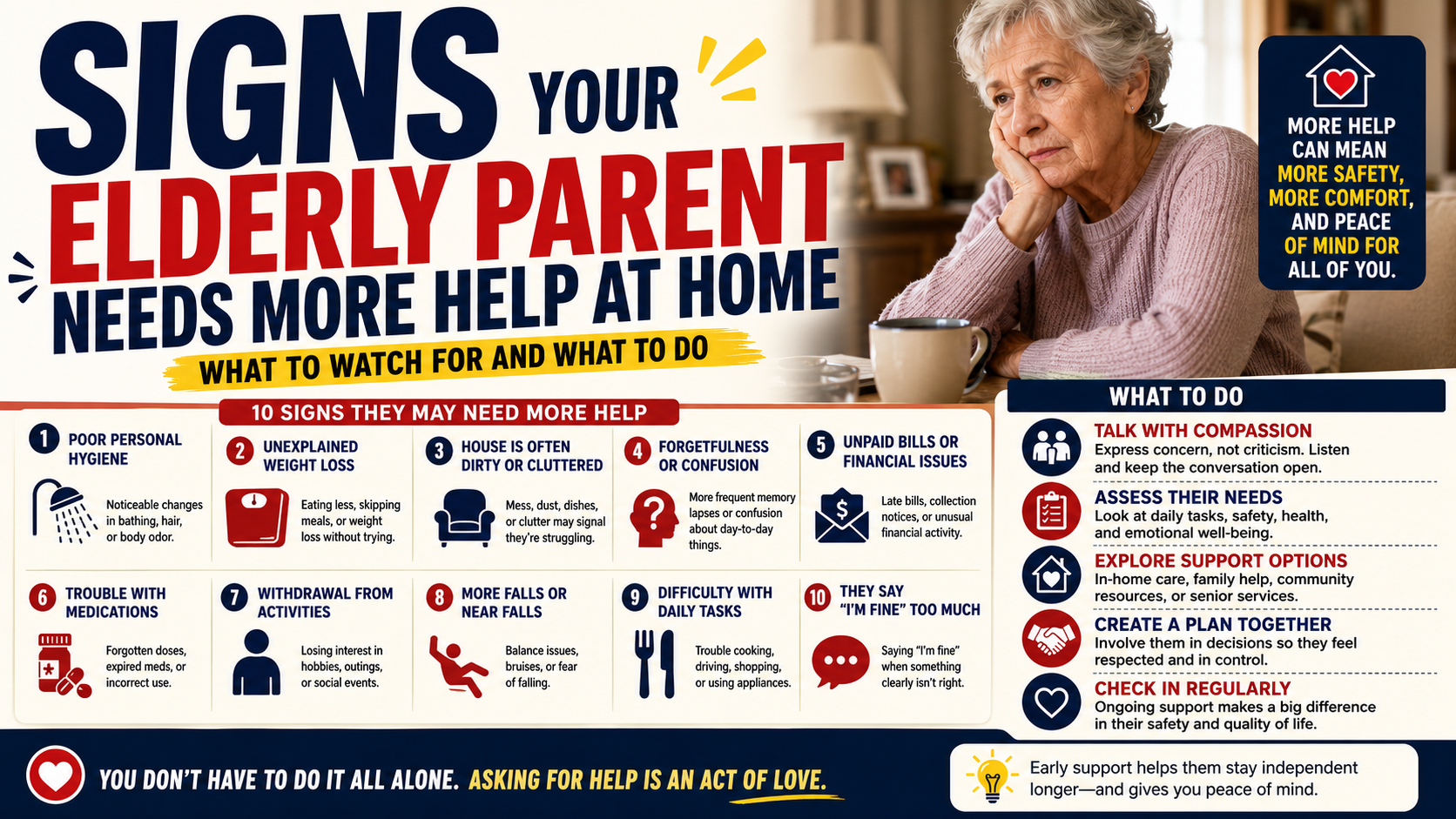
If you’re noticing multiple changes, read signs your elderly parent needs more help at home.
The bigger picture matters.
When Refusing To Bathe Becomes A Safety Issue
At some point, hygiene concerns become more than a personal preference.
Poor hygiene can contribute to:
- Skin infections
- Rashes
- Pressure sores
- Social isolation
- Reduced quality of life
This is especially concerning for seniors who live alone.
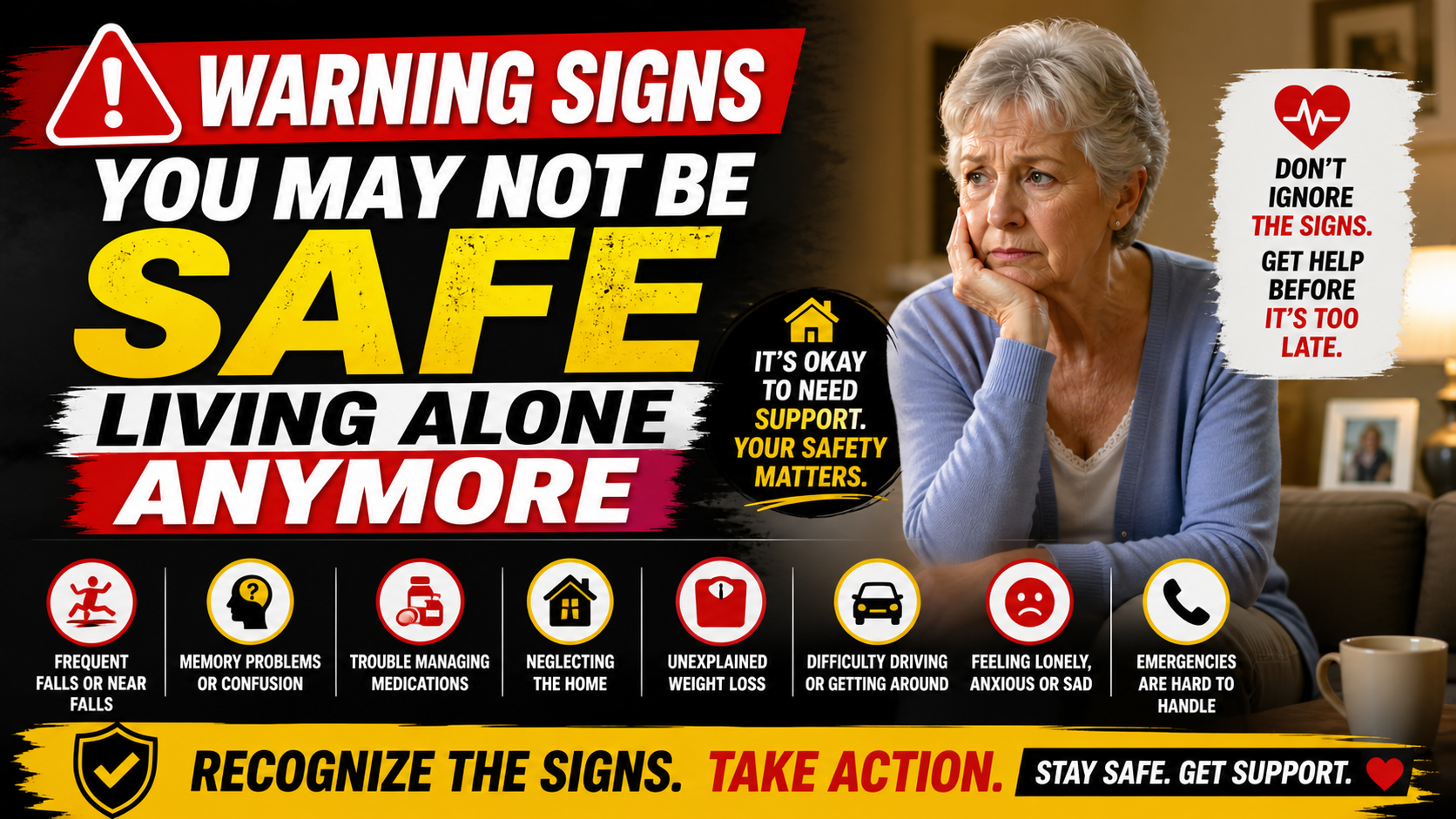
Families may also want to review warning signs you may not be safe living alone anymore if several warning signs are appearing at the same time.
What If Your Parent Refuses Every Suggestion?
Unfortunately, this happens often.
Many seniors resist help because they fear losing independence.
I’ve seen families get trapped in endless arguments that accomplish nothing.
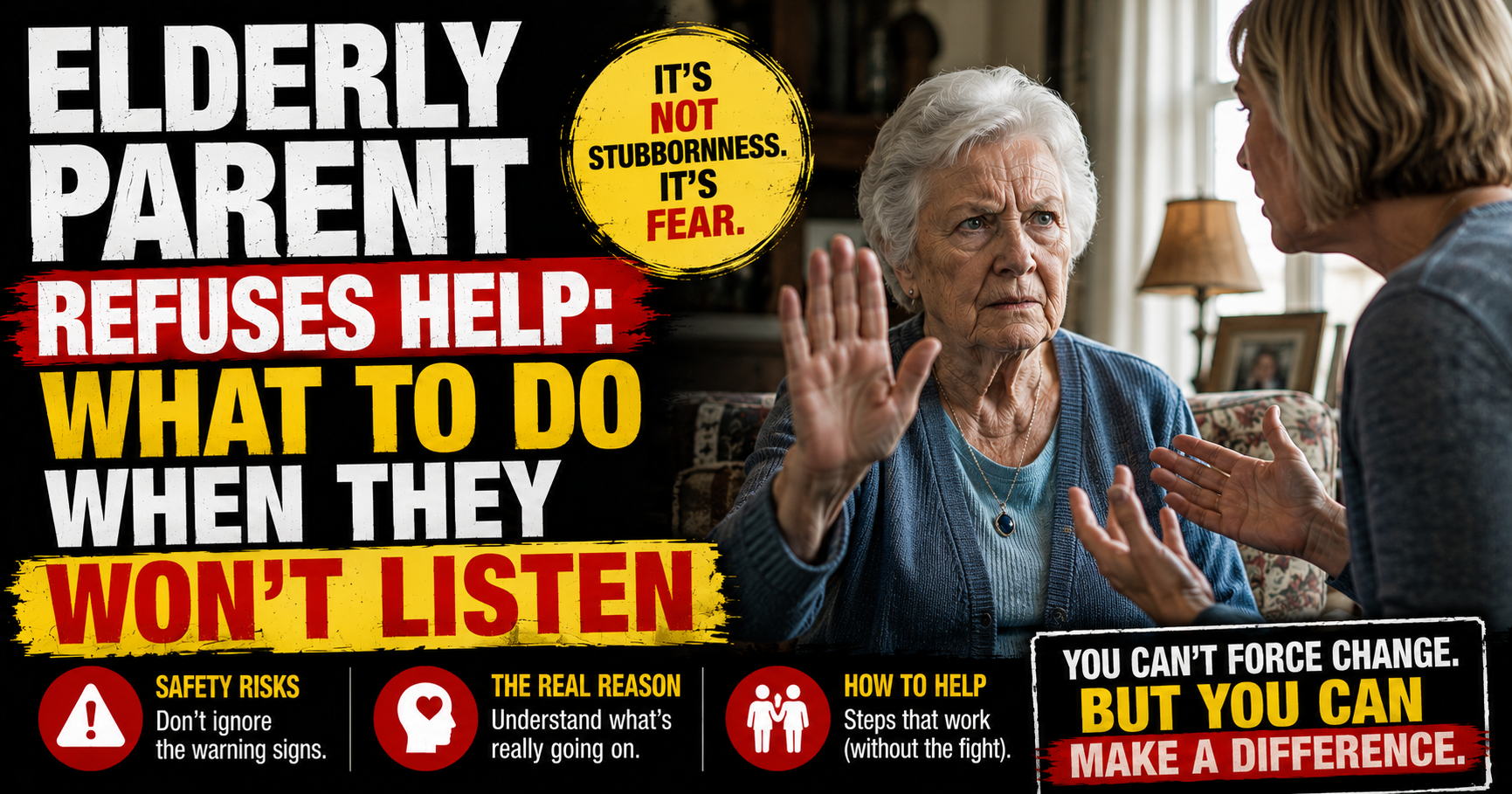
If your parent consistently refuses assistance, read elderly parent refuses help.
Understanding the reasons behind the resistance often changes the entire conversation.
When It May Be Time For Additional Support
Sometimes the issue isn’t bathing.
Bathing is simply the first visible sign that your parent is struggling.
If you’re seeing:
- Hygiene changes
- Falls
- Memory concerns
- Weight loss
- Missed medications
- Isolation
it may be time to consider additional support services.
That doesn’t automatically mean assisted living.
Many seniors can continue living independently with the right help and safety modifications.
The Real Problem Usually Isn’t The Shower
I’ve learned that families often focus on the wrong thing.
The shower isn’t usually the problem.
The shower is the clue.
It may be pointing toward:
- Fear
- Mobility limitations
- Cognitive decline
- Depression
- Hidden health problems
- Loss of confidence
When families focus on understanding the reason behind the behavior instead of forcing compliance, they usually make far more progress.
About the Author
Michael Carter is a senior safety researcher and writer for Elder Safety Guide. He specializes in aging in place, fall prevention, caregiver education, dementia safety, and helping families recognize early warning signs before they become emergencies. His goal is to provide practical, easy-to-understand advice that helps older adults stay safe while maintaining as much independence as possible.