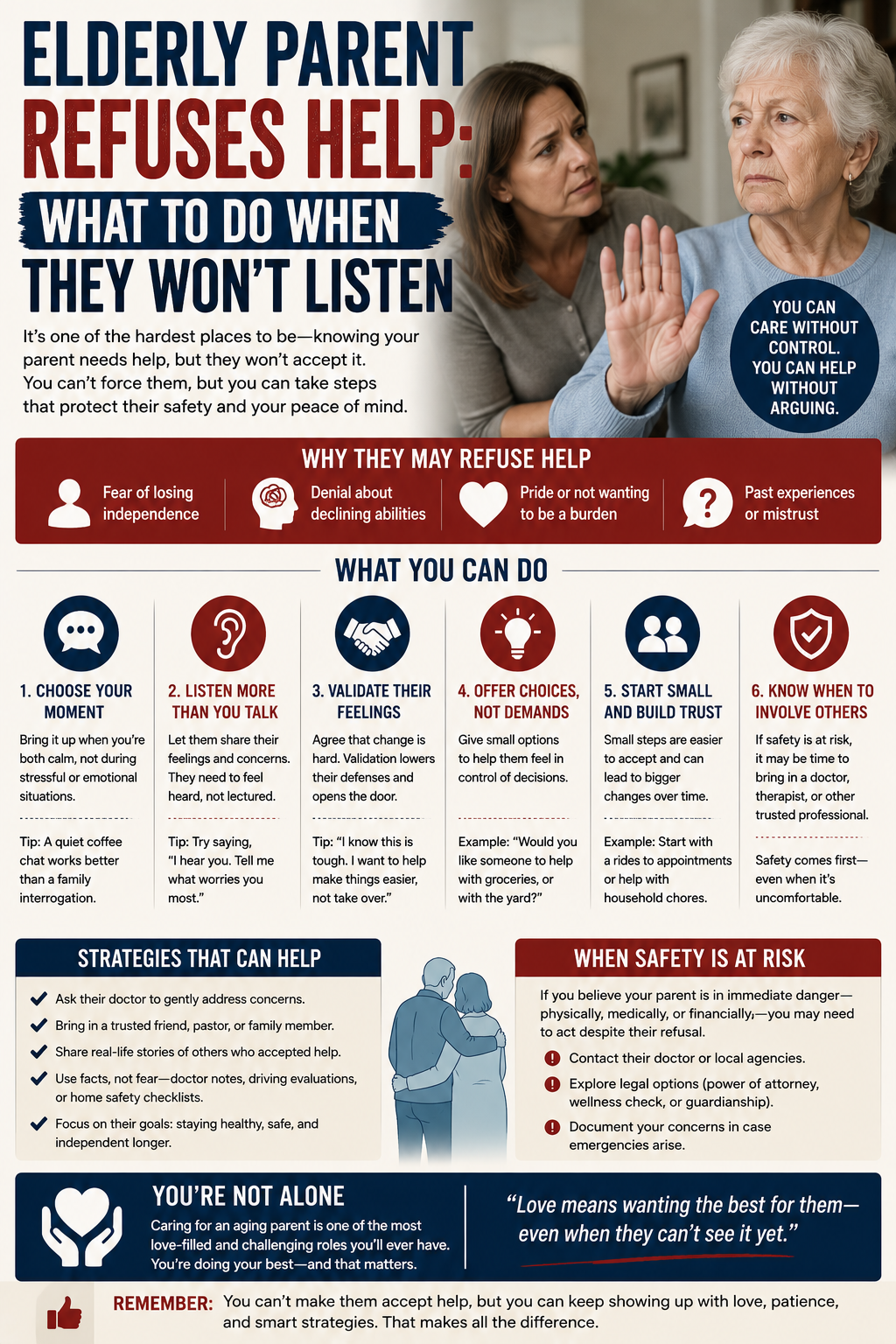
If you’re reading this, there’s a good chance you’re frustrated.
Maybe you’ve watched your mom struggle to get up from a chair but she insists she’s fine.
Maybe your dad has fallen twice this year but refuses to use a walker.
Maybe you’ve suggested hiring help, installing grab bars, or getting a medical alert system, only to hear the same response every time:
“I’m fine.”
Few situations create more stress for families than trying to help an aging parent who refuses help.
I’ve talked with many people facing this exact problem, and one thing becomes clear very quickly.
Most elderly parents are not refusing help because they’re stubborn.
They’re refusing help because they’re scared.
They’re scared of losing independence.
They’re scared of losing control.
They’re scared that accepting help today means giving up their freedom tomorrow.
Understanding that fear is often the first step toward making progress.
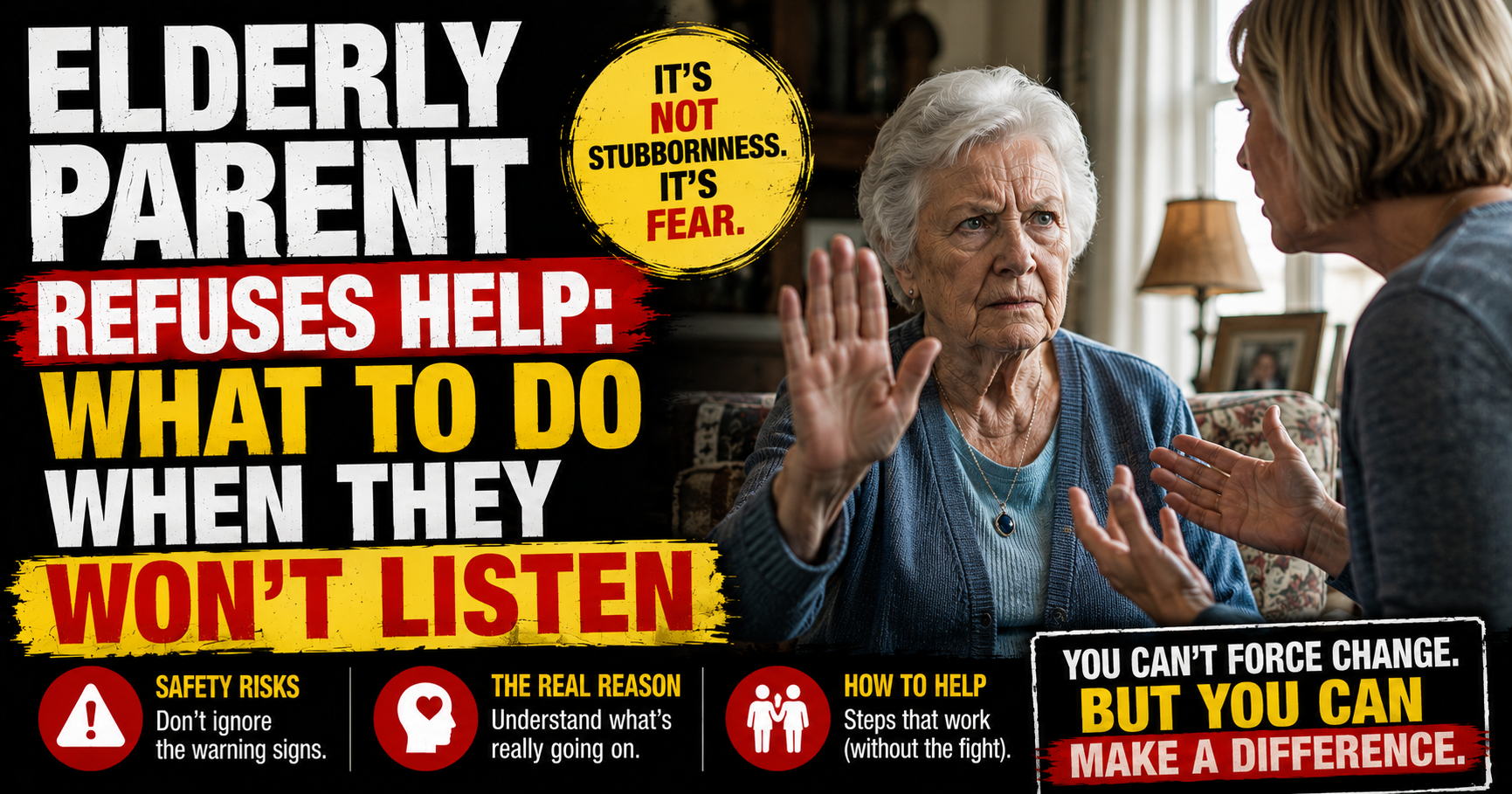
Why Elderly Parents Refuse Help
Many adult children assume their parent simply doesn’t understand the situation.
Sometimes that’s true.
More often, however, the parent understands exactly what’s happening.
They just see it differently.
When a son notices his mother struggling with stairs, he sees danger.
When the mother looks at those same stairs, she sees the home she has lived in for 30 years.
When a daughter notices her father forgetting appointments, she sees memory problems.
When the father looks at the situation, he sees a few harmless mistakes.
This difference in perspective creates conflict.


Independence Means More Than Most Families Realize
One of the biggest mistakes families make is focusing entirely on safety.
Safety matters.
But independence matters too.
To many seniors, accepting help feels like admitting defeat.
I’ve seen older adults resist things that would clearly make life easier because they believe accepting help means becoming dependent on others.
That is why conversations about safety often fail.
The senior hears:
“You need help.”
What they actually feel is:
“You can’t take care of yourself anymore.”
Those are very different messages.

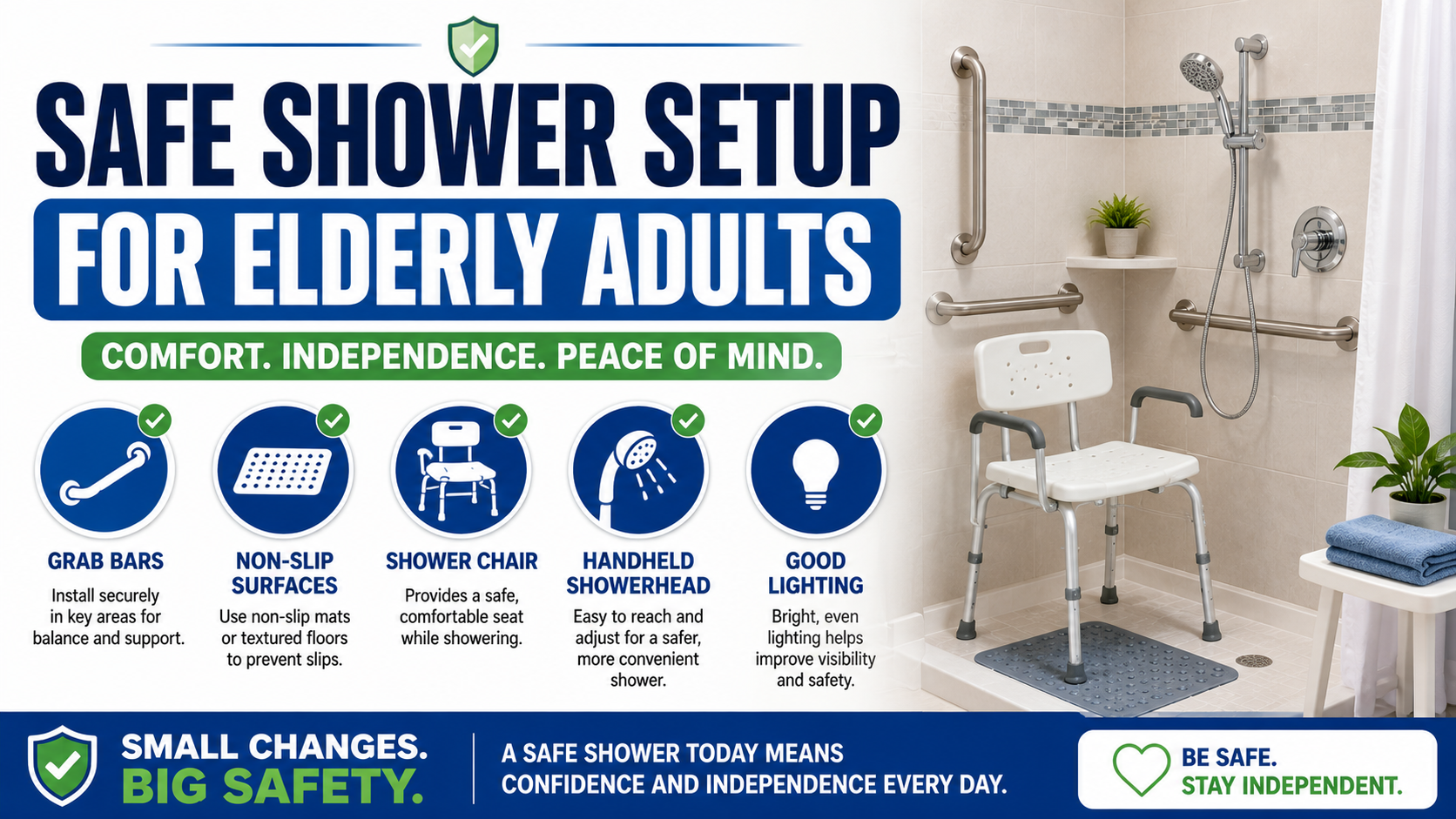
Start With Small Changes Instead of Big Changes
One mistake I see repeatedly is trying to solve every problem at once.
Families often push for:
- Home care
- Driving restrictions
- Medical alert systems
- Moving
- Mobility aids
all during the same conversation.
That rarely works.
Instead, focus on one small improvement.
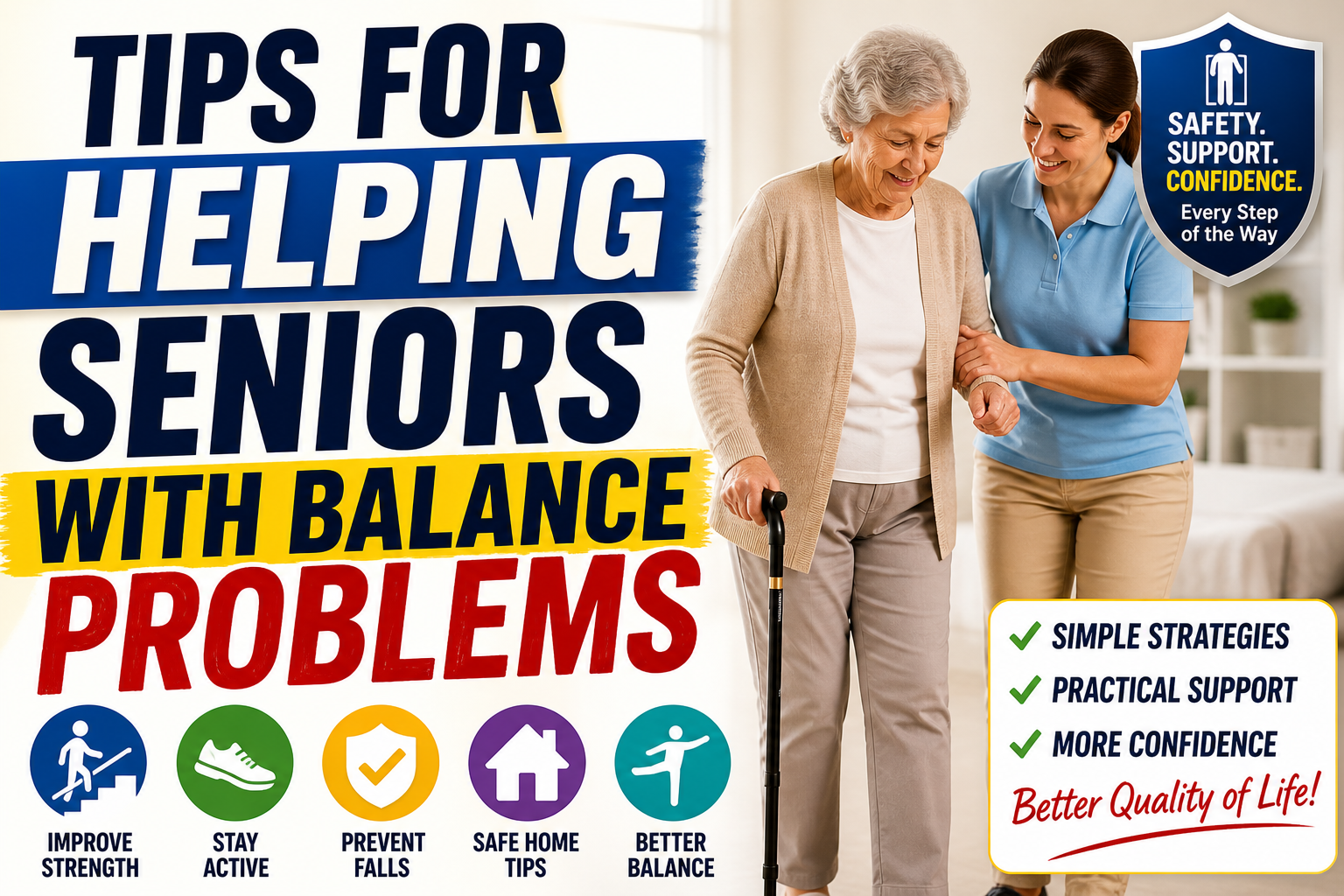
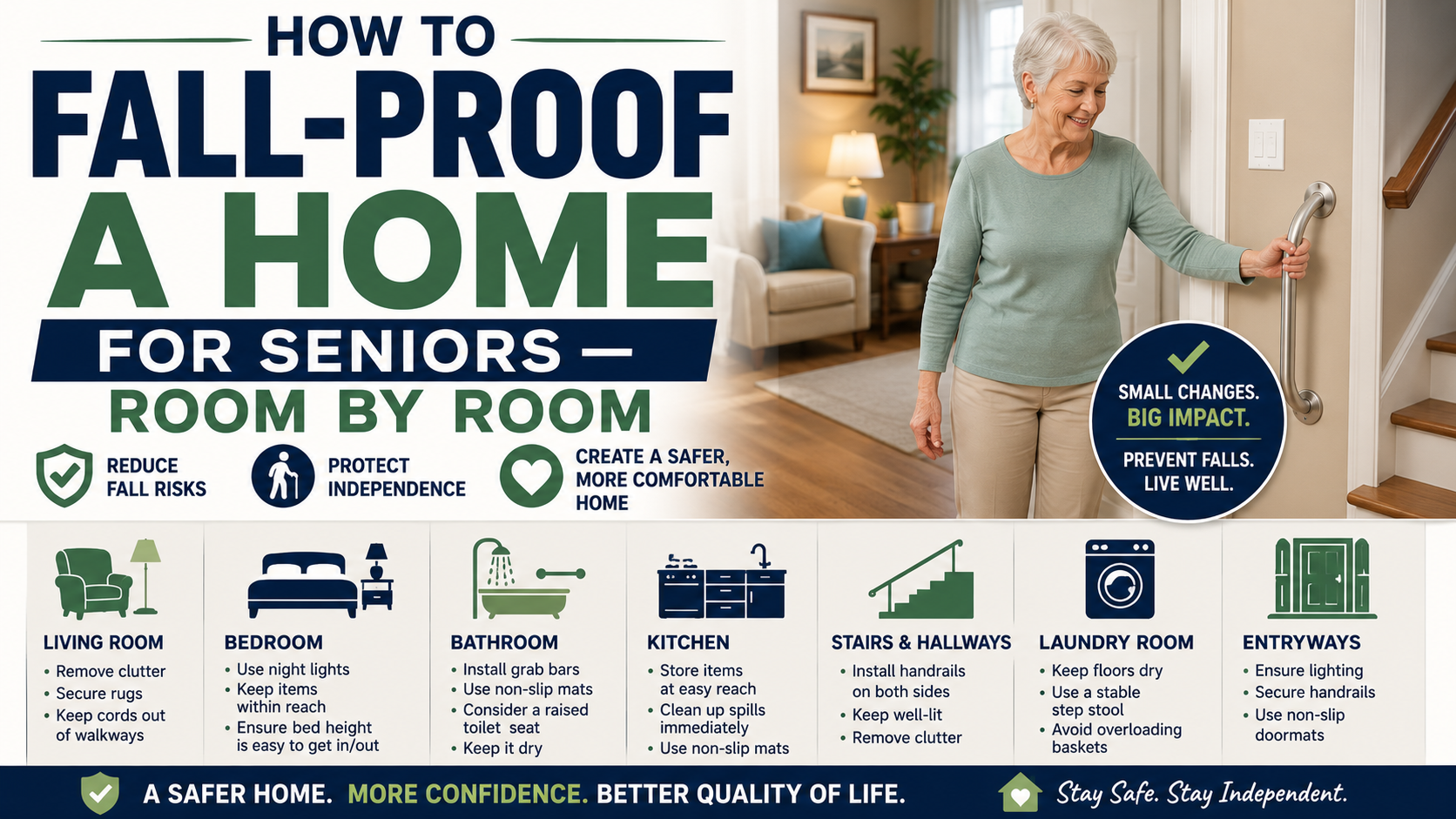
For example, if falls are becoming a concern, start by discussing simple safety improvements.
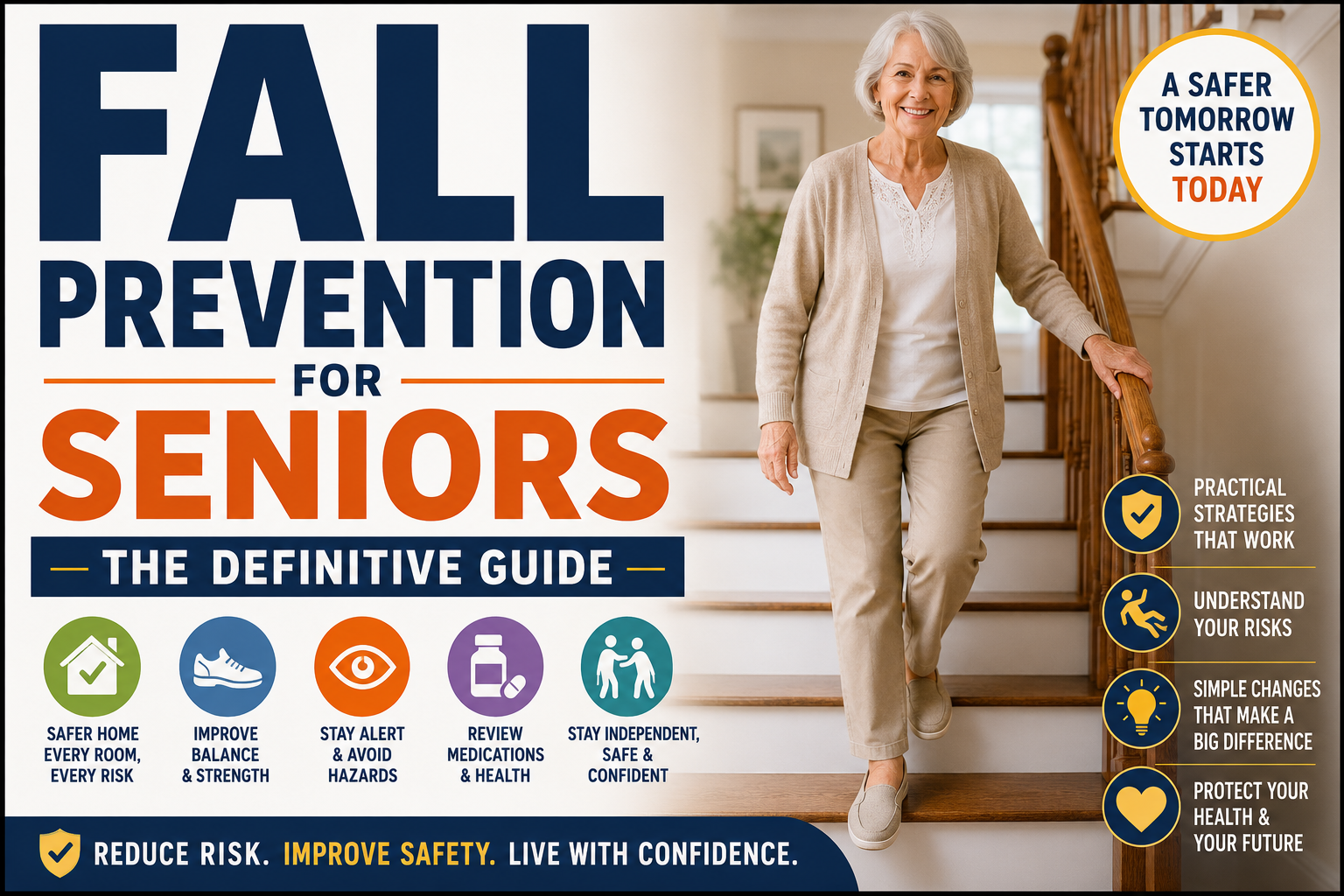
Our guide on fall prevention for seniors covers practical steps that often feel less threatening than major lifestyle changes.
Small wins build trust.
Trust makes bigger conversations easier later.
Focus on Their Goals, Not Yours
This is one of the most effective strategies I’ve seen.
Instead of asking:
“Will you accept help?”
Ask:
“What is most important to you?”
Many seniors answer:
- Staying at home
- Keeping independence
- Avoiding a nursing home
- Seeing grandchildren
- Staying active
Once you know their goal, you can frame help as a tool to achieve that goal.
For example:
“If staying in your home is important, let’s look at ways to make that safer.”
That’s very different from:
“You need help.”
When Falls Become a Warning Sign
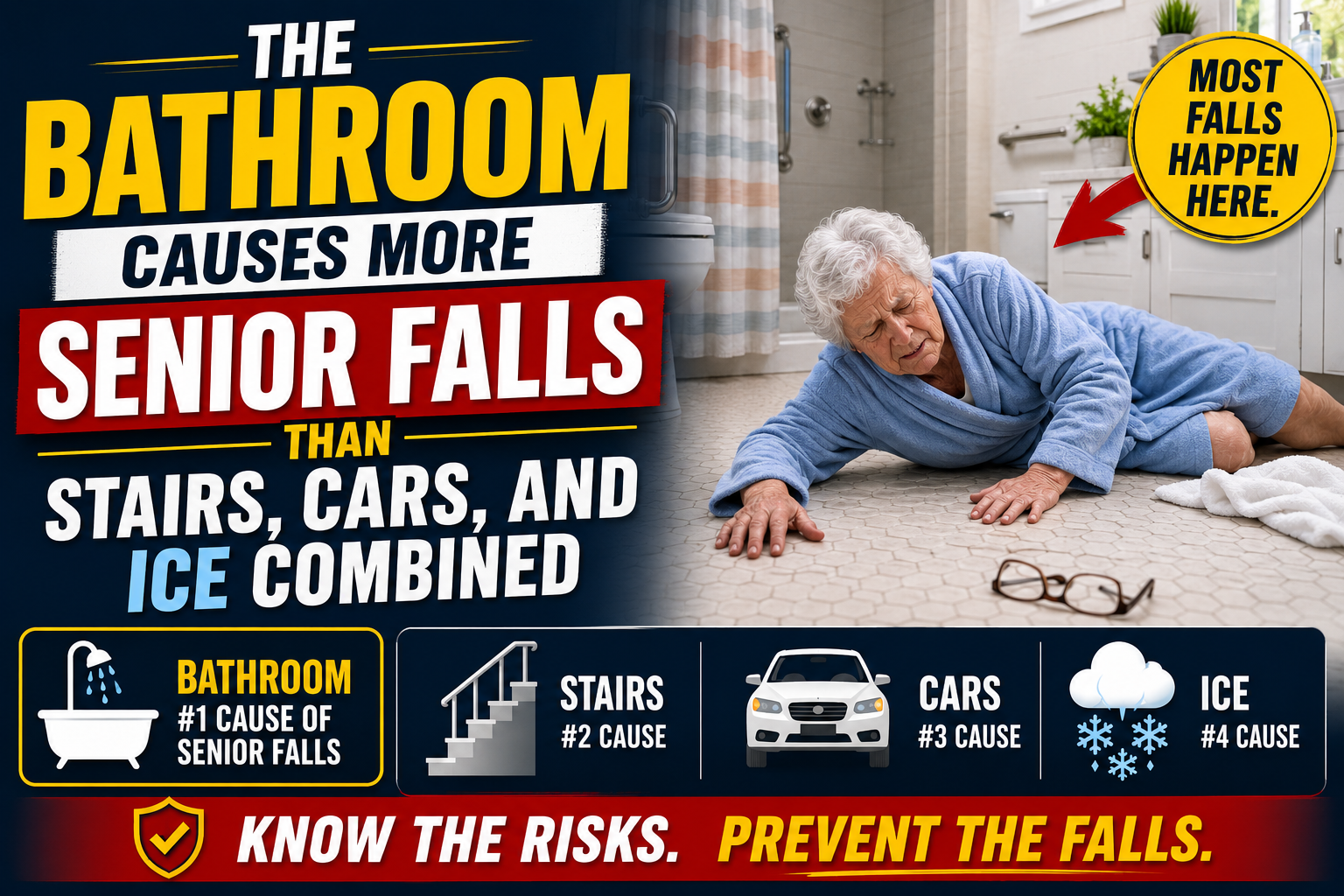
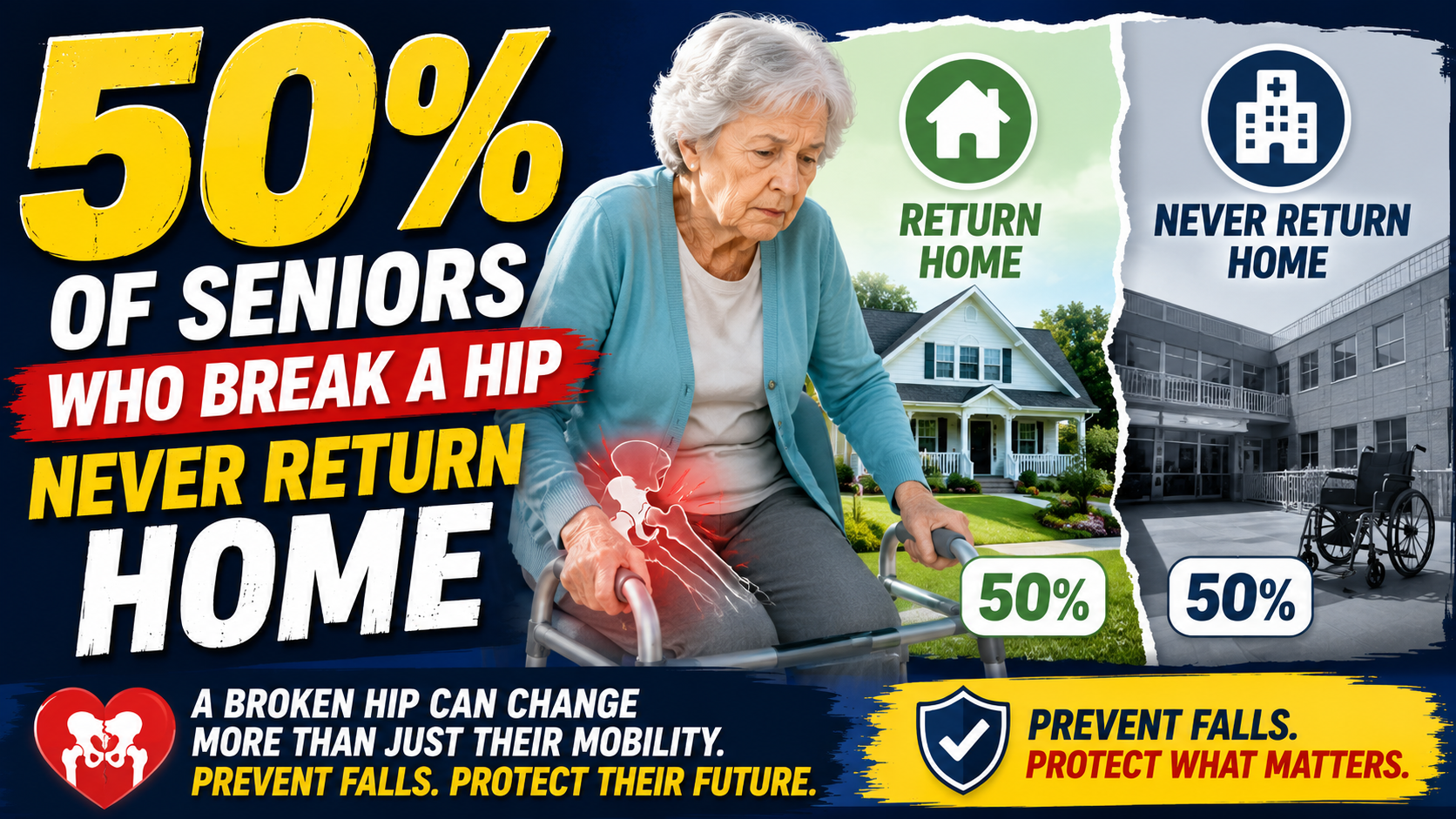
Falls often become the event that forces families to act.
The problem is many seniors treat falls as isolated accidents.
In reality, recurring falls frequently signal larger issues.
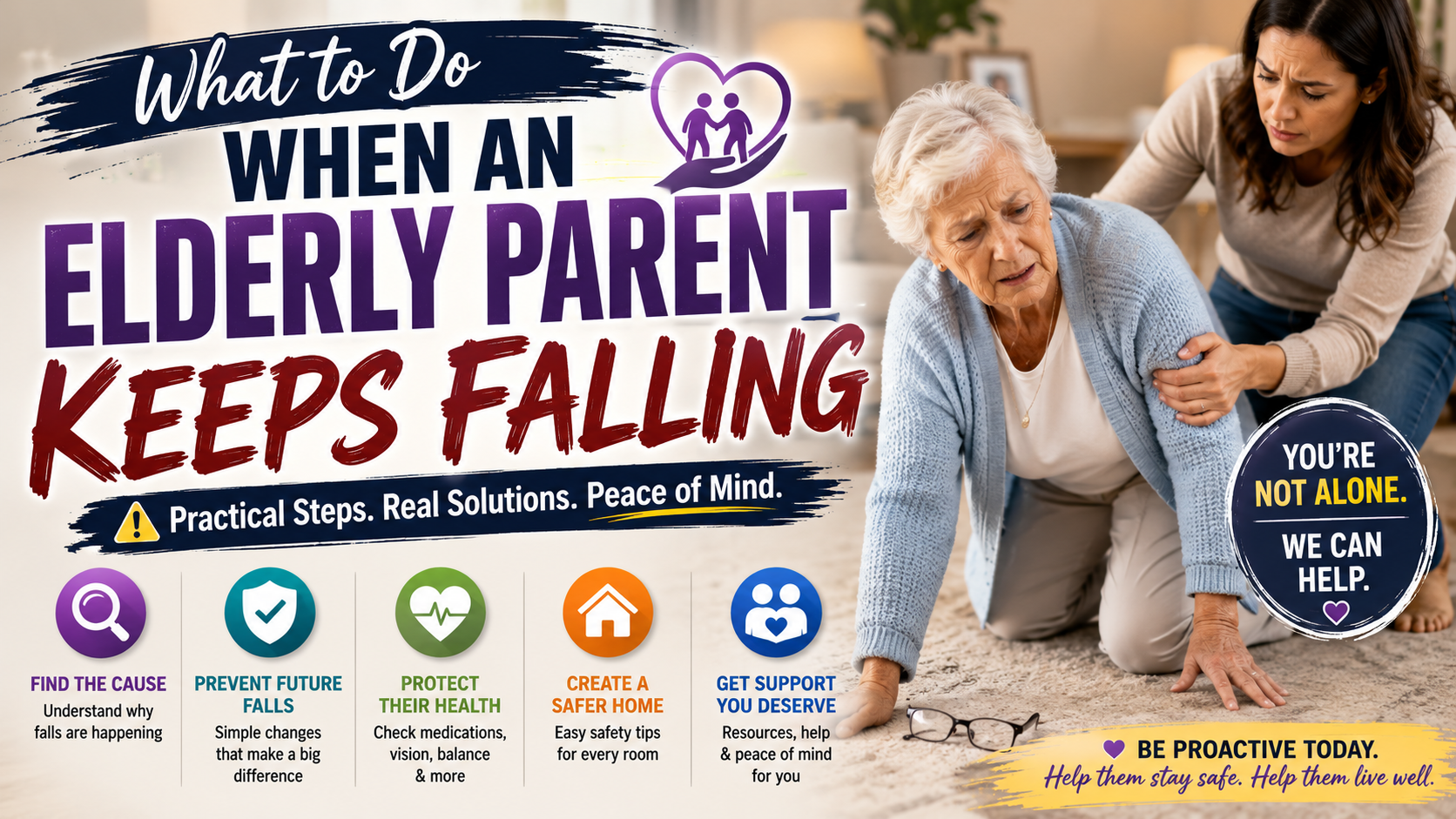
If your parent has fallen more than once, read what to do when an elderly parent keeps falling.
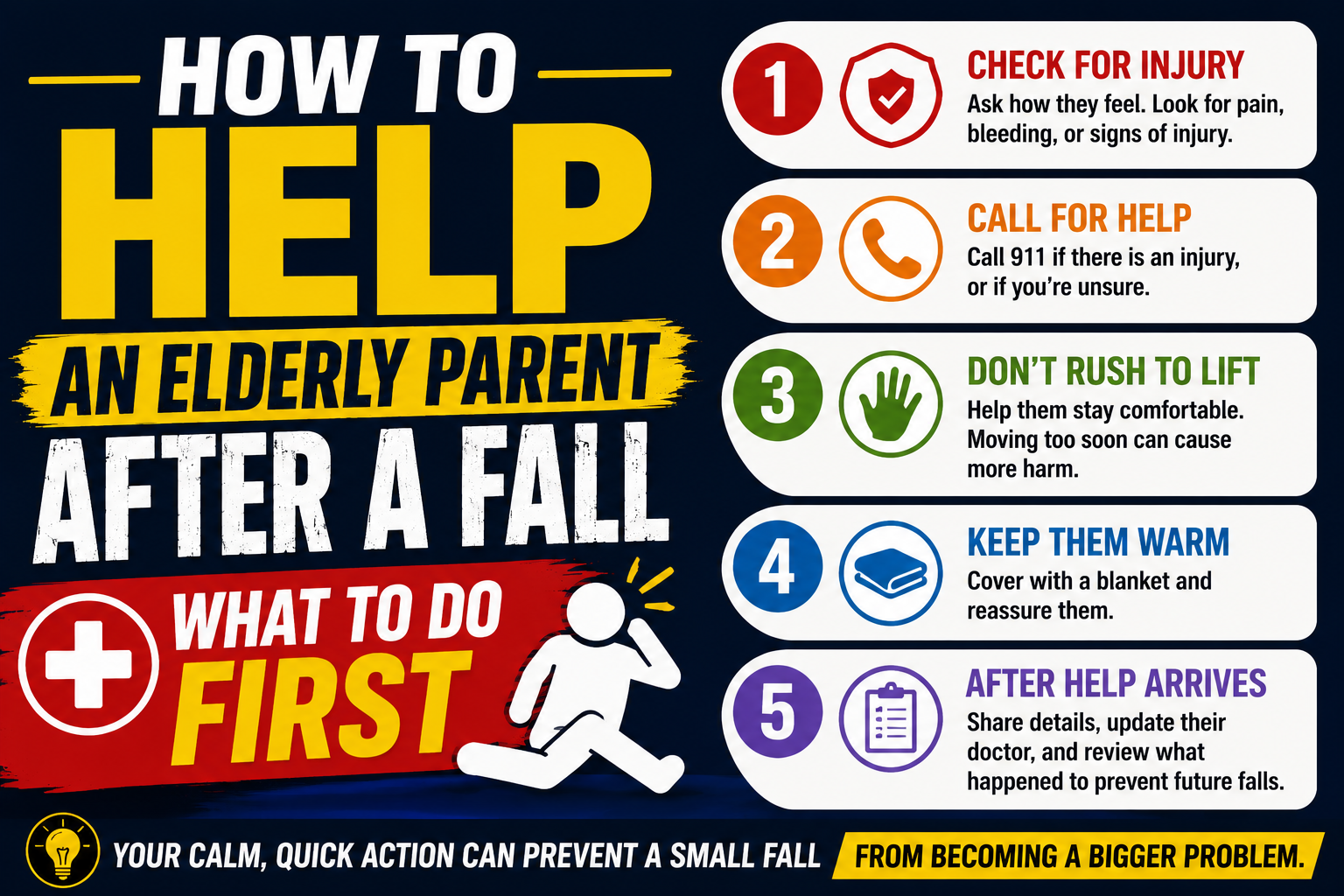
You may also find value in our guide on how to help an elderly parent after a fall.
Both articles can help you understand why repeated falls should never be ignored.
Pick the Right Messenger
Sometimes you are not the right person to deliver the message.
That can be hard to accept.
Parents who ignore their children may listen to:
- Their doctor
- A close friend
- A sibling
- A pastor
- Another trusted family member
The goal is not winning the argument.
The goal is improving safety.

When They Refuse a Medical Alert System
This is incredibly common.
Many seniors assume medical alert devices are only for people who are frail or incapable.
That belief prevents many older adults from using tools that could genuinely help.
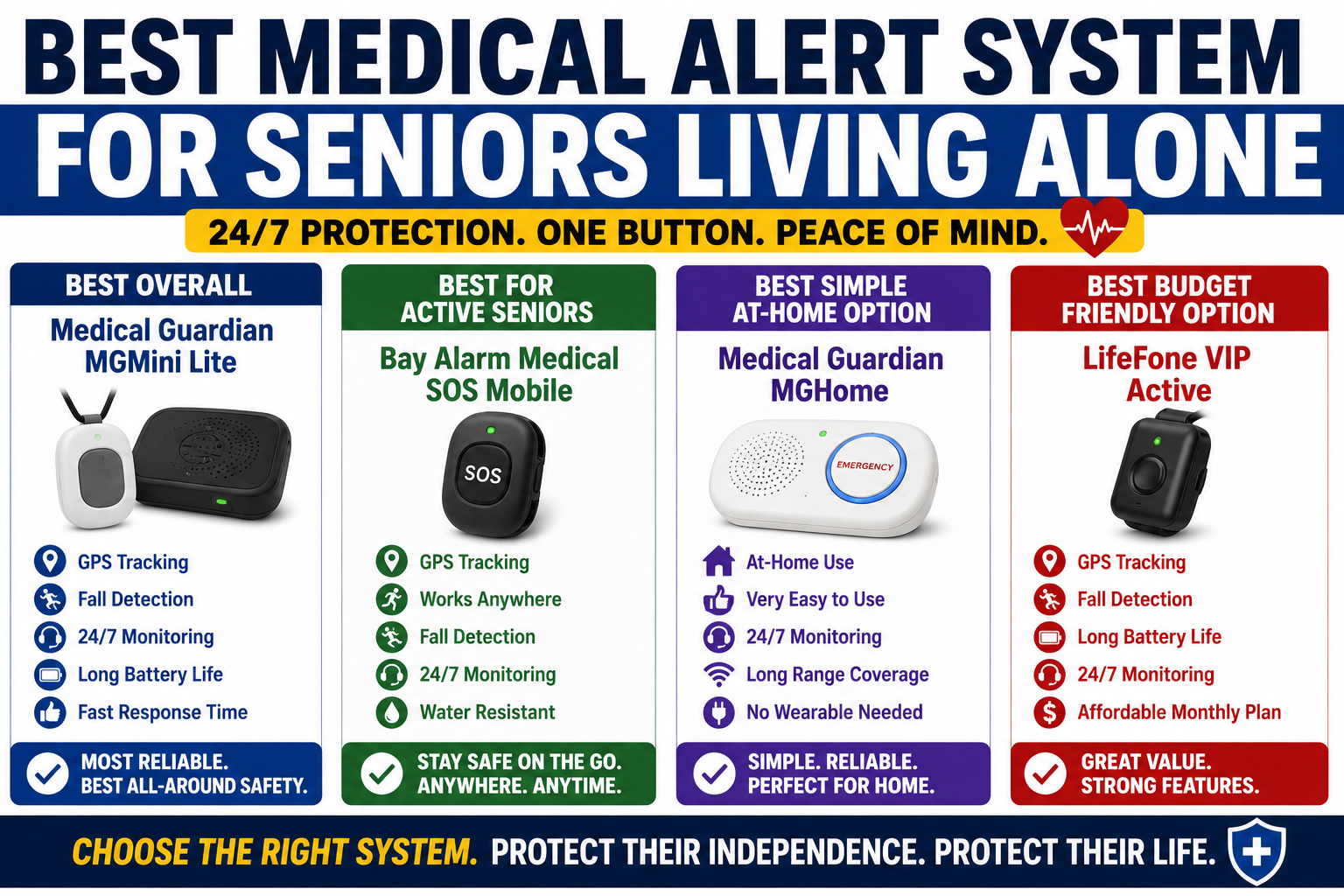
If your parent resists the idea, start by learning about the best medical alert system for seniors living alone.
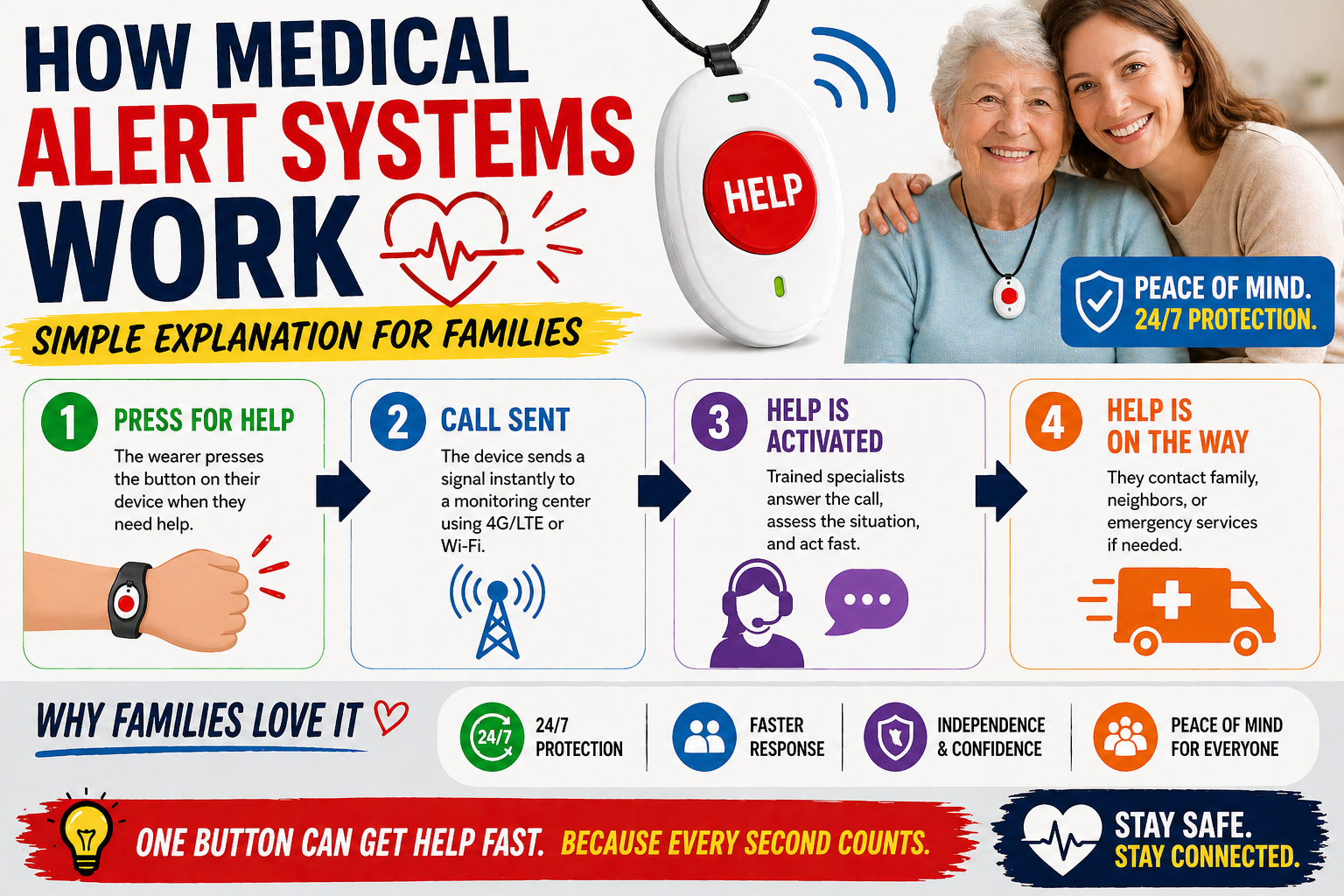
You can also review how medical alert systems work for seniors and learn the warning signs discussed in do you need a medical alert system.
Many families discover the conversation becomes easier once everyone understands the technology.
Learn to Recognize the Difference Between Preference and Danger
Not every disagreement requires intervention.
Some choices are simply preferences.
Others create genuine safety risks.
For example:
Wanting to wear an old sweater is a preference.
Ignoring repeated falls is a safety concern.
Wanting to keep old furniture is a preference.
Refusing necessary mobility equipment may become a safety concern.
Understanding the difference helps families avoid unnecessary conflict.
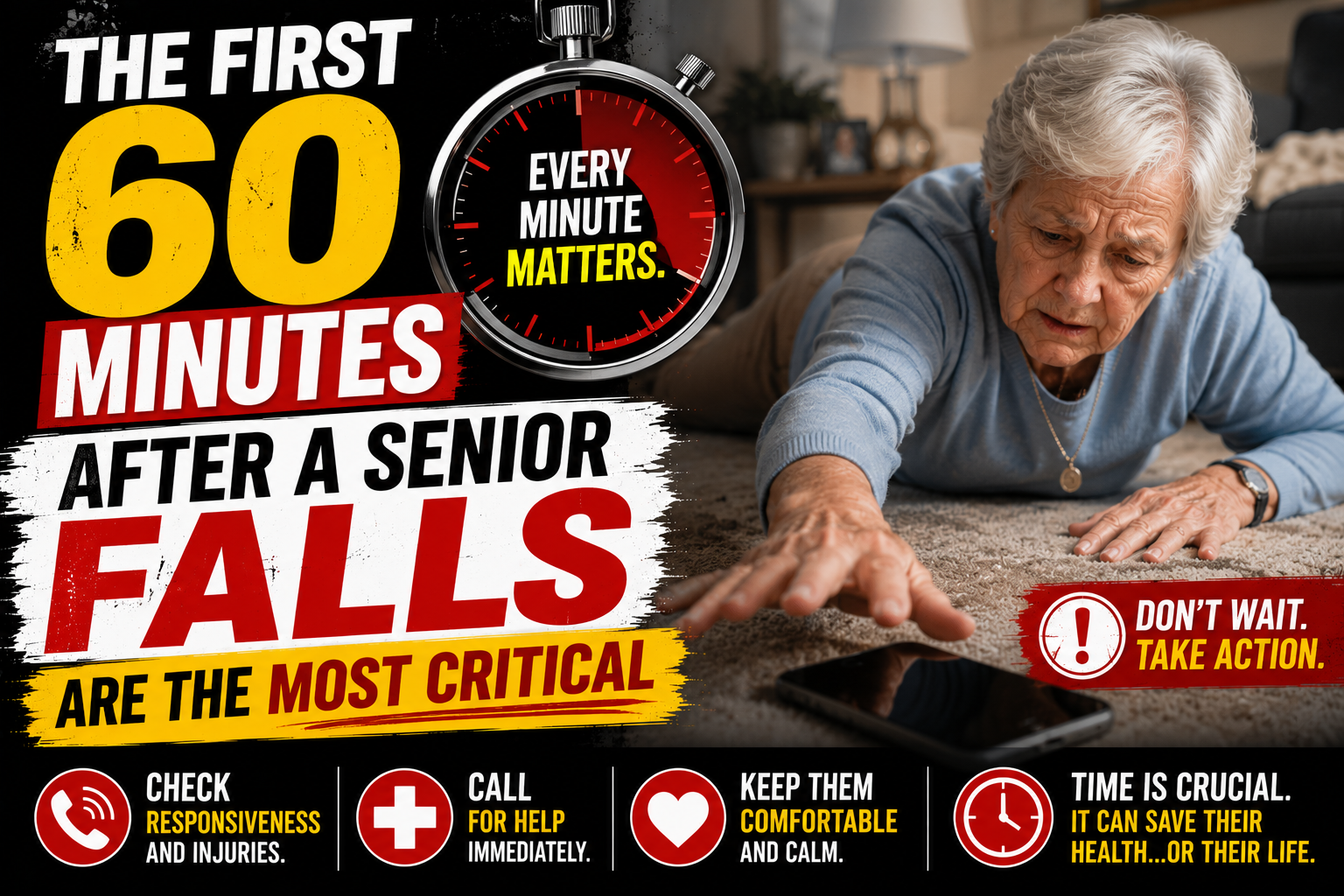
Signs the Situation Is Becoming Serious
Certain warning signs deserve immediate attention.
These include:
- Multiple falls
- Getting lost while driving
- Missed medications
- Wandering
- Significant memory decline
- Poor hygiene
- Unopened mail piling up
- Spoiled food in the refrigerator
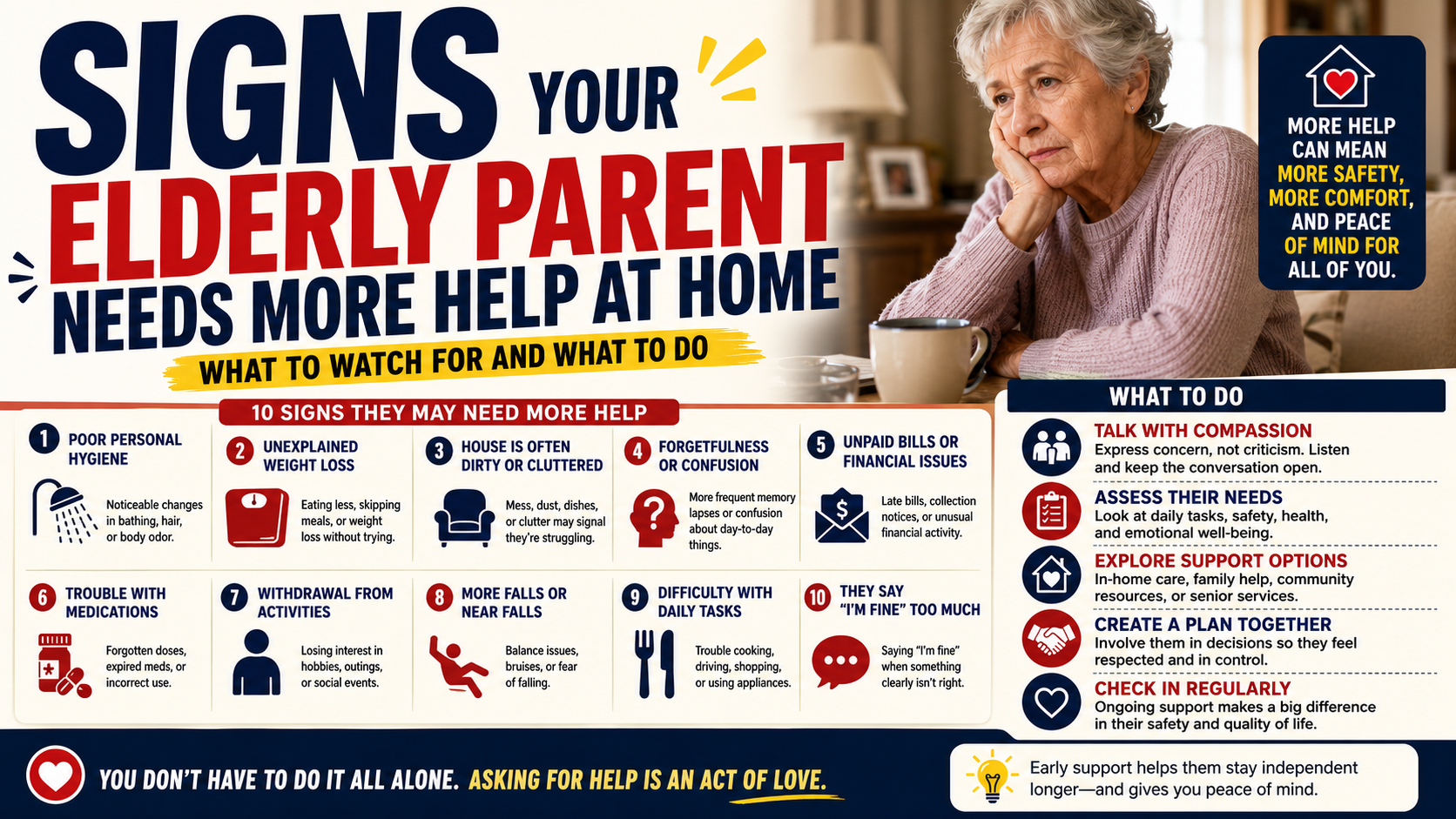
Families noticing these issues should review warning signs your elderly parent needs more help at home.
That article covers many of the concerns families overlook.
Living Alone Can Hide Problems
One challenge with aging is that many problems remain invisible.
A parent may sound perfectly normal on the phone while struggling significantly at home.
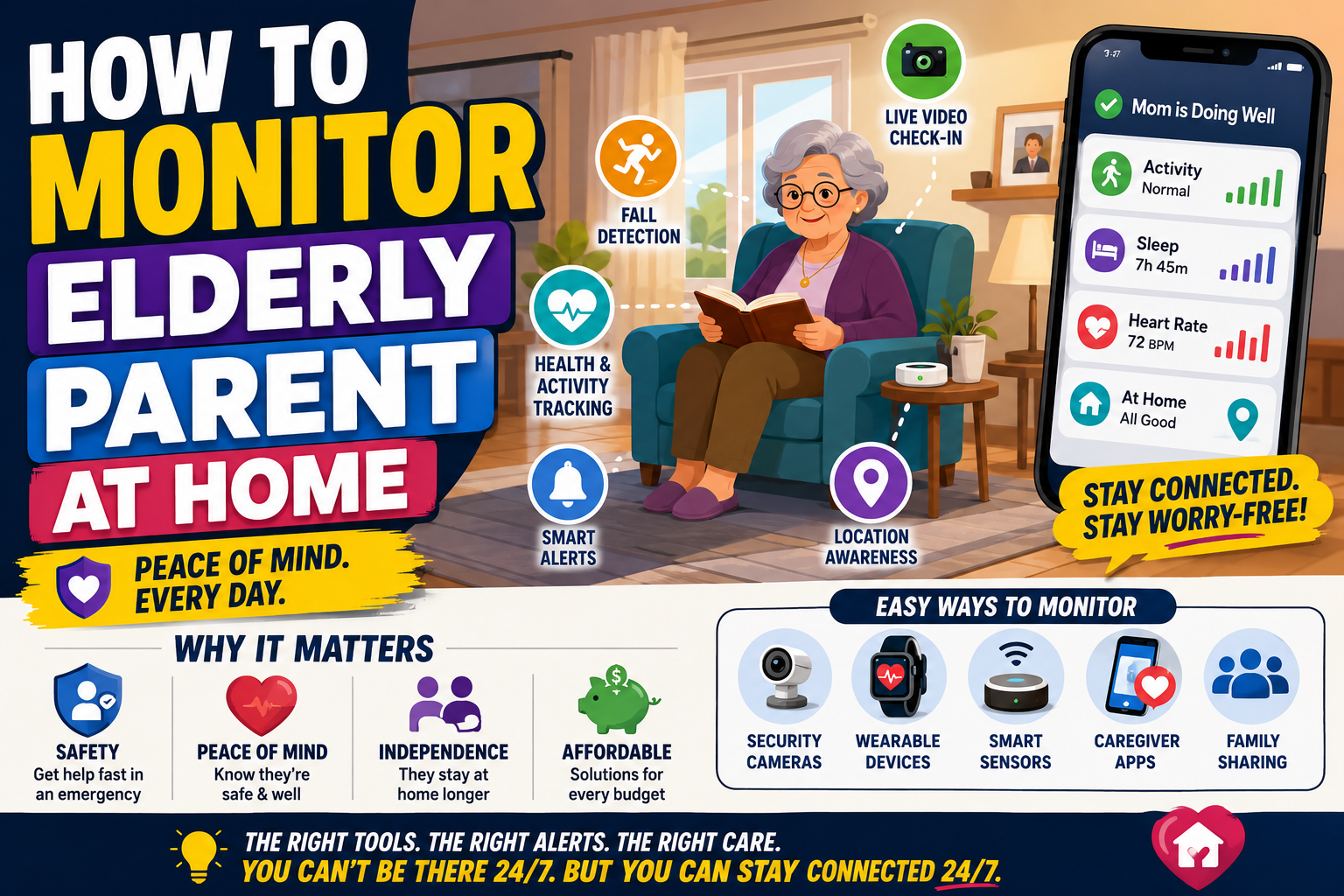
If distance is making it difficult to evaluate the situation, consider reading how to monitor an elderly parent at home.
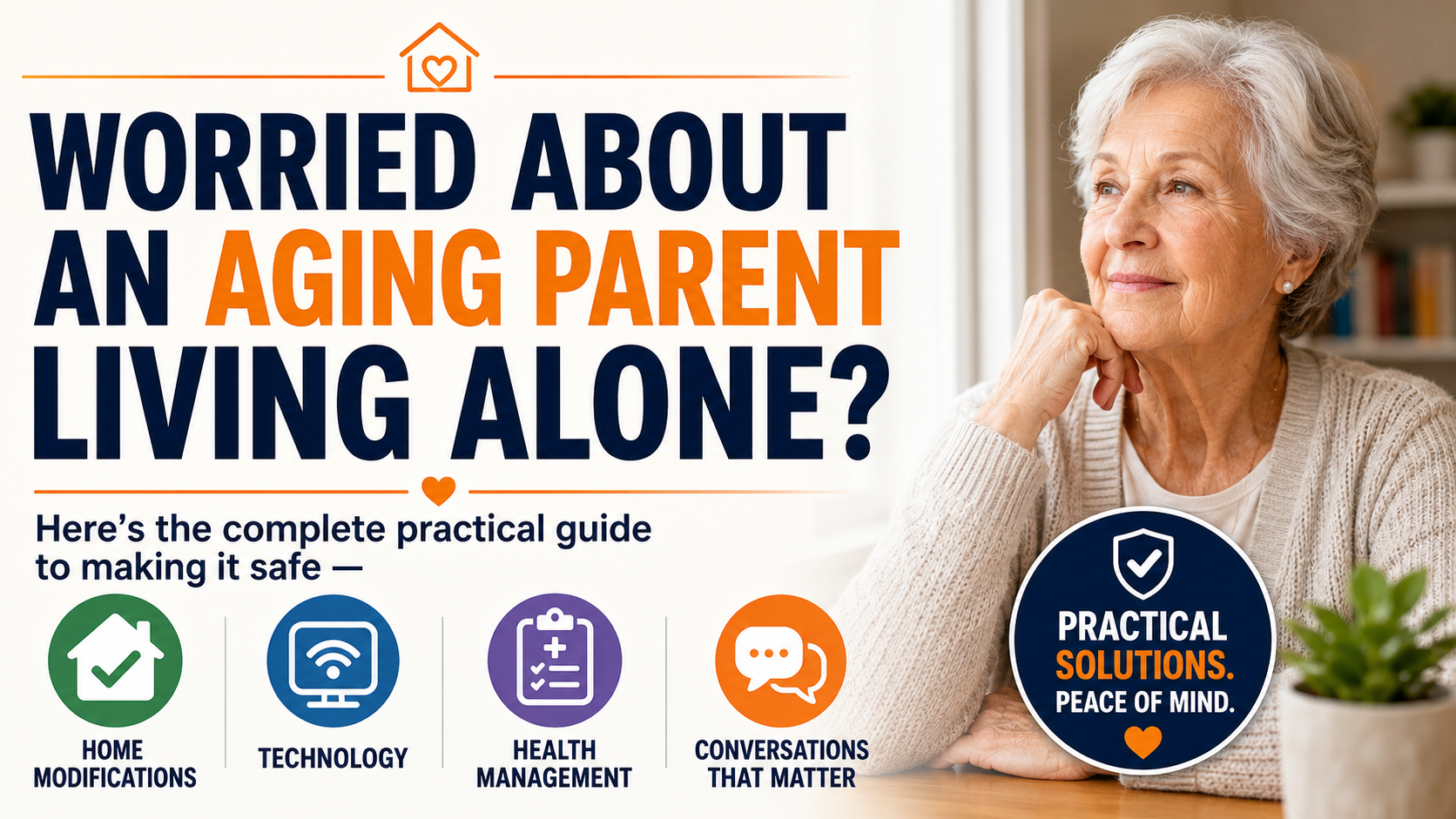
You may also find value in how to help an elderly parent live safely alone.
Both resources provide practical strategies for maintaining independence while reducing risk.
What If They Still Refuse Help?
Sometimes the answer remains no.
That can be frustrating.
You cannot force every decision.
What you can do is continue building trust, offering support, and looking for opportunities to improve safety.
Keep the conversation open.
Keep showing up.
Keep listening.
Many seniors who initially reject help eventually become more receptive after experiencing a health event, fall, hospitalization, or other life change.
The Goal Isn’t Control
This may be the most important lesson of all.
The goal is not controlling your parent.
The goal is helping them remain safe while preserving dignity and independence.
The families who achieve the best outcomes are usually the ones who stop fighting against their parent and start working alongside them.
That shift changes everything.
About the Author
Michael Carter is a senior safety researcher and writer for Elder Safety Guide. He focuses on aging in place, fall prevention, caregiver education, dementia safety, home accessibility, and helping families make informed decisions about senior independence. His goal is to provide practical, easy-to-understand advice that helps older adults stay safer while maintaining as much independence as possible.