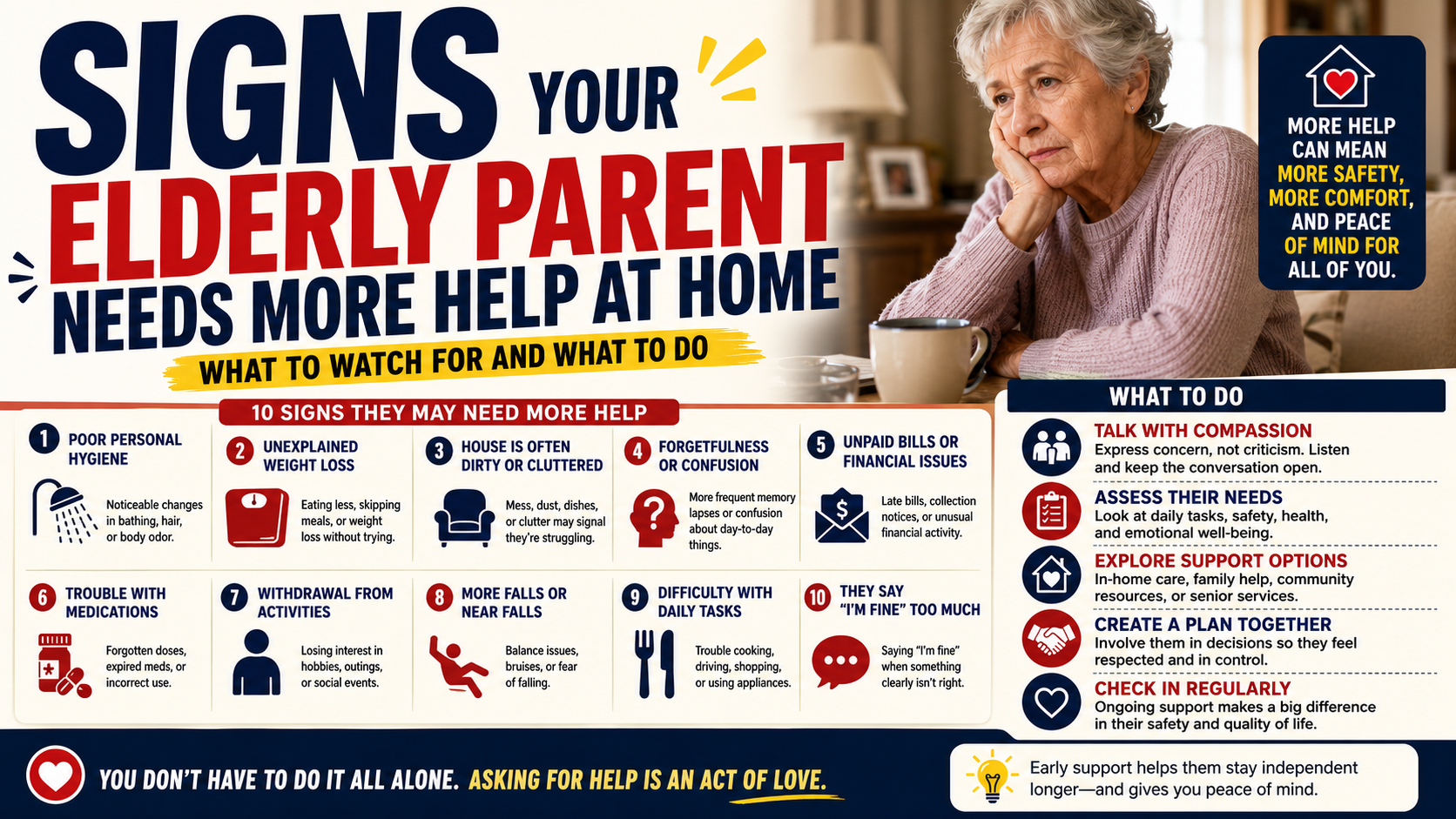
A friend of mine called me one evening completely exhausted.
He wasn’t asking about medications.
He wasn’t asking about memory loss.
He simply asked,
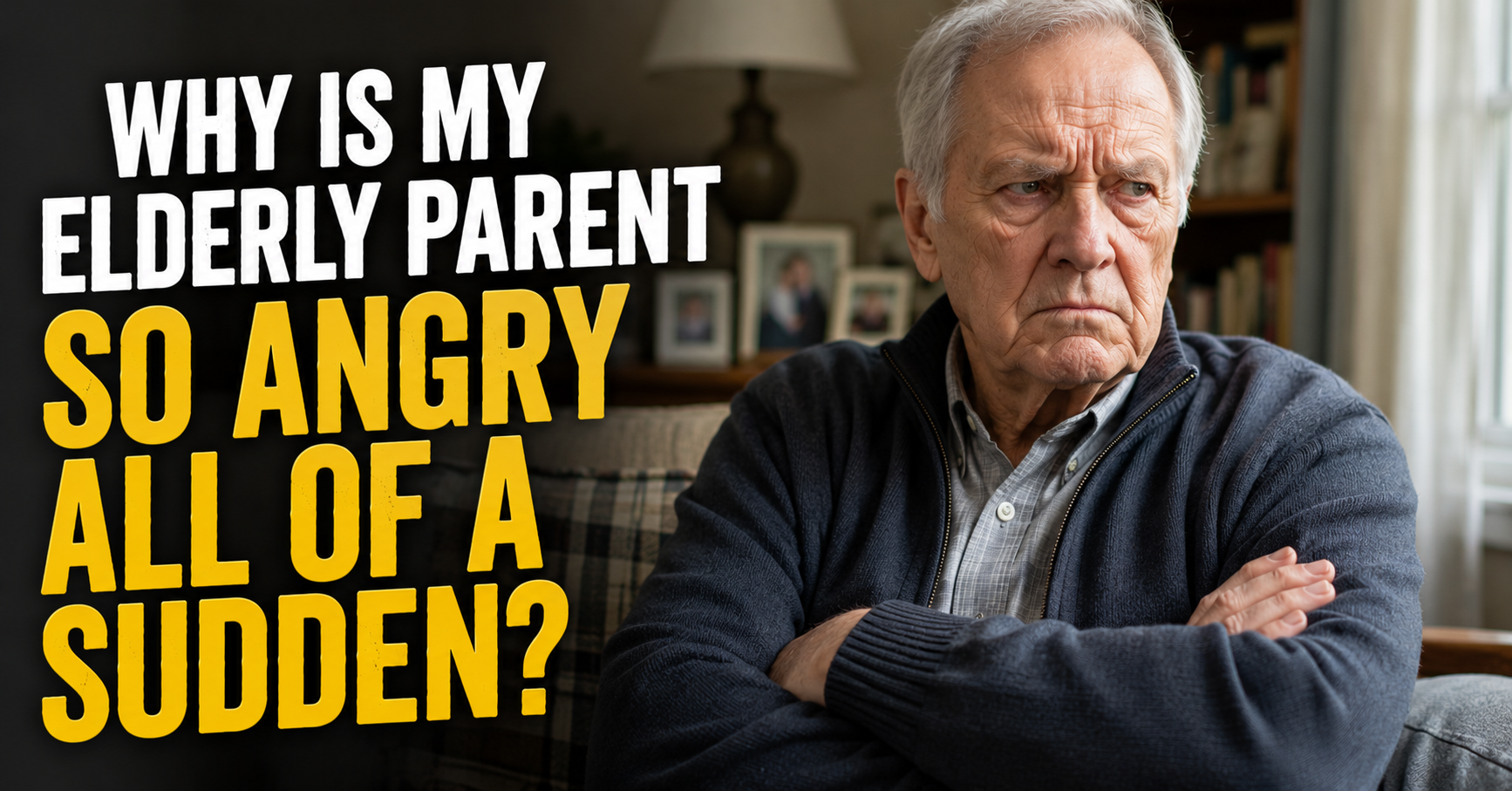
“Why is my dad so angry all the time now?”
He told me every conversation turned into an argument.
If someone offered help, his dad snapped.
If dinner was five minutes late, he became frustrated.
Even simple questions seemed to make him angry.
The hardest part was that this wasn’t who his dad had always been.
He’d spent his entire life as a patient, easygoing man.
Now it felt like he was constantly upset.
If you’ve been asking yourself the same question about your own parent, I want you to know you’re not alone.
One of the biggest things I’ve learned is that sudden anger usually isn’t the actual problem.
It’s often a symptom of something much deeper.

Personality Changes Usually Have A Reason
One mistake I see families make is assuming their parent has simply become bitter.
Sometimes they even say things like,
“He’s just grumpy because he’s getting old.”
While aging certainly brings new frustrations, healthy aging by itself doesn’t usually transform a kind, patient person into someone who’s angry all the time.
When personality changes happen, I always encourage families to start asking why.
There’s almost always a reason.


Losing Independence Is Frustrating
Imagine spending seventy or eighty years making your own decisions.
Then suddenly people begin asking if you should still drive.
Whether you remembered your medication.
Whether someone should mow your yard.
Whether you need help grocery shopping.
Even when those conversations come from love, they can make an older adult feel like pieces of their independence are slipping away.
That frustration sometimes comes out as anger because anger feels easier than admitting fear.
Pain Can Change Someone’s Mood
One thing that often surprises families is how much chronic pain affects personality.
Someone dealing with arthritis, back pain, neuropathy, or another painful condition may become much less patient than they once were.
Pain is exhausting.
Pain interrupts sleep.
Pain wears people down emotionally.
Many seniors don’t talk openly about how much they’re hurting.
Instead, family members simply notice they’re becoming shorter tempered.
Poor Sleep Makes Everything Worse
I’ve noticed many families describe anger appearing around the same time their parent starts sleeping much more during the day.
That may sound backwards, but poor nighttime sleep often leads to excessive daytime sleeping and constant fatigue.
When someone feels exhausted all the time, they’re naturally less patient.

If your parent has also become unusually sleepy, take a look at Why Is My Elderly Parent Sleeping All Day?. Fatigue and mood changes often appear together.
They May Be Embarrassed
Embarrassment doesn’t always look like sadness.
Sometimes it looks like anger.
Imagine realizing:
You can’t hear conversations well anymore.
You forgot where you parked.
You misplaced your medications.
You need help carrying groceries.
Those moments are incredibly frustrating.
Rather than admitting they’re struggling, some older adults become defensive.
Hidden Health Problems Often Show Up This Way
One pattern I’ve noticed over the years is that families often focus on the anger while missing everything happening underneath it.
A parent may quietly be dealing with pain, dizziness, weakness, or another medical issue they haven’t told anyone about.
Instead of asking for help, they become withdrawn or irritable.

If that possibility has crossed your mind, my article on Signs Your Elderly Parent Is Hiding Health Problems From You explains why many seniors keep important symptoms to themselves.
Memory Changes Can Increase Frustration
Memory changes are frustrating.
Imagine forgetting words during conversations.
Walking into a room and forgetting why.
Repeating yourself without realizing it.
It’s easy to understand why someone might become irritated.
I’ve noticed many families first recognize memory changes because their parent seems unusually impatient.

If you’ve also noticed repeated conversations, read My Elderly Parent Keeps Repeating the Same Stories. Looking at memory changes alongside personality changes often provides a clearer picture.
Anger Doesn’t Always Mean Aggression
There’s an important difference.
Many seniors become:
- More irritable.
- More impatient.
- Easier to upset.
That isn’t the same as becoming physically aggressive.
Families sometimes assume the worst when they notice increased frustration.
Instead, I encourage people to look for patterns and possible causes before jumping to conclusions.

Sometimes They’re Simply Overwhelmed
Growing older brings constant change.
More doctor appointments.
More medications.
Friends passing away.
Reduced mobility.
Financial concerns.
Changes around the home.
That’s a tremendous amount for anyone to process.
Sometimes what looks like anger is really someone feeling overwhelmed by everything changing around them.
Don’t Match Their Anger
One lesson I’ve learned is that arguing almost never helps.
If your parent raises their voice, try lowering yours.
If they become defensive, stay curious instead of confrontational.
Simple questions often work much better than statements.
For example:
“What made today frustrating?”
“Is something bothering you?”
“Is there anything I can do to make today easier?”
Those questions communicate support rather than criticism.


When Anger Appears Alongside Other Changes
This is where I start paying closer attention.
If your parent has recently become angry and you’ve also noticed:
- Sleeping more.
- Losing weight.
- Eating less.
- Staying home.
- Forgetting medications.
- Acting differently.
I don’t view those as unrelated problems.
I see them as pieces of the same puzzle.

If your parent simply doesn’t seem like themselves anymore, spend a few minutes reading My Elderly Parent Is Acting Different All of a Sudden What To Do. Looking at behavior as a whole often makes subtle patterns much easier to recognize.
What If Every Conversation Turns Into An Argument?
One of the hardest situations families face is trying to help someone who reacts with anger every time support is offered.
I’ve found that anger is often protecting something deeper.
Fear.
Embarrassment.
Loss of independence.
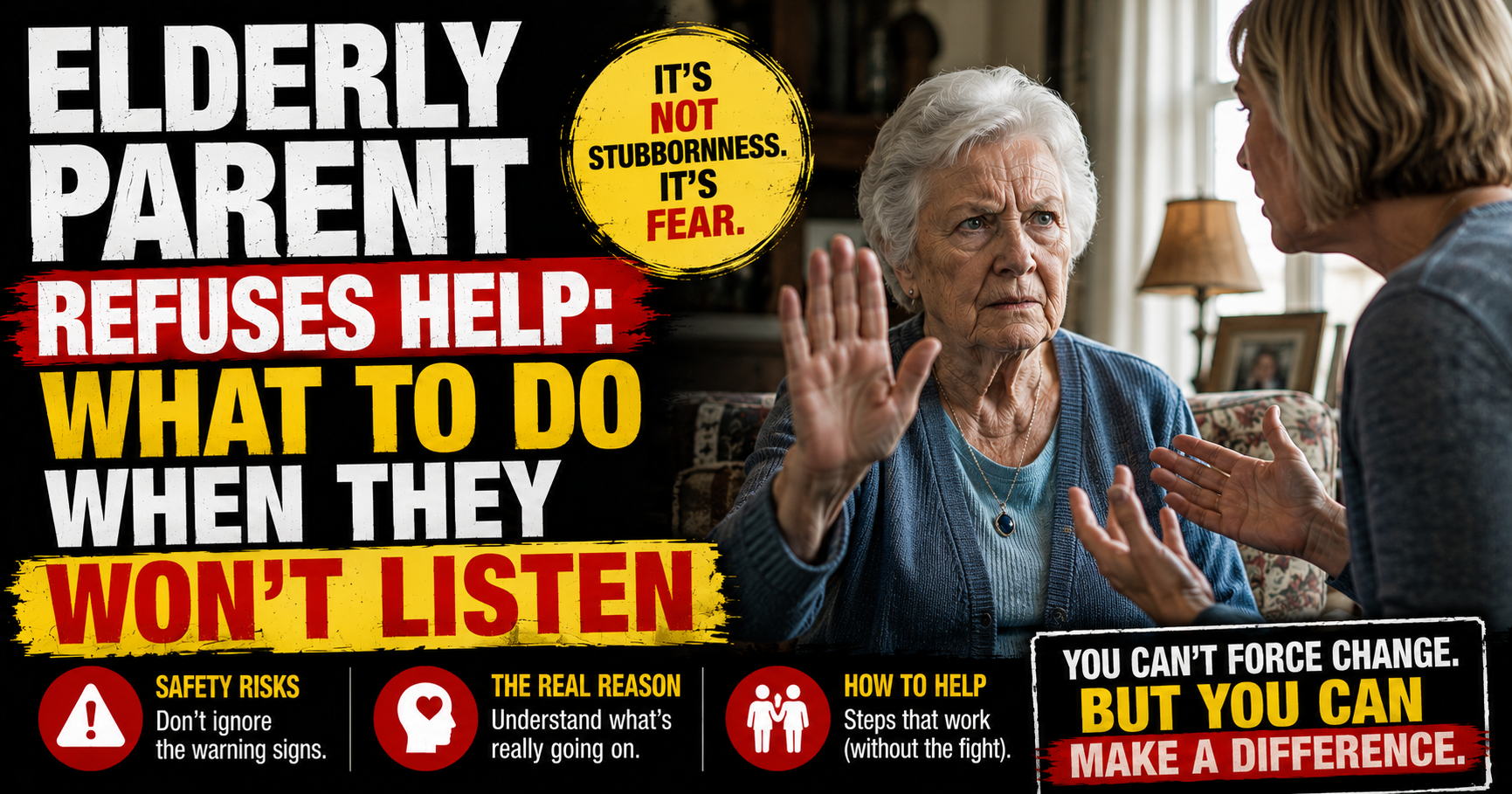
If every discussion seems to end with your parent saying they don’t need help, I recommend reading Elderly Parent Refuses Help What To Do When They Won’t Listen. Understanding what’s driving the resistance often changes the entire conversation.
Trust The Change You Notice
One thing I hear repeatedly from caregivers is,
“This just isn’t who my mom used to be.”
Or,
“My dad never acted like this before.”
Don’t ignore those observations.
You know your parent’s personality better than anyone.
Most sudden personality changes have an explanation.
Sometimes it’s something simple.
Sometimes it’s a medical issue.
Sometimes it’s a combination of several smaller changes happening at once.
The important thing is not dismissing the change simply because someone says they’re fine.
Pay attention.
Ask gentle questions.
Stay involved.
Those small observations often help families recognize a problem while there’s still plenty of time to do something about it.
About the Author
Karen Whitfield is a senior care educator and family caregiver advocate for Elder Safety Guide. She writes about aging in place, caregiver challenges, behavior changes, fall prevention, and helping families recognize early warning signs before they become larger health or safety concerns. Her goal is to provide compassionate, practical guidance that helps older adults remain safe while preserving their independence.