

A few extra naps here and there usually aren’t a big deal.
But when an elderly parent starts sleeping most of the day, families naturally become concerned.
Maybe your mom used to be up at 7 every morning and now she stays in bed until noon.
Maybe your dad spends most of the afternoon asleep in his recliner.
Or maybe you’ve started noticing that every time you call, your parent seems tired, groggy, or asleep.
I’ve heard this concern from many families over the years, and one thing I’ve learned is that excessive sleep should never be ignored.
That doesn’t mean something terrible is happening.
But it does mean it’s worth paying attention.
Sometimes extra sleep is a normal part of aging.
Other times it’s one of the earliest signs that something bigger is going on.
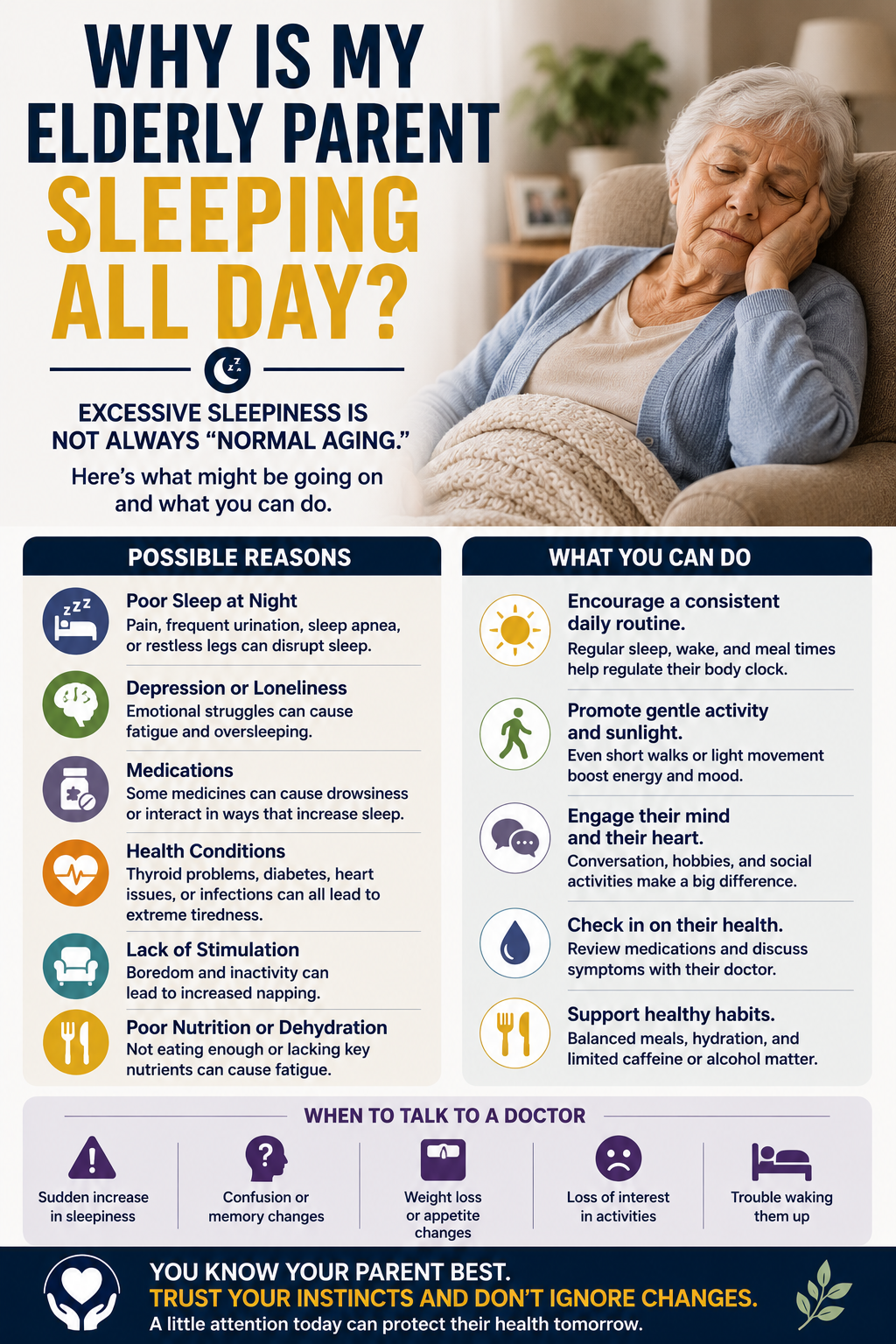
First, Let’s Talk About What’s Normal
Many people assume seniors need dramatically more sleep than younger adults.
That’s not exactly true.
Most older adults still need roughly seven to nine hours of sleep each night.
What often changes is sleep quality.
Many seniors:
- Wake up more frequently
- Sleep lighter
- Take daytime naps
- Go to bed earlier
- Wake up earlier
Because nighttime sleep becomes less efficient, daytime naps often become more common.
That alone usually isn’t cause for concern.
The question is whether your parent is sleeping significantly more than they used to.


The Biggest Red Flag Is A Sudden Change
I always tell families to focus on changes.
If your parent has taken a short afternoon nap for the past twenty years, that’s probably not concerning.
If they suddenly begin sleeping four or five extra hours every day, that’s different.
Sudden changes deserve attention.
Often the change itself tells us more than the amount of sleep.

Medication Side Effects Are A Common Cause
One of the first things I consider is medication.
Many medications can cause:
- Fatigue
- Drowsiness
- Low energy
- Confusion
- Daytime sleepiness
This is especially true when seniors take multiple prescriptions.
I’ve seen situations where a medication adjustment completely explained why someone suddenly started sleeping most of the day.
If your parent has recently started forgetting medications, that can also create problems.
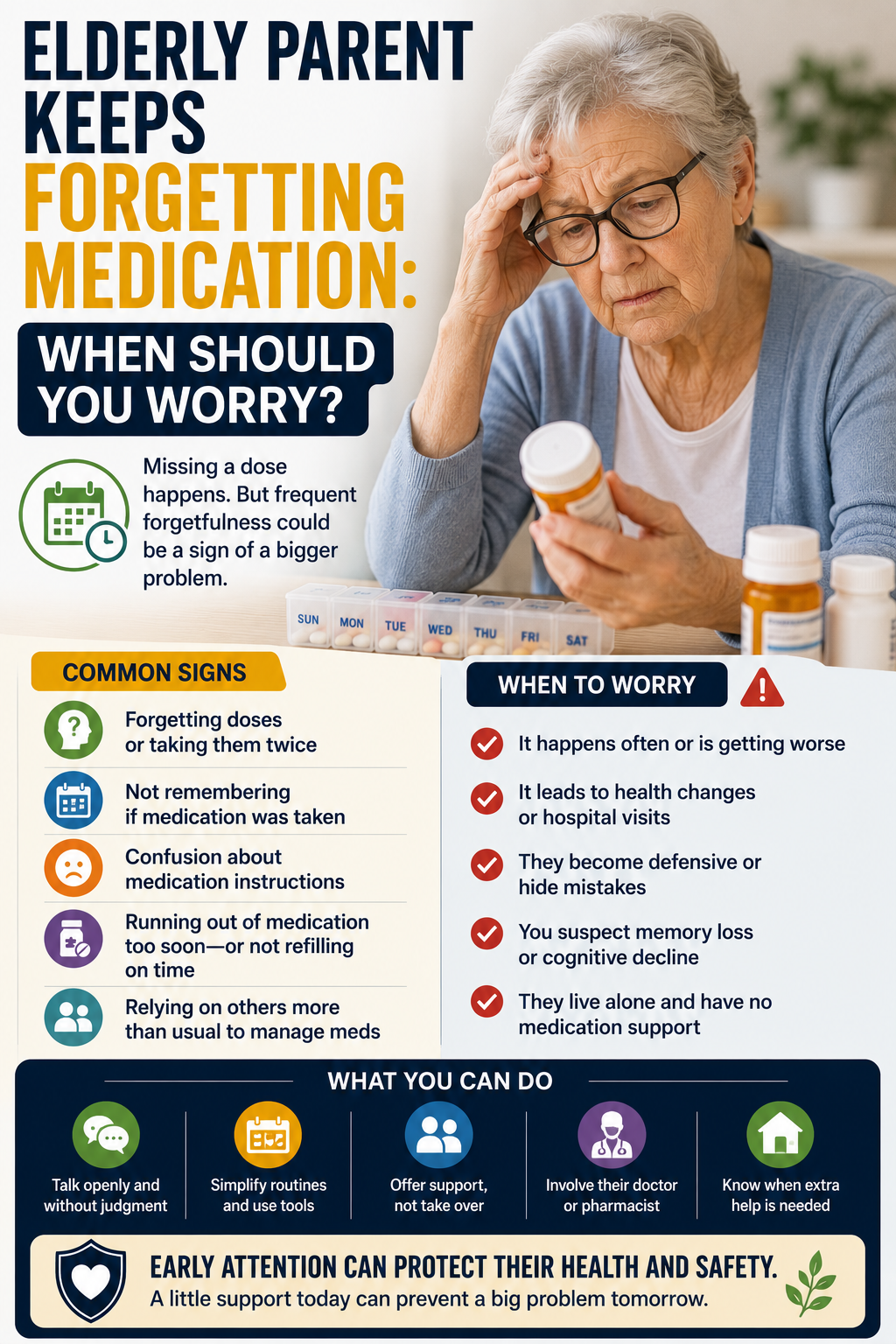
Our guide on elderly parent keeps forgetting medication explains why medication issues often signal larger concerns.
Hidden Health Problems Often Show Up As Fatigue
One reason I take excessive sleeping seriously is because many illnesses first appear as fatigue.
Your parent may not complain about symptoms.
They may not tell you anything is wrong.
Instead, they simply sleep more.
I’ve found that many seniors quietly downplay or hide health concerns because they don’t want family members to worry.

That’s why I encourage families to review signs your elderly parent is hiding health problems from you.
In many cases, sleeping all day is only the visible symptom.
Depression Is More Common Than Many People Realize
Depression doesn’t always look like sadness.
In older adults it often looks like:
- Fatigue
- Loss of motivation
- Sleeping more
- Social withdrawal
- Lack of interest in hobbies
A senior who once loved gardening, fishing, church activities, or spending time with friends may suddenly lose interest.
Many families mistake this for normal aging.
Sometimes it isn’t.
Are They Still Doing The Things They Used To Enjoy?
This is one of the questions I ask most often.
Have they stopped:
- Going out with friends?
- Attending church?
- Visiting family?
- Working in the yard?
- Pursuing hobbies?
If excessive sleep appears alongside withdrawal from daily activities, it deserves closer attention.


Sleeping More Can Be Linked To Memory Changes
Many people don’t realize there can be a connection between cognitive decline and increased sleep.
A senior experiencing memory problems may:
- Sleep more frequently
- Become less active
- Withdraw socially
- Spend more time resting
This doesn’t automatically mean dementia.

However, it may be worth comparing what you’re seeing to our article on normal aging vs something worth worrying about.
Understanding the difference can help families decide whether further evaluation is needed.
Weight Loss Plus Sleeping More Is Concerning
This combination always gets my attention.
If your parent is:
- Losing weight
- Sleeping more
- Eating less
- Appearing weaker
I would strongly encourage a medical evaluation.
These symptoms often appear together when an underlying health issue is developing.
Falls Can Cause Lasting Changes
Sometimes excessive sleeping begins after a fall.
Recovery takes energy.
Pain can increase fatigue.
Reduced mobility often leads to less activity.

If your parent has fallen recently, read what to do when an elderly parent keeps falling.

You should also review fall prevention for seniors because preventing future falls becomes increasingly important.
Living Alone Can Hide Problems
One challenge families face is that excessive sleeping is easy to miss.
A parent may sound completely normal during a short phone call.
Meanwhile they spend most of the day sleeping.
This is especially common when family members live far away.
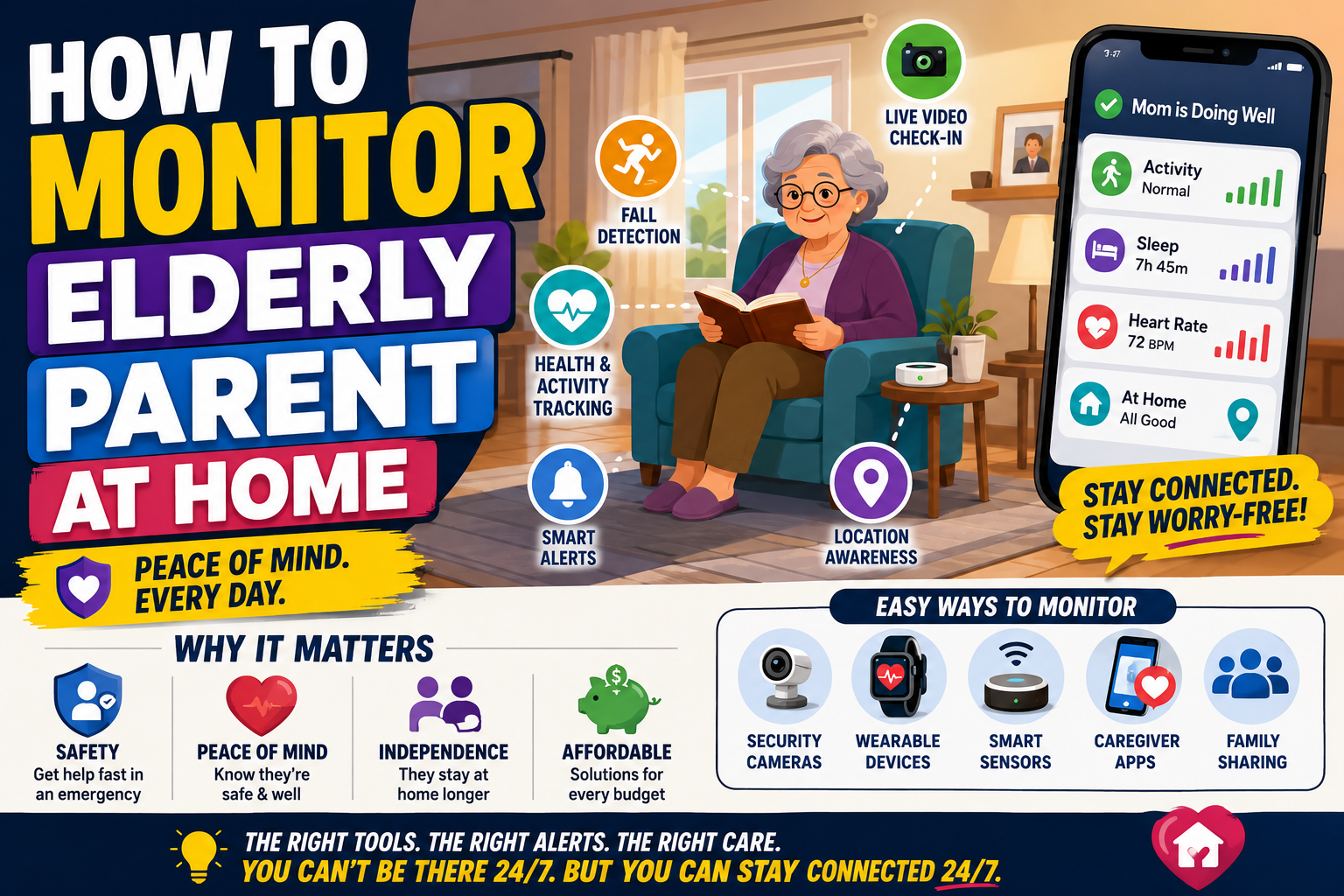
If distance makes it difficult to understand what’s really happening, read how to monitor an elderly parent at home.
Many families are surprised by what they learn.
When Sleeping More Becomes A Safety Concern
Sleeping itself isn’t dangerous.
What concerns me is what often comes with it.
For example:
- Missed medications
- Missed meals
- Missed appointments
- Reduced mobility
- Increased fall risk
- Isolation
At some point the sleeping becomes part of a larger pattern.
When multiple concerns appear together, families should consider whether their loved one is still safely managing daily life.

Our article on warning signs you may not be safe living alone anymore covers many of the issues that often develop alongside excessive sleep.
Sometimes The Real Problem Is Refusing Help
One thing I’ve noticed repeatedly is that many seniors know something is wrong.
They simply don’t want to talk about it.
They fear:
- Losing independence
- Losing privacy
- Being treated differently
- Becoming a burden
As a result, they may brush off concerns and insist everything is fine.
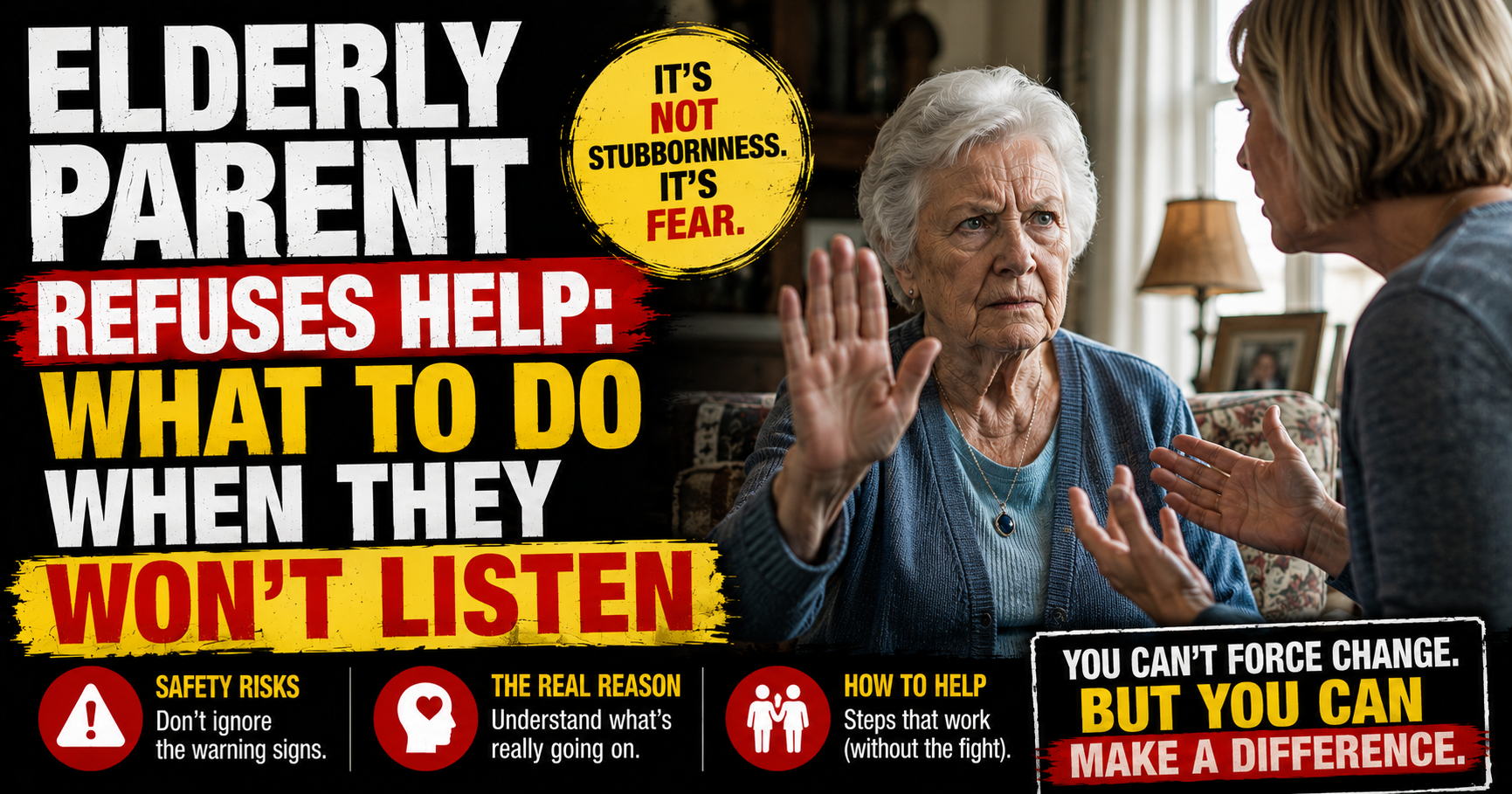
If every conversation turns into an argument, read elderly parent refuses help.
Understanding the fear behind the resistance often changes the conversation completely.
When Should You Actually Worry?
I become more concerned when excessive sleeping appears alongside other warning signs such as:
- Weight loss
- Confusion
- Frequent falls
- Missed medications
- Poor hygiene
- Driving concerns
- Social withdrawal
- Appetite changes
One warning sign alone may not mean much.
Several together deserve attention.

Families noticing multiple concerns should review signs your elderly parent needs more help at home.
The article covers many subtle signs families often miss.
Trust What You’re Seeing
One of the biggest mistakes families make is talking themselves out of their concerns.
I’ve heard people say:
“Maybe I’m overreacting.”
“Maybe it’s just age.”
“Maybe they’re just tired.”
Sometimes that’s true.
Sometimes it isn’t.
If your parent is sleeping significantly more than they used to, trust your instincts enough to pay attention.
You don’t need to panic.
You don’t need to assume the worst.
But you should stay curious.
Many serious health issues begin with small changes that seem harmless at first.
The earlier families recognize those changes, the easier it often becomes to address the underlying problem before a crisis develops.
About the Author
Rebecca Hayes is a senior care writer and family caregiver advocate for Elder Safety Guide. She focuses on aging in place, caregiver education, senior health concerns, dementia awareness, and helping families recognize subtle warning signs before they become emergencies. Her goal is to provide practical, compassionate guidance that helps older adults remain safe, healthy, and independent for as long as possible.