There’s a warning sign that shows up before almost every serious fall in an older adult. Most families miss it — not because they aren’t paying attention, but because it doesn’t look like a warning sign.
There’s a warning sign that shows up before almost every serious fall in an older adult. It’s not subtle. It’s not hidden. It happens in plain sight during normal family visits and phone calls.
Most families miss it entirely — not because they aren’t paying attention, but because it doesn’t look like a warning sign. It looks like something else. Something normal. Something that gets explained away or minimized or filed under “they’re just getting older.”
By the time the serious fall happens, most families can look back and see it clearly. They just didn’t know what they were looking at when it was happening.
Here’s what it is — and how to recognize it before it becomes the thing you look back on.
The Warning Sign — A Previous Fall That Wasn’t Taken Seriously
The warning sign that families most consistently miss is a fall — or near-fall — that the senior themselves downplays, and that the family accepts the downplaying of.
“I just tripped.”
“It was nothing — I caught myself on the counter.”
“I slipped getting out of the shower but I’m fine.”
“It was just because I was tired.”
These explanations feel plausible. They’re offered matter-of-factly. The person saying them believes them — or wants to. And for a family that wants to believe their parent is doing fine, the explanation gets accepted without much examination.
But here’s what the research actually shows: a first fall in an older adult more than doubles the risk of a second fall. And a second fall significantly increases the risk of a third. The falls compound — not because of coincidence, but because the same underlying risk factors that caused the first fall are still present and often worsening.
The first fall is not an isolated incident. It’s a signal. And the signal has an expiration date.

Why Families Minimize the First Fall
Understanding why families minimize falls helps break the pattern.
The Senior Minimizes It First
Older adults have powerful reasons to minimize falls. Admitting a fall to family means facing questions about independence, capacity, and living situation that feel threatening. It invites exactly the conversations they’ve been hoping to avoid — about moving, about help, about what happens if things get worse.
So falls get reported incompletely, explained away, or not reported at all. A bruise that appeared without a clear explanation. A reason not to go to an event that might actually be soreness from a fall two days before. A vague mention of “a little slip” that gets dropped when the family doesn’t press.
This isn’t deception — it’s self-protection. The response isn’t to interrogate. It’s to create an environment where falls can be reported honestly without triggering the consequences that make honesty feel threatening.
Families Accept the Explanation Because They Want To
An adult child who is worried about a parent is simultaneously hoping not to have to act on that worry — because acting means difficult conversations, logistical complexity, and the painful acknowledgment that their parent is becoming more vulnerable.
When a parent says “I’m fine, it was nothing,” there’s a part of every adult child that wants to believe it. That desire to believe it can override the instinct that something deserves closer attention.
Recognizing this dynamic in yourself is the first step to not letting it determine your response to the next fall mention.
Single Falls Look Like Accidents
Falls feel like accidents — a specific moment, a specific cause, a specific explanation. Accidents happen. They’re not necessarily predictive of anything. The problem is that most falls aren’t really accidents in the way that framing suggests.
A “trip” over a rug reflects reduced clearance between the foot and the floor during walking — a gait change that’s a fall risk factor regardless of whether a rug is present. A “slip” getting out of the shower reflects reduced balance on a wet surface — a daily exposure that will occur again tomorrow morning. A “stumble on the stairs” reflects reduced coordination on an uneven surface — which doesn’t go away when the stairs are descended again.
The specific cause — the rug, the wet floor, the stair — is real. But it’s also a context that will recur. The fall wasn’t an accident in the sense that it was unpredictable or unrepeatable. It was the outcome of risk factors meeting a specific opportunity — and those risk factors are still there.
The Other Warning Signs That Precede Serious Falls
The minimized fall is the most important missed warning sign. But it usually arrives alongside others that also get minimized or missed.
Unexplained Bruising
Bruises on the arms, hips, shins, or shoulders that appear without a clear explanation — or with a vague one that doesn’t quite add up — often represent undisclosed falls or near-falls. The physical evidence of impact is present even when the verbal report isn’t.
Don’t be confrontational about unexplained bruising — that creates defensiveness that makes honest reporting less likely. Ask matter-of-factly: “That’s a significant bruise on your arm — what happened?” and listen to the answer carefully. Vague or inconsistent explanations are data.
Changes in How They Move Through the House
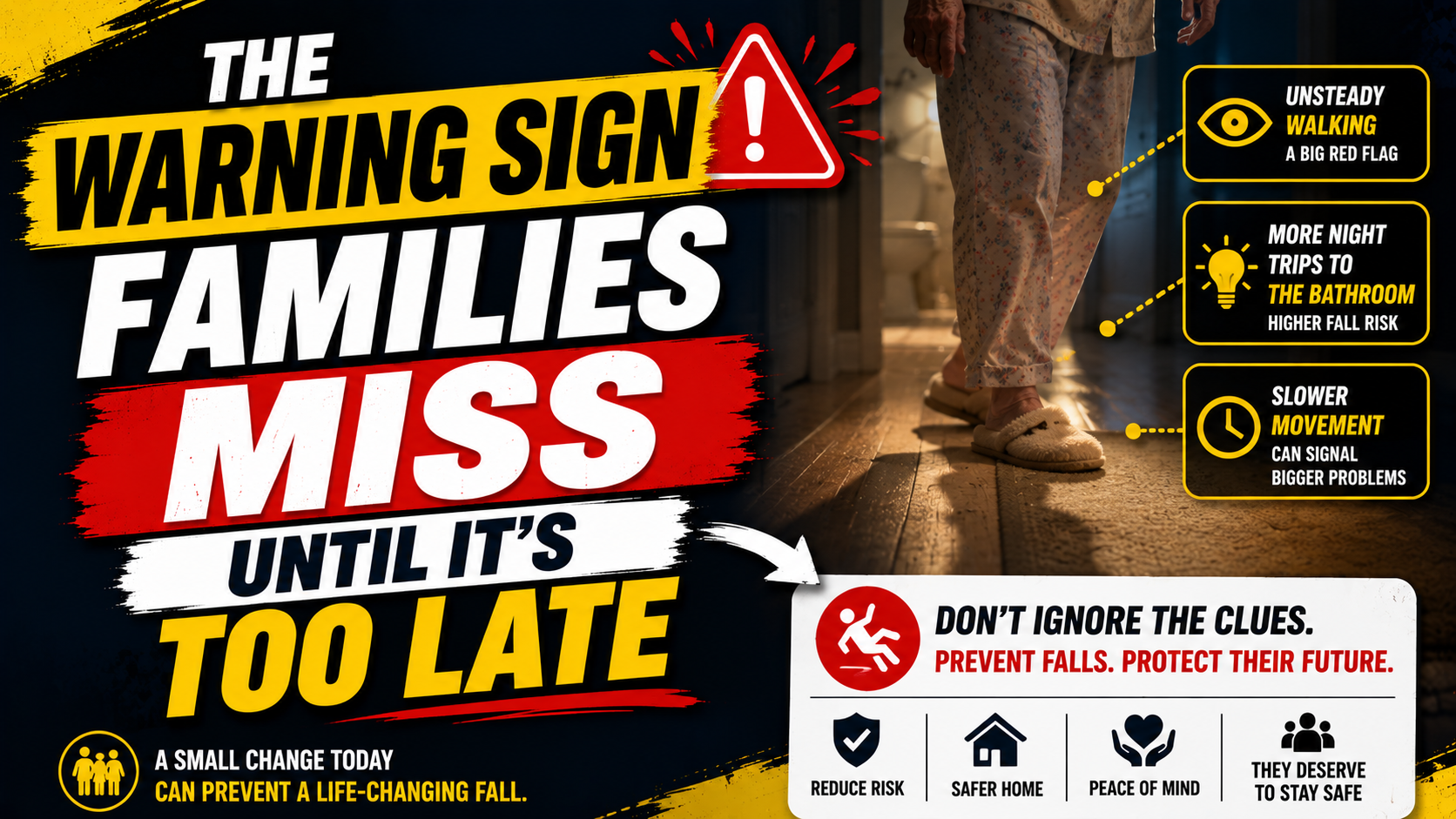
Watch for these specifically during visits: reaching for walls or furniture during normal movement through the house. Pausing at transitions — doorways, the shower entry, the top of stairs — in a way that suggests hesitation or assessment rather than normal flow. Slowing down significantly on surfaces that were previously navigated without thought.
These movement changes reflect the body’s adaptive response to reduced balance confidence — the person is compensating for instability they’re aware of even if they haven’t named it. The compensation reduces the probability of any single fall but it’s visible evidence of changed balance capacity that warrants attention.
Avoiding Activities They Used to Do
No longer walking in the neighborhood. Stopped going to the grocery store independently. Not mentioning the garden they used to tend. Declining invitations to activities that involve any physical navigation challenge.
Activity avoidance after falls is extremely common — the fear of falling changes behavior in ways that reduce the fall risk in specific avoided situations while simultaneously reducing the physical activity that maintains the strength and balance needed to prevent falls everywhere else. The avoidance becomes its own risk factor over time.
The House Getting More Cluttered or Less Maintained
As we covered in our guide on signs your elderly parent needs more help at home — a home that’s becoming less maintained than it used to be reflects reduced energy and capacity that also affects the physical function required for safe daily movement. The same decline that’s producing household neglect is producing fall risk.
New Medications or Medication Changes
A new medication — particularly a blood pressure medication, sleep medication, or any medication that affects the nervous system — significantly changes the fall risk picture. As we covered in our guide on the #1 reason seniors fall at home, medication is the most significant modifiable fall risk factor. A medication change is the right moment to review bathroom safety, discuss timing with the physician, and ensure a medical alert device is in place.
A Recent Hospitalization or Illness
Hospitalization — even for a condition unrelated to balance or mobility — produces significant deconditioning. Even a week of reduced activity significantly reduces the leg strength and balance capacity that prevents falls. The period immediately following a hospitalization is one of the highest-risk windows for a serious fall, and it’s one that families often don’t treat with appropriate caution because the hospitalization was for something else.
What to Do When You See These Signs
Seeing these signs is only useful if it produces a different response than the one that led to missing them.
Name What You’ve Noticed — Specifically
Not “I’m worried about you” — which invites defensiveness. Specific observations stated matter-of-factly: “I noticed you held the wall walking to the kitchen, and last month you mentioned a slip in the shower. I want to make sure we’re paying attention to this together.”
Specific observations are harder to dismiss than general worry. They invite specific responses. And stating them calmly — without alarm or urgency — creates more space for honest conversation than expressing fear does.
Address the Bathroom This Weekend
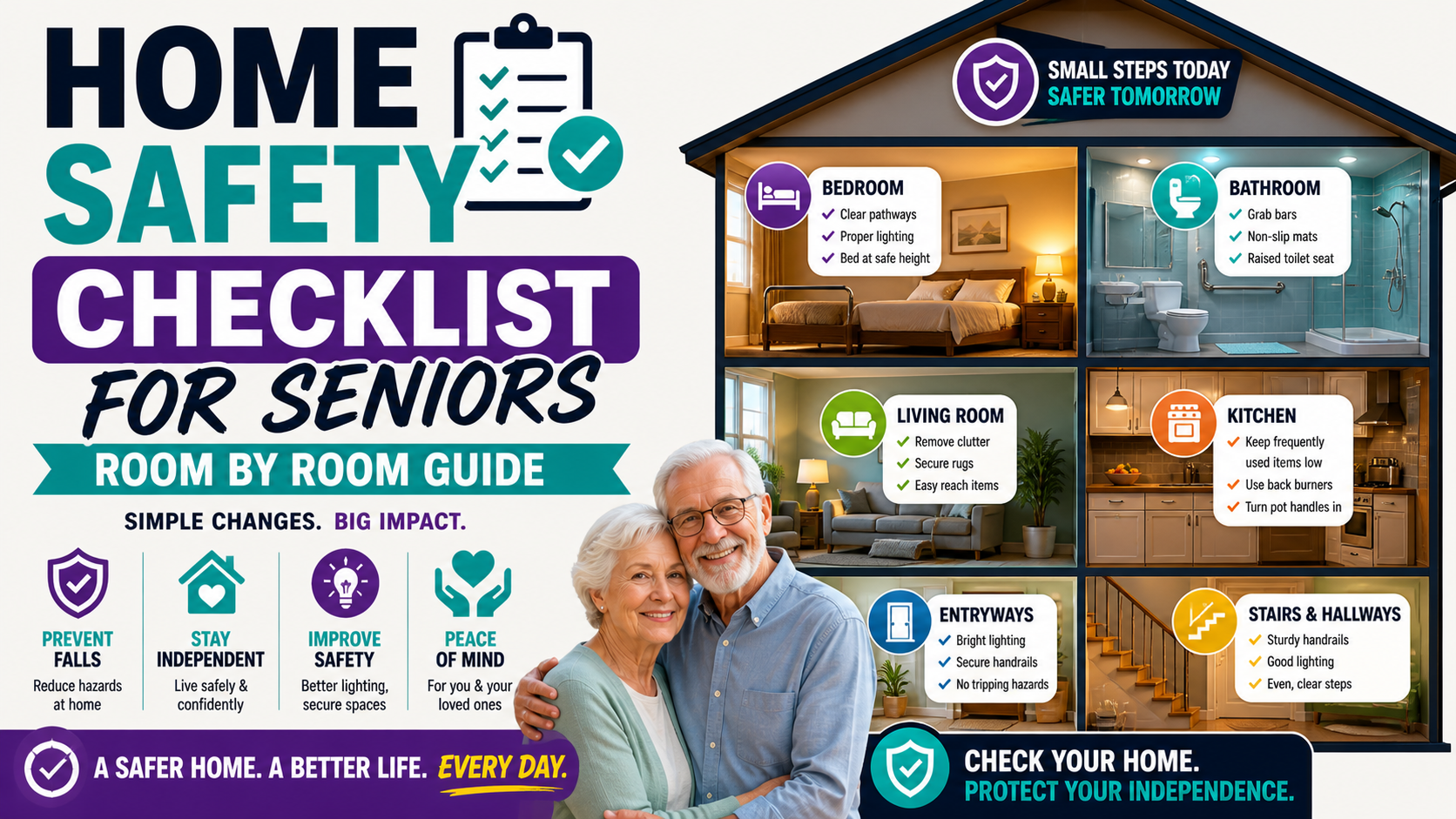
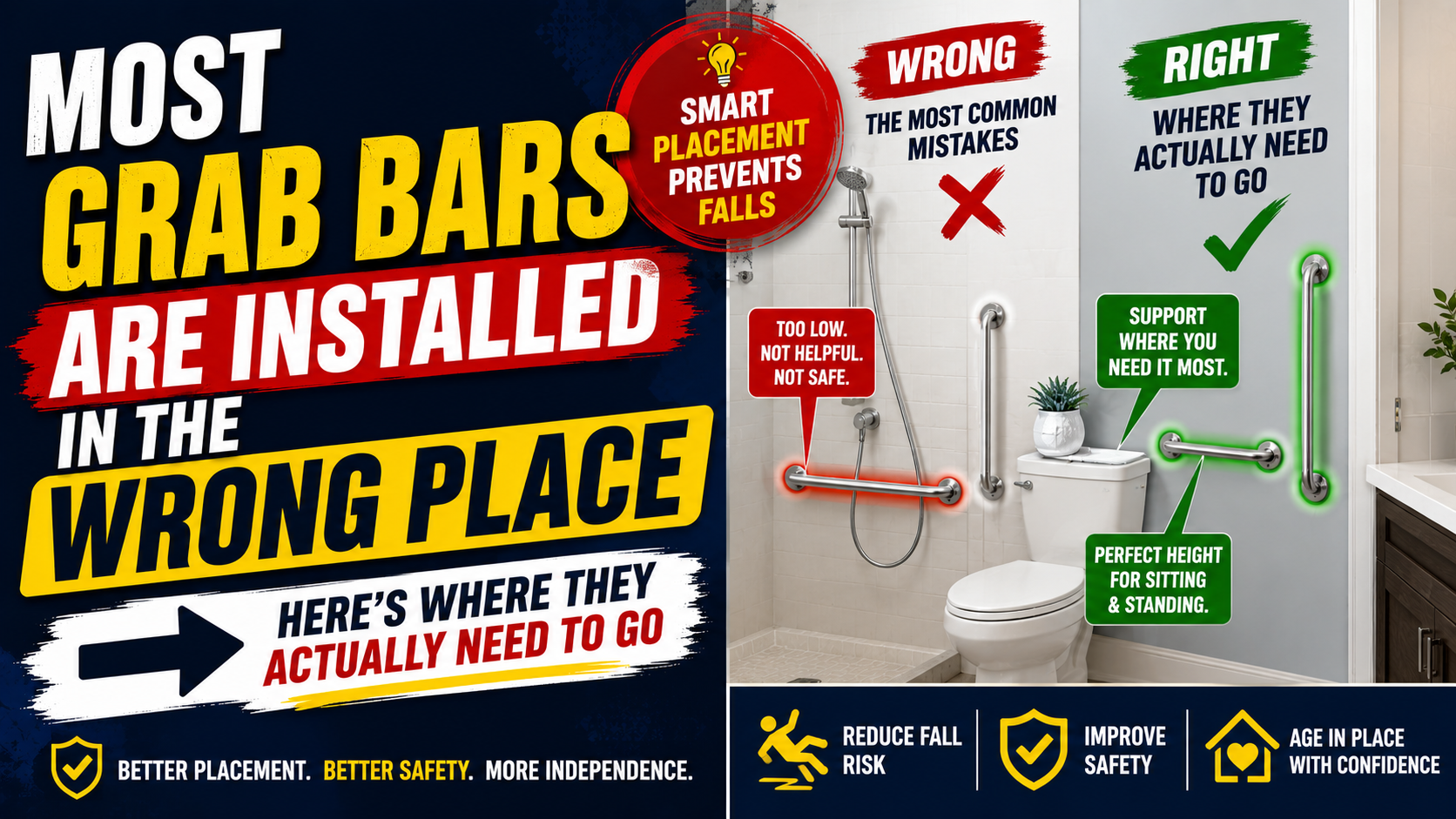
After any fall warning sign, the bathroom is the first place to act. It’s where the highest-risk daily transitions happen, where falls most commonly occur, and where the most impactful modifications are available at the lowest cost.
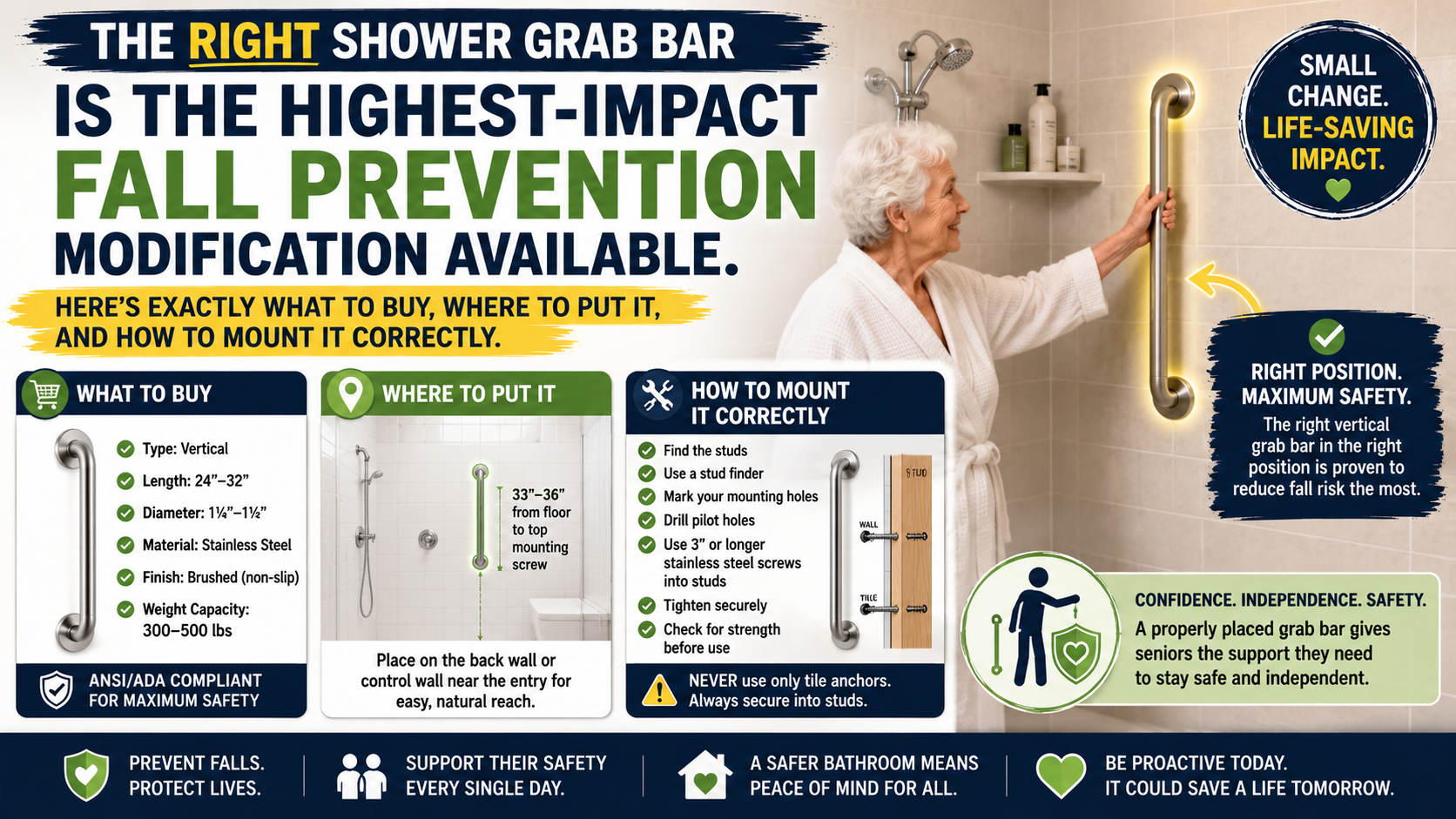
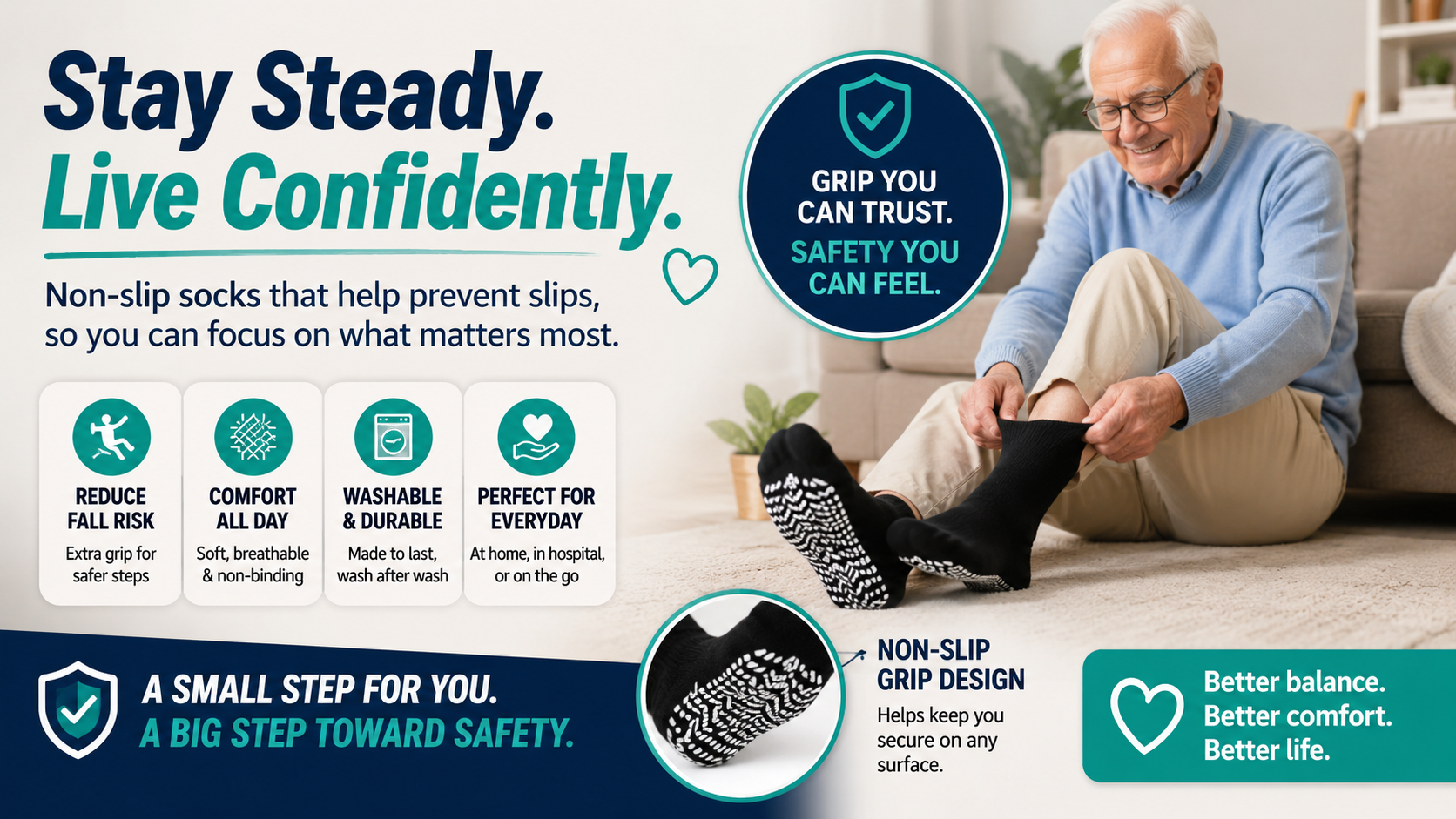
Grab bars at the shower entry and next to the toilet. A non-slip bath mat that stays in place. Toilet safety rails. A shower chair. Night lights on the path from bedroom to bathroom. Our complete guide on your parent’s bathroom is more dangerous than you realize covers why these modifications matter and exactly what to do. Our complete guide on how to make a bathroom safer for seniors covers every upgrade with specific product recommendations.
→ Get the Toilet Safety Rails on Amazon
Get a Medical Alert Device in Place — Before the Next Fall
After a first fall warning sign the question “what would happen if they fell and couldn’t get up” needs an answer that isn’t “I hope someone would notice.”
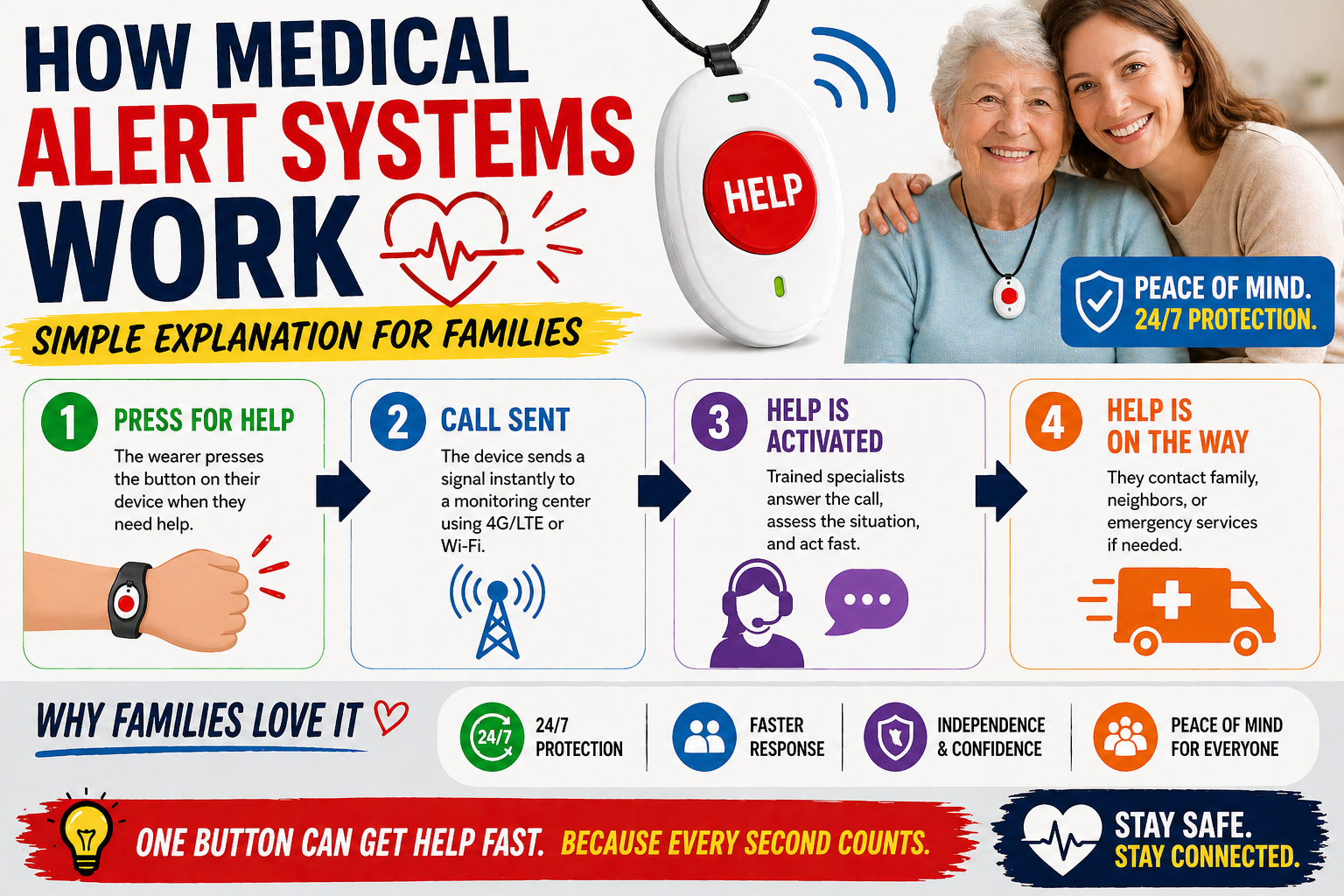
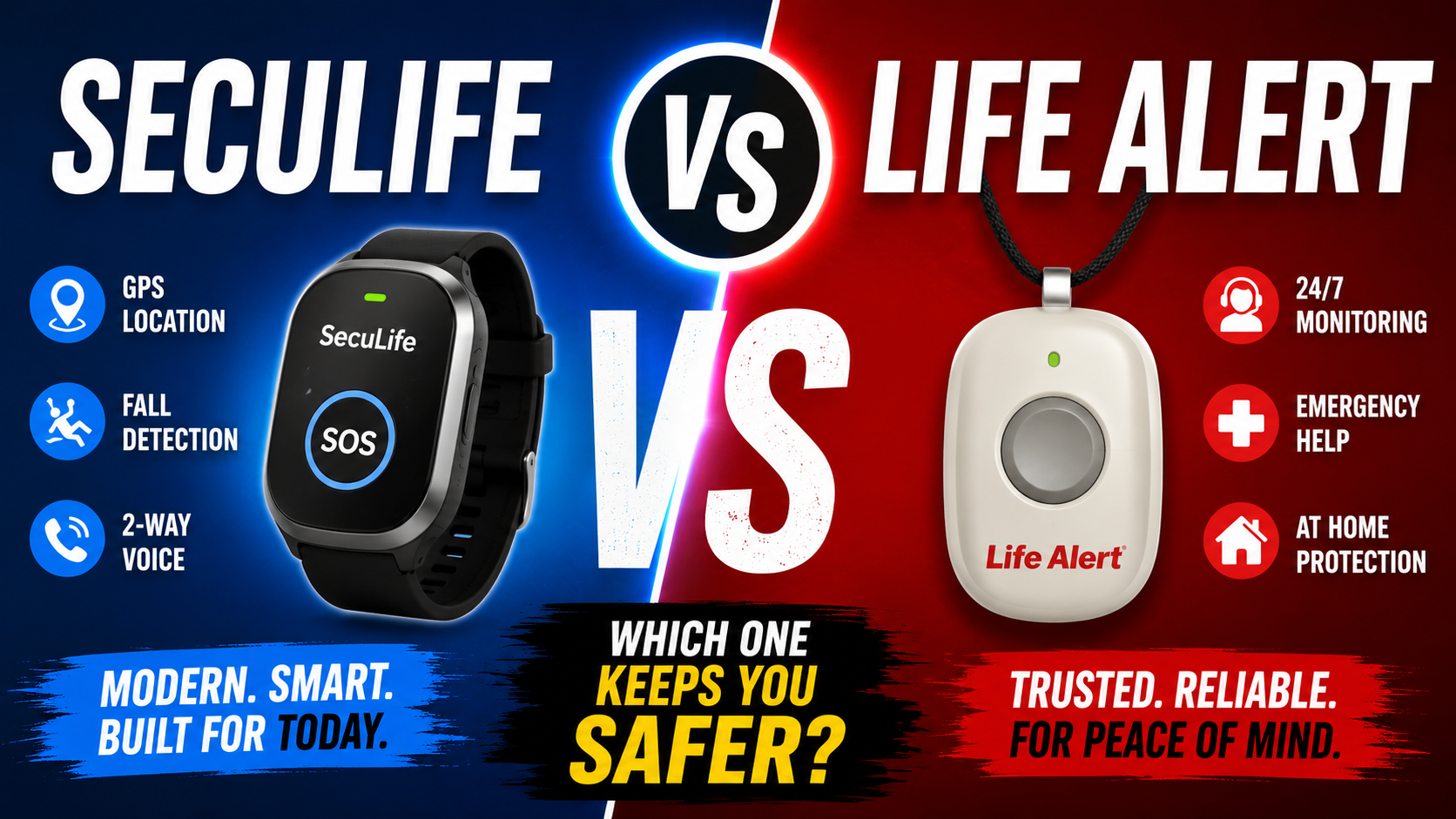
The SecuLife Smartwatch provides automatic fall detection — alerting family immediately with GPS location without requiring any action from the person who has fallen. For a parent living alone this is the measure that closes the gap between a fall happening and help arriving. It goes on the wrist in the morning and it’s there during the shower, during the nighttime bathroom trip, on the morning walk — everywhere the falls that matter most are likely to happen.
Our guide on signs it’s time for a medical alert system covers exactly how to assess the timing. The answer after a first fall is almost always: now.
→ Get the SecuLife Smartwatch on Amazon
Request a Falls-Focused Medication Review
Call the physician’s office and ask specifically for a medication review focused on fall risk. Use those exact words. This is different from a general medication check — it asks the physician to evaluate which medications have fall-risk side effects and whether timing, dosing, or alternatives might reduce that risk.
This one conversation frequently produces timing adjustments — taking blood pressure medications at night rather than morning, adjusting diuretic timing to reduce nighttime bathroom frequency — that meaningfully reduce fall risk without changing medications at all.
Have the Conversation Directly
The conversation your parent most needs you to have — about what you’ve noticed, what you’re concerned about, what you want to do together — is easier when it comes from care rather than fear. Our guide on how to talk to a parent about safety measures covers the specific framings that work and the ones that create resistance.
Our comprehensive guide on how to help an elderly parent live safely alone covers every component of the response to warning signs — home modifications, technology, health management, and the family conversations that make all of it happen.
The Window Between Warning and Crisis
There’s a window between the first warning sign and the serious fall. It’s not infinite — it can be days, weeks, or months depending on the underlying risk factors and what chance encounters they have with environmental hazards or medical events.
But it’s real. And it’s the window in which everything in this guide can be acted on — before the stakes are what they become after a serious fall.
Most families who act in that window look back grateful they did. Most families who miss it — who accepted the “I’m fine” explanation one too many times — look back wishing they hadn’t.
The warning sign has shown up. The window is open. Act in it.

About the Author
Tom Garrett spent eight years as an EMT responding to fall-related emergencies in older adults. In the vast majority of serious fall calls he responded to, family members could identify — in retrospect — warning signs they had seen and not acted on in the weeks and months before. A previous slip mentioned casually. New bruising explained away. Movement that had changed. The warning signs were there. The window was open. This article exists because he believes families deserve to know what to look for while there’s still time to act on it.