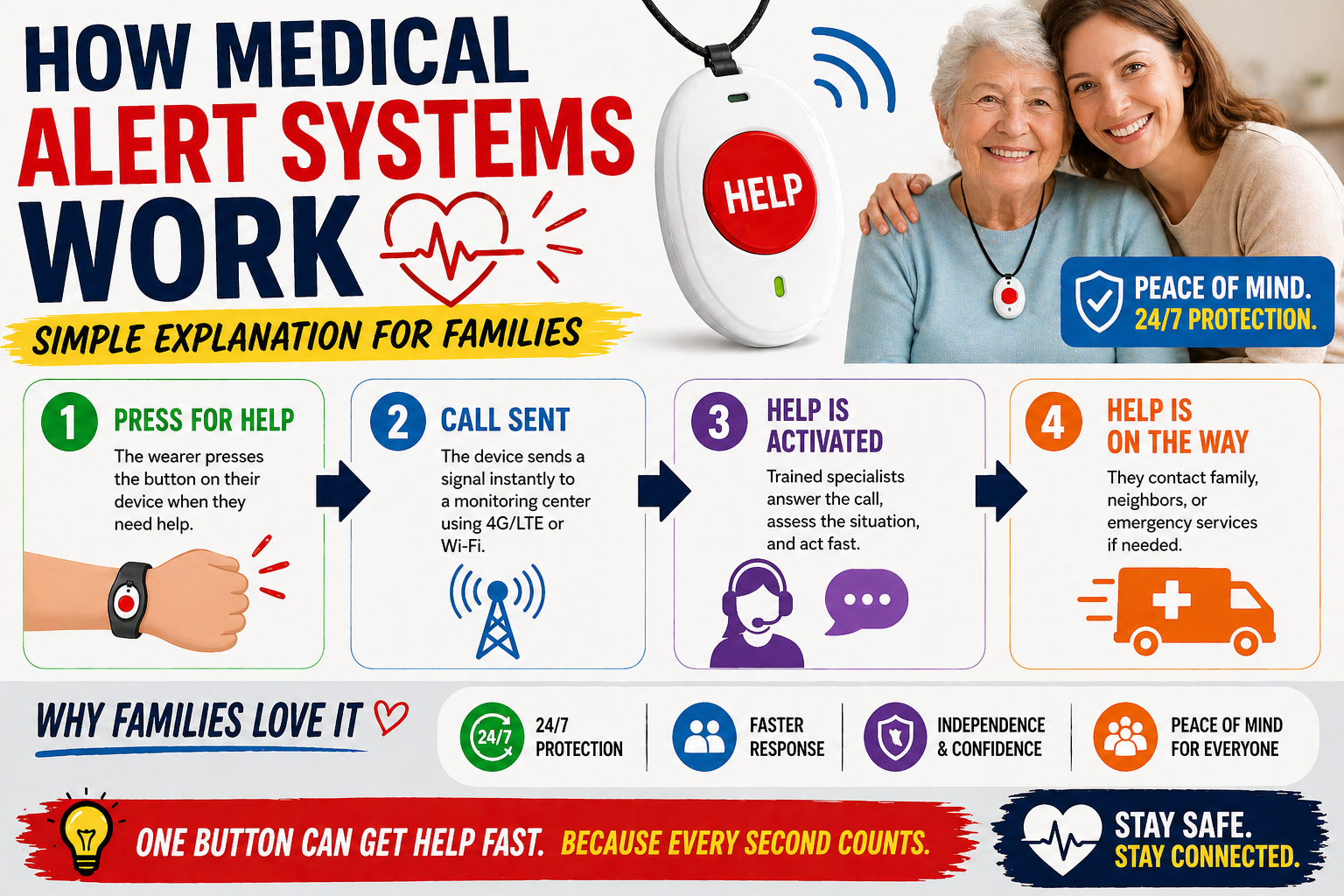
Every adult child faces this question. Here’s the specific framework geriatric nurses use to distinguish normal aging from changes that warrant medical attention.
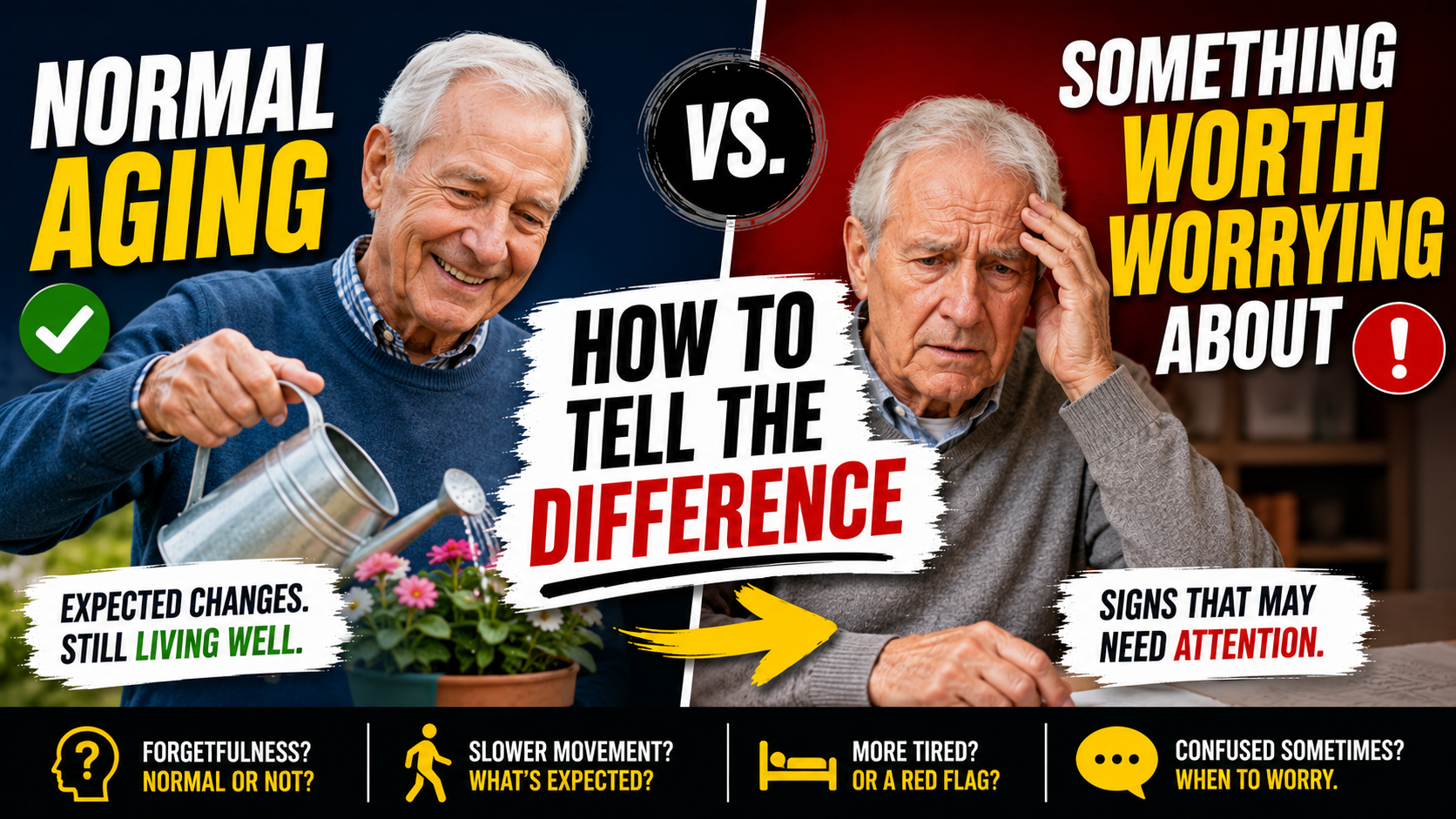
One of the hardest things about watching a parent age is knowing which changes to take seriously and which to accept as normal. Every adult child navigates this — the moment of noticing something different and not knowing whether it’s the kind of different that warrants a phone call to the doctor or the kind that warrants nothing at all.
Getting this wrong in either direction has real costs. Over-responding to normal aging produces unnecessary medical interventions, family conflict, and a parent who feels surveilled and mistrusted. Under-responding to genuine warning signs produces the delayed action that turns manageable problems into crises.
The line between them is more specific than most people realize. Here’s how to tell the difference.
The Framework — Two Types of Change
Geriatric medicine distinguishes between two categories of age-related change that look similar on the surface but have completely different implications.
Primary aging — changes that are the direct result of biological aging processes. These are universal, gradual, and not reversible, though they can often be slowed or compensated for. They represent the body’s normal trajectory over time.
Secondary aging — changes caused by disease, disuse, medication effects, or environmental factors. These are not inevitable consequences of age. They’re potentially treatable, preventable, or reversible causes of functional decline that happen to occur in older adults and get attributed to age rather than investigated.
The practical significance of this distinction: primary aging changes warrant adaptation — lifestyle adjustments, home modifications, compensatory strategies. Secondary aging changes warrant medical investigation — because something is causing them that may be treatable.
Most families can’t tell the difference at first glance. Here’s the specific guidance that helps.


Memory — Normal vs Worth Investigating
Normal
Taking longer to recall a name or word but eventually remembering it. Occasionally forgetting where you put something. Finding it harder to remember new information than information learned decades ago. Needing more time to process complex information. Occasional blanks on routine words that come back minutes later.
These changes reflect the gradual slowing of processing speed and the reduced efficiency of working memory that are genuine features of normal aging. They’re annoying. They’re not dementia.
Worth Investigating
Forgetting entire conversations that happened the same day. Asking the same question multiple times within a single visit. Getting lost on routes that have been driven for decades. Forgetting the names of close family members. Being unable to complete tasks that were previously routine — managing finances, following a recipe, operating familiar appliances. Significant personality changes or a loss of social inhibition that represents a departure from lifelong character.
The key distinction is functional impact. Normal memory changes are annoying but don’t significantly impair daily function. Concerning changes impair function — they affect the ability to manage daily life, not just the smoothness with which it’s managed.
Any memory change that is sudden rather than gradual warrants prompt medical attention — sudden cognitive changes can indicate stroke, infection, medication toxicity, or other acutely treatable conditions that produce permanent damage if not caught quickly.
Our guide on signs your elderly parent needs more help at home covers cognitive warning signs alongside physical ones in detail worth reading alongside this guide.


Balance and Mobility — Normal vs Worth Investigating
Normal
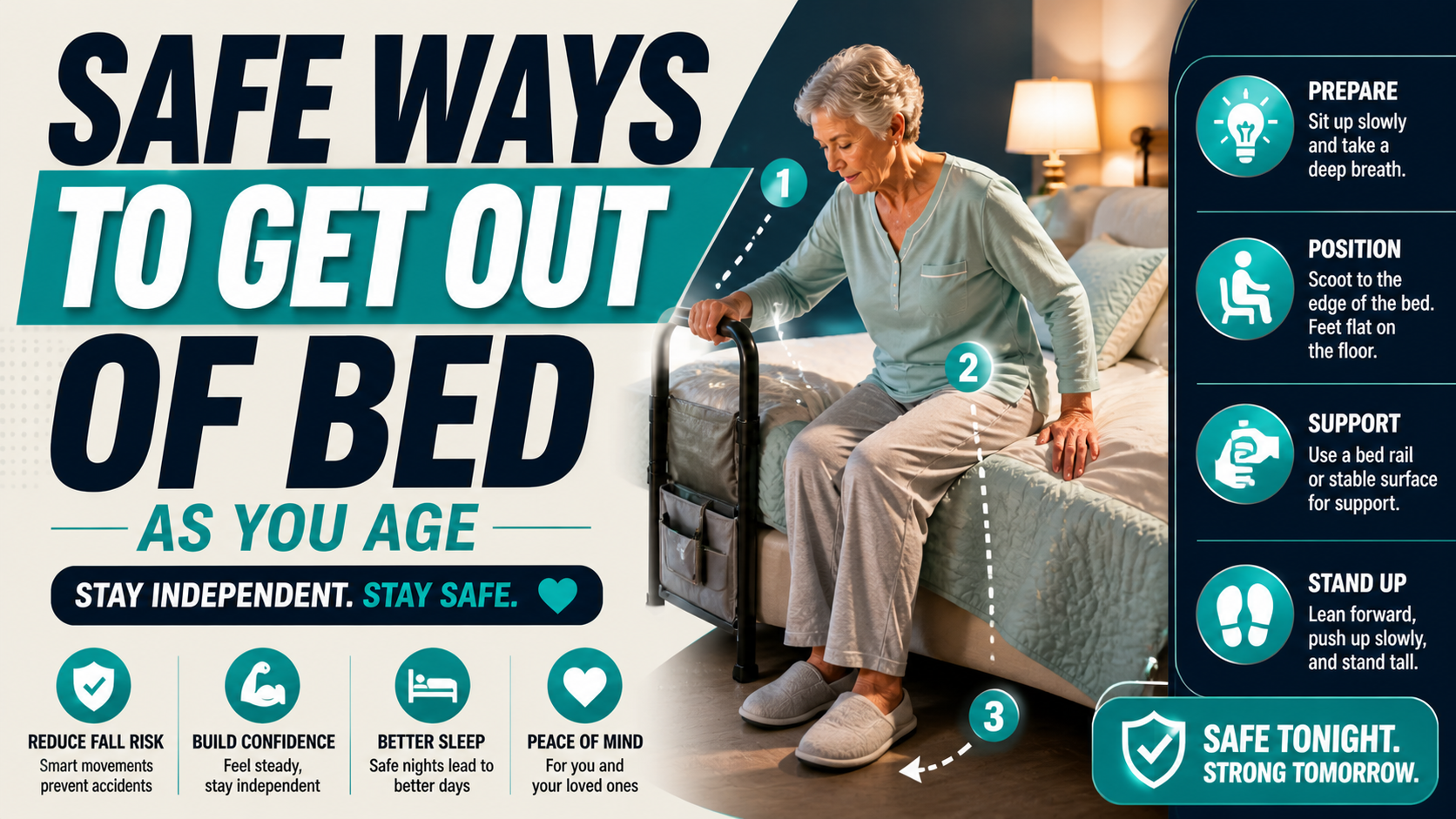
Slightly slower walking pace than at age 40. Taking a moment to find balance when first standing. Less confidence on very uneven terrain. Needing a handrail on stairs that didn’t previously require one. Finding that long walks are more tiring than they used to be.
These changes reflect gradual, age-related reductions in muscle strength, proprioceptive sensitivity, and vestibular efficiency. They’re normal. They can be slowed through exercise. They don’t necessarily indicate disease.
Worth Investigating
A fall — any fall, regardless of how it’s explained. A near-miss that required significant compensatory movement to avoid a fall. A noticeable change in gait — shuffling, asymmetry, significantly reduced arm swing — that appeared over weeks or months. Freezing — stopping involuntarily during walking and being unable to start again easily. Tremor during movement rather than just at rest.
Gait changes specifically can indicate conditions that are treatable — Parkinson’s disease, normal pressure hydrocephalus, peripheral neuropathy, medication effects — rather than inevitable aging. Gait that changes relatively quickly or that has a specific character beyond general slowing warrants neurological evaluation rather than acceptance as aging.
Any fall warrants the response we outlined in our guide on the warning sign families miss until it’s too late — not minimization. Even a minor fall with no significant injury is a signal worth acting on with bathroom modifications and fall detection technology.
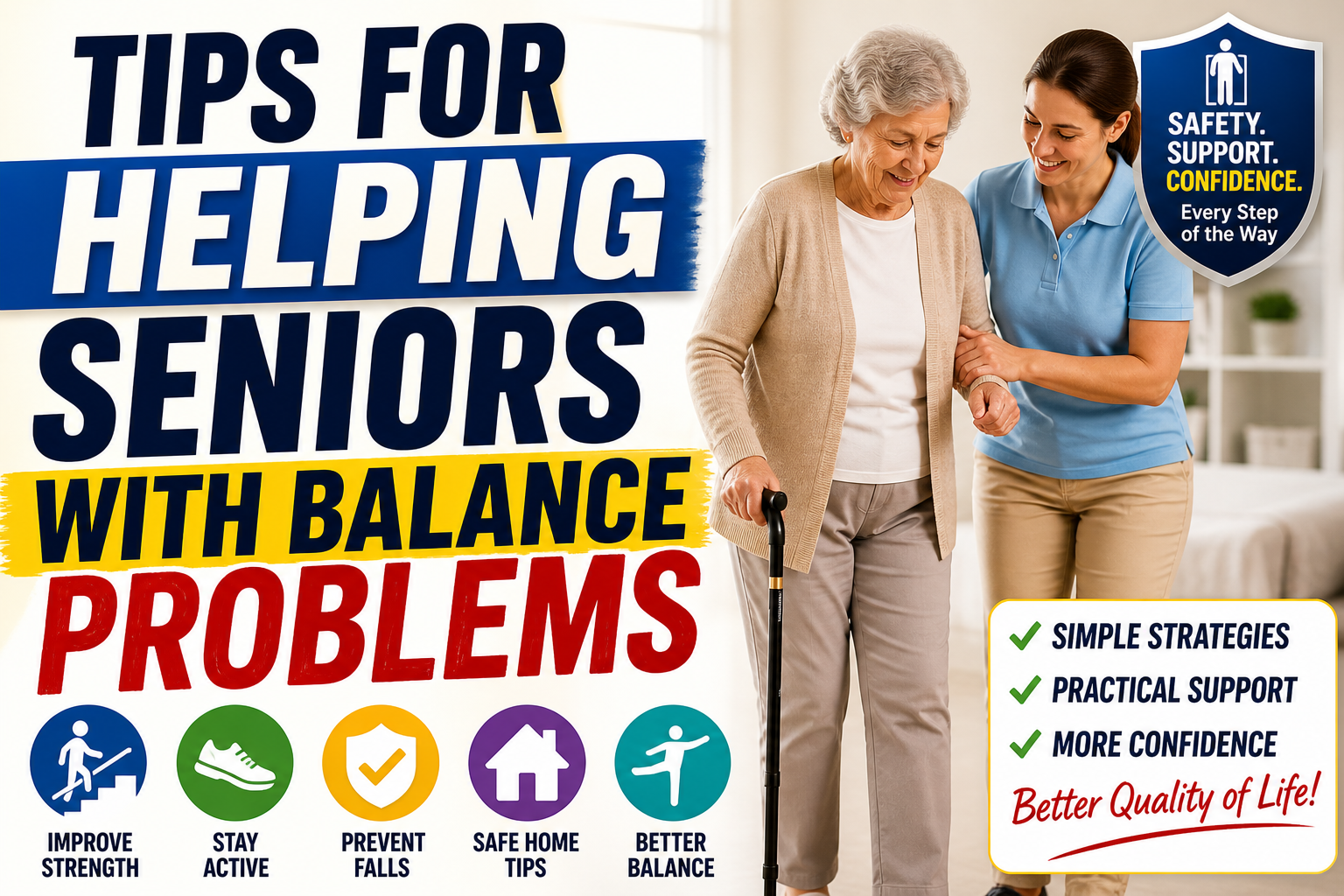
Our guide on tips for helping seniors with balance problems covers the exercise interventions that address normal age-related balance decline and the medical evaluation worth pursuing when changes go beyond normal.
Sleep — Normal vs Worth Investigating
Normal
Going to bed earlier and waking earlier than in younger years — a shift in the circadian phase that is a genuine feature of normal aging. Sleeping less deeply than before. Waking more frequently during the night. Feeling most alert in the morning rather than the evening. Needing a brief nap to maintain energy through the day.
Worth Investigating
Excessive daytime sleepiness that significantly impairs functioning. Stopping breathing during sleep — observed by a partner or noted through waking with gasping — indicating sleep apnea that, untreated, significantly increases cardiovascular risk and cognitive decline. Vivid, disturbing dreams with active physical movements during sleep — a specific sleep disorder called REM sleep behavior disorder that is associated with certain neurodegenerative conditions. Insomnia severe enough that it’s affecting daily function and mood.
Poor sleep in older adults is frequently over-attributed to aging and under-investigated as a treatable condition. Sleep apnea in particular is both common in older adults and significantly underdiagnosed — and its treatment produces meaningful improvements in cognitive function, cardiovascular health, and fall risk.



Vision — Normal vs Worth Investigating
Normal
Needing reading glasses if you didn’t before — the loss of near-focus flexibility called presbyopia is universal and typically complete by the mid-forties. Needing more light to read comfortably. Increased sensitivity to glare. Longer adjustment time when moving between bright and dim environments. Colors appearing slightly less vivid.
Worth Investigating
Sudden vision changes in one or both eyes — sudden blurriness, visual field loss, new floaters, flashing lights. These can indicate retinal conditions, stroke, or increased intraocular pressure that require urgent evaluation. Gradual but significant loss of central vision — a growing blind spot in the center of the visual field — suggesting macular degeneration. Double vision that is new. Difficulty recognizing faces or objects despite adequate acuity on testing.
Any sudden vision change is a medical emergency until proven otherwise. The conditions that produce sudden vision changes — retinal detachment, stroke, acute glaucoma — have treatment windows that close quickly. “I’ll mention it at my next appointment” is not the right response to sudden visual symptoms.
Vision changes that are gradual but significant are worth annual monitoring — and current glasses prescriptions are a genuine fall prevention intervention, not just a visual comfort one. Outdated prescriptions contribute to the visual input degradation that increases fall risk as we covered in our guide on the most overlooked fall risks for seniors.

Mood and Personality — Normal vs Worth Investigating
Normal
Some reduction in emotional reactivity — less intense highs and lows — compared to younger years. Increased preference for familiar environments and routines over novelty. Less tolerance for loud, chaotic, or overwhelming social environments. Becoming more selective about social engagements and investing more deeply in fewer relationships. Some increase in caution and risk-aversion.
Worth Investigating
Persistent low mood lasting more than two weeks that doesn’t lift with positive events. Loss of interest in activities that previously brought genuine pleasure. Social withdrawal that represents a significant departure from lifelong personality. Expressing hopelessness, worthlessness, or passive thoughts about not wanting to be alive. Significant anxiety that is new or markedly worse than before. Irritability, suspicion, or paranoid thinking that is out of character.
Depression in older adults is both extremely common — affecting approximately 15 to 20 percent of community-dwelling adults over 65 — and extremely under-diagnosed and under-treated. It presents differently in older adults than in younger ones, more commonly as withdrawal, somatic complaints, and cognitive symptoms than as classic sadness, which contributes to it being missed in routine medical visits.
Depression is not a normal consequence of aging. It’s a treatable condition. And untreated depression in older adults directly affects fall risk, cognitive function, physical health, and mortality. The response to depression-consistent symptoms is medical evaluation — not acceptance as “what happens when you get older.”
Physical Changes — Normal vs Worth Investigating
Normal
Gradual muscle mass reduction — sarcopenia — particularly in the legs. Gradual bone density reduction — more significant in women post-menopause. Skin that becomes thinner, drier, and less elastic. Reduced cardiovascular efficiency during exercise — slower recovery, lower maximum heart rate. Gradual height loss from spinal disc compression. Reduced flexibility and joint range of motion.
Worth Investigating
Unintentional weight loss — any significant weight loss not explained by intentional dietary change warrants medical evaluation. This is one of the most consistent early indicators of treatable underlying disease across a wide range of conditions including cancer, thyroid disease, diabetes, and depression.
Rapid or significant functional decline — a person who was managing independently who loses that capacity over weeks or months warrants investigation of what’s driving the change rather than acceptance as inevitable aging. Rapid decline rarely is just aging.
Swelling in the legs that is new, asymmetric, or significant — indicating possible cardiac, kidney, liver, or vascular conditions that warrant evaluation.
Pain that is new, severe, or changing in character — not managed chronic pain but new pain or significantly changed pain — warrants investigation rather than attribution to age.

The Question That Cuts Through Everything
When you’re trying to assess whether a change in your parent is normal aging or something worth investigating, one question cuts through most of the ambiguity.
Is this change affecting daily function — or just making daily function less smooth?
A memory slip that’s annoying but doesn’t prevent managing daily life — less smooth, not affecting function. A memory change that means bills aren’t getting paid or medications aren’t being managed — affecting function, worth investigating.
A balance change that makes stairs slightly more effortful — less smooth. A balance change that means stairs require significant effort and are being avoided — affecting function, worth investigating.
This framework doesn’t catch everything — some concerning changes don’t affect function until late in their progression. But it provides a useful first-pass filter that distinguishes the changes worth accepting from the ones worth acting on.

When In Doubt — The Low-Cost Response
For changes that fall in the gray zone — possible normal aging, possible something worth investigating — the low-cost response is almost always worth taking.
Write down specifically what you’ve observed — with dates and examples. Share that written observation with their physician, either directly or through the patient portal. This takes ten minutes and gets your clinical observation into the medical record without requiring an urgent appointment or a confrontational family conversation.
A physician who receives a note saying “I’ve noticed my mother has asked the same three questions twice in every visit for the past two months, and she told me about a fall in the bathroom three weeks ago she hadn’t mentioned before — I wanted to flag this” is equipped to assess these observations in the context of a complete clinical picture in a way that the physician who only hears “she’s doing fine” isn’t.
You don’t need to diagnose. You don’t need to be certain it’s concerning. You need to report what you’ve observed, specifically and in writing, and let the clinical system do the rest.
The Safety Picture Alongside Medical Assessment
Regardless of where any specific change falls on the normal-vs-concerning spectrum, certain safety measures make sense once aging changes of any kind are present and noticeable.
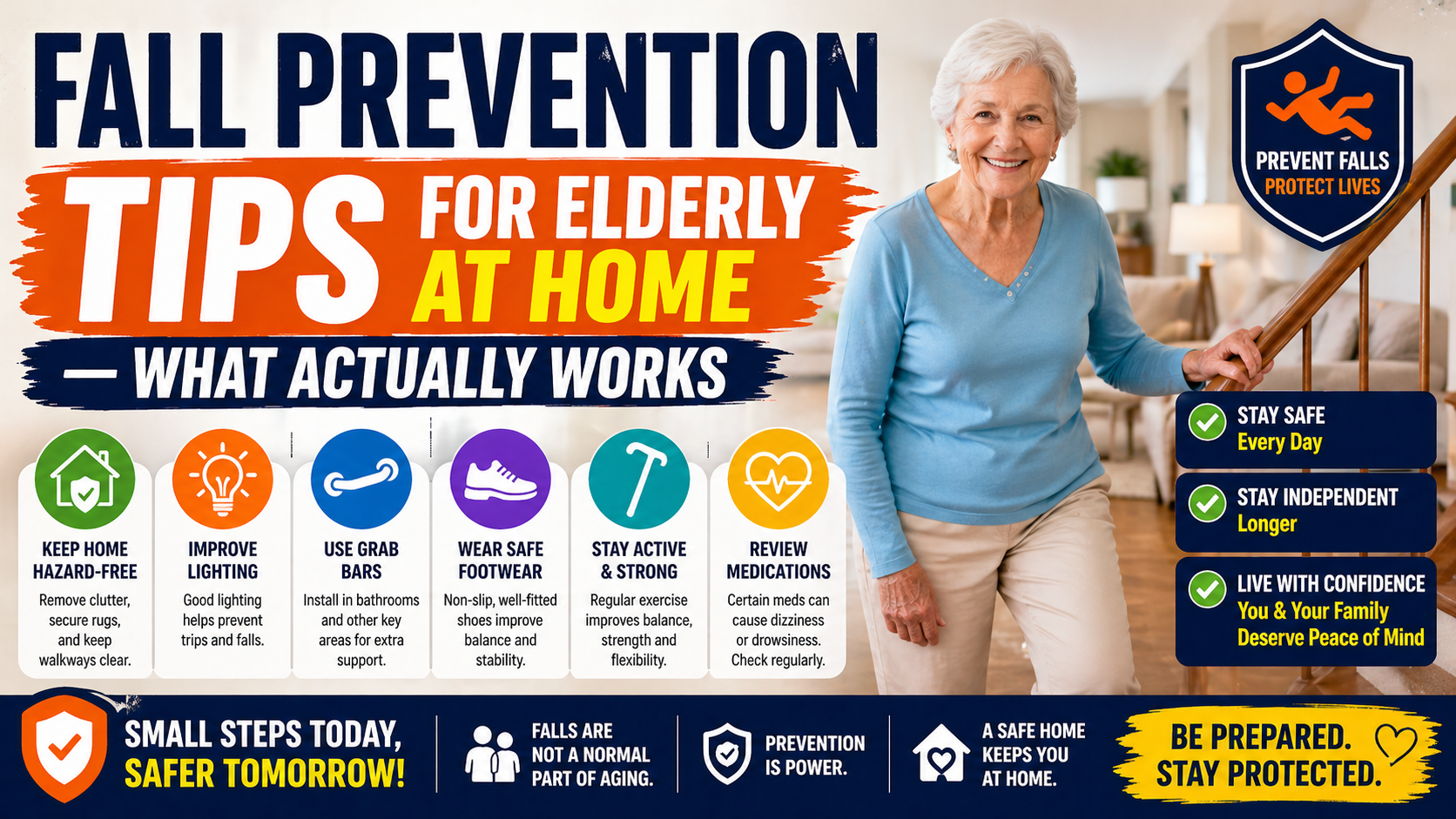
A home safety assessment — working through our home safety checklist for seniors systematically — identifies and addresses the environmental fall risks that normal aging changes make more dangerous. A medical alert device with automatic fall detection provides the safety net that determines what happens if a fall occurs. Bathroom modifications — grab bars, toilet safety rails, non-slip bath mat — address the highest-risk room regardless of the specific clinical picture.
These aren’t responses to concerning changes specifically. They’re appropriate responses to any aging changes — the baseline safety infrastructure that supports independent living as primary aging proceeds and that provides protection if secondary aging is also occurring.
Our comprehensive guide on how to help an elderly parent live safely alone covers every component of that safety infrastructure. Our guide on home modifications ranked by impact tells you what to do first.
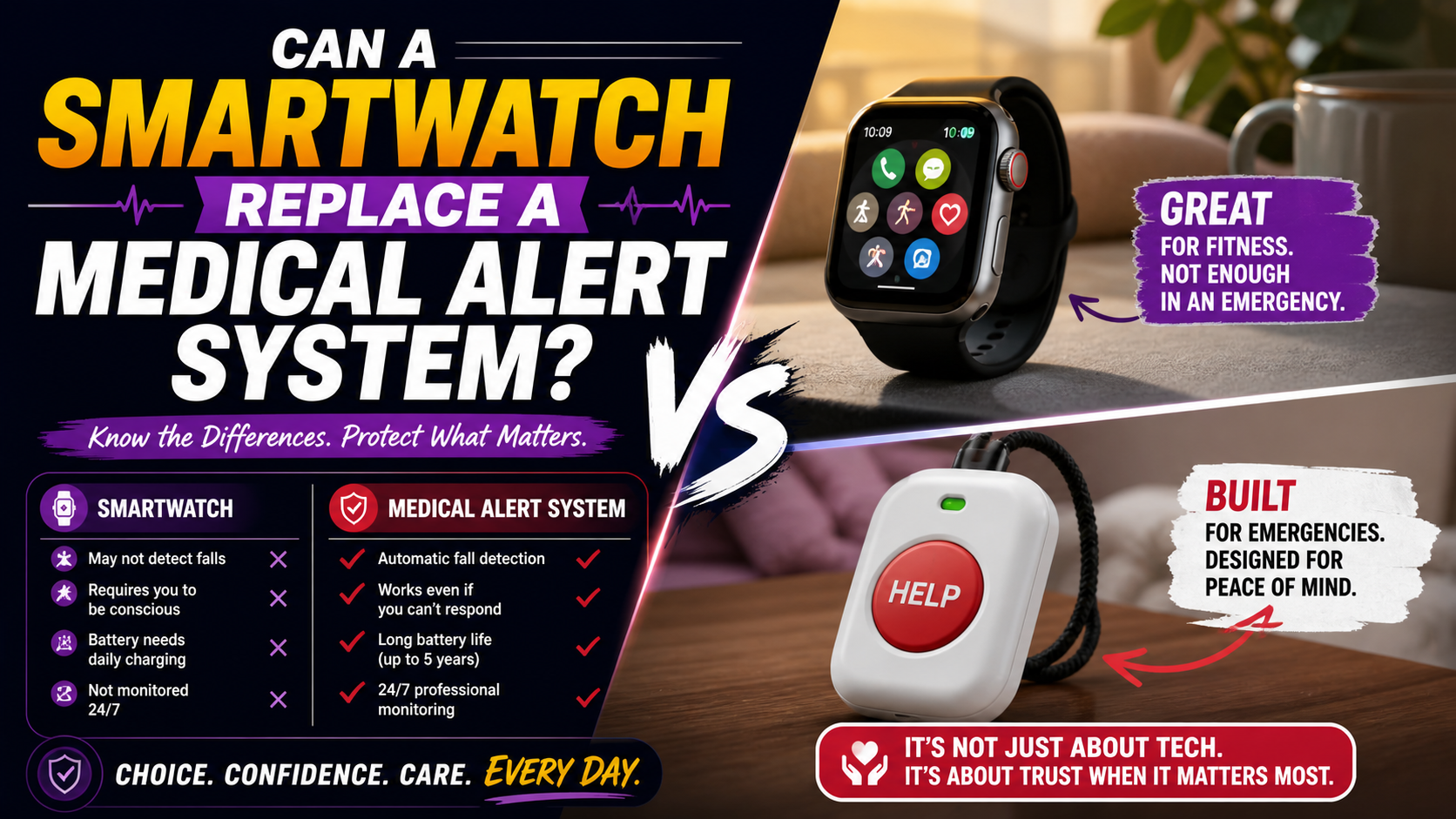
The SecuLife Smartwatch — automatic fall detection, GPS, SOS calling from the wrist — is the single piece of technology that belongs in place regardless of where any specific change falls on the normal-vs-concerning spectrum.
→ Get the SecuLife Smartwatch on Amazon


Noticing Is the First Step
The families who navigate aging parents’ needs most successfully are almost never the ones with the most medical knowledge. They’re the ones who notice changes, describe them specifically, report them to the right people, and act on what they find — rather than minimizing, normalizing, or waiting for certainty before responding.
You don’t need to know whether what you’re seeing is normal aging or something concerning. You need to notice it, describe it specifically, and put it in front of someone who can tell the difference.
That’s the job. It turns out to be enough.


About the Author
Margaret Holloway, RN spent 22 years in geriatric nursing making exactly the assessments this guide describes — distinguishing normal aging from treatable conditions, and watching what happened differently in families who noticed and reported changes versus those who accepted everything as inevitable aging. The outcomes were consistently different. The information in this guide is what she wishes every family had before their first appointment rather than after their tenth. She writes for Elder Safety Guide because geriatric nursing knowledge shouldn’t only exist in clinical settings — it should be in the hands of the families who need it most.