Every adult child has imagined this call. Here’s what generates it, what families ask themselves after it, and the specific actions that prevent it from ever coming.
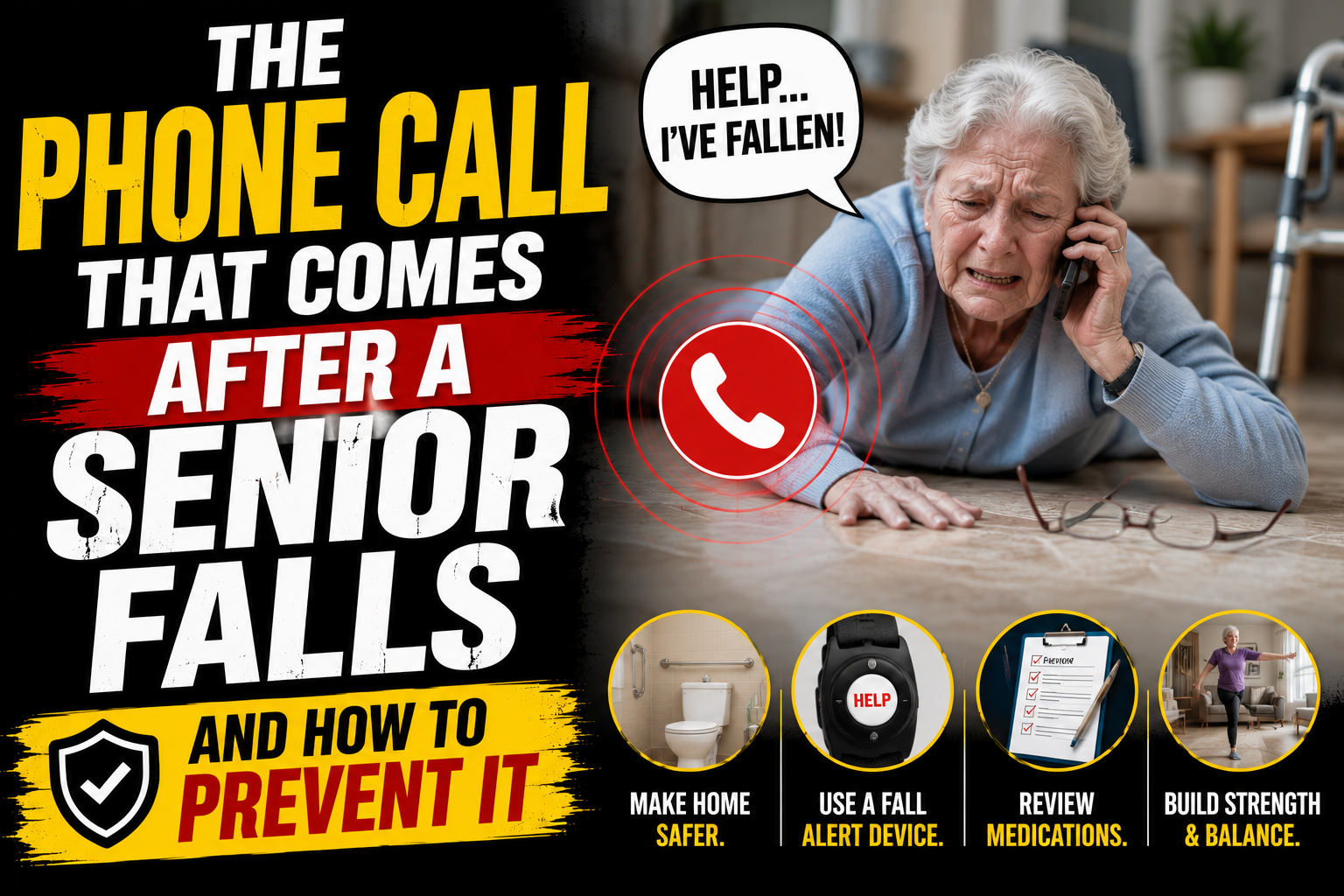
Every adult child with an aging parent has imagined it.
The phone rings at an odd hour. An unfamiliar number. A voice that identifies itself as a nurse, a paramedic, a neighbor. The words that follow — “there’s been a fall” — and the immediate cascade of questions. How bad? When? How long was she on the floor? Why didn’t anyone know?
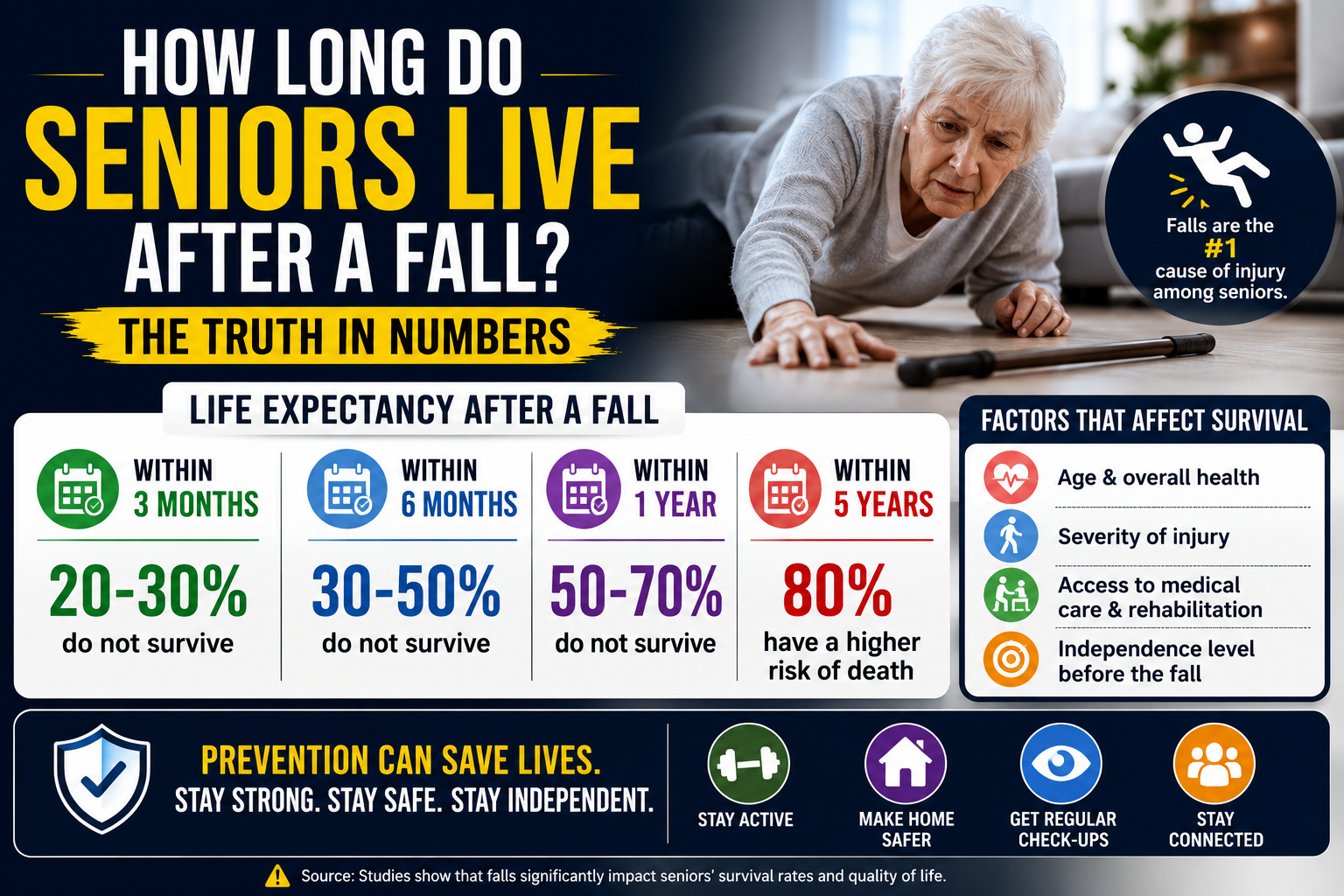
That call comes for roughly one in three families of older adults every year. For most of them it arrives without warning — not because there were no warning signs, but because the warning signs weren’t recognized as such, or were recognized and not acted on, or were acted on but not completely enough.
This article is for the families who haven’t received that call yet. Because the window between now and that call is when everything in this guide matters — and that window is open right now.
What Happens in the Hours Before the Call
The call doesn’t arrive without a preceding story. Understanding that story — the hours and circumstances that led to it — changes how families think about prevention.
In most cases the fall that generated the call happened in one of a small number of specific scenarios that appear over and over in fall emergency statistics.
The Nighttime Bathroom Trip
The most common scenario for serious falls in older adults living alone is the nighttime bathroom trip — awakened by urgency, getting up quickly in a dark room, navigating to a bathroom they could find without looking. The combination of factors that make this so dangerous was covered in our guide on getting out of bed is the most dangerous moment of a senior’s day — orthostatic hypotension, sleep inertia, darkness, urgency.
The call that comes from this fall often arrives in the morning — when the scheduled check-in call goes unanswered. By then hours have passed. The floor time has done its work. As we covered in our guide on the first 60 minutes after a senior falls are the most critical — every hour on the floor matters. The morning call often comes six, seven, eight hours after the fall.
The Bathroom During the Day
The shower entry. The toilet transfer. The step out of the shower onto a bath mat that shifts. As we covered in our guide on the bathroom causes more senior falls than stairs, cars, and ice combined — 80 percent of falls in older adults occur in the bathroom. The bathroom fall during the day is often discovered hours later too — because a fall behind a closed bathroom door is invisible and inaudible until someone physically checks.
The Outdoor Fall
A morning walk. A trip to the mailbox. Getting into or out of the car. Outdoor surfaces — uneven pavement, slight inclines, wet ground — challenge balance in ways that indoor surfaces managed with handrails and grab bars don’t. The outdoor fall is often witnessed — by a neighbor, a passerby — which reduces the clock. But it’s also often minimized afterward: “I just tripped, I’m fine.” The pattern we covered in our guide on most seniors who fall never tell their doctor — the fall that doesn’t get reported, that doesn’t get addressed, that happens again worse.
What the Family Asks Themselves After the Call
After the call — in the car on the way to the hospital, in the waiting room, in the days that follow — families almost universally ask themselves the same questions.
Did I know something was wrong? Were there signs I missed or minimized? What could I have done differently? Why didn’t I act on what I noticed?
The honest answer for most families is that the signs were there — the slip that was mentioned casually, the bruise that appeared without explanation, the slight change in how she moved through the house, the bathroom without grab bars that was noticed and not yet addressed. As we covered in our guide on the warning sign families miss until it’s too late — the warning signs almost always precede the serious fall. They just don’t get acted on in time.
This isn’t a criticism. The psychology of minimization is real and powerful — covered in detail in our guide on most seniors who fall never tell their doctor. The family that doesn’t act on a warning sign isn’t a negligent family. It’s a human family — one that wanted to believe “I’m fine” was accurate and accepted the explanation more readily than the evidence warranted.
But the questions remain. And they remain because they’re pointing at something real — a window that was open and is now closed.
What Changes After the Call
After the call everything that felt optional before stops feeling optional.
The grab bars that were going to be installed eventually get installed that week. The medical alert device that seemed like an overreaction gets ordered from the hospital waiting room on a phone. The bathroom that needed to be addressed gets addressed during the rehabilitation period. The conversation about safety that had been avoided gets had — finally, urgently, often tearfully.
This pattern — of prevention measures being implemented immediately after a fall that they would have prevented — is one of the most consistent findings in fall prevention research and one of the most consistent observations of geriatric health professionals who work with older adults and their families.
The measures weren’t unavailable before the fall. They weren’t unaffordable. They weren’t unknown — families who install grab bars after a fall typically knew grab bars existed before the fall. They were simply not urgent enough to act on — until the fall made them urgent.
The fall changed the calculus. It made the probability of the next fall undeniable — a first fall more than doubles the risk of a second, as we covered in our guide on 1 in 3 seniors falls every year. It made the consequences of inaction concrete rather than hypothetical. It made urgency undeniable.
Everything the call produces — in terms of family action, safety measures implemented, prevention taken seriously — could have happened before it. In a different timeline it did happen before it. And in that timeline the call never came.
The Specific Things That Prevent the Call
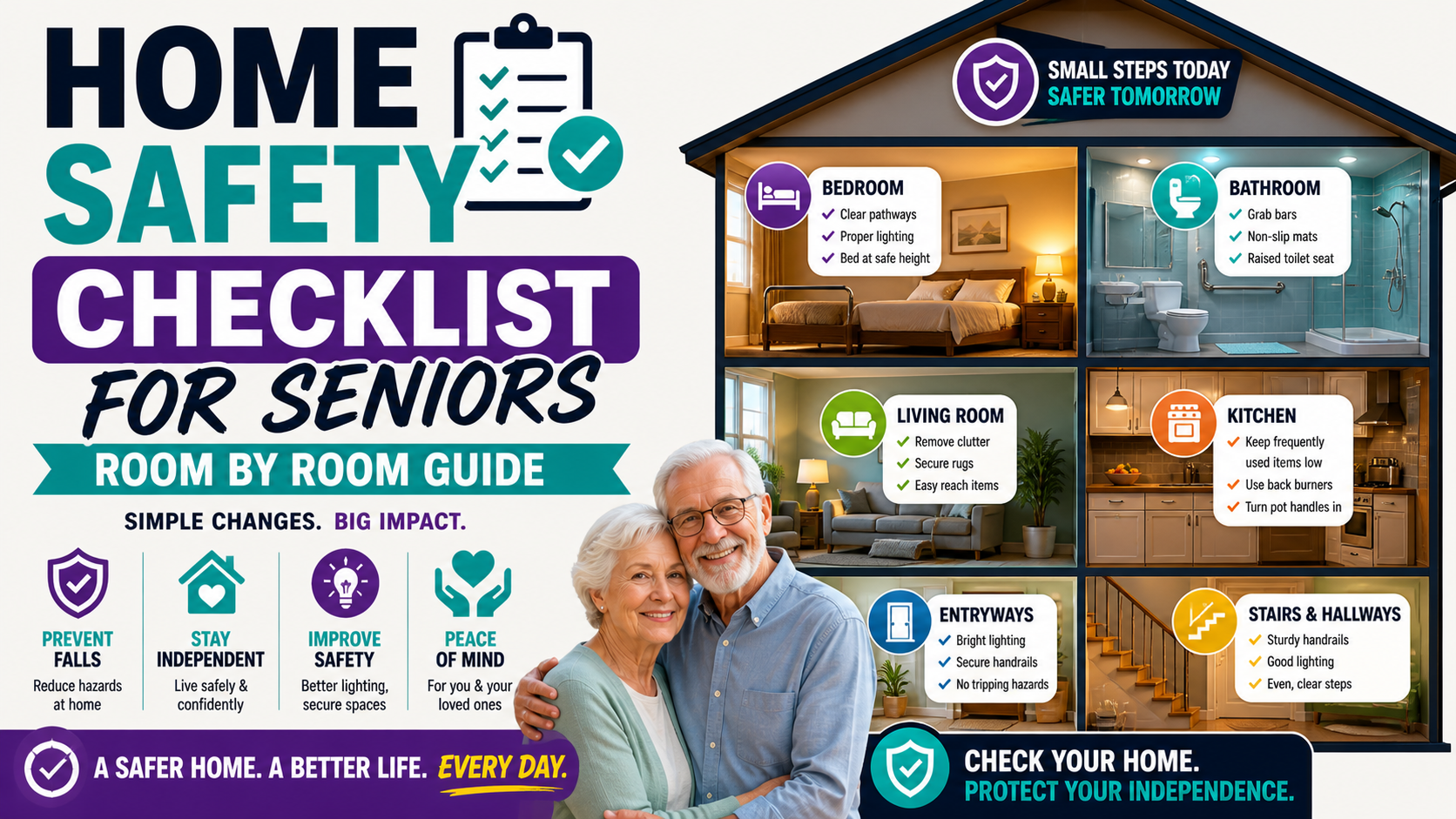
This isn’t theoretical. The specific measures that prevent the fall that generates the call are known. Here’s the complete list — not as things to consider, but as things to do.
In the Bathroom — This Weekend
The bathroom is where the call-generating fall most commonly originates. Three to four modifications address the specific mechanisms responsible for most bathroom falls.
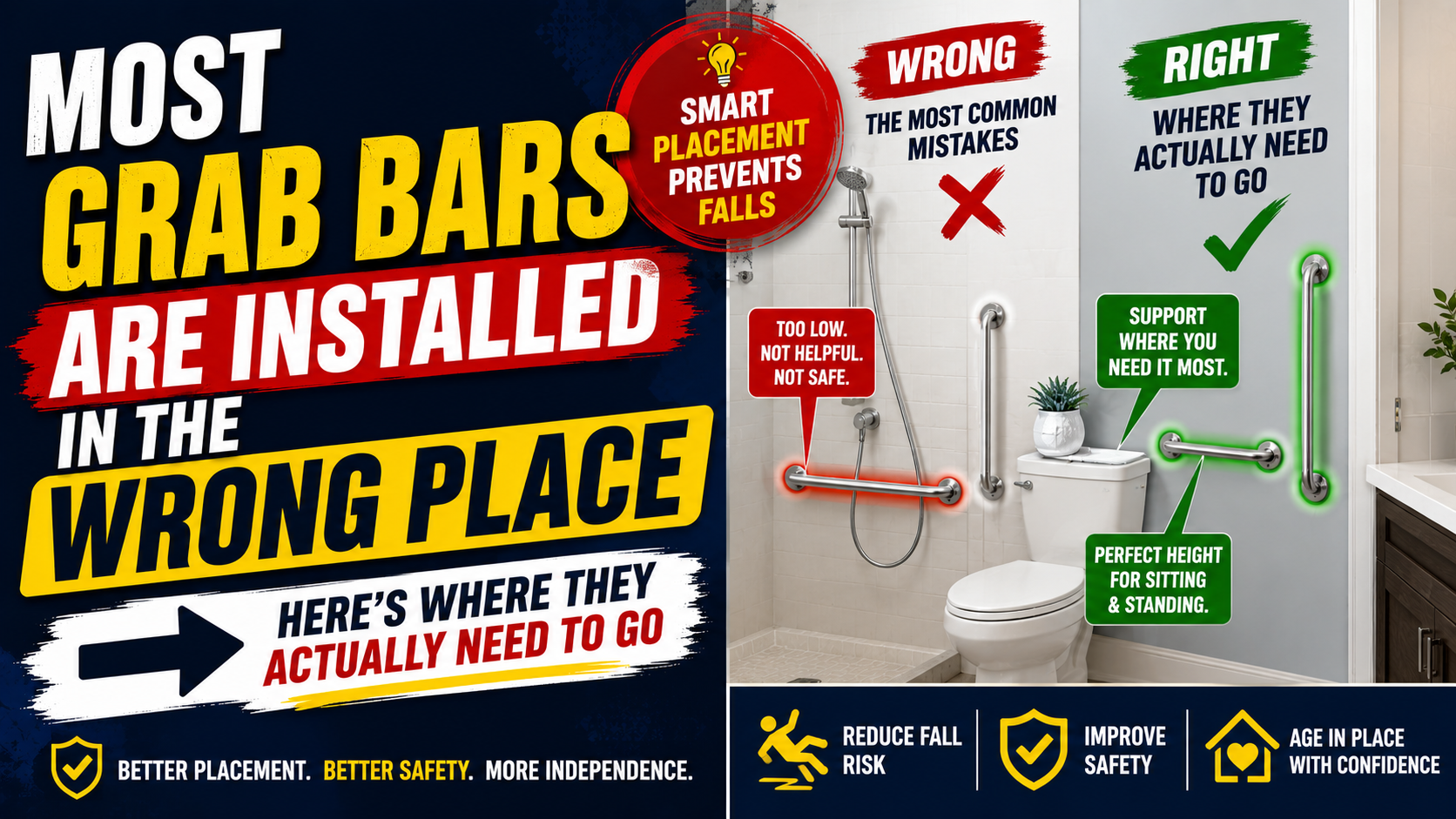
A grab bar at the shower entry — in the correct position, inside the shower, where the hand reaches naturally during the step-through motion. Not on the outside wall. Not a towel bar. A load-rated grab bar in the right position. Our guide on most grab bars are installed in the wrong place covers exactly where.
Toilet safety rails — bilateral armrests that transform the toilet transfer from an unsupported balance challenge into a supported, managed movement. Tool-free installation. In place within ten minutes of arrival.
A non-slip bath mat that stays completely in place under wet feet. Not a fabric mat. A diatomaceous earth stone mat that absorbs water instantly and never shifts.
Night lights — auto-on, covering bedroom, hallway, and bathroom — so the nighttime bathroom trip is never made in the dark.
→ Get the Toilet Safety Rails on Amazon
→ Get the Night Lights on Amazon
In the Bedroom — This Weekend
A bed rail on the exit side of the bed — for the morning getting-up transition and every nighttime bathroom trip. ASTM certified. Firm and non-compressing. Present at the moment of maximum vulnerability every single day.
The Safety Net — Before This Month Is Over
Prevention reduces falls. It doesn’t eliminate them. For anyone whose parent lives alone the question isn’t only how to prevent the fall — it’s what happens when prevention isn’t enough.
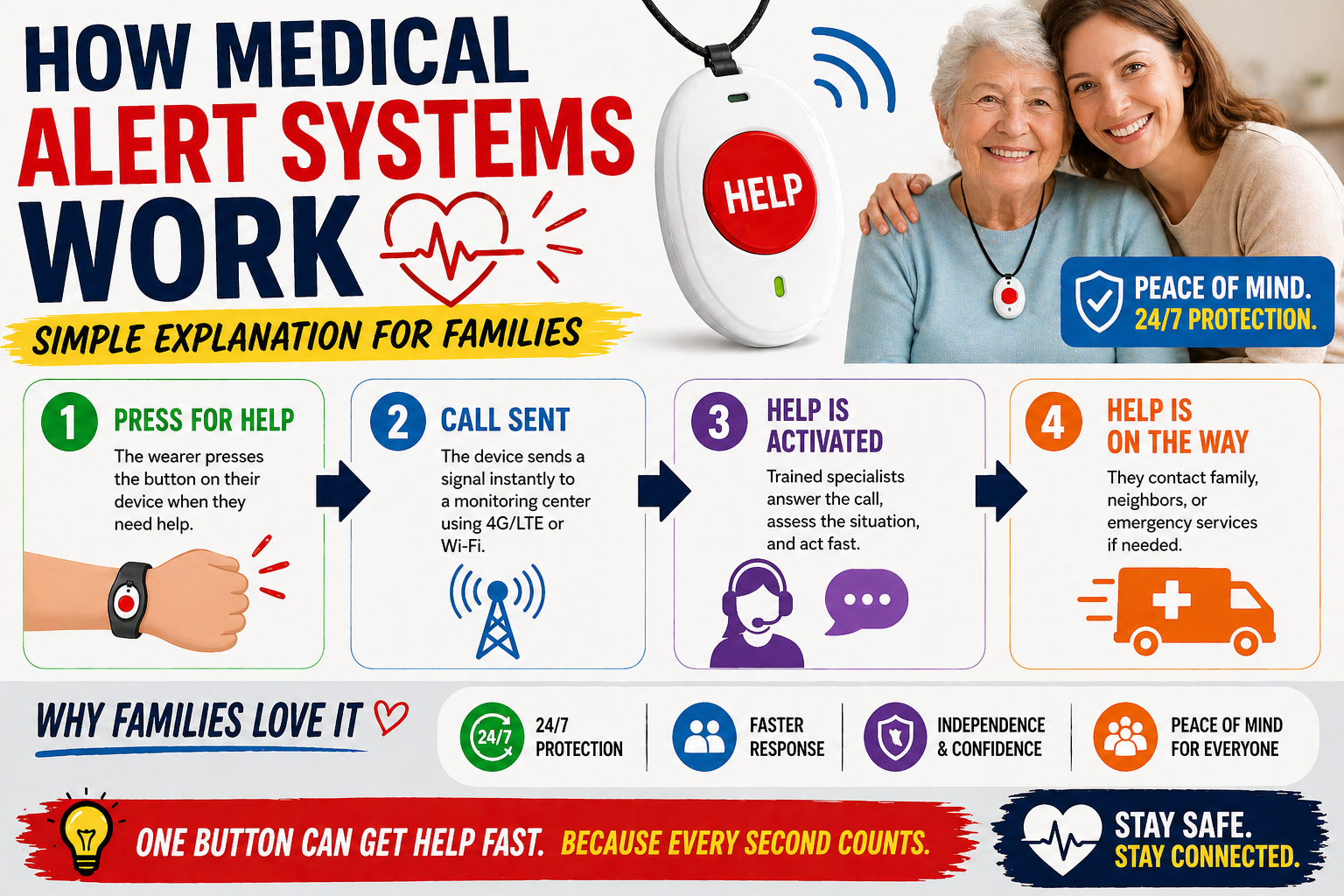
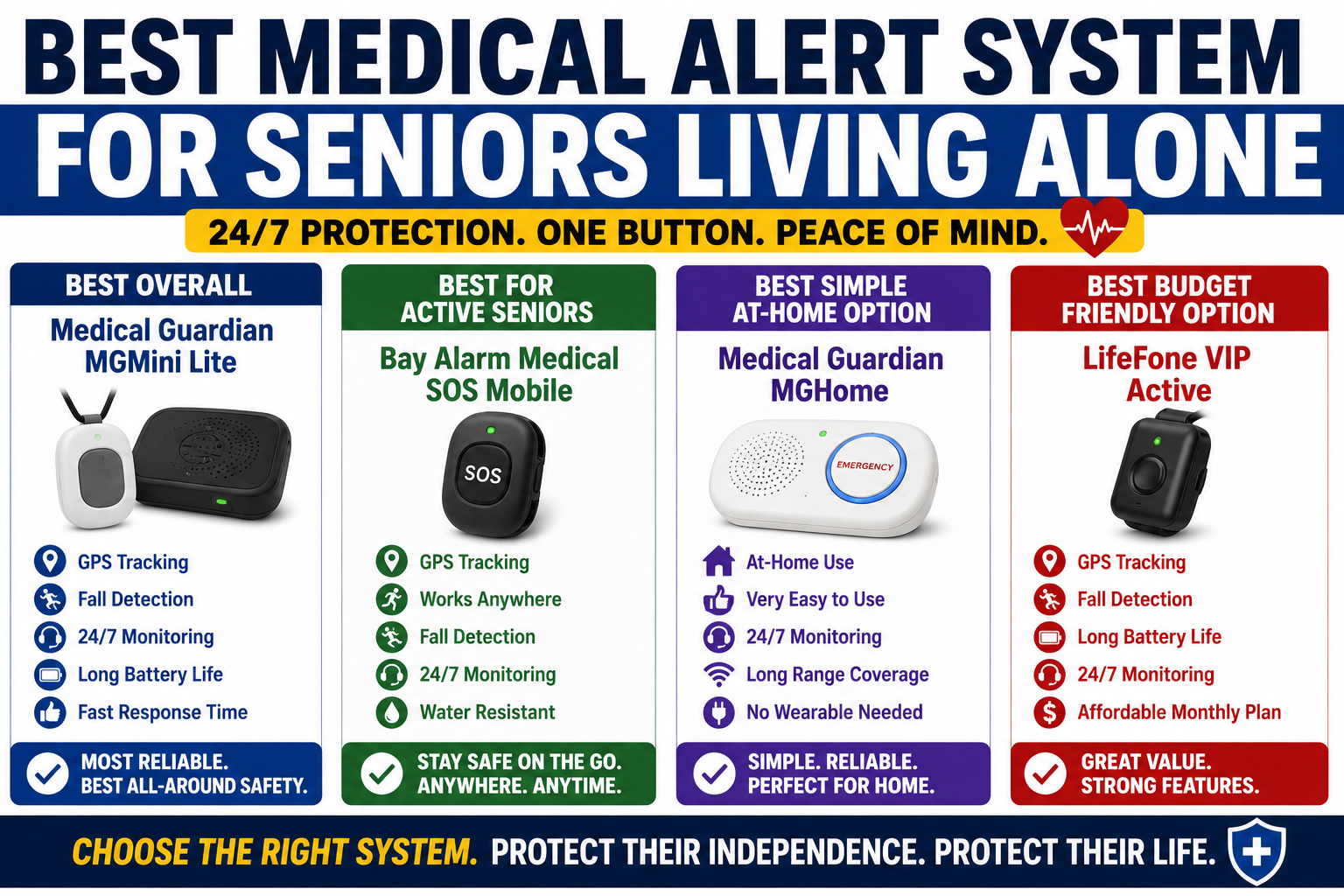
The SecuLife Smartwatch is the answer to that question. Automatic fall detection that alerts family immediately with GPS location — without requiring any action from the person who has fallen. For a parent living alone this is the measure that changes “what if she falls at 2am and nobody knows” from a fear into a solved problem.
Our complete review at SecuLife Smartwatch Review covers every feature. Our guide on best medical alert system for seniors living alone covers the complete solo-living safety picture.
→ Get the SecuLife Smartwatch on Amazon
The Medical Conversation — At the Next Appointment
Request a falls-focused medication review using those exact words. Ask specifically about blood pressure medication timing, diuretic timing, and any medication with sedative effects. As we covered in our guide on the #1 reason seniors fall at home — medication is the single most significant modifiable fall risk factor and timing adjustments frequently reduce it without changing medications.
The Conversation With Your Parent — This Week
The conversation about fall risk — about safety modifications, about a medical alert device, about what would happen if something went wrong — is easier before a fall than after one. Before the fall it’s a thoughtful, proactive conversation about staying independent. After the fall it’s an urgent, emotional conversation in a hospital waiting room with less time, less calm, and less room for your parent’s preferences to guide the outcome.
Our guide on how to talk to a parent about a medical alert system covers the specific framings that work. Our comprehensive guide on how to help an elderly parent live safely alone covers everything that needs to happen from home modifications through legal planning.
The Call That Never Comes
There is no story about the call that never came. No one writes about the morning the phone didn’t ring with bad news. No one describes in detail the fall that didn’t happen because the grab bar was there, the bed rail was there, the night lights were on, the medical alert device detected the stumble that didn’t become a fall and alerted family who called to check before anything developed.
Prevention is invisible. Its successes are the absence of events — unrecorded, unremarkable, unnoticed precisely because they worked.
But they’re real. The family that installed grab bars before a fall and never had to wonder whether the bathroom was safe. The parent who slipped getting out of bed, felt the bed rail under their hand, stabilized, and went back to sleep — never mentioning it because it was fine, because the thing that was supposed to be there was there.
These stories don’t get told because they don’t generate a call. And not generating that call is the entire point.
The window is open right now. The call hasn’t come yet. Everything in this guide — everything across the entire site — exists for this window. Use it.
About the Author
Margaret Holloway, RN spent 22 years in geriatric nursing on the receiving end of the call — not making it, but treating its consequences. She has worked with hundreds of families in the hours and days after a serious fall, watching them process the questions that come after. She has watched families implement in days what they hadn’t implemented in years — and watched them wish they had done it before the call rather than after. She writes for Elder Safety Guide specifically for the families in the window before the call — because that window is when everything is still preventable, and because the call that never has to come is the best outcome available.