Bathing is one of the highest-risk daily routines for seniors. Here’s every modification for every stage — entry, washing, rinsing, and exit.
Bathing is one of the most physically demanding daily routines older adults perform — and one of the least discussed in fall prevention conversations. The bathroom modifications that get the most attention are grab bars and non-slip mats. Those matter enormously. But the bathing routine itself — the sequence of getting in, washing, rinsing, and getting out — creates specific fall risks at each stage that equipment alone doesn’t address without understanding which equipment solves which problem.
This guide covers the complete bathing safety picture for older adults — every stage of the bathing routine, the specific risk at each stage, and the specific solution that addresses it. Whether the bathroom has a standard tub, a tub-shower combination, or a walk-in shower — every configuration has a complete safety approach worth knowing.
Stage One — Getting Into the Tub or Shower
Entry is where most bathing-related falls occur. The specific mechanism depends on the bathroom configuration — but in every case entry requires a transition that challenges balance in ways that the rest of the bathing routine doesn’t.
Standard Tub Entry — The Highest-Risk Transition
Stepping over a standard tub wall — typically 15 to 18 inches high — requires balancing on one leg while the other lifts that full height. For anyone with balance reduction, hip restriction, leg weakness, or post-surgical limitations this step-over is where the fall risk is highest. It’s not the wet floor inside the tub. It’s the getting-in.
Two solutions address tub entry — depending on how much mobility remains.
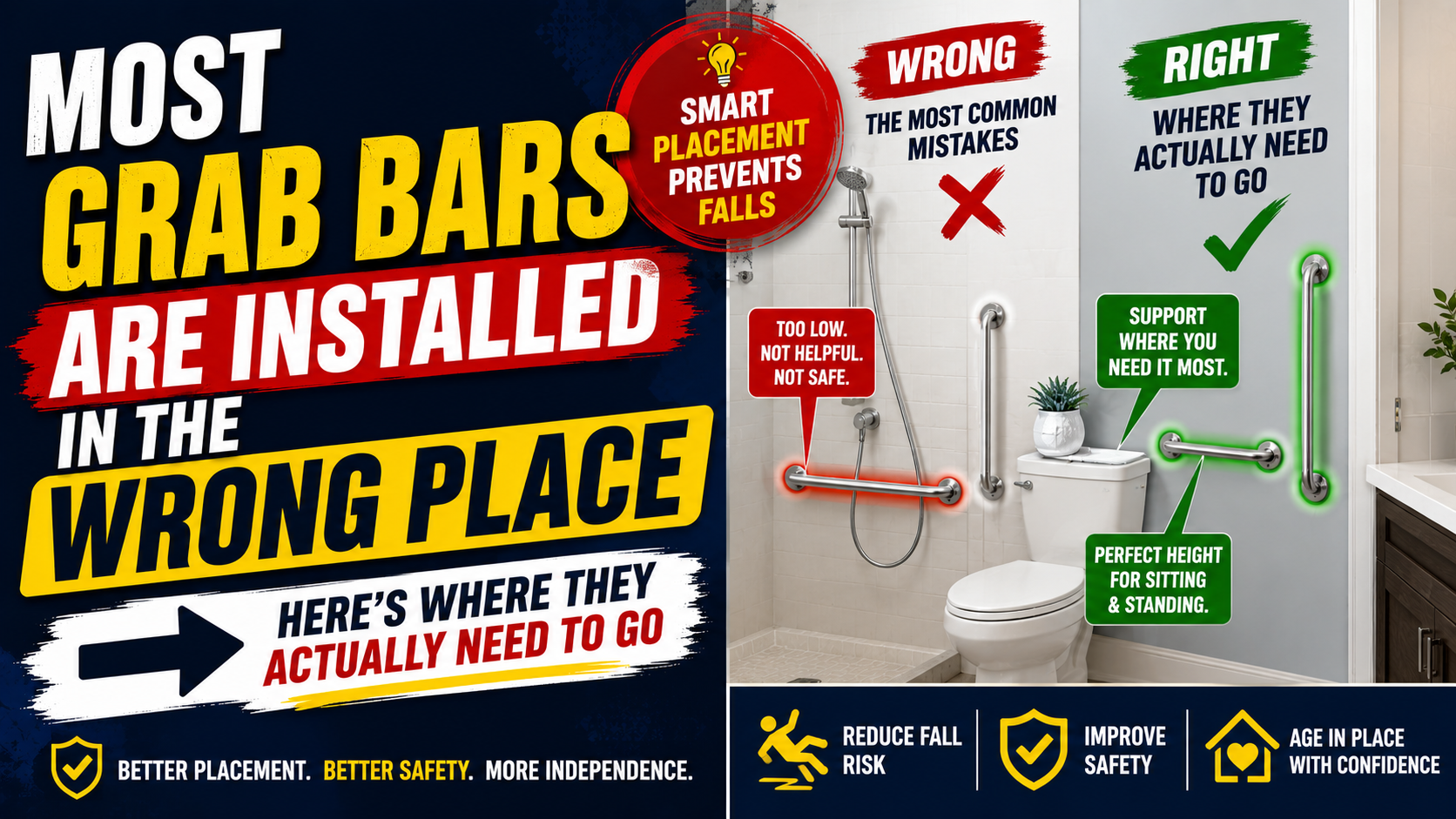
For anyone who can step over the tub wall but needs support during that transition — a grab bar at the tub entry, mounted on the wall at the height the hand reaches during the step-over, provides the support that converts a one-legged balance challenge into a supported movement. Our guide on most grab bars are installed in the wrong place covers exactly where this bar needs to go.

For anyone who cannot safely step over the tub wall at all — a transfer bench eliminates the step-over entirely. The person sits on the outside section of the bench, lifts their legs over the tub wall while seated, and slides to the inside position. No standing step-over required. Our complete review covers who needs one, what features matter, and exactly what to buy.
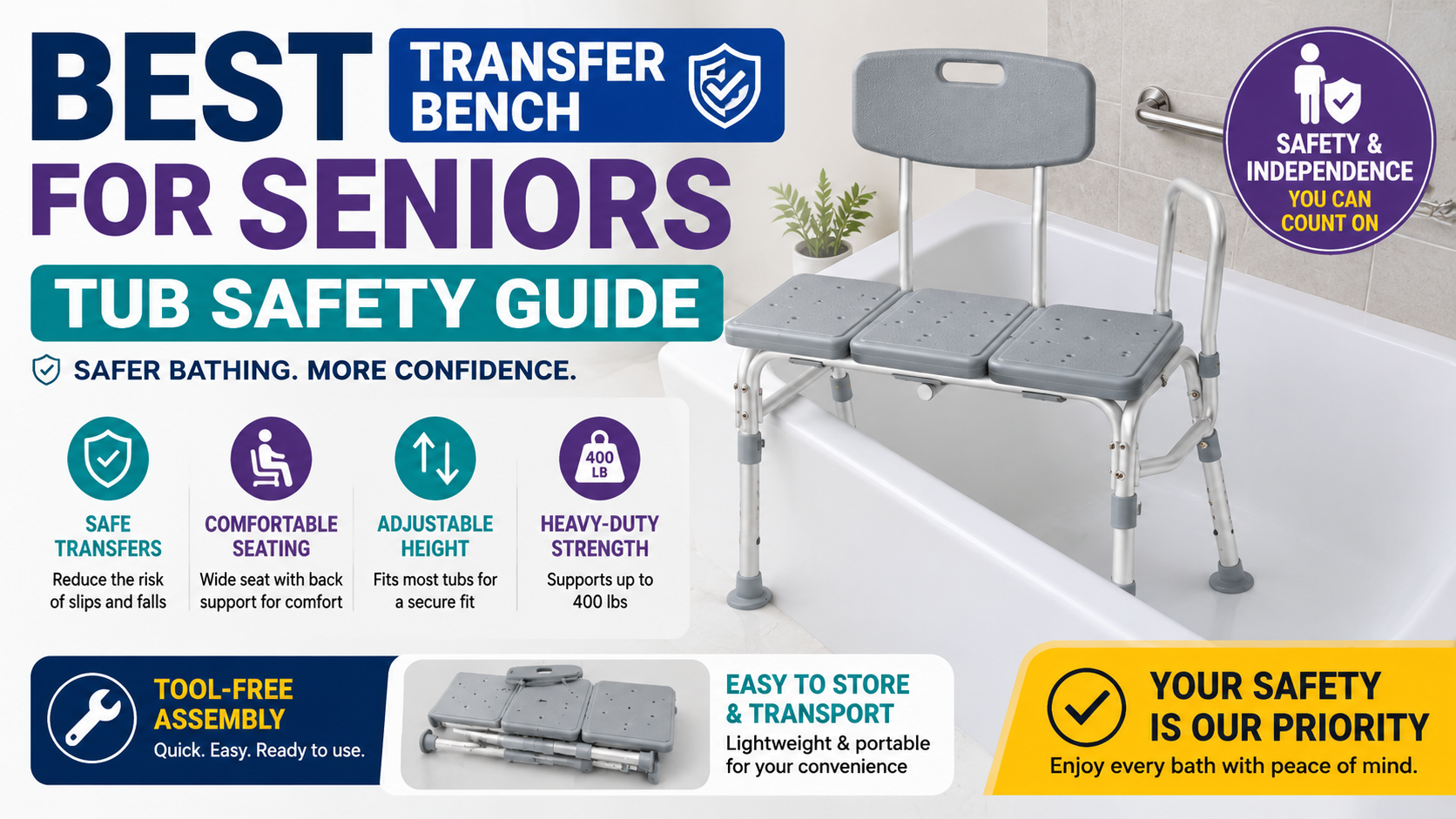
Best Transfer Bench for Seniors — Complete Guide
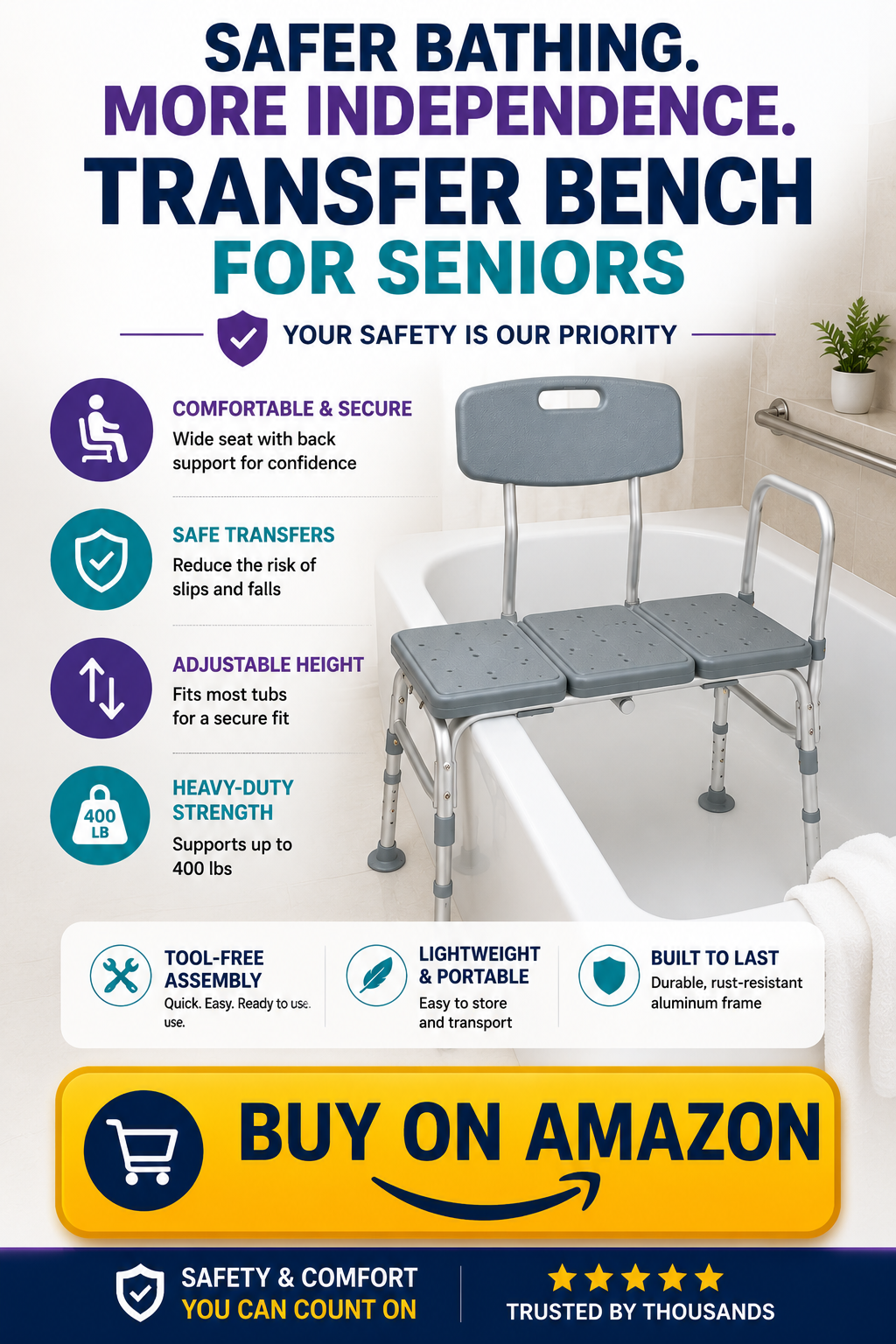
→ Get the Medline Transfer Bench on Amazon
Walk-In Shower Entry — Safer but Not Risk-Free

A curbless walk-in shower eliminates the threshold step-over — the person walks in rather than stepping over. As covered in our guide on best walk-in shower for seniors — this single design difference removes the highest-risk entry transition in a standard shower or tub setup.
Even with a curbless entry a grab bar inside the shower at the entry point provides support during the entry motion — the slight weight shift as the body moves from bathroom floor to shower floor. The entry bar is still the most important bar in the shower even when the threshold has been eliminated.
Standard Shower With Threshold
A standard shower threshold — typically 2 to 4 inches — is lower than a tub wall but still creates a one-legged step-over at the highest-risk moment of every shower entry. The entry grab bar inside the shower at the step-through height directly addresses this transition — positioned where the hand naturally reaches during the entry motion not where it reaches when standing still.
Stage Two — Washing and Rinsing
Once inside the tub or shower the washing routine creates its own fall risk — sustained standing on a wet surface, reaching and rotating that shift the center of gravity, and the physical fatigue of extended standing that accumulates over the full shower duration.
Seated Showering — The Most Impactful Change
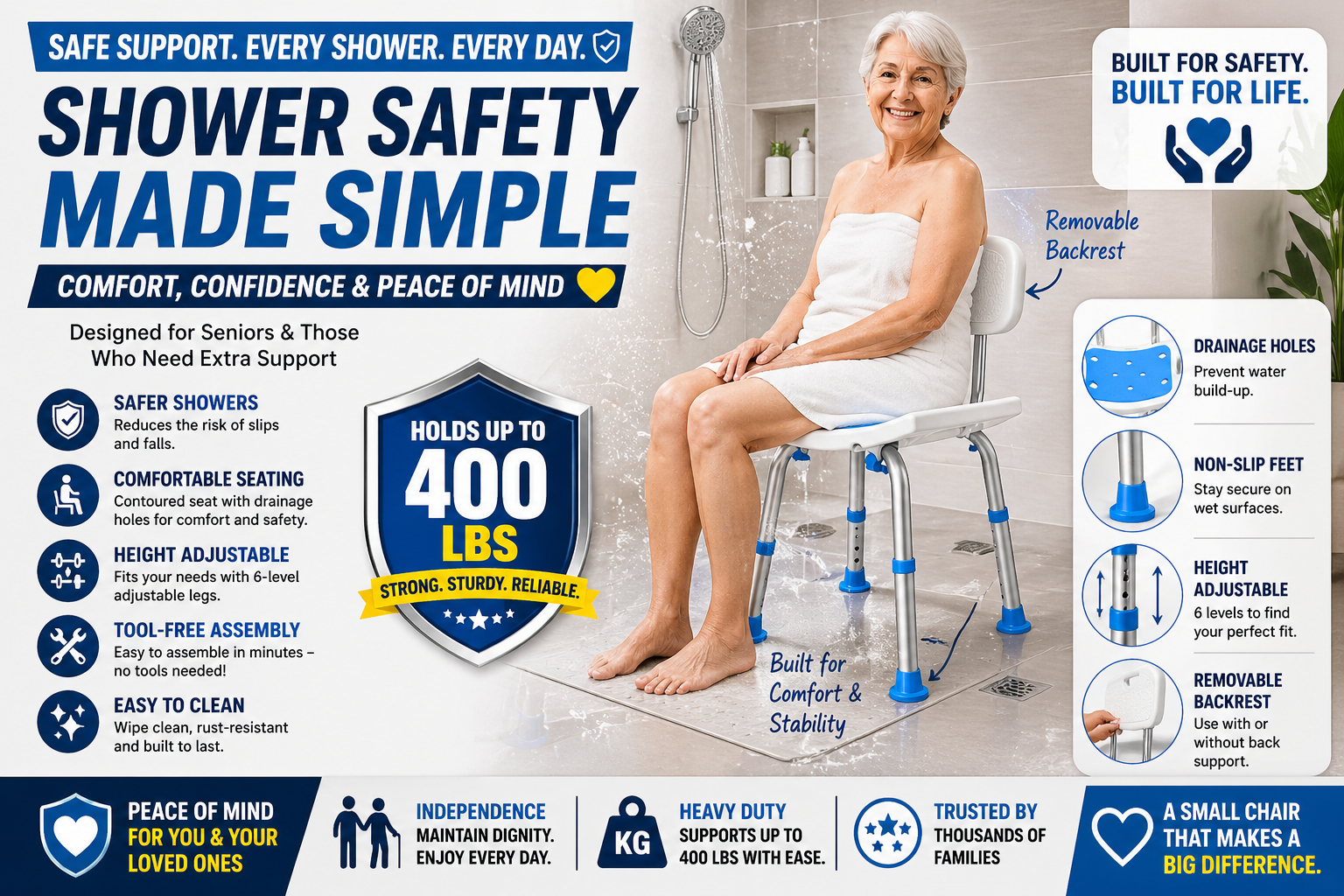
A shower chair eliminates the sustained balance demands of standing on a wet surface entirely. Seated showering requires a fraction of the balance demanded by standing — and most people who try it find it more comfortable and less physically tiring than standing. Our complete review of the best shower chair for seniors covers the specific product we recommend.
→ Get the Shower Chair on Amazon
Handheld Shower Head — Makes Seated Showering Complete
A shower chair combined with a fixed shower head still requires significant reaching and repositioning to rinse adequately from a seated position. A handheld shower head with a long hose solves this — the spray moves to where the body is rather than requiring the body to move to the spray. For anyone showering seated it’s the modification that makes seated showering genuinely complete rather than approximate.
The AquaCare 8-Mode Handheld Shower Head is the specific option we recommend — six-foot stainless steel hose, eight spray modes including a targeted power wash, anti-clog nozzles, and both wall and overhead brackets included. Our complete review covers every feature worth knowing before buying.
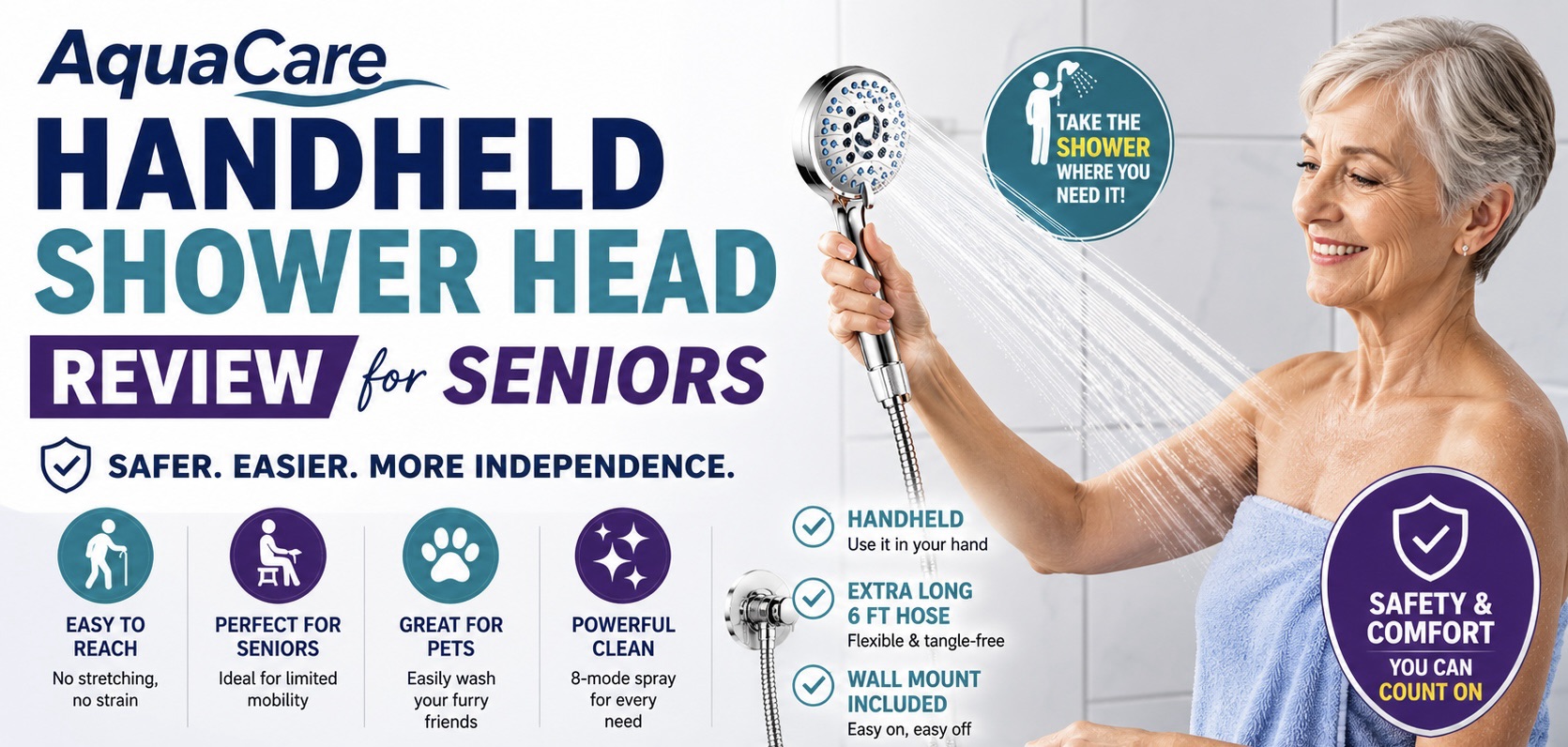
AquaCare Handheld Shower Head Review — Full Guide

→ Get the AquaCare Handheld Shower Head on Amazon
Shower Back Wall Grab Bar
A horizontal bar on the back wall of the shower at hip height provides stability during the washing routine — for reaching, for the sit-to-stand from the shower chair, and for any moment of instability during standing portions of the routine. This is the second bar after the entry bar in priority order for shower safety.
Stage Three — Getting Out
Exit creates a distinct fall risk separate from entry — the combination of wet feet, the step-out motion, and the bath mat that may or may not stay in place under the first wet foot contact.
The Shower Exit Fall
Stepping out of the shower onto the bathroom floor with wet feet is one of the most consistent bathroom fall mechanisms. The forward momentum of stepping out, the wet foot contacting a surface whose traction properties differ from the shower floor, and the bath mat that shifts under that first step combine into a fall that happens at the moment of feeling safely out of the shower.
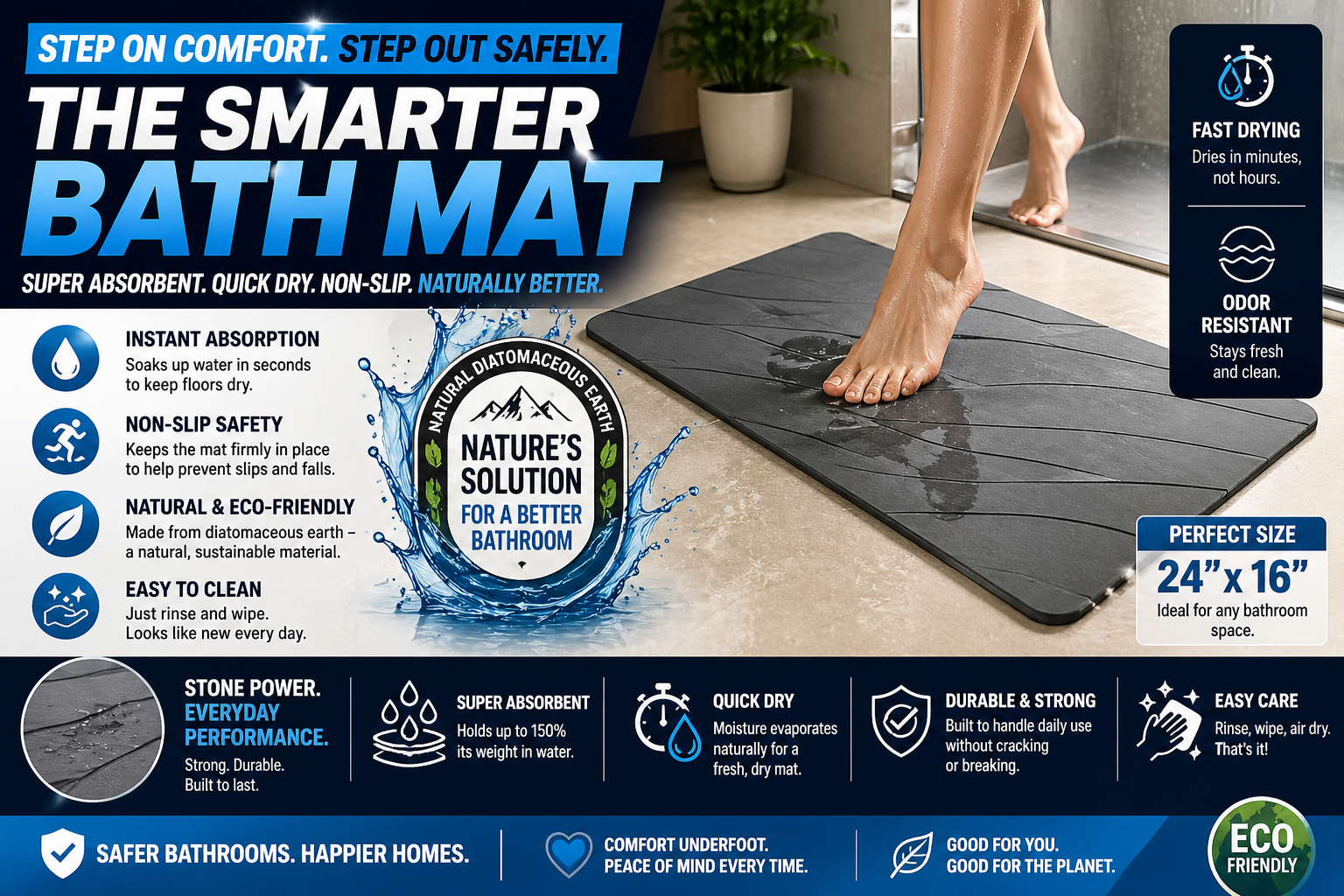
A diatomaceous earth stone bath mat that absorbs water instantly and never shifts under load addresses this specifically. As covered in our review of the best non-slip bath mat for seniors — most fabric bath mats fail this transition.
→ Get the Non-Slip Bath Mat on Amazon
The Tub Exit
For tub users — whether exiting independently or via transfer bench — the same exit bar that assisted entry assists exit. The sequence reverses: slide from the inside position to the outside bench position, lift legs over the tub wall while seated if using a transfer bench, stand from the outside bench position with the grab bar for support.
Stage Four — The Toilet Transfer
The toilet transfer happens before and after every bathing session — and represents a distinct fall risk separate from the bathing routine itself. The sit-to-stand from a standard toilet without support is one of the most physically demanding daily transitions older adults make.
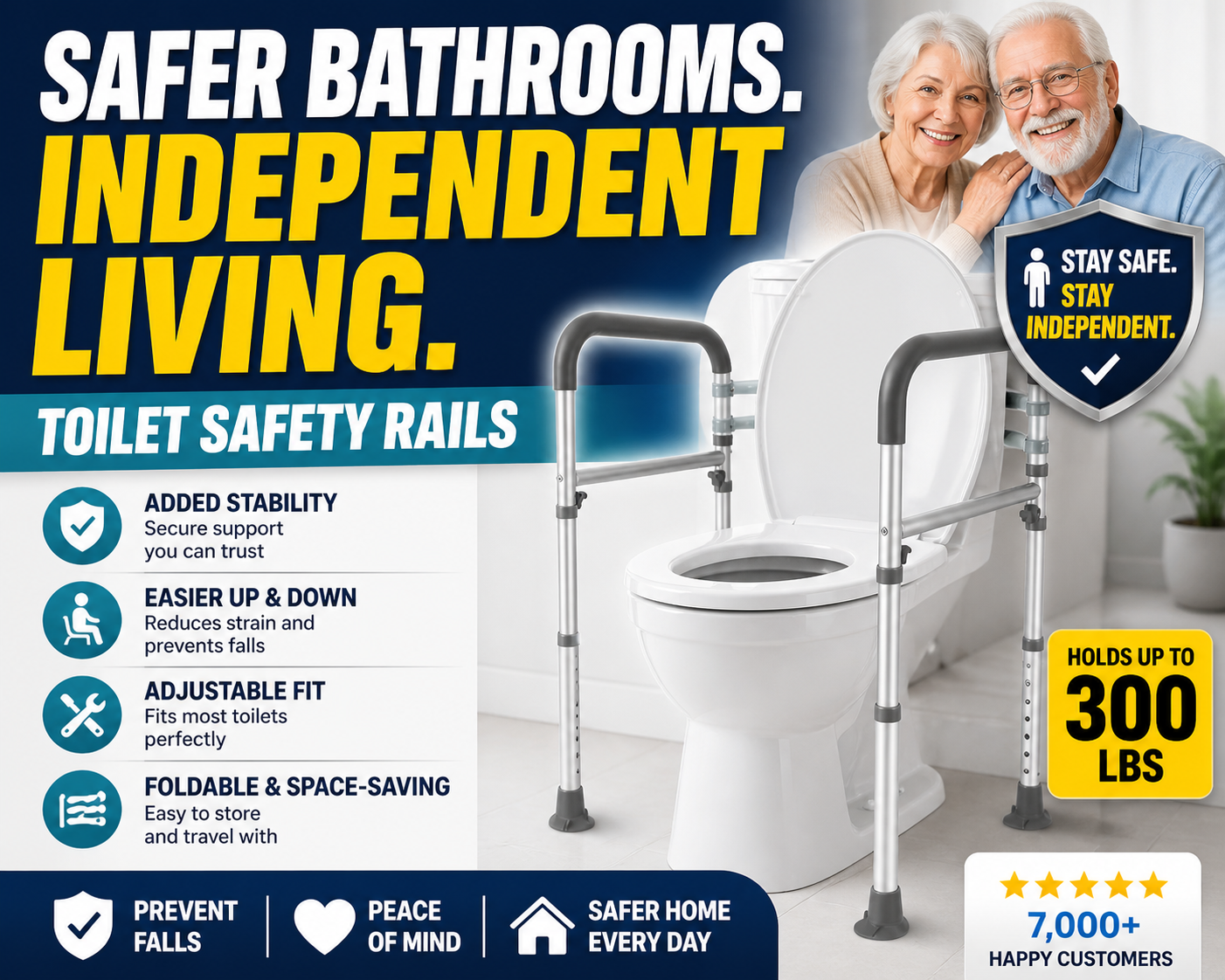
Toilet safety rails with armrests transform this from an unsupported balance challenge into a supported movement — bilateral push support at exactly the moment of maximum effort. Our review of the best toilet safety rails covers the tool-free option that installs on any toilet.
→ Get the Toilet Safety Rails on Amazon
The Safety Net — Detection During Bathing
The bathroom is simultaneously the highest-risk room in the home and the room where a fall is most effectively concealed — a closed bathroom door is inaudible from the rest of the home, and a phone left on the counter is out of reach from the floor. For anyone living alone a fall during bathing is the scenario where the gap between the fall and discovery is potentially the longest of any daily scenario.

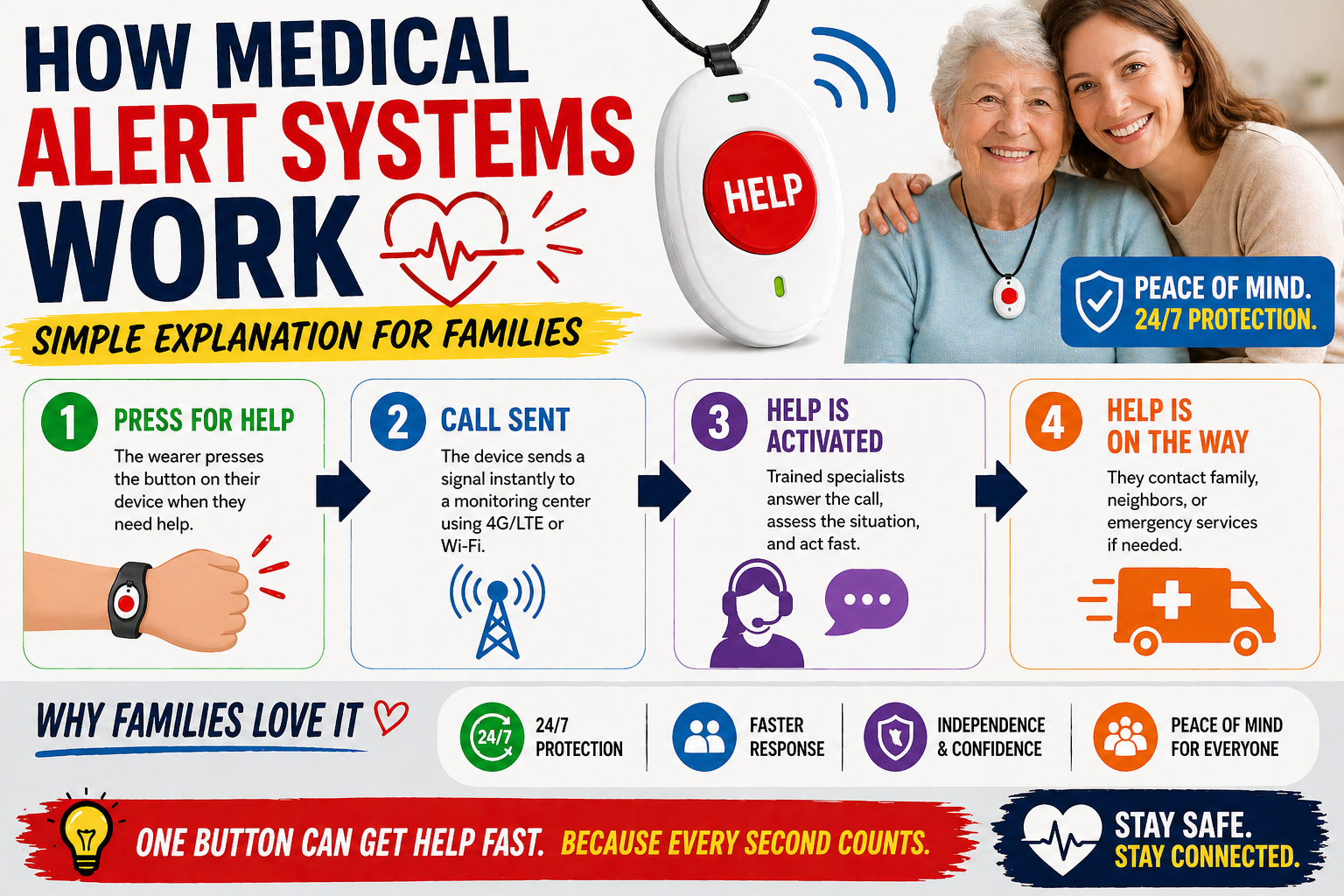
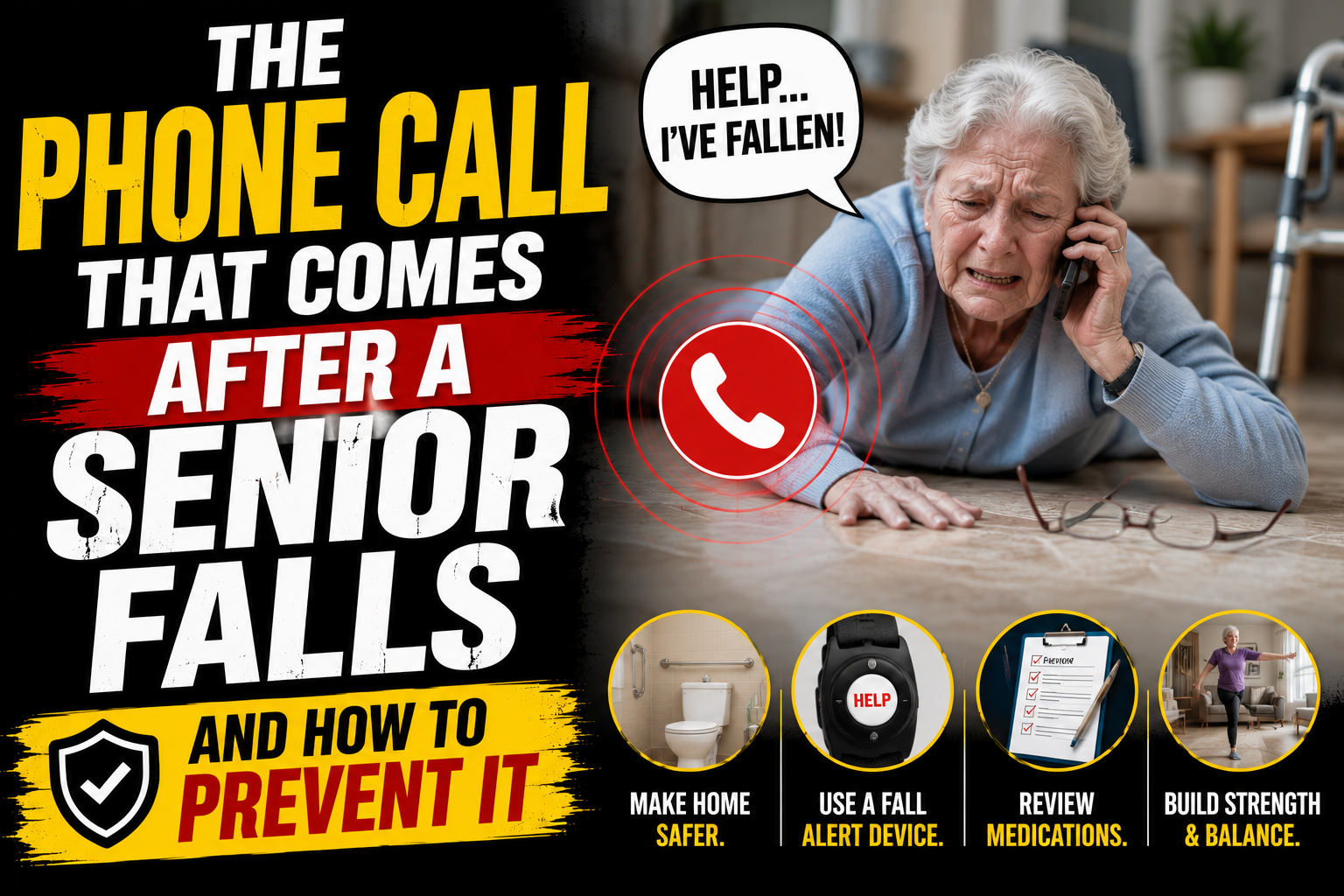
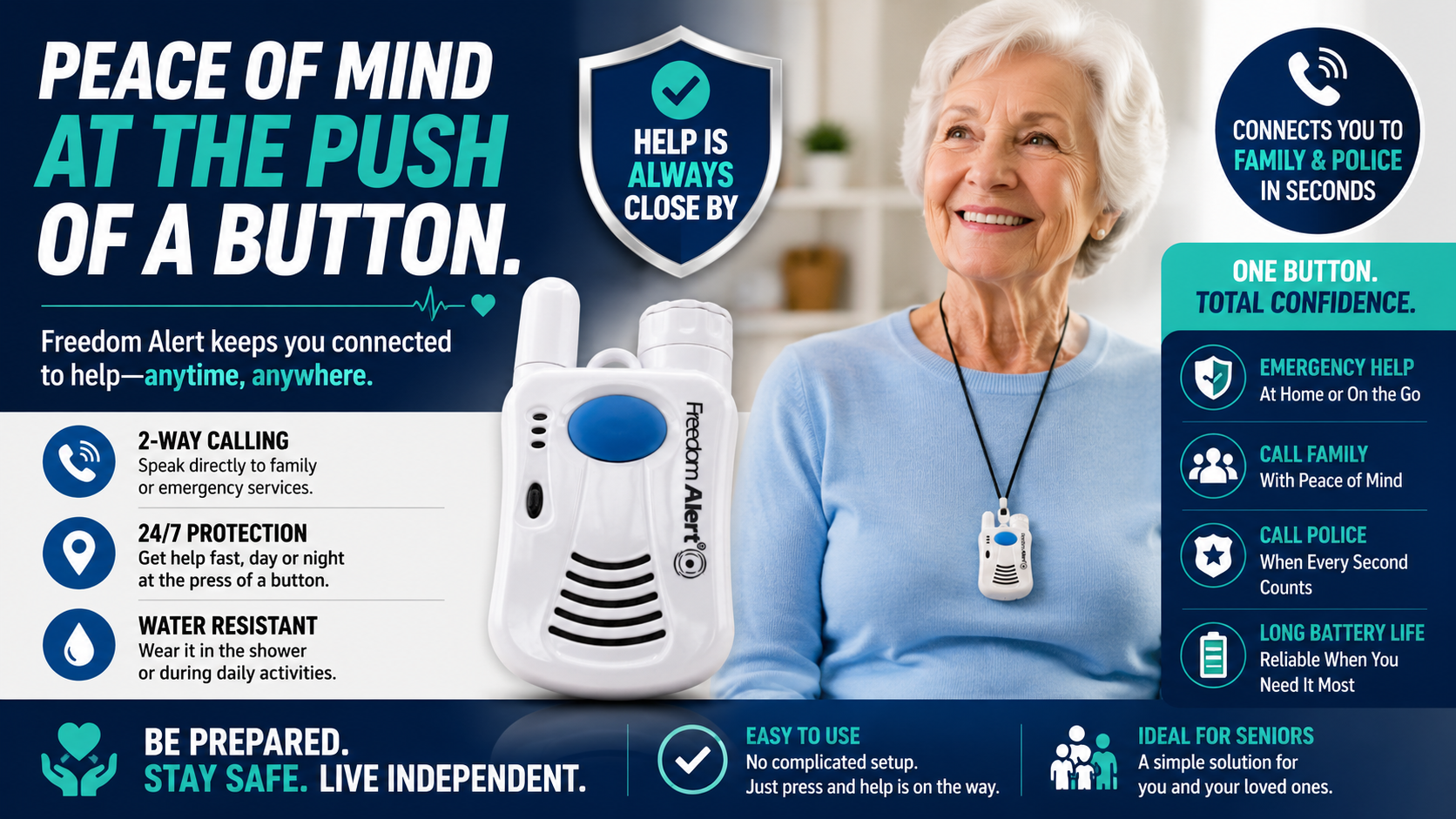
The SecuLife Smartwatch worn on the wrist goes into the bathroom during every shower and every bath — providing automatic fall detection that alerts family immediately with GPS location without requiring any action from the person who has fallen. Waterproof. Wrist-worn. Always there during the highest-risk room visits of every day.
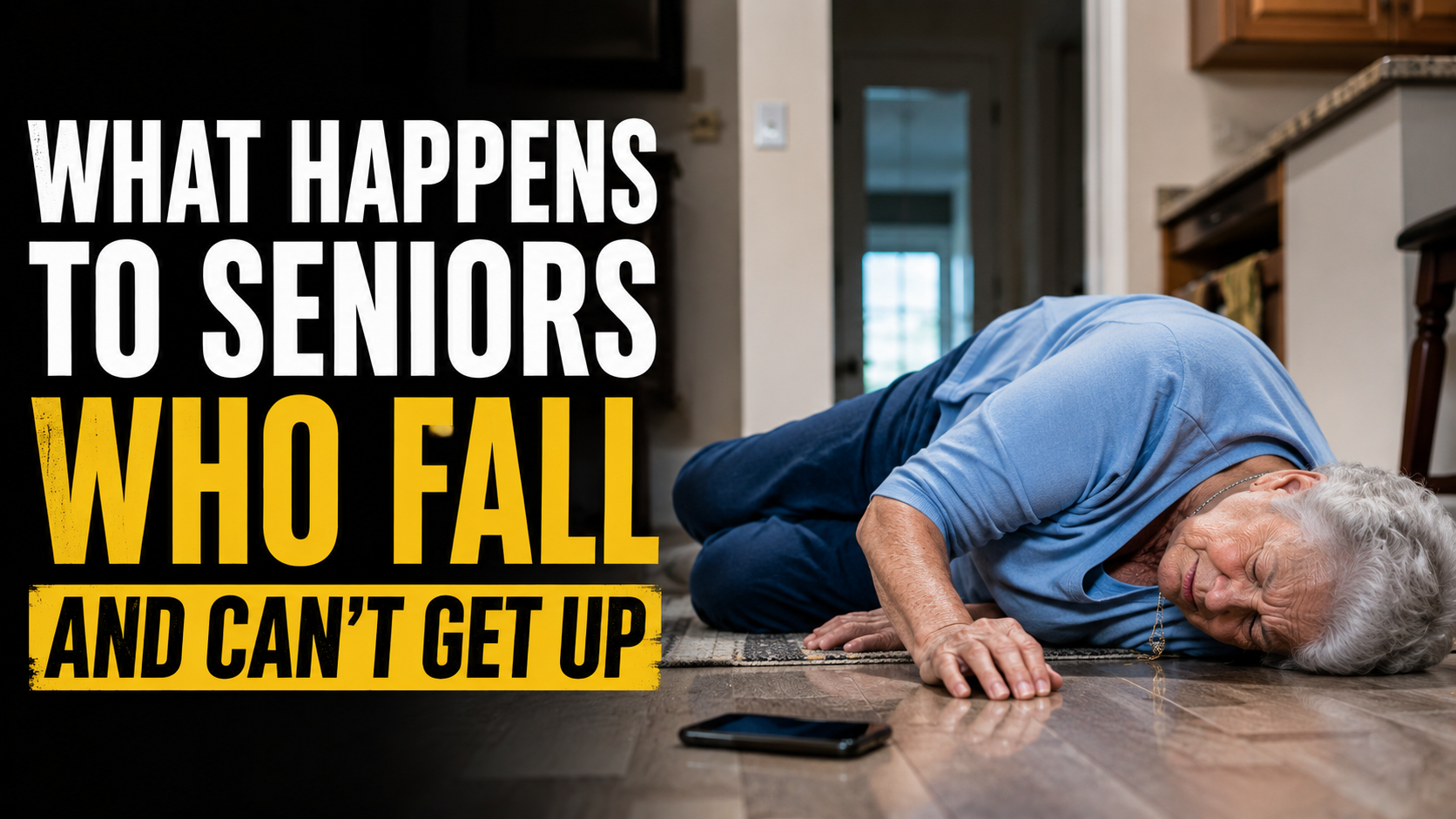
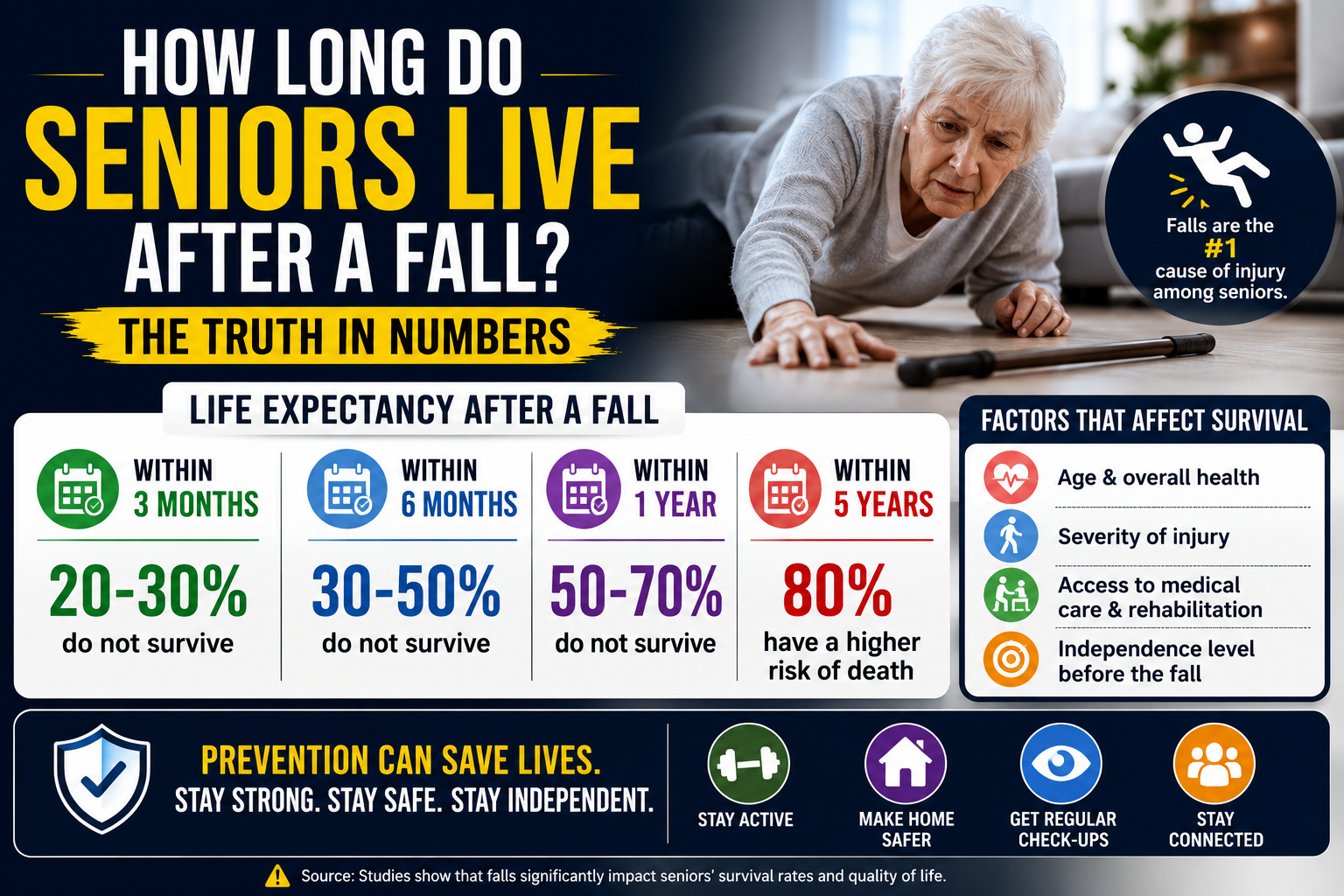
As covered in our guide on what happens to seniors who fall and can’t get up — the time between a fall and discovery determines outcomes. The bathroom is where that time is longest without detection technology.
→ Get the SecuLife Smartwatch on Amazon
Bathing Safety by Bathroom Configuration
The right combination of modifications depends on the specific bathroom configuration. Here’s the complete picture for each.
Standard Tub — Can Step Over the Wall
- Grab bar at tub entry — wall mounted at step-over height
- Shower chair or bath seat inside the tub
- Handheld shower head — six-foot hose minimum
- Non-slip bath mat outside the tub
- Toilet safety rails
- Medical alert device — wrist worn
Standard Tub — Cannot Step Over the Wall
- Transfer bench — eliminates the step-over entirely
- Grab bar at tub entry — for support during the seated leg-lift portion of the transfer
- Handheld shower head — six-foot hose reaches every position from the transfer bench
- Non-slip bath mat outside the tub on the transfer bench exit side
- Toilet safety rails
- Medical alert device — wrist worn
Walk-In Shower
- Grab bar at shower entry — inside the shower on the adjacent wall
- Grab bar on shower back wall — hip height
- Shower chair
- Handheld shower head — completes the seated showering experience
- Non-slip bath mat at shower exit
- Toilet safety rails
- Medical alert device — wrist worn
When to Consider a Walk-In Tub
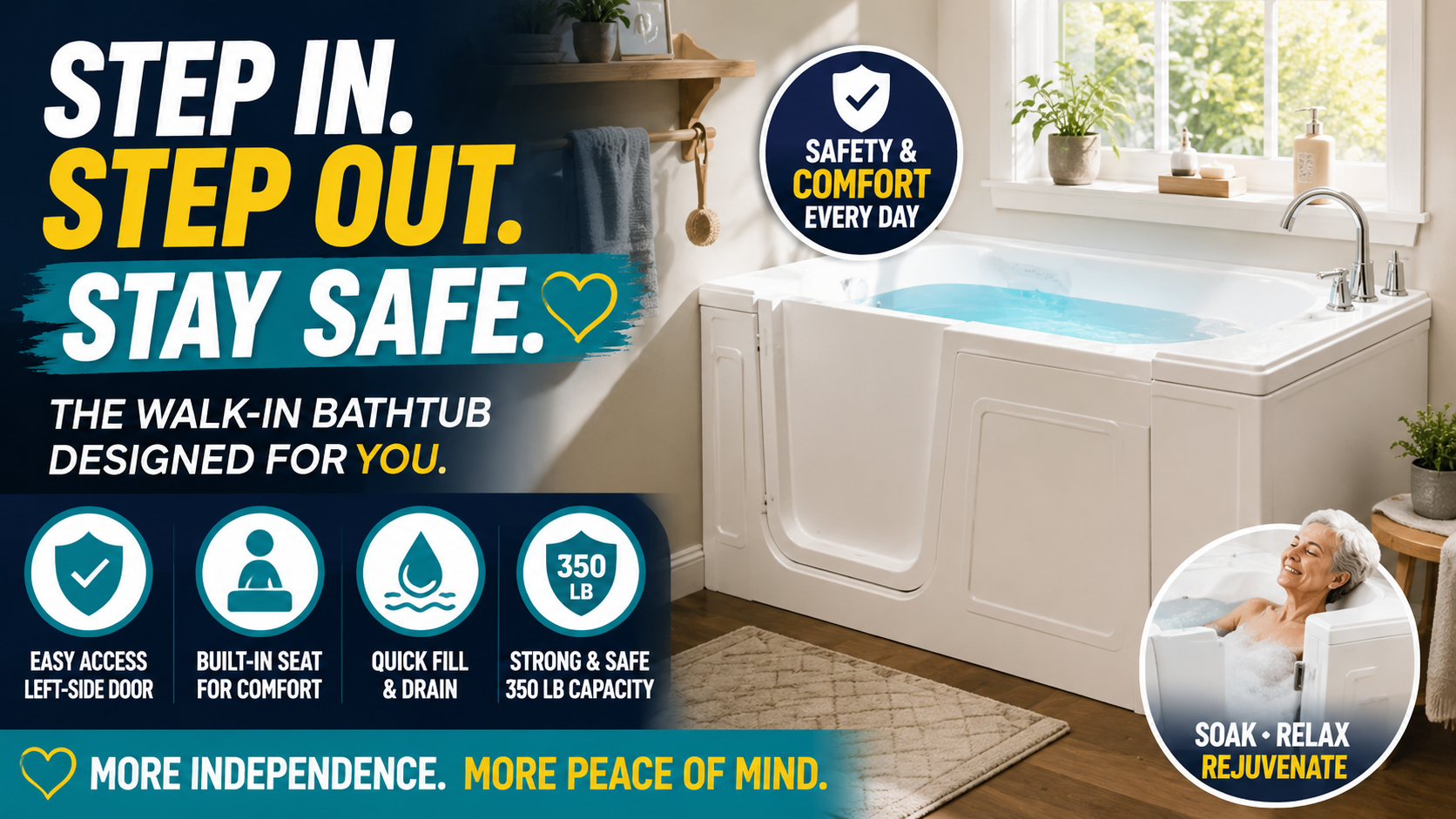
For anyone whose primary bathing goal is soaking baths rather than showering — or for whom the therapeutic hydrotherapy of a walk-in tub would provide genuine daily benefit — a walk-in tub eliminates the tub entry challenge permanently through a door in the tub wall rather than a step-over. Our review of the walk-in bathtub covers whether it’s the right choice for a specific situation.
For most situations a transfer bench addresses the tub entry problem at a fraction of the cost with zero installation — and is the right first step before committing to a walk-in tub renovation.
The Bathing Safety Checklist
Entry:
- Grab bar at entry point — correctly positioned where hand naturally reaches
- Transfer bench if step-over is unsafe — or walk-in shower if renovation is planned
Washing and rinsing:
- Shower chair or transfer bench for seated bathing
- Handheld shower head — minimum six-foot hose
- Grab bar on back wall — hip height for stability
Exit:
- Non-slip bath mat outside shower or tub — stone mat that never shifts
- Exit grab bar — same bar used for entry
Toilet:
- Toilet safety rails — bilateral armrest support for every transfer
Detection:
- Medical alert device worn on wrist — present during every bathroom visit

Frequently Asked Questions
What’s the difference between a transfer bench and a shower chair?
A shower chair sits entirely inside the shower or tub — for someone who can step in but needs to sit while bathing. A transfer bench straddles the tub wall — for someone who cannot safely step over the tub wall at all. The person sits on the outside section of the bench and slides to the inside position without ever standing on one leg over the tub wall. Our complete guide on the best transfer bench for seniors covers the full distinction and the specific product we recommend.
Do I need both a handheld shower head and a shower chair?
They address different problems and work significantly better together than either does alone. A shower chair eliminates the standing balance risk. A handheld shower head makes rinsing from the seated position complete rather than requiring repositioning under a fixed spray. Together they create a seated showering experience that’s both safe and genuinely practical. Separately each provides partial benefit.
Is a grab bar necessary if a transfer bench is being used?
Yes — a grab bar at the tub entry still matters with a transfer bench. The seated leg-lift over the tub wall during the transfer — while much safer than the standing step-over — still benefits from support at the wall adjacent to the entry point. The grab bar provides that support during the leg-lift portion of the transfer sequence.
Can the AquaCare shower head be used with a transfer bench?
Yes — the six-foot hose on the AquaCare specifically provides the range needed to reach every area from the transfer bench’s inside tub position, which may be positioned away from the shower wall. A shorter hose would pull taut from this position. The six-foot length is the feature that makes the AquaCare the right choice for transfer bench use specifically.
At what point should bathing safety modifications be made?
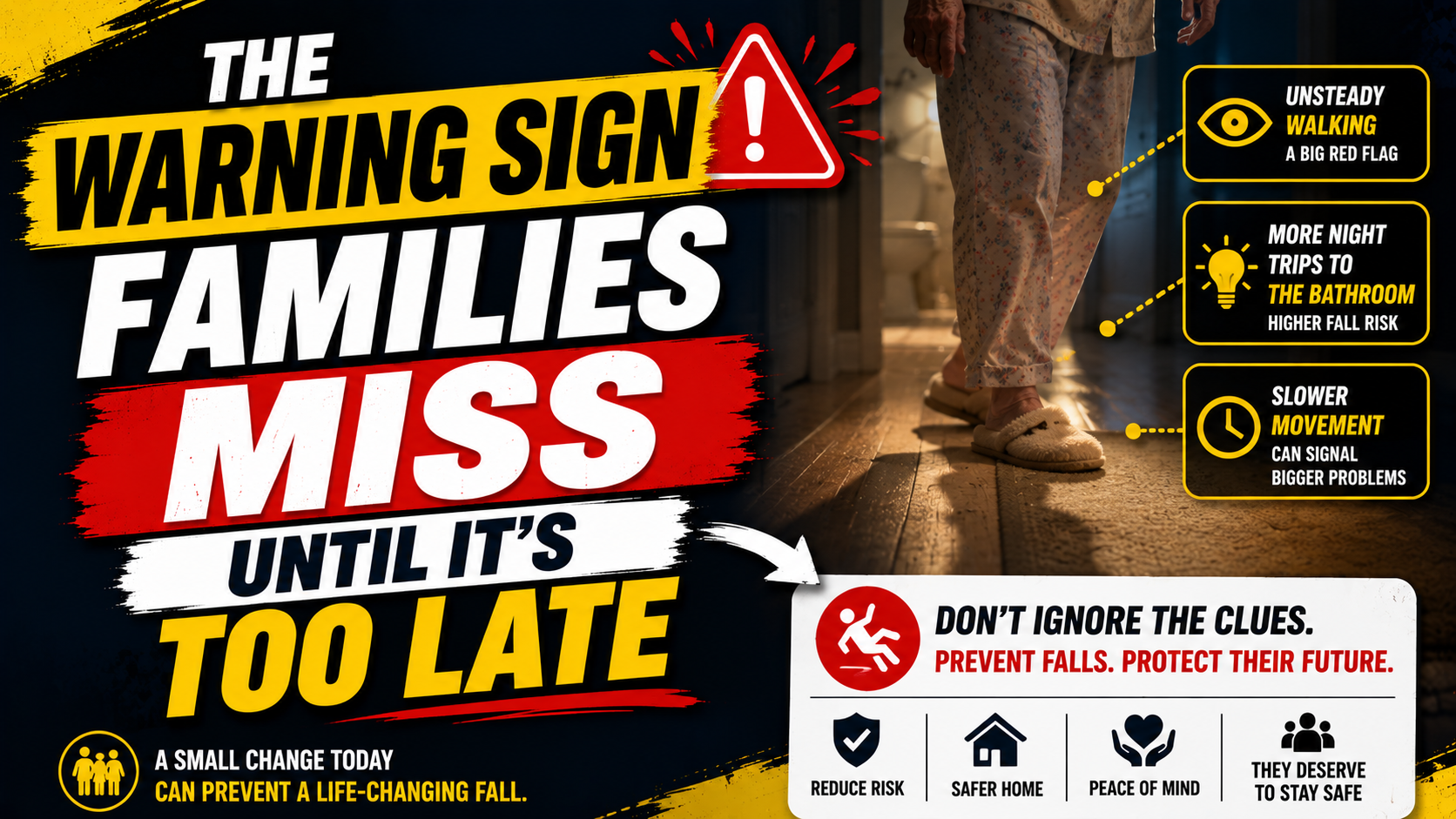
Before they’re urgently needed — ideally as a proactive measure rather than a reactive response to a fall or near-miss. As covered in our guide on the warning sign families miss until it’s too late — the window between early warning signs and a serious fall is when prevention measures are most effective. Bathing safety modifications made before a fall prevent it. Those made after address the risk that already produced an injury.
The Complete Bathing Safety System
Bathing safety is a system — not a single product. The grab bar at entry, the transfer bench or shower chair for the bathing position, the handheld shower head for rinsing, the non-slip bath mat for exit, the toilet safety rails for the transfers before and after, and the medical alert device that covers what happens when everything else isn’t enough.
Each element addresses one specific stage of the bathing routine. Together they address every stage — making independent bathing sustainable rather than something that quietly becomes more dangerous with every passing month.

For the complete bathroom picture our guide on how to make a bathroom safer for seniors covers every modification worth making. Our complete guide on safe shower setup for elderly adults covers the shower specifically in full detail. And our guide on your parent’s bathroom is more dangerous than you realize covers the full risk picture that makes every one of these modifications worth making.

About the Author
Margaret Holloway, RN spent 22 years in geriatric nursing assessing bathing safety as one of the first functional areas to evaluate in older adult care — because bathing is where independence most visibly intersects with fall risk, and where the right modifications make the most immediate difference to daily life. She has seen the full spectrum — from patients who never modified their bathroom and paid the price to those whose grab bars, shower chairs, and handheld shower heads kept them bathing independently for years beyond what an unmodified bathroom would have allowed. She writes for Elder Safety Guide because bathing safety deserves a complete, specific, practical guide — not a generic list of modifications without the context that makes each one make sense.