Hearing loss in older adults is one of the most undertreated conditions in medicine — and one of the most consequential for daily safety, cognitive function, and quality of life. Approximately one in three adults over 65 has significant hearing loss. By age 75 that proportion rises to one in two. And the majority of those people are not wearing hearing aids.
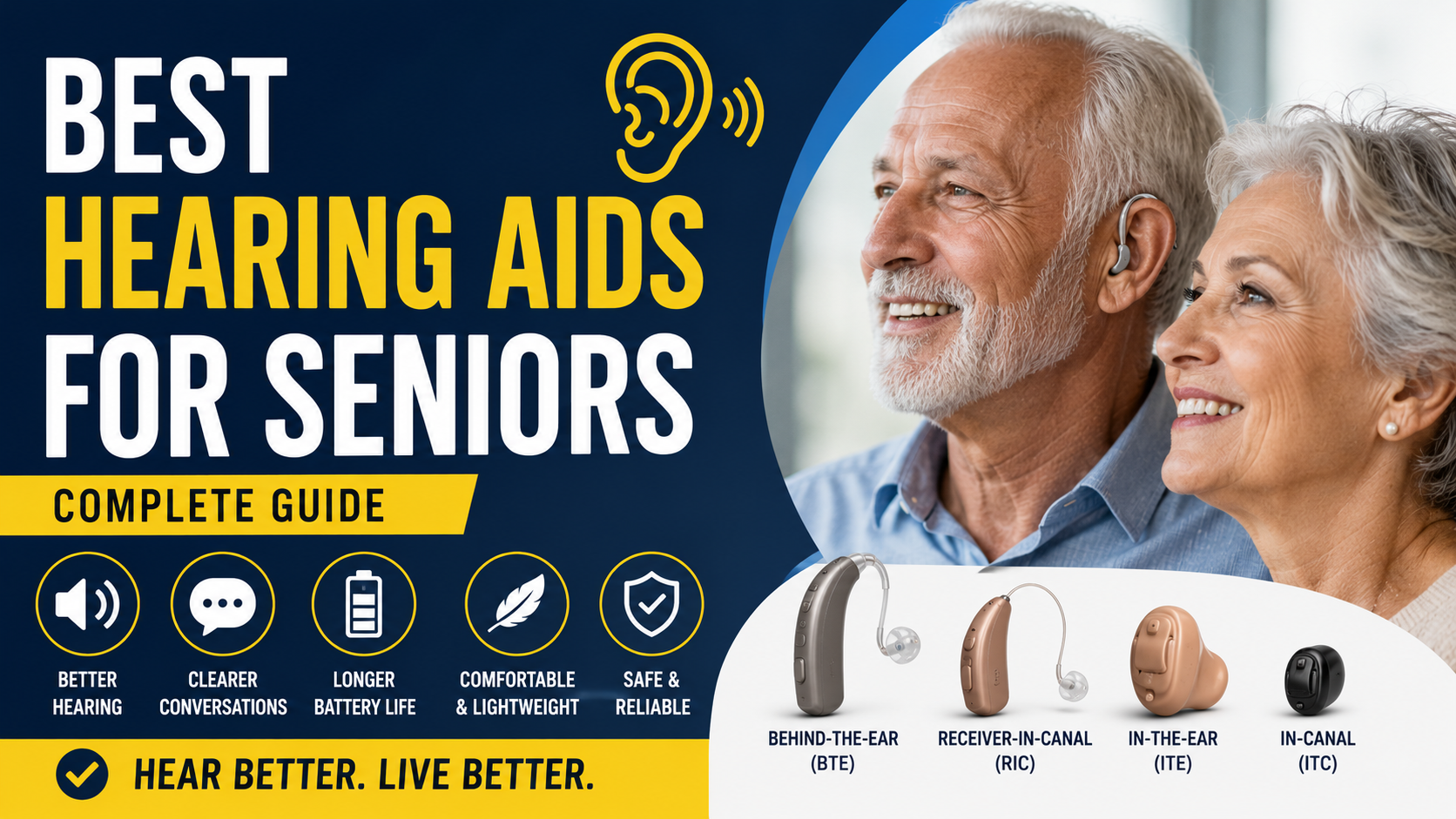
The reasons are familiar: cost, stigma, the complexity of getting fitted, the assumption that hearing aids are uncomfortable or ineffective. Most of those reasons have been addressed by a new generation of over-the-counter hearing aids that are affordable, effective, rechargeable, and available without an audiologist appointment.
This guide covers what to look for, what the research shows about hearing aids and fall prevention, and the specific options worth considering.
Why Hearing Loss Is a Fall Risk — The Connection Most People Don’t Know
The connection between hearing loss and falls isn’t obvious until you understand the mechanism — and once you do it changes how urgent hearing correction feels.
The brain allocates cognitive resources to balance maintenance — the continuous background processing that keeps the body upright and coordinated during movement. When hearing is impaired the brain allocates additional cognitive resources to processing degraded auditory information — trying to fill in the gaps in what’s being heard. This cognitive load competes with the resources available for balance maintenance.

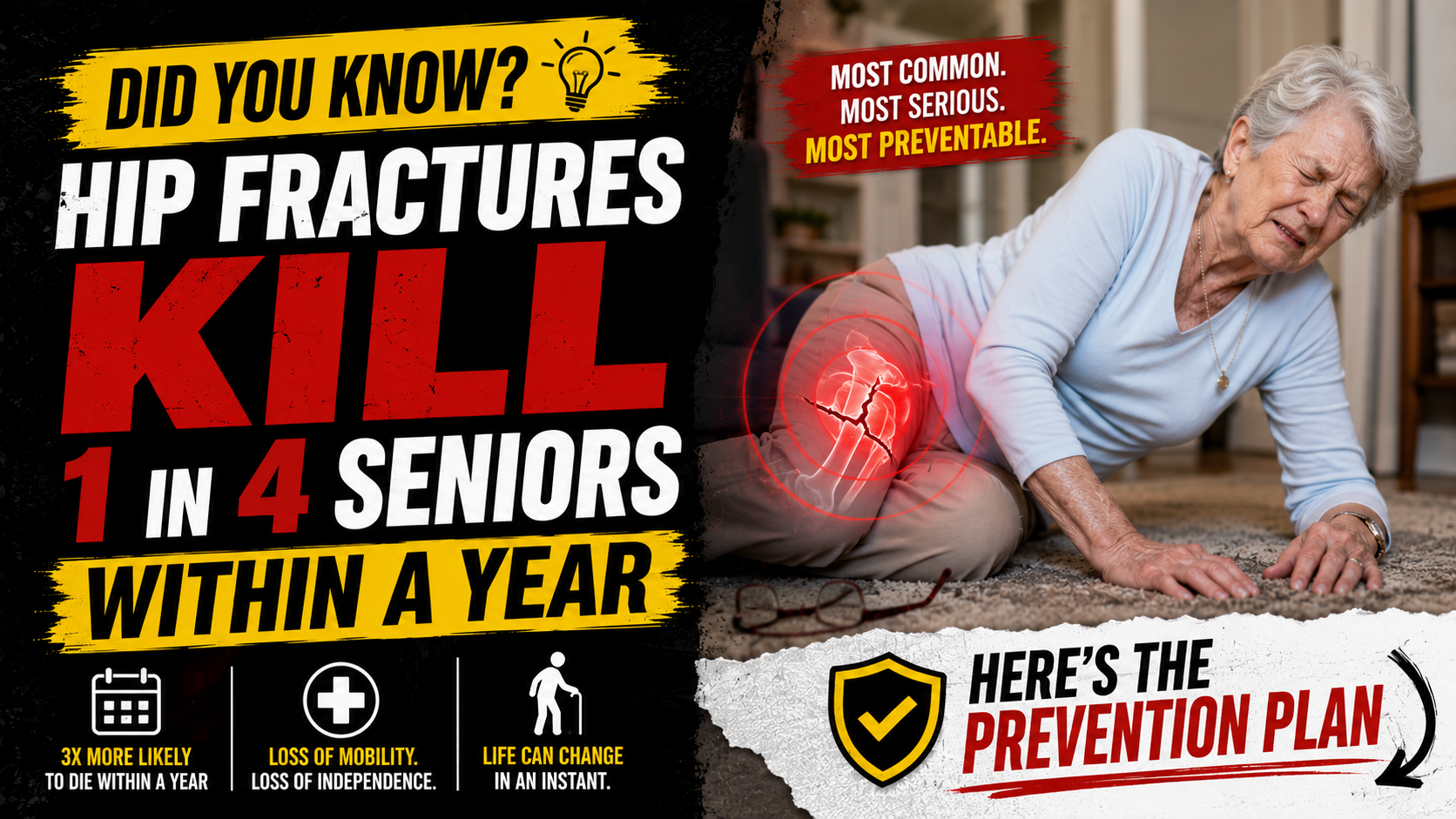
Research from Johns Hopkins found that people with mild hearing loss were nearly three times more likely to have a history of falling than those with normal hearing. The risk increased with the severity of hearing loss. This wasn’t explained by inner ear damage affecting balance directly — it was the cognitive load of untreated hearing loss competing with balance processing. That elevated fall risk is worth viewing alongside the serious outcomes described in hip fracture consequences.
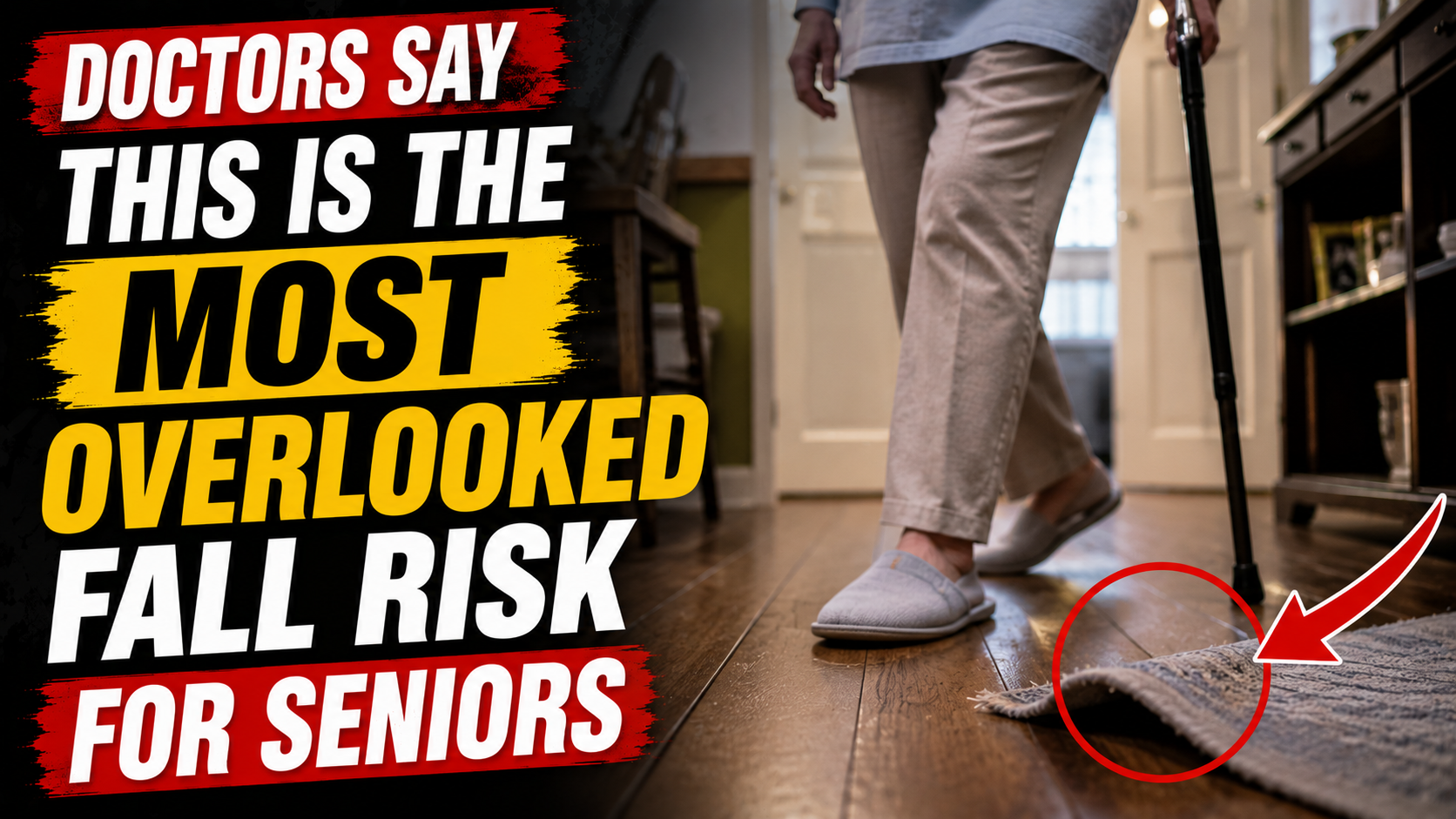
As covered in our guide on the most overlooked fall risk for seniors — addressing hearing loss reduces the cognitive load that competes with balance and directly reduces fall risk. Hearing aids are fall prevention devices, not just communication aids.
The Types of Hearing Aids — What’s Available Now
Prescription Hearing Aids — The Traditional Route
Prescription hearing aids require an audiologist evaluation, a custom fitting, and programming to the individual’s specific hearing loss profile. They provide the most precisely calibrated amplification for complex or severe hearing loss — different frequencies amplified differently based on the individual’s audiogram.
The limitations are cost — typically $3,000 to $7,000 per pair with insurance coverage variable — and access, requiring multiple audiologist appointments that present barriers for older adults with limited mobility or transportation.
Over-the-Counter Hearing Aids — The New Option
The FDA cleared over-the-counter hearing aids for adults with mild to moderate hearing loss in 2022. This change opened the market to affordable, self-fitted hearing aids that address the most common range of age-related hearing loss without requiring an audiologist.
OTC hearing aids have advanced significantly since their introduction — with rechargeable batteries, Bluetooth connectivity, smartphone app control, and self-fitting technology that calibrates to the individual’s hearing through an in-app hearing test. For mild to moderate hearing loss — which describes the majority of age-related hearing loss — OTC aids perform comparably to prescription aids at a fraction of the cost.
Hearing Amplifiers — PSAPs
Personal Sound Amplification Products — PSAPs — are not medical devices and are not classified as hearing aids. They amplify all sounds uniformly rather than providing the frequency-specific amplification that addresses the specific pattern of age-related hearing loss. They are appropriate for situational use — amplifying TV audio, amplifying conversation in quiet one-on-one settings — and not appropriate as substitutes for hearing aids in complex listening environments.
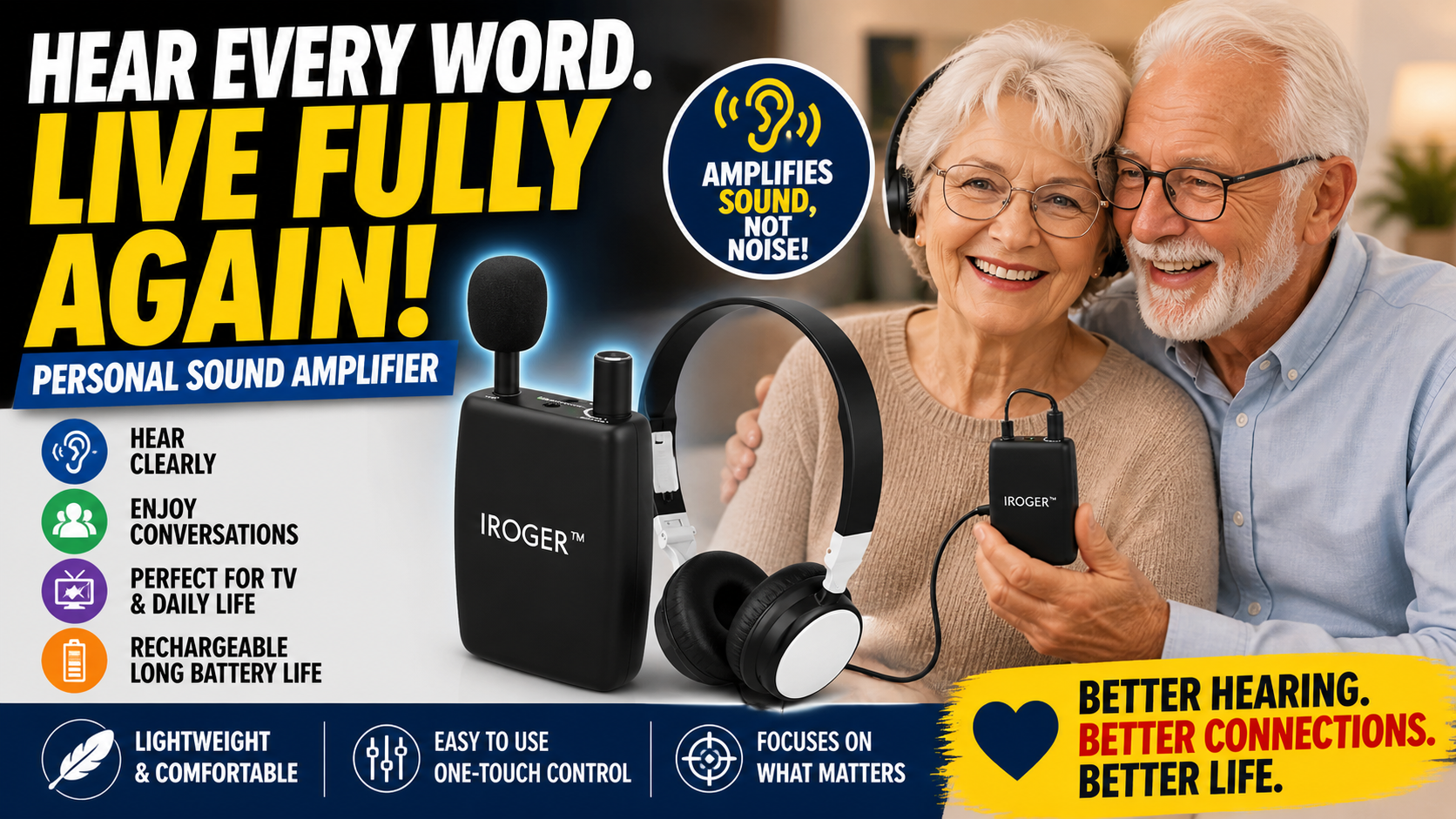
Our review of the best hearing amplifier for seniors covers the PSAP option for budget-conscious situations where a full hearing aid isn’t the right fit.
What to Look for in Hearing Aids for Seniors
Rechargeable Battery — Non-Negotiable for Senior Use
Traditional hearing aids use tiny disposable batteries that require fine motor dexterity to replace — challenging for anyone with arthritis or reduced hand sensitivity. Rechargeable hearing aids charge in a case overnight and provide a full day of wear from a single charge, eliminating the battery replacement challenge entirely.
For older adults the rechargeable format isn’t a convenience upgrade — it’s what makes consistent daily wearing practical. A hearing aid that requires wrestling with tiny batteries gets worn less consistently. A hearing aid that charges like a phone while you sleep gets worn every day.
Ease of Use — Controls That Work for Older Adults
Volume control, program switching, and on-off functions need to be accessible without fine motor precision. Large physical buttons rather than capacitive touch controls. Smartphone app control for those who prefer it. Simple operation that doesn’t require consulting a manual for routine adjustments.
Feedback Management
Feedback — the high-pitched whistle that hearing aids produce when the microphone picks up its own amplified output — is one of the primary reasons hearing aids get removed and left in a drawer. Quality feedback suppression technology eliminates this while maintaining amplification performance. Look for digital feedback suppression specifically mentioned in the product specifications.
Background Noise Reduction
Age-related hearing loss particularly affects speech understanding in noisy environments — the dinner table, the restaurant, the family gathering. Directional microphones and background noise reduction processing address this specifically, improving speech clarity in the environments where hearing loss is most socially isolating.
Fit and Comfort
A hearing aid that’s uncomfortable gets removed. The behind-the-ear format with a receiver-in-canal design provides a secure, comfortable fit for most ear shapes and is the most common format for OTC hearing aids. In-the-ear formats are more discreet but require more precise sizing. Either format needs to stay in place during normal daily activity without requiring constant adjustment.
The Hearing Aids We Recommend
Our complete review covers the specific rechargeable hearing aids we recommend for older adults — the EarCentric EasyCharge option that addresses the rechargeable, ease-of-use, and feedback management requirements that matter most for consistent senior wearing.
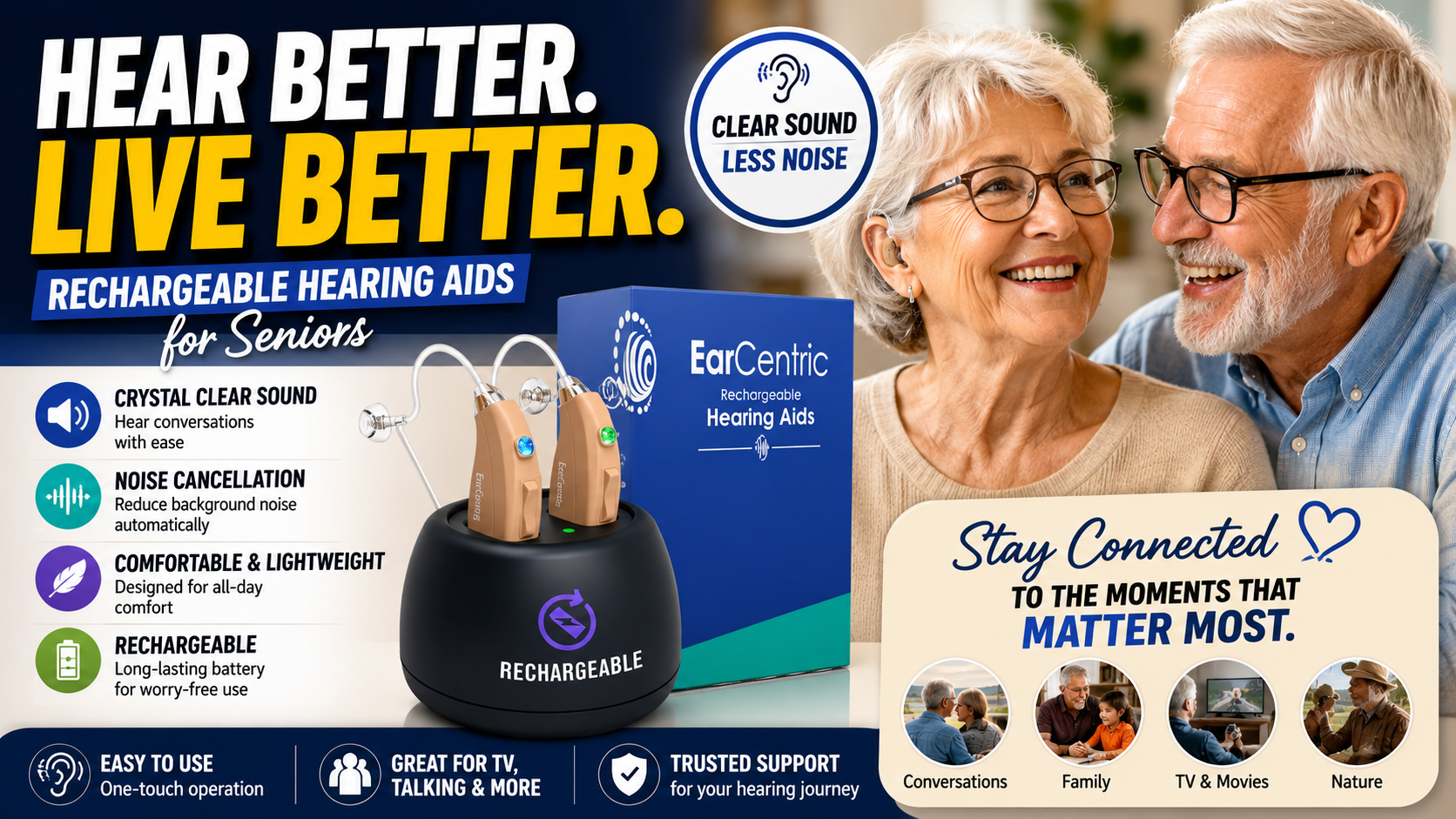
Best Rechargeable Hearing Aids for Seniors — Full Review
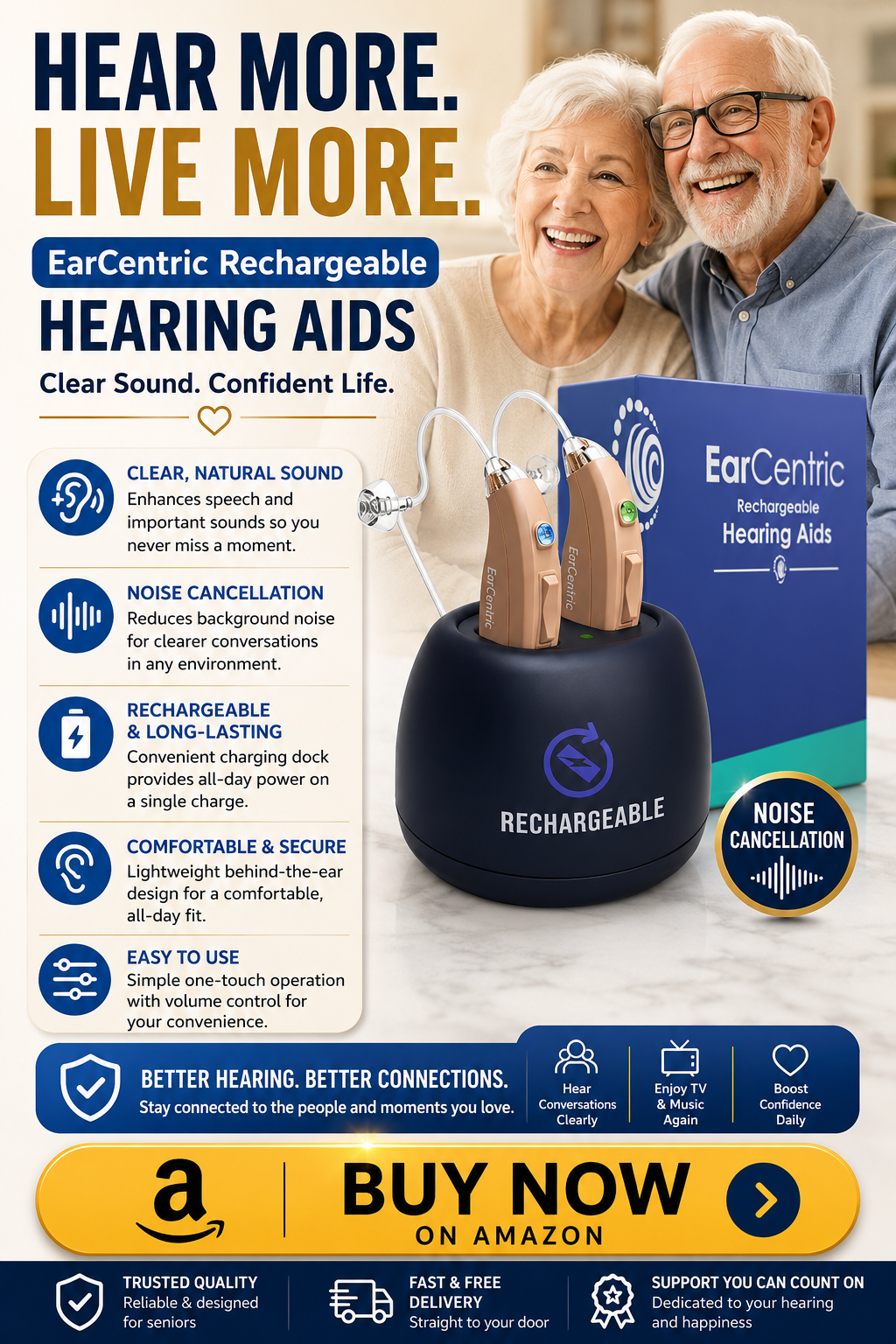
→ Get the EarCentric Rechargeable Hearing Aids on Amazon
Hearing Aids and Cognitive Decline — The Research
Beyond fall prevention the research on hearing aids and cognitive decline has produced findings significant enough to change how hearing loss treatment is prioritized in geriatric medicine.
A landmark 2023 study published in The Lancet found that hearing aid use reduced cognitive decline by 48 percent in adults at elevated risk for dementia over a three-year period. The mechanism — reducing the cognitive load of untreated hearing loss frees cognitive resources that would otherwise be consumed by effortful listening — is the same mechanism that connects hearing loss to fall risk.
Untreated hearing loss is now considered a modifiable risk factor for dementia — one of the few in that category with accessible, affordable intervention options. For older adults concerned about cognitive health alongside fall prevention, hearing aid adoption addresses both simultaneously.
The Social Isolation Factor
Hearing loss that goes uncorrected produces social withdrawal — conversations become effortful, social situations exhausting, and the embarrassment of mishearing and responding incorrectly creates avoidance of the social engagement that supports mental health and cognitive function.
Social isolation in older adults is associated with depression, cognitive decline, and increased fall risk — through the reduced physical activity and the increased sedentary time that withdrawal produces. Hearing aids that restore comfortable communication restore the social engagement that reduces isolation risk.

For seniors living alone this connection is particularly important. As covered in our guide on elderly safety tips for independent living — social connection is a genuine component of safe independent living, not a luxury alongside the physical safety measures.
Getting Started — The Practical Path
Hearing Test First
Before purchasing hearing aids a hearing test establishes the degree and pattern of hearing loss. This matters for OTC aids because they are appropriate for mild to moderate loss — severe or profound loss requires prescription aids with professional fitting.
Audiologist hearing tests provide the most complete assessment. Many pharmacies and hearing aid retailers offer free basic hearing screenings. Online hearing tests through OTC hearing aid apps provide sufficient information for self-fitting OTC aids — less precise than an audiologist assessment but adequate for the mild to moderate range.
Realistic Expectations for the Adjustment Period
Hearing aids require an adjustment period — typically two to four weeks during which the brain adapts to receiving sounds it hasn’t processed in years. Normal environmental sounds — refrigerator hum, road noise, footsteps — may seem unnaturally loud initially. Speech understanding in noisy environments improves gradually rather than immediately.
The families that support consistent hearing aid wearing during this adjustment period — encouraging rather than accepting early removal — produce better long-term outcomes than those who allow abandonment at the first sign of difficulty. The brain adapts. The adjustment period is real but temporary.
Daily Maintenance
Hearing aids require simple daily maintenance — wiping the exterior clean, storing in the charging case overnight, checking that wax guards are clear. This routine takes two minutes and prevents the most common reasons for reduced performance. Most OTC hearing aids include a maintenance kit with the purchase.
Hearing Aids Alongside the Complete Safety System
Hearing aids address the cognitive load and social isolation components of fall and safety risk. The complete senior safety picture addresses every other component alongside them.
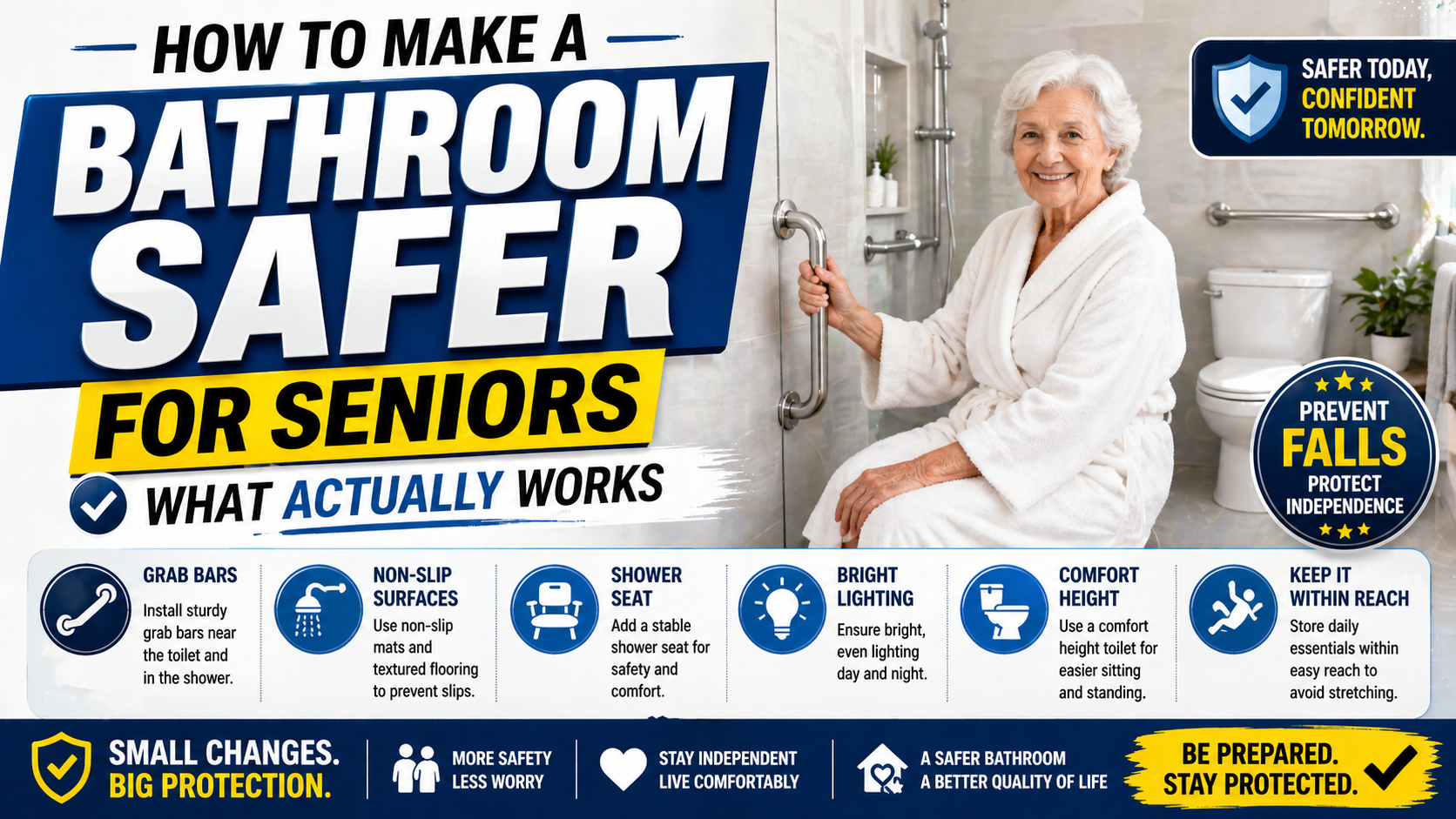
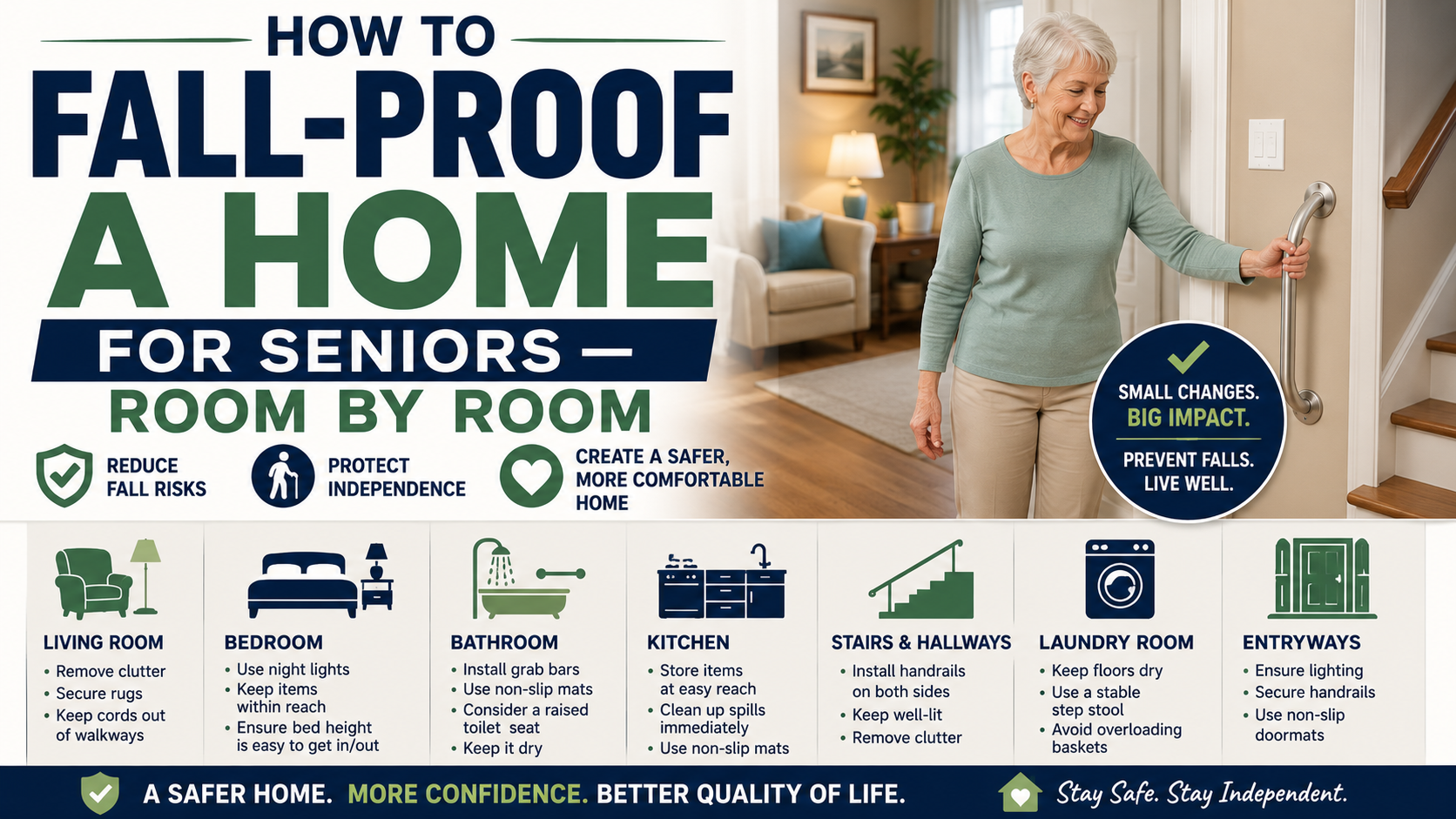
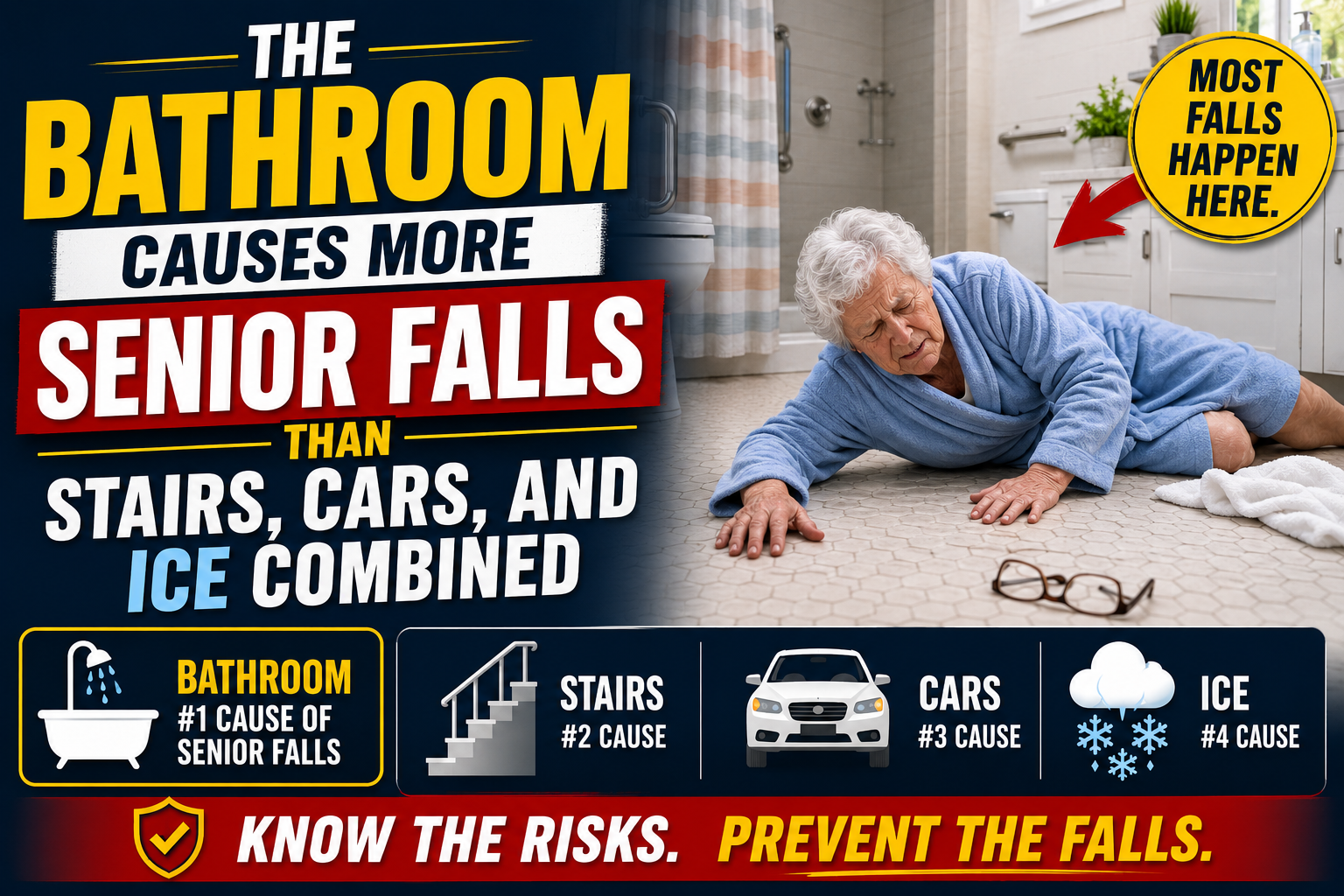
The bathroom modifications that address the highest-risk daily environment — grab bars, toilet safety rails, non-slip bath mat. As covered in our guide on how to make a bathroom safer for seniors — the bathroom is where most falls happen and where modifications make the most immediate difference.
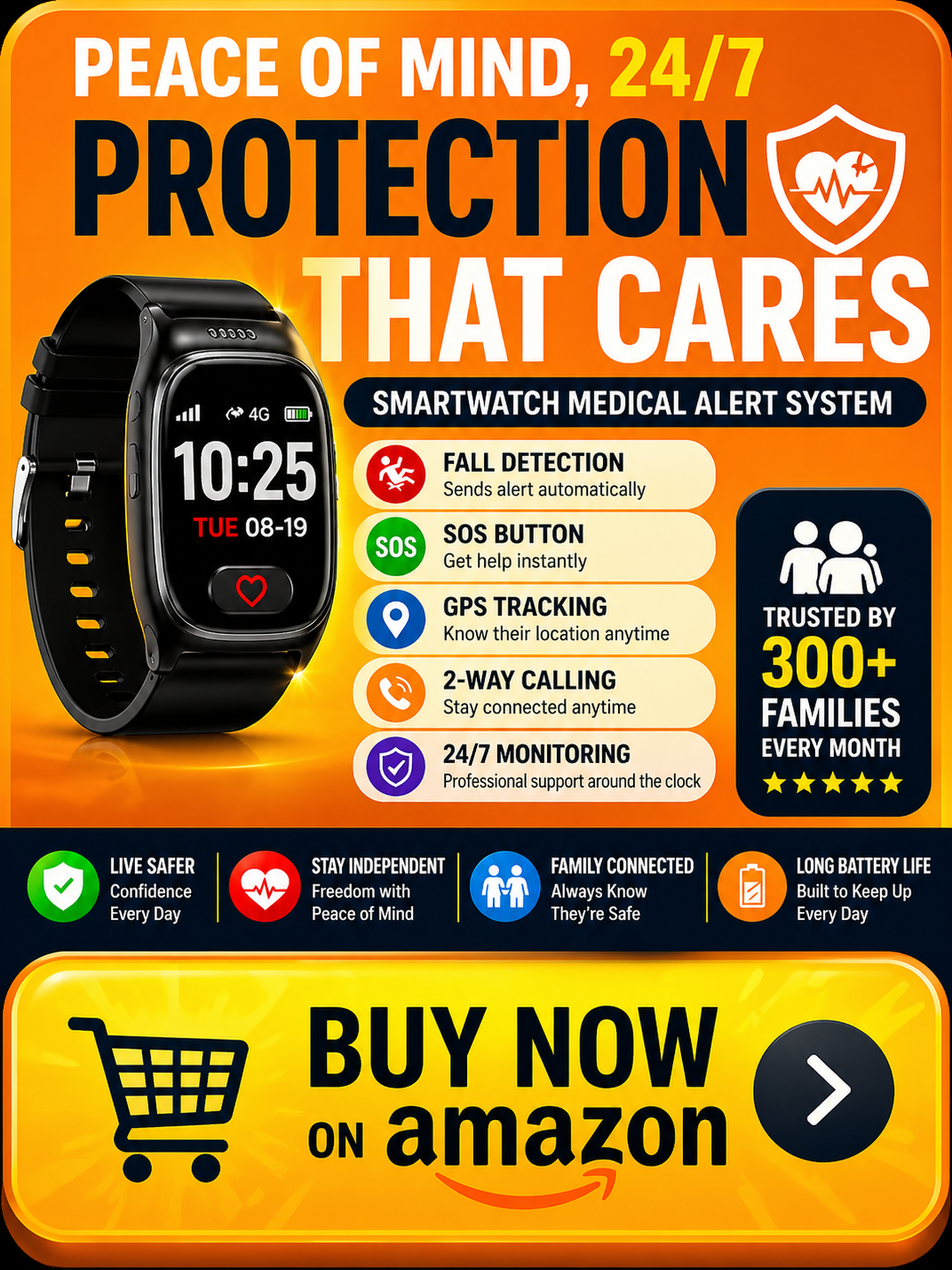
The medical alert device that covers what happens when prevention isn’t enough. The SecuLife Smartwatch with automatic fall detection ensures that when a fall occurs despite every prevention measure, help arrives in seconds.
→ Get the SecuLife Smartwatch on Amazon
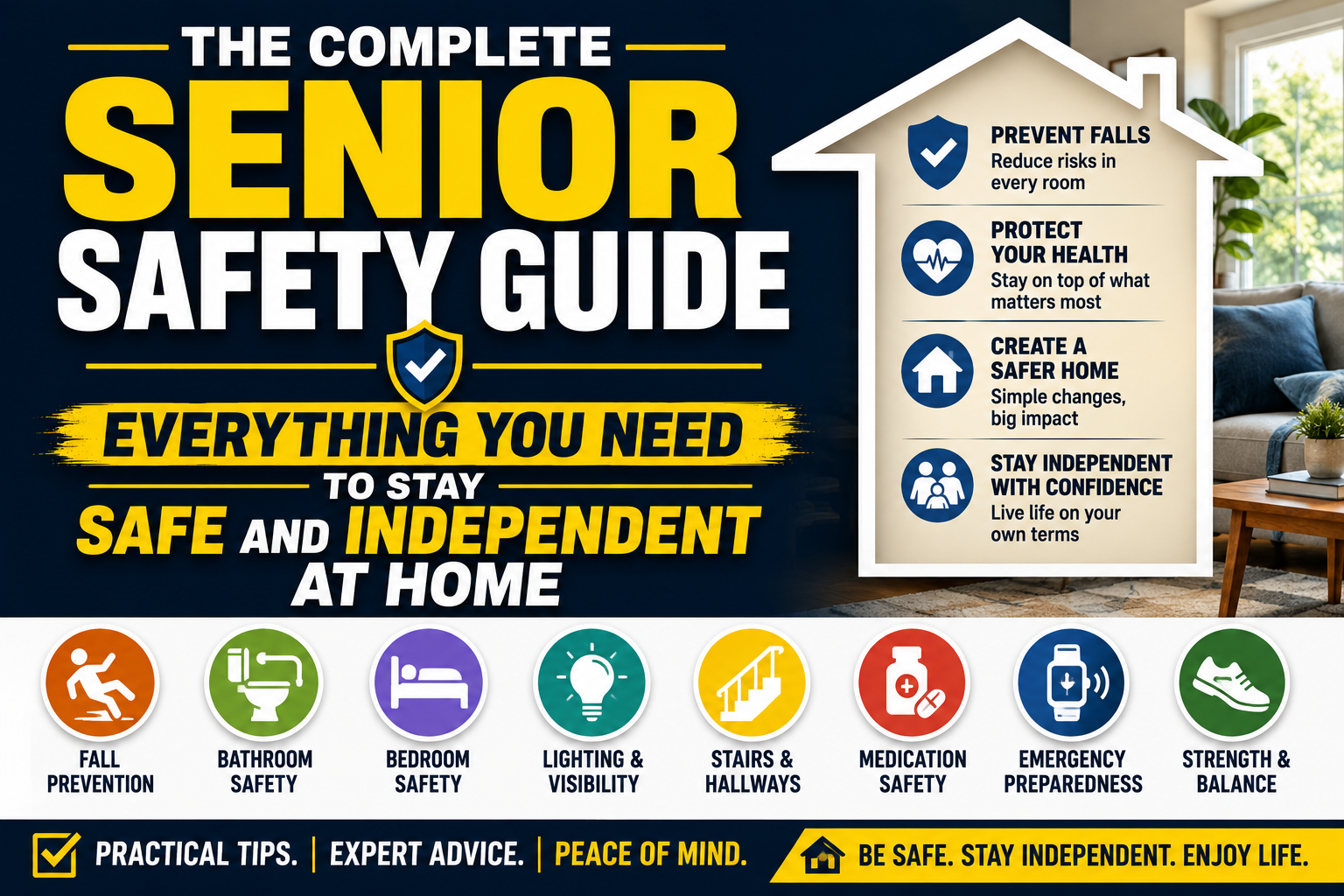
For the complete senior safety picture our guide on the complete senior safety guide covers every element of safe independent living alongside hearing health.
Frequently Asked Questions
Are over-the-counter hearing aids as good as prescription hearing aids?
For mild to moderate hearing loss — which describes most age-related hearing loss — research comparing OTC and prescription aids shows comparable outcomes for speech understanding and user satisfaction at significantly lower cost. For severe or profound hearing loss, or for hearing loss with complex audiometric profiles, prescription aids with professional programming provide advantages that OTC self-fitting doesn’t replicate. An audiologist evaluation establishes which category applies.
How long do rechargeable hearing aids last on a single charge?
Most quality rechargeable hearing aids provide 16 to 24 hours of use on a full charge — sufficient for all waking hours with overnight charging in the case. Bluetooth streaming reduces battery life. The nightly charging routine — hearing aids in the case before bed, out of the case when getting dressed — maintains full daily charge without requiring any active management.
Will hearing aids help with tinnitus?
Many hearing aids include tinnitus masking features — sound therapy that reduces the perceived intensity of tinnitus by providing competing sound at the tinnitus frequency. For the significant proportion of older adults who experience both hearing loss and tinnitus, hearing aids that address both simultaneously are worth specifically seeking out. Tinnitus masking effectiveness varies by individual — discuss this specifically with an audiologist if tinnitus is a concern.
How do I know if I need hearing aids or just a hearing amplifier?
Hearing aids are appropriate when hearing loss is affecting daily communication — difficulty understanding speech in normal conversation, frequently asking for repetition, turning up TV volume to levels others find too loud. Hearing amplifiers are appropriate for situational use where general sound amplification helps — TV watching, one-on-one quiet conversation — without addressing the frequency-specific pattern of hearing loss. If hearing loss is affecting daily function a hearing test followed by appropriate hearing aids is the right path.
My parent refuses to wear hearing aids. What do I do?
Hearing aid resistance is extremely common — driven by stigma, cost concerns, past negative experiences with uncomfortable or ineffective older models, and the same independence-protection instinct that drives resistance to other safety measures. The modern OTC rechargeable hearing aid is a genuinely different product from the devices of a decade ago — smaller, more effective, more comfortable, and available at a fraction of the previous cost. Framing a trial of current technology as different from past experience often opens the door. Our guide on your parent said they’re fine covers navigating resistance to safety measures generally.
The Investment Worth Making
Hearing aids are not a vanity purchase. They are a safety device, a cognitive health intervention, and a social connection enabler — three outcomes that directly affect how long safe independent living remains possible.
The fall risk reduction alone justifies the investment for anyone with documented hearing loss and fall history. The cognitive protection research makes it compelling for anyone concerned about dementia risk. The social isolation prevention makes it important for anyone whose hearing loss has been shrinking their world.
The OTC rechargeable options available now make this intervention accessible at a price point that removes the historical cost barrier for most families. The adjustment period is real but temporary. The outcomes are real and lasting.
→ Get the EarCentric Rechargeable Hearing Aids on Amazon
About the Author
Margaret Holloway, RN spent 22 years in geriatric nursing watching untreated hearing loss quietly compound fall risk, social isolation, and cognitive decline in patients who had been told — or had told themselves — that hearing loss was just part of aging and nothing to be done about it. The research that emerged linking hearing aid use to reduced dementia risk changed the conversation in geriatric medicine. The OTC hearing aid market that emerged from FDA regulatory change changed the access equation. Both together mean there has never been a better time to address hearing loss — or a stronger evidence base for why it matters beyond just hearing better. She writes for Elder Safety Guide because hearing health belongs in the senior safety conversation, and most families don’t put it there until the isolation and fall risk it produces have been accumulating for years.