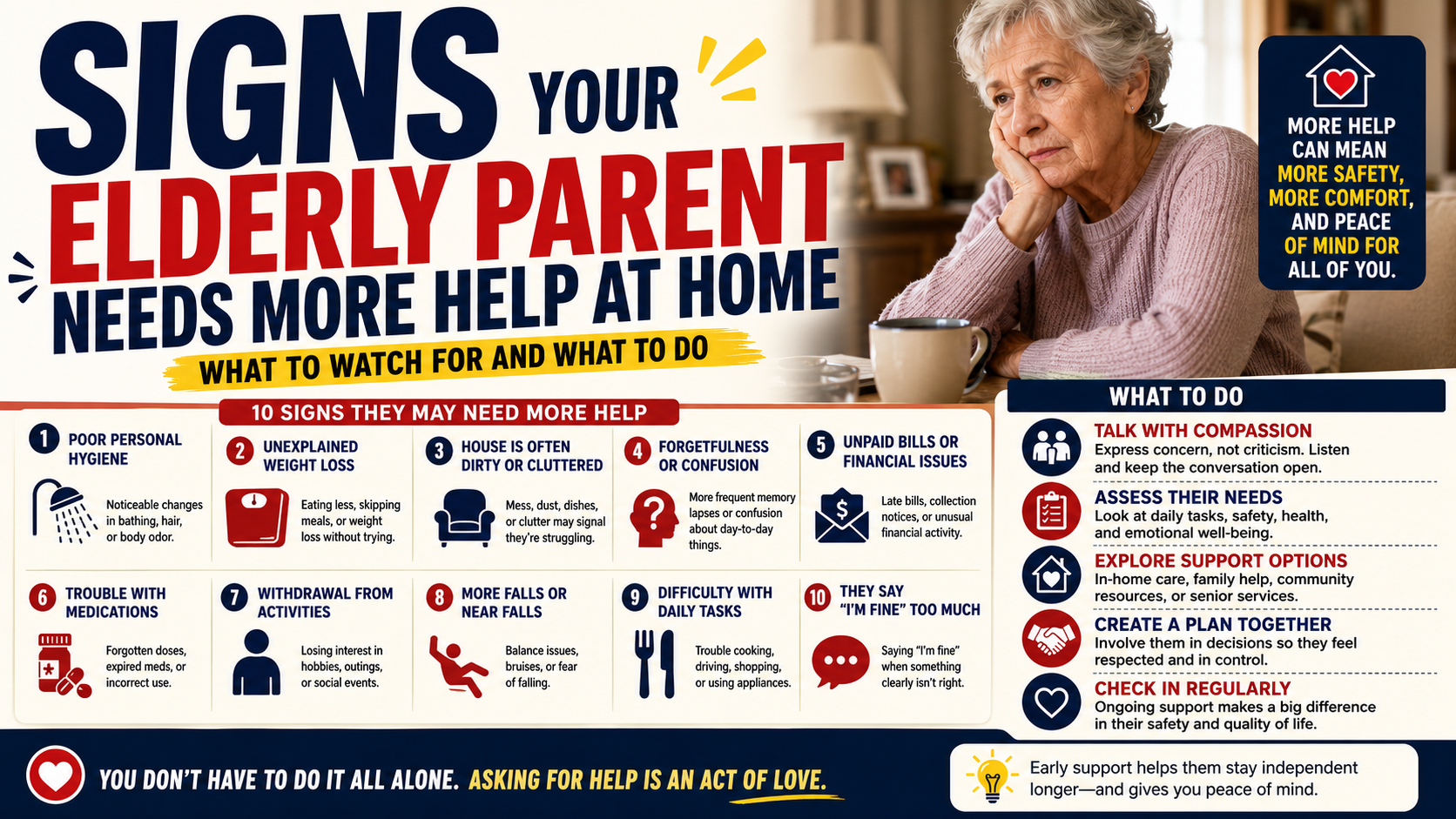
Repeated falls are not bad luck or inevitable aging. They are a signal with a specific solution. Here’s the seven-step plan that addresses the pattern not just the fall.
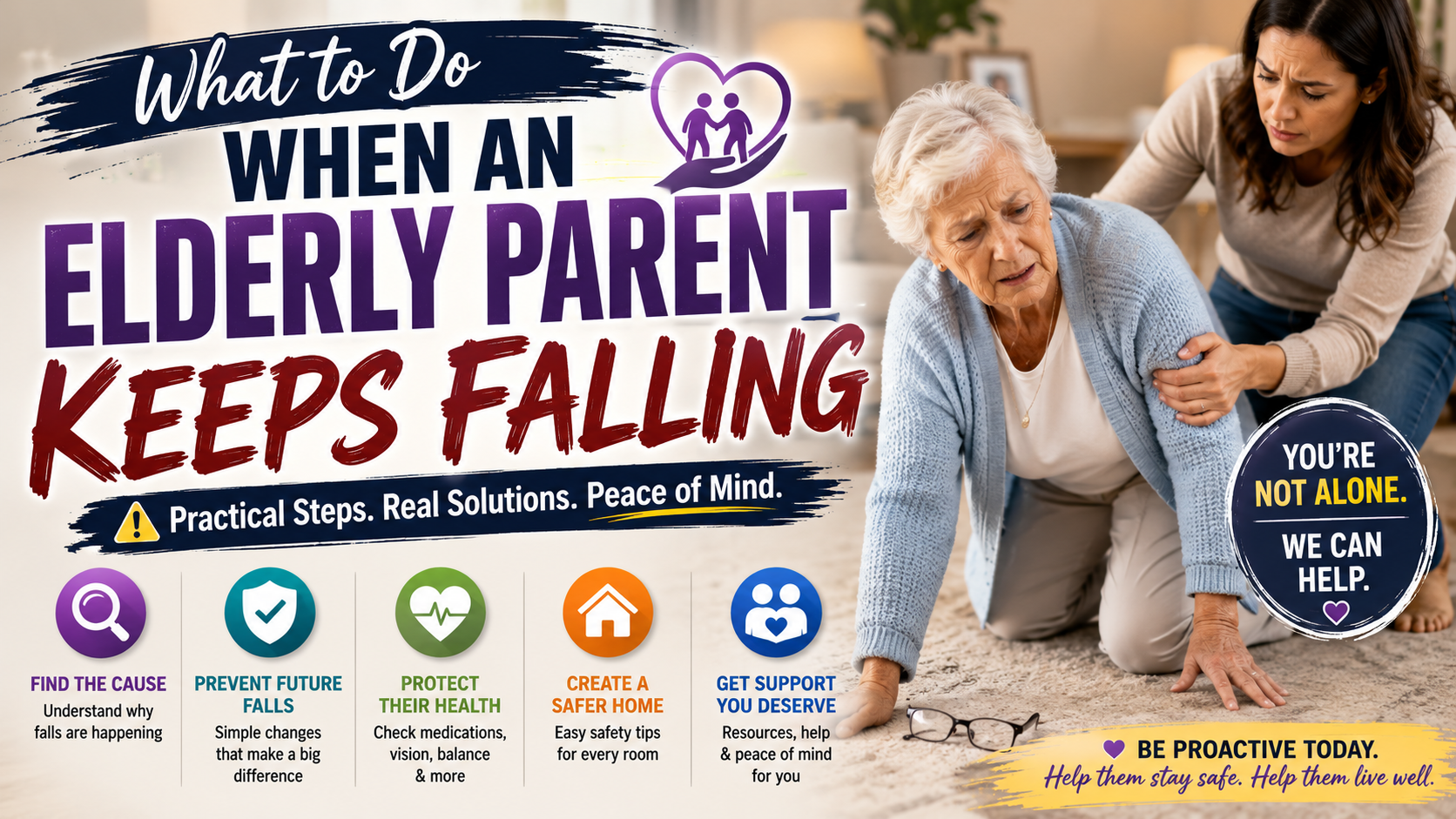
What to Do When an Elderly Parent Keeps Falling — The Seven-Step Plan
One fall is frightening. Two falls is a pattern. Three or more falls means something isn’t being addressed — and the consequences of not addressing it are serious enough that this article exists to help families figure out what that something is.
Repeated falls in an older adult are not bad luck. They are not inevitable aging. They are a signal — specific, consistent, and actionable — that one or more risk factors are present and haven’t been identified or corrected yet. The family that treats each fall as an isolated incident misses the pattern. The family that treats repeated falls as a system problem finds the cause and fixes it.
Here is how to find the cause and fix it.


Step One — Stop Accepting the Explanation
After every fall there is an explanation. “I just tripped.” “The rug caught my foot.” “I got dizzy for a second.” “I wasn’t paying attention.”
These explanations are true. They are also incomplete. A trip over a rug reflects a gait pattern — reduced foot clearance during walking — that exists on every step regardless of whether a rug is present. A moment of dizziness reflects orthostatic hypotension or a vestibular issue that will occur again. Inattention during a fall reflects the divided-attention walking impairment that is itself a fall risk factor.
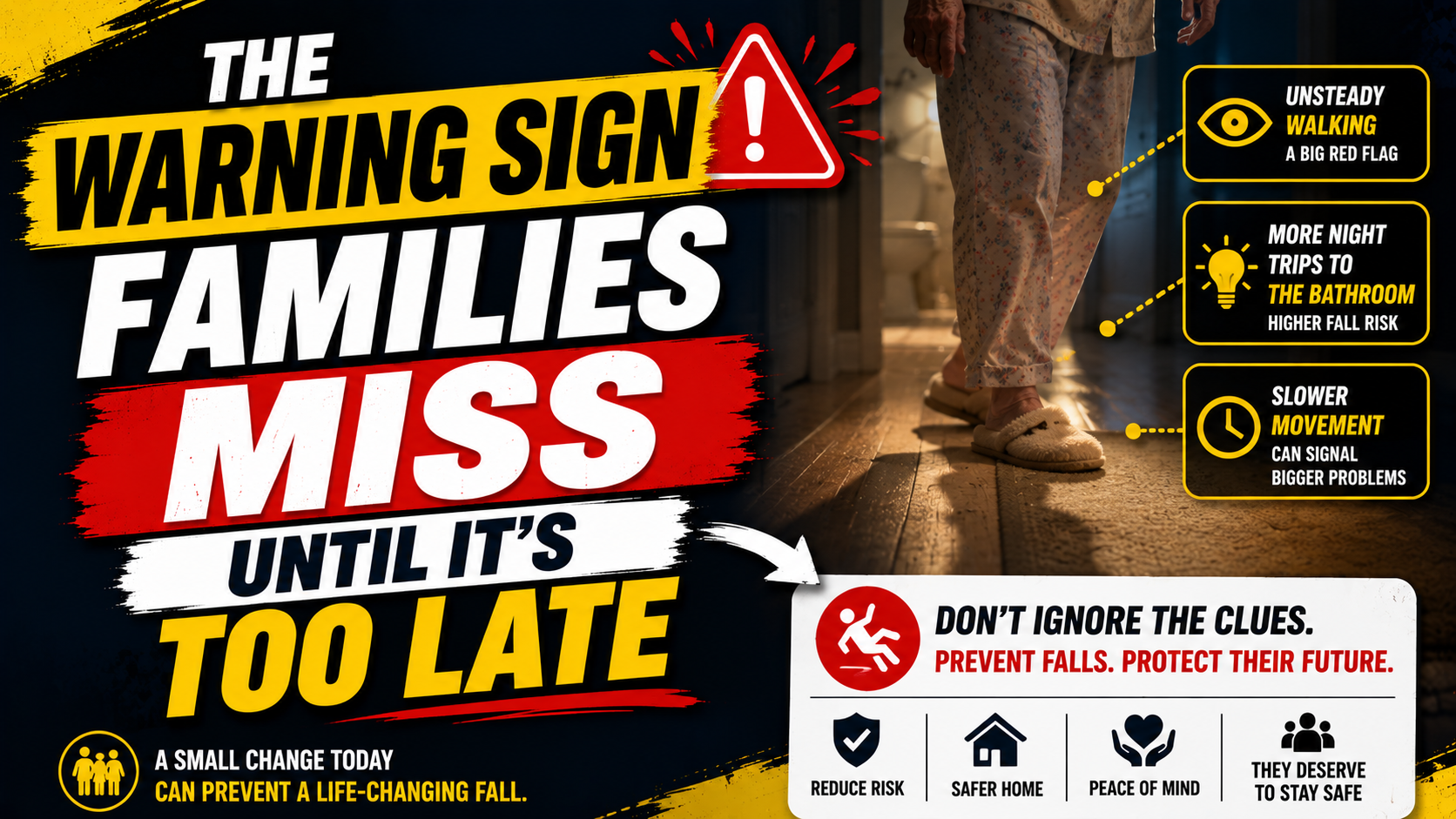
The specific cause of any individual fall — the rug, the wet floor, the dark hallway — is the context. The underlying risk factors are the cause. As covered in our guide on the warning sign families miss until it’s too late — accepting the explanation is the pattern that allows falls to compound.
When falls keep happening the question isn’t “what caused this specific fall.” It’s “what risk factors are present that keep creating falls.” Those are different questions with different answers.


Step Two — Get a Formal Fall Risk Assessment
A formal fall risk assessment by a physician or geriatric specialist is the most important step for anyone experiencing repeated falls. This is a specific clinical evaluation — not a general checkup — that systematically identifies the medical, medication, and functional contributors to fall risk.
Request it by name: “I’d like a formal fall risk assessment.” This tells the physician you want a structured evaluation, not a general reassurance that everything looks fine.
A complete fall risk assessment typically includes:
- Gait and balance testing — standardized tests like the Timed Up and Go (TUG) that measure functional mobility and identify specific deficits
- Medication review for fall risk — evaluating every medication for fall-risk side effects and interactions
- Orthostatic blood pressure measurement — lying, sitting, and standing to identify orthostatic hypotension
- Vision assessment — current prescription adequacy and visual field evaluation
- Cognitive screening — identifying any cognitive contribution to fall risk
- Foot and footwear assessment — foot conditions and footwear appropriateness
- Home environment discussion — identifying environmental contributors
This assessment produces specific findings — not general reassurance — that identify which risk factors are driving the repeated falls. Those findings drive everything else in this guide.
Step Three — The Medication Review Is Non-Negotiable

As covered in our guide on the number one reason seniors fall at home — medication is the single most significant modifiable fall risk factor in older adults. For someone falling repeatedly this review is not optional.
Request a “falls-focused medication review” using those exact words. The physician needs to evaluate every medication — prescription and over-the-counter — for fall-risk side effects. The specific categories most likely to be contributing to repeated falls:
Blood pressure medications — causing orthostatic hypotension, the dizziness on standing that produces falls at the getting-up transition. Timing adjustment from evening to morning frequently reduces this without changing the medication.
Sleep medications and sedatives — residual sedation during nighttime bathroom trips and morning transitions. Half-lives that extend into waking hours impair coordination and reaction time during the highest-risk daily moments.
Diuretics — taken in the evening increase nighttime bathroom frequency, and each nighttime bathroom trip is a fall opportunity. Timing adjustment to earlier in the day reduces nighttime trips without changing the medication.
Antidepressants — particularly SSRIs and tricyclics, which affect vestibular function and produce orthostatic hypotension.
Antipsychotics — among the highest fall-risk medications, particularly when used for dementia behavioral management.
A medication timing adjustment — not a medication change — frequently produces immediate reduction in fall frequency for someone whose falls are medication-related. This is the single highest-impact medical intervention available for repeated falls.
A home blood pressure monitor helps identify orthostatic hypotension — taking readings sitting then immediately standing shows the drop that may be causing dizziness and falls.

→ Get the iHealth Blood Pressure Monitor on Amazon
Step Four — Physical Therapy Referral
A physical therapy referral specifically for fall prevention is the most consistently underutilized intervention for repeated falls — and one of the most effective. Request it specifically after any formal fall risk assessment.
Physical therapy for fall prevention targets the specific balance and strength deficits identified in the assessment — not a generic exercise program but a personalized intervention addressing the exact impairments driving the falls. Gait training. Balance exercises. Ankle strengthening. Proprioceptive training.
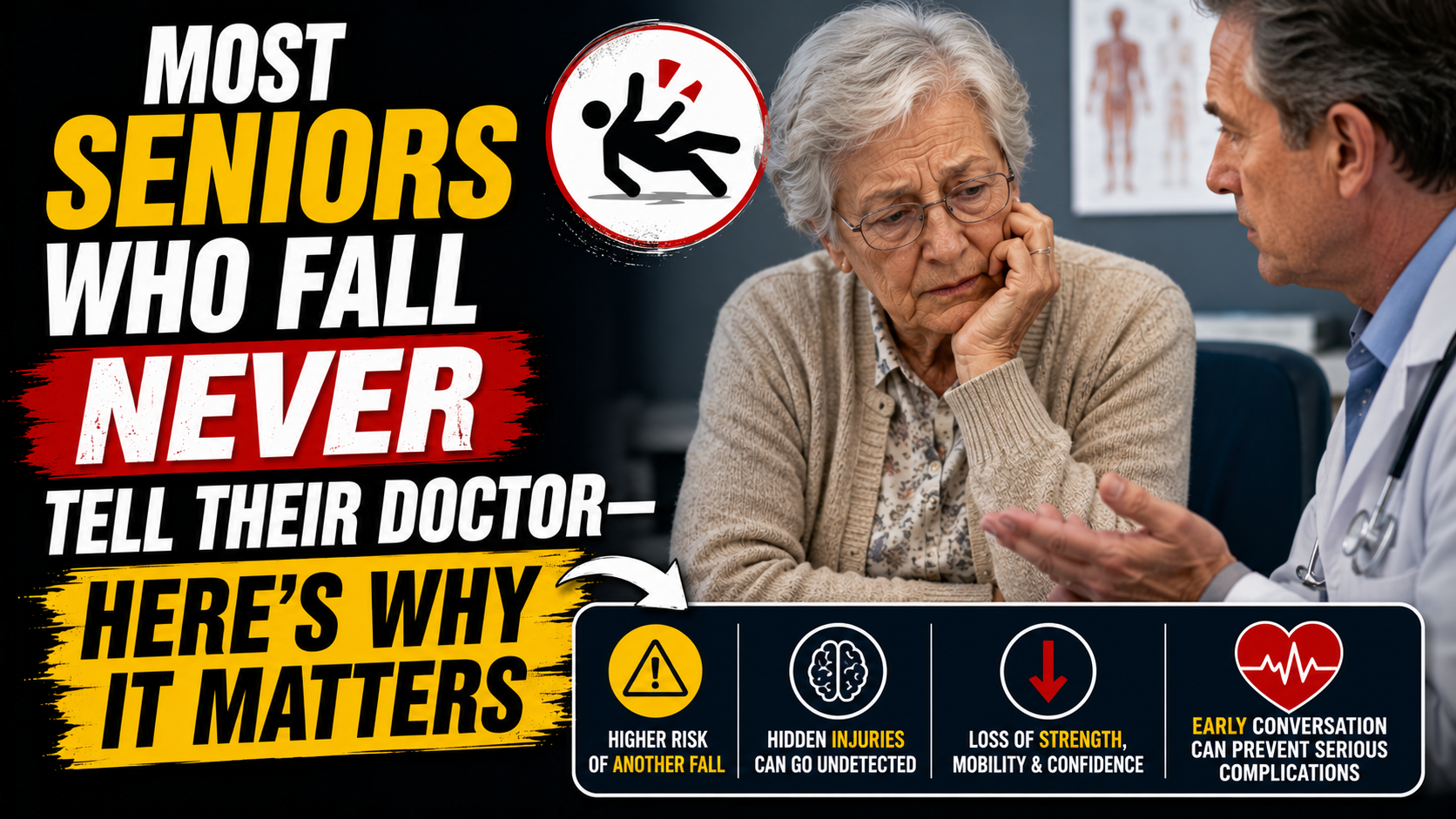
Medicare covers physical therapy for fall prevention when fall history is documented — which is another reason why getting falls into the medical record matters. As covered in our guide on most seniors who fall never tell their doctor — the fall that isn’t documented can’t generate the physical therapy referral that might prevent the next one.
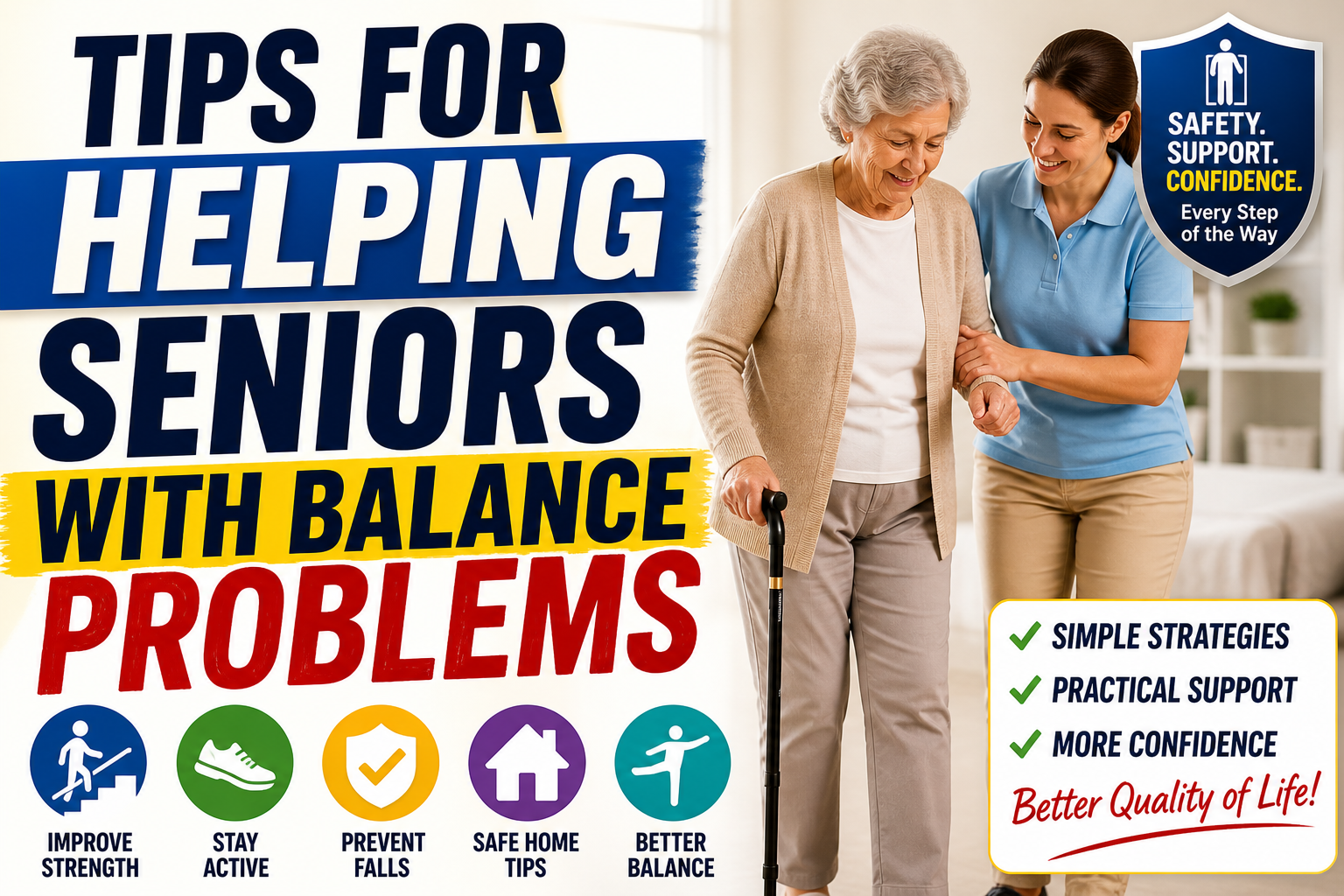
Our guide on tips for helping seniors with balance problems covers the exercise interventions with the strongest evidence — including Tai Chi, which shows 30 to 40 percent fall rate reductions in multiple high-quality trials.
Step Five — The Home Assessment
For someone falling repeatedly a thorough home assessment is essential. Not a glance around the living room — a systematic room-by-room evaluation that identifies every environmental contributor to falls.
The Bathroom First

As covered in our guide on the bathroom causes more senior falls than stairs, cars, and ice combined — most falls in older adults occur in the bathroom. For someone falling repeatedly the bathroom modifications are the highest priority.
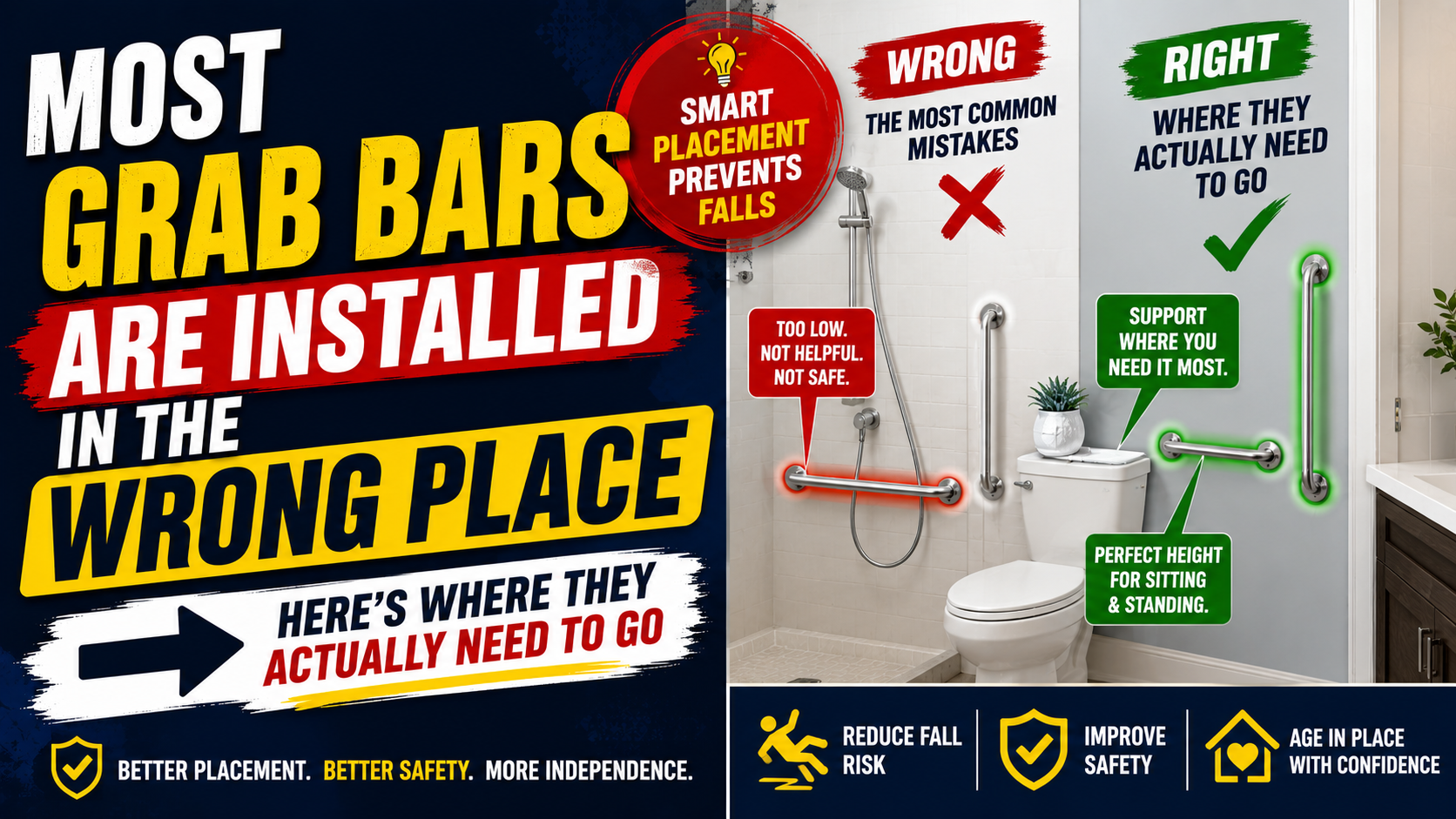
Grab bars at the shower entry and next to the toilet — correctly positioned where the hand naturally reaches during the transition. Our guide on most grab bars are installed in the wrong place covers exact positioning. Our installation guide at how to install grab bars for seniors covers the complete DIY process.

→ Get the 2-Pack Grab Bars on Amazon
Toilet safety rails for the sit-to-stand transition that happens multiple times every day.

→ Get the Toilet Safety Rails on Amazon
A non-slip bath mat that stays completely in place. A shower chair to eliminate standing on a wet surface. Night lights on the complete path from bed to bathroom.
The Bedroom
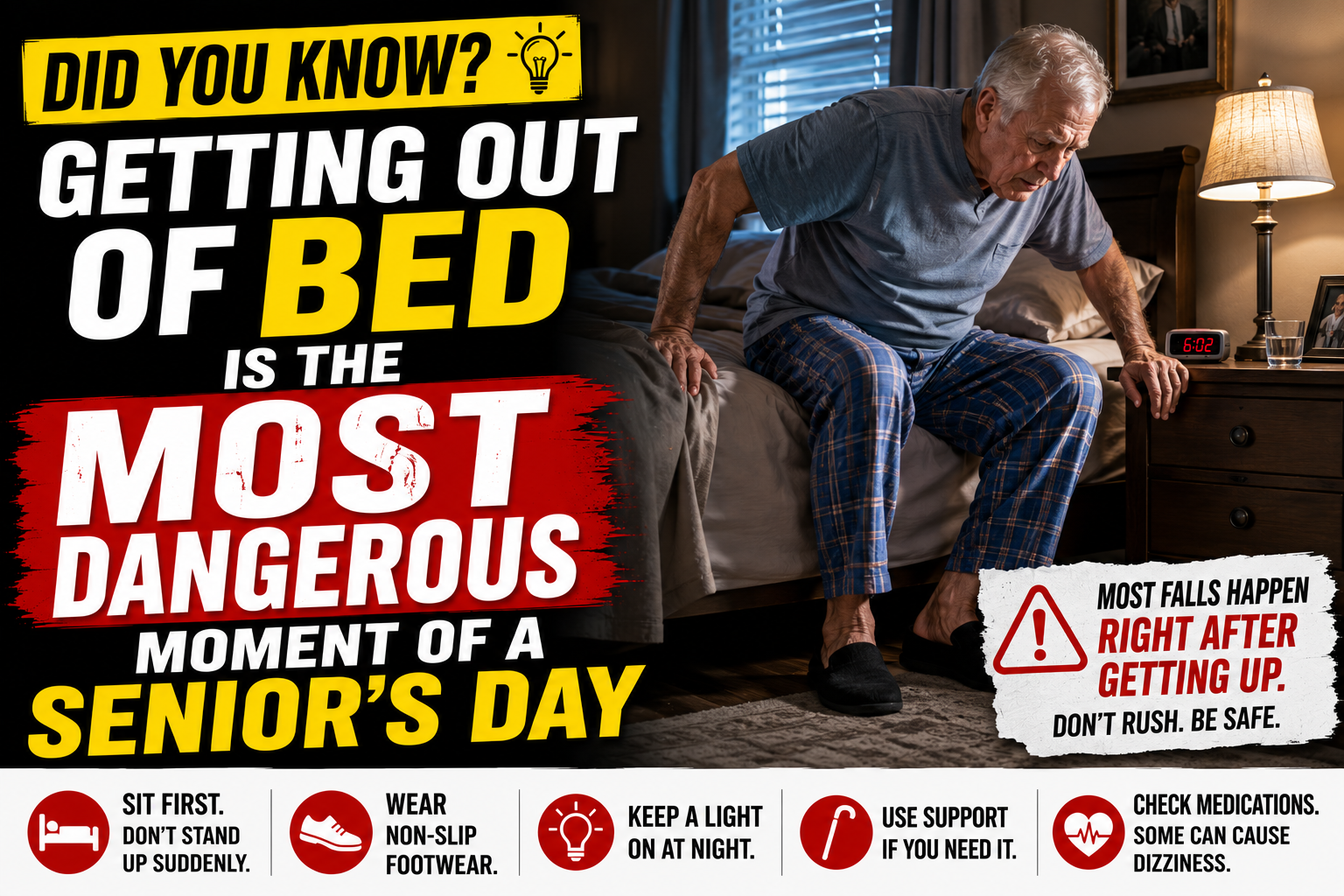
A bed rail for the morning getting-up transition — the highest-risk daily moment outside the bathroom. As covered in our guide on getting out of bed is the most dangerous moment of a senior’s day — orthostatic hypotension, sleep inertia, and mattress instability combine into the specific scenario that produces the most repeated-fall patterns.

The Rest of the Home
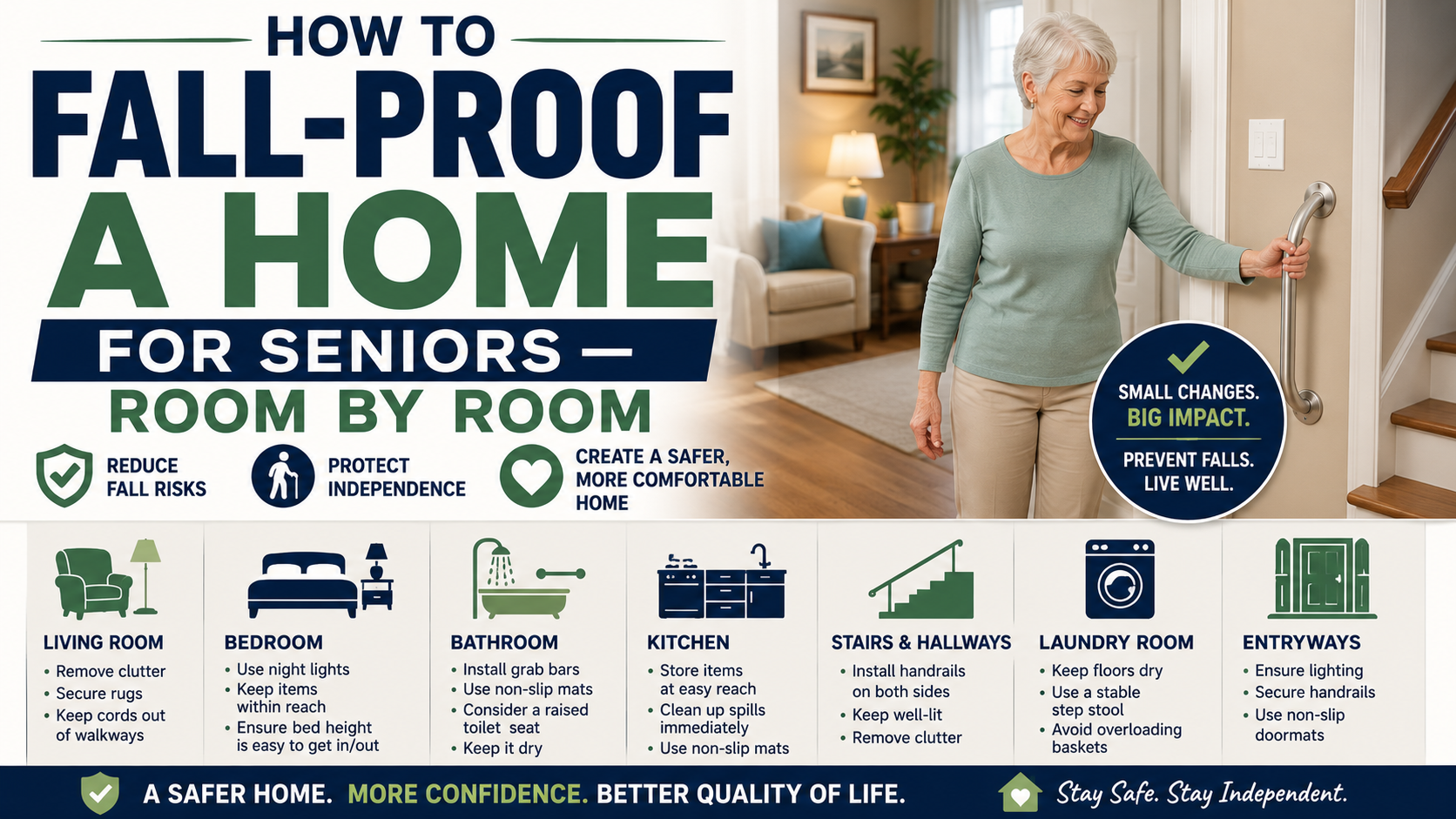
Every unsecured rug removed. Every cord cleared from walking paths. Adequate lighting in every room. Non-slip footwear worn consistently on smooth floors. Our complete guide on how to fall-proof a home for seniors covers every room systematically.


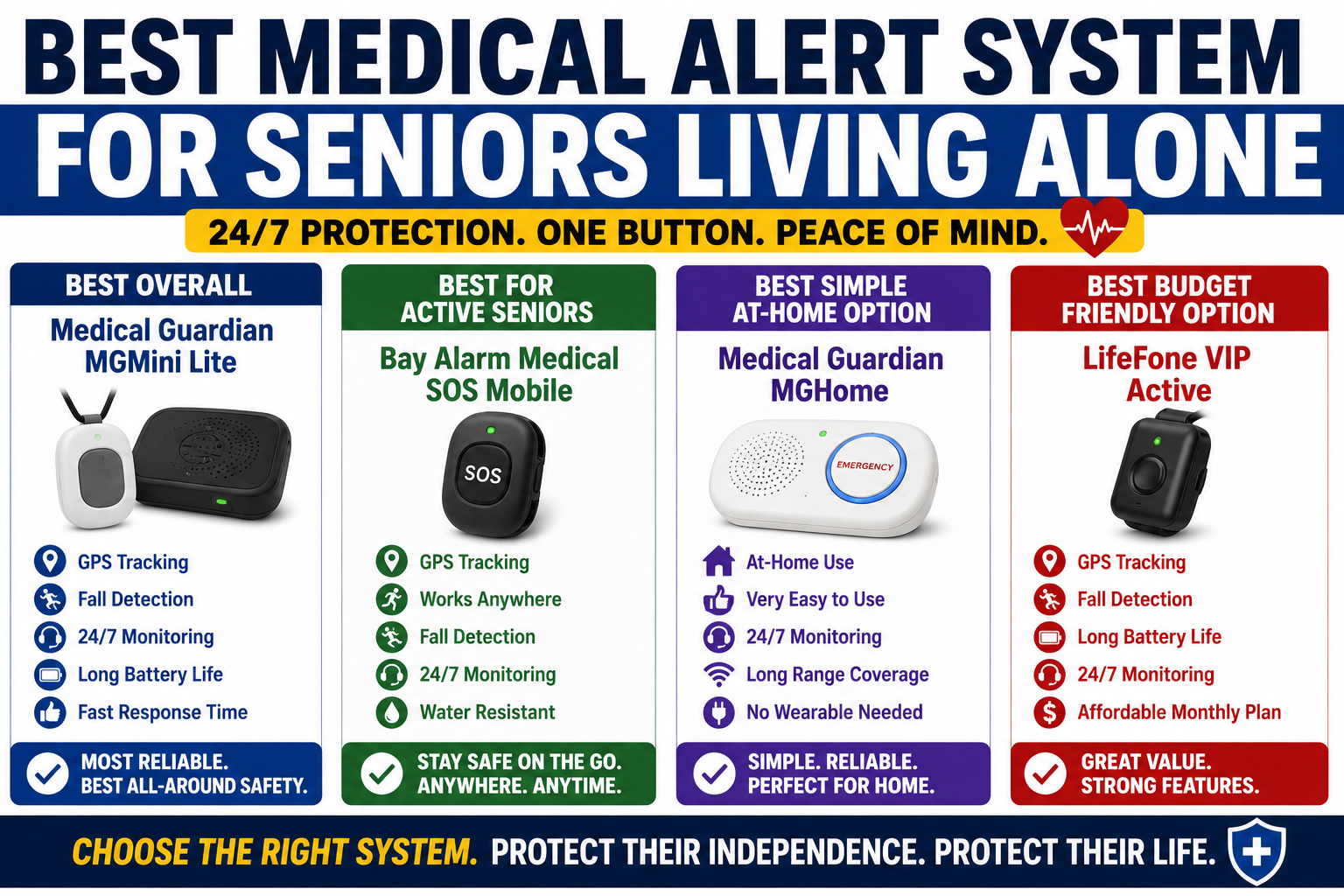
Step Six — Get a Medical Alert Device in Place Immediately
For someone who has fallen repeatedly the gap between a fall and discovery is not a hypothetical concern. It is a demonstrated pattern. Every fall that has happened was a fall during which they could have needed help and may not have been able to get it quickly.

The SecuLife Smartwatch closes that gap to seconds — automatic fall detection that alerts family immediately with GPS location without requiring any action from the person who has fallen. For someone with a repeated fall history this is not a “someday” purchase. It is an immediate priority.

Our complete review at SecuLife Smartwatch Review covers every feature in full detail.
→ Get the SecuLife Smartwatch on Amazon
Step Seven — Address Fear of Falling
Repeated falls produce fear of falling — and fear of falling produces behavioral changes that paradoxically increase fall risk. Activity restriction reduces the strength and balance that prevent falls. Protective shuffling gait reduces foot clearance and increases trip risk. Anxiety and hypervigilance during movement divide attention in ways that impair rather than improve safety.
Fear of falling after repeated falls is almost universal and deserves direct attention alongside the physical interventions. Physical therapy that rebuilds confidence alongside strength and balance is the most effective intervention. Cognitive behavioral approaches that address the anxiety component of fear of falling have evidence in geriatric populations. Simply being told “be more careful” does not help and may worsen the fear-driven gait changes that increase risk.
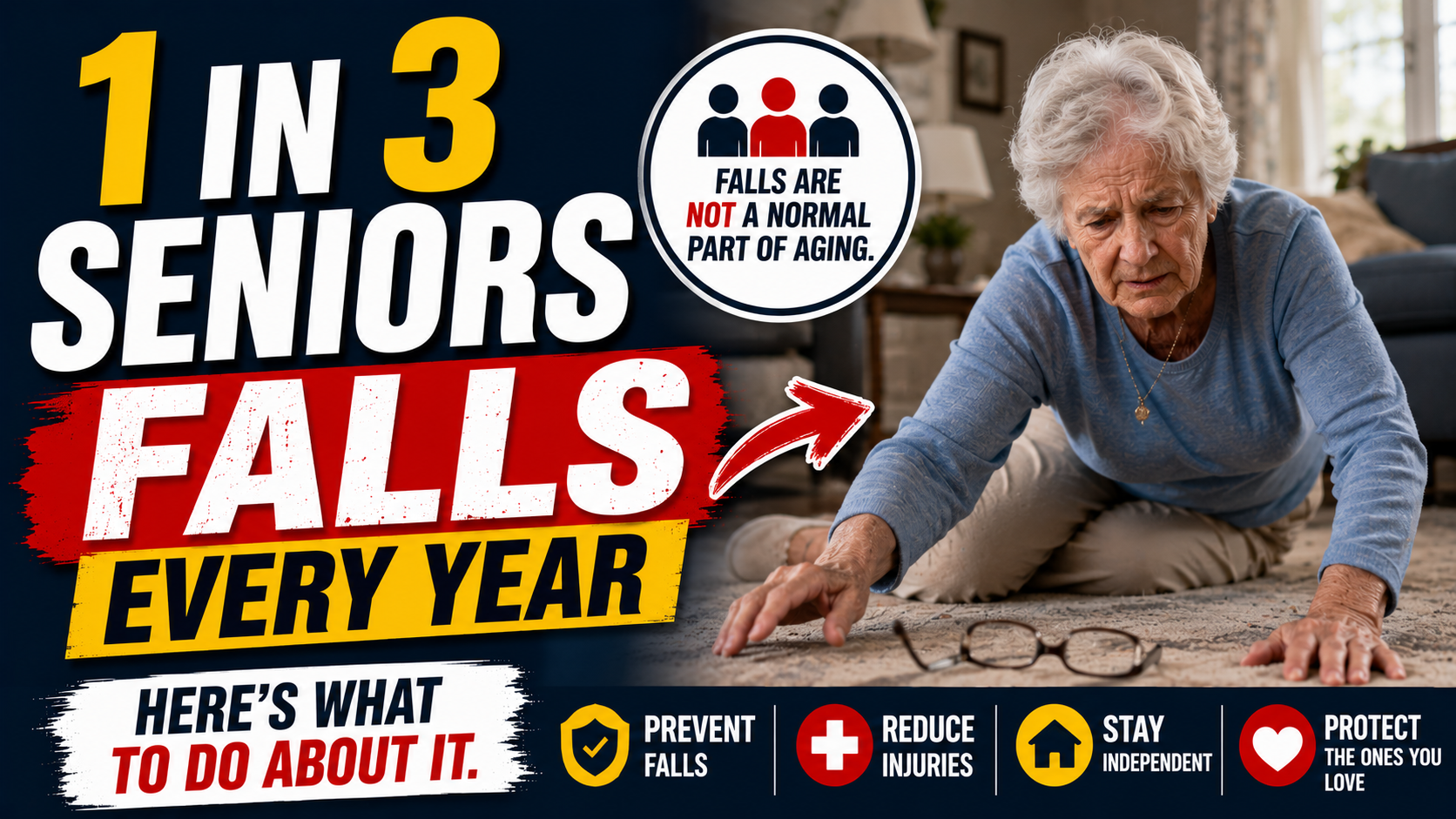
As covered in our guide on 1 in 3 seniors falls every year — the response to falls that produces the best outcomes is specific intervention, not cautious withdrawal. The goal is restoring confident movement, not restricting it.
When Repeated Falls Suggest Something More
Most repeated falls in older adults are explained by the modifiable factors above — medication, environment, balance deficits, footwear. Some repeated fall patterns suggest underlying medical conditions worth investigating specifically.
Parkinson’s disease — gait freezing, shuffling, and postural instability are early features. Falls that occur during turning or starting to walk, or that involve a specific forward-pitched posture, warrant neurological evaluation.
Normal pressure hydrocephalus — a treatable condition characterized by gait disturbance, urinary incontinence, and cognitive changes. The gait disturbance specifically — wide-based, magnetic, shuffling — produces falls and is frequently misattributed to general aging rather than investigated as a specific condition.
Vestibular disorders — inner ear conditions including benign paroxysmal positional vertigo (BPPV) that produce dizziness and balance disturbance specifically during position changes. BPPV specifically is among the most treatable conditions in fall medicine — a simple repositioning maneuver performed by a trained provider frequently resolves it completely.
Cardiac arrhythmias — episodes of abnormal heart rhythm that reduce cerebral perfusion and produce sudden loss of balance or consciousness. Falls that occur with minimal apparent precipitant, particularly in someone with known cardiac history, warrant cardiac evaluation.
Any fall pattern that doesn’t respond to the standard interventions above — or that has specific characteristics suggesting these conditions — warrants specialist referral. A geriatrician or neurologist with experience in falls assessment can identify these conditions when general practitioners have reached the limits of the standard evaluation.
The Conversation With Your Parent
Addressing repeated falls requires your parent’s participation in the solutions — and that participation requires a conversation that doesn’t go the way most family conversations about falls go.

The approach that works: specific observations, care-focused framing, actions that don’t require agreement. As covered in our guide on your parent said they’re fine — the modifications that matter most don’t require your parent to agree they’re needed. The grab bars can be installed. The bath mat can be replaced. The night lights can be plugged in. The medication review can be requested by you directly through the patient portal.

The SecuLife is the device that most families find hardest to introduce. Our guide on how to talk to a parent about a medical alert system covers the specific framings that work — particularly framing it as something you need for your peace of mind rather than something they need because of their deficiency.

The Complete Action Plan for Repeated Falls
This week:
- Call the physician and request a formal fall risk assessment and falls-focused medication review — use those exact words
- Order and install grab bars at shower entry and toilet position
- Order toilet safety rails, non-slip bath mat, bed rail, night lights
- Get SecuLife Smartwatch ordered and configured — immediate priority for repeated fall history
- Remove every unsecured rug and clear every cord from walking areas
This month:
- Complete formal fall risk assessment appointment
- Request physical therapy referral specifically for fall prevention
- Schedule vision check if more than a year since the last
- Work through complete home safety assessment using our home safety checklist
- Address any underlying medical conditions identified in assessment
Ongoing:
- Balance exercise program started and maintained — Tai Chi or PT-directed program
- Medical alert device worn every day — charged nightly
- Consistent fluid intake — dehydration contributes to fall risk as covered in our guide on the most overlooked fall risk for seniors
- Six-month home reassessments as condition changes
Frequently Asked Questions
How many falls in a year is considered serious?
Any fall in an older adult warrants attention and a falls-focused medical evaluation. Two or more falls in a 12-month period is the clinical threshold that most geriatric medicine guidelines define as a recurrent fall pattern requiring comprehensive assessment. The number of falls matters less than the trajectory — falls that are becoming more frequent indicate worsening risk factors that are accelerating rather than stabilizing.
Should someone with repeated falls stop living alone?
Repeated falls alone are not sufficient reason to require a change in living situation if the underlying risk factors can be identified and addressed and appropriate safety measures are in place. The combination of home modifications, medical intervention, fall detection technology, and a structured daily check-in system allows most older adults with fall histories to continue living safely at home. Living situation changes become appropriate when falls persist despite comprehensive intervention or when cognitive decline removes the capacity to participate safely in independent living.
What is the most common cause of repeated falls?
Medication — particularly blood pressure medications, sleep medications, and diuretics — is the most common single identifiable cause of repeated falls in older adults as covered in our guide on the number one reason seniors fall at home. In most cases of repeated falls multiple contributing factors are present simultaneously — medication plus environmental hazards plus balance deficits — which is why the comprehensive approach in this guide addresses all categories rather than looking for a single cause.
Is it normal for an 80-year-old to fall frequently?
Falls become more common with age — approximately 50 percent of adults over 80 experience at least one fall per year — but frequent falls are not inevitable or untreatable. Most fall risk factors in older adults are modifiable. The combination of medical assessment, medication review, physical therapy, and home modification produces meaningful fall rate reductions even in the oldest old. Accepting frequent falls as normal aging leads to inaction on interventions that genuinely work.
My parent has fallen three times this month. Should I call their doctor today?
Yes — call today, not at the next scheduled appointment. Three falls in a month represents an accelerating pattern that warrants urgent rather than routine evaluation. When calling use the phrase “recurrent falls requiring urgent assessment” — this signals the clinical urgency appropriately and should produce a prompt appointment rather than a wait for the next available routine slot. If the falls are producing injuries or the person seems unsteady in a way that suggests imminent serious fall risk, an emergency department evaluation may be more appropriate than waiting for a physician office appointment.
Repeated Falls Are a Problem With a Solution
The family that accepts repeated falls as inevitable aging — that treats each one as an isolated accident — is the family that watches a parent’s function decline fall by fall until something serious happens.
The family that treats repeated falls as a system problem — that gets the formal assessment, requests the medication review, installs the modifications, gets the physical therapy started, and puts fall detection in place — is the family that reverses the pattern. Not always completely. But meaningfully. Measurably. In ways that preserve independence and prevent the cascade that repeated falls produce when they’re not addressed.
The solution exists. It’s specific. It’s accessible. And it starts with the formal assessment that identifies which pieces of it apply to your parent’s specific situation.

For the complete senior safety picture our guide on the complete senior safety guide covers every element in one comprehensive resource.
About the Author
Margaret Holloway, RN spent 22 years in geriatric nursing and saw the repeated fall pattern more times than she can count — the family that brought a parent in after fall number three, having accepted falls one and two as accidents, now facing fall number three that had produced a hip fracture. She also saw the families who acted after fall number one — who got the assessment, addressed the medications, installed the grab bars, started the physical therapy — and who brought the same parent back for a routine appointment two years later still living independently. The difference between those families was almost always the same: one treated the first fall as a signal, the other waited for the pattern to become a crisis. She writes for Elder Safety Guide because repeated falls have a solution — and most families don’t find it until after they needed it.