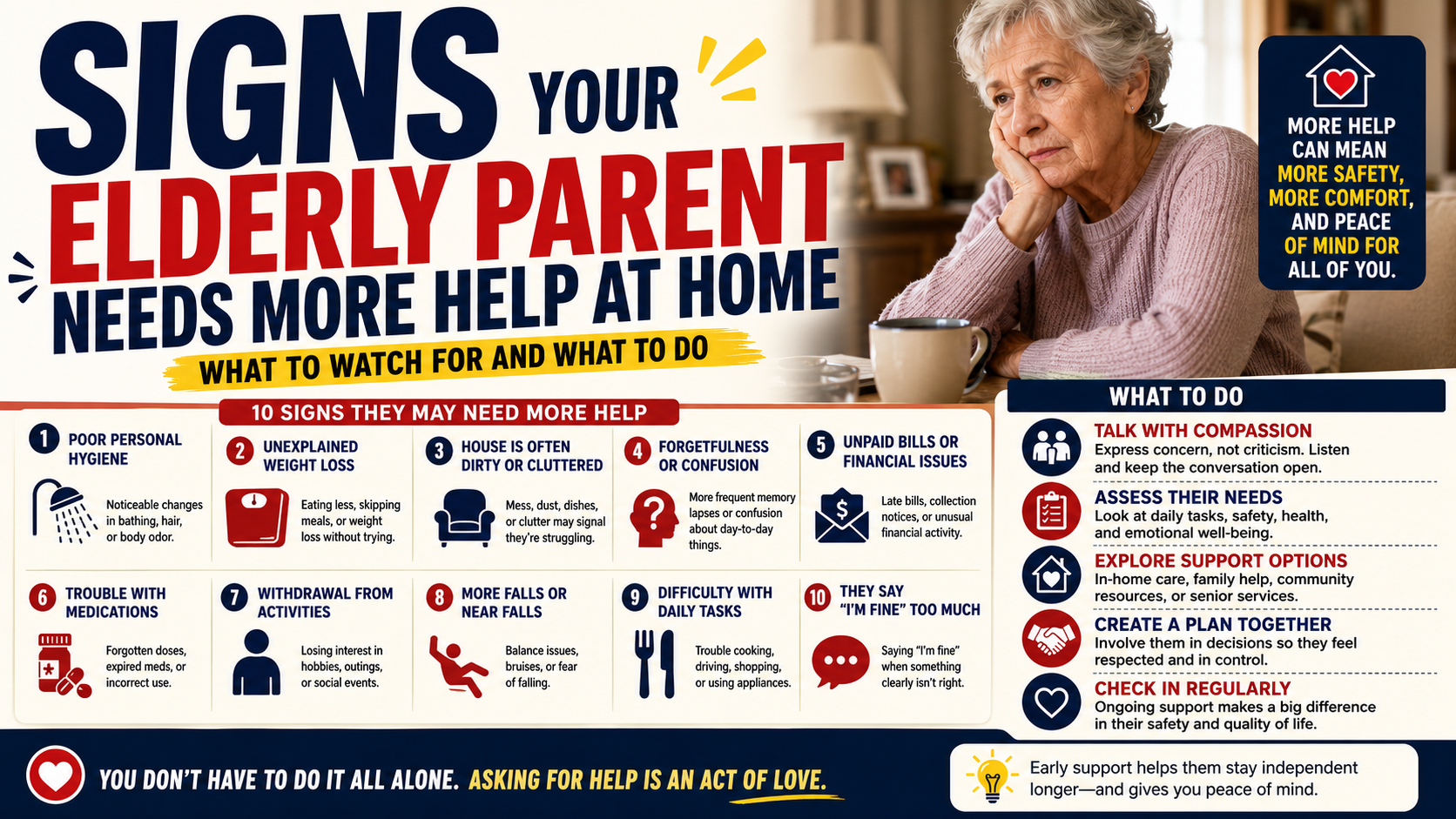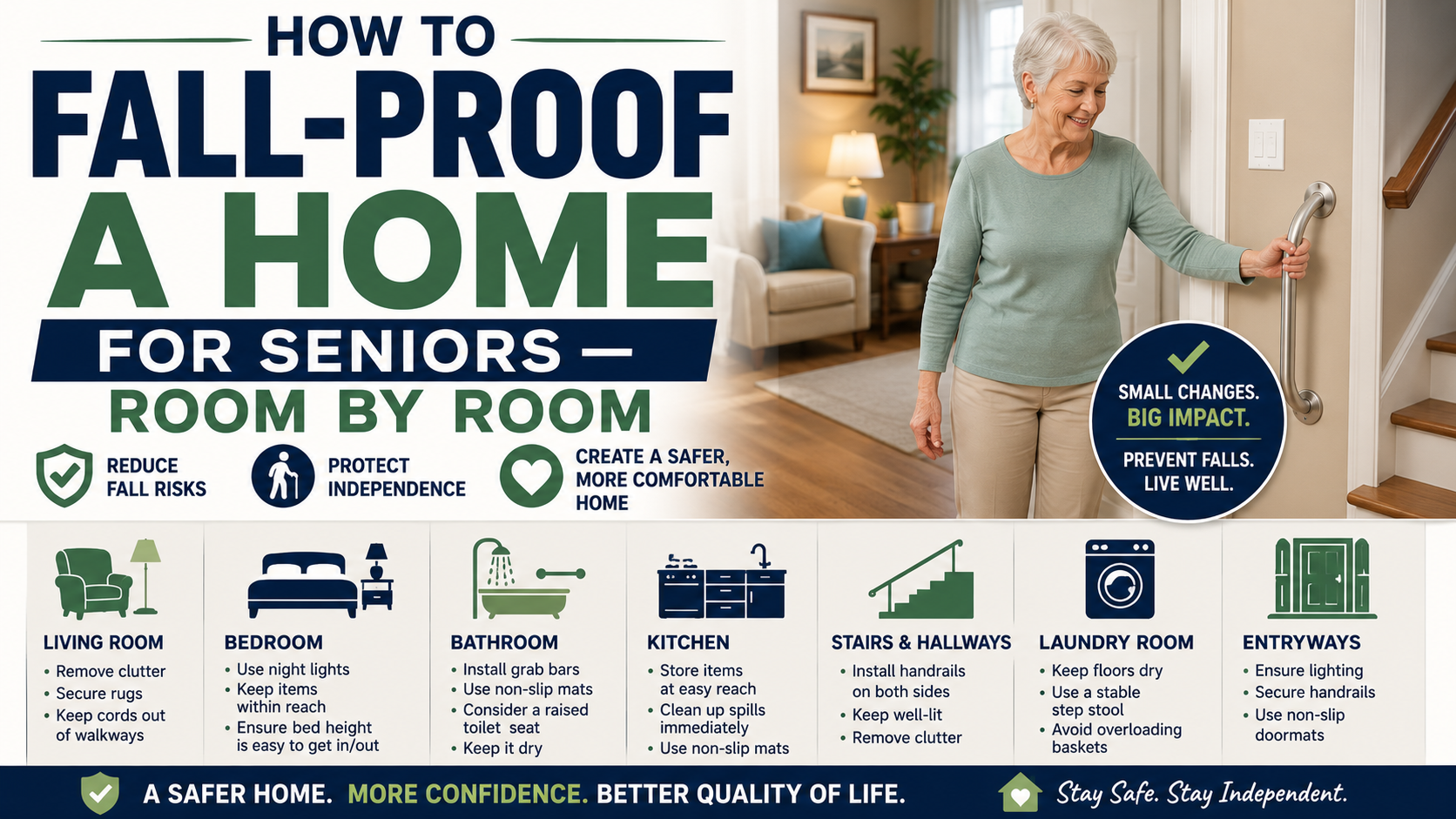
Monitoring an elderly parent at home is one of the most delicate balancing acts in family caregiving — the need to know they’re safe competing directly with their right to privacy and independence. Get it wrong in one direction and you’re calling seventeen times a day and damaging the relationship. Get it wrong in the other and you’re the family that didn’t know something was wrong until it became a crisis.
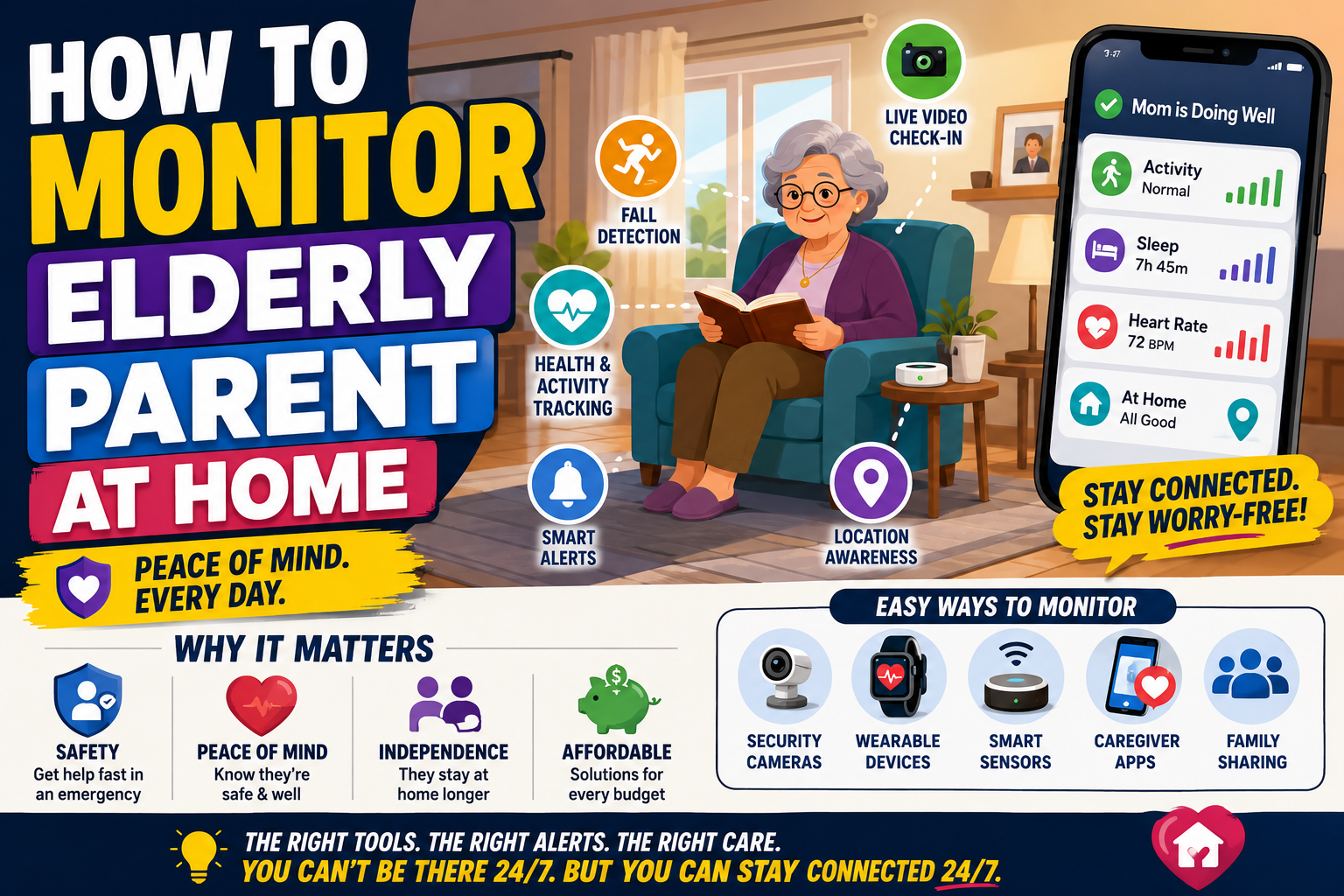
This guide covers the right approach — specific tools, specific systems, and the specific conversations that make monitoring feel like care rather than surveillance.
What Monitoring Actually Means
Monitoring an elderly parent at home doesn’t mean watching them constantly. It means having systems in place that answer two questions reliably:
Is everything okay right now? And if something goes wrong will I know quickly enough to matter?
The first question gets answered by a structured check-in routine. The second gets answered by technology — specifically fall detection and GPS that alert family automatically when something happens rather than waiting for a scheduled call to reveal that something went wrong hours ago.
The combination of a consistent human check-in and automatic detection technology is the complete monitoring system. Each covers what the other misses.
The Structured Daily Check-In — The Foundation
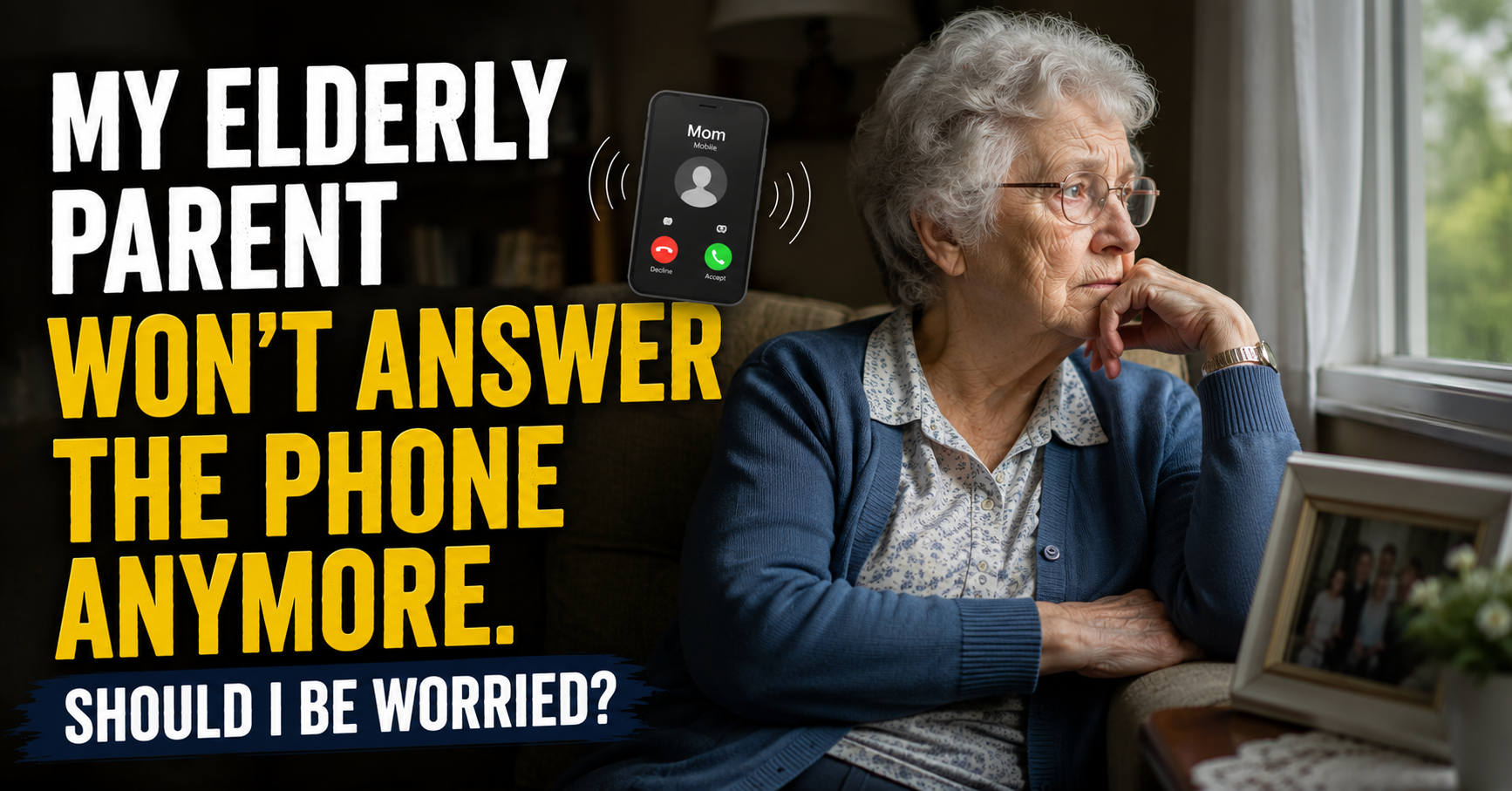
A structured daily check-in is the simplest and most important monitoring system available — and most families do it inconsistently or not at all.
A structured check-in has four components: a specific time, a specific format, a specific escalation plan if the check-in is missed, and consistency that makes missing it immediately noticeable.
A morning text at 9am that your parent responds to by 9:30. A daily phone call at a consistent time. A neighbor who waves when they see them get the newspaper. Any of these work — what makes them work is the consistency and the escalation plan for when they don’t happen.
The escalation plan is what most families skip. If the 9am text isn’t responded to by 9:30 — what happens next? Who calls? Who goes by? At what point does someone go physically check? Having this spelled out before it’s needed means a missed check-in produces a response rather than an anxious wait.
Automatic Fall Detection — The Technology Layer
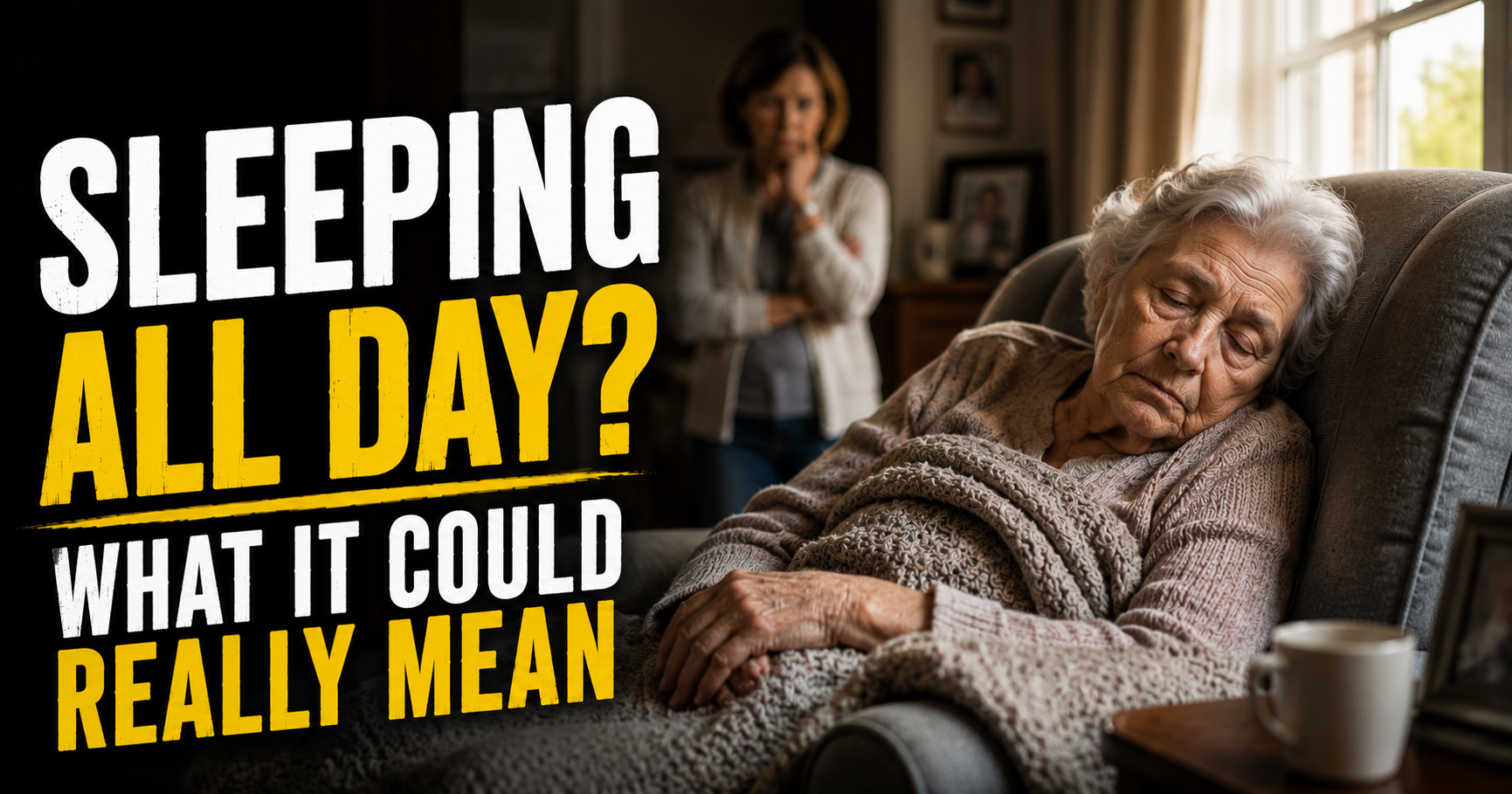
A structured check-in caps the discovery window at 24 hours in the worst case. Automatic fall detection collapses it to seconds. Both are needed because the scenarios where falls are most dangerous — 2am bathroom trips, falls in the shower with the door closed — happen outside the check-in windows.
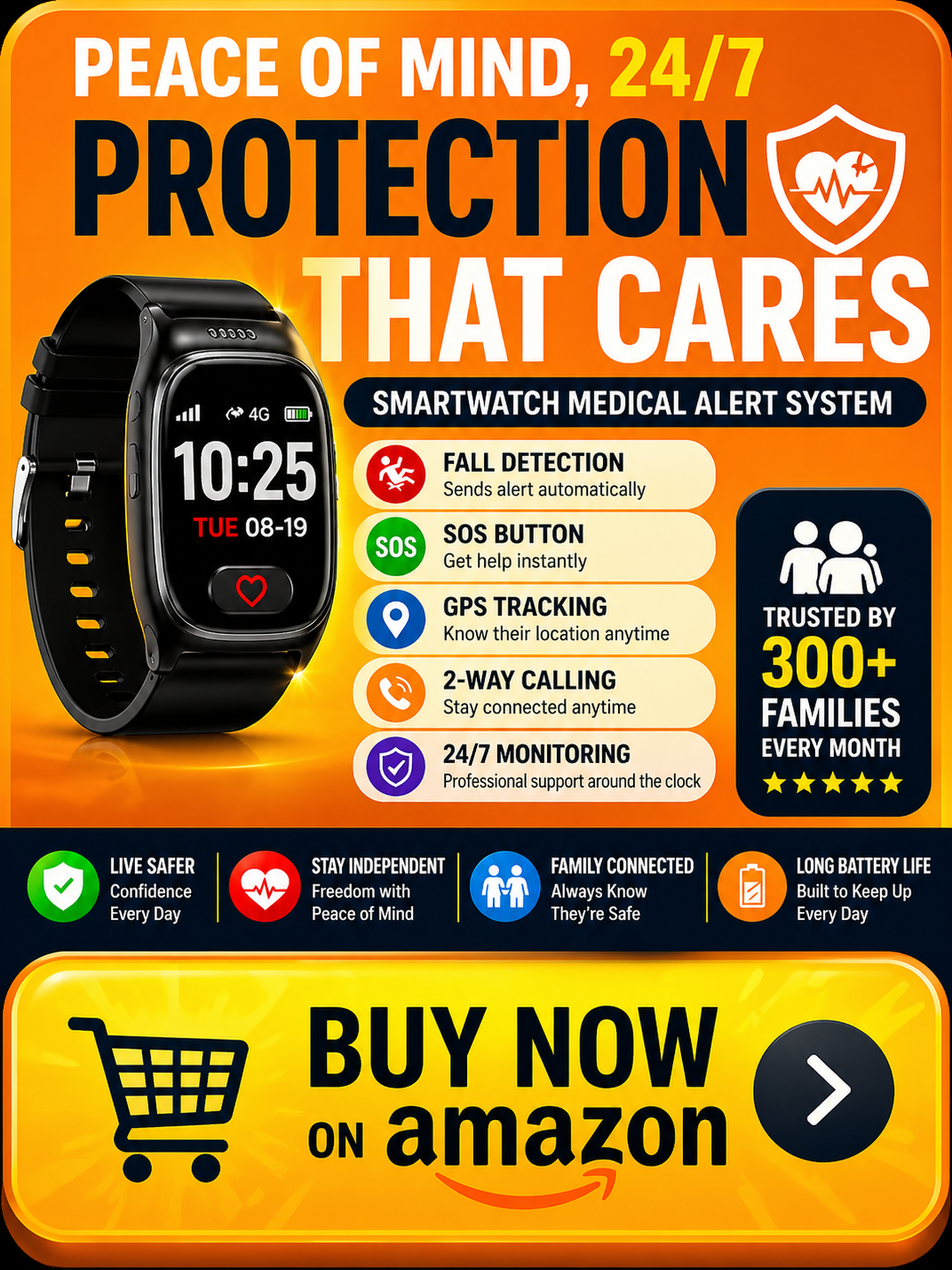
The SecuLife Smartwatch is the fall detection device we recommend for this purpose. It detects falls automatically and alerts all designated family contacts simultaneously with real-time GPS location — without requiring any action from the person who has fallen. It goes into the bathroom. It works during nighttime trips. It works anywhere with cell coverage including away from home.
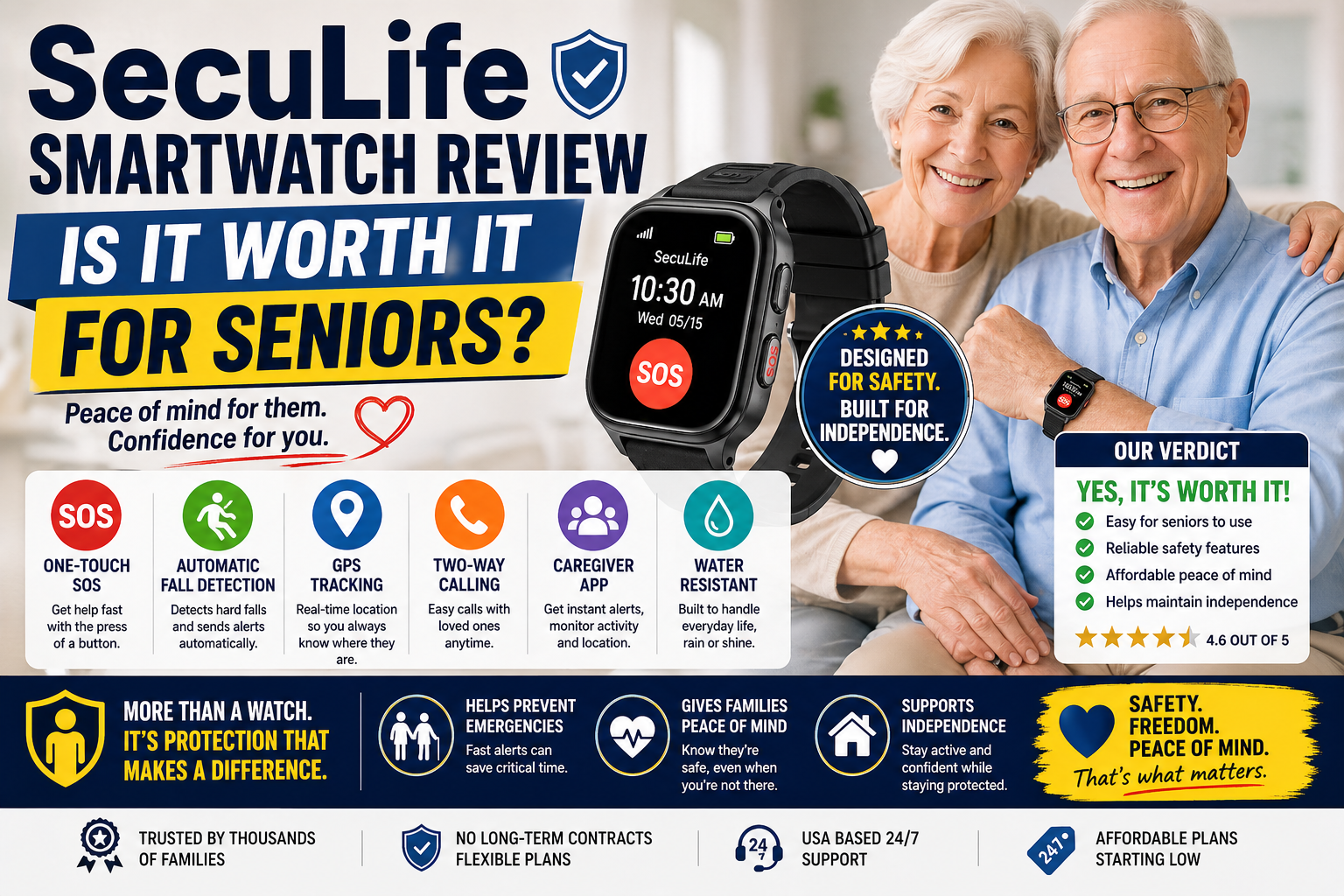
Our complete review at SecuLife Smartwatch Review covers every feature worth knowing before deciding.
GPS Location — Knowing Where They Are
For families whose parent drives, walks regularly, or spends time outside the home — knowing their location provides a layer of monitoring that phone calls can’t. The SecuPro app that accompanies the SecuLife shows real-time GPS location continuously — not just when an alert fires but any time a family member opens the app and checks.
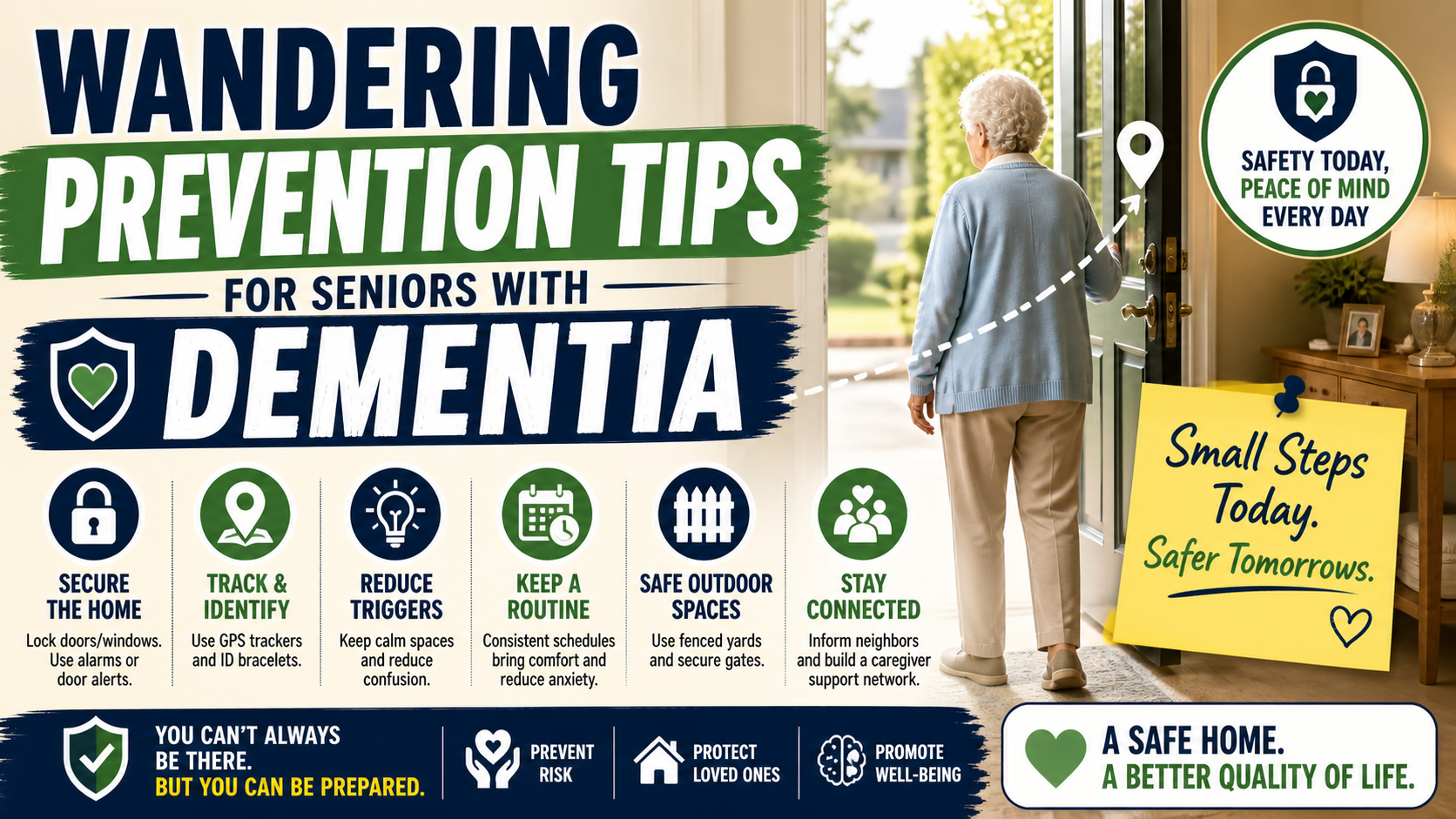
For families managing a parent with dementia GPS monitoring addresses the wandering risk specifically. As covered in our guide on wandering prevention for seniors with dementia — geofencing alerts that fire when the person crosses a defined boundary catch wandering episodes as they begin rather than after the person has traveled far.
Video Doorbell — Visitor Safety Without Trips to the Door
A video doorbell provides monitoring at the point of entry — the ability to see who is at the door without your parent needing to approach it, and the ability for you to check remotely whether a package arrived or whether a visitor came and went.
For older adults who make repeated trips to the door to check who’s there — each trip an unnecessary fall opportunity — a video doorbell eliminates the trips. For families at a distance who want to know whether a scheduled visitor actually arrived it provides confirmation without a phone call interrupting the visit.
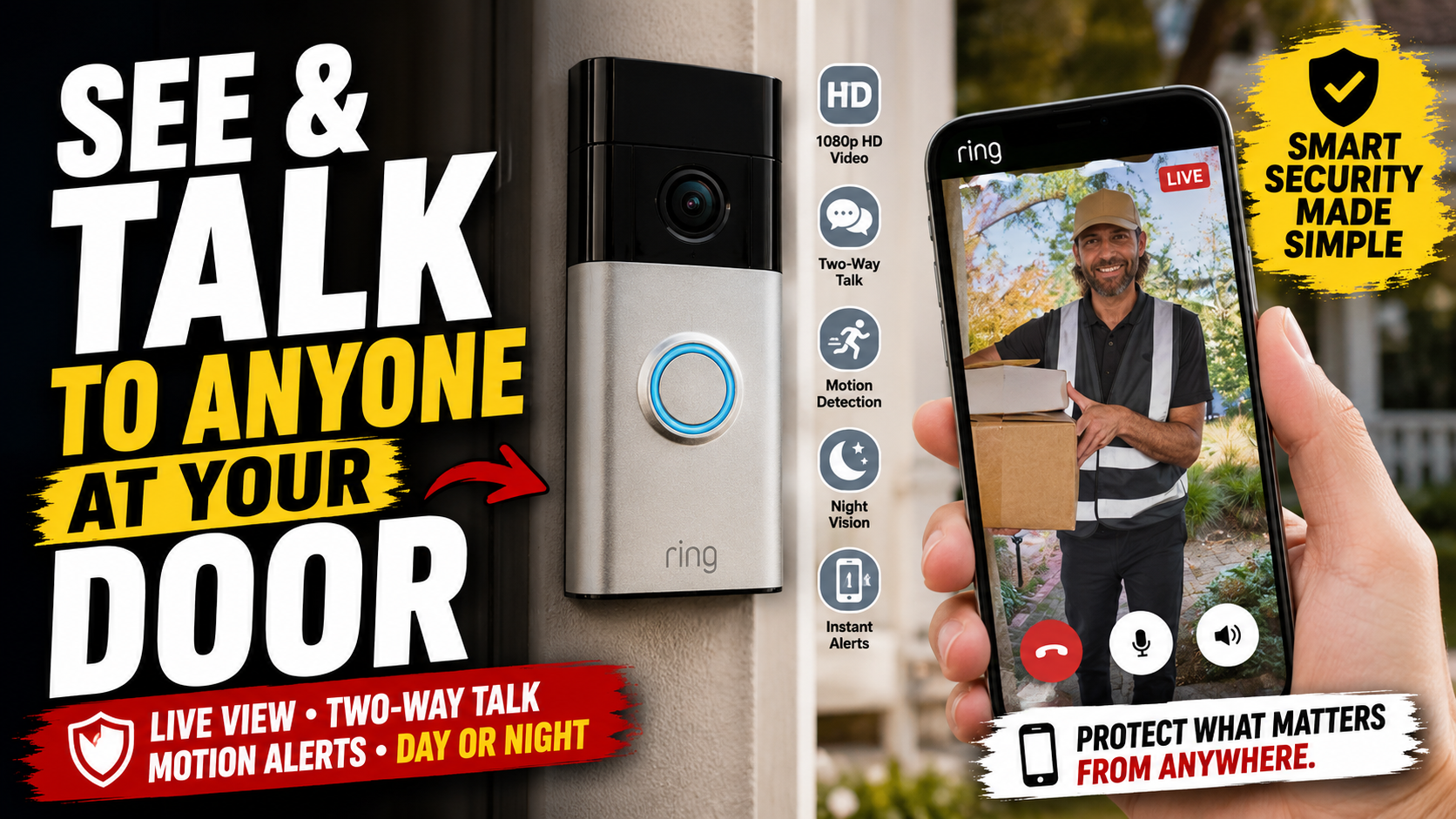
Our review of the Ring Battery Doorbell covers the specific option we recommend for senior home monitoring.
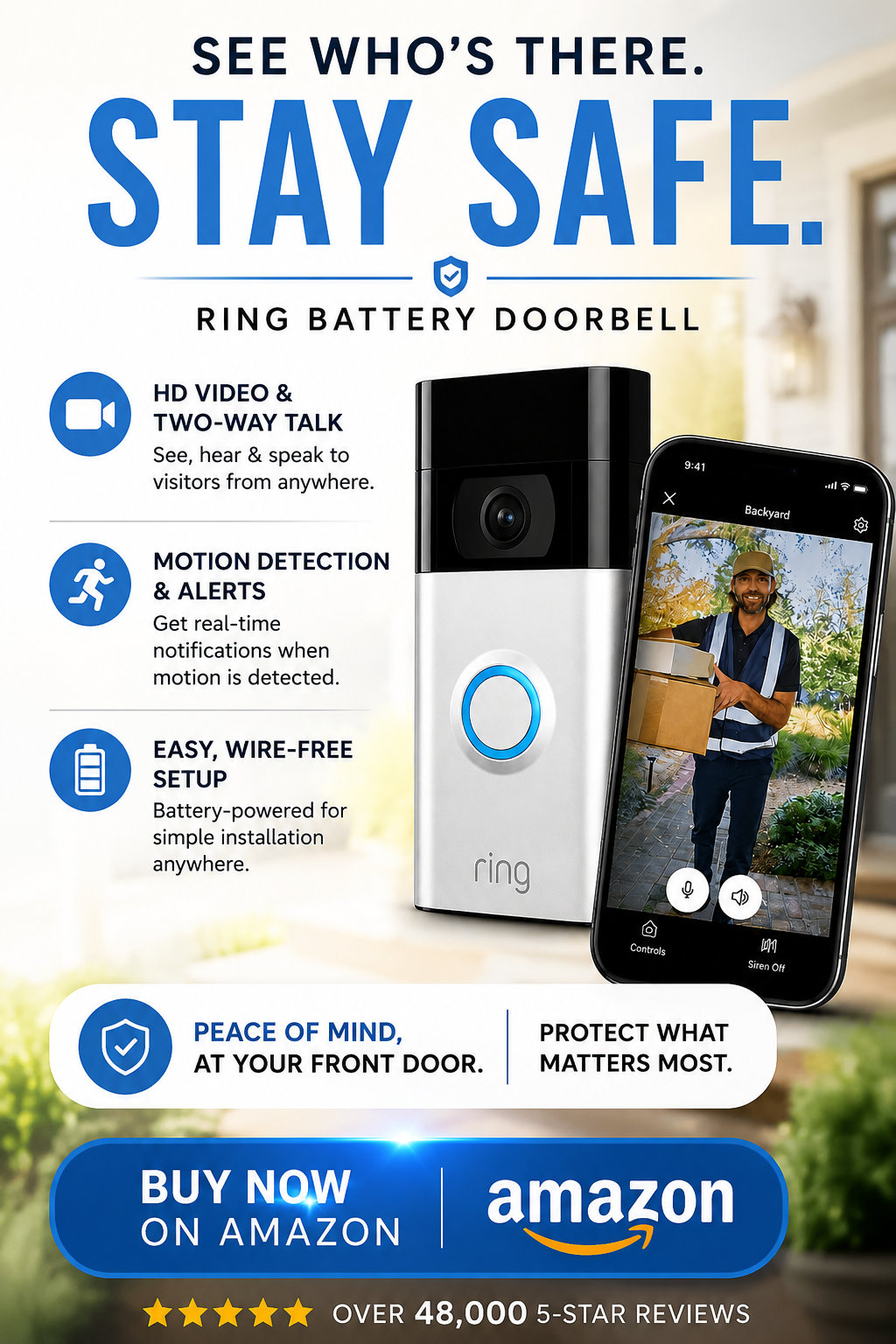
→ Get the Ring Battery Doorbell on Amazon
Medication Monitoring — The Daily Compliance Check
Medication errors are one of the most common and most consequential monitoring gaps for older adults living independently. A missed dose of a critical medication. A doubled dose because the first was forgotten. Medications taken at the wrong time relative to meals or other medications.
An automatic pill dispenser that organizes medications by dose and alerts when each dose is due provides the medication monitoring layer that a phone call can’t. When the dispenser is opened at the scheduled time family knows the dose was taken. When it isn’t opened the alert fires before the missed dose has consequences.

Our review of the best automatic pill dispenser for seniors covers the 28-day smart lock option we recommend.
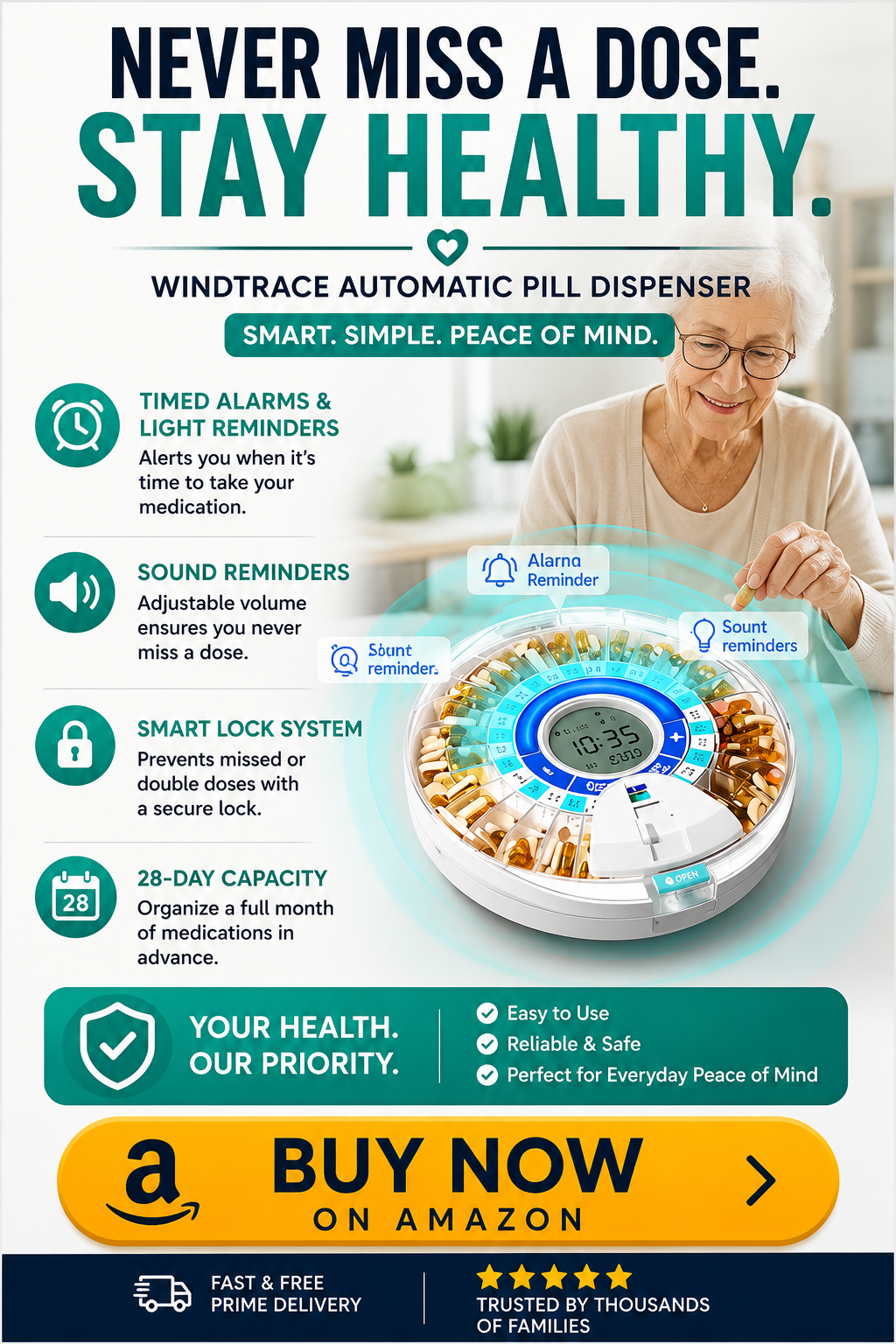
→ Get the Windtrace Pill Dispenser on Amazon
The Neighbor Network — The Human Layer
Technology covers the scenarios where no person is present. The neighbor network covers the gaps when technology fails or when the situation requires human judgment rather than automated detection.
At least two neighbors should know your parent, have your contact information, and know to call if something seems off — lights that are on at an unusual time, mail that hasn’t been collected, a car that hasn’t moved in days. This local human monitoring layer provides coverage that no technology replicates when infrastructure fails or when the situation is ambiguous enough to require a person’s judgment.
Have the explicit conversation — don’t assume neighbors will know to call. “If you ever notice something that seems off please call me — here’s my number” is a specific ask that most neighbors are glad to honor.
What Monitoring Should Not Look Like
The approach to monitoring that damages relationships and produces resistance is the one that feels like surveillance rather than care — checking in multiple times per day without a clear reason, asking questions that feel like assessments of capacity, or installing monitoring technology without the parent’s knowledge or consent.
Monitoring that works is transparent. The parent knows the SecuLife has GPS. They agreed to the check-in time. The neighbor’s number was given with their knowledge. Monitoring done with someone rather than to them produces acceptance rather than resistance — and acceptance is what produces the consistent wearing and participation that makes the monitoring actually work.

As covered in our guide on your parent said they’re fine — framing monitoring as something you need for your peace of mind rather than something they need because of their deficiencies produces significantly better reception.

Monitoring for Specific Situations
For Parents With Dementia
Monitoring for a parent with dementia requires additional layers beyond the standard approach — because the cognitive changes that make dementia dangerous also reduce the reliability of self-reporting and the effectiveness of check-in routines that depend on the person answering consistently.

Automatic fall detection that works without any action from the person. GPS geofencing for wandering protection. Door alarms that alert when exits are attempted. These together address the specific monitoring needs that dementia creates beyond standard fall detection. Our complete guide on home safety tips for seniors with dementia covers the complete picture.
For Parents Who Live Far Away
Distance monitoring relies more heavily on technology — because the human layers that work for nearby families aren’t available. The SecuLife’s GPS and automatic detection. The Ring doorbell’s remote video access. The pill dispenser’s dose confirmation. A neighbor with your number. A structured daily check-in with a clear escalation plan.
Distance monitoring also requires honest conversation about what would happen in an emergency — who would respond locally if something went wrong, what the plan is for situations that require a physical presence, and at what point the distance itself warrants a change in living arrangements.
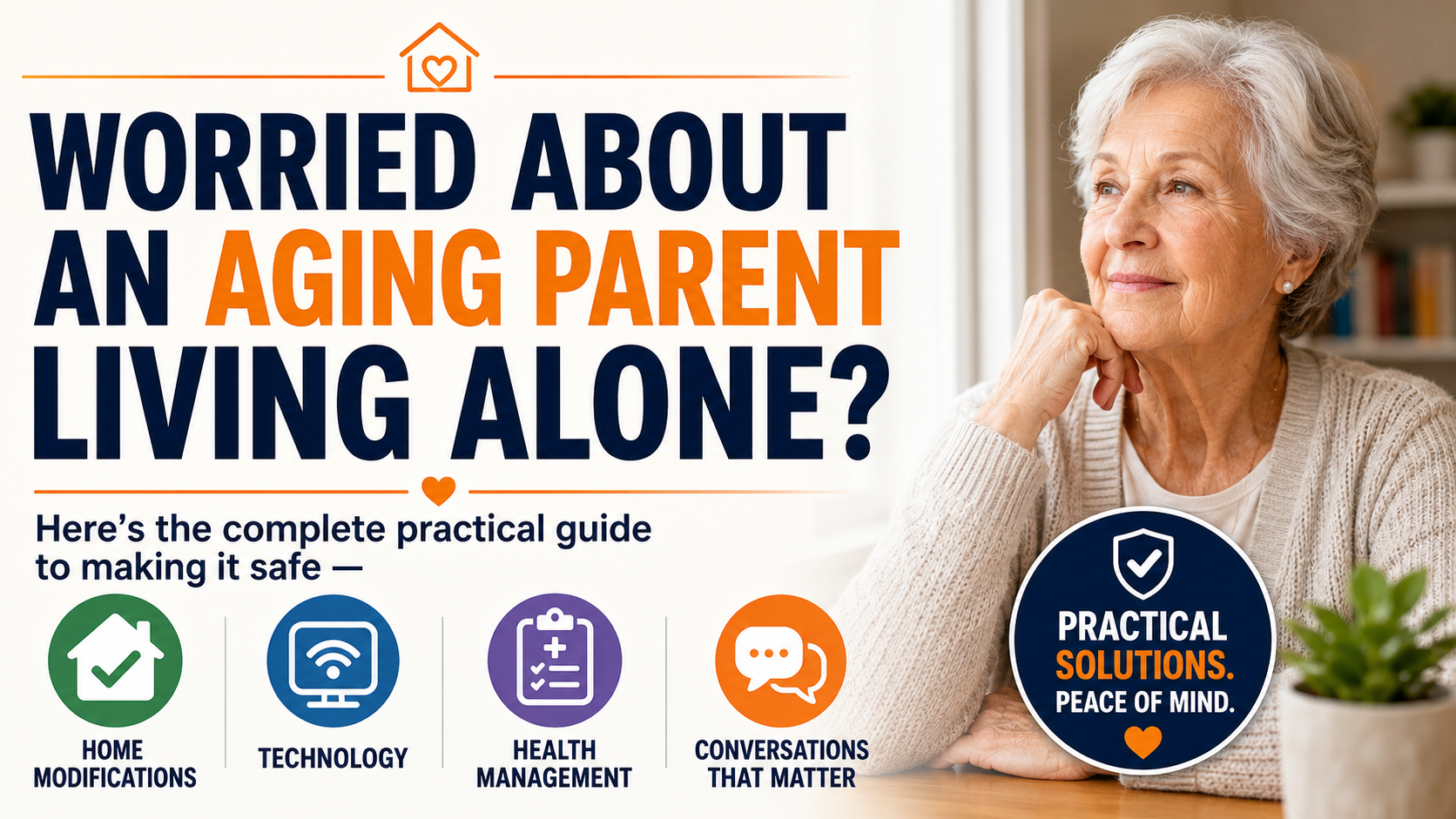
Our guide on how to help an elderly parent live safely alone covers the complete framework for supporting independent living from a distance.
For Parents Who Resist Monitoring
Resistance to monitoring is almost always resistance to what monitoring implies — loss of independence, loss of privacy, the acknowledgment that something has changed. The resistance is rational even when the monitoring is necessary.
The approaches that work: frame technology as tools you’re providing for your peace of mind. Start with the least intrusive measures — the check-in call, the neighbor’s number — before introducing GPS monitoring. Involve the parent in setting up the system so it feels collaborative rather than imposed. And accept that some monitoring measures may require more time and conversation than others before they’re accepted.
The Complete Home Monitoring System
A complete monitoring system for an elderly parent living alone has four layers working together:
Layer 1 — Automatic detection: Fall detection watch with GPS that alerts family immediately when something happens. The SecuLife Smartwatch covers this layer.
Layer 2 — Structured check-in: A daily contact at a consistent time with a clear escalation plan if the check-in is missed. Caps the discovery window when technology fails.
Layer 3 — Passive monitoring: Video doorbell for visitor visibility. Pill dispenser for medication confirmation. Sensors if the situation warrants them.
Layer 4 — Human network: Neighbors with contact information. Local friends or family who can physically check when needed. The human judgment layer that technology doesn’t replace.
All four layers together create a monitoring system where the chances of something going wrong and not being known about for hours are genuinely low — not eliminated, but low enough to support confident independent living for the parent and confident peace of mind for the family.

Frequently Asked Questions
Is it legal to monitor an elderly parent without their knowledge?
Laws on monitoring vary by state and country — particularly for audio and video recording. In most jurisdictions monitoring a parent in their own home with their knowledge and consent is clearly legal. Covert monitoring — particularly audio recording — carries legal risk in many jurisdictions and significant relationship risk in all of them. Transparent monitoring done with the parent’s knowledge and agreement is both legally safer and practically more effective because it produces the cooperation that makes monitoring actually work.
What is the best device to monitor an elderly parent at home?
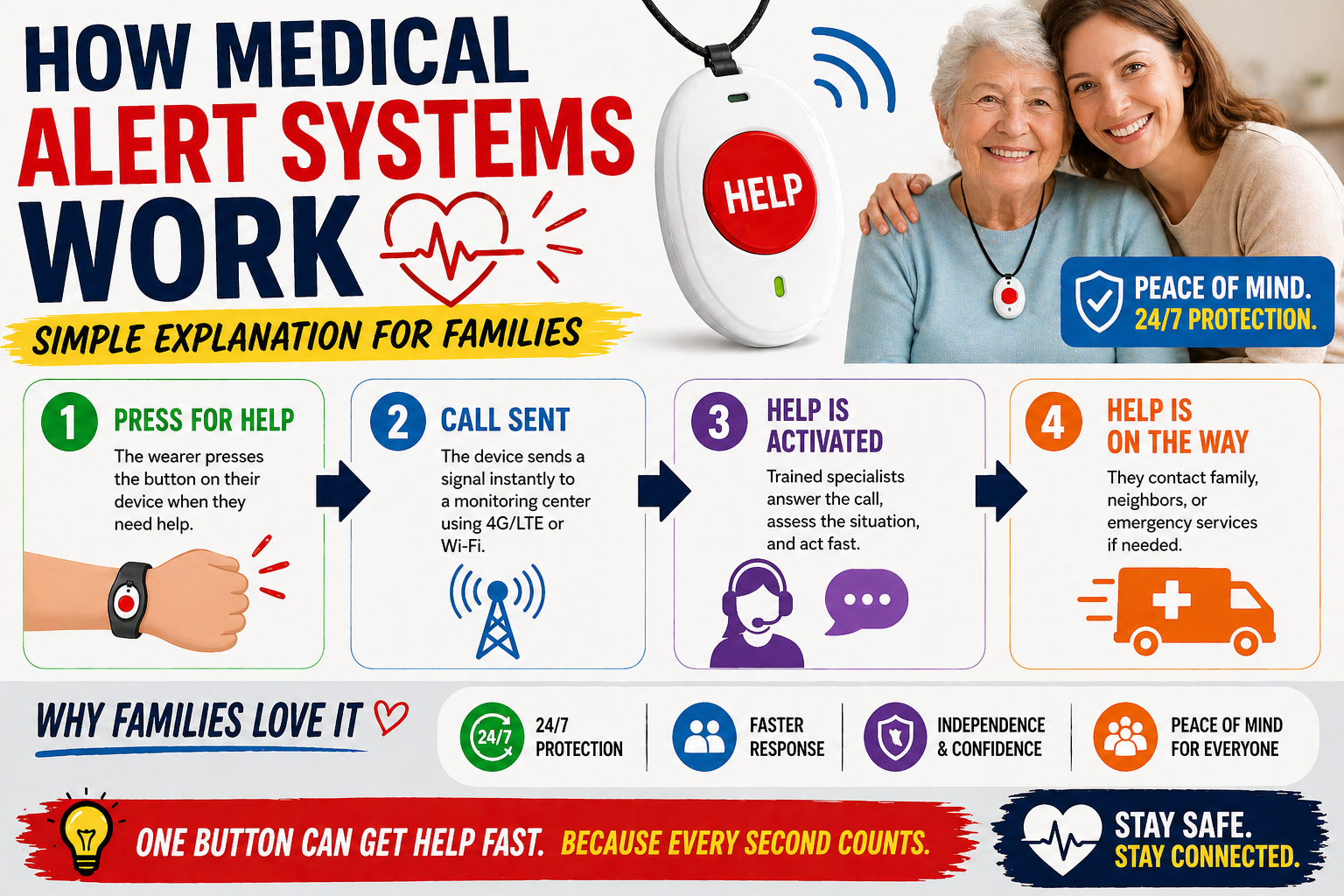
For fall detection and GPS monitoring the SecuLife Smartwatch is the device we recommend — automatic fall detection, real-time GPS anywhere, two-way calling, and a watch format that gets worn consistently. For doorbell monitoring the Ring Battery Doorbell. For medication monitoring the Windtrace automatic pill dispenser. Together these three devices cover the primary monitoring needs for most families.
How do I monitor my elderly parent without being intrusive?
The most effective approach is transparent monitoring that the parent has agreed to and understands. A daily check-in call at a consistent time feels like connection rather than surveillance. A fall detection watch framed as something you’re providing for your own peace of mind feels like a gift rather than an imposition. GPS monitoring disclosed and agreed to feels like a safety tool rather than tracking. The framing and the transparency are what determine whether monitoring feels like care or control.
How often should I check on an elderly parent living alone?
A minimum of once daily contact — the structured check-in — is the baseline for any older adult living alone. Beyond that the right frequency depends on the specific health situation, fall history, and cognitive status. With a fall detection watch in place the urgency of frequent check-ins is reduced — because the watch provides between-check-in coverage automatically. Without detection technology more frequent check-ins partially compensate for the gap.
What should I do if my elderly parent misses a check-in?
Follow the escalation plan established before the missed check-in happens. First attempt — call the mobile phone. Second attempt — call a neighbor or nearby contact. Third — physically check or request that someone does. Emergency services if no contact is made and the situation warrants it. The escalation plan prevents the anxious paralysis of not knowing what to do when a check-in is missed — and having it written down in advance means it gets followed rather than improvised under stress.
Monitoring Is an Act of Care
Done right monitoring an elderly parent at home isn’t surveillance. It’s the specific expression of care that says: I want you to live the life you want, in the place you want to live it, and I’m going to make sure that if something goes wrong I know about it fast enough to help.
That’s what the check-in call is. That’s what the fall detection watch is. That’s what the neighbor with your number is. None of it is about control. All of it is about making independence sustainable — and making the family peace of mind that allows independence to continue possible.
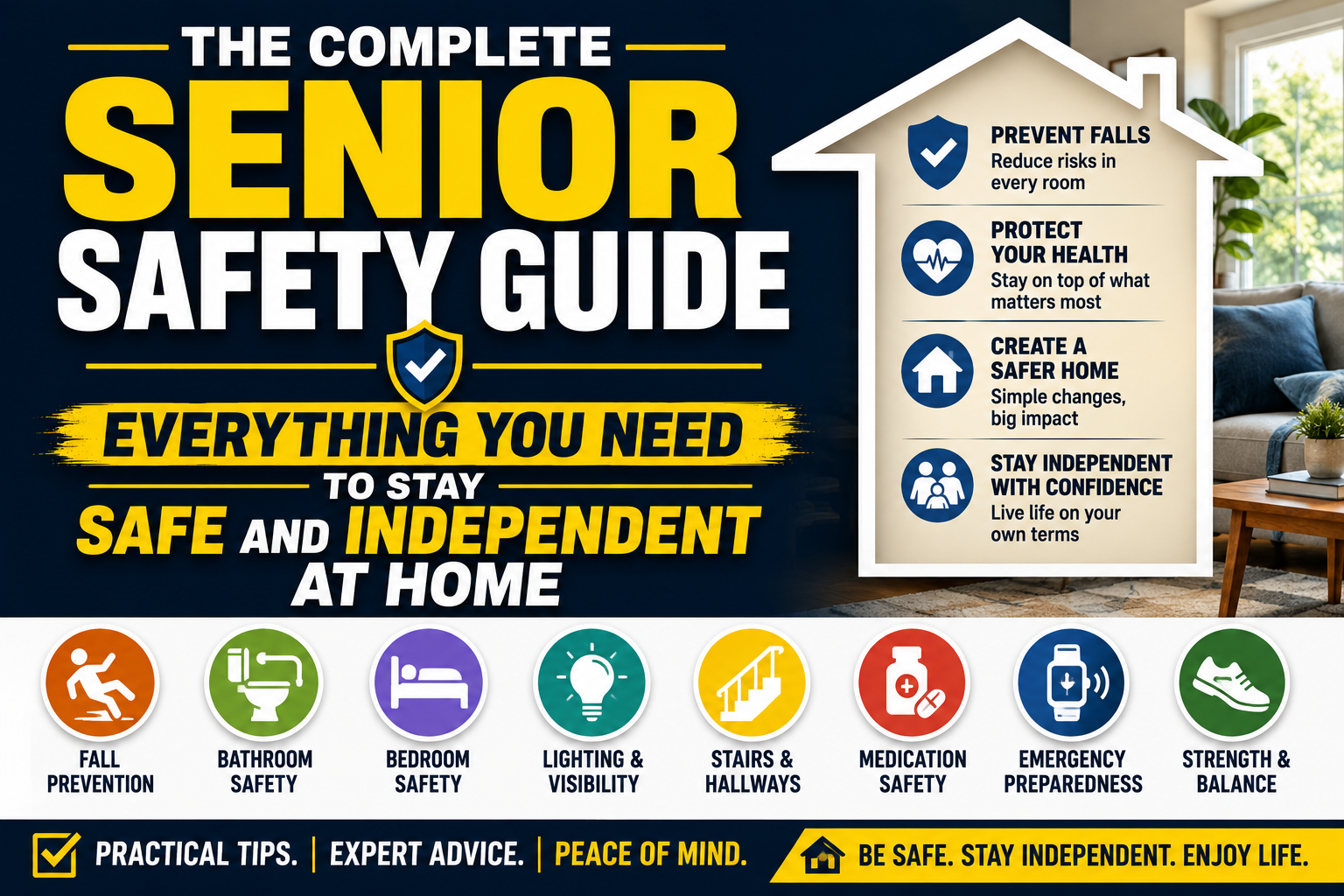
For the complete senior safety picture our guide on the complete senior safety guide covers every element alongside the monitoring systems in this guide.
About the Author
Margaret Holloway, RN spent 22 years in geriatric nursing working with families who were navigating the monitoring question — how much, what kind, how to do it without damaging the relationship that makes it possible. The families who got it right were almost never the ones with the most sophisticated technology. They were the ones with the clearest communication — the parent who knew why the check-in happened at 9am, who understood what the watch did, who had agreed to the neighbor having the family’s number. Transparency and agreement produced monitoring that worked. She writes for Elder Safety Guide because monitoring done right is one of the most powerful tools available for extending safe independent living — and most families don’t know how to do it right until someone tells them.