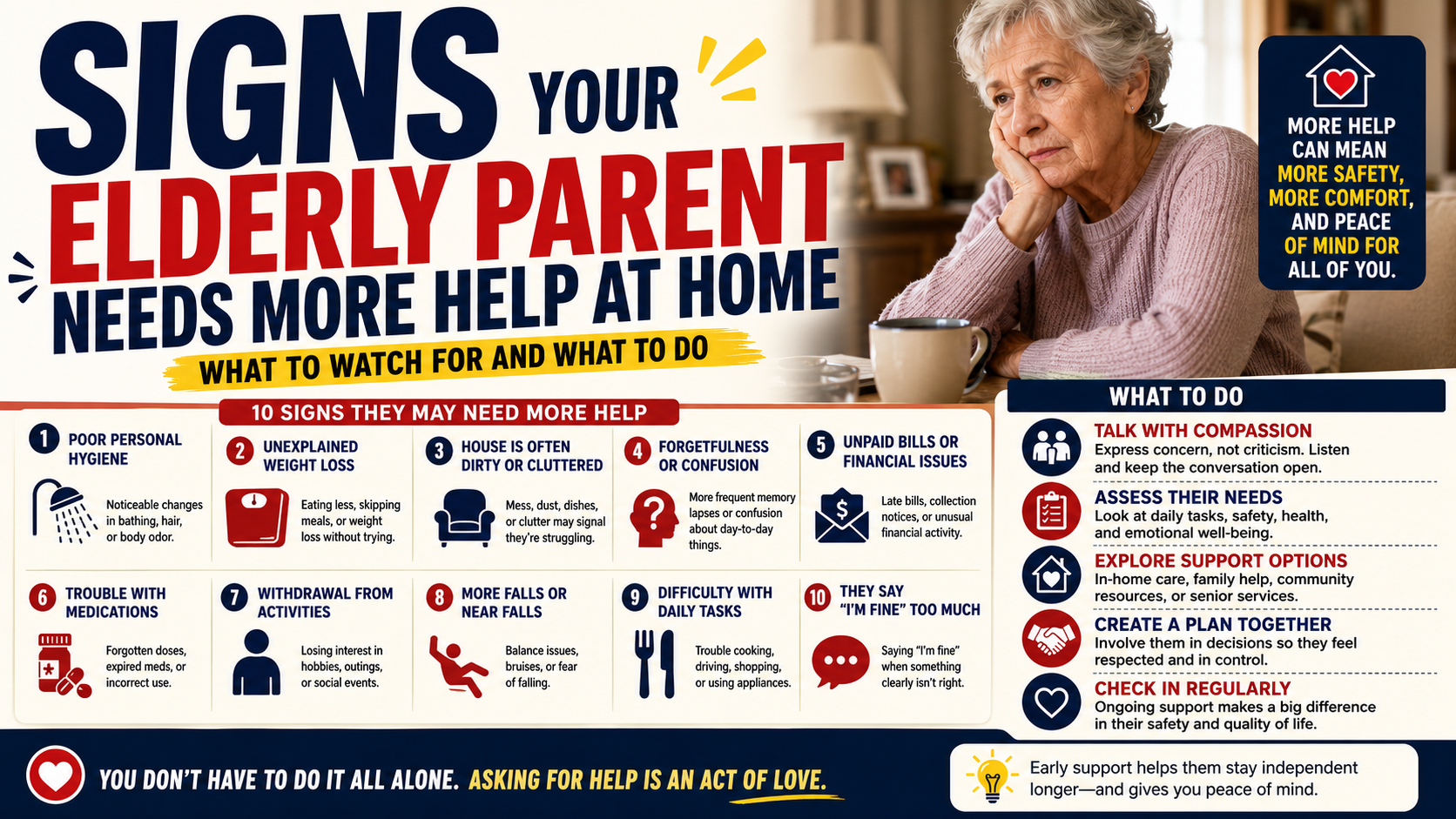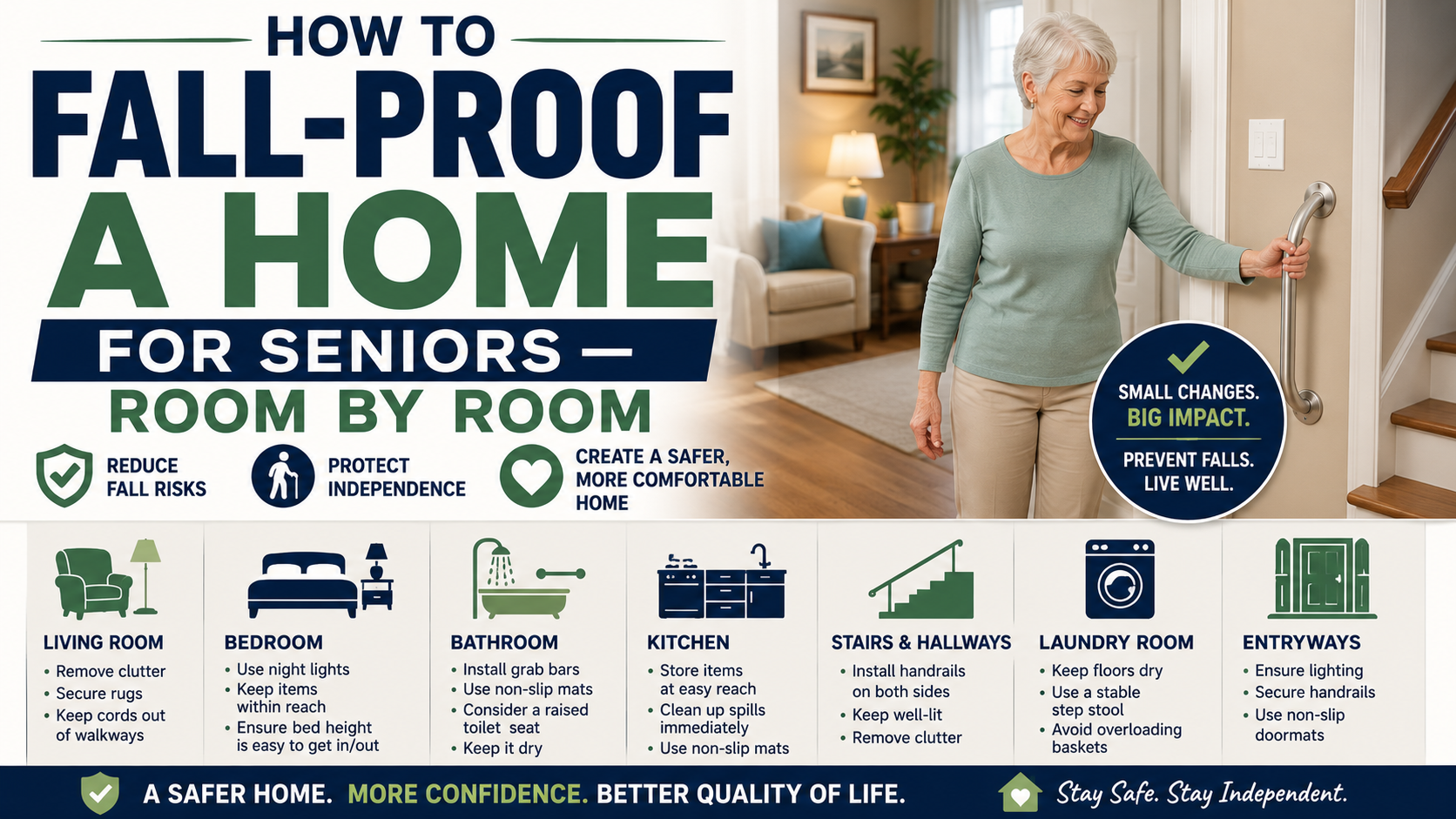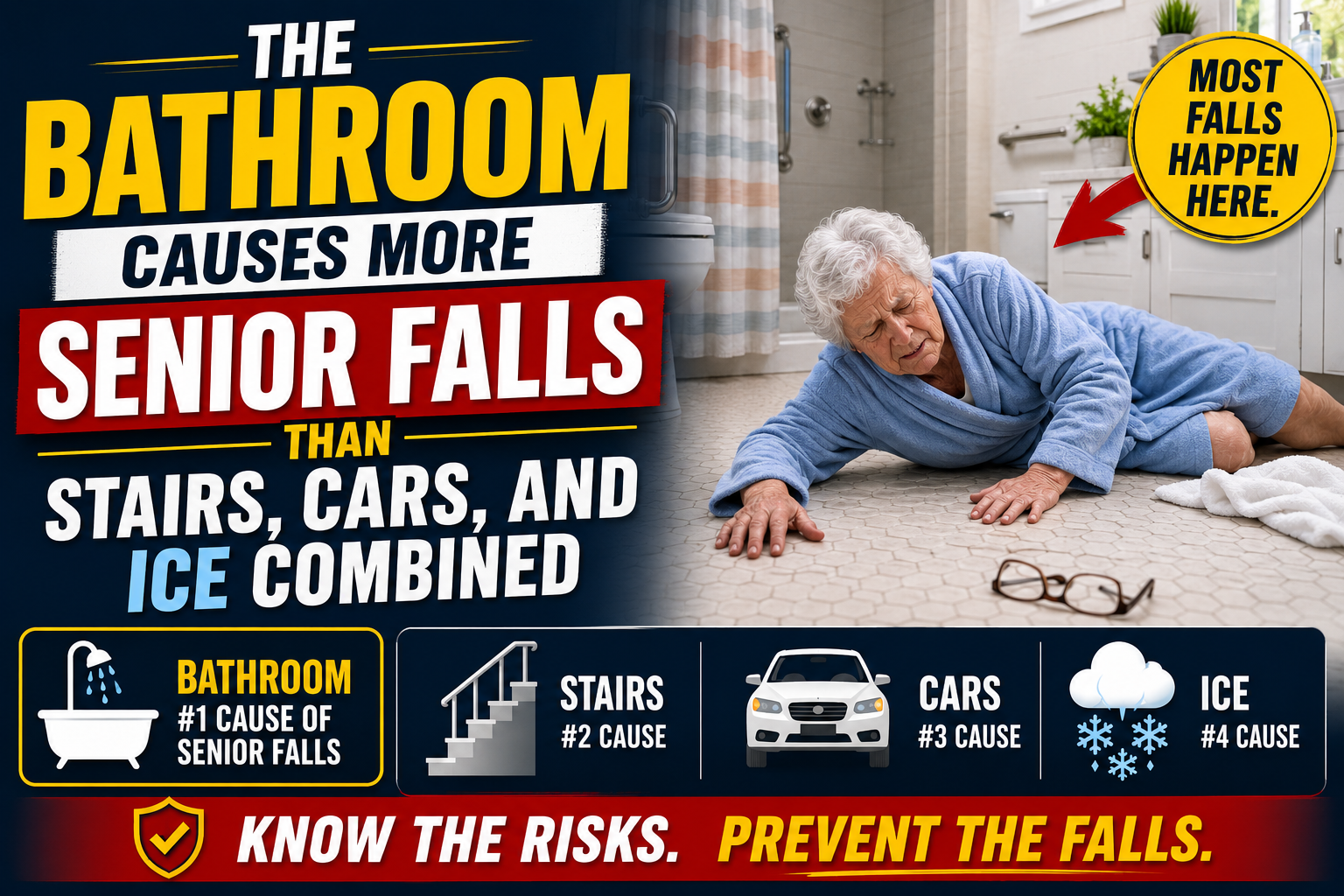
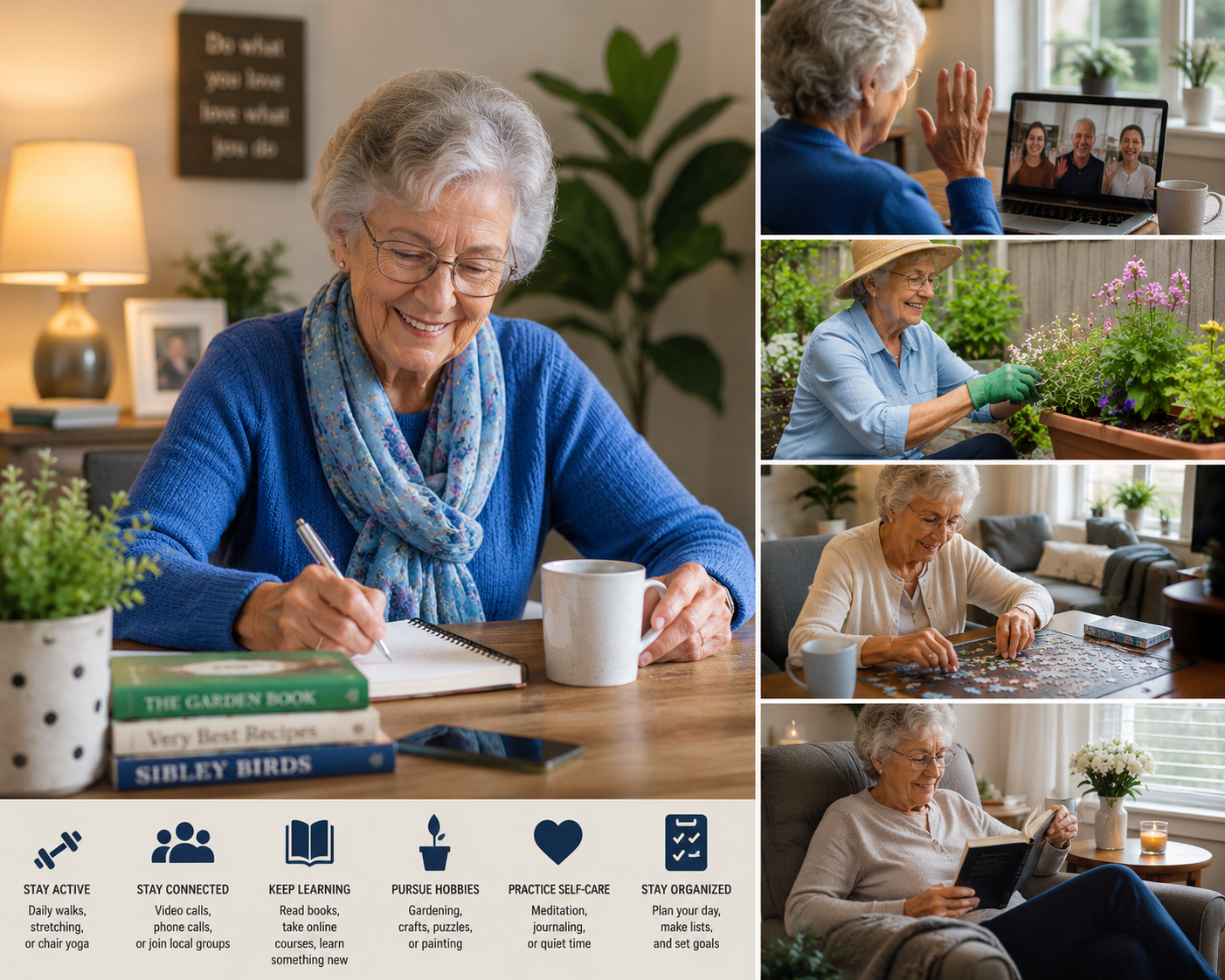
Living alone as an older adult doesn’t mean living without engagement, purpose, or connection. It means choosing how to spend your time on your own terms — which, for many people, is exactly the kind of freedom that makes independent living worth maintaining.
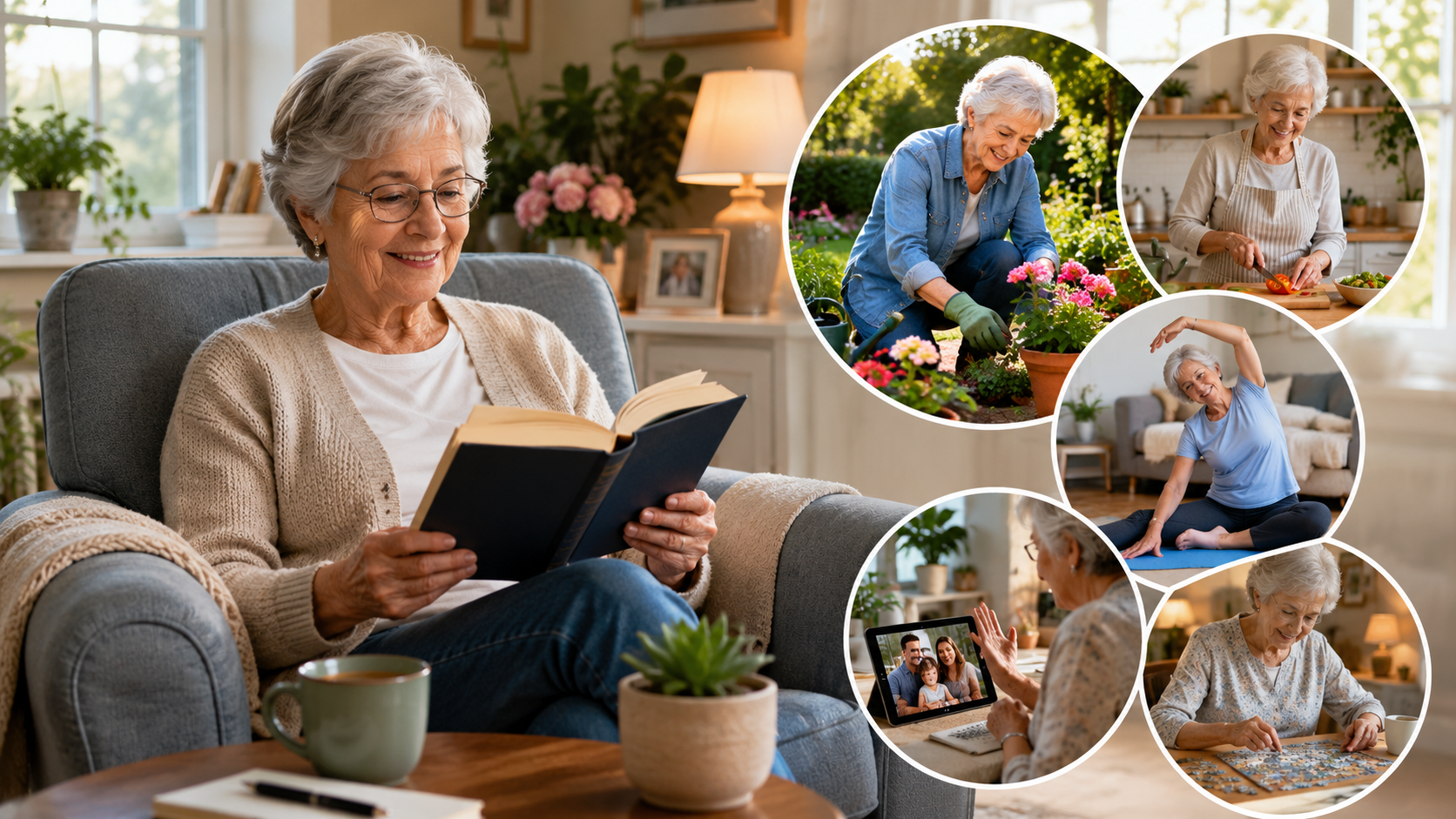
The challenge isn’t finding things to do. It’s finding the right things — activities that match current energy and ability, that provide genuine engagement rather than just filling time, and that support the physical and cognitive health that makes independent living sustainable for the long term. When even carefully chosen activities no longer create engagement, why an older parent may lose interest can help families consider what may be behind that change.
This guide covers the activities that do all three — organized by the specific benefits they provide alongside the enjoyment.
Why Activities Matter More Than Most People Realize
Staying active — mentally and physically — is not just about quality of life. It directly affects the length and sustainability of independent living in ways that are well-documented in the research on aging.

Physical activity reduces fall rates by up to 30 percent. Social connection reduces cognitive decline and depression risk. Mental engagement through learning, puzzles, and creative pursuits maintains the cognitive reserve that supports independent decision-making. The activities in this guide aren’t hobbies for passing time. They’re the specific behaviors that make aging well possible rather than merely hoped for. Readers looking specifically at mobility can also review the destination's guidance on strength and balance training for reducing fall risk.
Physical Activities — The Foundation
Physical activity is the single most evidence-based intervention for healthy aging available — and the most consistently under-adopted by older adults who need it most.
Walking
Walking is the most accessible and most sustainable physical activity for most older adults — requiring no equipment beyond appropriate footwear, no gym membership, and no instruction. A 30-minute walk three to five times per week produces meaningful cardiovascular, musculoskeletal, and cognitive benefits. The social dimension of walking in neighborhoods, parks, or with a walking group adds connection alongside exercise.
The footwear matters specifically for older adults. As covered in our guide on best shoes for seniors to prevent falls — non-slip rubber soles, secure heel hold, and appropriate width are the features that make walking shoes genuinely fall-preventive rather than just comfortable.
Tai Chi
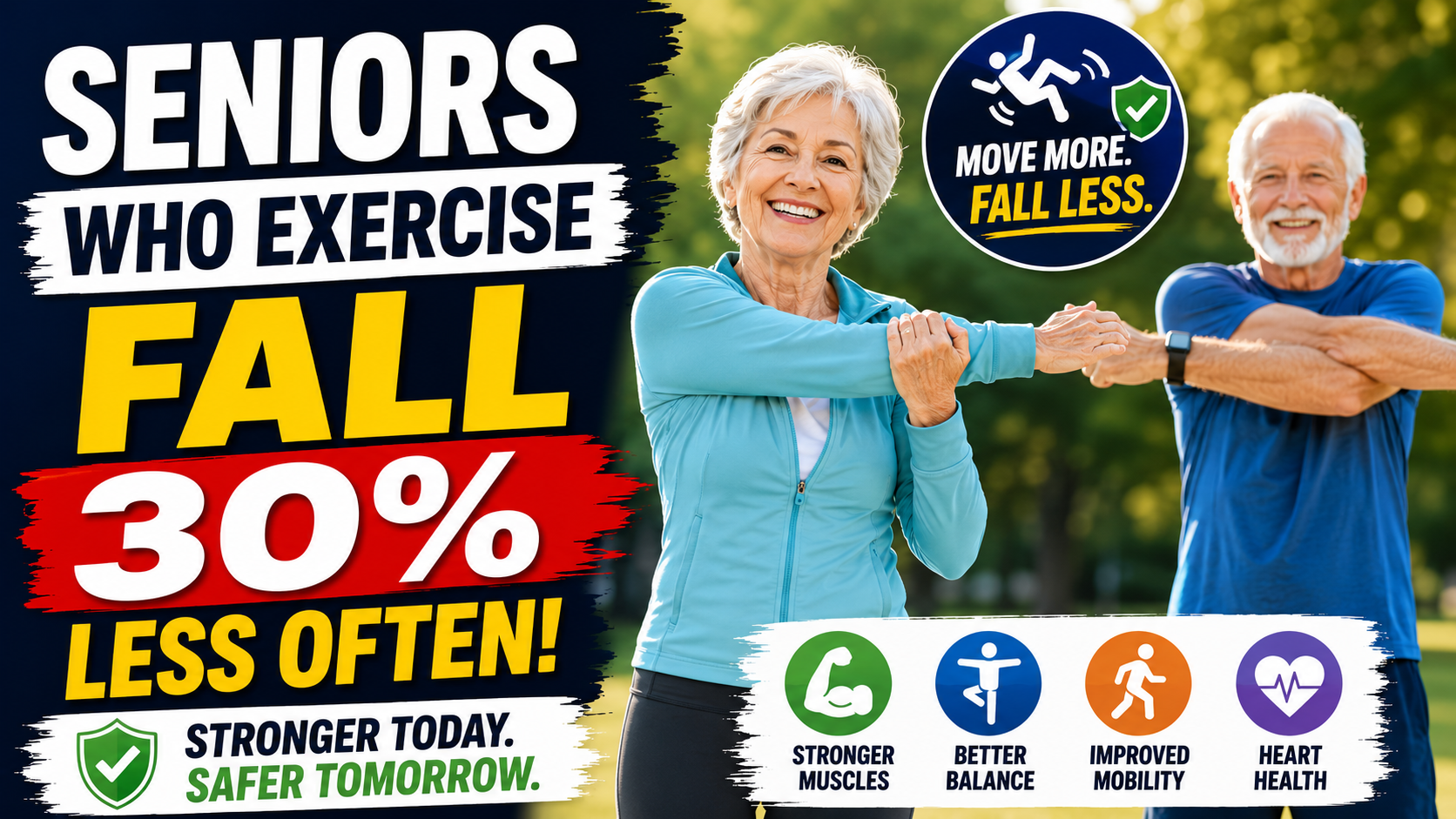
Tai Chi deserves specific mention beyond general exercise because of its uniquely strong evidence for fall prevention. As covered in our guide on seniors who exercise fall 30 percent less often — Tai Chi specifically shows 30 to 40 percent reductions in fall rates across multiple high-quality trials. The slow, controlled, weight-shifting movements build the balance capacity that prevents falls in daily life.
Most senior centers, YMCAs, and community centers offer Tai Chi classes specifically for older adults. Online programs exist for those with transportation limitations. It is simultaneously one of the most enjoyable and most medically beneficial activities available to this age group.
Swimming and Water Exercise
Water exercise provides resistance training and cardiovascular benefit with dramatically reduced joint impact compared to land-based exercise — making it accessible for people with arthritis, joint replacement, or pain that limits land-based movement. The buoyancy of water removes much of the fall risk that land-based exercise involves. Many community pools offer senior swim hours and water aerobics classes specifically designed for older adults.
Gardening
Gardening combines physical activity — bending, lifting, reaching, walking — with mental engagement, connection to natural cycles, and the tangible satisfaction of growing things. Research on gardening and older adult wellbeing consistently shows benefits for mood, cognitive function, and physical activity levels.
Raised bed gardening reduces the bending and kneeling that can be challenging for those with limited flexibility — bringing the garden to a more accessible height without sacrificing the activity or the harvest. Container gardening provides the same benefits on a smaller scale for those with limited outdoor space.
Social Activities — The Underrated Essential
Social isolation in older adults is associated with cognitive decline, depression, increased fall risk, and earlier mortality — effects comparable in magnitude to smoking 15 cigarettes a day according to some research. Social activities aren’t a nice addition to senior life. They’re as essential to healthy aging as physical exercise.
Senior Centers
Senior centers are one of the most underutilized resources available to older adults living alone. Most offer a combination of exercise classes, social activities, meals, educational programming, and transportation assistance — all in one location specifically designed for the age group. For older adults who have lost the social connections that work and family responsibilities provided, senior centers offer a ready-made community.
Volunteer Work
Volunteer work provides purpose, social connection, and the specific psychological benefit of contributing to something beyond oneself — which research consistently links to better mental health outcomes in older adults. Libraries, schools, food banks, hospitals, animal shelters, and countless community organizations rely on volunteers and actively welcome older adults whose experience and reliability make them particularly valuable.
Faith Community Involvement
For older adults connected to a faith community — church, synagogue, mosque, or other religious organization — involvement provides weekly social structure, community support networks, and the spiritual dimension that many older adults find increasingly meaningful. Faith communities also typically provide practical support for members experiencing health challenges — meals, transportation, visits — that directly supports independent living.
Classes and Learning
Learning new things — whether a language, a musical instrument, a craft, or an academic subject — maintains the cognitive engagement that supports brain health in ways that passive activities don’t. Many community colleges offer free or reduced-cost enrollment for older adults. Online platforms like Coursera, edX, and YouTube provide access to structured learning on virtually any topic without leaving home.
Creative Activities — Engagement and Expression
Writing
Writing — whether memoir, letters, poetry, journaling, or fiction — provides mental engagement, emotional processing, and often the deeply meaningful project of preserving family history for future generations. Many older adults who have never considered themselves writers find that memoir or family history writing becomes a compelling long-term project that provides daily purpose alongside cognitive exercise.
Music
Learning or continuing to play a musical instrument provides one of the most comprehensive cognitive workouts available — engaging memory, coordination, attention, and auditory processing simultaneously. Choirs and music groups add the social dimension alongside the cognitive and emotional benefits of music. Research on music and aging consistently shows benefits for mood, cognitive function, and quality of life.
Visual Arts and Crafts
Painting, drawing, quilting, knitting, woodworking, pottery — creative crafts provide the dual benefit of mental engagement and a tangible product that provides ongoing satisfaction. Many communities offer art classes specifically for older adults. Online tutorials have made learning new crafts more accessible than ever for those with limited mobility or transportation.
Reading
Reading — particularly sustained reading of books rather than brief online content — provides cognitive engagement, emotional experience, and the specific pleasure of extended narrative that supports the kind of focused attention that cognitive health requires. Book clubs add the social dimension: the same reading produces conversation, connection, and the perspective of others engaging with the same material.
Activities That Specifically Support Independent Living
Some activities are worth prioritizing specifically because they support the health and functional capacity that makes independent living sustainable over time.
Balance and Strength Exercise
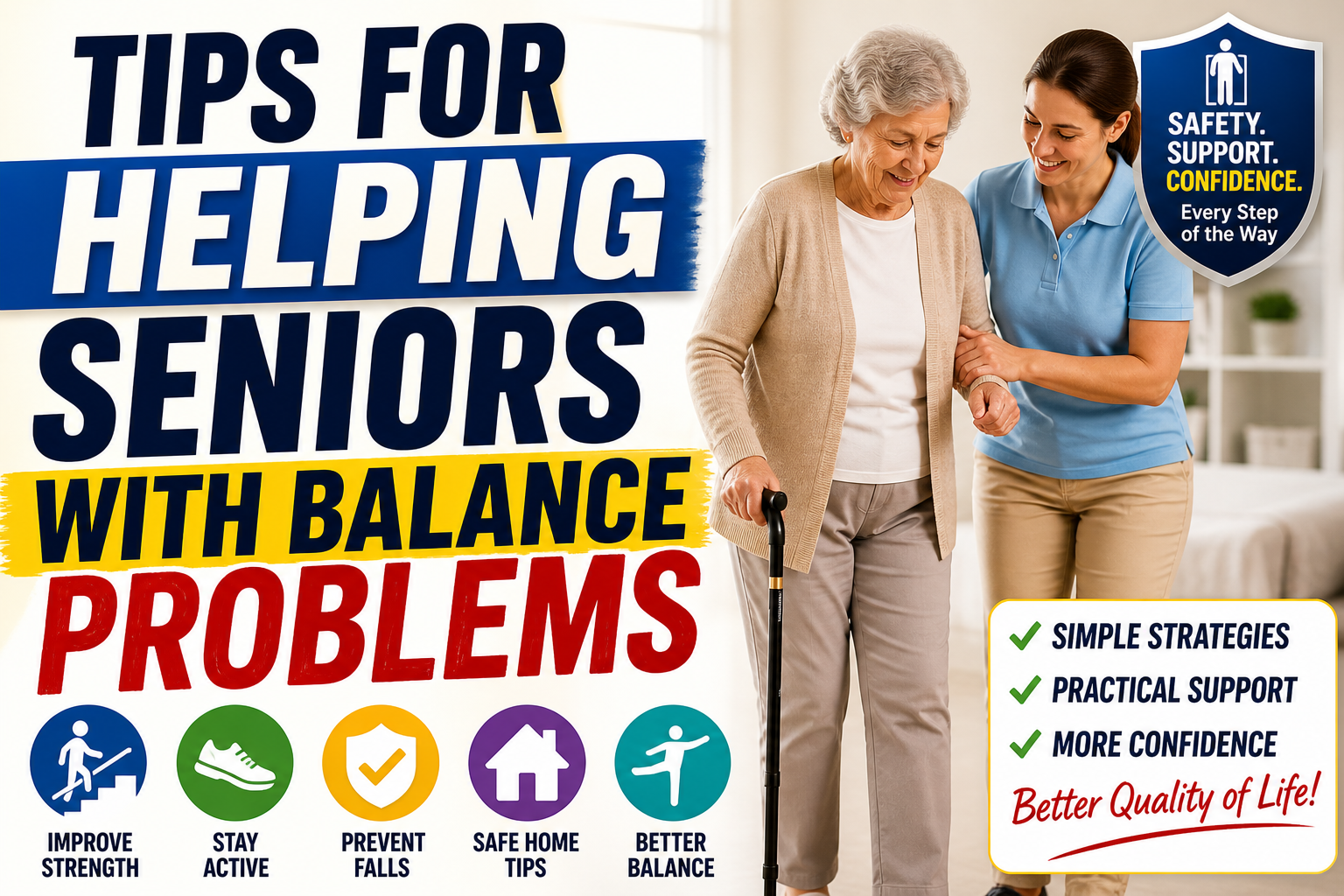
As covered in our guide on tips for helping seniors with balance problems — targeted balance and strength exercise is the single most evidence-based intervention for fall prevention available. Chair yoga, resistance band exercise, and specific balance training programs address the specific physical capacities that independent living requires.
Cooking
Cooking at home supports nutrition, cognitive engagement, and the specific independence of managing one’s own meals. The planning, sequencing, and execution of cooking a meal from scratch provides cognitive exercise alongside the practical benefit of nutritious home-cooked food. For older adults whose cooking has become simplified out of effort rather than preference, returning to more complex cooking is a meaningful engagement activity with practical health benefits.
Technology Learning
Learning to use technology — video calling, online shopping, email, social media — provides cognitive engagement while opening the communication channels that reduce isolation and increase the practical capabilities of independent living. Many libraries and senior centers offer free technology classes specifically for older adults. Family members who patiently teach rather than impatiently do are the most effective technology instructors for older relatives.
Staying Safe During Activities
Active engagement with physical and social activities is the goal — staying safe during those activities is the foundation that makes continued engagement possible.
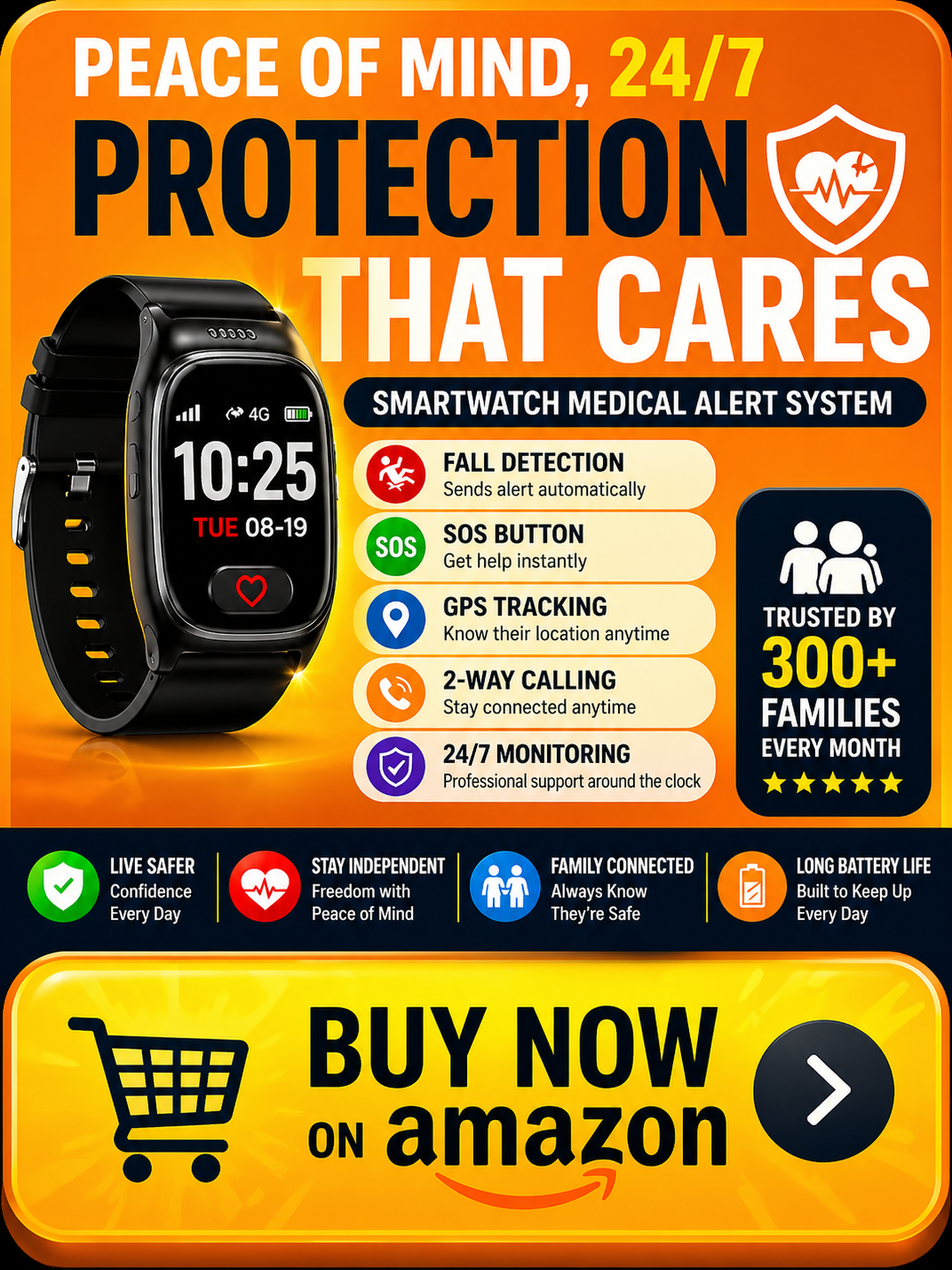
For outdoor activities and any situation away from home the SecuLife Smartwatch provides automatic fall detection and GPS location that works everywhere — not just at home. The morning walk, the garden, the senior center, the volunteer shift — fall protection that goes wherever the activity does.
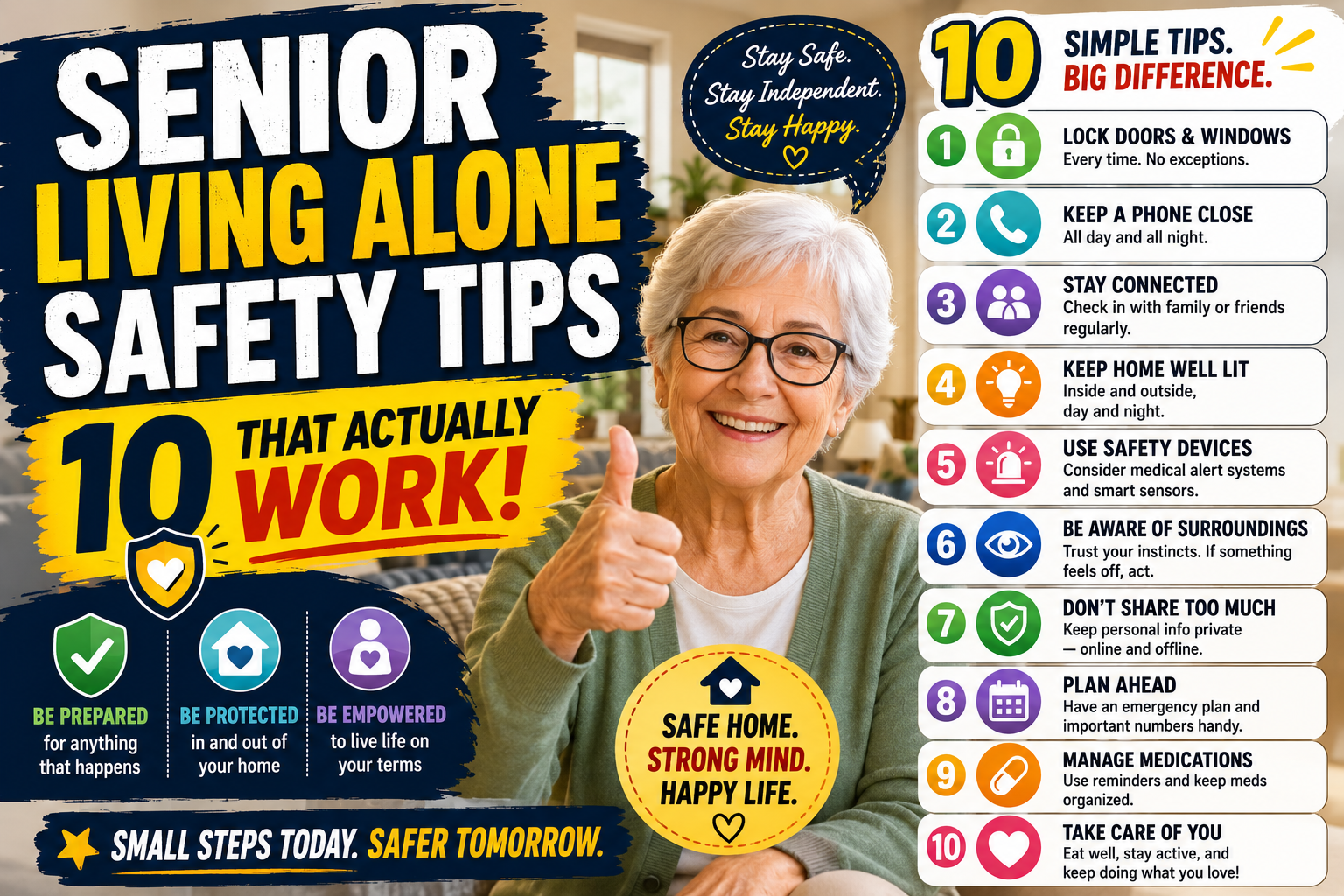
Our guide on senior living alone safety tips covers the complete safety system that supports independent active living. Our guide on elderly safety tips for independent living covers the health management alongside the safety equipment.
→ Get the SecuLife Smartwatch on Amazon


Making It Happen — The Practical Starting Points
The gap between knowing good activities exist and actually doing them consistently is where most plans stall. These specific starting points address the most common barriers.
Start with one thing. Choosing one activity and doing it consistently is more beneficial than planning five activities and doing none of them. Pick the one that sounds most appealing — or the one a friend or family member has suggested — and start there.
Schedule it specifically. Activities that are scheduled at specific times happen. Activities that are planned vaguely for “sometime this week” often don’t. Calendar entries, recurring reminders, committed arrangements with other people — scheduling mechanisms that make the activity as real as a doctor’s appointment.
Lower the barrier to starting. The first time doing something new is the hardest. A family member who accompanies the first visit to a senior center. A neighbor who joins the first walk. A friend who takes the first Tai Chi class together. The barrier to the first occurrence is higher than all subsequent ones — lowering it specifically makes all the difference.
Connect the activity to what matters. Exercise for general health is easy to deprioritize. Exercise that makes it possible to continue living independently and doing everything that matters is harder to skip. Connecting the activity to the specific outcome it supports produces better adherence than abstract health motivation.
The Active Life Is the Independent Life
Independent living isn’t only about safety equipment and home modifications — though those matter enormously. It’s about the daily choices that make the years of independent living genuinely worth having. The walk that clears the mind. The garden that feeds the table. The class that adds something new to know. The volunteer shift that makes someone else’s day better.
The safety measures create the conditions for independent living. The activities are what make independent living worth choosing.
Both matter. Neither is sufficient without the other. And both are available — specifically, practically, starting today.
About the Author
Carol Simmons is a Certified Aging-in-Place Specialist (CAPS) who has worked with hundreds of older adults and their families on the full picture of successful independent living — not just the safety modifications but the engagement, purpose, and connection that make independent living genuinely worth maintaining. The older adults who age most successfully are almost never the ones who reduced their lives to the safest possible version. They’re the ones who remained engaged — physically active, socially connected, mentally stimulated, creatively expressed. The safety measures create the conditions for that life. The activities are the life itself. She writes for Elder Safety Guide because both halves of that picture deserve equal attention.