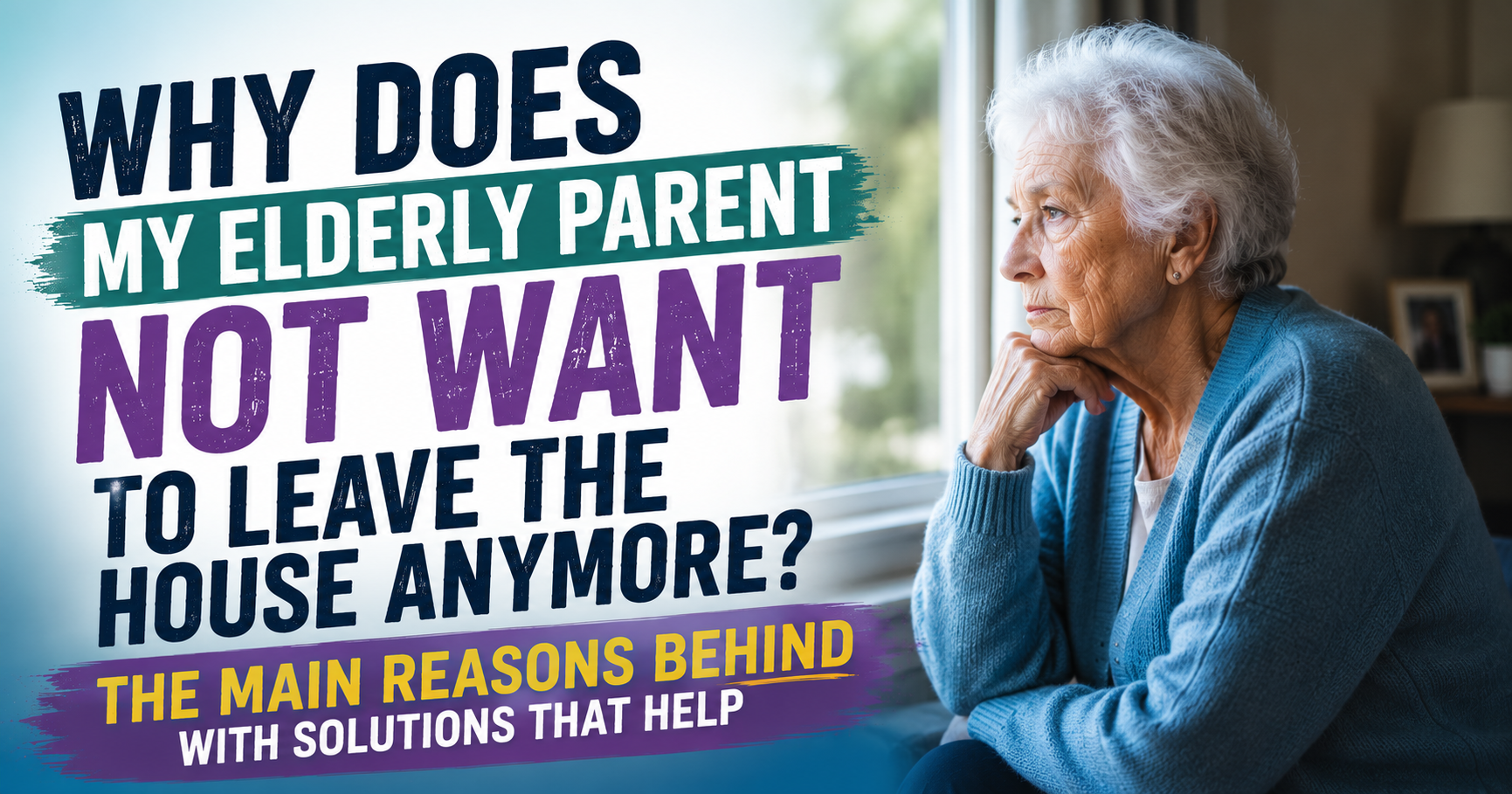
A few years ago, a friend asked me a question that stuck with me.
He said, “My mom used to love getting out of the house. Now every time I invite her somewhere, she says she’s tired or she’d rather stay home. Should I be worried?”
At first, it sounded like a simple question.
After all, lots of people enjoy being home.
But then he started describing everything else he had noticed.
She wasn’t visiting friends anymore.
She had stopped going to church.
She hadn’t been grocery shopping in weeks.
Family dinners became excuses.
Doctor appointments were getting postponed.
Looking back, not wanting to leave the house wasn’t the real problem.
It was one of the first signs that something in her life had changed.
I’ve learned that when an elderly parent suddenly loses interest in leaving home, it’s worth paying attention. Sometimes it’s simply a personal choice. Other times it’s the beginning of a much bigger story.
Some Seniors Naturally Become More Homebodies
Let’s start with something reassuring.
Not every older adult who prefers staying home has a serious problem.
Many people naturally slow down with age.
Crowded stores become tiring.
Driving feels more stressful.
Bad weather becomes less appealing.
It’s perfectly normal for some seniors to become more selective about where they go.
The concern begins when the change is sudden or very different from their personality.
If your dad loved fishing every weekend but now won’t even step outside, that’s different.
If your mom never missed lunch with friends but suddenly refuses every invitation, I think it’s worth asking why.

Fear Is Often Hiding Behind The Excuse
One thing I’ve noticed is that older adults rarely say exactly what’s bothering them.
Instead of saying:
“I’m afraid I’ll fall.”
They might say:
“I’m just tired today.”
Instead of saying:
“I’m embarrassed because I can’t hear conversations anymore.”
They’ll say:
“I don’t really feel like going.”
Sometimes “I don’t want to” actually means “I’m afraid to.”


They’re Worried About Falling
Fear of falling changes lives.

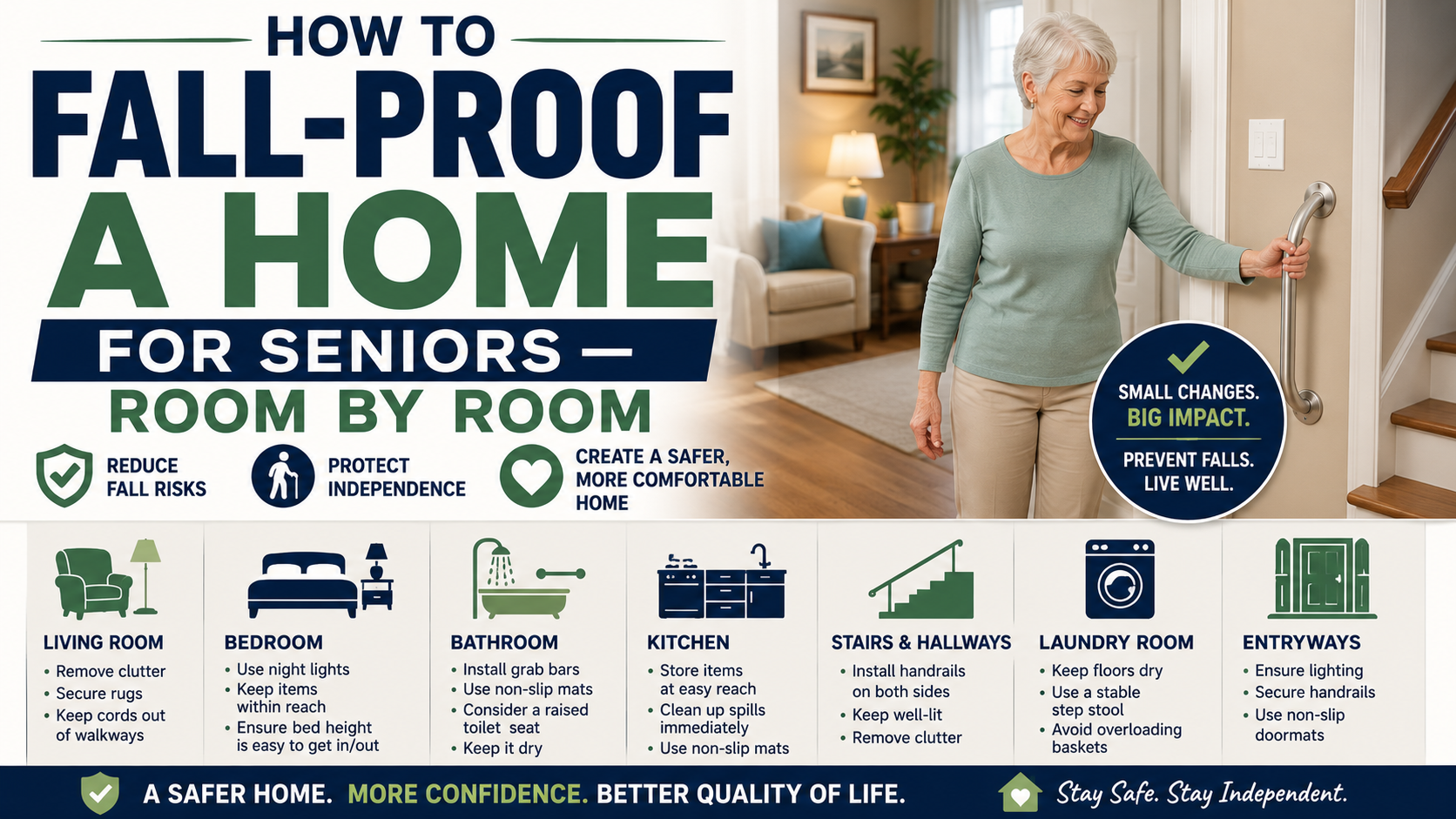
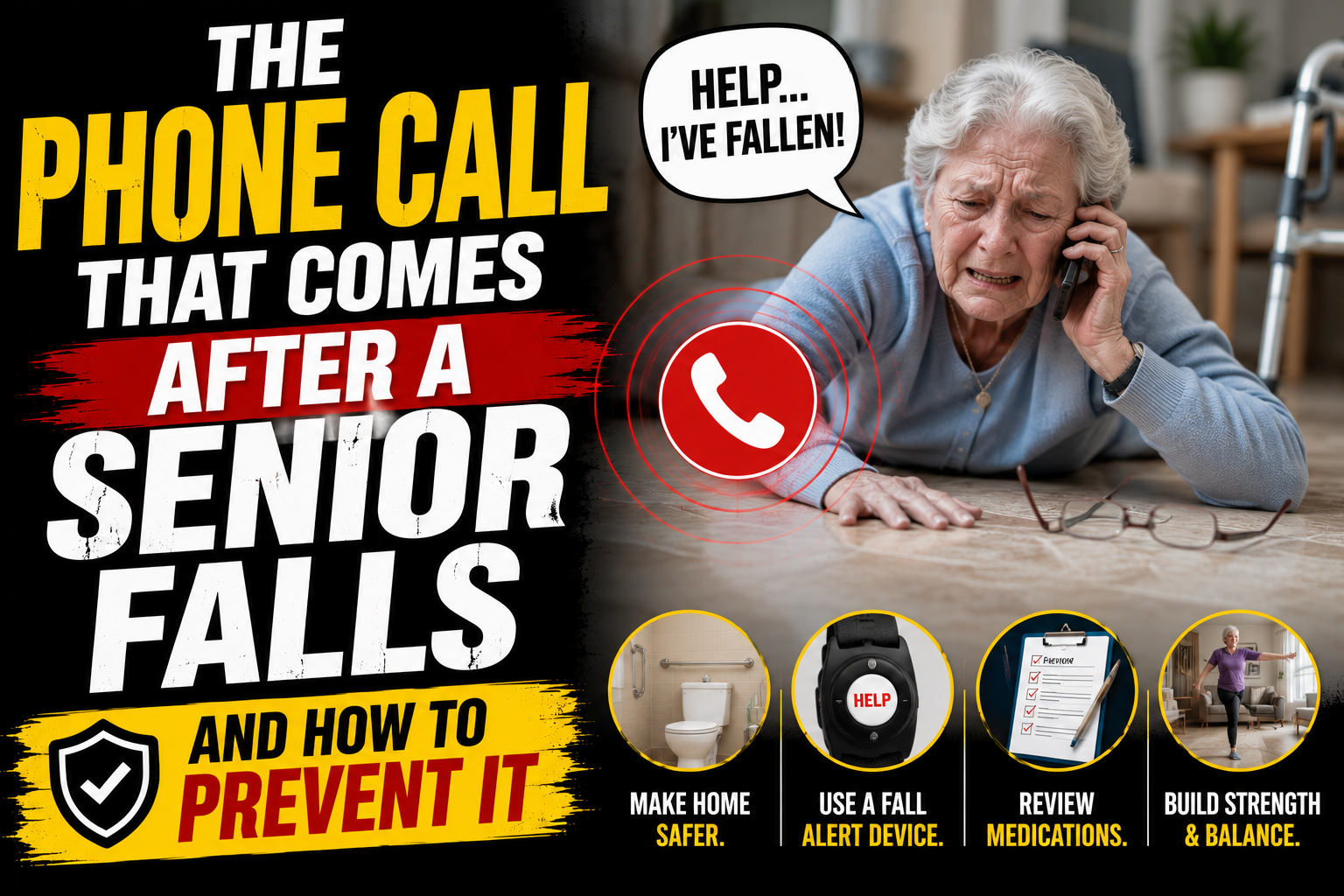
I’ve seen seniors who were completely independent stop going to restaurants, stores, family gatherings, and even the mailbox because they lost confidence after one bad fall. For families concerned about another fall while a parent is alone, a fall-detection smart watch may be one safety option to discuss together.
The sad part is that many families never realize fear is the real issue.

If your parent has recently fallen or seems unsteady, take a look at fall prevention for seniors. Building confidence often starts with making movement feel safe again.
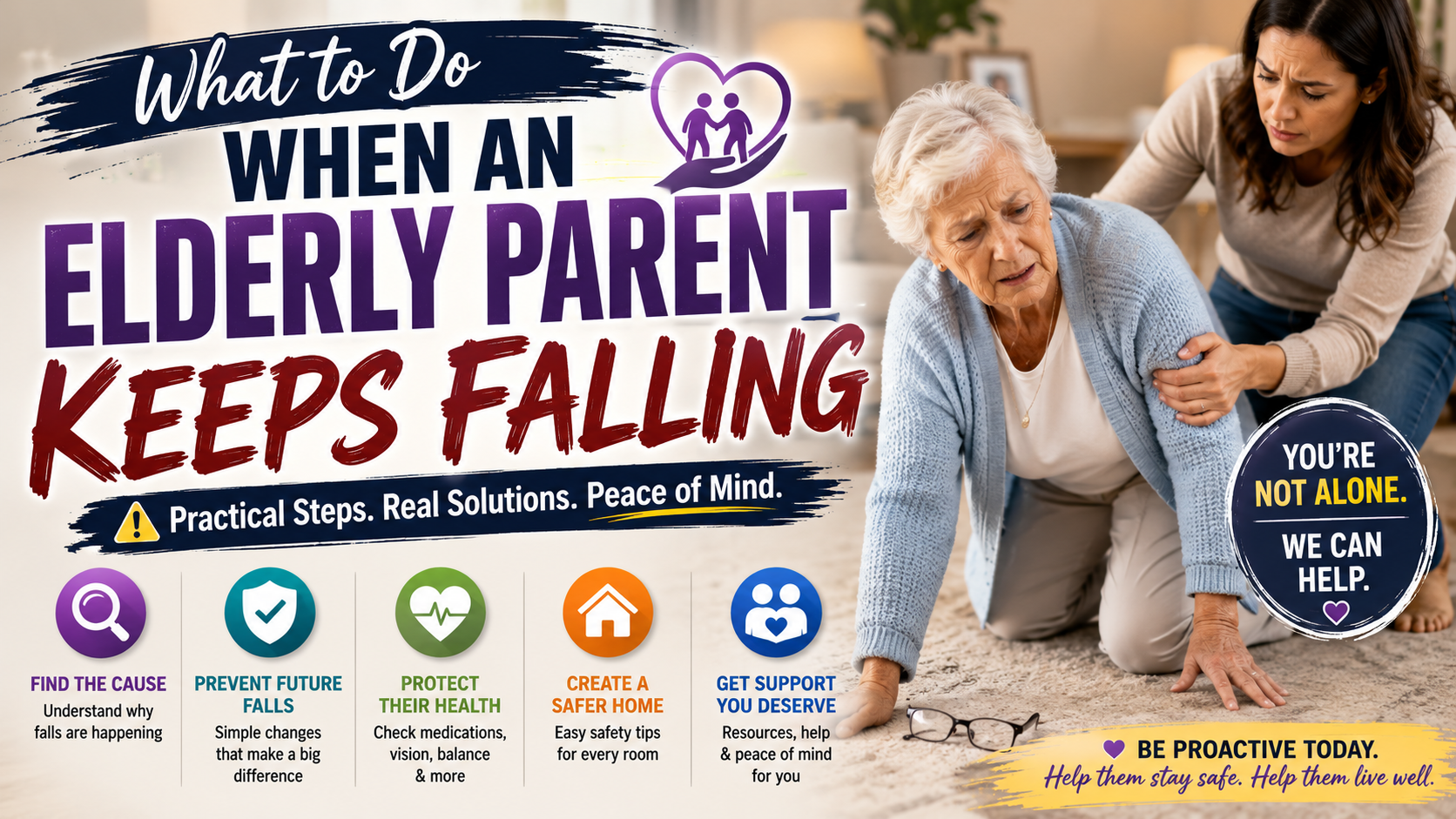
You may also find our guide on what to do when an elderly parent keeps falling helpful if falls have become a recurring concern.
Driving May No Longer Feel Comfortable
Sometimes the house isn’t the problem.
Getting there is.
A parent who has quietly lost confidence behind the wheel may stop going places simply because they don’t want to drive anymore.
Rather than admitting that, they often make excuses.

If you’ve noticed new dents on the car, hesitation in traffic, or confusion while driving, I recommend reading signs an elderly parent should stop driving.
Many families discover the driving issue long before their parent mentions it.

They’re Simply Exhausted
Another possibility is fatigue.
When someone doesn’t have the energy they once had, even a simple trip to the grocery store can feel overwhelming.
Excessive tiredness may be linked to:
- Poor sleep
- Medication side effects
- Chronic illness
- Depression
- Hidden health problems
If your parent seems to spend much of the day sleeping, don’t ignore it.
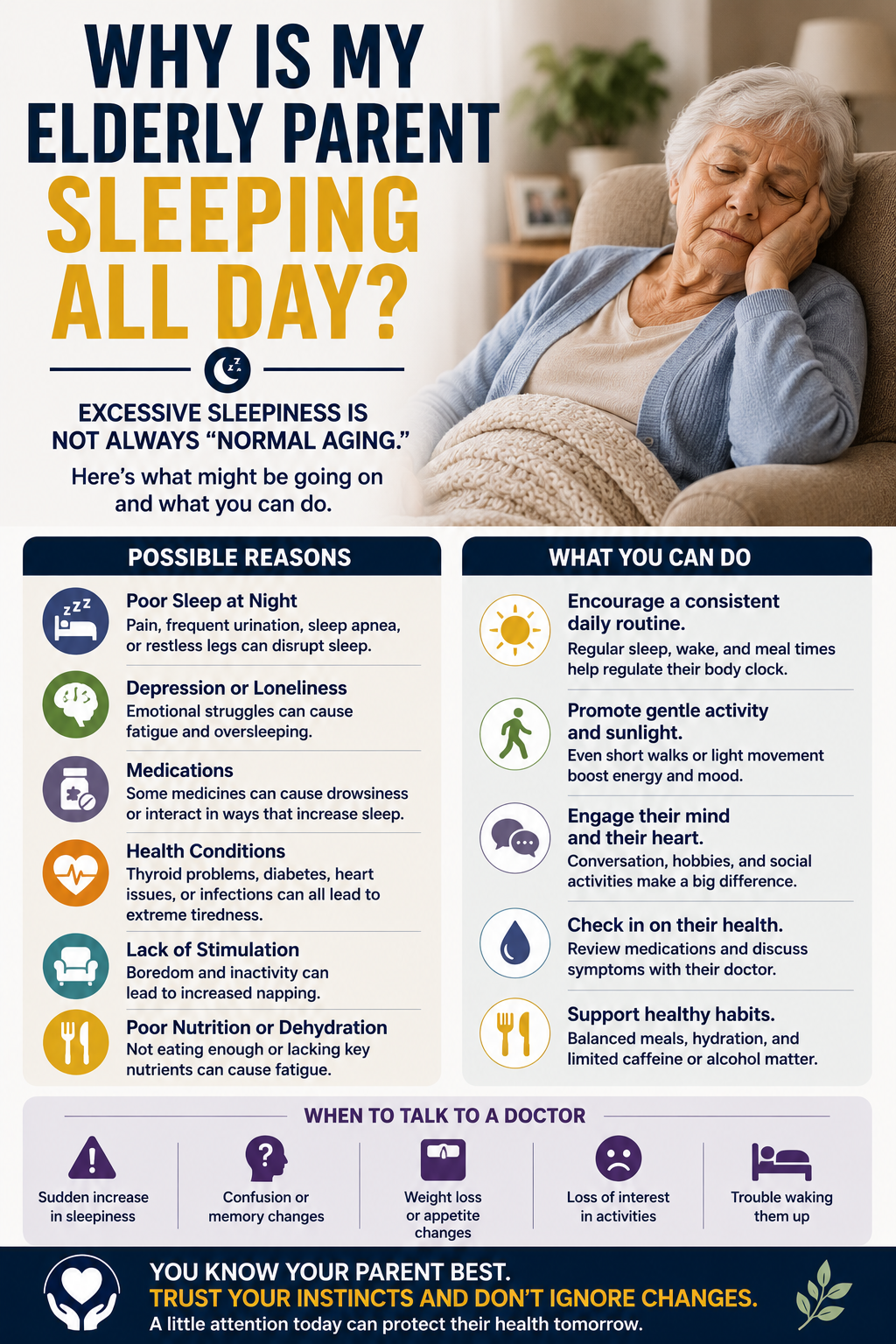
Our article on Why Is My Elderly Parent Sleeping All Day? explains why fatigue deserves a closer look.
Losing Weight Can Reduce Energy Too
I’ve also noticed that isolation and weight loss often appear together.
Someone who rarely leaves the house may stop shopping for groceries.
Cooking becomes less frequent.
Meals become smaller and less nutritious.
Eventually, energy drops even more.
It becomes a cycle that’s difficult to break.
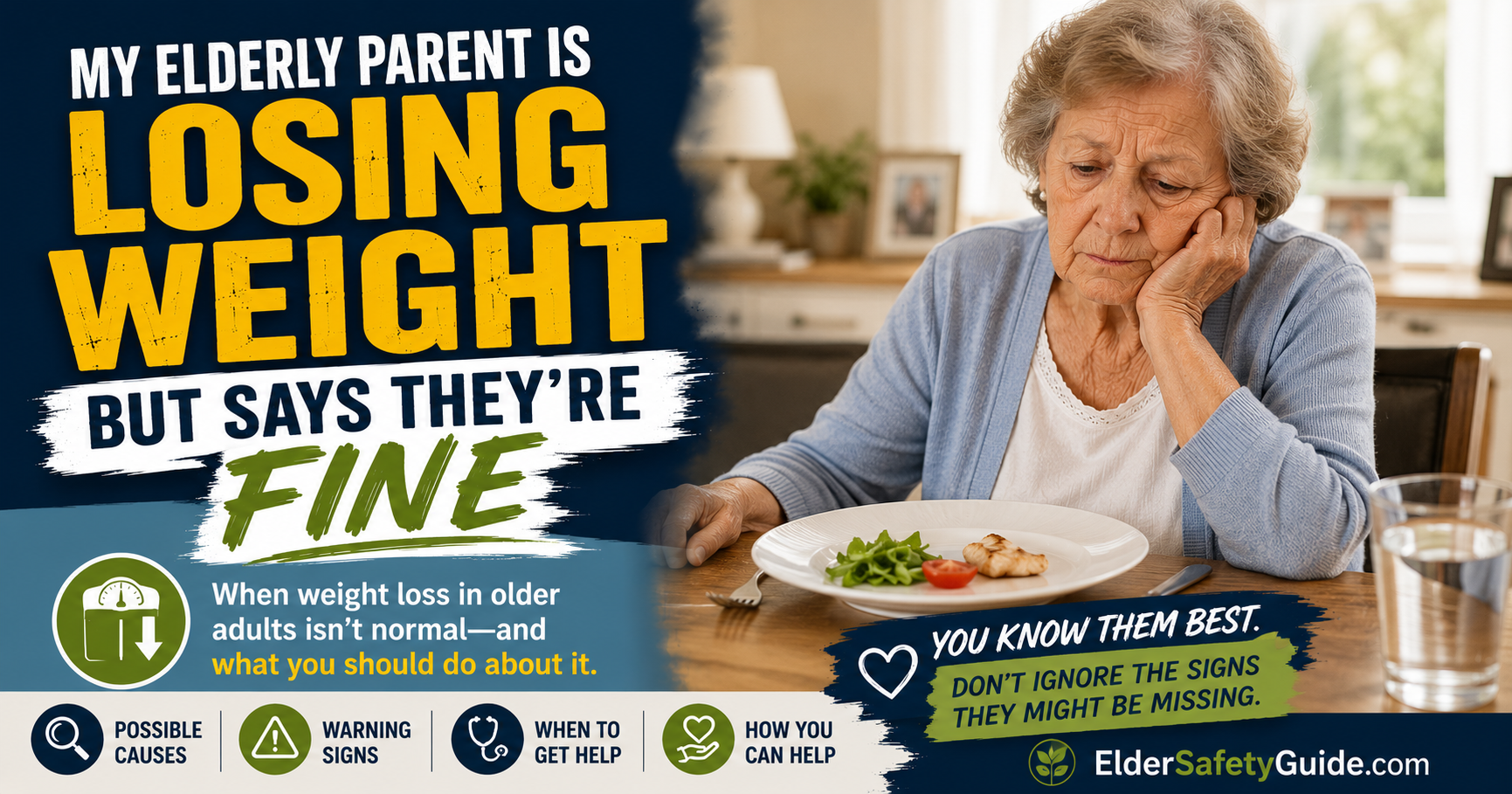
If your parent looks thinner than they used to, I encourage you to read My Elderly Parent Is Losing Weight but Says They’re Fine.
Unexpected weight loss is often one of the earliest warning signs families notice.


Sometimes They’re Hiding Something
Not every senior wants family members to know they’re struggling.
I’ve met older adults who quietly hid:
- Pain
- Weakness
- Memory problems
- Dizziness
- Vision changes
Rather than asking for help, they simply stopped going places where those problems might become obvious.
That’s one reason I often recommend reading Signs Your Elderly Parent Is Hiding Health Problems From You.
It explains why many seniors keep important health concerns to themselves.
Loneliness Doesn’t Always Look Like Sadness
One of the biggest surprises for many families is that loneliness isn’t always obvious.
Some seniors don’t cry.
They don’t talk about feeling isolated.
Instead, they slowly disconnect from the world.
The less they go out, the harder it becomes to start again.
Before long, staying home becomes their new normal.

Medication Problems Can Change Behavior
I’ve also seen situations where medication issues quietly changed a person’s motivation.
Certain medications may cause:
- Drowsiness
- Low energy
- Confusion
- Dizziness
Others become a problem because they’re being forgotten altogether.
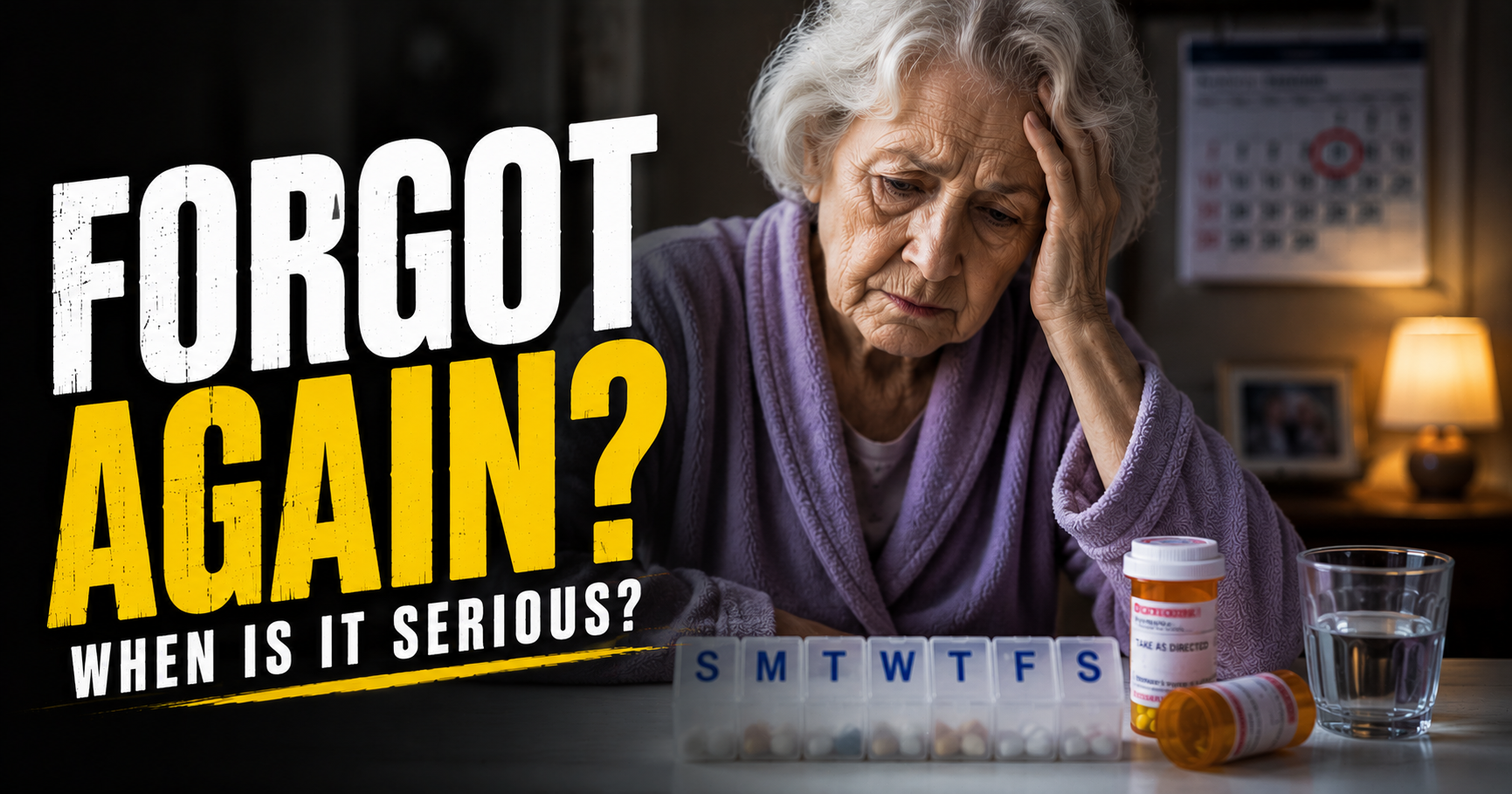
If you’ve started noticing medication mistakes, read Elderly Parent Keeps Forgetting Medication When Should You Worry?.
Medication problems often affect much more than physical health.
Don’t Assume They’re Just Being Stubborn
This is probably one of the biggest mistakes families make.
When a parent repeatedly says no, it’s easy to think they’re simply stubborn.
Sometimes they are.
More often, there’s another reason underneath.
Fear.
Embarrassment.
Pain.
Anxiety.
Loss of confidence.
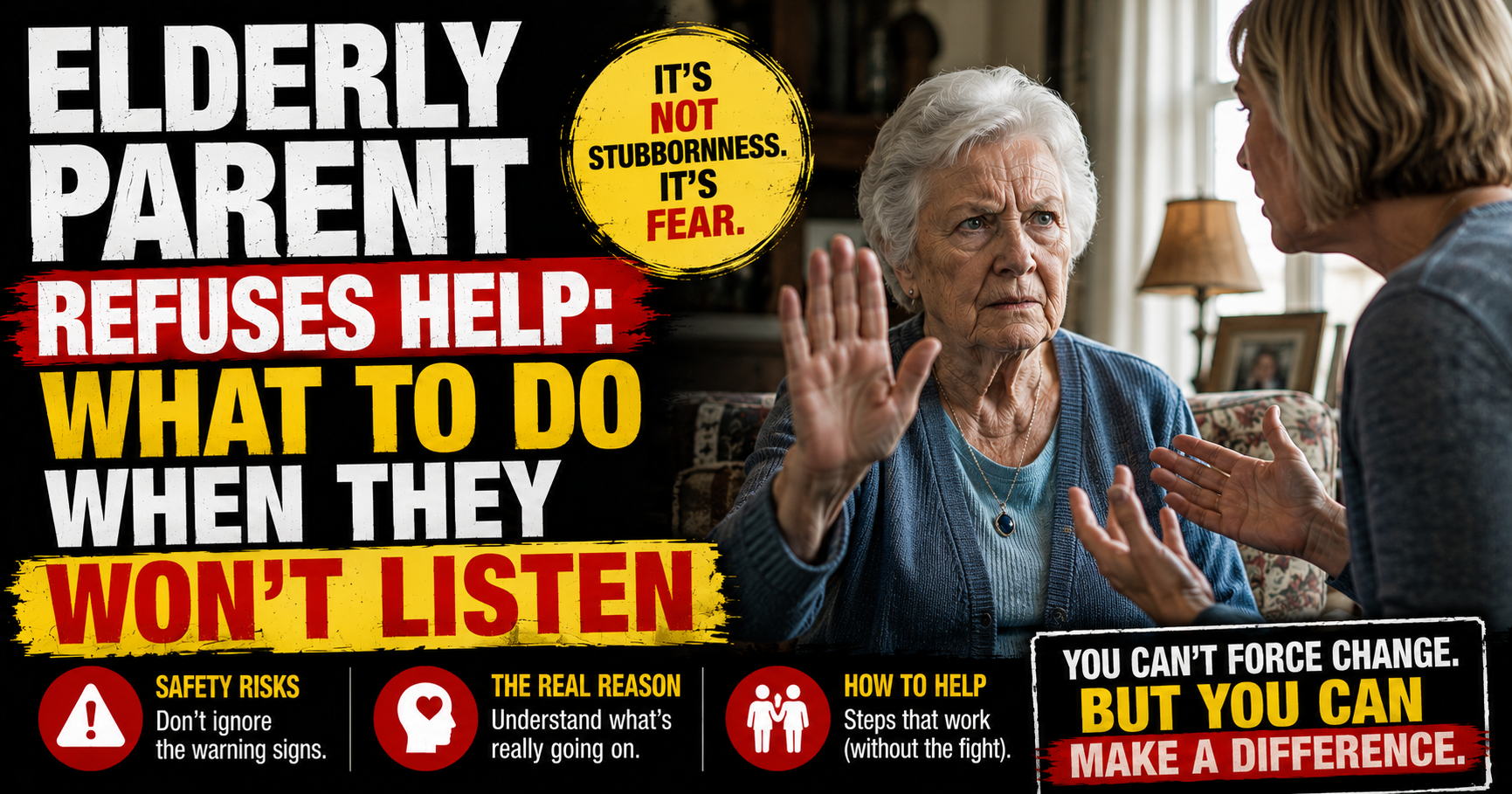
If every invitation turns into an argument, our guide on Elderly Parent Refuses Help What To Do When They Won’t Listen may help you approach the conversation differently.
Look At The Whole Picture
I rarely worry about one change by itself.
What gets my attention is when several changes happen together.
For example:
- Sleeping more.
- Eating less.
- Staying home.
- Forgetting medications.
- Losing weight.
- Becoming less social.
That’s often when families realize they aren’t looking at separate problems.
They’re looking at a pattern.
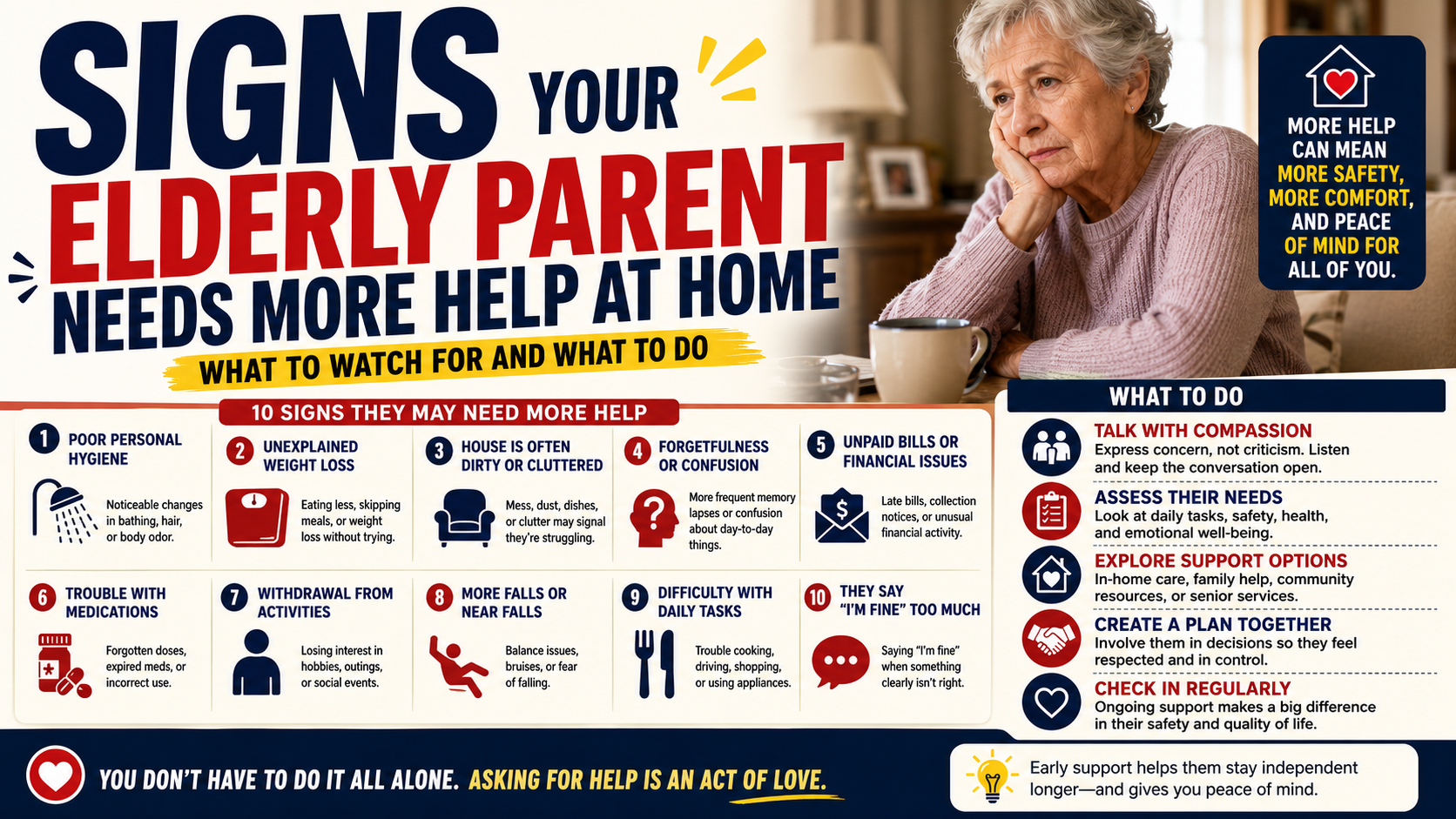
If you’re beginning to notice several of these warning signs, spend some time reading Signs Your Elderly Parent Needs More Help at Home.
Seeing the entire picture can help you decide what to do next.
Start Small Instead Of Forcing Big Changes
One lesson I’ve learned is that pushing too hard usually backfires.
Instead of insisting your parent attend a large family gathering, invite them for a short drive.
Instead of asking them to spend an entire afternoon out, suggest grabbing an ice cream together.
Small successes rebuild confidence.
Confidence often leads to bigger steps.
Sometimes The House Isn’t The Safe Place You Think It Is
Many families assume staying home is automatically safer. For families weighing additional support when a parent spends most of the day alone, a SecuLife Smartwatch may be one option to discuss.
That’s not always true.
If someone is spending nearly all of their time alone, they’re also spending more time without anyone noticing:
- Falls.
- Missed medications.
- Poor eating habits.
- Confusion.
- Changes in health.
Families who live farther away often struggle with knowing what’s really happening day to day.
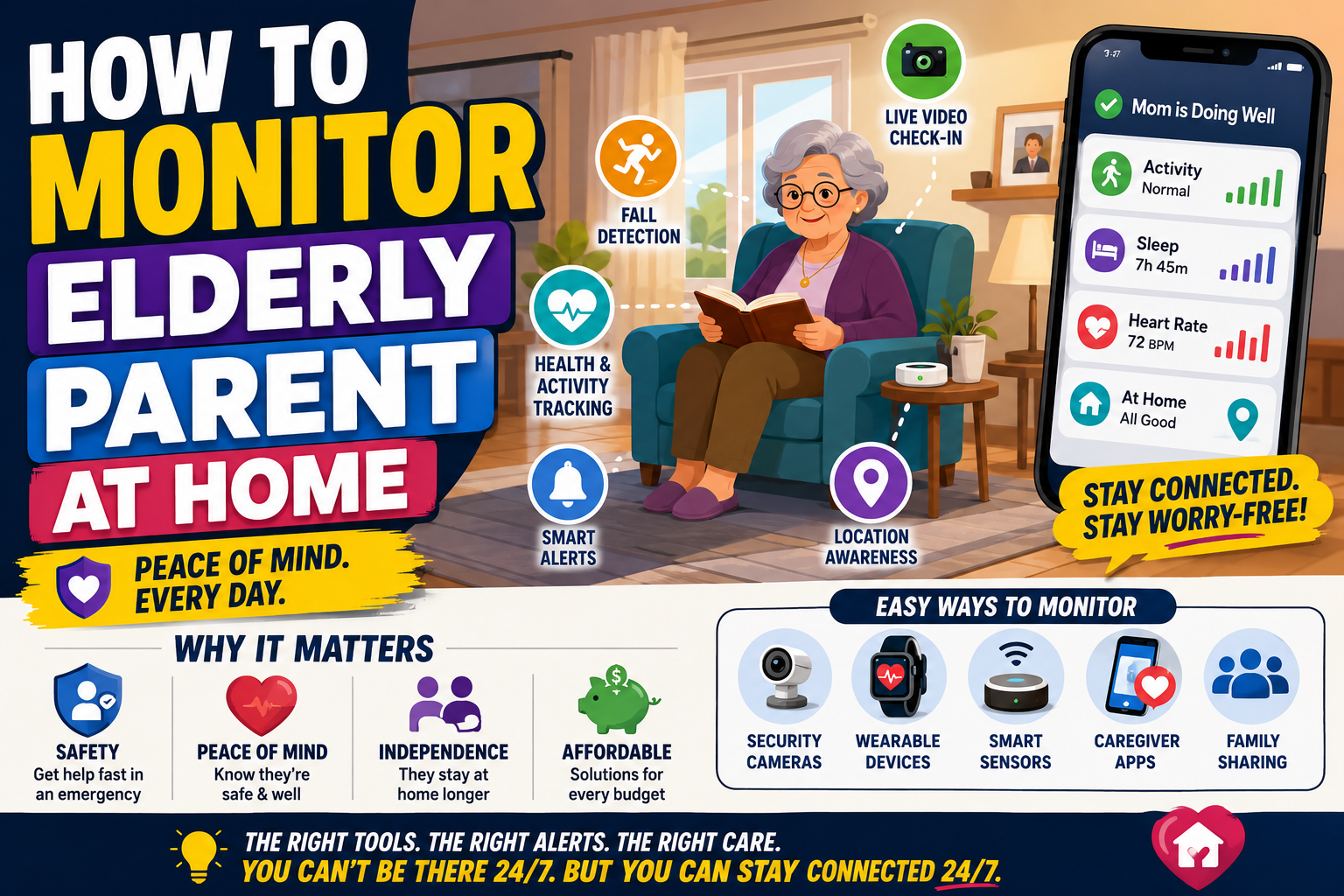
That’s why I often recommend how to monitor an elderly parent at home along with how to help aging parents from a distance. Both articles offer practical ideas that respect independence while helping families stay informed.
Trust The Changes You’re Seeing
One thing I’ve learned is that families usually notice the small changes long before a doctor ever sees them.
You know your parent’s routines.
You know what they enjoy.
You know what’s normal for them.
If they suddenly stop wanting to leave the house, don’t panic.
But don’t ignore it either.
Sometimes it’s simply a new preference.
Sometimes it’s the first visible sign that your parent needs a little more support than they’re willing to admit.
Pay attention.
Stay curious.
Keep asking gentle questions.
Those early conversations often make all the difference.
About the Author
Nathan Reynolds is a senior lifestyle writer and aging-in-place educator for Elder Safety Guide. He specializes in helping families recognize the subtle changes that can signal declining health, increasing isolation, mobility challenges, and caregiver concerns. His goal is to provide practical, compassionate guidance that helps older adults remain independent while giving families the confidence to recognize problems before they become emergencies.