Last fall, one of my neighbors stopped me while I was checking the mail.
She looked worried.
Not panicked.
Just tired.
She quietly said,
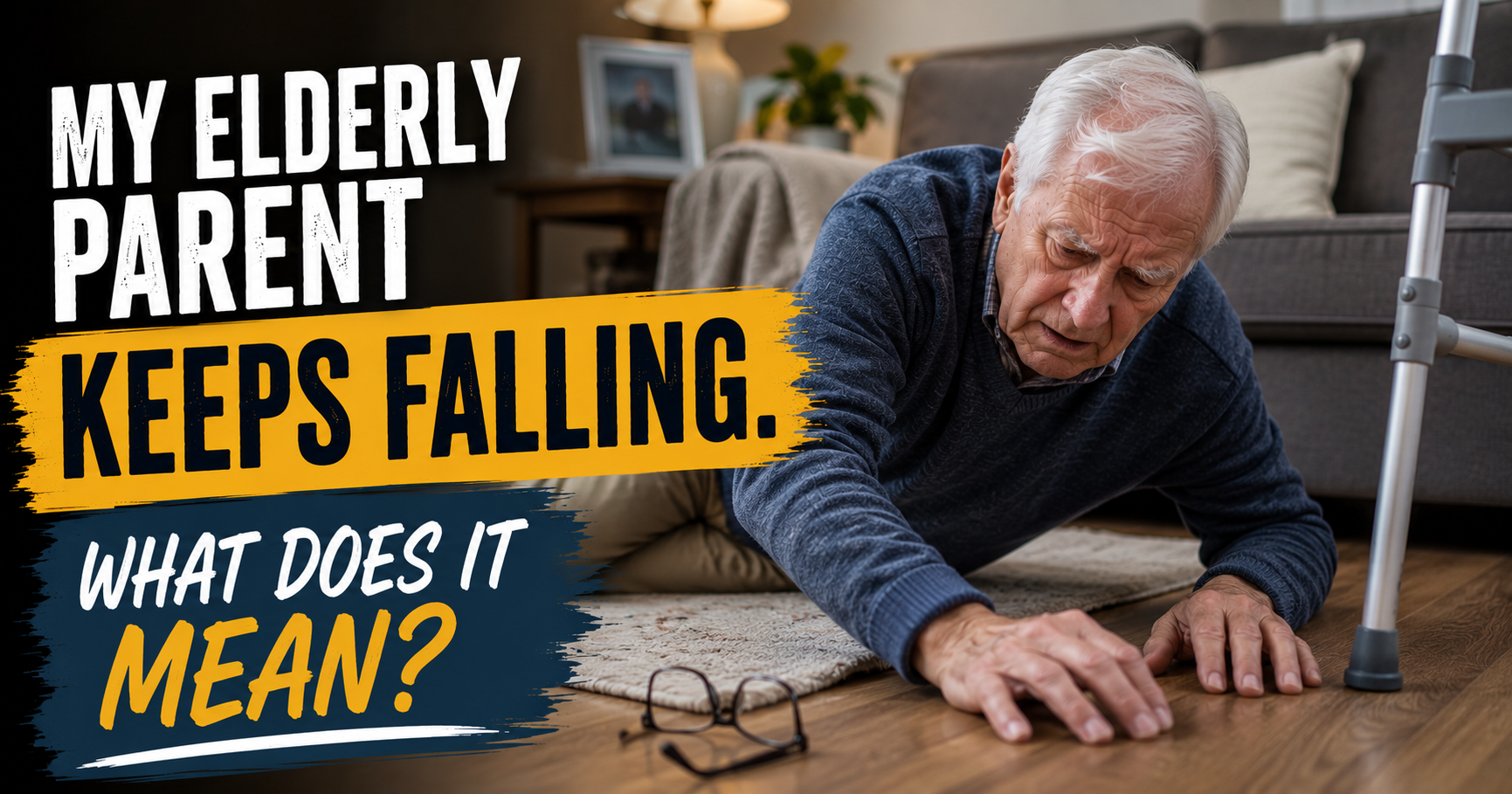
“My mom has fallen three times this month.”
The first fall happened while carrying laundry.
The second happened walking out to the mailbox.
The third happened in the middle of the night while going to the bathroom.
Thankfully, none of them caused a broken bone.
But she asked me something I’ll never forget.
“How many falls does it take before this stops being bad luck?”
I think that’s the question almost every family eventually asks.
Most older adults don’t suddenly become someone who falls all the time.
Usually, something changes first.
Balance becomes a little worse.
Walking becomes slower.
Muscles become weaker.
Confidence begins disappearing.
Then the falls start happening.
If your elderly parent keeps falling, I don’t think the most important question is how many times they’ve fallen.
I think the better question is…
Why are they falling in the first place?
Finding that answer is often the first step toward preventing the next fall.
One Fall Doesn’t Always Mean Something Serious
The first thing I remind families is that anyone can fall.
Young adults fall.
Children fall.
Athletes fall.
A single fall doesn’t automatically mean your parent has a serious medical condition.
Maybe they slipped on wet grass.
Maybe they tripped over the dog.
Maybe they missed the last stair.
Those things happen.
What concerns me much more is when falling becomes a pattern.
Especially if your parent can’t clearly explain why it keeps happening.


I Always Ask What Changed
Whenever someone tells me their parent has started falling, I immediately ask,
“What’s different now than six months ago?”
Maybe they’re moving slower.
Maybe they’re eating less.
Maybe they stopped walking every evening.
Maybe they’ve started sleeping more.
Maybe they’ve lost weight.
The falls themselves are important.
But they’re often just one piece of a much bigger picture.


Falling Is Often The Final Warning Sign
One thing I’ve noticed is that families rarely call after the very first change.
Instead, they’ll say something like,
“Dad has been getting weaker for months…and now he’s fallen twice.”
Or…
“Mom has been dizzy lately…and yesterday she ended up on the kitchen floor.”
Falls are often the symptom families can’t ignore anymore.
The earlier warning signs were already there.
Weak Muscles Make Recovery Harder
As we get older, we naturally lose muscle unless we stay active.
That doesn’t just affect strength.
It affects balance.
Reaction time.
Walking speed.
Even standing up from a chair becomes more difficult.
I’ve watched older adults become trapped in a difficult cycle.
They feel weaker.
So they move less.
Moving less causes even more muscle loss.
Which increases the chance of another fall.

If your parent also seems unusually exhausted, I recommend reading My Elderly Parent Has No Energy Anymorebecause weakness and fatigue often develop together.
Dizziness Is One Of The Biggest Clues
One of the first questions I ask is whether your parent felt dizzy before they fell.
Some people lose their balance because they trip.
Others become lightheaded before they ever hit the floor.
That difference matters.
If your parent frequently mentions feeling dizzy, unsteady, or like they might faint, spend a few minutes reading My Elderly Parent Is Always Dizzy. What Could Be Causing It? because dizziness is one of the most common reasons older adults begin falling.
Eating Less Can Lead To Weakness
One thing I’ve learned is that our bodies can’t stay strong without enough nutrition.
When older adults begin skipping meals or eating very little, they often lose muscle faster than families realize.
The result isn’t just weight loss.
It’s reduced strength, lower stamina, and poorer balance.
If your parent’s appetite has changed recently, My Elderly Parent Won’t Eat Much Anymore explains why eating less affects much more than hunger.
Weight Loss Can Increase Fall Risk
I’ve seen families celebrate weight loss because they assumed it was healthy.
Sometimes it is.
Other times, it’s a warning sign.
Older adults who lose weight unintentionally often lose valuable muscle at the same time.
That makes everyday activities much harder.
Walking across the yard.
Getting out of bed.
Climbing stairs.
Even recovering from a stumble becomes more difficult.
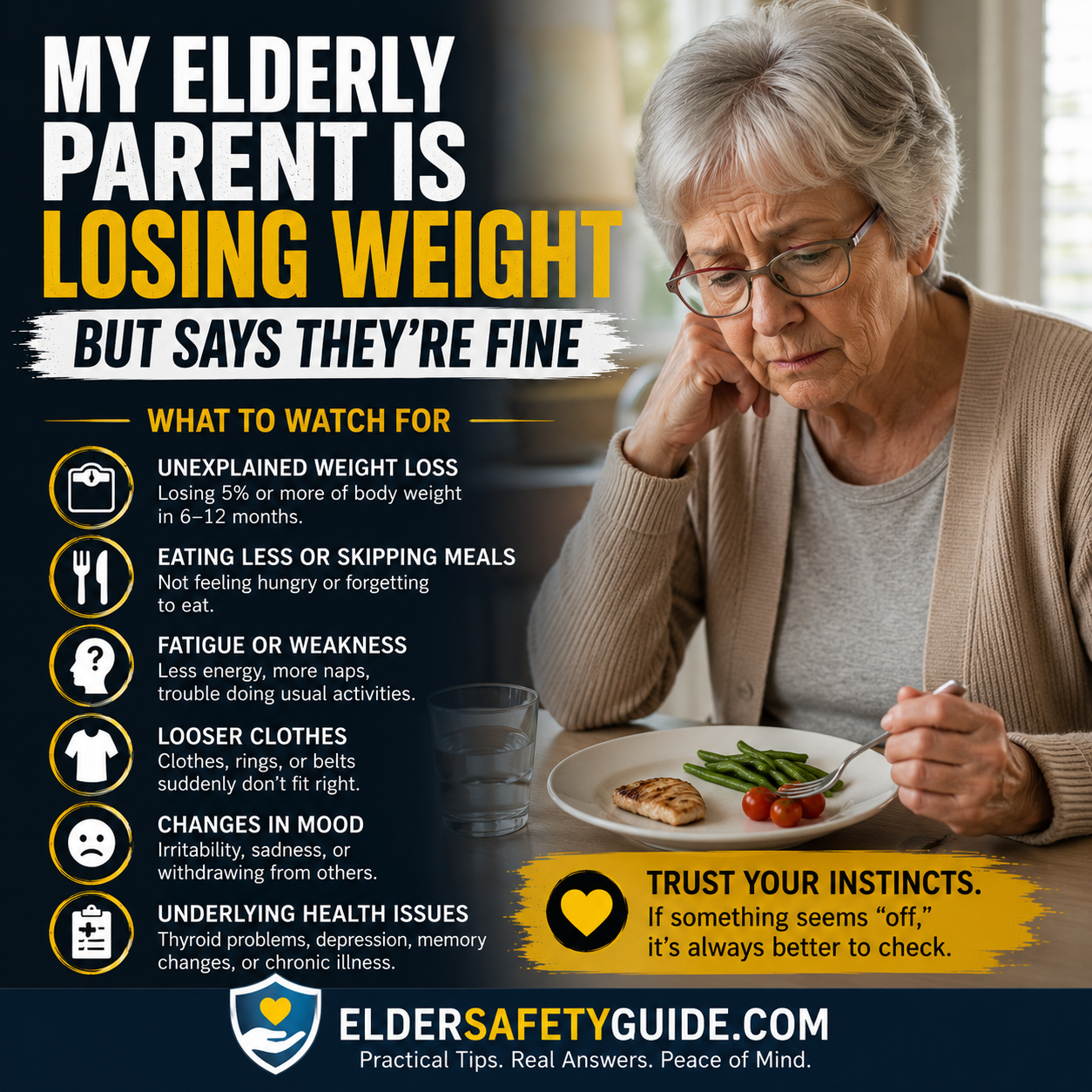
If your parent has become noticeably thinner recently, My Elderly Parent Is Losing Weight but Says They’re Fineexplains why unexplained weight loss should never be ignored.
Many Older Adults Never Tell Anyone About Their Falls
This surprised me when I first started talking with caregivers.
A lot of seniors don’t mention falling.
They’re embarrassed.
They’re afraid someone will tell them to stop driving.
They’re worried family members will insist they move.
So they quietly stand back up…
…and pretend nothing happened.
That’s why I encourage families to ask gentle questions instead of waiting for important information to be volunteered.
If you’ve started wondering whether your parent is minimizing health concerns, Signs Your Elderly Parent Is Hiding Health Problems From You explains why so many older adults keep symptoms to themselves.

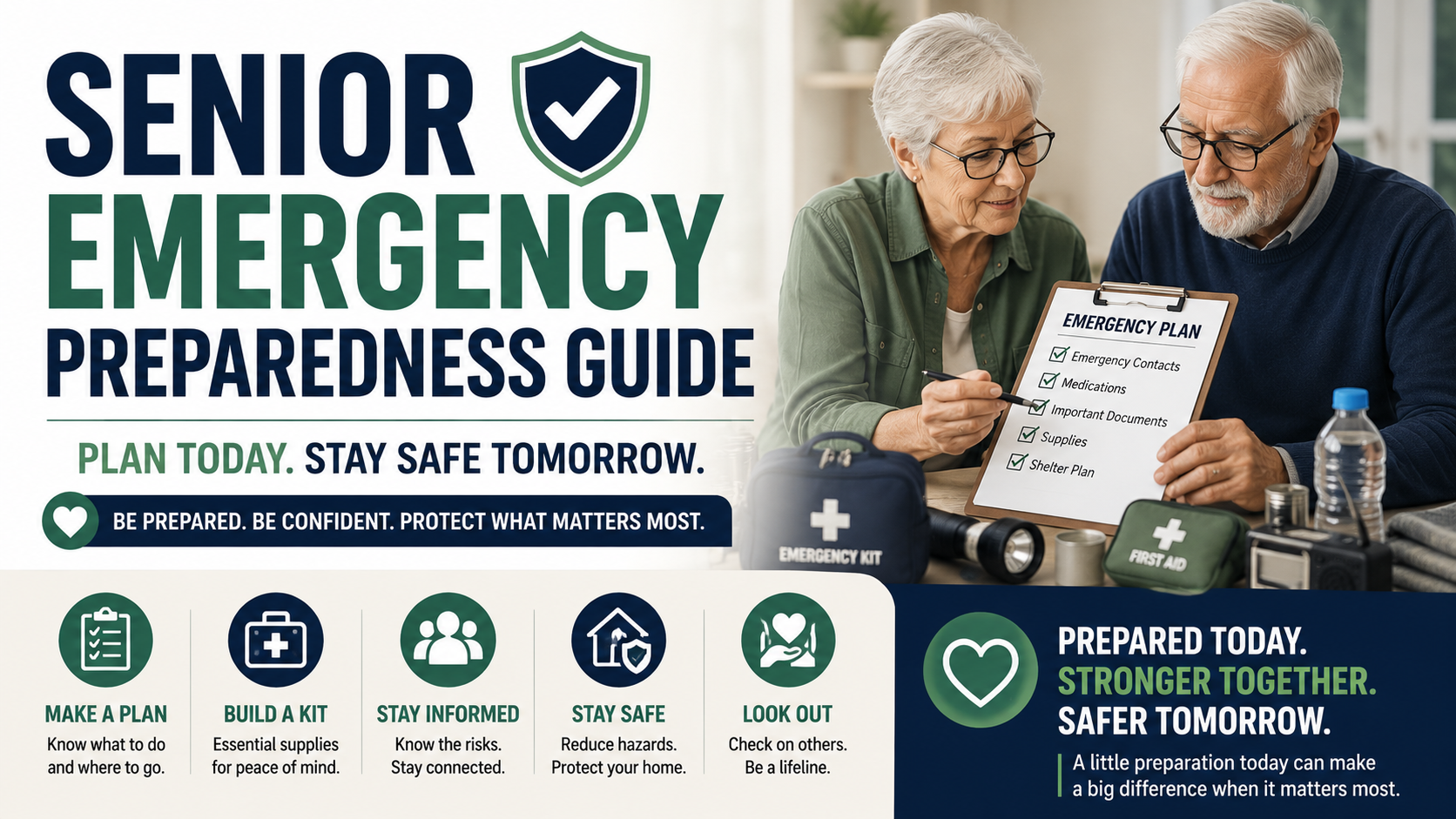
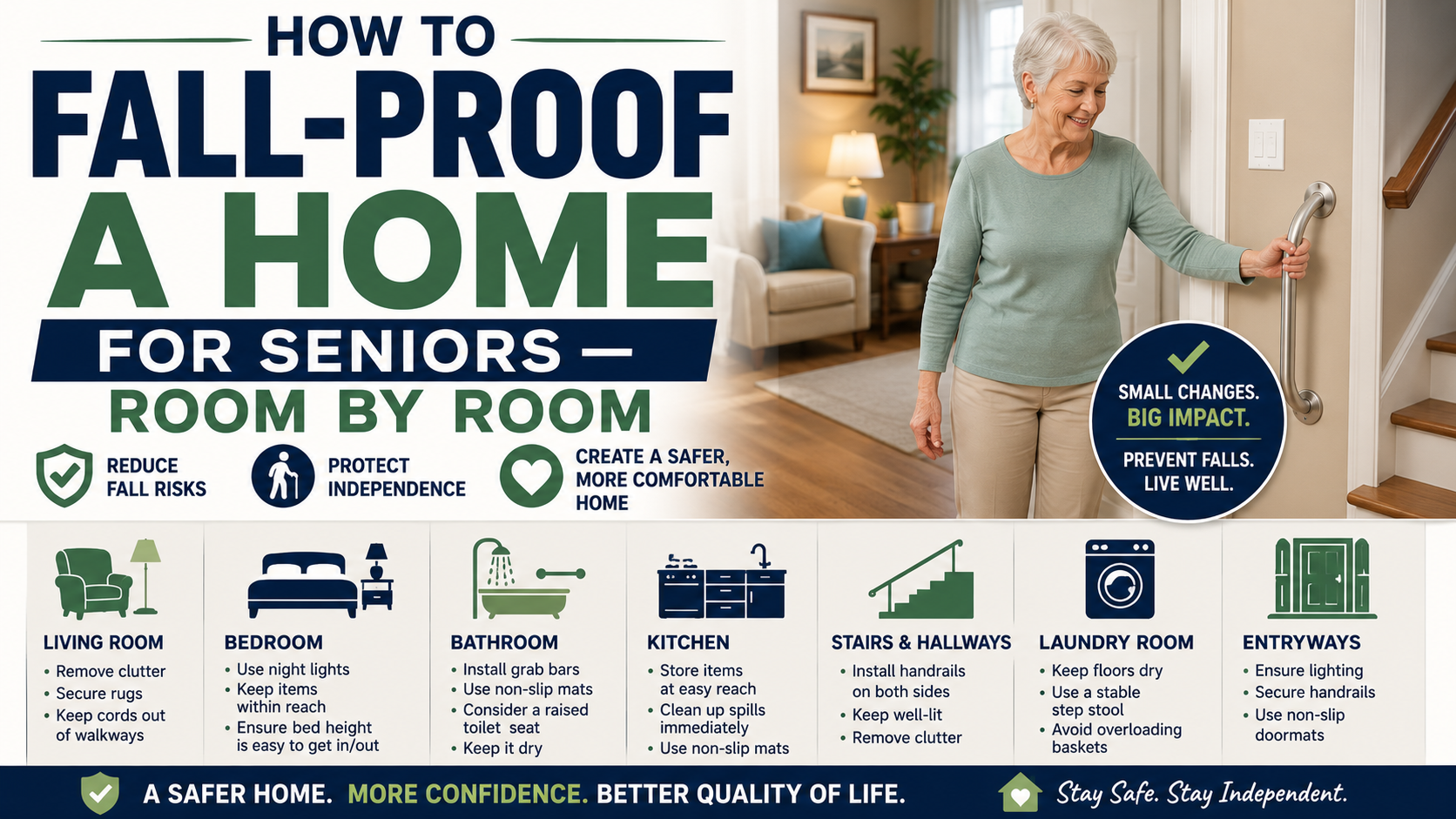
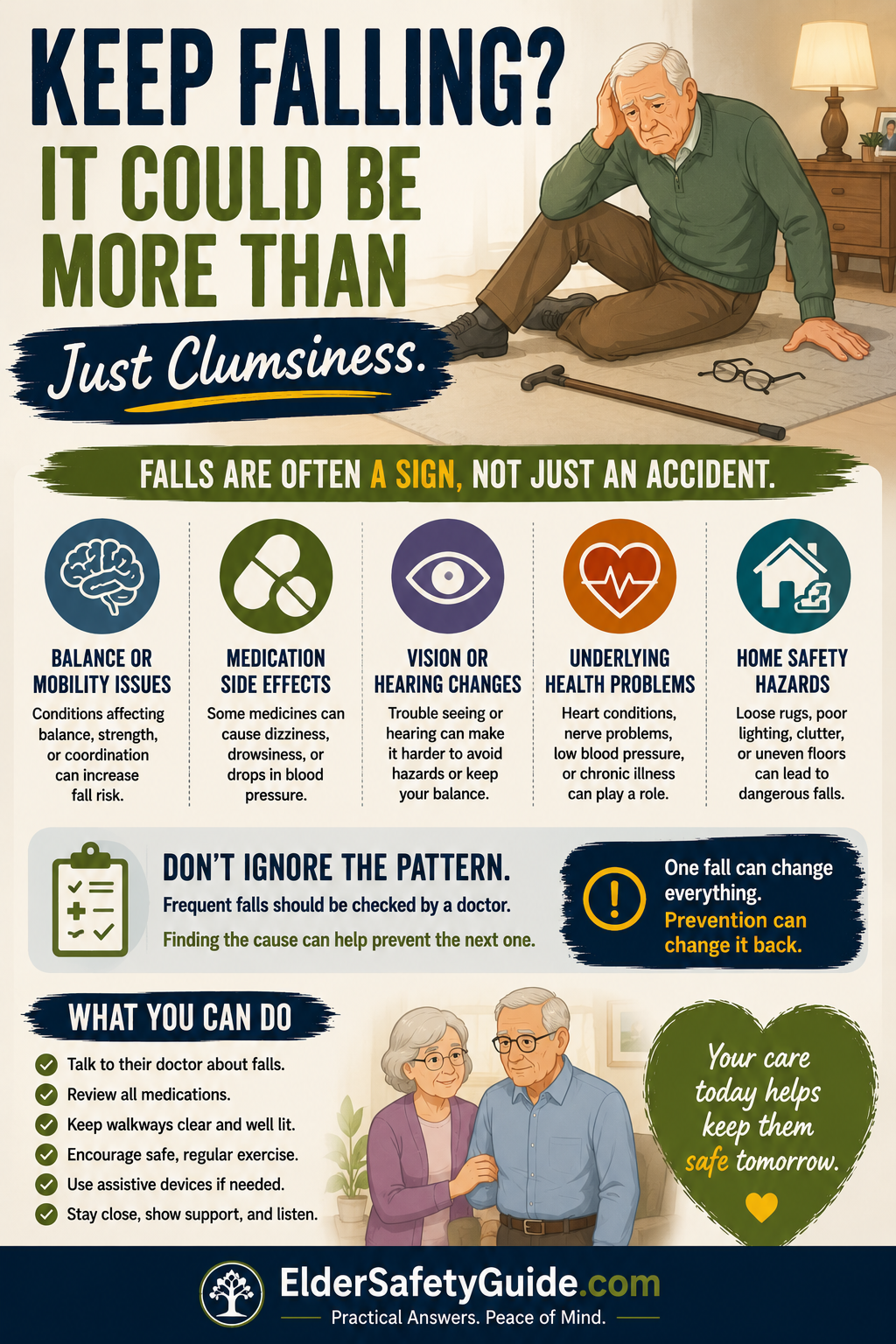
Sometimes The House Is Part Of The Problem
Not every fall begins inside the body.
Sometimes the environment is creating unnecessary risk.
Loose rugs.
Poor lighting.
Electrical cords stretched across the floor.
Cluttered walkways.
Slippery bathroom floors.
Stairs without sturdy handrails.
I’ve seen homes that looked perfectly normal until I started viewing them through the eyes of an older adult with slower reflexes and reduced balance.
Small hazards suddenly become much bigger.
One Thing I’ve Learned From Caregivers
One thing I’ve noticed after talking with many families is that the second fall usually worries them much more than the first.
The first fall often gets blamed on bad luck.
The second starts raising questions.
By the third, most families realize something has probably changed.
Looking back, they often recognize that the falls weren’t random after all.
They were connected to months of smaller changes that simply didn’t seem important at the time.


Medications Can Increase The Risk Of Falling
Whenever an older adult begins falling more often, one of the first things I think about is medication.
Some prescriptions can cause dizziness.
Others may lower blood pressure.
Certain medications can make someone sleepy, slower to react, or less steady on their feet.
Even medications that have worked well for years can begin affecting someone differently as they get older.
I’ve also seen falls happen because someone accidentally skipped medications or took an extra dose without realizing it.

If managing prescriptions has become more difficult, I recommend reading My Elderly Parent Keeps Forgetting Medication. When Should You Worry? because medication mistakes sometimes contribute to falls without families realizing it.
Vision Changes Can Affect Every Step
Most of us don’t think about how much we depend on our eyesight to stay balanced.
We constantly judge curbs, stairs, rugs, and uneven sidewalks without even thinking about it.
As vision changes, those everyday obstacles become much harder to navigate.
I’ve known older adults who insisted they were becoming clumsy when the real issue was that they simply couldn’t see hazards as well as they once could.
Something as simple as improved lighting or an updated eyeglass prescription can sometimes reduce fall risk significantly.
The Wrong Shoes Can Cause Big Problems
This might sound too simple, but footwear matters much more than many people realize.
I’ve seen older adults wearing smooth-bottom slippers on hardwood floors, loose sandals that slide around while walking, and worn-out shoes with almost no grip left.
Those choices can dramatically increase the chance of falling.
Comfort is important.
So is stability.
Shoes that fit well, provide good traction, and support the foot can make walking feel much more secure.
Fear Of Falling Can Actually Increase Fall Risk
One thing I’ve found especially interesting is that people sometimes become less steady after a fall because they’re afraid of falling again.
They begin taking tiny, hesitant steps.
They avoid lifting their feet normally.
They stop walking as much because they don’t trust their balance.
Unfortunately, moving less often leads to weaker muscles and poorer balance, making another fall even more likely.
It’s a frustrating cycle that many families don’t recognize right away.
Questions I’d Ask My Parent Today
If this were happening to someone I loved, I wouldn’t start by asking,
“Why do you keep falling?”
Instead, I’d ask questions that help me understand the situation better.
For example:
- Do you remember what happened before you fell?
- Did you feel dizzy or weak first?
- Were you trying to stand up?
- Have you fallen before without telling anyone?
- Are you afraid of falling again?
- Have you stopped doing certain activities because of your balance?
Those conversations often reveal details that make the next steps much clearer.
What I Would Do If This Were My Own Family
If this were my own parent, I wouldn’t immediately assume every fall was part of getting older.
I’d begin paying closer attention.
I’d watch how they walked across the room.
I’d notice whether they needed to push off furniture to stand.
I’d look at the condition of their shoes.
I’d ask whether they felt unsteady before the fall or simply tripped.
I’d also look for other recent changes.
Are they eating enough?
Sleeping more?
Losing weight?
Feeling dizzy?
Avoiding activities they once enjoyed?
When several small changes happen together, they often point toward the real issue.
When I Become More Concerned
While every fall deserves attention, some situations concern me much more than others.
I become especially concerned when someone:
- Falls several times within a short period.
- Hits their head.
- Loses consciousness.
- Can’t explain why they fell.
- Has new confusion afterward.
- Complains of chest pain before or after falling.
- Develops severe pain that makes standing difficult.
- Suddenly becomes much weaker than usual.
Those situations shouldn’t be brushed aside.
Even if your parent insists they’re fine, I’d encourage them to be evaluated promptly.
When Falls Begin Changing Daily Life
One fall might not change very much.
Several falls often do.
I’ve watched older adults stop gardening because they were afraid of uneven ground.
They stopped visiting neighbors because of porch steps.
They quit shopping alone because walking through large stores felt unsafe.
Eventually their independence slowly disappeared, not because they wanted it to, but because fear kept shrinking their world.
If you’ve noticed your parent becoming much less active after one or more falls, My Elderly Parent Doesn’t Care About Anything Anymore explains why losing confidence and losing motivation often happen together.
Safety Should Become Part Of The Plan
One thing I always tell families is that preventing the next fall is just as important as figuring out why the last one happened.
Sometimes that means removing trip hazards around the home.
Sometimes it means installing better lighting.
Sometimes it means working with a healthcare provider to identify an underlying medical cause.
For many families, it’s also the right time to compare the best medical alert systems for seniors. If another fall happens, having a quick way to call for help can make a tremendous difference, especially for older adults who live alone.
Falls Often Tell A Bigger Story
One thing I’ve noticed after years of listening to caregivers is that falls rarely happen in isolation.
The person who keeps falling may also be:
- Sleeping much more than they used to.
- Eating less.
- Losing weight.
- Feeling unusually tired.
- Becoming dizzy.
- Missing appointments.
- Withdrawing from friends and family.
When I start seeing several of those changes together, I stop thinking about falls alone.
I start thinking about whether my parent is beginning to need more support overall.
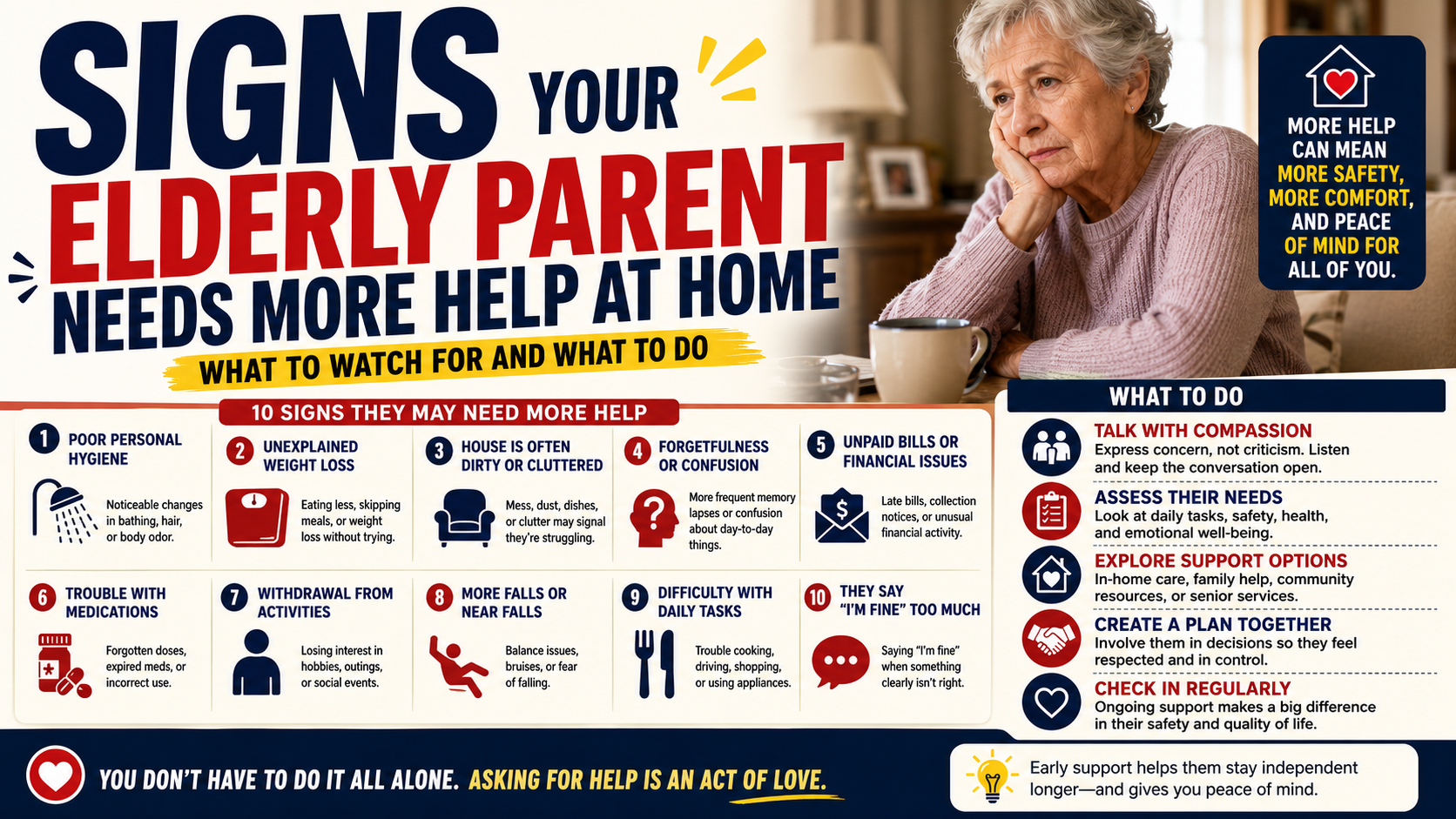
If you’ve noticed several of these warning signs, Signs Your Elderly Parent Needs More Help at Home can help you understand when it’s time to start having those conversations.
Trust Your Instincts
One thing I’ve learned is that adult children almost always notice subtle changes before anyone else.
You know how confidently your parent used to move.
You know whether they were always active and steady on their feet.
If they’re suddenly reaching for walls, avoiding stairs, walking more cautiously, or falling more often, trust what you’re seeing.
Falls should never be accepted as an unavoidable part of growing older.
Sometimes they’re caused by something simple that can be corrected.
Other times, they’re the first visible sign that an older adult’s health, strength, or balance has begun to change.
Either way, paying attention now gives your family the best opportunity to reduce the risk of a more serious injury later.
About the Author
Emily Carter is a senior care educator and family caregiver advocate for Elder Safety Guide. She writes about fall prevention, aging in place, mobility changes, and helping families recognize the early warning signs that an older adult may need additional support. Her goal is to provide practical, compassionate guidance that helps seniors stay safe while preserving as much independence as possible.