The first time I noticed it, I almost convinced myself I was imagining things.
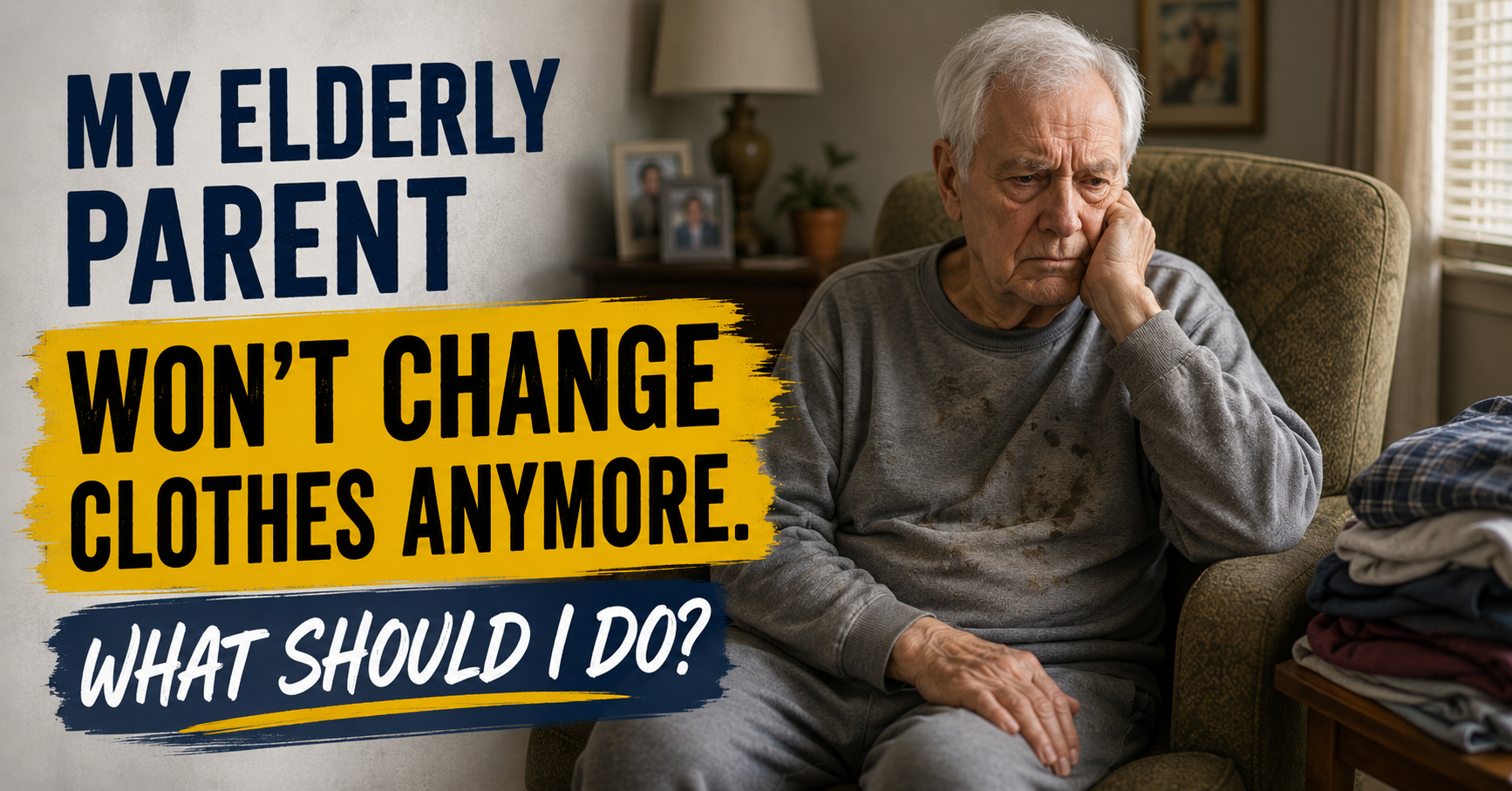
My dad answered the door wearing the same flannel shirt he’d had on three days earlier.
I figured maybe he’d just thrown it back on after doing laundry.
The next weekend, he was wearing it again.
When I opened the laundry room door, the washing machine hadn’t been used.
That’s when I realized this wasn’t just about clothes.
Something had changed.
If you’ve recently found yourself wondering why your elderly parent keeps wearing the same clothes every day, you’re not alone.
Many families notice hygiene changes long before they notice anything else.
The challenge is figuring out whether you’re seeing a harmless habit or one of the first signs that your parent may need additional support.
Start By Looking For A Change
One thing I’ve learned is that the change itself is usually more important than the behavior.
Some people have favorite sweatshirts or comfortable pajamas they wear around the house.
That’s normal.
But if your mom always cared about how she looked and suddenly stops changing clothes altogether, I think it’s worth paying attention.
Changes in long-established habits often tell us more than the habit itself.

They May Not Realize Their Clothes Are Dirty
This surprises many families.
Sometimes an older adult genuinely doesn’t realize they’ve been wearing the same clothes for several days.
Memory changes can make routines like getting dressed much more difficult than they once were.
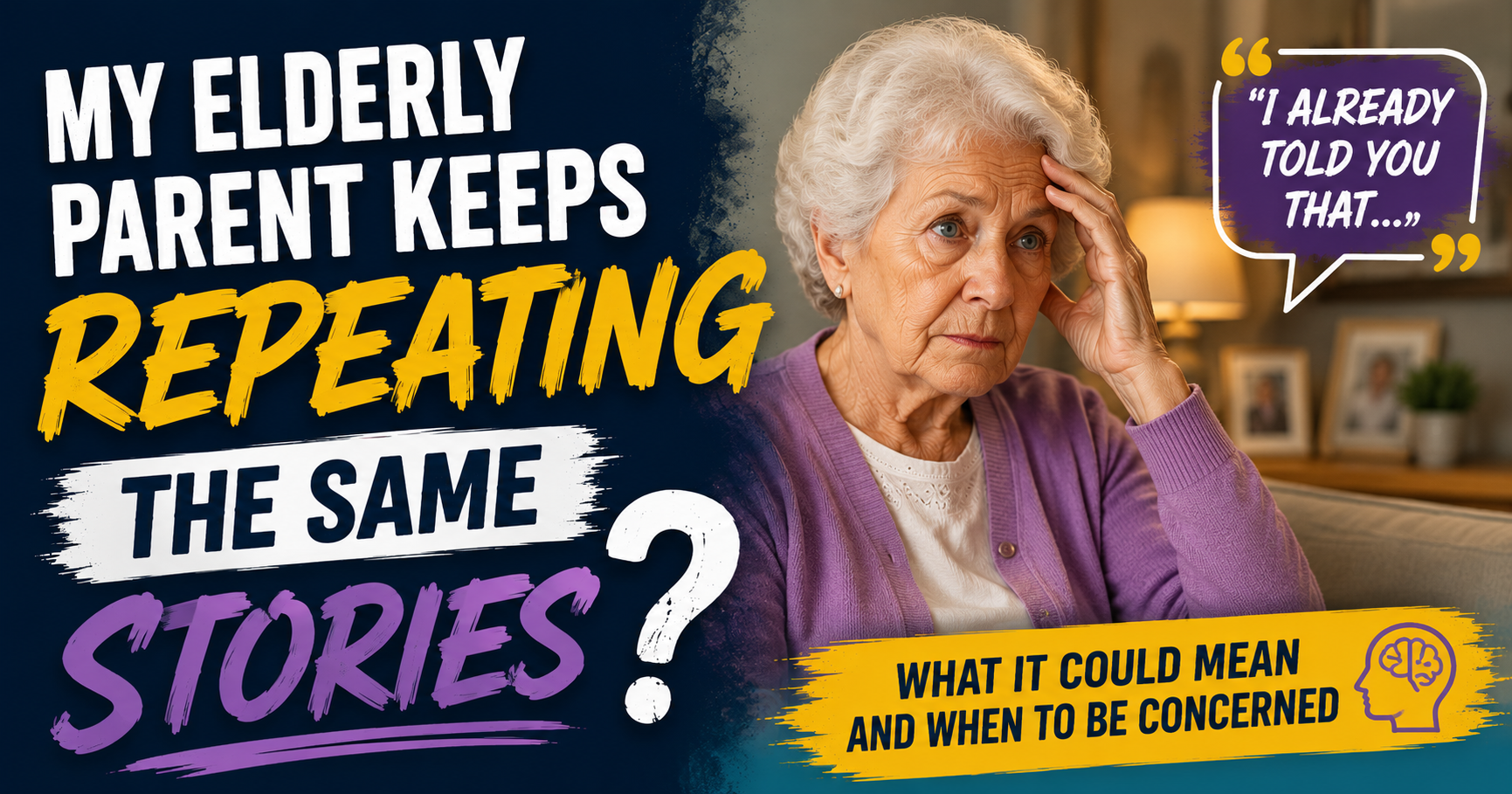
If you’ve also noticed repeated conversations or increasing forgetfulness, I recommend reading My Elderly Parent Keeps Repeating the Same Stories. Small memory changes often begin affecting everyday routines before families realize how much has changed.


Dressing Can Become Physically Difficult
Changing clothes sounds simple.
Until getting dressed hurts.
Arthritis.
Shoulder pain.
Back pain.
Poor balance.
Limited mobility.
Any of these can turn a basic task into something an older adult begins avoiding.
Sometimes they aren’t refusing to change clothes.
They’re avoiding discomfort.
Depression Often Shows Up Through Self-Care
One of the first things depression affects is motivation.
I’ve seen older adults lose interest in things they cared deeply about for decades.
Cleaning the house.
Cooking meals.
Doing laundry.
Changing clothes.
Taking a shower.
These aren’t always signs that someone has stopped caring.
Sometimes they’re signs that someone is struggling emotionally.


Poor Hygiene Rarely Happens Alone
One thing I always tell families is not to focus on the clothing by itself.
Ask yourself:
Has your parent also started:
- Sleeping much more?
- Eating less?
- Losing weight?
- Staying home?
- Becoming more forgetful?
When several of those changes happen together, I stop thinking about isolated problems.
I start looking at the bigger picture.
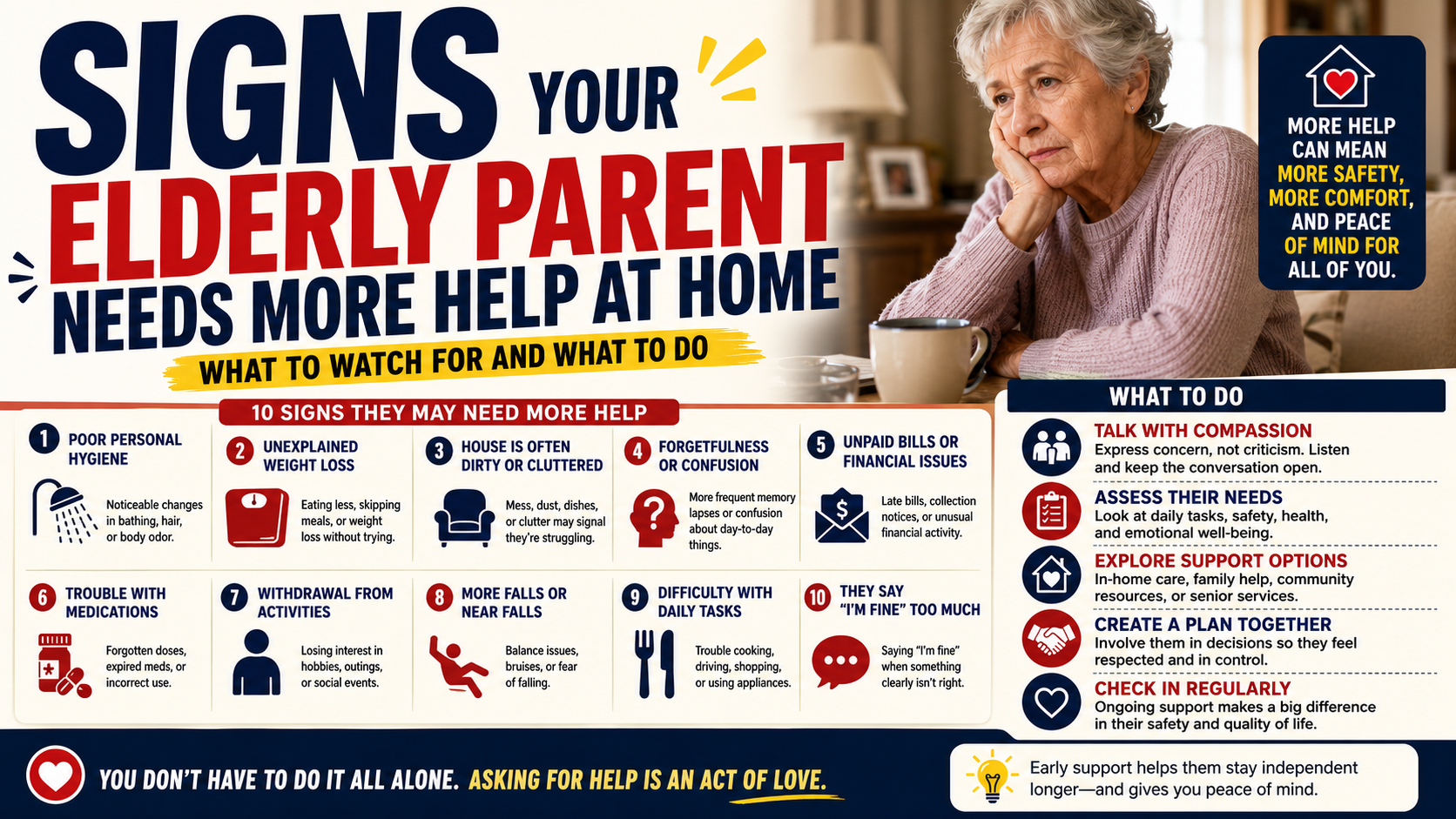
If you’ve noticed several changes recently, spend some time reading Signs Your Elderly Parent Needs More Help at Home. It helps put many of these warning signs into context.
They May Be Trying To Hide A Health Problem
I’ve also seen seniors avoid changing clothes because they don’t want anyone noticing bruises, weight loss, medical devices, or other physical changes.
Rather than talking about those concerns, they quietly avoid situations where someone might notice.

If that possibility has crossed your mind, take a look at Signs Your Elderly Parent Is Hiding Health Problems From You. It explains why many older adults work surprisingly hard to keep health concerns private.


Don’t Lead With Criticism
It’s tempting to say,
“You’ve been wearing that shirt all week.”
In my experience, that usually creates embarrassment instead of cooperation.
Instead, try something like,
“I noticed laundry has become a little harder lately. Is there anything making it difficult?”
That question opens a conversation instead of starting an argument.
Notice What Else Has Changed
One thing I’ve learned over the years is that clothing is rarely the real issue.
It’s often one more clue.

If your parent also seems unusually irritable, read Why Is My Elderly Parent So Angry All of a Sudden? because frustration and declining self-care often appear together.
Sometimes The Laundry Is The Problem
Don’t overlook practical issues.
The washing machine may be difficult to use.
Laundry baskets may be too heavy.
The basement stairs may feel unsafe.
What looks like refusing to change clothes may actually be someone trying to avoid a task that’s become physically difficult.
Trust Your Instincts
Families almost always notice these changes before anyone else.
You know your parent’s routines.
You know whether they’ve always taken pride in their appearance.
If those habits suddenly disappear, don’t ignore what you’re seeing.
It doesn’t automatically mean dementia.
It doesn’t automatically mean your parent can no longer live independently.
But it is one more piece of information that deserves your attention.
The earlier families recognize these small changes, the more opportunities they have to help before a larger crisis develops.


About the Author
Thomas Greene is a senior safety educator and contributing writer for Elder Safety Guide. He focuses on helping families recognize the subtle everyday changes that often signal an older adult may need additional support. His work centers on aging in place, caregiver education, home safety, and preserving independence while improving quality of life.