Nighttime is when independent living is most vulnerable. Here’s every modification that makes the 2am bathroom trip safe — for seniors living alone.
Nighttime is when independent living becomes most vulnerable. The doctor’s appointment is managed. The grocery run gets done. The daily routines hold. But at 2am — when the bathroom calls and the room is dark and the body is half-asleep — the margin between safe and not is thinner than at any other point in the day.
For seniors living alone that margin is what this guide addresses. Not the daytime routines. Not the visitor schedule. The specific window between lights-out and morning — when no one else is there, when every movement happens without the alertness and visibility that daylight provides, and when the consequences of a fall going undetected are most severe.
Here is everything worth doing to make that window as safe as possible.
Why Nighttime Is the Highest-Risk Period
Three specific factors converge at night to produce a fall risk profile that doesn’t exist during waking hours.

Orthostatic hypotension. Blood pressure drops during sleep and takes time to normalize when the body moves from horizontal to vertical. The dizziness that can accompany standing up quickly — orthostatic hypotension — is most severe first thing in the morning and during nighttime bathroom trips when blood pressure has been suppressed during sleep. As covered in our guide on the number one reason seniors fall at home — medication compounds this significantly. Blood pressure medications taken in the evening amplify the drop that occurs when standing up at 2am.
Sleep inertia. The cognitive impairment that follows waking — reduced alertness, slower processing, impaired coordination — is most pronounced in the first minutes after waking. Nighttime bathroom trips happen in this window. The urgency that drives them removes the pause that would allow sleep inertia to clear before moving.
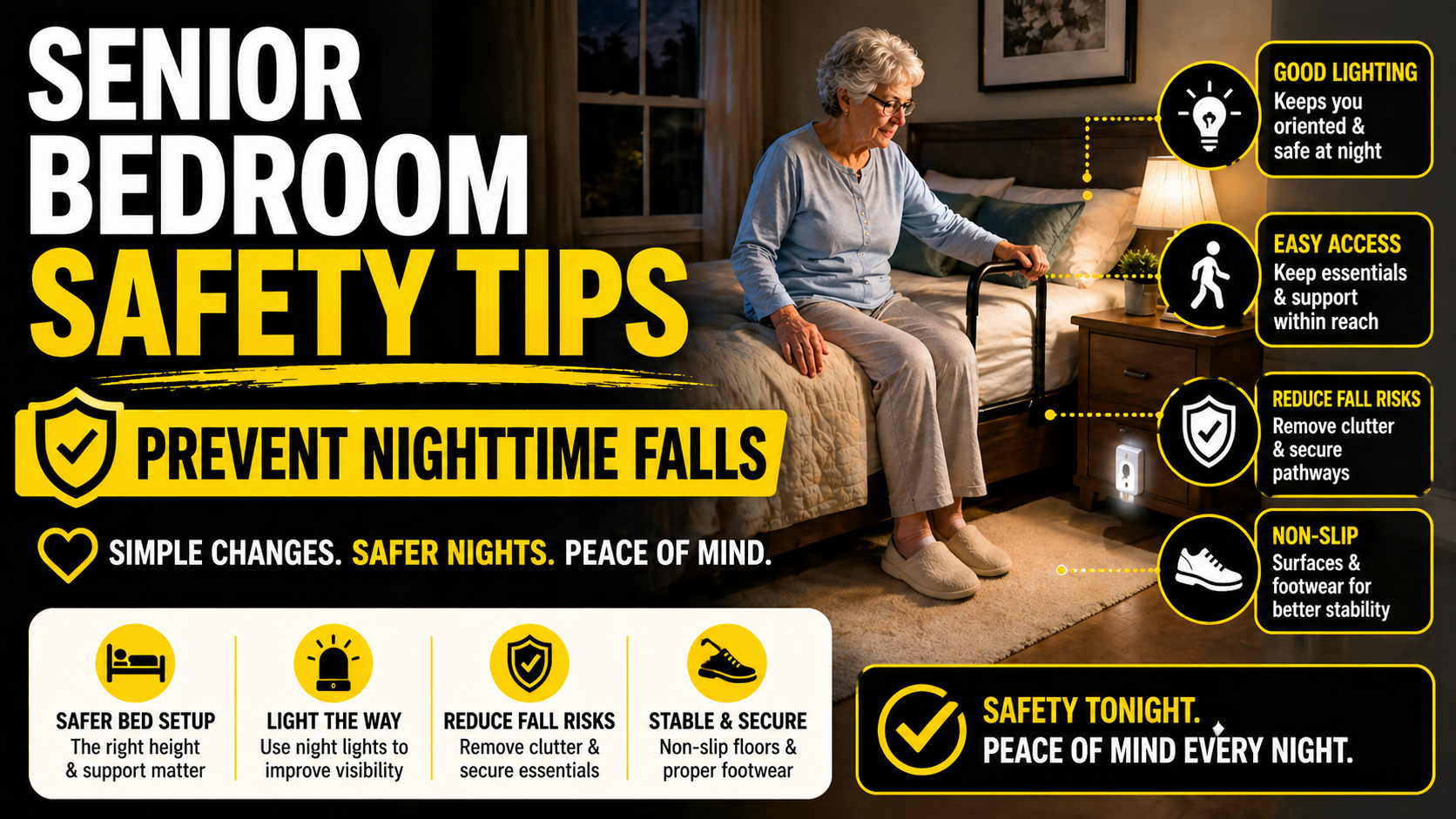
Darkness. Vision is one of three systems the brain uses to maintain balance. Remove it and the remaining two — vestibular and proprioceptive — carry the full load at exactly the moment when sleep inertia has impaired their function. A dark room navigated half-asleep is the worst possible balance environment of any moment in the day. Practical changes for improving the route from bed to bathroom are covered in Senior Bedroom Safety Tips to Prevent Nighttime Falls.
These three factors together explain why nighttime bathroom trips produce a disproportionate share of serious falls in older adults — and why the modifications that address them specifically are worth prioritizing alongside the bathroom modifications that get more attention.
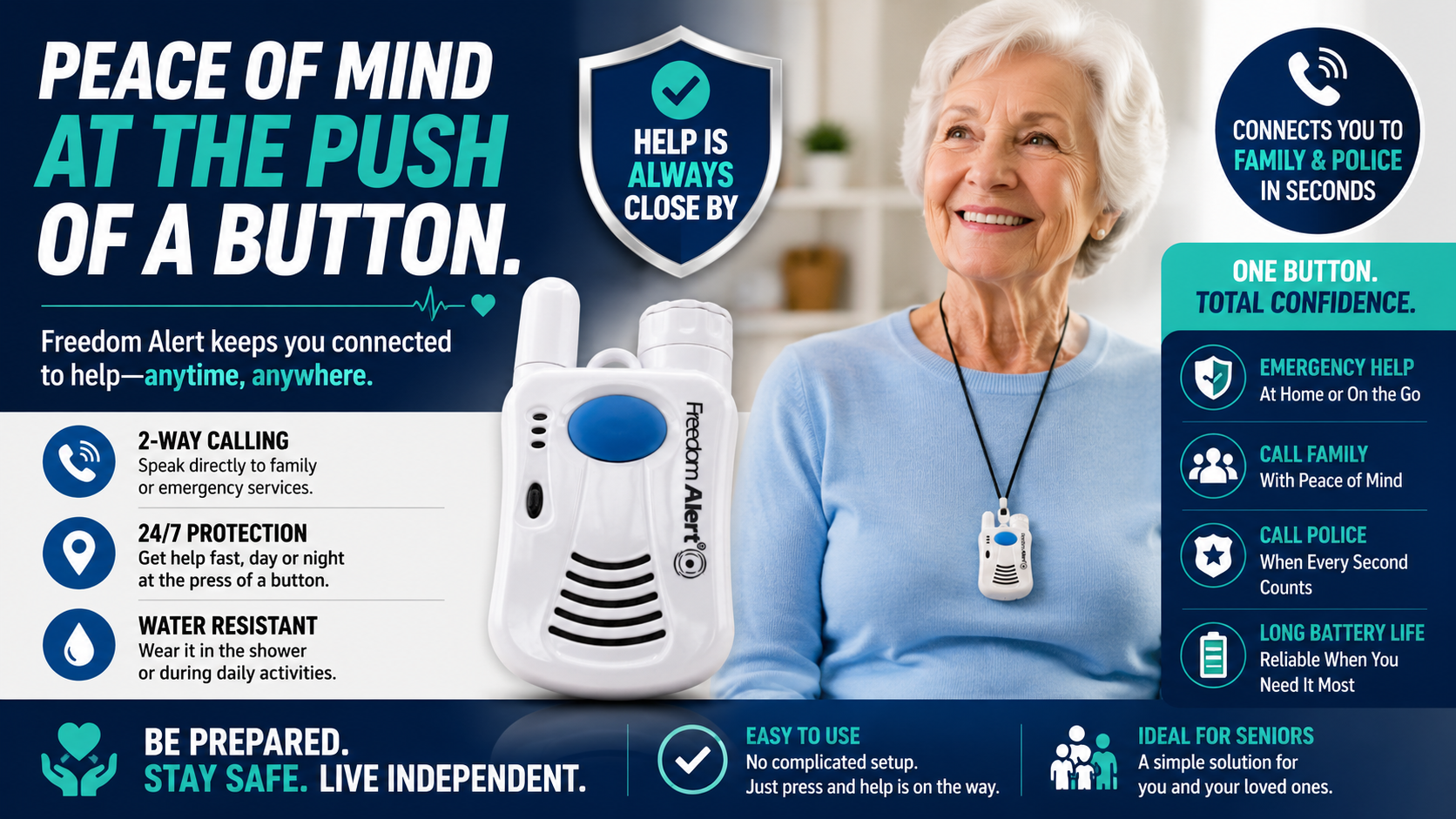
The Bed — Where Every Nighttime Trip Begins
Every nighttime fall scenario begins at the bed. The getting-up transition — from lying to sitting to standing — is where orthostatic hypotension strikes hardest and where sleep inertia is most pronounced. Addressing this specific moment addresses the beginning of every nighttime risk scenario.
Bed Rail
A firm load-rated handle on the exit side of the bed provides something to push against during the sit-to-stand transition — reducing the leg strength required and providing stabilization during the dizziness window immediately after standing. It’s the first thing the hand reaches for in the dark and the support that bridges the most dangerous seconds of the nighttime trip.

Amazon link: Get the ASTM Approved Bed Rail on Amazon
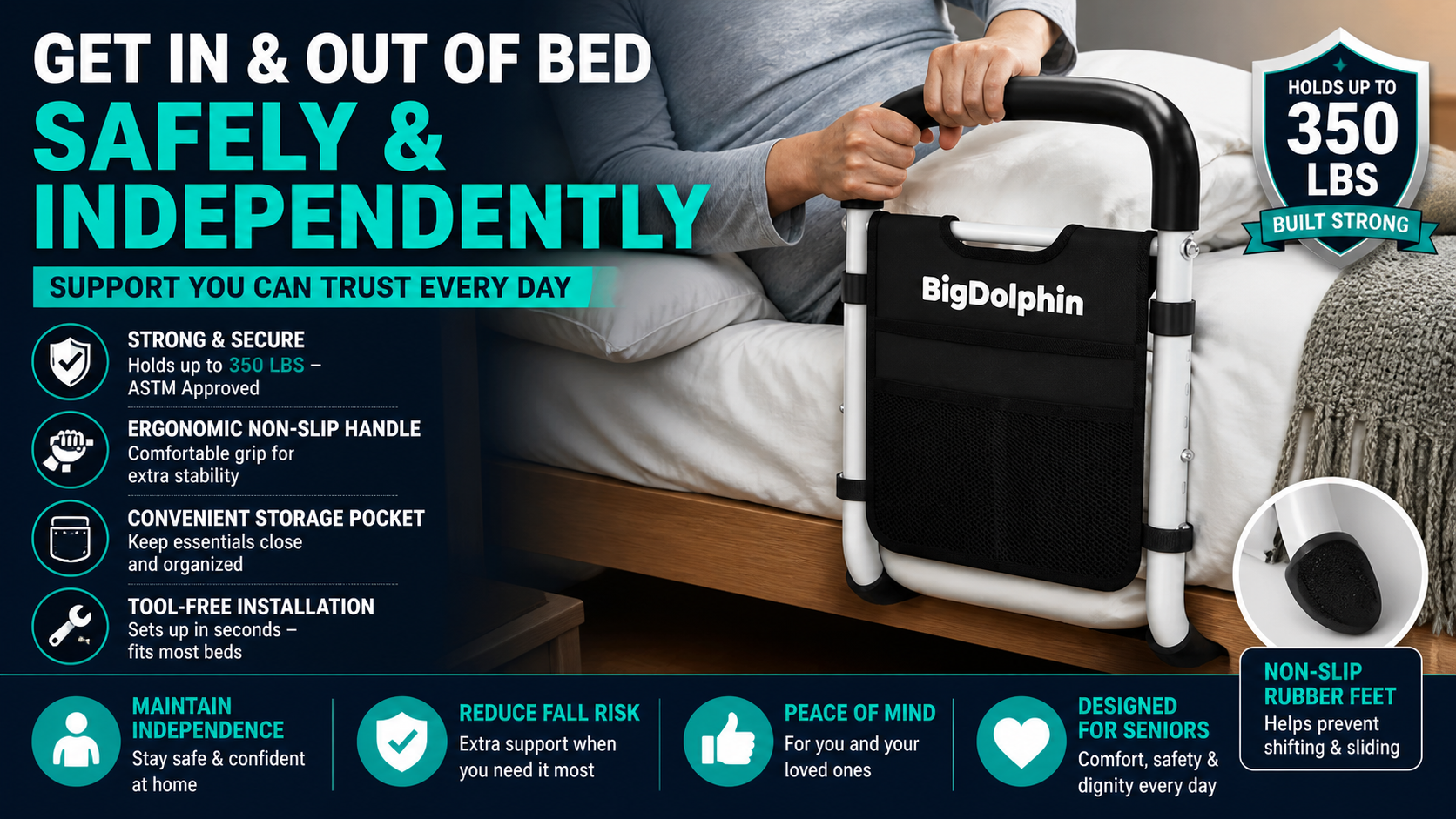
Blog post: Bed Rails for Seniors — Full Review and Guide
The Technique — Sit Before Standing
Before reaching for the bed rail — take 30 to 60 seconds sitting on the edge of the bed with feet flat on the floor. This pause allows blood pressure to begin normalizing and gives sleep inertia a moment to clear before the balance demands of walking begin. Urgency pushes against this pause. Urgency is what makes nighttime bathroom trips so dangerous. The 60 seconds matters.
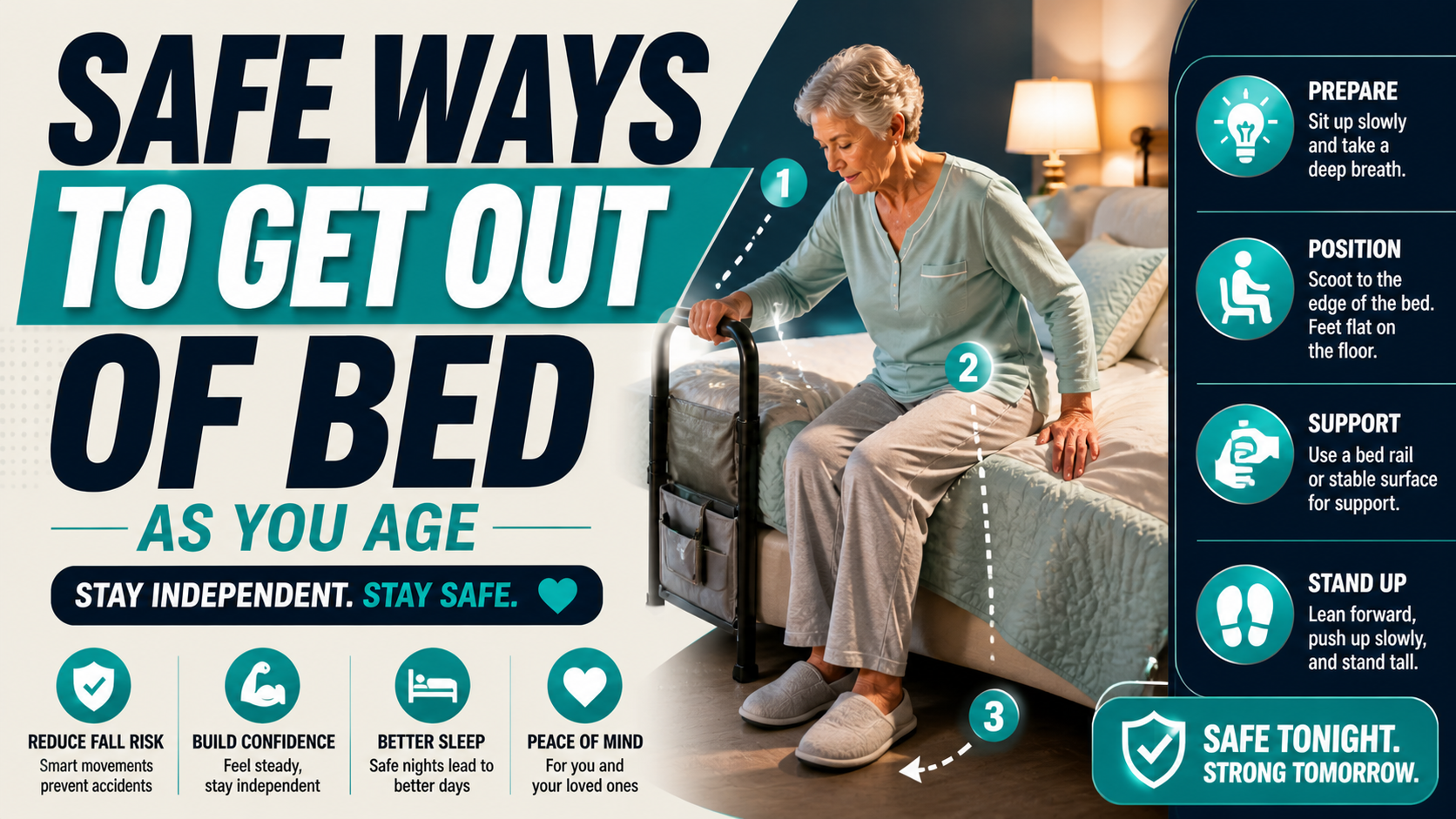
Our complete guide on safe ways to get out of bed as you age covers the full technique alongside the equipment.
The Path — From Bed to Bathroom
Once standing the path from bedroom to bathroom needs to be navigated safely. Two elements address this specifically.
Auto-On Night Lights
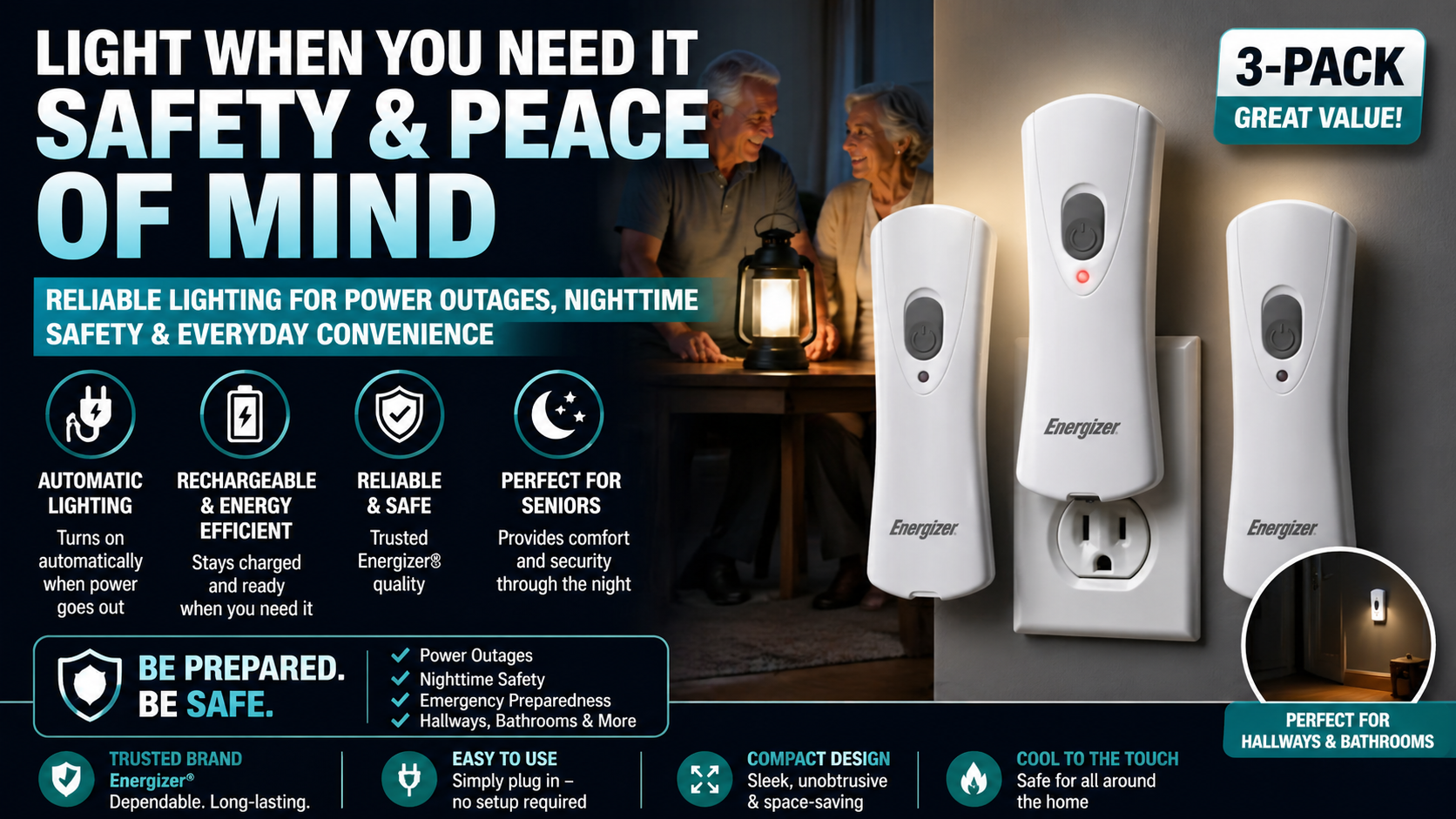
Auto-on night lights that activate immediately when power drops — and serve as continuous night lights every night — eliminate the darkness component of nighttime fall risk without requiring any action. No switch to find. No phone to reach for. The path is lit before the first step is taken.
Three units cover the complete path — one in the bedroom near the bed, one in the hallway, one in the bathroom. Together they ensure the entire route from bed to toilet is lit before it’s navigated.
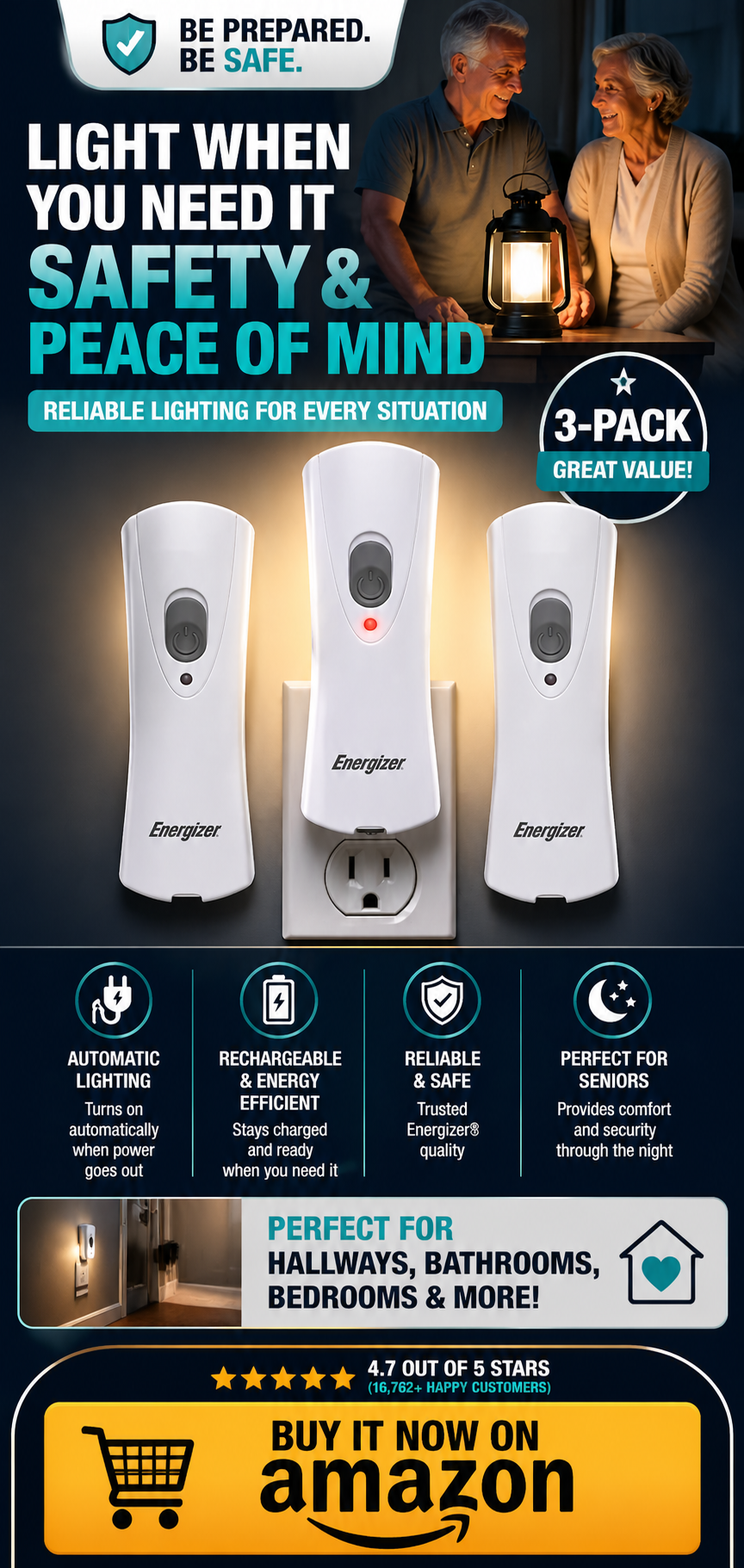
Amazon link: Get the Energizer Auto-On Night Lights 3-Pack on Amazon
Blog post: Best Auto-On Rechargeable Lights for Seniors
Non-Slip Footwear for the Path
The floors between bedroom and bathroom — hardwood, tile, laminate — provide minimal traction for standard socks. Non-slip grip socks worn to bed cover this traction gap during every nighttime trip without requiring any action beyond wearing them to sleep.
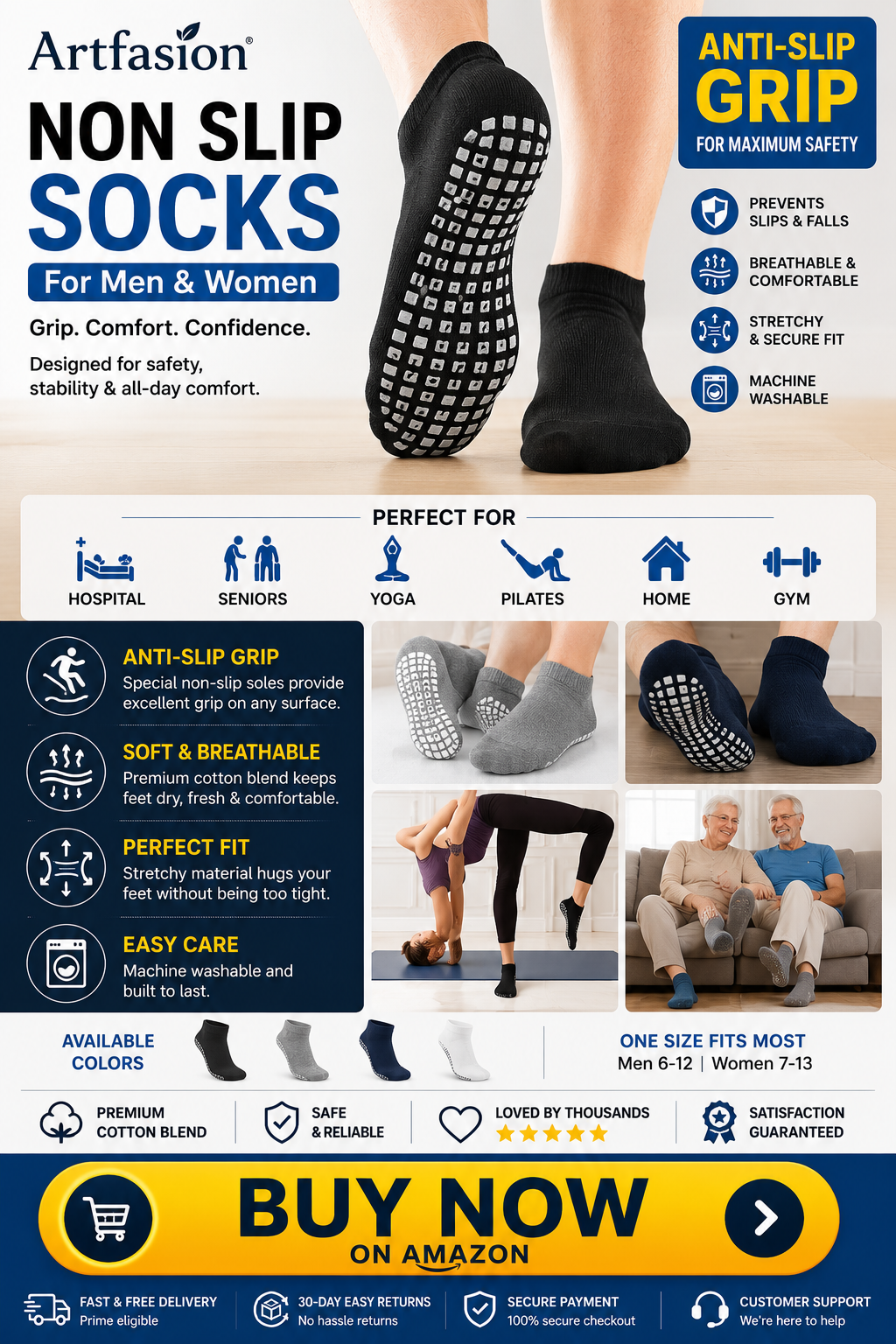
Amazon link: Get the Artfasion Non-Slip Grip Socks on Amazon
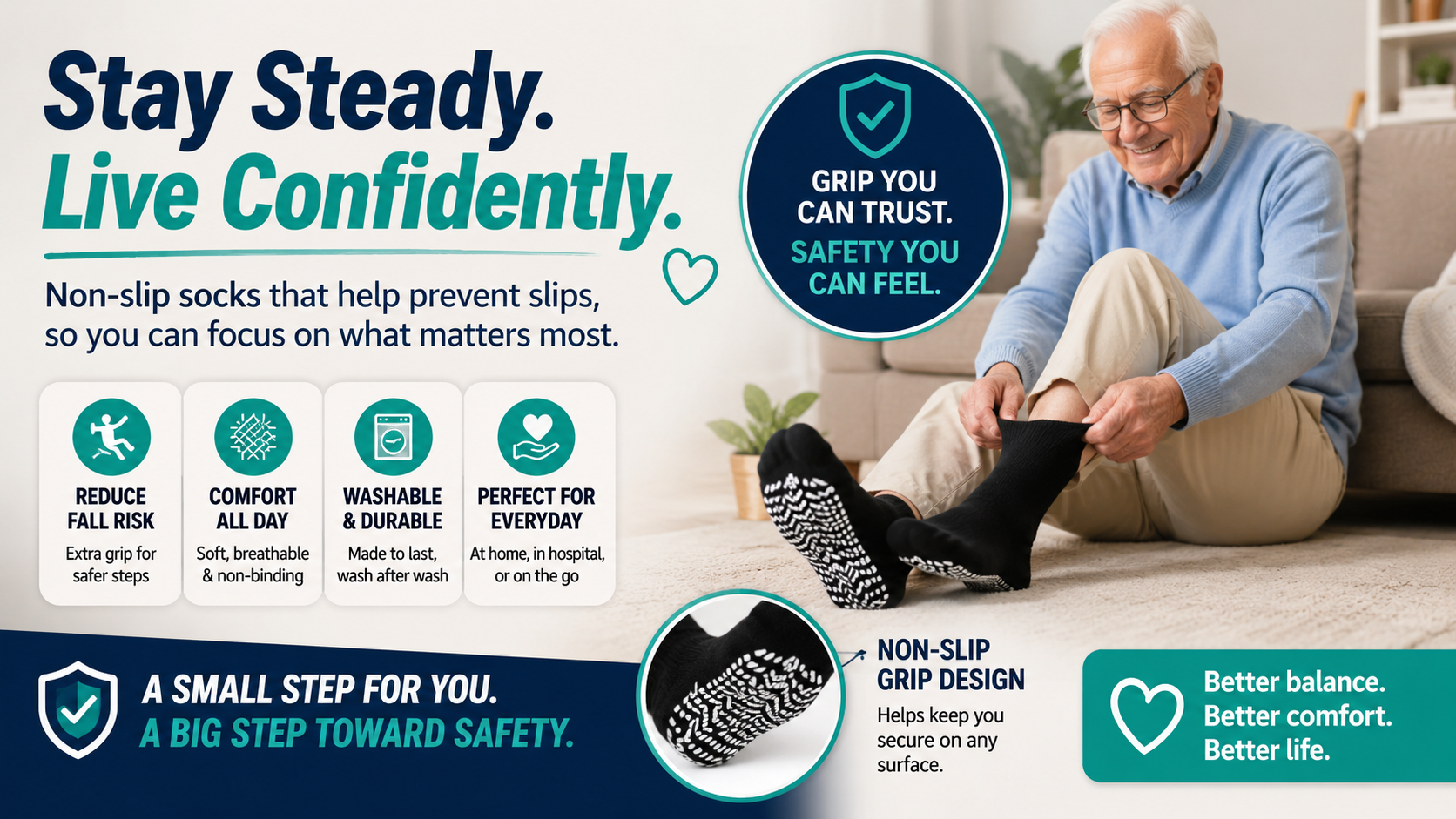
Blog post: Best Non-Slip Socks for Seniors — Full Review
The Bathroom — The Destination and the Highest-Risk Point

As covered in our guide on the bathroom causes more senior falls than stairs, cars, and ice combined — the bathroom is the most dangerous room in the home at any hour. At 2am with sleep inertia and orthostatic hypotension still present it’s the highest-risk destination of any nighttime trip.
Grab Bars
A grab bar inside the shower at the entry point and one adjacent to the toilet address the two highest-risk bathroom transitions — shower entry and toilet transfer. For nighttime trips the toilet bar is the priority. It’s there for the sit-down and the getting-up that happen during every bathroom visit regardless of time of day.
Amazon link: Get the 2-Pack Stainless Steel Grab Bars on Amazon

Blog post: Best Grab Bars for Seniors — What to Buy and Where to Put Them
Toilet Safety Rails
The toilet transfer — sitting down and standing up — happens during every nighttime bathroom trip. Toilet safety rails with armrests transform this from an unsupported balance challenge into a supported movement. Tool-free installation. Fits any toilet.

Amazon link: Get the Toilet Safety Rails on Amazon

Blog post: Best Toilet Safety Rails for Seniors — Full Review
Non-Slip Bath Mat
The floor outside the shower is wet after any shower use — and navigated with wet feet during the nighttime trip if a shower was taken before bed. A diatomaceous earth stone mat that absorbs water instantly and never shifts under wet feet addresses this specific hazard.
Amazon link: Get the Diatomaceous Earth Bath Mat on Amazon

Blog post: Best Non-Slip Bath Mat for Seniors — Why Most Mats Fail
The Safety Net — When Prevention Isn’t Enough
Every modification above reduces nighttime fall probability. None reduces it to zero. For a senior living alone the most important additional question is: if a fall occurs at 2am, how long before anyone knows?

As covered in our guide on the first 60 minutes after a senior falls are the most critical — physiological consequences begin accumulating within 30 minutes on a cold floor. A nighttime fall in a solo-living senior can go undiscovered until a morning check-in call — six, seven, eight hours later.
Automatic fall detection closes that gap to seconds. The SecuLife Smartwatch worn on the wrist detects falls automatically and alerts family immediately with GPS location — without requiring any action from the person who has fallen. It goes into the bathroom. It works during the nighttime trip. It works in the dark. It works whether the person is conscious or not.

Amazon link: Get the SecuLife Smartwatch on Amazon

Blog post: SecuLife Smartwatch Review — Is It Worth It for Seniors?
Medication — The Nighttime Risk Factor Most People Miss
As covered in our guide on the number one reason seniors fall at home — medication timing directly affects nighttime fall risk in two specific ways.
Blood pressure medications taken in the evening — particularly diuretics and ACE inhibitors — amplify the orthostatic hypotension that occurs when getting up at night. A timing adjustment from evening to morning frequently reduces this specific risk without changing the medication itself.
Sleep medications — taken at bedtime — have half-lives that extend into the early morning hours, meaning nighttime bathroom trips happen with residual sedative effects still present. This is one of the most important medication conversations to have specifically in the context of nighttime fall risk.
Request a falls-focused medication review from the prescribing physician — using those exact words — and ask specifically about evening medication timing and nighttime fall risk. This single conversation produces meaningful results more consistently than almost any other medical intervention in nighttime fall prevention.
An automatic pill dispenser ensures medications are taken at the right time every night — not late, not doubled up, not missed. This directly affects the overnight medication level that determines morning orthostatic hypotension severity.
Amazon link: Get the Windtrace Automatic Pill Dispenser on Amazon

Blog post: Best Automatic Pill Dispenser for Seniors — Full Review
Hydration — The Overnight Factor
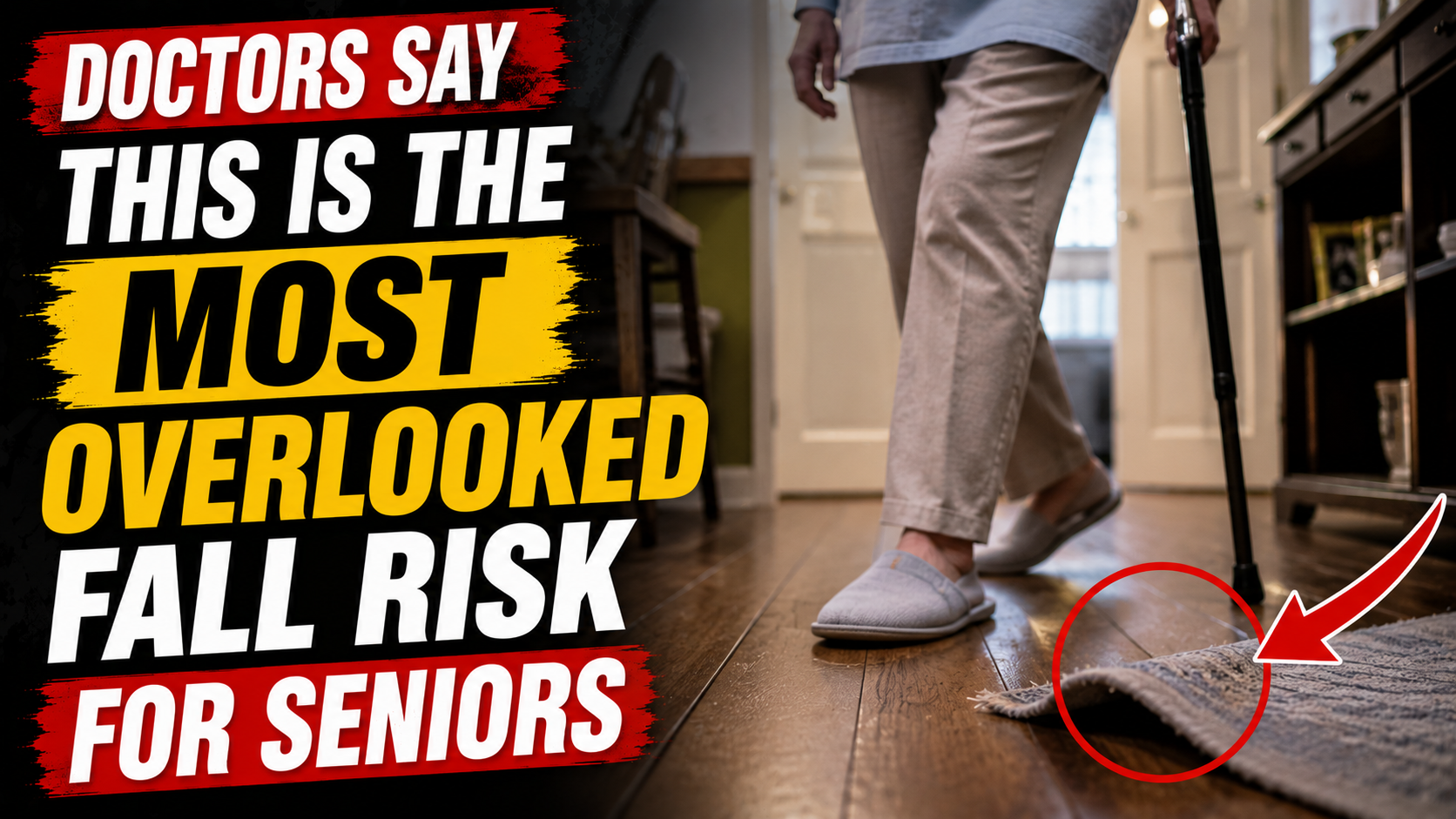
Mild dehydration going into the night amplifies orthostatic hypotension during nighttime bathroom trips. As covered in our guide on the most overlooked fall risk for seniors — dehydration reduces blood volume and impairs the cardiovascular response to position change. A glass of water before bed — not so much as to significantly increase nighttime bathroom frequency, but enough to maintain adequate overnight hydration — reduces the morning and nighttime orthostatic hypotension that produces falls.
The Bedroom Environment — Completing the Safety Picture
Beyond the bed rail and night lights several bedroom environment factors affect nighttime safety.
Clear Floor Path
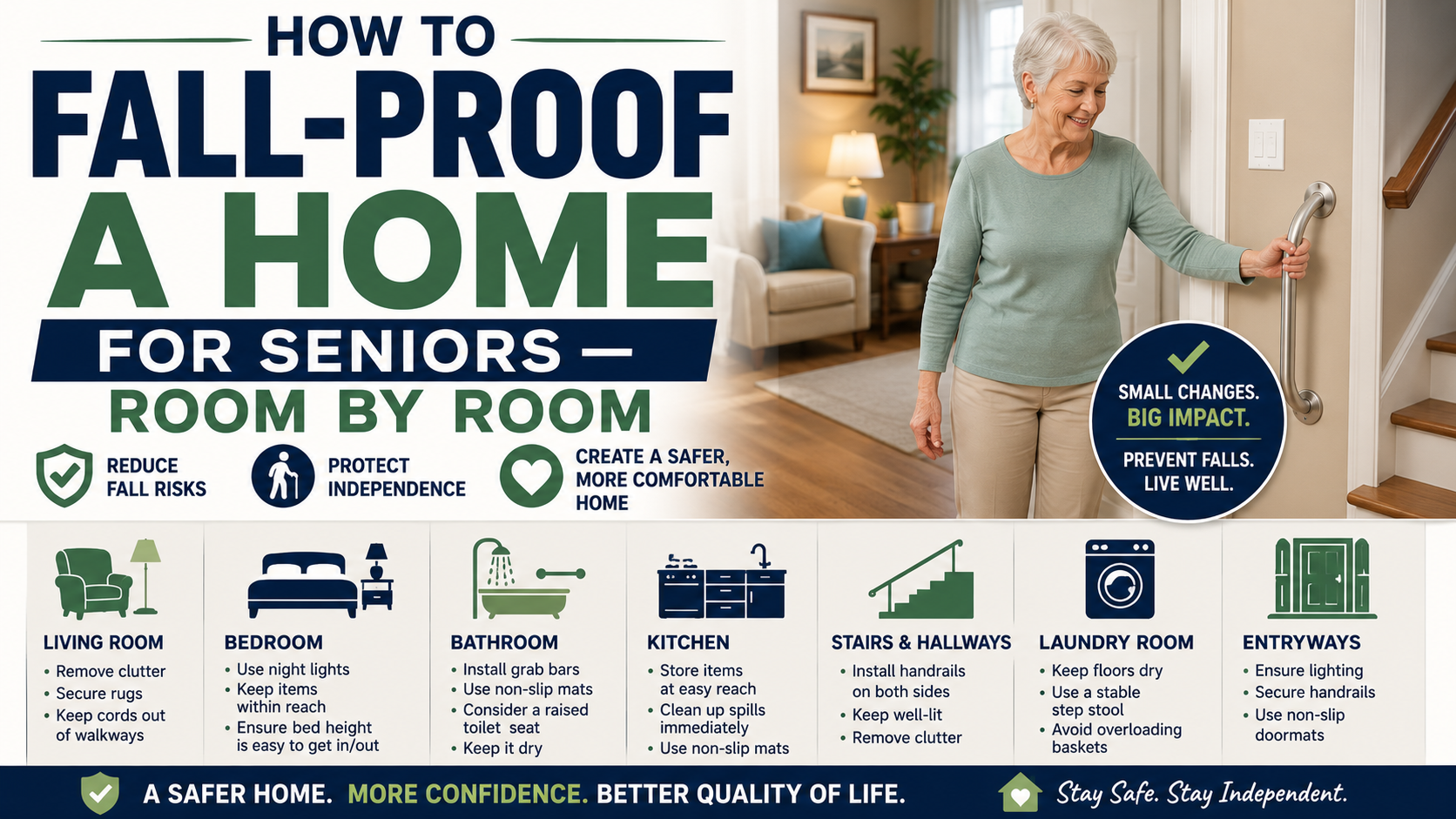
The path from bed to bathroom must be completely clear — no unsecured rugs, no cords, no furniture corners at shin height. This path gets navigated half-asleep in low light. It needs to be as obstacle-free as possible. Walk it deliberately during daylight with fresh eyes and remove everything that doesn’t need to be there.
Phone Within Reach
A phone on the bedside table — within reach from both the sleeping position and the seated bed-edge position — provides a call option if needed during the night. Not a substitute for automatic fall detection but an additional layer for situations where the person can reach a phone and needs to call for assistance.
Adjustable Bed
For anyone with acid reflux, snoring, back pain, or circulation issues that affect sleep quality — an adjustable bed that elevates the head improves sleep architecture and reduces the number of nighttime waking events that produce bathroom trips. Better sleep quality means fewer nighttime trips means fewer nighttime fall opportunities.
Amazon link: Get the Celestial Aurora Adjustable Bed on Amazon
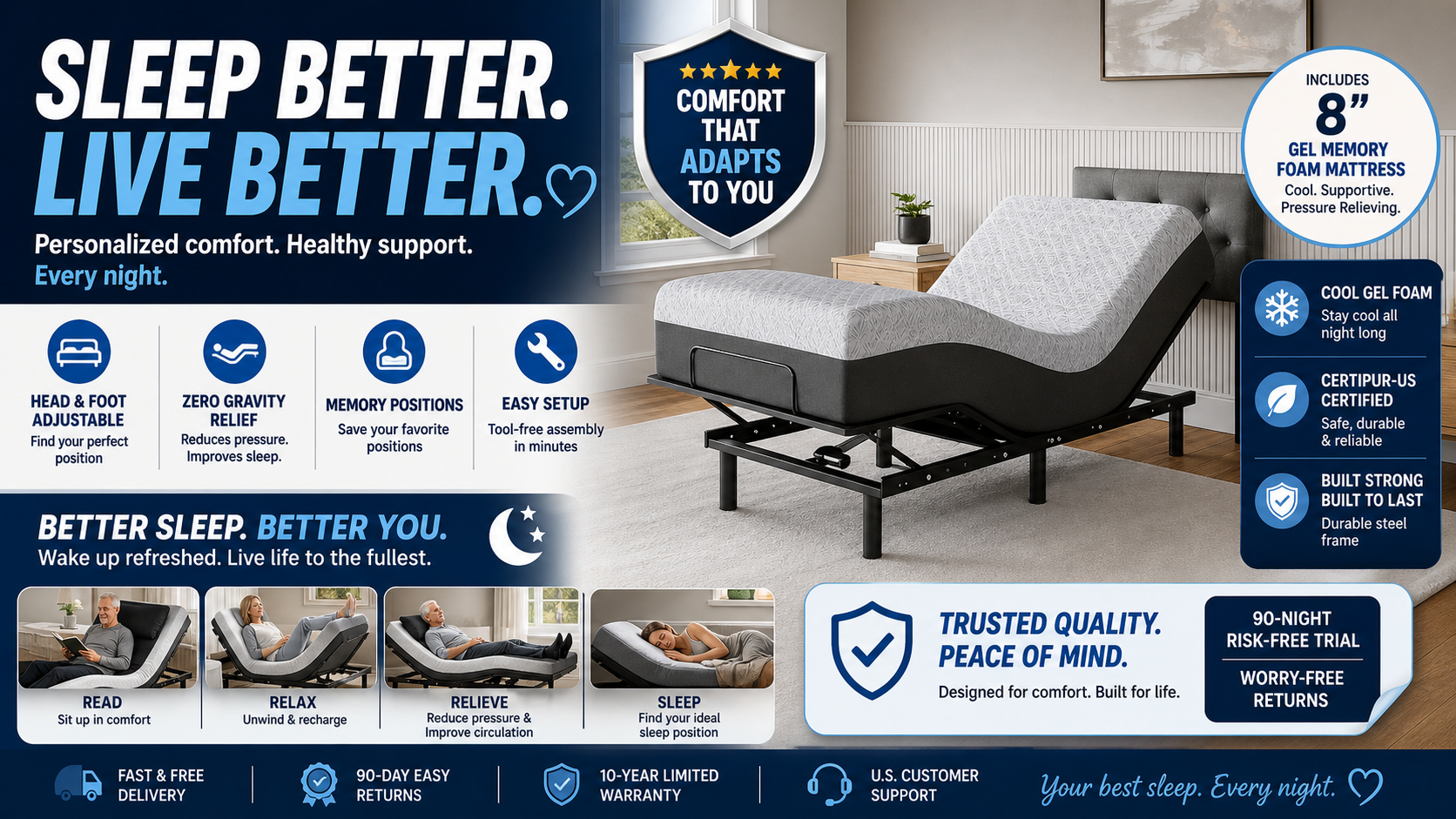
Blog post: Best Adjustable Bed for Seniors — Full Review
For Seniors With Dementia — Additional Nighttime Considerations
Nighttime is the highest-risk period for seniors with dementia specifically — when confusion is greatest, when wandering most commonly begins, and when the cognitive capacity to manage safe movement is most impaired. As covered in our complete guide on how to keep a parent with dementia safe at night — the dementia nighttime safety picture requires additional specific measures beyond the standard nighttime modifications above. Door alarms. Bed alarms. GPS monitoring through the SecuLife Smartwatch. These together address the wandering risk that standard nighttime safety planning doesn’t account for.
The Complete Nighttime Safety Checklist
At the bed:
- ASTM-certified bed rail on exit side — firm, load-rated, in place
- Non-slip socks on before sleeping
- Phone charged and within arm’s reach
- Medical alert device charged and on wrist or within immediate reach
On the path:
- Auto-on night light in bedroom near the bed
- Auto-on night light in hallway
- Auto-on night light in bathroom
- Path completely clear — no rugs, cords, or obstacles
In the bathroom:
- Grab bar at toilet position — wall-mounted or toilet-rail option
- Toilet safety rails installed
- Non-slip bath mat outside shower that stays completely in place
Medical factors:
- Falls-focused medication review requested from physician
- Evening medication timing discussed specifically for nighttime fall risk
- Automatic pill dispenser in use to ensure correct timing
- Glass of water before bed — adequate overnight hydration
Detection:
- SecuLife Smartwatch charged nightly — on wrist before sleep
- Family check-in protocol in place for morning confirmation
- Neighbor aware and able to check if morning contact missed
Frequently Asked Questions
How many nighttime bathroom trips are normal for seniors?
One to two nighttime bathroom trips is common in older adults — a condition called nocturia that affects the majority of adults over 65. Three or more trips per night may indicate a treatable underlying condition — overactive bladder, diabetes, sleep apnea, heart failure, or medication effects — worth discussing with a physician. Reducing nighttime trip frequency through medical management reduces nighttime fall exposure directly. Each trip eliminated is a fall opportunity removed.
Should seniors sleep with the light on to reduce fall risk?
A dim nightlight rather than full room lighting is the right approach. Full room lighting can disrupt sleep quality by suppressing melatonin — and poor sleep quality increases daytime fatigue and fall risk the following day. Auto-on night lights that provide enough illumination to navigate safely without being bright enough to disrupt sleep are the ideal balance. The Energizer auto-on units provide this balance — bright enough to see clearly, dim enough not to disrupt sleep.
What if my parent gets up and wanders at night?
Nighttime wandering in seniors without dementia is typically purposeful — bathroom trips that become disoriented, or genuine sleepwalking. For disoriented nighttime navigation night lights and a clear path address the safety concern directly. For anyone with dementia our guide on how to keep a parent with dementia safe at night covers the specific measures — door alarms, bed alarms, GPS monitoring — that address dementia-specific nighttime wandering.
Is automatic fall detection reliable enough to count on at night?
The SecuLife Smartwatch’s automatic fall detection is calibrated for senior fall patterns and activates without any required action from the wearer. It works in the dark, works in the bathroom, and works whether the person is conscious or not after a fall. For solo-living seniors it’s the most important nighttime safety measure available — not a replacement for the environmental modifications but the protection that determines what happens when those modifications aren’t enough.
My parent refuses to wear a smartwatch to bed. What do I do?
Start by addressing the environmental modifications that don’t require their agreement — install the bed rail, plug in the night lights, install the toilet rails. These provide meaningful nighttime protection regardless of what they wear. For the smartwatch our guide on how to talk to a parent about a medical alert system covers the specific framings that work for the device most seniors initially resist. The watch format — something familiar that people have worn their whole lives — has better acceptance than pendant formats for most older adults.
Safe Every Night — Not Just Most Nights
Nighttime safety isn’t about eliminating bathroom trips or preventing all movement after dark. It’s about making every trip — whenever it happens, however often it happens — as safe as possible through the specific modifications that address each element of nighttime fall risk.
The bed rail for the getting-up transition. The night lights for the dark path. The non-slip socks for the smooth floors. The toilet rails for the bathroom transfer. The automatic fall detection for when every other measure isn’t enough.
Together these address nighttime fall risk comprehensively rather than selectively. And the senior who has all of them in place is the senior who navigates the 2am bathroom trip safely — night after night, without incident, without anyone needing to worry about what the dark hours hold.
For the complete senior safety picture our guide on the complete senior safety guide covers every element of safe independent living in one comprehensive resource.
About the Author
Margaret Holloway, RN spent 22 years in geriatric nursing and saw the nighttime fall pattern consistently — the 2am bathroom trip, the dark room, the blood pressure that hadn’t normalized, the floor that provided no grip for standard socks, the toilet with nothing to push up from. Every element of that pattern is addressable. None of it is inevitable. The modifications in this guide exist specifically for that 2am moment — when independent living is most vulnerable and when the right equipment makes the difference between a safe trip and the call that comes in the morning. She writes for Elder Safety Guide because nighttime safety deserves the same specific, practical attention that daytime safety receives — and rarely gets it.