Stairs are one of the most dangerous fall hazards in any home for older adults. Here’s exactly what to do to make them safer — and what to put in place before something goes wrong.
Stairs concentrate fall risk in a way no other part of the home does. A fall on a flat floor is dangerous. A fall on stairs — where the body can tumble multiple steps before stopping — is potentially catastrophic. Hip fractures, head injuries, and spinal injuries all occur at higher rates in stair falls than in other household falls.
And yet most homes have stairs that haven’t been evaluated for safety in years — the same handrail that’s been slightly loose for a decade, the same dim lighting that was always a little inadequate, the same carpet edge that’s been curling since before anyone noticed.
The good news is that stair falls are among the most preventable household falls. Every major risk factor has a specific, practical solution. None of them require major construction. Most can be addressed over a weekend. And the impact — on a transition that gets used multiple times every day in a multi-story home — is immediate and permanent.
This guide covers everything worth doing to make stairs safer for older adults — in priority order, with the specific products and modifications that actually make a difference.
Why Stairs Are Uniquely Dangerous for Older Adults
Understanding what makes stairs dangerous helps explain why each safety measure matters — and why the combination of several factors is more dangerous than any single one alone.
The Physics of Stair Falls
A flat-floor fall happens in one direction — down. A stair fall can happen in multiple directions depending on where on the staircase it begins and which way the body falls. Falling forward going down means tumbling. Falling backward going up means a different but equally serious impact sequence. The combination of height, momentum, and hard surfaces — stair edges, banisters, the floor at the bottom — makes stair falls consistently more injurious than flat-floor falls.
The Demands of Stair Climbing
Climbing stairs requires greater leg strength per step than walking on flat ground — each step involves lifting the full body weight against gravity. Descending requires controlled eccentric muscle work — resisting gravity through the full range of motion with each step. Both directions demand more from legs, core, and balance than flat walking.
As muscle strength and balance decline with age, the demands of stair use move closer to the edge of what’s physically manageable. A staircase that was unremarkable at 60 may be genuinely challenging at 75 and potentially unsafe at 80 without modifications.
The Attention Demand
Navigating stairs safely requires dividing attention between foot placement, balance maintenance, and handrail use — all simultaneously. For older adults for whom balance already requires more conscious attention than it did in younger years, this cognitive demand competes with balance maintenance in ways that increase fall risk. Anything that distracts during stair use — a phone, a conversation, carrying items — adds to this load.
Lighting and Visibility
Misjudging a step edge — thinking there’s another step when there isn’t, or missing a step entirely — is one of the most common stair fall mechanisms. Poor lighting that makes step edges hard to see, and insufficient contrast between the step surface and the edge, directly contribute to this. Both the top and bottom transitions — where the staircase begins and ends — are particularly vulnerable to this because they involve a change in surface level that the brain is anticipating slightly incorrectly.

The Stair Safety Modifications — In Priority Order
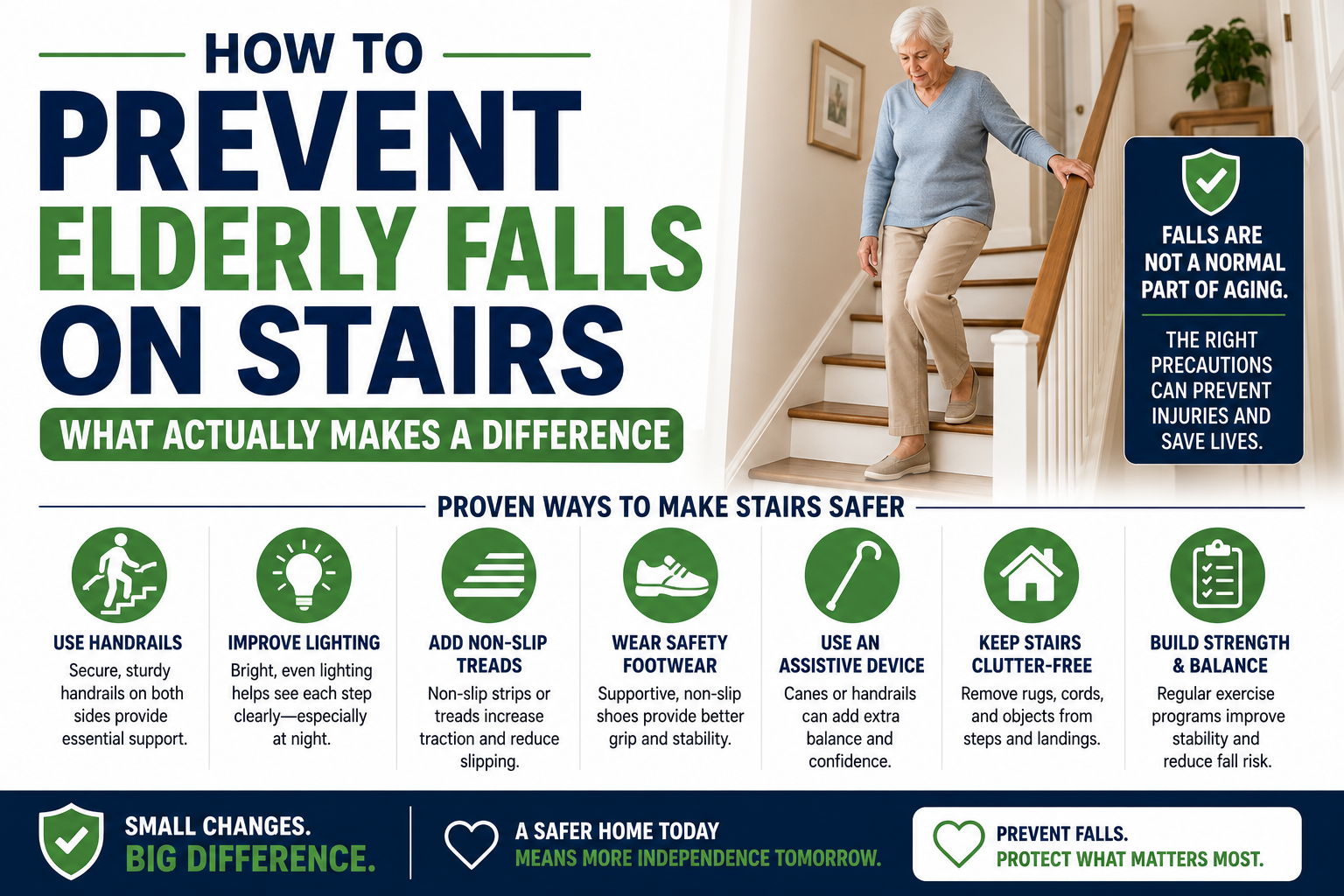
1. Handrails on Both Sides — The Single Most Important Change
The majority of home staircases have a handrail on only one side. This means going up or down while holding a rail only on the right or only on the left — which may be the weaker or less stable side depending on direction of travel and individual strength asymmetry.
A second handrail on the opposite wall provides bilateral support throughout the full stair run. Both hands available to grip throughout the entire transition. Stability on both sides regardless of direction. This is the highest-impact single stair modification available and it’s one that most homes don’t have.
Installation requires mounting brackets into wall studs and securing a handrail — work that a competent handyman can typically complete in two to three hours. The materials cost $50 to $150 depending on handrail style and length. The labor cost is typically $100 to $200. For a modification that gets used multiple times every day and directly reduces the most serious fall risk in the home, this cost-to-impact ratio is exceptional.
Both handrails should be:
- At the same height — 34 to 38 inches from the stair nosing, measured vertically
- Graspable along their full length — not just decorative newel posts at the top and bottom
- Secure — no wobbling, no loose mounting, no flex under significant pressure
- Extending slightly beyond the top and bottom of the staircase — so there’s something to hold onto at the transition points where falls are most common
Test both handrails by applying significant downward and lateral pressure. Any movement under that pressure means the mounting needs attention before the rail is relied on for fall prevention.
2. Non-Slip Stair Treads With Contrasting Color
Non-slip stair treads serve two functions simultaneously — they provide grip underfoot on each step surface, and the contrasting color makes each step edge clearly visible. Both functions address real fall mechanisms.
Grip matters most on smooth hardwood or tile stairs where shoe soles provide minimal traction. Visibility matters on carpeted stairs where the carpet color may be similar between the step surface and the riser — making step edges harder to distinguish than they appear to anyone with full visual acuity.
Priority locations for stair treads: The top step and the bottom step deserve particular attention — these transitions between stair and flat surface are where misjudged steps most commonly occur. Full coverage of every step is better, but if budget or effort is limited, top and bottom priority is the highest-impact partial approach.
Non-slip adhesive treads in a contrasting color — dark on light stairs, light on dark stairs — apply without tools in minutes. They typically cost $20 to $40 for a full staircase set. This is one of the lowest-cost, highest-visibility stair modifications available.
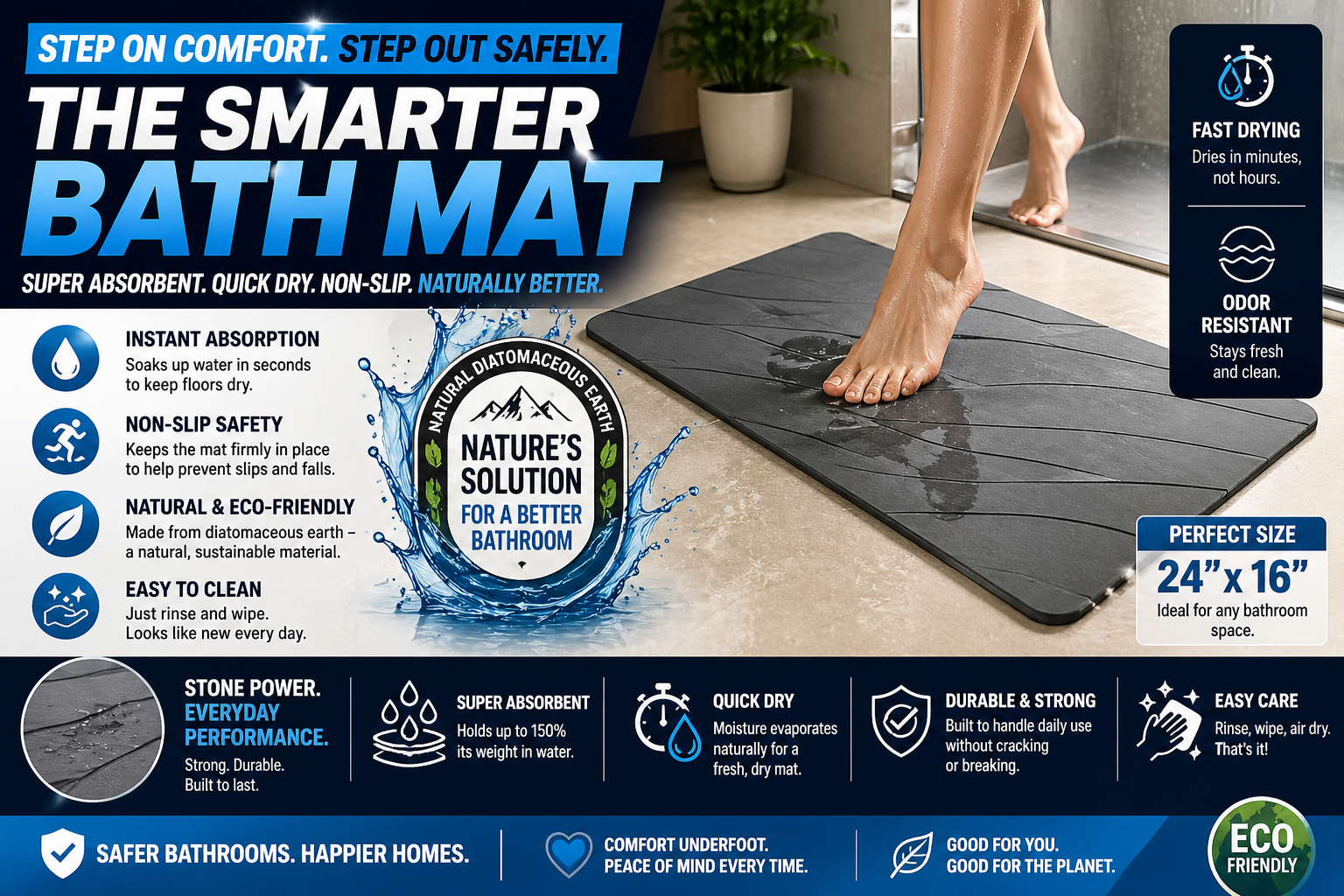
3. Lighting at Both Ends — With Switches Accessible at Both
Stair lighting has a specific requirement that flat-floor lighting doesn’t: switches need to be accessible at both the top and bottom of the staircase. A staircase where the light switch is only at the top means descending in the dark to reach the switch at the bottom — or ascending in the dark because the switch at the bottom isn’t on.
Three-way switches — wired to control the same light from two locations — are standard electrical work that allows the staircase light to be controlled from both ends. If the current stair lighting only has a switch at one end, adding a three-way switch at the other end is a straightforward electrical project worth doing.
The lighting itself needs to be adequate. Not just present — adequate. Every step edge should be clearly visible from both top and bottom with the light on. Inadequate lighting in an otherwise well-lit home is a common situation that gets overlooked precisely because it’s not complete darkness — just insufficient for older adult vision.
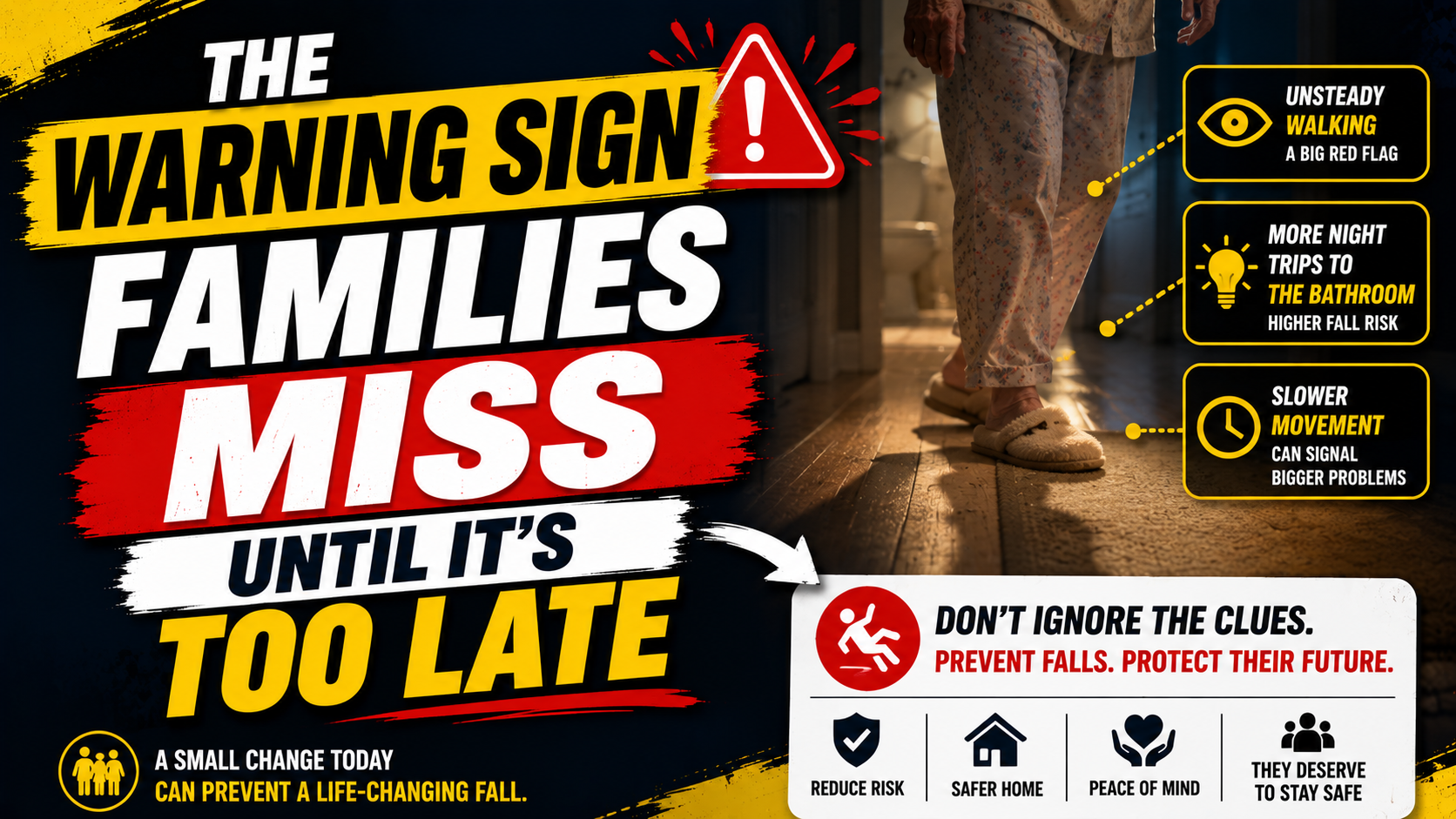
Motion-activated stair lighting that turns on automatically when someone approaches is worth considering for staircases used during nighttime hours — eliminating the need to find a switch before navigating stairs in low light.
4. Keep Stairs Completely Clear — Always
Nothing should ever be stored on stairs. Not temporarily. Not “just for now.” Not items waiting to go up or down on the next trip.
This sounds simple and is consistently violated in most homes. Items placed on stairs waiting to be taken up or down are hazards every time the staircase is used — objects at unpredictable positions on a surface that demands careful foot placement. The convenience of leaving something on a step is not worth the risk.
Create a habit: items going upstairs go directly upstairs, not placed on a step as a reminder. If something needs to be remembered to go up, put it somewhere visible on the ground floor rather than on the stairs.
5. Address Carpet and Flooring Issues
Carpet on stairs that is loose, buckling, or has worn edges creates trip hazards that are particularly dangerous because the tripping happens while already in a mechanically demanding position. Inspect every carpeted step for:
- Loose carpet that lifts at edges or bubbles in the middle
- Worn areas where the carpet has thinned significantly
- Carpet tack strips or staples that are working loose
- Transitions at the top or bottom where carpet meets another floor surface that aren’t smooth and secure
Any carpet issue found should be repaired before the staircase is used without attention — a carpet repair that costs $100 is vastly preferable to a stair fall that costs a hospitalization.
6. Evaluate Whether a Stair Lift Is the Right Solution
For some people and some situations, modifications to the staircase address the risk adequately. For others — where stairs have become genuinely unsafe regardless of modifications, or where a medical condition makes stair climbing contraindicated — a stair lift is the right solution rather than an escalation of modifications.
A stair lift removes the stair-climbing demand entirely. The person sits, travels to the other floor, and walks from there. No balance demands on the stairs. No fall risk during the transition. For multi-story homes where the bedroom is on a different floor from the primary living area, a stair lift can extend aging in place viability for years.
Our review of the AmeriGlide Rave 2 stair lift covers the self-installable option available on Amazon — including what straight staircases it works on, the 350 lb capacity, and everything families need to know before buying.
Mobility Aids and Stair Safety
A walking cane and a rollator walker both affect how stairs are navigated — and understanding the right approach for each is important for anyone using a mobility aid.
Walking Cane on Stairs
The correct technique for stair use with a cane: going up, step up with the stronger leg first, then bring the cane and weaker leg up. Going down, place the cane down first, then step down with the weaker leg, then the stronger leg. The memory aid — “up with the good, down with the bad” — applies to the leg sequence, with the cane moving with the weaker leg.
A walking cane on stairs requires having one hand free for the handrail and one for the cane — which is exactly why having a handrail on both sides matters for cane users. Depending on which hand the cane is in, the handrail needs to be on the opposite side.
Our review of the best walking cane for seniors covers the foldable free-standing option we recommend. The HONEYBULL walking cane provides the stability support that makes stair navigation safer for anyone with balance changes.
→ Get the HONEYBULL Walking Cane on Amazon
Rollator Walkers and Stairs
Rollator walkers cannot be used on stairs. The wheeled design is not safe for stair navigation — rolling wheels on a staircase create a fall risk rather than preventing one. Anyone using a rollator who encounters unavoidable stairs needs an alternative for that specific transition — crutches, a cane, or caregiver assistance for the stairs, with the rollator available at each floor.
For multi-story homes where a rollator user needs to access multiple floors, a stair lift that accommodates the rollator — or separate rollators kept on each floor — is the practical solution.
Behavioral Changes That Reduce Stair Fall Risk
Modifications to the staircase address the environment. Behavioral changes address how the staircase is used — and both matter for comprehensive stair safety.
Always Use the Handrail
Many people use handrails intermittently — only when they feel unsteady, only on one direction of travel, only when carrying something. The habit of always using the handrail — every trip, every direction, without exception — provides consistent support and eliminates the risk of a transition that felt manageable being the one that wasn’t.
Make handrail use automatic rather than conditional.
Don’t Carry Items That Use Both Hands
Carrying items that require both hands means no hands available for the handrail. This is one of the most common stair fall scenarios — the trip carrying laundry, the trip carrying grocery bags, the trip carrying something large enough to block the view of the steps.
Solutions: a stair basket that can be kicked up or down a step at a time, a laundry chute if installation is feasible, breaking loads into multiple trips rather than one, asking for help with large loads. No single item going upstairs is worth the risk of a stair fall.
Never Rush on Stairs
Rushing — whether from urgency, habit, or impatience — is a significant stair fall risk factor. Speed reduces the time available for each foot placement decision, reduces the contact time between foot and step, and reduces the ability to recover from a misstep.
Stairs are worth taking slowly every time. The time saved by rushing on stairs is measured in seconds. The time lost to a stair fall is measured in months.
Don’t Use Stairs in the Dark
The lighting switches at both ends of the staircase — described earlier — exist precisely so there’s no reason to navigate stairs without adequate light. Use the light. Every time. Even when the route feels familiar enough to navigate in the dark — familiarity is not a substitute for visibility on stairs.
Avoid Stairs When Fatigued or Unwell
Fatigue, illness, the first day of a new medication, the morning grogginess that can persist for an hour — all of these reduce the physical and cognitive capacity available for safe stair navigation. When any of these factors are present, extra caution is warranted. Take the handrail. Go more slowly than usual. Consider whether the trip upstairs can wait.

Medical Factors That Increase Stair Fall Risk
Several medical conditions and medications significantly increase stair fall risk and are worth discussing specifically with a physician in the context of stair safety.
Medications That Affect Balance and Alertness
Blood pressure medications that cause orthostatic hypotension — dizziness on standing — are particularly dangerous on stairs where a sudden dizzy spell can happen mid-flight. Sleep medications and sedatives that affect morning alertness increase the risk of early-morning stair falls. Many other medications have balance-affecting side effects worth reviewing.
Ask your physician specifically about medication effects on stair safety — particularly for any medication that causes dizziness, lightheadedness, or sedation. Timing adjustments frequently reduce these effects without changing the medication itself.
Vision Changes
Reduced depth perception — which affects the ability to accurately judge step heights and distances — is one of the most significant visual contributors to stair fall risk. Annual vision checks and current prescriptions are genuine stair safety interventions. If vision has changed noticeably, a vision check before the next stair incident is preferable to one after.
Peripheral Neuropathy
Reduced sensation in the feet from neuropathy — common with diabetes — affects the proprioceptive feedback from each step contact. The foot doesn’t register step surface accurately, making the fine balance adjustments that stair navigation requires less reliable. Footwear with good sole thickness helps compensate by adding sensory feedback. A cane adds an additional ground contact point.

Stair Safety and the Complete Fall Prevention Picture
Stair safety is one component of comprehensive home fall prevention. The other high-risk areas — bathroom, bedroom, living areas — all deserve the same systematic attention.
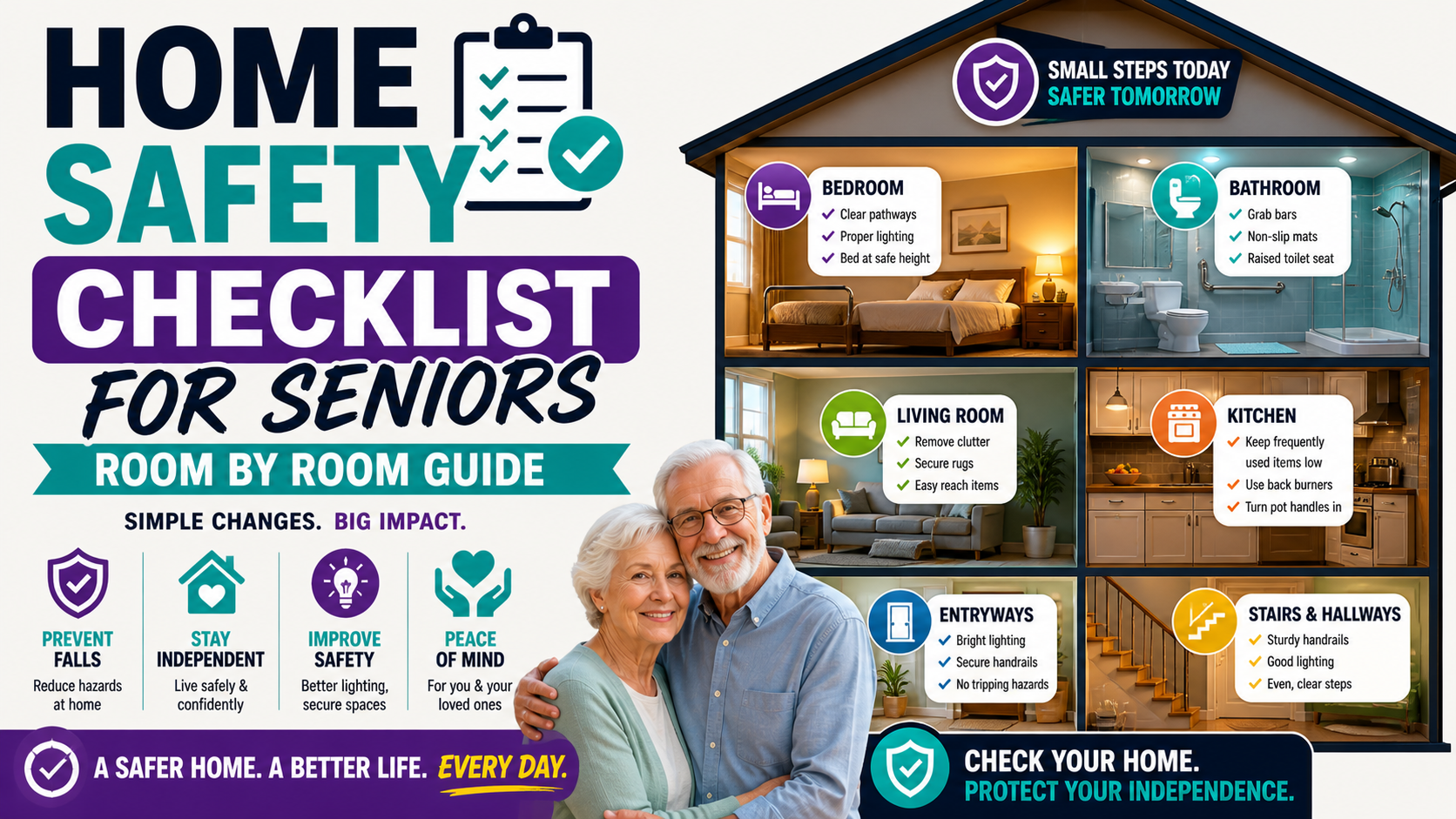
Our comprehensive guide on fall prevention tips at home covers every room with a complete checklist. Our home safety checklist gives you a systematic room-by-room assessment tool. Our guide on home modifications ranked by impact tells you exactly what to prioritize across the entire home.
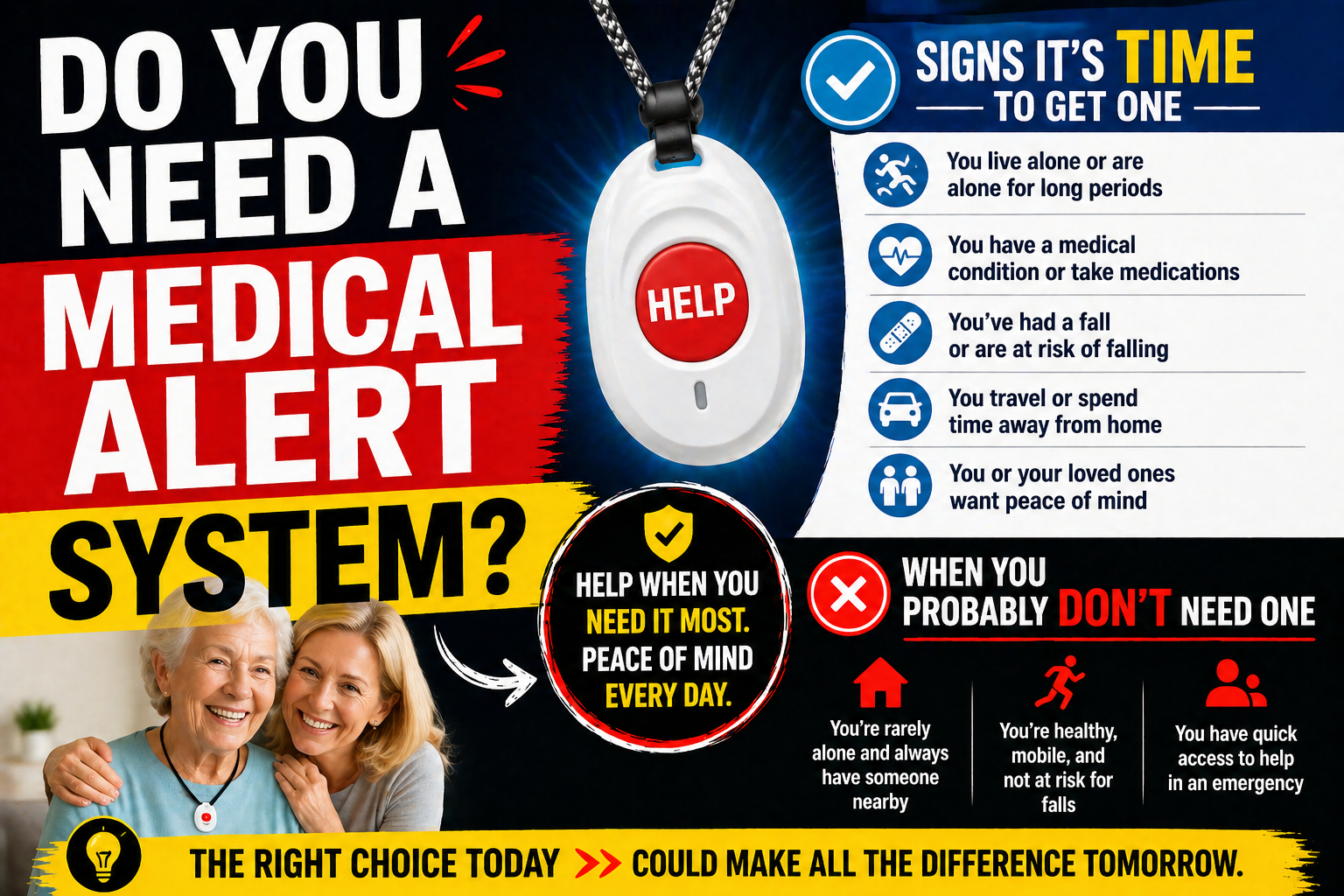
And for the safety net that covers what happens if a fall does occur — on the stairs or anywhere else — the SecuLife Smartwatch provides automatic fall detection from the wrist. A fall on stairs is exactly the scenario where being unable to reach a phone or press a button makes automatic detection critical. Our full SecuLife review covers everything worth knowing.
→ Get the SecuLife Smartwatch on Amazon
For anyone whose stair challenges are part of broader balance and mobility changes our guide on tips for helping seniors with balance problems covers the complete approach — exercise, mobility aids, medical evaluation, and the four-part framework that actually moves the needle on balance over time.
Stair Safety Checklist
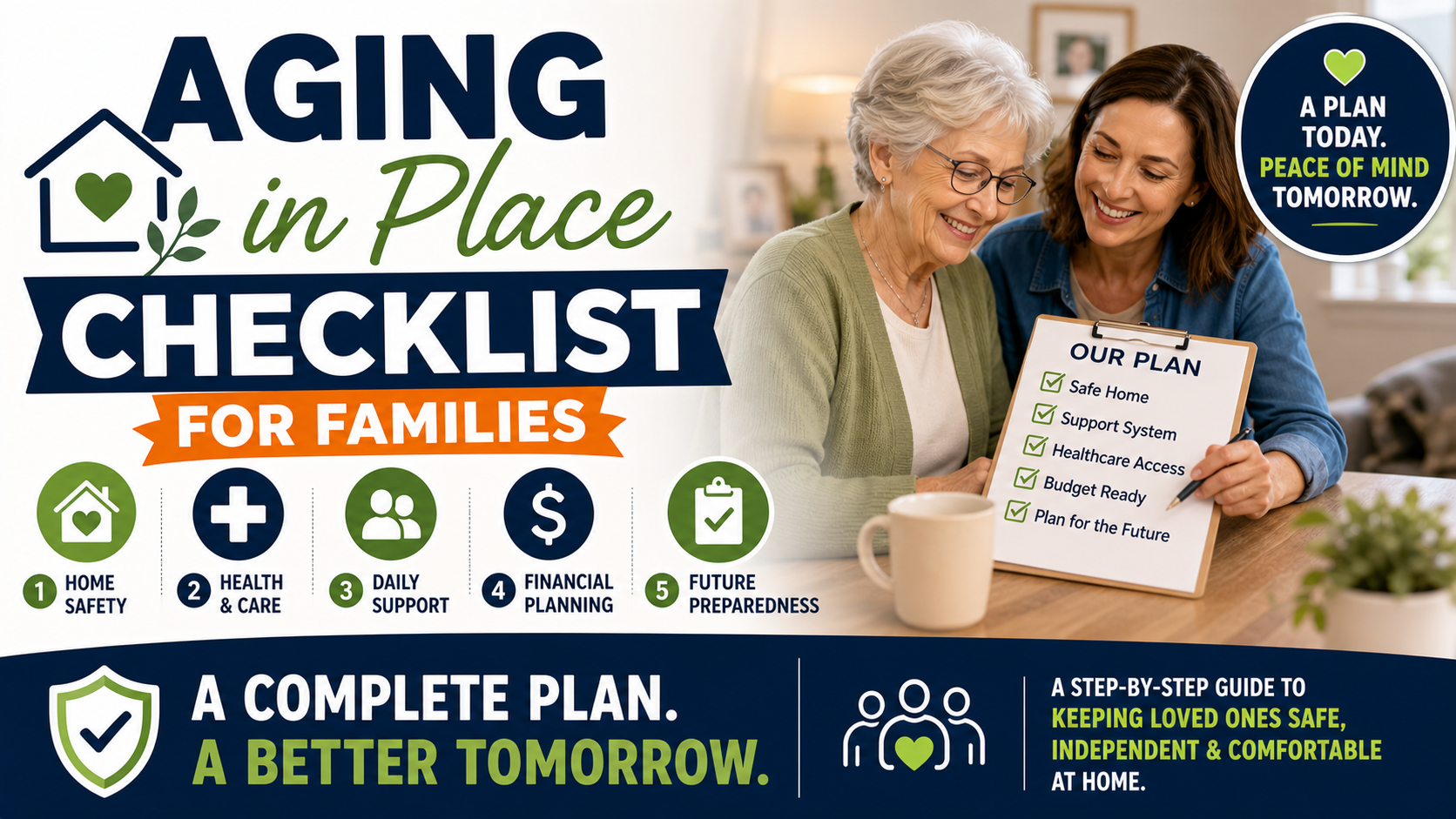
- ☐ Handrails on both sides of every staircase — secure, graspable full length
- ☐ Both handrails tested for stability — no movement under firm pressure
- ☐ Handrails extend slightly beyond top and bottom of staircase
- ☐ Non-slip treads on every step — contrasting color to step surface
- ☐ Extra attention to top and bottom step treads
- ☐ Light switches at both top and bottom of staircase
- ☐ Staircase lighting adequate — every step clearly visible
- ☐ Stairs completely clear — nothing stored on any step
- ☐ Carpet inspected — no loose edges, bubbling, or worn areas
- ☐ Stair lift evaluated if climbing has become unsafe regardless of modifications
- ☐ Medications reviewed for balance and alertness effects
- ☐ Vision checked within past year
- ☐ Always use handrail — every trip, every direction
- ☐ Medical alert device with fall detection in use
Frequently Asked Questions
What height should stair handrails be?
The ADA and most building codes specify 34 to 38 inches measured vertically from the stair nosing — the front edge of the step — to the top of the handrail. This height allows a natural gripping position for most adults without requiring reaching up or bending down. For users significantly taller or shorter than average, adjusting toward the upper or lower end of this range respectively provides a more natural grip position.
Are non-slip treads enough or do I also need handrails on both sides?
Both address different fall mechanisms and both are needed for comprehensive stair safety. Non-slip treads address the surface traction and step edge visibility risks. Handrails address the balance and support risks during the stepping motion. One without the other leaves meaningful fall risk unaddressed. The combination is significantly safer than either alone.
How do I know if stairs have become too dangerous to use?
Signals worth taking seriously: near-misses on the stairs, noticeably more effort required than a year ago, physician recommendation to avoid or limit stair use, a fall on the stairs regardless of whether injury resulted, and specific conditions — severe neuropathy, significant balance disorder, post-surgical restrictions — that make stair climbing contraindicated. At that point a stair lift evaluation is warranted rather than continuing to modify a staircase that’s become genuinely unsafe.
Can a stair lift be installed on any staircase?
Straight staircases are the most straightforward — a standard stair lift rail mounts to the stairs and most straight configurations are compatible. Curved staircases, staircases with landings, and split staircases require custom curved rail systems that are more complex and more expensive. Our review of the AmeriGlide Rave 2 stair lift covers the straight staircase option specifically.
What’s the most common cause of stair falls in seniors?
Research consistently identifies several overlapping factors rather than one dominant cause — missing or inadequate handrails, poor lighting that makes step edges hard to see, carrying items that prevent handrail use, rushing, and the combination of balance challenges with the physical demands of stair climbing. Most stair falls involve more than one contributing factor, which is why the checklist approach — addressing every factor systematically — is more effective than addressing any single one.

Address It Before the Stairs Win
Stairs don’t become dangerous overnight. The risk increases gradually — as strength changes, as balance shifts, as the staircase’s condition deteriorates without anyone addressing it. The window between “stairs are getting harder” and “stairs are genuinely dangerous” is the right time to act — not after.
A second handrail. Non-slip treads. Adequate lighting at both ends. A walking cane for the transition. A medical alert device for the safety net. These five things together address the vast majority of stair fall risk for most people in most homes.
Do them this weekend. The stairs get used every day — every day they’re safer is a day that matters.
→ Get the HONEYBULL Walking Cane on Amazon
→ Get the SecuLife Smartwatch on Amazon
About the Author
Tom Garrett spent eight years as an EMT responding to household fall injuries — stair falls consistently among the most serious he encountered. That firsthand experience of what stair falls actually look like and what causes them is what drives his writing on stair safety specifically. He covers senior safety topics for Elder Safety Guide with a focus on the practical interventions that prevent the injuries he spent years responding to.