A fall detection watch does exactly what the name says — it detects falls and alerts someone. For an older adult living alone it’s the device that answers the question every family member carries quietly: what happens if they fall and nobody knows?
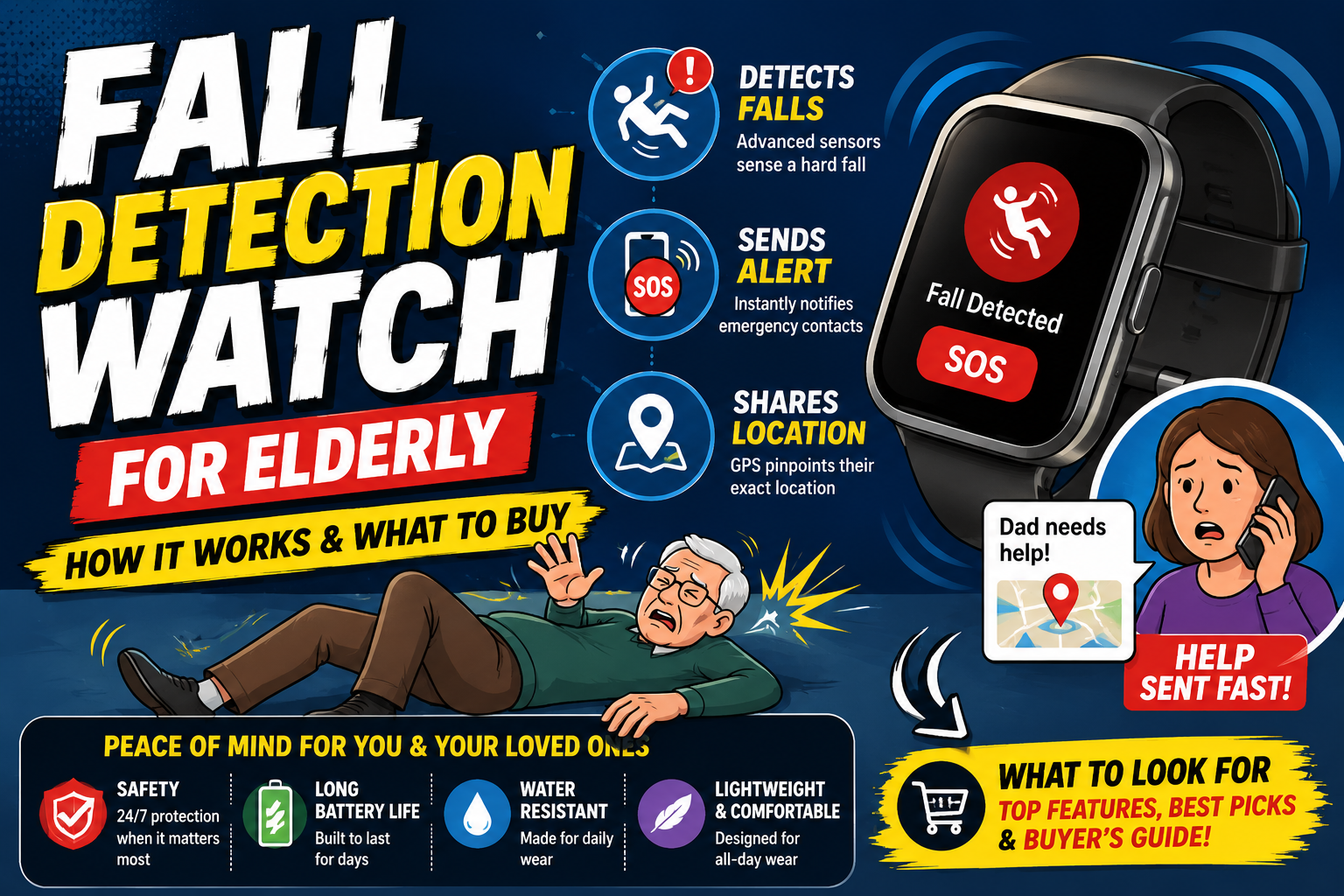
This guide covers how fall detection watches work, what features matter, what doesn’t, and the specific option we recommend for most older adults and their families.
How a Fall Detection Watch Works
A fall detection watch uses sensors built into the watch — an accelerometer and gyroscope — to continuously monitor movement patterns. When the watch detects a pattern consistent with a fall — rapid downward motion followed by impact and then stillness — it initiates an alert sequence.
The alert sequence on a quality system works like this: the watch sounds an alarm and gives the wearer a short window to cancel if it was a false alarm. If there’s no response the watch automatically sends an alert to designated family contacts with the GPS location of the watch. No button press required. No phone call to make. No action needed from the person who has fallen.
That last part — no action required — is the most important feature in any fall detection watch. A system that requires the person to press a button after falling only works when the person can press a button. A serious fall may leave someone unconscious, disoriented, or simply unable to reach anything. Automatic detection works in every scenario regardless of what the person can or can’t do after hitting the floor.
What Happens Without One
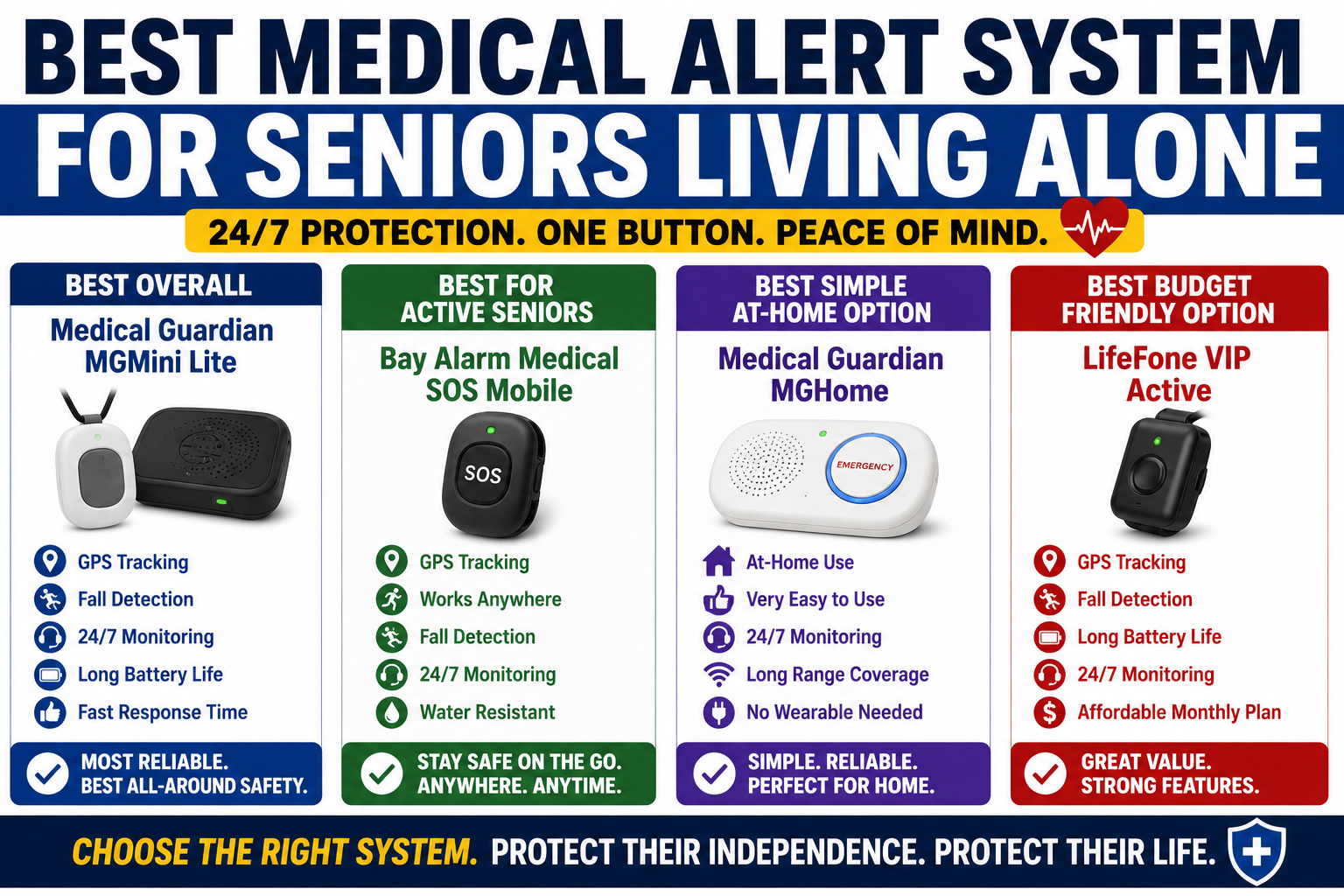
For an older adult living alone with no fall detection watch the answer to “what happens if they fall” is: nothing — until someone happens to call or visit. The protection needs of solo-living seniors are addressed in Best Medical Alert System for Seniors Living Alone — What to Look For and Why It Matters.
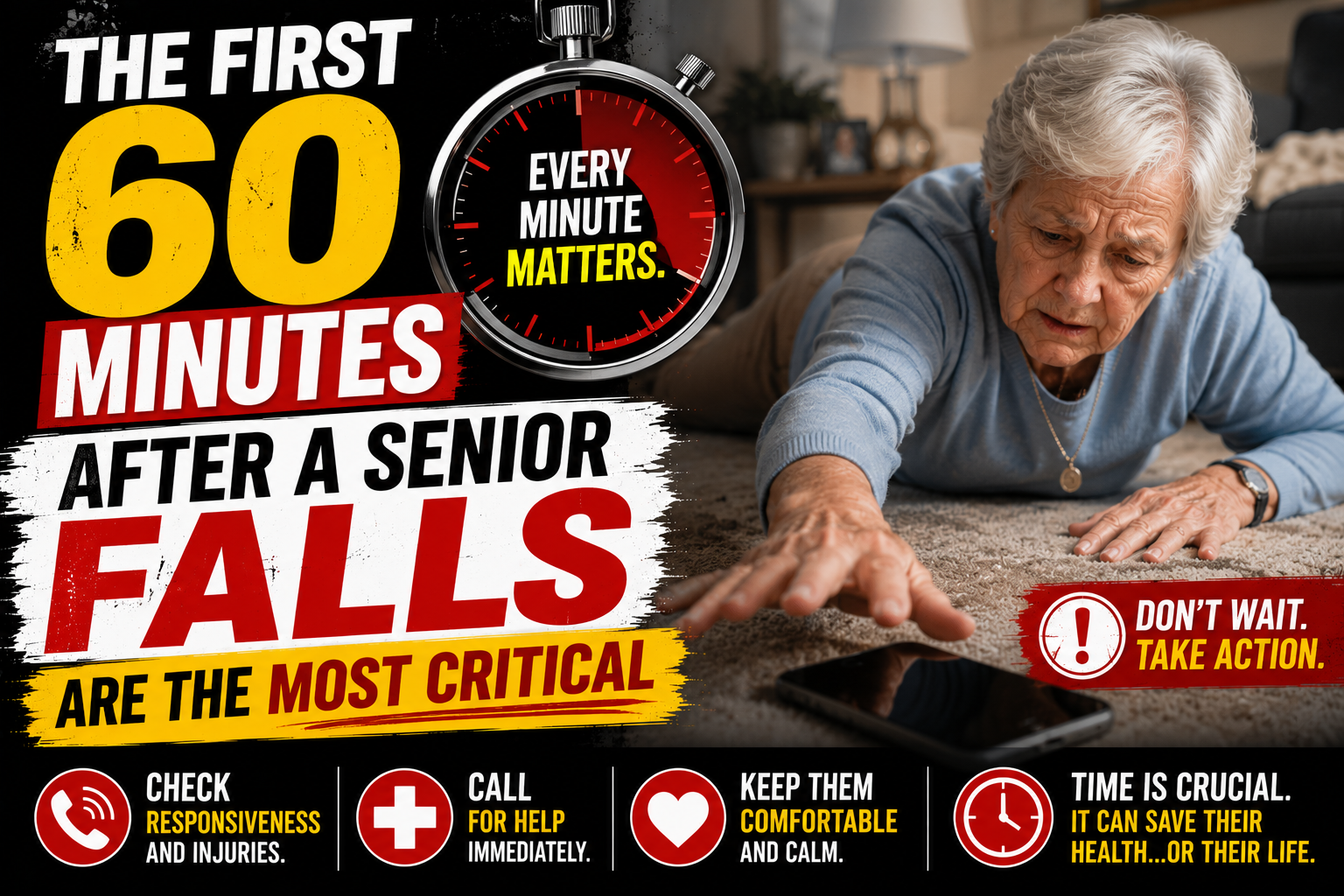
As covered in our guide on the first 60 minutes after a senior falls are the most critical — physiological consequences begin accumulating within 30 minutes on a cold floor. Hypothermia. Muscle breakdown that can cause kidney damage. Pressure injuries. These aren’t from the fall itself — they’re from the time on the floor before help arrived.
For many families without detection in place that time is measured in hours. A fall at 2am discovered at a 9am morning check-in call means seven hours on the floor. A fall detection watch collapses that window to seconds.
The Watch We Recommend — SecuLife
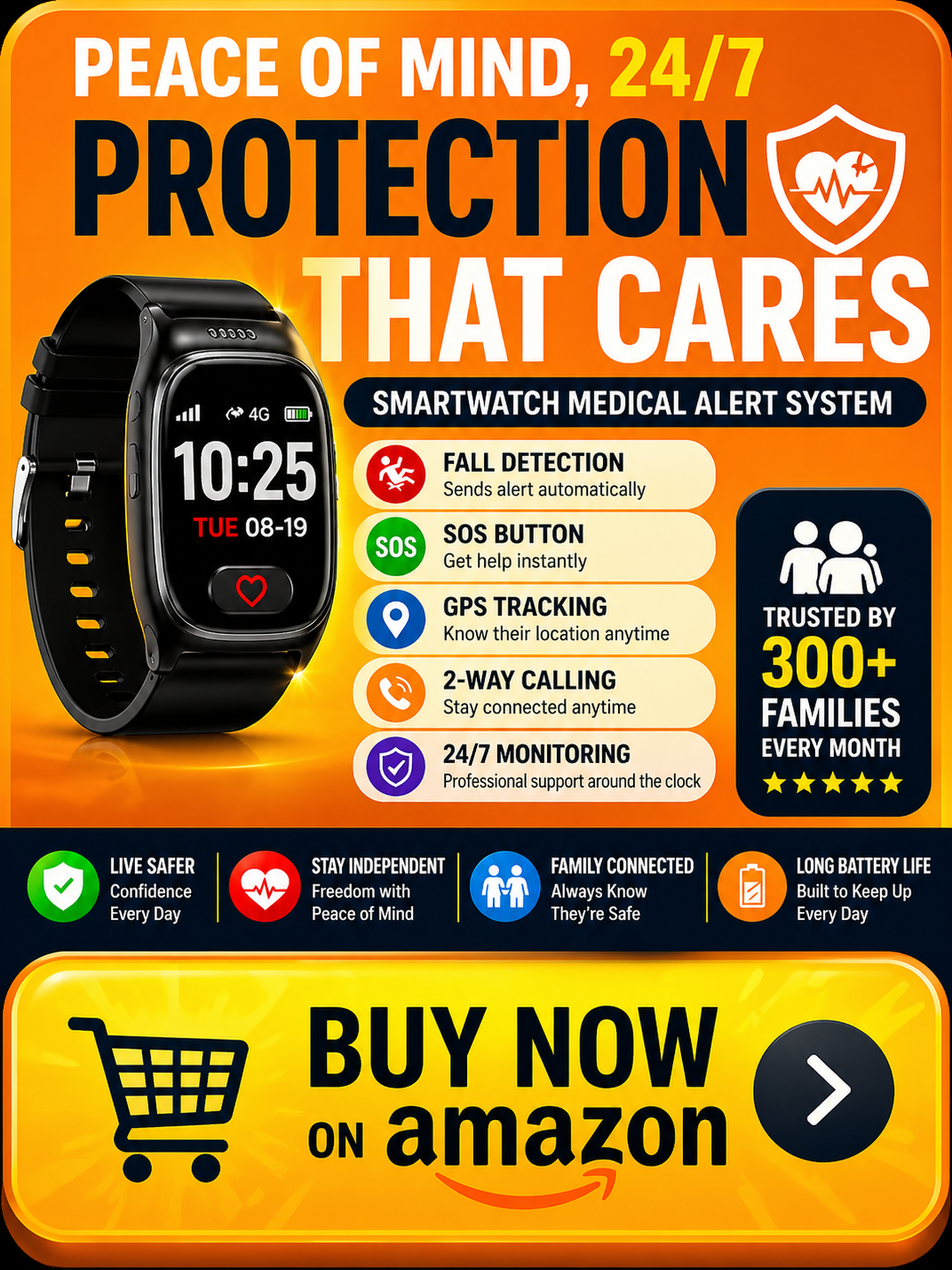
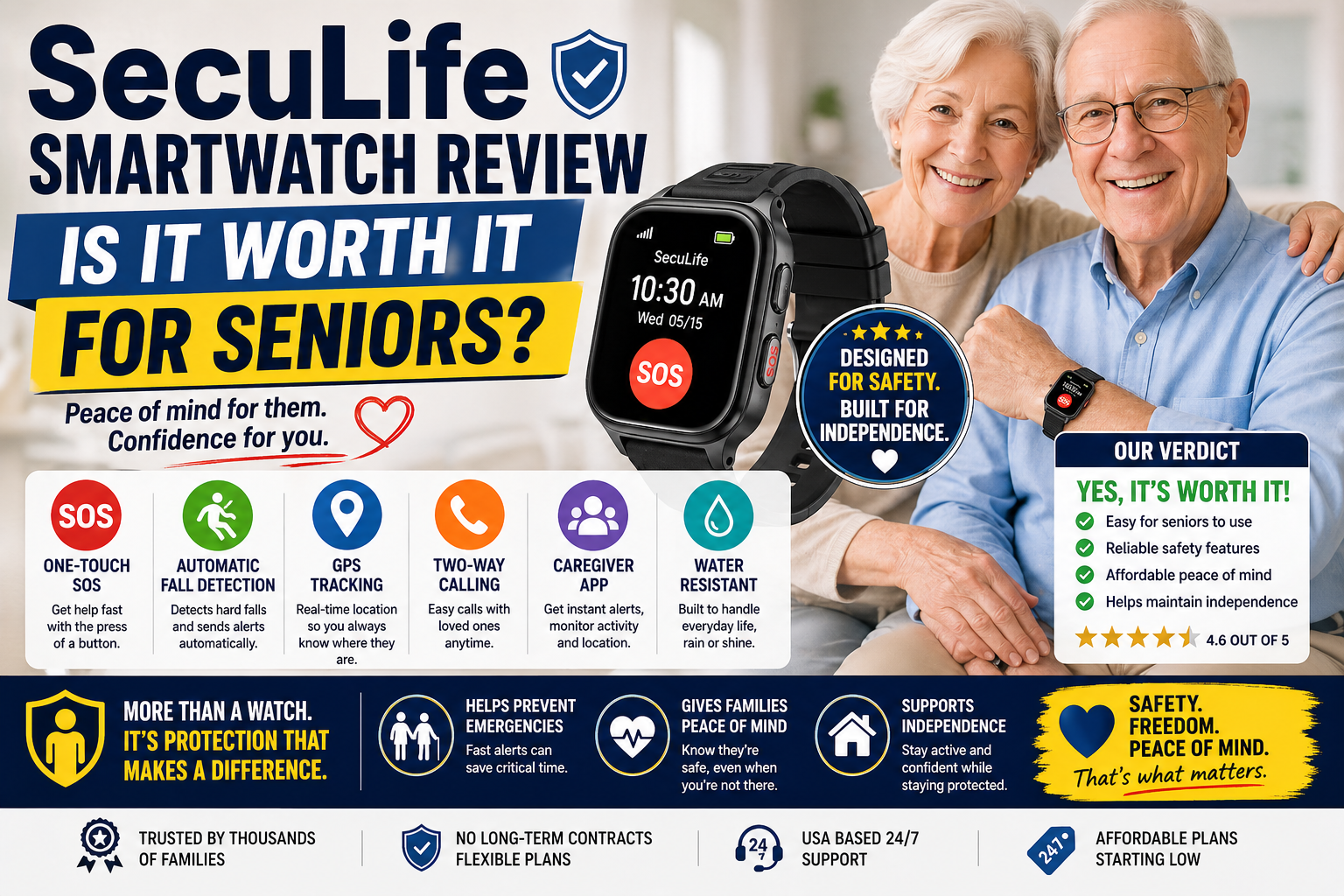
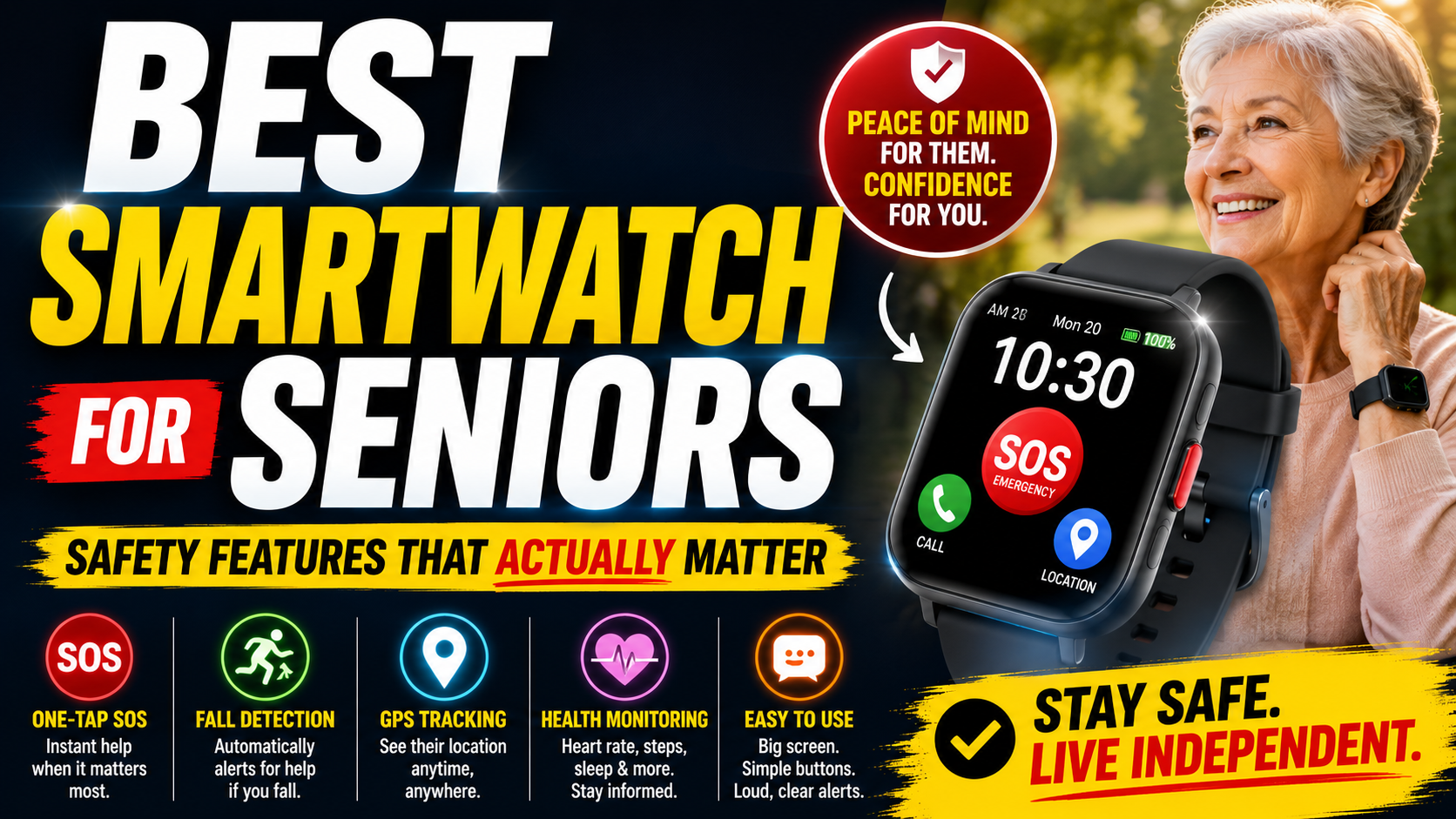
The SecuLife Smartwatch is the fall detection watch we recommend for most older adults. It delivers automatic fall detection, real-time GPS anywhere with cell coverage, two-way calling through the watch, and an SOS button for situations where the person wants to call for help directly — all in a watch design that looks like a regular smartwatch rather than a medical device.
→ Get the SecuLife Smartwatch on Amazon
Our complete review covers every feature in detail — including battery life, the family monitoring app, monthly service cost, and setup process.
SecuLife Smartwatch Review — Is It Worth It for Seniors?
Why the Watch Format Beats a Pendant
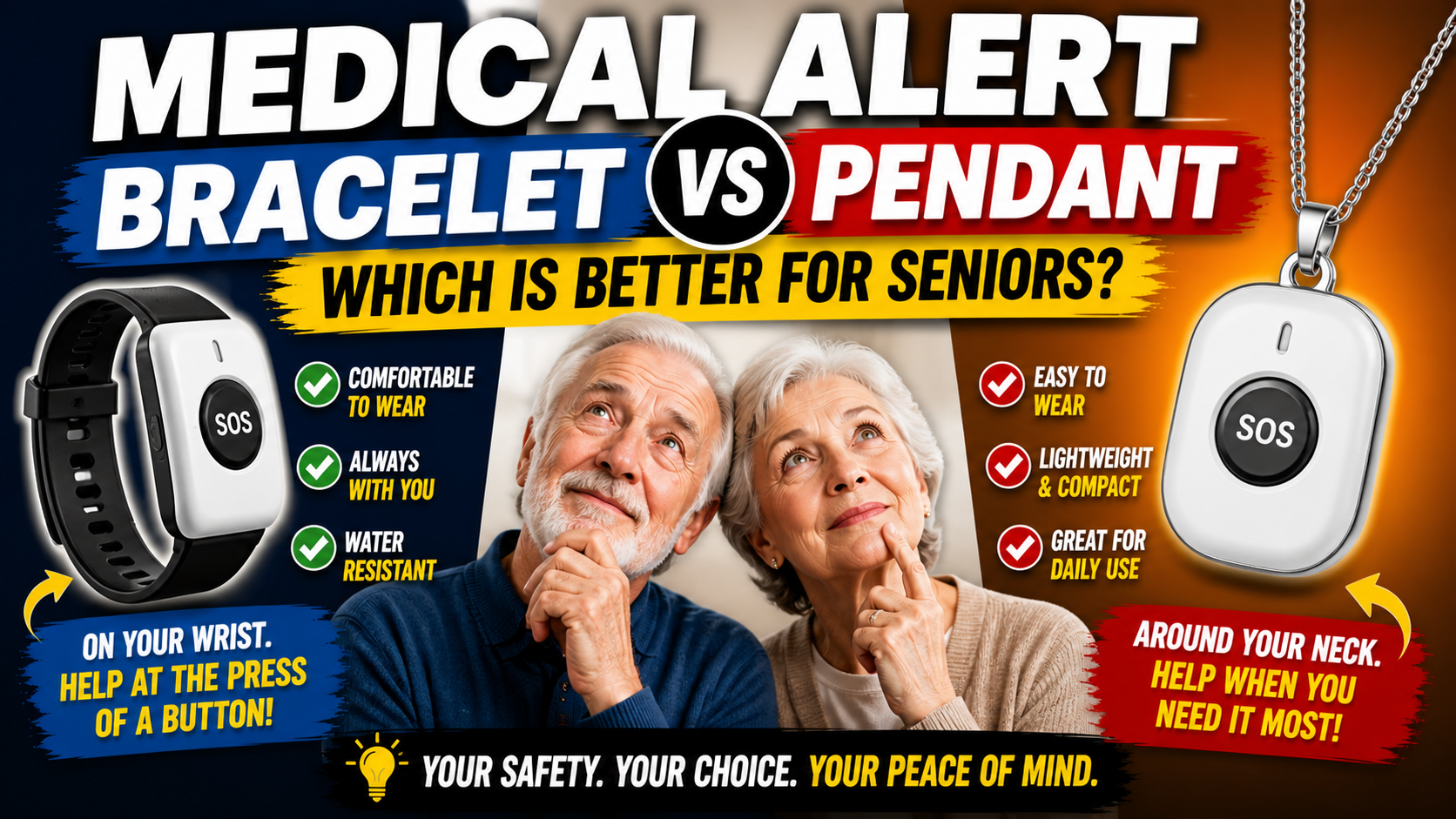
Most people picture a medical alert system as a pendant worn around the neck — the button on a cord that’s become a cultural shorthand for senior safety devices. The pendant format works. It also has a specific problem that the watch format solves. The Medical Alert Bracelet vs Pendant — Which Is Better for Seniors? comparison explains how comfort, visibility, and daily wearability differ across formats.
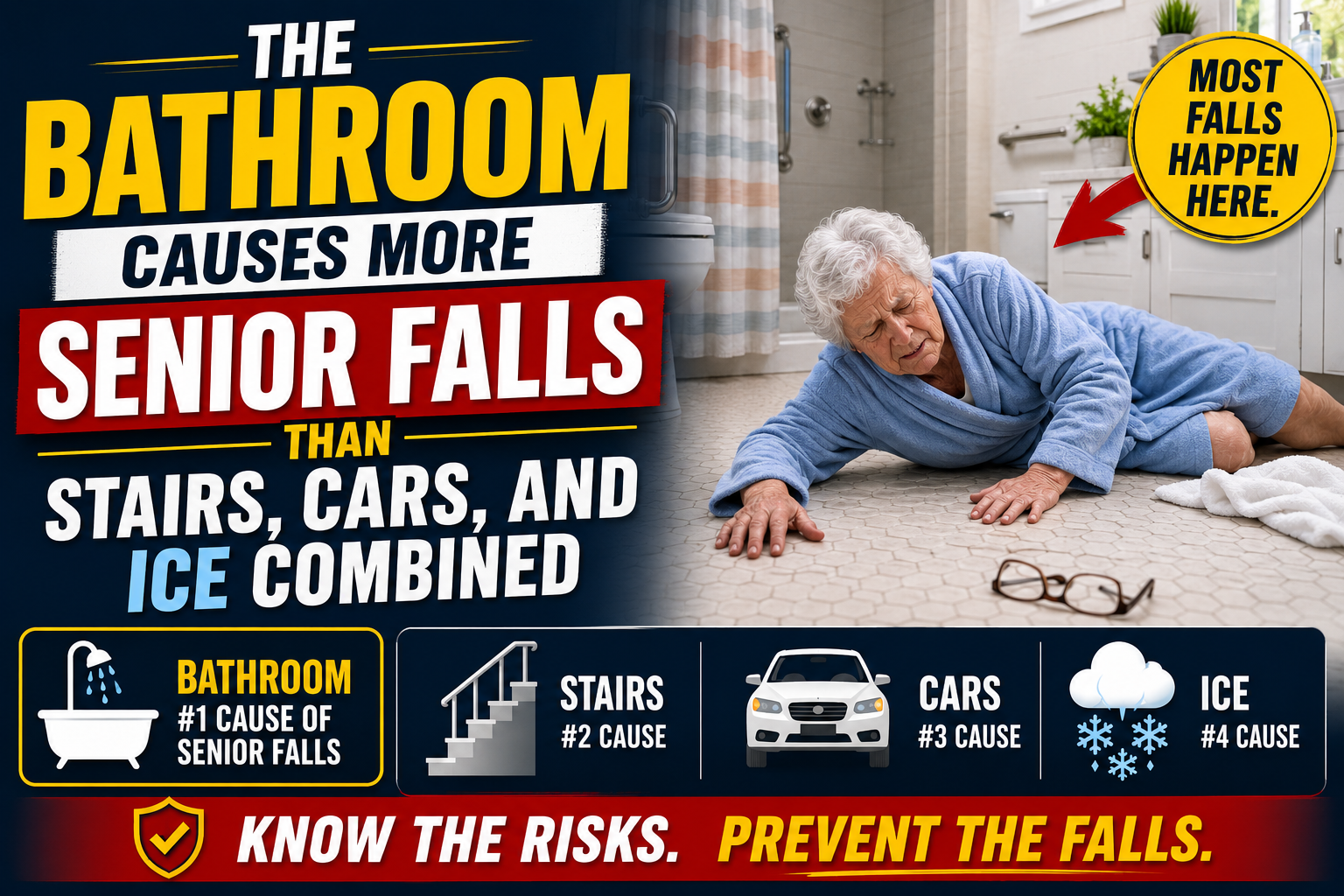
Pendants get taken off. In the shower — where most bathroom falls happen. At night when they’re uncomfortable to sleep in. During activities where the cord feels awkward. And once a pendant is off it provides zero protection.
A watch gets worn because wearing a watch is a habit most older adults have maintained for decades. It goes on in the morning when getting dressed. It comes off at night for charging. It’s there during the shower because it’s on the wrist. It’s there during the nighttime bathroom trip for the same reason.
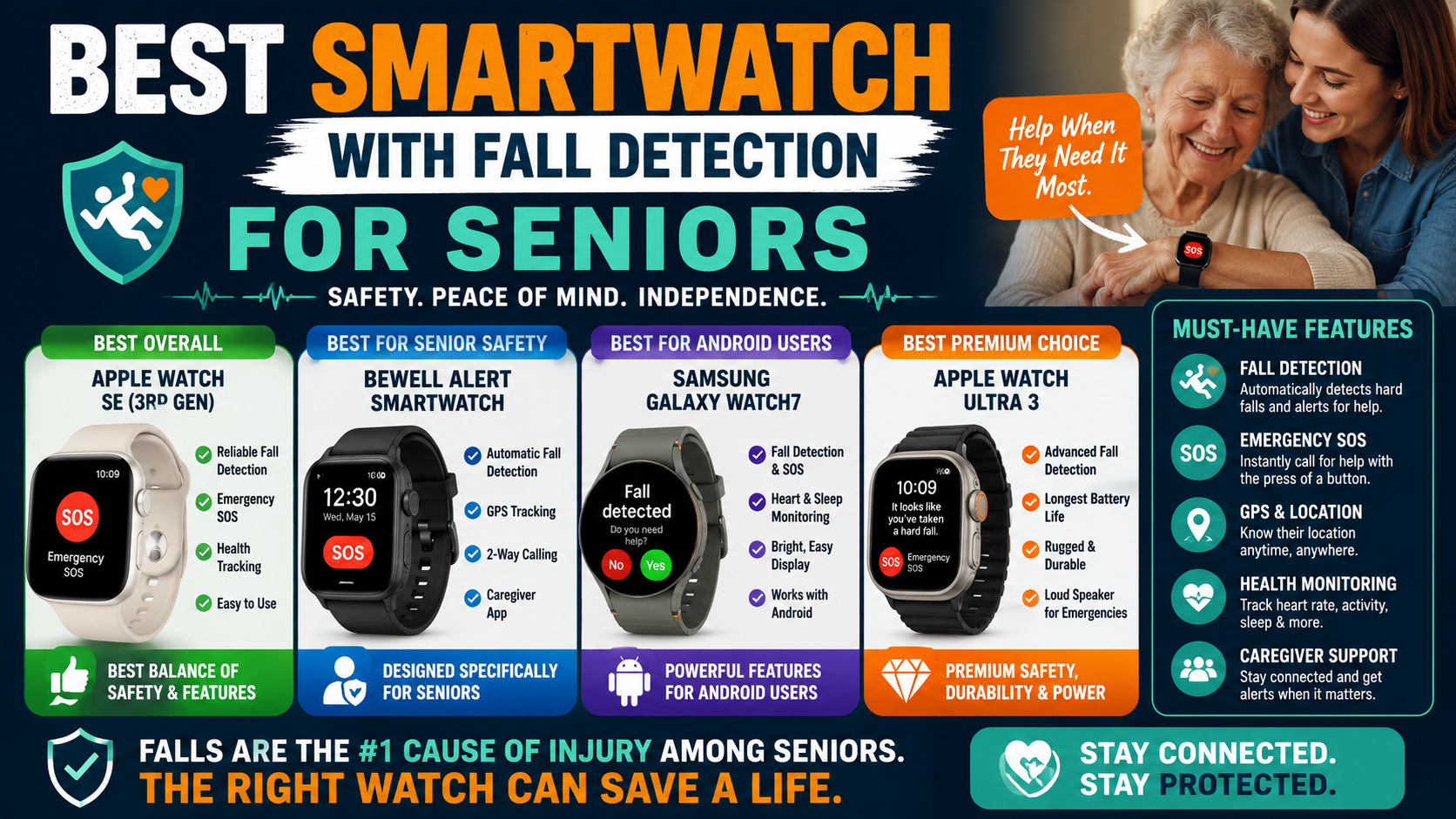
As covered in our guide on best smartwatch with fall detection for seniors — the fall detection device that gets worn every day protects every day. Format is the feature that determines whether a device gets worn consistently — and consistent wearing is what actually provides protection.
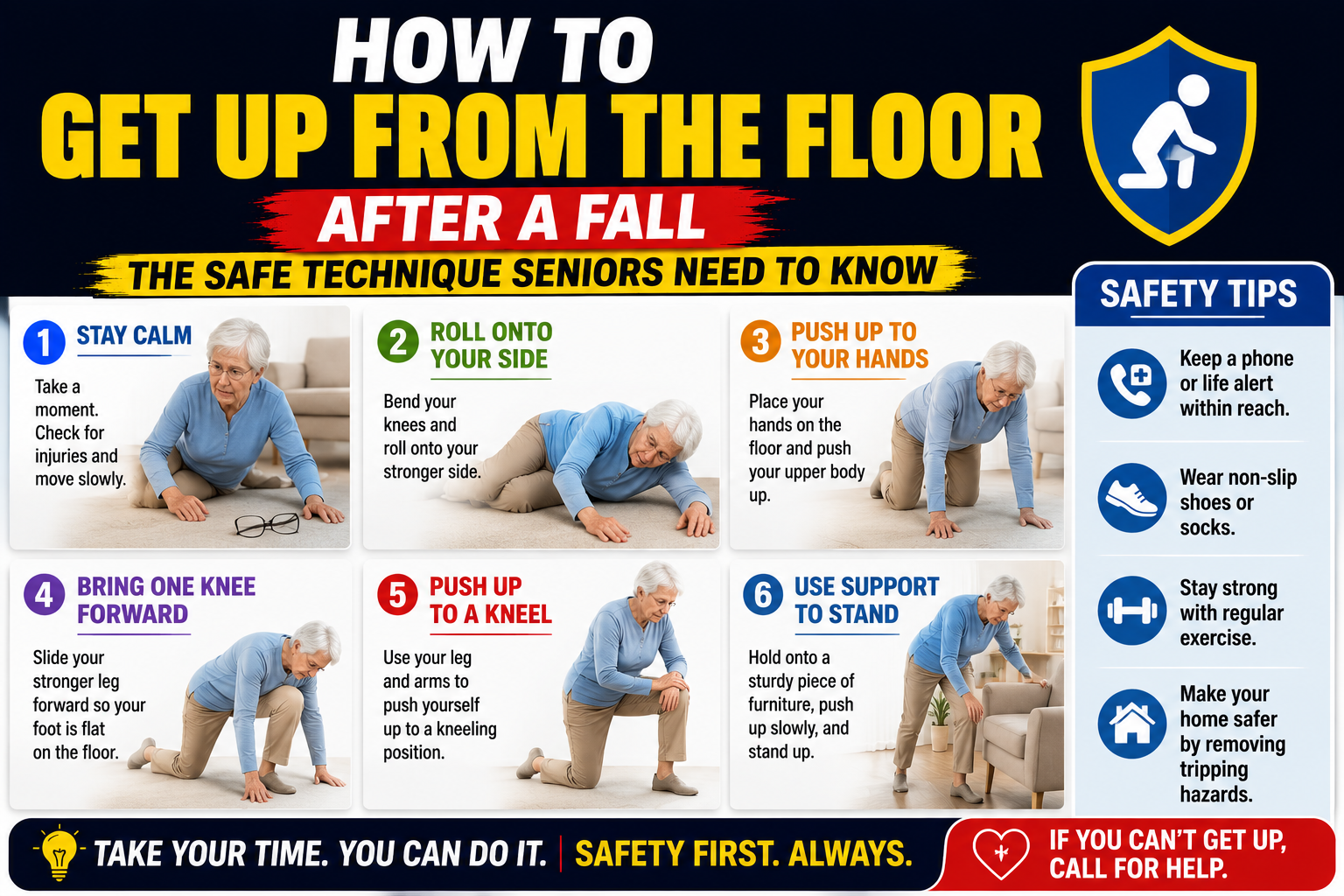

Fall Detection Watch vs Medical Alert Pendant — The Key Differences
Beyond the wearing compliance difference the watch format provides specific functional advantages over traditional pendant systems.
GPS that works everywhere — not just within range of a home base unit. The SecuLife operates on its own cellular connection so fall detection and GPS work during the morning walk, at the grocery store, anywhere with cell coverage. A home base unit pendant provides no protection the moment the person steps outside.
Two-way calling through the watch — family can speak directly with the person through the watch when an alert fires, assessing the situation before deciding whether to call emergency services. Most falls require someone to help get up, not an ambulance. Two-way calling lets family make that determination quickly.
Direct family alerting with GPS — the alert goes immediately to designated family contacts with the real-time location of the watch. No monitoring center intermediary adding delay. Family receives the alert, sees exactly where the person is, and responds.
Setting It Up — Easier Than You Think
Setup is done entirely by the family member — not the person wearing the watch. This matters because it means the older adult doesn’t need to be comfortable with technology for the device to work.
The family member downloads the SecuPro app, creates an account, activates the cellular service, adds emergency contacts, and configures any geofencing boundaries if wandering is a concern. The person wearing the watch puts it on in the morning. Everything else runs automatically.
For families managing a parent with dementia this setup model is specifically important — the person being protected doesn’t need to manage, configure, or even understand the technology. They wear a watch. The protection runs.
Our guide on medical alert systems for seniors with dementia covers the dementia-specific considerations in detail.
Who Needs a Fall Detection Watch Most
Any older adult living alone is the clearest answer — because living alone means the gap between a fall and discovery is determined entirely by what detection is in place.
Beyond that, these specific situations make a fall detection watch most urgently necessary:
- Any fall history — a first fall more than doubles the risk of a second
- Taking medications that increase fall risk — blood pressure medications, sleep medications, diuretics
- Balance changes that have become noticeable
- Dementia — automatic detection that works without the person pressing anything
- Family who lives at a distance and can’t check in physically
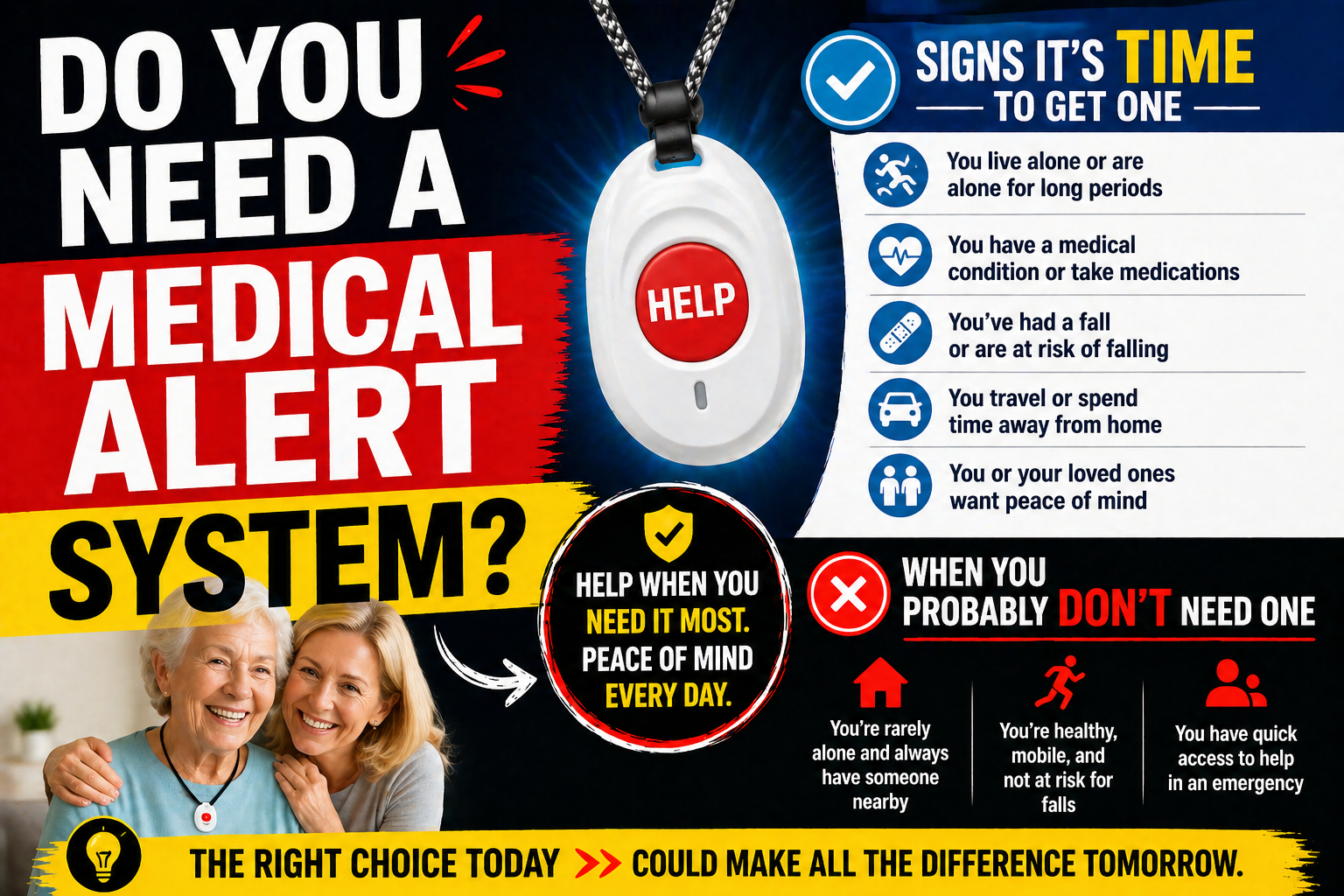
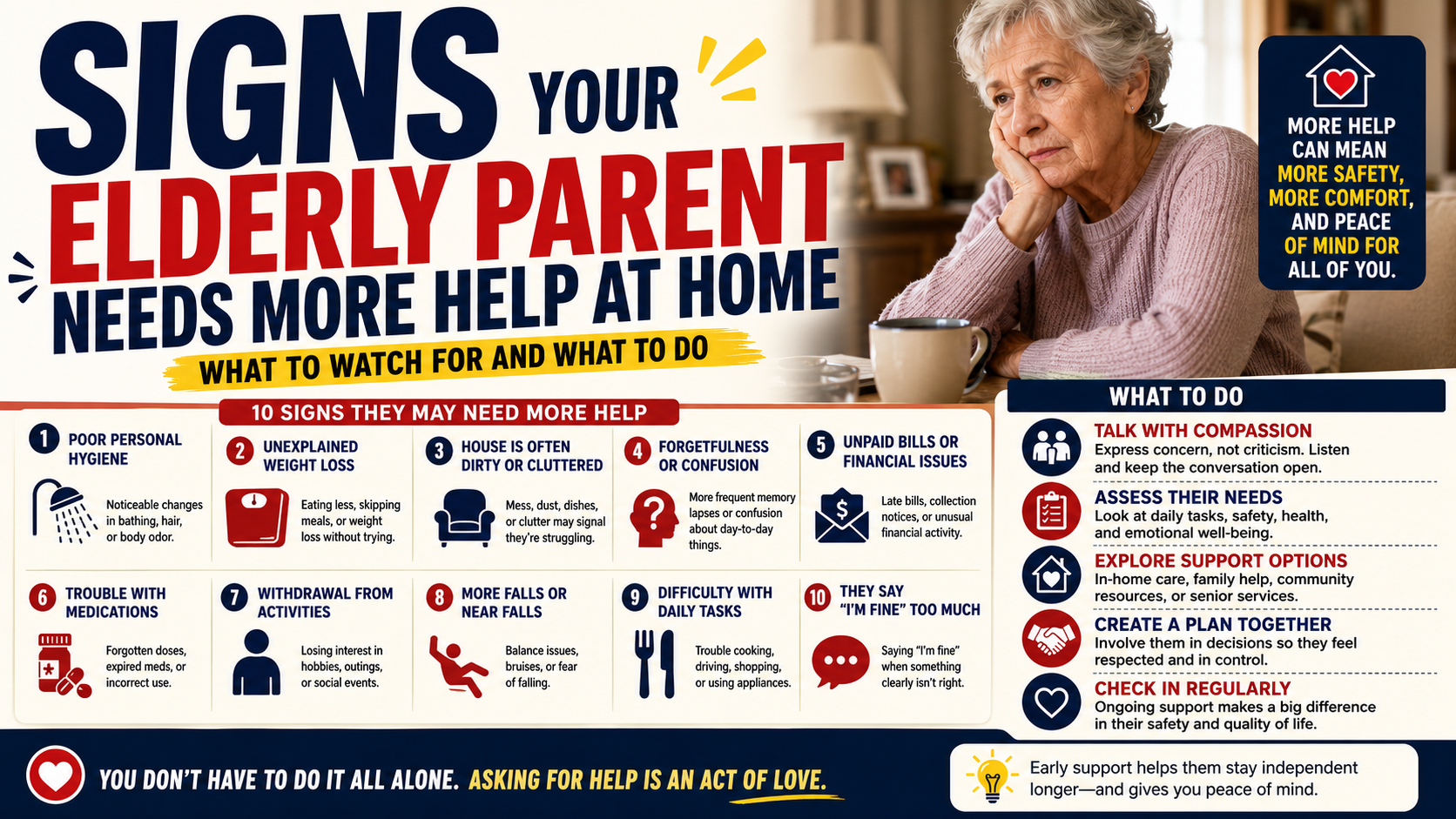
Our guide on signs it’s time for a medical alert system covers the specific indicators in detail. For most families reading this the honest answer is that the right time was months ago — and the next best time is now.
The Fall Detection Watch Alongside Fall Prevention
A fall detection watch determines what happens after a fall. Fall prevention measures determine how often falls happen. Both are needed — they solve different parts of the same problem.
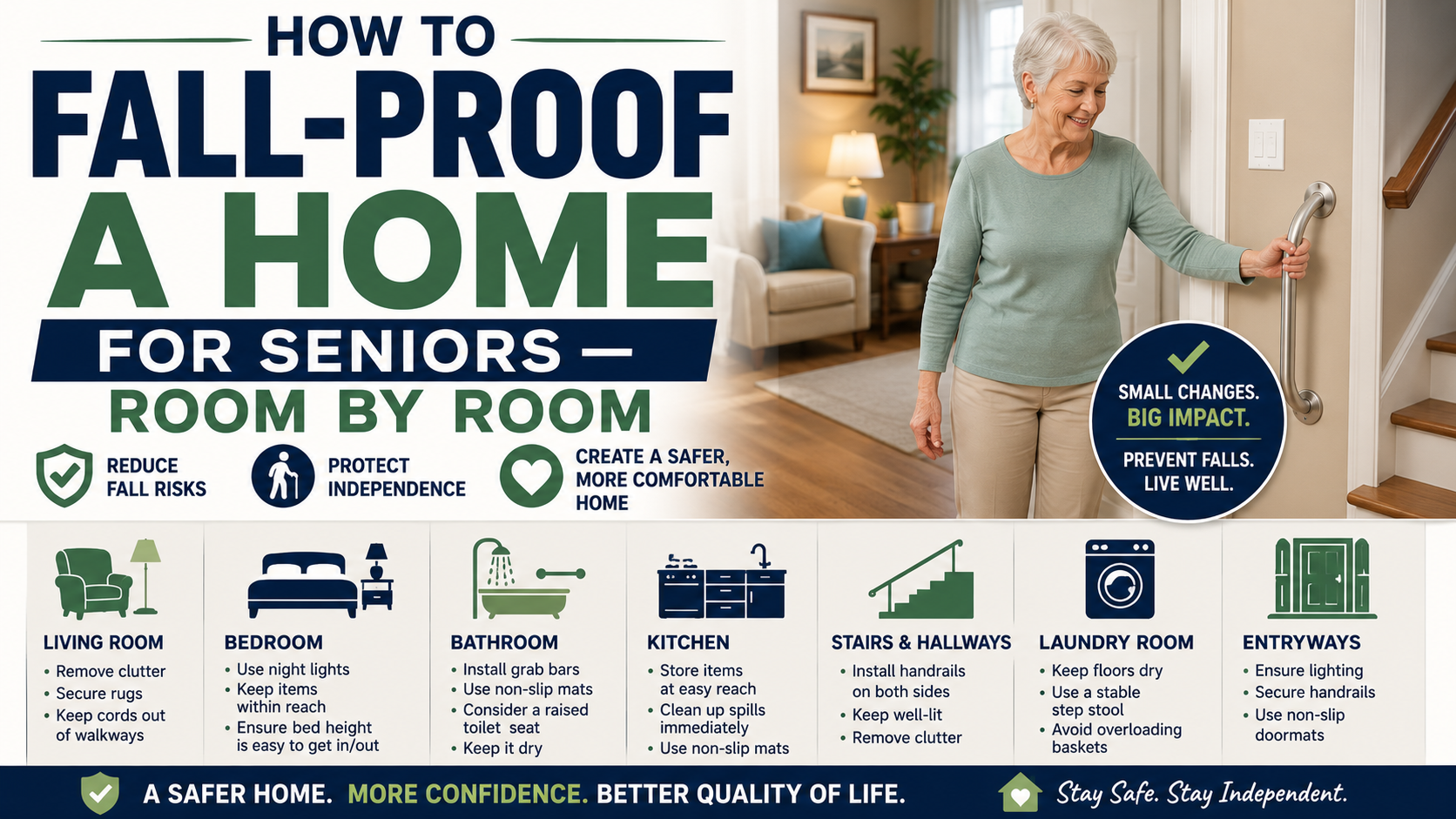
Grab bars in the bathroom address the highest-risk daily transitions. A bed rail addresses the morning getting-up moment. Night lights cover the nighttime bathroom path. These modifications reduce how often the SecuLife’s fall detection needs to fire.
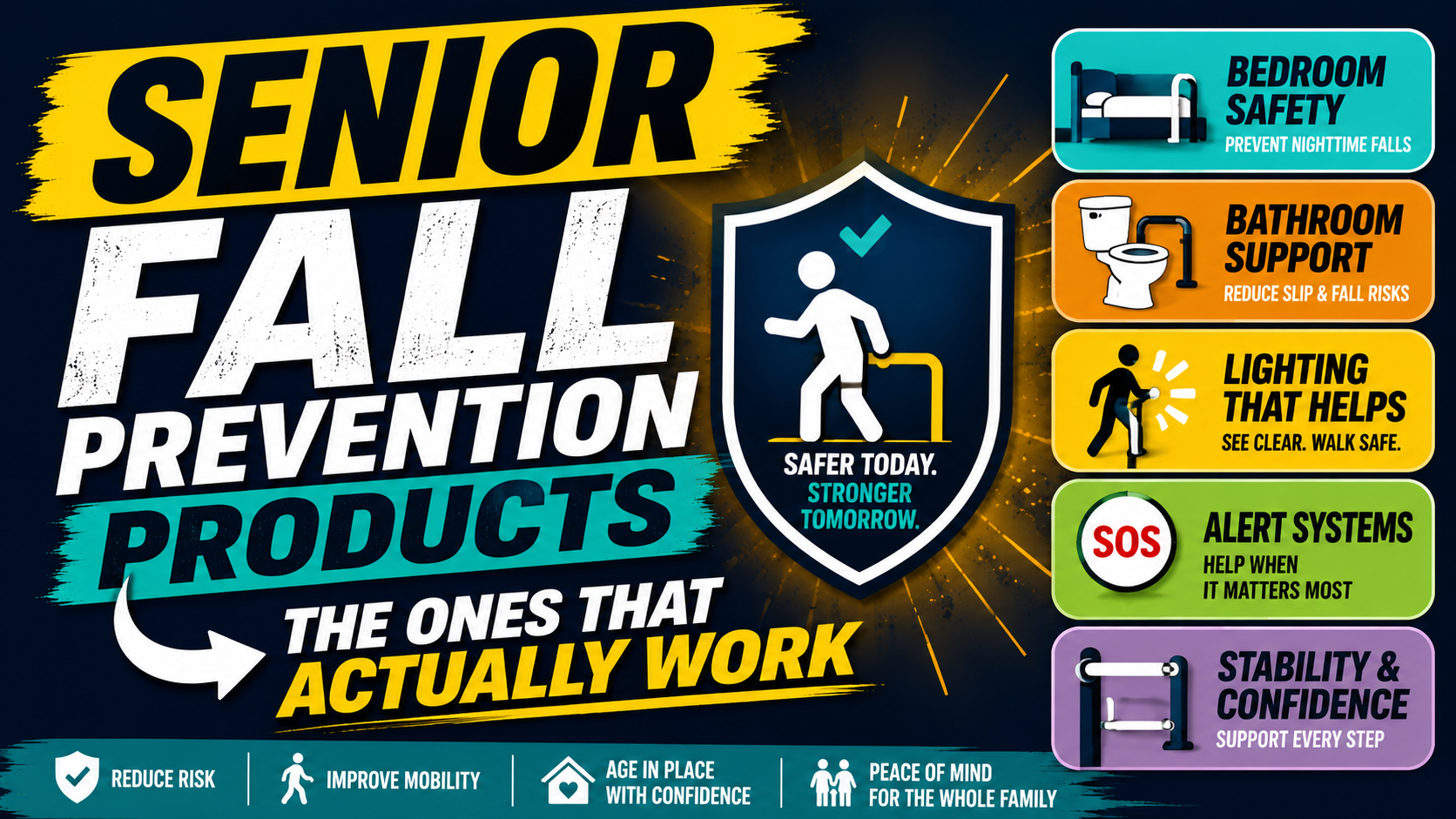
Our guide on senior fall prevention products that actually work covers every modification ranked by real-world impact. The fall detection watch belongs at the top of that list — not because it prevents falls but because it determines the outcome of the ones that happen despite every other measure.

Frequently Asked Questions
Do fall detection watches actually work?
Yes — fall detection technology in quality devices reliably detects the movement patterns consistent with falls. No system is 100 percent accurate — false positives occur when vigorous movement mimics a fall pattern, and false negatives can occur with very slow falls that don’t produce the expected acceleration signature. The cancel window in the SecuLife’s alert sequence reduces the practical impact of false positives. For the falls that matter most — those leaving the person unable to respond — automatic detection provides protection that no button-press system can match.
How far does the fall detection watch work from home?
The SecuLife works anywhere with cellular coverage — it operates on its own cellular connection independent of the home. There is no range limitation tied to a home base unit. Fall detection and GPS alerts work during outdoor walks, at stores, at family members’ homes, anywhere the person goes with the watch on their wrist.
Can a fall detection watch call 911 directly?

The SecuLife alerts designated family contacts who can then call 911 if emergency services are needed. For families who specifically want direct 911 connection through a professional monitoring center a monitored medical alert service provides this — at higher monthly cost. As covered in our guide on medical alert systems for seniors — the direct family alert model is more appropriate for the majority of falls that require assistance but not emergency services.
Is there a monthly fee for fall detection watches?
The cellular connectivity that powers GPS tracking and fall detection alerts requires a monthly service plan. The SecuLife’s monthly fee covers the cellular data for GPS, alert transmission, and two-way calling. As covered in our guide on how much a medical alert system costs — the monthly fee is standard for any cellular medical alert device and is significantly lower than traditional monitoring center services like Life Alert.
What’s the battery life on a fall detection watch?
The SecuLife typically provides one to two days of battery on a full charge. The nightly charging routine — watch in the charger before bed, on the wrist when getting dressed in the morning — maintains full battery throughout every waking hour without requiring active management. This routine is worth establishing from the first day as a consistent habit that ensures the watch is always charged and always worn during the hours when falls are most likely.
The Answer to the Question Every Family Carries
What happens if they fall and nobody knows?
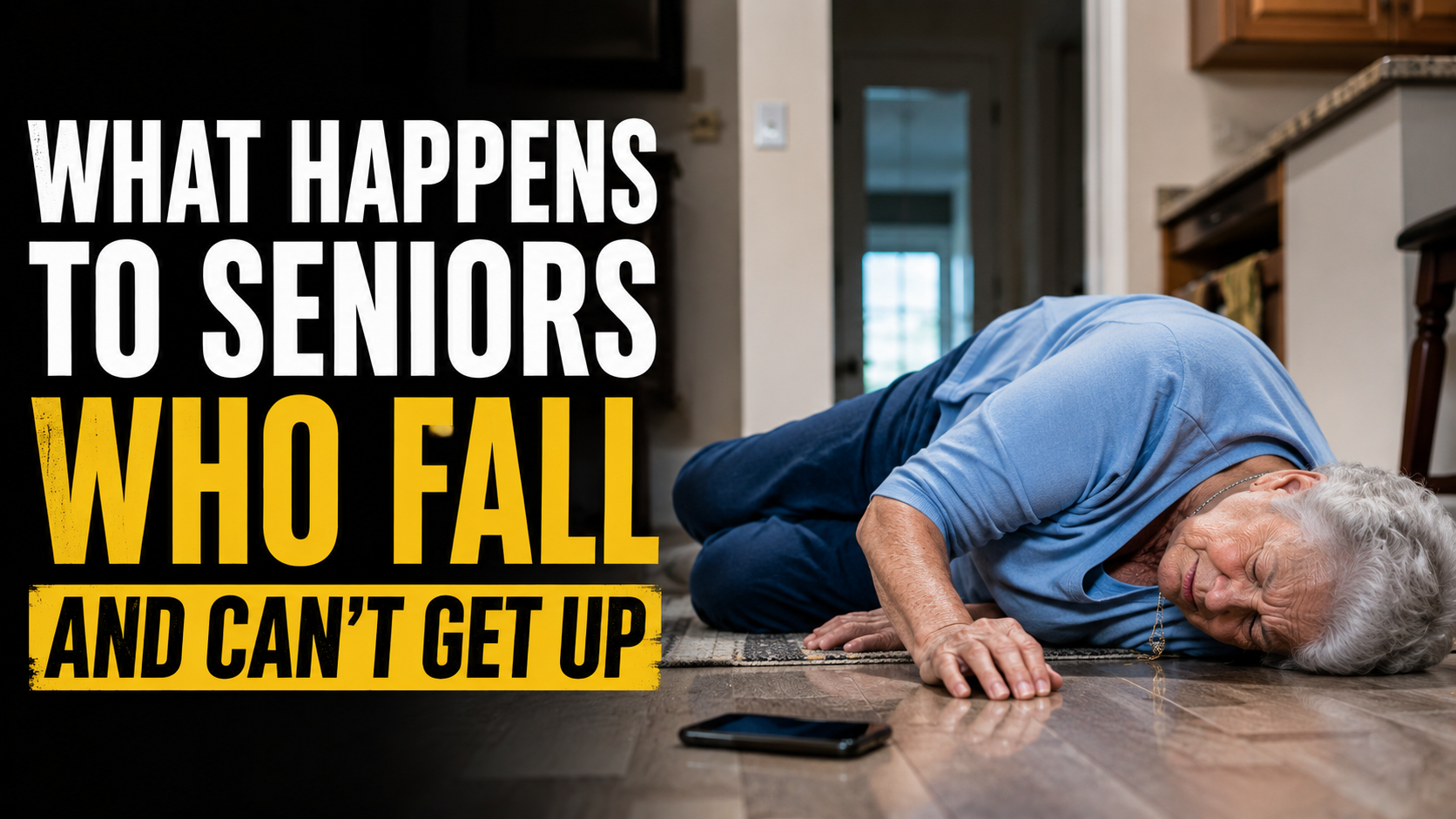
Without a fall detection watch — nothing happens until someone checks. That could be hours. As covered in our guide on what happens to seniors who fall and can’t get up — hours on a cold floor produce consequences that compound the fall injury into something far more serious.
With a fall detection watch on the wrist — family knows in seconds. They can speak through the watch to assess the situation. They can respond or dispatch emergency services with a GPS location accurate enough to find the person wherever they are.
That’s the answer. And it fits on a wrist.
→ Get the SecuLife Smartwatch on Amazon
About the Author
Tom Garrett spent eight years as an EMT responding to fall calls. The variable that determined what he found when he arrived — a person who had been on the floor for twenty minutes versus one who had been there for six hours — was almost always the same: whether any detection was in place. A fall detection watch worn consistently changes that variable from luck to certainty. He writes for Elder Safety Guide because the technology that closes the gap between a fall and discovery exists, works, and fits on a wrist — and every family that doesn’t know that is carrying a risk they don’t have to carry.