

Signs Your Elderly Parent Is Hiding Health Problems From You (And What To Do Next)
One of the hardest things about having an aging parent is realizing they may not be telling you everything.
I’ve talked to many families who were completely blindsided by a hospitalization, a serious fall, or a major diagnosis because they genuinely thought everything was fine.
The scary part is that many seniors intentionally hide health problems from their families.
Not because they’re trying to be dishonest.
Not because they don’t love their children.
Most of the time, they’re trying to protect their independence.
They don’t want their kids to worry.
They don’t want to lose control over their lives.
They don’t want anyone talking about moving, caregiving, driving restrictions, or assisted living.
So they stay quiet.
Unfortunately, that silence can allow small health issues to become major emergencies.
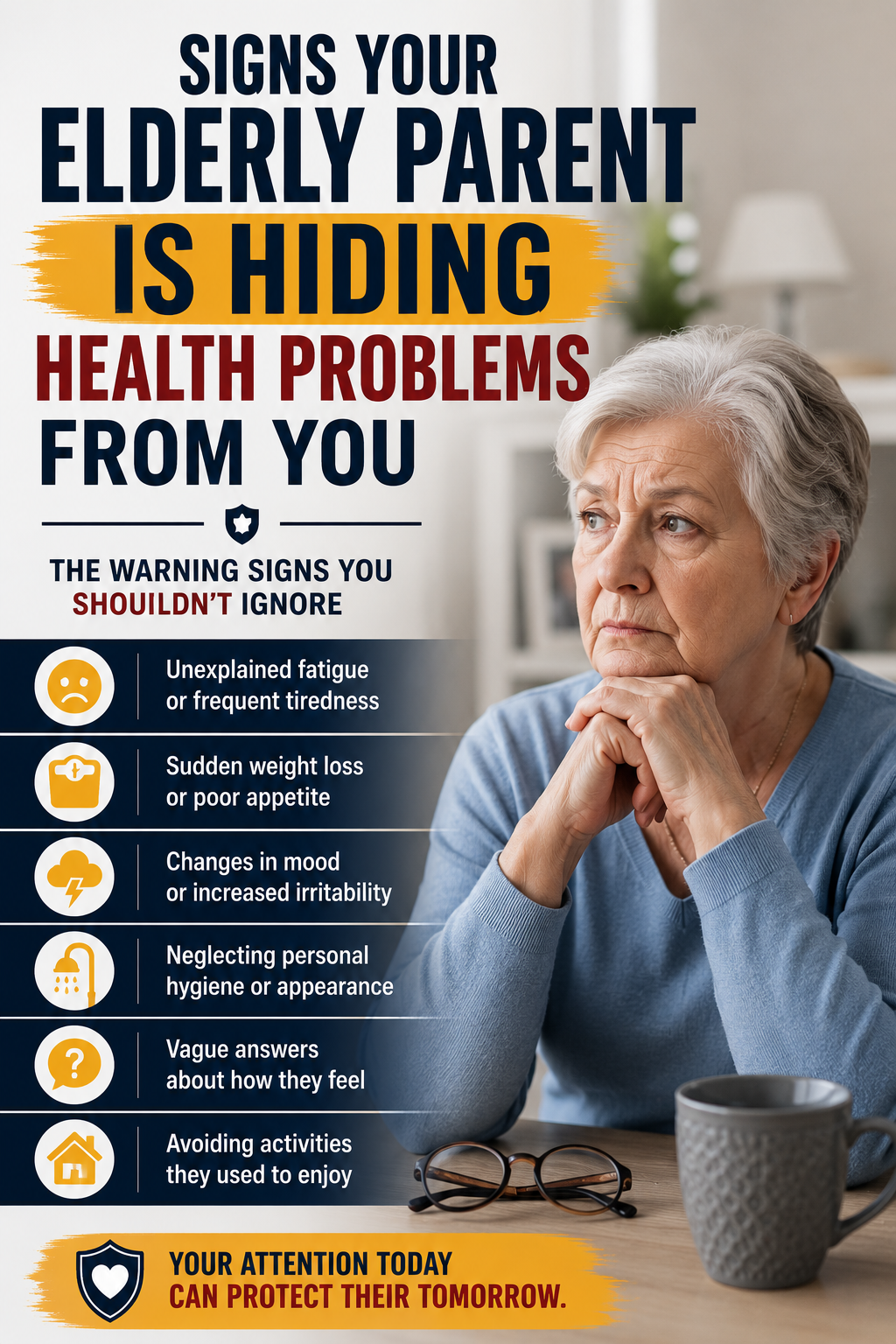
If you’ve started wondering whether your elderly parent is hiding health problems, there are often warning signs long before they admit something is wrong.
Why Seniors Hide Health Problems
Before talking about the warning signs, I think it’s important to understand why this happens.
Most aging parents don’t wake up one day and decide to deceive their family.
Instead, they slowly begin minimizing issues.
A bad fall becomes “just a little stumble.”
Chest pain becomes “probably nothing.”
Memory problems become “everyone forgets things.”
Many seniors fear that admitting health problems will trigger conversations they aren’t ready to have.
They worry about:
- Losing independence
- Losing their driver’s license
- Moving out of their home
- Becoming a burden
- Losing privacy
- Being treated differently
Ironically, hiding health problems often leads to exactly those outcomes.


They Suddenly Stop Talking About Their Health
One of the first signs I notice is when an aging parent becomes unusually quiet about their health.
Years ago, they may have openly discussed every doctor appointment.
Now they avoid the subject completely.
They change topics.
They give vague answers.
They insist everything is fine.
When someone becomes secretive about medical issues, it’s often because they don’t want follow-up questions.

They Miss Doctor Appointments
Many families assume older adults always attend their appointments.
That isn’t always true.
Some seniors begin canceling appointments because they don’t want bad news.
Others avoid doctors because they’re afraid a diagnosis could threaten their independence.
Missing appointments can allow manageable health conditions to become serious problems.
Their Home Starts Looking Different
I always tell families to pay attention to the home.
A senior’s living environment often reveals problems they won’t admit.
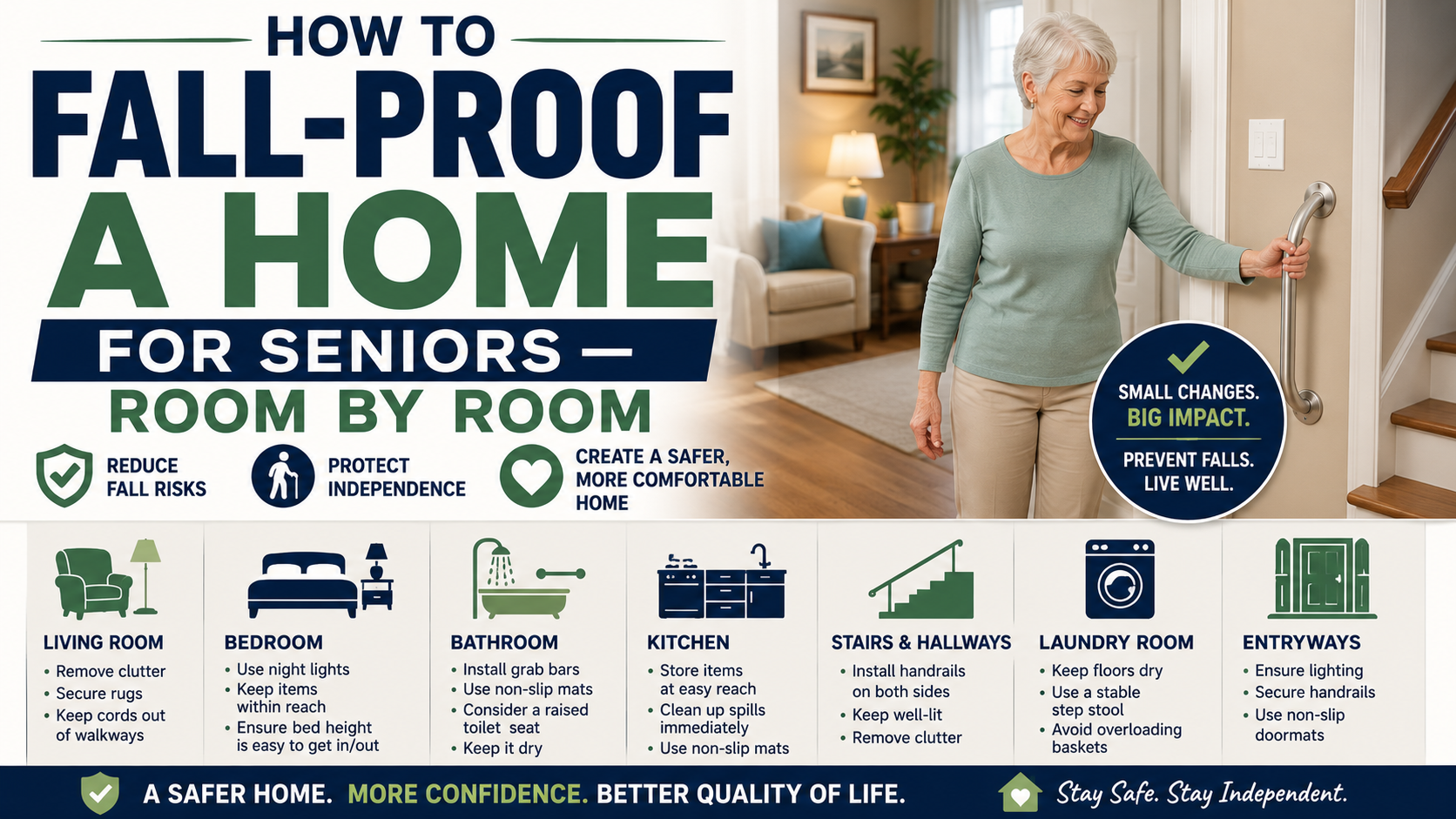
Look for:
- Unopened mail
- Dirty dishes
- Spoiled food
- Laundry piling up
- General clutter
- Missed household maintenance
These changes may indicate declining physical health, cognitive issues, depression, or mobility problems.
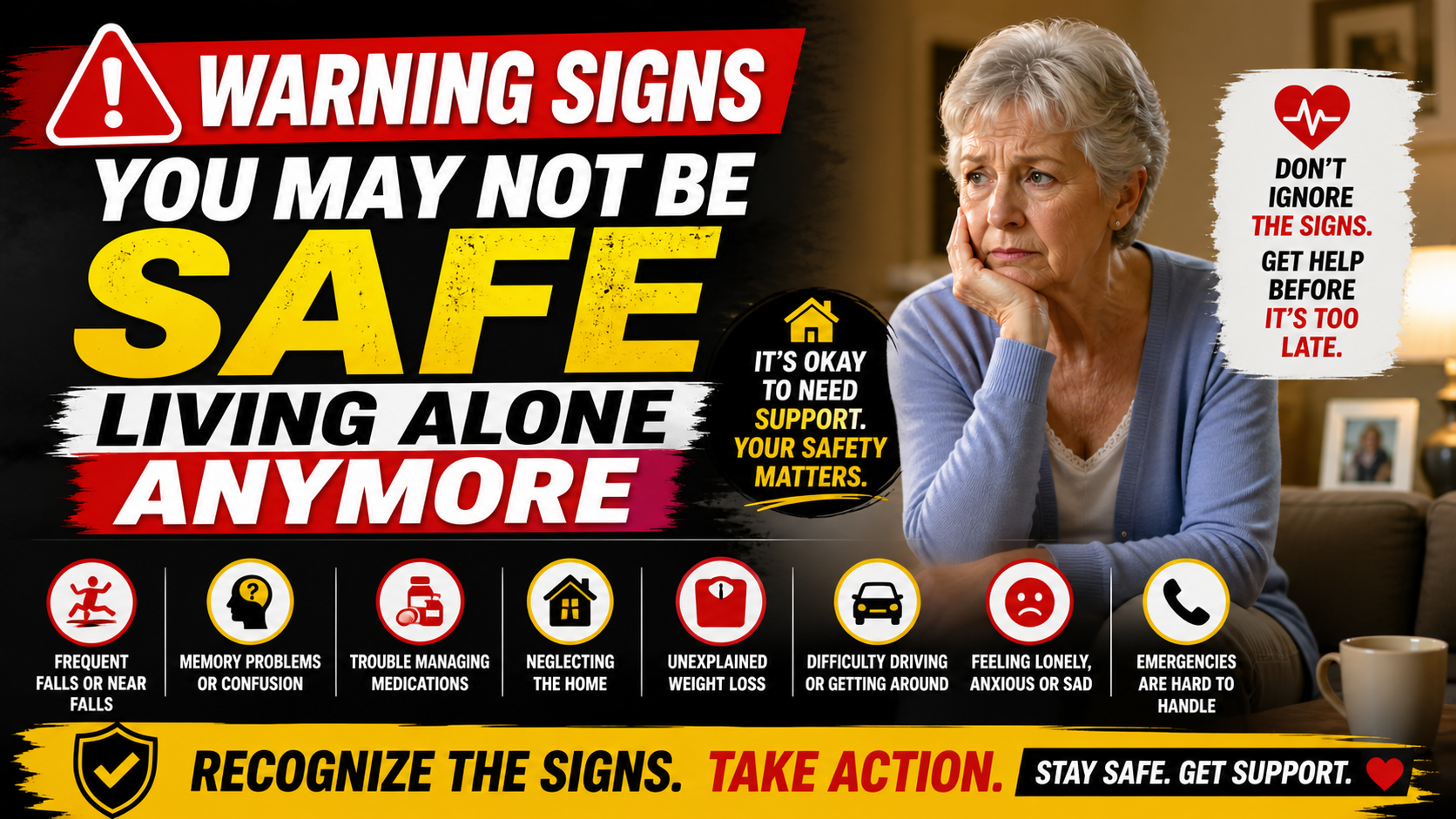
If you’re noticing multiple concerns, read our guide on warning signs you may not be safe living alone anymore.
Many of the same warning signs apply here.
They Stop Participating in Activities They Once Loved
Aging parents often hide symptoms by quietly eliminating activities.
Instead of admitting they feel weak, dizzy, or exhausted, they simply stop doing certain things.
Maybe they stop:
- Attending church
- Visiting friends
- Gardening
- Going shopping
- Participating in hobbies
Family members may assume they are simply slowing down.
Sometimes they are.
Other times, they’re compensating for an underlying health problem.
Their Weight Changes Without Explanation
Unexpected weight loss is one of the biggest red flags families overlook.
When I hear someone say:
“Dad has lost a lot of weight lately.”
I immediately become concerned.
Weight loss can be linked to:
- Medication problems
- Depression
- Difficulty preparing meals
- Dental issues
- Memory problems
- Chronic illness
Weight changes deserve attention, especially when combined with other warning signs.


They Have More Falls But Downplay Them
Many seniors never tell their doctor about falls.
In fact, some never tell their family either.
A parent might mention:
“I slipped a little.”
“I lost my balance.”
“It wasn’t a real fall.”
The problem is that falls are often early warning signs of larger issues involving strength, balance, vision, medication side effects, or neurological conditions.
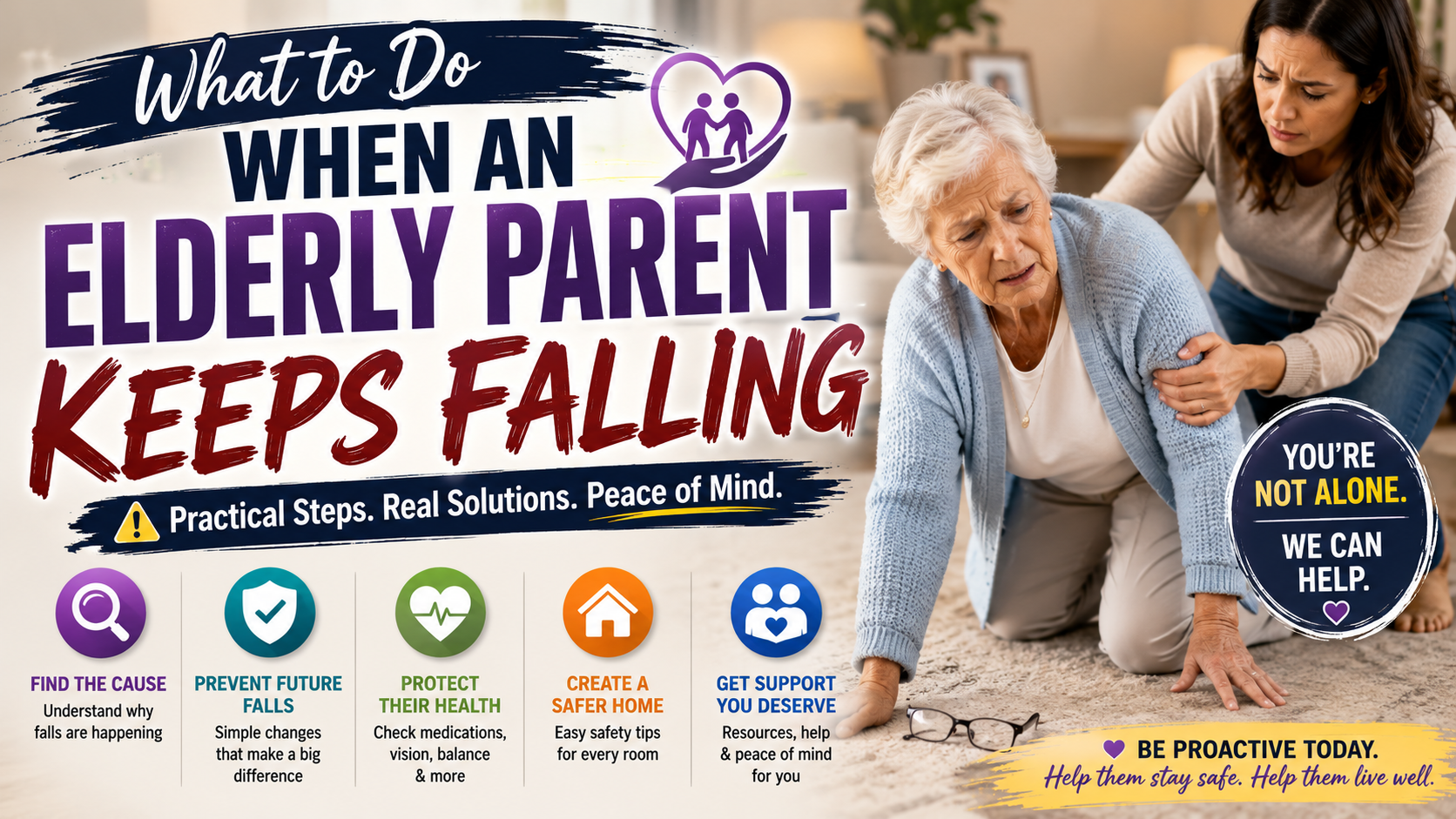
If your parent has fallen recently, I strongly recommend reading what to do when an elderly parent keeps falling.
Repeated falls are rarely random.
They Become Defensive When You Ask Questions
Defensiveness is often a clue.
If simple questions trigger frustration, there may be something they don’t want to discuss.
For example:
“How did your appointment go?”
“I’m fine.”
“Did the doctor say everything looked okay?”
“Why are you always asking me questions?”
The reaction is often more revealing than the answer.

Their Driving Changes
Driving problems are often one of the earliest signs that something is changing physically or mentally.
You may notice:
- New dents
- Getting lost
- Hesitation in traffic
- Confusion while driving
- Avoiding nighttime driving
These behaviors can signal health issues that go far beyond driving itself.

If you’ve started noticing these concerns, read signs an elderly parent should stop driving.
The article explains what families should watch for and when action may be necessary.
They Start Forgetting Important Things
Everyone forgets things occasionally.
What concerns me is when the forgetfulness begins affecting daily life.
Examples include:
- Missing medications
- Forgetting appointments
- Repeating questions
- Losing track of bills
- Forgetting conversations
Sometimes this represents normal aging.
Sometimes it doesn’t.

That’s why I encourage families to review normal aging vs something worth worrying about.
Understanding the difference can help prevent both overreacting and underreacting.
They Refuse Help Even When They Clearly Need It
This is probably one of the most common patterns I see.
The parent struggles.
Everyone around them notices.
Yet they continue insisting:
“I’m fine.”
“I don’t need help.”
“I can handle it.”
Unfortunately, refusing help often delays solutions that could improve both safety and quality of life.
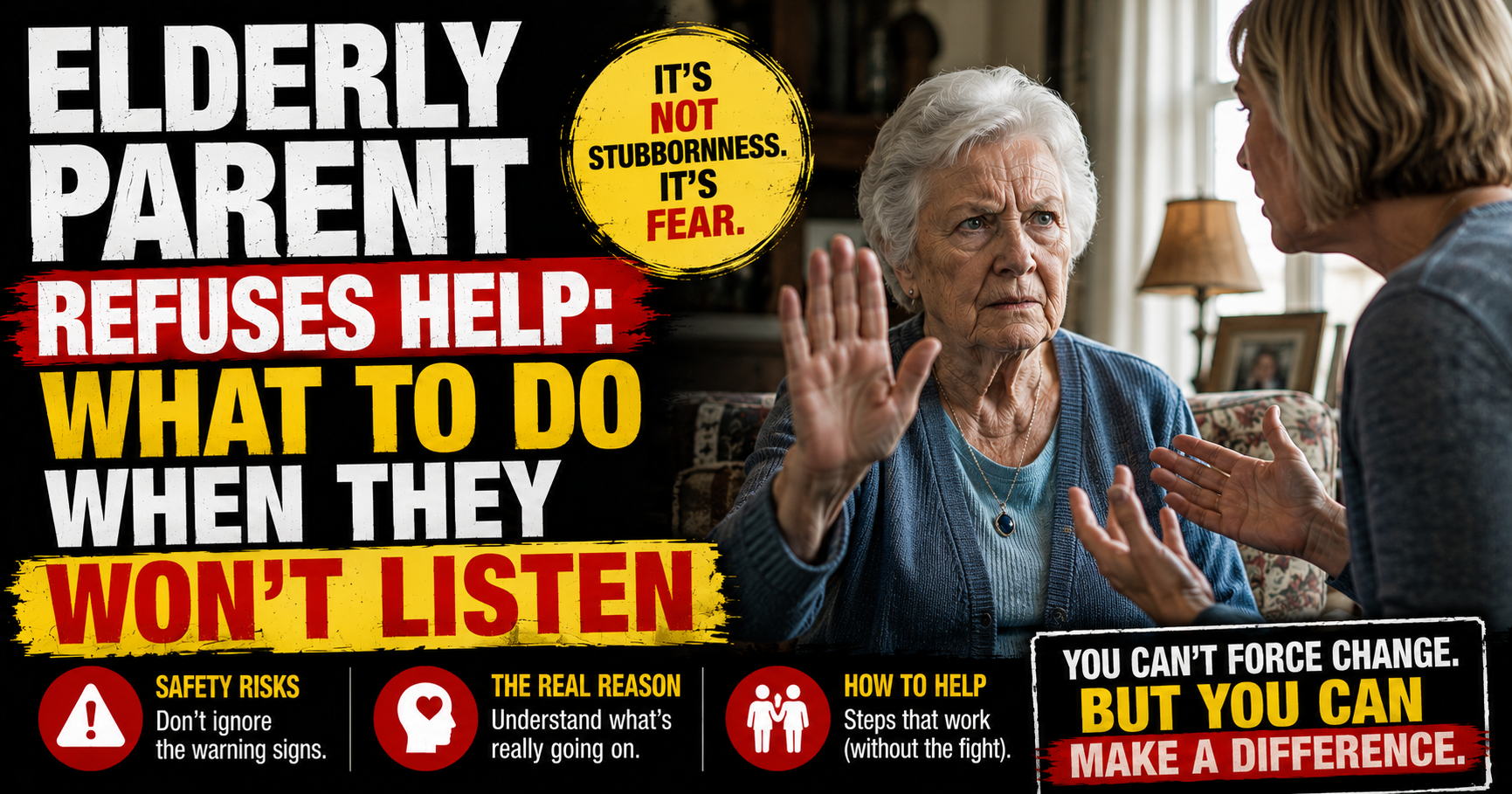
If this sounds familiar, I recommend reading elderly parent refuses help.
Understanding why seniors resist assistance can completely change how families approach the conversation.
They Start Missing Medications
Medication mistakes are surprisingly common.
Many seniors become experts at hiding them.
You might notice:
- Full pill bottles
- Missed refills
- Confusion about medications
- Multiple doses taken accidentally
Medication errors can cause:
- Falls
- Dizziness
- Confusion
- Hospitalizations
This is often one of the earliest signs that additional support may be needed.
Their Personal Hygiene Changes
Families often feel uncomfortable discussing this topic.
Still, it matters.
Warning signs may include:
- Wearing the same clothes repeatedly
- Skipping showers
- Unwashed hair
- Body odor
- Poor grooming
These changes may indicate physical limitations, depression, cognitive decline, or other health concerns.
Long-Distance Families Often Miss These Signs
Distance makes everything harder.
A weekly phone call can create the illusion that everything is fine.
Meanwhile, significant changes may be occurring behind the scenes.

If you live far away, consider reviewing how to help aging parents from a distance.
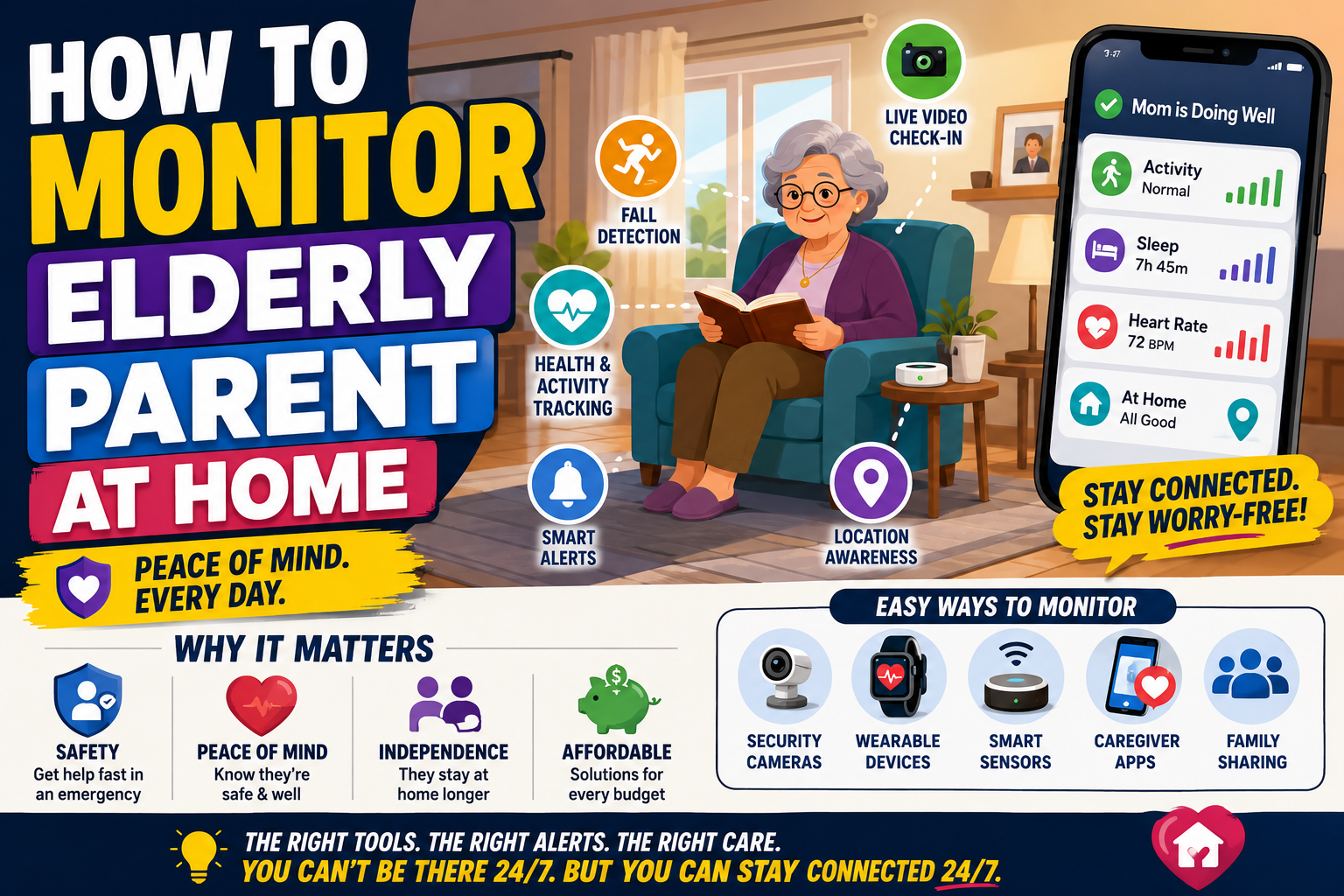
You may also benefit from learning how to monitor an elderly parent at home.
Both guides provide practical ways to stay informed without becoming overly intrusive.
How To Start The Conversation
One mistake I see families make is leading with accusations.
Avoid:
- You’re hiding things from me.
- What’s really going on?
- You’re not telling me the truth.
Instead, focus on concern.
Try:
- I’ve noticed a few things lately and wanted to check on you.
- Is there anything you’ve been dealing with that we haven’t talked about?
- I care about you and want to make sure you’re okay.
A gentle approach usually gets better results.
When It May Be Time For More Help
Sometimes these warning signs point toward a larger issue.
When multiple concerns begin appearing together, families should take them seriously.
Examples include:
- Falls
- Weight loss
- Memory problems
- Driving concerns
- Missed medications
- Social withdrawal
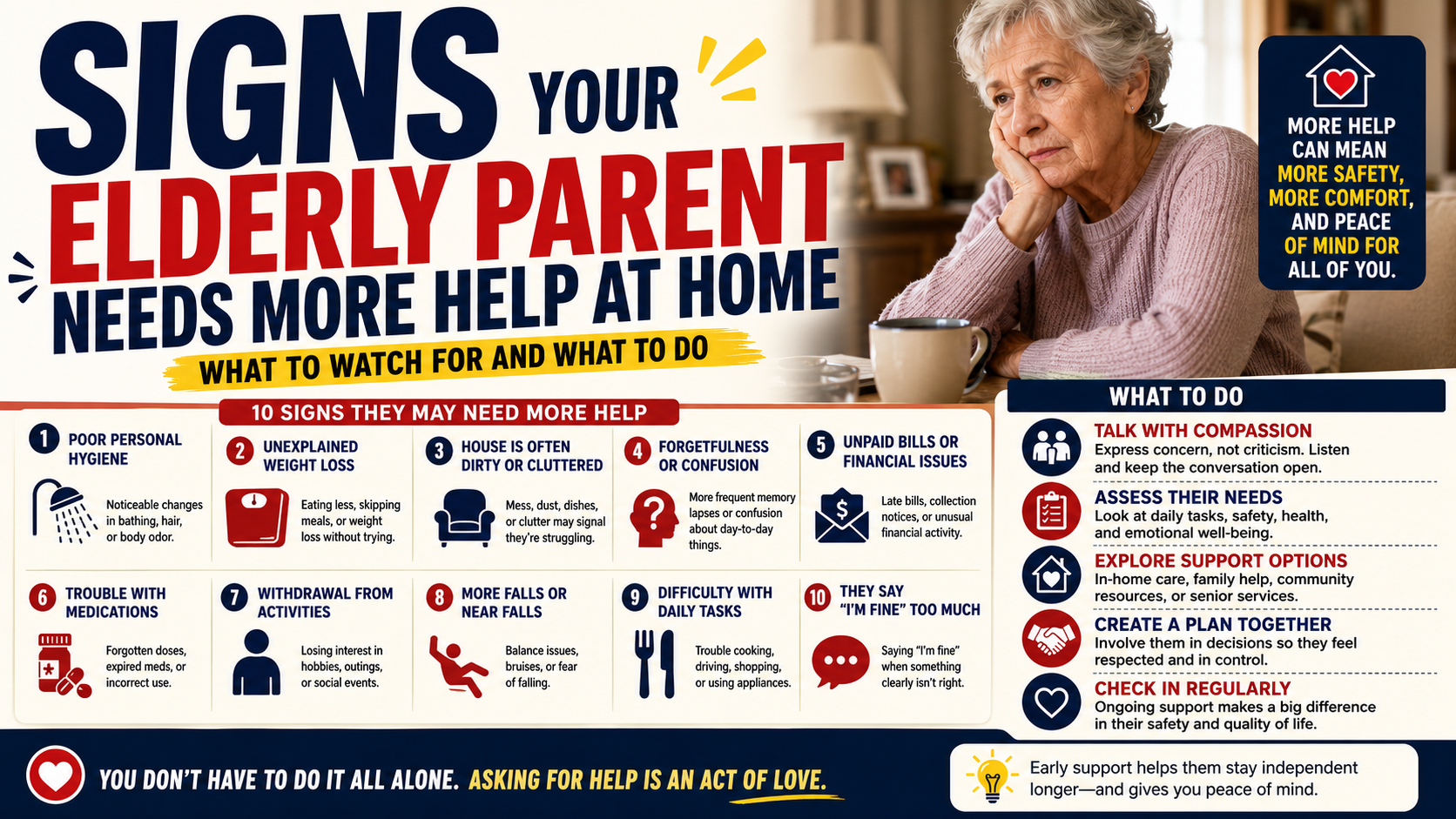
If you’re seeing several of these at once, read signs your elderly parent needs more help at home.
That guide can help you determine whether additional support may be necessary.
Trust Your Gut
I’ve spoken with many families who said the same thing after a crisis:
“I knew something wasn’t right.”
Often they noticed subtle warning signs months earlier.
The problem wasn’t that they missed the clues.
The problem was convincing themselves those clues weren’t important.
If your instincts are telling you something has changed, pay attention.
You may not know exactly what is wrong.
But your concern may be the first sign that your parent needs help.
The earlier health problems are identified, the more options families typically have.
Waiting rarely makes things easier.
About the Author
Michael Carter is a senior safety researcher and writer for Elder Safety Guide. He focuses on aging in place, caregiver education, fall prevention, dementia safety, home accessibility, and helping families recognize safety risks before they become emergencies. His goal is to provide practical, easy-to-understand advice that helps older adults remain safe, independent, and informed as they age.